SSDO

Youth Monitoring Nigeria Tax Act 2025

Public policy achieves its purpose when citizens understand it and institutions remain accountable for its implementation. Tax reforms, in particular, depend on public confidence, transparency, and continuous engagement between government and the people they serve.

South Saharan Social Development Organisation (SSDO) strengthens governance systems in Enugu State by designing community-centred accountability frameworks that bridge the gap between public policy and citizen participation.

Through the Strategic Partnership Agreement (SPA II) Project, implemented in partnership with ActionAid Nigeria, SSDO is supporting evidence-driven governance reforms that improve transparency, public accountability, and inclusive decision-making. One of these interventions is the Youth Monitoring of the Nigeria Tax Act 2025, which places young people at the centre of citizen oversight and policy implementation.
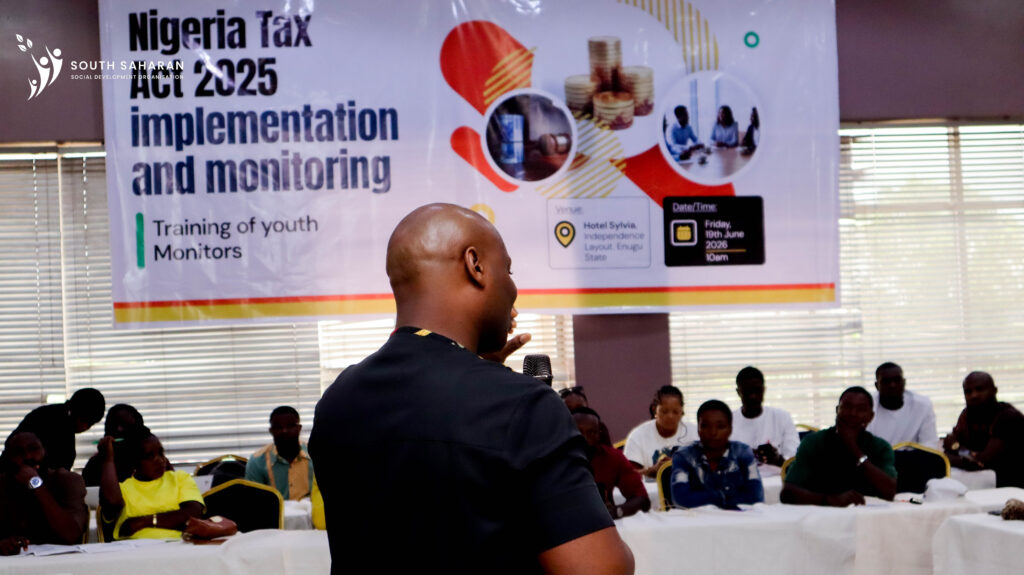
Why the Nigeria Tax Act 2025 Requires Citizen Monitoring

The Nigeria Tax Act 2025 introduces significant reforms aimed at strengthening tax administration, improving compliance, and enhancing domestic revenue mobilisation. While legislative reforms provide the legal framework for change, their effectiveness depends on how well they are understood, implemented, and monitored at the community level.

Many citizens interact with tax policies through local markets, small businesses, and everyday commercial activities. Without adequate public understanding, misconceptions can undermine compliance, while weak implementation can reduce public confidence in government institutions. Structured citizen engagement helps bridge this gap by ensuring that communities not only understand the reforms but also contribute evidence that supports continuous improvement.

Youth Monitoring of the Nigeria Tax Act 2025 Across Enugu State

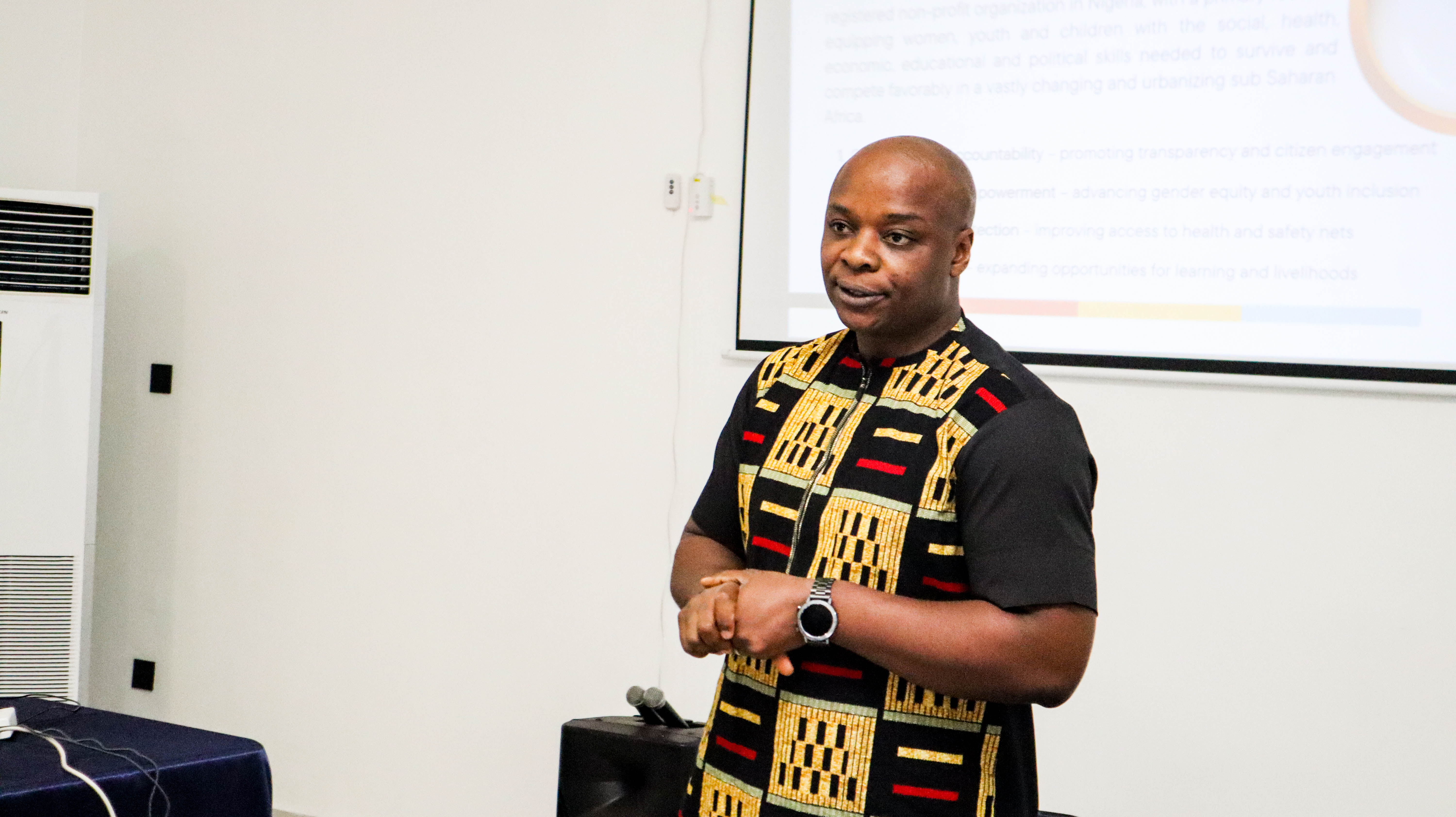
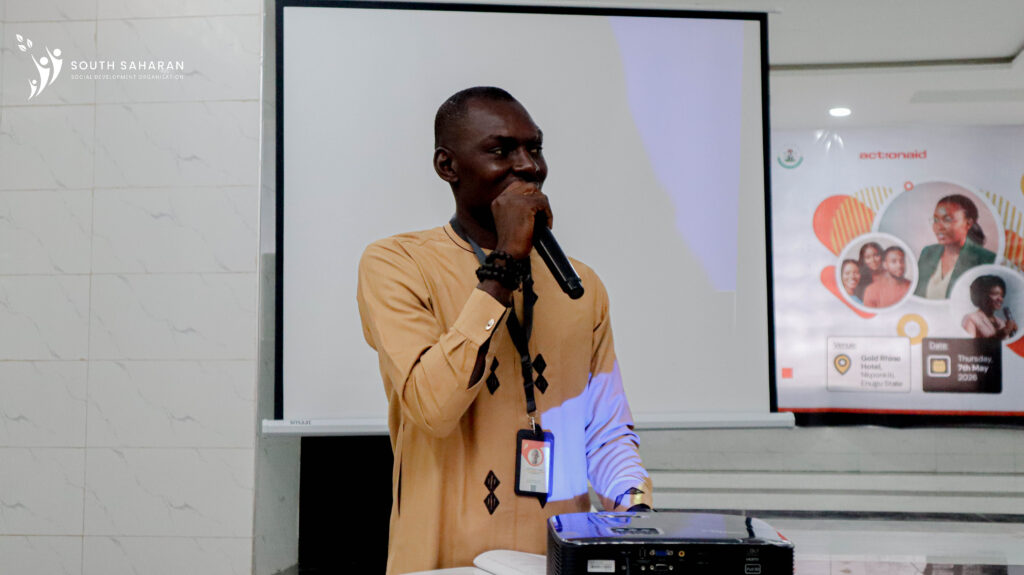
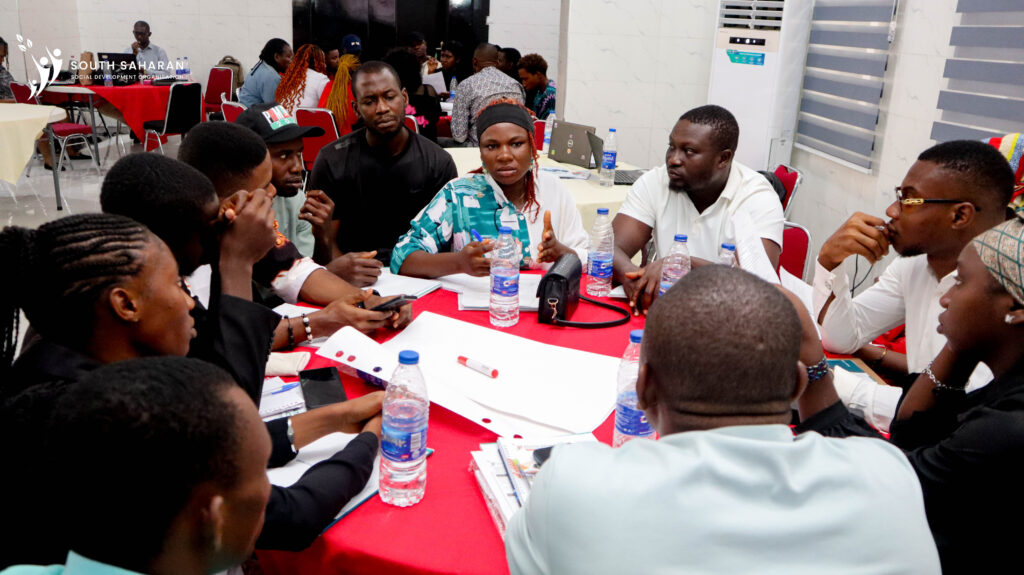
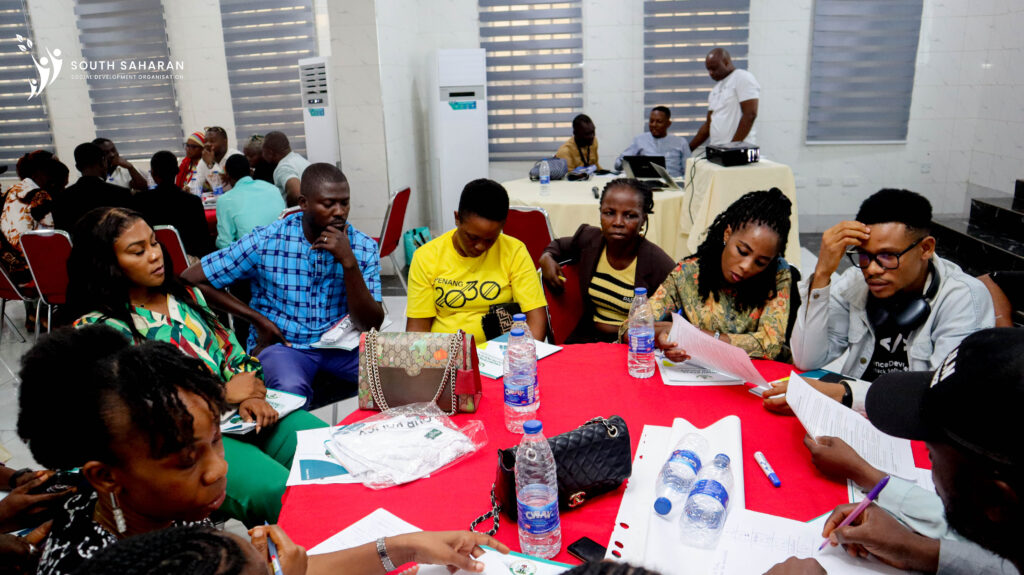
To strengthen citizen oversight of the new tax framework, SSDO trained and deployed youth monitors representing all 17 Local Government Areas of Enugu State. The initiative equipped participants with practical knowledge of the provisions of the Nigeria Tax Act 2025, taxpayer rights and obligations, accountability mechanisms, and community-based monitoring approaches.

Rather than limiting participation to awareness campaigns, the programme positioned young people as active contributors to governance processes. The youth monitors were prepared to engage directly with citizens while documenting how the reforms are experienced across different communities. This approach transforms young people from policy observers into partners in strengthening public accountability.
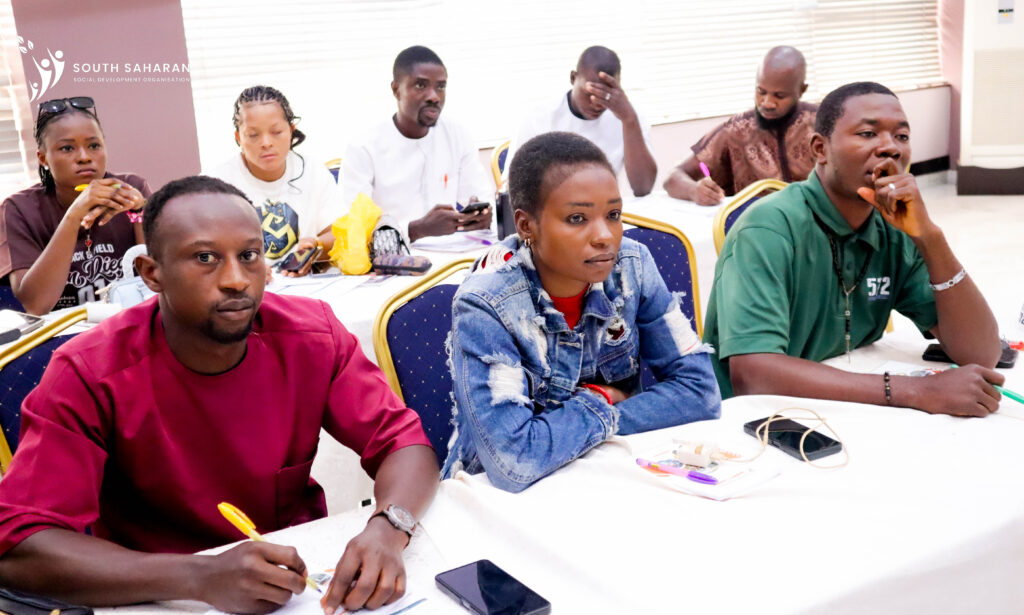

Connecting Communities to Public Institutions

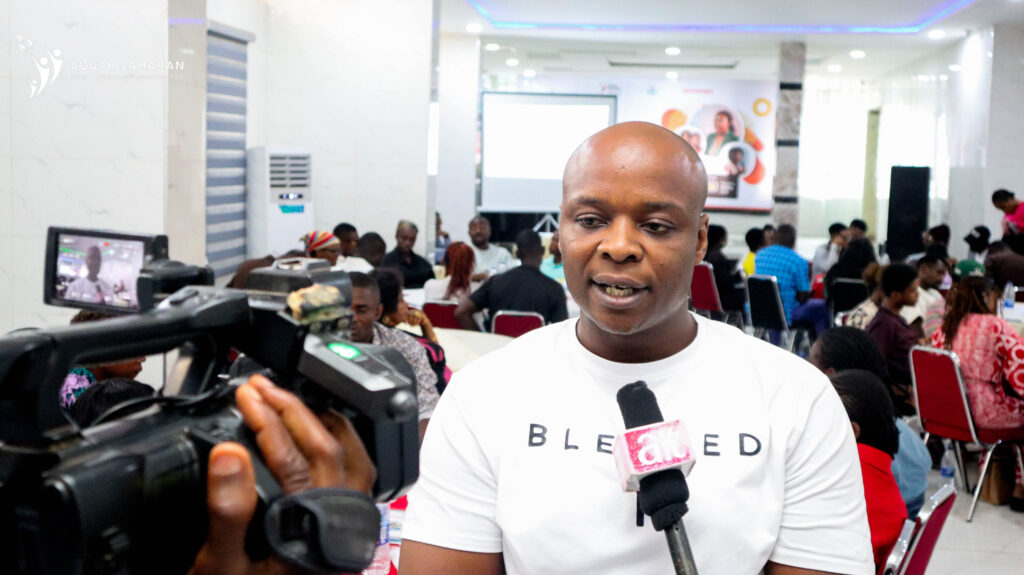
Following the training, the youth monitors began engaging traders, small business owners, and community members across the state. These engagements focused on increasing public understanding of the Nigeria Tax Act 2025 while creating opportunities for citizens to share their experiences with tax administration and service delivery.

The exercise examined how taxpayer protections are being implemented, how communities perceive the reforms, and whether public revenue is translating into visible improvements in essential services. By documenting these experiences, the initiative generates practical evidence that reflects how policy functions beyond government institutions and within everyday community life.

This community-centred approach strengthens trust by creating structured channels through which citizens can contribute to governance while public institutions gain valuable insights for policy refinement.

Strengthening Accountability Through Evidence

Accountability systems become more effective when decision-making is informed by reliable evidence. The Youth Monitoring of the Nigeria Tax Act 2025 extends beyond public sensitisation by generating citizen-led data that can support future policy dialogue with relevant government institutions.

The findings from the monitoring exercise will contribute to discussions on tax administration, implementation challenges, and opportunities for institutional improvement. Evidence collected across the 17 Local Government Areas will also help identify emerging trends that can strengthen transparency, improve taxpayer confidence, and support more responsive governance systems.

By embedding monitoring within community engagement, SSDO is demonstrating how citizen-generated evidence can become a valuable resource for strengthening public institutions.

Advancing Youth Participation in Governance

Youth participation in governance extends beyond representation or consultation. Sustainable governance requires young people to understand public policies, engage constructively with institutions, and contribute meaningfully to accountability processes.

Through the Youth Monitoring of the Nigeria Tax Act 2025, SSDO is strengthening the capacity of young people to educate their communities, monitor policy implementation, and generate evidence that supports governance reform. The initiative reinforces the role of youth as partners in building transparent institutions and improving public service delivery.

As governance systems increasingly rely on evidence to guide reform, community-based monitoring will remain essential to strengthening accountability and public trust. SSDO continues to advance governance interventions that connect citizens with institutions, strengthen policy implementation, and promote more transparent and responsive governance across Enugu State.
Enugu State Donor Coordination Committee Meeting

Sustainable development depends on coordinated institutions, evidence-informed decision-making, and partnerships that align public priorities with community needs.

In Enugu State, South Saharan Social Development Organisation (SSDO) contributes to this process by designing and implementing programmes that strengthen governance, public health, gender equality, education, and livelihoods.

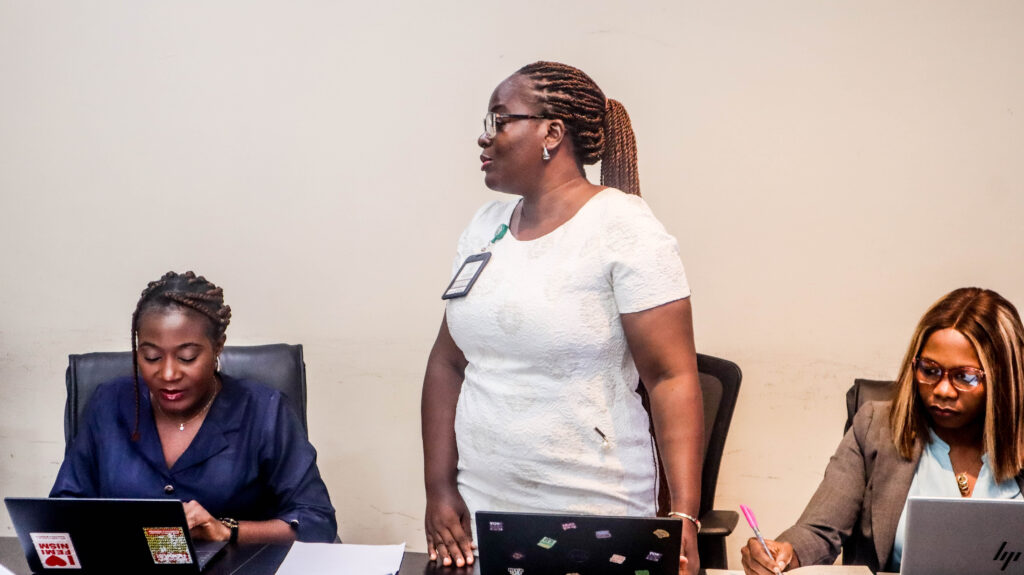
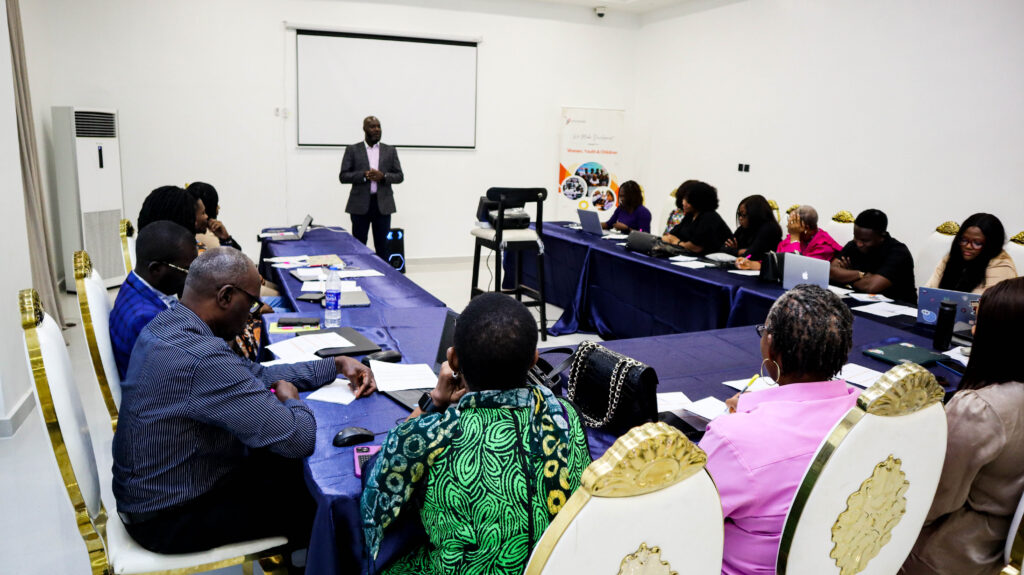
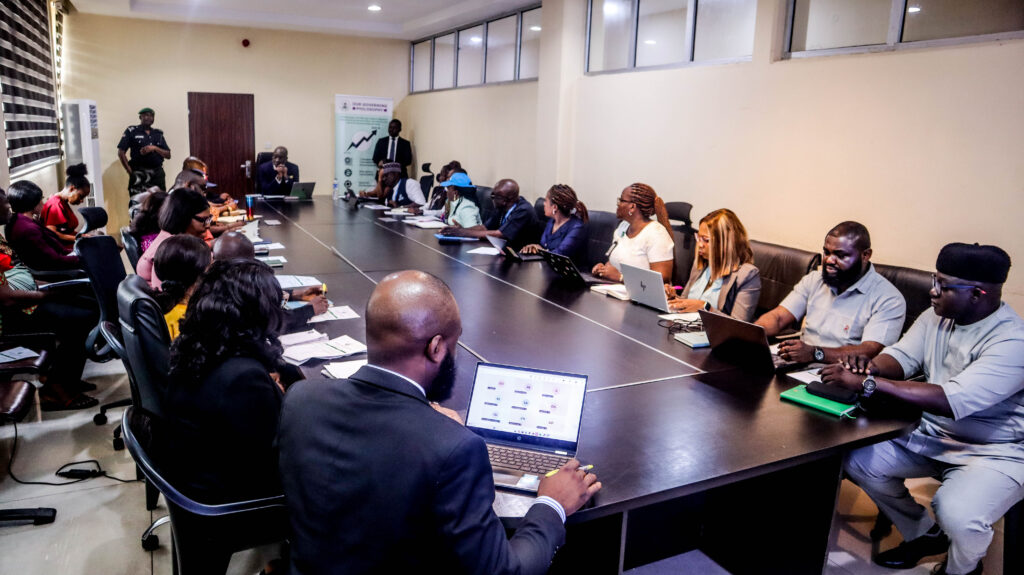
At the Enugu State Donor Coordination Committee Meeting, SSDO joined government institutions and development partners to share progress, exchange lessons, and strengthen collaboration around development priorities across the State.

Development challenges rarely exist in isolation. Progress in governance influences health outcomes. Strong education systems support economic opportunities. Gender equality strengthens community resilience, while accountable institutions improve service delivery. Addressing these interconnected challenges requires coordinated action across sectors and institutions.

Strengthening Development Through Partnership

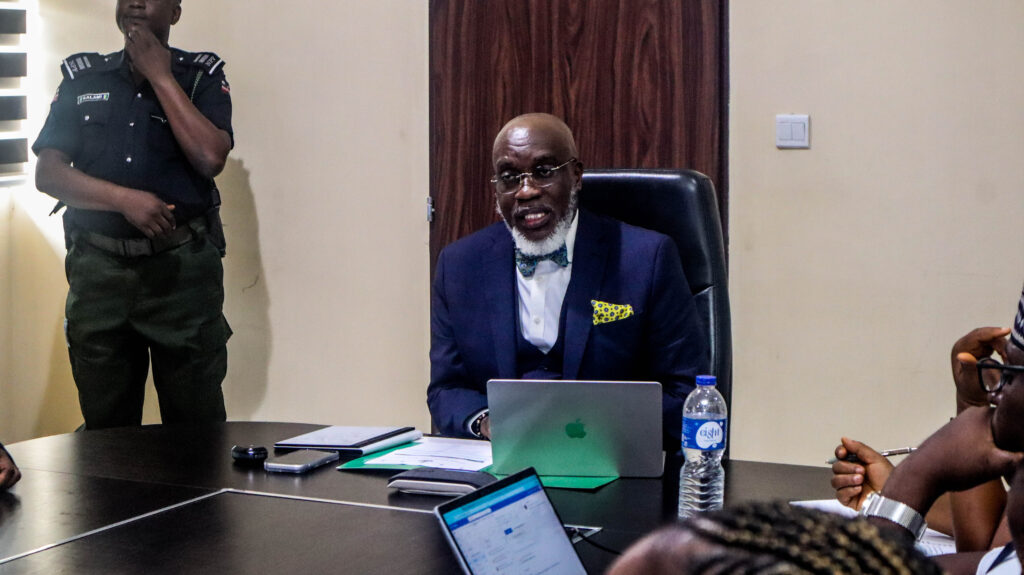
Convened by the Secretary to the State Government, Prof. Chidiebere Onyia, the Enugu State Donor Coordination Committee Meeting provided a platform for development partners, government agencies, and implementing organisations to review ongoing interventions, identify emerging priorities, and strengthen collaboration.

The engagement reinforced the importance of aligning development investments with government priorities while encouraging organisations to share evidence, lessons learned, and opportunities for collective action.

For SSDO, the meeting highlighted the value of integrated programming that connects governance reform, community development, public health, and social protection within a single systems-based approach.

Supporting Governance and Public Policy Reform

Governance remains one of SSDO’s core areas of intervention.

The organisation has supported the development and implementation of key state policy frameworks, including the Enugu State Youth Policy, the Enugu State Climate Change Policy and Action Plan, and the Enugu State Women’s Economic Empowerment (WEE) Policy.

Through the Strategic Partnership Agreement (SPA II) Project, implemented in partnership with ActionAid Nigeria, SSDO also continues to strengthen youth participation, climate governance, voter education, Permanent Voter Card (PVC) registration, and accountability processes that improve citizen engagement and institutional responsiveness.

These interventions contribute to stronger governance systems that are more inclusive, transparent, and responsive to public needs.

Strengthening Communities Through Integrated Programming

Beyond governance, SSDO continues to implement programmes that improve protection, health, education, and livelihoods across communities.

Through the Sister Guardian Initiative (SGI), the organisation has established community-based protection systems that prevent and respond to gender-based violence while strengthening women’s leadership and access to support services.

Economic resilience is further promoted through Village Savings and Loan Associations (VSLAs) and the Jacob’s Well Programme, which expand financial inclusion and livelihood opportunities for women.

Within the health sector, SSDO supports tuberculosis detection and treatment, drug-resistant TB management, HIV and syphilis screening among pregnant women, malaria prevention, immunisation support, maternal mental health interventions, and broader community health programmes that strengthen access to essential healthcare.

The organisation also invests in education and youth development through initiatives such as Radio School, digital literacy programmes, civic education, leadership development, and practical skills-building opportunities that prepare young people to participate meaningfully in society.

Creating Greater Impact Through Collaboration

The meeting reinforced that sustainable development is achieved when institutions work together around shared priorities, supported by reliable evidence and coordinated implementation.

Sharing experiences across sectors enables government and development partners to identify successful approaches, strengthen institutional learning, and improve the effectiveness of future interventions.

These partnerships also create opportunities to maximise available resources while reducing duplication and strengthening accountability across development programmes.

Advancing Sustainable Development in Enugu State

The Enugu State Donor Coordination Committee Meeting demonstrated the importance of collaboration in delivering lasting development outcomes.

By contributing evidence from its work across governance, health, gender equality, education, and livelihoods, SSDO continues to support integrated development approaches that strengthen public institutions and improve community wellbeing. Through strategic partnerships and systems-focused interventions, the organisation remains committed to advancing accountable governance, amplifying community voices, and supporting sustainable development across Enugu State.

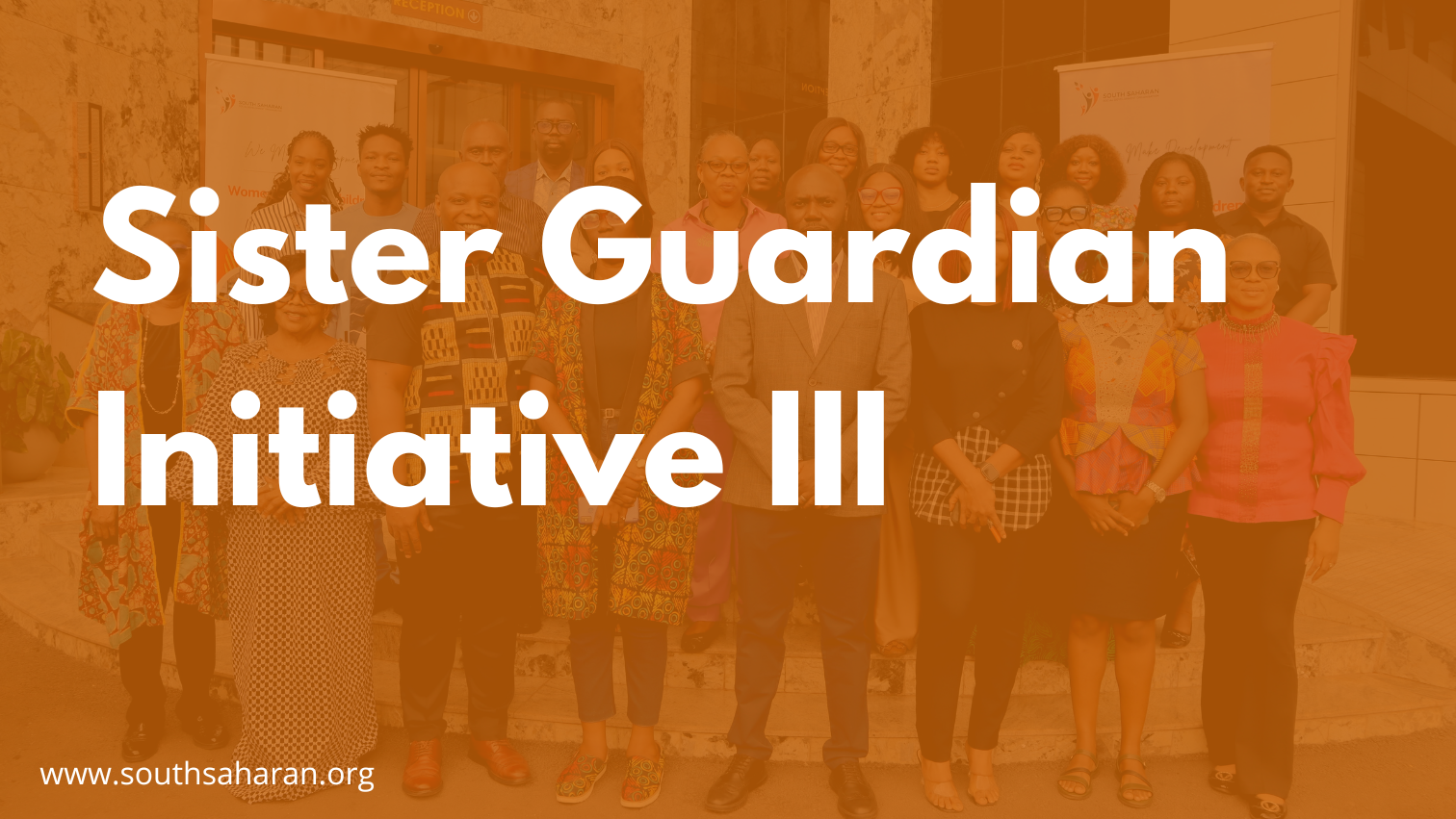
Sister Guardian Initiative III

South Saharan Social Development Organisation (SSDO) strengthens community-based protection systems by designing and implementing models that prevent gender-based violence, promote women’s leadership, and improve access to support services.

Gender-based violence remains a persistent challenge across many communities, where survivors often face barriers to reporting abuse, accessing support services, and obtaining justice. While national policies and legal frameworks provide important protection, sustainable change also depends on trusted community structures that can prevent violence, support survivors, and promote positive social norms.

Through Sister Guardian Initiative III, SSDO is expanding one of its longest-running community protection models by partnering with civil society organisations to strengthen locally driven responses to gender-based violence across Nigeria.

A Community-Led Protection Model

For more than a decade, SSDO has implemented the Sister Guardian Initiative (SGI) as a community-led approach to preventing and responding to gender-based violence.

The model builds networks of respected women leaders who serve as trusted first responders within their communities. These women provide guidance, facilitate referrals, mediate community concerns where appropriate, and support women and girls experiencing violence, discrimination, and harmful traditional practices.

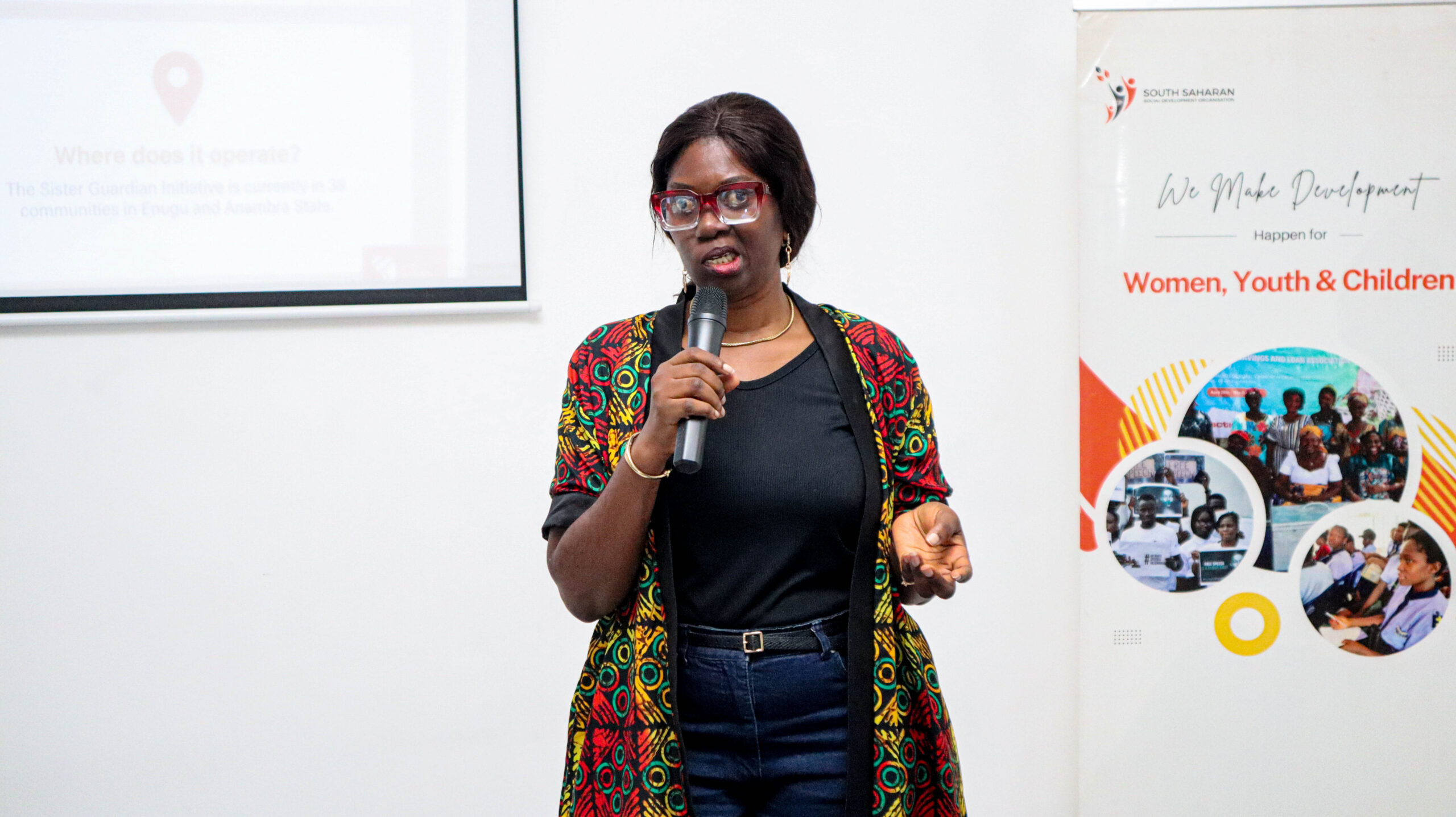
Over time, the initiative has evolved into a recognised community-based protection system operating across more than 38 communities in Enugu and Anambra States, demonstrating how locally rooted leadership can strengthen prevention, protection, and community accountability.

Expanding the Sister Guardian Initiative III Model

Building on this experience, Sister Guardian Initiative III seeks to extend the model beyond its original implementation areas by supporting six partner organisations to adapt and implement the approach within their own communities.

The participating organisations include Women Environmental Programme Benue Initiative (WEPBI), Ada Oji River Nigeria, Cassidy and Theresa Foundation, Bridge the Gap Initiative, Women’s Rights and Health Project (WRAHP), and Girl Child Education and Women Health Development Foundation.

By working through experienced local organisations, SSDO is expanding community-based protection systems while allowing the model to respond to different cultural, social, and institutional contexts across Nigeria.

Strengthening Partner Capacity for Community Protection

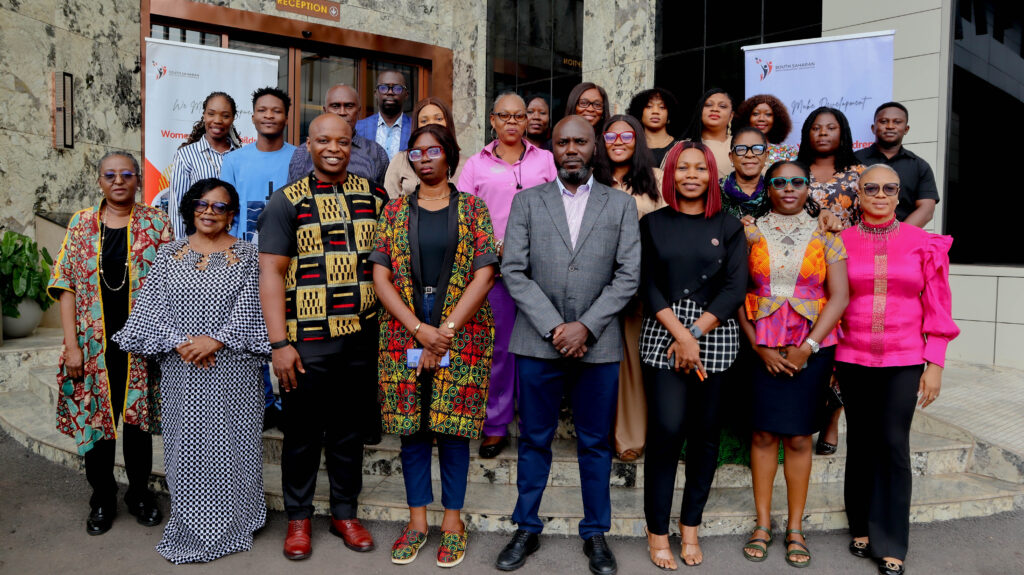
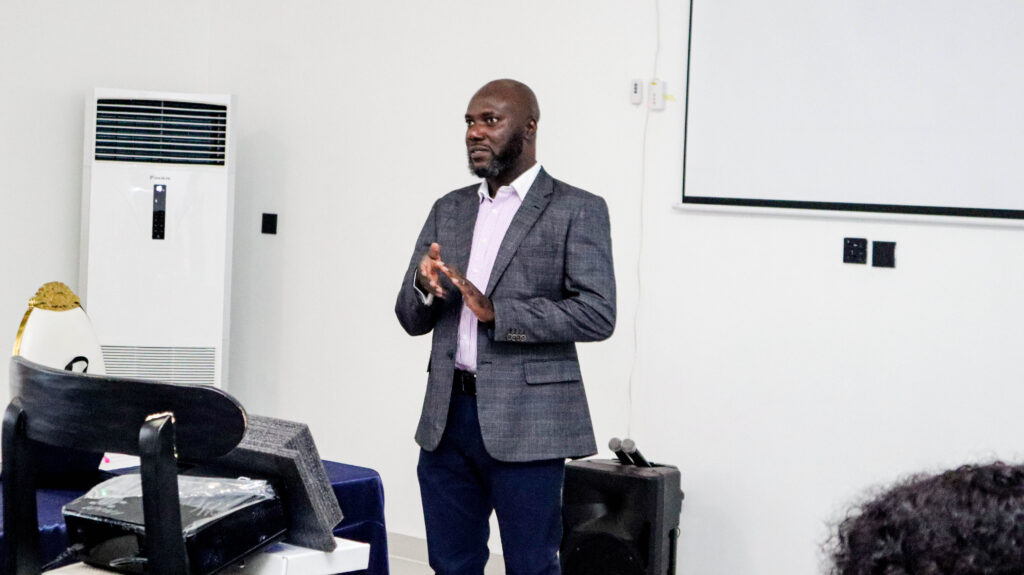
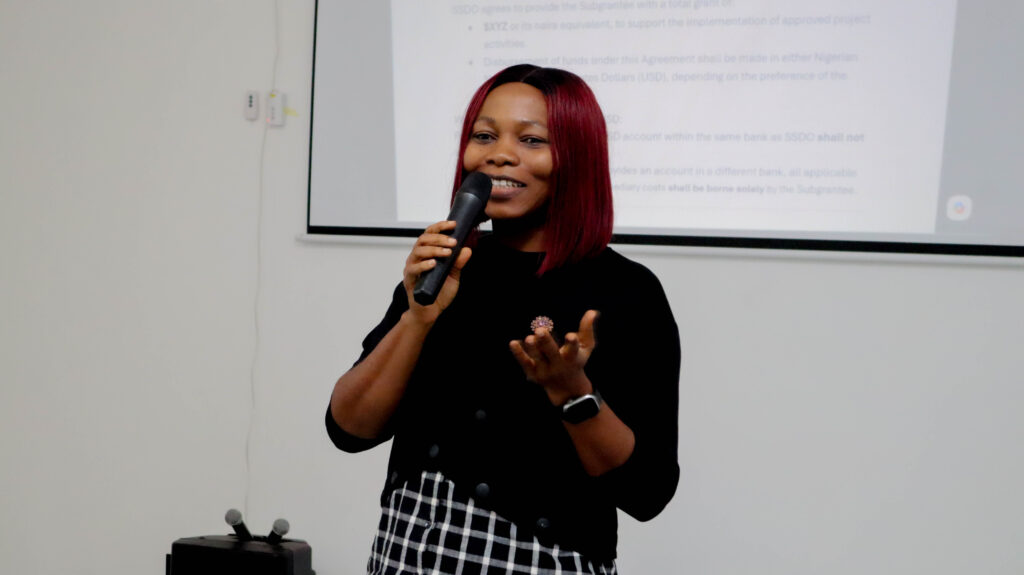
To commence implementation, SSDO convened an inception meeting with all six sub-grantee organisations.

The engagement introduced the overall project framework while sharing lessons drawn from more than ten years of implementing the Sister Guardian model. Participants explored the principles that underpin community-led protection systems and developed a shared understanding of expectations for the next phase of implementation.

The meeting also strengthened alignment among partners, ensuring that implementation remains consistent while allowing flexibility for local adaptation.

Building Systems for Sustainable Implementation

Technical discussions focused on the practical systems required for successful implementation.

Sessions covered community-led responses to gender-based violence, safeguarding standards, referral pathways, Village Savings and Loan Associations (VSLAs), sustainability strategies, reporting requirements, and approaches for adapting the model within diverse communities.

Beyond technical guidance, the inception meeting created opportunities for partners to exchange experiences, identify implementation challenges, and explore strategies for strengthening youth engagement, collaboration with traditional institutions, and survivor support systems.

These discussions reinforced the importance of learning, collaboration, and continuous adaptation in building effective community protection mechanisms.

Strengthening Community Protection Across Nigeria

Preventing gender-based violence requires protection systems that are trusted, locally owned, and responsive to community realities.

Through Sister Guardian Initiative III, SSDO is strengthening these systems by expanding a proven community-led model through strategic partnerships with civil society organisations. By building local leadership, improving referral systems, and supporting community ownership of protection mechanisms, SSDO continues to advance sustainable approaches that strengthen the safety, dignity, and leadership of women and girls across Nigeria.

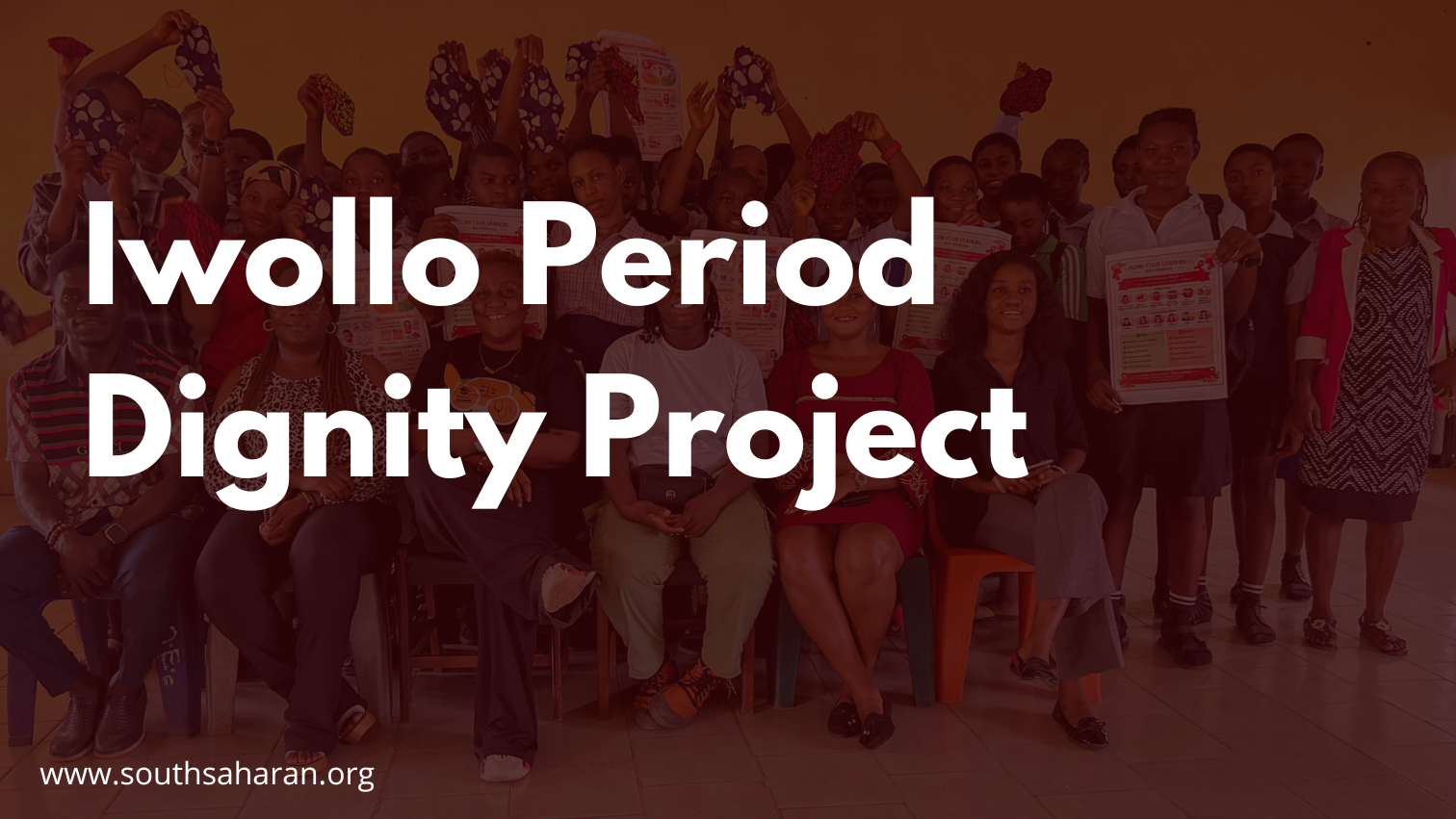
Iwollo Period Dignity Project

South Saharan Social Development Organisation (SSDO) strengthens community health and gender systems by supporting interventions that improve health education, empower young people, and promote sustainable solutions to everyday challenges.

Menstrual health remains an important public health and education issue. Many adolescent girls continue to face barriers to accurate information, affordable menstrual products, and supportive environments that allow them to manage menstruation safely and confidently. Addressing these challenges requires community-led interventions that combine health education with practical, sustainable solutions.

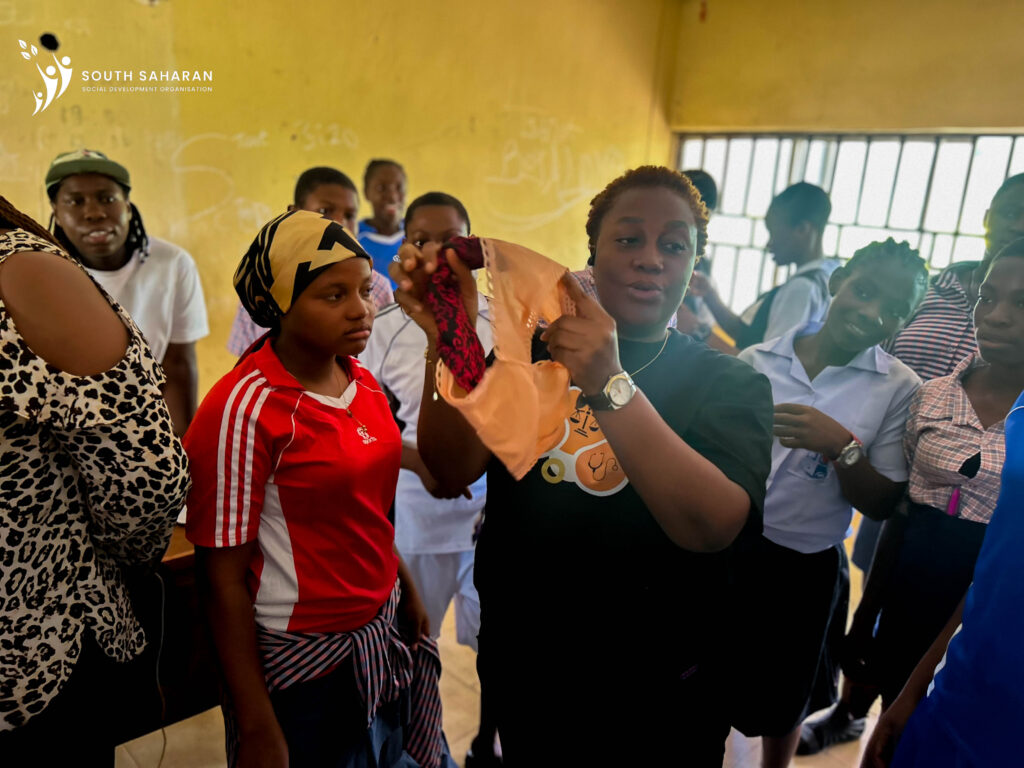
Through the Iwollo Period Dignity Project, SSDO provided technical support for a capacity-building initiative that equipped secondary school students with practical menstrual health knowledge and leadership skills in Enugu State.

Strengthening Menstrual Health Education in Schools

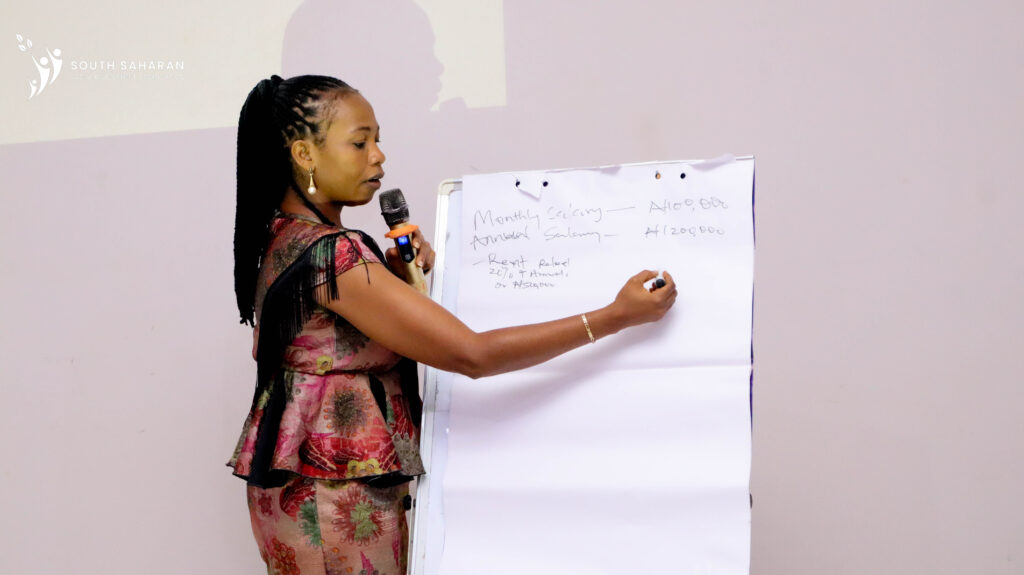
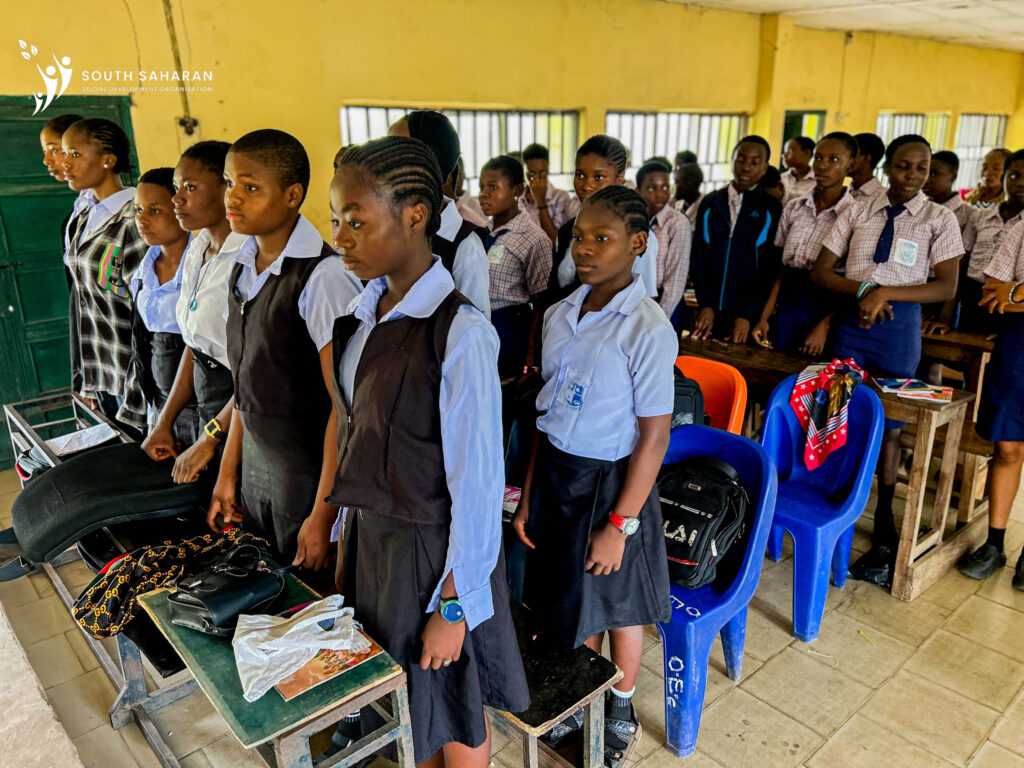
As Technical Partners for the Iwollo Period Dignity Project, SSDO supported a Training of Trainers programme involving 50 secondary school students drawn from four schools in Iwollo, Enugu State.

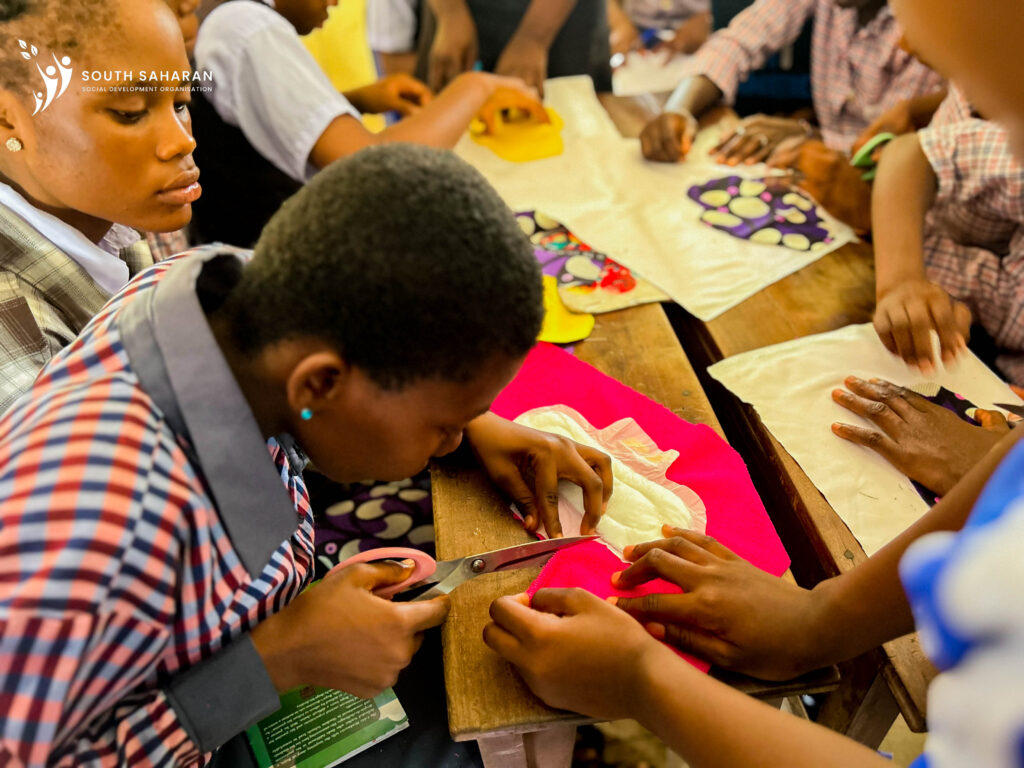
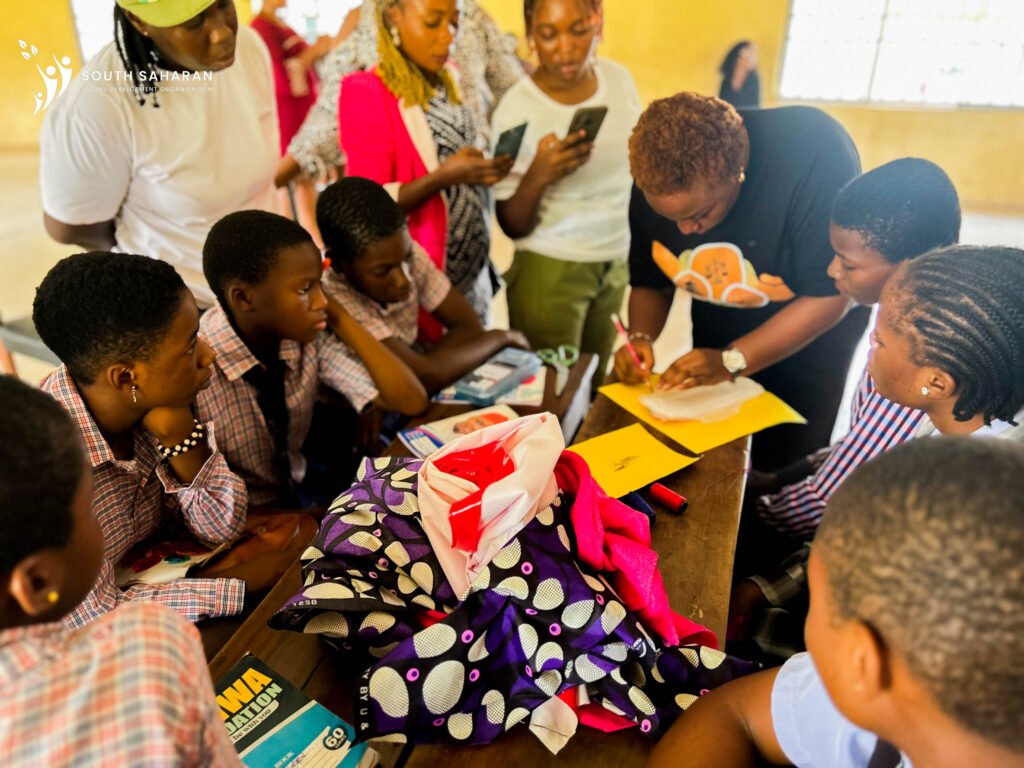
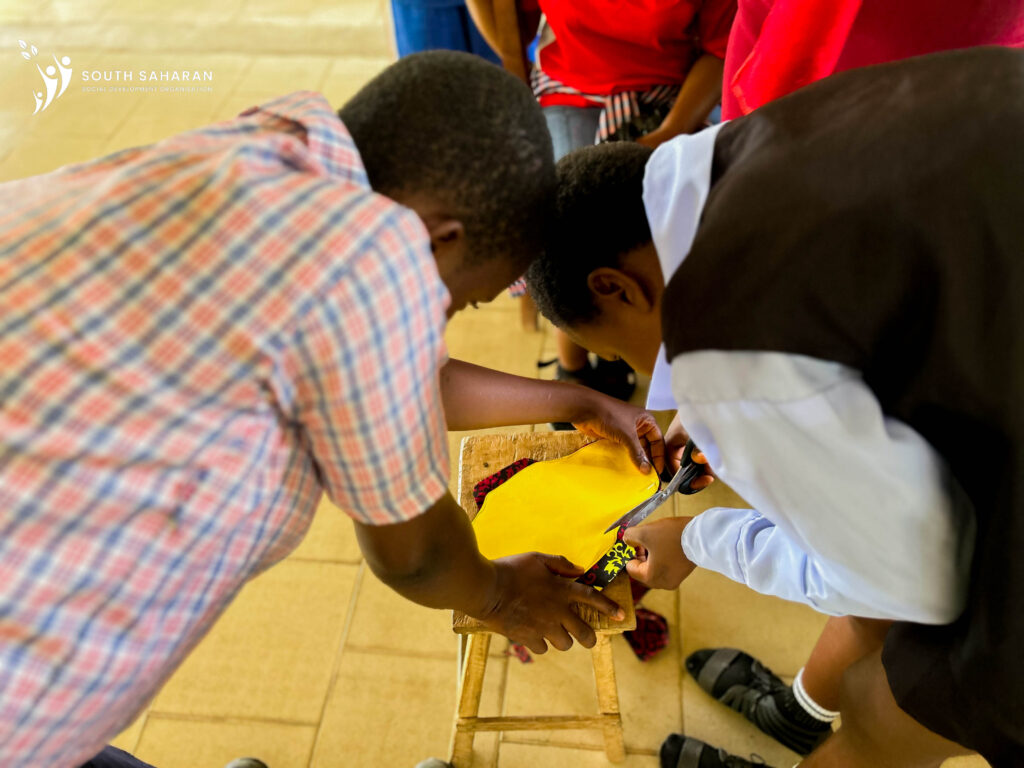
The intervention focused on two complementary areas: menstrual hygiene management and the practical production of reusable sanitary pads. By combining health education with hands-on skills development, the programme sought to improve access to affordable menstrual products while increasing knowledge about healthy menstrual practices.

This approach recognises that improving menstrual health requires more than awareness alone. Young people also need practical solutions that reduce barriers to menstrual dignity and school participation.

Building Skills Through Practical Learning

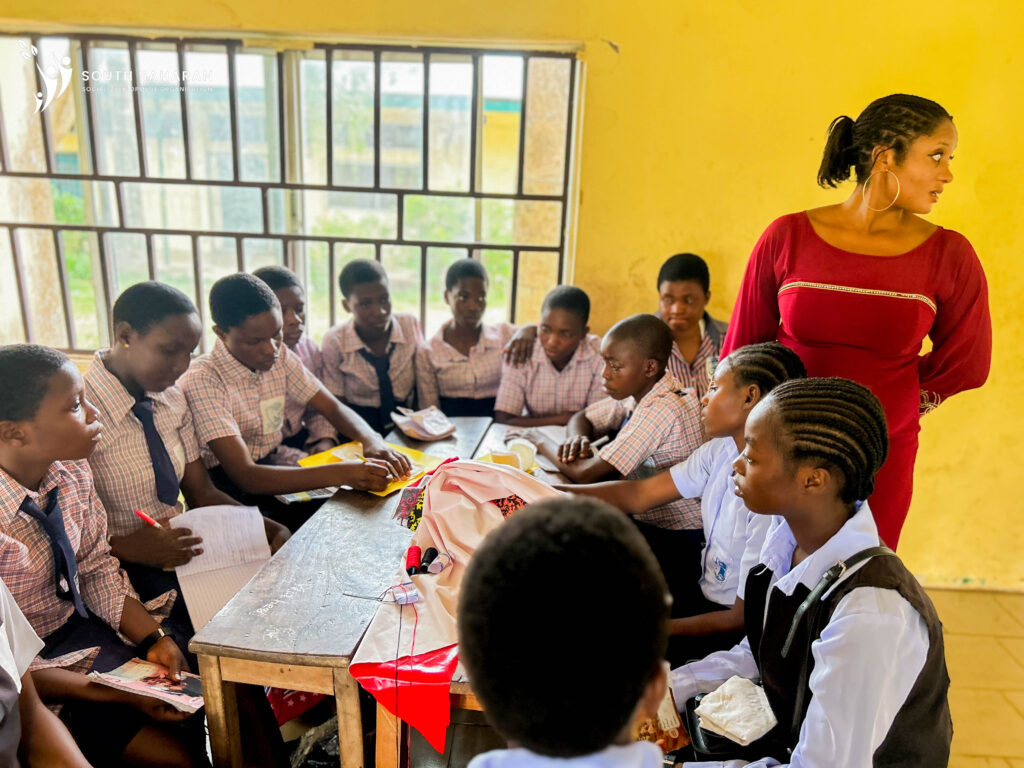
The training adopted an interactive learning model that encouraged participation, discussion, and practical application.

Facilitators Obianuju Ezeike (PMD Pro, BPH), Favour Kalu (PMD Pro, B.Mcb), and Hannah Okugo guided participants through sessions on menstrual health, personal hygiene, and the production of low-cost reusable sanitary pads.

Hands-on group exercises enabled students to apply newly acquired knowledge while building confidence in producing reusable menstrual products that are affordable, environmentally sustainable, and accessible within their communities.

This practical approach strengthened participants’ understanding of menstrual hygiene while equipping them with skills they can continue to use beyond the training.

Creating Menstrual Hygiene Champions

A key feature of the Iwollo Period Dignity Project was its Training of Trainers model.

Rather than limiting the intervention to the students who attended, participants were equipped as Menstrual Hygiene Champions, with responsibility for sharing their knowledge and practical skills with fellow students in their respective schools.

This peer-to-peer learning model creates a multiplier effect by extending accurate menstrual health information beyond the initial training participants. It also encourages young people to become advocates for healthy practices while reducing stigma surrounding menstruation.

Strengthening leadership among adolescents ensures that menstrual health education becomes more sustainable and community-owned over time.

Promoting Sustainable Community Impact

The intervention also demonstrates the value of collaboration in addressing community health challenges.

SSDO commends Corps Member Osawemen Miracle Ronke for identifying an important community need and mobilising stakeholders to implement a sustainable intervention that promotes health, dignity, and leadership among adolescent girls.

By combining technical expertise with local leadership, the project strengthens both community ownership and long-term impact.

Strengthening Health and Dignity Through Community Action

Improving menstrual health requires systems that combine education, practical skills, community participation, and sustainable access to menstrual products.

Through the Iwollo Period Dignity Project, SSDO continues to strengthen community health systems by supporting evidence-informed interventions that promote menstrual dignity, empower young people with practical skills, and build local leadership for lasting change across Enugu State.
Enugu State Youth Policy Implementation Framework

South Saharan Social Development Organisation (SSDO) strengthens youth governance systems in Enugu State by supporting institutional processes that translate policy commitments into measurable action.

Public policies create opportunities for development only when institutions have clear implementation pathways. While many governments successfully develop policy frameworks, the real challenge often lies in coordinating implementation across multiple agencies, aligning budgets with policy priorities, and establishing systems that track progress over time.

Through the Enugu State Youth Policy Implementation Framework, SSDO is advancing coordinated implementation, accountability, and monitoring mechanisms that ensure the State’s Youth Policy delivers meaningful outcomes for young people.

Why Youth Policy Implementation Matters

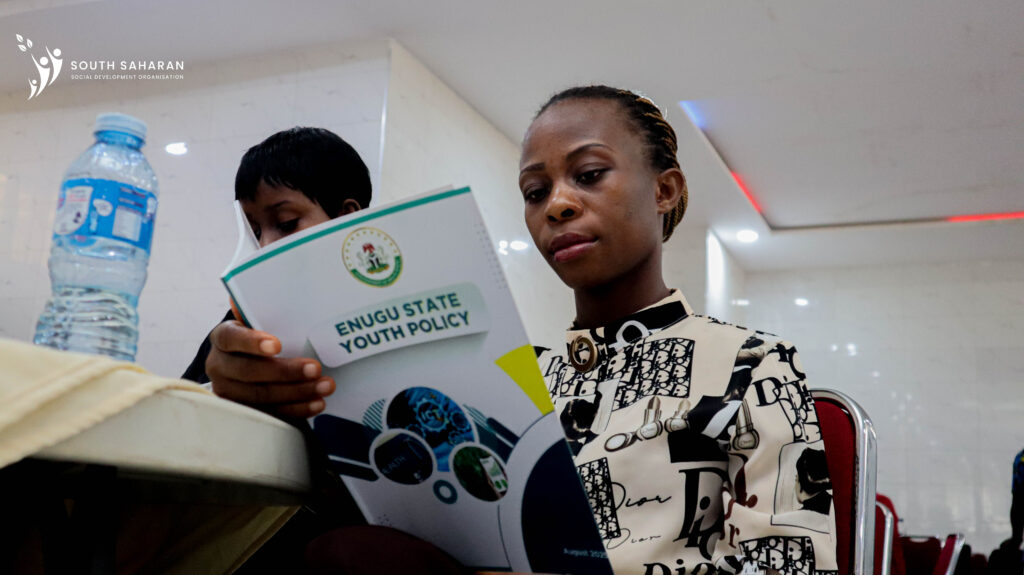
The launch of the Enugu State Youth Policy in 2025 marked an important milestone for youth development in the State. The policy provides a comprehensive framework for strengthening youth participation, employment, entrepreneurship, inclusion, leadership, innovation, education, and protection.

However, adopting a policy is only the first step. Without coordinated implementation, clearly assigned institutional responsibilities, adequate financing, and effective monitoring systems, policy objectives can remain unrealised.

Bridging this implementation gap is essential for ensuring that young people experience tangible improvements rather than policy commitments on paper.

Advancing the Enugu State Youth Policy Implementation Framework

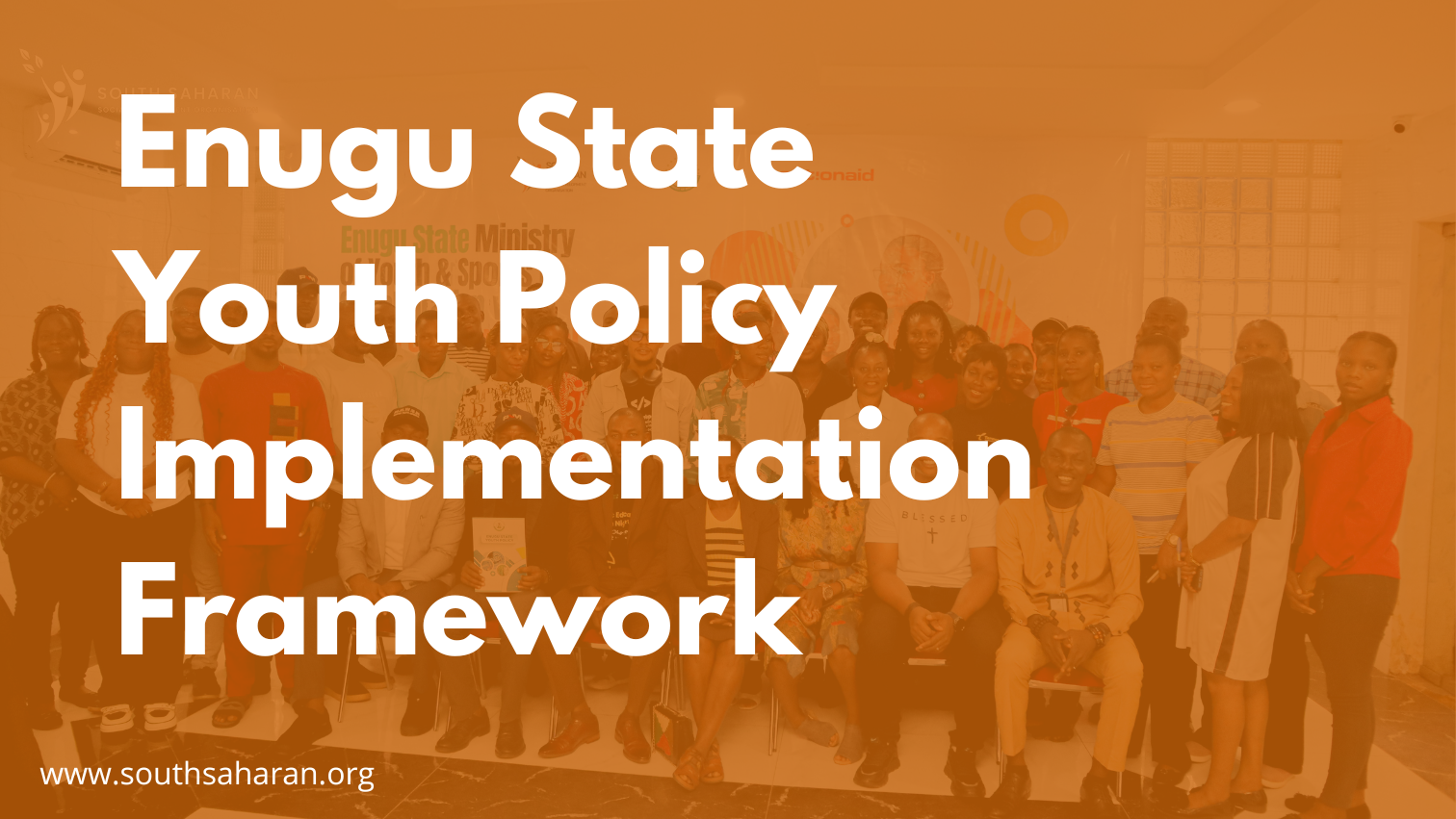
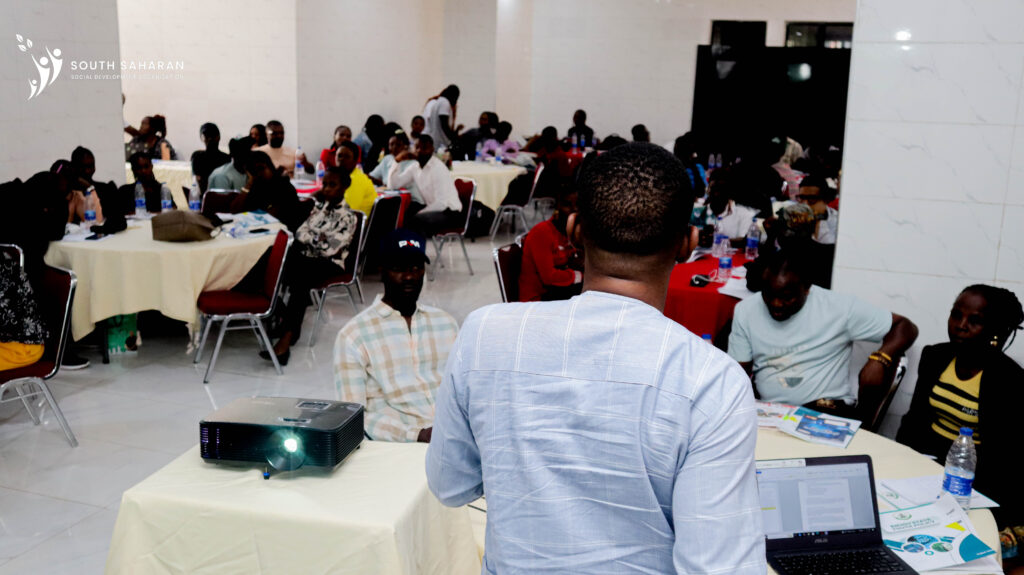
To strengthen implementation, SSDO convened a high-level stakeholders’ engagement under the Strategic Partnership Agreement (SPA II) Project, implemented in partnership with ActionAid Nigeria (AAN).

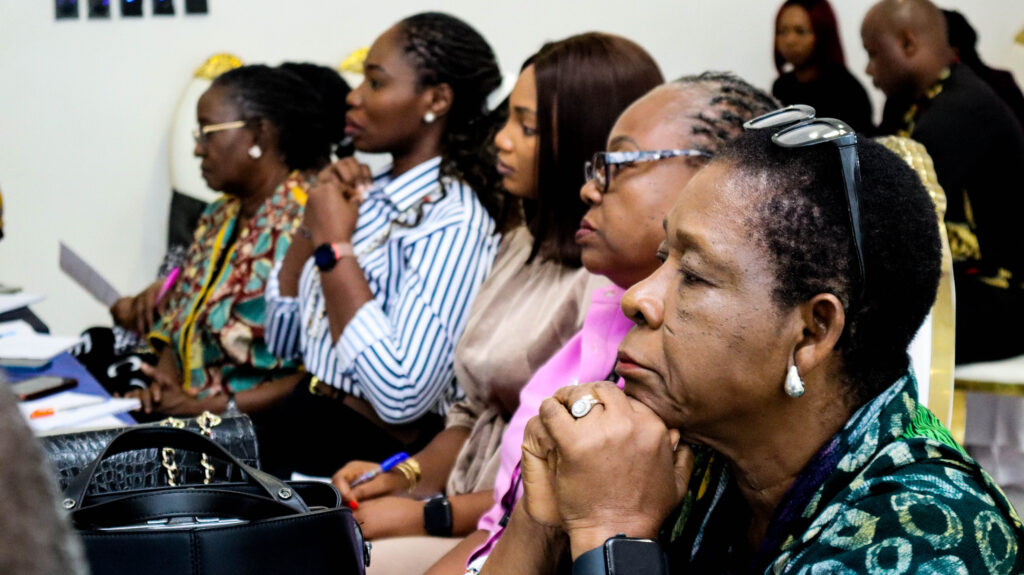
The engagement was designed to strengthen the Enugu State Youth Policy Implementation Framework by bringing together Ministries, Departments and Agencies (MDAs), youth-focused institutions, accountability platforms, and youth-led organisations.

Rather than revisiting policy development, the forum focused on establishing the institutional systems required for effective execution across government.

Strengthening Coordination Across Government Institutions

Successful policy implementation depends on clear institutional leadership and collaboration.

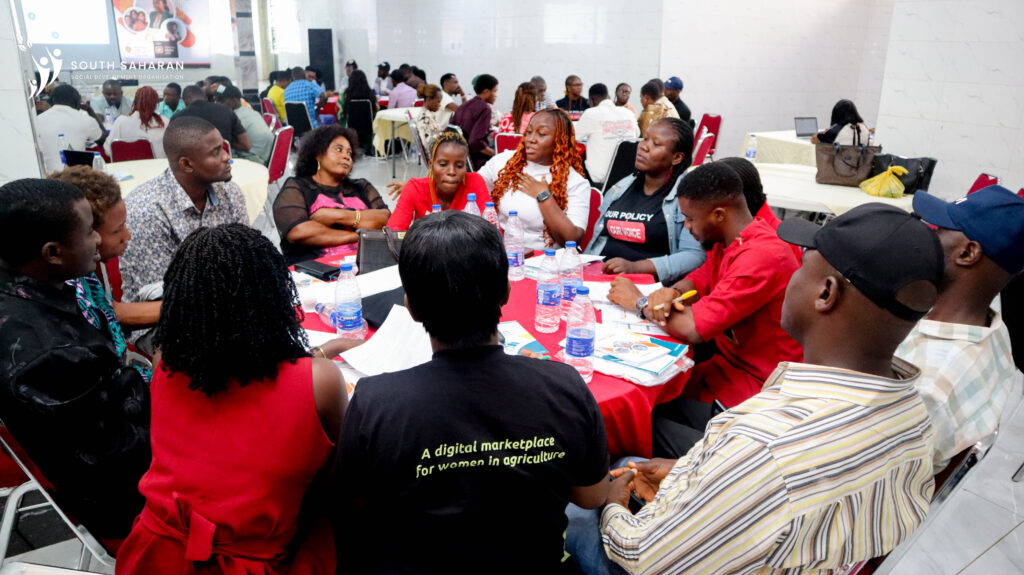
Technical sessions enabled participants to define implementation responsibilities under each policy pillar while identifying priority actions that government institutions could begin executing immediately.

The engagement also strengthened coordination pathways between implementing agencies, helping to reduce duplication, improve collaboration, and promote shared accountability for results.

Aligning implementation priorities with the 2027 budget cycle further reinforced the importance of integrating youth development commitments into government planning and resource allocation processes.

Building Accountability Into Implementation

A key outcome of the engagement was the emphasis on monitoring and accountability.

Participants explored practical reporting structures that allow implementing institutions to track progress, measure performance, and identify implementation challenges as they emerge.
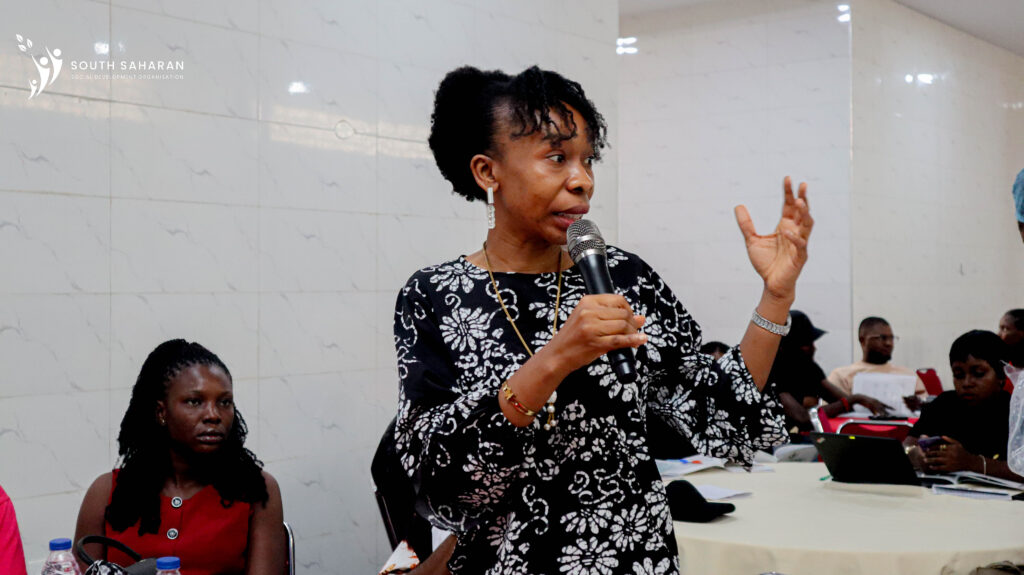
Embedding accountability within the implementation framework creates opportunities for evidence-based decision-making while improving transparency across government institutions.

These mechanisms also strengthen collaboration between public institutions and youth stakeholders, ensuring that implementation remains responsive to emerging needs.

Moving From Policy Commitments to Measurable Outcomes

Policies create direction, but implementation creates impact.

By strengthening institutional coordination, clarifying implementation responsibilities, aligning budgets with policy priorities, and reinforcing monitoring systems, the Enugu State Youth Policy Implementation Framework provides a practical pathway for translating government commitments into measurable outcomes for young people.

This systems-based approach recognises that sustainable youth development depends not only on policy design but also on the institutions responsible for delivering it.

Strengthening Youth Governance in Enugu State

Strong governance requires institutions that can implement policies effectively, coordinate across sectors, and remain accountable for results.

Through the Enugu State Youth Policy Implementation Framework, SSDO continues to strengthen evidence-driven youth governance by supporting coordinated implementation systems, institutional accountability, and inclusive participation. By helping government institutions move from policy adoption to practical execution, SSDO contributes to a governance system that delivers sustainable opportunities and improved outcomes for young people across Enugu State.