SSDO

Groundbreaking Ceremony for Medical Waste Incinerator at Abakpa Health Centre, Enugu State

South Saharan Social Development Organisation (SSDO) strengthens public health systems in Nigeria through infrastructure interventions that improve safety, accountability, and service delivery.

Public health systems depend on functional infrastructure. Safe waste disposal is central to infection prevention, environmental protection, and regulatory compliance.

Medical Waste Management and Public Health Risk

Healthcare facilities generate hazardous waste daily. Without structured disposal systems, this waste exposes health workers, patients, and nearby communities to infection risks.

In Enugu East Local Government Area, gaps in medical waste management persist. Disposal practices are not always standardised. This weakens infection control systems and increases environmental hazards.

Strengthening health outcomes requires systems that manage waste safely, consistently, and at scale.

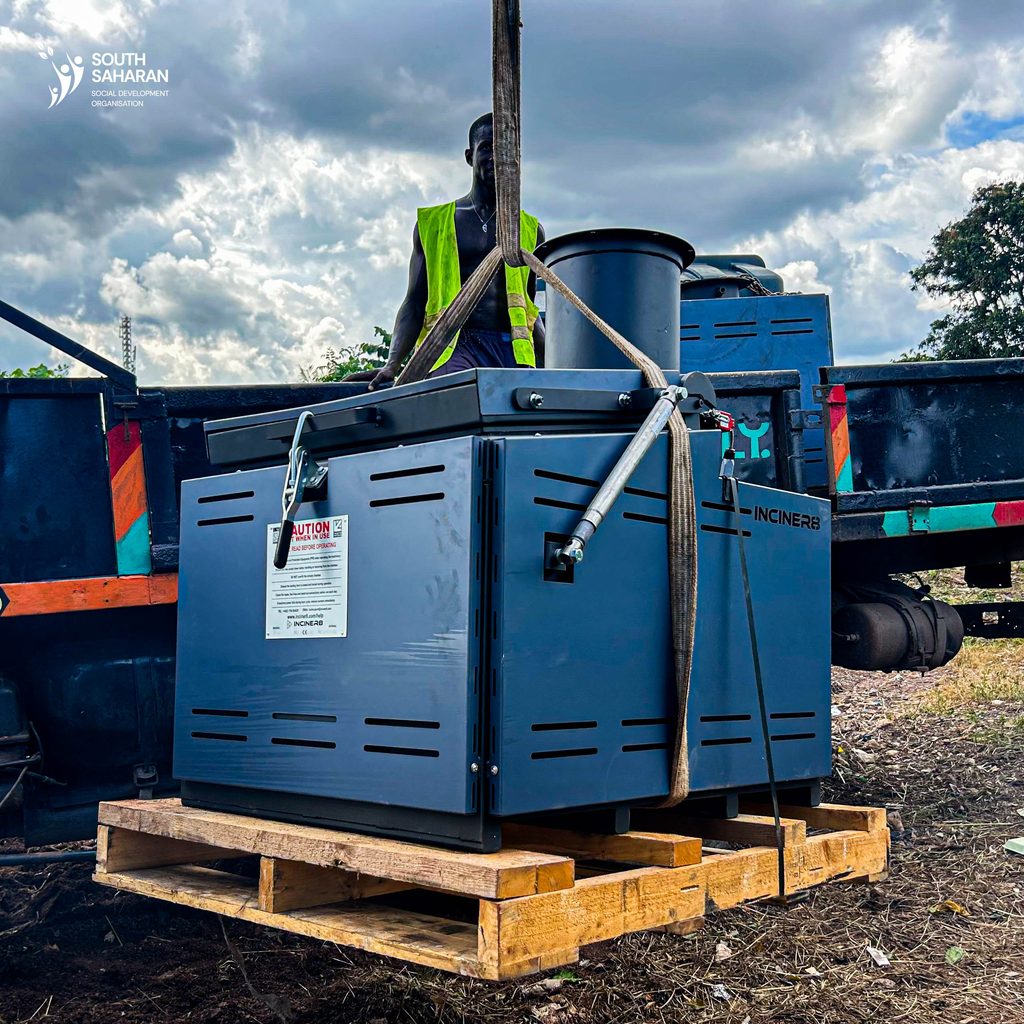
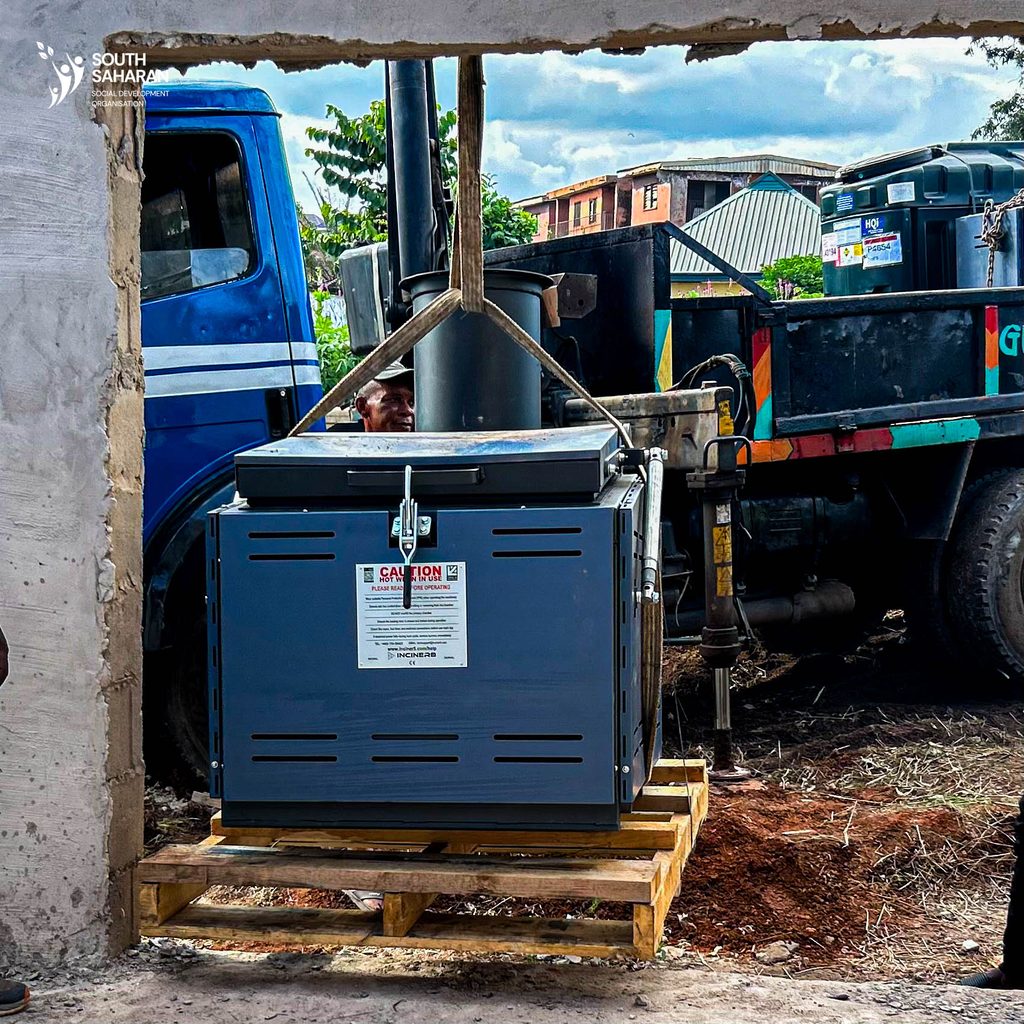
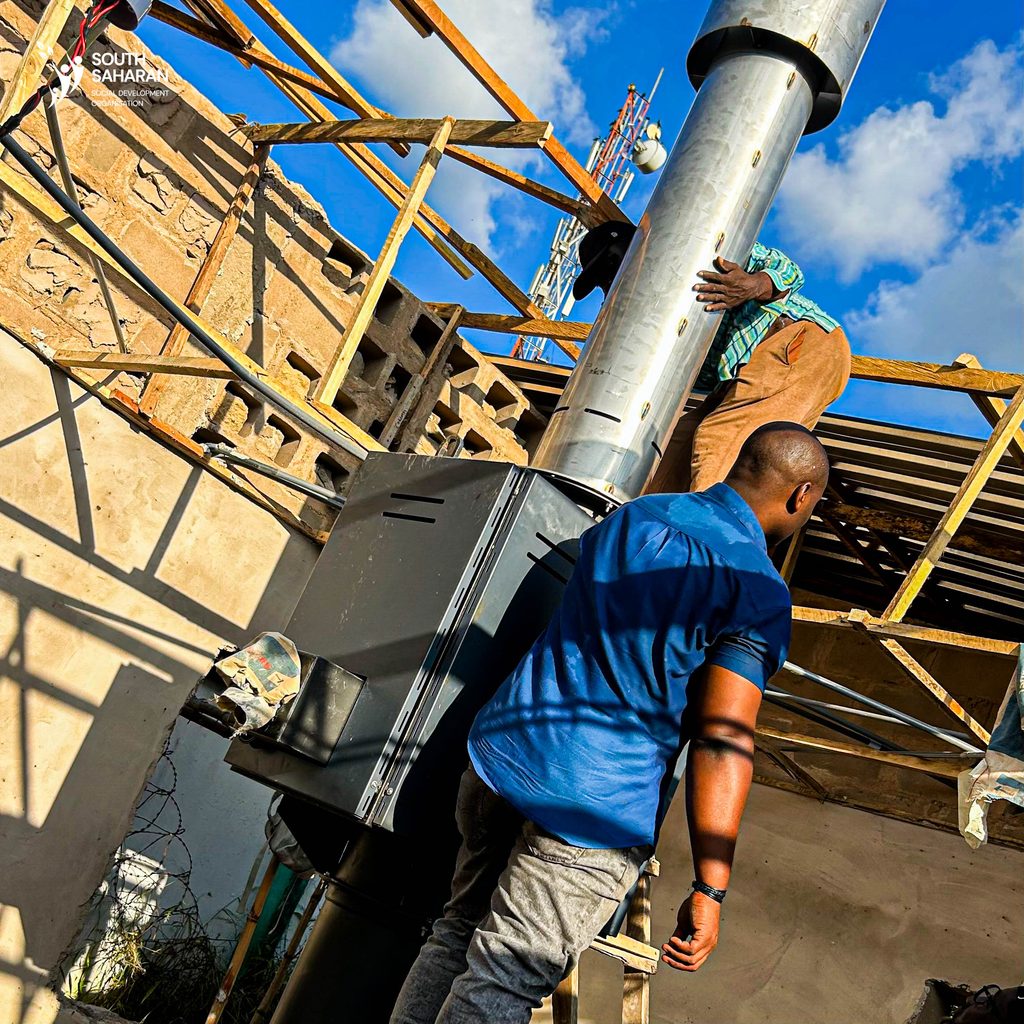
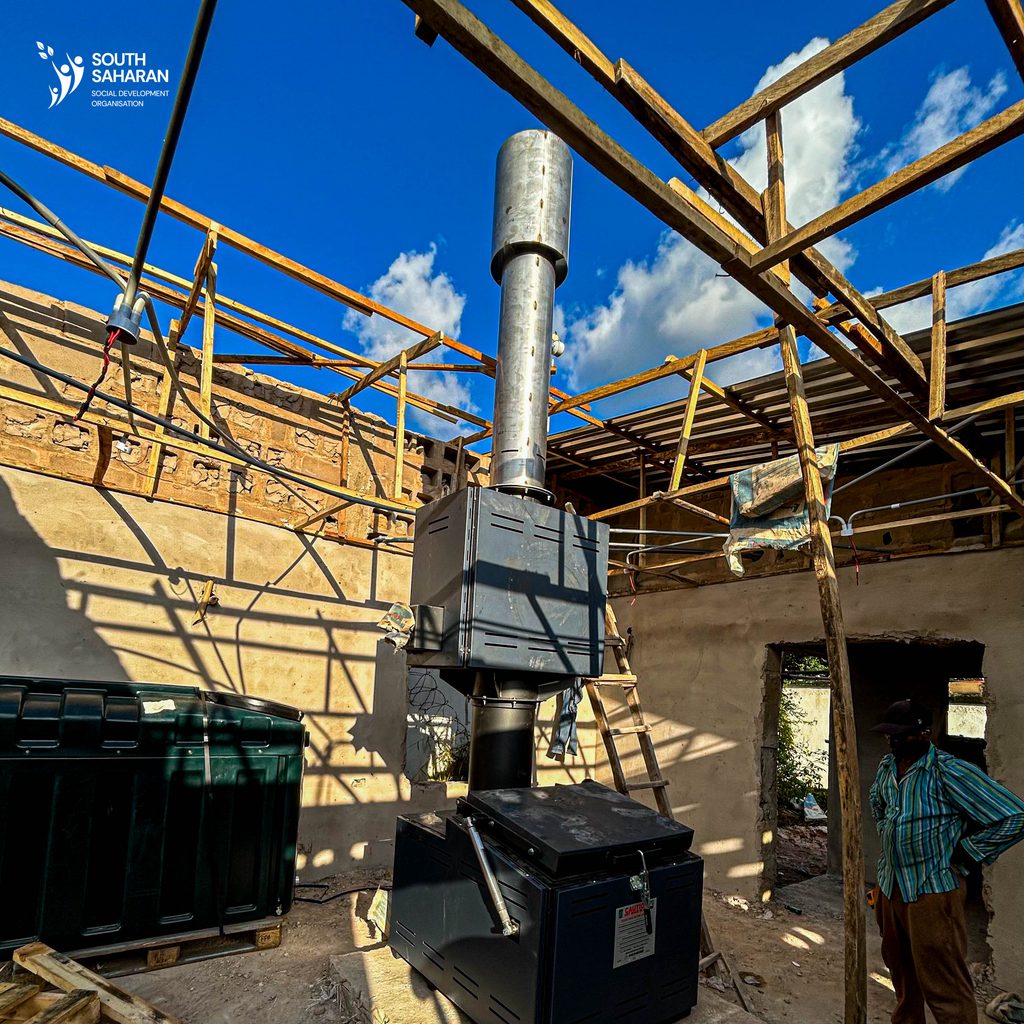
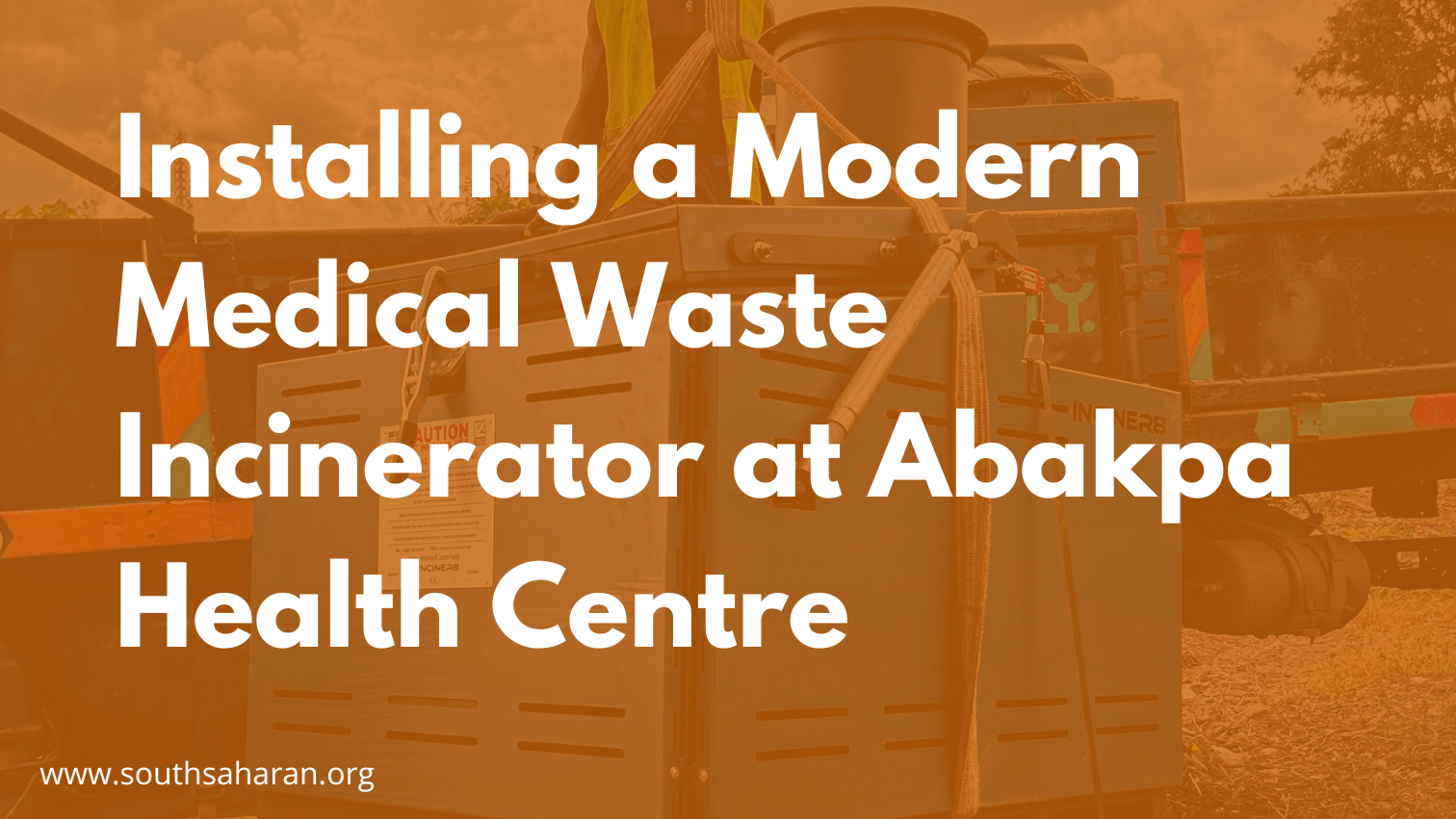
SSDO Intervention: Medical Waste Incinerator Groundbreaking Abakpa Health Centre Enugu

Through the Japanese Grant Assistance for Grassroots Human Security Projects (GGP), SSDO is implementing a targeted infrastructure solution. The project establishes a modern, standards-compliant medical waste incinerator at Abakpa Health Centre, Enugu State.

The Groundbreaking ceremony for the installation of the Medical Waste incinerator at Abakpa health Centre, Enugu, signifies the transition from planning to implementation.

The intervention introduces a centralised disposal system designed to serve the host facility and surrounding public and private health centres within Enugu East LGA.

This approach aligns local health infrastructure with established safety standards while strengthening system-wide waste management practices.

Institutional Alignment and Stakeholder Engagement

The groundbreaking ceremony convened key stakeholders across the health and infrastructure system.

In attendance were Dr. Ifenyinwa Ugwunweze, Ude Ifeoma, and Ayogu Ikedichukwu Emmanuel.

The project is led by SSDO Executive Director Dr. Stanley Ilechukwu, ensuring coordinated implementation and institutional oversight.

This engagement reflects alignment between government actors, technical stakeholders, and implementing partners.

Institutional Impact: Strengthening Infection Prevention Systems

The Medical Waste Incinerator Groundbreaking Abakpa Health Centre Enugu strengthens infection prevention at multiple levels.

It enables safe disposal of hazardous medical waste, reduces environmental exposure for surrounding communities and improves compliance with health and safety regulations.

By establishing a centralised system, the intervention increases efficiency across facilities. It also strengthens accountability in healthcare operations.

Infrastructure, in this context, directly supports improved health outcomes.

Scale and System Reach

Although located at Abakpa Health Centre, the incinerator is designed to serve multiple facilities within Enugu East LGA.

This expands access to safe waste disposal systems beyond a single facility. It also provides a scalable model for strengthening healthcare infrastructure across other LGAs.

Strategic Positioning

Resilient health systems depend on the integration of infrastructure, service delivery, and regulatory standards.

Through the Medical Waste Incinerator at Abakpa Health Centre Enugu, SSDO reinforces its role in strengthening public health systems by deploying infrastructure solutions that improve safety, accountability, and service delivery outcomes in Enugu State.

World TB Day Outreach Enugu

South Saharan Social Development Organisation (SSDO) strengthens community health systems through structured interventions that improve disease detection, awareness, and treatment outcomes. The World TB Day Outreach in Enugu reflects this approach, linking national tuberculosis response frameworks with targeted community-level action in Enugu State.

Tuberculosis (TB) remains a major public health concern in Nigeria. Gaps persist in early detection, awareness, and access to screening, especially among underserved populations.

Strengthening Nigeria’s TB Response

Effective TB control depends on functional health systems. These systems must connect policy, service delivery, and community engagement.

In many settings, barriers limit access to screening and treatment. Awareness remains low. Health-seeking behaviour is delayed. Diagnostic pathways are not always accessible at the community level.

Addressing these gaps requires coordinated interventions. National programmes must be translated into local action. Community structures must be integrated into service delivery.

Outreach

The World TB Day Outreach in Enugu was implemented in collaboration with the World Health Organization, Caritas Nigeria, Institute of Human Virology Nigeria, and the National Tuberculosis and Leprosy Control Programme.

SSDO carried out interventions in Enugu North and Udenu LGAs. Activities were conducted at New Artisan and Orie Orba Market. These locations were selected to reach high-risk and underserved populations.

The outreach combined TB sensitisation with active case finding. It also integrated broader medical services to improve overall access to care.

Integrated Service Delivery and Community Engagement

The World TB Day Outreach in Enugu embedded TB screening within a wider package of health services. This approach reduces stigma and increases participation.

Services provided included:

  • TB screening and identification of presumptive cases
  • HIV screening
  • Malaria testing and treatment
  • Blood pressure checks
  • General clinical consultations

By integrating services, the intervention strengthened community trust. It also improved uptake of TB screening within routine health engagement.

Institutional Impact: Expanding Access and Early Detection

The outreach delivered measurable results across both locations:

  • Over 1,200 persons reached
  • 474 individuals screened for TB
  • 94 presumptive TB cases identified for further diagnosis

These outcomes demonstrate the effectiveness of community-based screening models. Early detection reduces transmission. It also improves treatment outcomes by linking individuals to care sooner.

The intervention strengthened referral pathways. It connected community members to formal health systems. It also reinforced collaboration between implementing partners.

Scale and System Strengthening

We targeted high-density community locations and this aligns with Nigeria’s broader TB response framework, ensuring consistency between national priorities and field implementation.

By combining outreach, screening, and integrated services, the model provides a scalable approach. It can be replicated across other high-burden communities to expand access and improve detection rates.

Strategic Positioning

Sustainable TB control depends on early detection, accessible services, and strong community linkages.

Through the World TB Day Outreach Enugu, SSDO reinforces its role in strengthening community health systems by embedding disease-specific interventions within broader service delivery frameworks, supporting improved public health outcomes and advancing Nigeria’s TB response.

Local Government Accountability Index Presentation to Enugu State SSG

South Saharan Social Development Organisation (SSDO) recently presented the Local Government Accountability Index Assessment to the Enugu State SSG. It highlighted evidence-based insights from a statewide assessment of all 17 Local Government Areas (LGAs) in Enugu State. The presentation positioned structured data as a key tool for informing policy, planning, and targeted governance reforms.

LGAs are the tier of government closest to citizens, yet performance is often assessed through perception rather than evidence. The Assessment presented to the SSG, addressed this challenge by translating field-level findings into actionable recommendations for state-level decision-making.

System Context: Why the Presentation Matters

Performance gaps in transparency, fiscal accountability, public participation, service delivery, and rule of law limits the effectiveness of LGAs. The presentation bridged the gap between empirical data and policy action, providing a framework for prioritizing institutional strengthening.

It reinforced that sustainable governance reform requires linking assessment data directly with state-level oversight and leadership.

SSDO Intervention: Evidence Delivered through the Local Government Accountability Index Presentation to SSG

The presentation to Prof. Chidiebere Onyia, SSG, was carried out by SSDO Executive Director, Dr. Stanley Ilechukwu. He presented the assessment methodology, key findings, and strategic implications for governance reform.

The assessment covered performance across five core pillars:

  1. Transparency – clarity in processes and reporting.
  2. Public Participation – citizen engagement in decision-making.
  3. Fiscal Accountability – adherence to financial rules and proper documentation.
  4. Service Delivery – effectiveness and accessibility of public services.
  5. Rule of Law – institutional compliance with legal frameworks.

Institutional Impact of the Local Government Accountability Index Presentation to SSG

The Local Government Accountability Index Presentation to SSG strengthened evidence-based dialogue between SSDO and state leadership. It provided actionable insights that can shape policies, guide LGA-level reforms, and improve accountability systems. The presentation also highlighted areas for targeted capacity building, ensuring that governance improvements are measurable, sustainable, and responsive to citizen needs.

Scale and Strategic Reach

The LAI assessment spans all 17 LGAs in Enugu State, offering comprehensive data for statewide reform. Presenting these findings directly to the SSG ensures alignment between field-level diagnostics and state policy priorities. The Local Government Accountability Index Presentation to SSG exemplifies SSDO’s commitment to linking evidence with strategic governance decisions at scale.

Strategic Closing

Through the Local Government Accountability Index Presentation to SSG, SSDO underscores its commitment to evidence-driven governance reform. By bridging data, policy, and institutional action, the organization strengthens accountability systems, and advances subnational governance in Enugu State.

Cost of Justice Anthology: Book Launch/Art Exhibition

South Saharan Social Development Organisation (SSDO) works at the intersection of gender justice, accountability systems, and rights-based policy reform in Nigeria. Through the Cost of Justice Anthology , SSDO advances a structured advocacy model that translates lived realities into institutional reform processes.

The anthology is the culmination of a national storytelling and art initiative, designed to spotlight the experiences of women navigating barriers to justice. It captures systemic challenges and community-level insights, translating them into advocacy tools for reform.

From Call to Creation: How the Anthology Came Together

The journey began with a national call for submissions, inviting writers, storytellers, and community advocates to contribute narratives reflecting the realities of women seeking justice in Nigeria. The response was overwhelming, with over 100 entries submitted from across the country, each shedding light on financial, social, and institutional barriers faced by survivors.

The submissions were carefully reviewed by a panel of judges comprised of gender justice experts, legal practitioners, and civil society advocates. The submitted stories were also assessed for authenticity, relevance, and alignment with the anthology’s purpose: documenting lived experiences to inform systemic reform.

Selected narratives were then paired with artworks. Visual artists translated key themes of the Anthology – Cost of Justice, Gatekeepers, and Trapped in Silence – into powerful art pieces. This creative process ensured that the anthology was multidimensional, blending storytelling with visual advocacy.

The result is a layered anthology that not only documents survivor experiences but also transforms them into evidence that can influence policy, community practices, and institutional reform.

System Framing: Barriers Within Nigeria’s Justice System

Women bear significant financial costs, navigate prolonged legal processes, and confront social stigma that discourages reporting. Institutions also provide limited support. Justice systems should provide protection and redress, yet they do not consistently deliver equitable access.

These challenges reflect structural gaps within justice delivery systems. Where systems are not responsive, exclusion becomes normalised. Where support structures are weak, survivors disengage.

The result is a justice process that exists but does not consistently deliver outcomes for women and girls.

SSDO Intervention: Translating Lived Realities into Reform

Evidence from the Sister Guardian Initiative (SGI) informed the Cost of Justice Anthology. SGI is a women-led protection network supporting survivors of gender-based violence across 38 communities. The anthology amplifies both grassroots insights and submissions from across Nigeria, creating a national evidence base for systemic advocacy.

The anthology frames stories as systemic evidence, connecting community realities to national reform discourse. This enables SSDO to engage stakeholders in meaningful policy dialogue rather than presenting narratives in isolation.

Launch: Institutional Collaboration and National Engagement

We launched the Cost of Justice Anthology on 13th March, 2026 in Abuja, at the United Nations House, in collaboration with UN Women and with support from the Ford Foundation. The launch included both a book unveiling and art exhibition, showcasing narratives alongside artwork from the paintathon.

The event convened government officials, diplomatic and development partners, civil society organisations, and community leaders.

UN Resident and Humanitarian Coordinator (a.i), Elsie Attafuah, called for concrete action, emphasizing that justice must move beyond aspiration to become a lived reality. SSDO Executive Director, Stanley Ilechukwu, highlighted the systemic cost of failure, noting that women bear the burden when justice systems do not respond effectively.

Institutional Impact: Strengthening Justice System Responsiveness

The anthology introduces lived experience into formal policy spaces, strengthening justice system reform in practical ways:

  • Identifying system gaps
  • Aligning policy conversations with real experiences
  • Reinforcing survivor-centred justice systems

By grounding advocacy in both storytelling and visual evidence, SSDO ensures the conversation moves beyond awareness to structured engagement with reform actors.

Scale, Reach, and Strategic Positioning

The Cost of Justice Anthology, bridges grassroots experience with national advocacy platforms. Its scale is defined by:

  • Over 15 contributors shaping its content
  • Insights from the Sister Guardian Initiative
  • National stakeholders engaged during the launch

This ensures continuity between community realities and policy processes, reinforcing SSDO’s role as a governance actor translating lived realities into evidence-based advocacy.

Sustainable justice reform depends on alignment of evidence, systems, and accountability. Through this anthology, SSDO strengthens Nigeria’s justice landscape, ensuring that women’s voices shape the reforms that affect them.

Child Domestic Work Legal Reform in Enugu State

South Saharan Social Development Organisation (SSDO) is a governance and social protection institution working in Enugu State to strengthen public systems through structured reform frameworks. The Child Domestic Work Legal Reform in Enugu State initiative reflects SSDO’s institutional focus on child protection system strengthening through research-backed legislative engagement.

Child domestic work operates within a complex protection and labour regulation system. It intersects with education policy, child rights enforcement, social welfare oversight, and informal labour markets. Where regulation is weak and monitoring fragmented, vulnerabilities persist.

System Framing: Child Protection Gaps in Informal Domestic Labour

Child domestic service remains largely invisible within formal labour and protection systems. Recruitment often occurs through informal networks. Oversight mechanisms are limited andnforcement pathways are unclear.

Recent SSDO research across sampled households in Enugu State identified structural exposure patterns:

  • 29 percent of households surveyed had a child engaged in domestic service.
  • Most were girls aged 10 to 19.
  • 21 percent were no longer in school after entering service.
  • 15 percent had missed one or more academic years.
  • 14 percent reported labour exploitation.
  • 20 percent experienced physical, emotional, or sexual abuse.

These findings reveal systemic risk rather than isolated cases. Educational disruption, economic vulnerability, and exposure to abuse are interconnected outcomes of weak regulatory safeguards.

SSDO Intervention: Evidence-Backed Legislative Engagement

SSDO deployed a structured policy engagement model anchored in empirical research and formal legislative submission. Findings were consolidated into a Memorandum presented to the Enugu State Justice Reform Team during the ongoing review of the Child Rights Law.

The intervention targeted a specific institutional entry point – statutory reform. Rather than standalone advocacy, the strategy focused on embedding safeguards directly into the legal framework governing child rights in Enugu State.

The Memorandum proposed:

  • Clear regulatory standards for child placement into domestic service.
  • Defined oversight responsibilities for relevant ministries and agencies.
  • Strengthened monitoring mechanisms at community level.
  • Accountability provisions addressing exploitative domestic labour practices.

This approach aligns lived realities with legislative reform, ensuring that law reflects evidence rather than assumption.

Institutional Impact: Strengthening the Child Protection Architecture

Legal reform alters system behaviour when backed by enforcement clarity. By inserting regulatory safeguards into the Child Rights Law, institutional responsibility becomes defined. Oversight shifts from discretionary to structured.

If adopted, the proposed reforms will:

  • Clarify lawful conditions for child placement.
  • Reduce ambiguity in enforcement.
  • Create formal reporting and monitoring channels.
  • Strengthen linkages between justice institutions and community actors.

The objective is preventive protection, not reactive response. When regulation is explicit and monitoring institutionalised, exploitation risks reduce.

Scale and Scope of Reform Engagement

This intervention operates at the state legislative level in Enugu State. It addresses vulnerabilities affecting children across multiple local government areas. The reform process connects research, civil society engagement, and justice sector review mechanisms within a single structured framework.

By situating field evidence within a formal law revision process, SSDO bridges community data and statutory governance. The scale is systemic rather than programmatic.


Strategic Positioning

Child protection reform requires more than awareness. It demands institutional alignment between legislation, oversight systems, and community realities.

Through structured research, formal legislative engagement, and system-level recommendations, SSDO continues to occupy a governance niche focused on translating evidence into enforceable reform within Enugu State’s child protection architecture.