SSDO

Medical Waste Management in Enugu

Medical Waste Management in Enugu has received a significant boost through a new partnership focused on improving safety in healthcare facilities. South Saharan Social Development Organisation (SSDO), represented by our Executive Director, Dr. Stanley Ilechukwu, has officially signed a contract with the Embassy of Japan in Nigeria under the Japanese Grant Assistance for Grassroots Human Security Projects (GGP).
This milestone reflects a shared commitment to protecting communities from preventable health risks and strengthening healthcare systems at the grassroots level.

Why Safe Disposal of Medical Waste Matters

The Hidden Dangers of Poor Waste Handling

Improper disposal of medical waste poses serious risks to both health workers and surrounding communities. In many settings, open burning or unsafe dumping can lead to secondary infections, environmental pollution, and exposure to hazardous materials. These dangers often go unnoticed until they contribute to wider public health challenges.

By addressing how healthcare waste is handled, communities can significantly reduce the spread of infections and create safer environments for patients, staff, and residents.

Protecting People and the Environment

Safe disposal systems do more than manage waste. They protect water sources, reduce air pollution, and limit contact with harmful materials. Strengthening these systems is a critical but often overlooked part of improving healthcare quality and community wellbeing.

A Modern Incinerator for Abakpa Health Centre

Through this grant, a modern medical waste incinerator will be installed at Abakpa Health Centre in Enugu East Local Government Area. This facility will serve not only the host health centre but also other public and private health facilities within the LGA.

The new system will eliminate the risks linked to open burning and provide a safer, more controlled method of disposing healthcare waste. This is a practical solution that directly responds to local needs while aligning with global best practices in health and environmental safety.

Beyond infrastructure, the project represents long-term impact. With improved waste disposal, healthcare providers can focus more confidently on delivering services, knowing that harmful by-products are being managed responsibly.

Partnerships Driving Community Health Solutions

This achievement highlights the power of collaboration. SSDO extends profound gratitude to His Excellency Ambassador Suzuki and the GGP Coordinators, Wakana Deguchi and Kenechukwu Adibe, along with the entire GGP team at the Embassy of Japan. Their support demonstrates a strong commitment to grassroots human security and community health.

We also appreciate the Enugu State Ministry of Health, led by Hon. Commissioner Prof. George Ugwu, and the Enugu State Primary Health Care Development Agency (ENSPHCDA), under the leadership of Executive Secretary Dr. Ifeyinwa Ani-Osheku, for their unwavering support. Their partnership ensures that this intervention aligns with state health priorities and delivers lasting value.

Step by Step Toward Lasting Impact

This project is a step toward safer healthcare systems and healthier communities. By improving how medical waste is handled, the risk of infection is reduced, environmental safety is strengthened, and public confidence in healthcare services grows.

SSDO remains committed to practical, community-centered solutions that address urgent needs while building long-term resilience. Step by step, partnerships like this are helping create a future where access to healthcare does not come with preventable risks.

Together, we are making a lasting impact, one community at a time.

Youth Climate Action in Southeast Nigeria

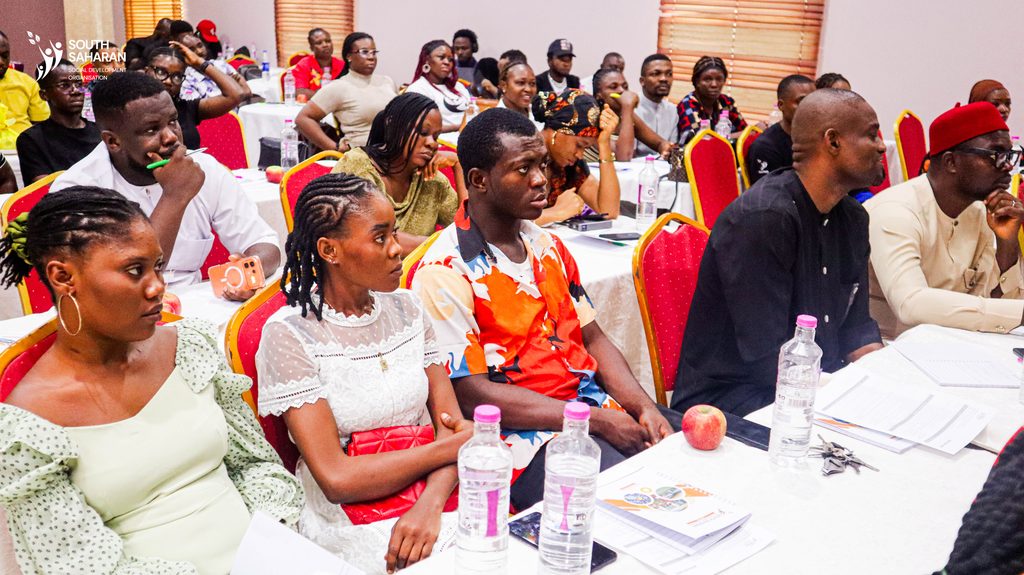
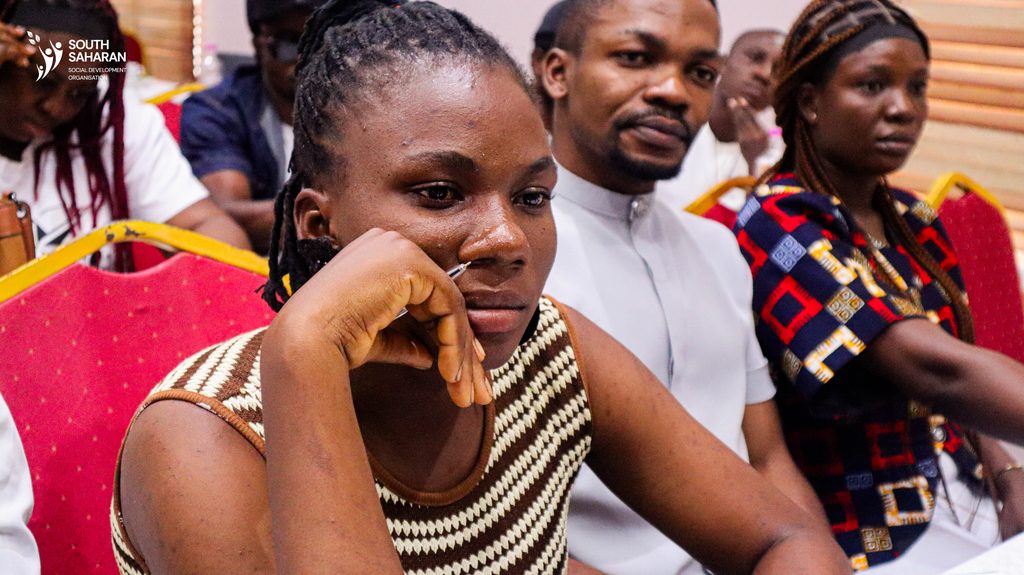
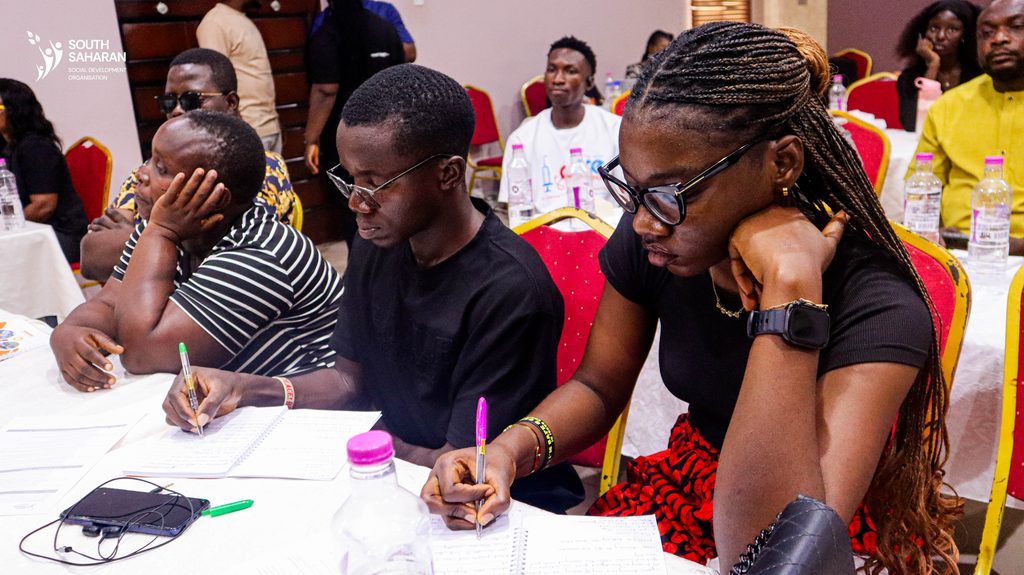
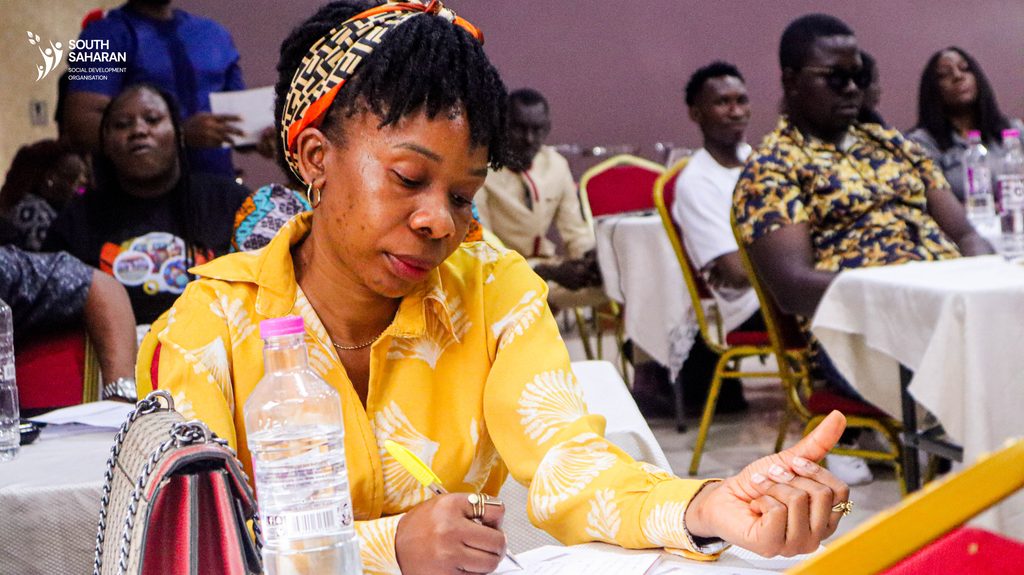
Climate action in Southeast Nigeria is gaining powerful momentum as young leaders step forward to shape solutions for a fairer and more sustainable future. This growing movement was on full display in Enugu, where passionate young changemakers from across the region gathered to turn climate conversations into real, community-driven action.

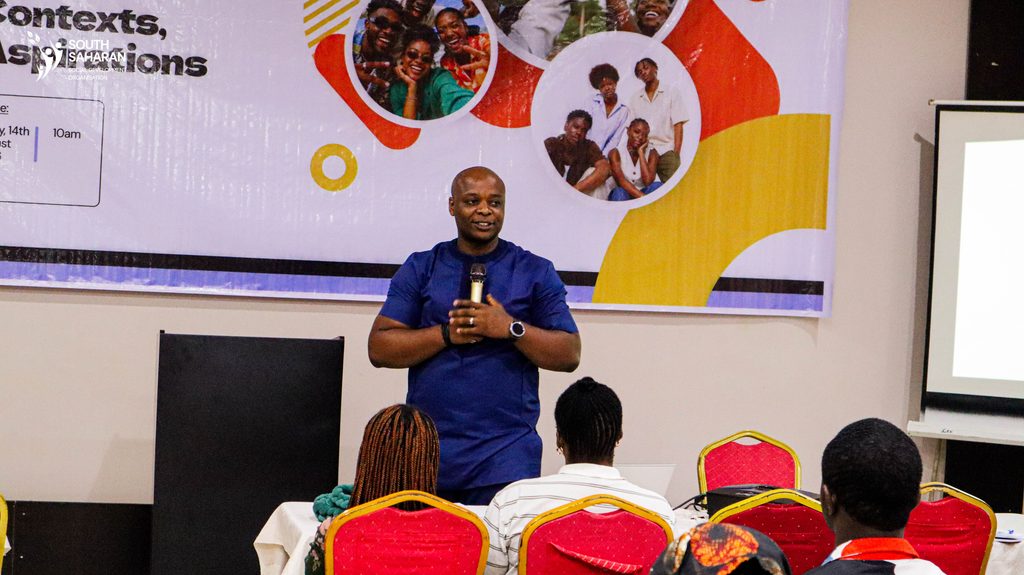
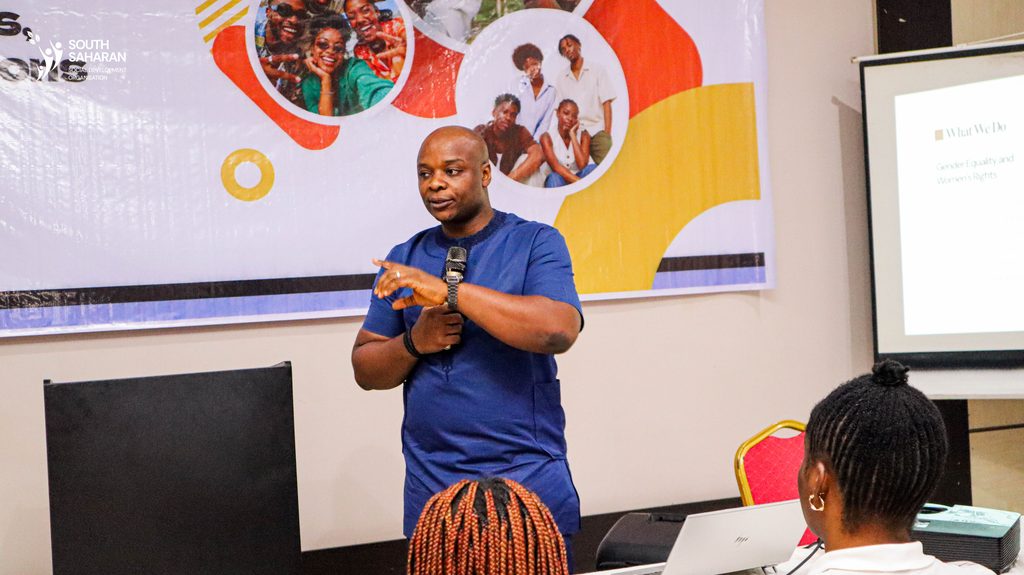
Young leaders from Enugu, Abia, Anambra, Ebonyi, and Imo States convened for the 2025 South-East Local Conference of Youth (LCOY) Nigeria, themed “Accelerating Action for a Just Transition.” The energy in the room showed determination, creativity, and a readiness to lead.

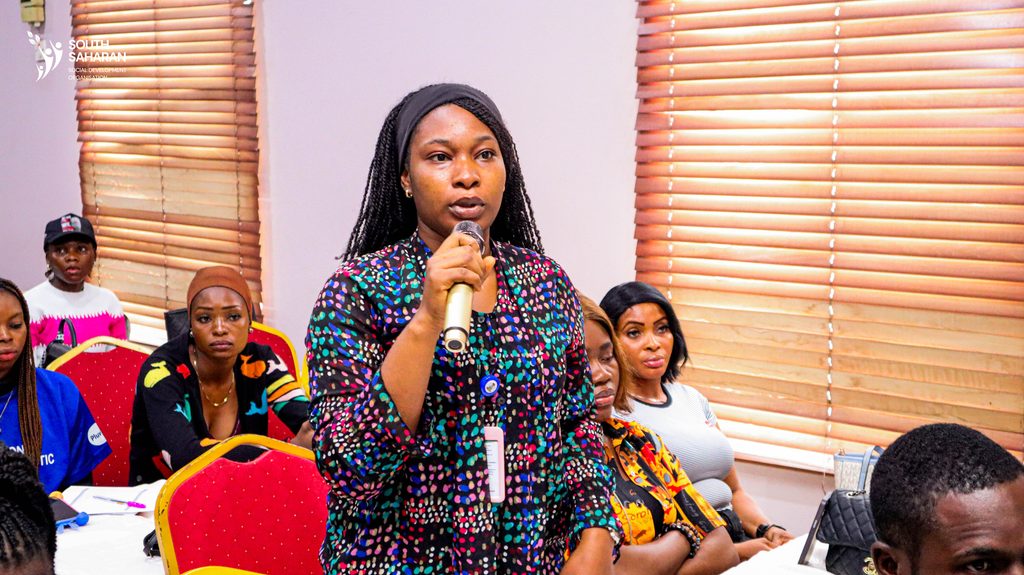
Hosted by South Saharan Social Development Organisation (SSDO) with support from ActionAid Nigeria under the SPA II Project, the conference created a space where youth voices were not just heard, but centered. Participants explored what a “just transition” truly means for communities in the Southeast as a lived reality shaped by local challenges.

For many of the young people present, climate change is not an abstract issue. It is visible in flooding that disrupts livelihoods, extreme heat affecting health, and changing weather patterns that threaten food security. These lived experiences shaped rich discussions on how climate solutions must protect vulnerable communities, create green opportunities for youth, and ensure no one is left behind in the transition to cleaner energy and sustainable practices.

A major highlight of the gathering was the development of a Community Climate Action Plan. This plan reflects the priorities, ideas, and solutions proposed by young people who understand both the risks their communities face and the potential for transformation. From promoting climate education and tree planting to advocating for sustainable agriculture and waste management, the action points were practical, community-centered, and achievable.

Importantly, the outcomes of the conference will not remain local. The Community Climate Action Plan will feed into Nigeria’s National Youth Statement for COP30, ensuring that the perspectives of young people from the Southeast contribute to global climate conversations. This connection between grassroots action and international advocacy shows how local voices can influence wider policy spaces.

Beyond policy influence, the conference strengthened networks among youth advocates, climate groups, and community leaders. Many participants left with new partnerships and a shared commitment to continue climate action beyond the event. The sense of solidarity was clear. Young people are no longer waiting to be invited into decision-making spaces. They are creating their own platforms and driving change from the ground up.

The role of SSDO in convening this space reflects its ongoing commitment to supporting youth leadership and community-driven development. By providing opportunities for young people to organize, learn, and collaborate, SSDO is helping to build a generation of leaders ready to respond to today’s challenges with courage and innovation.

As the world prepares for COP30, the voices rising from Southeast Nigeria send the strong message that young people are not just future leaders, they are leaders right now. Their ideas, actions, and determination are shaping a transition that is not only green, but fair and inclusive.

The movement growing across the Southeast proves that when young people are trusted, supported, and heard, they can drive meaningful change that reaches far beyond their communities.

When Stories Become Art: The “Cost of Justice” Paint-a-thon

We believe that stories have power – the power to heal, to awaken empathy, and to drive change. But sometimes, words alone are not enough. Sometimes, emotion needs colour, pain needs a canvas, and silence needs a voice.

That was the inspiration behind the “Cost of Justice” Paint-a-thon. It is a creative movement where art and advocacy meet to amplify the voices of women who have endured gender-based violence (GBV).

Understanding the Story Behind the Paint-a-thon

For over a decade, SSDO has worked to create a world where women and girls live free from violence, poverty, and discrimination. Our programs in gender equality, education, and women’s rights protection have reached countless communities across Southeast Nigeria.

But when we conducted a baseline assessment on GBV, the findings were alarming. Behind the statistics were real women, living with pain that had been normalized by culture, silence, and shame.

Through our community engagements, we documented these experiences and organized them under three powerful themes:

  1. The Cost of Justice: the financial, emotional, and social toll women face while seeking justice.
  2. Trapped in Silence: the stigma and shame that silence survivors.
  3. Gatekeepers: individuals and institutions that enable or perpetuate abuse.

These themes became the foundation of a national storytelling initiative – The Cost of Justice” Anthology.

From Words to Canvas: A National Call for Stories

In May 2025, SSDO launched a nationwide call for story submissions exploring these themes. The response was overwhelming.

We received over 100 heartfelt stories from women, writers, and advocates across Nigeria – raw, unfiltered accounts that reveal what it truly means to fight for justice in a system that too often fails survivors.

Each story was carefully reviewed and fact-checked by a panel of renowned literary judges. From the pool, 15 outstanding entries were selected for publication in our upcoming anthology – “The Cost of Justice“.

But we didn’t want these stories to end on paper. We wanted them to live, to breathe and to be seen.

The Birth of the Paint-a-thon

Recognizing the power of visual storytelling, SSDO took the next bold step: translating stories into art.

We launched the Cost of Justice Paint-a-thon, inviting young visual artists to interpret these real-life stories through colour and brushstrokes. Their task was not merely to paint but to feel; to give form to emotions that words alone could not contain.

From this initiative, 15 artists were selected and commissioned to create two artworks each, inspired by the stories in the anthology. Each painting stands as both a tribute and a protest – reflecting pain, resilience, and hope..

Art as Advocacy

Through this fusion of literature and art, we are launching a movement. A movement where words and art become tools for dialogue, healing, and justice.

These paintings will travel beyond walls to exhibitions, schools, and community spaces serving as visual testimonies that challenge silence and inspire reflection. Together, they carry a message that cannot be ignored: gender-based violence is not just a women’s issue; it is a human issue.

What Comes Next

The “Cost of Justice” anthology and commssioned Paint-a-thon artworks will be unveiled in a public exhibition and publication launch. Beyond that, SSDO plans to host community dialogues, creative workshops, and art showcases, ensuring that each story continues to spark conversations and inspire change.

As we transform pain into purpose, we invite advocates, and partners to join us. Because justice is not complete until every story is heard and every voice, seen.

Acting Together to End Poverty: SSDO Joins National Conversation at IDS Colloquium

Poverty is more than the absence of income. It is the absence of dignity, opportunity, and choice.

On October 17, 2025, the Institute for Development Studies (IDS), University of Nigeria, Enugu Campus, convened a thought-provoking colloquium to mark the United Nations International Day for the Eradication of Poverty. The event brought together scholars, technocrats, policymakers, and development practitioners to explore this year’s theme: “Acting Together to End Poverty.”

The conversations were rich, honest, and urgent, tackling poverty not only as an economic issue but as a governance, social, and human rights challenge.

SSDO’s Voice in the Room

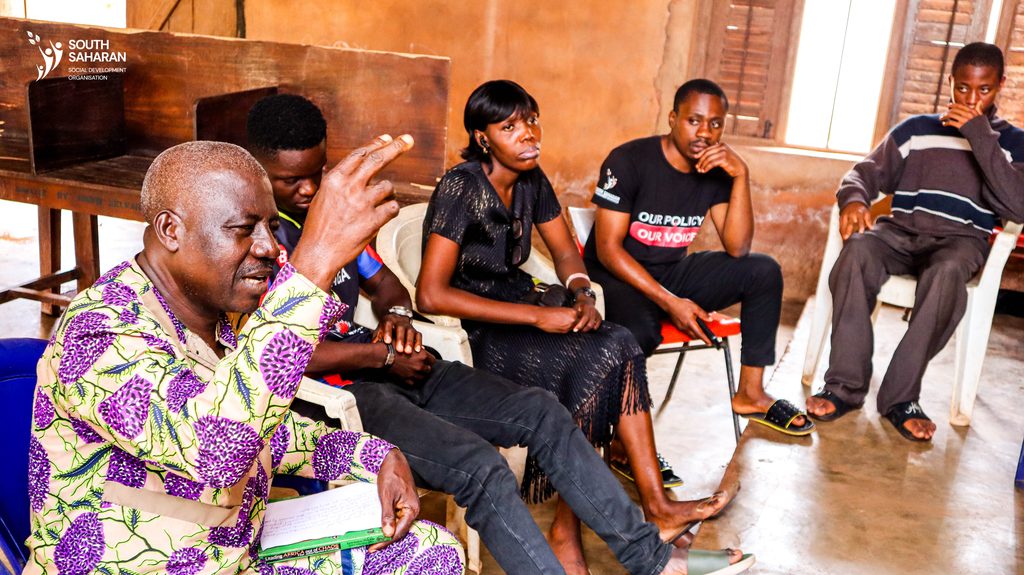
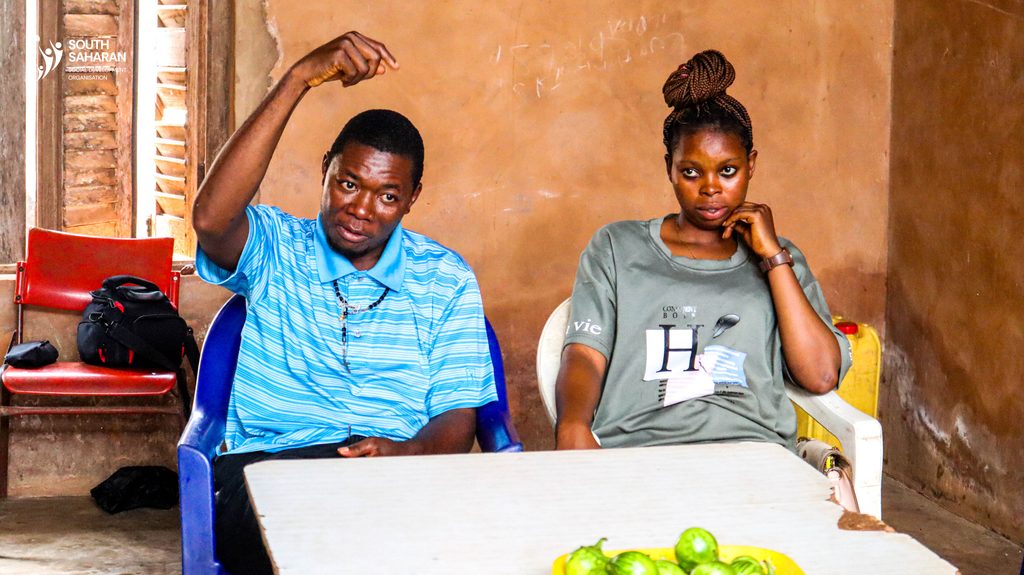
Representing the South Saharan Social Development Organisation (SSDO), our team shared insights from over a decade of community-driven work aimed at dismantling the structures that keep people especially women and youth trapped in poverty.

We highlighted practical solutions that have transformed lives across Enugu and the South East.

Acting Together, Building Forward

The IDS colloquium reaffirmed a shared commitment among development actors: that poverty eradication is possible when academia, civil society, government, and the private sector work hand in hand.

As one participant noted, “Policies alone cannot end poverty; people can.”

At SSDO, we remain committed to doing our part – empowering communities, amplifying voices, and building systems that enable every person to thrive with dignity.

Together, we can and must act to end poverty.

Inception Policy Dialogue on Local Government Accountability in Enugu State

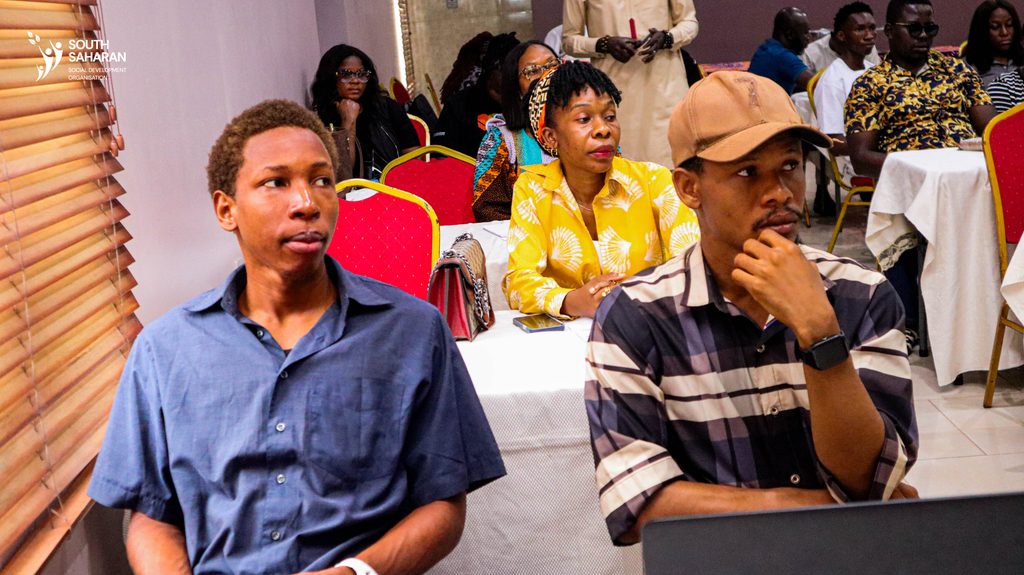
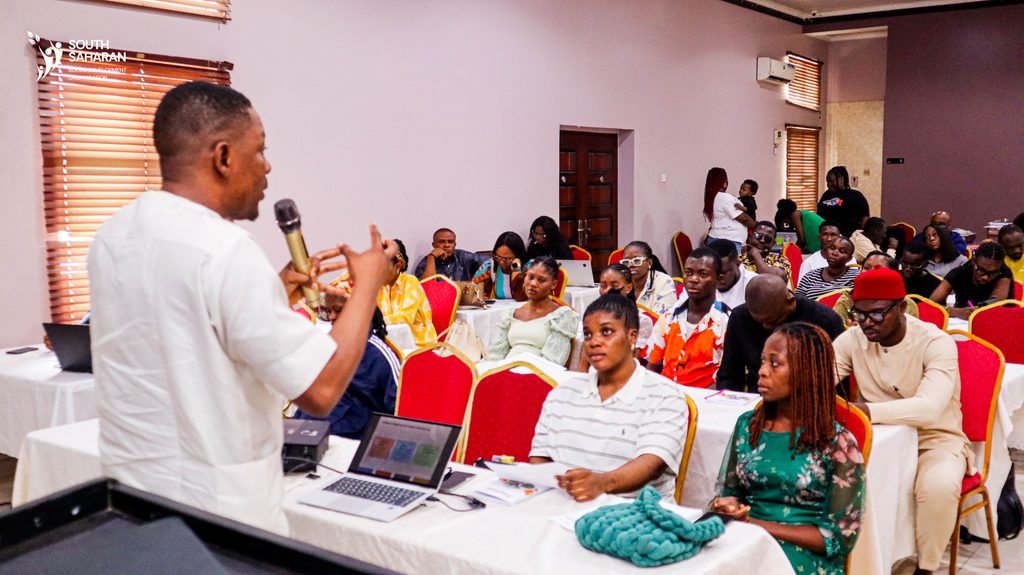
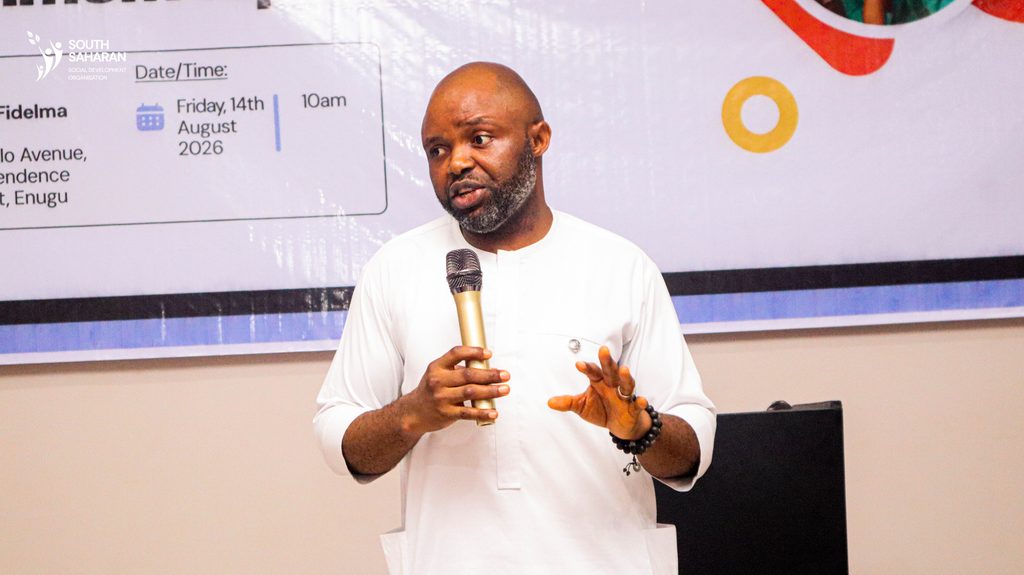
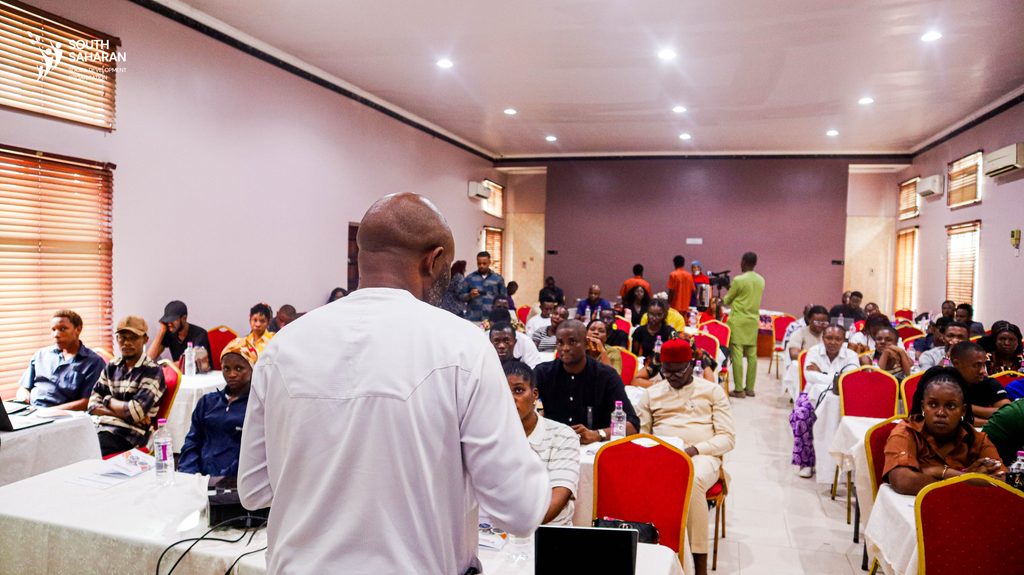
The South Saharan Social Development Organisation (SSDO), in collaboration with the Enugu State Local Government, has convened the Inception Policy Dialogue on Local Government Accountability in Enugu State, marking the first step toward developing the Enugu State Local Government Accountability Framework and Policy.

This Dialogue officially launched the process under SSDO’s Local Government Accountability Index (LAI) Project, supported through a sub-grant from the Nigeria Civil Society Situation Room, implemented by Policy and Legal Advocacy Centre (PLAC) and funded by the UK Foreign, Commonwealth & Development Office (FCDO).

Building a Framework Citizens Can Trust

The session brought together government representatives, civil society organisations, traditional leaders, and development partners to explore how local governance can better serve citizens through transparency, fiscal responsibility, and inclusive decision-making in line with the 2024 Supreme Court ruling on local government fiscal autonomy.

During the Dialogue, SSDO presented the vision of the Local Government Accountability Framework and Policy, introduced the Local Government Accountability Index (LAI) as a tool to objectively measure LGA performance, and engaged stakeholders in shaping the framework’s key priorities.

By the end of the session, participants reached consensus on priority reforms and inaugurated a Technical Working Group (TWG) to guide the next phase of implementation.

From Dialogue to Sustainable Reform

The outcomes of this policy dialogue will guide the development of systems that ensure public funds serve the public good and that local governance works for everyone, especially the most vulnerable.

Through data-driven insights and citizen feedback, the LAI Project aims to track progress, strengthen performance, and enhance trust between the government and the governed.

The Road Ahead

The Dialogue sets the stage for the next phase of the project – piloting the LAI tool in three LGAs, establishing Accountability Committees, and launching a public dashboard to promote real-time transparency.

Through this initiative, SSDO reaffirms its commitment to strengthening governance systems that place citizens at the centre of development and decision-making.