

Access to finance, productive resources, and practical knowledge can shape how communities improve their livelihoods.
These resources can also influence how people participate in civic and community life.
South Saharan Social Development Organisation (SSDO), in partnership with ActionAid Nigeria under the Strategic Partnership Agreement II (SPA II), supports community structures and interventions that address these gaps.
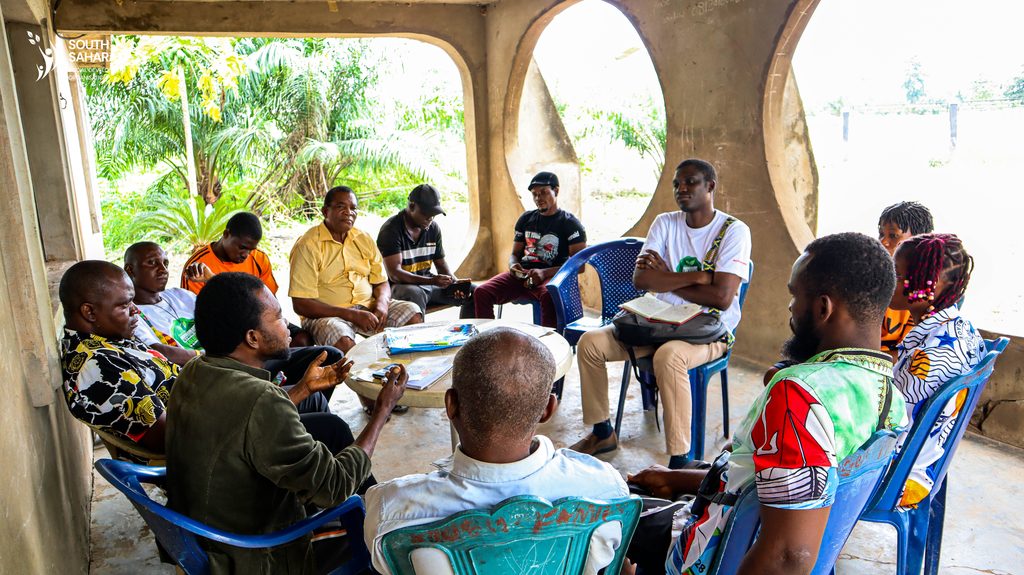
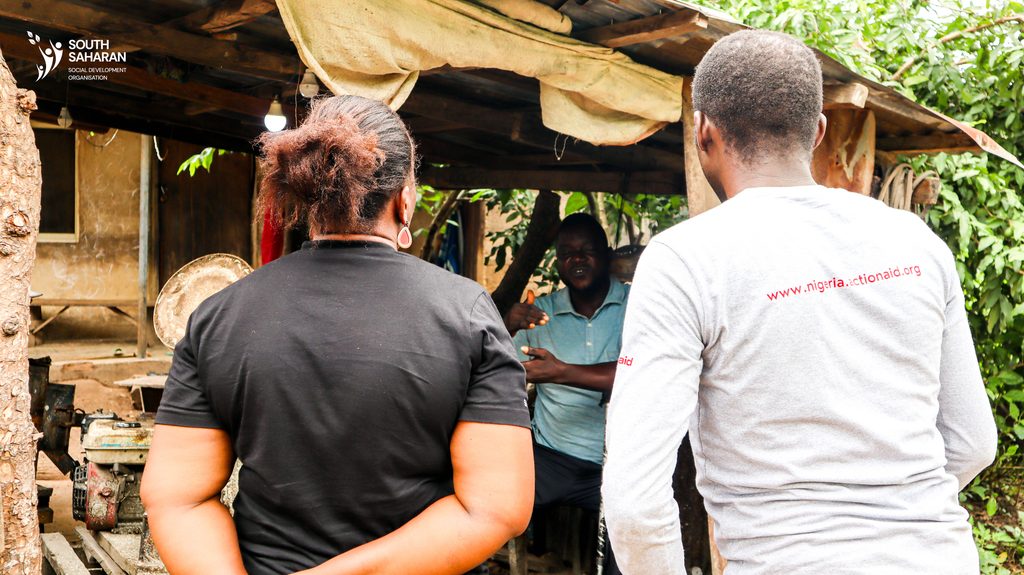
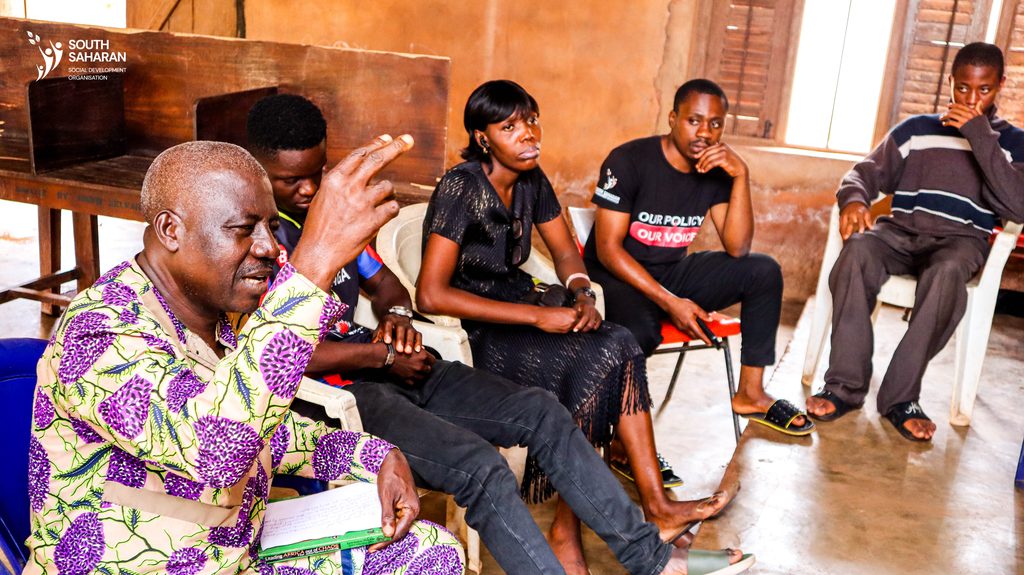
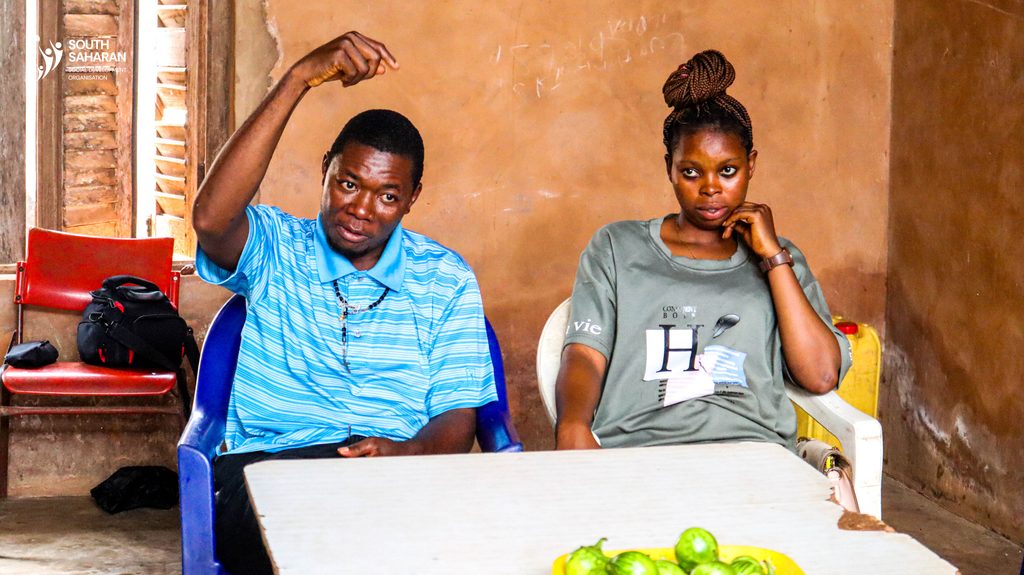
As part of the programme’s monitoring and evaluation, SSDO’s MEL Lead, Favour Kalu, joined ActionAid Nigeria for a visit to communities in Aninri, Isi-Uzo, and Igbo-Eze North LGAs.
The visit provided an opportunity to see how people are applying the knowledge, resources, and support they have gained through the programme.
Turning Community Finance Into Livelihood Opportunities
Access to community-based finance can give people resources to invest in existing businesses or explore new opportunities.
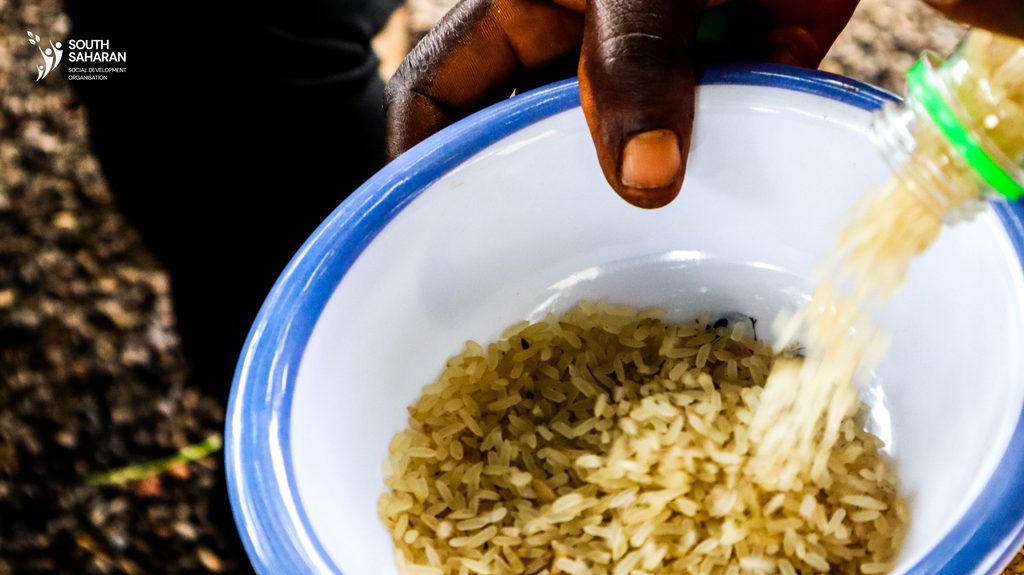
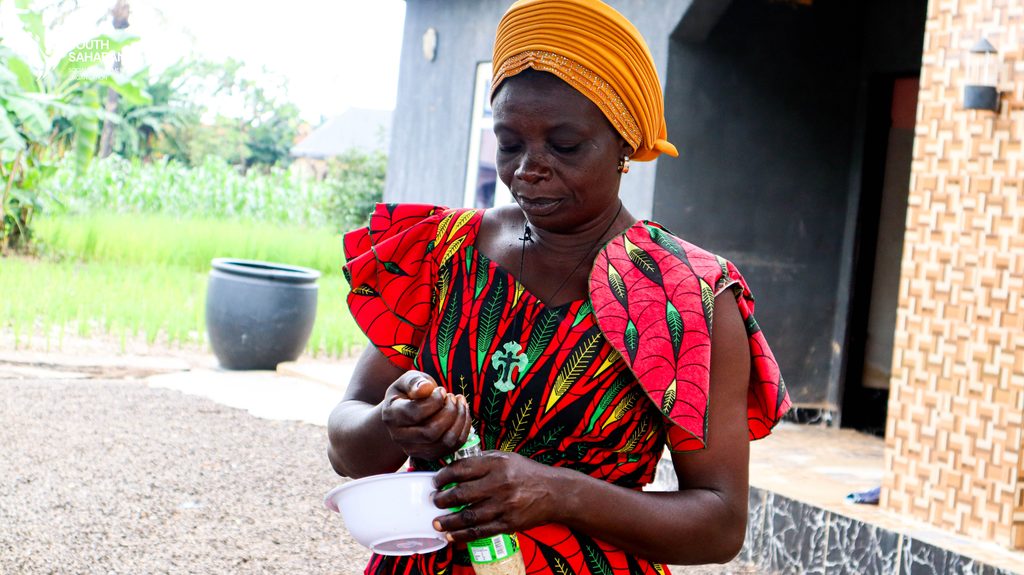
In Isi-Uzo, Madam Lucy used finance accessed through her Village Savings and Loan Association (VSLA) to invest in a rice planter.
The equipment has improved her farming activities while creating an additional income stream.
She also hires the planter to other farmers, allowing the investment to support her own production and other farmers in the community.
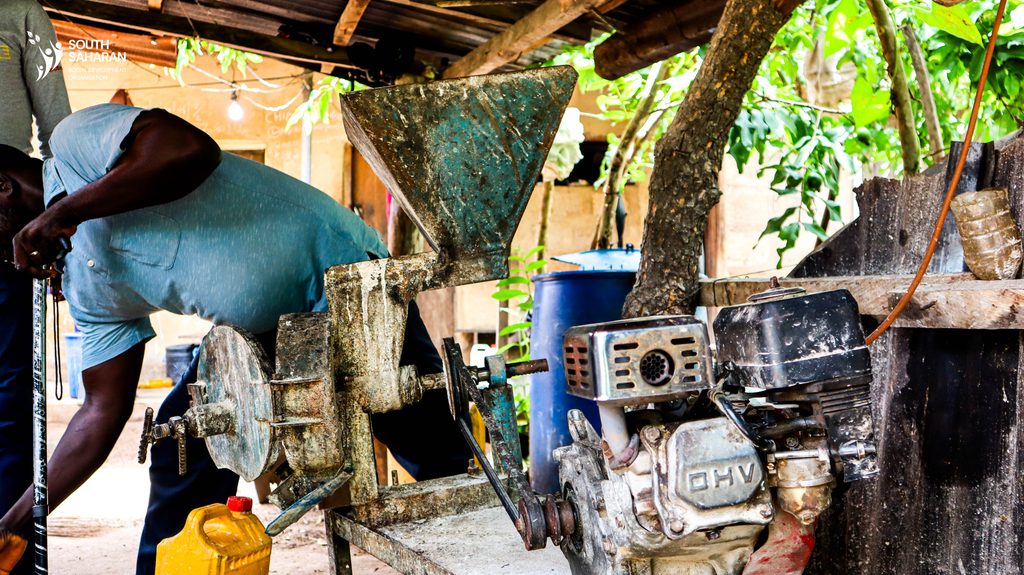
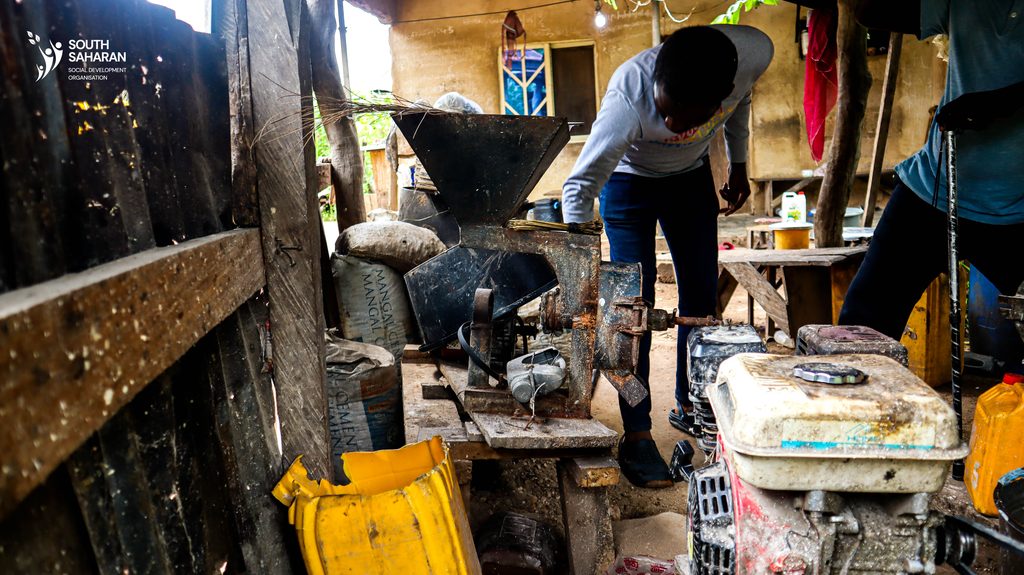
Mr. Ogbuzuru has also used VSLA support to improve his milling business.
Alongside this investment, he is applying sack-farming techniques from his training to expand his livelihood activities.
These experiences show how community finance can support people to invest in practical resources and build on existing livelihoods.

Applying New Knowledge on Farms
Finance is only one part of livelihood development.
Practical knowledge can also help farmers improve production and make better use of available resources.
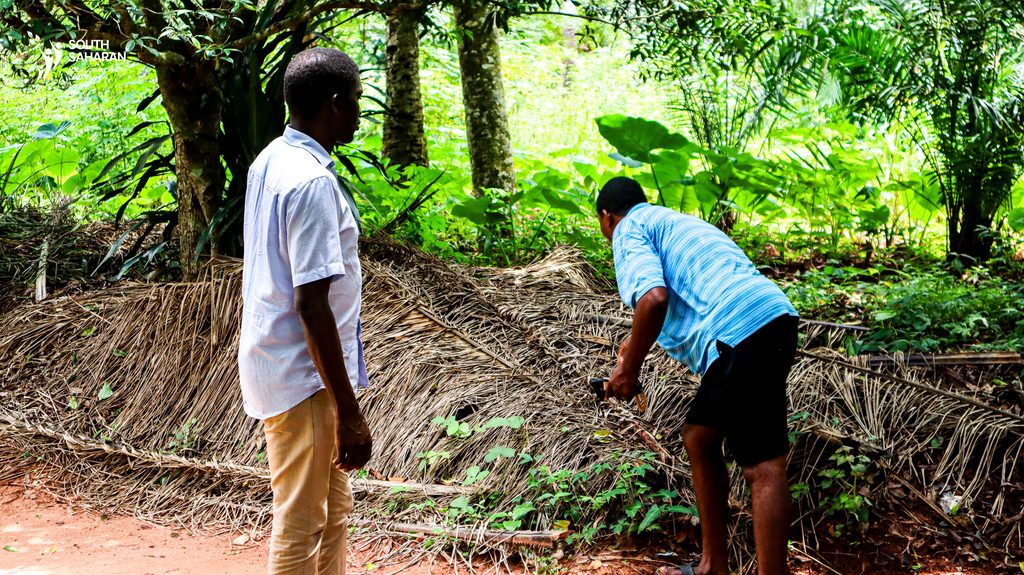
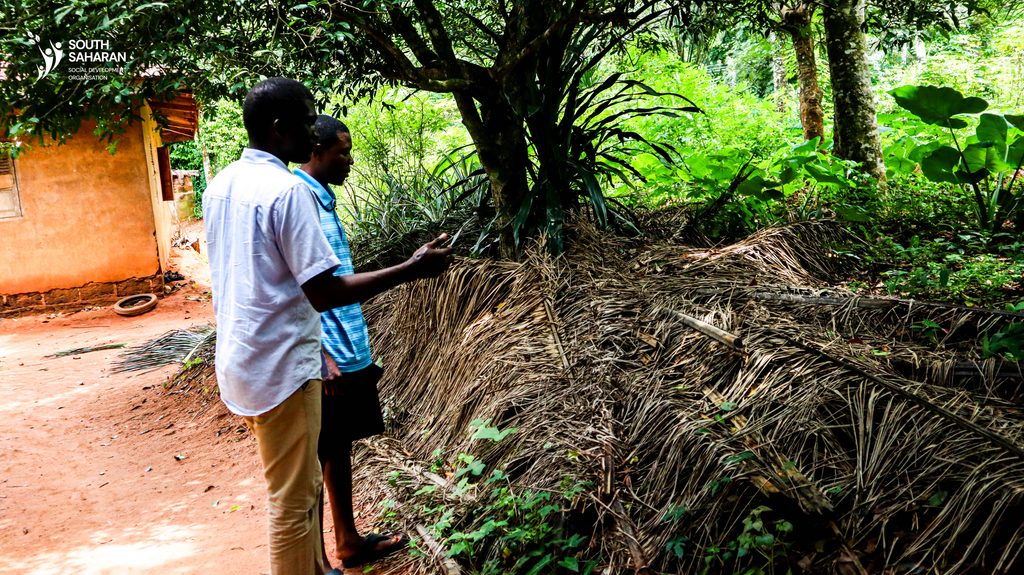
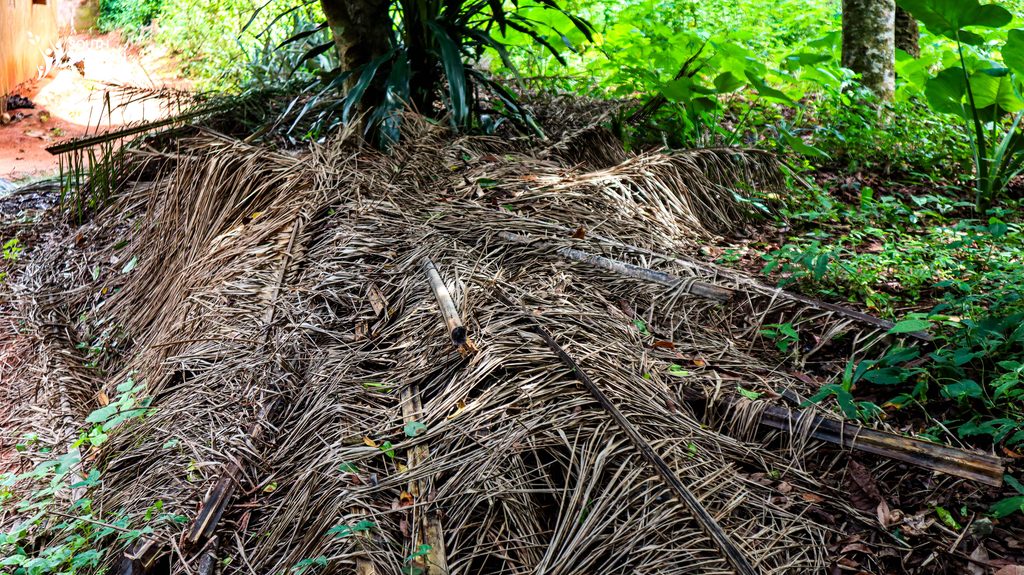
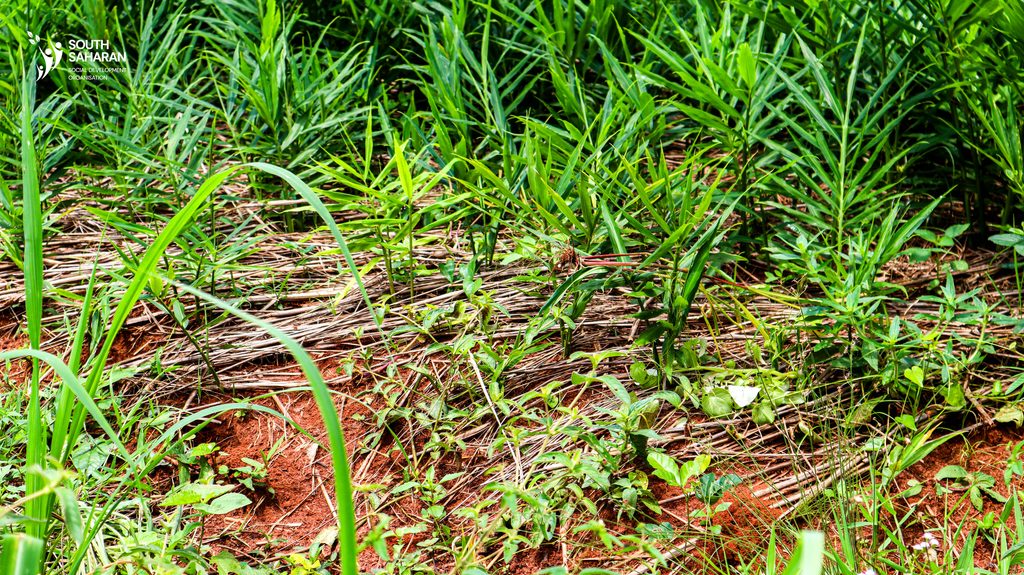
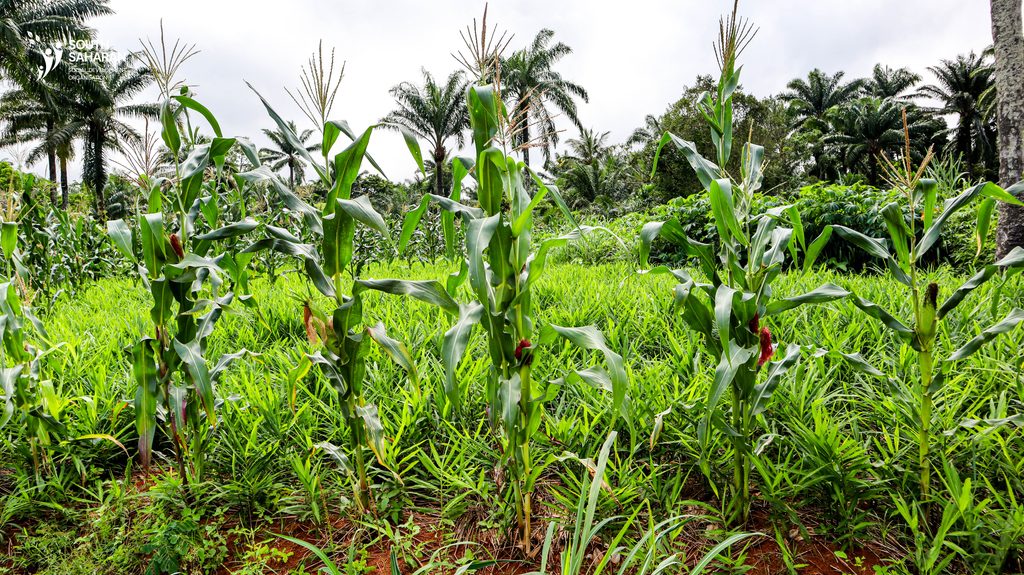
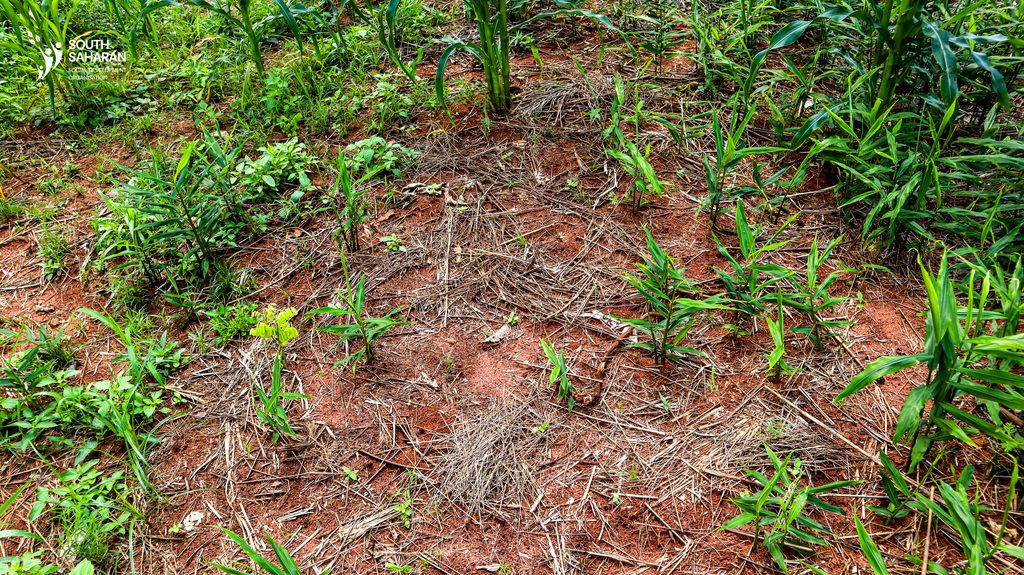
In Igbo-Eze North, farmers such as Promise are applying agroecological practices on their farms.
These practices include using organic manure and mulching to support farm productivity.
For farmers, the benefits extend beyond production.
The produce can help households meet their food needs while also creating opportunities to generate income.
By applying techniques from their training, farmers are adapting new knowledge to their own farming contexts
Taking Civic Knowledge Into Communities
The programme’s impact also extends beyond livelihoods.
In Aninri, young people have taken civic education into their communities.
A voter registration drive helped hundreds of residents complete the registration process.
This shows another way that knowledge and community structures can translate into practical action.
Young people used the information and engagement opportunities available to them to support civic participation within their communities.
Different Communities, Different Pathways
The experiences across the three LGAs show different ways people are applying programme support.
In Isi-Uzo, community finance has supported investment in farming and small businesses.
In Igbo-Eze North, farmers are applying agroecological practices to their production.
Meanwhile, young people in Aninri are using civic knowledge to support participation in their communities.
Although the activities differ, they share a common thread.
People are adapting the resources and knowledge available to them to address needs within their own communities.
This local ownership matters because sustained change depends on people being able to use and build on available opportunities.
Learning From Community Experience
The joint monitoring and evaluation visit by SSDO and ActionAid Nigeria is helping document these experiences.
It also provides an opportunity to understand how programme support is contributing to continued community-led action.
Monitoring therefore goes beyond checking whether activities took place.
It also helps capture how people are using what they have gained and where additional support may be needed.
Through this process, SSDO and its partners can learn from community experiences and strengthen future programming.
The experiences from Aninri, Isi-Uzo, and Igbo-Eze North show how finance, knowledge, and community structures can contribute to practical changes in livelihoods, farming, and civic participation.