SSDO

Youth Civic Engagement Campaign in Enugu State

Democratic governance depends on citizens who understand their rights, participate in electoral processes, and engage public institutions beyond election day. For young people, meaningful participation begins with access to accurate information, civic education, and opportunities to contribute to democratic processes.

South Saharan Social Development Organisation (SSDO) strengthens governance systems by promoting informed civic participation, accountability, and inclusive democratic engagement. Through the Strategic Partnership Agreement (SPA II) Project, implemented in partnership with ActionAid Nigeria, SSDO supports initiatives that empower young people to participate actively in governance while strengthening democratic institutions across Enugu State.

Why Youth Civic Engagement in Enugu State Matters

Young people make up a significant proportion of Nigeria’s population and remain central to the country’s democratic future. Despite this, many continue to face barriers that limit effective participation in elections. Challenges such as incomplete voter registration, low Permanent Voter Card (PVC) collection, misinformation, limited civic education, and electoral violence discourage meaningful engagement and weaken democratic accountability.
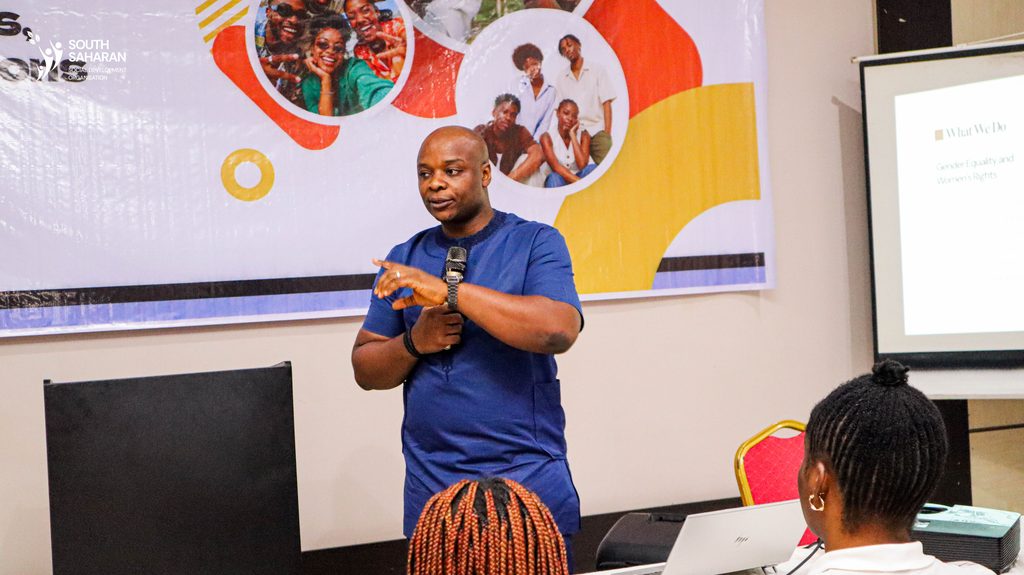
Addressing these barriers requires more than awareness campaigns. It calls for structured interventions that equip young people with practical knowledge, strengthen confidence in democratic institutions, and encourage informed participation throughout the electoral cycle.

Building an active and informed electorate also contributes to stronger governance by increasing citizen oversight and reinforcing the accountability of elected leaders.

Strengthening Democratic Participation Through Youth Civic Engagement

To expand civic participation, SSDO implemented a Youth Civic Engagement Campaign in Enugu State under the SPA II Project. The four-day campaign combined institutional engagement with community-based mobilisation to improve public understanding of Nigeria’s electoral process.

The intervention created opportunities for young people to engage directly with civic education activities while receiving practical guidance on their responsibilities as citizens. Rather than treating elections as isolated events, the campaign positioned democratic participation as an ongoing process that requires continuous learning and informed decision-making.

By connecting civic knowledge with community engagement, the initiative strengthened the foundation for greater youth involvement in governance.

Promoting Voter Education and PVC Mobilisation

A key component of the campaign was a PVC mobilisation drive at the Institute of Management and Technology (IMT), complemented by community-based civic education sessions across SSDO’s SPA II project communities in Enugu State.

Participants received practical guidance on voter registration procedures, Permanent Voter Card collection, the voting process, and the rights and responsibilities guaranteed under Nigeria’s Electoral Act. The sessions also addressed issues that frequently undermine electoral participation, including vote buying, misinformation, electoral violence, and the importance of protecting the integrity of the democratic process.

By combining campus-based mobilisation with community outreach, the campaign reached young people within both formal learning environments and local communities, expanding opportunities for informed civic participation.

Building Stronger Accountability Through Civic Education

Effective democratic systems rely on citizens who can make informed decisions and hold public institutions accountable. Civic education provides the knowledge required to strengthen this relationship by helping citizens understand not only how elections work but also why their participation matters.

The Youth Civic Engagement Campaign in Enugu State contributes to stronger accountability by encouraging young people to participate responsibly while promoting public confidence in democratic processes. It also reinforces the role of civic education in reducing misinformation and supporting peaceful, issue-based electoral participation.

Equipping young people with practical democratic knowledge strengthens governance beyond elections by encouraging sustained engagement with public institutions and policy processes.

Advancing Inclusive Democratic Governance

SSDO continues to strengthen democratic governance by supporting interventions that expand civic participation, improve public accountability, and encourage informed citizen engagement.

Enugu State Youth Policy Implementation Framework

South Saharan Social Development Organisation (SSDO) strengthens youth governance systems in Enugu State by supporting institutional processes that translate policy commitments into measurable action.

Public policies create opportunities for development only when institutions have clear implementation pathways. While many governments successfully develop policy frameworks, the real challenge often lies in coordinating implementation across multiple agencies, aligning budgets with policy priorities, and establishing systems that track progress over time.

Through the Enugu State Youth Policy Implementation Framework, SSDO is advancing coordinated implementation, accountability, and monitoring mechanisms that ensure the State’s Youth Policy delivers meaningful outcomes for young people.

Why Youth Policy Implementation Matters

The launch of the Enugu State Youth Policy in 2025 marked an important milestone for youth development in the State. The policy provides a comprehensive framework for strengthening youth participation, employment, entrepreneurship, inclusion, leadership, innovation, education, and protection.

However, adopting a policy is only the first step. Without coordinated implementation, clearly assigned institutional responsibilities, adequate financing, and effective monitoring systems, policy objectives can remain unrealised.

Bridging this implementation gap is essential for ensuring that young people experience tangible improvements rather than policy commitments on paper.

Advancing the Enugu State Youth Policy Implementation Framework

To strengthen implementation, SSDO convened a high-level stakeholders’ engagement under the Strategic Partnership Agreement (SPA II) Project, implemented in partnership with ActionAid Nigeria (AAN).

The engagement was designed to strengthen the Enugu State Youth Policy Implementation Framework by bringing together Ministries, Departments and Agencies (MDAs), youth-focused institutions, accountability platforms, and youth-led organisations.

Rather than revisiting policy development, the forum focused on establishing the institutional systems required for effective execution across government.

Strengthening Coordination Across Government Institutions

Successful policy implementation depends on clear institutional leadership and collaboration.

Technical sessions enabled participants to define implementation responsibilities under each policy pillar while identifying priority actions that government institutions could begin executing immediately.

The engagement also strengthened coordination pathways between implementing agencies, helping to reduce duplication, improve collaboration, and promote shared accountability for results.

Aligning implementation priorities with the 2027 budget cycle further reinforced the importance of integrating youth development commitments into government planning and resource allocation processes.

Building Accountability Into Implementation

A key outcome of the engagement was the emphasis on monitoring and accountability.

Participants explored practical reporting structures that allow implementing institutions to track progress, measure performance, and identify implementation challenges as they emerge.

Embedding accountability within the implementation framework creates opportunities for evidence-based decision-making while improving transparency across government institutions.

These mechanisms also strengthen collaboration between public institutions and youth stakeholders, ensuring that implementation remains responsive to emerging needs.

Moving From Policy Commitments to Measurable Outcomes

Policies create direction, but implementation creates impact.

By strengthening institutional coordination, clarifying implementation responsibilities, aligning budgets with policy priorities, and reinforcing monitoring systems, the Enugu State Youth Policy Implementation Framework provides a practical pathway for translating government commitments into measurable outcomes for young people.

This systems-based approach recognises that sustainable youth development depends not only on policy design but also on the institutions responsible for delivering it.

Strengthening Youth Governance in Enugu State

Strong governance requires institutions that can implement policies effectively, coordinate across sectors, and remain accountable for results.

Through the Enugu State Youth Policy Implementation Framework, SSDO continues to strengthen evidence-driven youth governance by supporting coordinated implementation systems, institutional accountability, and inclusive participation. By helping government institutions move from policy adoption to practical execution, SSDO contributes to a governance system that delivers sustainable opportunities and improved outcomes for young people across Enugu State.

Climate Finance and Climate Responsive Budgeting Enugu

South Saharan Social Development Organisation (SSDO) advances climate governance in Enugu State by strengthening the systems that connect climate policy with financing, implementation, and institutional accountability. Through the Climate Finance and Climate Responsive Budgeting Enugu dialogue, SSDO brought together government institutions, civil society organisations, legislators, and young people to explore sustainable financing pathways that can accelerate climate action and strengthen policy implementation.

Climate change is no longer solely an environmental issue. It is a governance and development challenge that requires institutions to integrate climate priorities into planning, budgeting, and public investment. While policies establish direction, implementation depends on the availability of sustainable financing mechanisms and accountable governance systems.

Bridging the Gap Between Climate Policy and Implementation

Many governments have adopted climate policies and action plans to guide mitigation and adaptation efforts. However, implementation often remains constrained by limited financial resources, fragmented institutional coordination, and weak integration of climate priorities into public budgeting processes.

Enugu State has developed a Climate Change Policy and Action Plan that provides a strategic framework for climate action. Yet achieving the objectives of this framework requires consistent domestic financing, stronger institutional collaboration, and budgeting processes that recognise climate resilience as a development priority.

Without these enabling systems, climate commitments risk remaining policy aspirations rather than measurable outcomes.

SSDO’s Climate Finance and Climate Responsive Budgeting Enugu Dialogue

To strengthen these governance systems, SSDO convened a two-day Climate Finance and Climate Responsive Budgeting Enugu dialogue under the Strategic Partnership Agreement (SPA II) Project, implemented in partnership with ActionAid Nigeria.

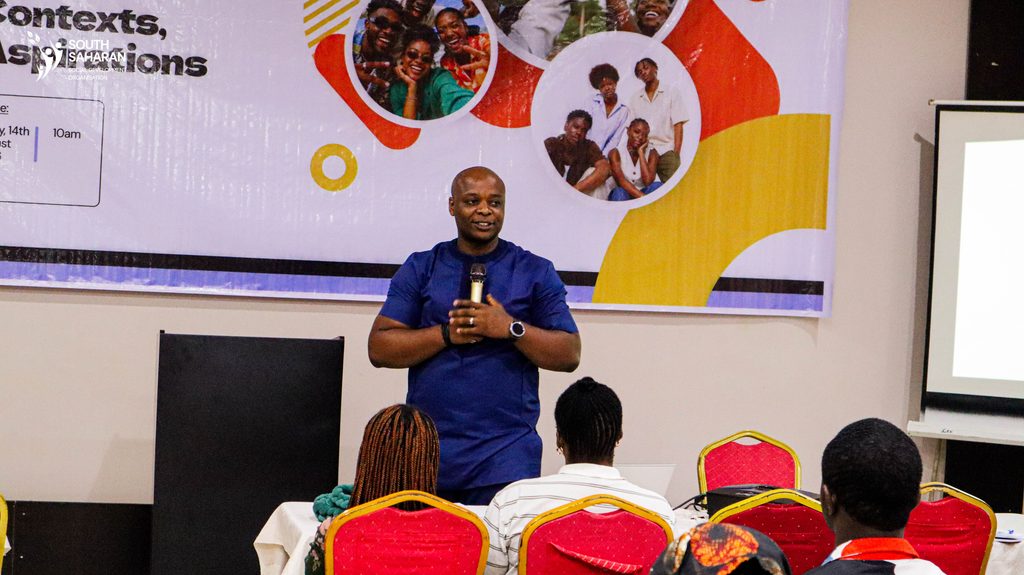
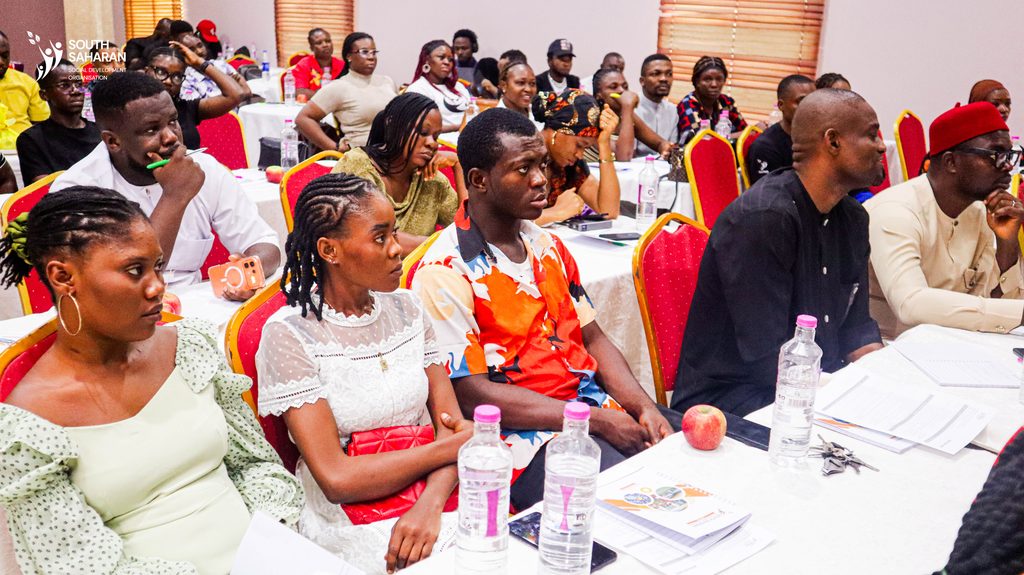
The dialogue created a platform for government institutions, members of the legislature, civil society organisations, and youth representatives to examine practical approaches to financing climate action within Enugu State.

Discussions focused on domestic resource mobilisation, climate-responsive budgeting, institutional accountability, and opportunities for collaboration that can strengthen the implementation of the state’s climate commitments.

Rather than concentrating solely on policy development, the engagement explored how financial systems can better support climate priorities across sectors.

Strengthening Institutional Capacity for Climate Governance

Technical sessions examined practical mechanisms for integrating climate priorities into sectoral budgets and strengthening coordination across government institutions.
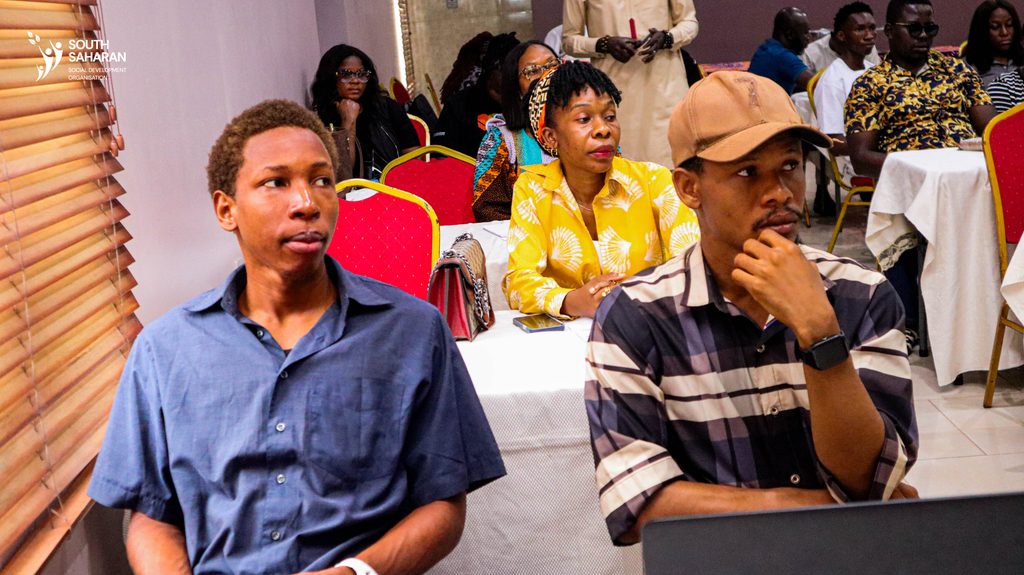
Participants explored approaches to identifying sustainable domestic financing sources, improving institutional collaboration, and developing accountability mechanisms that enhance transparency in climate investments.

The dialogue also considered how evidence-based planning and structured budgeting processes can improve the implementation of climate programmes while ensuring that available resources are allocated more effectively.

By focusing on financing and governance together, the engagement recognised that resilient climate systems require both sound policies and sustainable investment.

Expanding Participation in Climate Decision-Making

An important feature of the dialogue was the inclusion of young people in discussions on fiscal governance and climate finance.

Young people are among those most affected by climate change, yet they are often underrepresented in conversations about public resource allocation and climate financing decisions.
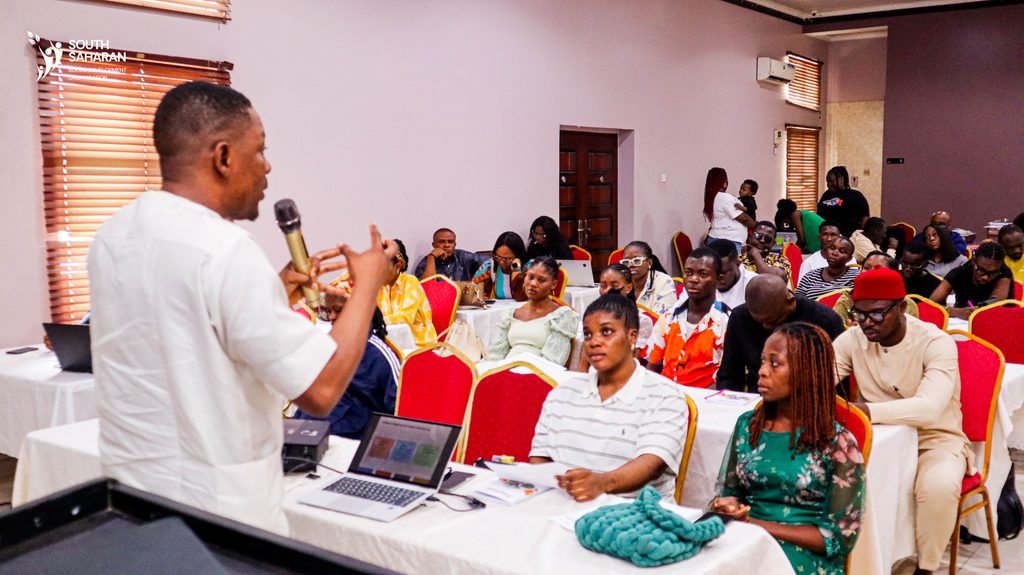
Providing space for youth participation strengthens inclusive governance by ensuring that diverse perspectives contribute to policy implementation and long-term climate planning.

The dialogue also reinforced the role of civil society organisations in promoting accountability and supporting evidence-based climate governance.

From Dialogue to Policy Action

The engagement concluded with the development of a communiqué and policy recommendations to support continued advocacy and strengthen climate financing frameworks within Enugu State.

These recommendations provide practical guidance for improving climate-responsive budgeting, expanding domestic financing opportunities, and strengthening institutional accountability for climate action.

By translating dialogue into actionable policy recommendations, the intervention contributes to a more coordinated approach to implementing the state’s climate commitments.

Strengthening Climate Governance Through Evidence and Partnership

Achieving climate resilience requires governance systems that align policy, financing, and accountability.

Through the Climate Finance and Climate Responsive Budgeting Enugu dialogue, SSDO demonstrated how evidence-informed engagement can strengthen institutional capacity, improve financing mechanisms, and support the implementation of climate commitments at the subnational level. By convening government institutions, development partners, civil society, and young people around practical financing solutions, SSDO continues to advance climate governance that promotes accountability, resilience, and sustainable development across Enugu State.

Digital Tools for Engagement Bootcamp 5.0

South Saharan Social Development Organisation (SSDO) advances youth participation in governance by strengthening the systems that enable informed advocacy, digital engagement, and policy influence.

Across Nigeria, young people remain central to democratic participation and social change. However, meaningful engagement requires more than awareness. It demands the skills, tools, and strategic understanding needed to influence public discourse, shape policy conversations, and mobilise communities around shared development goals.

Through the Digital Tools for Engagement Bootcamp 5.0, SSDO expanded the capacity of young people to engage governance processes using digital technologies, artificial intelligence, and evidence-based advocacy.

Strengthening Youth Participation in Governance

Young people represent one of the largest and most influential demographic groups in Nigeria. Their participation is essential to building accountable institutions, promoting democratic governance, and advancing sustainable development.

Despite this potential, many young people face barriers that limit their influence within governance processes. While civic awareness has increased, opportunities to develop practical advocacy, digital communication, and policy engagement skills remain limited.

At the same time, emerging technologies are transforming how citizens organise campaigns, communicate with decision-makers, and influence public opinion. Artificial intelligence, digital media, and online engagement platforms now play a growing role in advocacy and civic participation.

Building youth capacity in these areas strengthens both individual leadership and broader governance systems.

SSDO’s Digital Tools for Engagement Bootcamp 5.0

As part of the Strategic Partnership Agreement (SPA II) Project, SSDO, in partnership with ActionAid Nigeria and other stakeholders, implemented the Digital Tools for Engagement Bootcamp 5.0.

The three-day programme was designed as a structured capacity-building intervention that combined governance education with practical digital skills development.

Participants explored Nigeria’s political economy, governance structures, human rights, and civic participation while receiving hands-on training in advocacy design, AI-powered content creation, digital campaigning, website development, and cybersecurity.

Rather than focusing solely on theoretical learning, the bootcamp encouraged participants to apply their knowledge through collaborative group work and practical exercises.

The programme concluded with participants developing community-based campaign action plans that reflected real governance challenges and locally relevant advocacy strategies.

From Civic Awareness to Strategic Action

One of the defining features of the bootcamp was its emphasis on moving beyond awareness toward structured civic engagement.

Participants reflected on how public finance, government policy, and institutional decision-making shape opportunities for young people and influence community development.

Many described a significant shift in how they now approach advocacy. Rather than relying on passion alone, participants recognised the importance of planning, evidence, collaboration, and sustained engagement.

For several participants, the programme also provided their first practical experience using artificial intelligence and digital platforms to strengthen advocacy campaigns, create strategic communications, and collaborate across different communities.

The integration of offline engagement, digital media, and emerging technologies demonstrated how modern advocacy can operate across multiple platforms to achieve greater reach and impact.

Building a Stronger Network of Youth Leaders

The Digital Tools for Engagement Bootcamp 5.0 contributes to a growing network of informed and skilled young leaders equipped to engage governance systems more effectively.

By strengthening participants’ technical capacity alongside their understanding of governance processes, the programme supports long-term civic participation that extends beyond individual training sessions.

Participants are better positioned to design advocacy campaigns, engage policymakers, mobilise communities, and contribute to accountability processes within their respective contexts.

This multiplier effect strengthens youth leadership while expanding opportunities for collective action and community-driven development.

Positioning Youth as Partners in Governance

Inclusive governance depends on citizens who possess both the knowledge and the practical skills to influence public institutions constructively.

Through the Digital Tools for Engagement Bootcamp 5.0, SSDO demonstrates how strategic investments in youth capacity can strengthen democratic participation, improve civic engagement, and promote more accountable governance systems. By equipping young people with digital, technological, and advocacy skills, the organisation is contributing to a new generation of leaders capable of shaping public policy, driving community action, and advancing inclusive development across Nigeria.

Sister Guardian Initiative: Expansion Co-Creation Workshop

SSDO convened a one-day co-creation workshop with women committed to scaling the initiative into new communities. The session brought together Sister Guardians who will expand Sister Guardian from their communities into neighbouring communities across Enugu State.

This workshop marked a transition from participation to leadership. The women stepped into new roles as community Champions responsible for driving sustainable expansion.

Understanding Governance and Accountability

The workshop began with a comprehensive overview of the Sister Guardian constitution and bylaws. Participants revisited the program manual to reinforce a shared understanding of the initiative’s structure, guiding principles, and operational expectations.

To ensure clarity and accountability during expansion, SSDO staff walked the women through the reporting templates. This will guide documentation and monitoring efforts. This segment emphasized the importance of transparency, structured communication, and consistent reporting as the initiative grows into new communities.

Listening to Women’s Realities

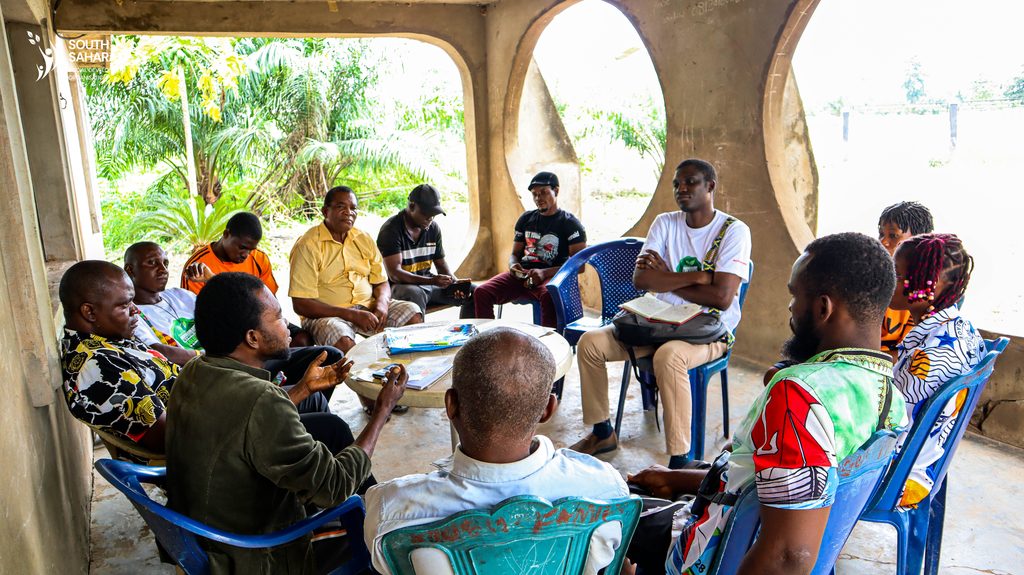
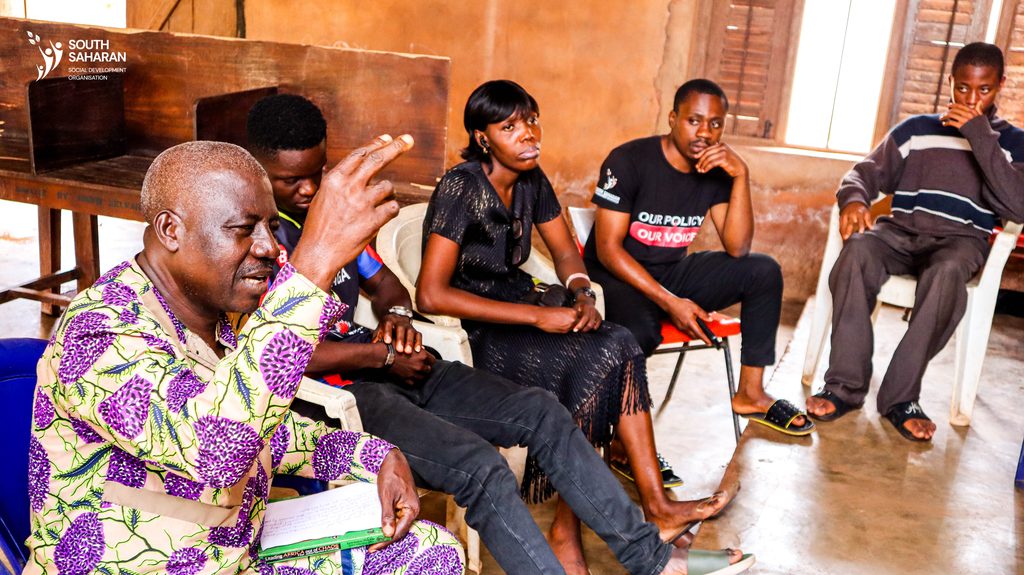
A core component of the workshop was the co-creation session, where participants openly discussed the challenges they face within their communities. This interactive dialogue created space for shared learning, peer support, and collaborative problem-solving.

The women contributed practical ideas on how best to support expansion efforts, identifying barriers such as community resistance, limited resources, and cultural sensitivities. Together, they explored realistic and community-driven solutions that align with the values of Sister Guardian.

Engaging Local Leadership Structures

As part of the expansion strategy, the newly designated Champions received targeted guidance on how to approach new communities. They were trained to engage community leaders, women’s groups, and other relevant local leadership structures with respect and cultural sensitivity.

The training emphasized how to properly introduce themselves, clearly communicate their intentions, and present the Sister Guardian initiative in a way that builds trust and credibility.

Building a Culture of Evidence

The Champions were trained on documenting their activities using the standardized reporting templates to ensure effective supervision and measurable progress. They also learned the importance of capturing photos and videos to visually demonstrate impact and track growth.

This documentation process will serve multiple purposes: monitoring progress, identifying emerging challenges, sharing success stories, and strengthening accountability as the initiative expands.

By embedding structured reporting into the expansion process, SSDO reinforces a culture of evidence-based growth and responsible program management.

Expanding Women’s Empowerment Across Enugu Communities

The workshop concluded with renewed confidence in the Champions’ capacity to lead expansion efforts effectively. Their commitment, clarity of purpose, and strengthened skills position them to extend the Sister Guardian initiative into more communities.

As the program grows, more women will gain access to supportive networks and platforms to voice their concerns and aspirations. Through careful planning, community engagement, and sustained mentorship, Sister Guardian continues to evolve as a movement for grassroots empowerment.