

Young people across Southeast Nigeria face growing climate challenges. Flooding, erosion, changing rainfall patterns and threats to food security affect their communities and livelihoods. However, many young people have limited opportunities to influence climate policies, access climate finance or shape decisions about their environment.
The Southeast Local Conference of Youth (LCOY) 2026 provided a platform to address these gaps. It brought young people together to examine regional climate challenges and strengthen their contribution to climate action.
South Saharan Social Development Organisation (SSDO) organised the conference in partnership with ActionAid Nigeria. The event took place under the Strategic Partnership Agreement (SPA II) Project.
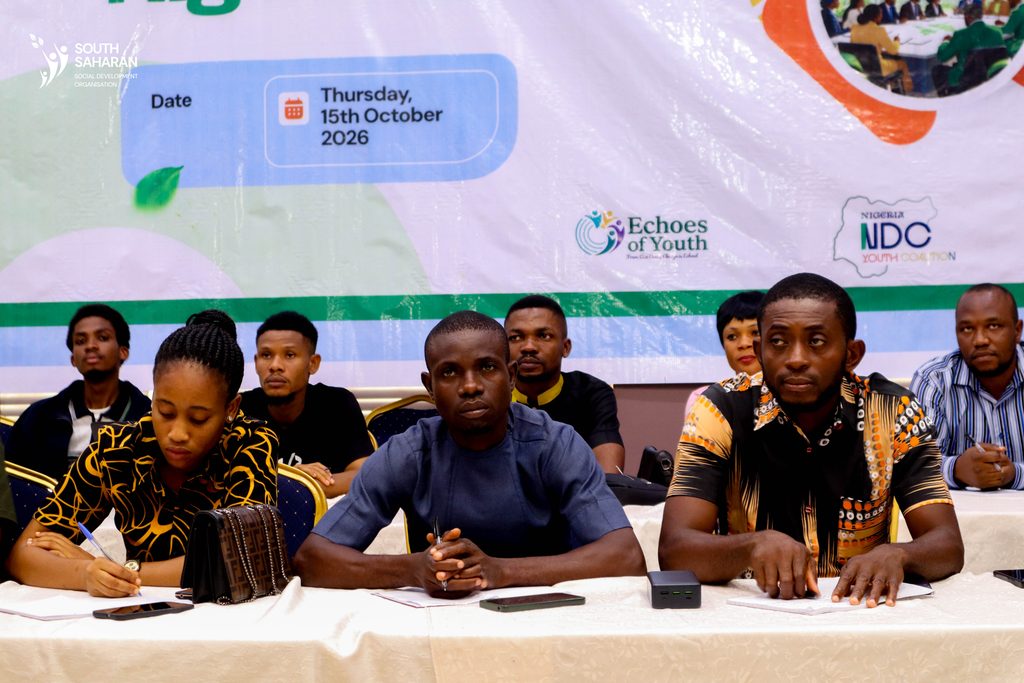
Advancing Youth-Led Climate Action in Southeast Nigeria
The conference adopted the theme, “Advancing NDC 3.0 Implementation: Youth-Led AI and Climate Finance Capacity Building for a Resilient Nigeria.”
This theme placed young people at the centre of conversations about climate policy and implementation. It also highlighted the need to equip youth-led organisations with practical knowledge and resources.
Across the Southeast, communities experience climate change in different ways. For example, flooding and erosion threaten homes, infrastructure and agricultural activities. Meanwhile, changing rainfall patterns create uncertainty for farmers and other communities that depend on natural resources.
These challenges require responses that reflect local realities. Therefore, young people need opportunities to contribute their knowledge and priorities to climate planning.
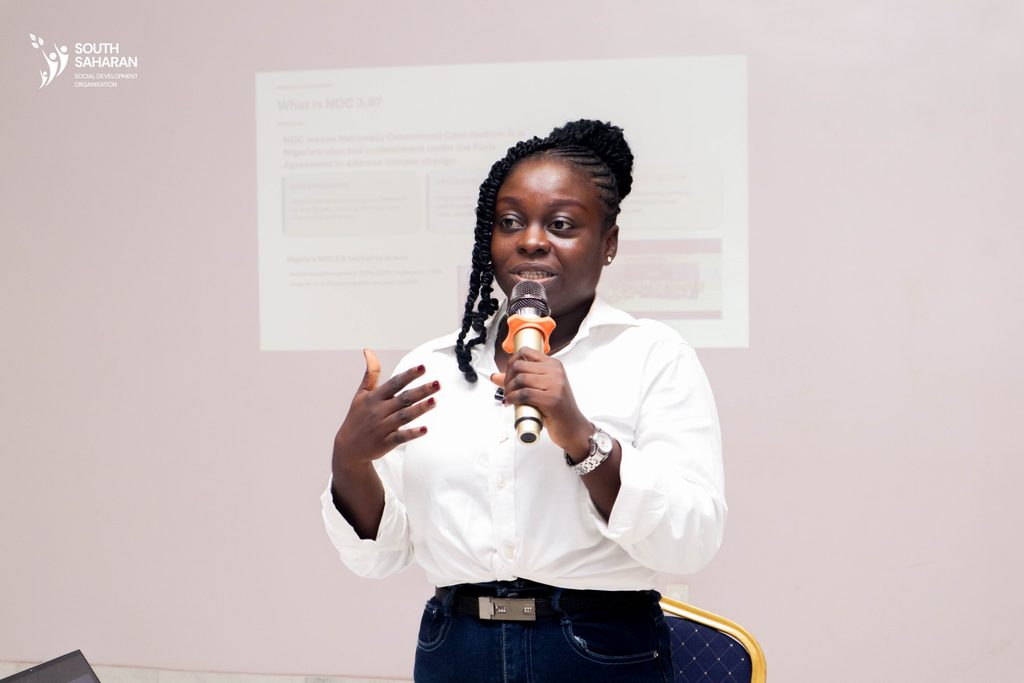

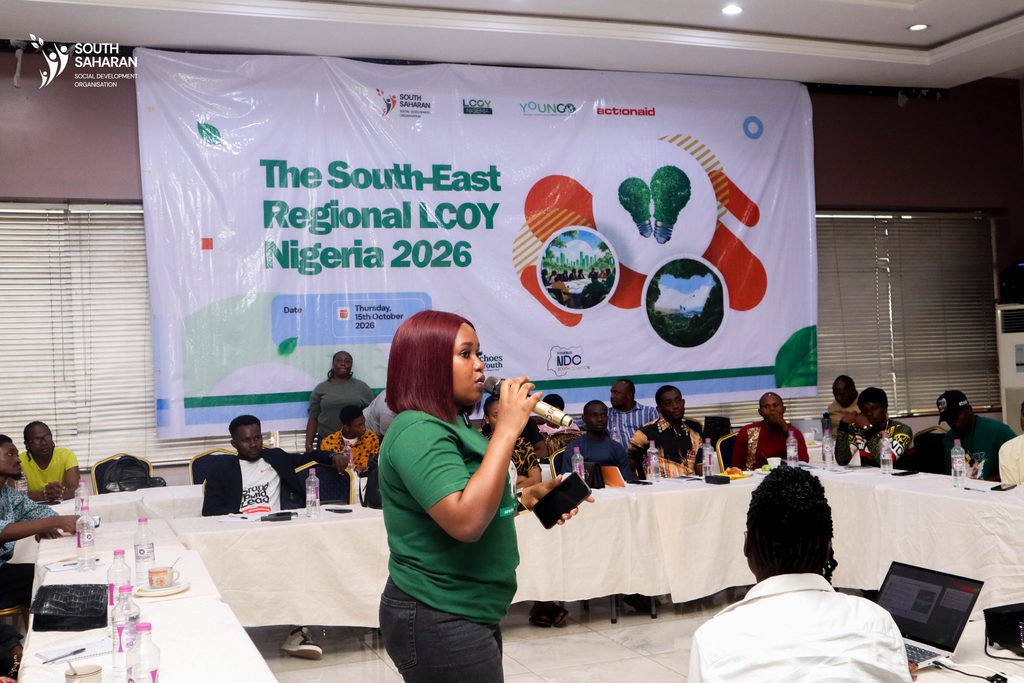
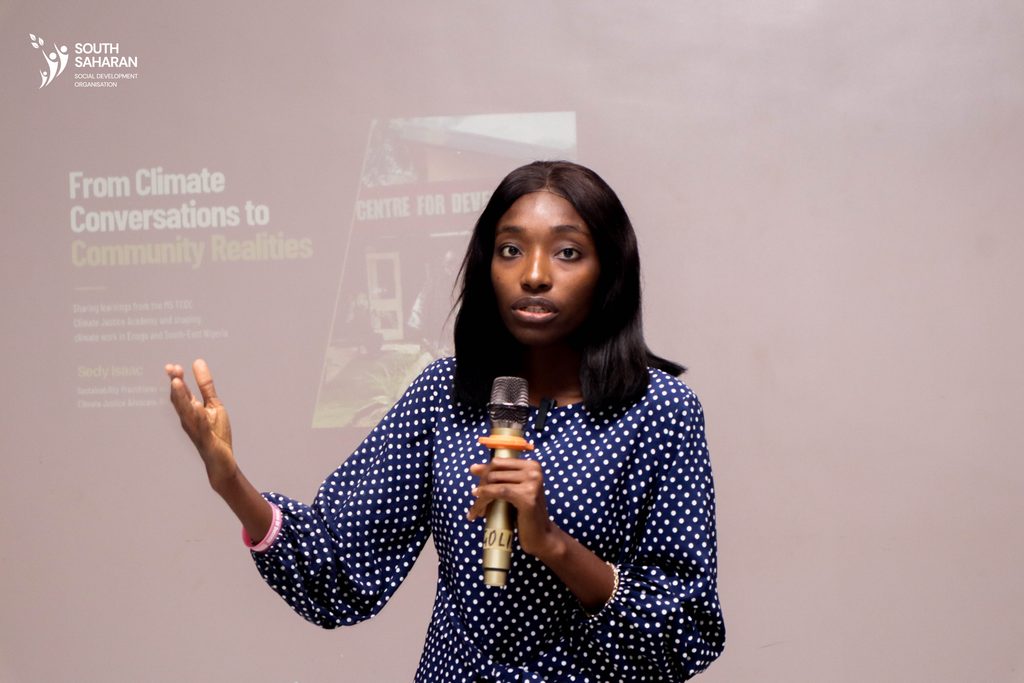
Exploring AI, Climate Finance and Community Priorities
Discussions at Southeast LCOY 2026 examined several areas where young people can contribute to climate solutions.
Participants explored how artificial intelligence can support climate action. They also considered how youth-led organisations can access climate finance and strengthen their capacity to implement climate initiatives.

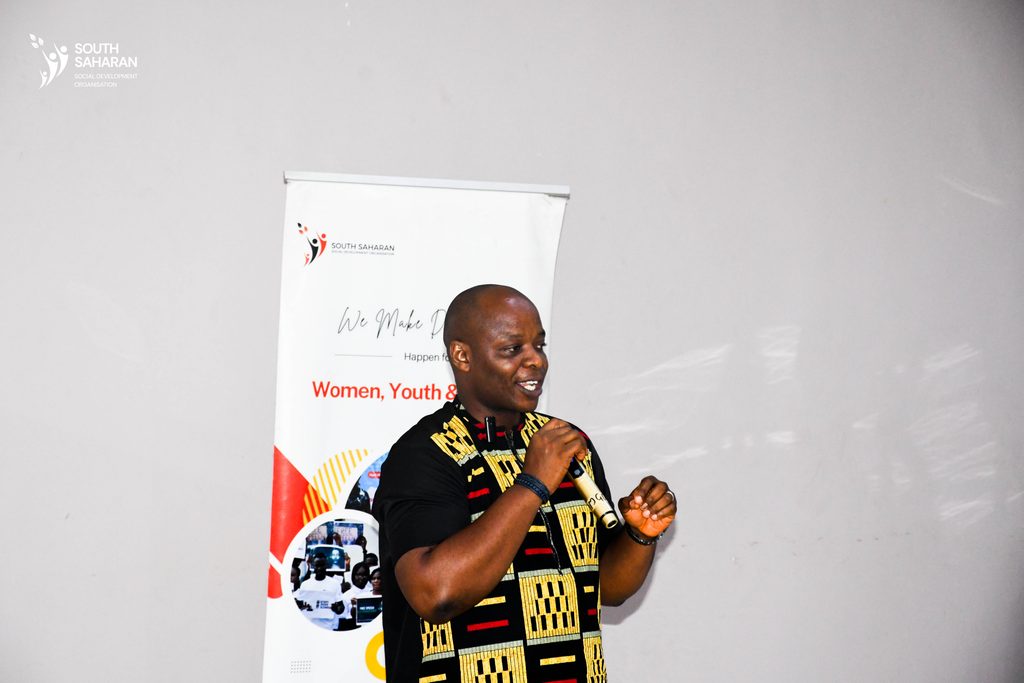




Climate finance remains important for turning ideas into practical interventions. However, young organisations may face difficulties accessing funding and the knowledge needed to navigate available opportunities. Building their capacity can help them develop stronger proposals and deliver community-based responses.
Additionally, participants discussed how community priorities can inform climate policies and adaptation efforts. These conversations connected broader policy commitments with the experiences of people facing climate-related challenges.
Other areas included agroecology, climate budgeting, gender-inclusive adaptation and the transition to a more sustainable economy. Together, these discussions highlighted the different skills, resources and policy approaches needed to support climate resilience.
Building a Community Climate Action Plan
An important part of the conference was creating space for young people to contribute ideas towards a Community Climate Action Plan.
The plan provides an opportunity to bring community concerns and youth perspectives into conversations about climate responses. It also supports stronger youth engagement in climate advocacy and decision-making.
Young people often understand the environmental pressures affecting their communities through direct experience. Their participation can help decision-makers consider local needs when developing policies and adaptation strategies.
However, meaningful participation requires more than inviting young people to climate discussions. They also need the knowledge, resources and platforms to influence decisions and contribute to implementation.
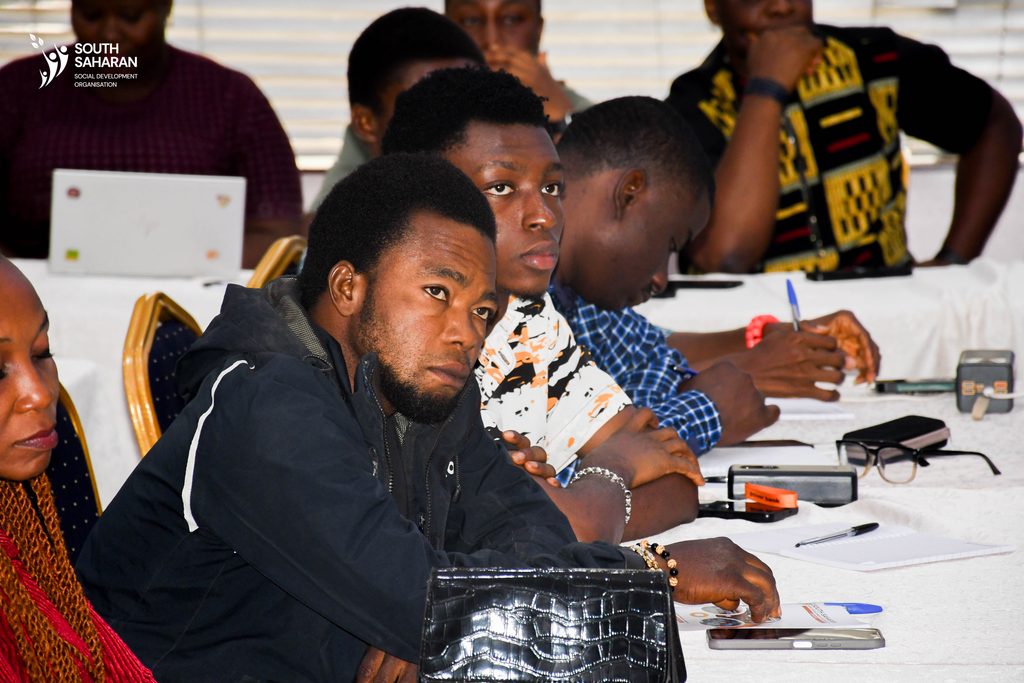



Strengthening Youth Participation Through SPA II
Through the Strategic Partnership Agreement (SPA II) Project, SSDO and ActionAid Nigeria continue to support youth participation in climate action.
The partnership places particular attention on young people from marginalised communities. It recognises the importance of giving them opportunities to engage with climate policies, advocacy and decision-making processes.
Southeast LCOY 2026 contributed to this effort by bringing young people into conversations about climate finance, technology, community priorities and policy implementation.
As climate pressures continue to affect communities across the region, young people must have a meaningful role in shaping the response. Their ideas and participation can help ensure that climate solutions reflect the realities of the communities they seek to serve.