SSDO

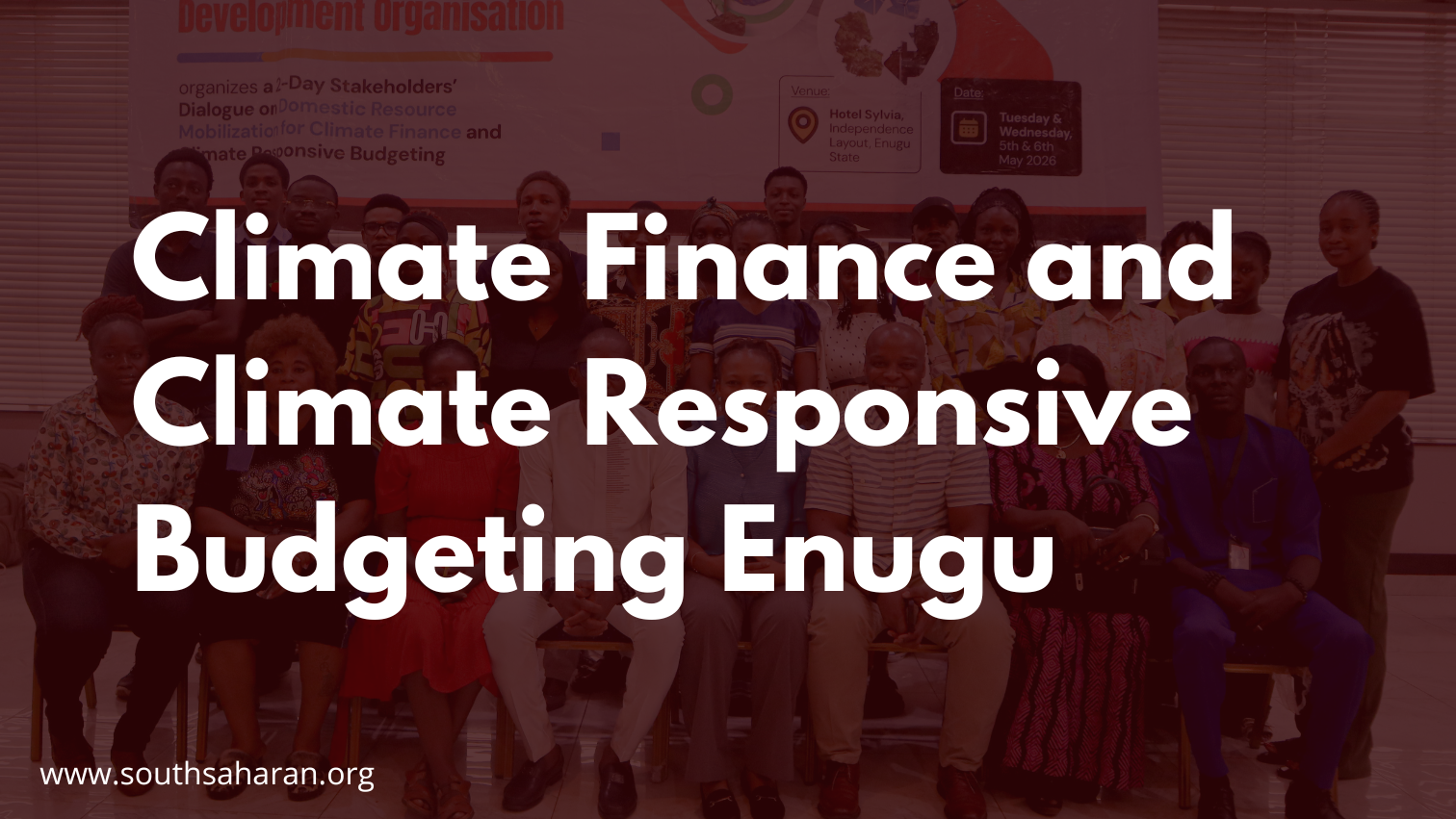
Climate Finance and Climate Responsive Budgeting Enugu

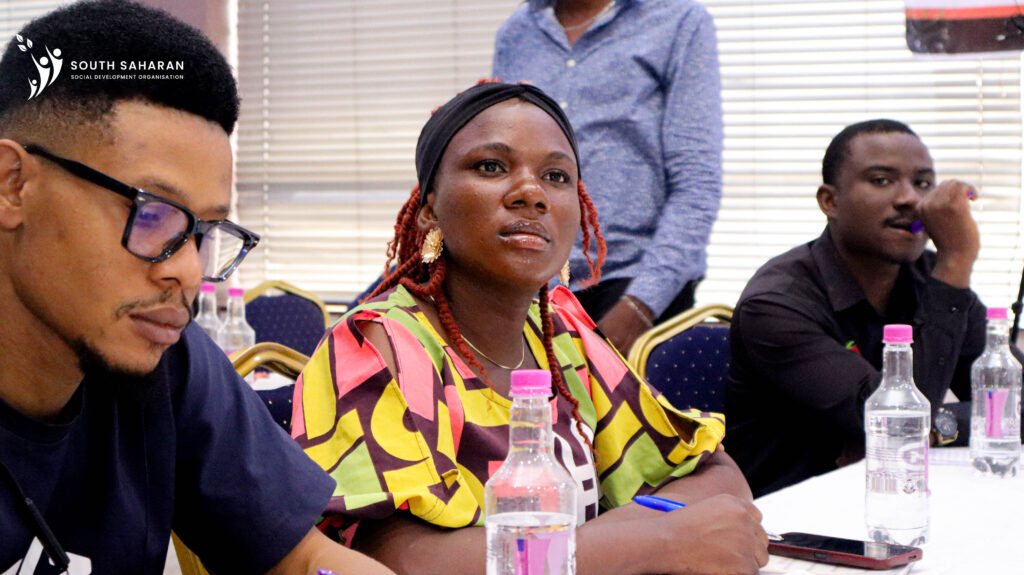
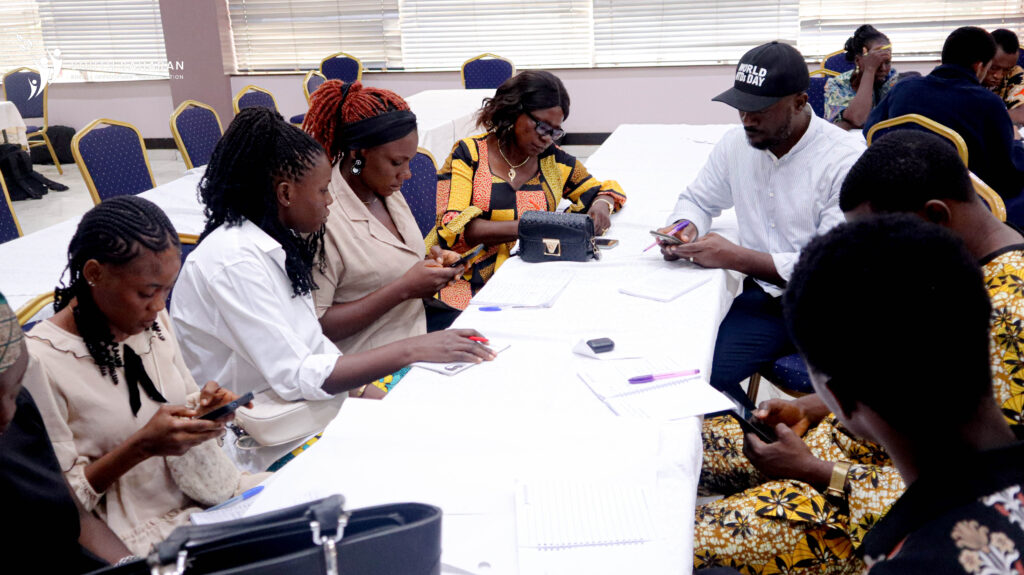
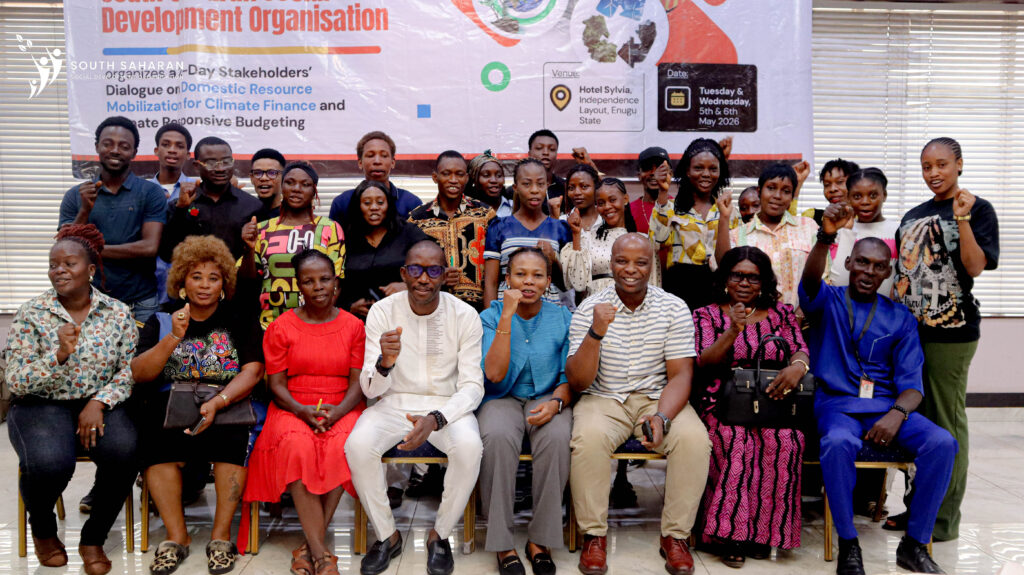
South Saharan Social Development Organisation (SSDO) advances climate governance in Enugu State by strengthening the systems that connect climate policy with financing, implementation, and institutional accountability. Through the Climate Finance and Climate Responsive Budgeting Enugu dialogue, SSDO brought together government institutions, civil society organisations, legislators, and young people to explore sustainable financing pathways that can accelerate climate action and strengthen policy implementation.

Climate change is no longer solely an environmental issue. It is a governance and development challenge that requires institutions to integrate climate priorities into planning, budgeting, and public investment. While policies establish direction, implementation depends on the availability of sustainable financing mechanisms and accountable governance systems.
Bridging the Gap Between Climate Policy and Implementation

Many governments have adopted climate policies and action plans to guide mitigation and adaptation efforts. However, implementation often remains constrained by limited financial resources, fragmented institutional coordination, and weak integration of climate priorities into public budgeting processes.

Enugu State has developed a Climate Change Policy and Action Plan that provides a strategic framework for climate action. Yet achieving the objectives of this framework requires consistent domestic financing, stronger institutional collaboration, and budgeting processes that recognise climate resilience as a development priority.

Without these enabling systems, climate commitments risk remaining policy aspirations rather than measurable outcomes.

SSDO’s Climate Finance and Climate Responsive Budgeting Enugu Dialogue

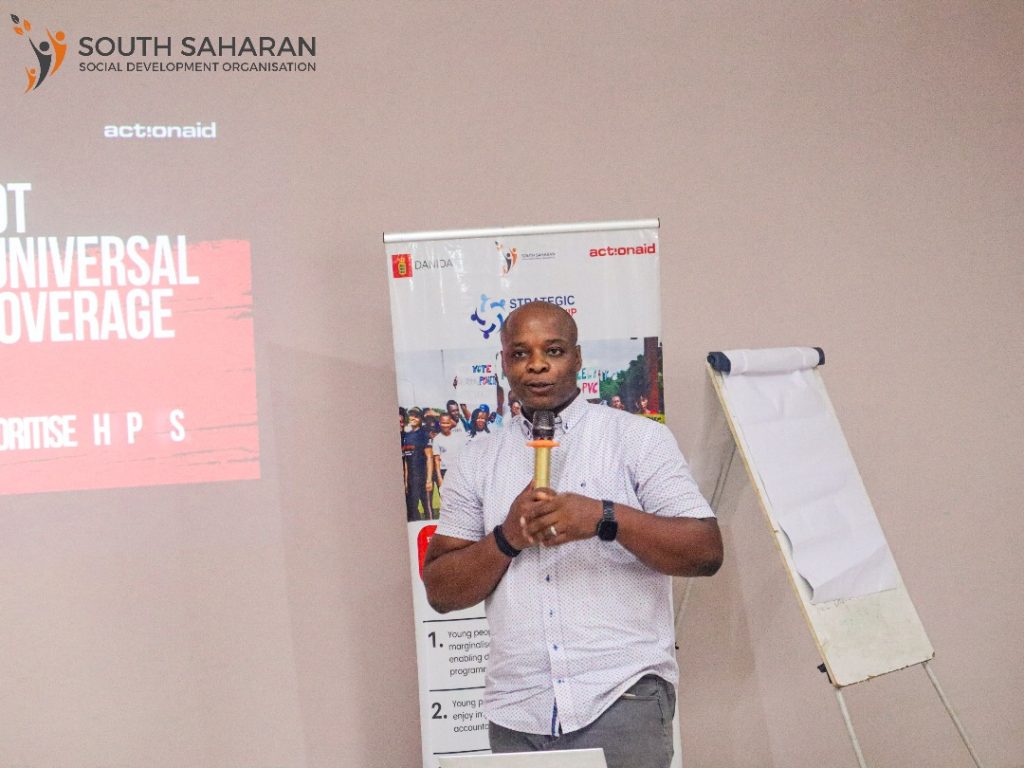
To strengthen these governance systems, SSDO convened a two-day Climate Finance and Climate Responsive Budgeting Enugu dialogue under the Strategic Partnership Agreement (SPA II) Project, implemented in partnership with ActionAid Nigeria.

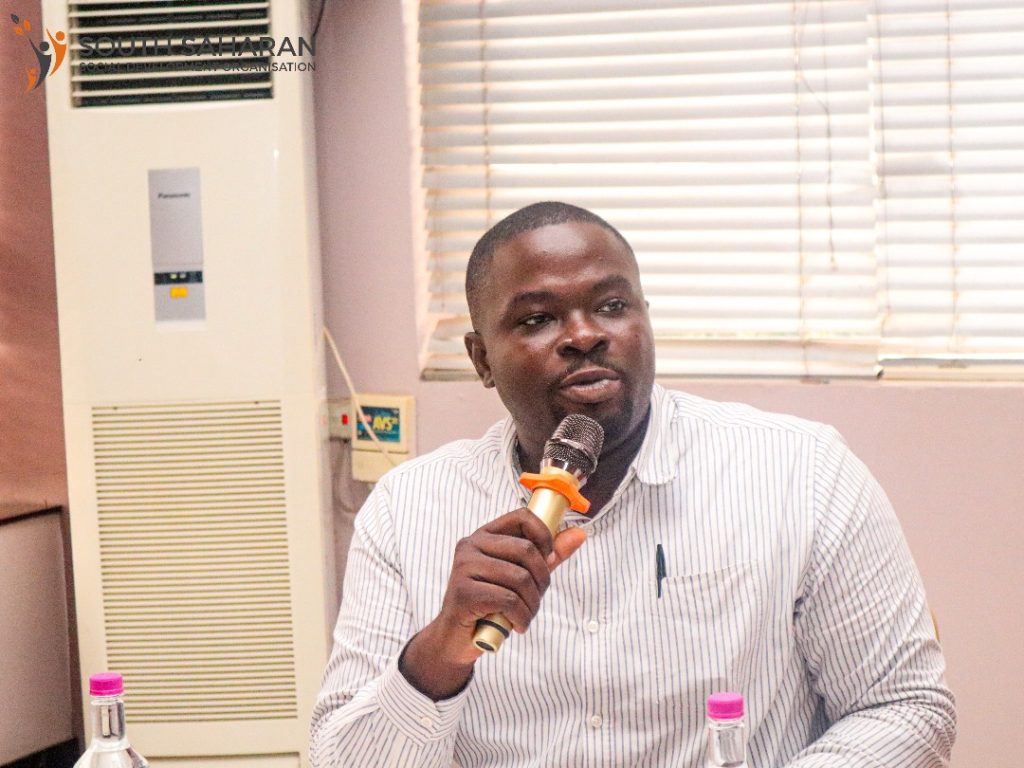
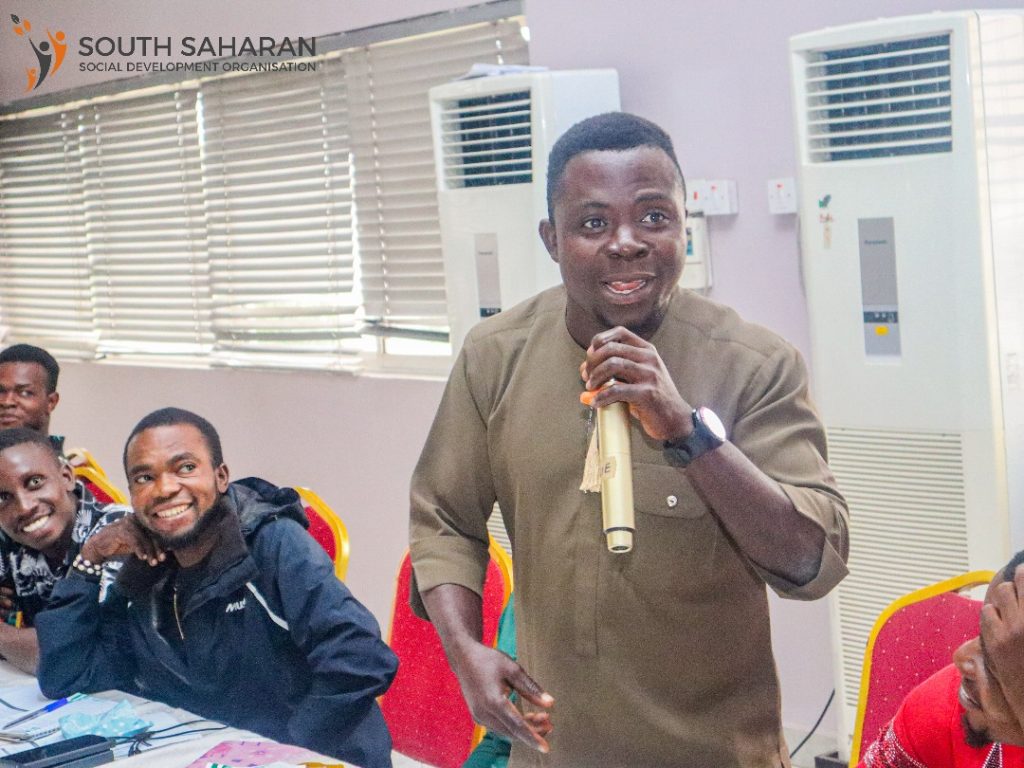
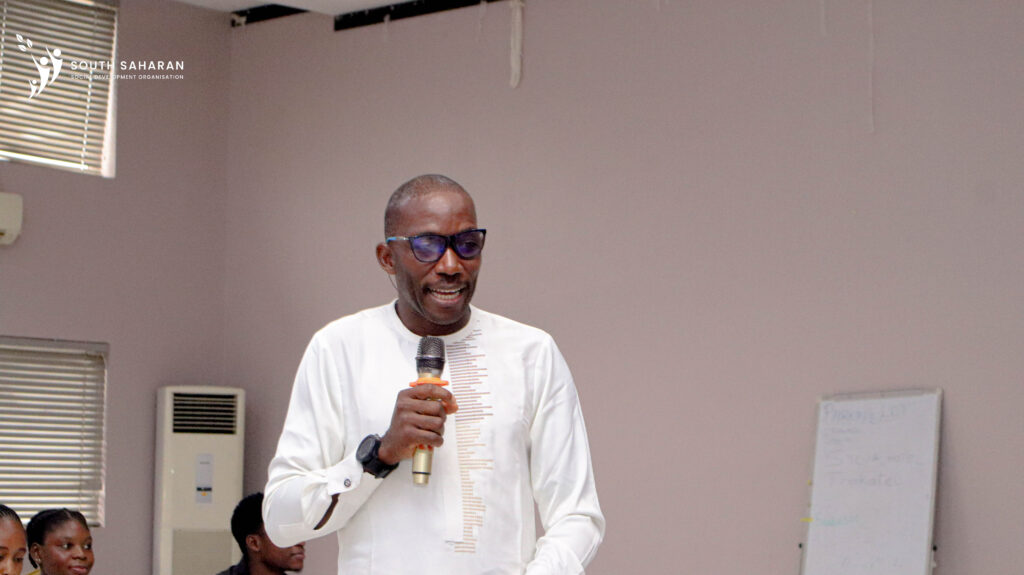
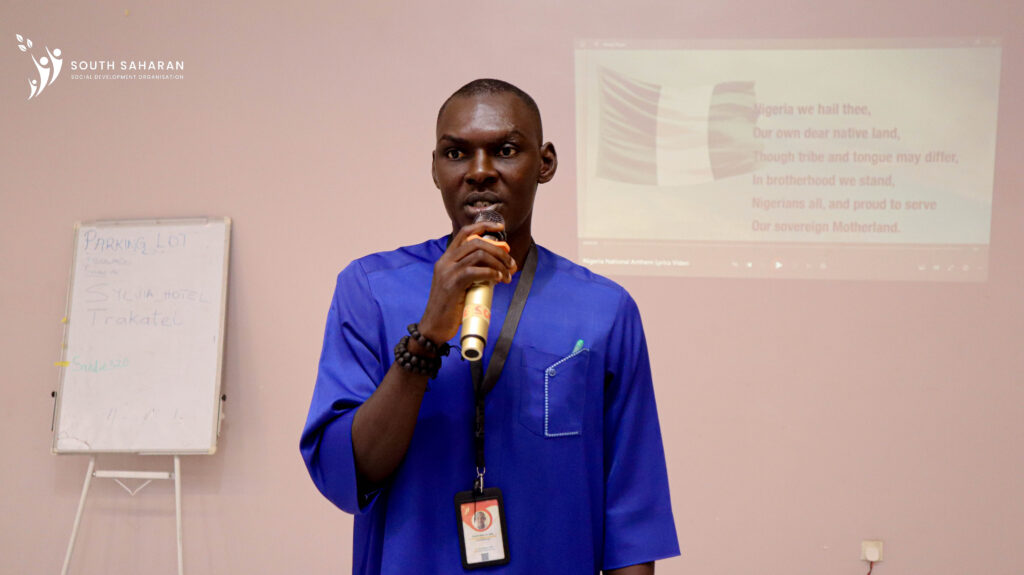
The dialogue created a platform for government institutions, members of the legislature, civil society organisations, and youth representatives to examine practical approaches to financing climate action within Enugu State.

Discussions focused on domestic resource mobilisation, climate-responsive budgeting, institutional accountability, and opportunities for collaboration that can strengthen the implementation of the state’s climate commitments.

Rather than concentrating solely on policy development, the engagement explored how financial systems can better support climate priorities across sectors.
Strengthening Institutional Capacity for Climate Governance

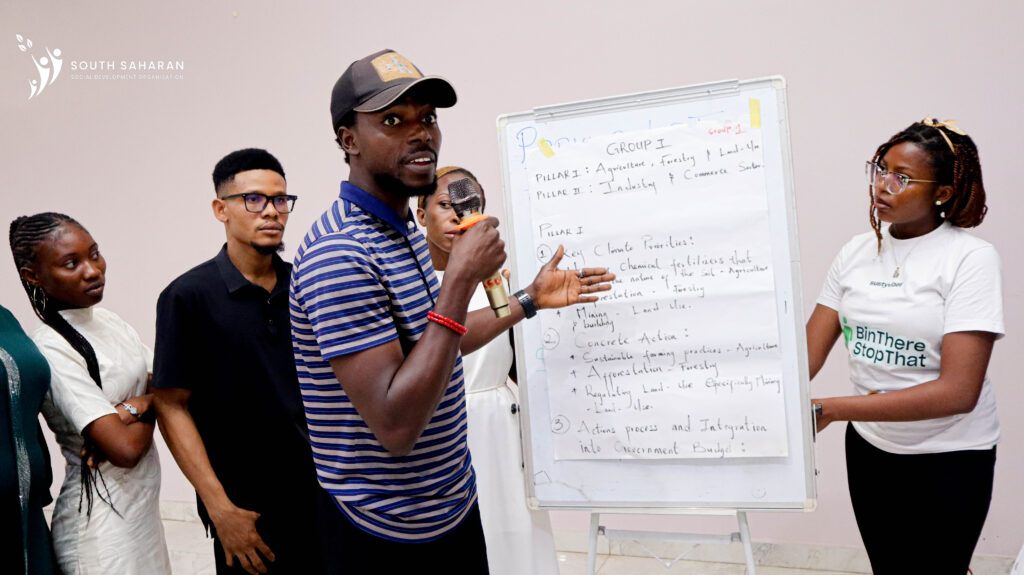
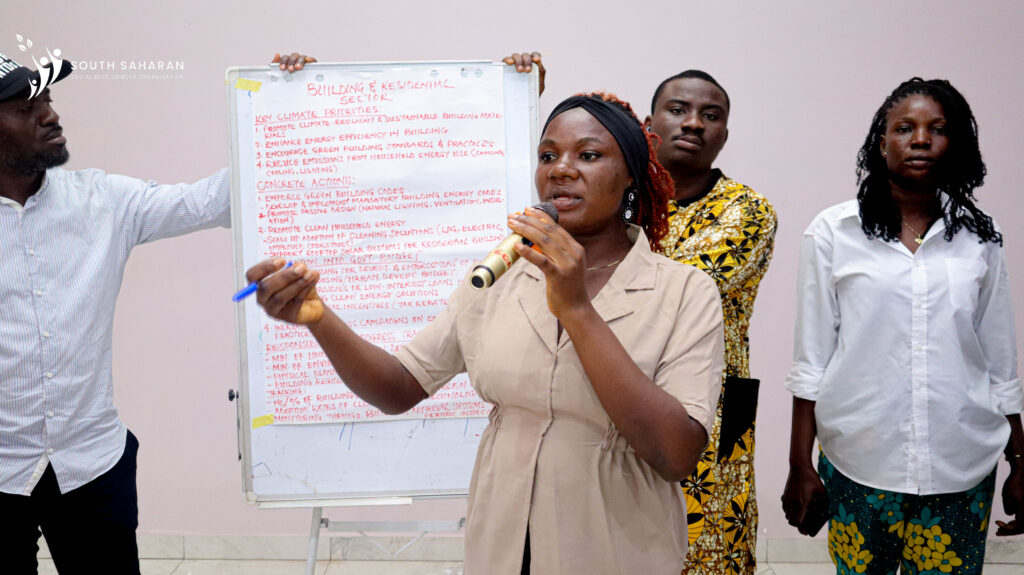
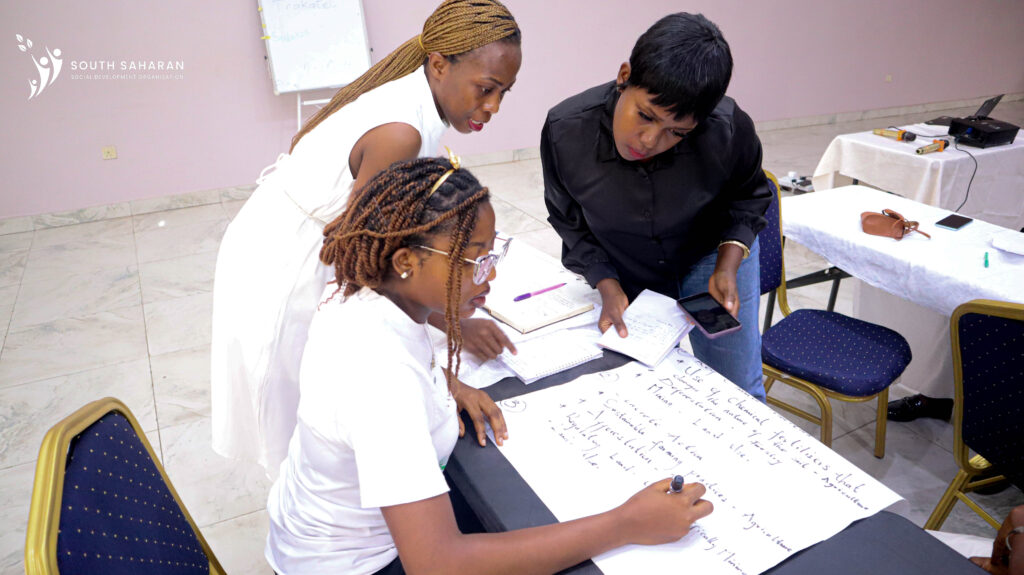
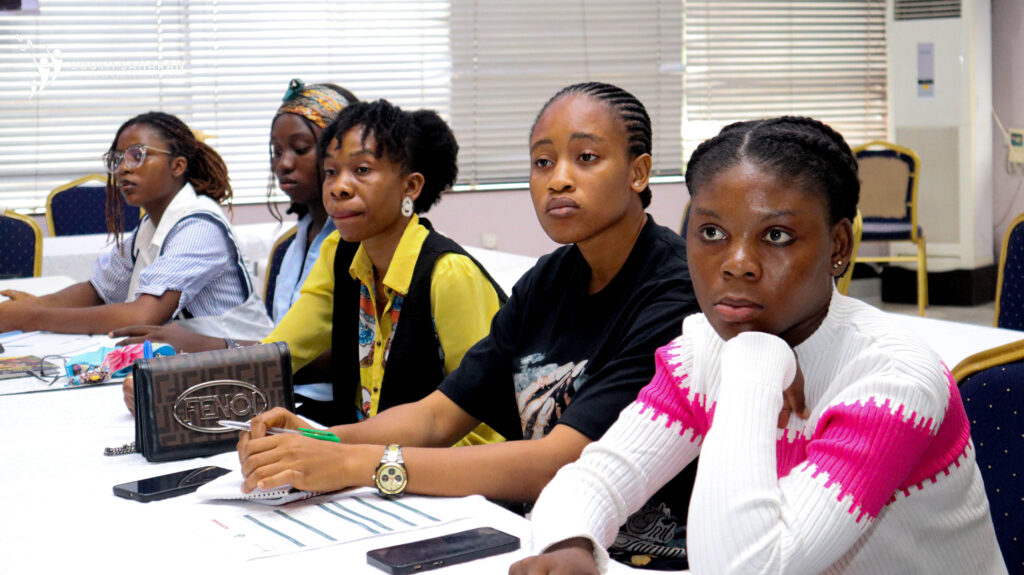
Technical sessions examined practical mechanisms for integrating climate priorities into sectoral budgets and strengthening coordination across government institutions.

Participants explored approaches to identifying sustainable domestic financing sources, improving institutional collaboration, and developing accountability mechanisms that enhance transparency in climate investments.

The dialogue also considered how evidence-based planning and structured budgeting processes can improve the implementation of climate programmes while ensuring that available resources are allocated more effectively.

By focusing on financing and governance together, the engagement recognised that resilient climate systems require both sound policies and sustainable investment.
Expanding Participation in Climate Decision-Making

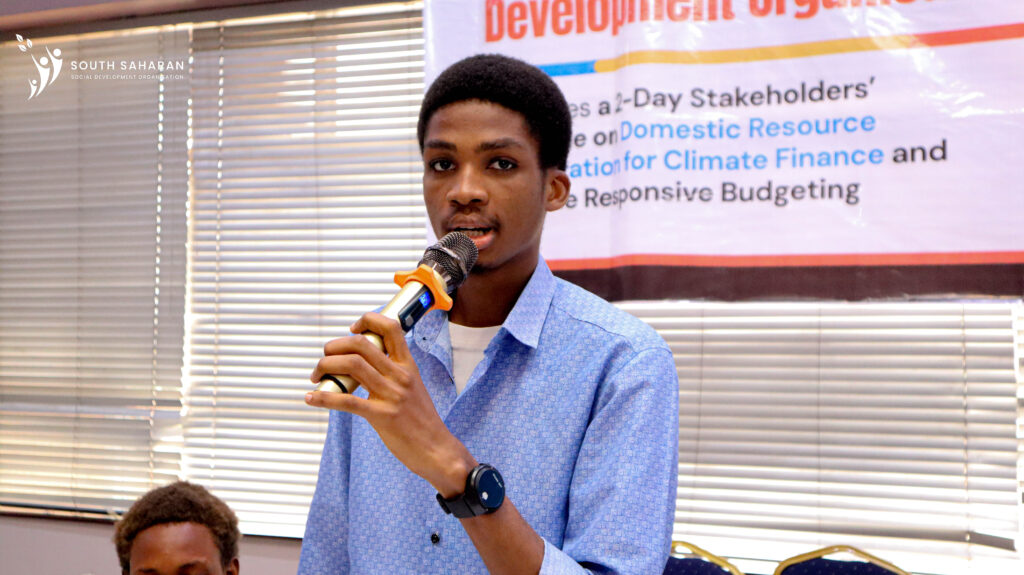
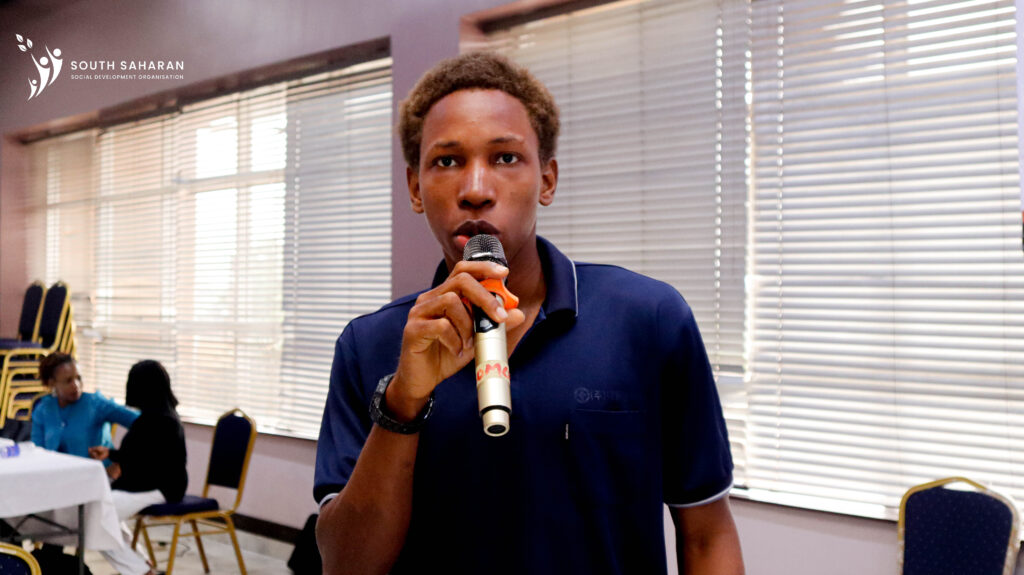
An important feature of the dialogue was the inclusion of young people in discussions on fiscal governance and climate finance.

Young people are among those most affected by climate change, yet they are often underrepresented in conversations about public resource allocation and climate financing decisions.

Providing space for youth participation strengthens inclusive governance by ensuring that diverse perspectives contribute to policy implementation and long-term climate planning.

The dialogue also reinforced the role of civil society organisations in promoting accountability and supporting evidence-based climate governance.
From Dialogue to Policy Action

The engagement concluded with the development of a communiqué and policy recommendations to support continued advocacy and strengthen climate financing frameworks within Enugu State.

These recommendations provide practical guidance for improving climate-responsive budgeting, expanding domestic financing opportunities, and strengthening institutional accountability for climate action.

By translating dialogue into actionable policy recommendations, the intervention contributes to a more coordinated approach to implementing the state’s climate commitments.
Strengthening Climate Governance Through Evidence and Partnership

Achieving climate resilience requires governance systems that align policy, financing, and accountability.

Through the Climate Finance and Climate Responsive Budgeting Enugu dialogue, SSDO demonstrated how evidence-informed engagement can strengthen institutional capacity, improve financing mechanisms, and support the implementation of climate commitments at the subnational level. By convening government institutions, development partners, civil society, and young people around practical financing solutions, SSDO continues to advance climate governance that promotes accountability, resilience, and sustainable development across Enugu State.
World Environment Day 2025: SSDO Amplifies Youth Voices on Climate Policy

Plastic is everywhere in our oceans, on our streets, in our food, and even inside our bodies. But it doesn’t have to be this way. The growing crisis of plastic pollution calls not just for awareness, but for bold, sustained action. It demands that young people who will inherit this planet are not left on the sidelines of environmental conversations.

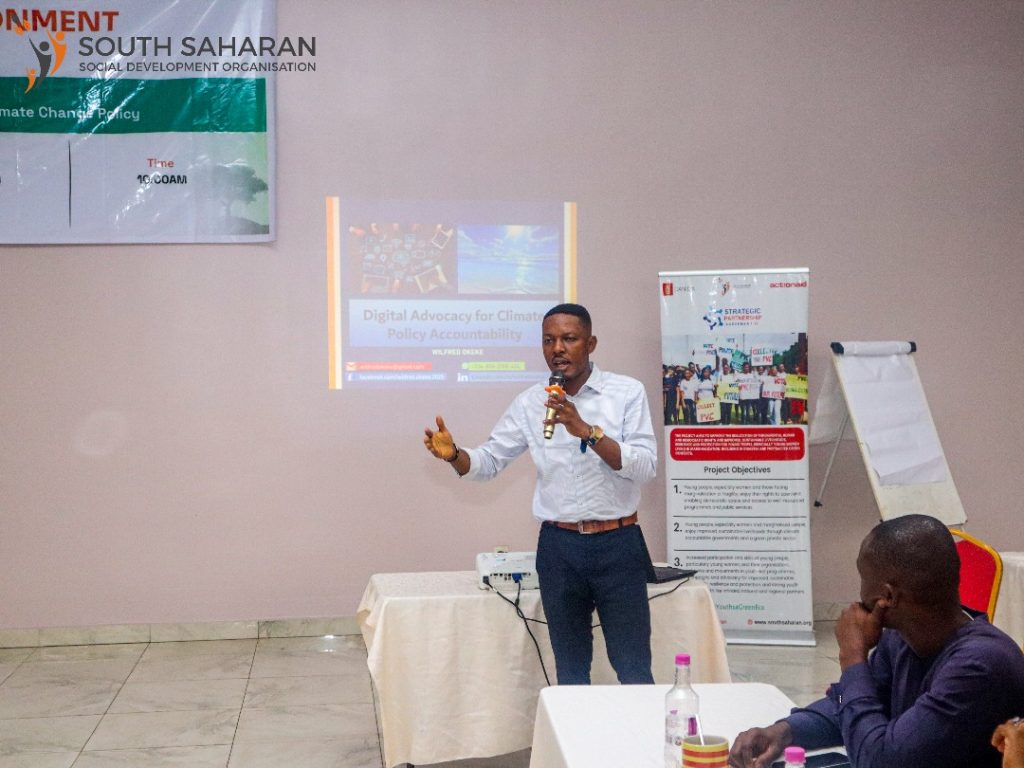
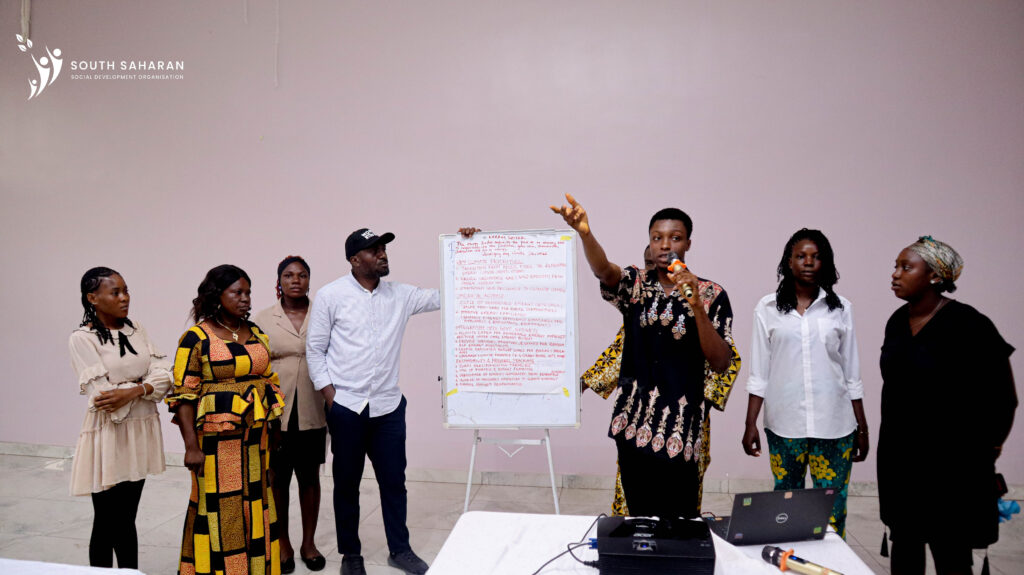
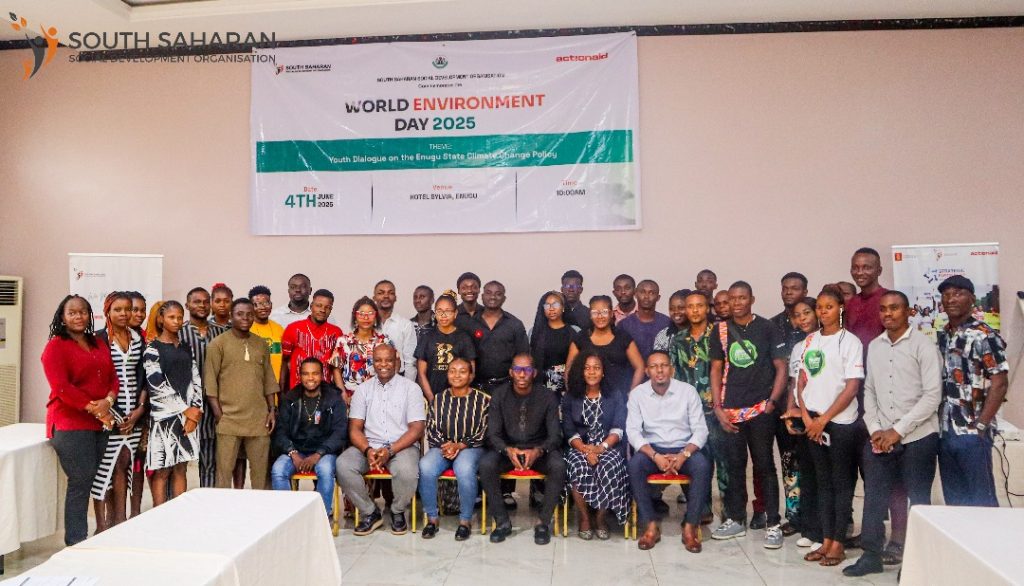
To mark World Environment Day 2025, South Saharan Social Development Organisation (SSDO), through the SPA II Project, supported the Youth Climate Change Policy Dialogue – a timely and important space for youth to engage directly with the policy environment shaping Nigeria’s climate future.

A Youth-Driven Solution

The dialogue brought together passionate young advocates and government stakeholders in Enugu State. These conversations moved beyond surface-level awareness and tackled real questions of accountability, policy gaps, and implementation. The message was clear: Nigeria’s approach to plastic pollution must include the energy, insights, and leadership of its youth.

Young people are not just climate victims. They are thinkers, mobilizers, and changemakers and their input is vital if environmental policies are to be meaningful and inclusive.

A Shared Responsibility

At SSDO, we understand that plastic pollution is not only an environmental issue. It is a justice issue, a health issue, and a development issue. The Youth Climate Change Policy Dialogue was one step toward building a future where policy reflects people’s lived realities and where action is shaped by those most affected.

Everyone has a role to play. It begins with awareness but must lead to responsibility. From rejecting single-use plastics to pushing for stronger regulations, the choices we make daily and the conversations we start, matter deeply.

The Path Forward
As we reflect on this year’s World Environment Day, we are reminded that the cleanup starts with all of us. Change won’t happen overnight. But it will happen, one conversation, one policy, one less plastic at a time.

Let’s keep the momentum going.

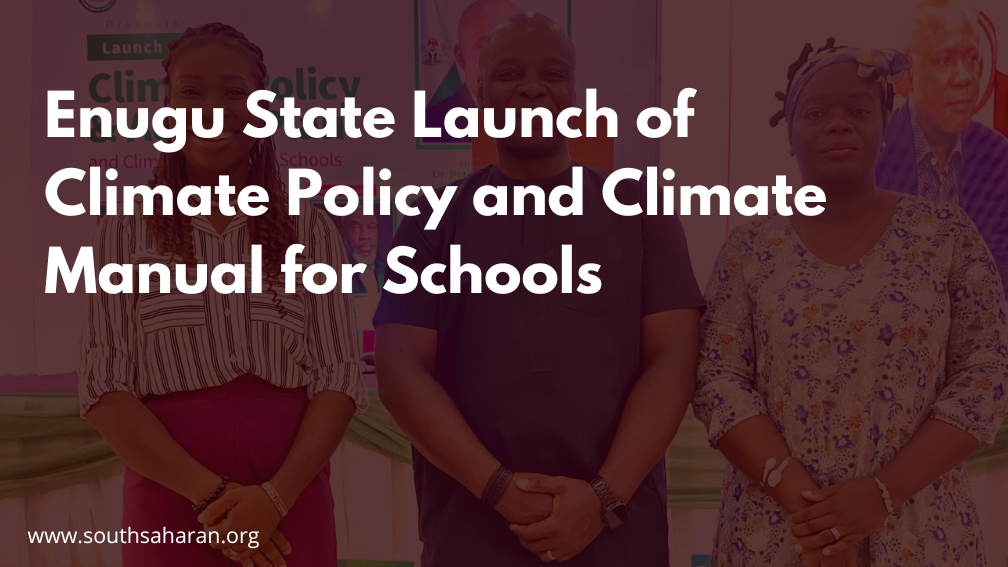
Enugu State Launch of Climate Policy and Climate Manual for Schools

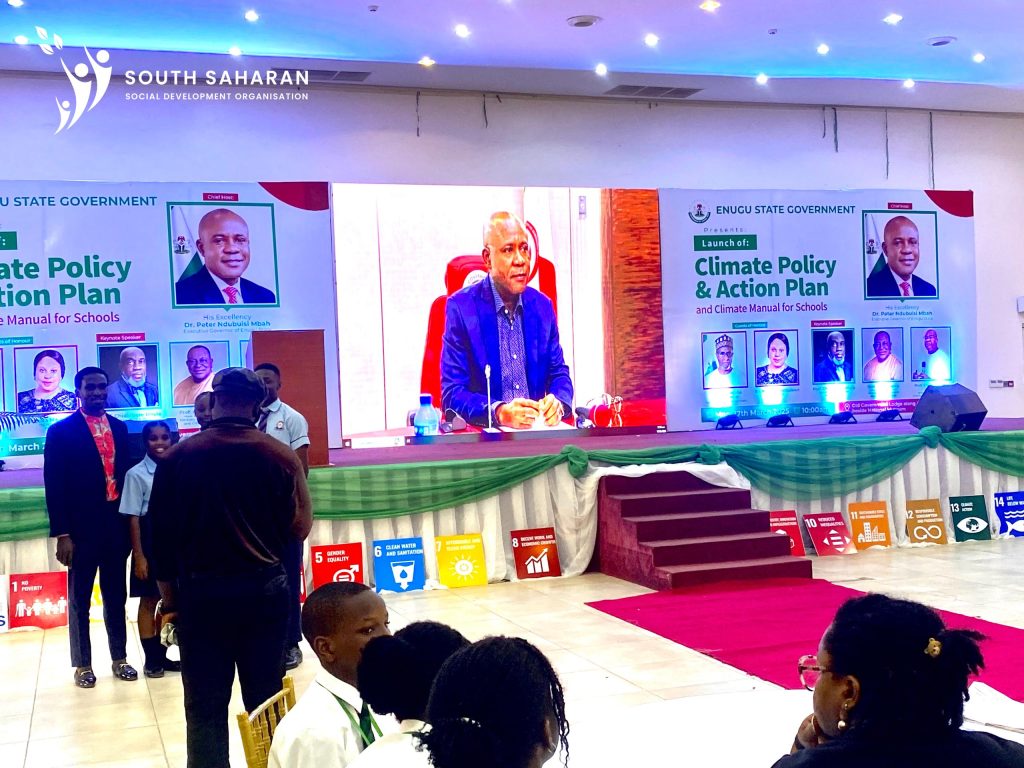
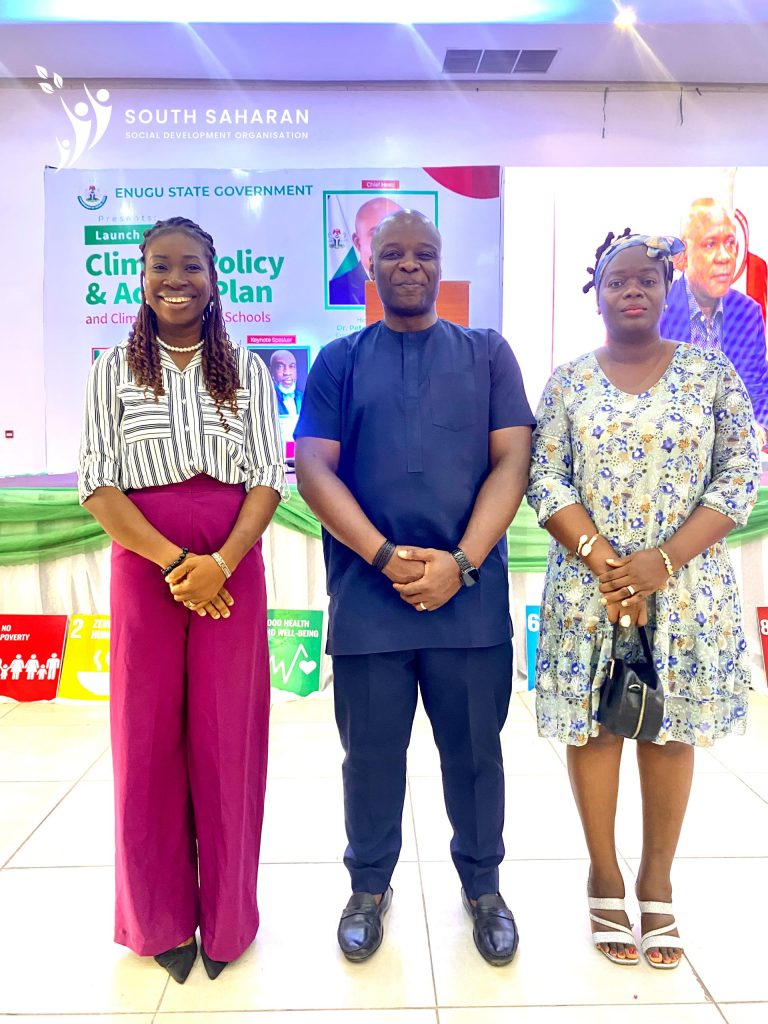
Enugu State has taken a significant step towards environmental sustainability with the unveiling of its Climate Policy and Action Plan, alongside the introduction of the Climate Manual for Schools. This initiative highlights the state’s commitment to addressing climate change and fostering a culture of environmental responsibility among its citizens.

A Strategic Framework for Climate Resilience

The newly launched Climate Policy and Action Plan serves as a comprehensive roadmap for Enugu State’s efforts to mitigate greenhouse gas emissions and adapt to the evolving challenges posed by climate change. By outlining strategic actions and setting clear objectives, the plan aims to build resilience within communities, safeguard natural resources, and promote sustainable development practices across the state.

Empowering the Next Generation through Education

Complementing the policy framework, the Climate Manual for Schools is designed to integrate climate education into the academic curriculum. This manual seeks to equip students with the knowledge and skills necessary to understand climate issues, advocate for sustainable practices, and actively participate in environmental stewardship. By targeting young learners, Enugu State is investing in a future where environmental consciousness is ingrained from an early age.

Collaborative Efforts Driving Change

The successful development and launch of these climate initiatives are the result of collaborative efforts among various stakeholders. Civil society organizations, notably the South Saharan Social Development Organisation (SSDO) and ActionAid Nigeria, played instrumental roles in this process. Their contributions ranged from providing technical expertise to engaging communities and advocating for inclusive policy development. This partnership exemplifies the power of collective action in addressing global challenges at the local level.

SSDO’s Commitment to Sustainable Development

As an organization dedicated to promoting sustainable development through education and good governance, SSDO’s involvement in Enugu State’s climate initiatives aligns with its mission to empower communities and foster resilience. By participating in the formulation of the Climate Policy and Action Plan and supporting the creation of the Climate Manual for Schools, SSDO continues to demonstrate its commitment to creating a more sustainable and equitable future.

The launch of the Climate Policy and Action Plan, along with the Climate Manual for Schools, marks a pivotal moment in Enugu State’s journey towards environmental sustainability. It sets a precedent for other states to follow and highlights the importance of proactive measures in combating climate change. As these initiatives are implemented, continuous collaboration among government agencies, civil society organizations, educational institutions, and the broader community will be essential to achieve the desired outcomes.

Congratulations to Enugu State for this remarkable achievement. Together, through sustained effort and shared responsibility, we can build a resilient and sustainable environment for present and future generations.

SSDO, NCF Nigeria Organizes Agroecology Training in Eke and Amagu Communities

Studies show that 60.3% of Enugu State’s population are farmers. However, traditional farming practices face imminent threats from land degradation, erosion, flooding, and the adverse impacts of climate change. Land degradation, stemming from soil erosion and deforestation, has decreased soil fertility and reduced agricultural productivity. 

Understanding this challenge, South Saharan Social Development Organization in partnership with the Nigerian Conservation Foundation, NCF, and the Nigeria Climate Justice Alliance implemented the Agroecology for Climate Resilience and Food Security (AGROCRAF) project. The project aims to enhance farmers’ resilience and sustainability in Enugu state’s rural communities.

The team organized a workshop over a four-day period from January 10th to 13th, 2024, in two communities: Eke in Udi Local Government Area (LGA) and Amagu Oduma in Aninri LGA, Enugu State. Ninety farmers from both communities participated in the training and were provided with improved seedlings to help improve their yields.  

The training was facilitated by Dr. Agah Celestine from the Ministry of Agriculture, and It covered topics such as soil conservation, sustainable water management, reduction in the use of agrochemicals and composting, pest control, multiple cropping, rotation, and intercropping. Understanding the need to scale, the training went beyond agricultural techniques, guiding farmers through establishing cooperatives and securing grants and loans.

Building the Climate Capacity of Community Members in Enugu State

Climate change is a pressing global issue that particularly endangers the well-being of individuals worldwide, particularly women and youth. Today, young people face consistent exposure to the consequences of climate change, which makes them vulnerable due to factors like limited ownership of productive assets, unemployment, and various other challenges.

To address these knowledge gaps and empower the youth and communities in Enugu State, South Saharan Social Development Organization, in partnership with ActionAid Nigeria under the Strategic Partnership Agreement II Project, organized a one-day Capacity Building Workshop in Oduma Achara in Aninri LGA and Umuogili in Igbo Eze North LGA, Enugu state.

Recognizing the global importance of engaging youth in the fight against climate change, both in policymaking and implementation, the training equipped participants with insights into the impact of climate change on the livelihoods of young people in these regions. It also empowered youths for climate action, fostered local solutions and engagement, and identified mitigation and adaptation measures.

This workshop was facilitated by a seasoned climate researcher, Mr. Okechuku Ajah, who provided participants with valuable insights into climate change resilience, coping strategies, and technologies for harnessing renewable energy sources like solar, wind, and water. The workshop covered a range of essential topics, including an understanding of climate change and its direct impact on Enugu State’s communities.