

South Saharan Social Development Organisation (SSDO) advances climate governance in Enugu State by strengthening the systems that connect climate policy with financing, implementation, and institutional accountability. Through the Climate Finance and Climate Responsive Budgeting Enugu dialogue, SSDO brought together government institutions, civil society organisations, legislators, and young people to explore sustainable financing pathways that can accelerate climate action and strengthen policy implementation.
Climate change is no longer solely an environmental issue. It is a governance and development challenge that requires institutions to integrate climate priorities into planning, budgeting, and public investment. While policies establish direction, implementation depends on the availability of sustainable financing mechanisms and accountable governance systems.
Bridging the Gap Between Climate Policy and Implementation
Many governments have adopted climate policies and action plans to guide mitigation and adaptation efforts. However, implementation often remains constrained by limited financial resources, fragmented institutional coordination, and weak integration of climate priorities into public budgeting processes.
Enugu State has developed a Climate Change Policy and Action Plan that provides a strategic framework for climate action. Yet achieving the objectives of this framework requires consistent domestic financing, stronger institutional collaboration, and budgeting processes that recognise climate resilience as a development priority.
Without these enabling systems, climate commitments risk remaining policy aspirations rather than measurable outcomes.
SSDO’s Climate Finance and Climate Responsive Budgeting Enugu Dialogue
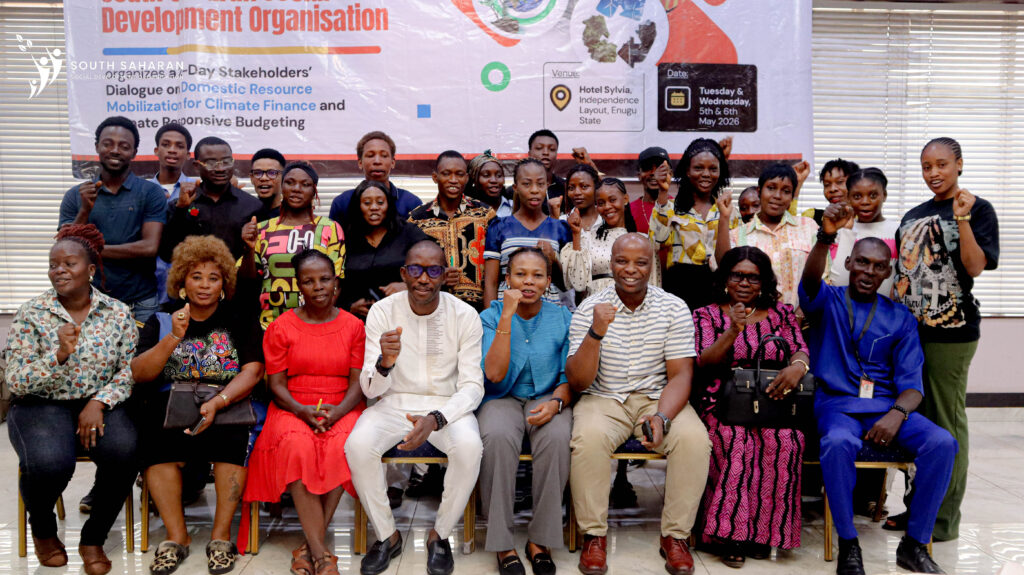
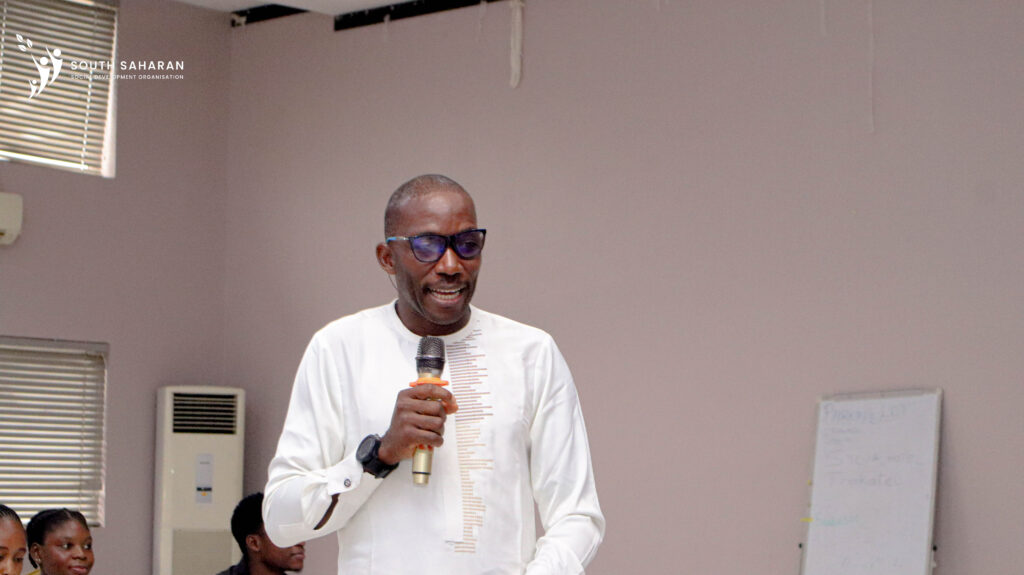
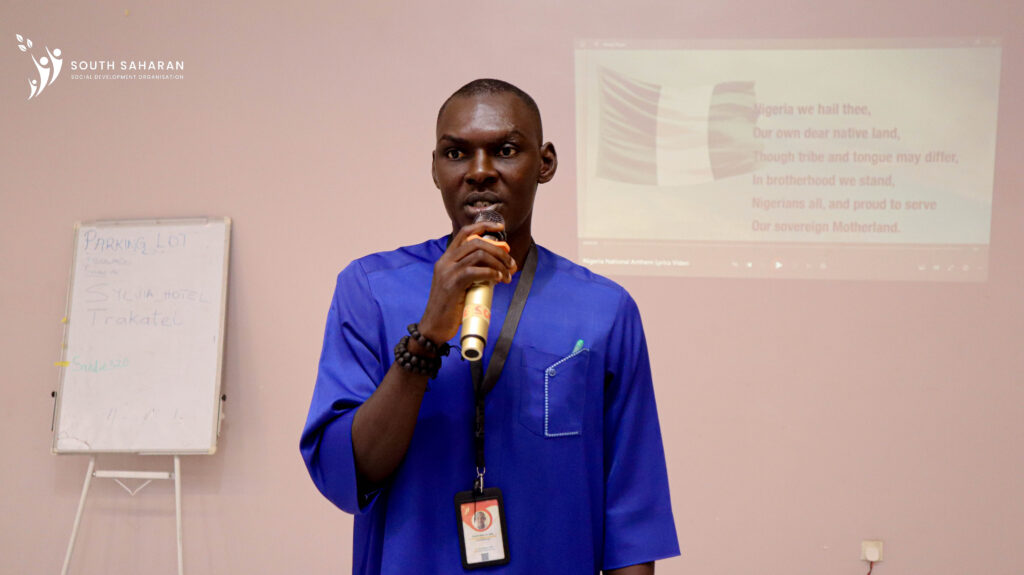
To strengthen these governance systems, SSDO convened a two-day Climate Finance and Climate Responsive Budgeting Enugu dialogue under the Strategic Partnership Agreement (SPA II) Project, implemented in partnership with ActionAid Nigeria.
The dialogue created a platform for government institutions, members of the legislature, civil society organisations, and youth representatives to examine practical approaches to financing climate action within Enugu State.
Discussions focused on domestic resource mobilisation, climate-responsive budgeting, institutional accountability, and opportunities for collaboration that can strengthen the implementation of the state’s climate commitments.
Rather than concentrating solely on policy development, the engagement explored how financial systems can better support climate priorities across sectors.

Strengthening Institutional Capacity for Climate Governance
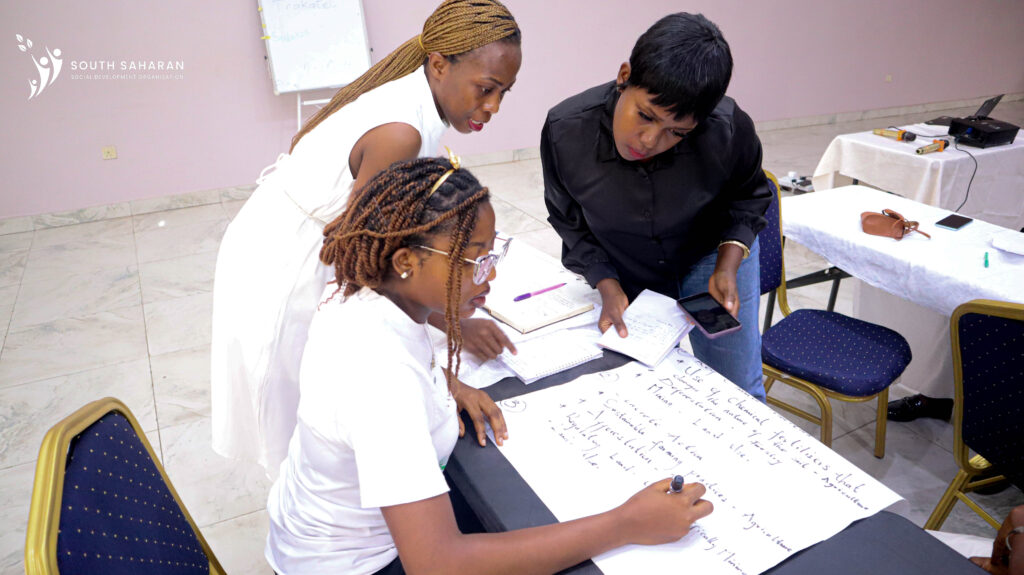
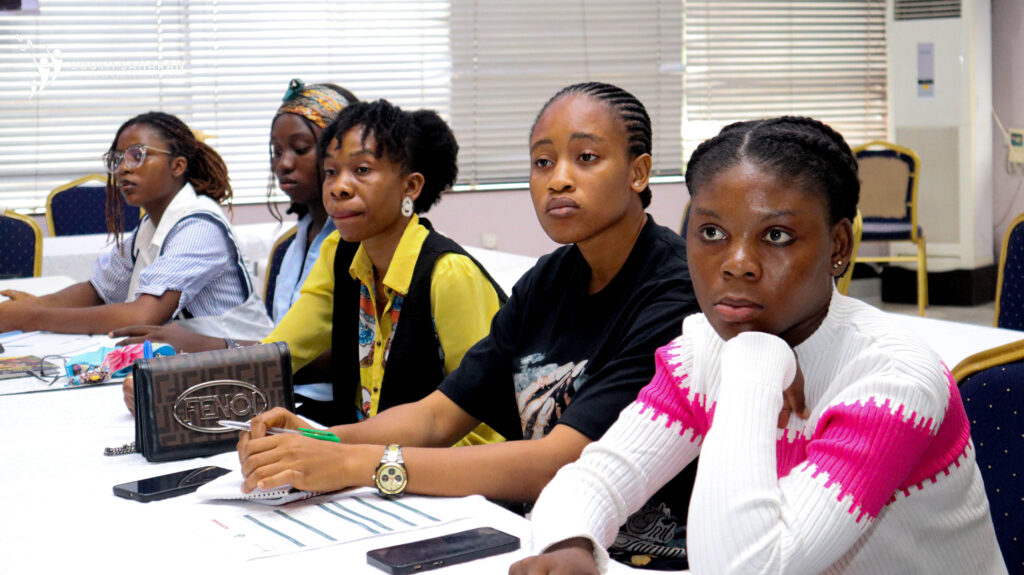
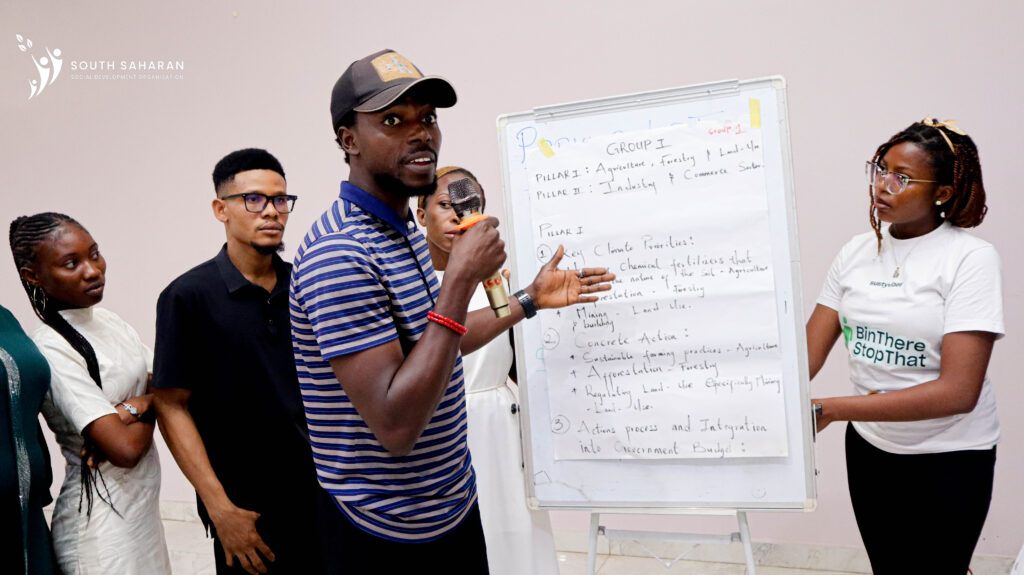
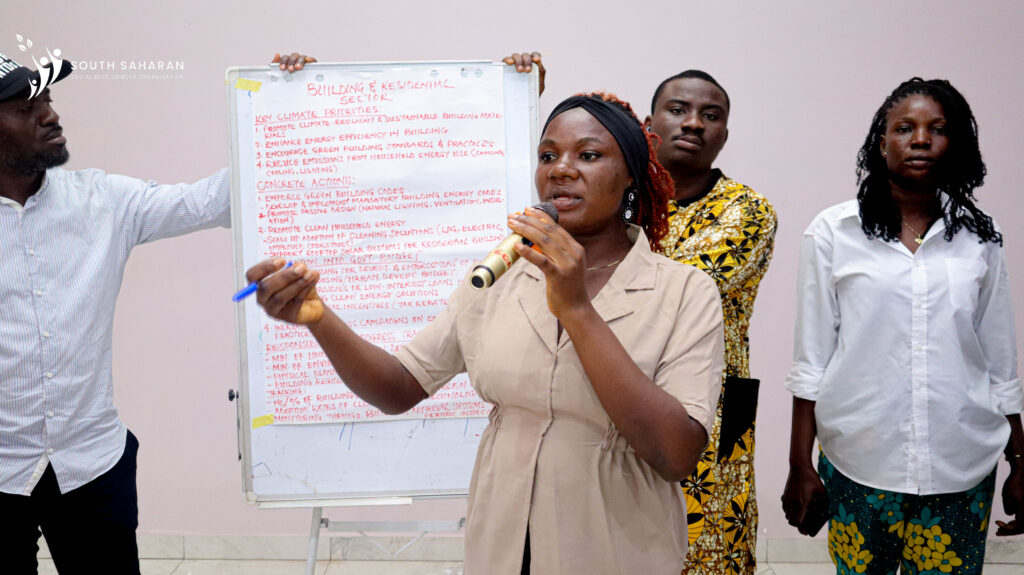
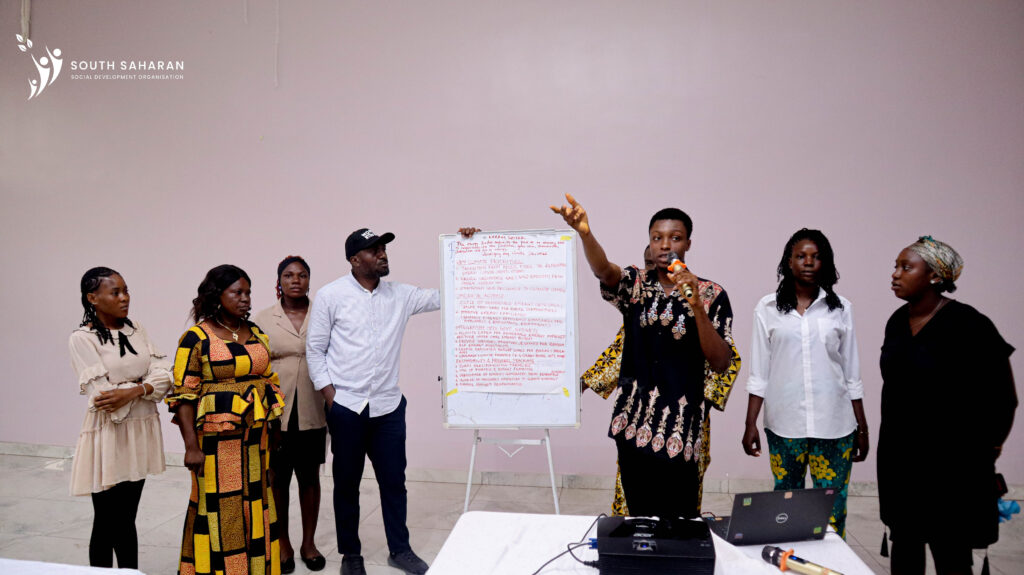
Technical sessions examined practical mechanisms for integrating climate priorities into sectoral budgets and strengthening coordination across government institutions.
Participants explored approaches to identifying sustainable domestic financing sources, improving institutional collaboration, and developing accountability mechanisms that enhance transparency in climate investments.
The dialogue also considered how evidence-based planning and structured budgeting processes can improve the implementation of climate programmes while ensuring that available resources are allocated more effectively.
By focusing on financing and governance together, the engagement recognised that resilient climate systems require both sound policies and sustainable investment.
Expanding Participation in Climate Decision-Making
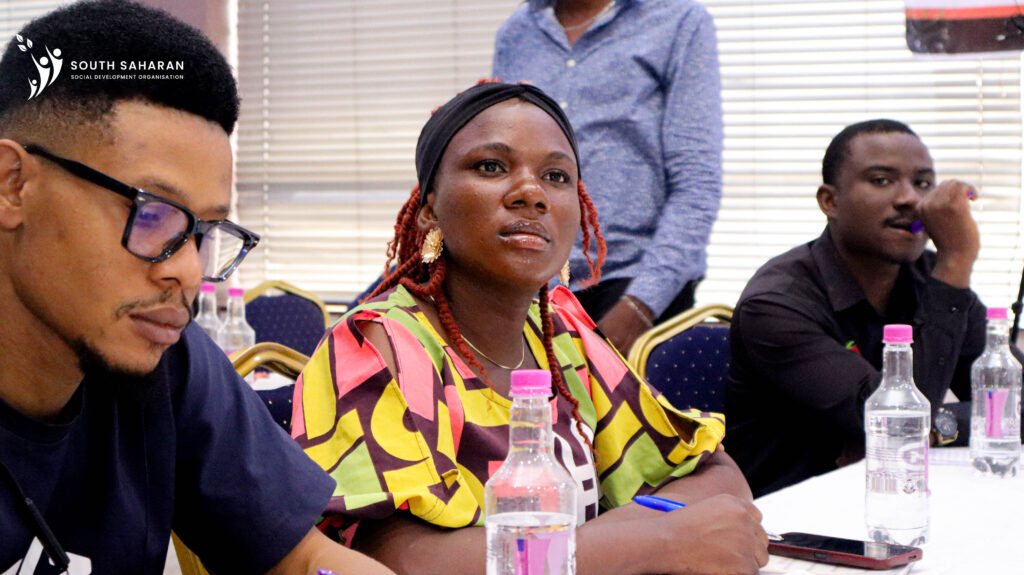
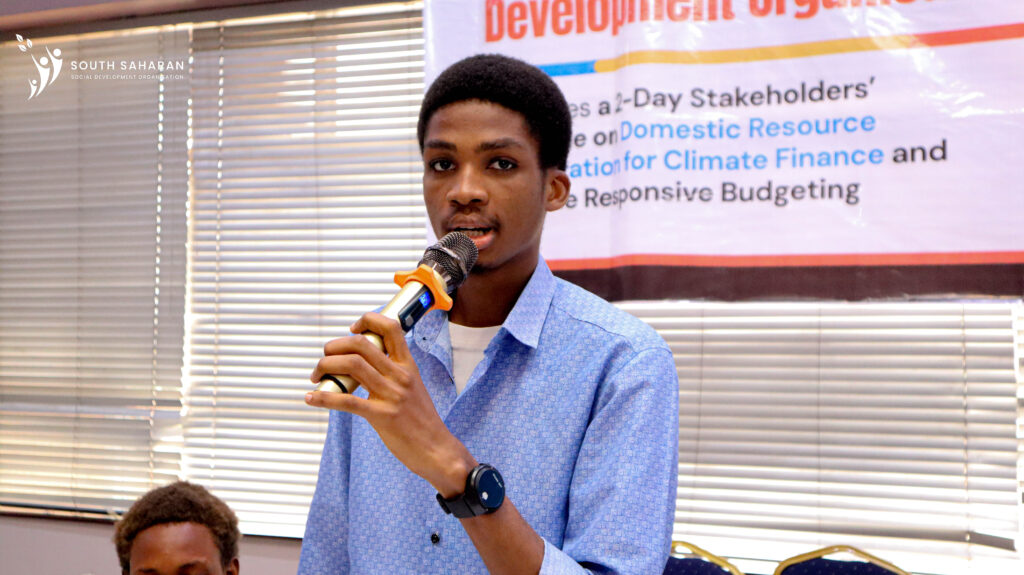
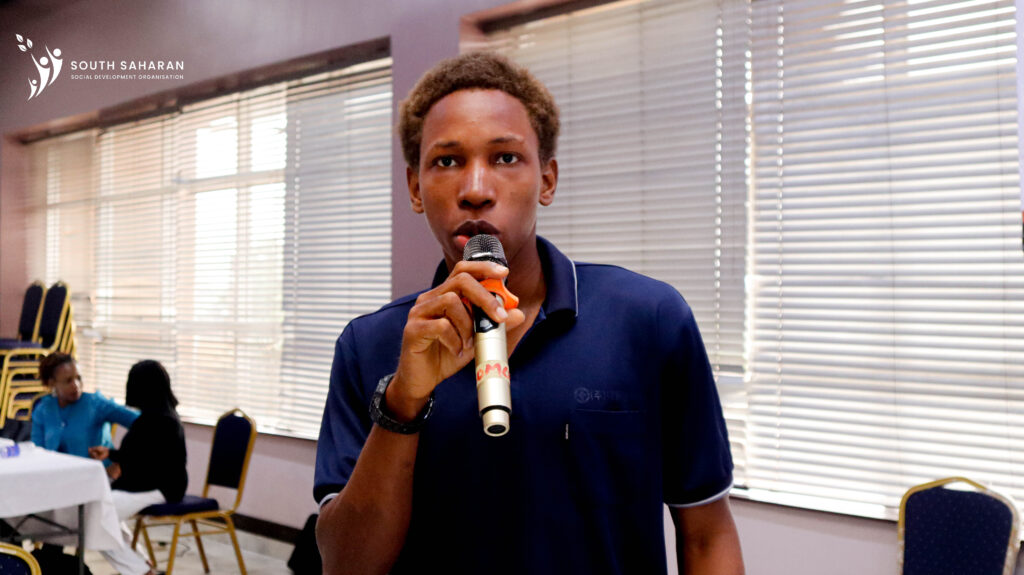
An important feature of the dialogue was the inclusion of young people in discussions on fiscal governance and climate finance.
Young people are among those most affected by climate change, yet they are often underrepresented in conversations about public resource allocation and climate financing decisions.
Providing space for youth participation strengthens inclusive governance by ensuring that diverse perspectives contribute to policy implementation and long-term climate planning.
The dialogue also reinforced the role of civil society organisations in promoting accountability and supporting evidence-based climate governance.
From Dialogue to Policy Action
The engagement concluded with the development of a communiqué and policy recommendations to support continued advocacy and strengthen climate financing frameworks within Enugu State.
These recommendations provide practical guidance for improving climate-responsive budgeting, expanding domestic financing opportunities, and strengthening institutional accountability for climate action.
By translating dialogue into actionable policy recommendations, the intervention contributes to a more coordinated approach to implementing the state’s climate commitments.
Strengthening Climate Governance Through Evidence and Partnership
Achieving climate resilience requires governance systems that align policy, financing, and accountability.
Through the Climate Finance and Climate Responsive Budgeting Enugu dialogue, SSDO demonstrated how evidence-informed engagement can strengthen institutional capacity, improve financing mechanisms, and support the implementation of climate commitments at the subnational level. By convening government institutions, development partners, civil society, and young people around practical financing solutions, SSDO continues to advance climate governance that promotes accountability, resilience, and sustainable development across Enugu State.