

South Saharan Social Development Organisation (SSDO) strengthens public health systems in Enugu State through community-based interventions, strategic partnerships, and evidence-informed health promotion initiatives.
Malaria remains one of Nigeria’s leading public health challenges. Although the disease is preventable and treatable, transmission continues to be driven by gaps in awareness, delayed diagnosis, inconsistent preventive practices, and unequal access to healthcare services. Reducing this burden requires coordinated action that connects national policies with sustained community engagement.
The World Malaria Day 2026 Enugu commemoration formed part of this broader approach, bringing together government institutions and development partners to strengthen public awareness, promote prevention, and support Nigeria’s malaria elimination efforts.
Strengthening Community Response to Malaria
Nigeria accounts for one of the highest malaria burdens globally, making prevention and early treatment critical components of the country’s public health strategy.
While investments in diagnosis, treatment, and vector control have improved outcomes, sustainable progress depends on informed communities that understand how to prevent infection, recognise symptoms early, and seek timely medical care.
Public awareness campaigns remain an important part of malaria control because they encourage behaviour change while strengthening the relationship between communities and the formal health system.
Building resilient health systems therefore requires collaboration between government institutions, development partners, civil society organisations, and local communities.
SSDO’s Contribution to World Malaria Day 2026 Enugu
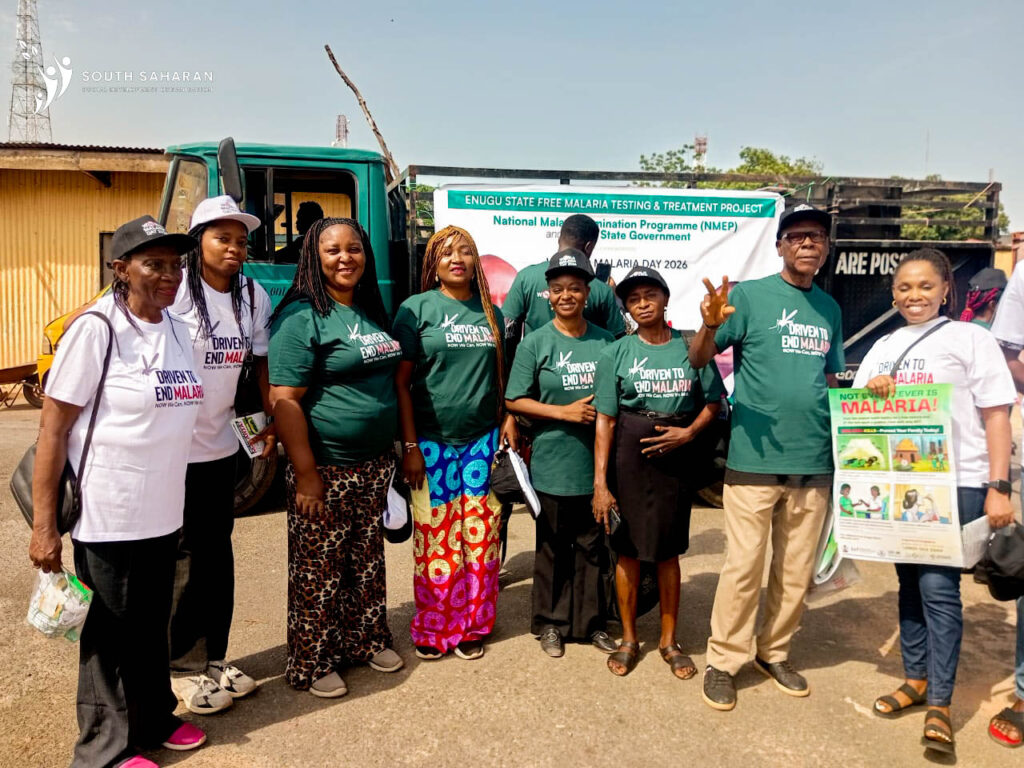
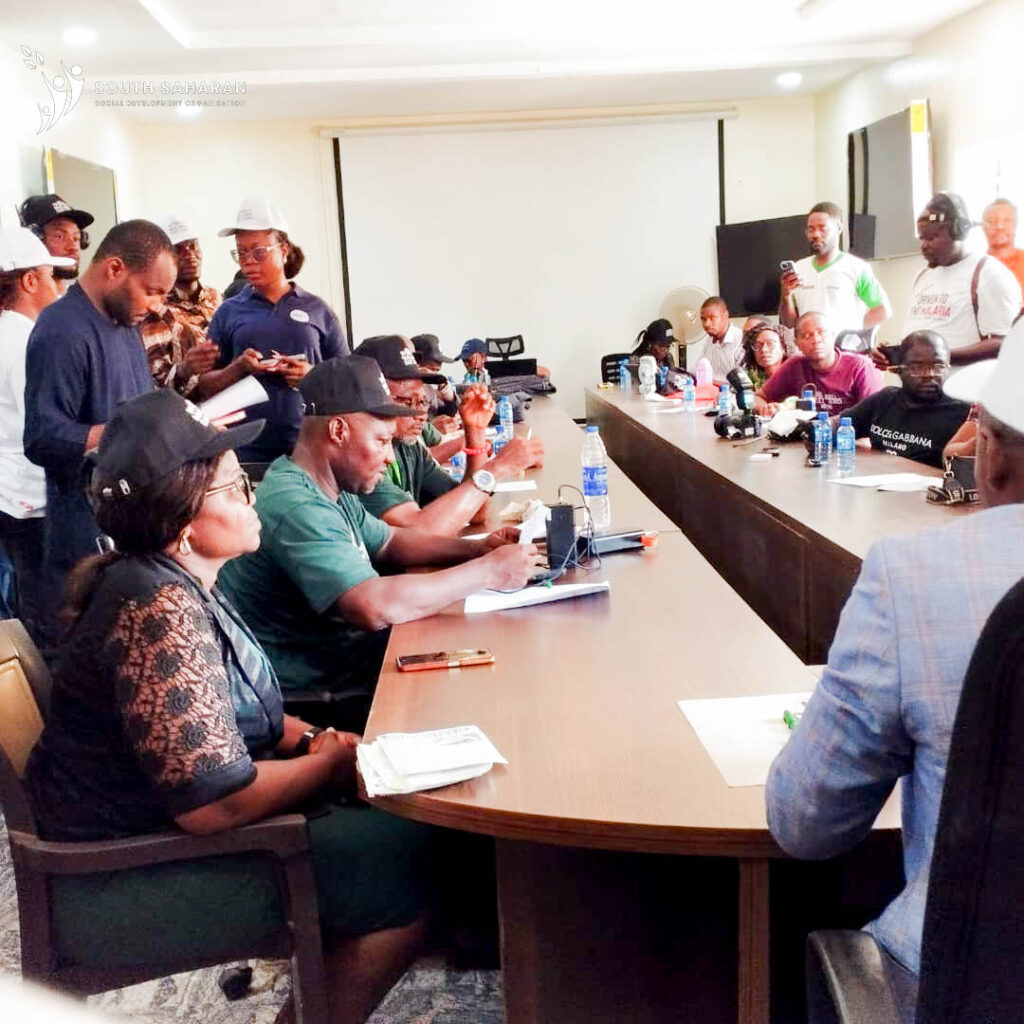
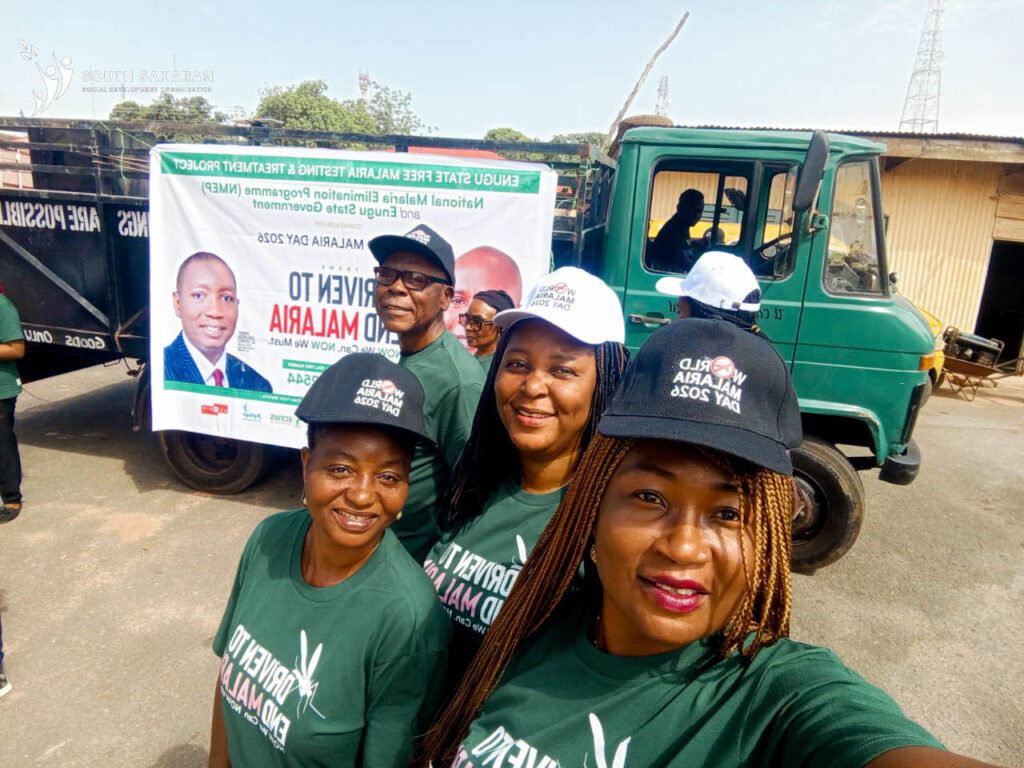
As part of the World Malaria Day 2026 Enugu commemoration, the National Malaria Elimination Programme (NMEP), in collaboration with the Enugu State Ministry of Health, coordinated a public awareness roadshow with support from SSDO and other health partners.
The campaign also brought together the Excellence Community Education Welfare Scheme (ECEWS), Jhpiego, and the Civil Society for Malaria Control, Immunization and Nutrition (ACOMIN).
Rather than serving as a stand-alone awareness activity, the roadshow formed part of a broader public health effort to strengthen community knowledge, encourage preventive practices, and promote early testing and treatment for malaria.
The initiative reflected the importance of coordinated partnerships in extending health information beyond healthcare facilities and into communities where awareness can influence health-seeking behaviour.
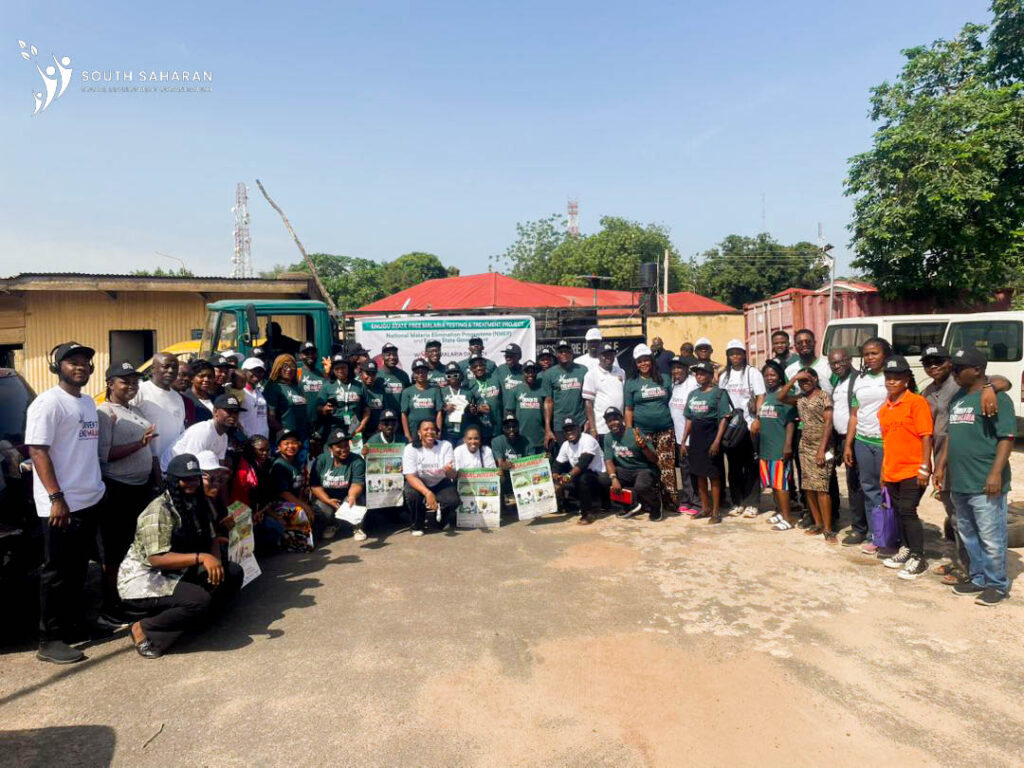
Driving Collective Action Against Malaria
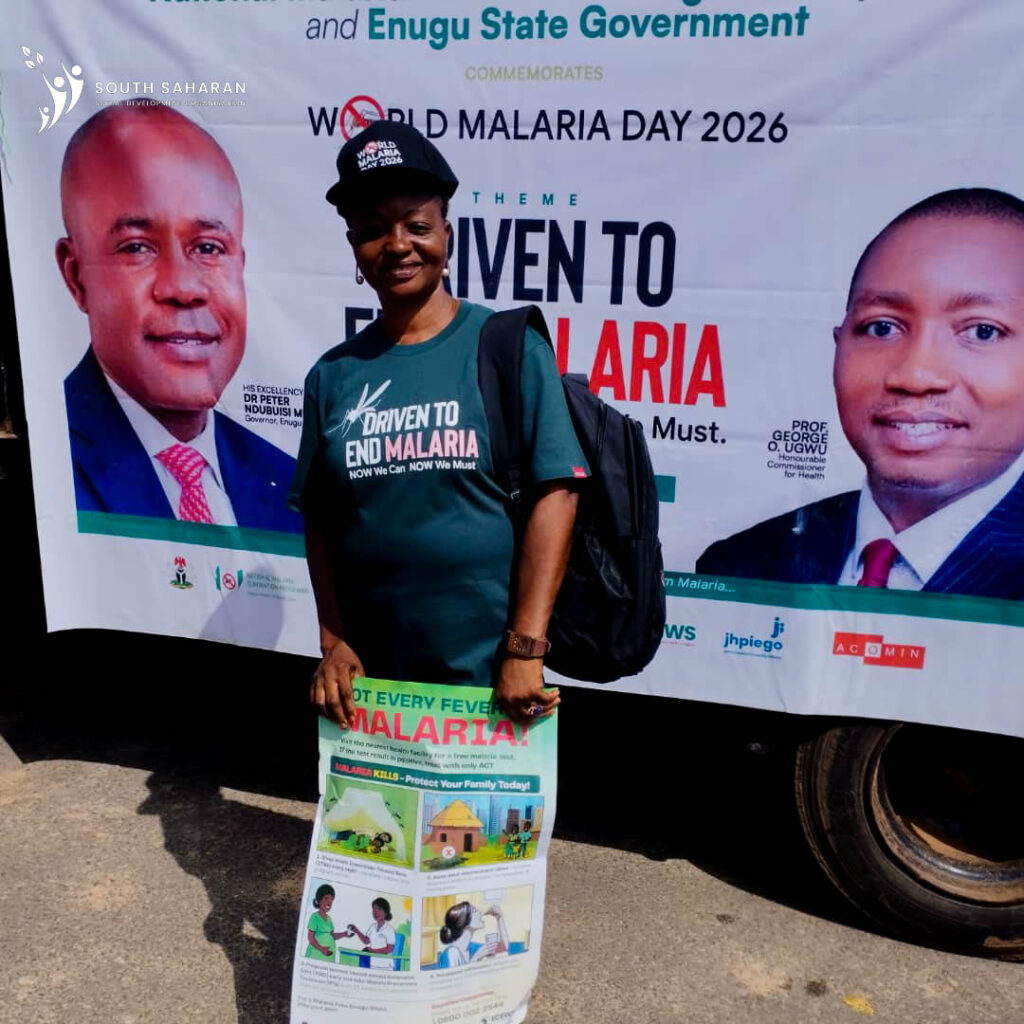
The 2026 commemoration was guided by the global theme, “Driven to End Malaria: Now We Can, Now We Must.”
This theme highlights the urgency of accelerating progress towards malaria elimination through sustained collaboration and shared responsibility.
Throughout the campaign, participants engaged community members on the importance of malaria prevention, early diagnosis, and prompt treatment. The initiative reinforced key public health messages while encouraging communities to play an active role in reducing malaria transmission.
By strengthening awareness at the community level, the intervention supports broader efforts to reduce preventable illness and improve health outcomes across Enugu State.
Partnerships That Strengthen Public Health Systems
Malaria control is most effective when institutions work together within a coordinated health system.
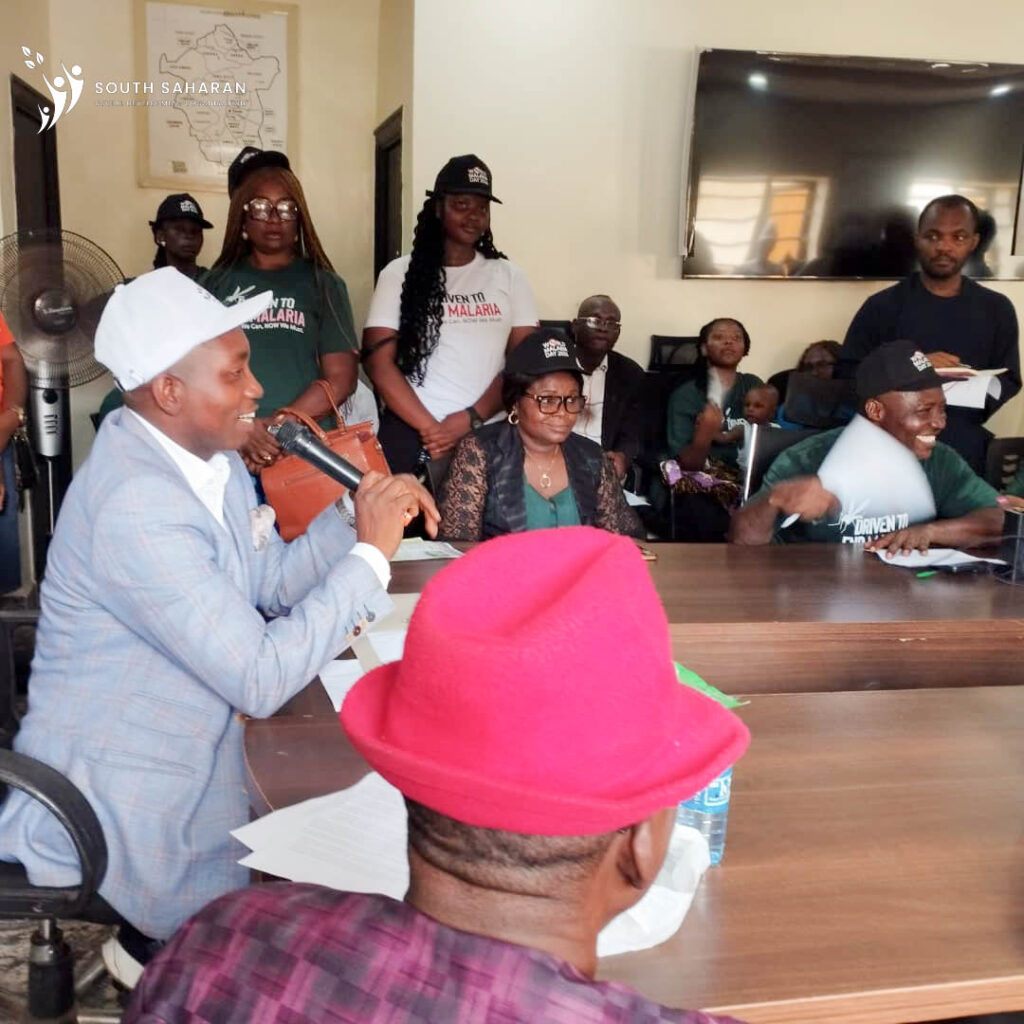
SSDO’s participation in the World Malaria Day 2026 Enugu commemoration demonstrates the value of collaboration between government agencies, civil society organisations, and development partners in expanding access to health information and strengthening community-based disease prevention.
These partnerships improve the reach of public health interventions, reinforce consistent messaging, and support the implementation of national malaria control strategies at the community level.
They also contribute to stronger relationships between healthcare institutions and the populations they serve.
Advancing Nigeria’s Malaria Elimination Goals
Ending malaria requires more than medical interventions. It requires health systems that promote prevention, encourage early care-seeking, and sustain collaboration across institutions and communities.
Through its participation in the World Malaria Day 2026 Enugu commemoration, SSDO continues to support coordinated public health initiatives that strengthen community awareness, improve access to health information, and contribute to Nigeria’s malaria elimination agenda.
By investing in partnerships and community-centred health promotion, SSDO reinforces the role of collaborative action in building resilient public health systems and improving health outcomes across Enugu State.