SSDO

Taking Bold Steps to End TB: SSDO Marks Child TB Testing Week in Enugu

Every child deserves the chance to grow, learn, and thrive in good health. This week, South Saharan Social Development Organisation (SSDO) joined hands with Caritas Nigeria, nine community-based organisations (CBOs), and the Enugu State Tuberculosis and Leprosy Control Programme (STBLCP) to make that vision a reality through Child TB Testing Week.

Bringing TB Screening Closer to the Community

Across 17 Local Government Areas of Enugu State, our teams reached schools, health centres, and community spaces to provide free tuberculosis (TB) screenings for children. The goal was to detect cases early, link affected children to treatment, and protect others through awareness and prevention.

This collaborative approach demonstrates what’s possible when communities, health workers, and development partners work side by side to make public health truly accessible.

Why Child TB Testing Matters

Tuberculosis remains one of the world’s most persistent public health challenges, yet it is both preventable and curable. Children are especially vulnerable because symptoms often go unnoticed. By prioritising early detection, we can prevent severe illness, reduce transmission, and give every child a TB-free future.

Through awareness sessions, school outreaches, and one-on-one counselling, SSDO and partners helped families understand that early action saves lives.

Restoring Dignity: Toilet Upgrades at Iva Valley Secondary School and Nsukwa Primary School

For many children, going to school should mean a safe space to learn, grow, and dream. Yet, across communities, inadequate sanitation remains one of the silent barriers to education. At South Saharan Social Development Organisation (SSDO), we believe transforming education begins with restoring dignity, starting with clean, functional toilets.

From Iva Valley to Nsukwa: Change in Action

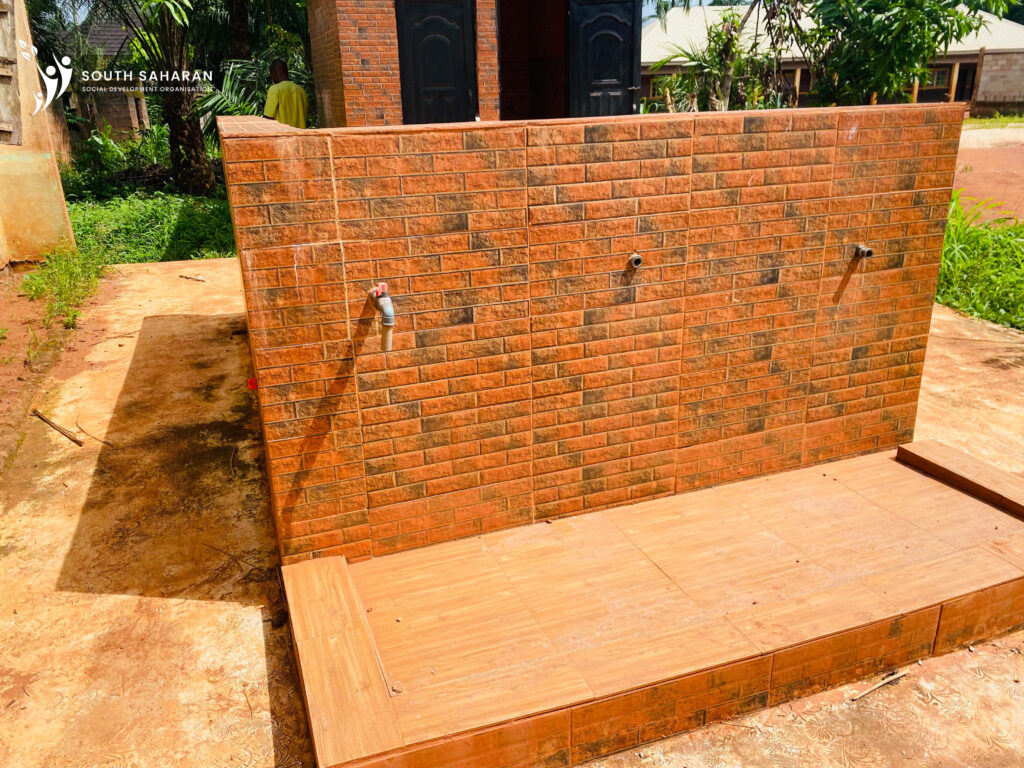
At Community Secondary School, Iva Valley (Enugu State), we recently completed the rehabilitation of 8 modern toilet stalls (including 2 for teachers, 3 for male students, and 3 for female students). This project, made possible through the generous support of a philanthropist alongside SSDO’s dedicated efforts, has turned a basic necessity into a source of pride. With access to clean, safe sanitation, students can now focus on what truly matters: learning and growing.

In Community Primary School, Nsukwa (Delta State), the transformation was even more dramatic. What began as two barely functional stalls has now become three fully rehabilitated, modern facilities, complete with a piped water connection to keep them clean and sustainable. This upgrade means that children no longer have to choose between education and health. They can attend school with dignity and confidence.

More Than Toilets: A Foundation for the Future

These projects are more than infrastructure improvements; they are investments in the health, dignity, and educational success of young people. Each rehabilitated facility is a step toward safer schools, healthier students, and stronger communities.

At SSDO, our sanitation transformation journey is just beginning. Together with our partners and supporters, we will continue to build a future where every child can learn in a safe, dignified, and supportive environment.

Strengthening TB and HIV Response in Enugu: A Quarter in Review

At South Saharan Social Development Organisation (SSDO), we believe that progress is best measured in lives touched and systems strengthened. Recently, the Enugu State chapter of the National Tuberculosis and Leprosy Control Programme (NTBLCP) convened partners and stakeholders for its quarterly review meeting. It was a moment to reflect, learn, and chart new paths forward in the fight against TB and HIV.

Our Contribution This Quarter

As an implementing partner, SSDO proudly shared key milestones achieved in the last three months:

  • 13,003 people screened for TB, with 228 patients placed on treatment to begin their recovery journey.
  • 3,450 pregnant women screened for HIV and Syphilis, ensuring early detection and care, with 19 women linked to ART and ANC services.
  • 16 patients battling drug-resistant TB supported and managed, with adherence to treatment and regular OPD visits. 💪🩺

Why It Matters

Behind every number is a person, a family, a community. Screening means early detection. Treatment means hope restored. Care means healthier mothers, stronger households, and safer communities. These are the building blocks of a healthier Enugu.

The Road Ahead

Quarterly reviews like this not only highlight achievements but also sharpen strategies. Together with NTBLCP and other partners, we are reinforcing health systems, ensuring no patient is left behind, and bringing the vision of TB and HIV-free communities closer to reality.

At SSDO, our commitment remains clear: building resilient communities, one intervention at a time. 🌟

Strengthening Health Systems Through Data Quality Assessment

Strengthening Health Systems Through Data Quality Assessment

The Institute of Human Virology Nigeria (IHVN) and the National TB and Leprosy Control Programme (NTBLCP), together with partners including Caritas Nigeria, South Saharan Social Development Organisation (SSDO), STBLCP, SASCAP, and others, moved across Enugu North, Enugu East, and Nkanu West to carry out a TB/HIV Data Quality Assessment (DQA).

Why Data Matters

Behind every number in a health record is a real person seeking care, a family waiting for answers, and a community hoping for healthier outcomes. Accurate data is therefore about life-saving decisions, and not just statistics. That is why this assessment was so critical: to ensure that what is recorded in health facilities truly reflects the realities of patients and the services they receive.

What We Saw In The Field

From busy public hospitals to small private clinics and even traditional birth centres, the team worked hand in hand with health workers. We reviewed records, asked hard questions, and identified where the gaps are. What emerged was clear. There is progress, but there is also much work to be done to strengthen reporting, build staff capacity, and improve data accuracy.

Beyond Numbers: Building Stronger Systems

Fixing data gaps is not about filling forms correctly. It is about building stronger systems that can track, respond, and save lives. With the support of all partners and the commitment of local health workers, the work in Enugu is setting the stage for more reliable health information and, ultimately, better services for people affected by TB and HIV.

The mission continues. Together, we are building healthier communities where no one is left behind.

Japanese Government Expands Medical Waste Intervention in Enugu Through New Incinerator Project

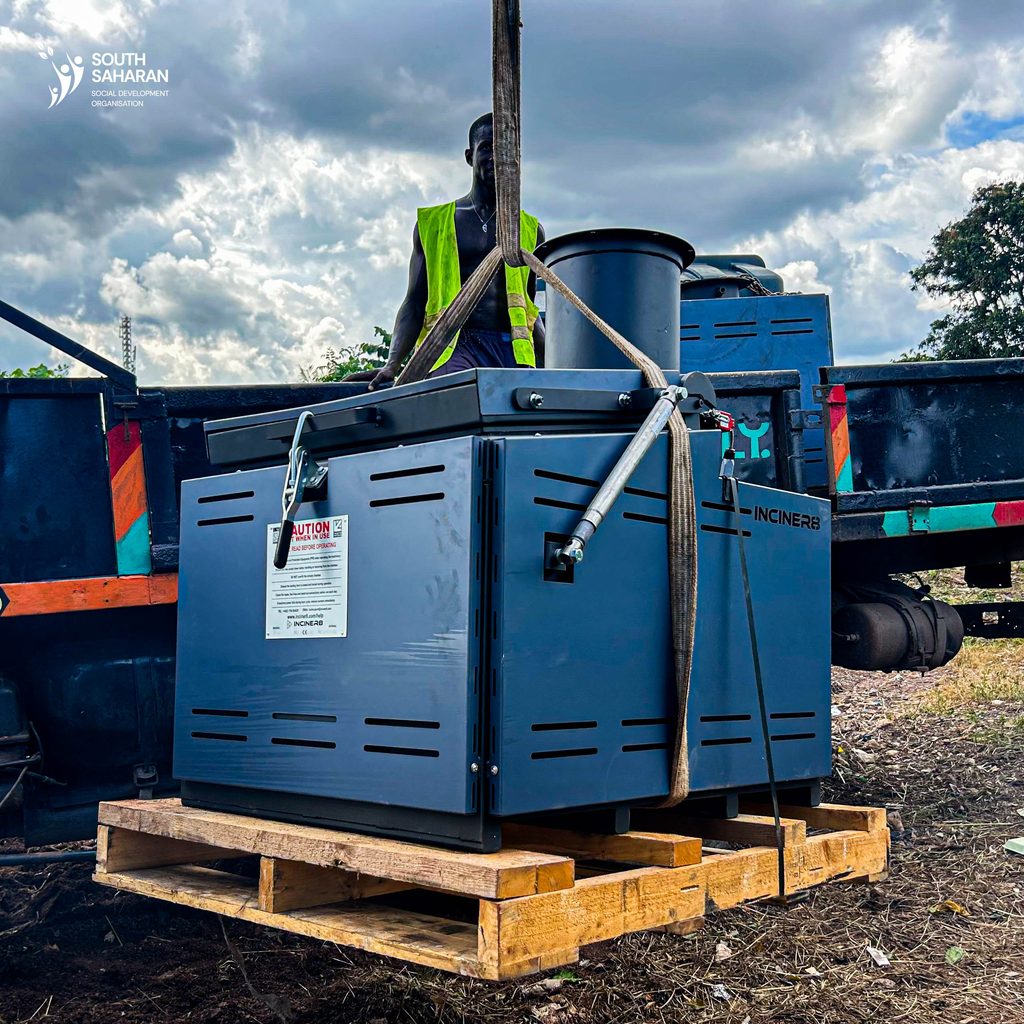
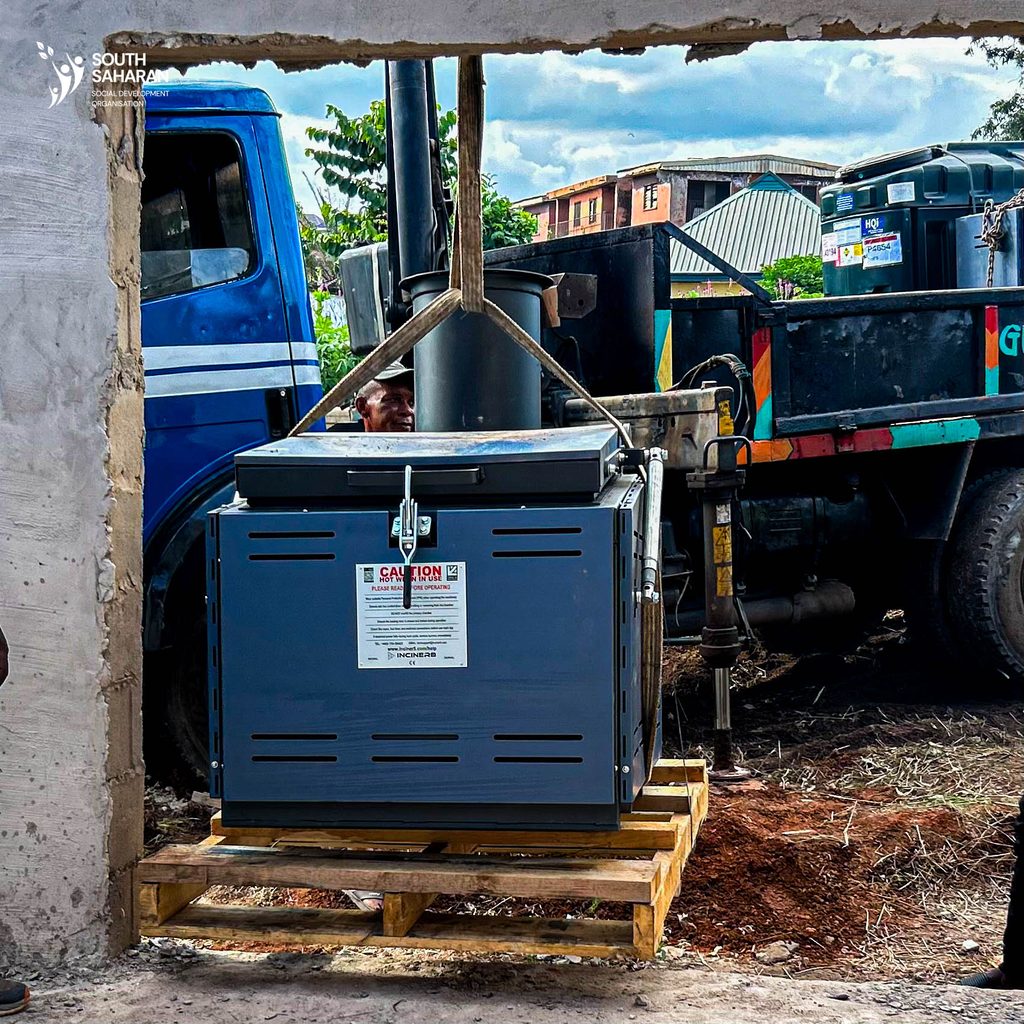
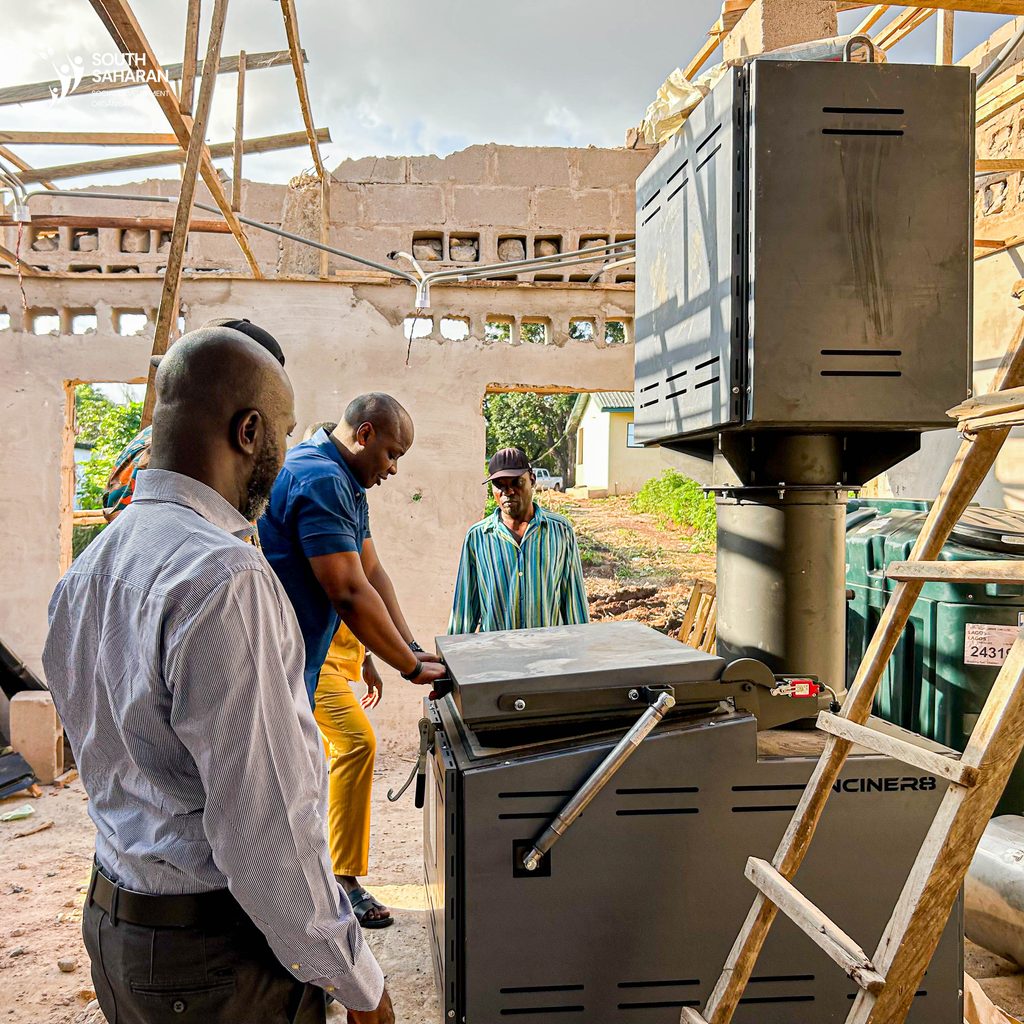
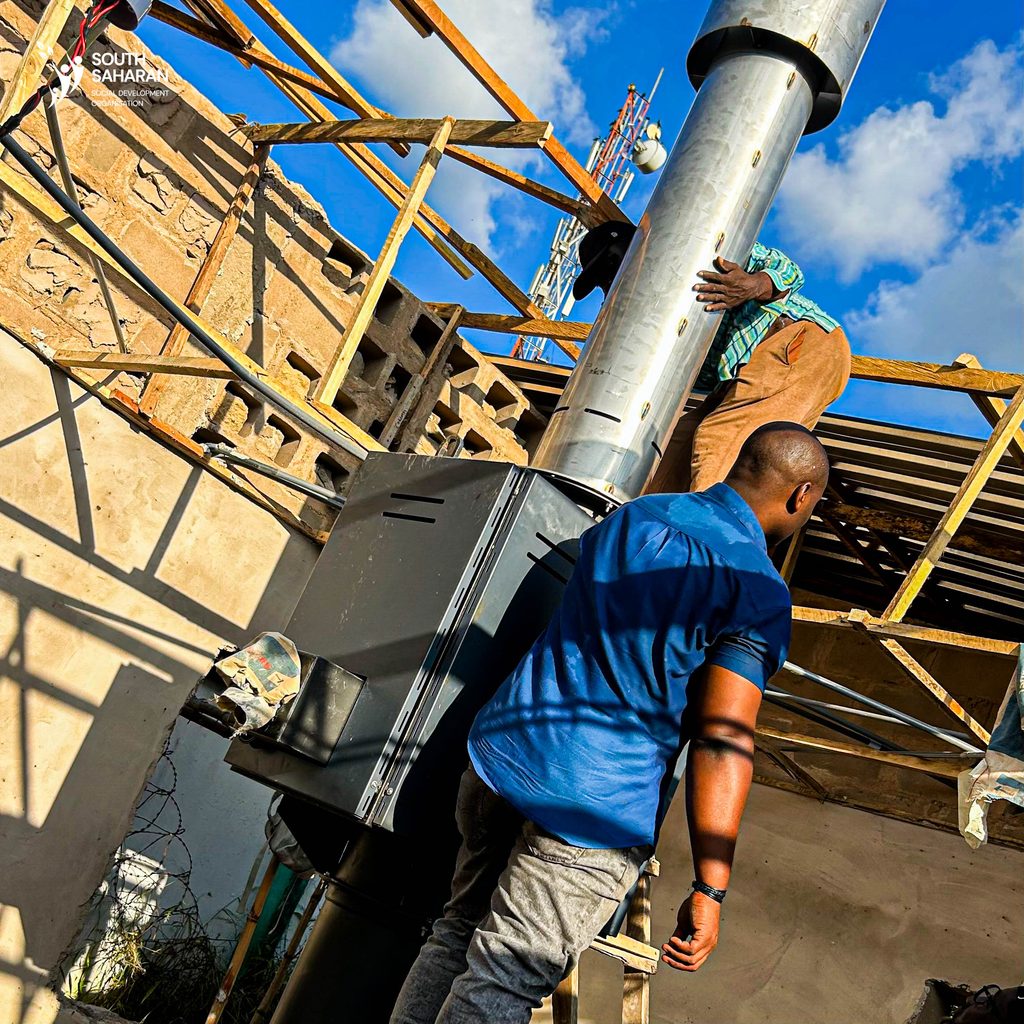
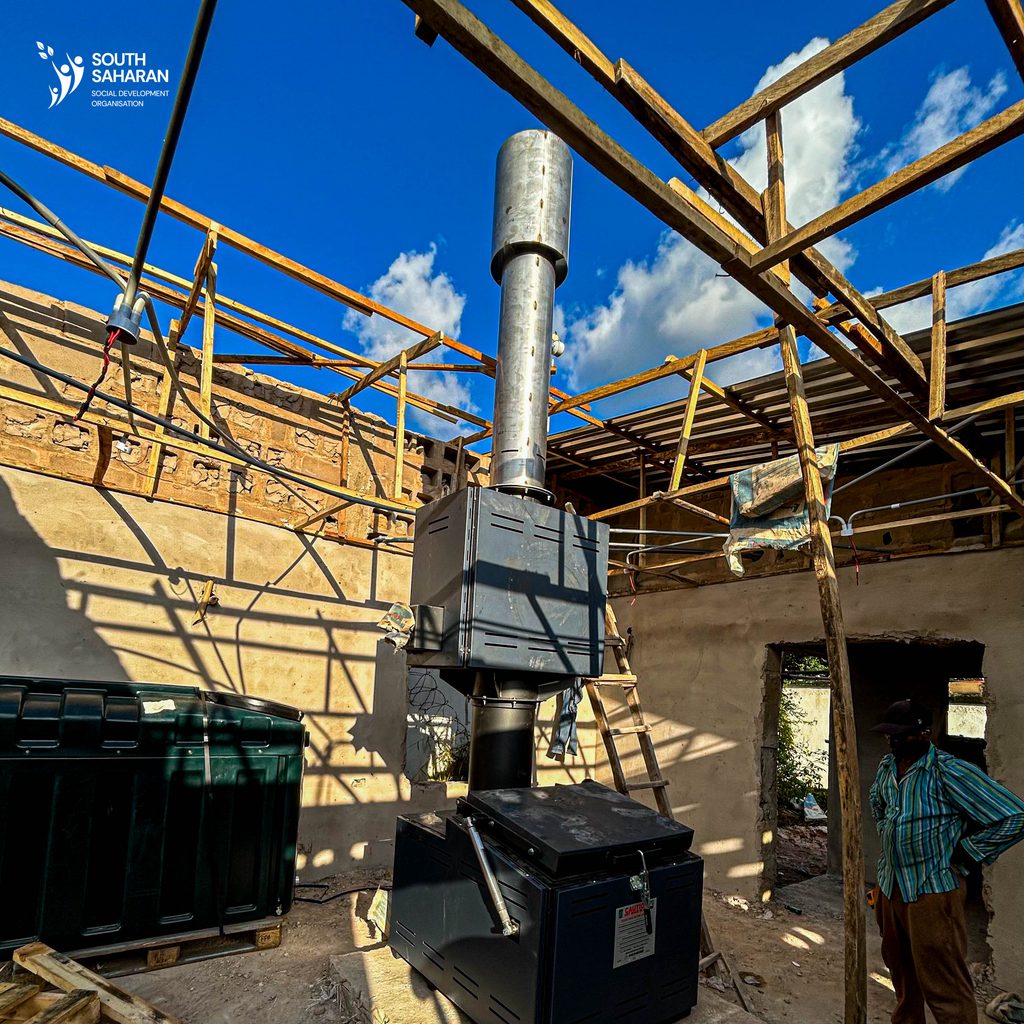
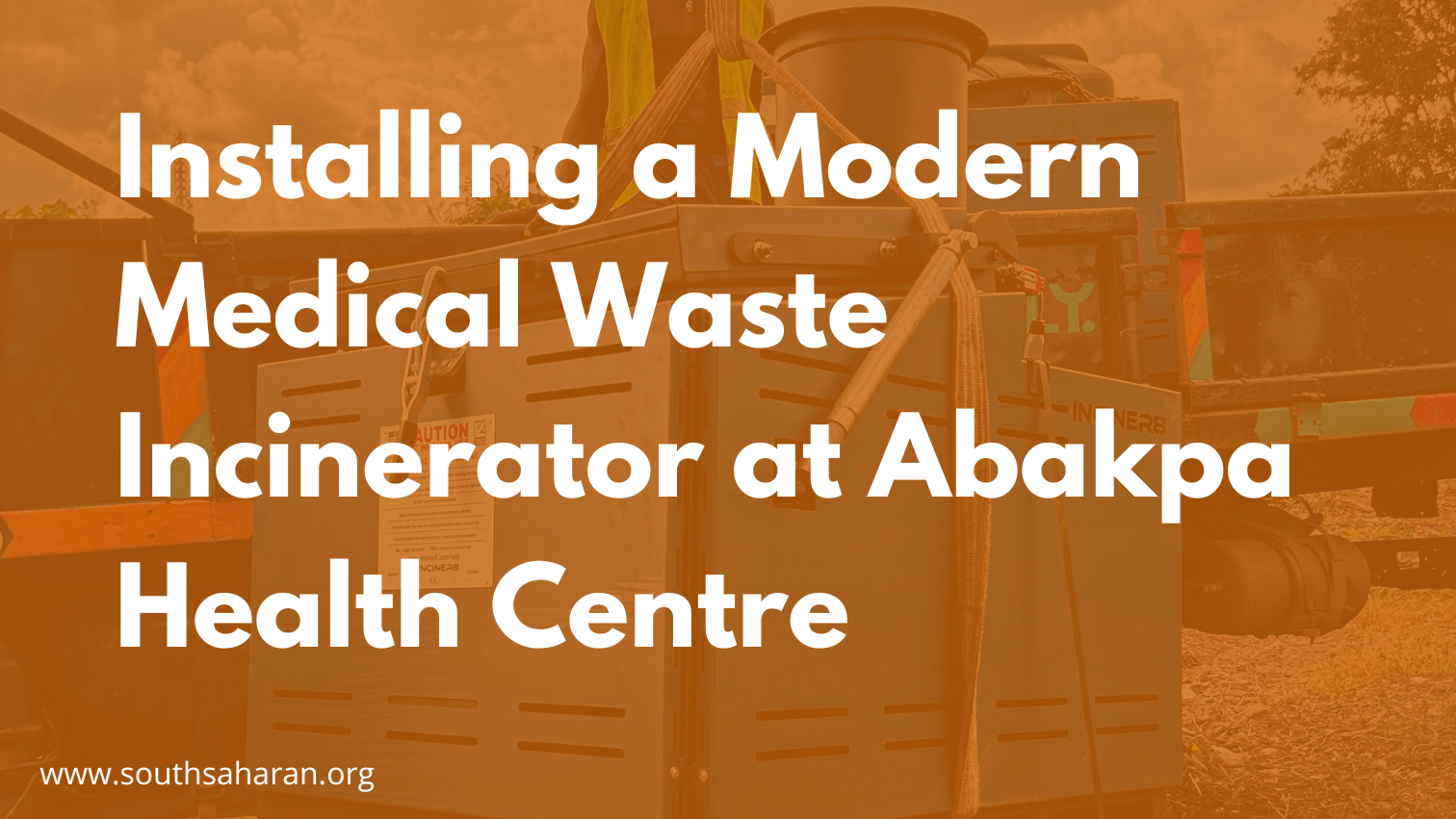
South Saharan Social Development Organisation (SSDO), in partnership with the Embassy of Japan in Nigeria, is set to implement a major health infrastructure project to tackle hazardous waste disposal in Enugu State. Through the Grassroots Human Security Project (GGP), the Japanese Government is funding the installation of a medical waste incinerator at Abakpa Health Centre, strategically positioned to serve both public and private health facilities in Enugu East Local Government Area.

This intervention addresses long-standing challenges around waste management, improves infection control, and strengthens healthcare delivery systems across the LGA.

A Strategic Collaboration for Safer Healthcare

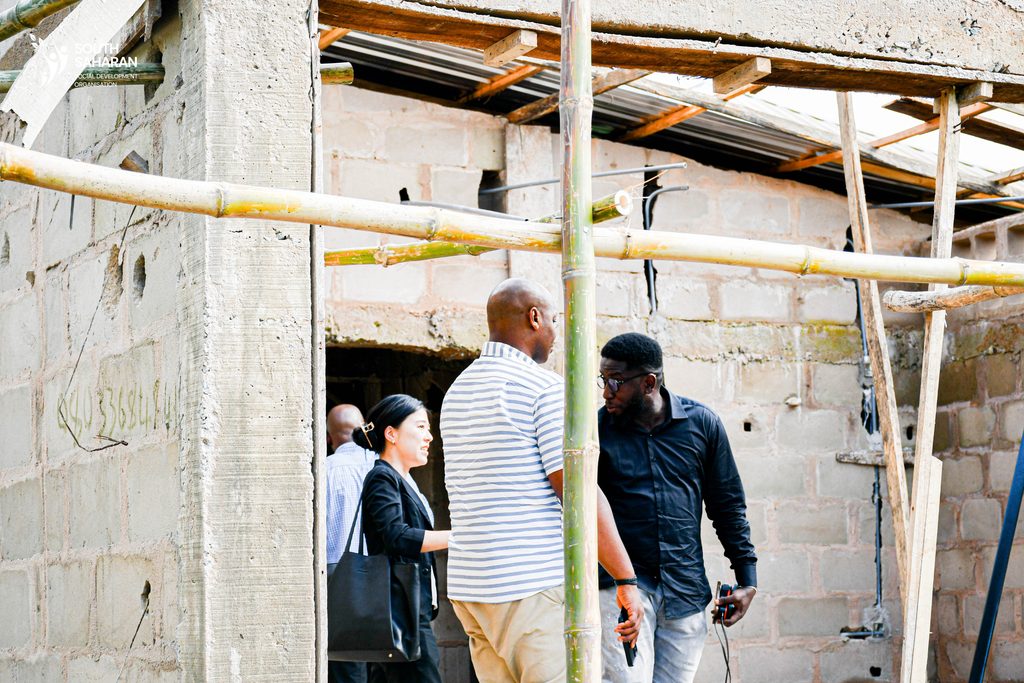
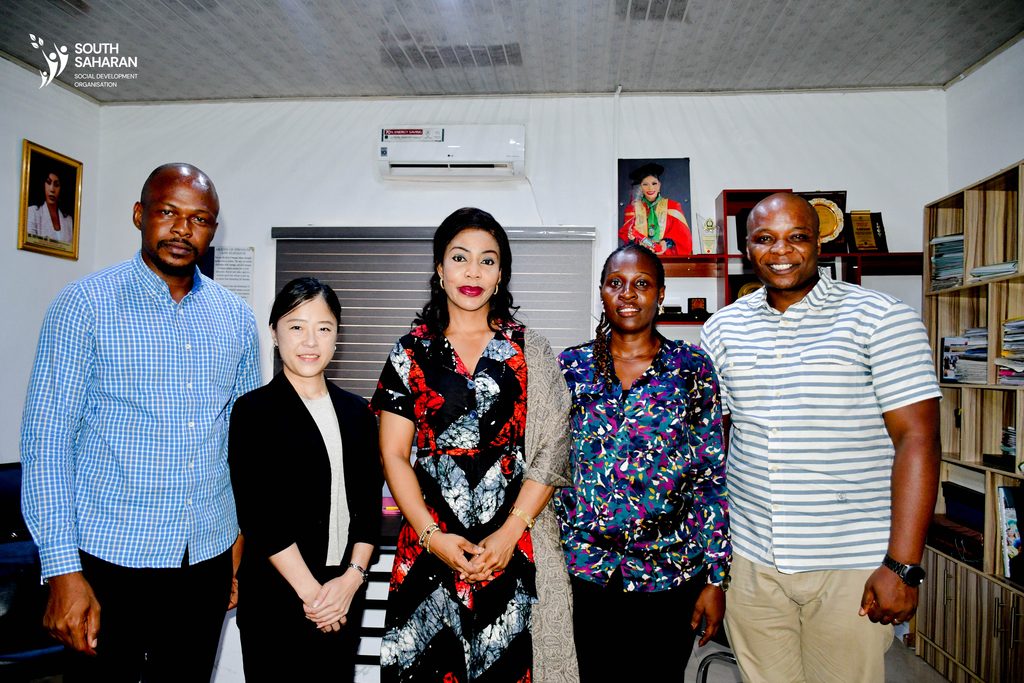
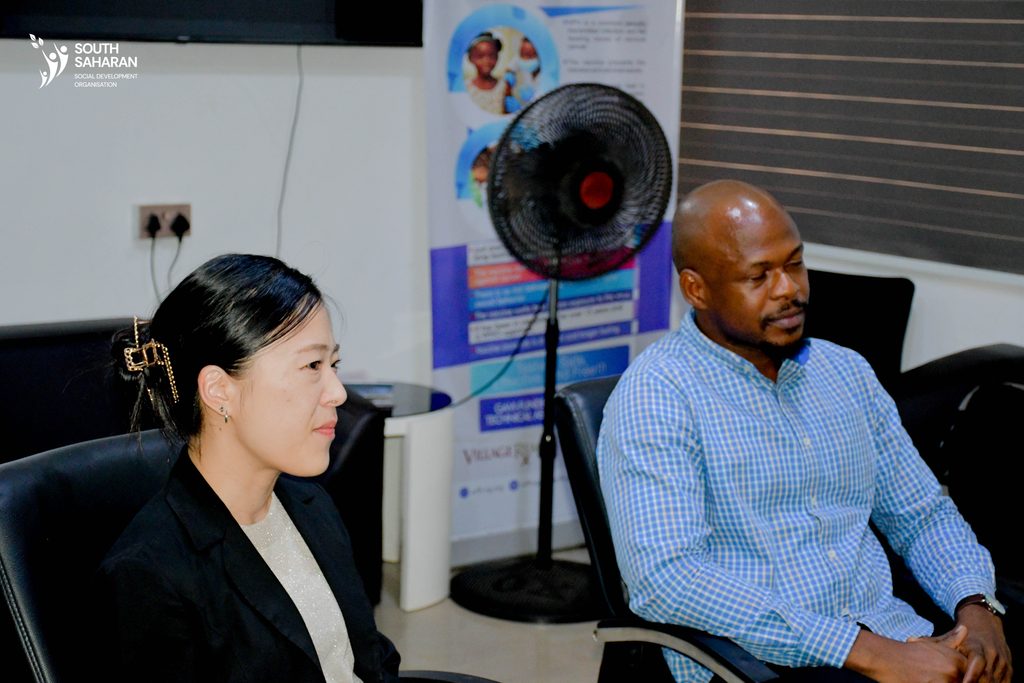
A high-level delegation from the Embassy of Japan in Nigeria, led by GGP Coordinators Wakana Deguchi and Kenechukwu Adibe, visited Enugu to assess the project’s implementation pathway. They were received by SSDO’s leadership, headed by Dr. Stanley Ilechukwu, and welcomed by health stakeholders across the state.

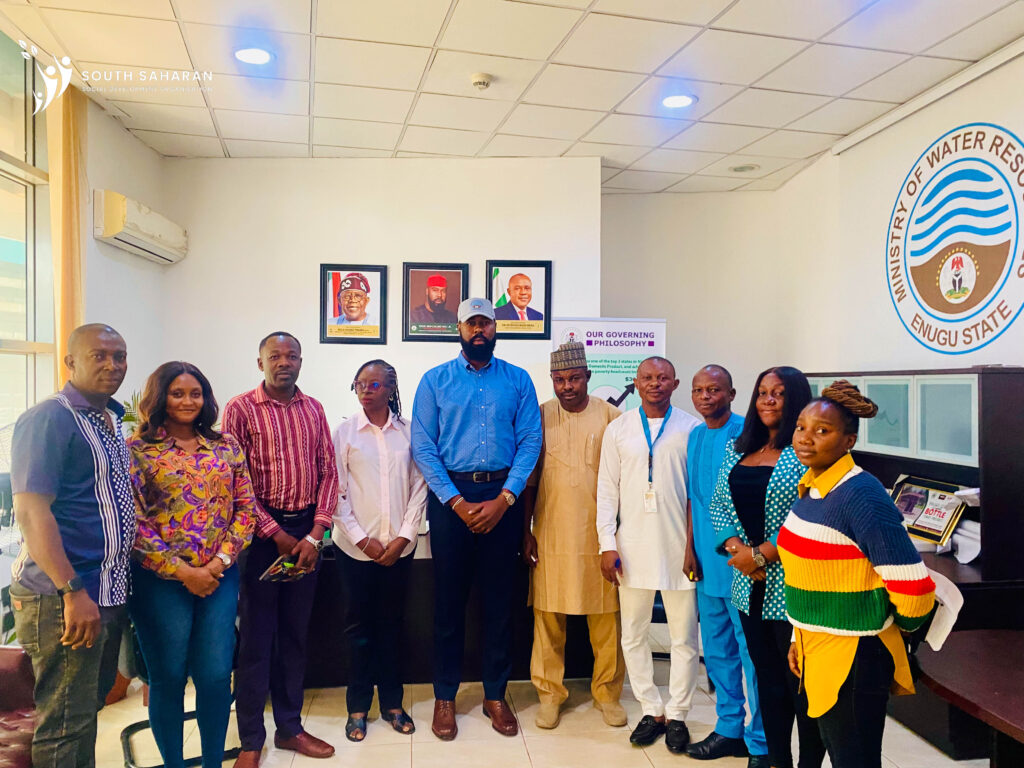
The visit included a courtesy meeting with the Enugu State Commissioner for Health, Dr. Emmanuel Ikechukwu Obi, along with Dr. Ifeyinwa Ani-Osheku, Executive Secretary of the Enugu State Primary Healthcare Development Agency, and Prof. Uche Agu, Hospital Administrator of the Enugu State Health Management Board.

All three expressed strong support for the project, noting that it would relieve facilities of the burden of transporting medical waste long distances to the state’s central cold store for incineration.

Why Abakpa Health Centre?

According to Dr. Ani-Osheku, the decision to site the incinerator at Abakpa Health Centre was strategic. The facility’s central location, heavy patient traffic, and proximity to over 20 other health centers made it the most suitable hub for the project. “This incinerator will not just serve Abakpa,” she noted. “It will offer a safe, accessible, and affordable waste disposal solution to surrounding clinics and hospitals, both public and private.”

Building on Past Success

As part of the visit, the team also toured Poly General Hospital, where SSDO and the Embassy of Japan had previously implemented a 56KVa solar power system under a 2020 GGP grant. Completed in 2021, that installation powered by 96 solar panels continues to run the hospital independently of the national grid, ensuring uninterrupted care.

This history of successful partnership set the tone for the current intervention, underscoring a shared commitment to sustainable, impactful development.

A Model for International-Local Partnership

This incinerator project demonstrates what is possible when global support aligns with local knowledge to solve specific, high-impact problems. It reflects SSDO’s commitment to bridging infrastructure gaps, one practical step at a time, and the Japanese Government’s consistent investment in grassroots health and human security.