

Public health challenges often look different across communities. Local realities can shape both the gaps health systems face and the solutions that work.
For this reason, local experience has an important place in global public health conversations.
At the 18th World Congress on Public Health in Cape Town, South Africa, South Saharan Social Development Organisation (SSDO) shared lessons from a digital TB reporting approach in Enugu State.
Our Health Programs Lead, Obianuju Ezeike (PMD Pro, BPH), represented SSDO at the Congress from 6 to 9 September 2026.
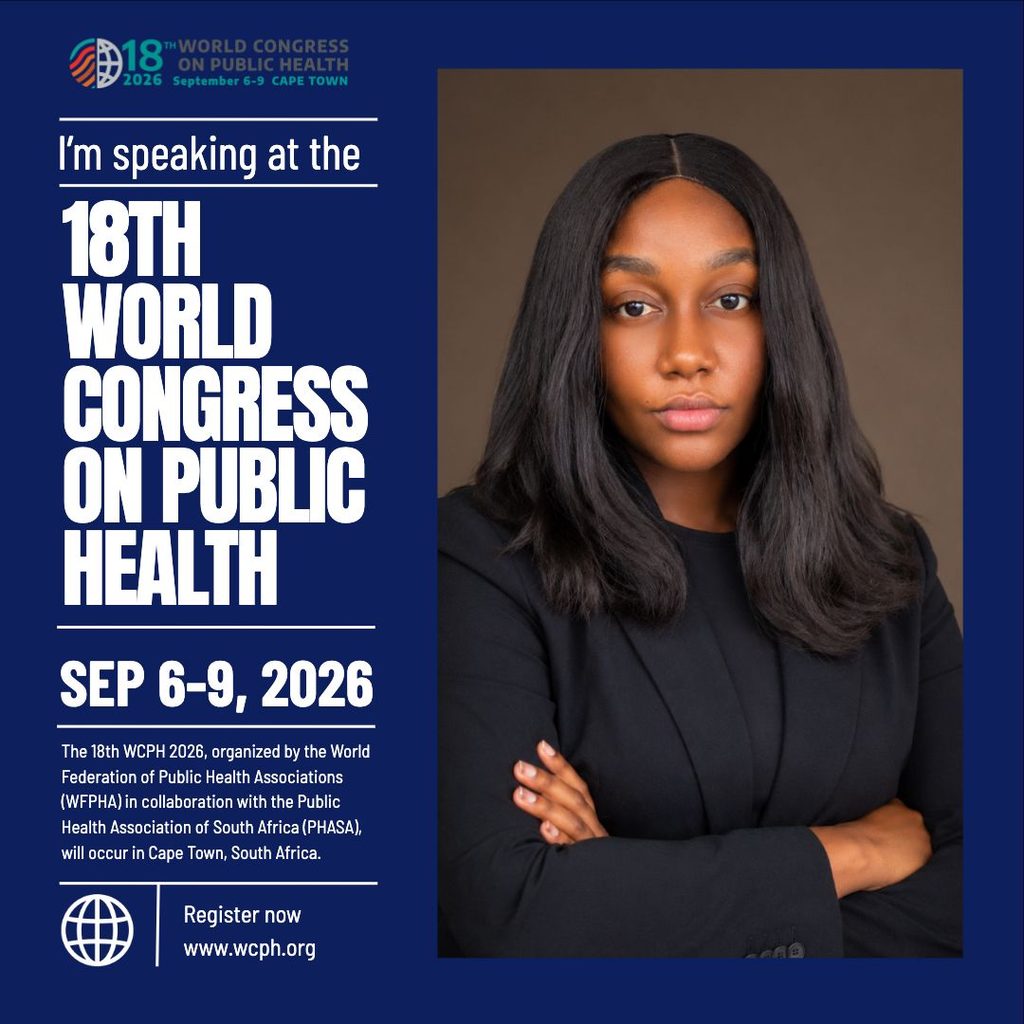
Bringing Local Health Experience to a Global Platform
The 18th World Congress on Public Health brought together public health professionals, researchers, policymakers, and practitioners from around the world.
The 2026 Congress focused on “Health Without Borders: Equity, Inclusion, and Sustainability.” Against this backdrop, SSDO contributed an experience from community health work in Enugu State.
The experience showed how a locally adapted digital approach can reduce reporting burdens for community health volunteers.
It also highlighted the value of designing health solutions around the realities of the people who use them.
Addressing the Burden of Community TB Reporting
Community health volunteers play an important role in collecting and reporting data for health programmes.
However, the reporting process can create additional burdens when systems depend heavily on physical documentation and validation.
In Enugu State, community volunteers supporting tuberculosis reporting previously travelled with their records for physical validation.
As a result, volunteers faced transport and printing costs, alongside time spent travelling and waiting.
These challenges affected a routine process that depended on timely and accurate reporting from communities.
SSDO therefore explored a locally adapted digital approach to reduce some of these burdens.
Introducing Digital TB Reporting in Enugu State
SSDO trained 17 community volunteers from all 17 Local Government Areas in Enugu State to submit TB data digitally.
The approach allowed volunteers to submit their data through a digital tool rather than relying entirely on physical submission.
Supporting registers were also uploaded to the platform.
Programme staff could then review and validate submissions remotely.
This reduced routine trips to the office and lowered associated transport and printing costs.
It also shortened validation timelines and made the reporting process easier for community volunteers.
Additionally, the digital approach supported reporting continuity when technical challenges affected the national reporting platform.
Adapting Technology to Community Health Realities
The experience demonstrates the value of adapting technology to existing health systems and user needs.
The objective was not to introduce technology for its own sake.
Instead, SSDO adapted an existing reporting process to reduce the burden on frontline workers while strengthening routine TB reporting.
This distinction matters because digital health solutions work best when they respond to real operational challenges.
In this case, the approach addressed practical issues faced by volunteers while supporting programme staff to review information remotely.
The experience also provided lessons on how locally developed approaches can complement wider health reporting systems.
Sharing Lessons From Enugu at WCPH 2026
At the World Congress on Public Health, Obianuju shared the experience with an international audienc
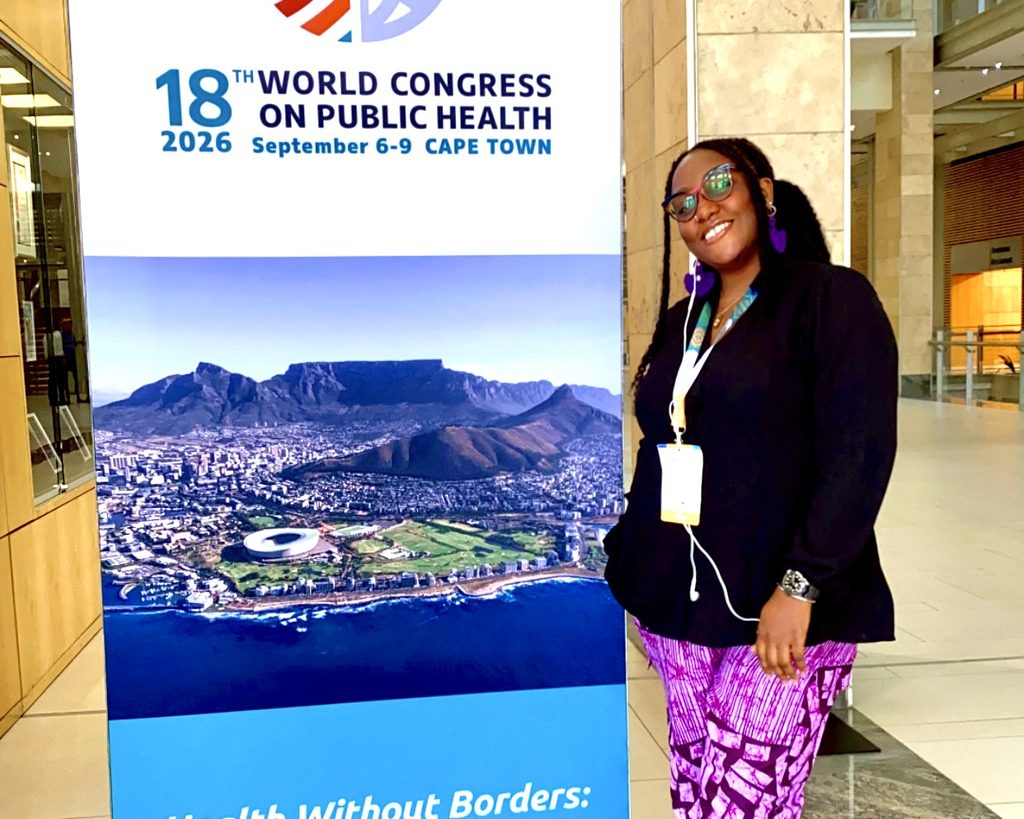
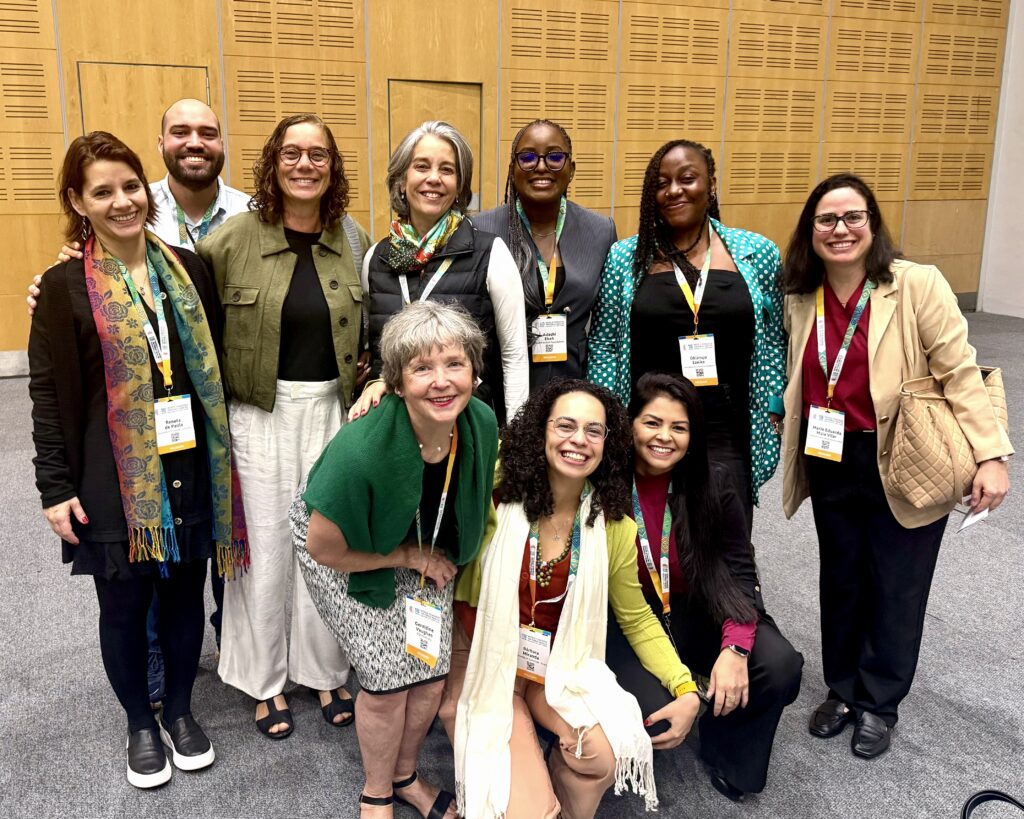
Her participation created an opportunity for SSDO to bring lessons from Enugu into wider conversations about health systems and digital innovation.
At the same time, the Congress provided an opportunity to learn from public health experiences in other settings.
This exchange is important because health systems operate within different social, institutional, and community contexts.
Therefore, solutions must account for the realities of the people and systems expected to use them.
Strengthening Health Systems Through Local Solutions
The experience from Enugu shows how practical changes can improve routine health processes.
By reducing unnecessary travel, lowering reporting costs, and enabling remote validation, digital TB reporting can ease some of the pressures faced by community health volunteers.
More importantly, the experience reinforces the importance of listening to frontline workers when improving health systems.
SSDO continues to support approaches that connect community-level experience with practical solutions for stronger health service delivery.
Through platforms such as WCPH 2026, these local experiences can also contribute to wider public health learning and conversations about more responsive health systems.