SSDO

NTBLCP Quarterly Review Enugu

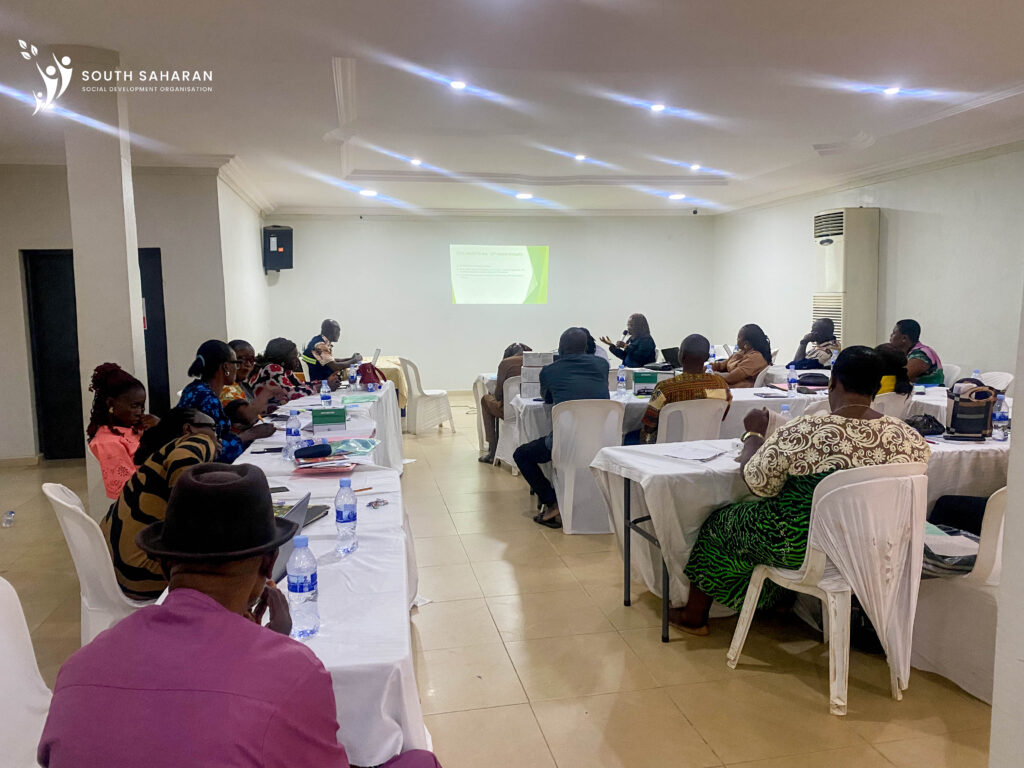
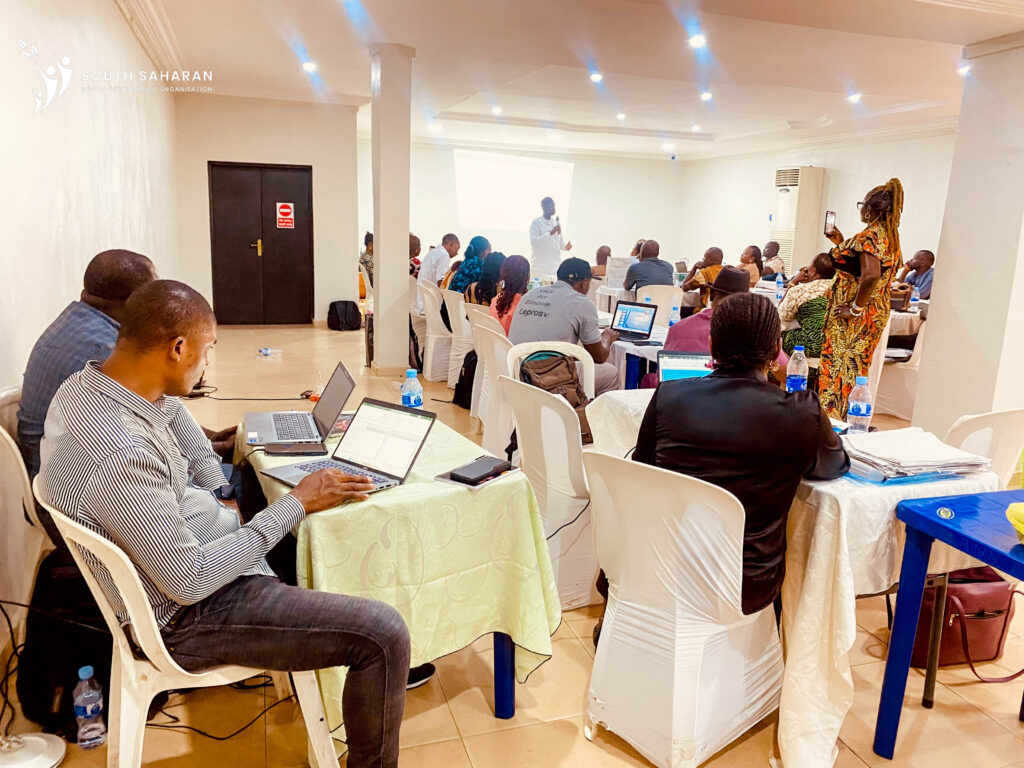
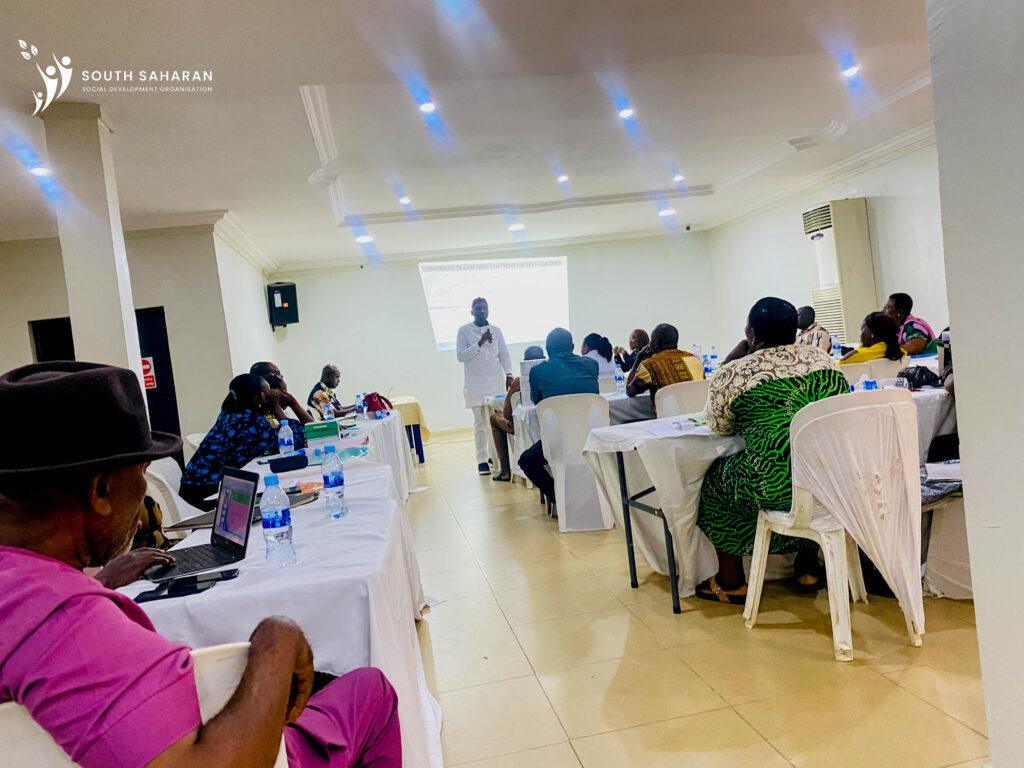
South Saharan Social Development Organisation (SSDO) strengthens public health systems in Enugu State through evidence-based interventions that improve disease detection, treatment outcomes, and continuity of care. The NTBLCP Quarterly Review Enugu provided an opportunity to evaluate programme performance, strengthen collaboration among implementing partners, and use data to improve tuberculosis and integrated health services across the state.

Effective disease control depends on strong partnerships. National health programmes achieve greater impact when government institutions, development partners, and community-based organisations work within coordinated systems that prioritise evidence, accountability, and measurable outcomes.

Strengthening Tuberculosis Response Through Coordinated Health Systems

Tuberculosis remains a significant public health challenge in Nigeria. Delayed diagnosis, treatment interruption, and limited access to healthcare continue to affect disease control efforts, particularly in underserved communities.

Addressing these challenges requires more than clinical care. It depends on coordinated systems that connect disease surveillance, community mobilisation, laboratory services, treatment support, and routine performance monitoring.

The National Tuberculosis and Leprosy Control Programme (NTBLCP) provides the framework for this coordinated response, bringing together government institutions and implementing partners to strengthen tuberculosis prevention, detection, treatment, and monitoring across the country.

Quarterly review meetings play an important role within this system by assessing progress, identifying implementation challenges, and informing strategies for continuous improvement.

SSDO’s Contribution to the NTBLCP Quarterly Review Enugu

As an implementing partner of the National Tuberculosis and Leprosy Control Programme (NTBLCP), Enugu State Chapter, SSDO supports community-based interventions that strengthen tuberculosis control while expanding access to integrated health services.

During the NTBLCP Quarterly Review Enugu, SSDO presented its first-quarter (Q1) 2026 programme performance, demonstrating how community-level implementation contributes to state-wide public health objectives.

The presentation highlighted the organisation’s role in expanding early case detection, improving treatment adherence, and strengthening referral systems that connect communities with formal healthcare services.

By reporting programme outcomes through a structured review process, SSDO contributes to evidence-informed decision-making that supports continuous improvement within Enugu State’s tuberculosis response.

Evidence of Community Health Impact

The Q1 2026 performance reflected measurable progress across tuberculosis and integrated healthcare services.

During the reporting period, SSDO:

  • Screened 27,315 individuals for tuberculosis.
  • Placed 636 patients on TB treatment, strengthening early diagnosis and access to care.
  • Screened 1,303 pregnant women for HIV and syphilis, linking 10 women to Antiretroviral Therapy (ART) and Antenatal Care (ANC) services.
  • Managed 16 drug-resistant tuberculosis (DR-TB) patients, supporting treatment adherence and ensuring regular outpatient follow-up throughout their recovery.

These outcomes demonstrate the value of integrating tuberculosis services with broader community health interventions that improve patient care and strengthen health system performance.

From Programme Delivery to Stronger Health Systems

Community-based implementation plays a vital role in translating national health policies into measurable outcomes.

Through active case finding, patient follow-up, treatment support, and integrated healthcare delivery, SSDO strengthens the systems that enable individuals to access timely diagnosis and remain connected to care throughout the treatment process.

The quarterly review also reinforces institutional accountability by enabling implementing partners to assess progress collectively, identify operational challenges, and share lessons that improve programme effectiveness.

Using routine performance data to guide implementation supports more responsive health systems while ensuring resources are directed toward interventions with the greatest impact.

Strengthening Public Health Through Evidence

Strong public health systems rely on continuous learning, coordinated partnerships, and evidence-based decision-making.

The NTBLCP Quarterly Review Enugu demonstrates the importance of structured performance assessments in strengthening tuberculosis control and improving integrated healthcare delivery across Enugu State. By contributing reliable programme data and community-level implementation experience, SSDO supports a coordinated public health response that advances early disease detection, strengthens treatment continuity, and improves patient outcomes.

SSDO continues to position evidence-driven community health interventions as essential components of resilient public health systems, supporting government-led efforts to strengthen accountability, improve service delivery, and achieve better health outcomes for communities across Enugu State.

World TB Day Community Outreach Enugu

South Saharan Social Development Organisation (SSDO) strengthens community health systems in Enugu State through evidence-informed interventions that improve disease prevention, early detection, and access to quality healthcare. The World TB Day Community Outreach Enugu formed part of this broader approach, expanding tuberculosis screening and integrated health services within underserved communities while supporting Nigeria’s national TB response framework.

Tuberculosis remains one of Nigeria’s most significant public health challenges. Although the disease is preventable and curable, delayed diagnosis, limited awareness, and barriers to healthcare continue to contribute to transmission and poor treatment outcomes. Addressing these challenges requires coordinated systems that connect national health programmes with community-based interventions capable of reaching populations that are often underserved.

Strengthening Community Health Systems Through Early Detection

Nigeria remains among the countries with the highest tuberculosis burden globally. Many cases go undetected because people have limited access to screening services or are unaware of the symptoms that require medical attention.

Community-based interventions play an important role in strengthening public health systems by bringing screening, health education, and referral services closer to where people live and work. They also help reduce delays in diagnosis, improve treatment outcomes, and strengthen trust between communities and healthcare providers.

Embedding TB services within broader health interventions further improves access by allowing individuals to receive multiple essential health services during a single outreach.

SSDO’s World TB Day Community Outreach Enugu

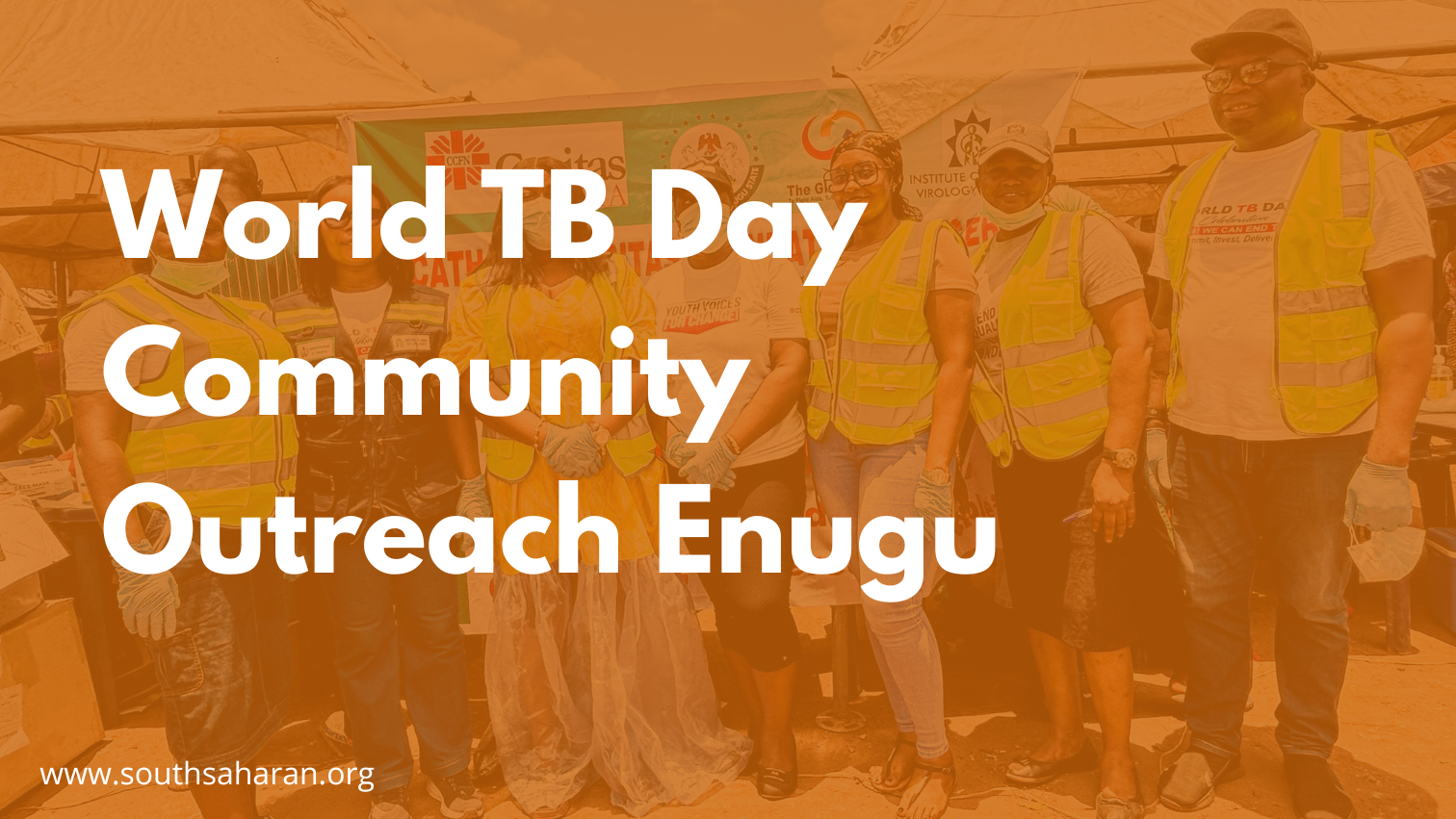
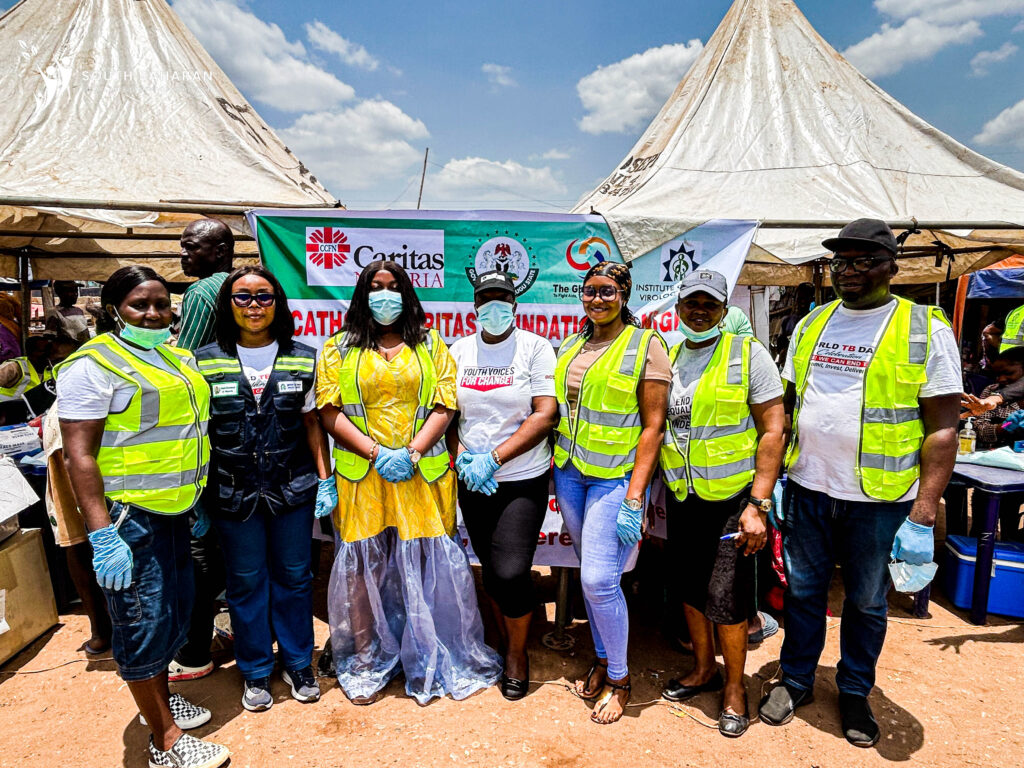
To commemorate World TB Day 2026, SSDO collaborated with the World Health Organization (WHO), Caritas Nigeria, the Institute of Human Virology Nigeria (IHVN), and the National Tuberculosis and Leprosy Control Programme (NTBLCP) to implement a structured community health outreach across Enugu North and Udenu Local Government Areas.

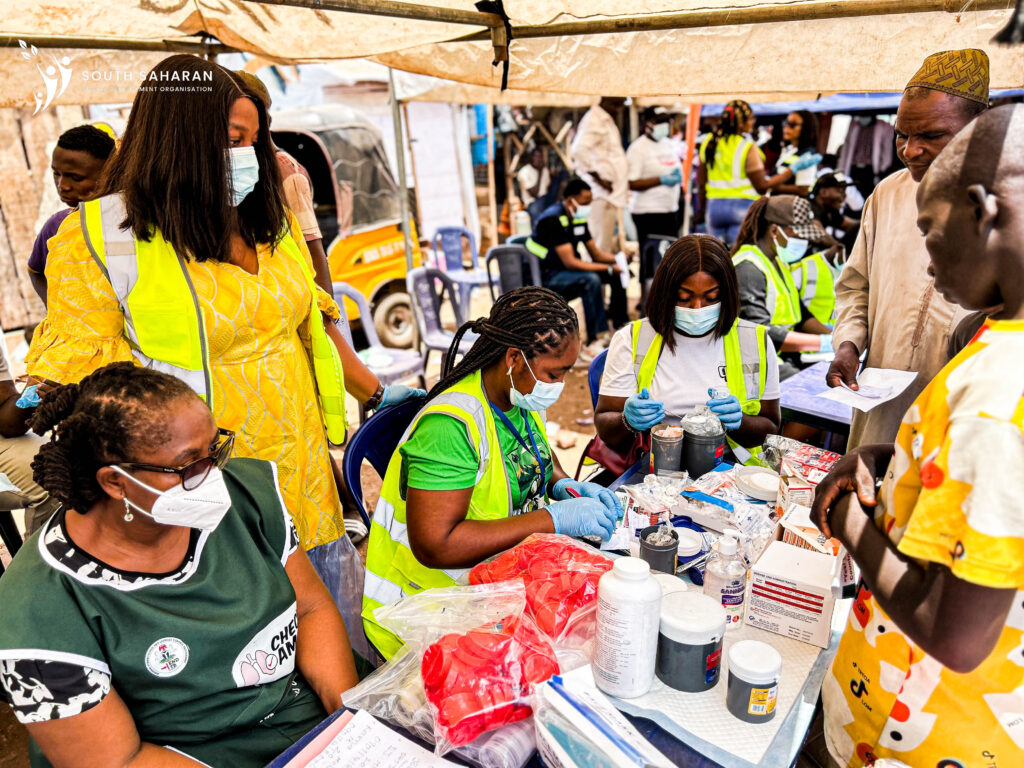
The intervention was delivered at New Artisan and Orie Orba Market, bringing tuberculosis screening and integrated healthcare services directly to communities where access to routine health services may be limited.

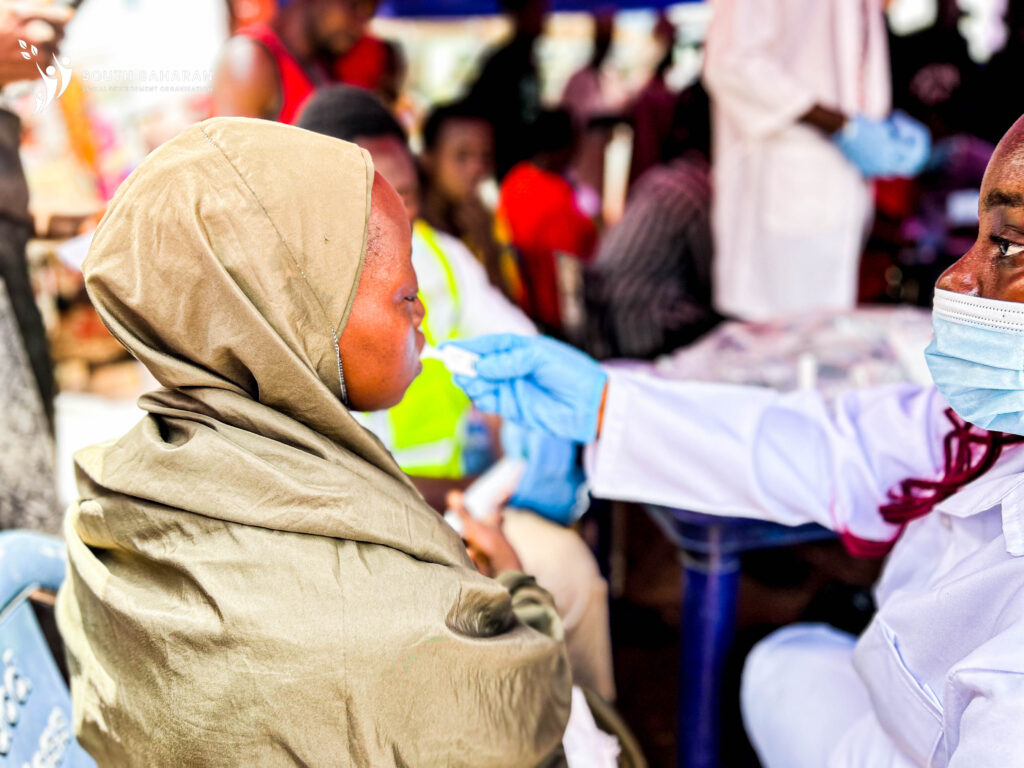
The outreach combined health education with active case finding, ensuring that community members not only received information about tuberculosis but also had immediate opportunities to access screening and referral services.

Expanding Access to Integrated Health Services

The World TB Day Community Outreach Enugu reached more than 1,200 community members across the two intervention locations.

As part of the intervention:

  • 474 individuals received tuberculosis screening.
  • 94 presumptive TB cases were identified for further diagnosis and clinical follow-up.

The outreach also integrated additional healthcare services to strengthen comprehensive community health delivery.

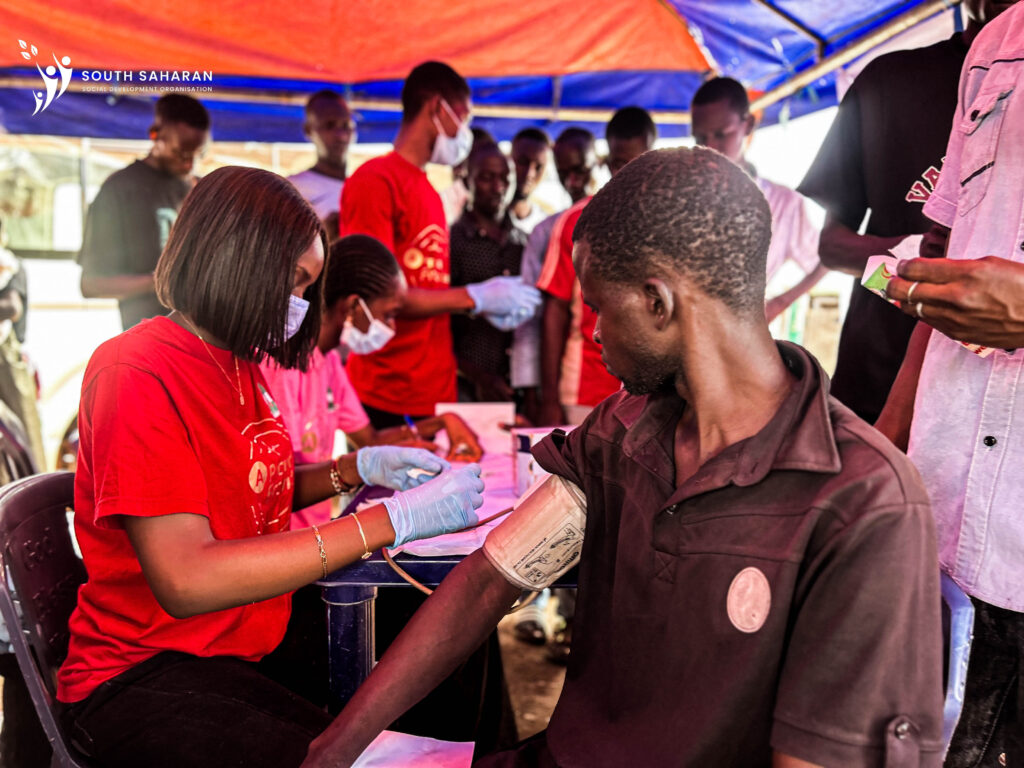
Participants accessed HIV screening, malaria testing and treatment, blood pressure checks, and clinical consultations alongside tuberculosis services. This integrated approach improved access to essential healthcare while reducing missed opportunities for disease detection and treatment.

Rather than addressing tuberculosis in isolation, the intervention strengthened multiple components of community healthcare within a single service delivery model.

Building Stronger Referral and Treatment Systems

Effective tuberculosis control depends on more than awareness campaigns. It requires systems that connect screening, diagnosis, referral, and treatment into a coordinated continuum of care.

By combining community sensitisation with active case finding and referral pathways, the outreach strengthened linkages between communities and the formal health system. Individuals identified as presumptive TB cases were connected for further diagnostic evaluation and appropriate follow-up, improving the likelihood of early treatment initiation.

The intervention also reinforced community confidence in preventive healthcare services by providing accessible, integrated care through trusted institutional partnerships.

Strengthening Nigeria’s Public Health Response

Community health interventions remain essential to achieving sustainable improvements in tuberculosis control and broader public health outcomes.

Through the World TB Day Community Outreach Enugu, SSDO demonstrated how partnerships between government institutions, development partners, and community-based organisations can strengthen disease surveillance, expand access to healthcare, and improve treatment pathways for underserved populations.

As Nigeria continues to strengthen its tuberculosis response, community-centred interventions provide an effective mechanism for improving early detection, reducing barriers to care, and supporting healthier communities.

SSDO continues to position evidence-informed, community-based health interventions as critical components of resilient public health systems that improve service delivery and contribute to better health outcomes across Enugu State.

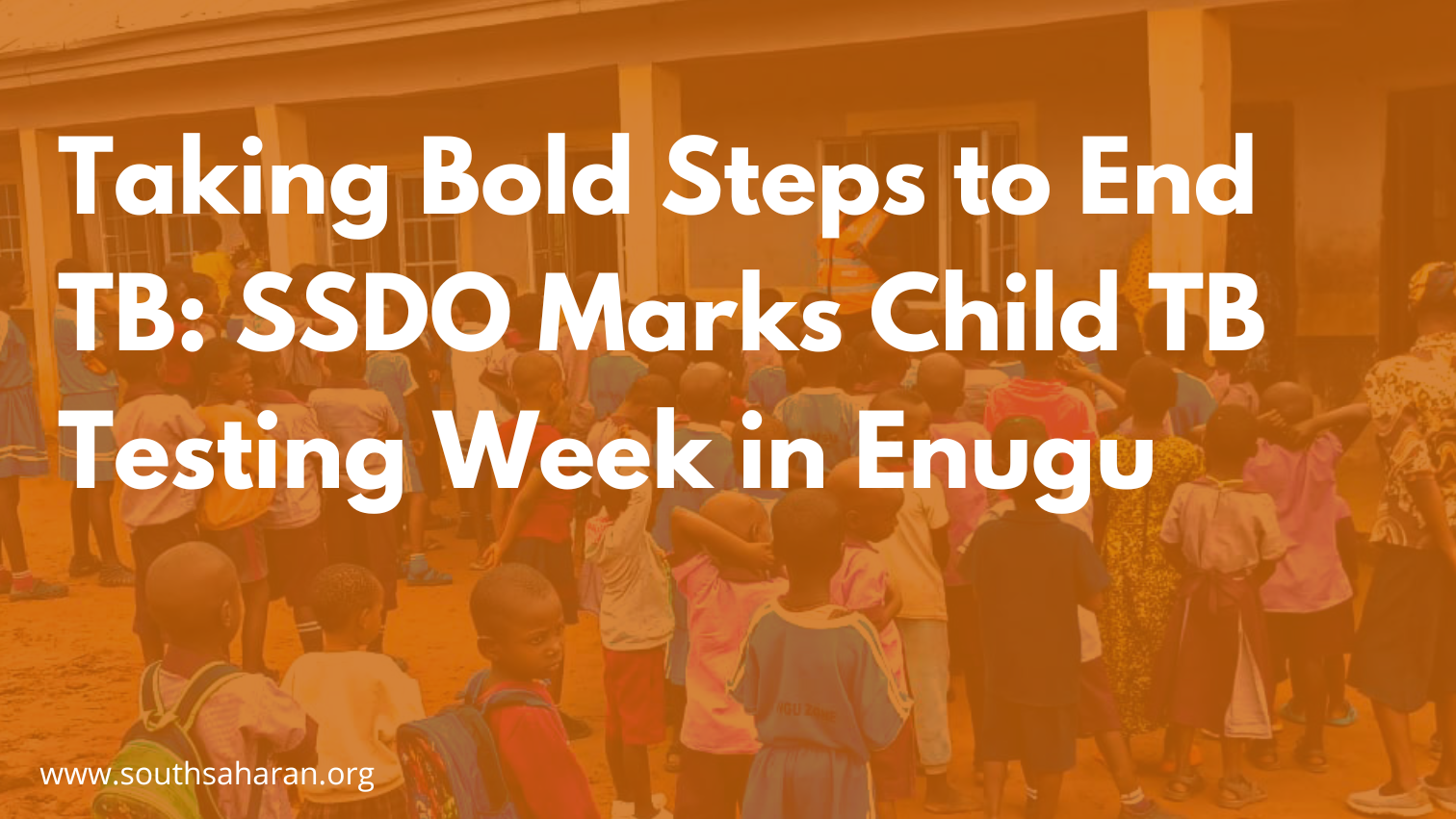
Taking Bold Steps to End TB: SSDO Marks Child TB Testing Week in Enugu

Every child deserves the chance to grow, learn, and thrive in good health. This week, South Saharan Social Development Organisation (SSDO) joined hands with Caritas Nigeria, nine community-based organisations (CBOs), and the Enugu State Tuberculosis and Leprosy Control Programme (STBLCP) to make that vision a reality through Child TB Testing Week.

Bringing TB Screening Closer to the Community

Across 17 Local Government Areas of Enugu State, our teams reached schools, health centres, and community spaces to provide free tuberculosis (TB) screenings for children. The goal was to detect cases early, link affected children to treatment, and protect others through awareness and prevention.

This collaborative approach demonstrates what’s possible when communities, health workers, and development partners work side by side to make public health truly accessible.

Why Child TB Testing Matters

Tuberculosis remains one of the world’s most persistent public health challenges, yet it is both preventable and curable. Children are especially vulnerable because symptoms often go unnoticed. By prioritising early detection, we can prevent severe illness, reduce transmission, and give every child a TB-free future.

Through awareness sessions, school outreaches, and one-on-one counselling, SSDO and partners helped families understand that early action saves lives.

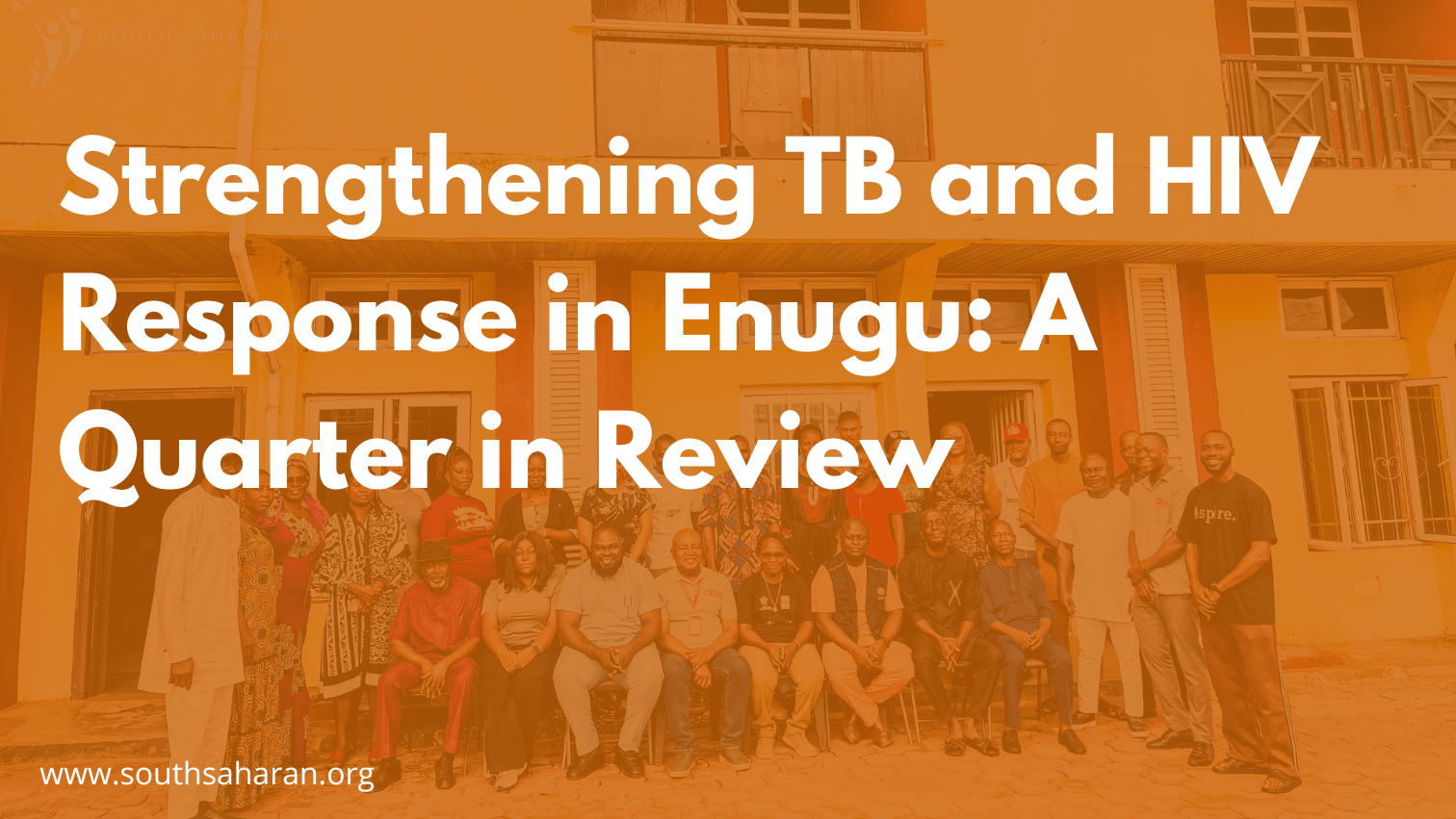
Strengthening TB and HIV Response in Enugu: A Quarter in Review

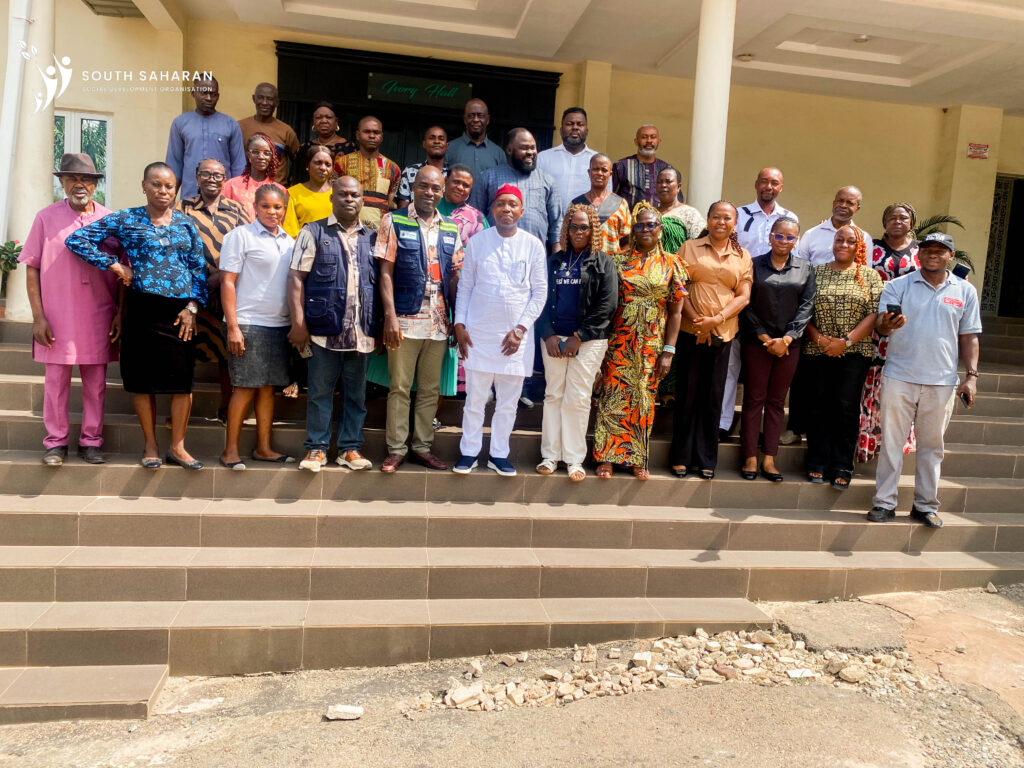
At South Saharan Social Development Organisation (SSDO), we believe that progress is best measured in lives touched and systems strengthened. Recently, the Enugu State chapter of the National Tuberculosis and Leprosy Control Programme (NTBLCP) convened partners and stakeholders for its quarterly review meeting. It was a moment to reflect, learn, and chart new paths forward in the fight against TB and HIV.

Our Contribution This Quarter

As an implementing partner, SSDO proudly shared key milestones achieved in the last three months:

  • 13,003 people screened for TB, with 228 patients placed on treatment to begin their recovery journey.
  • 3,450 pregnant women screened for HIV and Syphilis, ensuring early detection and care, with 19 women linked to ART and ANC services.
  • 16 patients battling drug-resistant TB supported and managed, with adherence to treatment and regular OPD visits. 💪🩺

Why It Matters

Behind every number is a person, a family, a community. Screening means early detection. Treatment means hope restored. Care means healthier mothers, stronger households, and safer communities. These are the building blocks of a healthier Enugu.

The Road Ahead

Quarterly reviews like this not only highlight achievements but also sharpen strategies. Together with NTBLCP and other partners, we are reinforcing health systems, ensuring no patient is left behind, and bringing the vision of TB and HIV-free communities closer to reality.

At SSDO, our commitment remains clear: building resilient communities, one intervention at a time. 🌟

Strengthening Health Systems Through Data Quality Assessment

Strengthening Health Systems Through Data Quality Assessment

The Institute of Human Virology Nigeria (IHVN) and the National TB and Leprosy Control Programme (NTBLCP), together with partners including Caritas Nigeria, South Saharan Social Development Organisation (SSDO), STBLCP, SASCAP, and others, moved across Enugu North, Enugu East, and Nkanu West to carry out a TB/HIV Data Quality Assessment (DQA).

Why Data Matters

Behind every number in a health record is a real person seeking care, a family waiting for answers, and a community hoping for healthier outcomes. Accurate data is therefore about life-saving decisions, and not just statistics. That is why this assessment was so critical: to ensure that what is recorded in health facilities truly reflects the realities of patients and the services they receive.

What We Saw In The Field

From busy public hospitals to small private clinics and even traditional birth centres, the team worked hand in hand with health workers. We reviewed records, asked hard questions, and identified where the gaps are. What emerged was clear. There is progress, but there is also much work to be done to strengthen reporting, build staff capacity, and improve data accuracy.

Beyond Numbers: Building Stronger Systems

Fixing data gaps is not about filling forms correctly. It is about building stronger systems that can track, respond, and save lives. With the support of all partners and the commitment of local health workers, the work in Enugu is setting the stage for more reliable health information and, ultimately, better services for people affected by TB and HIV.

The mission continues. Together, we are building healthier communities where no one is left behind.