

South Saharan Social Development Organisation (SSDO) strengthens public health systems in Enugu State through evidence-based interventions that improve disease detection, treatment outcomes, and continuity of care. The NTBLCP Quarterly Review Enugu provided an opportunity to evaluate programme performance, strengthen collaboration among implementing partners, and use data to improve tuberculosis and integrated health services across the state.
Effective disease control depends on strong partnerships. National health programmes achieve greater impact when government institutions, development partners, and community-based organisations work within coordinated systems that prioritise evidence, accountability, and measurable outcomes.
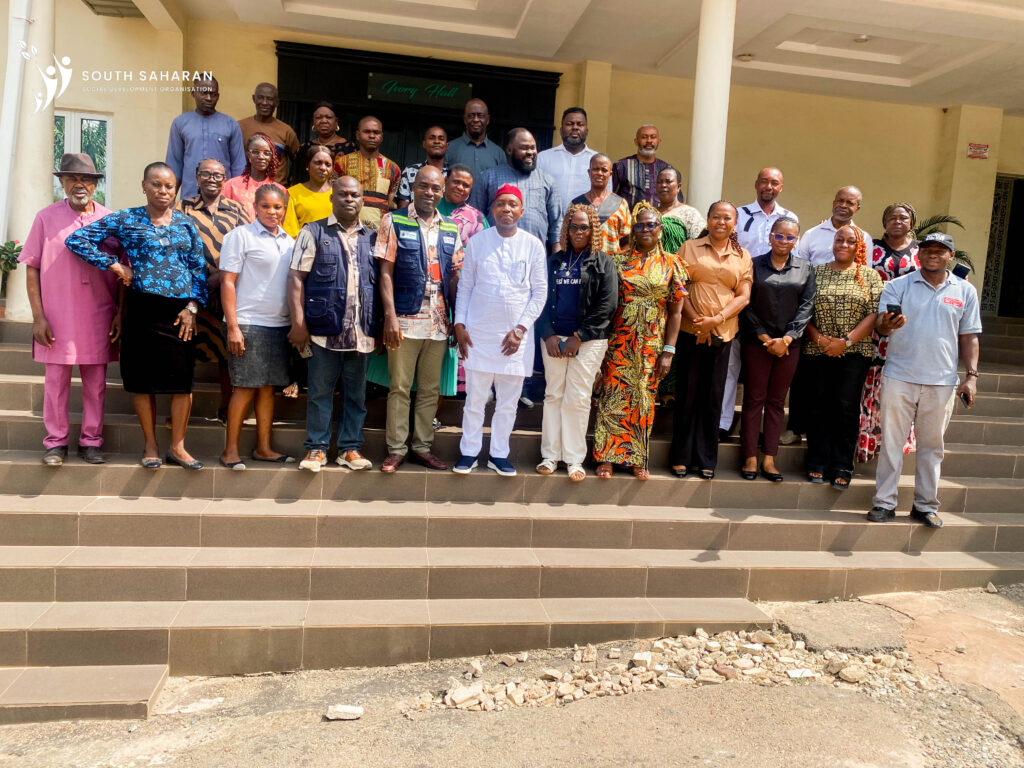
Strengthening Tuberculosis Response Through Coordinated Health Systems
Tuberculosis remains a significant public health challenge in Nigeria. Delayed diagnosis, treatment interruption, and limited access to healthcare continue to affect disease control efforts, particularly in underserved communities.
Addressing these challenges requires more than clinical care. It depends on coordinated systems that connect disease surveillance, community mobilisation, laboratory services, treatment support, and routine performance monitoring.
The National Tuberculosis and Leprosy Control Programme (NTBLCP) provides the framework for this coordinated response, bringing together government institutions and implementing partners to strengthen tuberculosis prevention, detection, treatment, and monitoring across the country.
Quarterly review meetings play an important role within this system by assessing progress, identifying implementation challenges, and informing strategies for continuous improvement.
SSDO’s Contribution to the NTBLCP Quarterly Review Enugu
As an implementing partner of the National Tuberculosis and Leprosy Control Programme (NTBLCP), Enugu State Chapter, SSDO supports community-based interventions that strengthen tuberculosis control while expanding access to integrated health services.
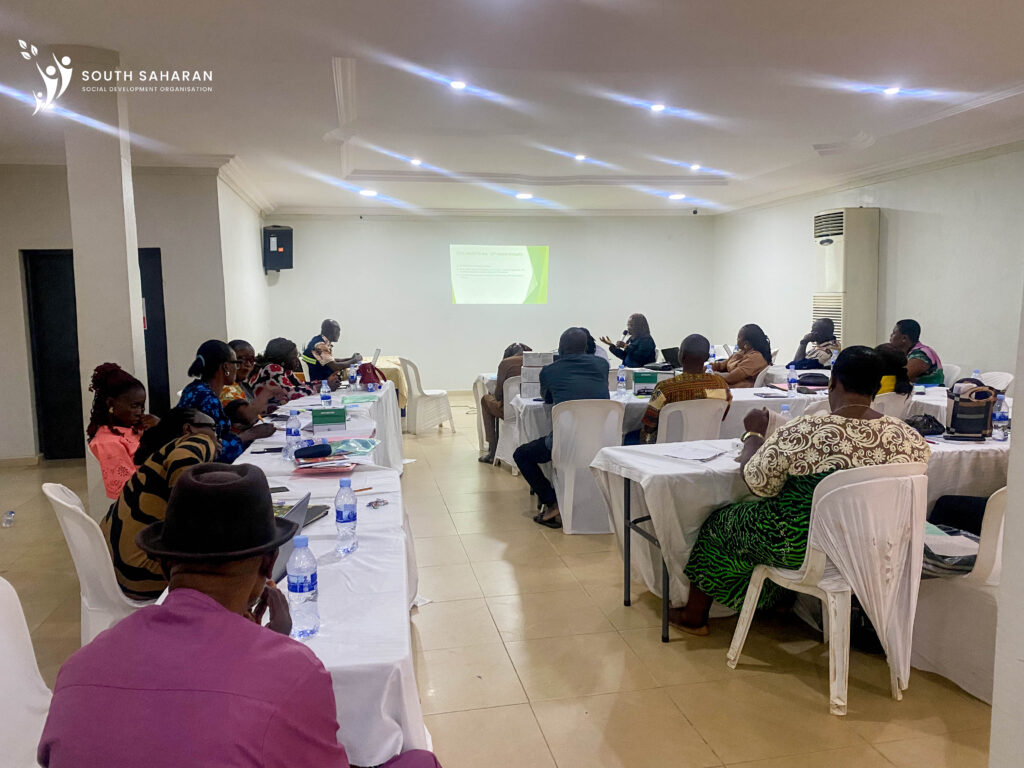
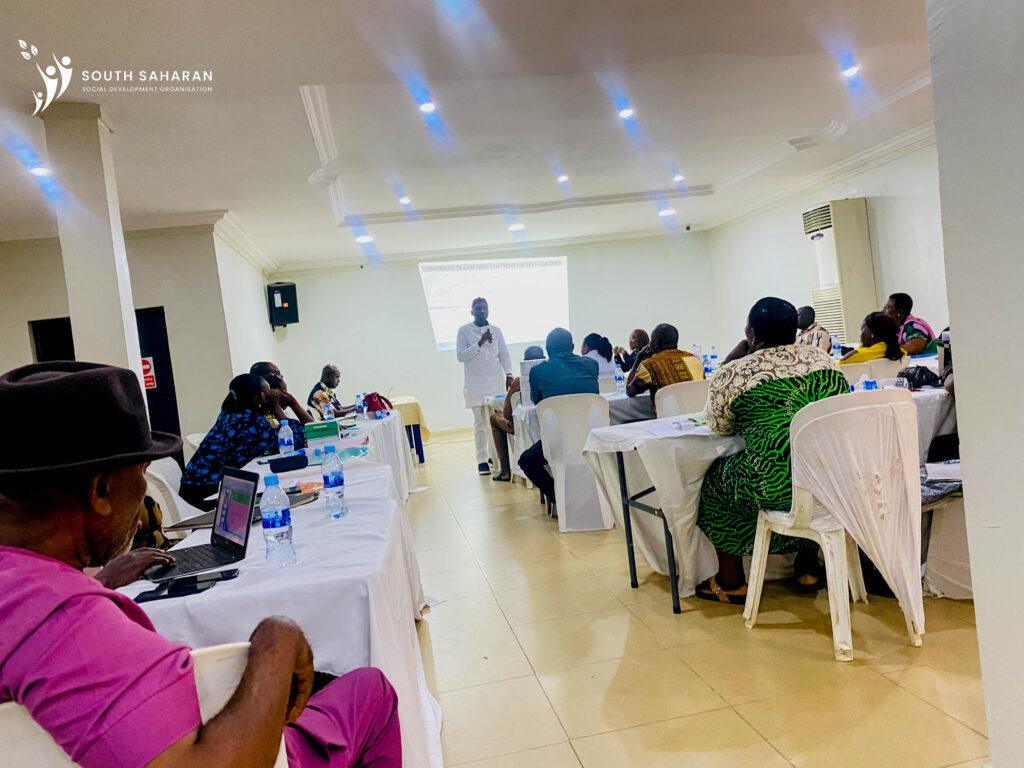
During the NTBLCP Quarterly Review Enugu, SSDO presented its first-quarter (Q1) 2026 programme performance, demonstrating how community-level implementation contributes to state-wide public health objectives.
The presentation highlighted the organisation’s role in expanding early case detection, improving treatment adherence, and strengthening referral systems that connect communities with formal healthcare services.
By reporting programme outcomes through a structured review process, SSDO contributes to evidence-informed decision-making that supports continuous improvement within Enugu State’s tuberculosis response.
Evidence of Community Health Impact
The Q1 2026 performance reflected measurable progress across tuberculosis and integrated healthcare services.
During the reporting period, SSDO:
- Screened 27,315 individuals for tuberculosis.
- Placed 636 patients on TB treatment, strengthening early diagnosis and access to care.
- Screened 1,303 pregnant women for HIV and syphilis, linking 10 women to Antiretroviral Therapy (ART) and Antenatal Care (ANC) services.
- Managed 16 drug-resistant tuberculosis (DR-TB) patients, supporting treatment adherence and ensuring regular outpatient follow-up throughout their recovery.
These outcomes demonstrate the value of integrating tuberculosis services with broader community health interventions that improve patient care and strengthen health system performance.
From Programme Delivery to Stronger Health Systems
Community-based implementation plays a vital role in translating national health policies into measurable outcomes.
Through active case finding, patient follow-up, treatment support, and integrated healthcare delivery, SSDO strengthens the systems that enable individuals to access timely diagnosis and remain connected to care throughout the treatment process.
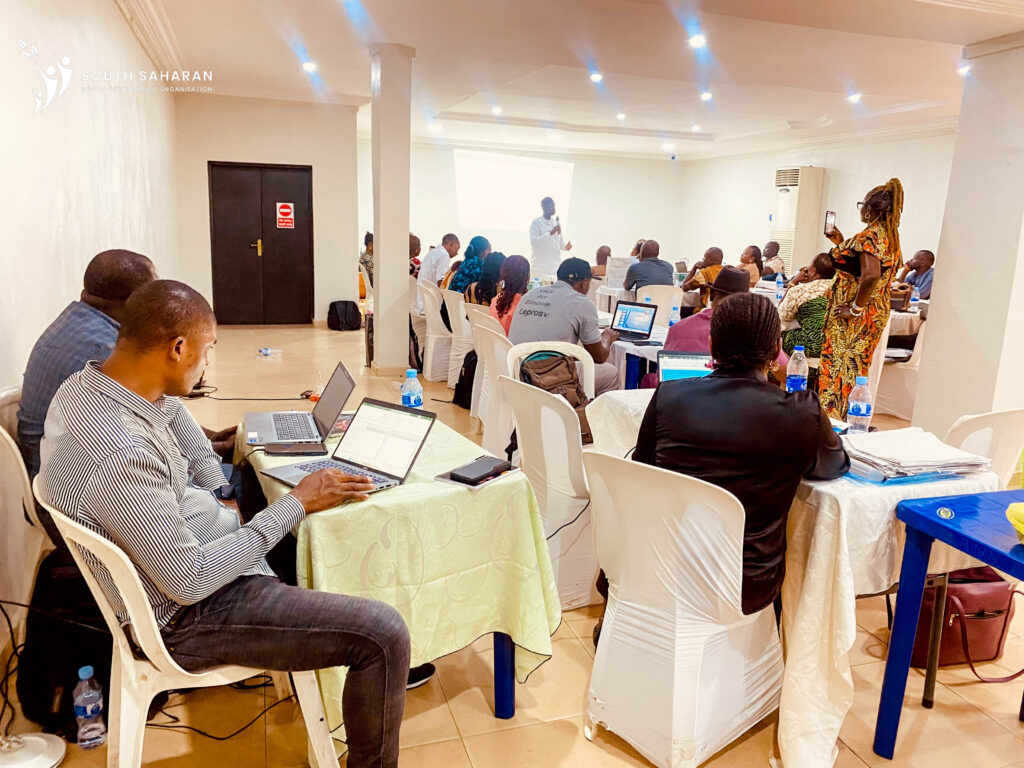
The quarterly review also reinforces institutional accountability by enabling implementing partners to assess progress collectively, identify operational challenges, and share lessons that improve programme effectiveness.
Using routine performance data to guide implementation supports more responsive health systems while ensuring resources are directed toward interventions with the greatest impact.
Strengthening Public Health Through Evidence
Strong public health systems rely on continuous learning, coordinated partnerships, and evidence-based decision-making.
The NTBLCP Quarterly Review Enugu demonstrates the importance of structured performance assessments in strengthening tuberculosis control and improving integrated healthcare delivery across Enugu State. By contributing reliable programme data and community-level implementation experience, SSDO supports a coordinated public health response that advances early disease detection, strengthens treatment continuity, and improves patient outcomes.
SSDO continues to position evidence-driven community health interventions as essential components of resilient public health systems, supporting government-led efforts to strengthen accountability, improve service delivery, and achieve better health outcomes for communities across Enugu State.