

Water and sanitation infrastructure delivers lasting public health benefits only when it remains functional long after construction is completed. Sustaining these investments requires continuous monitoring, institutional collaboration, and accountability systems that ensure communities continue to access safe and reliable services.
South Saharan Social Development Organisation (SSDO) strengthens water, sanitation, and hygiene (WASH) systems by supporting interventions that move beyond infrastructure delivery to long-term sustainability. Working across Enugu State, SSDO collaborates with government institutions, development partners, and communities to strengthen the systems that protect public health and improve access to safe water and sanitation.
Why Joint WASH Facility Monitoring in Enugu State Matters
Across many communities, WASH infrastructure represents a significant investment in health, dignity, and community wellbeing. However, the value of these facilities depends on their continued functionality, proper maintenance, and effective management.
Without routine monitoring, challenges such as equipment failure, poor maintenance practices, and weak community ownership can gradually reduce the quality of services provided. Regular assessments help identify these issues early, allowing stakeholders to strengthen operational systems before they affect the communities that rely on them.
For this reason, joint monitoring has become an important component of sustainable WASH programming. It provides an opportunity for implementing organisations, government agencies, and technical partners to assess infrastructure performance, identify emerging risks, and promote coordinated solutions.
Strengthening WASH Systems Through Collaborative Monitoring
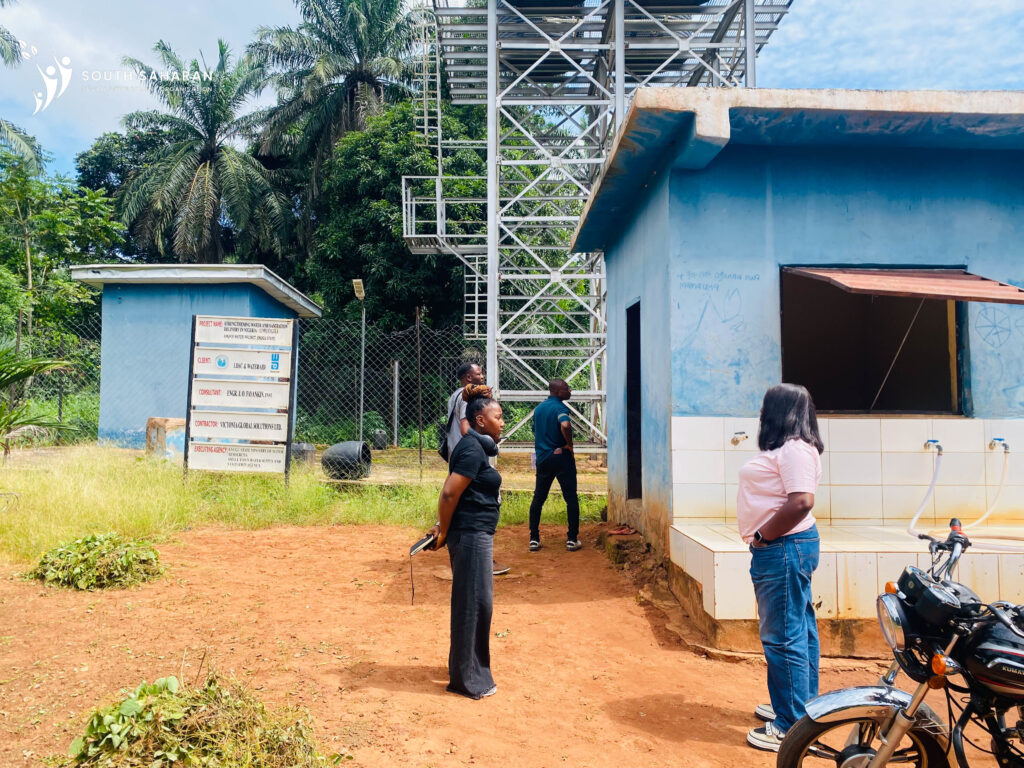
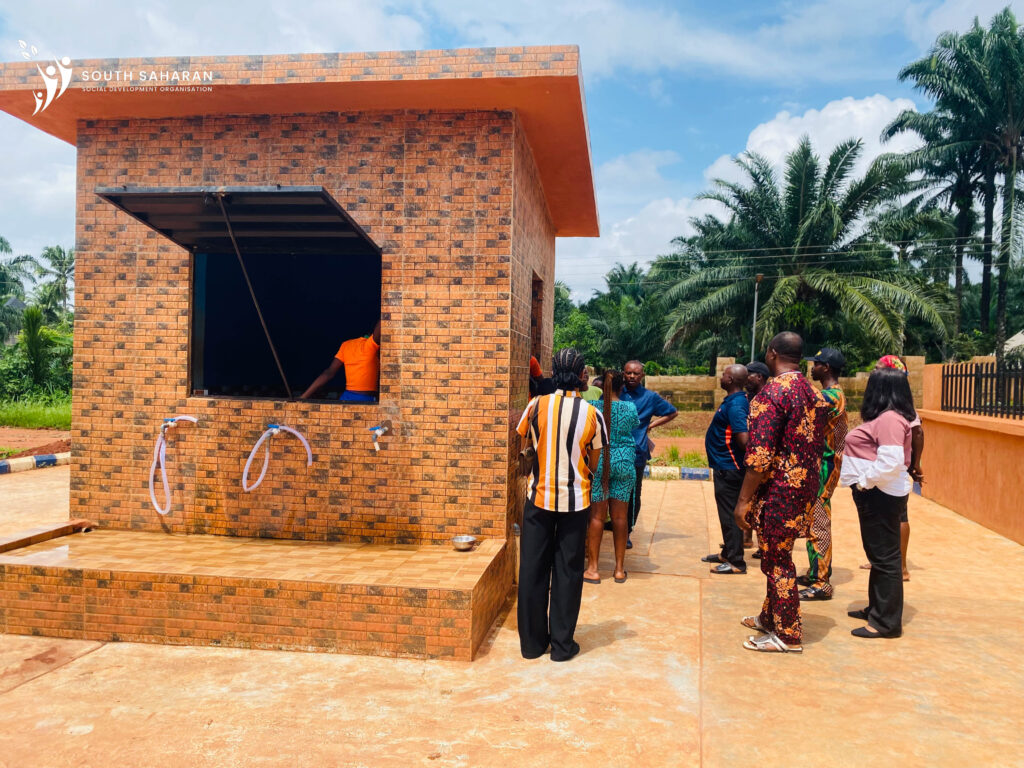
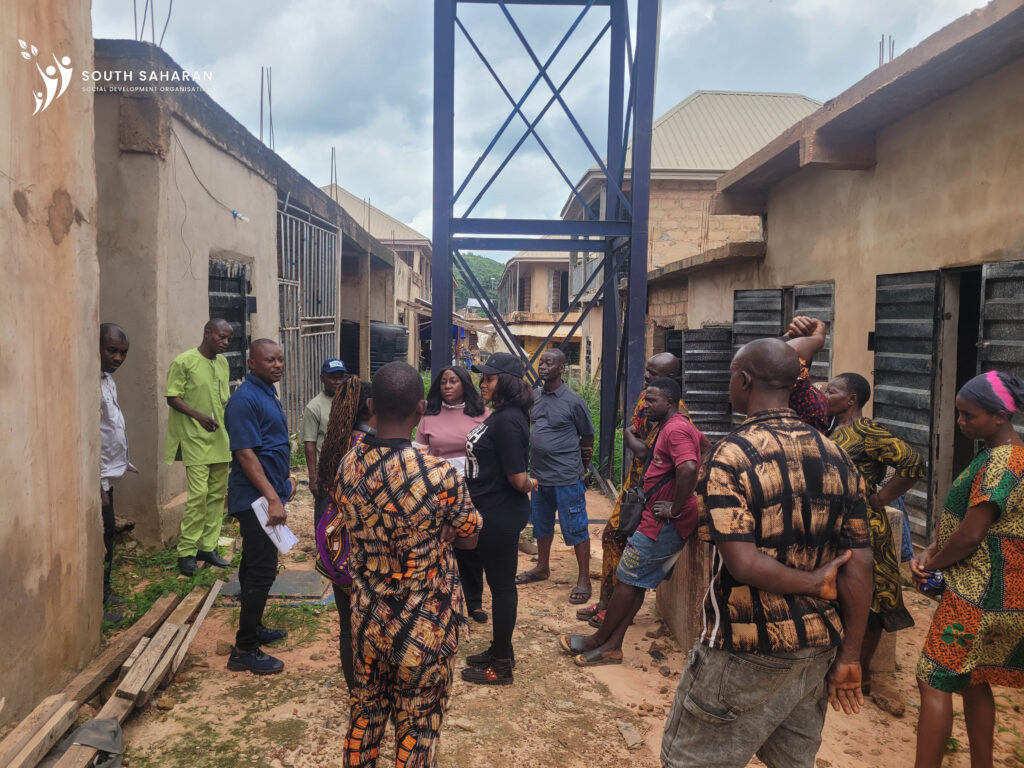
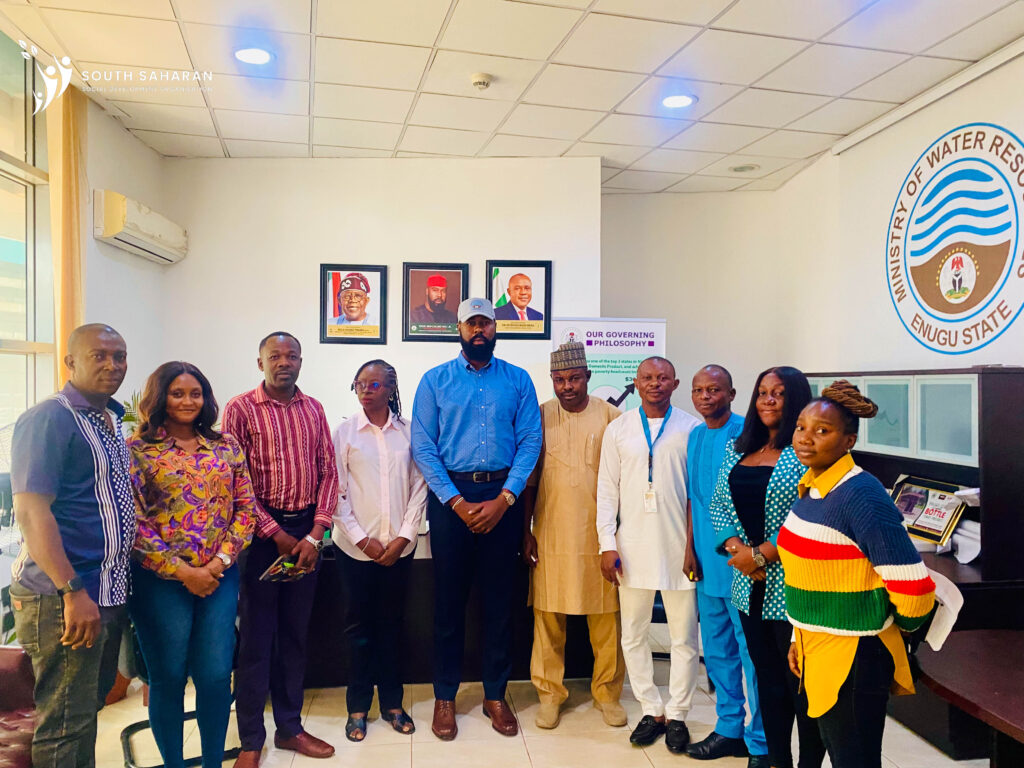
As part of this commitment, SSDO participated in a Joint WASH Facility Monitoring in Enugu State alongside The Church of Jesus Christ of Latter-day Saints, WaterAid Nigeria, the Enugu State Ministry of Water Resources, and the Network of Water and Sanitation (NEWSAN).
The collaborative exercise reflected a shared commitment to strengthening the systems that sustain water and sanitation infrastructure beyond project implementation. By bringing together multiple institutions with complementary technical expertise, the monitoring process promoted collective accountability for the long-term performance of WASH facilities across the state.
Rather than focusing solely on completed infrastructure, the engagement examined how these facilities continue to serve communities and what measures are required to support their sustainability.
Assessing Water and Sanitation Infrastructure Across Communities
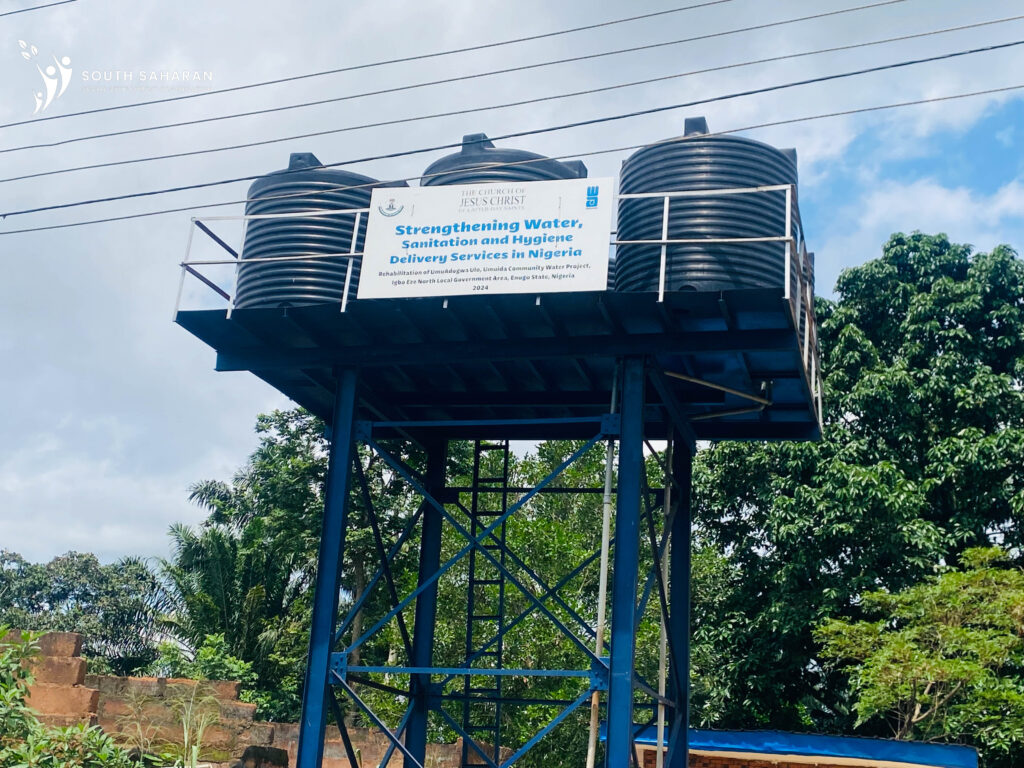
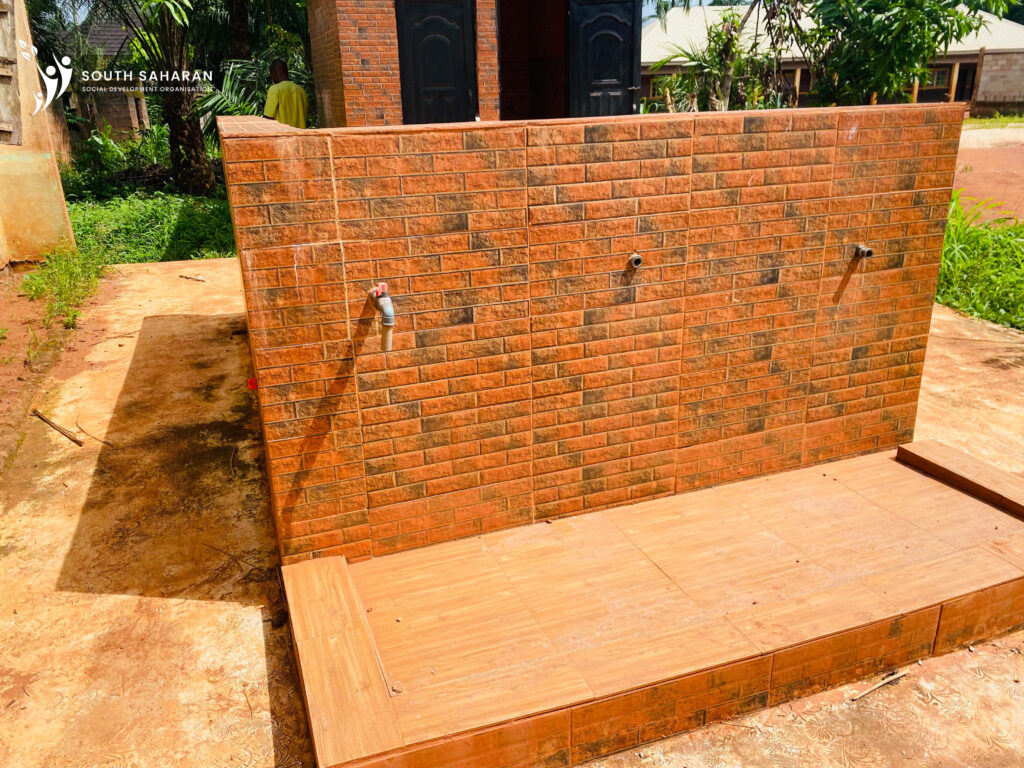
The monitoring visit covered several strategic WASH facilities, including the Mboshi-Aji Water Facility, Ekeozzi Rehabilitated Borehole and Toilet Facility, Ukwuinyi Water Facility, Umuogili-Amufie Water Facility, Umuadogwa (Umuida) Rehabilitated Water Facility, and the Gariki Market Toilet Facility.
Across these locations, stakeholders assessed the operational status, functionality, and overall condition of the infrastructure. Discussions also explored maintenance arrangements, community management structures, and opportunities to strengthen long-term service delivery.
These assessments provide valuable evidence that can guide future maintenance planning, improve operational efficiency, and strengthen community ownership of WASH investments.
Building Sustainable WASH Services Through Accountability
Sustainable access to water and sanitation depends on more than infrastructure. It requires systems that support routine maintenance, institutional coordination, and continuous monitoring.
The Joint WASH Facility Monitoring in Enugu State reinforces the importance of evidence-based oversight in protecting investments and improving service delivery. By identifying operational gaps and encouraging collaborative action, the exercise contributes to stronger accountability mechanisms that help communities continue to benefit from safe water and sanitation facilities.
This approach also strengthens resilience by ensuring that WASH infrastructure remains responsive to community needs while supporting broader public health objectives.
Advancing Sustainable Water and Sanitation Systems
SSDO recognises that the success of WASH programmes is measured not only by the facilities constructed but also by their long-term functionality and impact on community wellbeing.
Through collaborative monitoring, institutional partnerships, and evidence-driven engagement, SSDO continues to strengthen WASH systems that improve public health, reinforce community ownership, and promote sustainable access to safe water and sanitation services across Enugu State.