SSDO

Child Domestic Work Legal Reform in Enugu State

South Saharan Social Development Organisation (SSDO) is a governance and social protection institution working in Enugu State to strengthen public systems through structured reform frameworks. The Child Domestic Work Legal Reform in Enugu State initiative reflects SSDO’s institutional focus on child protection system strengthening through research-backed legislative engagement.

Child domestic work operates within a complex protection and labour regulation system. It intersects with education policy, child rights enforcement, social welfare oversight, and informal labour markets. Where regulation is weak and monitoring fragmented, vulnerabilities persist.

System Framing: Child Protection Gaps in Informal Domestic Labour

Child domestic service remains largely invisible within formal labour and protection systems. Recruitment often occurs through informal networks. Oversight mechanisms are limited andnforcement pathways are unclear.

Recent SSDO research across sampled households in Enugu State identified structural exposure patterns:

  • 29 percent of households surveyed had a child engaged in domestic service.
  • Most were girls aged 10 to 19.
  • 21 percent were no longer in school after entering service.
  • 15 percent had missed one or more academic years.
  • 14 percent reported labour exploitation.
  • 20 percent experienced physical, emotional, or sexual abuse.

These findings reveal systemic risk rather than isolated cases. Educational disruption, economic vulnerability, and exposure to abuse are interconnected outcomes of weak regulatory safeguards.

SSDO Intervention: Evidence-Backed Legislative Engagement

SSDO deployed a structured policy engagement model anchored in empirical research and formal legislative submission. Findings were consolidated into a Memorandum presented to the Enugu State Justice Reform Team during the ongoing review of the Child Rights Law.

The intervention targeted a specific institutional entry point – statutory reform. Rather than standalone advocacy, the strategy focused on embedding safeguards directly into the legal framework governing child rights in Enugu State.

The Memorandum proposed:

  • Clear regulatory standards for child placement into domestic service.
  • Defined oversight responsibilities for relevant ministries and agencies.
  • Strengthened monitoring mechanisms at community level.
  • Accountability provisions addressing exploitative domestic labour practices.

This approach aligns lived realities with legislative reform, ensuring that law reflects evidence rather than assumption.

Institutional Impact: Strengthening the Child Protection Architecture

Legal reform alters system behaviour when backed by enforcement clarity. By inserting regulatory safeguards into the Child Rights Law, institutional responsibility becomes defined. Oversight shifts from discretionary to structured.

If adopted, the proposed reforms will:

  • Clarify lawful conditions for child placement.
  • Reduce ambiguity in enforcement.
  • Create formal reporting and monitoring channels.
  • Strengthen linkages between justice institutions and community actors.

The objective is preventive protection, not reactive response. When regulation is explicit and monitoring institutionalised, exploitation risks reduce.

Scale and Scope of Reform Engagement

This intervention operates at the state legislative level in Enugu State. It addresses vulnerabilities affecting children across multiple local government areas. The reform process connects research, civil society engagement, and justice sector review mechanisms within a single structured framework.

By situating field evidence within a formal law revision process, SSDO bridges community data and statutory governance. The scale is systemic rather than programmatic.

Strategic Positioning

Child protection reform requires more than awareness. It demands institutional alignment between legislation, oversight systems, and community realities.

Through structured research, formal legislative engagement, and system-level recommendations, SSDO continues to occupy a governance niche focused on translating evidence into enforceable reform within Enugu State’s child protection architecture.

Local Government Accountability Index Framework in Enugu State

Governance reform requires structure and measurement. The Local Government Accountability Index (LAI) Framework, is SSDO’s structured approach to institutionalising subnational governance reform across Enugu State.

The LAI framework evaluates performance across all 17 Local Government Areas in Enugu State.

Institutionalising Accountability Through the Local Government Accountability Index Framework

Subnational governance plays a critical role in daily life. Local governments manage services closest to citizens. Yet, performance gaps often weaken public trust.

The Local Government Accountability Index, was designed to address this challenge. It provides a structured measurement tool grounded in five core pillars:

  • Transparency
  • Public Participation
  • Fiscal Integrity
  • Service Delivery
  • Rule of Law

Each pillar reflects essential components of functional governance. Together, they create a balanced accountability system.

Transparency ensures citizens can access information. Public participation amplifies community voices. Fiscal integrity protects public resources. Service delivery measures real outcomes. Rule of law anchors fairness and compliance.

Assessment across these pillars allows reform to be evidence driven.

Training Assessors to Strengthen Subnational Governance Reform

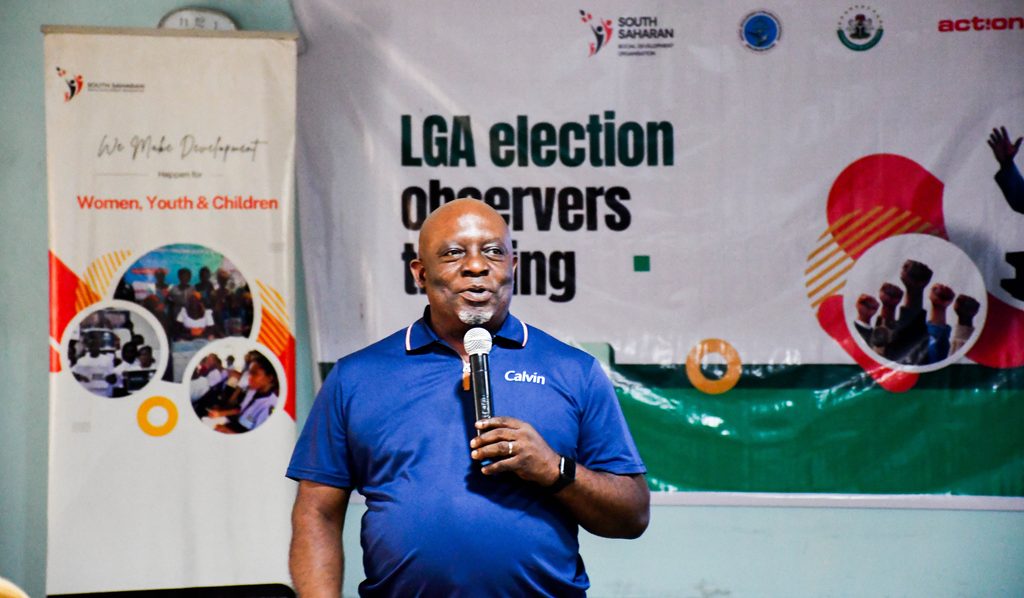
Capacity building is central to sustainability. Recently, SSDO trained local government officials and civil society stakeholders to implement the framework effectively.

Participants were introduced to structured field assessment tools. They examined scoring criteria. They practiced objective evaluation methods.

The training emphasized neutrality and consistency. Assessment must remain data based. Personal bias undermines reform credibility.

These trained stakeholders will now conduct field assessments across all 17 LGAs in Enugu State. Their role is critical. Reliable data forms the backbone of institutional reform.

Evidence-Based Recommendations for Improved Service Delivery

Measurement alone is insufficient. Findings must translate into action.

The assessments will generate evidence-based recommendations. These recommendations will identify performance gaps, highlight strengths, and propose targeted reforms.
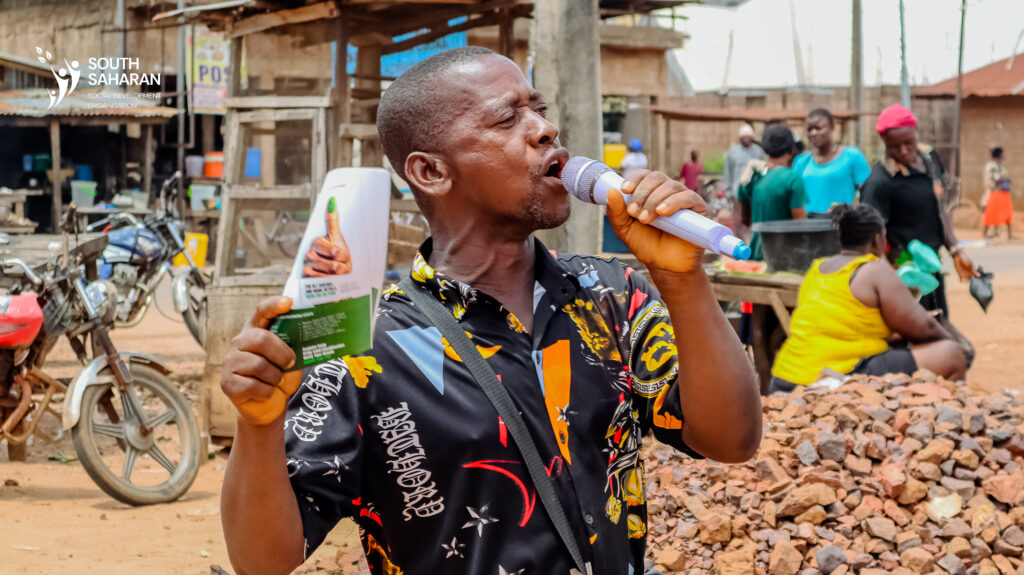
Service delivery systems are expected to benefit directly. Citizens experience governance most visibly through local services. When service quality improves, trust begins to rebuild.

Structured accountability restores confidence. Citizens respond positively to measurable change.

Rebuilding Citizen Trust Through Measurable Accountability

Trust is fragile in governance systems. It grows when institutions demonstrate responsibility.

By anchoring reform in structured measurement, SSDO moves beyond advocacy alone. The framework creates a repeatable accountability cycle. Performance is assessed, gaps are identified, reforms are implemented, and progress is reviewed.

This cycle transforms governance culture over time.

The initiative is supported by Policy and Legal Advocacy Centre, and funded by the Foreign, Commonwealth and Development Office. Their partnership reinforces the importance of credible, data-driven reform at the subnational level.

Through the Local Government Accountability Index Framework, Enugu State moves closer to transparent institutions, stronger service delivery, and a renewed social contract between government and citizens.

South Saharan Organisational Retreat

South Saharan Organisational Retreat marked an important turning point in our journey as a community-focused organisation. The in-person gathering brought together all staff under one unifying theme: Reflection, Leadership, Strategy, and Knowledge for the Next Phase of Growth.

As SSDO continues to expand across health, gender, governance, and community development, we recognised the need to pause intentionally. Growth brings complexity. It demands stronger systems, clearer strategy, deeper leadership, and a more deliberate approach to research and learning. This retreat created the space to examine who we are, how we work, and where we are going next.

Honest Conversations About Performance

Day One focused on organisational reflection. We examined organisational performance across technical and operational dimensions. Conversations explored programme design quality, monitoring and learning systems, financial management, talent development, communication flow, and workflow efficiency.
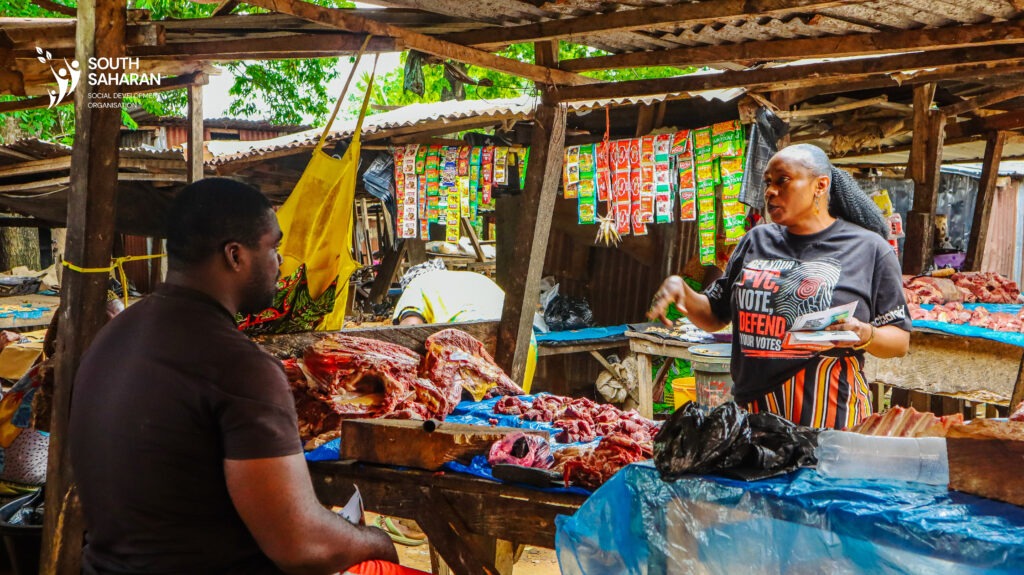
Teams identified where SSDO consistently delivers strong results and where recurring challenges limit efficiency. We mapped bottlenecks, analysed root causes, and prioritised improvement areas requiring immediate action within the next 12 months.

Alongside operational reflection, we examined how leadership shows up across the organisation. What behaviours are rewarded? How are decisions made? Where is accountability strong, and where must it deepen?

Staff engaged in honest discussions about power, collaboration, trust, and psychological safety. As SSDO grows, leadership expectations must evolve at every level. We reflected on how to manage complexity without drifting from mission, and how to maintain agility while strengthening systems.

By the end of Day One, we had defined shared leadership principles, clarified behavioural commitments, and agreed on priority operational and cultural improvements that will shape our next phase.

Building a Five-Year Strategic Plan: Deciding What Matters Most

Strategic planning demands focus and discipline. Day Two centred on making clear choices about SSDO’s direction over the next five years.

We examined the external ecosystem including – policy shifts, funding trends, and emerging community realities, and clarified SSDO’s comparative advantage.

  • Where do we add unique value?
  • What should we prioritise?
  • What must we deliberately deprioritise?

From these discussions, we defined our strategic pillars.

We also developed a draft organisational theory of change, clarifying how our interventions create impact across communities, systems, and policy spaces.

The outcome was an outline framework for a focused, realistic five-year strategic plan grounded in evidence and intentional trade-offs.

From Implementation to Knowledge Generation

The final day focused on strengthening SSDO’s role as a community-focused knowledge producer. As our programmes mature, so must our approach to research and learning.

We reflected on existing research efforts and identified barriers that have limited systematic documentation and publishing. Teams mapped research questions emerging directly from ongoing community work and distinguished between routine implementation data and publishable insights.

Discussions focused on designing projects with research components from inception, ensuring ethical standards and community consent, strengthening documentation systems, and creating incentives for staff writing and knowledge sharing.

We also explored strategic partnerships with universities and research institutions, ensuring that collaborations remain Southern-led and community-anchored.

By the end of the retreat, we had developed:

  • A clear research agenda aligned with programme priorities
  • A practical framework for embedding research into projects
  • A publishing and dissemination approach
  • Alignment between research priorities and the five-year strategy

Moving Into the Next Phase With Clarity

The retreat concluded with defined post-retreat deliverables: a finalised five-year strategic plan, a research and knowledge framework, an organisational improvement action plan, and clear leadership commitments.

More than a planning exercise, this was a moment of institutional maturity. It reinforced that sustainable growth requires disciplined reflection, cultural clarity, strategic focus, and a commitment to learning.

As SSDO steps into its next phase, we do so with sharper strategy, stronger systems, and a shared understanding of our responsibility, not only to implement programmes, but to generate knowledge that shapes policy and strengthens communities.

The next chapter begins with clarity, courage, and collective ownership.

Medical Waste Management in Enugu

Medical Waste Management in Enugu has received a significant boost through a new partnership focused on improving safety in healthcare facilities. South Saharan Social Development Organisation (SSDO), represented by our Executive Director, Dr. Stanley Ilechukwu, has officially signed a contract with the Embassy of Japan in Nigeria under the Japanese Grant Assistance for Grassroots Human Security Projects (GGP).

This milestone reflects a shared commitment to protecting communities from preventable health risks and strengthening healthcare systems at the grassroots level.

Why Safe Disposal of Medical Waste Matters

The Hidden Dangers of Poor Waste Handling

Improper disposal of medical waste poses serious risks to both health workers and surrounding communities. In many settings, open burning or unsafe dumping can lead to secondary infections, environmental pollution, and exposure to hazardous materials. These dangers often go unnoticed until they contribute to wider public health challenges.

By addressing how healthcare waste is handled, communities can significantly reduce the spread of infections and create safer environments for patients, staff, and residents.

Protecting People and the Environment

Safe disposal systems do more than manage waste. They protect water sources, reduce air pollution, and limit contact with harmful materials. Strengthening these systems is a critical but often overlooked part of improving healthcare quality and community wellbeing.

A Modern Incinerator for Abakpa Health Centre

Through this grant, a modern medical waste incinerator will be installed at Abakpa Health Centre in Enugu East Local Government Area. This facility will serve not only the host health centre but also other public and private health facilities within the LGA.

The new system will eliminate the risks linked to open burning and provide a safer, more controlled method of disposing healthcare waste. This is a practical solution that directly responds to local needs while aligning with global best practices in health and environmental safety.

Beyond infrastructure, the project represents long-term impact. With improved waste disposal, healthcare providers can focus more confidently on delivering services, knowing that harmful by-products are being managed responsibly.

Partnerships Driving Community Health Solutions

This achievement highlights the power of collaboration. SSDO extends profound gratitude to His Excellency Ambassador Suzuki and the GGP Coordinators, Wakana Deguchi and Kenechukwu Adibe, along with the entire GGP team at the Embassy of Japan. Their support demonstrates a strong commitment to grassroots human security and community health.

We also appreciate the Enugu State Ministry of Health, led by Hon. Commissioner Prof. George Ugwu, and the Enugu State Primary Health Care Development Agency (ENSPHCDA), under the leadership of Executive Secretary Dr. Ifeyinwa Ani-Osheku, for their unwavering support. Their partnership ensures that this intervention aligns with state health priorities and delivers lasting value.

Step by Step Toward Lasting Impact

This project is a step toward safer healthcare systems and healthier communities. By improving how medical waste is handled, the risk of infection is reduced, environmental safety is strengthened, and public confidence in healthcare services grows.

SSDO remains committed to practical, community-centered solutions that address urgent needs while building long-term resilience. Step by step, partnerships like this are helping create a future where access to healthcare does not come with preventable risks.

Together, we are making a lasting impact, one community at a time.

Youth Climate Action in Southeast Nigeria

Climate action in Southeast Nigeria is gaining powerful momentum as young leaders step forward to shape solutions for a fairer and more sustainable future. This growing movement was on full display in Enugu, where passionate young changemakers from across the region gathered to turn climate conversations into real, community-driven action.

Young leaders from Enugu, Abia, Anambra, Ebonyi, and Imo States convened for the 2025 South-East Local Conference of Youth (LCOY) Nigeria, themed “Accelerating Action for a Just Transition.” The energy in the room showed determination, creativity, and a readiness to lead.

Hosted by South Saharan Social Development Organisation (SSDO) with support from ActionAid Nigeria under the SPA II Project, the conference created a space where youth voices were not just heard, but centered. Participants explored what a “just transition” truly means for communities in the Southeast as a lived reality shaped by local challenges.

For many of the young people present, climate change is not an abstract issue. It is visible in flooding that disrupts livelihoods, extreme heat affecting health, and changing weather patterns that threaten food security. These lived experiences shaped rich discussions on how climate solutions must protect vulnerable communities, create green opportunities for youth, and ensure no one is left behind in the transition to cleaner energy and sustainable practices.

A major highlight of the gathering was the development of a Community Climate Action Plan. This plan reflects the priorities, ideas, and solutions proposed by young people who understand both the risks their communities face and the potential for transformation. From promoting climate education and tree planting to advocating for sustainable agriculture and waste management, the action points were practical, community-centered, and achievable.

Importantly, the outcomes of the conference will not remain local. The Community Climate Action Plan will feed into Nigeria’s National Youth Statement for COP30, ensuring that the perspectives of young people from the Southeast contribute to global climate conversations. This connection between grassroots action and international advocacy shows how local voices can influence wider policy spaces.
Beyond policy influence, the conference strengthened networks among youth advocates, climate groups, and community leaders. Many participants left with new partnerships and a shared commitment to continue climate action beyond the event. The sense of solidarity was clear. Young people are no longer waiting to be invited into decision-making spaces. They are creating their own platforms and driving change from the ground up.

The role of SSDO in convening this space reflects its ongoing commitment to supporting youth leadership and community-driven development. By providing opportunities for young people to organize, learn, and collaborate, SSDO is helping to build a generation of leaders ready to respond to today’s challenges with courage and innovation.

As the world prepares for COP30, the voices rising from Southeast Nigeria send the strong message that young people are not just future leaders, they are leaders right now. Their ideas, actions, and determination are shaping a transition that is not only green, but fair and inclusive.

The movement growing across the Southeast proves that when young people are trusted, supported, and heard, they can drive meaningful change that reaches far beyond their communities.