

Tax reform affects people who pay taxes, levies, and other charges.
However, many taxpayers still have limited information about what they should pay. They may also be unclear about who can collect these charges or where to seek redress.
South Saharan Social Development Organisation (SSDO) is creating opportunities for young people to examine these issues through evidence, legal analysis, and policy engagement.
Taking Tax Reform Conversations Into Communities
Earlier this year, SSDO, with support from ActionAid Nigeria under the Strategic Partnership Agreement II, trained and deployed 51 young people.
The youth monitors worked across all 17 Local Government Areas in Enugu State.
They documented citizens’ experiences and understanding of the 2025 tax reforms.
Their findings highlighted several concerns within tax administration.
These included gaps in public awareness, multiple collection, receipting, complaint mechanisms, and public trust.
The monitoring process gave young people a practical role in examining how tax reforms affect citizens.
It also generated community-level evidence that could support wider conversations on tax governance.
Bringing Legal Perspectives Into Tax Reform
The next phase of the work is connecting community evidence with legal analysis.
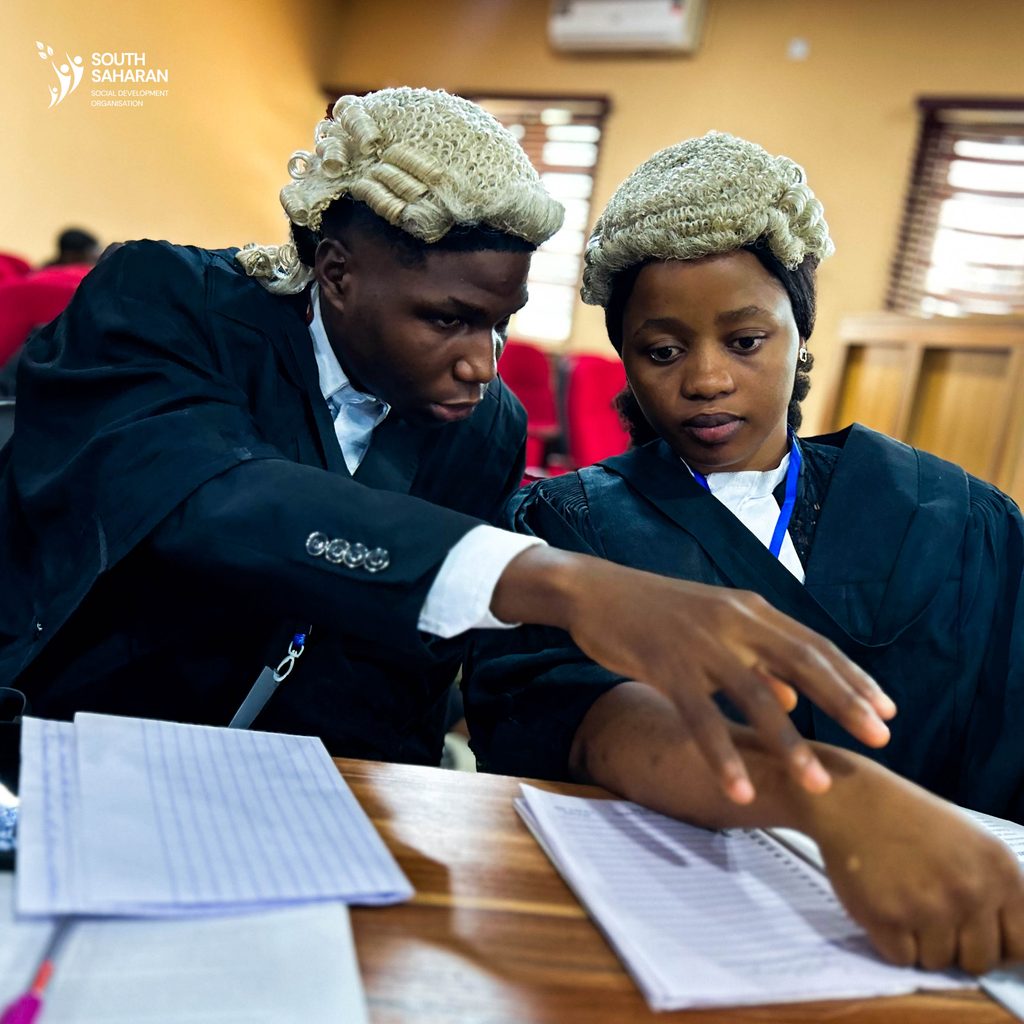
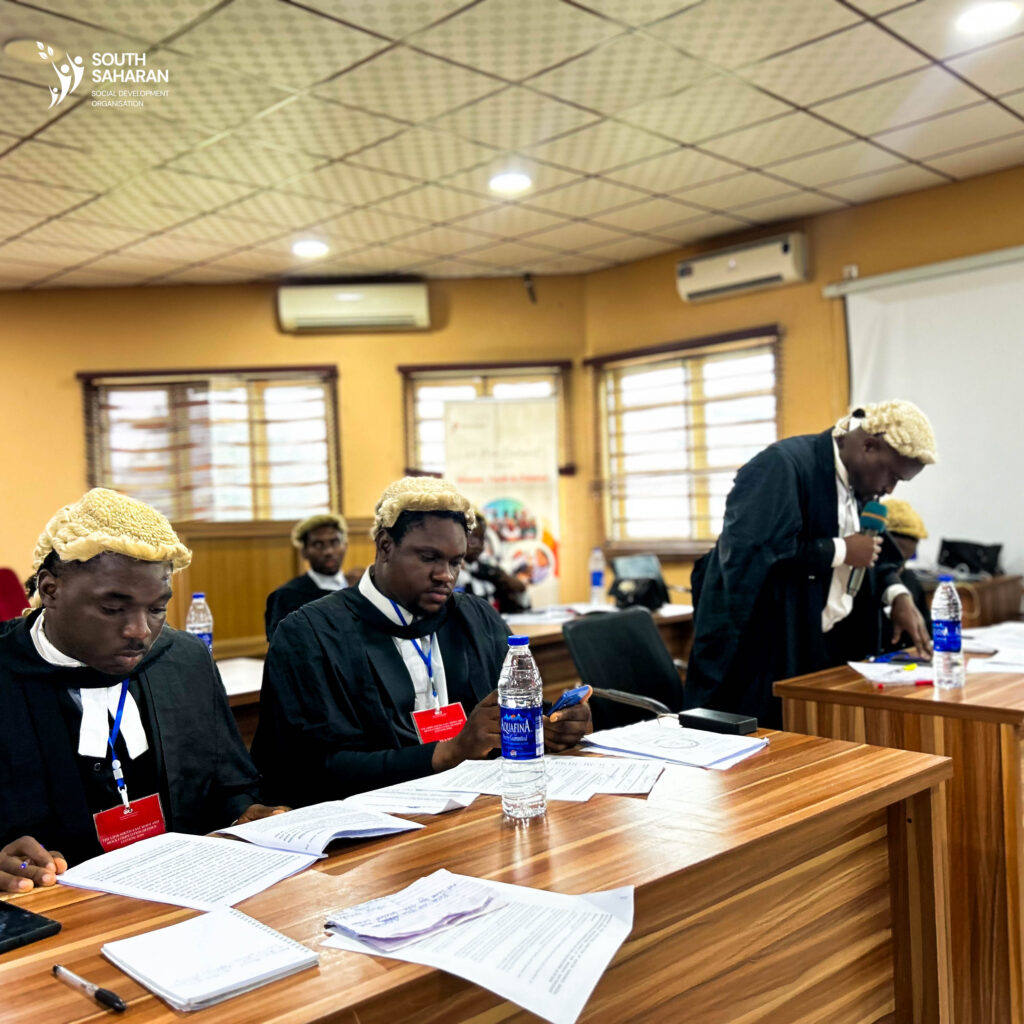
In partnership with Legal Ideas Forum International, University of Nigeria, SSDO supported the South-East Moot/Mock Court Competition on the Tax Reform Acts 2025.
The competition brought young law students into discussions around tax administration, fiscal governance, taxpayer rights, and the implications of tax reform.
Participants examined the reforms from different legal and policy perspectives.
They also tested arguments, interrogated existing evidence, and considered how tax administration affects informal traders and small businesses.
This created a practical space for young legal professionals to engage with questions around fairness, accountability, and taxpayer protection





Connecting Community Evidence With Legal Analysis
The two approaches serve different purposes.
Youth monitors gathered evidence from citizens and businesses across communities.
Meanwhile, young legal professionals examined the legal and policy dimensions of the reforms.
Together, these approaches create a broader basis for understanding tax reform in practice.
Community evidence can show how citizens experience tax administration. Legal analysis can examine the rules and institutional responsibilities that shape those experiences.
Connecting both perspectives can therefore support more informed discussions about tax governance.
Building Youth Participation in Tax Governance
Youth participation in public policy can take different forms.
Young people can gather evidence, analyse laws, engage institutions, and contribute to policy discussions.
This work creates space for those different forms of participation.
The community monitoring process gave young people an opportunity to document experiences from across Enugu State.
The moot and mock court competition then created another pathway for young people to examine tax reform through legal and policy analysis.
Together, these activities are helping connect youth participation with public-interest advocacy.
Turning Evidence Into Policy Engagement
The learning from these activities will feed into a youth-informed policy brief currently being developed by SSDO.
The brief will bring together citizen evidence, legal analysis, and recommendations for improving tax governance in Enugu State.
This process creates a link between what citizens experience, what young professionals identify through legal analysis, and the policy discussions that follow.
As tax reforms continue to shape how citizens and businesses interact with government, these perspectives can contribute to more informed conversations around transparency, accountability, and taxpayer rights.
SSDO continues to support opportunities that enable young people to engage with public policy through evidence, analysis, and constructive engagement with institutions.