SSDO

From Community Evidence to Legal Debate Youth Engagement in Tax Reform

Tax reform affects people who pay taxes, levies, and other charges.

However, many taxpayers still have limited information about what they should pay. They may also be unclear about who can collect these charges or where to seek redress.

South Saharan Social Development Organisation (SSDO) is creating opportunities for young people to examine these issues through evidence, legal analysis, and policy engagement.
Taking Tax Reform Conversations Into Communities

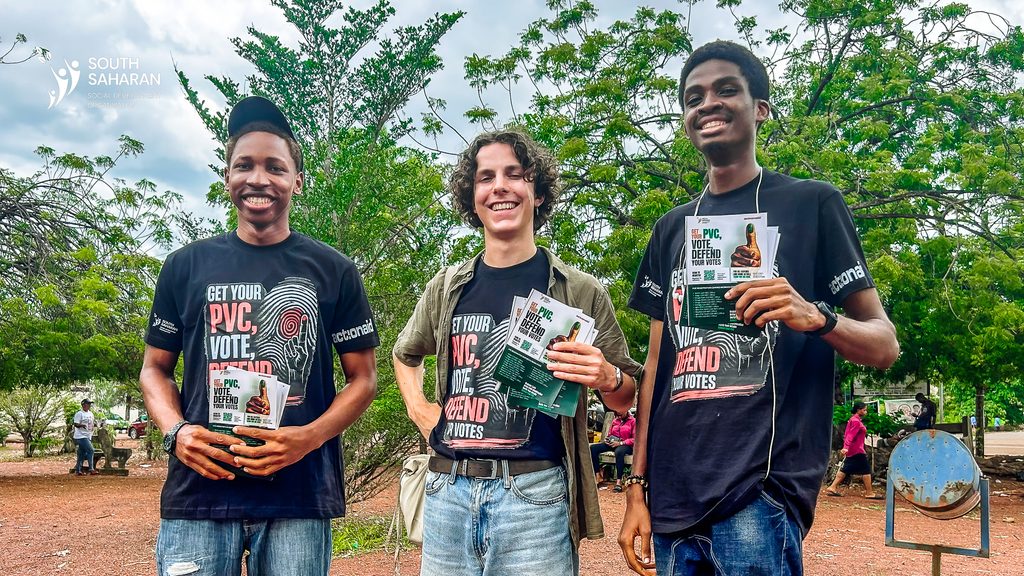
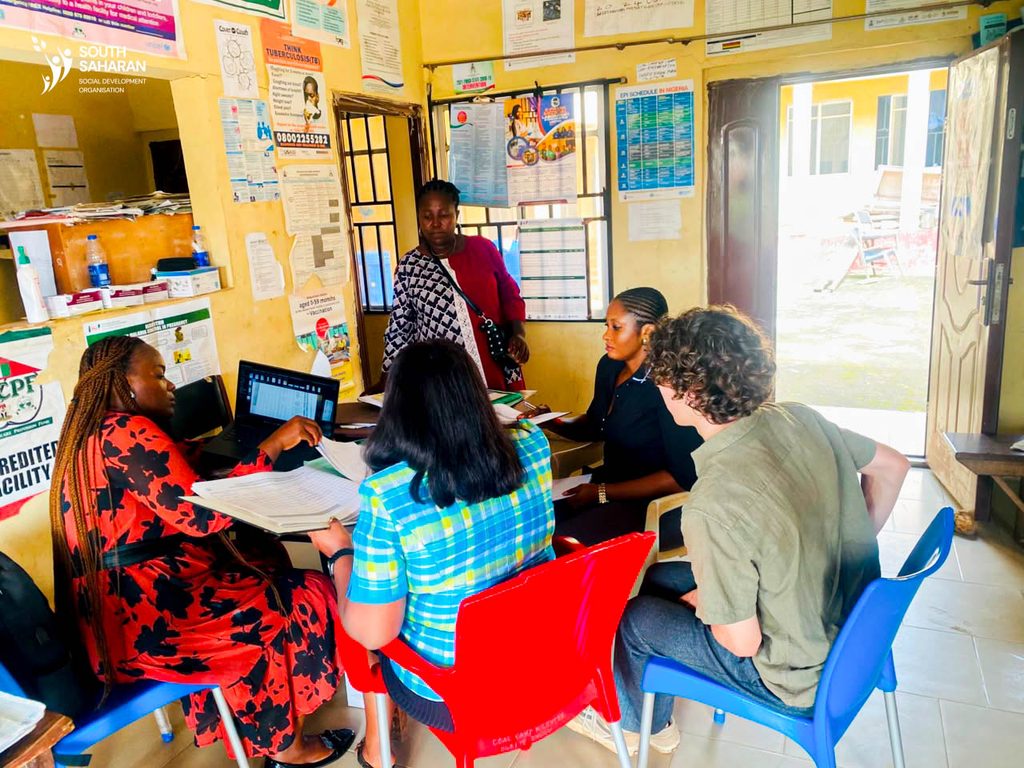
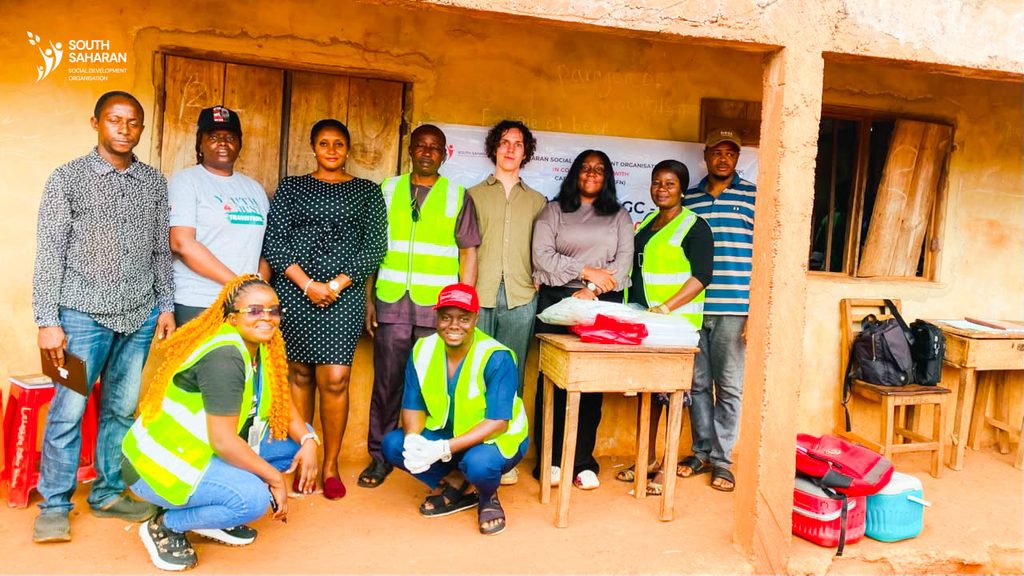
Earlier this year, SSDO, with support from ActionAid Nigeria under the Strategic Partnership Agreement II, trained and deployed 51 young people.

The youth monitors worked across all 17 Local Government Areas in Enugu State.

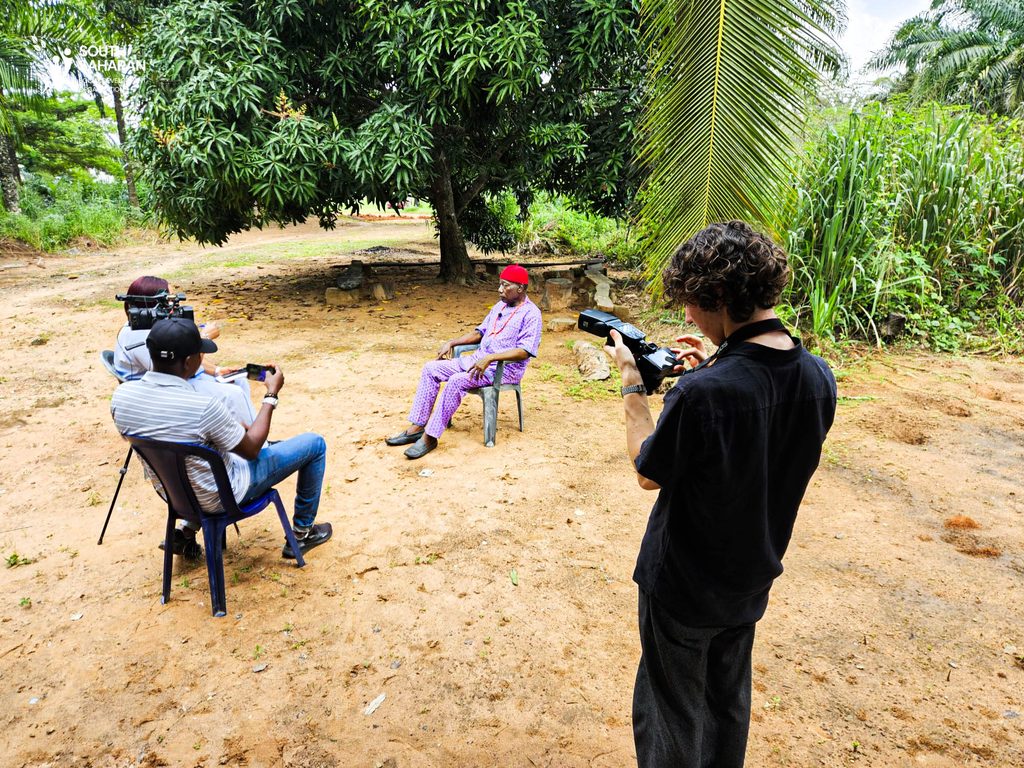
They documented citizens’ experiences and understanding of the 2025 tax reforms.

Their findings highlighted several concerns within tax administration.

These included gaps in public awareness, multiple collection, receipting, complaint mechanisms, and public trust.

The monitoring process gave young people a practical role in examining how tax reforms affect citizens.

It also generated community-level evidence that could support wider conversations on tax governance.

Bringing Legal Perspectives Into Tax Reform

The next phase of the work is connecting community evidence with legal analysis.

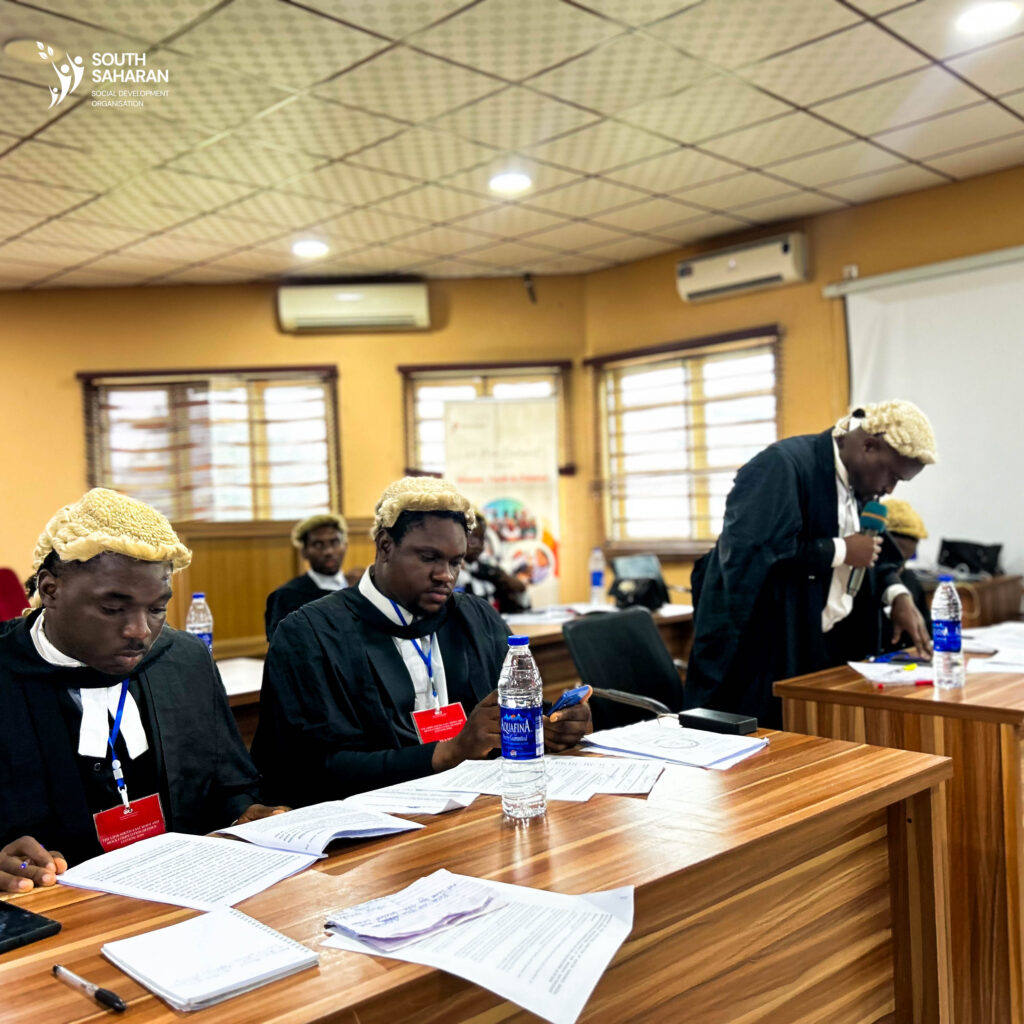
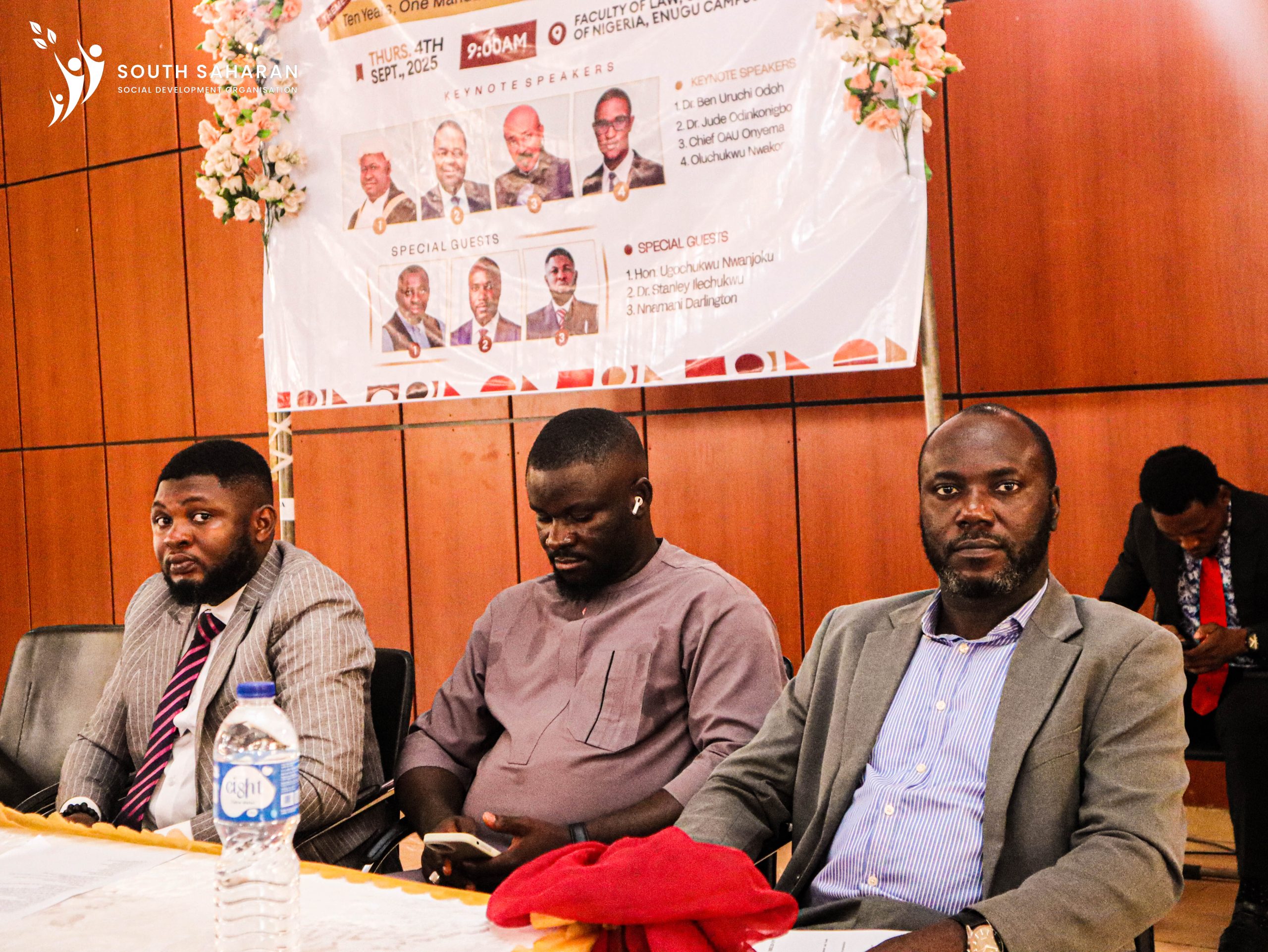
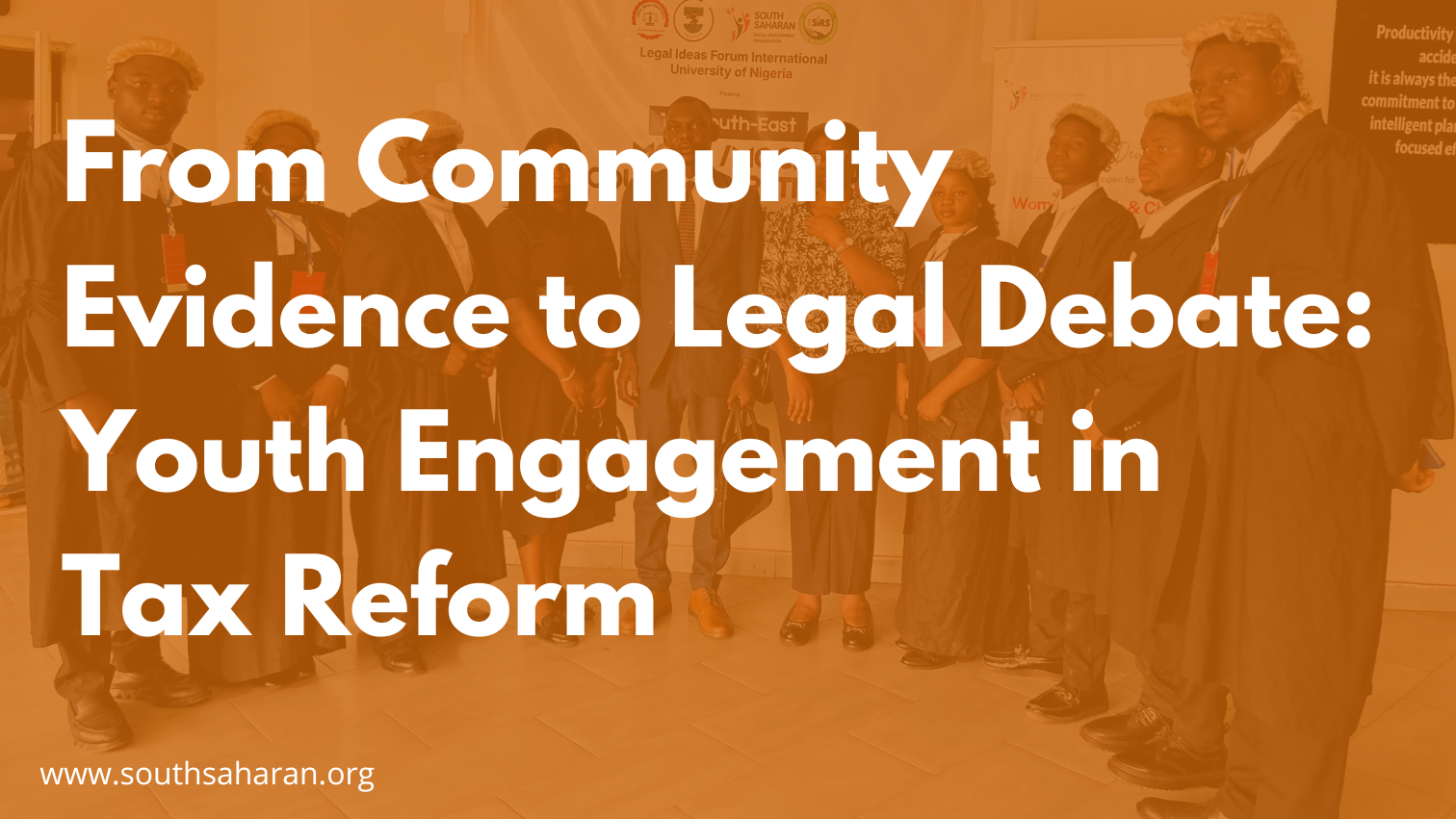
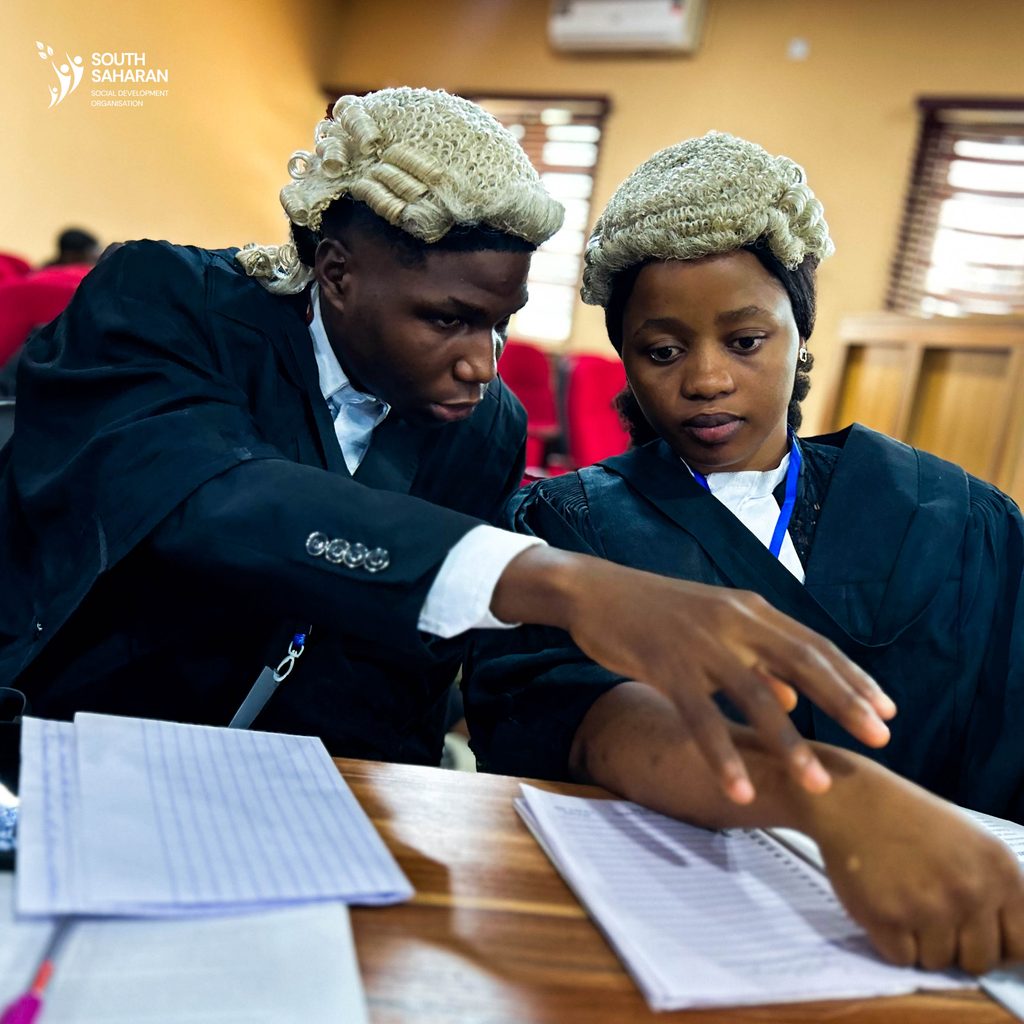
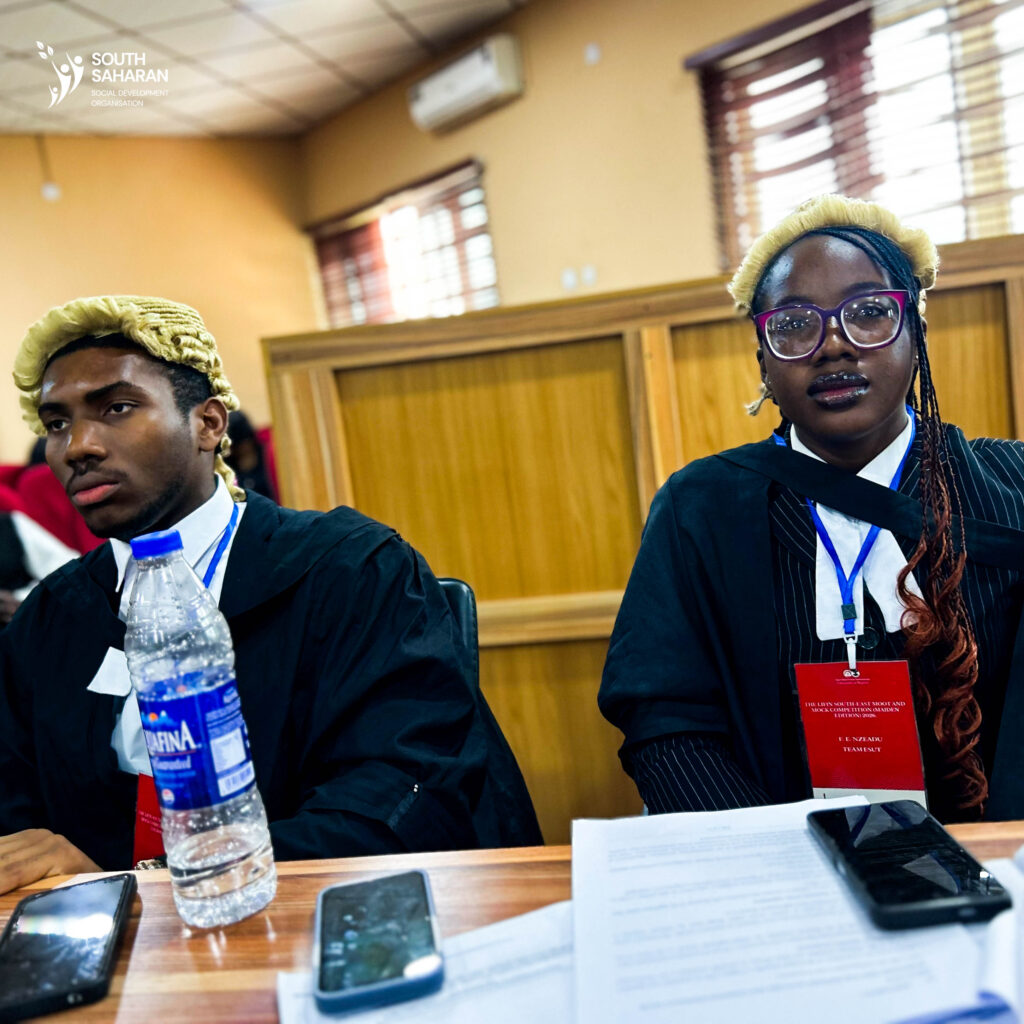
In partnership with Legal Ideas Forum International, University of Nigeria, SSDO supported the South-East Moot/Mock Court Competition on the Tax Reform Acts 2025.

The competition brought young law students into discussions around tax administration, fiscal governance, taxpayer rights, and the implications of tax reform.

Participants examined the reforms from different legal and policy perspectives.

They also tested arguments, interrogated existing evidence, and considered how tax administration affects informal traders and small businesses.

This created a practical space for young legal professionals to engage with questions around fairness, accountability, and taxpayer protection

Connecting Community Evidence With Legal Analysis

The two approaches serve different purposes.

Youth monitors gathered evidence from citizens and businesses across communities.

Meanwhile, young legal professionals examined the legal and policy dimensions of the reforms.

Together, these approaches create a broader basis for understanding tax reform in practice.

Community evidence can show how citizens experience tax administration. Legal analysis can examine the rules and institutional responsibilities that shape those experiences.

Connecting both perspectives can therefore support more informed discussions about tax governance.

Building Youth Participation in Tax Governance

Youth participation in public policy can take different forms.

Young people can gather evidence, analyse laws, engage institutions, and contribute to policy discussions.

This work creates space for those different forms of participation.

The community monitoring process gave young people an opportunity to document experiences from across Enugu State.

The moot and mock court competition then created another pathway for young people to examine tax reform through legal and policy analysis.

Together, these activities are helping connect youth participation with public-interest advocacy.

Turning Evidence Into Policy Engagement

The learning from these activities will feed into a youth-informed policy brief currently being developed by SSDO.

The brief will bring together citizen evidence, legal analysis, and recommendations for improving tax governance in Enugu State.

This process creates a link between what citizens experience, what young professionals identify through legal analysis, and the policy discussions that follow.

As tax reforms continue to shape how citizens and businesses interact with government, these perspectives can contribute to more informed conversations around transparency, accountability, and taxpayer rights.

SSDO continues to support opportunities that enable young people to engage with public policy through evidence, analysis, and constructive engagement with institutions.

Young People, Shared Learning and Cross-Cultural Exchange at SSDO

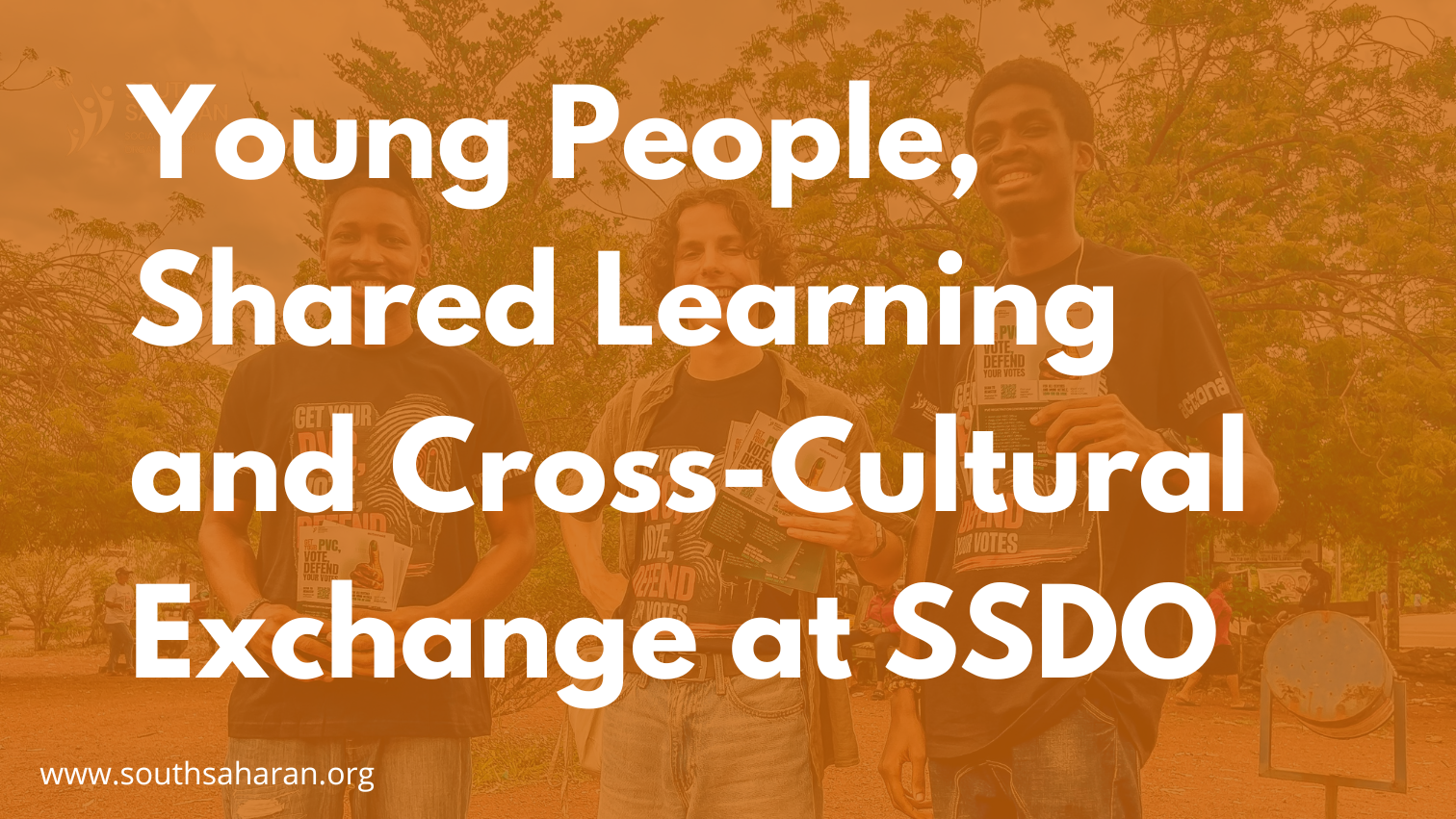
South Saharan Social Development Organisation (SSDO) creates opportunities for young people to engage with community development and social change in Nigeria.

Through partnerships such as the AIESEC Global Volunteer Programme, these opportunities also create space for cross-cultural learning and exchange.

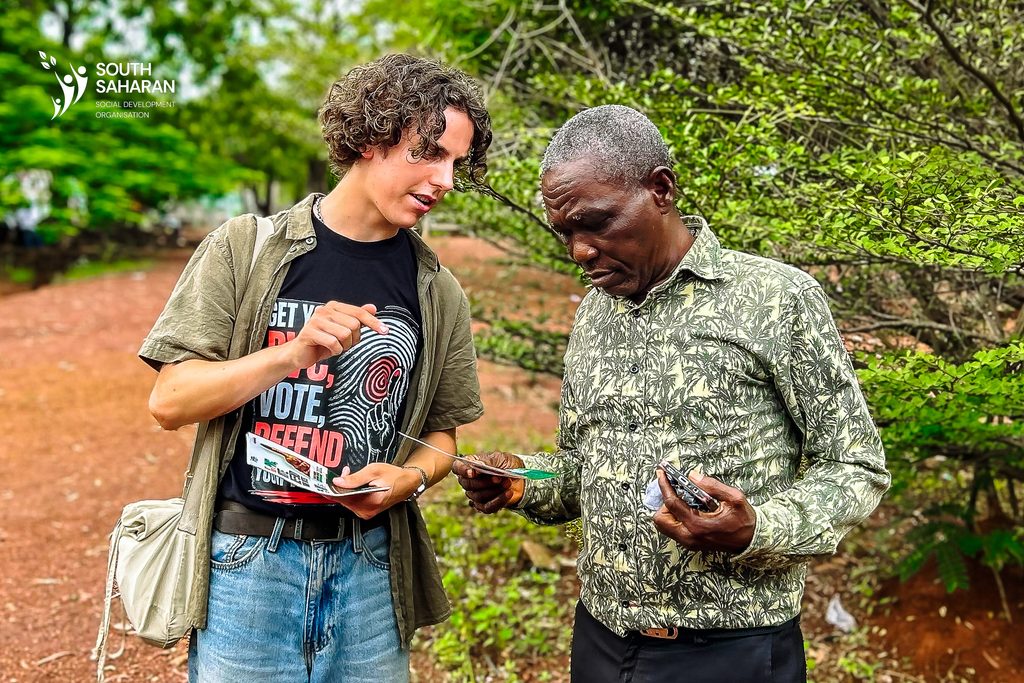
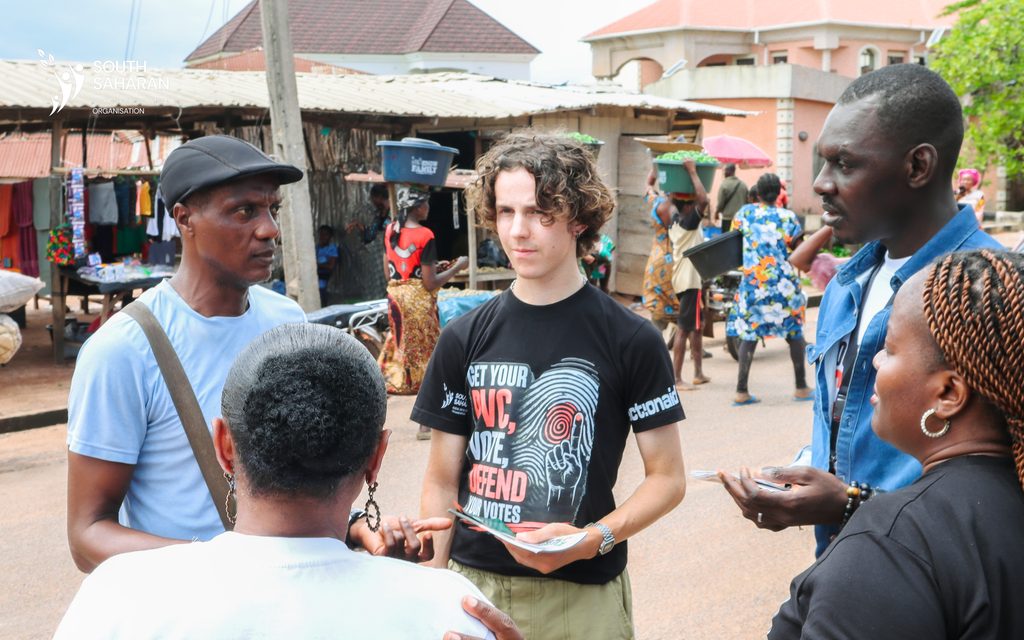
In 2026, Paul Neumeister from Germany joined SSDO as a volunteer through the programme, bringing a new perspective to the organisation’s work.

Learning Through Exposure to Community Development

Paul’s time with SSDO provided practical exposure to different areas of community development and social change.

He engaged with SSDO’s work across governance, gender equality, youth engagement, health, and community development.

This exposure gave him an opportunity to better understand how social impact work operates within the Nigerian context.

It also created opportunities for conversations within the SSDO team around different approaches, experiences, and perspectives.

For organisations working across complex social issues, these exchanges can strengthen learning beyond formal training and professional experience.

Creating Space for Cross-Cultural Exchange

The value of the AIESEC Global Volunteer Programme extends beyond the individual volunteer experience.

When young people work in unfamiliar contexts, they encounter different ways of understanding communities, institutions, and social challenges.

The exchange also works in both directions.

SSDO team members had opportunities to engage with Paul’s experiences and perspectives from Germany while sharing their own understanding of development work in Nigeria.

This creates a space for mutual learning rather than a one-way exchange of knowledge.

Building on Previous Volunteer Experiences

Paul’s experience was also part of a wider pattern of cross-cultural engagement at SSDO.

The organisation had previously hosted Brenda from Benin Republic through the AIESEC Global Volunteer Programme.

Her participation created another opportunity for young people from different backgrounds to engage with SSDO’s work and learn from the communities and contexts in which it operates.

Together, these experiences demonstrate how international youth exchanges can create opportunities for learning across different social and cultural contexts.

The Value of Youth Exchange in Social Impact Work

Young people bring different experiences, ideas, and perspectives to the spaces they enter.

Creating opportunities for them to contribute to social impact work can therefore strengthen both individual learning and organisational exchange.

For SSDO, these engagements provide opportunities to share its experience in community development while learning from young people who bring perspectives shaped by different contexts.

The AIESEC Global Volunteer Programme has provided a platform for these exchanges, connecting young people with practical experiences while creating opportunities for mutual learning.

As SSDO continues to engage young people through partnerships and community-based work, cross-cultural exchange remains an important part of creating spaces for learning, contribution, and shared understanding.

Investing in the Next Generation of Justice Leaders

Building a just and inclusive society starts with empowering young minds to challenge inequality and drive change.

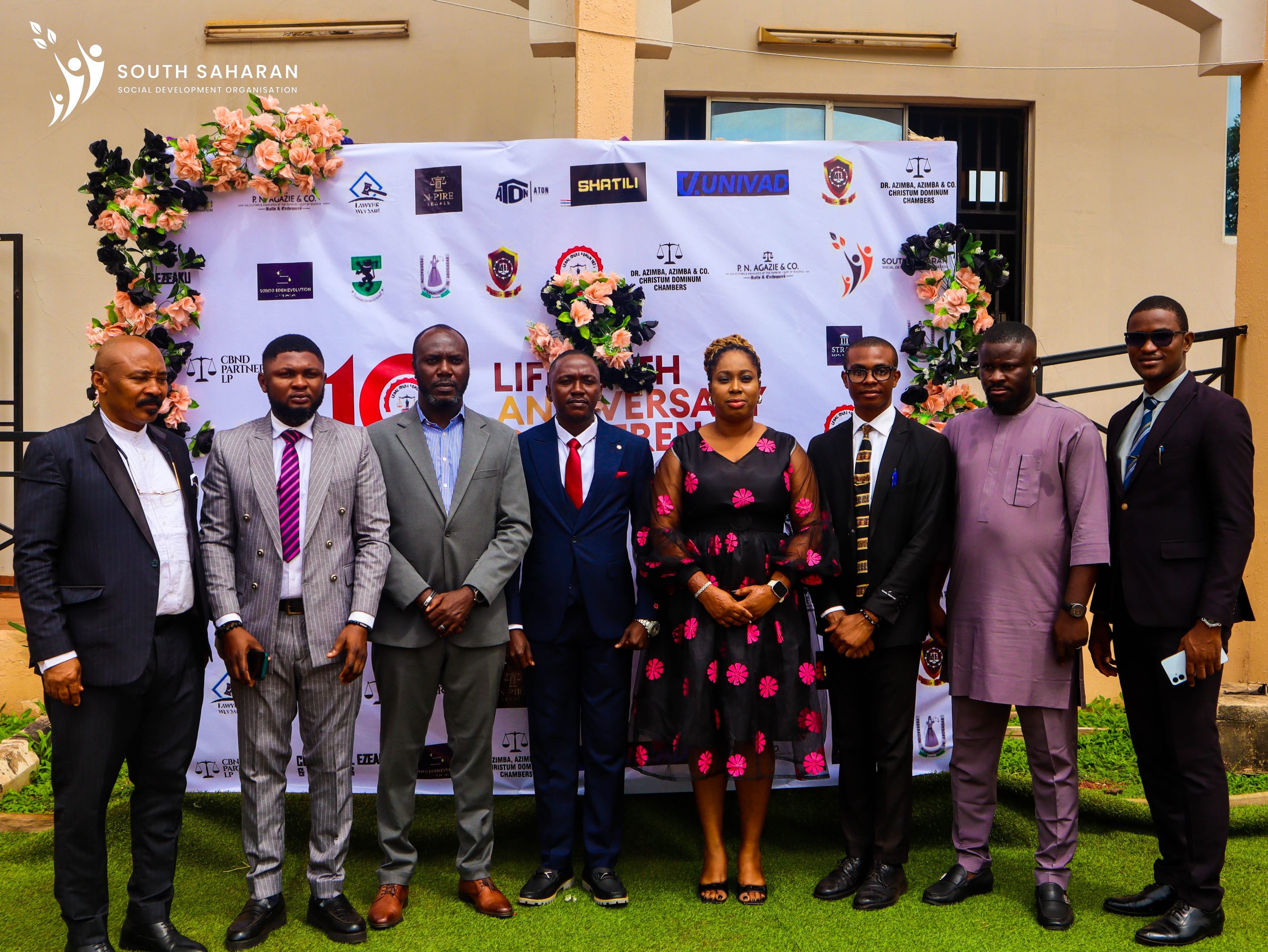
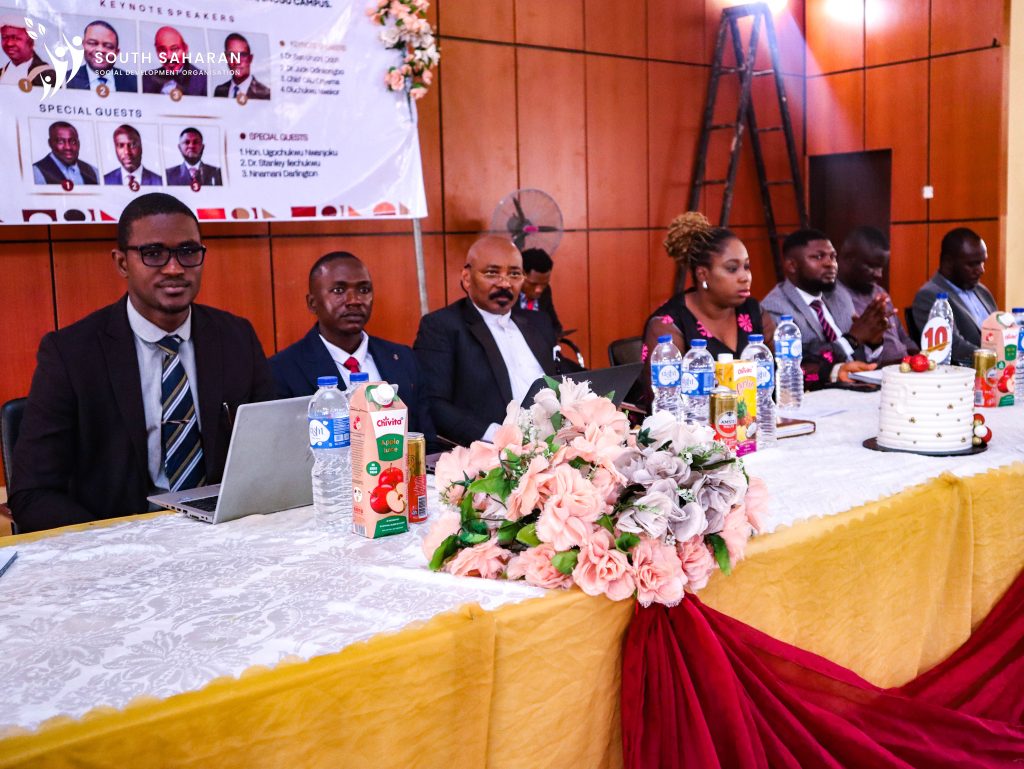
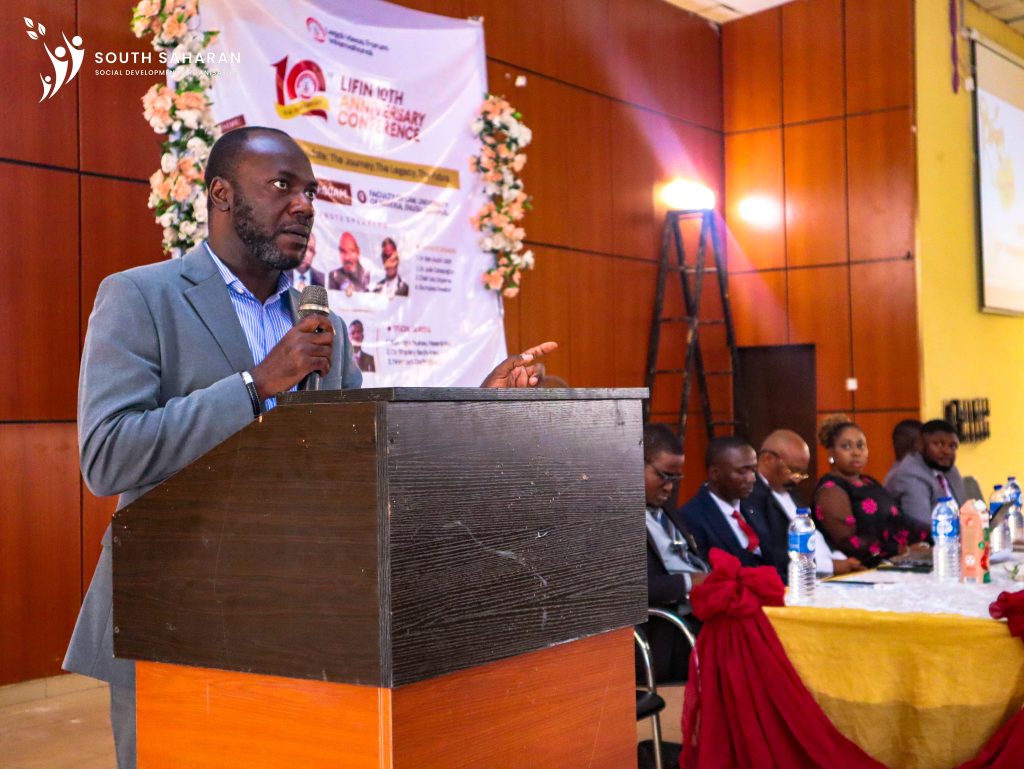
That is why we partnered with Legal Ideas Forum International (LIFIN) to mark their 10th Anniversary, advancing our shared commitment to gender equality, youth empowerment, and ending gender-based violence (GBV).

Championing Gender Justice Through Law

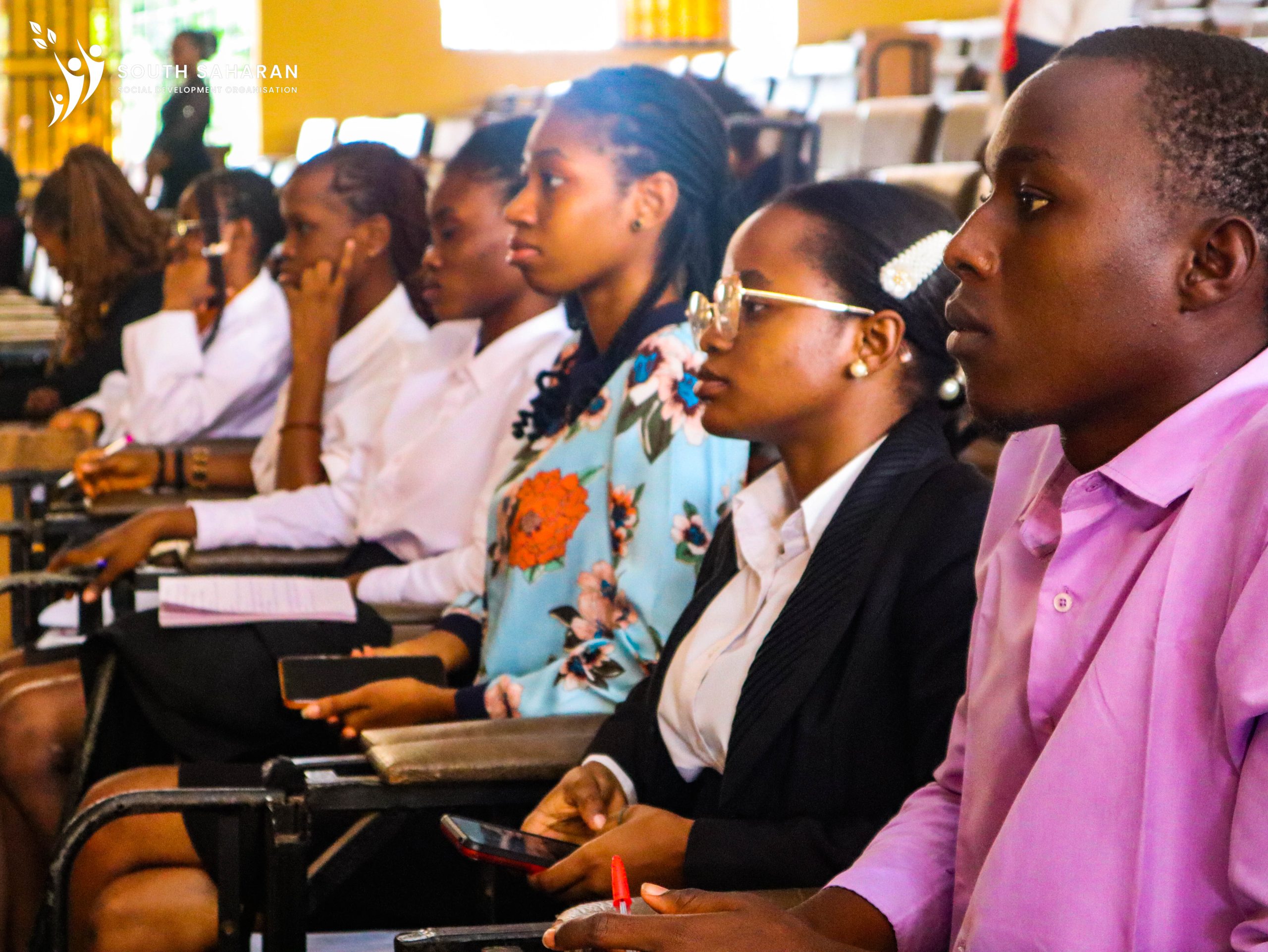
As part of the celebration, law students from universities across Nigeria engaged in thought-provoking activities that spotlighted pressing gender justice issues.

Through the National Essay Competition, they examined the effectiveness of the VAPP Act in addressing GBV, while the Moot Court competition challenged them to debate the exclusion of women from inheriting property under customary law.

Their passion and insights reminded us that the next generation of lawyers hold the power to redefine justice not just in the courtroom, but across communities.

Guiding Young Minds Toward Impact

SSDO’s Executive Director, Dr. Stanley Ilechukwu (M.D), encouraged the participants to “think outside the box” and create legal solutions that uphold fairness, equality, and inclusion.

His message resonated deeply with the students, sparking conversations about how law can become a tool for empowerment and social transformation.

Honouring Partnership and Mentorship

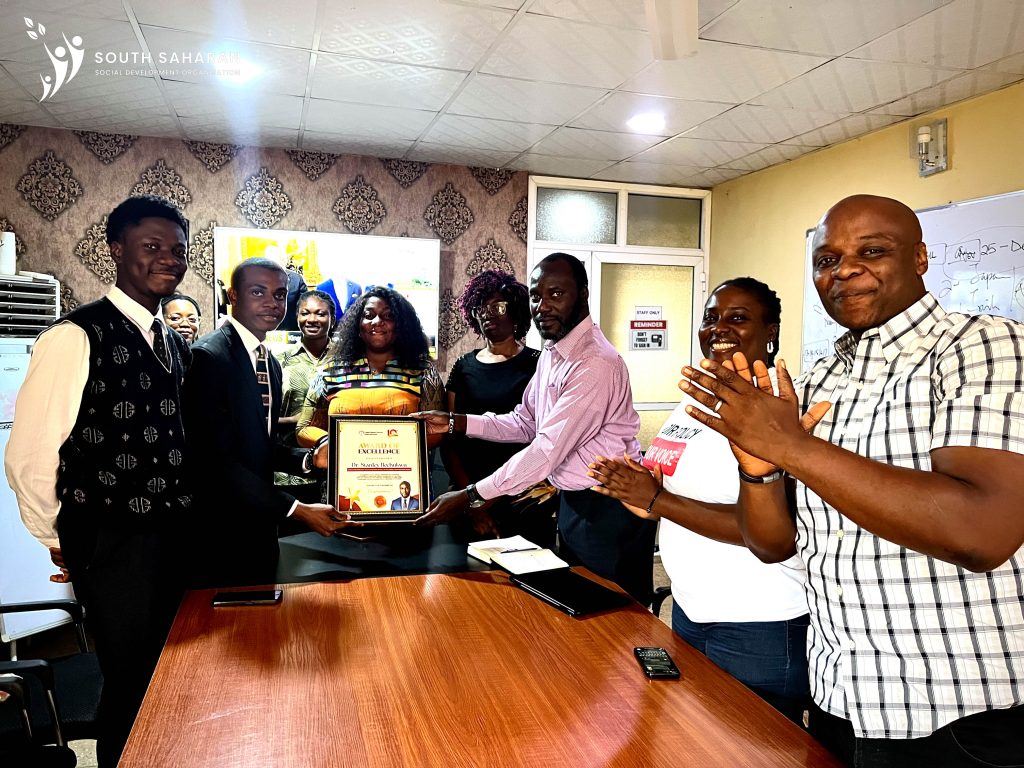
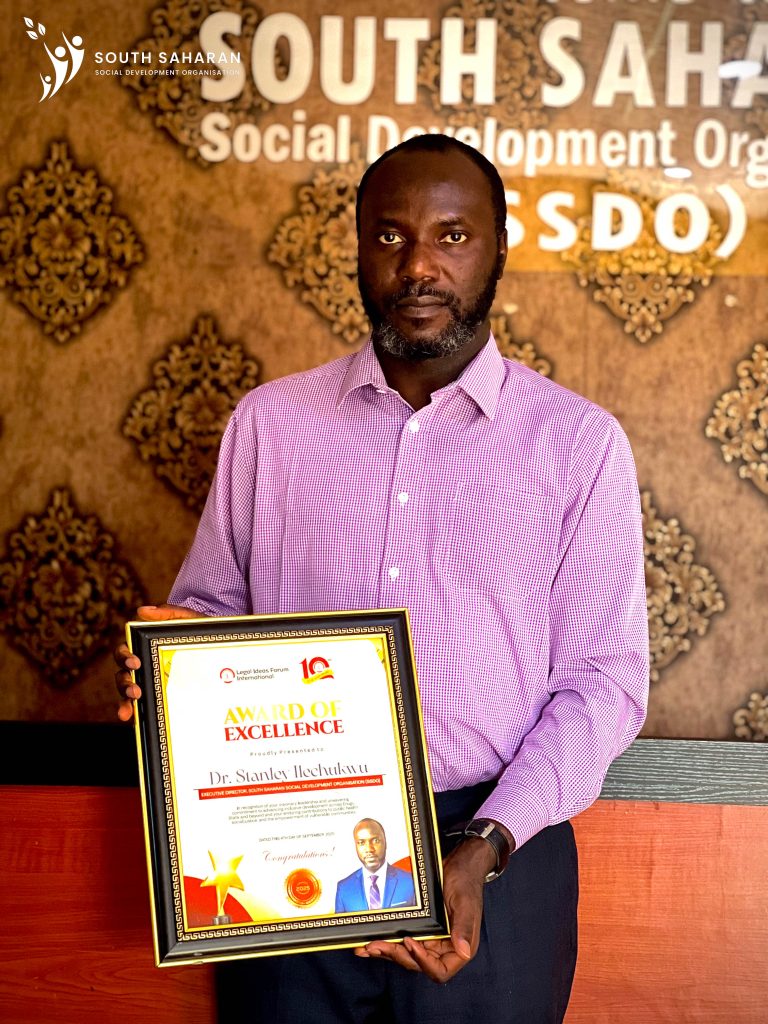
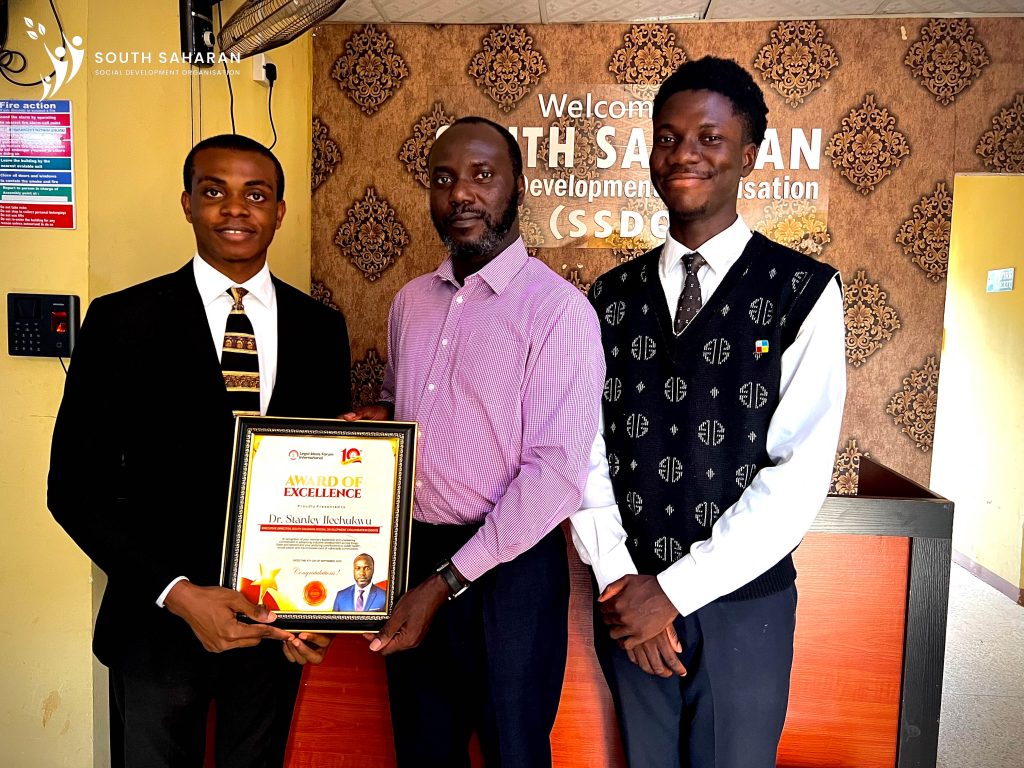
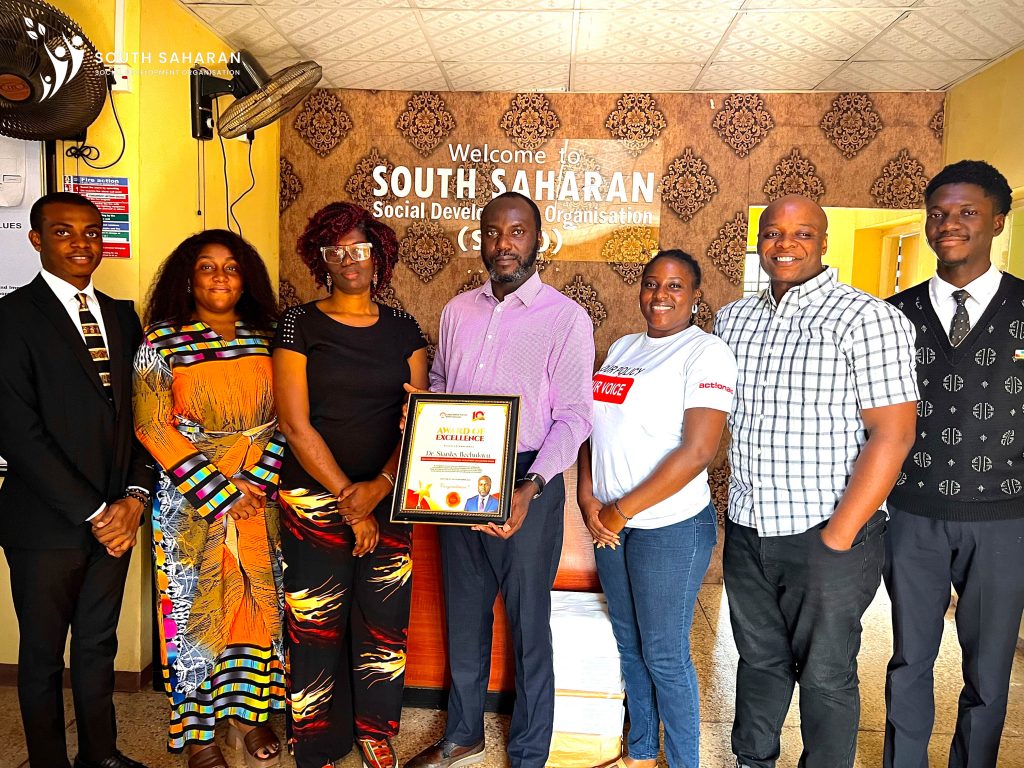
Dr. Ilechukwu received an Award of Excellence from Legal Ideas Forum in recognition of SSDO’s enduring partnership and his invaluable mentorship to young justice advocates.

This honour underscores our shared mission to nurture a new generation of legal minds who will champion gender equality, end GBV, and promote human rights in every sphere of society.

Building the Future of Justice

As SSDO continues to amplify young voices for justice, we remain steadfast in our belief that lasting change begins when youth are empowered to lead.

Together, we are investing not just in education, but in a future where every voice counts, and every person can access justice with dignity.

From Classroom to Community: Raising the Next Generation of Leaders

From Classroom to Community: Raising the Next Generation of Leaders

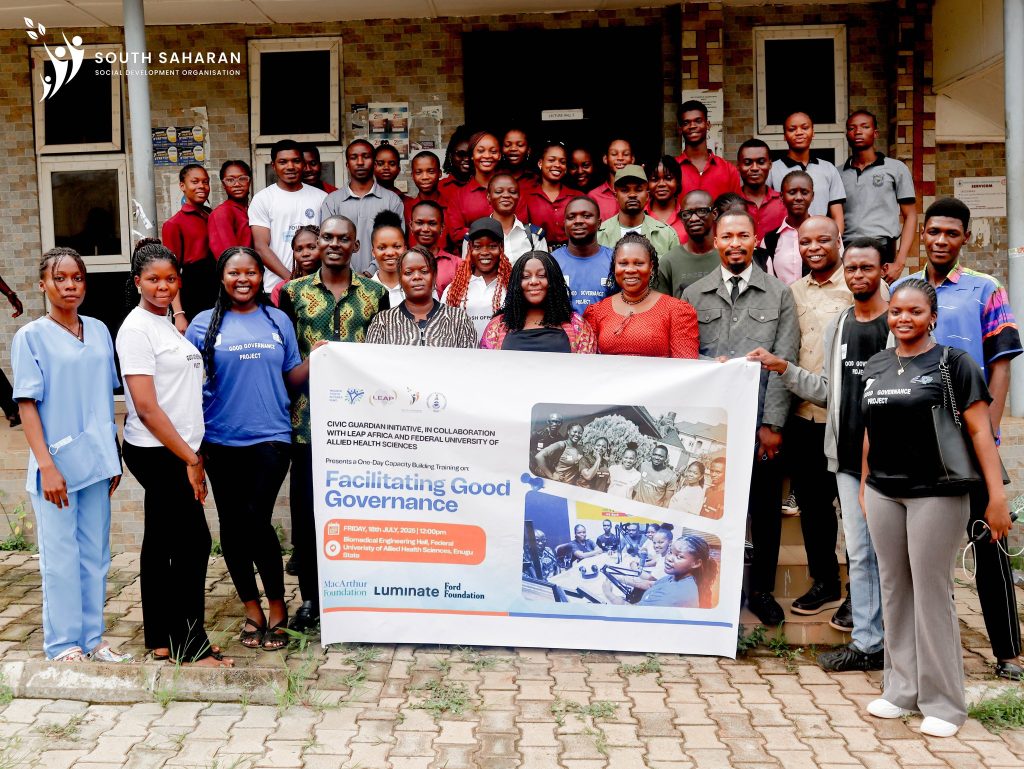
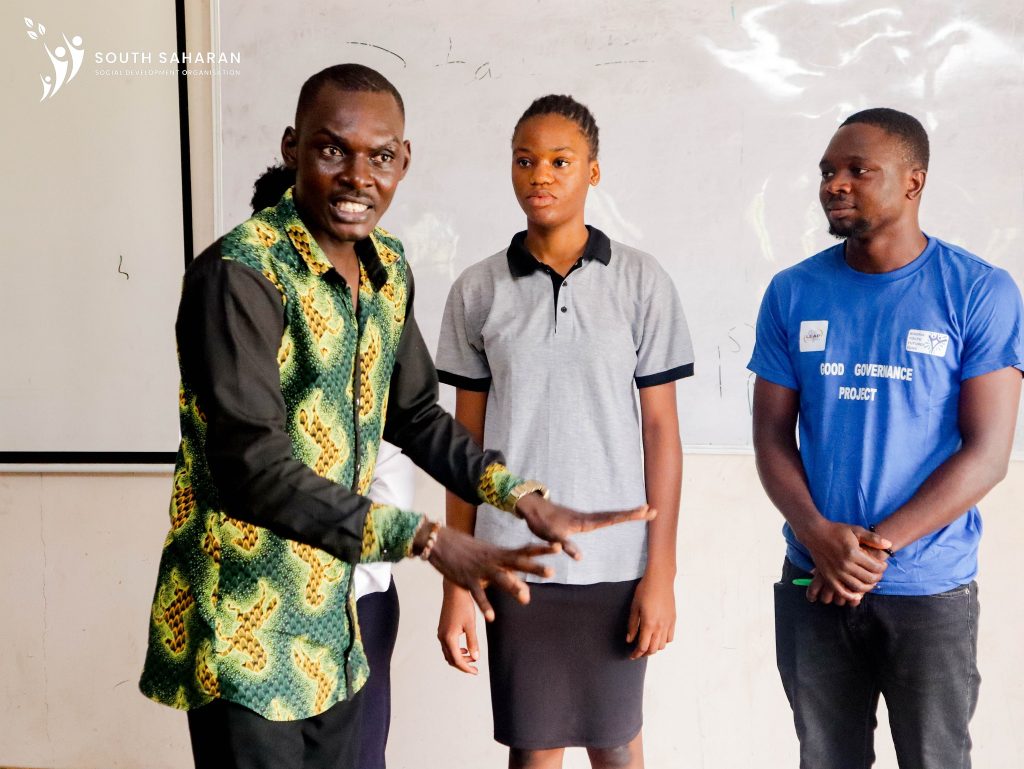
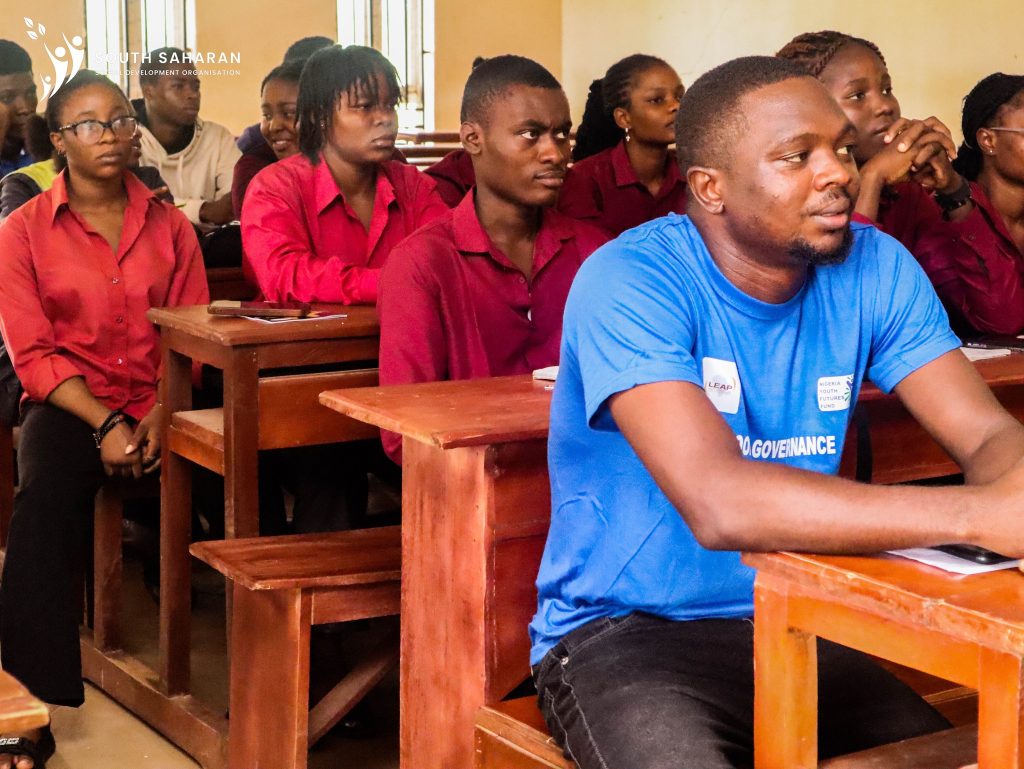
At the Federal University of Allied Sciences, Enugu, a room full of young people leaned in, eager to learn, question, and be inspired. The Civic Guardian Initiative, in partnership with South Saharan Social Development Organisation (SSDO), created a space through a workshop designed to prepare students to lead with purpose.

Why Leadership Matters

For many of these young participants, leadership had always looked distant reserved for people in power. But through conversations and practical sessions, they began to see leadership as something within reach, a chance to serve, to speak up, and to take responsibility. SSDO, true to its mission of empowering youth and promoting inclusive governance, helped shape these conversations, ensuring that students left with a deeper understanding of what it means to lead with courage and integrity.

Learning in Action

One moment stood out. When Udochukwu Egwim spoke about Good Governance, he asked the students a simple but powerful question: “What would accountability look like if you were the leader?” The room buzzed with responses. Later, Okechukwu Ajah’s session on Leadership Skills Development gave them practical tools from decision-making to conflict resolution to turn those ideas into action. You could almost see confidence forming in the way they shared their reflections.

From Knowledge to Impact

Workshops like these are more than lectures, they are seeds planted in fertile ground. With support from SSDO, young people are beginning to see themselves not as bystanders, but as future leaders of their communities. And as they left that room, one thing became clear: when youth lead with purpose, communities thrive.

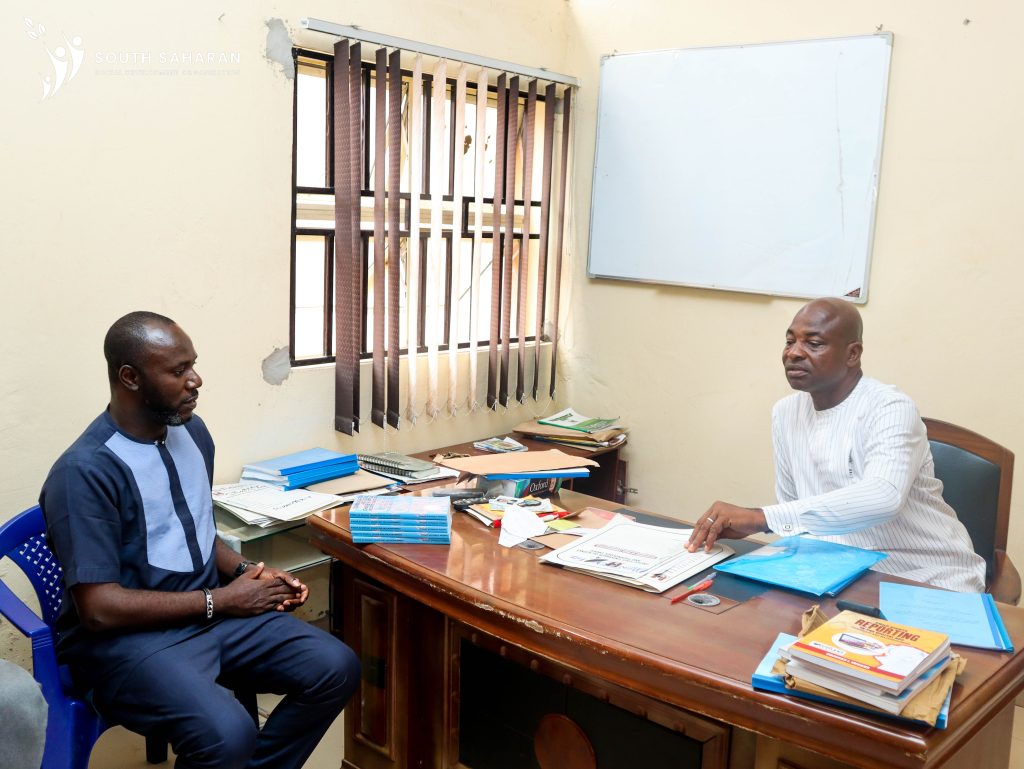
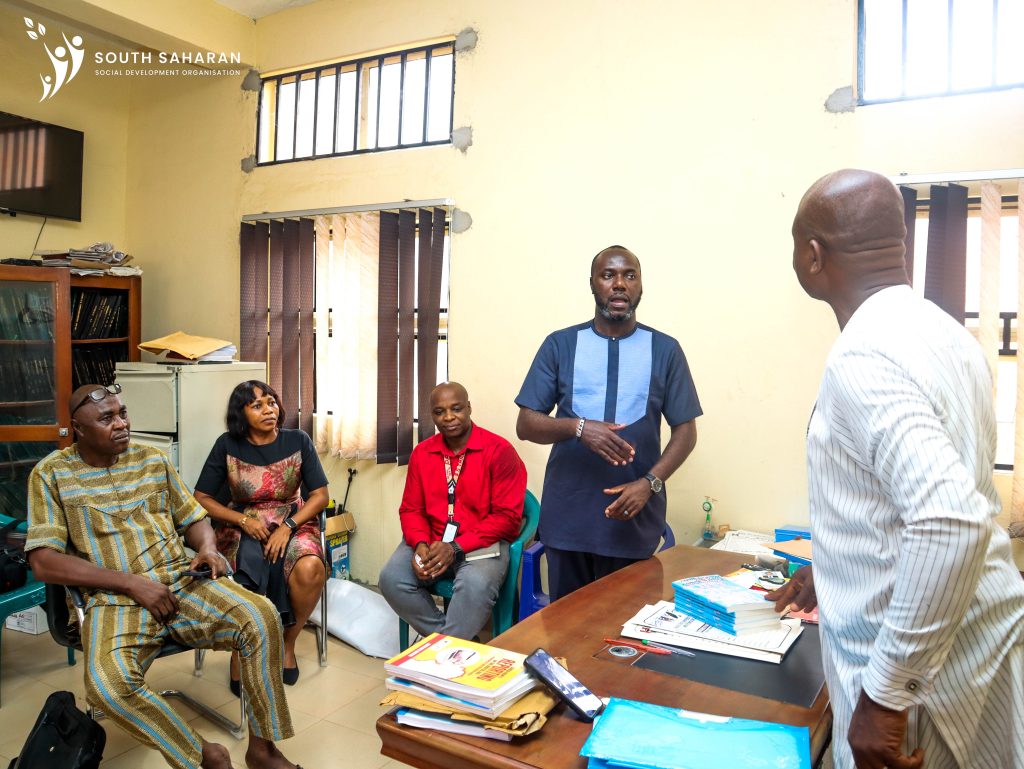
Promoting Knowledge, Celebrating African Voices: SSDO Donates Books on Communication and Social Change in Africa to ESUT

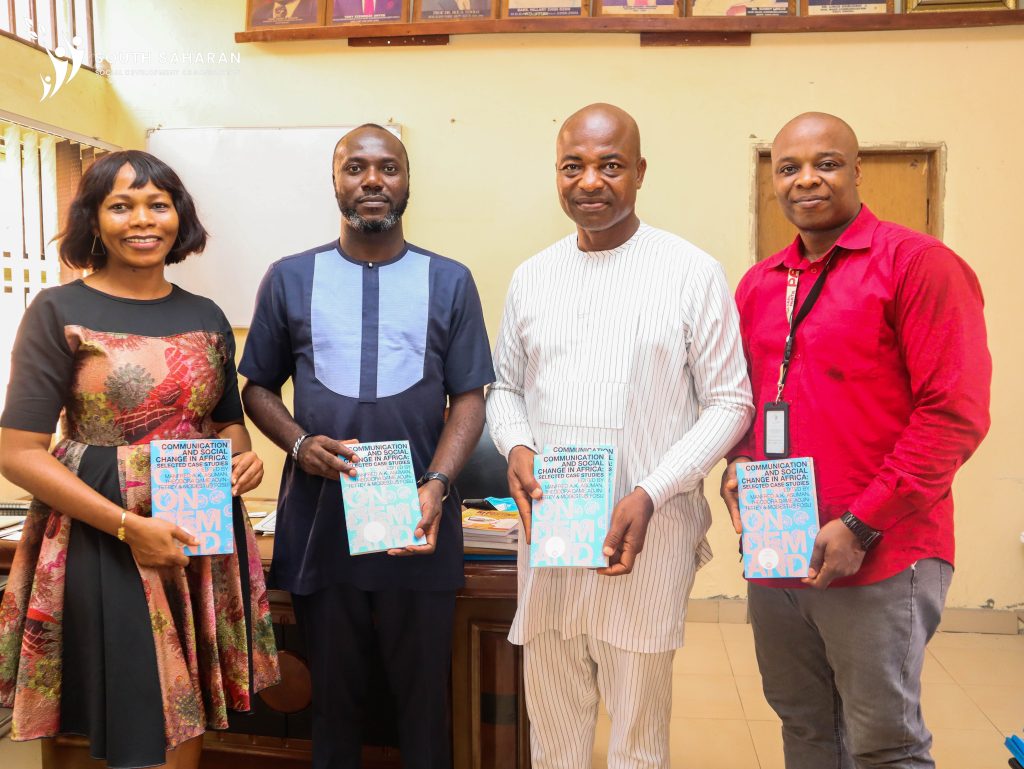
In a bid to deepen access to African-centered knowledge and enrich academic resources, South Saharan Social Development Organisation (SSDO), with support from the development Research and Project Centre (dRPC) and the MacArthur Foundation Nigeria, has donated copies of Communication and Social Change to the Department of Mass Communication, Enugu State University of Science and Technology (ESUT).

This timely donation is part of our ongoing commitment to strengthening institutions of learning through resource sharing, local scholarship, and inclusive development.

A Warm Welcome at ESUT

The SSDO team led by Dr. Stanley Ilechukwu, the Executive Director, was warmly received by Dr. Chidiebere Ezinwa, Head of the Department of Mass Communication, who commended the gesture as a step in the right direction toward promoting indigenous thought leadership and relevant literature for students and researchers alike.

For SSDO, partnerships like this one affirm our belief that knowledge must be accessible, relatable, and rooted in context. African voices must not only be heard but also studied, critiqued, and celebrated within our own academic environments.

Centering Young Minds in African Scholarship

Communication and Social Change offers both practical and theoretical insights that reflect the social realities of our communities. By making this book available to ESUT students, SSDO hopes to contribute to the emergence of a new generation of communicators, media professionals, and researchers who are deeply grounded in local contexts but prepared to engage the world.

We are grateful to dRPC and the MacArthur Foundation for making this knowledge-sharing effort possible, and we look forward to deepening our engagement with institutions that shape the leaders of tomorrow