SSDO

Building Boys, Securing Futures: SSDO Partners with Genehen Foundation to Host Landmark Conference in Enugu

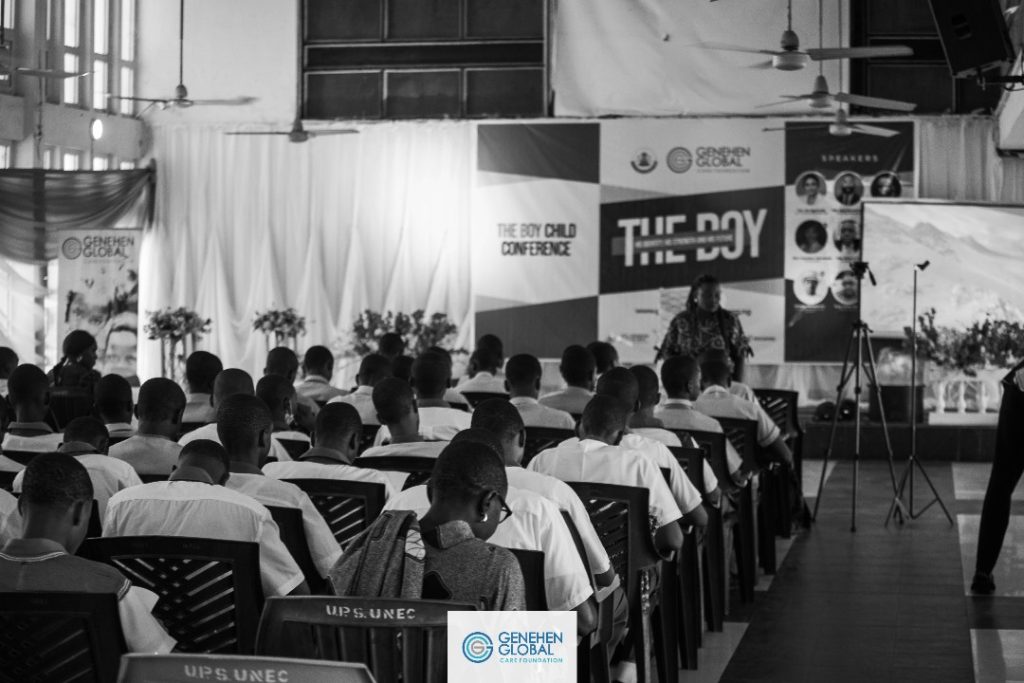
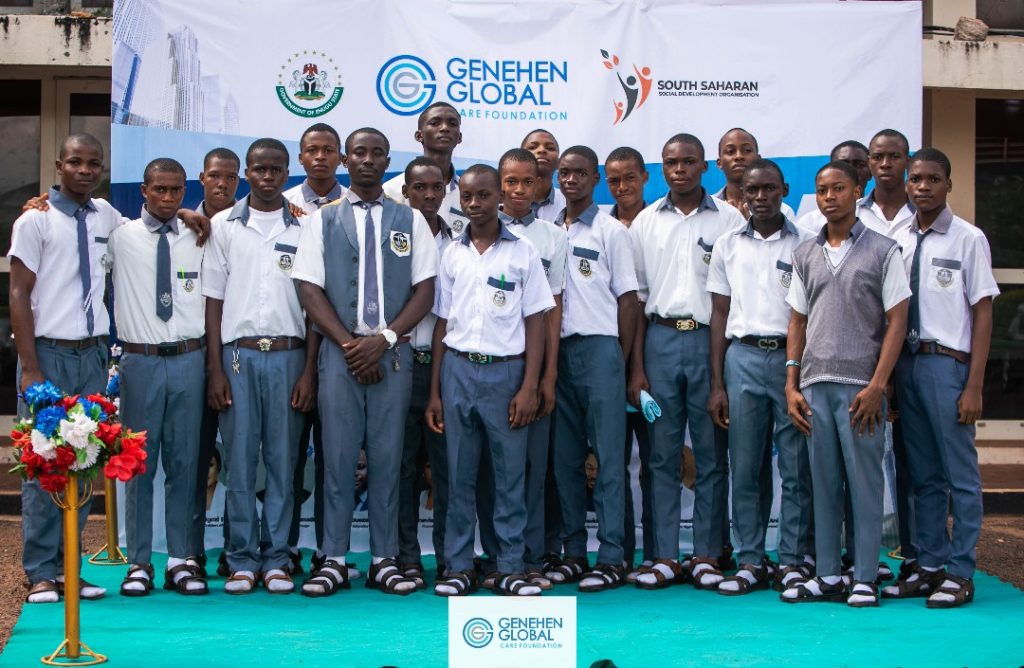
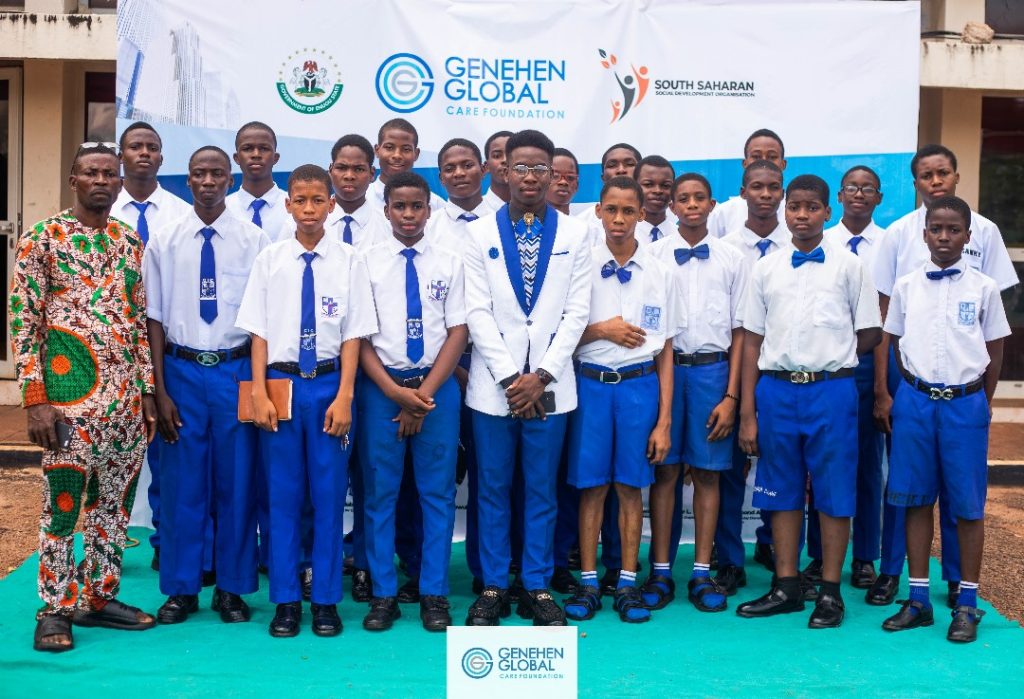
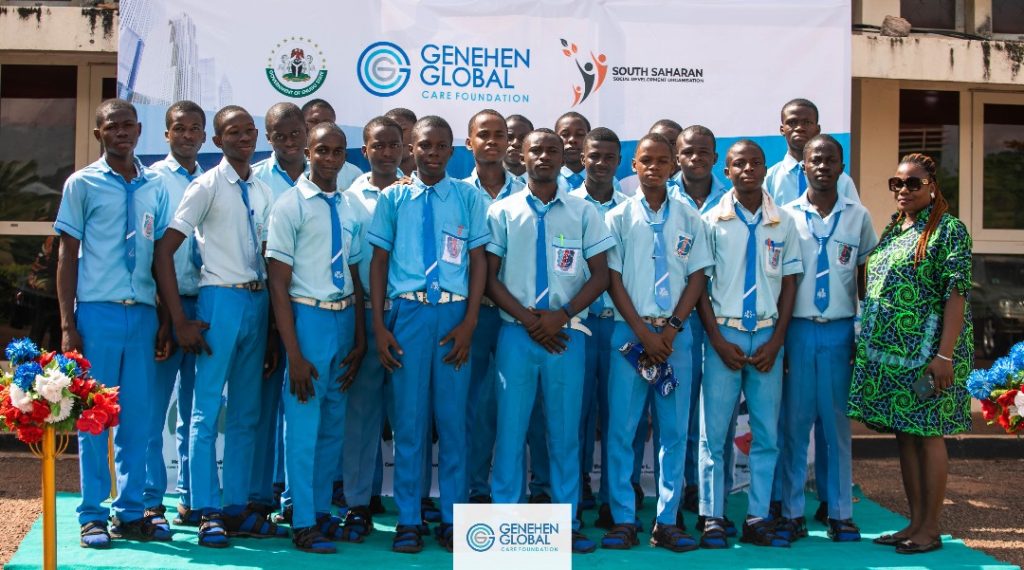
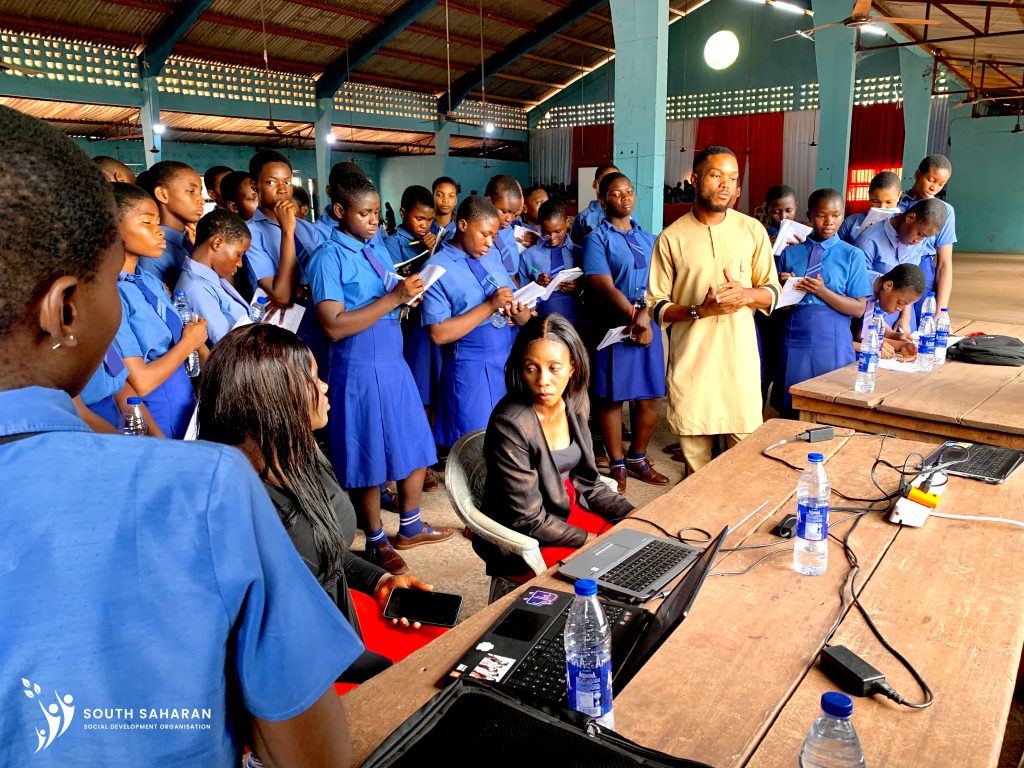
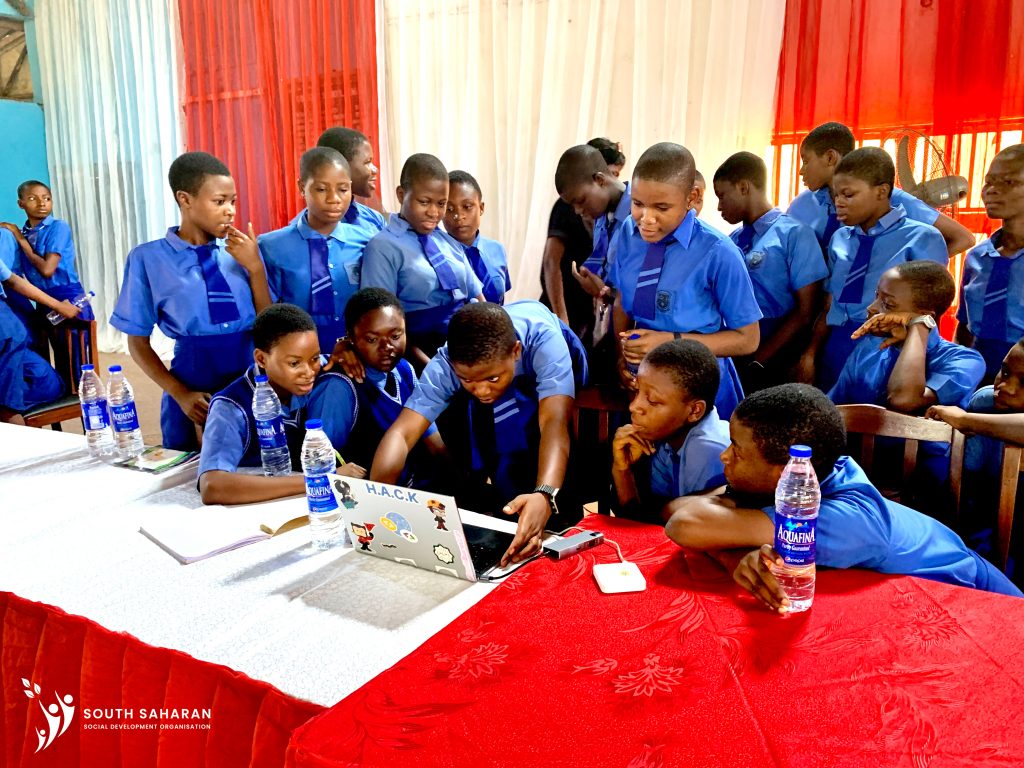
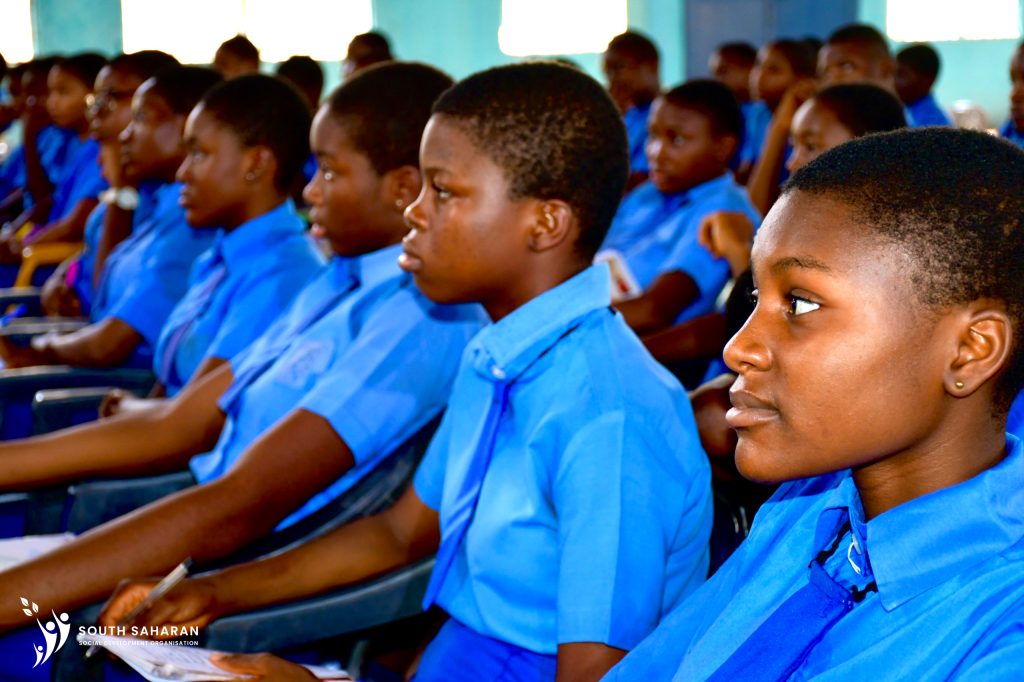
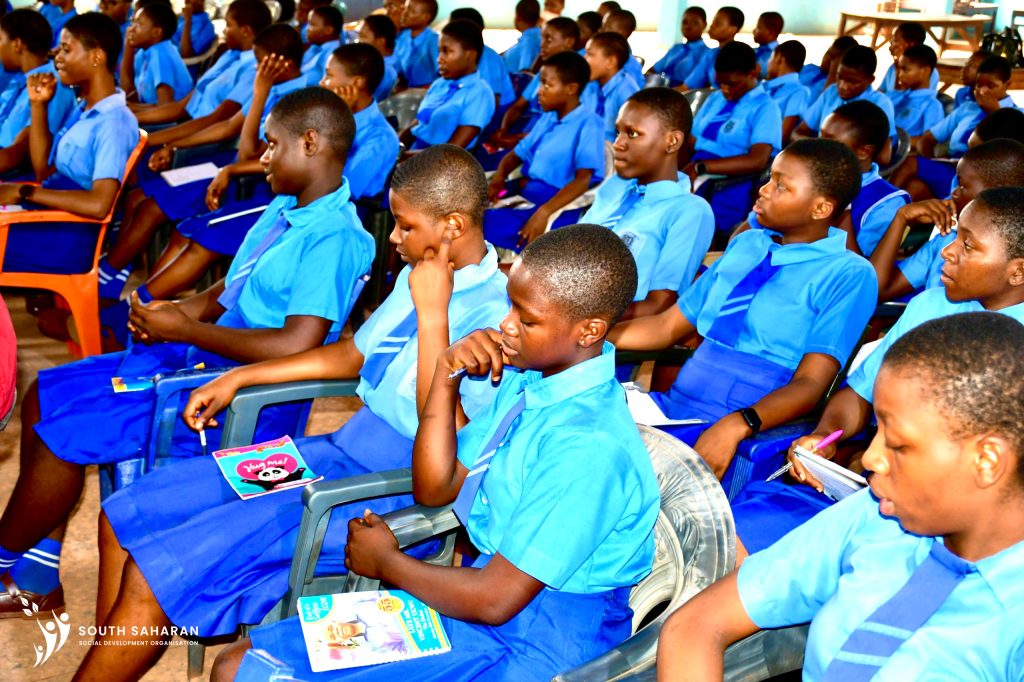
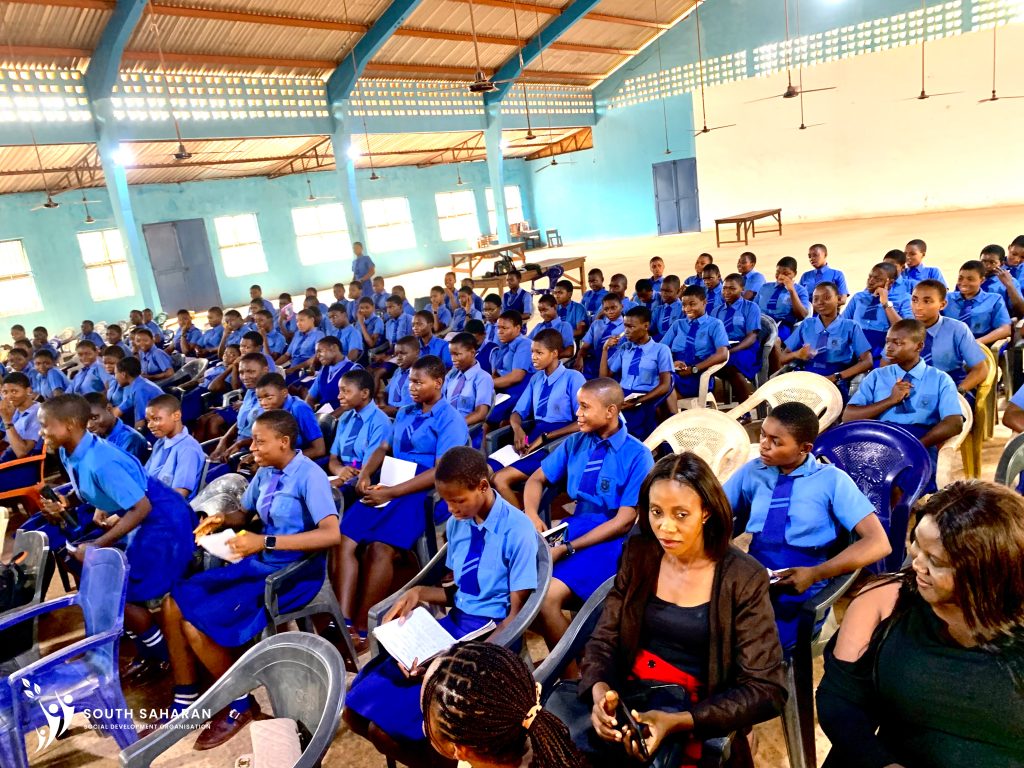
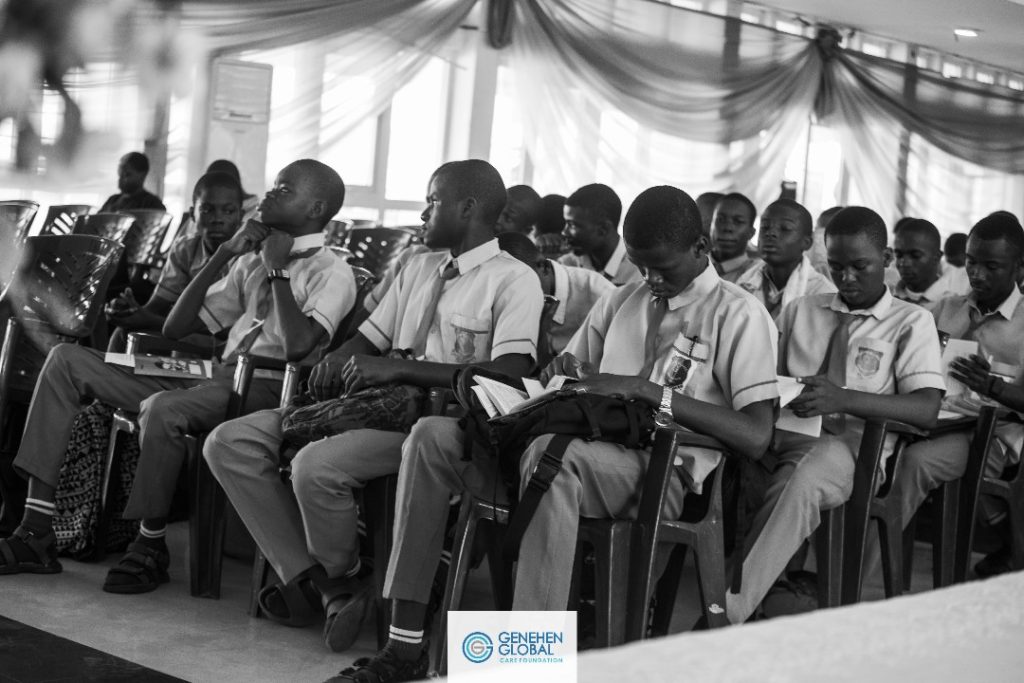
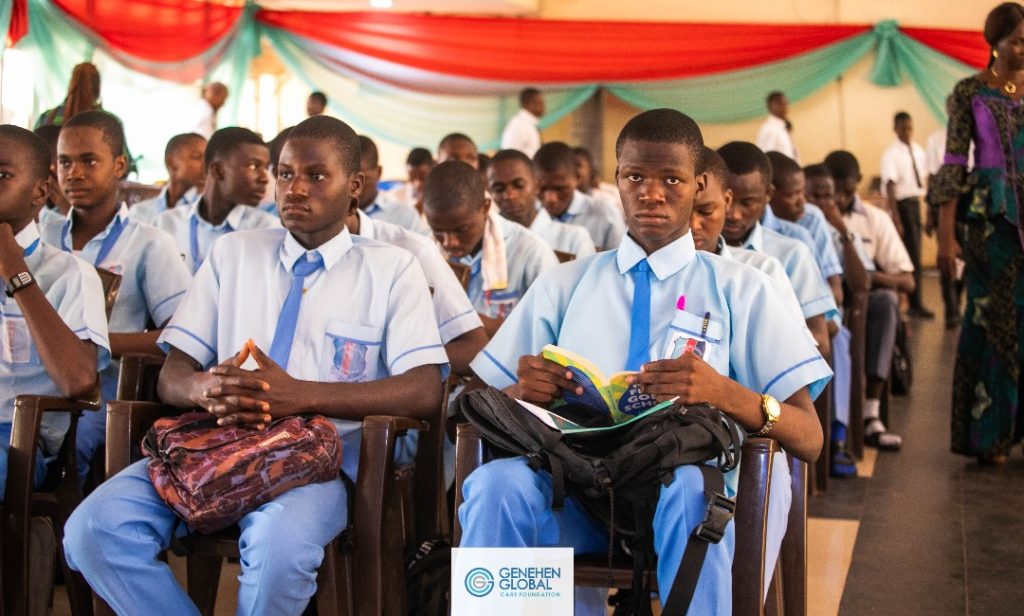
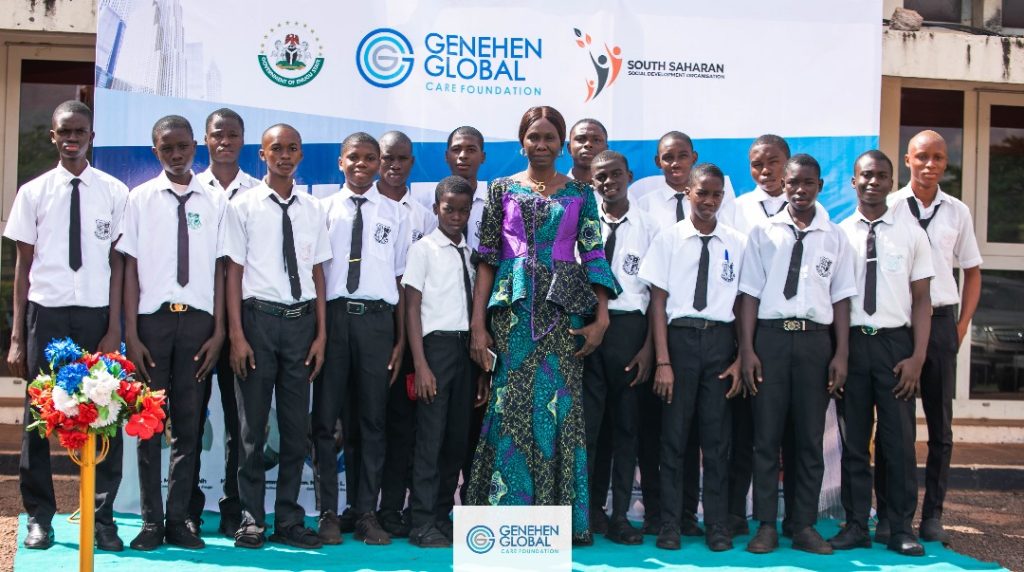
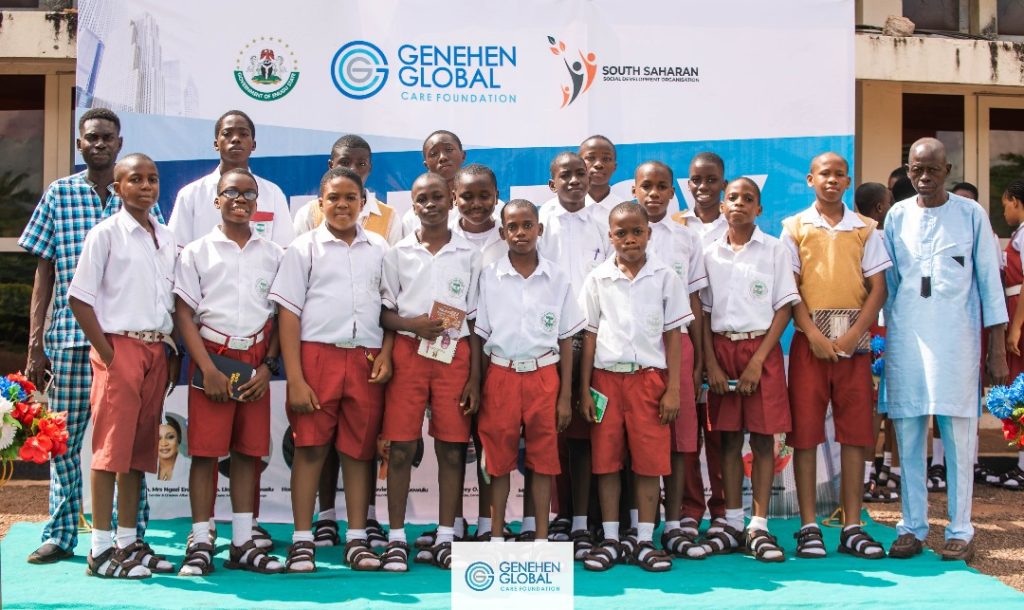
Over 200 boys from public secondary schools across Enugu State gathered at the Main Hall, University of Nigeria, Enugu Campus (UNEC) for a powerful and timely conference themed: “The Boy: His Identity, His Strength, and His Future.”

Organised by Genehen Global Care Foundation in partnership with South Saharan Social Development Organisation (SSDO), the event addressed the rising concerns around rape, defilement, and sexual offences involving minors, not just from a legal standpoint, but through meaningful education and early intervention.
A Timely Response to a Growing Concern

The conference was born out of the growing awareness that many young boys are unaware of the implications of the Violence Against Persons Prohibition (VAPP) Law, a relatively new legislation in Enugu State. Recent findings reveal that boys under 18 are already facing court proceedings for such offences, often without proper understanding of their rights, responsibilities, or the law itself.

In response, the event created space for open discussions around self-worth, responsible decision-making, resilience, and identity formation. Participants were introduced to the VAPP Law and its consequences in a language they could understand and relate to.

Voices, Impact, and Engagement

The conference featured key sessions led by experts and public officials in the fields of education, youth, and gender development. Through stories, practical examples, and dialogue, participants were encouraged to reflect on their values and make conscious, respectful choices in their relationships and communities.

More than just a sensitization event, this gathering sparked critical conversations among boys who rarely get the space to explore who they are, who they’re becoming, and how to contribute positively to society.
SSDO: Driving Social Change with Purpose

SSDO’s support of this initiative aligns with our broader mission to build safer communities through education, prevention, and the inclusion of young people, including boys in the conversation about gender, justice, and accountability.

We are proud to have partnered with Genehen Global Care Foundation to make this event a reality. Together, we are building not just awareness, but a generation of boys equipped with the knowledge, discipline, and self-awareness needed to lead well and live responsibly.
When Silence Hurts: SSDO Calls Out South East Leaders on JAMB Crisis

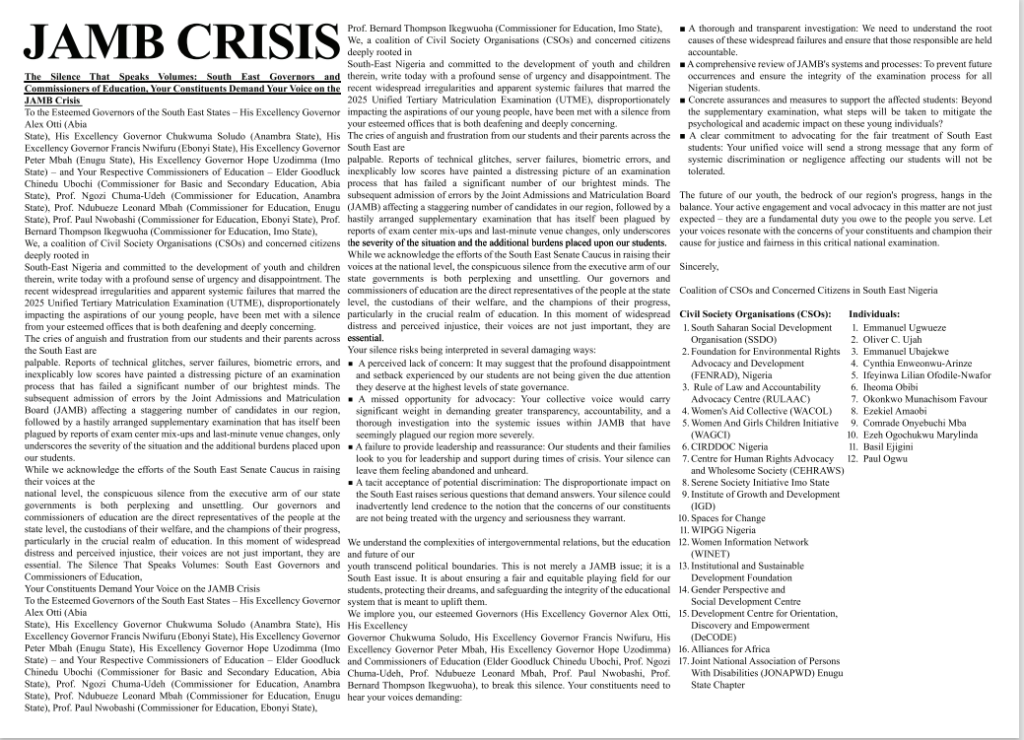
The 2025 Unified Tertiary Matriculation Examination (UTME) left many young people in South East Nigeria in distress. From server glitches to biometric errors and inexplicably low scores, the irregularities have disrupted futures and shaken public trust in the system.

But what’s even more concerning? The silence from the leaders who should be speaking out.

Speaking Up for Students

South Saharan Social Development Organisation (SSDO), in collaboration with other Civil Society Organisations, is leading the call for accountability. We have issued a formal statement urging South East Governors and Commissioners of Education to respond publicly and demand answers from the Joint Admissions and Matriculation Board (JAMB).

Thousands of students in the region have been impacted, and a hastily arranged supplementary exam has done little to restore confidence or provide fairness.

What We are Demanding

In our statement, we are calling for:

  • Public commitment from South East leaders to stand up for their constituents
  • A thorough and transparent investigation into the irregularities
  • A complete review of JAMB’s systems and processes
  • Emotional and academic support for affected students

This Is Bigger Than Exams
Education is not just about grades, it’s about equity, trust, and opportunity. When silence meets injustice, it amplifies harm. As a region known for its academic excellence, we must protect the dreams of our young people.

SSDO remains committed to advocacy that centers the rights, dignity, and future of our communities.

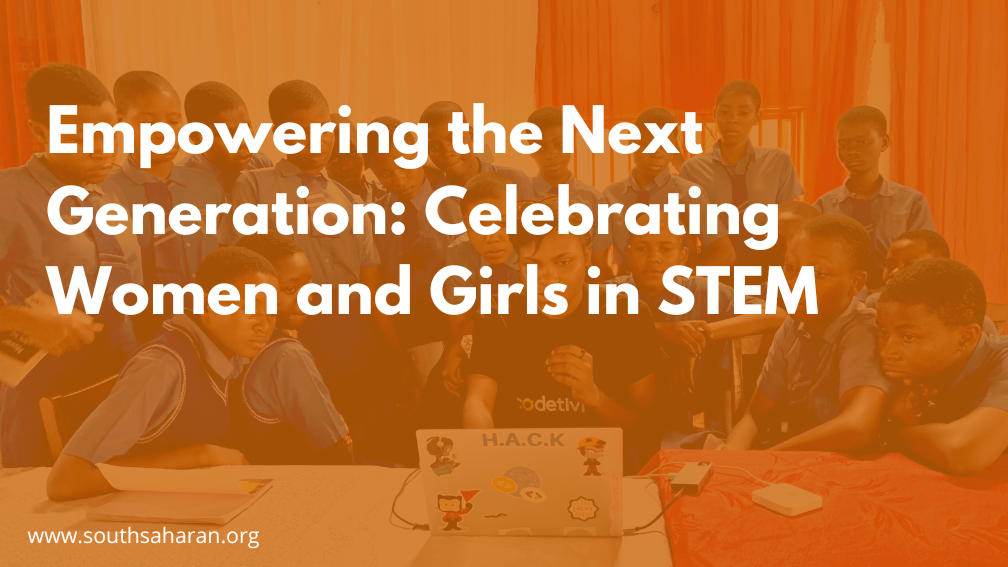
Empowering the Next Generation: Celebrating Women and Girls in STEM

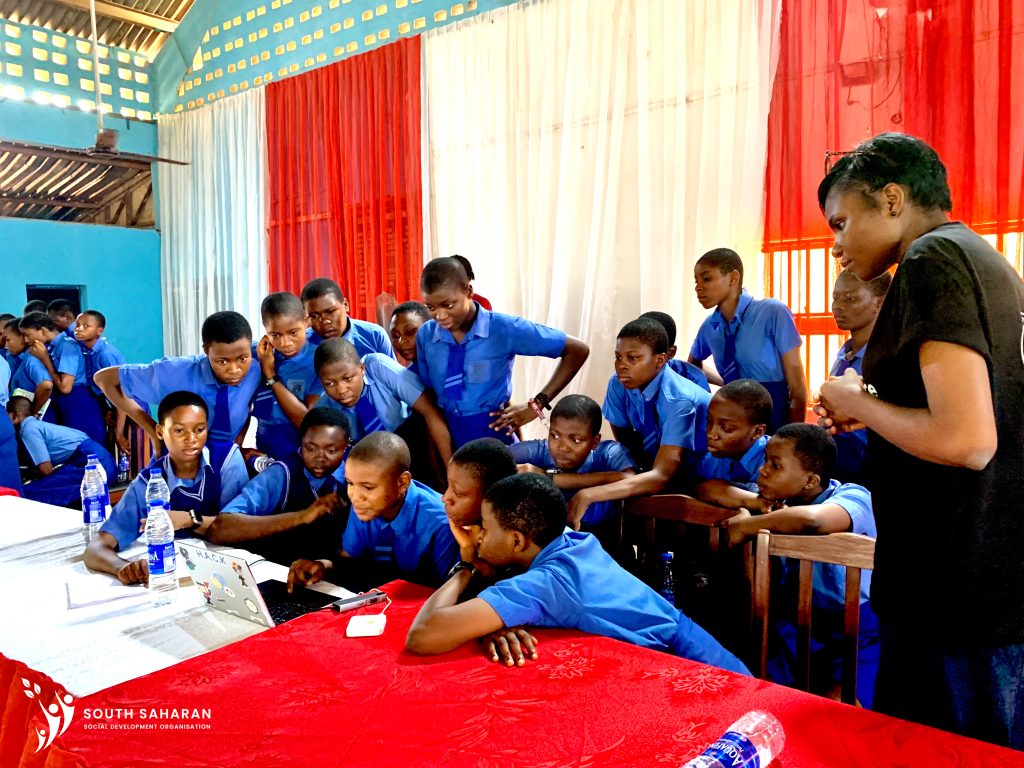
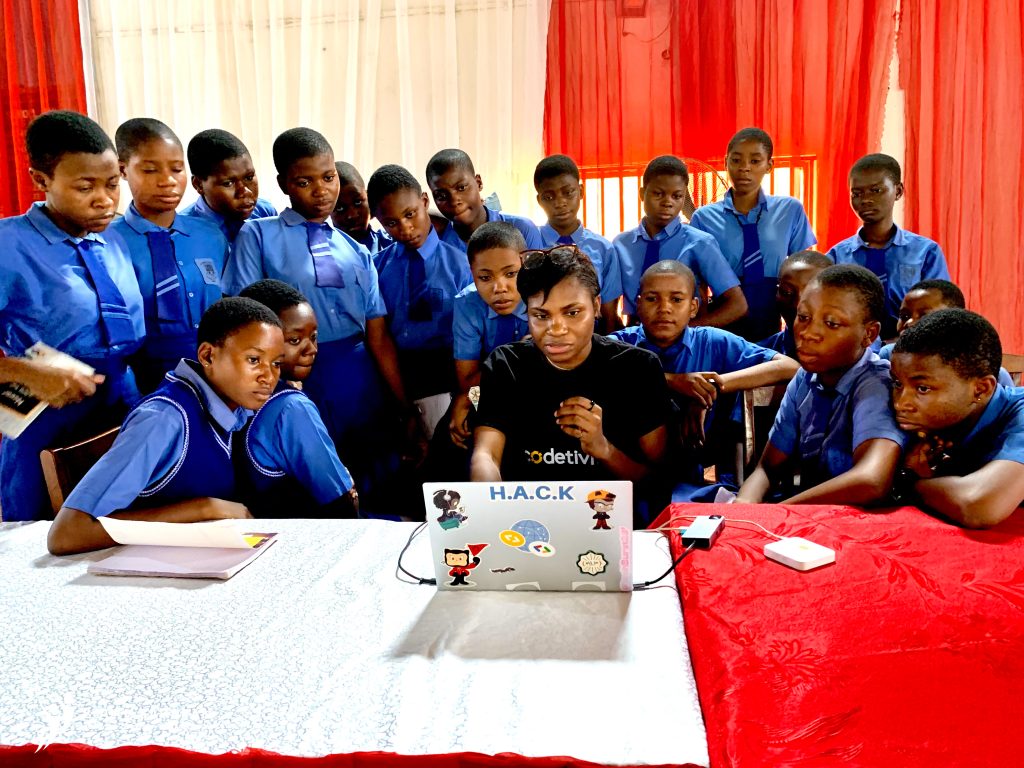
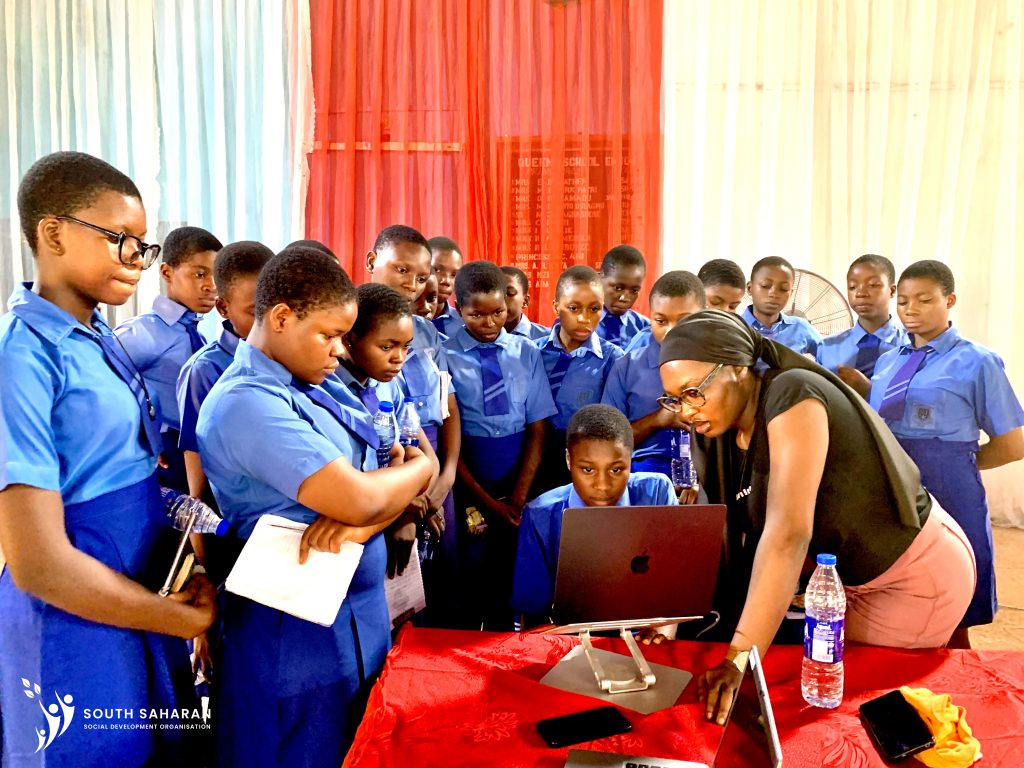
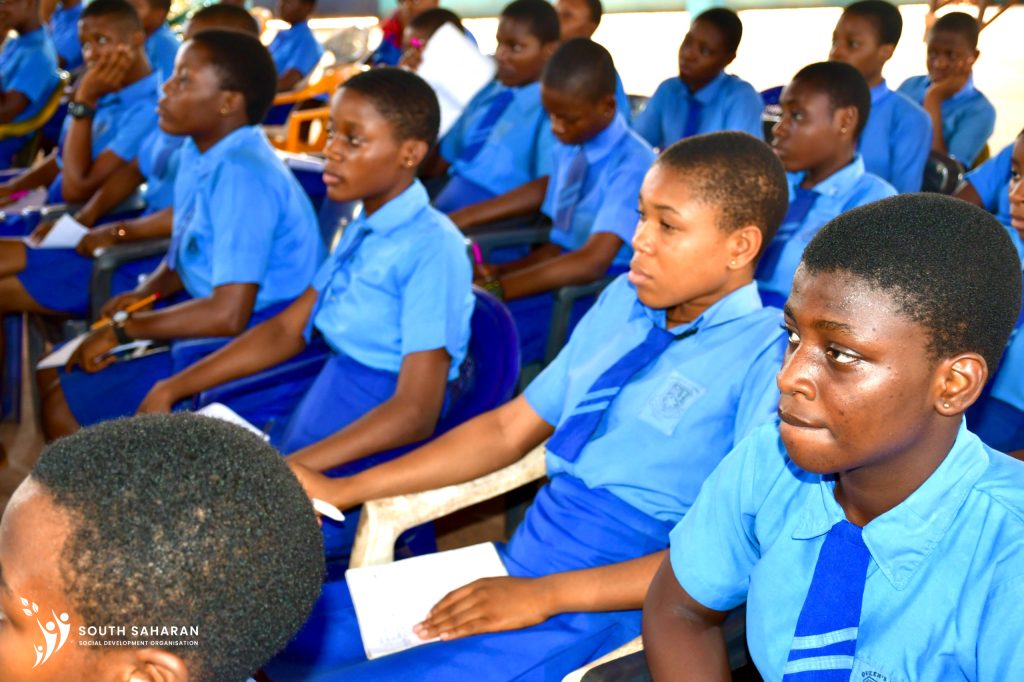
At South Saharan Social Development Organization (SSDO), we are dedicated to creating an enabling environment for sustainable development, particularly focusing on women, youth, and children. Our mission is to make development happen through education and good governance, fostering a society where every individual can realize their full potential. In line with this commitment, we recently collaborated with GIZ and the Enugu State Ministry of Science & Technology to inspire young minds at Queens School, Enugu, in celebration of the International Day for Women and Girls in Science, Technology, Engineering, and Mathematics (STEM).

Inspiring Innovation: The ‘Her Science, Her Future’ Initiative

Under the theme “Her Science, Her Future,” this initiative aimed to ignite a passion for STEM subjects among female students, encouraging them to envision and pursue careers in these critical fields. The event provided a platform for students to explore various STEM disciplines, including Digital Marketing, Coding, and Design Thinking. Through interactive sessions and hands-on activities, the girls were not only introduced to theoretical concepts but also had the opportunity to apply their knowledge by building mini projects. This experiential learning approach fosters creativity, critical thinking, and problem-solving skills – essential competencies for future innovators.

Breaking Barriers: Encouraging Female Participation in STEM

Despite the increasing recognition of the importance of diversity in STEM fields, women and girls remain underrepresented globally. Cultural norms, lack of role models, and limited access to resources often deter young women from pursuing STEM careers. Initiatives like “Her Science, Her Future” are crucial in breaking these barriers by providing mentorship, exposure, and hands-on experience. By showcasing successful female figures in STEM and creating supportive learning environments, we can challenge stereotypes and inspire more girls to explore these fields.

Empowering women and girls in STEM is not just about achieving gender equality; it is about harnessing the full potential of our human capital to drive innovation and sustainable development. At SSDO, we believe that when girls are given the tools, knowledge, and opportunities to excel in STEM, they become catalysts for change, driving progress within their communities and beyond. While the event at Queens School, Enugu, marks a significant step towards promoting female participation in STEM, it is only the beginning. SSDO remains committed to sustaining this momentum by implementing ongoing programs that support girls’ education and empowerment. Through continued collaboration, advocacy, and targeted interventions, we can create a future where every girl has the opportunity to change the game in STEM.

Pad a Girl Child Initiative

Menstruation Is Not a Problem; Poor Menstrual Hygiene Is

At South Saharan Social Development Organization (SSDO), we are steadfast in our commitment to empowering women, youth, and children through education and good governance. A significant aspect of this mission involves addressing the challenges surrounding menstrual hygiene management – a critical yet often overlooked component of women’s health and well-being.

The Importance of Proper Menstrual Hygiene

Menstruation is a natural biological process experienced by half of the world’s population. However, in many communities, it remains shrouded in stigma and misinformation, leading to inadequate menstrual hygiene practices. Poor menstrual hygiene can result in severe health issues, including infections and reproductive complications. Additionally, the societal taboos associated with menstruation can hinder women’s and girls’ participation in education and community activities, thereby limiting their opportunities for personal and professional growth.

The ‘Pad a Girl Child’ Initiative

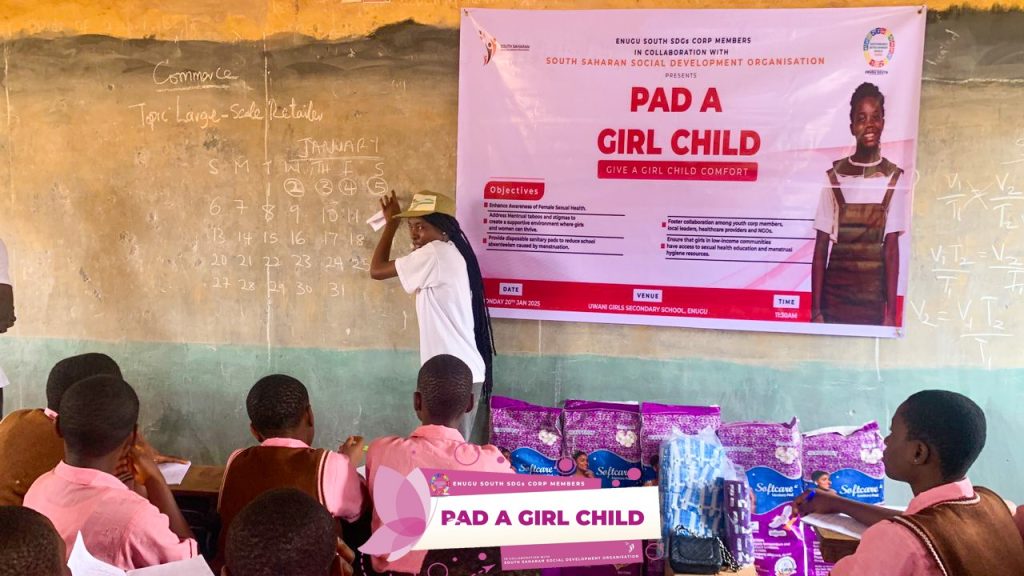
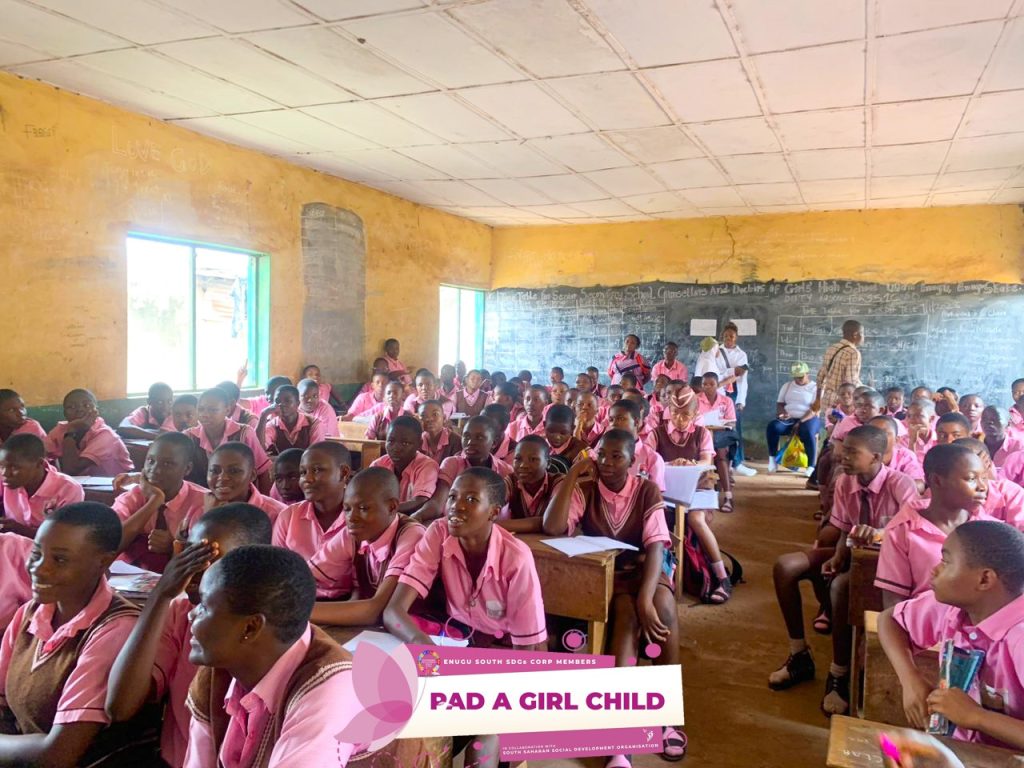
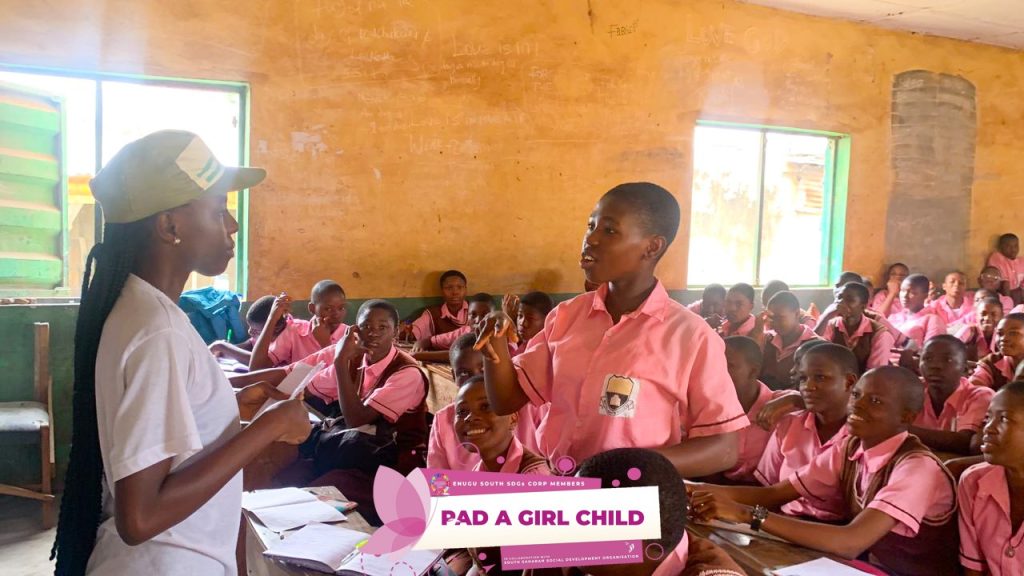
South Saharan Social Development Organisation, in collaboration with the Enugu South Sustainable Development Goals (SDG) Corps members, launched the “Pad a Girl Child” initiative. This program was designed to empower female students by providing them with essential knowledge about sexual and reproductive health and ensuring access to necessary menstrual hygiene products.

Educational Workshop

Understanding that education is the cornerstone of empowerment, our initiative commenced with comprehensive workshops aimed at demystifying menstruation. This session focused on educating the students about the menstrual cycle, its phases, and its role in the reproductive system. They also covered proper menstrual hygiene management, including the use of sanitary products, personal cleanliness, and safe disposal methods. Additionally, the workshop highlighted common menstrual-related health issues and emphasized the importance of seeking medical advice when necessary.

Distribution of Sanitary Pads

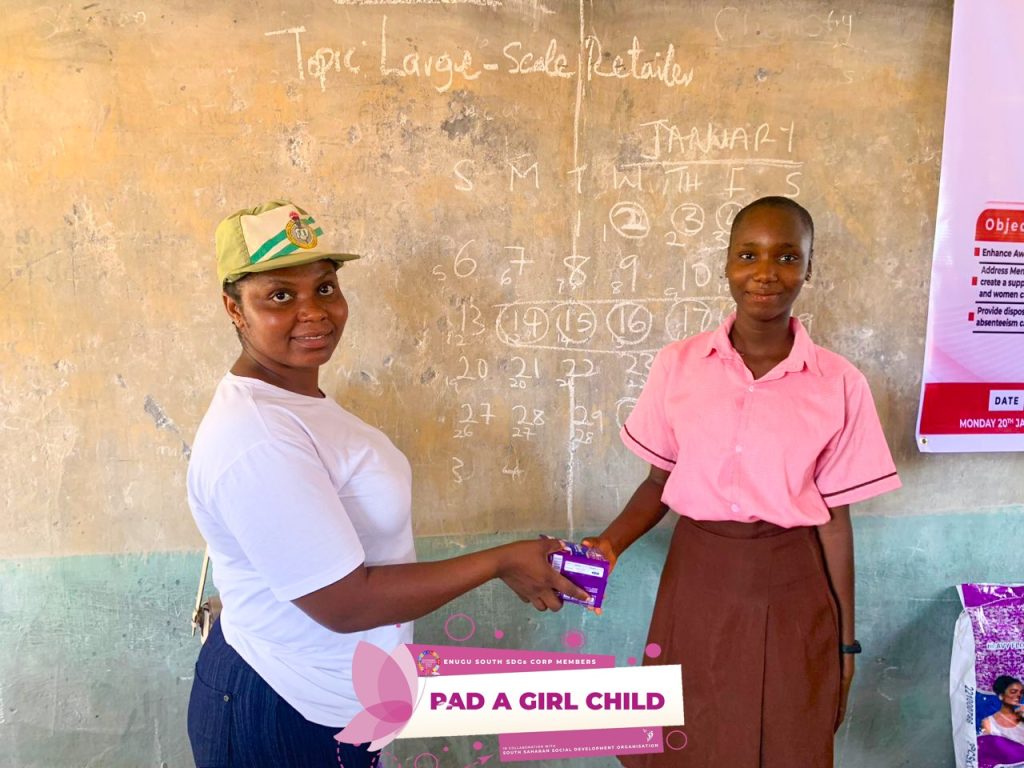
Access to sanitary products is a fundamental aspect of menstrual hygiene management. Recognizing that many girls miss school during their periods due to a lack of adequate supplies, we distributed sanitary pads to the participants. This effort sought to ensure that menstruation does not impede their educational pursuits or daily activities.

Challenging Societal Taboos

A core objective of the “Pad a Girl Child” initiative is to challenge and change the societal taboos associated with menstruation. By encouraging open discussions and providing accurate information, we strive to normalize menstruation as a natural aspect of life. Breaking these taboos is essential to fostering a supportive environment where women and girls can manage their menstrual health without fear of discrimination or embarrassment.

Menstruation itself is not a problem; the challenges arise from poor menstrual hygiene and the societal stigmas that accompany it. Through initiatives like “Pad a Girl Child,” SSDO remains dedicated to empowering women and girls, ensuring they have the knowledge and resources to manage their menstrual health with dignity and confidence. Together, we can create a society where menstruation is recognized as a natural, healthy part of life, free from stigma and barriers.

Cybercrime Awareness: Empowering the Next Generation

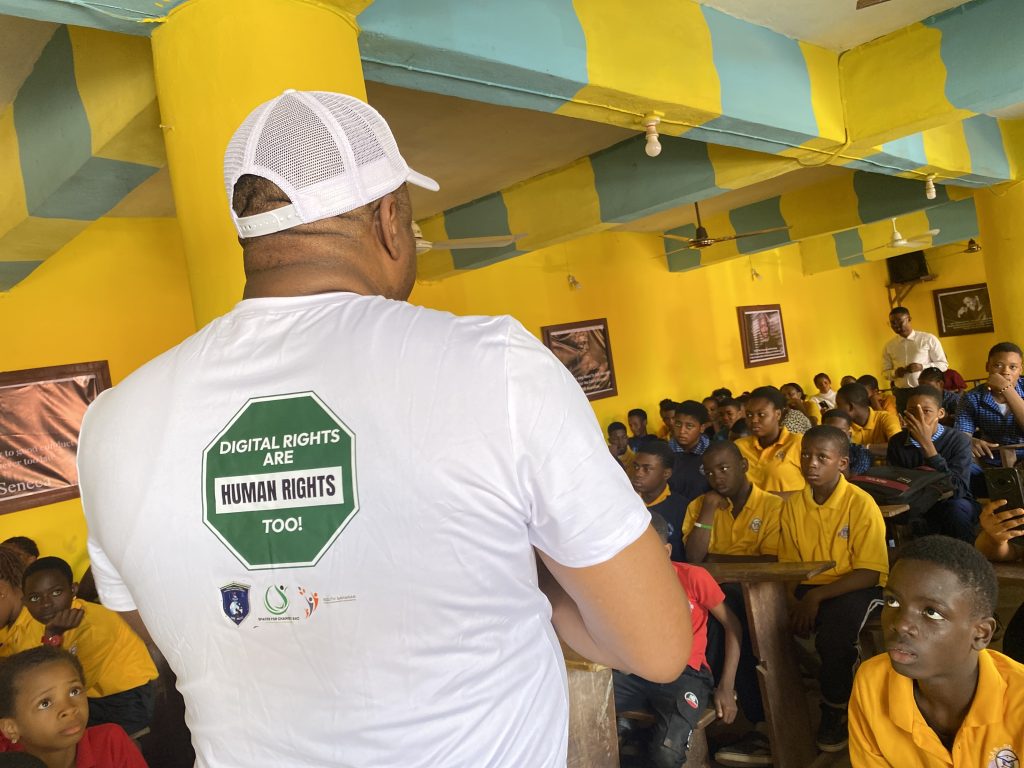
In today’s digital age, cybercrime has become a pervasive threat that affects individuals, communities, and nations worldwide. As we commemorate Human Rights Day, it is essential to recognize that digital rights are also human rights. To combat this menace, it is crucial to educate the next generation on the importance of cybersecurity and the dangers of cybercrime.

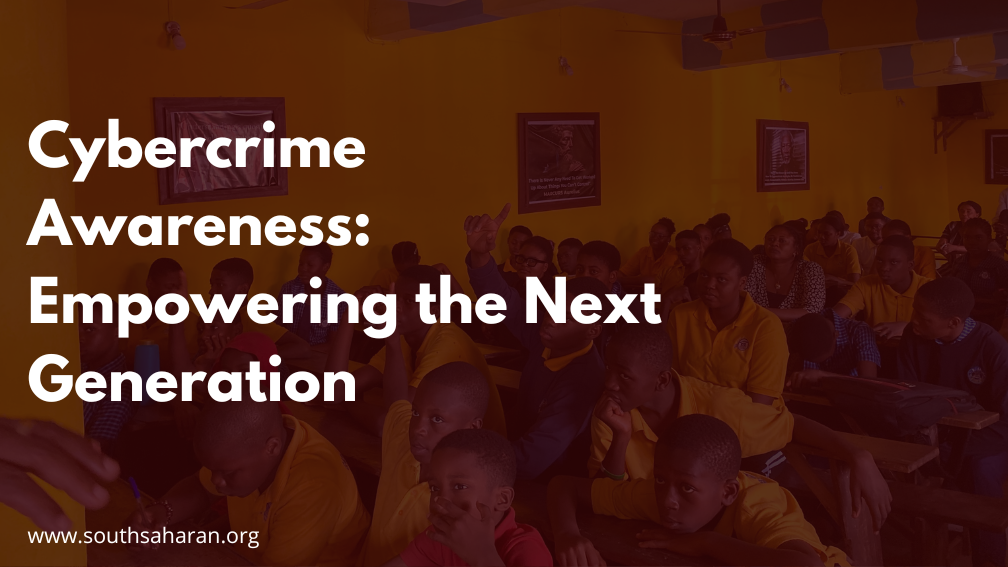
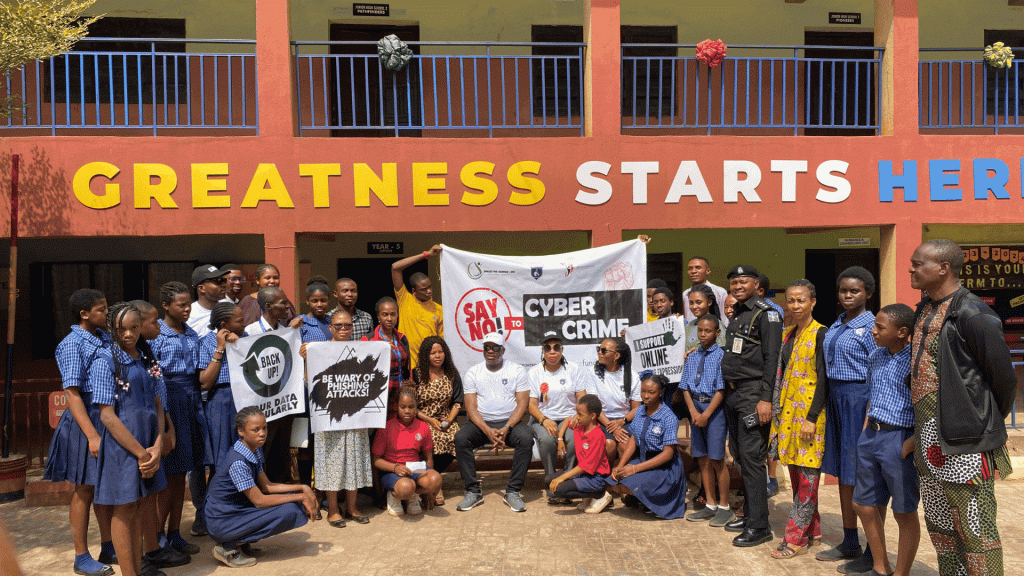
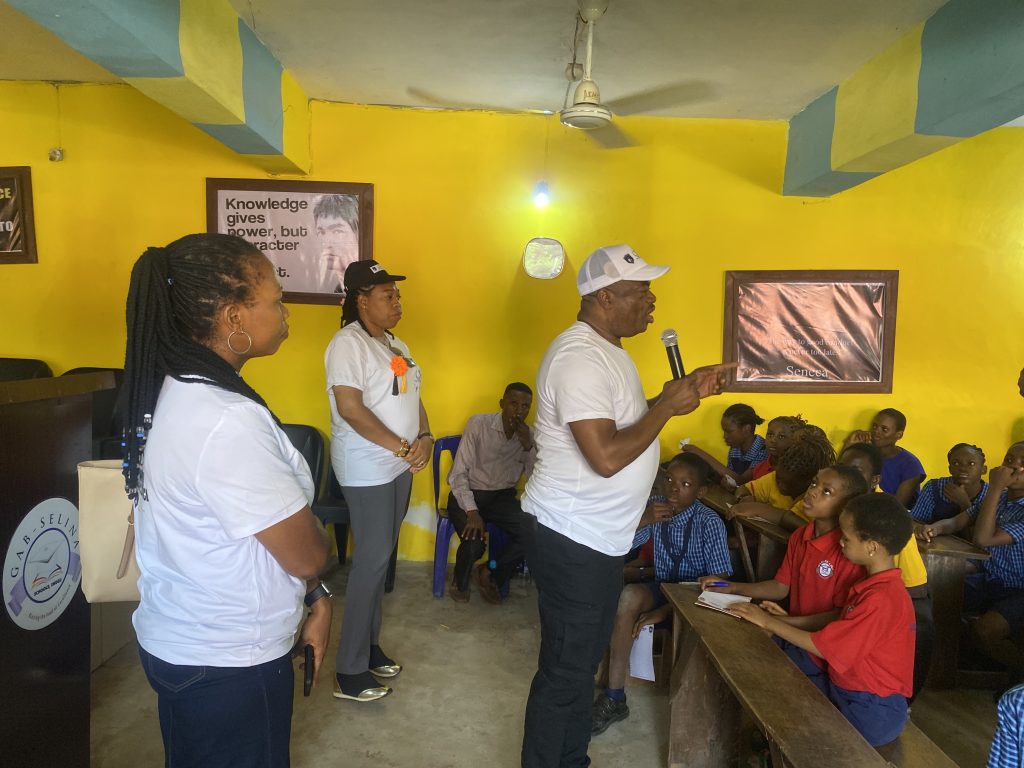
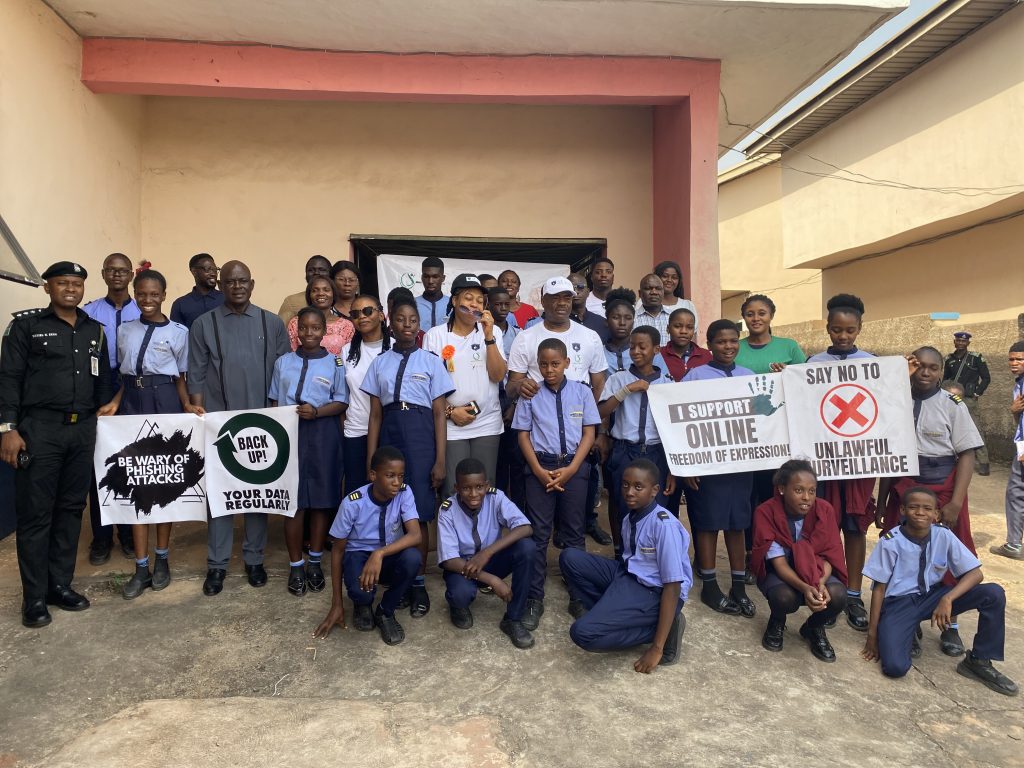
We embarked on an awareness campaign to Gabselina Schools and The Spirit of Daniel Academy, both in Enugu State, to empower students with the knowledge and skills necessary to protect themselves online. We were honored to have CP Uche Ifeanyi Henry, Director of the Nigerian Police Force’s National Cyber Crime Centre, Abuja, and Chairman of the Interpol African Working Group on Cyber Crime, share his expertise with the students.

CP Uche Ifeanyi Henry emphasized the importance of protecting oneself online and offline, particularly highlighting the vulnerabilities of the female gender. It was a critical message that resonated deeply with the students. As a seasoned expert in cybercrime, CP Henry’s insights and expertise provided a comprehensive understanding of the importance of cybersecurity and the dangers of cybercrime.

Understanding Cyber Space and Cyber Security

CP Henry began by explaining the concept of cyber space and its relationship with cyber security. He defined cyber space as the online environment where individuals interact, communicate, and access information. He then emphasized the importance of cyber security, highlighting the measures individuals can take to protect themselves online, such as using strong passwords, keeping software up-to-date, and being cautious when sharing personal information.

The Dangers of Cyber Crime

CP Henry also delved into the dangers of cybercrime, explaining the various types of cyber threats, including phishing, social engineering, and malware. He emphasized the importance of being aware of these threats and taking steps to prevent them. He also highlighted the consequences of cybercrime, including identity theft, financial loss, and emotional distress.

Sextortion: A Growing Concern

One of the most critical topics CP Henry addressed was sextortion. He explained that sextortion is a form of cybercrime where individuals are coerced into sharing explicit images or videos. He emphasized the importance of being cautious when sharing personal information online and the need to report any incidents of sextortion to the authorities.

Empowering the Next Generation

CP Henry’s message was not only informative but also empowering. He encouraged the students to take control of their online presence, to be mindful of their digital footprint, and to report any incidents of cybercrime to the authorities. He also emphasized the importance of promoting cybersecurity awareness and education, and encouraged the students to share their knowledge with their peers and communities.

The Importance of Cybersecurity Awareness

Empowering the next generation against cybercrime requires a collective effort from individuals, organizations, and governments. By promoting cybersecurity awareness and educating ourselves and others on the risks associated with online activities, we can reduce the likelihood of falling victim to cybercrime.

Stay safe online! Cybersecurity awareness is key to preventing cybercrime. Let’s work together to educate ourselves and others, promoting a safer digital community for all.