SSDO

Enugu State Donor Coordination Committee Meeting

Sustainable development depends on coordinated institutions, evidence-informed decision-making, and partnerships that align public priorities with community needs.

In Enugu State, South Saharan Social Development Organisation (SSDO) contributes to this process by designing and implementing programmes that strengthen governance, public health, gender equality, education, and livelihoods.

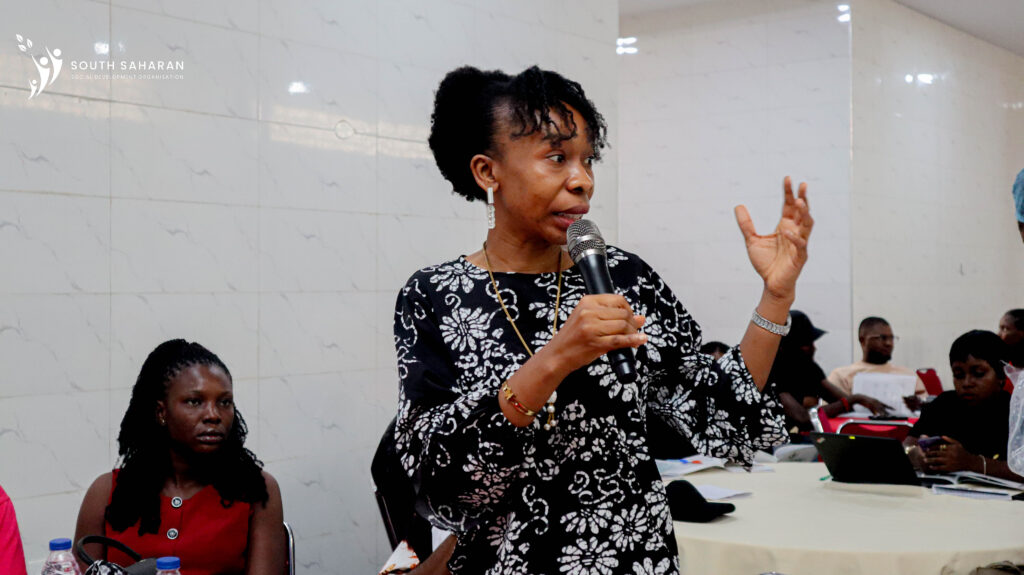
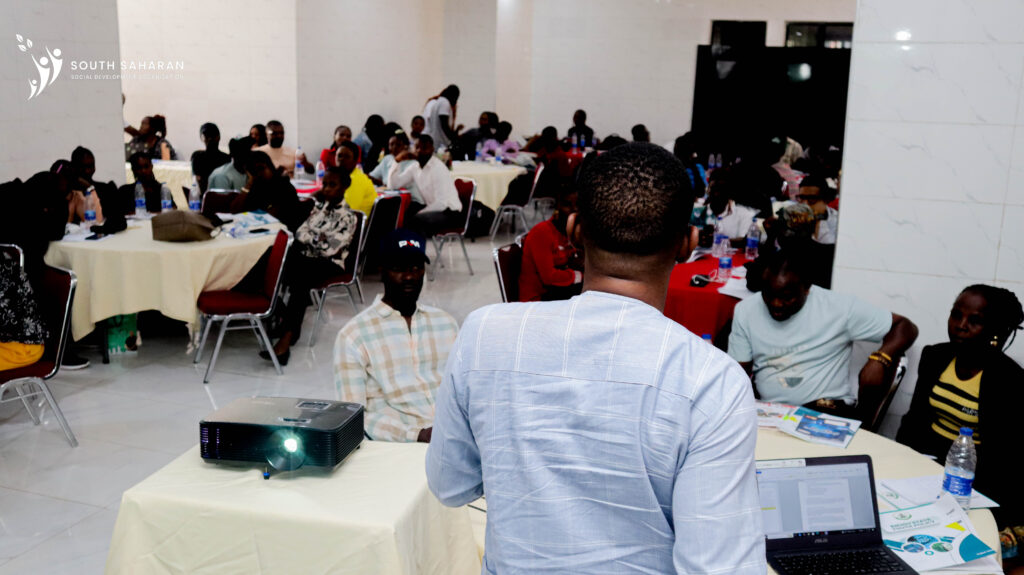
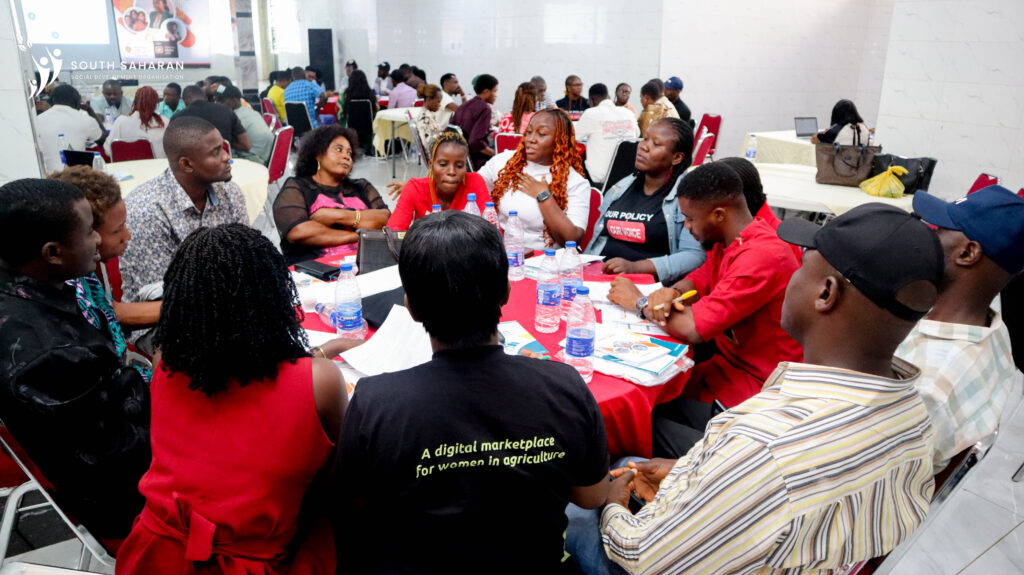
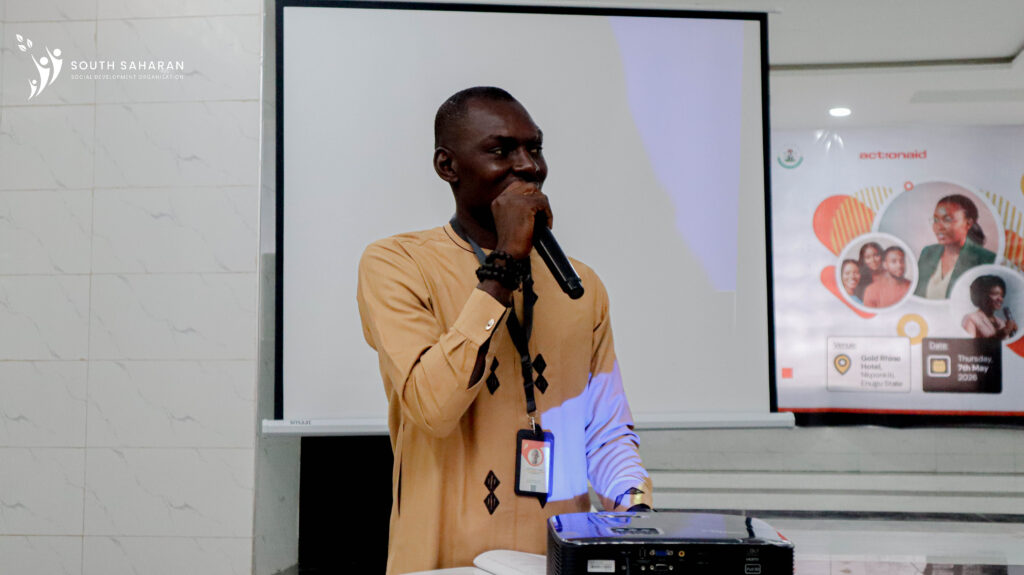
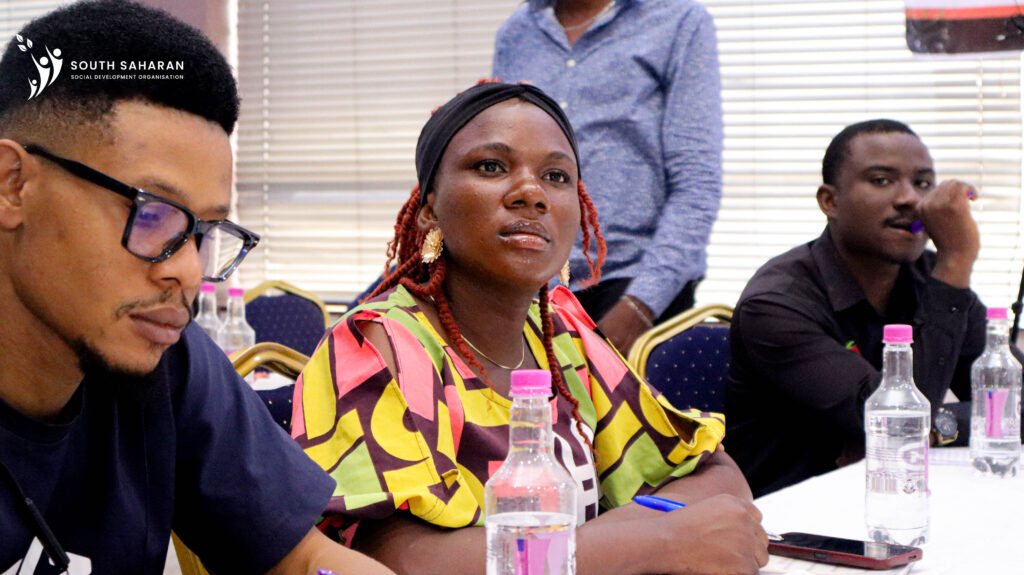
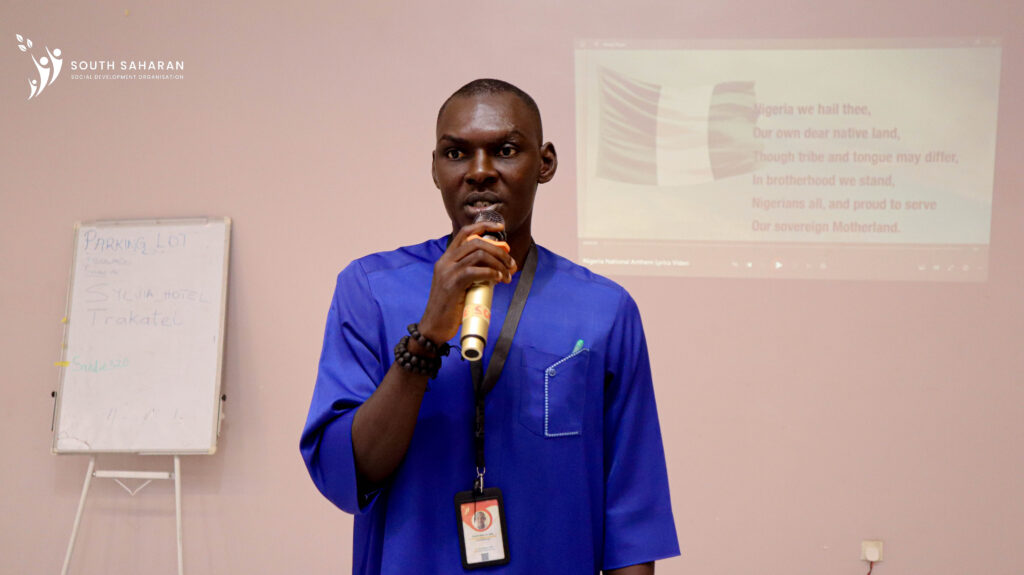
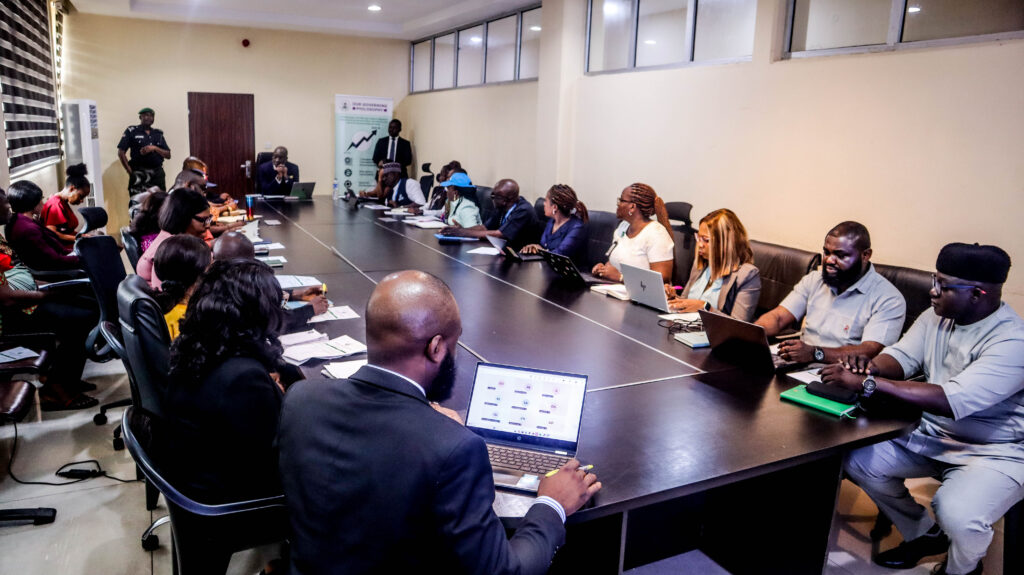
At the Enugu State Donor Coordination Committee Meeting, SSDO joined government institutions and development partners to share progress, exchange lessons, and strengthen collaboration around development priorities across the State.

Development challenges rarely exist in isolation. Progress in governance influences health outcomes. Strong education systems support economic opportunities. Gender equality strengthens community resilience, while accountable institutions improve service delivery. Addressing these interconnected challenges requires coordinated action across sectors and institutions.
Strengthening Development Through Partnership

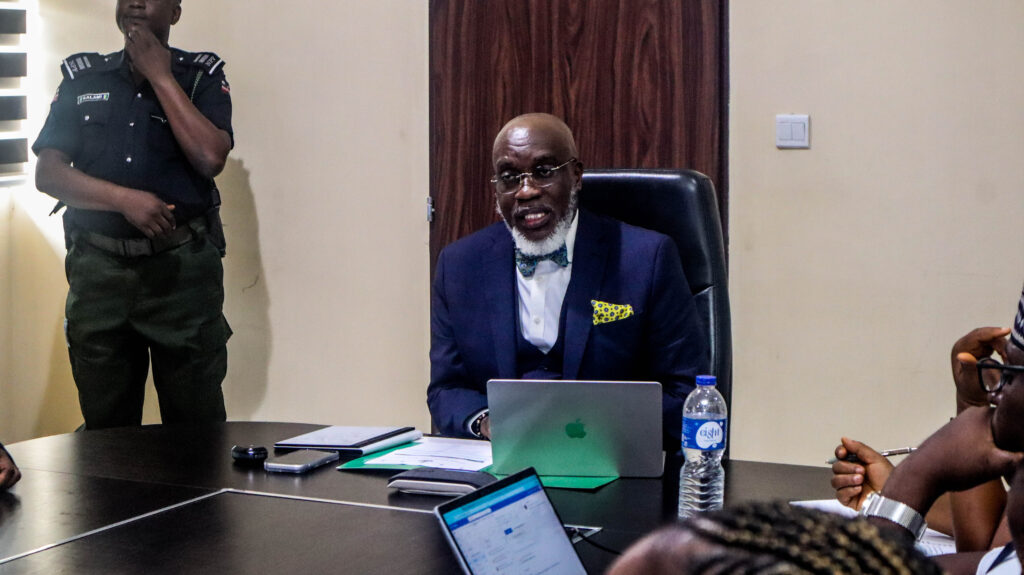
Convened by the Secretary to the State Government, Prof. Chidiebere Onyia, the Enugu State Donor Coordination Committee Meeting provided a platform for development partners, government agencies, and implementing organisations to review ongoing interventions, identify emerging priorities, and strengthen collaboration.

The engagement reinforced the importance of aligning development investments with government priorities while encouraging organisations to share evidence, lessons learned, and opportunities for collective action.

For SSDO, the meeting highlighted the value of integrated programming that connects governance reform, community development, public health, and social protection within a single systems-based approach.
Supporting Governance and Public Policy Reform

Governance remains one of SSDO’s core areas of intervention.

The organisation has supported the development and implementation of key state policy frameworks, including the Enugu State Youth Policy, the Enugu State Climate Change Policy and Action Plan, and the Enugu State Women’s Economic Empowerment (WEE) Policy.

Through the Strategic Partnership Agreement (SPA II) Project, implemented in partnership with ActionAid Nigeria, SSDO also continues to strengthen youth participation, climate governance, voter education, Permanent Voter Card (PVC) registration, and accountability processes that improve citizen engagement and institutional responsiveness.

These interventions contribute to stronger governance systems that are more inclusive, transparent, and responsive to public needs.


Strengthening Communities Through Integrated Programming

Beyond governance, SSDO continues to implement programmes that improve protection, health, education, and livelihoods across communities.

Through the Sister Guardian Initiative (SGI), the organisation has established community-based protection systems that prevent and respond to gender-based violence while strengthening women’s leadership and access to support services.

Economic resilience is further promoted through Village Savings and Loan Associations (VSLAs) and the Jacob’s Well Programme, which expand financial inclusion and livelihood opportunities for women.

Within the health sector, SSDO supports tuberculosis detection and treatment, drug-resistant TB management, HIV and syphilis screening among pregnant women, malaria prevention, immunisation support, maternal mental health interventions, and broader community health programmes that strengthen access to essential healthcare.

The organisation also invests in education and youth development through initiatives such as Radio School, digital literacy programmes, civic education, leadership development, and practical skills-building opportunities that prepare young people to participate meaningfully in society.

Creating Greater Impact Through Collaboration

The meeting reinforced that sustainable development is achieved when institutions work together around shared priorities, supported by reliable evidence and coordinated implementation.

Sharing experiences across sectors enables government and development partners to identify successful approaches, strengthen institutional learning, and improve the effectiveness of future interventions.

These partnerships also create opportunities to maximise available resources while reducing duplication and strengthening accountability across development programmes.

Advancing Sustainable Development in Enugu State

The Enugu State Donor Coordination Committee Meeting demonstrated the importance of collaboration in delivering lasting development outcomes.

By contributing evidence from its work across governance, health, gender equality, education, and livelihoods, SSDO continues to support integrated development approaches that strengthen public institutions and improve community wellbeing. Through strategic partnerships and systems-focused interventions, the organisation remains committed to advancing accountable governance, amplifying community voices, and supporting sustainable development across Enugu State.

Enugu State Youth Policy Implementation Framework

South Saharan Social Development Organisation (SSDO) strengthens youth governance systems in Enugu State by supporting institutional processes that translate policy commitments into measurable action.

Public policies create opportunities for development only when institutions have clear implementation pathways. While many governments successfully develop policy frameworks, the real challenge often lies in coordinating implementation across multiple agencies, aligning budgets with policy priorities, and establishing systems that track progress over time.

Through the Enugu State Youth Policy Implementation Framework, SSDO is advancing coordinated implementation, accountability, and monitoring mechanisms that ensure the State’s Youth Policy delivers meaningful outcomes for young people.

Why Youth Policy Implementation Matters

The launch of the Enugu State Youth Policy in 2025 marked an important milestone for youth development in the State. The policy provides a comprehensive framework for strengthening youth participation, employment, entrepreneurship, inclusion, leadership, innovation, education, and protection.

However, adopting a policy is only the first step. Without coordinated implementation, clearly assigned institutional responsibilities, adequate financing, and effective monitoring systems, policy objectives can remain unrealised.

Bridging this implementation gap is essential for ensuring that young people experience tangible improvements rather than policy commitments on paper.

Advancing the Enugu State Youth Policy Implementation Framework

To strengthen implementation, SSDO convened a high-level stakeholders’ engagement under the Strategic Partnership Agreement (SPA II) Project, implemented in partnership with ActionAid Nigeria (AAN).

The engagement was designed to strengthen the Enugu State Youth Policy Implementation Framework by bringing together Ministries, Departments and Agencies (MDAs), youth-focused institutions, accountability platforms, and youth-led organisations.

Rather than revisiting policy development, the forum focused on establishing the institutional systems required for effective execution across government.

Strengthening Coordination Across Government Institutions

Successful policy implementation depends on clear institutional leadership and collaboration.

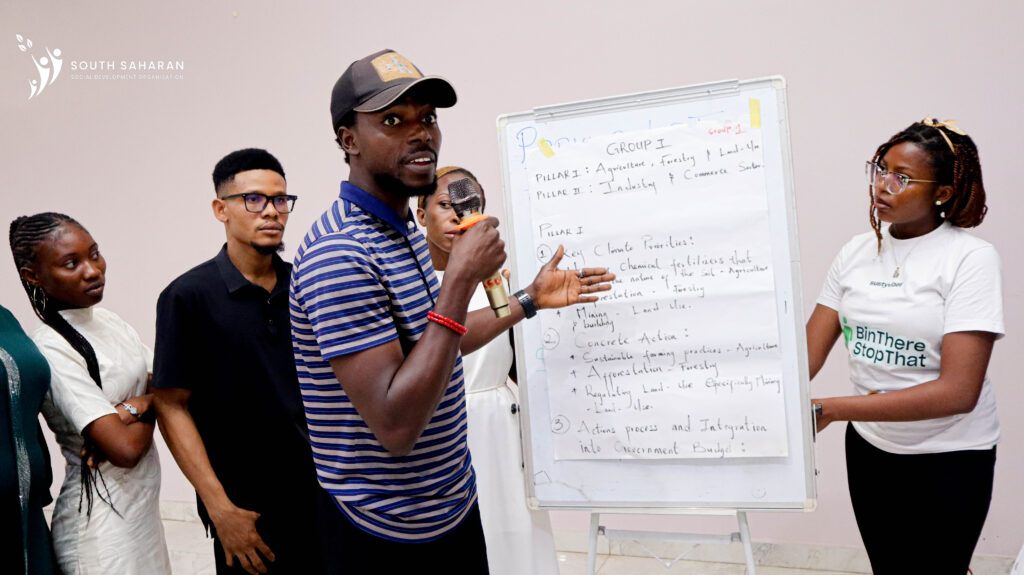
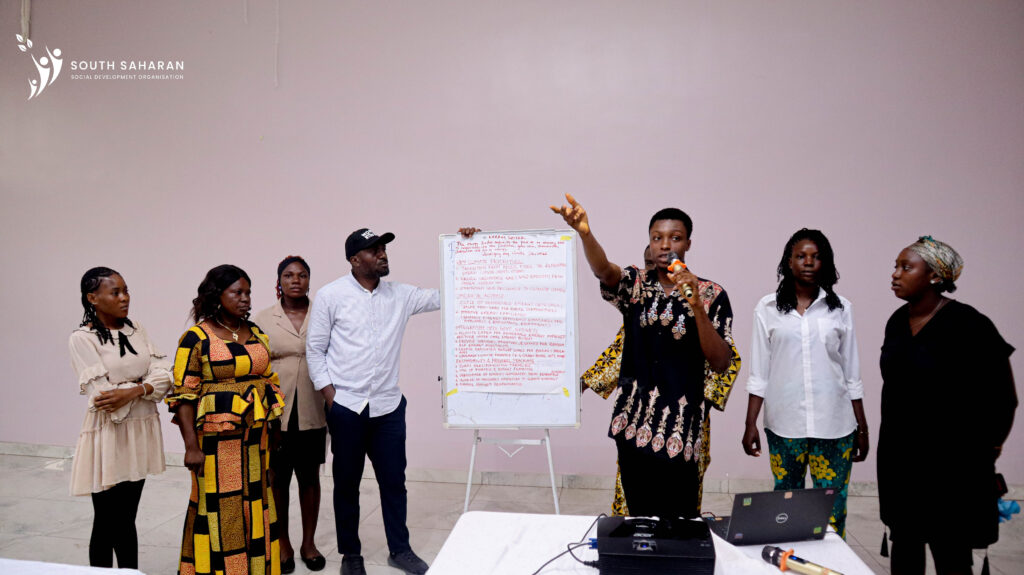
Technical sessions enabled participants to define implementation responsibilities under each policy pillar while identifying priority actions that government institutions could begin executing immediately.

The engagement also strengthened coordination pathways between implementing agencies, helping to reduce duplication, improve collaboration, and promote shared accountability for results.

Aligning implementation priorities with the 2027 budget cycle further reinforced the importance of integrating youth development commitments into government planning and resource allocation processes.

Building Accountability Into Implementation

A key outcome of the engagement was the emphasis on monitoring and accountability.

Participants explored practical reporting structures that allow implementing institutions to track progress, measure performance, and identify implementation challenges as they emerge.

Embedding accountability within the implementation framework creates opportunities for evidence-based decision-making while improving transparency across government institutions.

These mechanisms also strengthen collaboration between public institutions and youth stakeholders, ensuring that implementation remains responsive to emerging needs.

Moving From Policy Commitments to Measurable Outcomes

Policies create direction, but implementation creates impact.

By strengthening institutional coordination, clarifying implementation responsibilities, aligning budgets with policy priorities, and reinforcing monitoring systems, the Enugu State Youth Policy Implementation Framework provides a practical pathway for translating government commitments into measurable outcomes for young people.

This systems-based approach recognises that sustainable youth development depends not only on policy design but also on the institutions responsible for delivering it.

Strengthening Youth Governance in Enugu State

Strong governance requires institutions that can implement policies effectively, coordinate across sectors, and remain accountable for results.

Through the Enugu State Youth Policy Implementation Framework, SSDO continues to strengthen evidence-driven youth governance by supporting coordinated implementation systems, institutional accountability, and inclusive participation. By helping government institutions move from policy adoption to practical execution, SSDO contributes to a governance system that delivers sustainable opportunities and improved outcomes for young people across Enugu State.

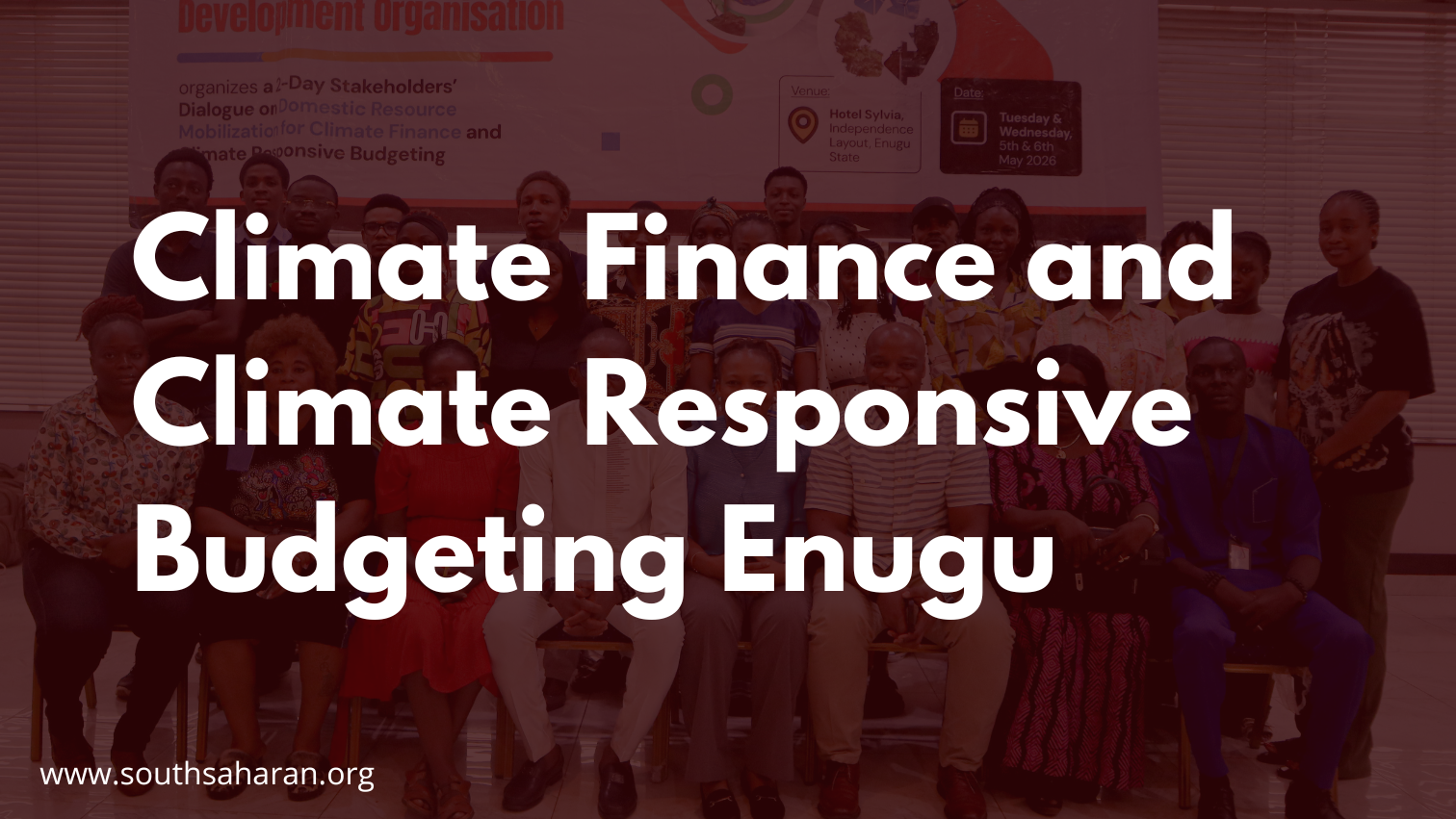
Climate Finance and Climate Responsive Budgeting Enugu

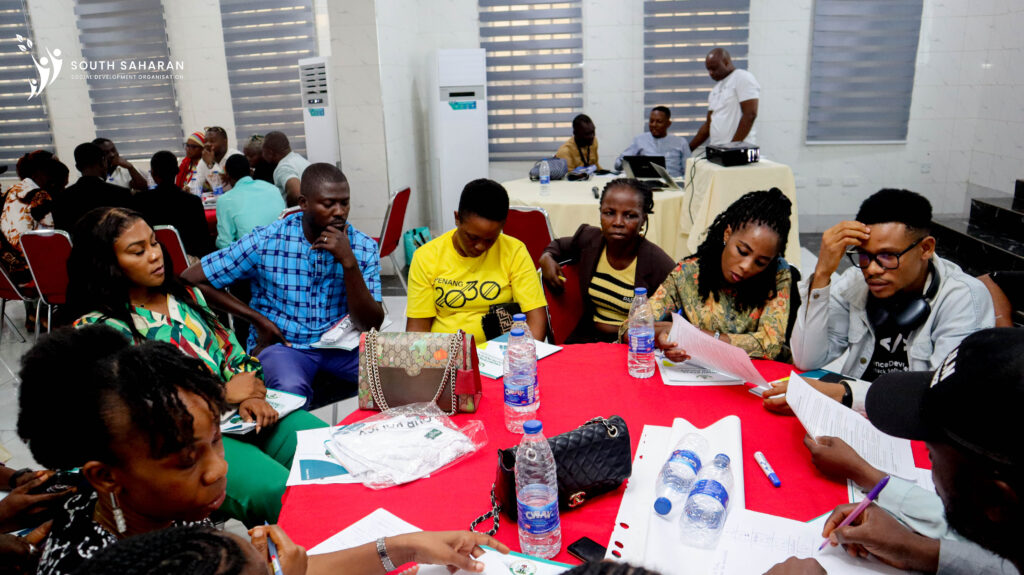
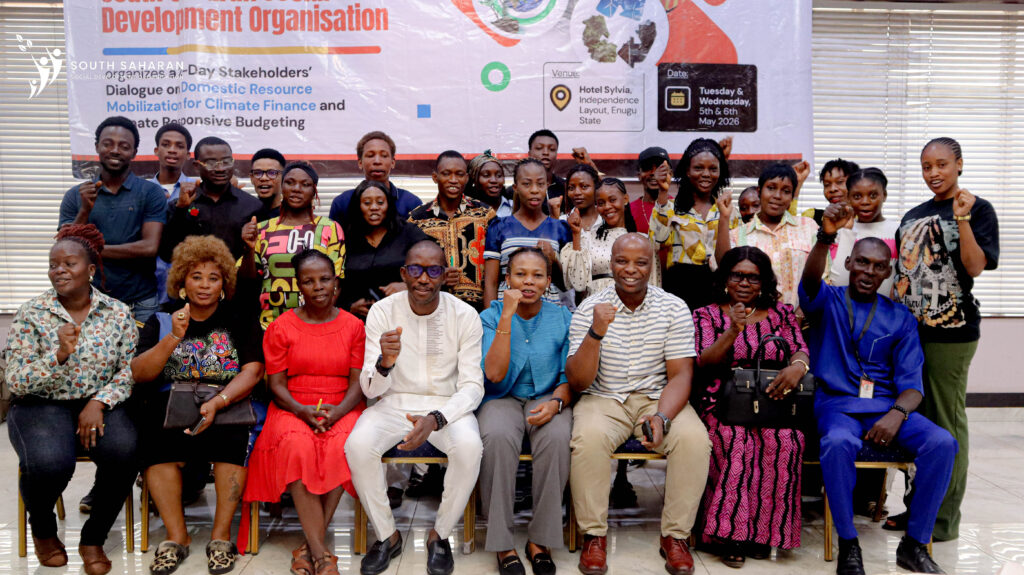
South Saharan Social Development Organisation (SSDO) advances climate governance in Enugu State by strengthening the systems that connect climate policy with financing, implementation, and institutional accountability. Through the Climate Finance and Climate Responsive Budgeting Enugu dialogue, SSDO brought together government institutions, civil society organisations, legislators, and young people to explore sustainable financing pathways that can accelerate climate action and strengthen policy implementation.

Climate change is no longer solely an environmental issue. It is a governance and development challenge that requires institutions to integrate climate priorities into planning, budgeting, and public investment. While policies establish direction, implementation depends on the availability of sustainable financing mechanisms and accountable governance systems.

Bridging the Gap Between Climate Policy and Implementation

Many governments have adopted climate policies and action plans to guide mitigation and adaptation efforts. However, implementation often remains constrained by limited financial resources, fragmented institutional coordination, and weak integration of climate priorities into public budgeting processes.

Enugu State has developed a Climate Change Policy and Action Plan that provides a strategic framework for climate action. Yet achieving the objectives of this framework requires consistent domestic financing, stronger institutional collaboration, and budgeting processes that recognise climate resilience as a development priority.

Without these enabling systems, climate commitments risk remaining policy aspirations rather than measurable outcomes.

SSDO’s Climate Finance and Climate Responsive Budgeting Enugu Dialogue

To strengthen these governance systems, SSDO convened a two-day Climate Finance and Climate Responsive Budgeting Enugu dialogue under the Strategic Partnership Agreement (SPA II) Project, implemented in partnership with ActionAid Nigeria.

The dialogue created a platform for government institutions, members of the legislature, civil society organisations, and youth representatives to examine practical approaches to financing climate action within Enugu State.

Discussions focused on domestic resource mobilisation, climate-responsive budgeting, institutional accountability, and opportunities for collaboration that can strengthen the implementation of the state’s climate commitments.

Rather than concentrating solely on policy development, the engagement explored how financial systems can better support climate priorities across sectors.

Strengthening Institutional Capacity for Climate Governance

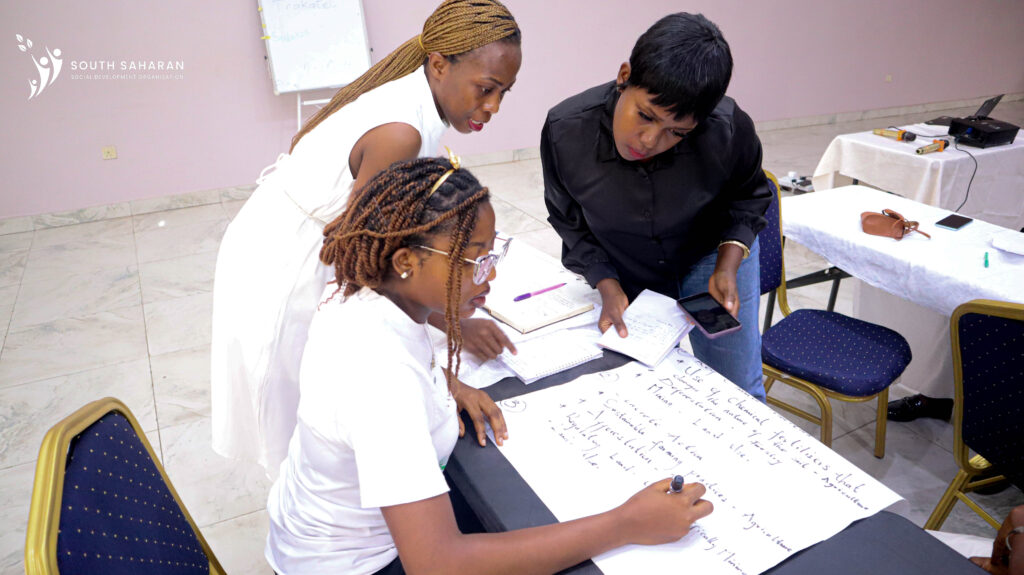
Technical sessions examined practical mechanisms for integrating climate priorities into sectoral budgets and strengthening coordination across government institutions.

Participants explored approaches to identifying sustainable domestic financing sources, improving institutional collaboration, and developing accountability mechanisms that enhance transparency in climate investments.

The dialogue also considered how evidence-based planning and structured budgeting processes can improve the implementation of climate programmes while ensuring that available resources are allocated more effectively.

By focusing on financing and governance together, the engagement recognised that resilient climate systems require both sound policies and sustainable investment.

Expanding Participation in Climate Decision-Making

An important feature of the dialogue was the inclusion of young people in discussions on fiscal governance and climate finance.

Young people are among those most affected by climate change, yet they are often underrepresented in conversations about public resource allocation and climate financing decisions.

Providing space for youth participation strengthens inclusive governance by ensuring that diverse perspectives contribute to policy implementation and long-term climate planning.

The dialogue also reinforced the role of civil society organisations in promoting accountability and supporting evidence-based climate governance.

From Dialogue to Policy Action

The engagement concluded with the development of a communiqué and policy recommendations to support continued advocacy and strengthen climate financing frameworks within Enugu State.

These recommendations provide practical guidance for improving climate-responsive budgeting, expanding domestic financing opportunities, and strengthening institutional accountability for climate action.

By translating dialogue into actionable policy recommendations, the intervention contributes to a more coordinated approach to implementing the state’s climate commitments.

Strengthening Climate Governance Through Evidence and Partnership

Achieving climate resilience requires governance systems that align policy, financing, and accountability.

Through the Climate Finance and Climate Responsive Budgeting Enugu dialogue, SSDO demonstrated how evidence-informed engagement can strengthen institutional capacity, improve financing mechanisms, and support the implementation of climate commitments at the subnational level. By convening government institutions, development partners, civil society, and young people around practical financing solutions, SSDO continues to advance climate governance that promotes accountability, resilience, and sustainable development across Enugu State.

Local Government Accountability Index Presentation to Enugu SSG

South Saharan Social Development Organisation (SSDO) advances subnational governance reform in Enugu State through evidence-based frameworks that strengthen accountability, improve public institutions, and enhance service delivery.

The Local Government Accountability Index framework presentation to Enugu SSG marked an important step in ensuring that governance data informs decision-making at the highest level of state government.

Strong local governance requires credible evidence that helps policymakers identify institutional strengths, address performance gaps, and implement reforms that improve outcomes for citizens.

Strengthening Local Governance Through Evidence

Local Government Areas (LGAs) remain the closest level of government to the people. They are responsible for delivering essential public services and implementing policies that directly affect communities. Despite this central role, local government performance is often measured through perception rather than structured evidence.

Without reliable performance data, it becomes difficult to identify systemic challenges, prioritise reforms, or allocate resources effectively. Evidence-based assessment provides government institutions with a clearer understanding of what is working, where weaknesses exist, and what interventions are required to strengthen governance.

Recognising this need, SSDO with support from the Policy and Legal Advocacy Centre (PLAC) through the Nigeria Civil Society Situation Room, and funding from the UK Foreign, Commonwealth and Development Office (FCDO) under the PACE Programme Component 3, developed and piloted the Local Government Accountability Framework and Policy as a practical tool for measuring institutional performance across local government systems in Enugu State.

The Local Government Accountability Index Framework

The Local Government Accountability Index Framework provides a structured methodology for assessing governance performance across Enugu State’s 17 Local Government Areas.

SSDO trained local government officials and civil society stakeholders to implement the framework effectively. These trained stakeholders conducted field assessments across all 17 LGAs in Enugu State, using five governance pillars:

1. Transparency: The framework examined how accessible and open local governments are in providing public information and promoting openness in decision-making.

2. Public Participation: The assessment evaluated opportunities for citizens to engage in governance processes and contribute to decisions affecting their communities.

3. Fiscal Accountability: Financial management systems, documentation practices, and accountability mechanisms were assessed to determine how public resources are managed.

4. Service Delivery: The framework considered the effectiveness of local governments in delivering services that meet the needs of citizens.

5. Rule of Law: The assessment reviewed institutional practices that support fairness, compliance, and accountability within local governance systems.

Together, these indicators provide an evidence-based picture of governance performance and identify areas where institutional strengthening is needed.

Presenting Evidence to Inform State-Level Decision Making

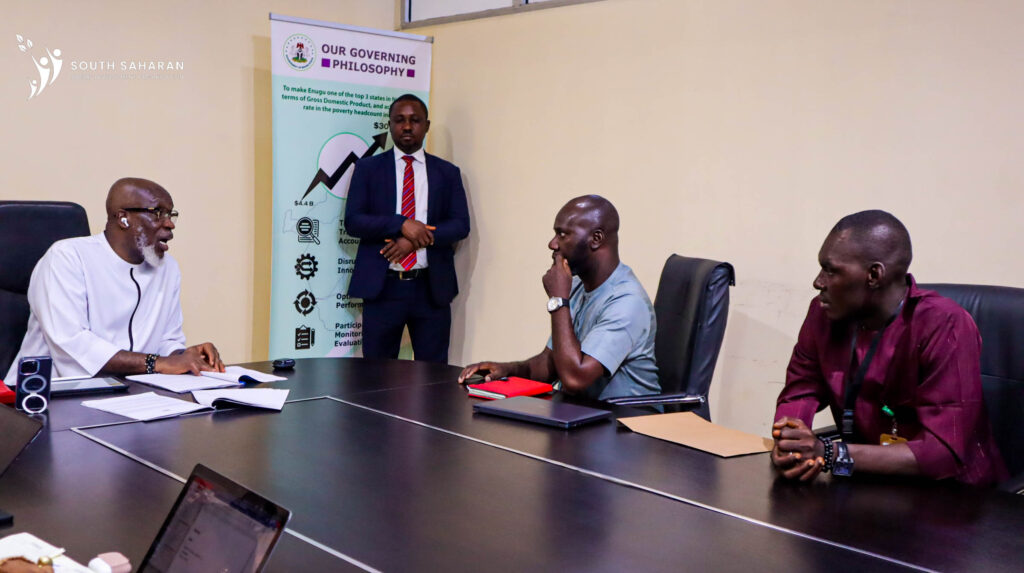
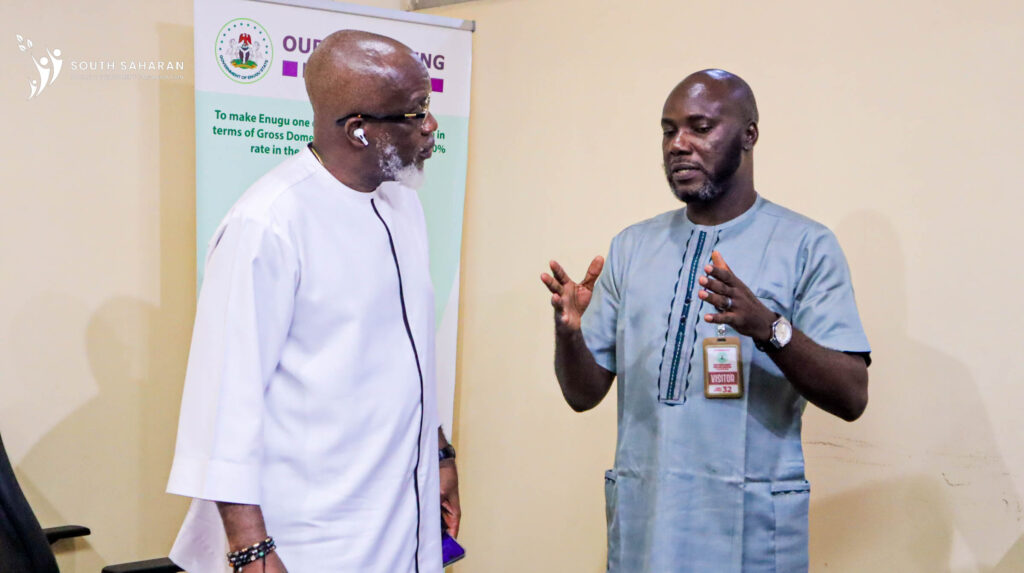
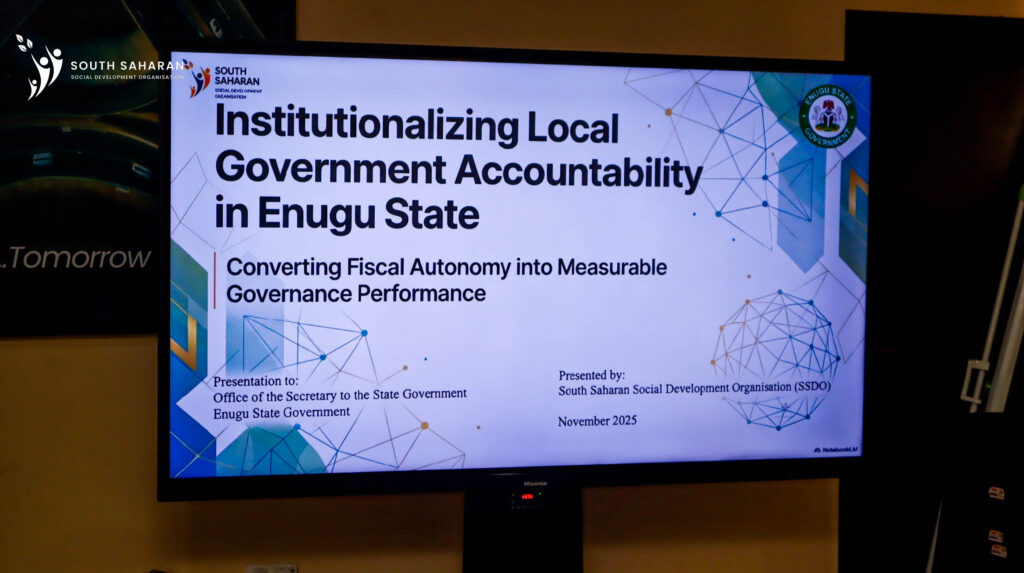
Following completion of the assessment, SSDO presented the findings to the Secretary to the Enugu State Government (SSG), Prof. Chidiebere Onyia.

The engagement positioned the Local Government Accountability Index as a strategic governance tool capable of supporting policy development, institutional planning, and targeted reform across the state.

During the presentation, Dr. Stanley Ilechukwu, Executive Director of SSDO, outlined the assessment methodology, key findings, and the broader policy implications of the framework. The discussion focused on how structured performance data can support government institutions in strengthening accountability systems and improving service delivery outcomes.

Presenting the findings at this level reinforces the importance of integrating evidence into governance processes and institutional decision-making.

What the Assessment Revealed

The assessment identified clear performance trends across the 17 Local Government Areas.

While several LGAs demonstrated strong institutional performance, others recorded gaps that require targeted improvement. Fiscal accountability and documentation systems emerged as priority areas for strengthening in a number of local governments.

Rather than ranking performance alone, the framework provides government institutions with practical evidence that can guide reforms, improve institutional capacity, and support continuous performance monitoring.

This shifts governance assessment from perception-based discussions to measurable indicators that can inform action.

Building Stronger Accountability System

Effective governance requires continuous measurement, institutional learning, and evidence-informed reform.

The engagement demonstrates how structured assessment frameworks can support more responsive institutions and contribute to better service delivery across Enugu State.
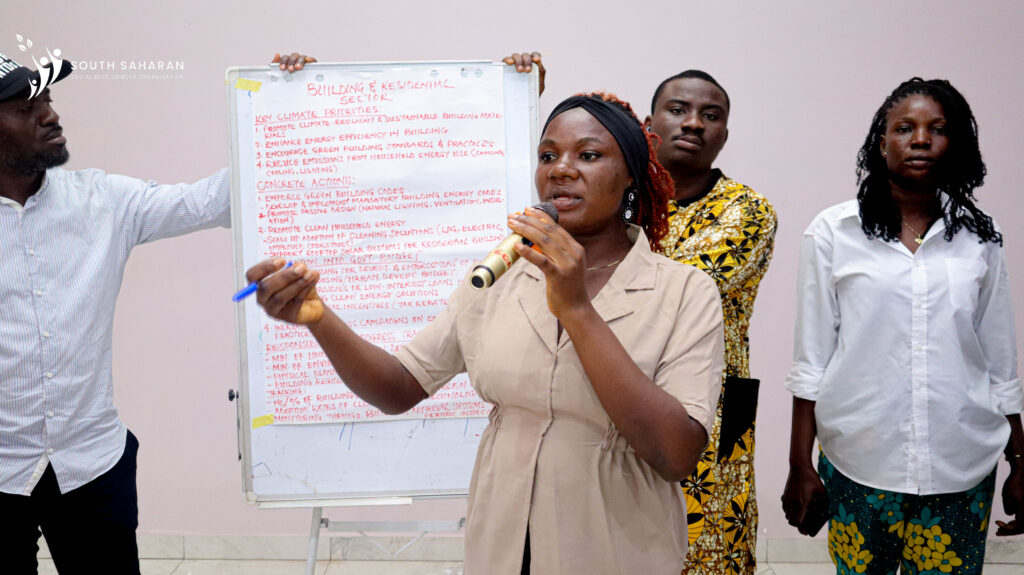
As governance challenges become increasingly complex, evidence-based tools such as the Local Government Accountability Index provide government institutions with practical mechanisms for identifying priorities, monitoring progress, and strengthening public trust.

SSDO continues to position data-driven accountability frameworks as essential instruments for advancing subnational governance reform, strengthening institutional performance, and supporting sustainable service delivery across Enugu State.

Child Domestic Work Legal Reform in Enugu State

South Saharan Social Development Organisation (SSDO) is a governance and social protection institution working in Enugu State to strengthen public systems through structured reform frameworks. The Child Domestic Work Legal Reform in Enugu State initiative reflects SSDO’s institutional focus on child protection system strengthening through research-backed legislative engagement.

Child domestic work operates within a complex protection and labour regulation system. It intersects with education policy, child rights enforcement, social welfare oversight, and informal labour markets. Where regulation is weak and monitoring fragmented, vulnerabilities persist.

System Framing: Child Protection Gaps in Informal Domestic Labour

Child domestic service remains largely invisible within formal labour and protection systems. Recruitment often occurs through informal networks. Oversight mechanisms are limited andnforcement pathways are unclear.

Recent SSDO research across sampled households in Enugu State identified structural exposure patterns:

  • 29 percent of households surveyed had a child engaged in domestic service.
  • Most were girls aged 10 to 19.
  • 21 percent were no longer in school after entering service.
  • 15 percent had missed one or more academic years.
  • 14 percent reported labour exploitation.
  • 20 percent experienced physical, emotional, or sexual abuse.

These findings reveal systemic risk rather than isolated cases. Educational disruption, economic vulnerability, and exposure to abuse are interconnected outcomes of weak regulatory safeguards.

SSDO Intervention: Evidence-Backed Legislative Engagement

SSDO deployed a structured policy engagement model anchored in empirical research and formal legislative submission. Findings were consolidated into a Memorandum presented to the Enugu State Justice Reform Team during the ongoing review of the Child Rights Law.

The intervention targeted a specific institutional entry point – statutory reform. Rather than standalone advocacy, the strategy focused on embedding safeguards directly into the legal framework governing child rights in Enugu State.
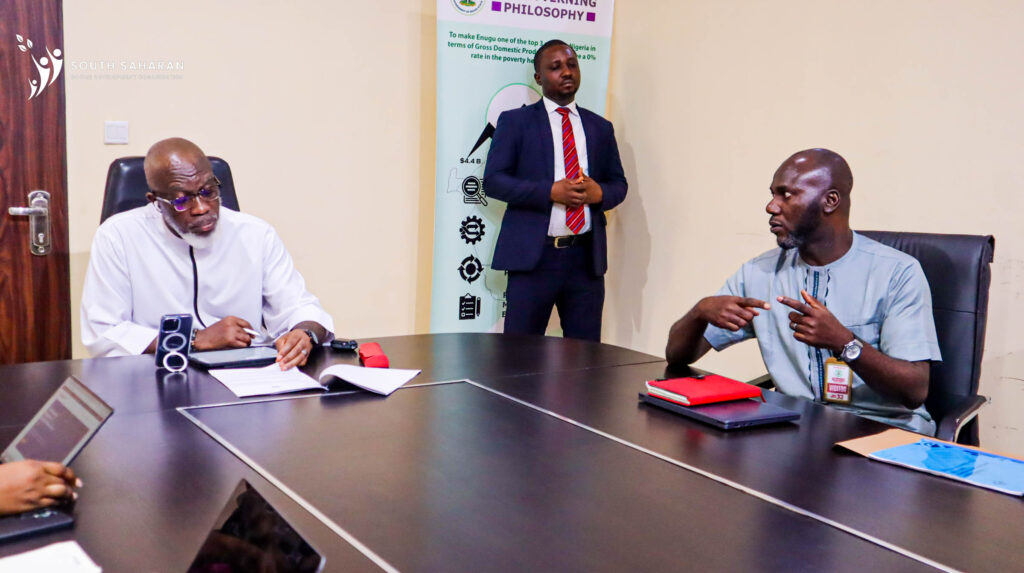
The Memorandum proposed:

  • Clear regulatory standards for child placement into domestic service.
  • Defined oversight responsibilities for relevant ministries and agencies.
  • Strengthened monitoring mechanisms at community level.
  • Accountability provisions addressing exploitative domestic labour practices.

This approach aligns lived realities with legislative reform, ensuring that law reflects evidence rather than assumption.

Institutional Impact: Strengthening the Child Protection Architecture

Legal reform alters system behaviour when backed by enforcement clarity. By inserting regulatory safeguards into the Child Rights Law, institutional responsibility becomes defined. Oversight shifts from discretionary to structured.

If adopted, the proposed reforms will:

  • Clarify lawful conditions for child placement.
  • Reduce ambiguity in enforcement.
  • Create formal reporting and monitoring channels.
  • Strengthen linkages between justice institutions and community actors.

The objective is preventive protection, not reactive response. When regulation is explicit and monitoring institutionalised, exploitation risks reduce.

Scale and Scope of Reform Engagement

This intervention operates at the state legislative level in Enugu State. It addresses vulnerabilities affecting children across multiple local government areas. The reform process connects research, civil society engagement, and justice sector review mechanisms within a single structured framework.
By situating field evidence within a formal law revision process, SSDO bridges community data and statutory governance. The scale is systemic rather than programmatic.

Strategic Positioning

Child protection reform requires more than awareness. It demands institutional alignment between legislation, oversight systems, and community realities.

Through structured research, formal legislative engagement, and system-level recommendations, SSDO continues to occupy a governance niche focused on translating evidence into enforceable reform within Enugu State’s child protection architecture.