

Sustainable development depends on coordinated institutions, evidence-informed decision-making, and partnerships that align public priorities with community needs.
In Enugu State, South Saharan Social Development Organisation (SSDO) contributes to this process by designing and implementing programmes that strengthen governance, public health, gender equality, education, and livelihoods.
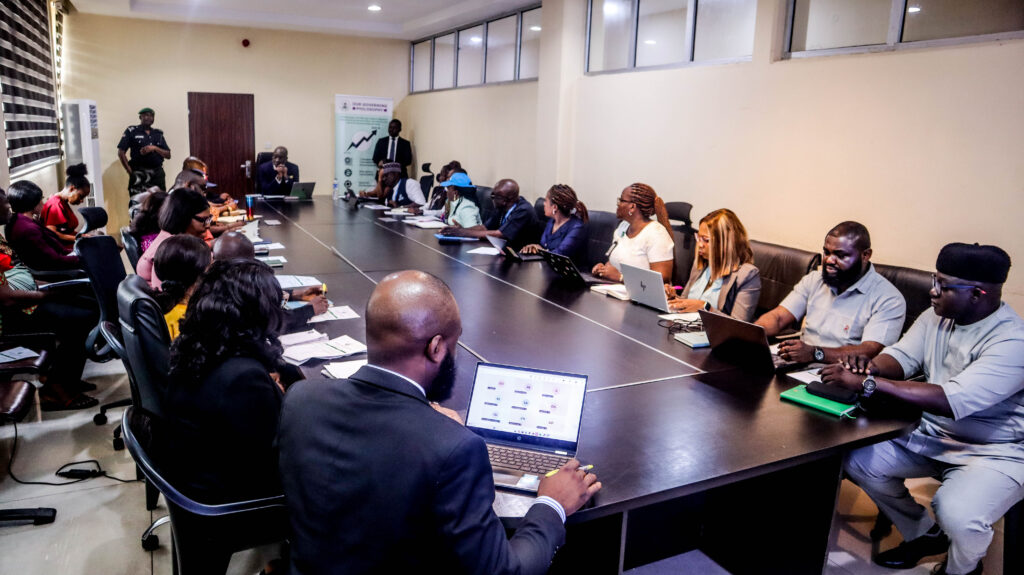
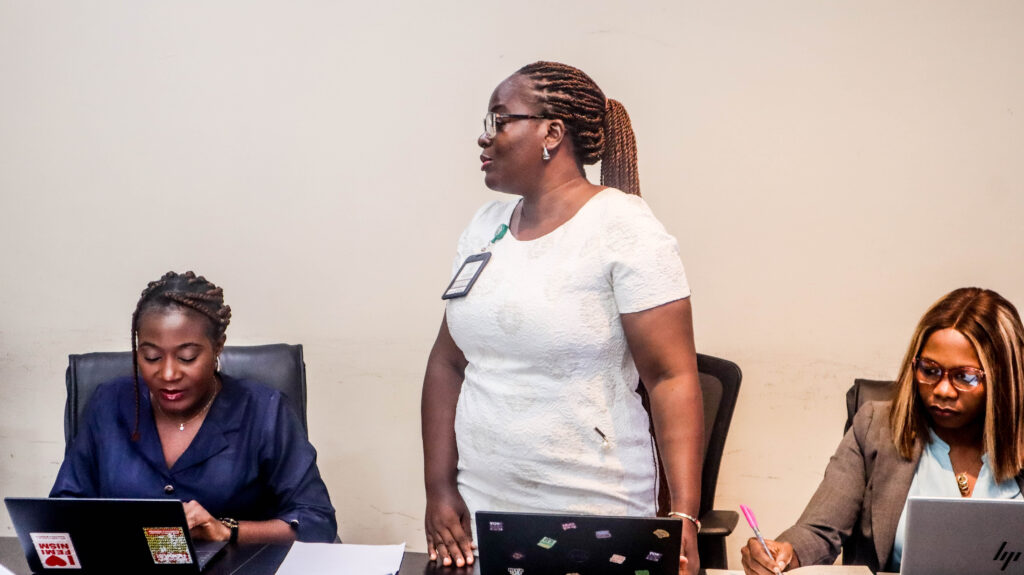
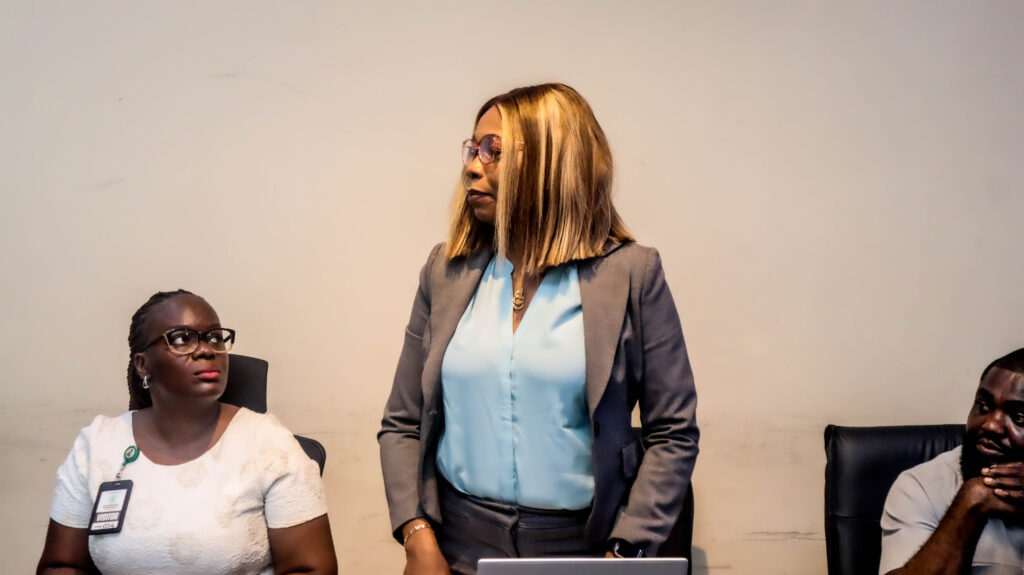
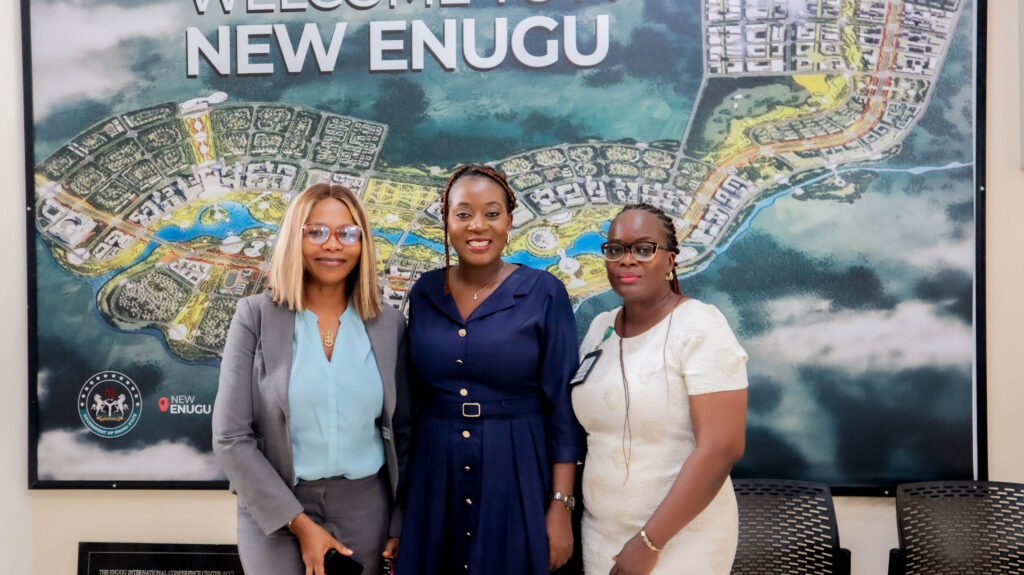
At the Enugu State Donor Coordination Committee Meeting, SSDO joined government institutions and development partners to share progress, exchange lessons, and strengthen collaboration around development priorities across the State.
Development challenges rarely exist in isolation. Progress in governance influences health outcomes. Strong education systems support economic opportunities. Gender equality strengthens community resilience, while accountable institutions improve service delivery. Addressing these interconnected challenges requires coordinated action across sectors and institutions.
Strengthening Development Through Partnership
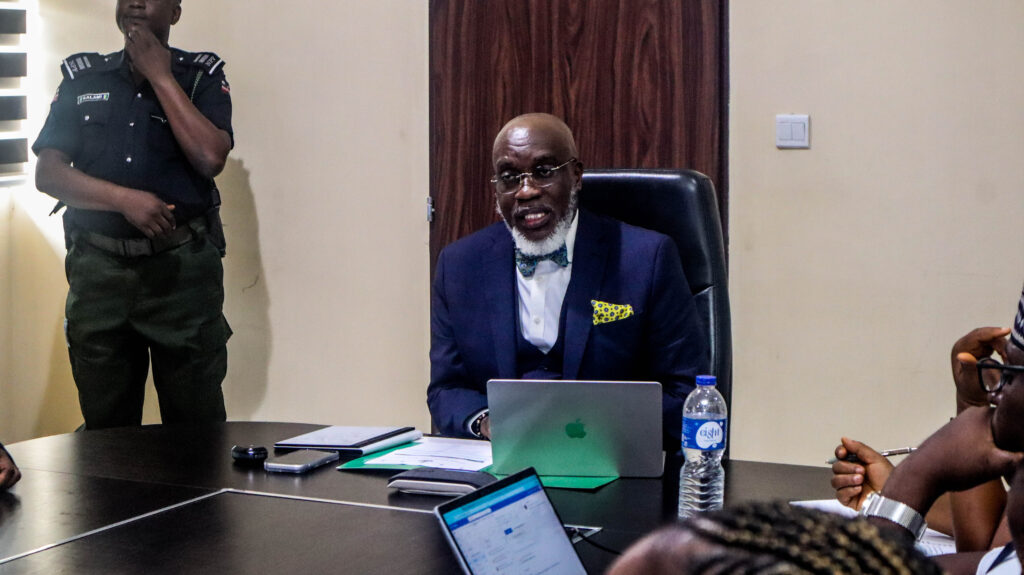
Convened by the Secretary to the State Government, Prof. Chidiebere Onyia, the Enugu State Donor Coordination Committee Meeting provided a platform for development partners, government agencies, and implementing organisations to review ongoing interventions, identify emerging priorities, and strengthen collaboration.
The engagement reinforced the importance of aligning development investments with government priorities while encouraging organisations to share evidence, lessons learned, and opportunities for collective action.
For SSDO, the meeting highlighted the value of integrated programming that connects governance reform, community development, public health, and social protection within a single systems-based approach.
Supporting Governance and Public Policy Reform
Governance remains one of SSDO’s core areas of intervention.
The organisation has supported the development and implementation of key state policy frameworks, including the Enugu State Youth Policy, the Enugu State Climate Change Policy and Action Plan, and the Enugu State Women’s Economic Empowerment (WEE) Policy.
Through the Strategic Partnership Agreement (SPA II) Project, implemented in partnership with ActionAid Nigeria, SSDO also continues to strengthen youth participation, climate governance, voter education, Permanent Voter Card (PVC) registration, and accountability processes that improve citizen engagement and institutional responsiveness.
These interventions contribute to stronger governance systems that are more inclusive, transparent, and responsive to public needs.
Strengthening Communities Through Integrated Programming
Beyond governance, SSDO continues to implement programmes that improve protection, health, education, and livelihoods across communities.
Through the Sister Guardian Initiative (SGI), the organisation has established community-based protection systems that prevent and respond to gender-based violence while strengthening women’s leadership and access to support services.
Economic resilience is further promoted through Village Savings and Loan Associations (VSLAs) and the Jacob’s Well Programme, which expand financial inclusion and livelihood opportunities for women.
Within the health sector, SSDO supports tuberculosis detection and treatment, drug-resistant TB management, HIV and syphilis screening among pregnant women, malaria prevention, immunisation support, maternal mental health interventions, and broader community health programmes that strengthen access to essential healthcare.
The organisation also invests in education and youth development through initiatives such as Radio School, digital literacy programmes, civic education, leadership development, and practical skills-building opportunities that prepare young people to participate meaningfully in society.

Creating Greater Impact Through Collaboration
The meeting reinforced that sustainable development is achieved when institutions work together around shared priorities, supported by reliable evidence and coordinated implementation.
Sharing experiences across sectors enables government and development partners to identify successful approaches, strengthen institutional learning, and improve the effectiveness of future interventions.
These partnerships also create opportunities to maximise available resources while reducing duplication and strengthening accountability across development programmes.
Advancing Sustainable Development in Enugu State
The Enugu State Donor Coordination Committee Meeting demonstrated the importance of collaboration in delivering lasting development outcomes.
By contributing evidence from its work across governance, health, gender equality, education, and livelihoods, SSDO continues to support integrated development approaches that strengthen public institutions and improve community wellbeing. Through strategic partnerships and systems-focused interventions, the organisation remains committed to advancing accountable governance, amplifying community voices, and supporting sustainable development across Enugu State.