SSDO

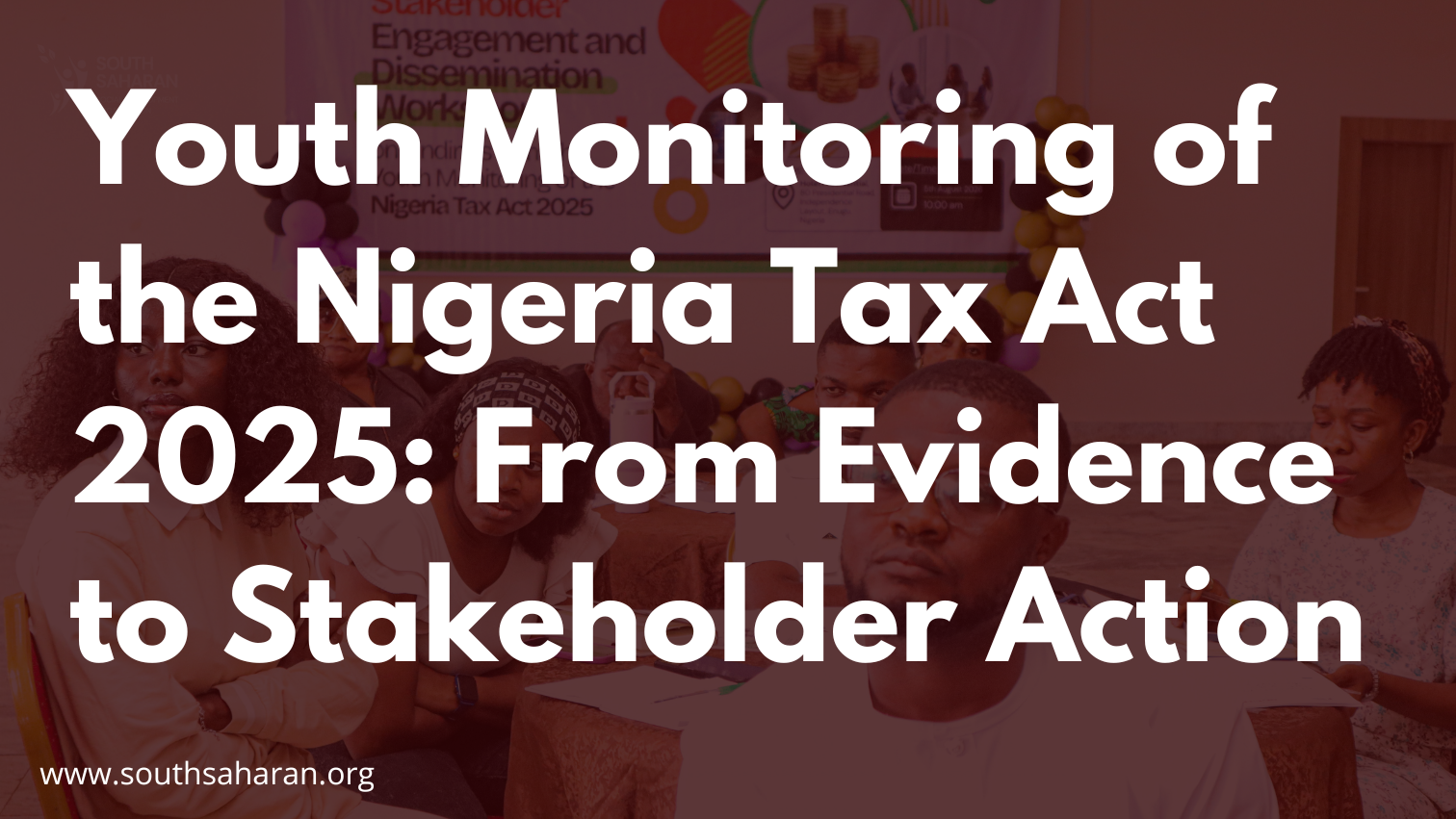
Youth Monitoring of the Nigeria Tax Act 2025: From Evidence to Stakeholder Action

South Saharan Social Development Organisation (SSDO), in partnership with ActionAid Nigeria, strengthens youth participation in public policy monitoring across Enugu State.

Through youth-led monitoring of the Nigeria Tax Act 2025, SSDO supported young people to examine how citizens understand and experience the new tax framework.

The findings provided evidence for a stakeholder engagement focused on taxpayer rights, transparency, multiple taxation, and public understanding of the new tax system.
Taking Youth Monitoring Beyond Awareness

Understanding a new law is only one part of meaningful public participation.

Citizens also need opportunities to examine how policies are implemented and how those policies affect their daily experiences.

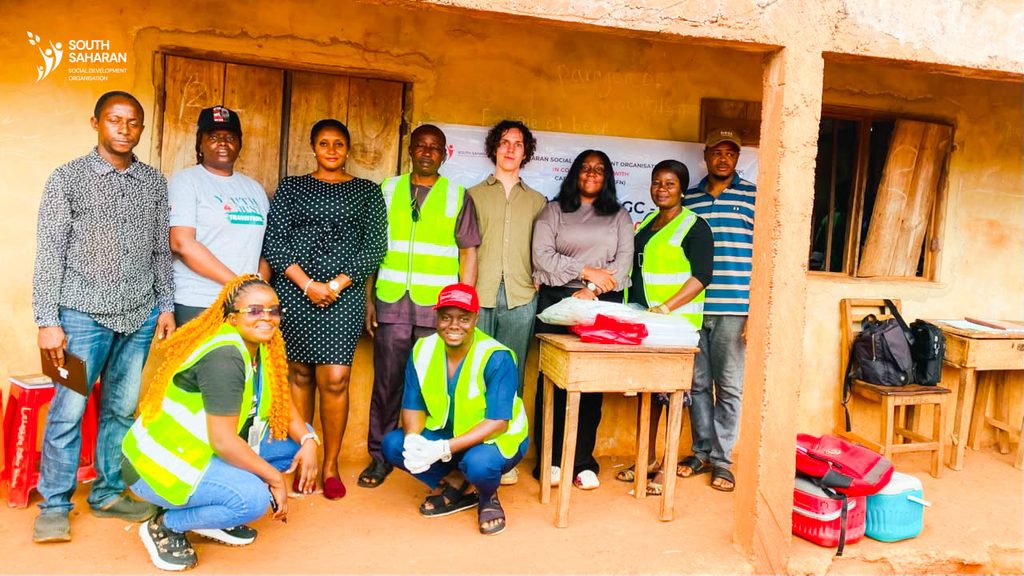
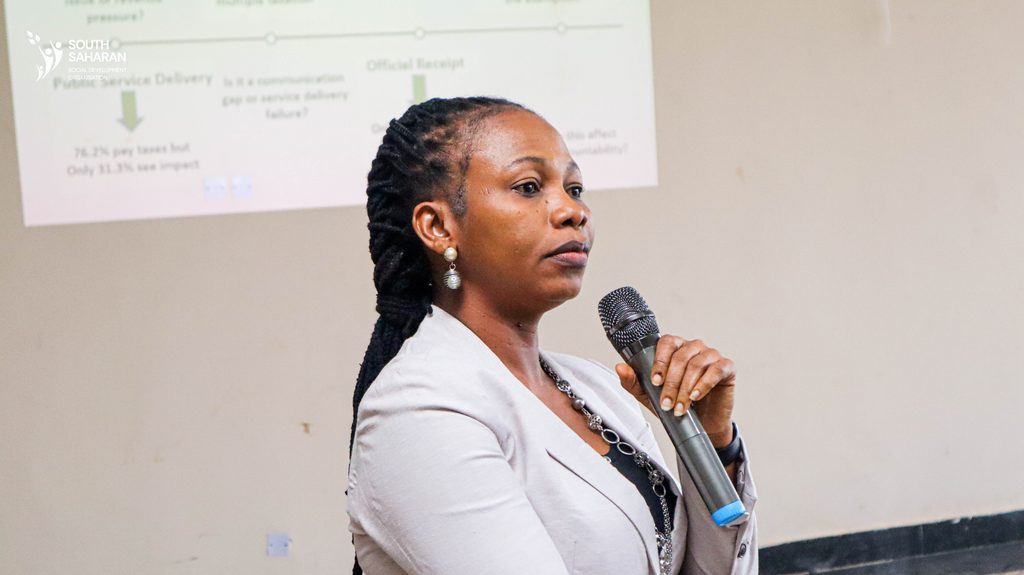
Through this initiative, 51 youth monitors were trained and deployed across all 17 Local Government Areas in Enugu State.

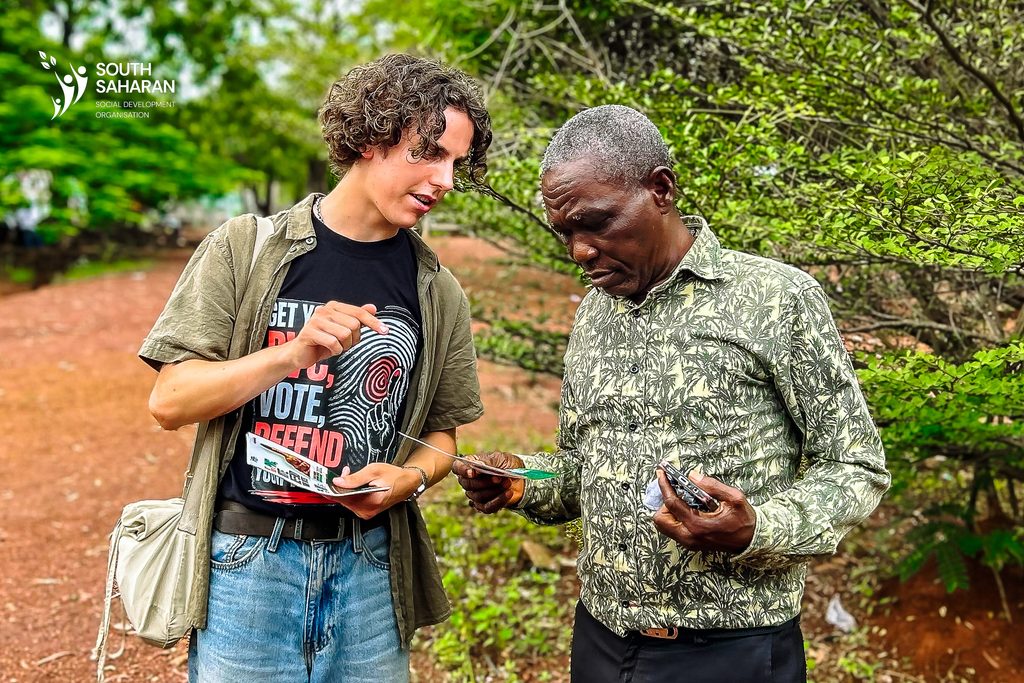
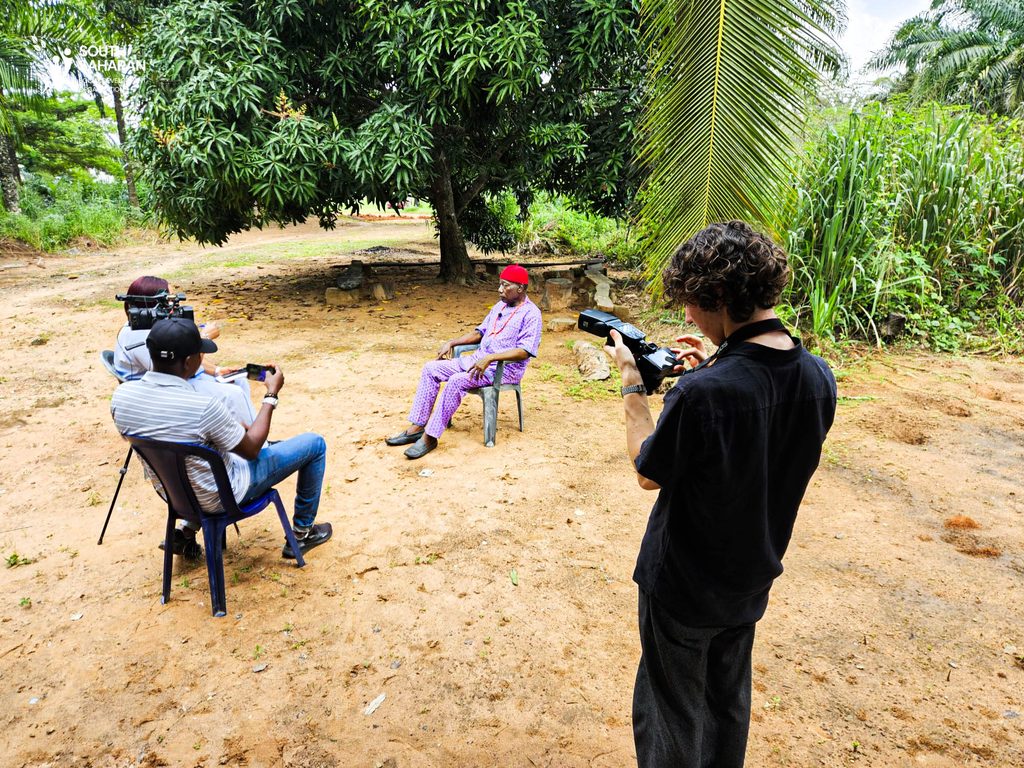
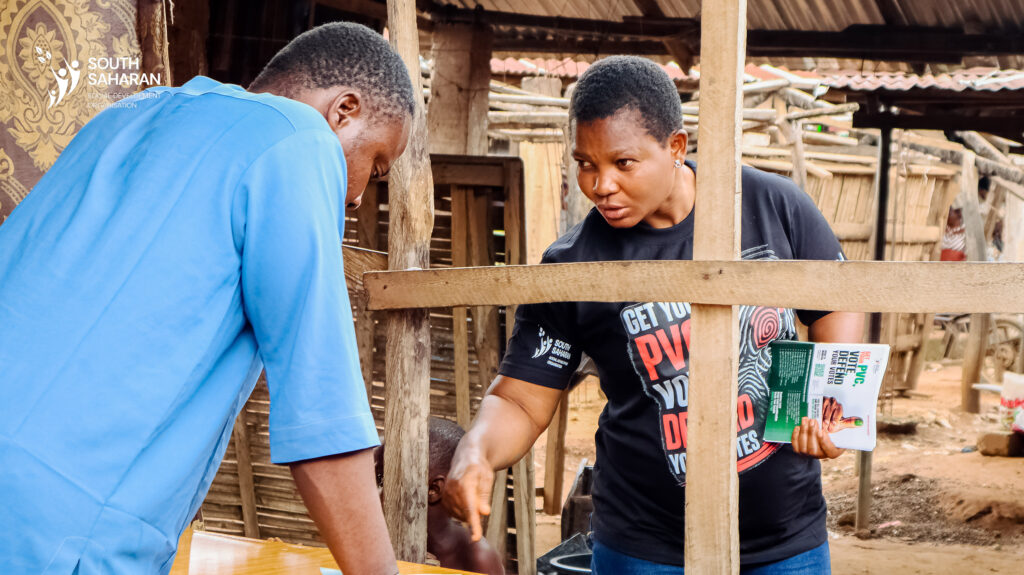
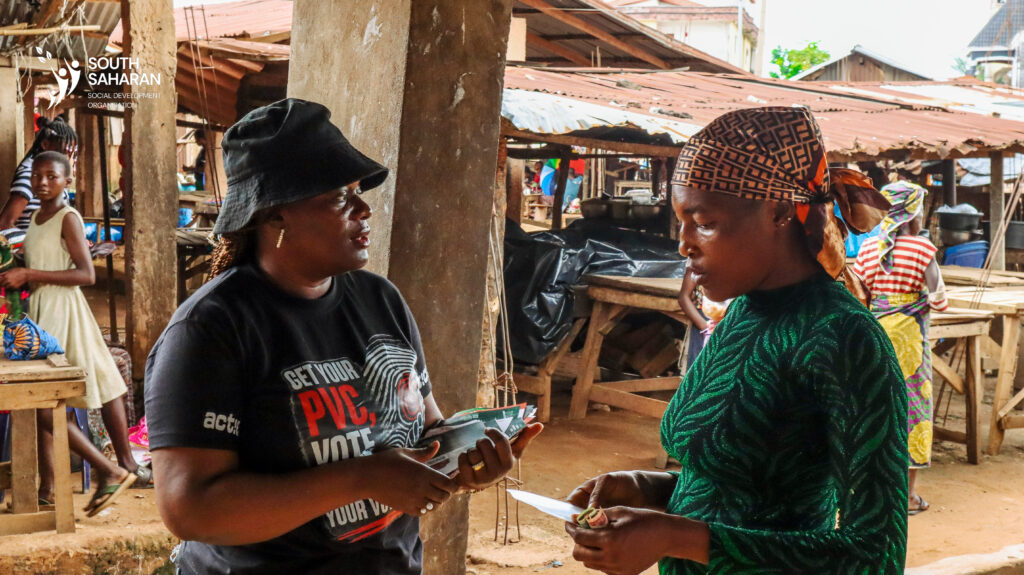
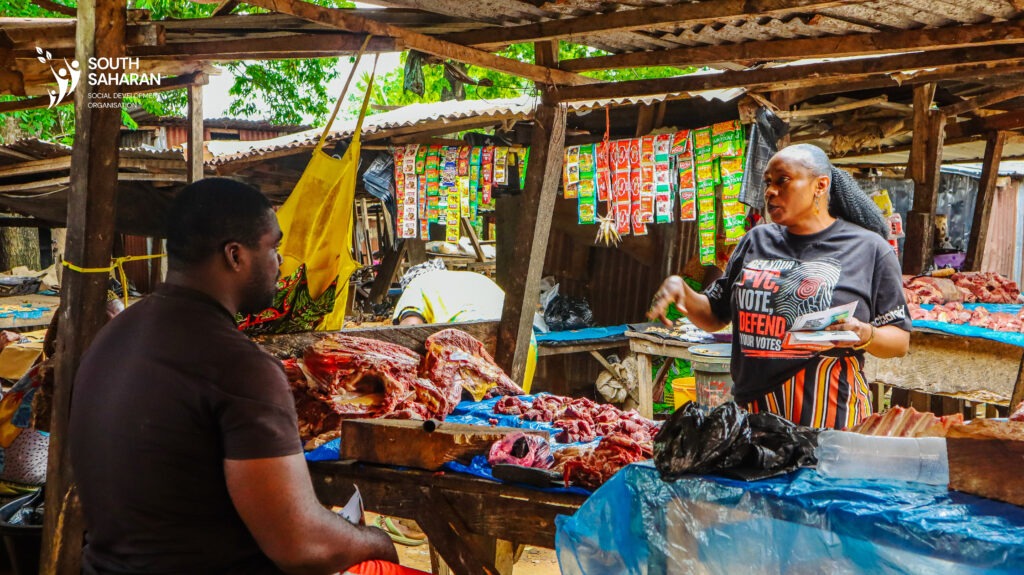
They engaged traders, artisans, small business owners, and other citizens to document experiences around taxation.

The monitors gathered information on public awareness of the Nigeria Tax Act 2025, the taxes and levies people encountered, and their experiences with tax collection.

This process moved youth engagement beyond policy awareness towards evidence-based monitoring of implementation.

What the Youth Monitoring Found

The monitoring revealed gaps between the provisions of the new law and what citizens understand or experience in their communities.

These gaps matter because limited understanding can make it difficult for taxpayers to recognise their rights and obligations.

The findings also raised questions around transparency in revenue collection and the continued experience of multiple taxation.

Rather than treating these findings as an endpoint, SSDO used the evidence to create space for dialogue with relevant stakeholders.

Bringing Evidence Into the Stakeholder Conversation

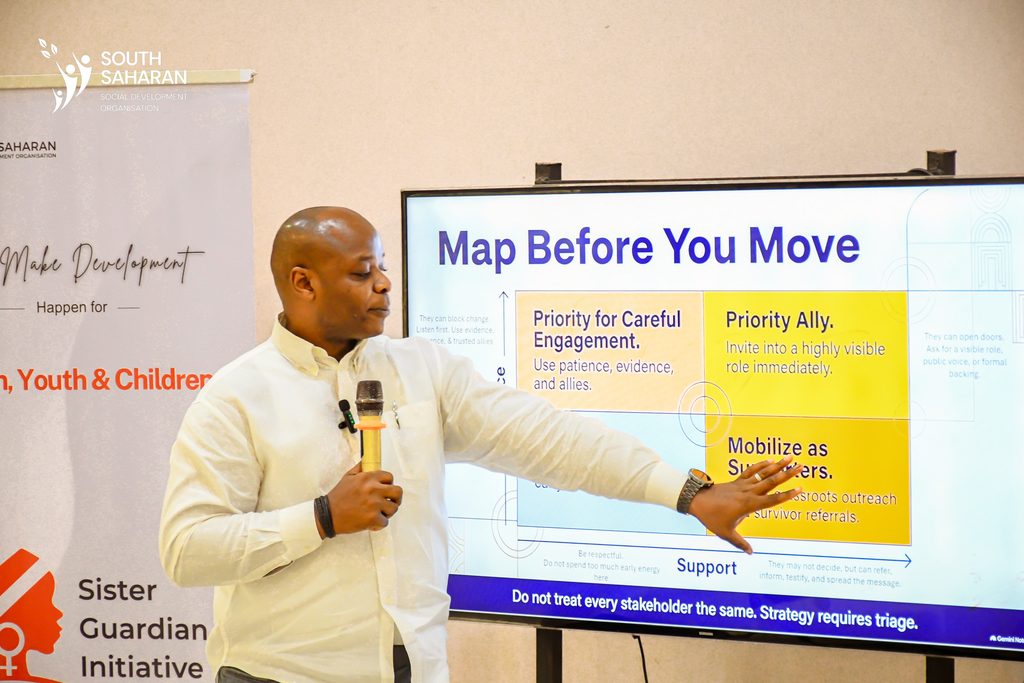
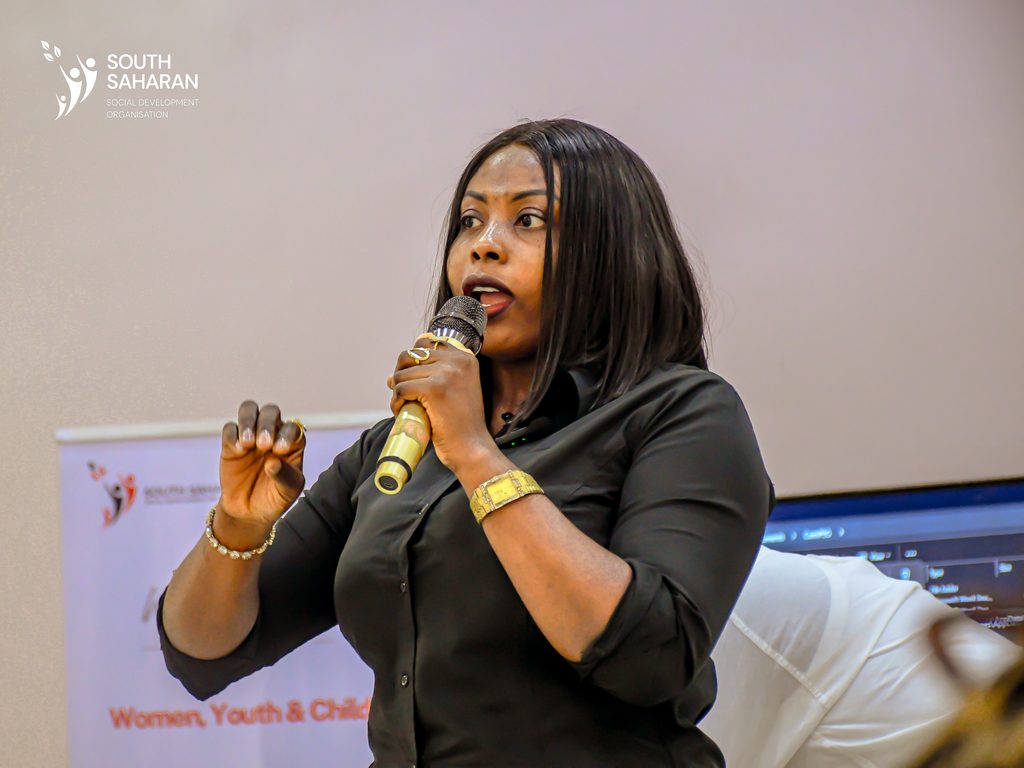
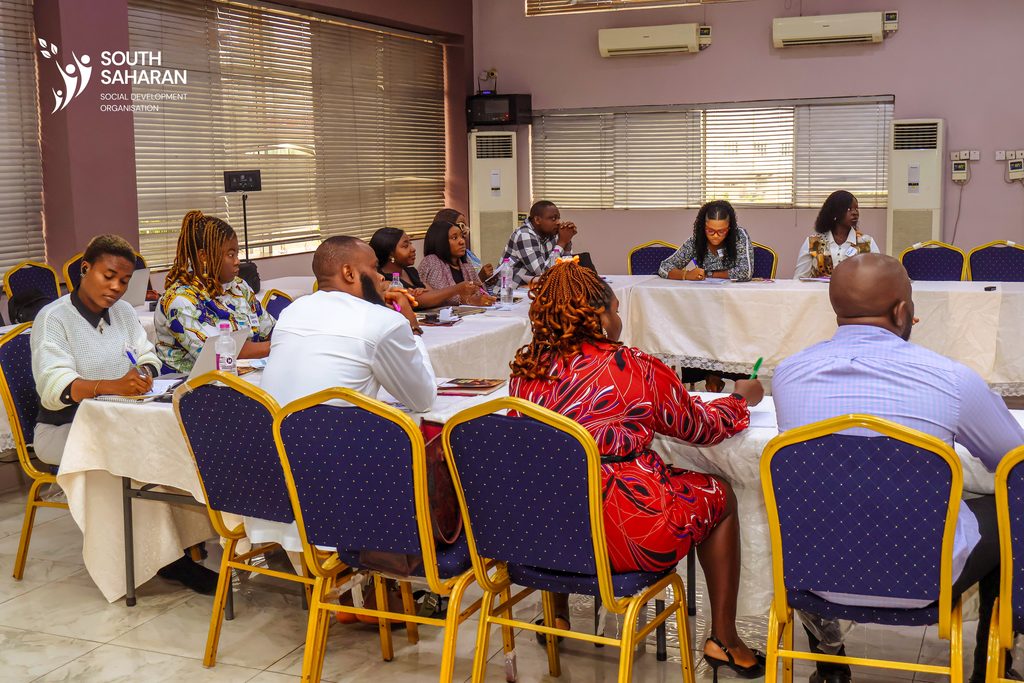
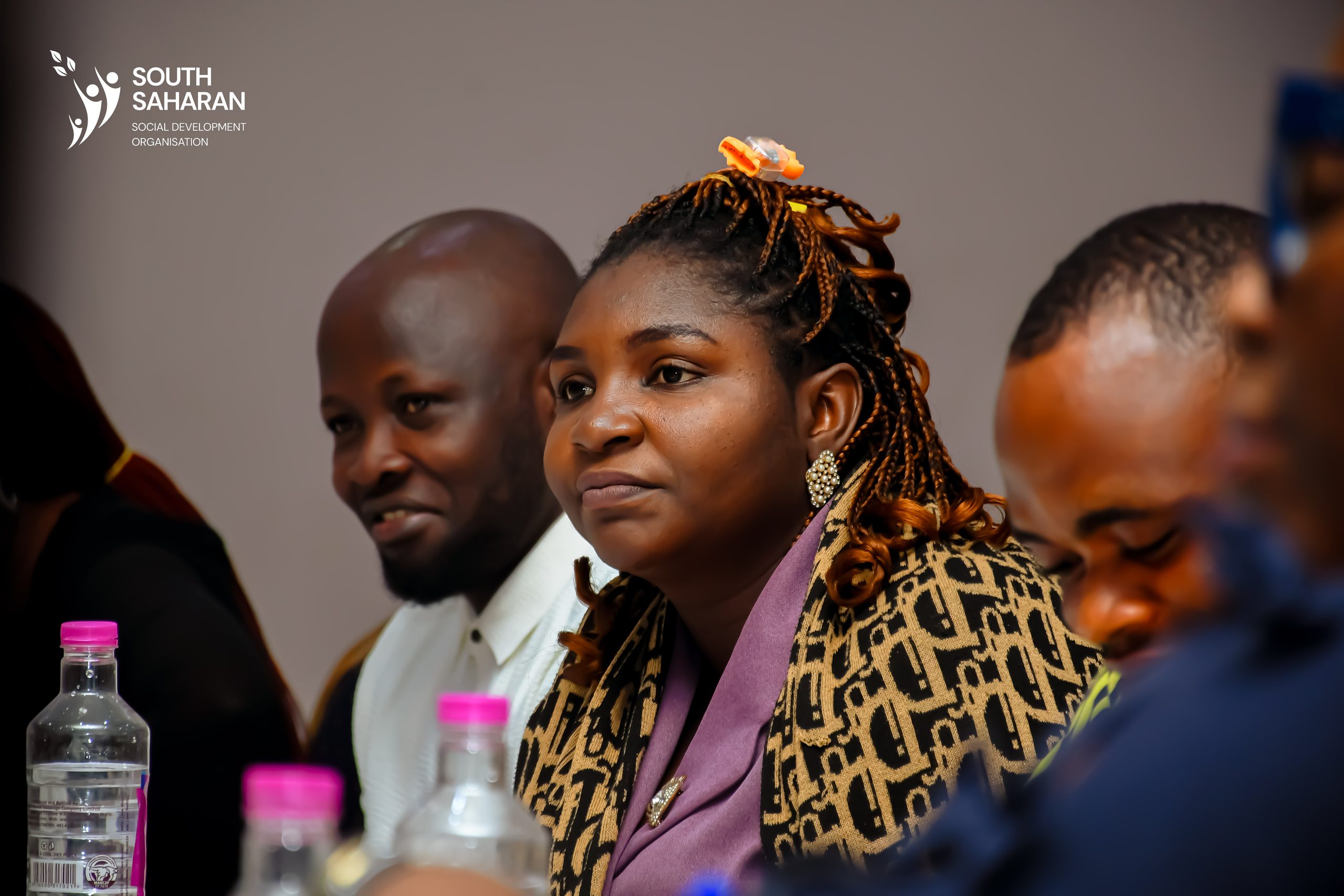
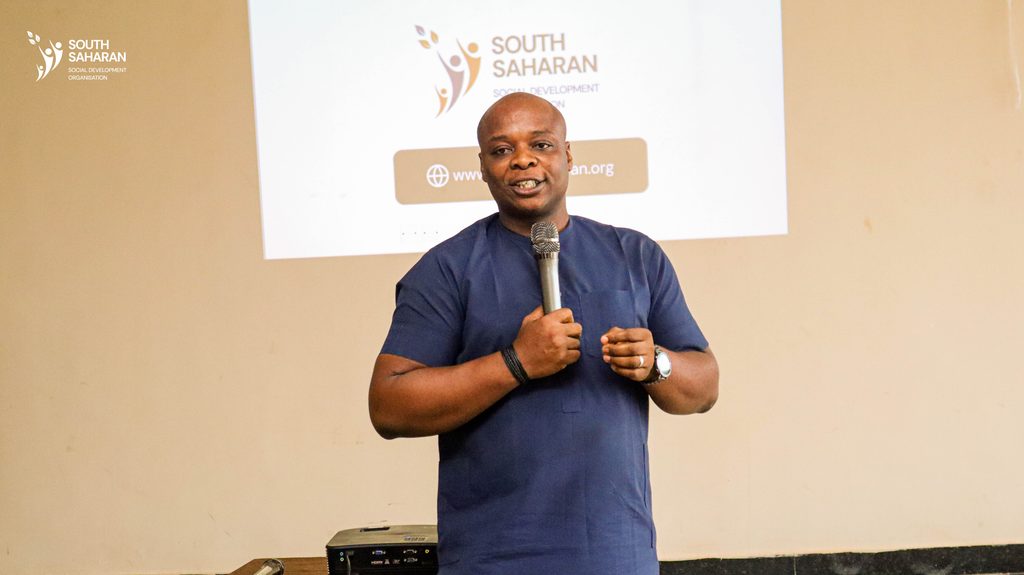
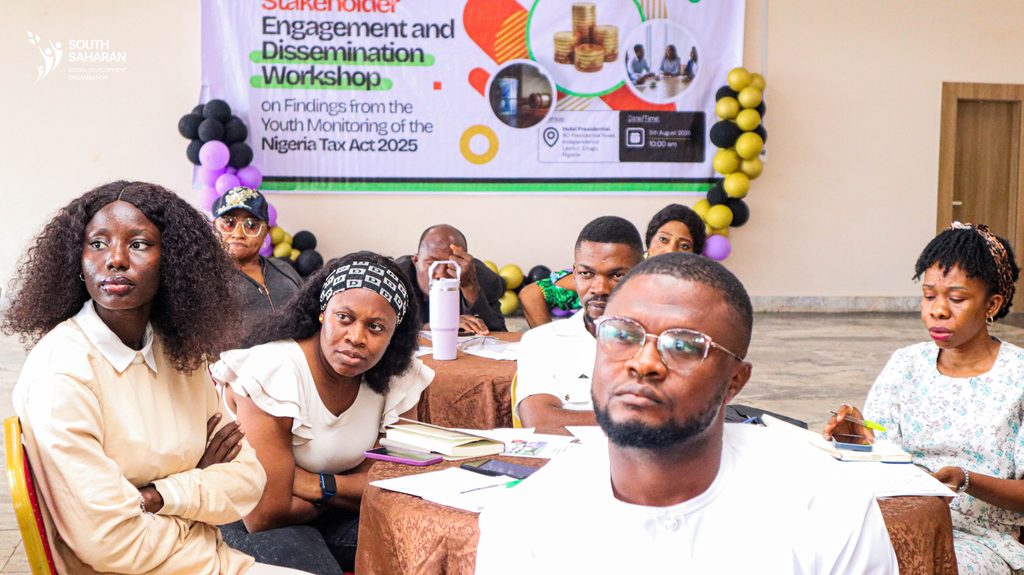
SSDO convened tax authorities, government representatives, civil society organisations, youth representatives, and other stakeholders to examine the findings.

The stakeholder engagement provided an opportunity to discuss the issues identified through the youth monitoring process.

Discussions focused on taxpayer rights, transparency in revenue collection, multiple taxation, and how citizens can better understand the new tax system.

The engagement also created space for stakeholders to consider how evidence from communities can inform ongoing conversations about tax implementation.

For young monitors, the process connected the evidence they gathered with direct engagement with institutions responsible for policy implementation.
Building a Continued Youth Monitoring Process

The stakeholder engagement marks the beginning of a more structured phase of youth-led monitoring.

Youth monitors will continue documenting experiences in their communities and following up on issues identified through the monitoring process.

They will also track stakeholder commitments and use evidence to engage duty bearers on implementation concerns.

This creates a feedback process between citizens, young monitors, and institutions responsible for public policy and revenue administration.

Strengthening Youth Participation in Public Policy

Youth participation in policy processes becomes more meaningful when young people have opportunities to generate evidence and engage decision-makers.

The Nigeria Tax Act 2025 monitoring process provides one example of how young people can contribute to understanding policy implementation at community level.

Through this work, SSDO is supporting young people to move from receiving information about public policies to examining how those policies are experienced by citizens.

The approach also strengthens the role of community-level evidence in conversations around transparency, accountability, and responsive public administration.

SSDO continues to support mechanisms that connect citizens, evidence, and public institutions in ways that strengthen accountability and meaningful participation in governance.
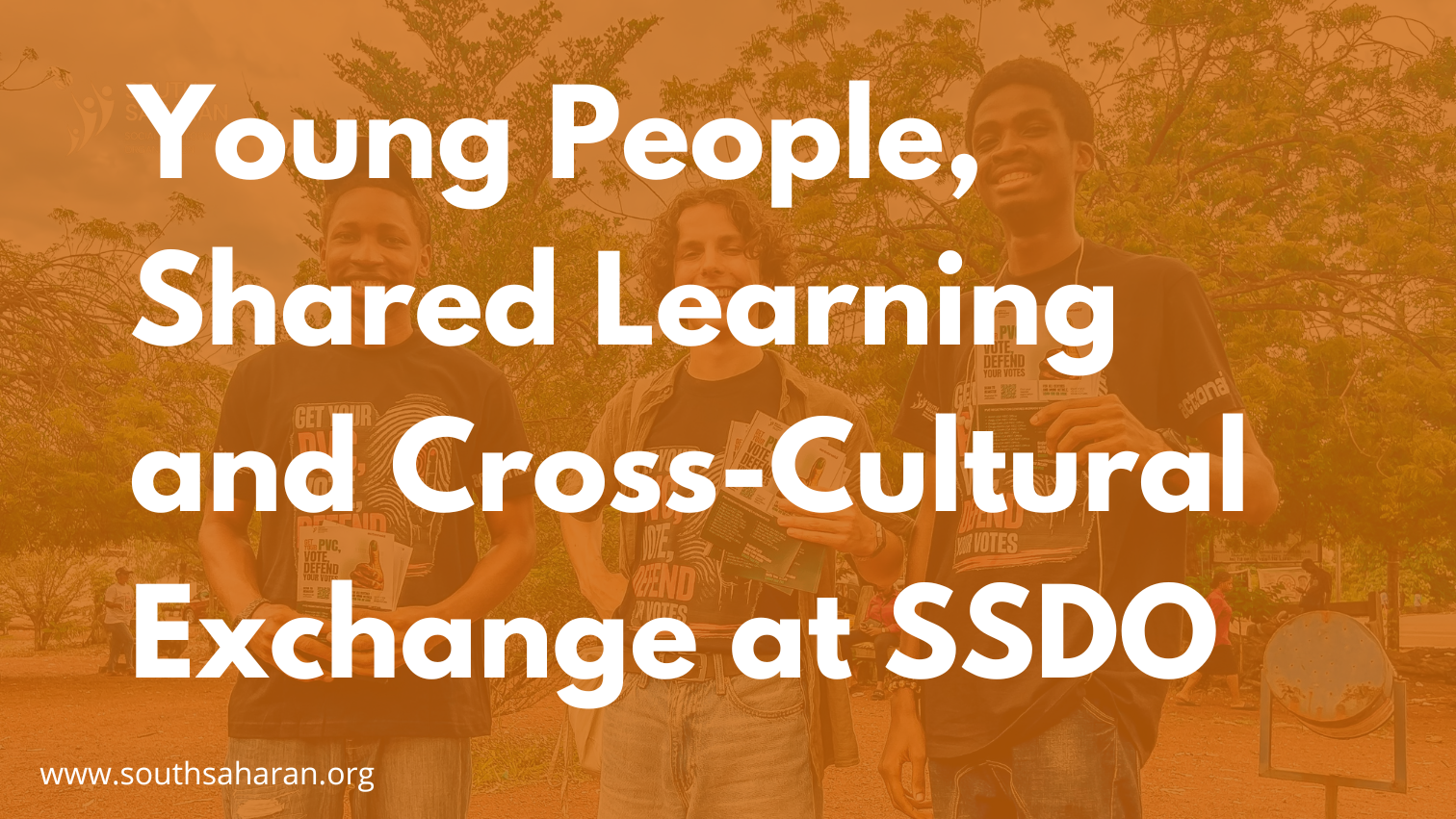

Young People, Shared Learning and Cross-Cultural Exchange at SSDO

South Saharan Social Development Organisation (SSDO) creates opportunities for young people to engage with community development and social change in Nigeria.

Through partnerships such as the AIESEC Global Volunteer Programme, these opportunities also create space for cross-cultural learning and exchange.

In 2026, Paul Neumeister from Germany joined SSDO as a volunteer through the programme, bringing a new perspective to the organisation’s work.

Learning Through Exposure to Community Development

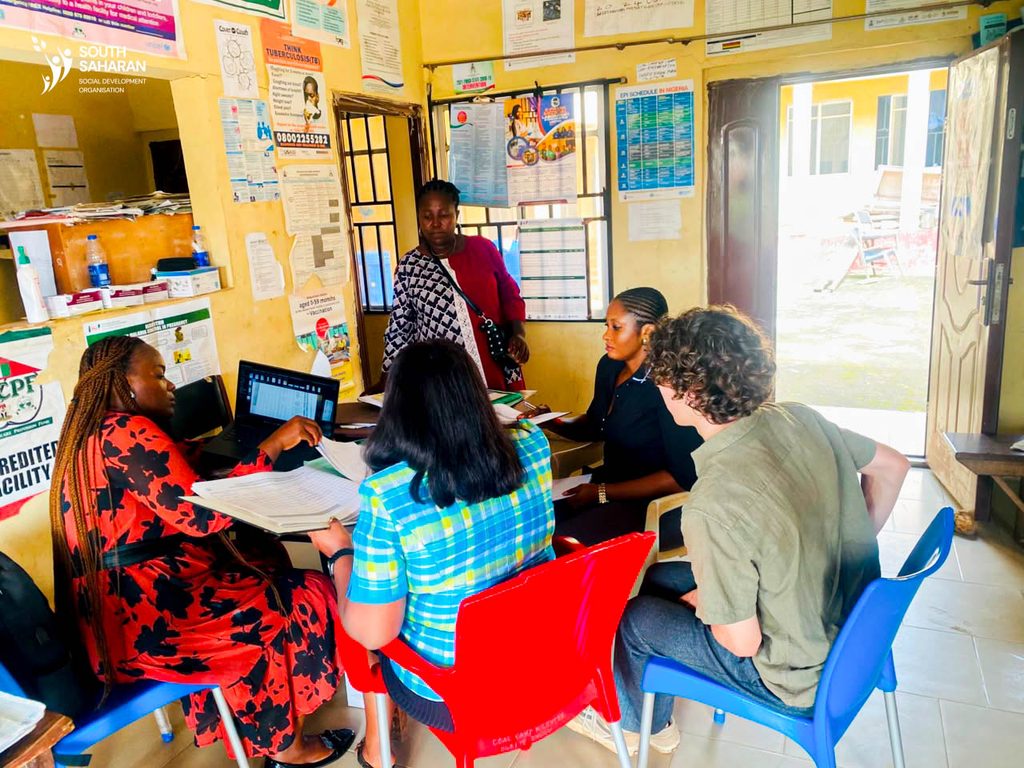
Paul’s time with SSDO provided practical exposure to different areas of community development and social change.

He engaged with SSDO’s work across governance, gender equality, youth engagement, health, and community development.

This exposure gave him an opportunity to better understand how social impact work operates within the Nigerian context.

It also created opportunities for conversations within the SSDO team around different approaches, experiences, and perspectives.

For organisations working across complex social issues, these exchanges can strengthen learning beyond formal training and professional experience.

Creating Space for Cross-Cultural Exchange

The value of the AIESEC Global Volunteer Programme extends beyond the individual volunteer experience.

When young people work in unfamiliar contexts, they encounter different ways of understanding communities, institutions, and social challenges.

The exchange also works in both directions.

SSDO team members had opportunities to engage with Paul’s experiences and perspectives from Germany while sharing their own understanding of development work in Nigeria.

This creates a space for mutual learning rather than a one-way exchange of knowledge.

Building on Previous Volunteer Experiences

Paul’s experience was also part of a wider pattern of cross-cultural engagement at SSDO.

The organisation had previously hosted Brenda from Benin Republic through the AIESEC Global Volunteer Programme.

Her participation created another opportunity for young people from different backgrounds to engage with SSDO’s work and learn from the communities and contexts in which it operates.

Together, these experiences demonstrate how international youth exchanges can create opportunities for learning across different social and cultural contexts.

The Value of Youth Exchange in Social Impact Work

Young people bring different experiences, ideas, and perspectives to the spaces they enter.

Creating opportunities for them to contribute to social impact work can therefore strengthen both individual learning and organisational exchange.

For SSDO, these engagements provide opportunities to share its experience in community development while learning from young people who bring perspectives shaped by different contexts.

The AIESEC Global Volunteer Programme has provided a platform for these exchanges, connecting young people with practical experiences while creating opportunities for mutual learning.

As SSDO continues to engage young people through partnerships and community-based work, cross-cultural exchange remains an important part of creating spaces for learning, contribution, and shared understanding.

Expanding the Sister Guardian Initiative Through Training and Peer Learning

South Saharan Social Development Organisation (SSDO) strengthens community protection systems through the Sister Guardian Initiative (SGI) in Enugu State.

The model supports women to prevent and respond to gender-based violence and harmful traditional practices within their communities.

As SGI expands into new communities, SSDO is strengthening both the capacity of implementing partners and the practical knowledge needed to sustain the model.

Strengthening the Sister Guardian Initiative

The Sister Guardian Initiative was developed to place women at the centre of community responses to issues affecting women and girls.

Through SGI, respected women become Sister Guardians who provide support, make referrals, engage community and traditional leaders, and advocate for the rights and wellbeing of women and girls.

The initiative has grown from 19 pioneer communities to 34 communities in Enugu State.

SGI III is building on this experience by supporting six new implementing partners to establish and implement the model in additional communities.

This next phase requires partners to understand not only the structure of SGI, but also the practical realities of implementing a community-led approach.

Training New Partners to Implement the Model

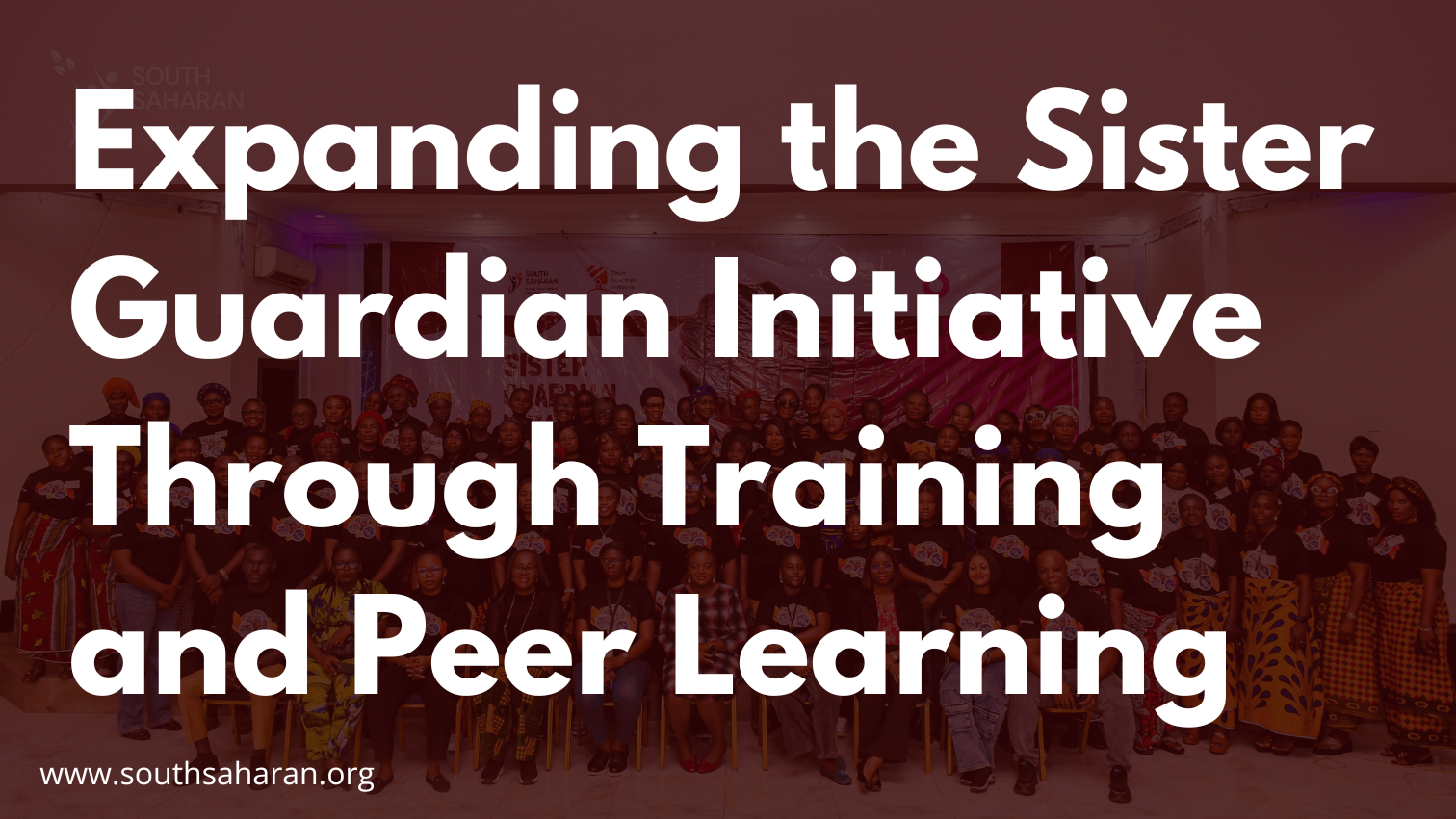
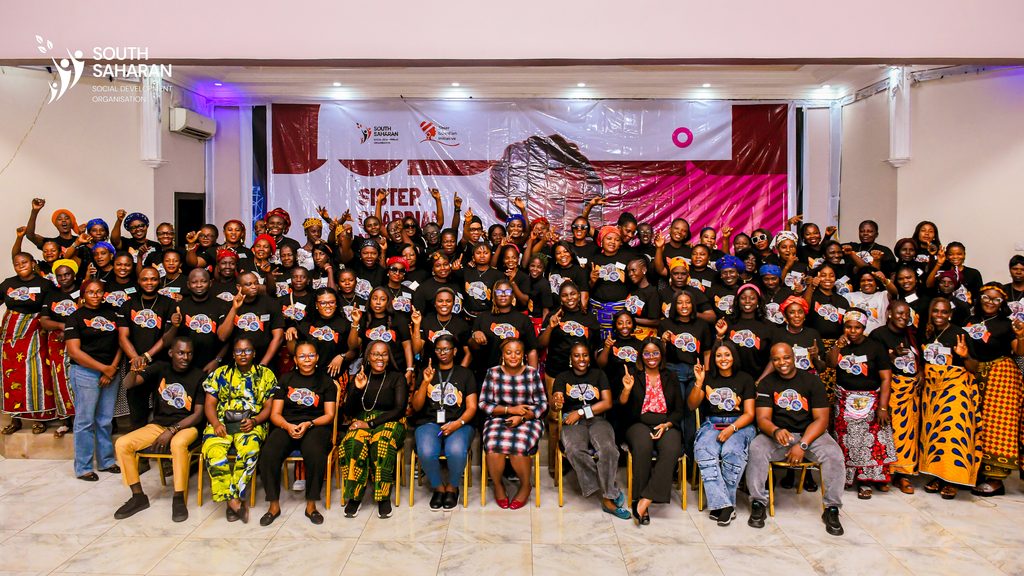
As part of SGI III, SSDO conducted a five-day training for six new implementing partners.

The partners included Women Empowerment Education and Peace Building Initiative, Ada Ojiriver, Cassidy and Theresa Foundation, Bridge D Gap Initiative, Women’s Rights and Health Project, and Girl Child Education and Women Health Development Foundation.

The Sister Guardian Initiative training focused on the SGI Implementation Toolkit and Facilitator’s Training Manual.

Partners were introduced to the practical processes required to establish SGI chapters within their communities.

The sessions covered community mobilisation, communication, facilitation, monitoring and evaluation, reporting, and documentation.

The training provided partners with a common foundation for understanding how the model is structured and implemented.

It also equipped them with practical knowledge to support women to take leadership in addressing issues within their communitie

Peer Learning From Women With Experience

A separate peer-learning component provided an opportunity for experience to be shared across the SGI network.

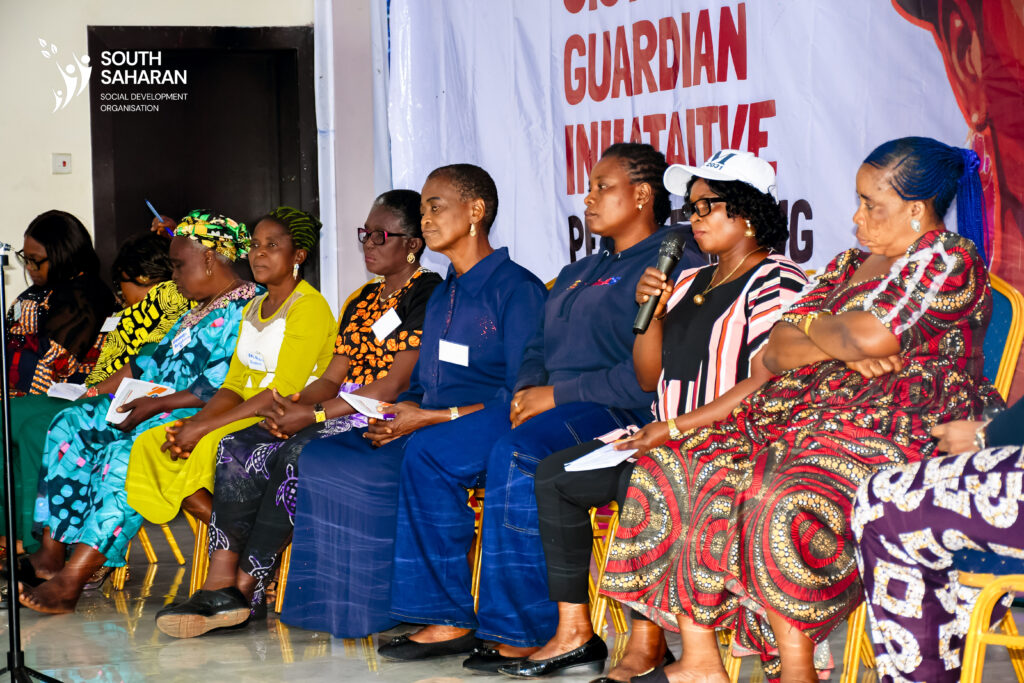
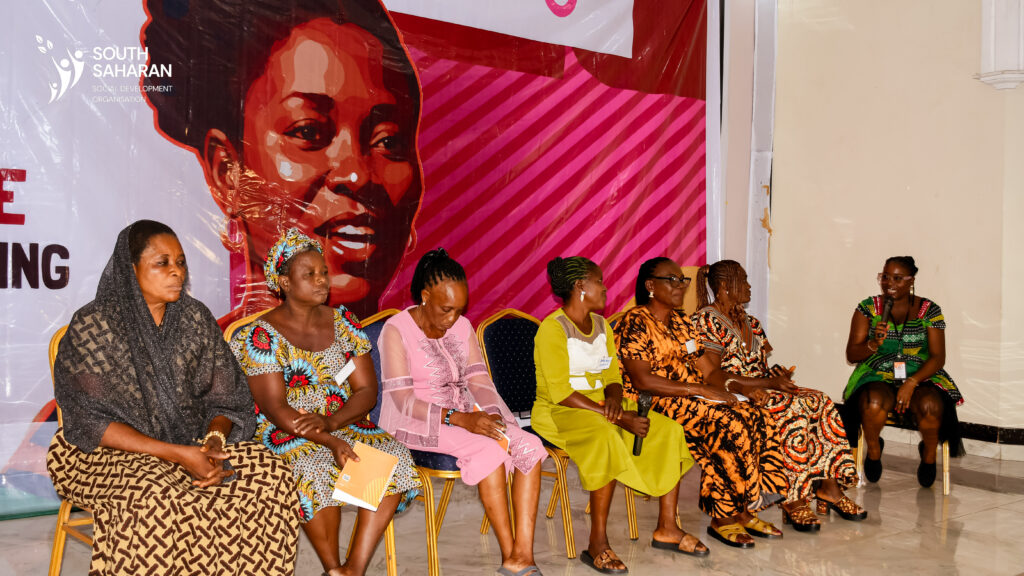
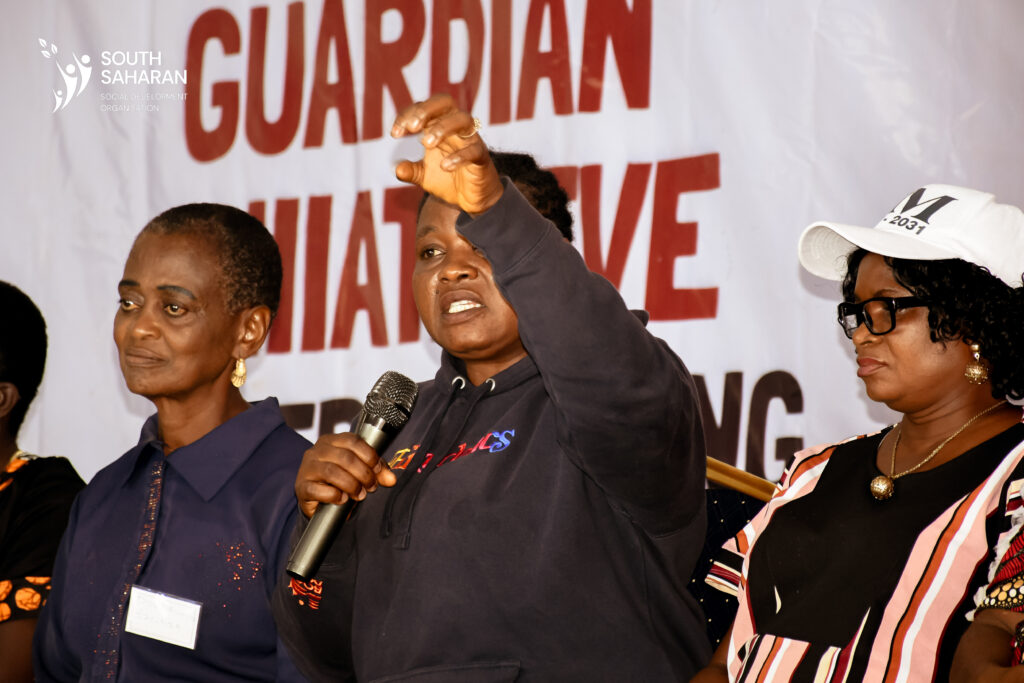
Experienced Sister Guardians and women from newer SGI communities came together to reflect on their journeys and lessons from implementation.

Their conversations explored what has worked, the challenges they have encountered, and the approaches that have helped them build support within their communities.

Participants also discussed engagement with traditional and community leaders, responding to sensitive issues, and strengthening local ownership.

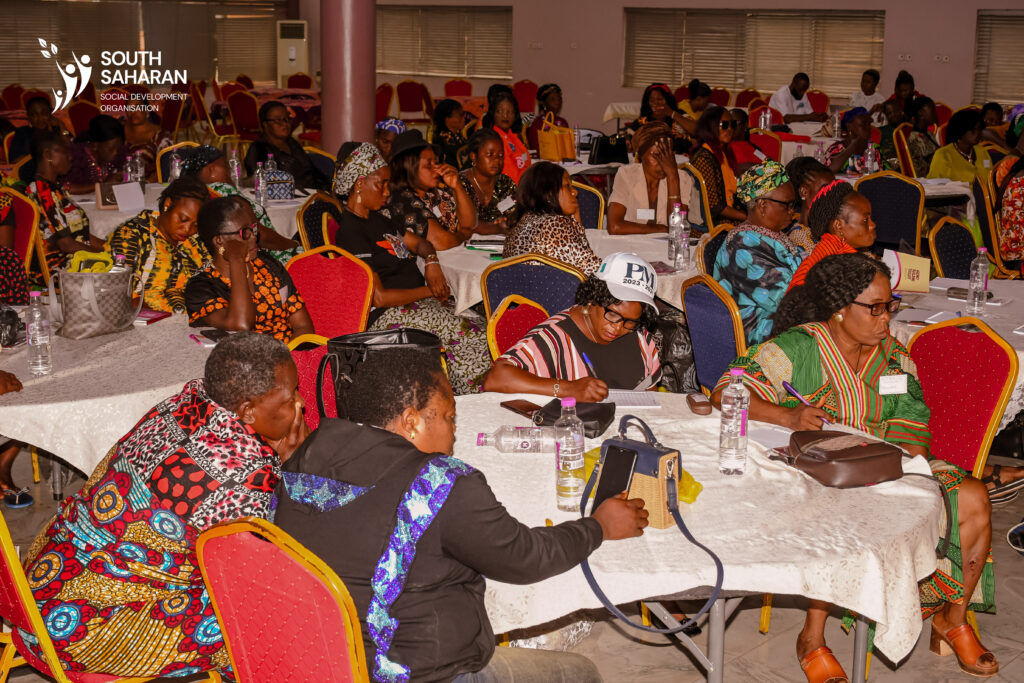
The new implementing partners joined these conversations and gained practical insights from women who have already worked within the SGI model.

These experiences offered lessons that cannot be fully captured in a training manual.

They also helped the incoming partners better understand the realities they may encounter when establishing SGI in their own communities.

For experienced Sister Guardians, the exchange provided an opportunity to reflect on their experiences and pass practical lessons to others

Connecting Training With Practical Experience

The partner training and peer-learning exchange served different purposes within the five-day activity.

The training provided the structure, tools, and technical knowledge required for implementation.

The peer-learning exchange provided practical experiences from women who have already navigated different community contexts.

Together, they give new partners both a structured framework and a clearer understanding of how the model works in practice.

This approach also creates opportunities for SSDO to document lessons from implementation and use them to strengthen the model as SGI continues to grow.

Building the Next Phase of SGI

Expanding a community-led model requires consistency while allowing room for different community realities.

The SGI Implementation Toolkit and Facilitator’s Training Manual provide a shared structure for new partners.

Peer learning adds the practical knowledge needed to adapt that structure to different communities.

This combination strengthens the foundation for establishing new SGI chapters while maintaining the principles that have shaped the initiative over the years.

As SGI III progresses, SSDO will continue working with its partners to strengthen community-based protection mechanisms for women and girls.

The expansion of the Sister Guardian Initiative reflects SSDO’s commitment to strengthening women-led approaches that improve community responses to gender-based violence, harmful traditional practices, and other issues affecting women and girls.

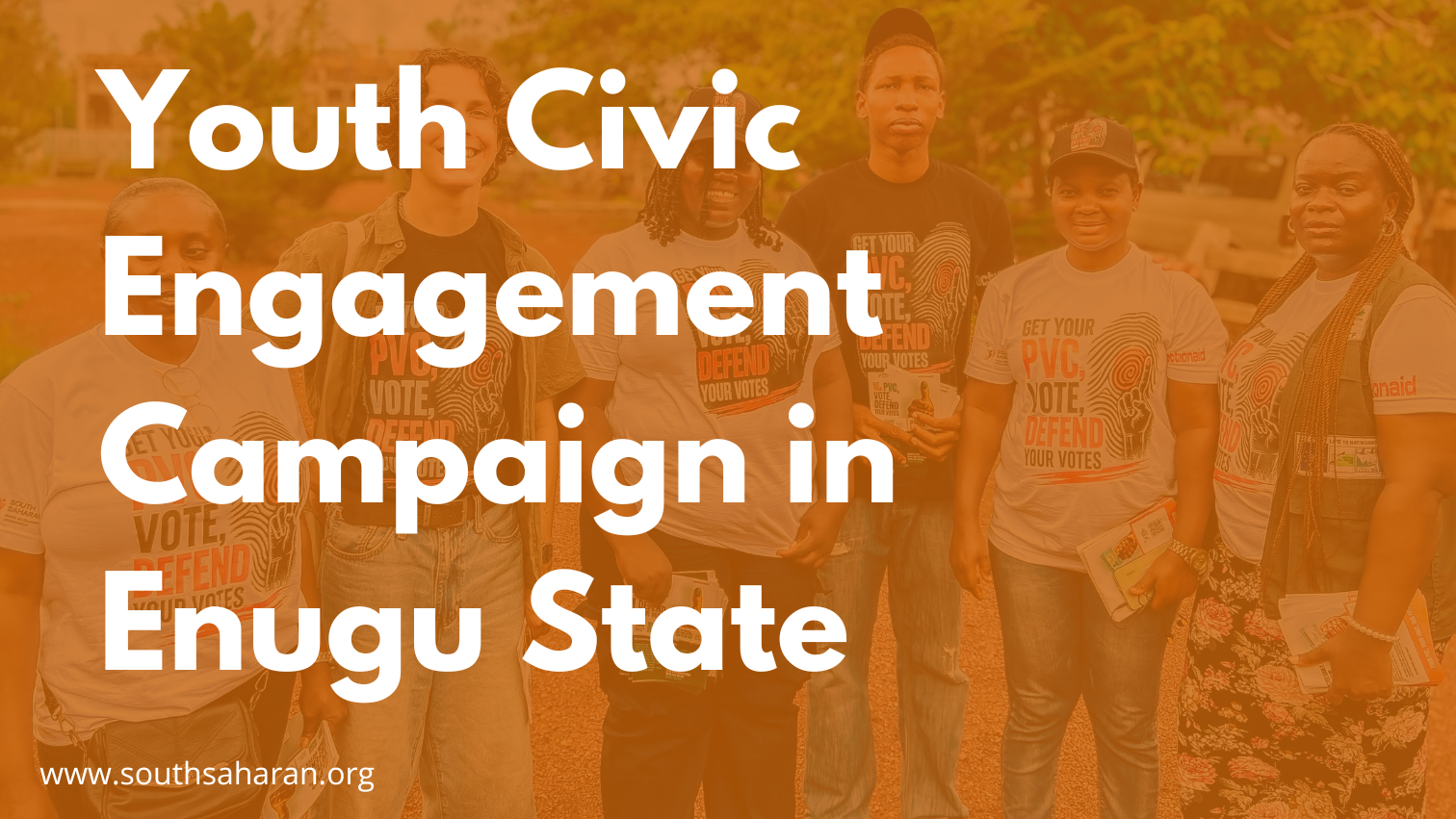
Youth Civic Engagement Campaign in Enugu State

Democratic governance depends on citizens who understand their rights, participate in electoral processes, and engage public institutions beyond election day. For young people, meaningful participation begins with access to accurate information, civic education, and opportunities to contribute to democratic processes.

South Saharan Social Development Organisation (SSDO) strengthens governance systems by promoting informed civic participation, accountability, and inclusive democratic engagement. Through the Strategic Partnership Agreement (SPA II) Project, implemented in partnership with ActionAid Nigeria, SSDO supports initiatives that empower young people to participate actively in governance while strengthening democratic institutions across Enugu State.

Why Youth Civic Engagement in Enugu State Matters

Young people make up a significant proportion of Nigeria’s population and remain central to the country’s democratic future. Despite this, many continue to face barriers that limit effective participation in elections. Challenges such as incomplete voter registration, low Permanent Voter Card (PVC) collection, misinformation, limited civic education, and electoral violence discourage meaningful engagement and weaken democratic accountability.

Addressing these barriers requires more than awareness campaigns. It calls for structured interventions that equip young people with practical knowledge, strengthen confidence in democratic institutions, and encourage informed participation throughout the electoral cycle.

Building an active and informed electorate also contributes to stronger governance by increasing citizen oversight and reinforcing the accountability of elected leaders.

Strengthening Democratic Participation Through Youth Civic Engagement

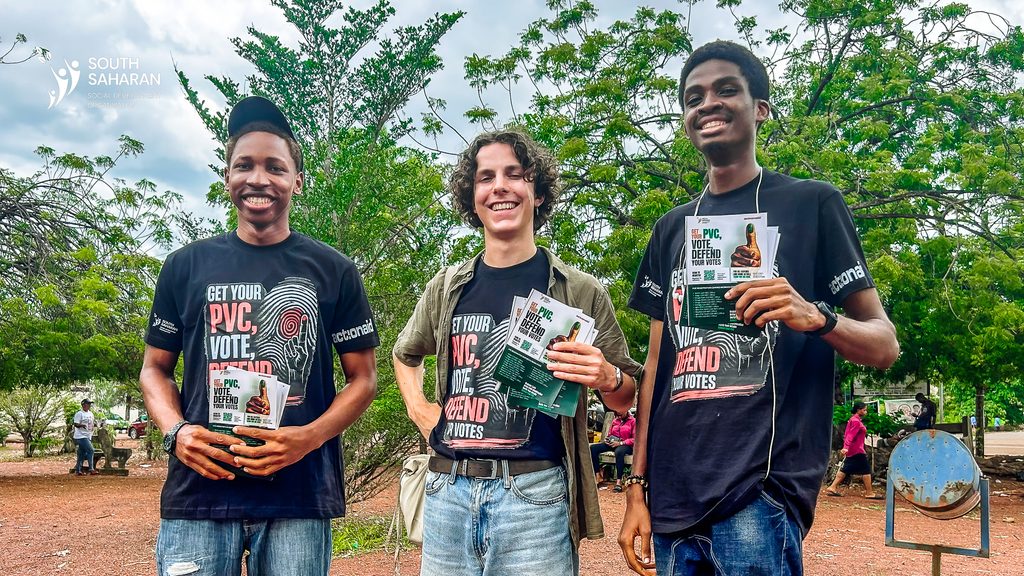
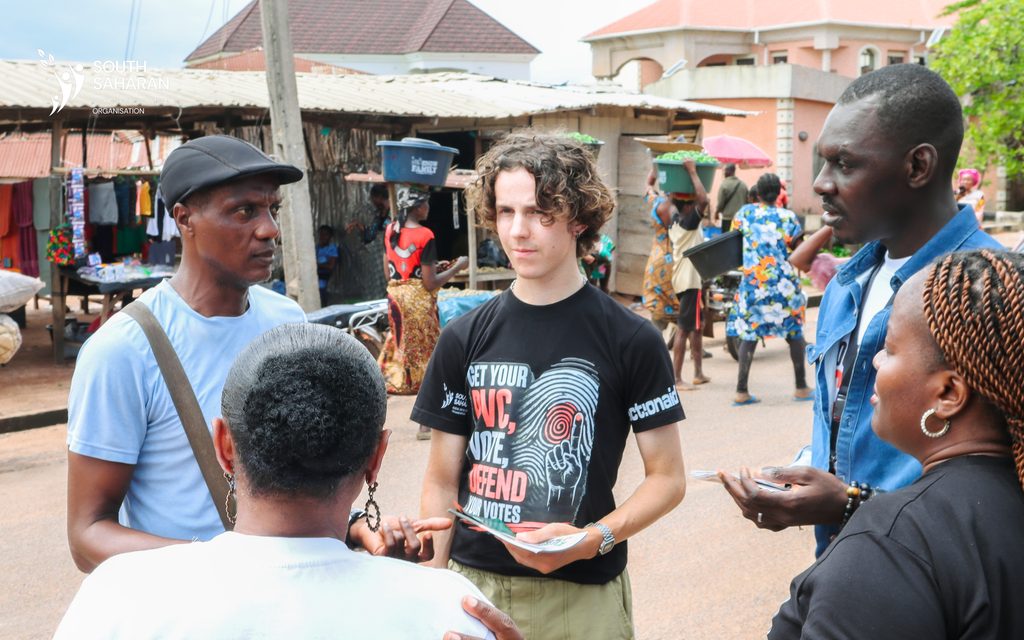
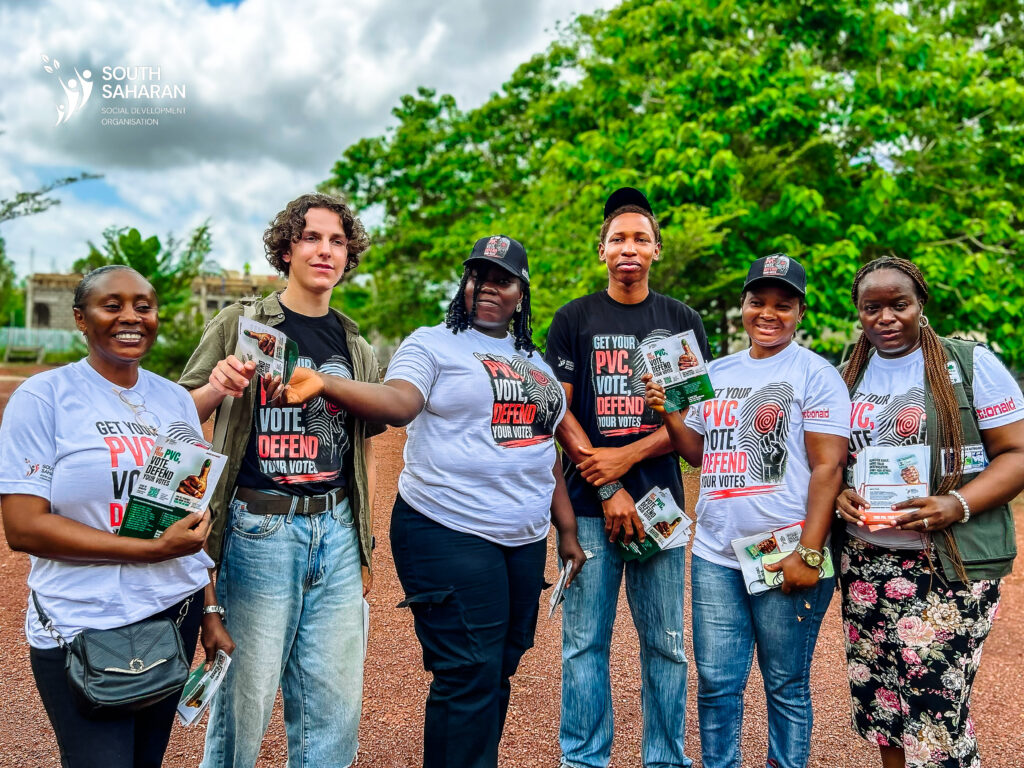
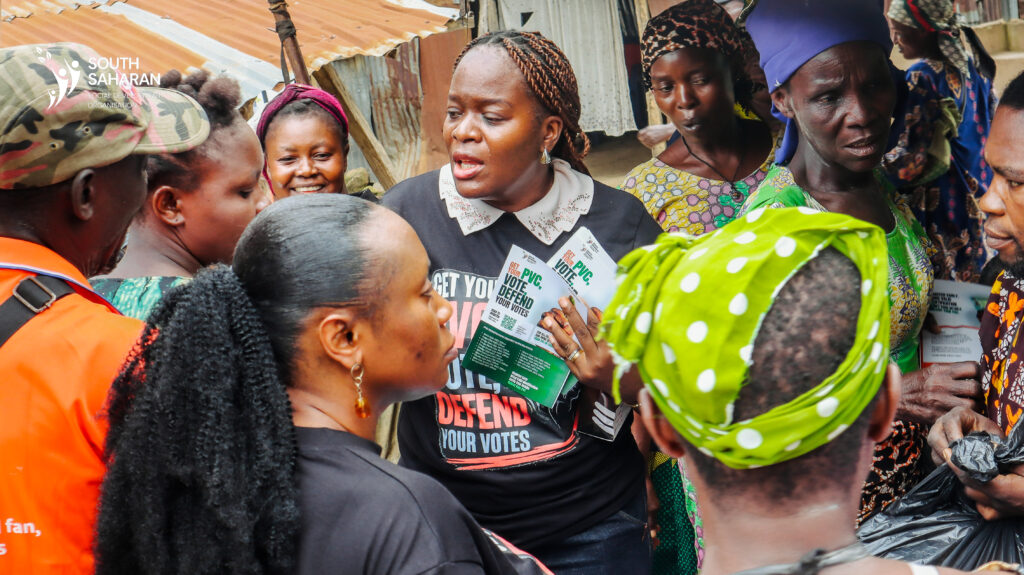
To expand civic participation, SSDO implemented a Youth Civic Engagement Campaign in Enugu State under the SPA II Project. The four-day campaign combined institutional engagement with community-based mobilisation to improve public understanding of Nigeria’s electoral process.

The intervention created opportunities for young people to engage directly with civic education activities while receiving practical guidance on their responsibilities as citizens. Rather than treating elections as isolated events, the campaign positioned democratic participation as an ongoing process that requires continuous learning and informed decision-making.

By connecting civic knowledge with community engagement, the initiative strengthened the foundation for greater youth involvement in governance.
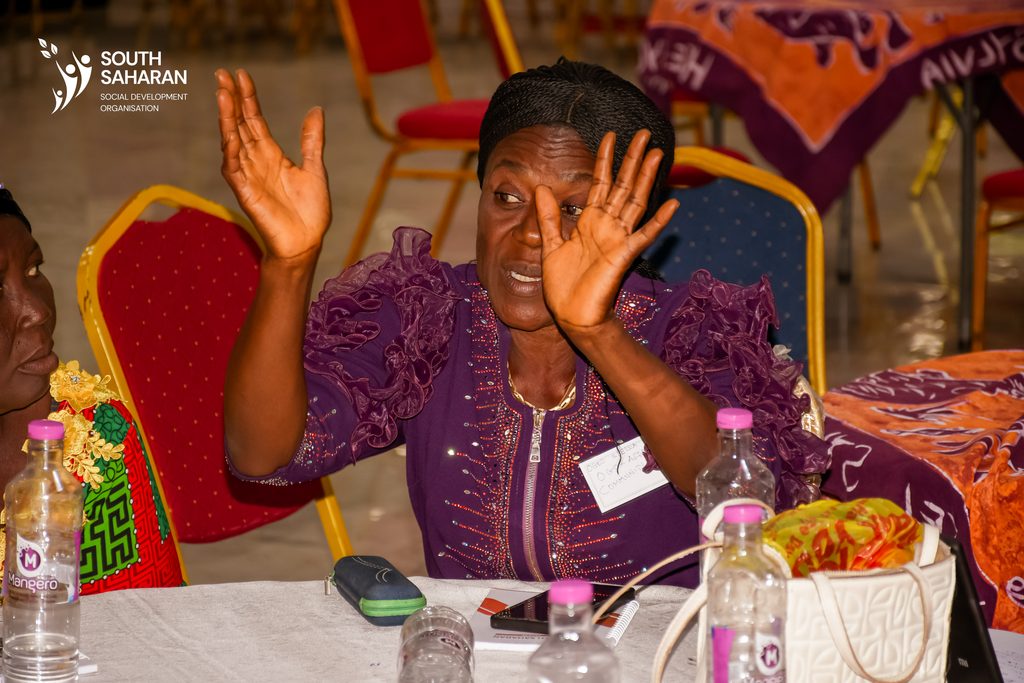
Promoting Voter Education and PVC Mobilisation

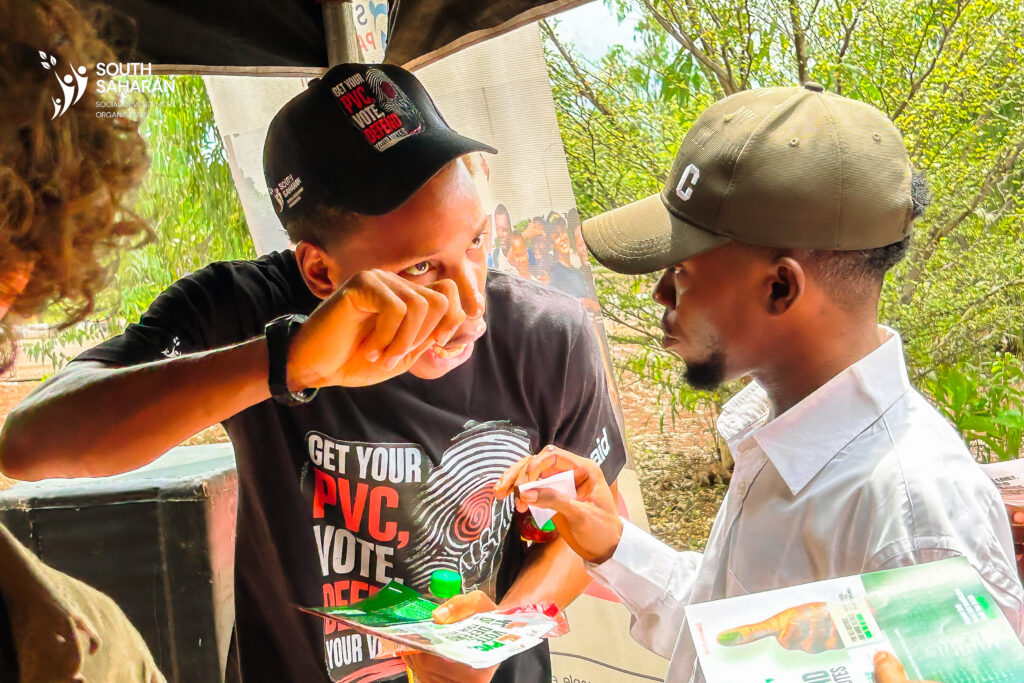
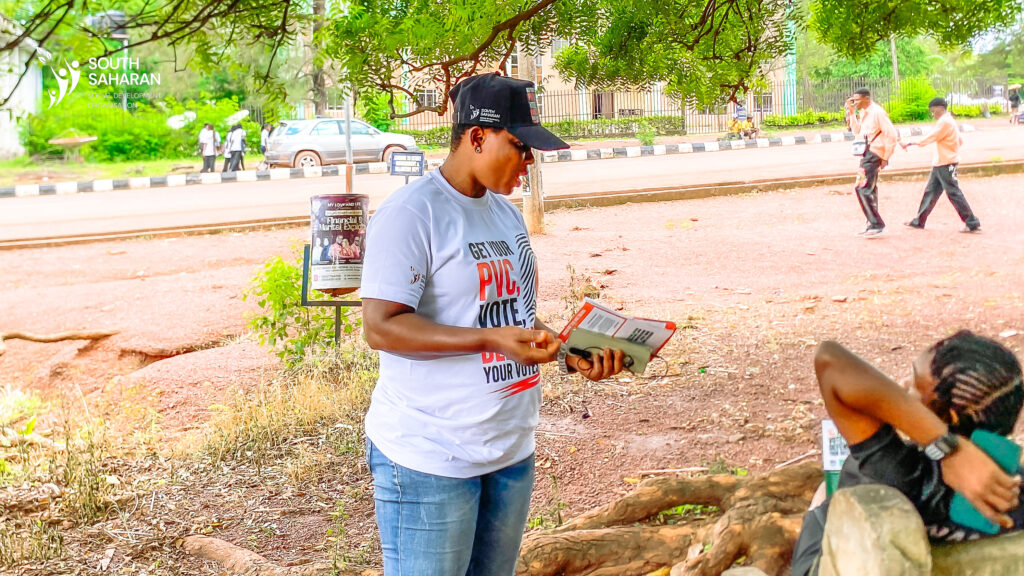
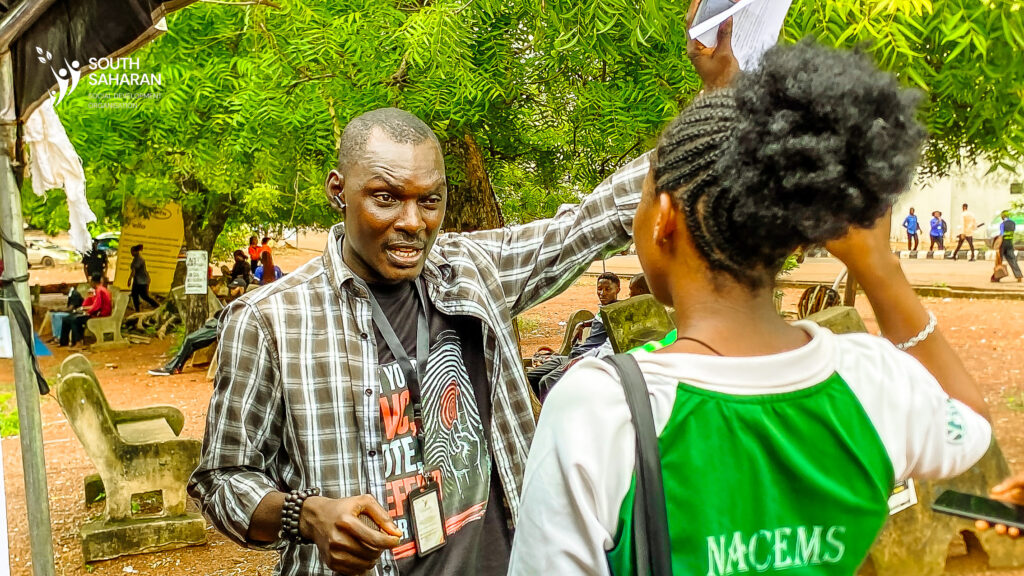
A key component of the campaign was a PVC mobilisation drive at the Institute of Management and Technology (IMT), complemented by community-based civic education sessions across SSDO’s SPA II project communities in Enugu State.
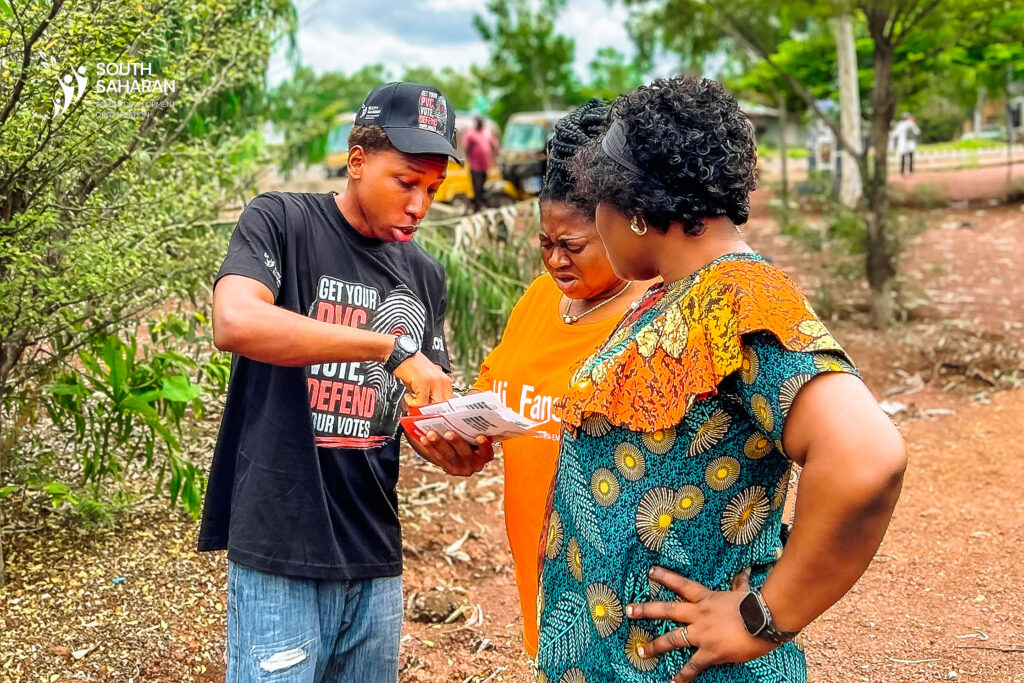
Participants received practical guidance on voter registration procedures, Permanent Voter Card collection, the voting process, and the rights and responsibilities guaranteed under Nigeria’s Electoral Act. The sessions also addressed issues that frequently undermine electoral participation, including vote buying, misinformation, electoral violence, and the importance of protecting the integrity of the democratic process.
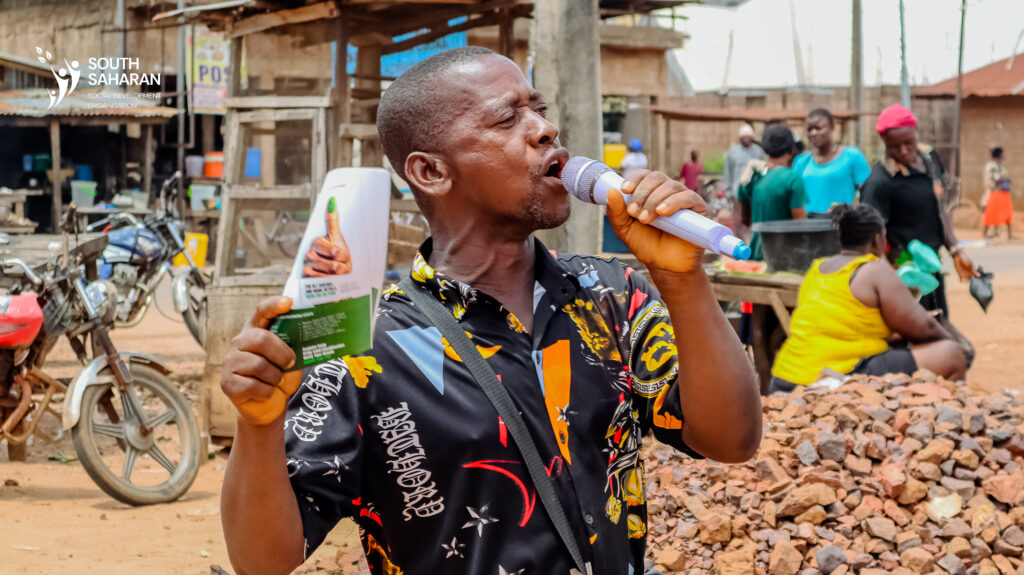
By combining campus-based mobilisation with community outreach, the campaign reached young people within both formal learning environments and local communities, expanding opportunities for informed civic participation.

Building Stronger Accountability Through Civic Education

Effective democratic systems rely on citizens who can make informed decisions and hold public institutions accountable. Civic education provides the knowledge required to strengthen this relationship by helping citizens understand not only how elections work but also why their participation matters.

The Youth Civic Engagement Campaign in Enugu State contributes to stronger accountability by encouraging young people to participate responsibly while promoting public confidence in democratic processes. It also reinforces the role of civic education in reducing misinformation and supporting peaceful, issue-based electoral participation.

Equipping young people with practical democratic knowledge strengthens governance beyond elections by encouraging sustained engagement with public institutions and policy processes.

Advancing Inclusive Democratic Governance

SSDO continues to strengthen democratic governance by supporting interventions that expand civic participation, improve public accountability, and encourage informed citizen engagement.

Joint WASH Facility Monitoring in Enugu State

Water and sanitation infrastructure delivers lasting public health benefits only when it remains functional long after construction is completed. Sustaining these investments requires continuous monitoring, institutional collaboration, and accountability systems that ensure communities continue to access safe and reliable services.

South Saharan Social Development Organisation (SSDO) strengthens water, sanitation, and hygiene (WASH) systems by supporting interventions that move beyond infrastructure delivery to long-term sustainability. Working across Enugu State, SSDO collaborates with government institutions, development partners, and communities to strengthen the systems that protect public health and improve access to safe water and sanitation.

Why Joint WASH Facility Monitoring in Enugu State Matters

Across many communities, WASH infrastructure represents a significant investment in health, dignity, and community wellbeing. However, the value of these facilities depends on their continued functionality, proper maintenance, and effective management.

Without routine monitoring, challenges such as equipment failure, poor maintenance practices, and weak community ownership can gradually reduce the quality of services provided. Regular assessments help identify these issues early, allowing stakeholders to strengthen operational systems before they affect the communities that rely on them.

For this reason, joint monitoring has become an important component of sustainable WASH programming. It provides an opportunity for implementing organisations, government agencies, and technical partners to assess infrastructure performance, identify emerging risks, and promote coordinated solutions.

Strengthening WASH Systems Through Collaborative Monitoring

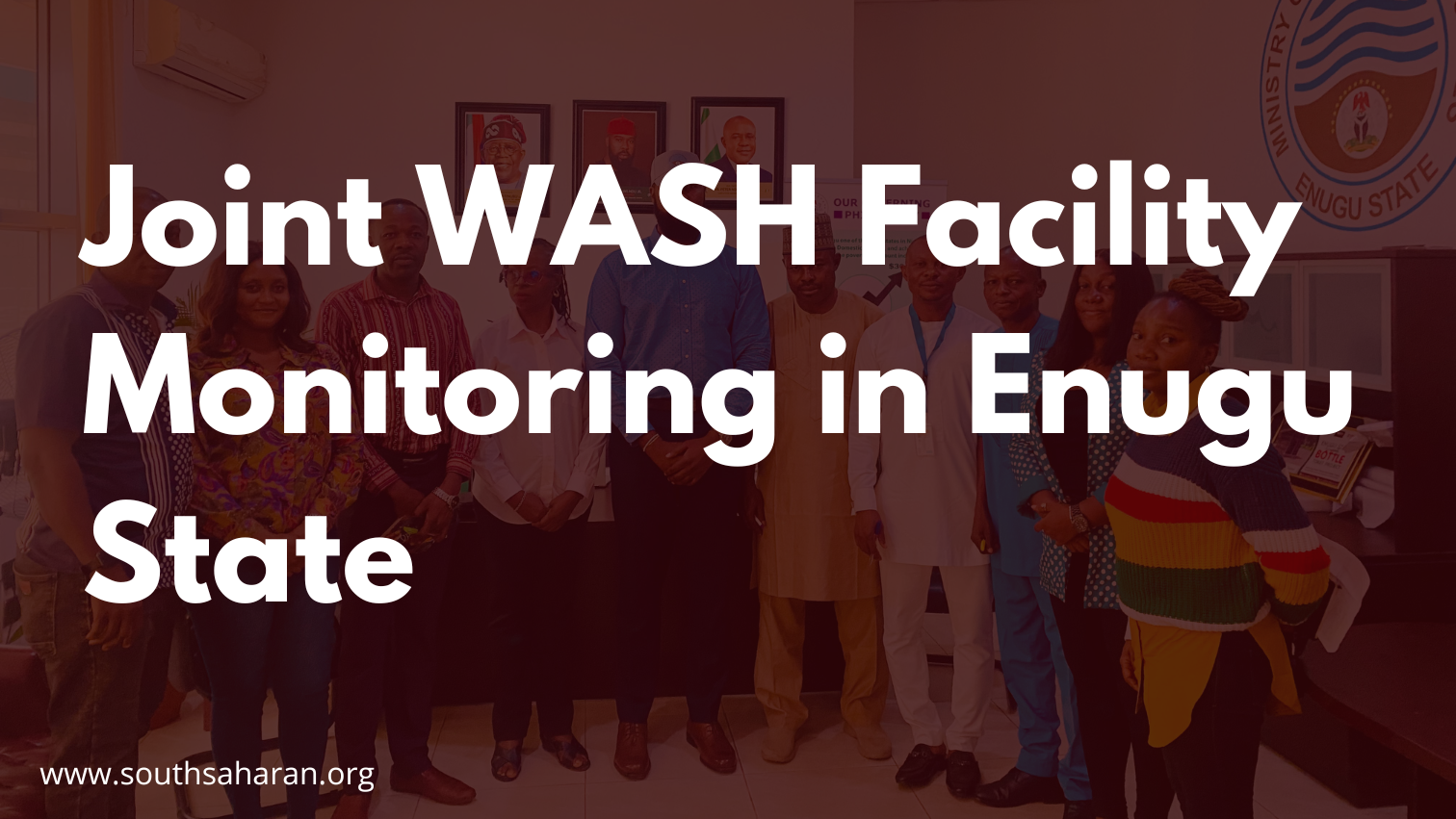
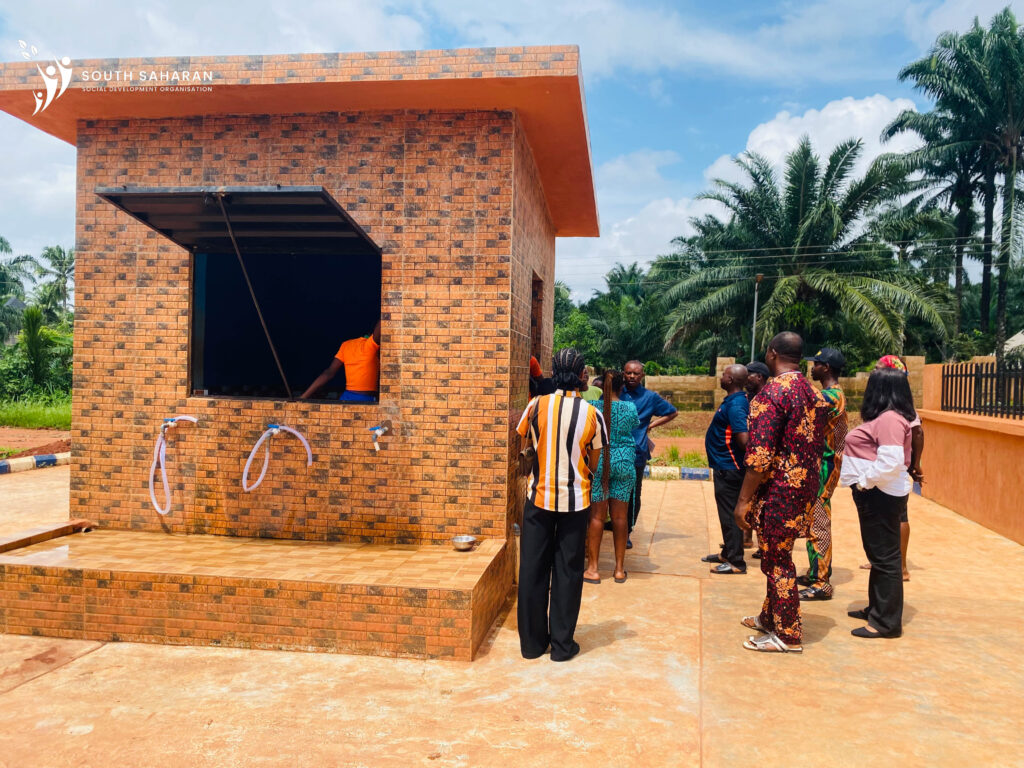
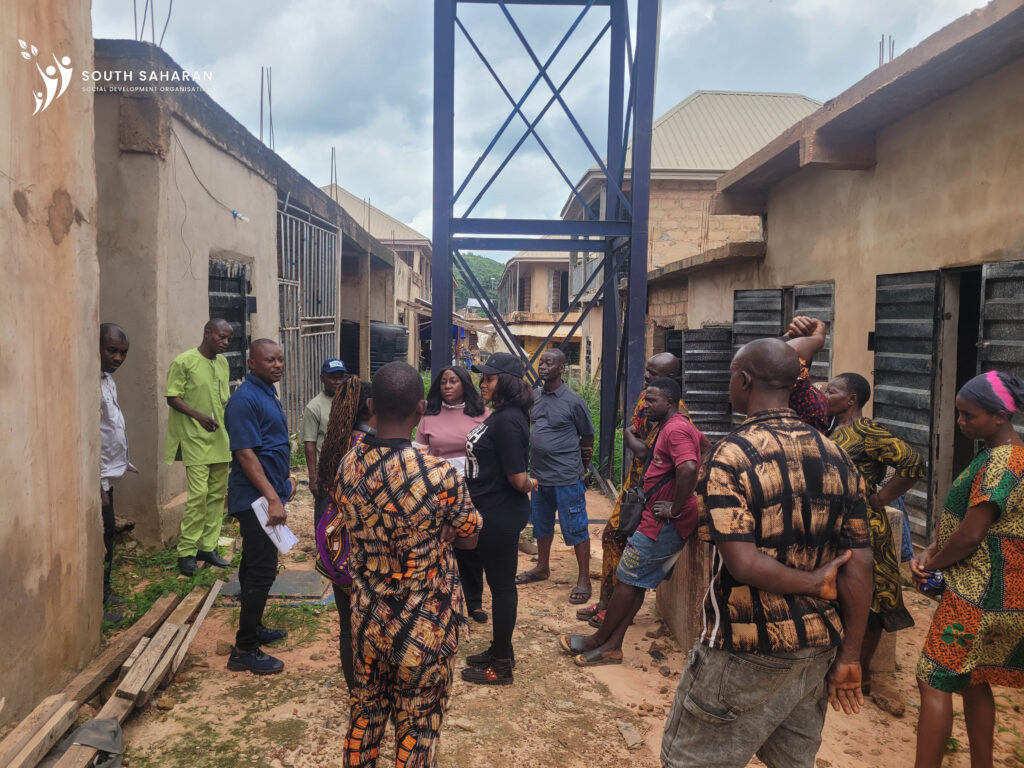
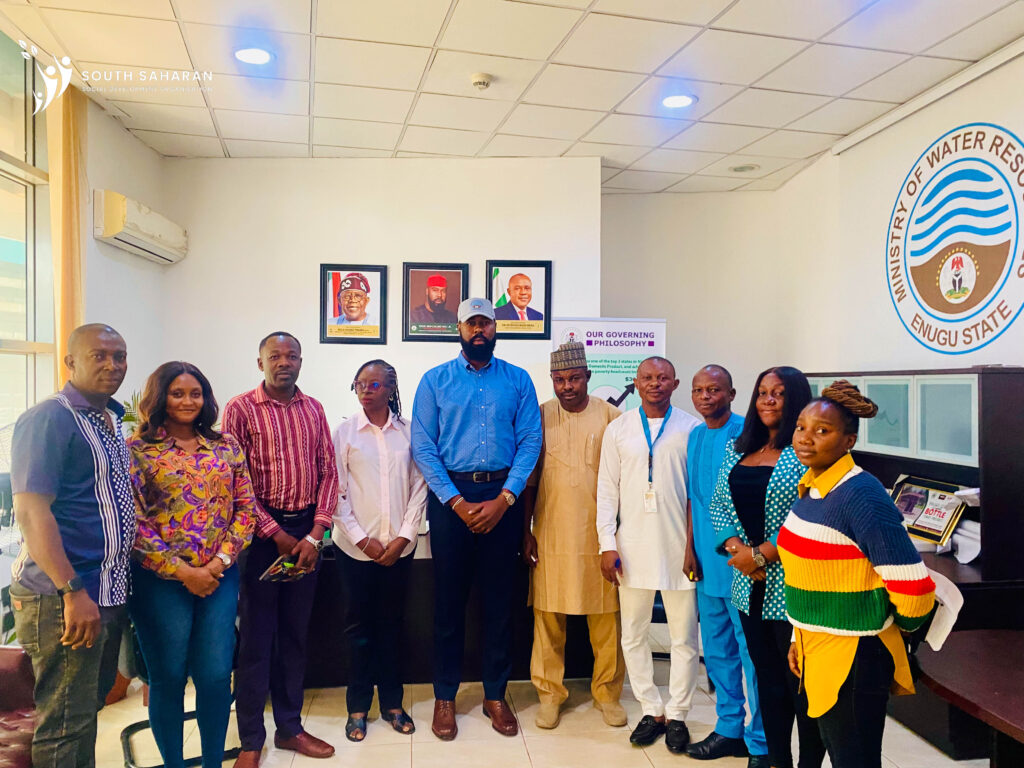
As part of this commitment, SSDO participated in a Joint WASH Facility Monitoring in Enugu State alongside The Church of Jesus Christ of Latter-day Saints, WaterAid Nigeria, the Enugu State Ministry of Water Resources, and the Network of Water and Sanitation (NEWSAN).

The collaborative exercise reflected a shared commitment to strengthening the systems that sustain water and sanitation infrastructure beyond project implementation. By bringing together multiple institutions with complementary technical expertise, the monitoring process promoted collective accountability for the long-term performance of WASH facilities across the state.

Rather than focusing solely on completed infrastructure, the engagement examined how these facilities continue to serve communities and what measures are required to support their sustainability.

Assessing Water and Sanitation Infrastructure Across Communities

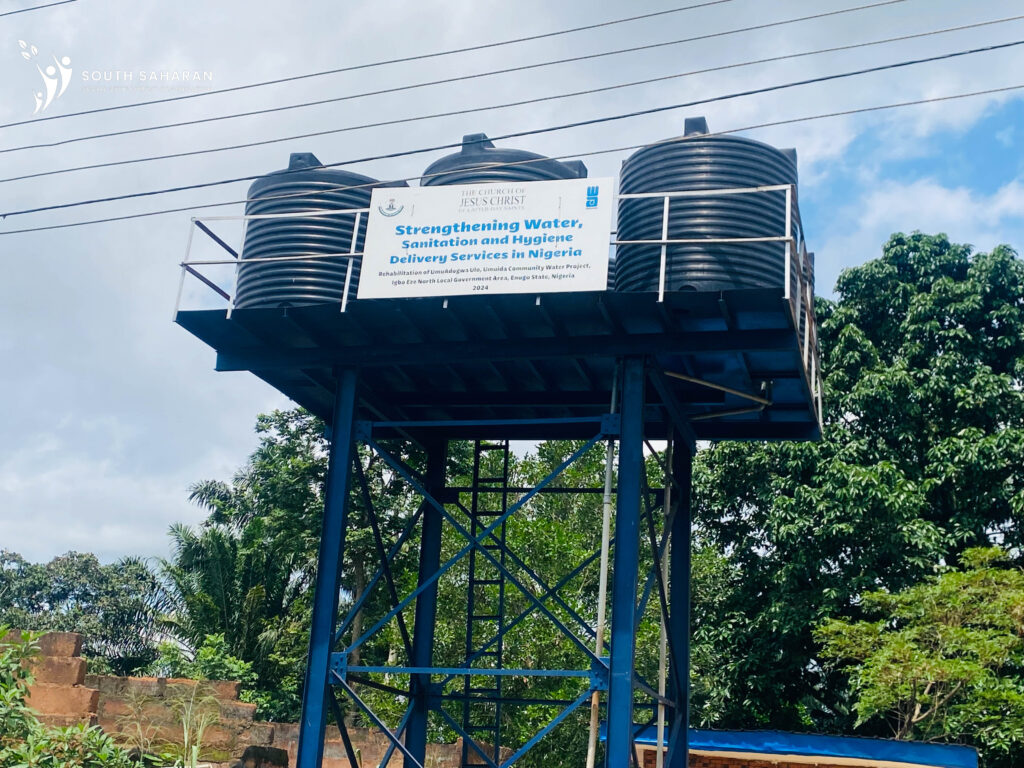
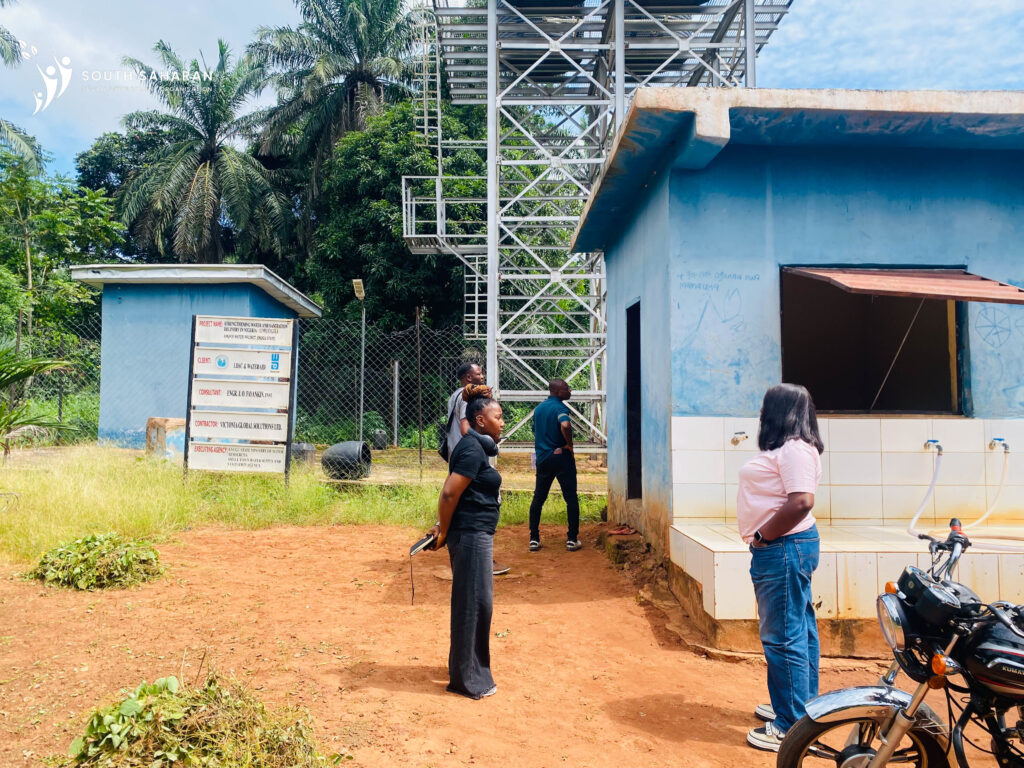
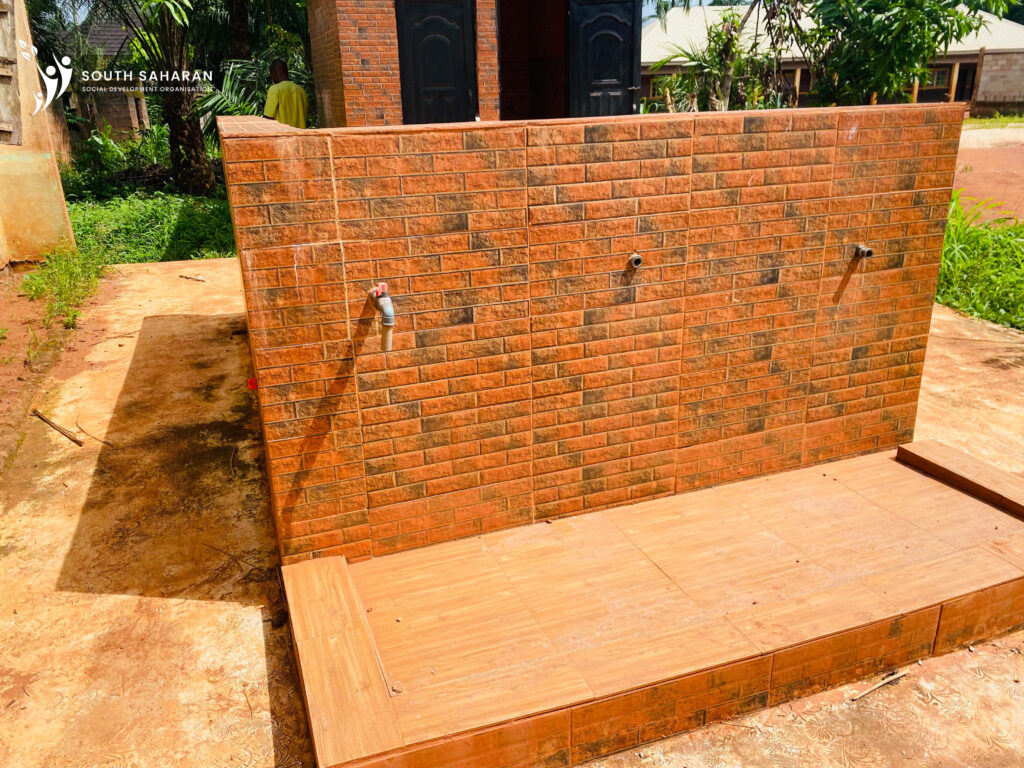
The monitoring visit covered several strategic WASH facilities, including the Mboshi-Aji Water Facility, Ekeozzi Rehabilitated Borehole and Toilet Facility, Ukwuinyi Water Facility, Umuogili-Amufie Water Facility, Umuadogwa (Umuida) Rehabilitated Water Facility, and the Gariki Market Toilet Facility.

Across these locations, stakeholders assessed the operational status, functionality, and overall condition of the infrastructure. Discussions also explored maintenance arrangements, community management structures, and opportunities to strengthen long-term service delivery.

These assessments provide valuable evidence that can guide future maintenance planning, improve operational efficiency, and strengthen community ownership of WASH investments.

Building Sustainable WASH Services Through Accountability

Sustainable access to water and sanitation depends on more than infrastructure. It requires systems that support routine maintenance, institutional coordination, and continuous monitoring.

The Joint WASH Facility Monitoring in Enugu State reinforces the importance of evidence-based oversight in protecting investments and improving service delivery. By identifying operational gaps and encouraging collaborative action, the exercise contributes to stronger accountability mechanisms that help communities continue to benefit from safe water and sanitation facilities.

This approach also strengthens resilience by ensuring that WASH infrastructure remains responsive to community needs while supporting broader public health objectives.

Advancing Sustainable Water and Sanitation Systems

SSDO recognises that the success of WASH programmes is measured not only by the facilities constructed but also by their long-term functionality and impact on community wellbeing.

Through collaborative monitoring, institutional partnerships, and evidence-driven engagement, SSDO continues to strengthen WASH systems that improve public health, reinforce community ownership, and promote sustainable access to safe water and sanitation services across Enugu State.