

South Saharan Social Development Organisation (SSDO), in partnership with ActionAid Nigeria, strengthens youth participation in public policy monitoring across Enugu State.
Through youth-led monitoring of the Nigeria Tax Act 2025, SSDO supported young people to examine how citizens understand and experience the new tax framework.
The findings provided evidence for a stakeholder engagement focused on taxpayer rights, transparency, multiple taxation, and public understanding of the new tax system.
Taking Youth Monitoring Beyond Awareness
Understanding a new law is only one part of meaningful public participation.
Citizens also need opportunities to examine how policies are implemented and how those policies affect their daily experiences.
Through this initiative, 51 youth monitors were trained and deployed across all 17 Local Government Areas in Enugu State.
They engaged traders, artisans, small business owners, and other citizens to document experiences around taxation.
The monitors gathered information on public awareness of the Nigeria Tax Act 2025, the taxes and levies people encountered, and their experiences with tax collection.
This process moved youth engagement beyond policy awareness towards evidence-based monitoring of implementation.
What the Youth Monitoring Found
The monitoring revealed gaps between the provisions of the new law and what citizens understand or experience in their communities.
These gaps matter because limited understanding can make it difficult for taxpayers to recognise their rights and obligations.
The findings also raised questions around transparency in revenue collection and the continued experience of multiple taxation.
Rather than treating these findings as an endpoint, SSDO used the evidence to create space for dialogue with relevant stakeholders.
Bringing Evidence Into the Stakeholder Conversation
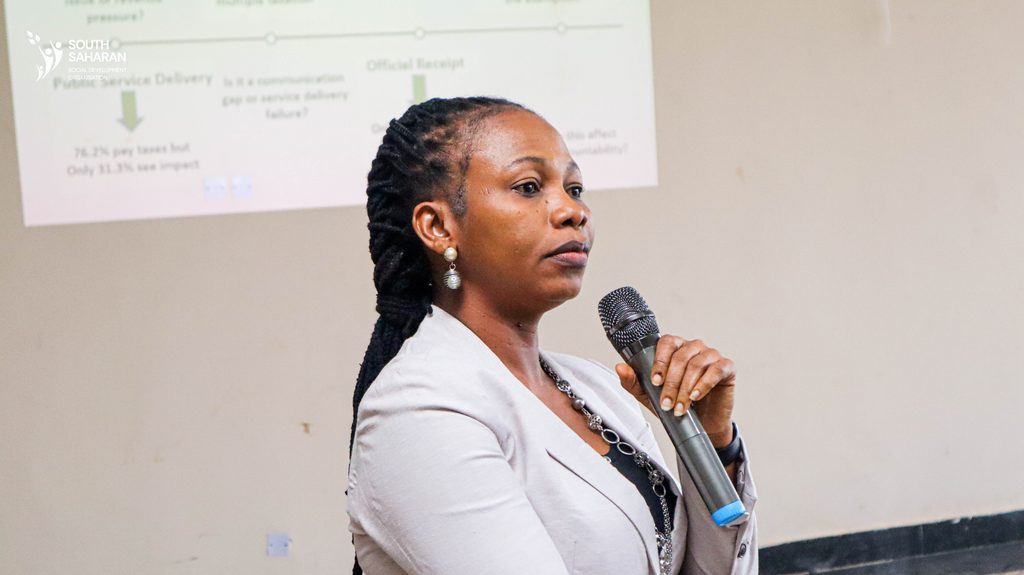
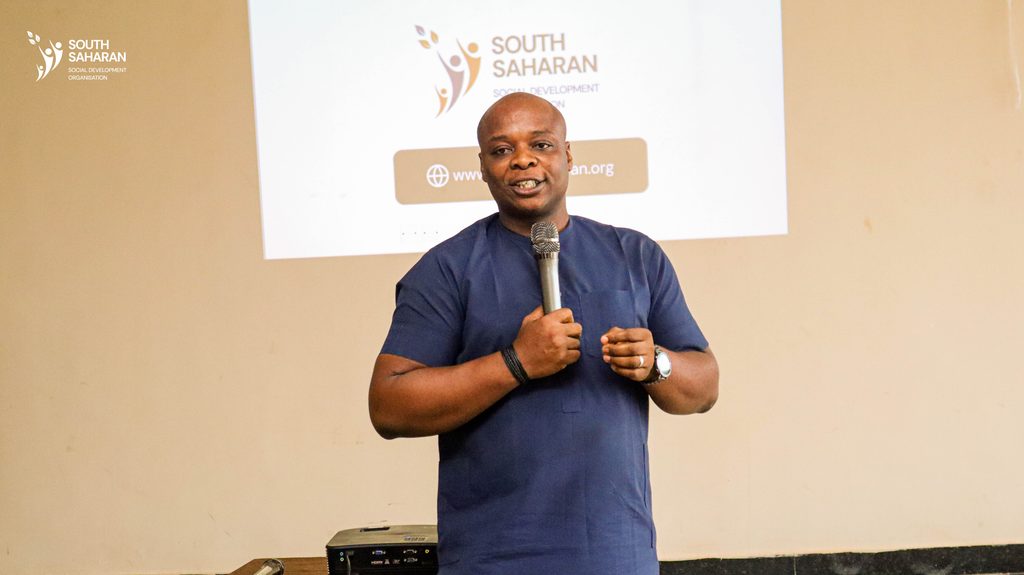
SSDO convened tax authorities, government representatives, civil society organisations, youth representatives, and other stakeholders to examine the findings.
The stakeholder engagement provided an opportunity to discuss the issues identified through the youth monitoring process.
Discussions focused on taxpayer rights, transparency in revenue collection, multiple taxation, and how citizens can better understand the new tax system.
The engagement also created space for stakeholders to consider how evidence from communities can inform ongoing conversations about tax implementation.
For young monitors, the process connected the evidence they gathered with direct engagement with institutions responsible for policy implementation.



Building a Continued Youth Monitoring Process
The stakeholder engagement marks the beginning of a more structured phase of youth-led monitoring.
Youth monitors will continue documenting experiences in their communities and following up on issues identified through the monitoring process.
They will also track stakeholder commitments and use evidence to engage duty bearers on implementation concerns.
This creates a feedback process between citizens, young monitors, and institutions responsible for public policy and revenue administration.
Strengthening Youth Participation in Public Policy
Youth participation in policy processes becomes more meaningful when young people have opportunities to generate evidence and engage decision-makers.
The Nigeria Tax Act 2025 monitoring process provides one example of how young people can contribute to understanding policy implementation at community level.
Through this work, SSDO is supporting young people to move from receiving information about public policies to examining how those policies are experienced by citizens.
The approach also strengthens the role of community-level evidence in conversations around transparency, accountability, and responsive public administration.
SSDO continues to support mechanisms that connect citizens, evidence, and public institutions in ways that strengthen accountability and meaningful participation in governance.