SSDO

Climate Finance and Climate Responsive Budgeting Enugu

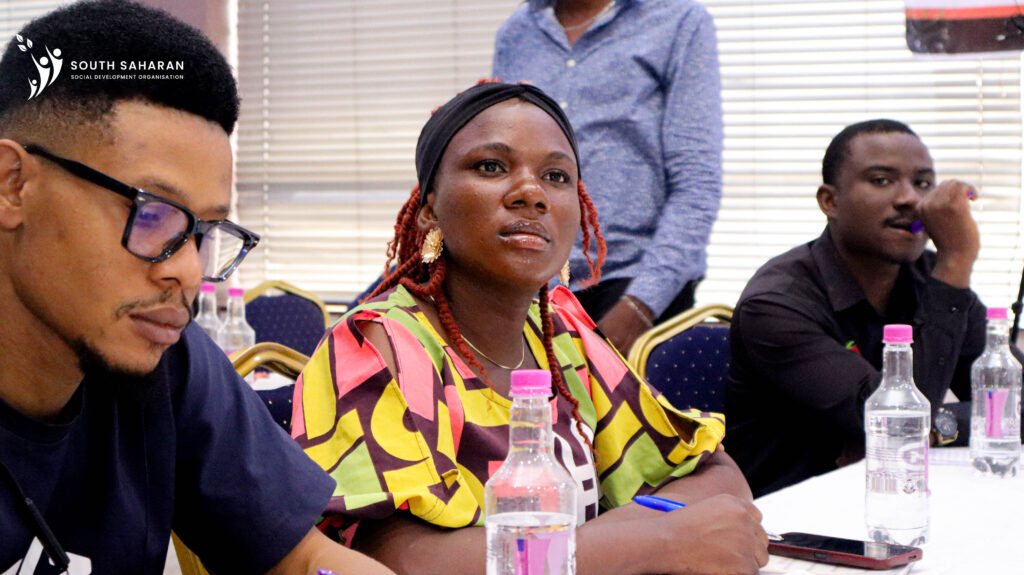
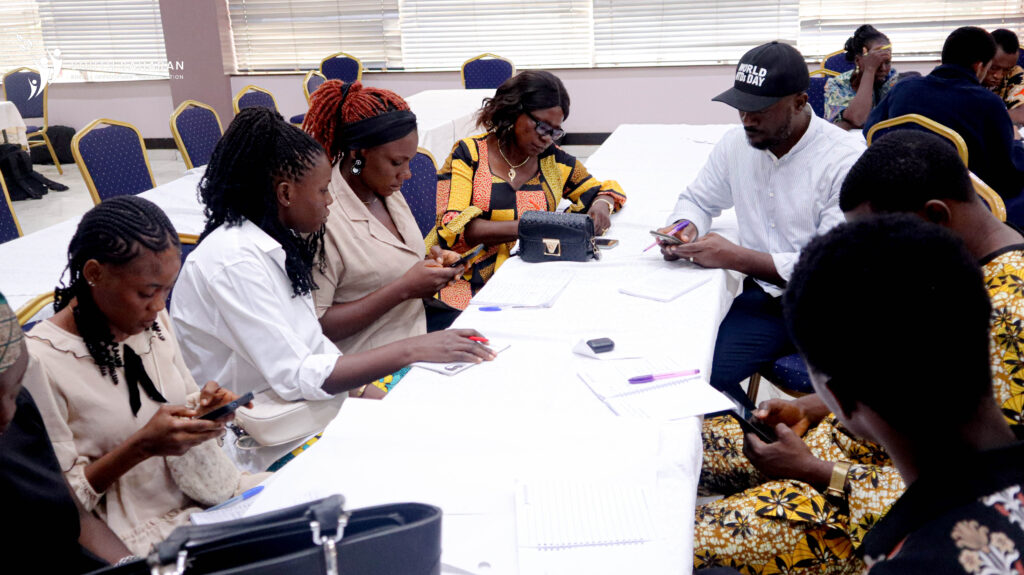
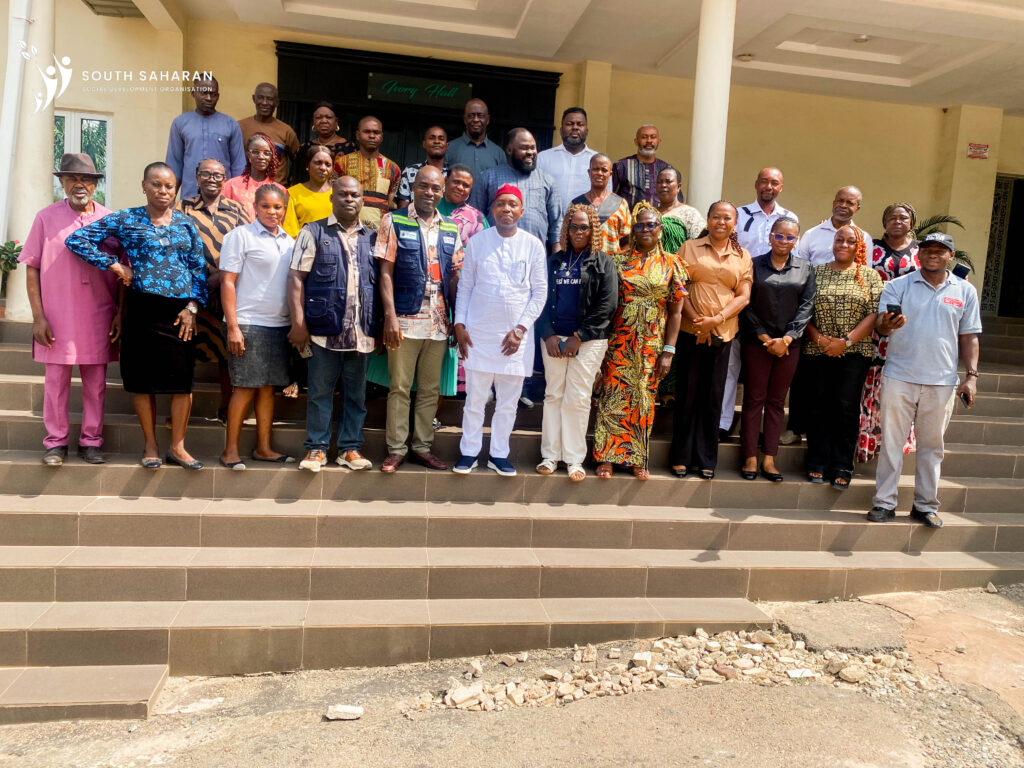
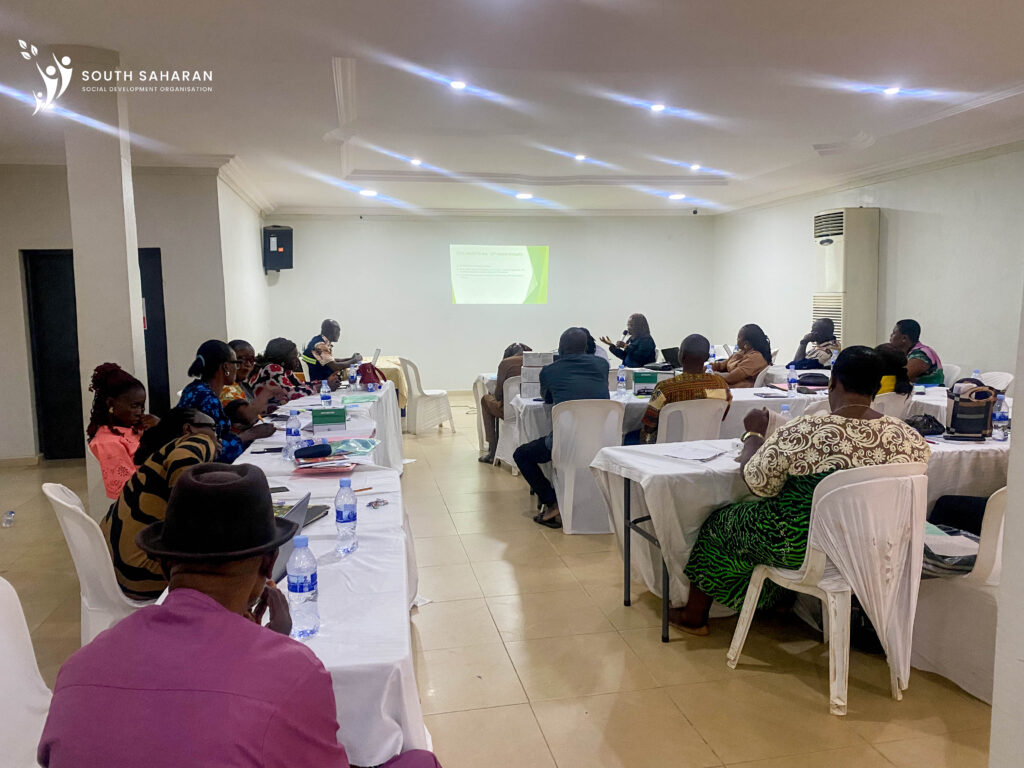
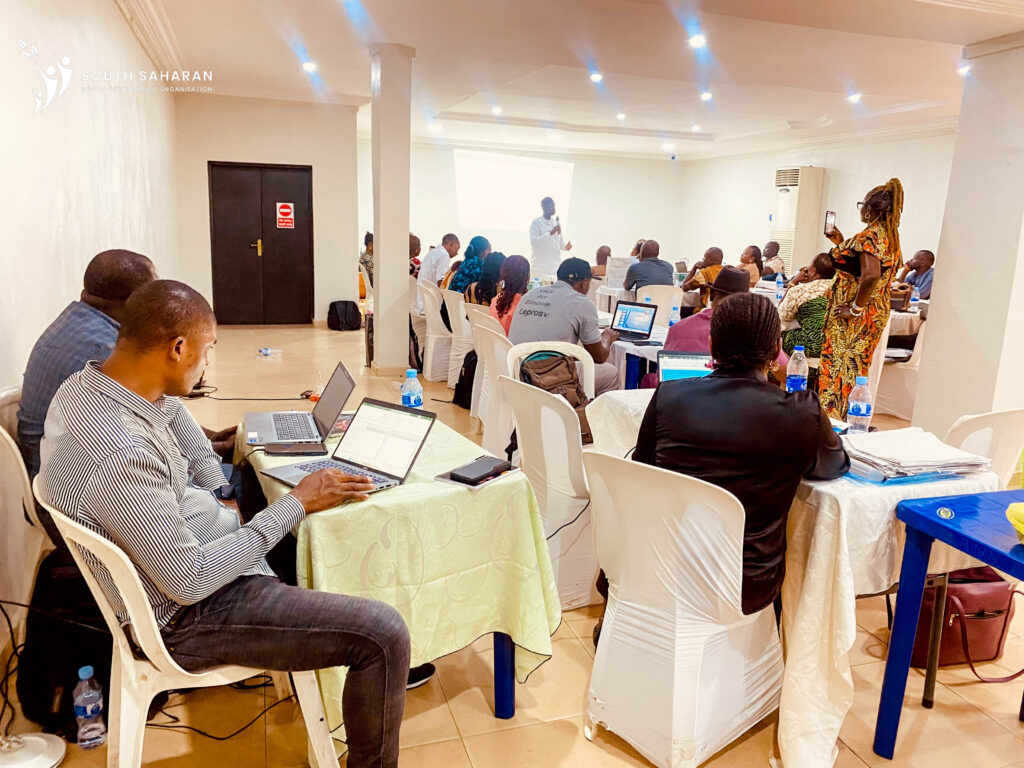
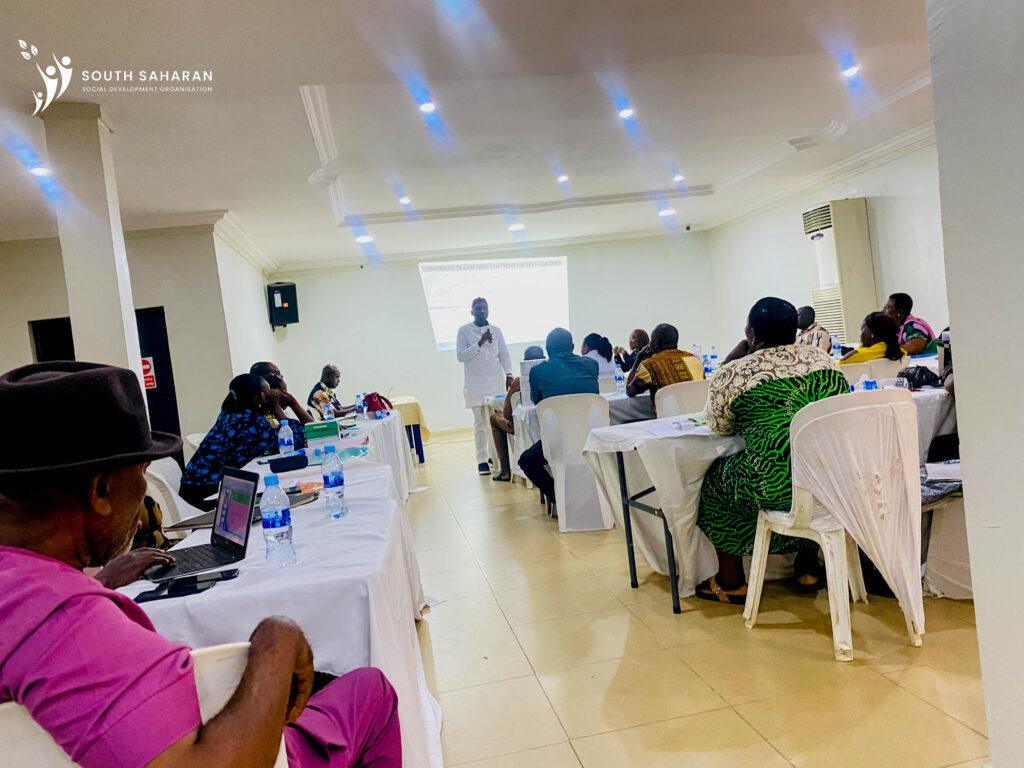
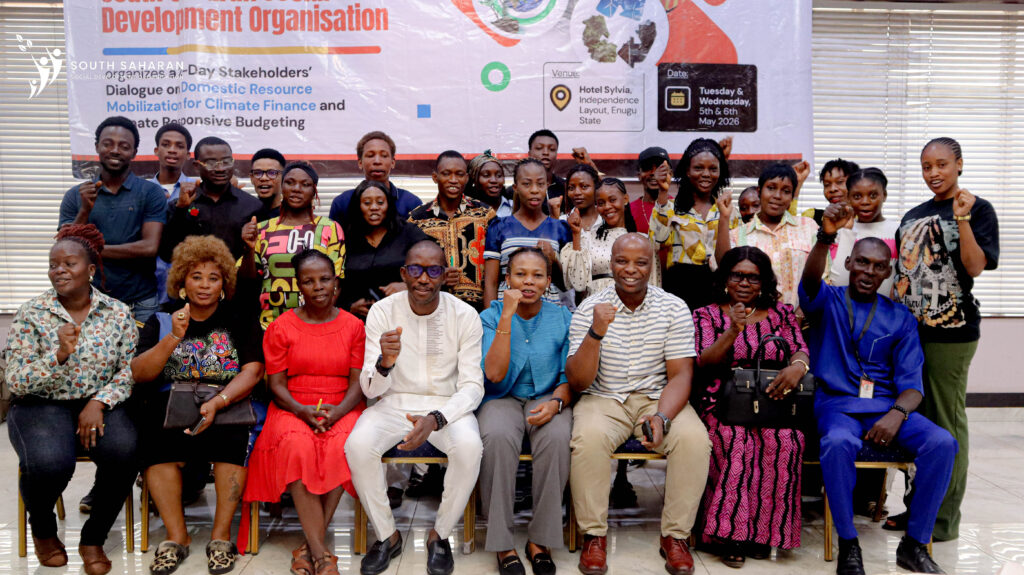
South Saharan Social Development Organisation (SSDO) advances climate governance in Enugu State by strengthening the systems that connect climate policy with financing, implementation, and institutional accountability. Through the Climate Finance and Climate Responsive Budgeting Enugu dialogue, SSDO brought together government institutions, civil society organisations, legislators, and young people to explore sustainable financing pathways that can accelerate climate action and strengthen policy implementation.

Climate change is no longer solely an environmental issue. It is a governance and development challenge that requires institutions to integrate climate priorities into planning, budgeting, and public investment. While policies establish direction, implementation depends on the availability of sustainable financing mechanisms and accountable governance systems.
Bridging the Gap Between Climate Policy and Implementation

Many governments have adopted climate policies and action plans to guide mitigation and adaptation efforts. However, implementation often remains constrained by limited financial resources, fragmented institutional coordination, and weak integration of climate priorities into public budgeting processes.

Enugu State has developed a Climate Change Policy and Action Plan that provides a strategic framework for climate action. Yet achieving the objectives of this framework requires consistent domestic financing, stronger institutional collaboration, and budgeting processes that recognise climate resilience as a development priority.

Without these enabling systems, climate commitments risk remaining policy aspirations rather than measurable outcomes.

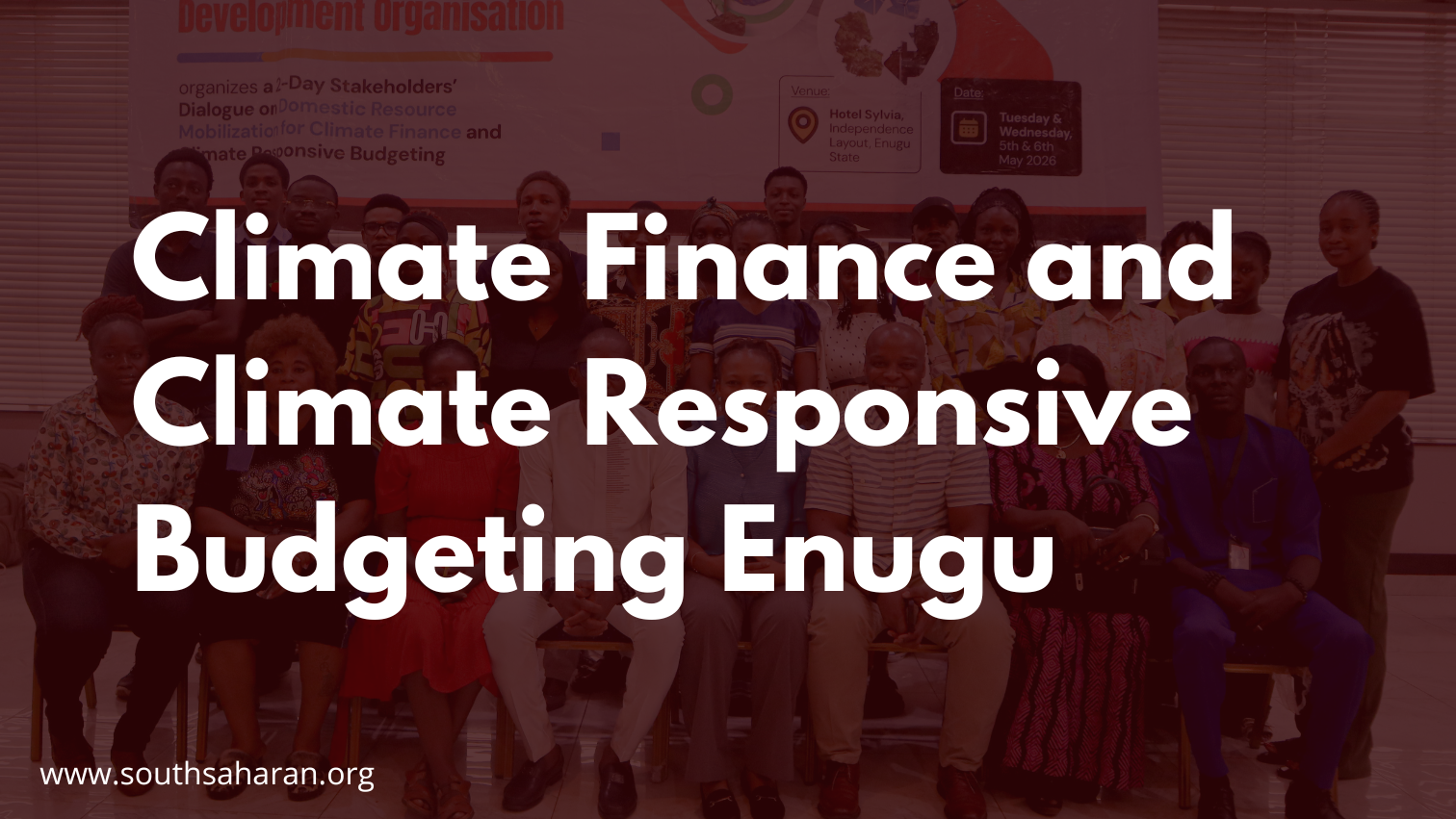
SSDO’s Climate Finance and Climate Responsive Budgeting Enugu Dialogue

To strengthen these governance systems, SSDO convened a two-day Climate Finance and Climate Responsive Budgeting Enugu dialogue under the Strategic Partnership Agreement (SPA II) Project, implemented in partnership with ActionAid Nigeria.

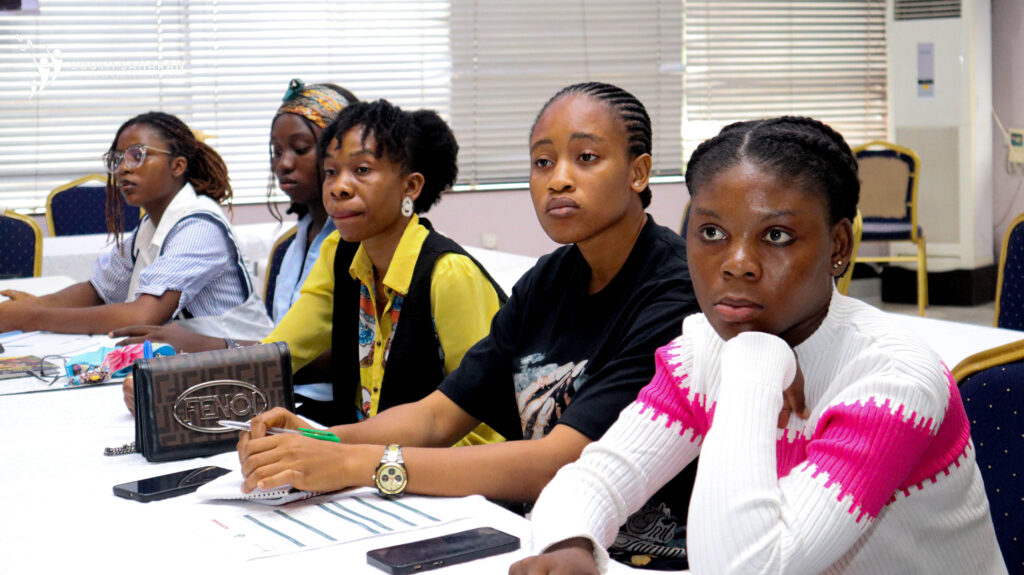
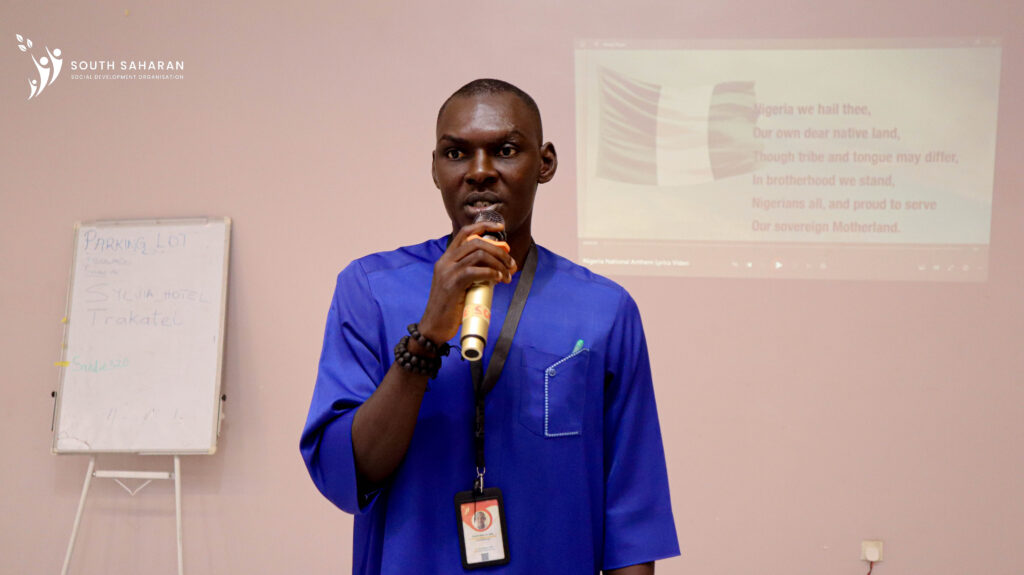
The dialogue created a platform for government institutions, members of the legislature, civil society organisations, and youth representatives to examine practical approaches to financing climate action within Enugu State.

Discussions focused on domestic resource mobilisation, climate-responsive budgeting, institutional accountability, and opportunities for collaboration that can strengthen the implementation of the state’s climate commitments.

Rather than concentrating solely on policy development, the engagement explored how financial systems can better support climate priorities across sectors.
Strengthening Institutional Capacity for Climate Governance

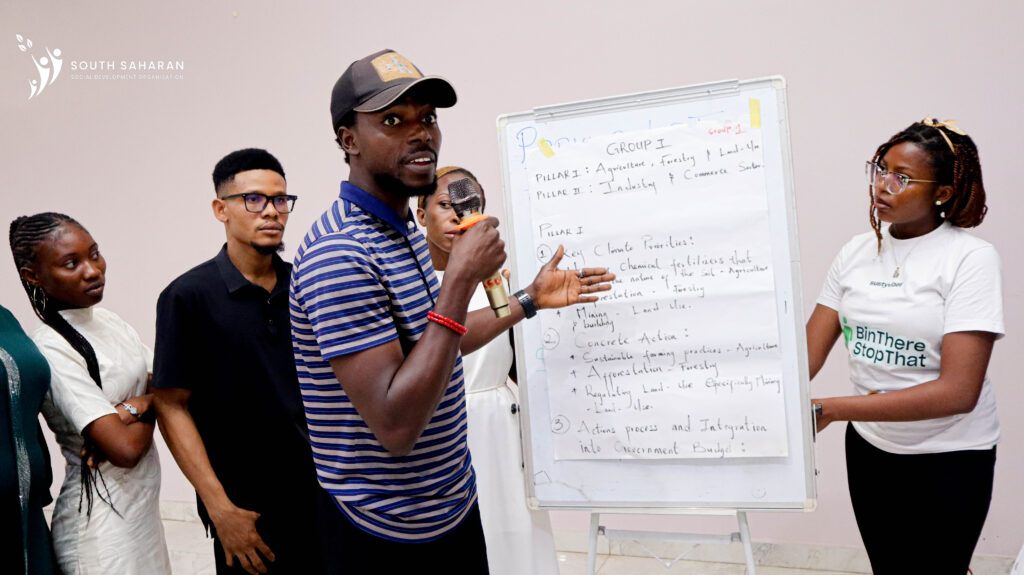
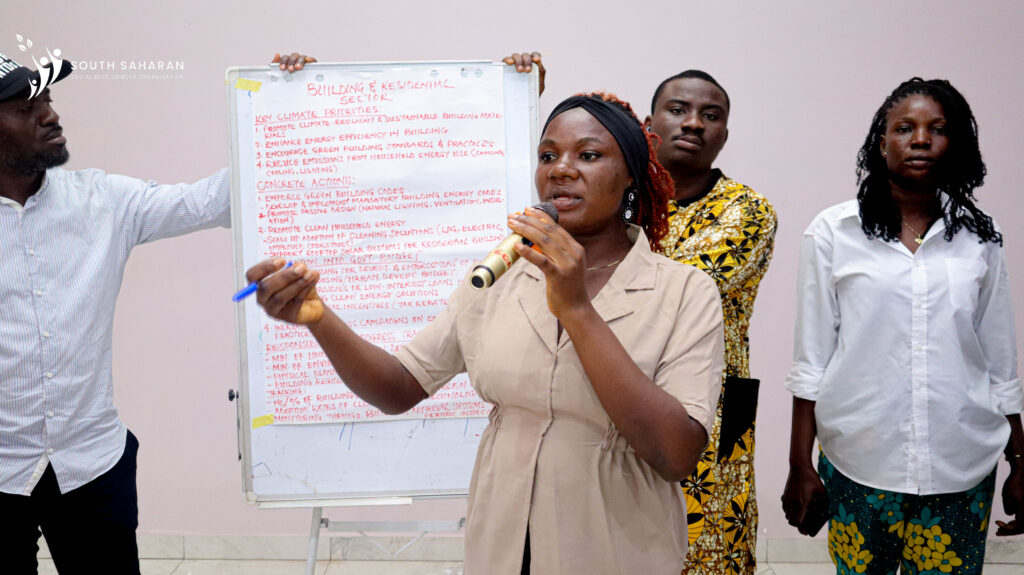
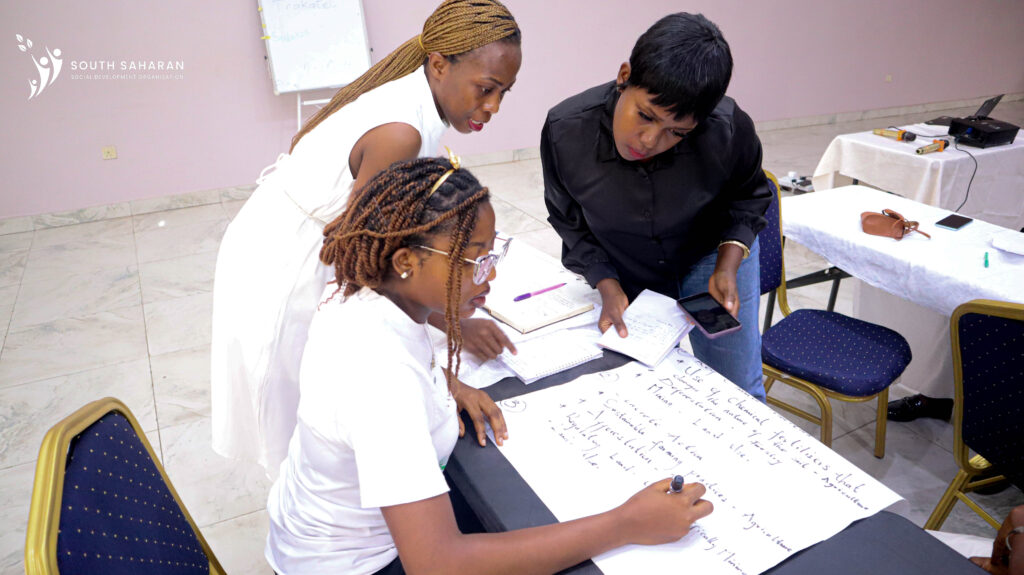
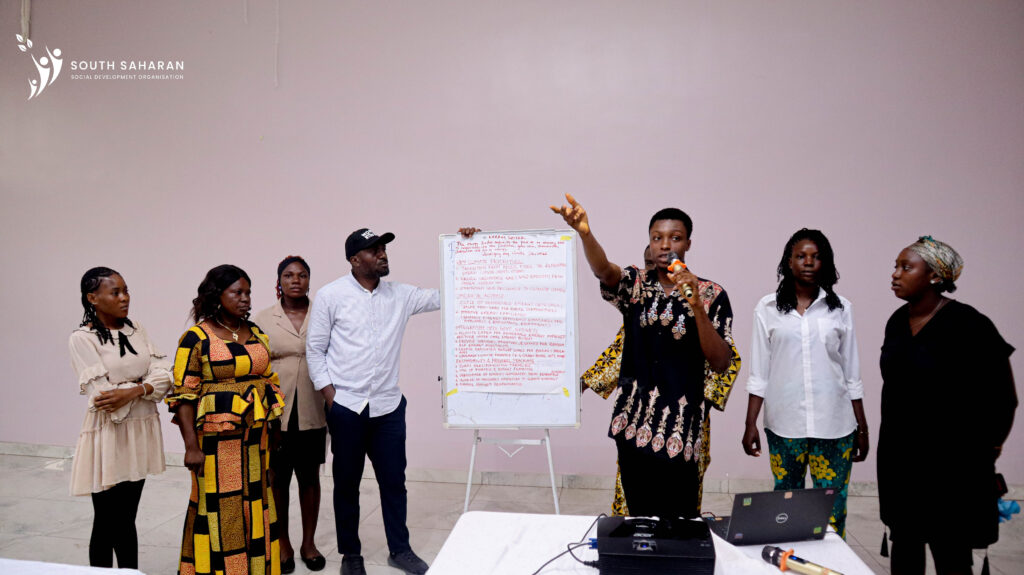
Technical sessions examined practical mechanisms for integrating climate priorities into sectoral budgets and strengthening coordination across government institutions.

Participants explored approaches to identifying sustainable domestic financing sources, improving institutional collaboration, and developing accountability mechanisms that enhance transparency in climate investments.

The dialogue also considered how evidence-based planning and structured budgeting processes can improve the implementation of climate programmes while ensuring that available resources are allocated more effectively.

By focusing on financing and governance together, the engagement recognised that resilient climate systems require both sound policies and sustainable investment.
Expanding Participation in Climate Decision-Making

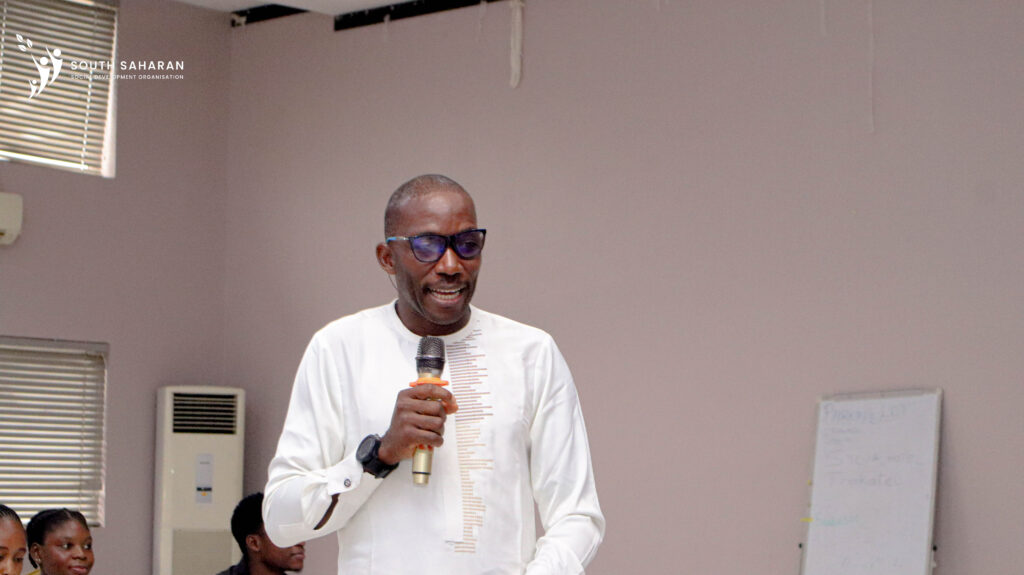
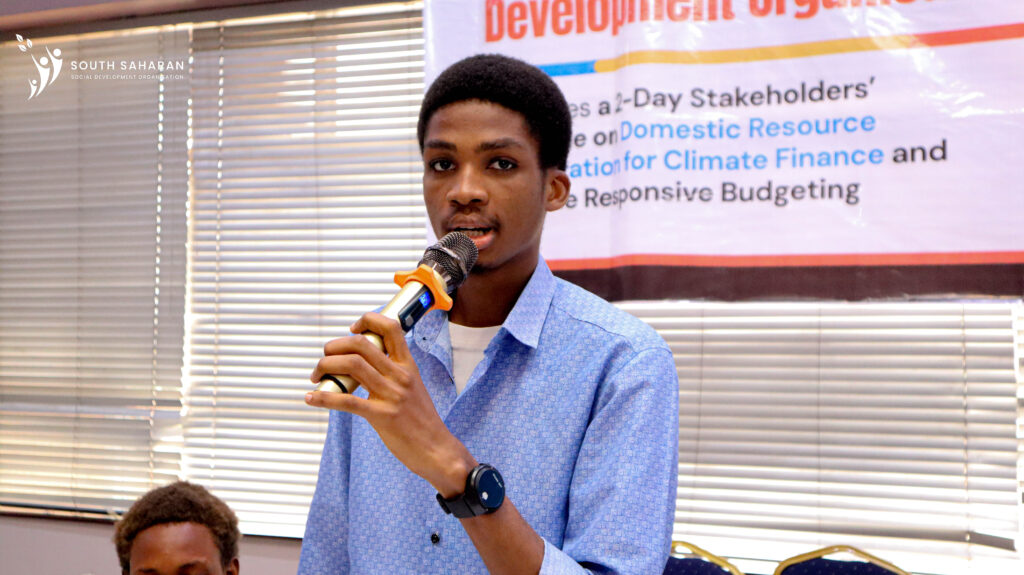
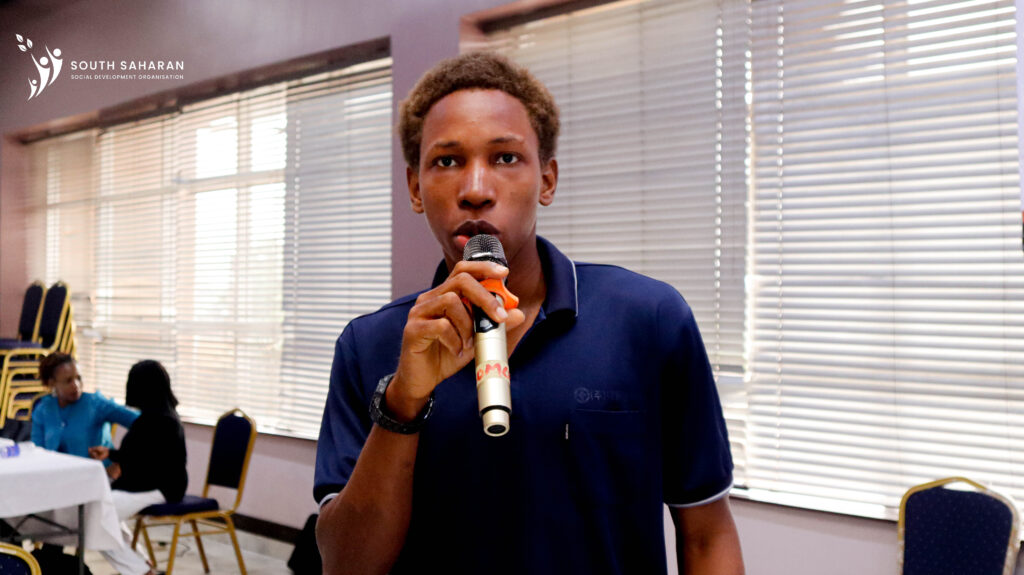
An important feature of the dialogue was the inclusion of young people in discussions on fiscal governance and climate finance.

Young people are among those most affected by climate change, yet they are often underrepresented in conversations about public resource allocation and climate financing decisions.

Providing space for youth participation strengthens inclusive governance by ensuring that diverse perspectives contribute to policy implementation and long-term climate planning.

The dialogue also reinforced the role of civil society organisations in promoting accountability and supporting evidence-based climate governance.
From Dialogue to Policy Action

The engagement concluded with the development of a communiqué and policy recommendations to support continued advocacy and strengthen climate financing frameworks within Enugu State.

These recommendations provide practical guidance for improving climate-responsive budgeting, expanding domestic financing opportunities, and strengthening institutional accountability for climate action.

By translating dialogue into actionable policy recommendations, the intervention contributes to a more coordinated approach to implementing the state’s climate commitments.
Strengthening Climate Governance Through Evidence and Partnership

Achieving climate resilience requires governance systems that align policy, financing, and accountability.

Through the Climate Finance and Climate Responsive Budgeting Enugu dialogue, SSDO demonstrated how evidence-informed engagement can strengthen institutional capacity, improve financing mechanisms, and support the implementation of climate commitments at the subnational level. By convening government institutions, development partners, civil society, and young people around practical financing solutions, SSDO continues to advance climate governance that promotes accountability, resilience, and sustainable development across Enugu State.
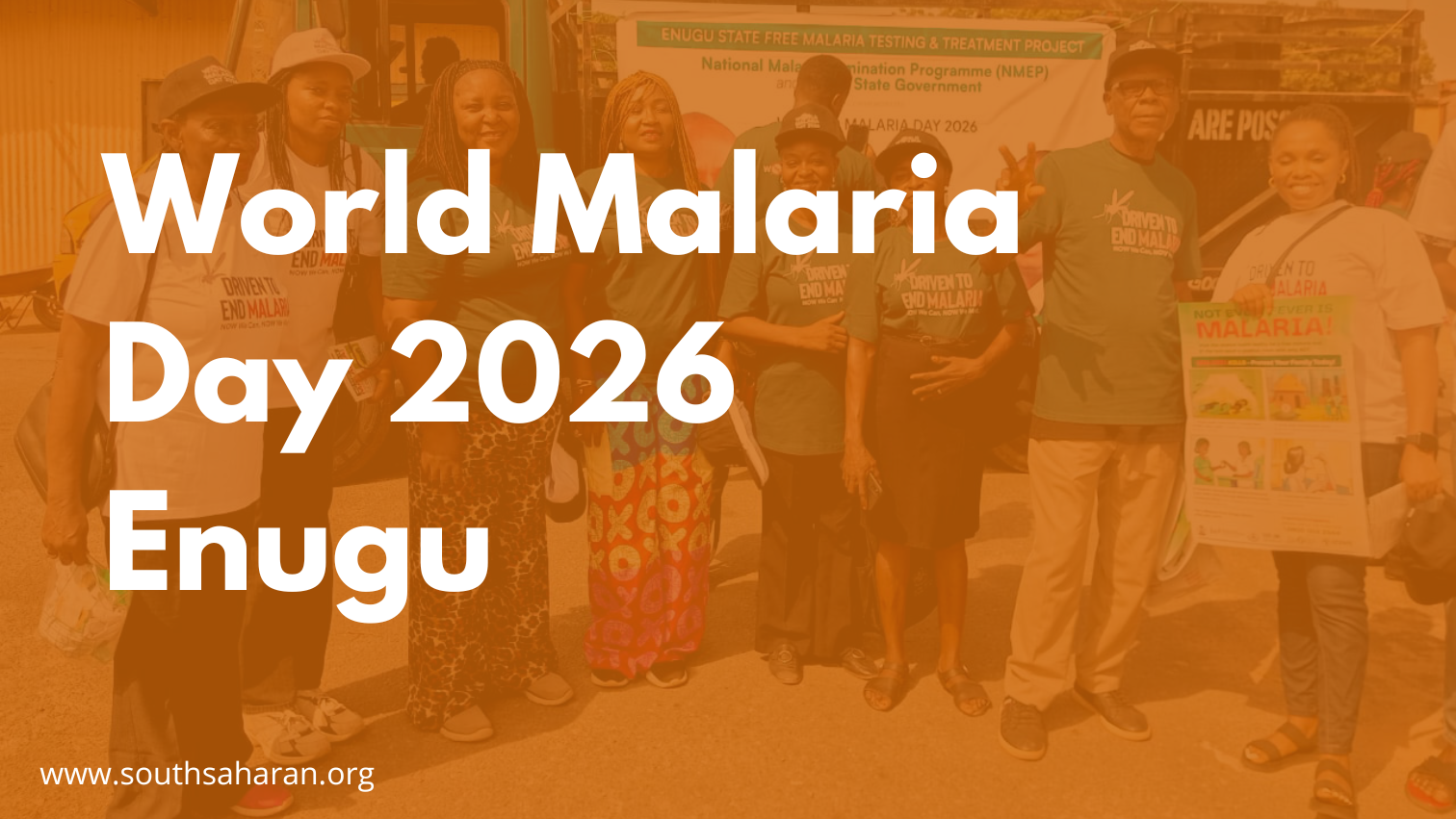
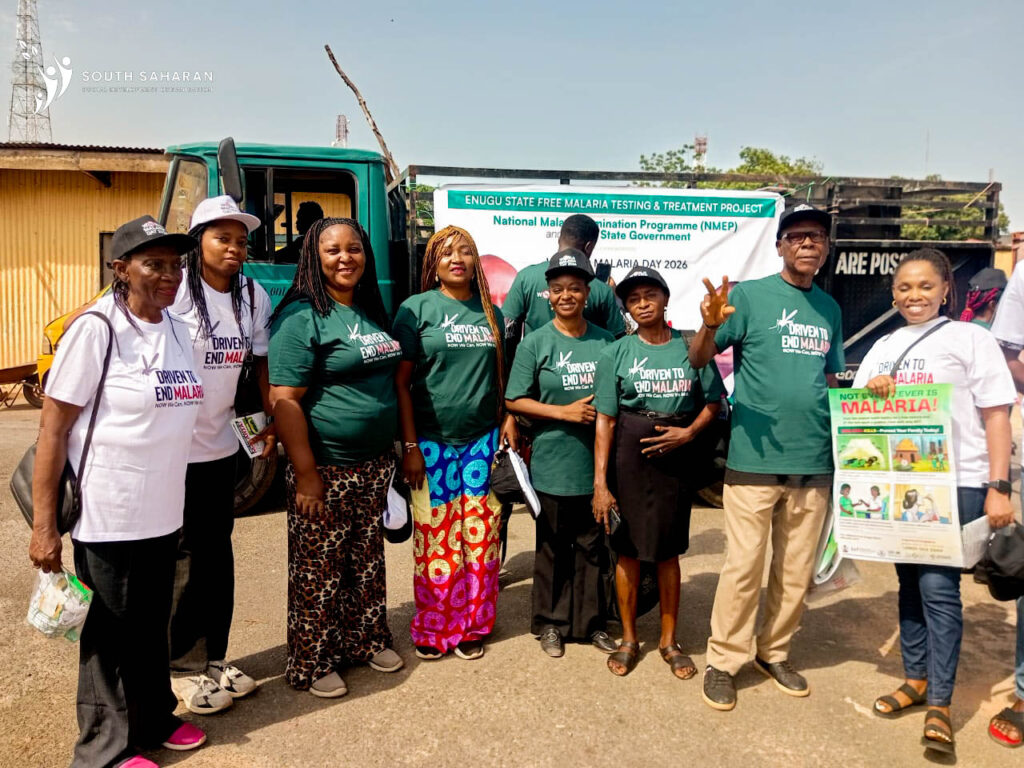
World Malaria Day 2026 Enugu

South Saharan Social Development Organisation (SSDO) strengthens public health systems in Enugu State through community-based interventions, strategic partnerships, and evidence-informed health promotion initiatives.

Malaria remains one of Nigeria’s leading public health challenges. Although the disease is preventable and treatable, transmission continues to be driven by gaps in awareness, delayed diagnosis, inconsistent preventive practices, and unequal access to healthcare services. Reducing this burden requires coordinated action that connects national policies with sustained community engagement.

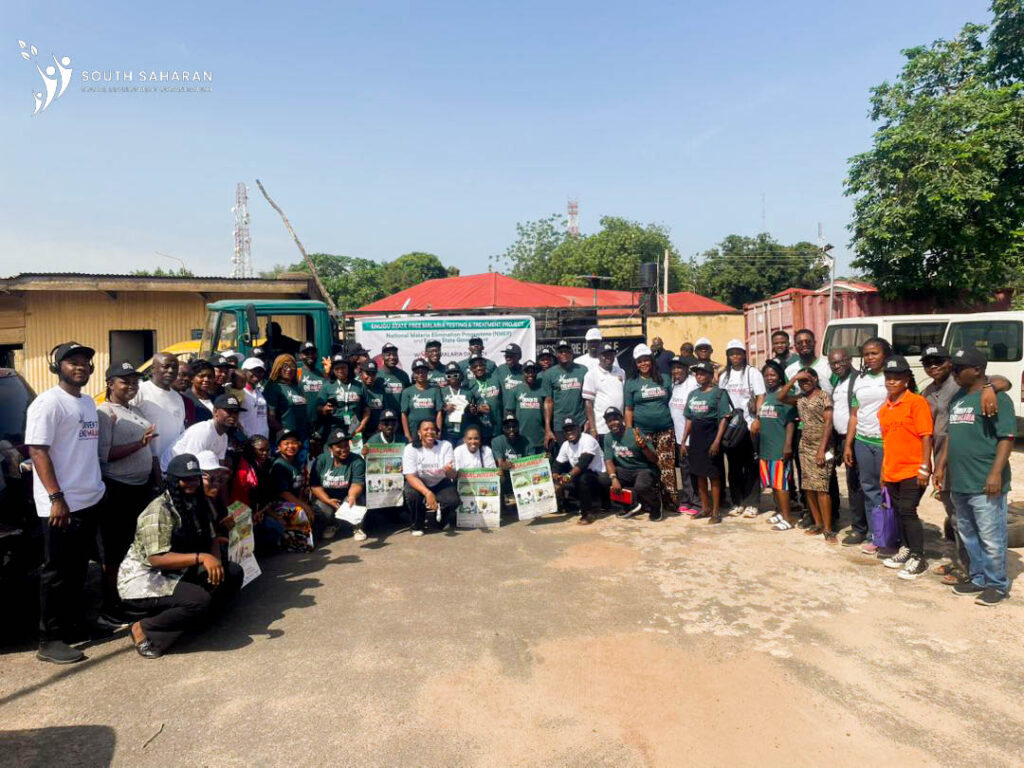
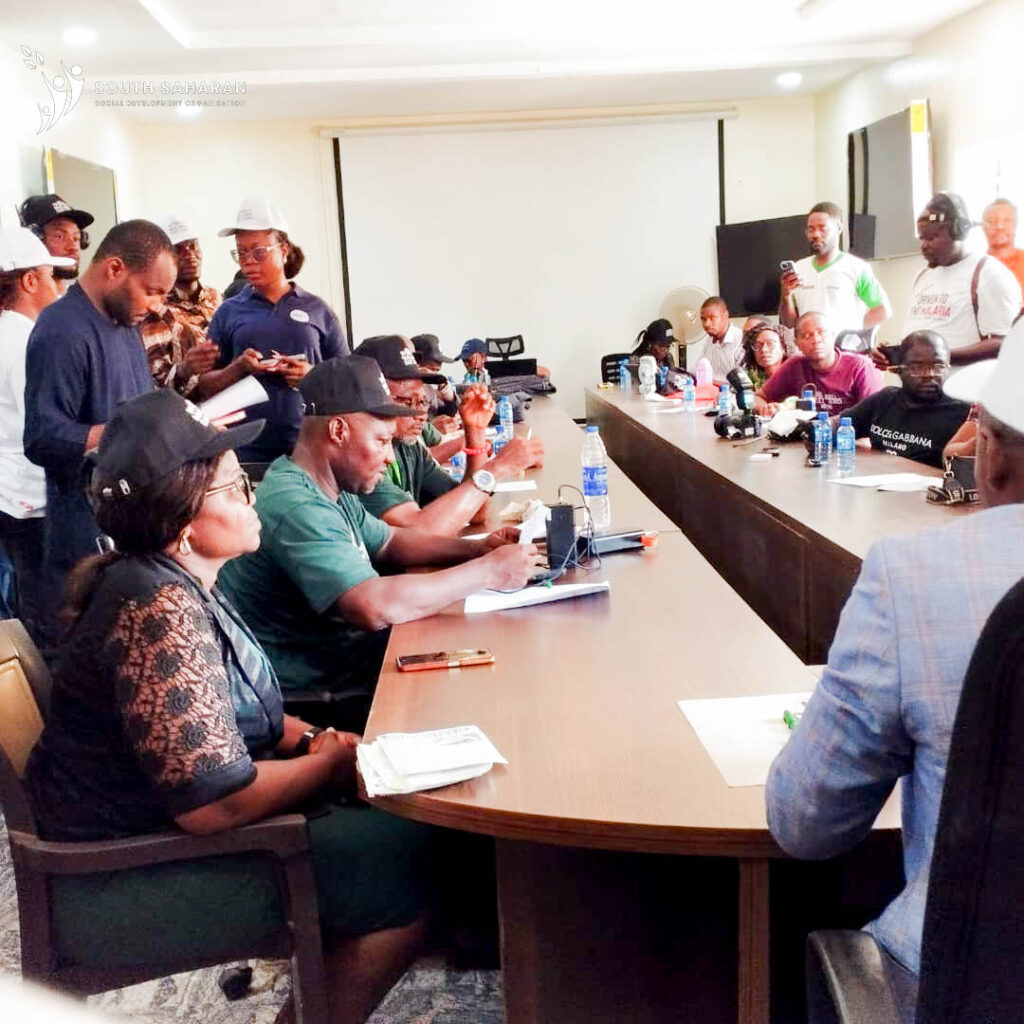
The World Malaria Day 2026 Enugu commemoration formed part of this broader approach, bringing together government institutions and development partners to strengthen public awareness, promote prevention, and support Nigeria’s malaria elimination efforts.

Strengthening Community Response to Malaria

Nigeria accounts for one of the highest malaria burdens globally, making prevention and early treatment critical components of the country’s public health strategy.

While investments in diagnosis, treatment, and vector control have improved outcomes, sustainable progress depends on informed communities that understand how to prevent infection, recognise symptoms early, and seek timely medical care.

Public awareness campaigns remain an important part of malaria control because they encourage behaviour change while strengthening the relationship between communities and the formal health system.

Building resilient health systems therefore requires collaboration between government institutions, development partners, civil society organisations, and local communities.

SSDO’s Contribution to World Malaria Day 2026 Enugu

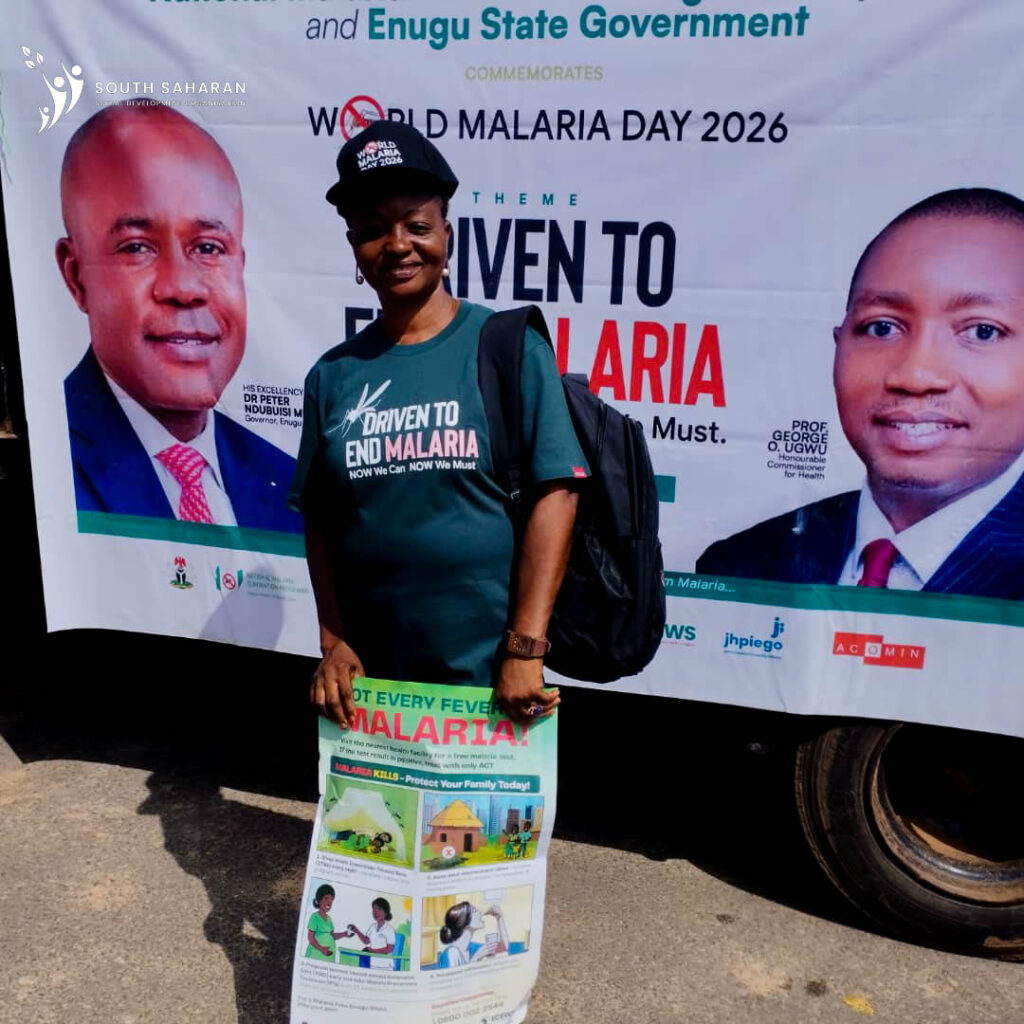
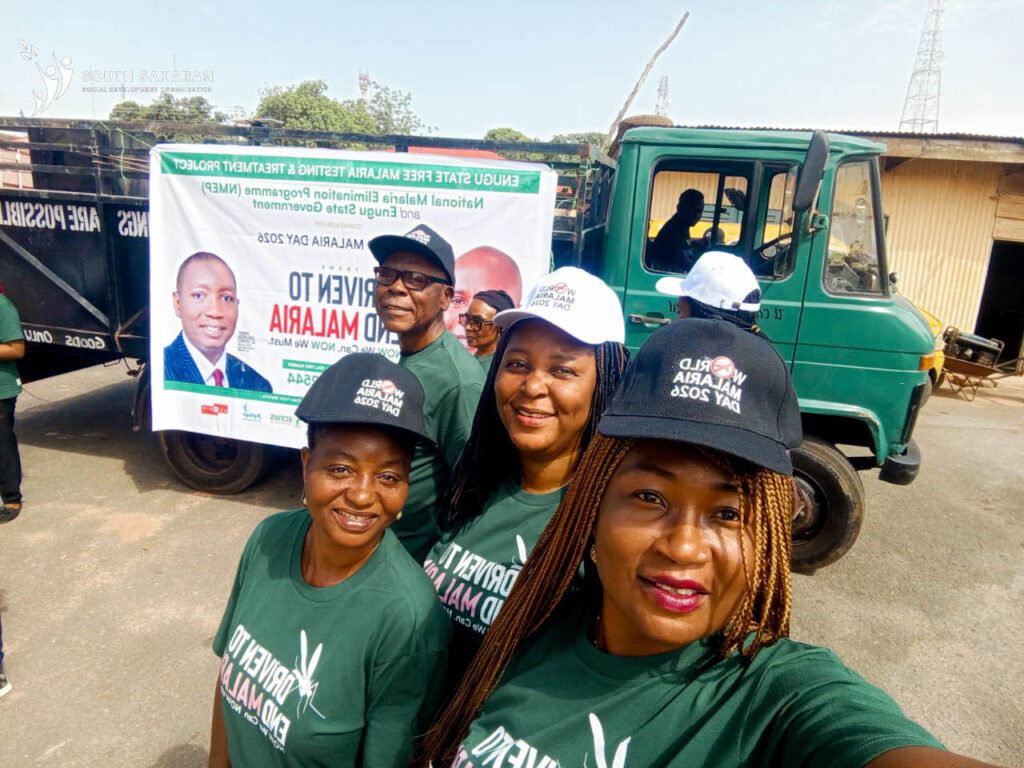
As part of the World Malaria Day 2026 Enugu commemoration, the National Malaria Elimination Programme (NMEP), in collaboration with the Enugu State Ministry of Health, coordinated a public awareness roadshow with support from SSDO and other health partners.

The campaign also brought together the Excellence Community Education Welfare Scheme (ECEWS), Jhpiego, and the Civil Society for Malaria Control, Immunization and Nutrition (ACOMIN).

Rather than serving as a stand-alone awareness activity, the roadshow formed part of a broader public health effort to strengthen community knowledge, encourage preventive practices, and promote early testing and treatment for malaria.

The initiative reflected the importance of coordinated partnerships in extending health information beyond healthcare facilities and into communities where awareness can influence health-seeking behaviour.

Driving Collective Action Against Malaria

The 2026 commemoration was guided by the global theme, “Driven to End Malaria: Now We Can, Now We Must.”

This theme highlights the urgency of accelerating progress towards malaria elimination through sustained collaboration and shared responsibility.

Throughout the campaign, participants engaged community members on the importance of malaria prevention, early diagnosis, and prompt treatment. The initiative reinforced key public health messages while encouraging communities to play an active role in reducing malaria transmission.

By strengthening awareness at the community level, the intervention supports broader efforts to reduce preventable illness and improve health outcomes across Enugu State.
Partnerships That Strengthen Public Health Systems

Malaria control is most effective when institutions work together within a coordinated health system.

SSDO’s participation in the World Malaria Day 2026 Enugu commemoration demonstrates the value of collaboration between government agencies, civil society organisations, and development partners in expanding access to health information and strengthening community-based disease prevention.

These partnerships improve the reach of public health interventions, reinforce consistent messaging, and support the implementation of national malaria control strategies at the community level.

They also contribute to stronger relationships between healthcare institutions and the populations they serve.

Advancing Nigeria’s Malaria Elimination Goals

Ending malaria requires more than medical interventions. It requires health systems that promote prevention, encourage early care-seeking, and sustain collaboration across institutions and communities.

Through its participation in the World Malaria Day 2026 Enugu commemoration, SSDO continues to support coordinated public health initiatives that strengthen community awareness, improve access to health information, and contribute to Nigeria’s malaria elimination agenda.

By investing in partnerships and community-centred health promotion, SSDO reinforces the role of collaborative action in building resilient public health systems and improving health outcomes across Enugu State.

NTBLCP Quarterly Review Enugu

South Saharan Social Development Organisation (SSDO) strengthens public health systems in Enugu State through evidence-based interventions that improve disease detection, treatment outcomes, and continuity of care. The NTBLCP Quarterly Review Enugu provided an opportunity to evaluate programme performance, strengthen collaboration among implementing partners, and use data to improve tuberculosis and integrated health services across the state.

Effective disease control depends on strong partnerships. National health programmes achieve greater impact when government institutions, development partners, and community-based organisations work within coordinated systems that prioritise evidence, accountability, and measurable outcomes.

Strengthening Tuberculosis Response Through Coordinated Health Systems

Tuberculosis remains a significant public health challenge in Nigeria. Delayed diagnosis, treatment interruption, and limited access to healthcare continue to affect disease control efforts, particularly in underserved communities.

Addressing these challenges requires more than clinical care. It depends on coordinated systems that connect disease surveillance, community mobilisation, laboratory services, treatment support, and routine performance monitoring.

The National Tuberculosis and Leprosy Control Programme (NTBLCP) provides the framework for this coordinated response, bringing together government institutions and implementing partners to strengthen tuberculosis prevention, detection, treatment, and monitoring across the country.

Quarterly review meetings play an important role within this system by assessing progress, identifying implementation challenges, and informing strategies for continuous improvement.

SSDO’s Contribution to the NTBLCP Quarterly Review Enugu

As an implementing partner of the National Tuberculosis and Leprosy Control Programme (NTBLCP), Enugu State Chapter, SSDO supports community-based interventions that strengthen tuberculosis control while expanding access to integrated health services.

During the NTBLCP Quarterly Review Enugu, SSDO presented its first-quarter (Q1) 2026 programme performance, demonstrating how community-level implementation contributes to state-wide public health objectives.

The presentation highlighted the organisation’s role in expanding early case detection, improving treatment adherence, and strengthening referral systems that connect communities with formal healthcare services.

By reporting programme outcomes through a structured review process, SSDO contributes to evidence-informed decision-making that supports continuous improvement within Enugu State’s tuberculosis response.

Evidence of Community Health Impact

The Q1 2026 performance reflected measurable progress across tuberculosis and integrated healthcare services.

During the reporting period, SSDO:

  • Screened 27,315 individuals for tuberculosis.
  • Placed 636 patients on TB treatment, strengthening early diagnosis and access to care.
  • Screened 1,303 pregnant women for HIV and syphilis, linking 10 women to Antiretroviral Therapy (ART) and Antenatal Care (ANC) services.
  • Managed 16 drug-resistant tuberculosis (DR-TB) patients, supporting treatment adherence and ensuring regular outpatient follow-up throughout their recovery.

These outcomes demonstrate the value of integrating tuberculosis services with broader community health interventions that improve patient care and strengthen health system performance.

From Programme Delivery to Stronger Health Systems

Community-based implementation plays a vital role in translating national health policies into measurable outcomes.

Through active case finding, patient follow-up, treatment support, and integrated healthcare delivery, SSDO strengthens the systems that enable individuals to access timely diagnosis and remain connected to care throughout the treatment process.

The quarterly review also reinforces institutional accountability by enabling implementing partners to assess progress collectively, identify operational challenges, and share lessons that improve programme effectiveness.

Using routine performance data to guide implementation supports more responsive health systems while ensuring resources are directed toward interventions with the greatest impact.

Strengthening Public Health Through Evidence

Strong public health systems rely on continuous learning, coordinated partnerships, and evidence-based decision-making.

The NTBLCP Quarterly Review Enugu demonstrates the importance of structured performance assessments in strengthening tuberculosis control and improving integrated healthcare delivery across Enugu State. By contributing reliable programme data and community-level implementation experience, SSDO supports a coordinated public health response that advances early disease detection, strengthens treatment continuity, and improves patient outcomes.
SSDO continues to position evidence-driven community health interventions as essential components of resilient public health systems, supporting government-led efforts to strengthen accountability, improve service delivery, and achieve better health outcomes for communities across Enugu State.
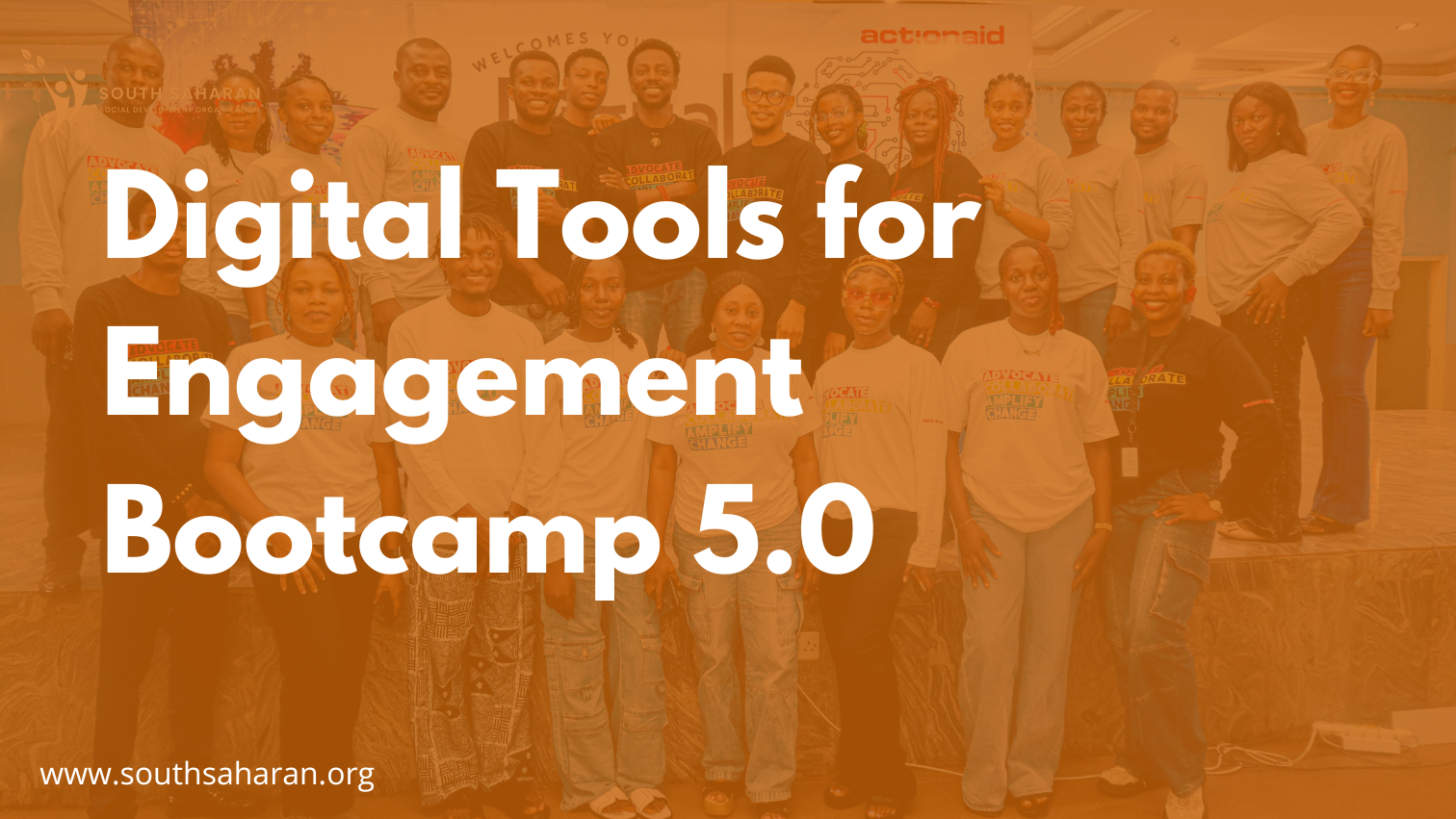
Digital Tools for Engagement Bootcamp 5.0

South Saharan Social Development Organisation (SSDO) advances youth participation in governance by strengthening the systems that enable informed advocacy, digital engagement, and policy influence.

Across Nigeria, young people remain central to democratic participation and social change. However, meaningful engagement requires more than awareness. It demands the skills, tools, and strategic understanding needed to influence public discourse, shape policy conversations, and mobilise communities around shared development goals.

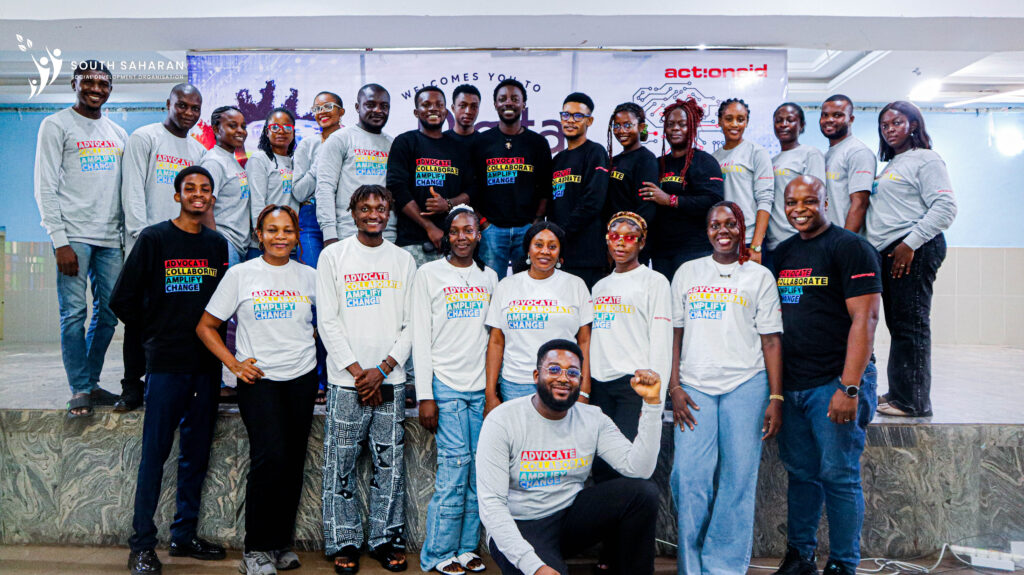
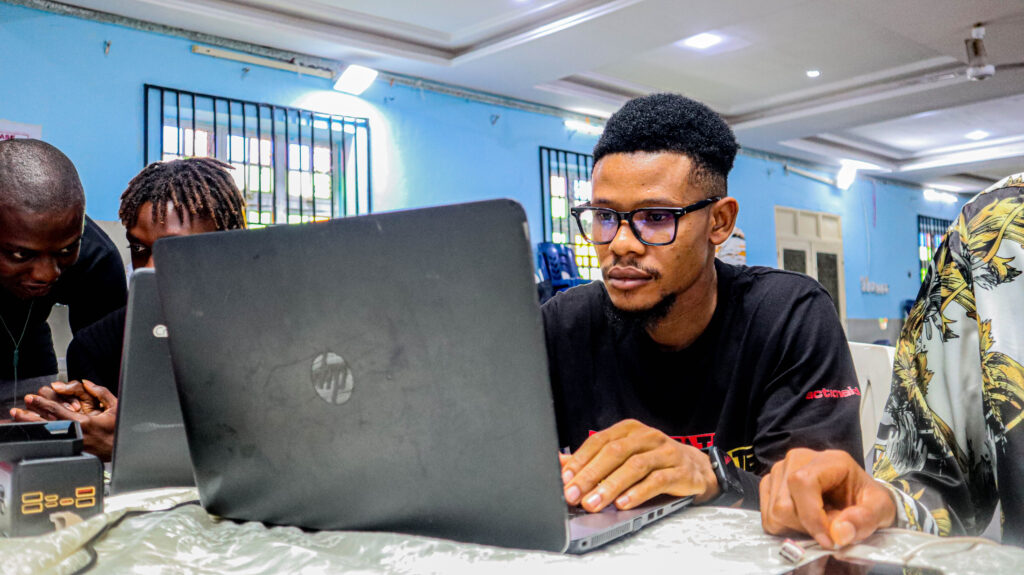
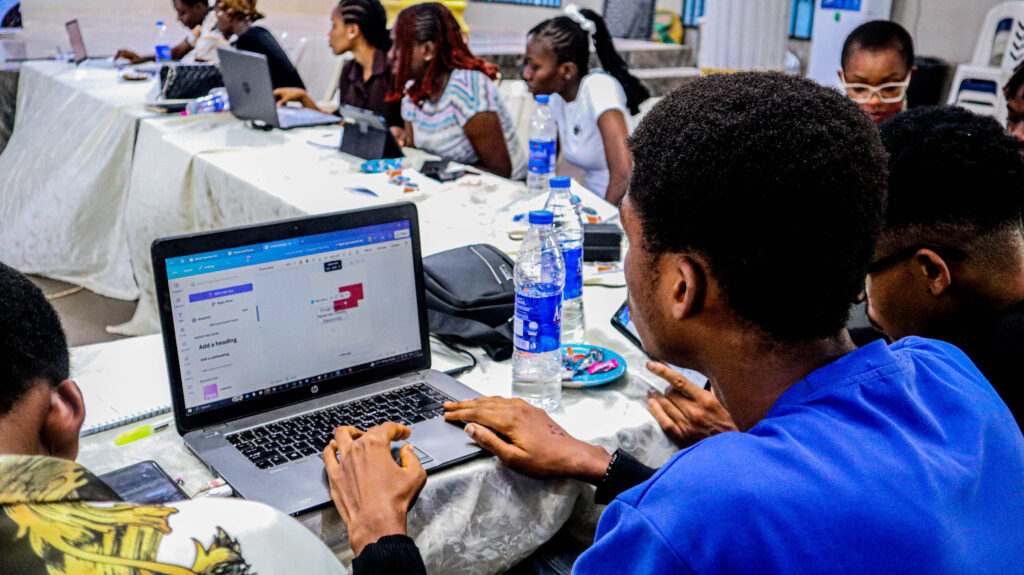
Through the Digital Tools for Engagement Bootcamp 5.0, SSDO expanded the capacity of young people to engage governance processes using digital technologies, artificial intelligence, and evidence-based advocacy.

Strengthening Youth Participation in Governance

Young people represent one of the largest and most influential demographic groups in Nigeria. Their participation is essential to building accountable institutions, promoting democratic governance, and advancing sustainable development.

Despite this potential, many young people face barriers that limit their influence within governance processes. While civic awareness has increased, opportunities to develop practical advocacy, digital communication, and policy engagement skills remain limited.

At the same time, emerging technologies are transforming how citizens organise campaigns, communicate with decision-makers, and influence public opinion. Artificial intelligence, digital media, and online engagement platforms now play a growing role in advocacy and civic participation.

Building youth capacity in these areas strengthens both individual leadership and broader governance systems.

SSDO’s Digital Tools for Engagement Bootcamp 5.0

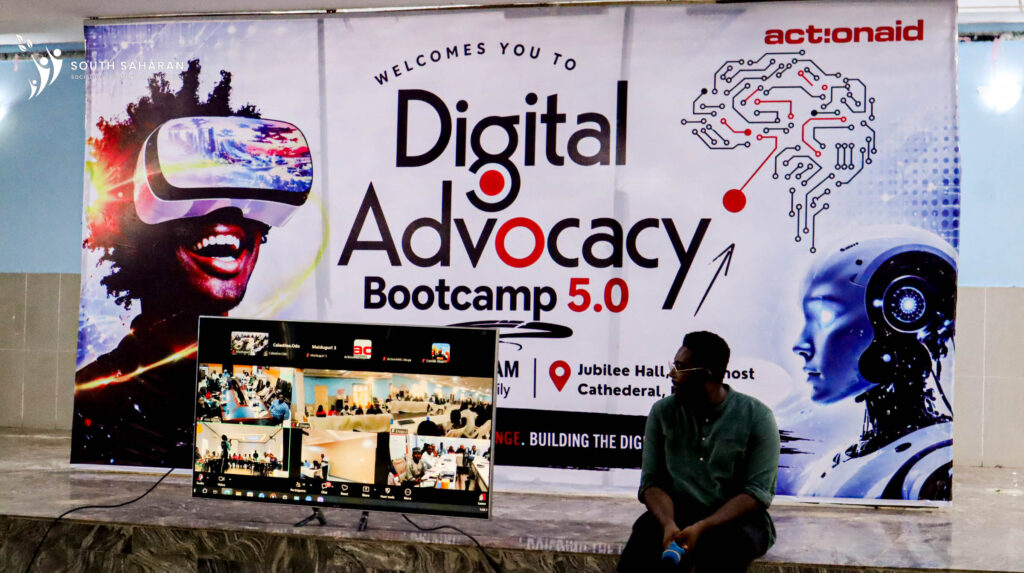
As part of the Strategic Partnership Agreement (SPA II) Project, SSDO, in partnership with ActionAid Nigeria and other stakeholders, implemented the Digital Tools for Engagement Bootcamp 5.0.

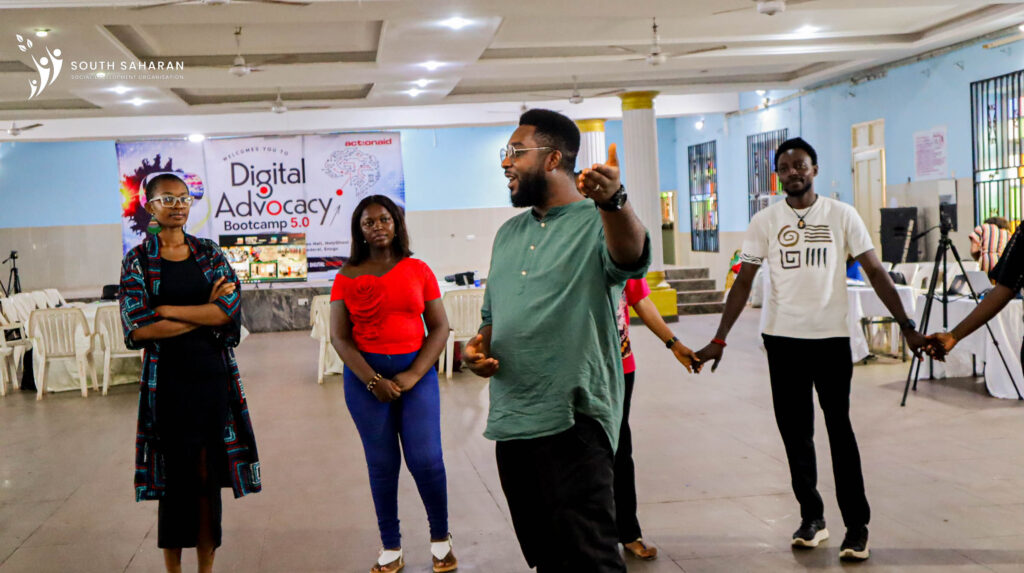
The three-day programme was designed as a structured capacity-building intervention that combined governance education with practical digital skills development.

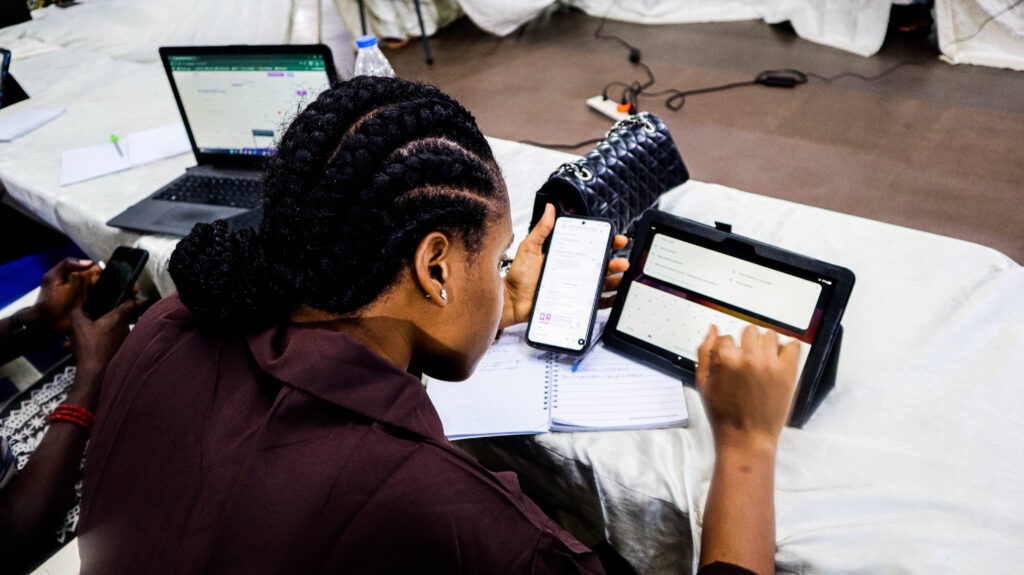
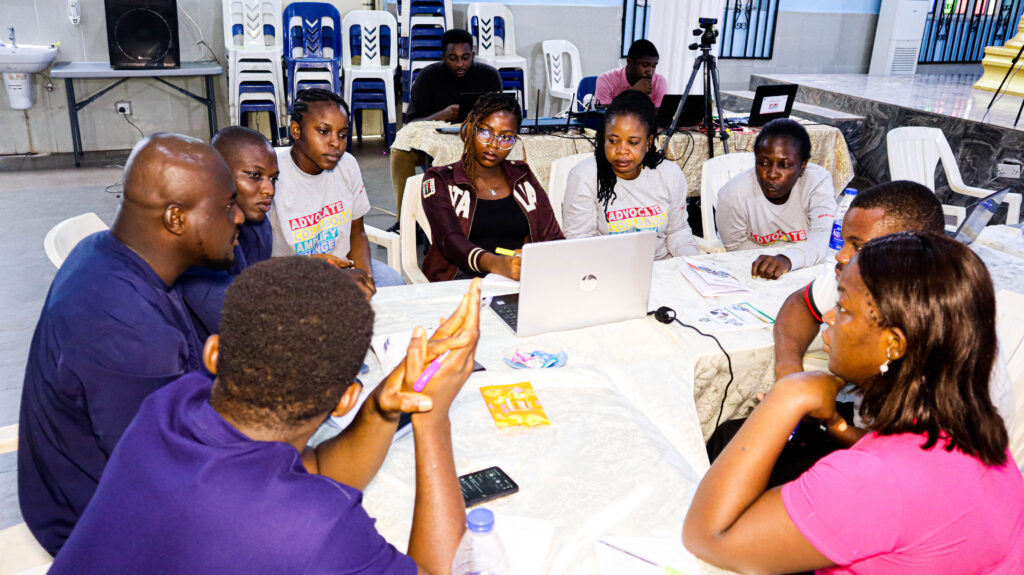
Participants explored Nigeria’s political economy, governance structures, human rights, and civic participation while receiving hands-on training in advocacy design, AI-powered content creation, digital campaigning, website development, and cybersecurity.

Rather than focusing solely on theoretical learning, the bootcamp encouraged participants to apply their knowledge through collaborative group work and practical exercises.

The programme concluded with participants developing community-based campaign action plans that reflected real governance challenges and locally relevant advocacy strategies.

From Civic Awareness to Strategic Action

One of the defining features of the bootcamp was its emphasis on moving beyond awareness toward structured civic engagement.

Participants reflected on how public finance, government policy, and institutional decision-making shape opportunities for young people and influence community development.

Many described a significant shift in how they now approach advocacy. Rather than relying on passion alone, participants recognised the importance of planning, evidence, collaboration, and sustained engagement.

For several participants, the programme also provided their first practical experience using artificial intelligence and digital platforms to strengthen advocacy campaigns, create strategic communications, and collaborate across different communities.

The integration of offline engagement, digital media, and emerging technologies demonstrated how modern advocacy can operate across multiple platforms to achieve greater reach and impact.

Building a Stronger Network of Youth Leaders

The Digital Tools for Engagement Bootcamp 5.0 contributes to a growing network of informed and skilled young leaders equipped to engage governance systems more effectively.

By strengthening participants’ technical capacity alongside their understanding of governance processes, the programme supports long-term civic participation that extends beyond individual training sessions.

Participants are better positioned to design advocacy campaigns, engage policymakers, mobilise communities, and contribute to accountability processes within their respective contexts.

This multiplier effect strengthens youth leadership while expanding opportunities for collective action and community-driven development.

Positioning Youth as Partners in Governance

Inclusive governance depends on citizens who possess both the knowledge and the practical skills to influence public institutions constructively.

Through the Digital Tools for Engagement Bootcamp 5.0, SSDO demonstrates how strategic investments in youth capacity can strengthen democratic participation, improve civic engagement, and promote more accountable governance systems. By equipping young people with digital, technological, and advocacy skills, the organisation is contributing to a new generation of leaders capable of shaping public policy, driving community action, and advancing inclusive development across Nigeria.

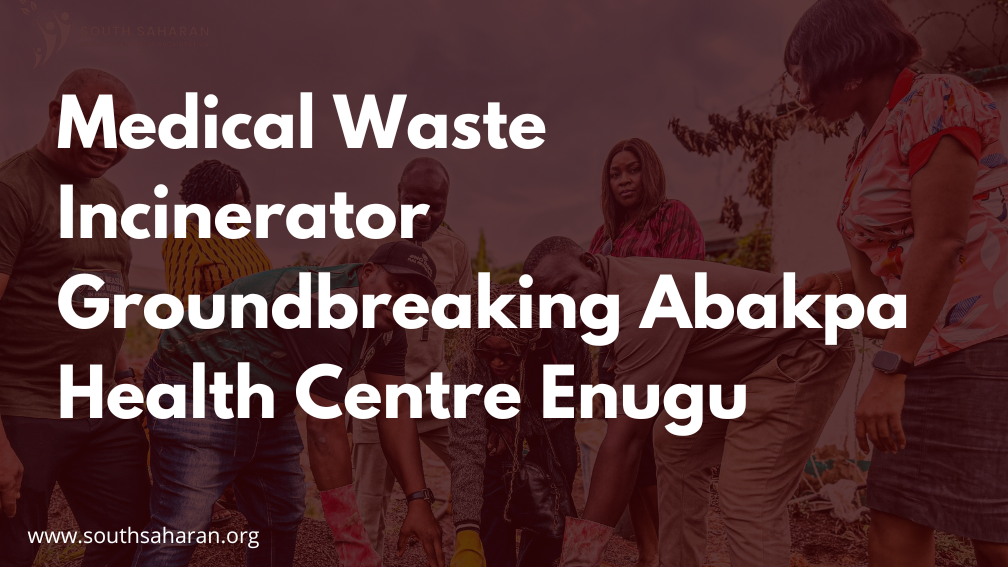
Medical Waste Incinerator Groundbreaking Abakpa Health Centre Enugu

South Saharan Social Development Organisation (SSDO) strengthens public health systems in Enugu State through infrastructure investments that improve safety, accountability, and quality healthcare delivery. The Medical Waste Incinerator Groundbreaking Abakpa Health Centre Enugu marks the beginning of a critical health infrastructure project designed to strengthen medical waste management and infection prevention across Enugu East Local Government Area.

Healthcare infrastructure extends beyond buildings and medical equipment. Effective health systems also depend on safe waste management practices that protect patients, healthcare workers, and surrounding communities from preventable health and environmental risks.

Strengthening Medical Waste Management Systems

Healthcare facilities generate hazardous waste every day. Without safe disposal systems, infectious materials can contaminate the environment, increase the risk of disease transmission, and undermine public confidence in health services.

In Enugu East LGA, gaps in medical waste management continue to present significant challenges. Inadequate disposal systems expose health facilities to infection risks, create environmental hazards, and make compliance with public health regulations more difficult.

Addressing these challenges requires long-term infrastructure that supports safe disposal while strengthening the broader healthcare system.

SSDO’s Medical Waste Infrastructure Intervention

To address this institutional gap, SSDO is implementing the installation of a modern medical waste incinerator at Abakpa Health Centre, Enugu State, through the Japanese Grant Assistance for Grassroots Human Security Projects (GGP).

The project establishes a centralised, standards-compliant system for the safe disposal of hazardous medical waste generated by Abakpa Health Centre and surrounding public and private health facilities within Enugu East LGA.

Rather than serving a single facility, the intervention strengthens healthcare waste management across a wider service delivery network, creating safer conditions for health workers, patients, and neighbouring communities.

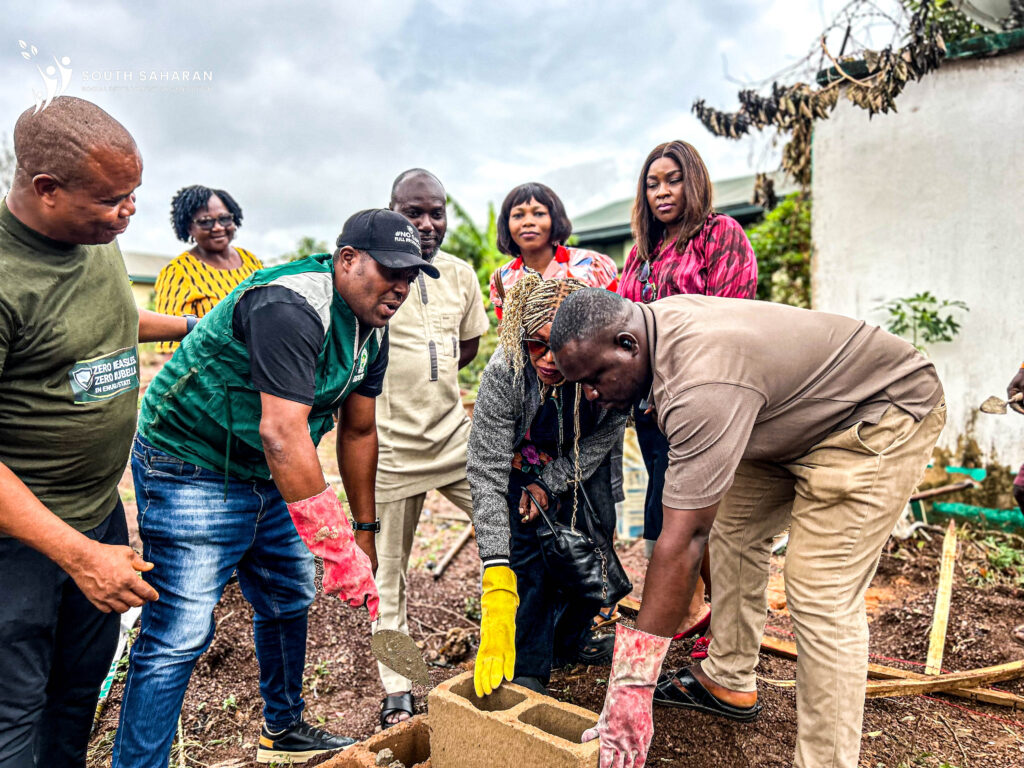
The groundbreaking ceremony marked the transition from project planning to implementation, signalling the commencement of infrastructure that will strengthen infection prevention and environmental health within the local healthcare system.

Institutional Collaboration for Sustainable Health Infrastructure

The groundbreaking ceremony brought together government institutions responsible for healthcare delivery and infrastructure development, reinforcing a coordinated approach to strengthening public health systems.

Among those in attendance were Dr. Ifenyinwa Ugwunweze, Secretary, Local Government Health Authority; Archt. Ude Ifeoma, representing the Enugu State Ministry of Works; and Ayogu Ikedichukwu Emmanuel, Deputy State Immunization Officer.

The project is led by Dr. Stanley Ilechukwu, M.D., Executive Director of South Saharan Social Development Organisation, whose leadership continues to position infrastructure development as a key component of resilient healthcare systems.

The participation of these institutions reflects the importance of collaboration in delivering sustainable public health infrastructure that meets regulatory standards and supports long-term service delivery.

Building Safer and More Resilient Health Systems

The installation of the medical waste incinerator will strengthen multiple components of the healthcare system.

It will improve infection prevention by ensuring hazardous waste is managed safely and consistently. It will reduce environmental contamination associated with unsafe disposal practices. It will also strengthen regulatory compliance by providing health facilities with access to appropriate waste management infrastructure.

Beyond waste disposal, the intervention contributes to safer working conditions for healthcare professionals and improved protection for surrounding communities.

By investing in infrastructure that supports essential health services, SSDO is strengthening the systems that enable healthcare facilities to deliver quality care more effectively.

Creating Long-Term Public Health Impact

Resilient public health systems depend on infrastructure that supports safe clinical practice, environmental protection, and institutional accountability.

The Medical Waste Incinerator Groundbreaking Abakpa Health Centre Enugu demonstrates how targeted infrastructure investments can address systemic challenges that affect healthcare quality and public safety. By strengthening medical waste management systems within Enugu East LGA, the project contributes to safer health facilities, stronger infection prevention measures, and more sustainable healthcare delivery.

SSDO continues to position infrastructure-based interventions as essential components of resilient public health systems, supporting evidence-based investments that improve service delivery and strengthen healthcare institutions across Enugu State.