SSDO

World TB Day Community Outreach Enugu

South Saharan Social Development Organisation (SSDO) strengthens community health systems in Enugu State through evidence-informed interventions that improve disease prevention, early detection, and access to quality healthcare. The World TB Day Community Outreach Enugu formed part of this broader approach, expanding tuberculosis screening and integrated health services within underserved communities while supporting Nigeria’s national TB response framework.
Tuberculosis remains one of Nigeria’s most significant public health challenges. Although the disease is preventable and curable, delayed diagnosis, limited awareness, and barriers to healthcare continue to contribute to transmission and poor treatment outcomes. Addressing these challenges requires coordinated systems that connect national health programmes with community-based interventions capable of reaching populations that are often underserved.

Strengthening Community Health Systems Through Early Detection

Nigeria remains among the countries with the highest tuberculosis burden globally. Many cases go undetected because people have limited access to screening services or are unaware of the symptoms that require medical attention.

Community-based interventions play an important role in strengthening public health systems by bringing screening, health education, and referral services closer to where people live and work. They also help reduce delays in diagnosis, improve treatment outcomes, and strengthen trust between communities and healthcare providers.

Embedding TB services within broader health interventions further improves access by allowing individuals to receive multiple essential health services during a single outreach.
SSDO’s World TB Day Community Outreach Enugu

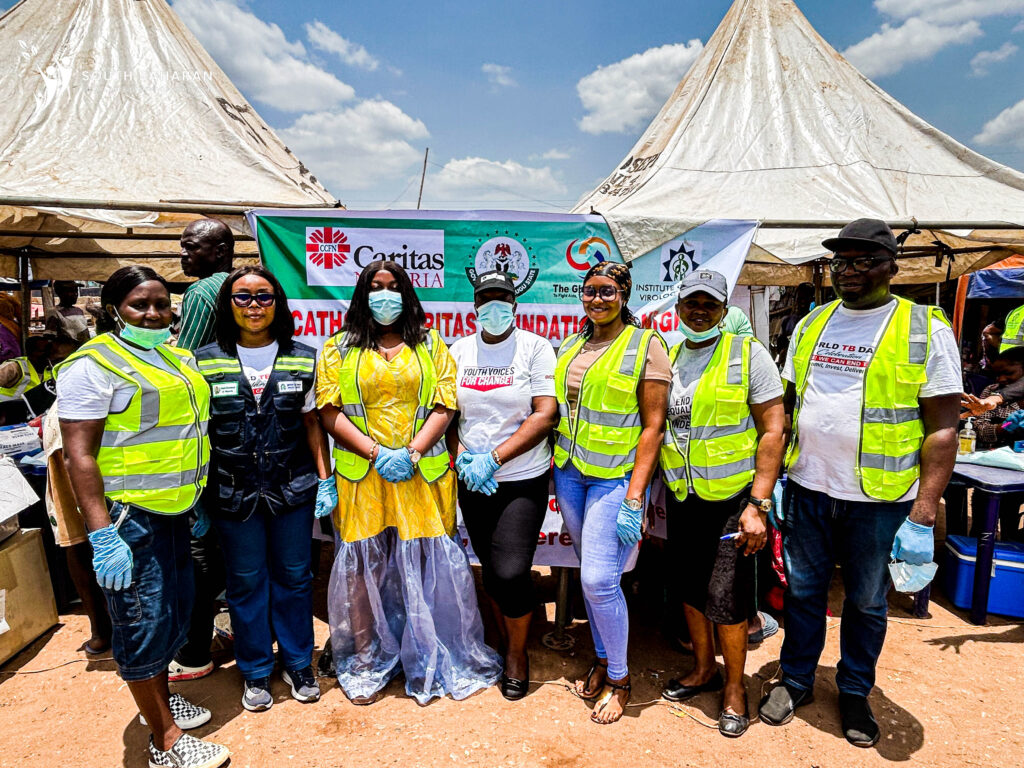
To commemorate World TB Day 2026, SSDO collaborated with the World Health Organization (WHO), Caritas Nigeria, the Institute of Human Virology Nigeria (IHVN), and the National Tuberculosis and Leprosy Control Programme (NTBLCP) to implement a structured community health outreach across Enugu North and Udenu Local Government Areas.

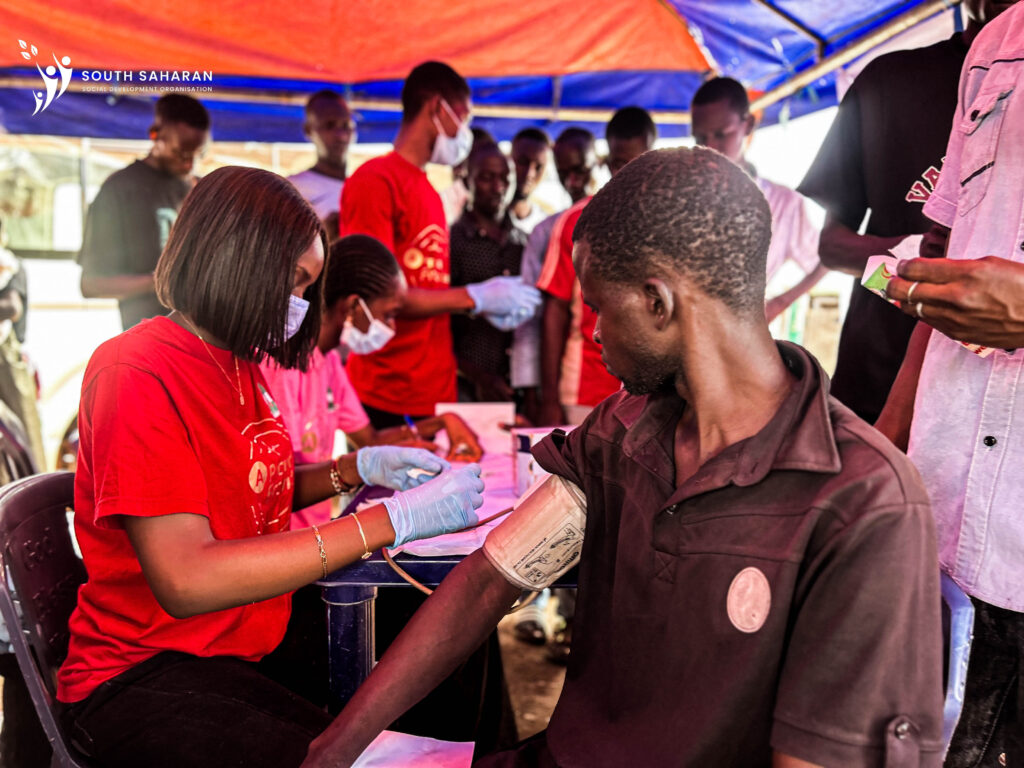
The intervention was delivered at New Artisan and Orie Orba Market, bringing tuberculosis screening and integrated healthcare services directly to communities where access to routine health services may be limited.

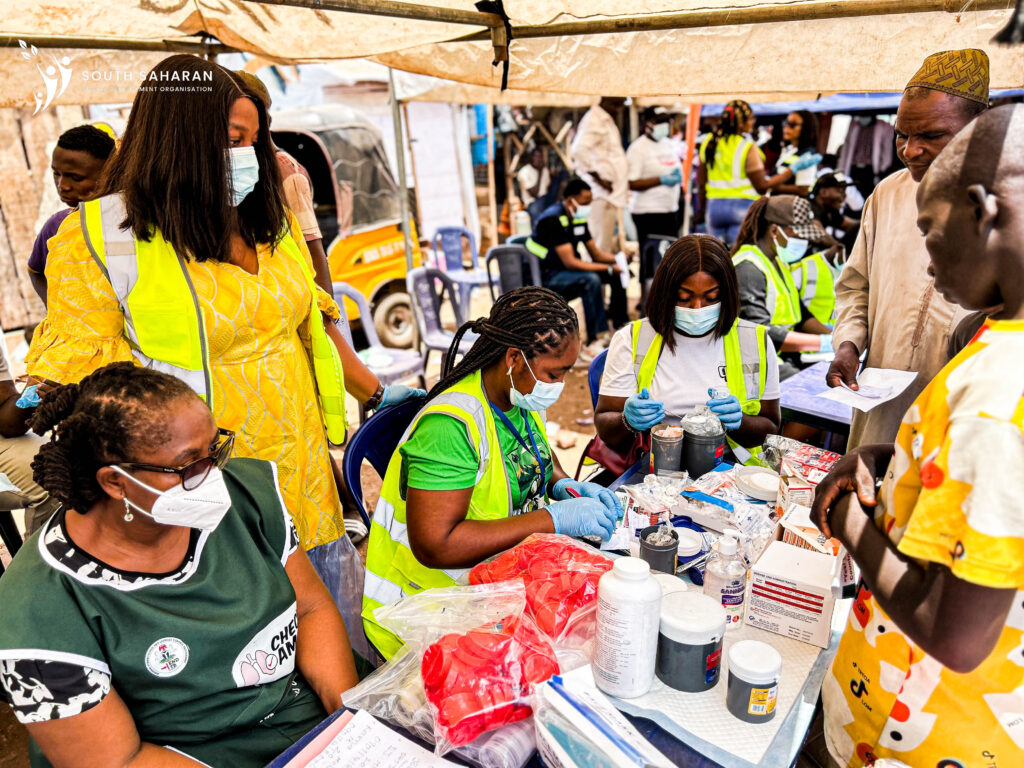
The outreach combined health education with active case finding, ensuring that community members not only received information about tuberculosis but also had immediate opportunities to access screening and referral services.
Expanding Access to Integrated Health Services

The World TB Day Community Outreach Enugu reached more than 1,200 community members across the two intervention locations.

As part of the intervention:

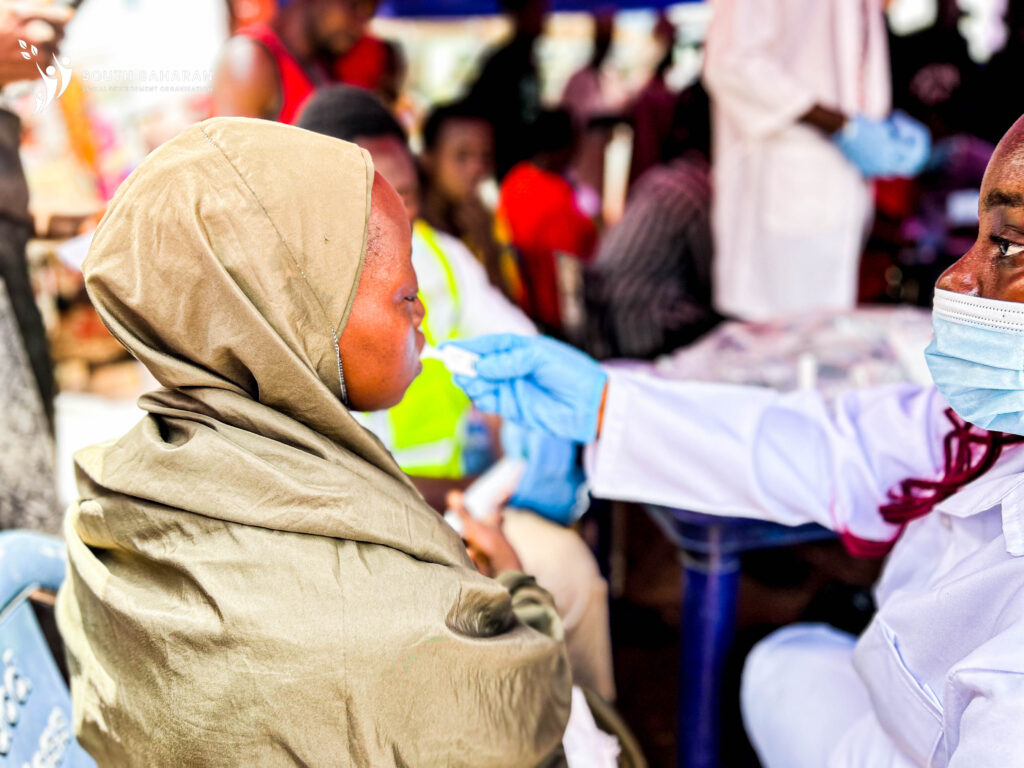
  • 474 individuals received tuberculosis screening.
  • 94 presumptive TB cases were identified for further diagnosis and clinical follow-up.

The outreach also integrated additional healthcare services to strengthen comprehensive community health delivery.

Participants accessed HIV screening, malaria testing and treatment, blood pressure checks, and clinical consultations alongside tuberculosis services. This integrated approach improved access to essential healthcare while reducing missed opportunities for disease detection and treatment.

Rather than addressing tuberculosis in isolation, the intervention strengthened multiple components of community healthcare within a single service delivery model.

Building Stronger Referral and Treatment Systems

Effective tuberculosis control depends on more than awareness campaigns. It requires systems that connect screening, diagnosis, referral, and treatment into a coordinated continuum of care.

By combining community sensitisation with active case finding and referral pathways, the outreach strengthened linkages between communities and the formal health system. Individuals identified as presumptive TB cases were connected for further diagnostic evaluation and appropriate follow-up, improving the likelihood of early treatment initiation.

The intervention also reinforced community confidence in preventive healthcare services by providing accessible, integrated care through trusted institutional partnerships.

Strengthening Nigeria’s Public Health Response

Community health interventions remain essential to achieving sustainable improvements in tuberculosis control and broader public health outcomes.

Through the World TB Day Community Outreach Enugu, SSDO demonstrated how partnerships between government institutions, development partners, and community-based organisations can strengthen disease surveillance, expand access to healthcare, and improve treatment pathways for underserved populations.

As Nigeria continues to strengthen its tuberculosis response, community-centred interventions provide an effective mechanism for improving early detection, reducing barriers to care, and supporting healthier communities.

SSDO continues to position evidence-informed, community-based health interventions as critical components of resilient public health systems that improve service delivery and contribute to better health outcomes across Enugu State.

Local Government Accountability Index Presentation to Enugu SSG

South Saharan Social Development Organisation (SSDO) advances subnational governance reform in Enugu State through evidence-based frameworks that strengthen accountability, improve public institutions, and enhance service delivery.

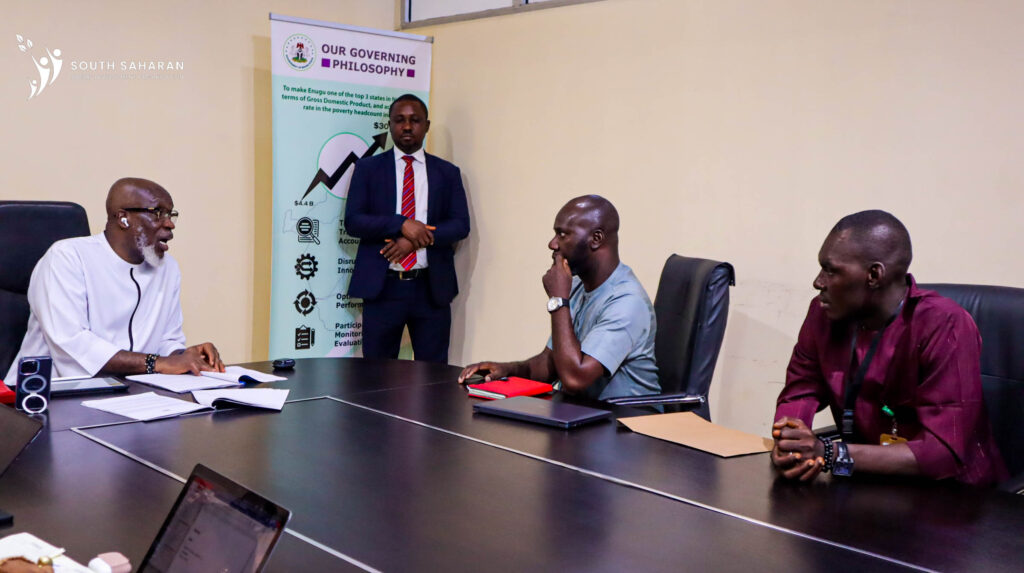
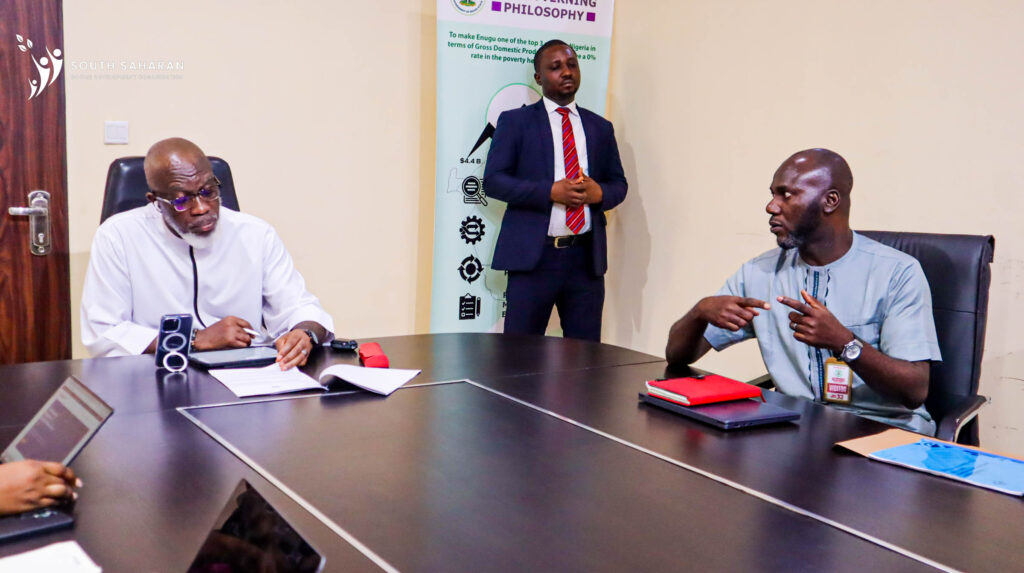
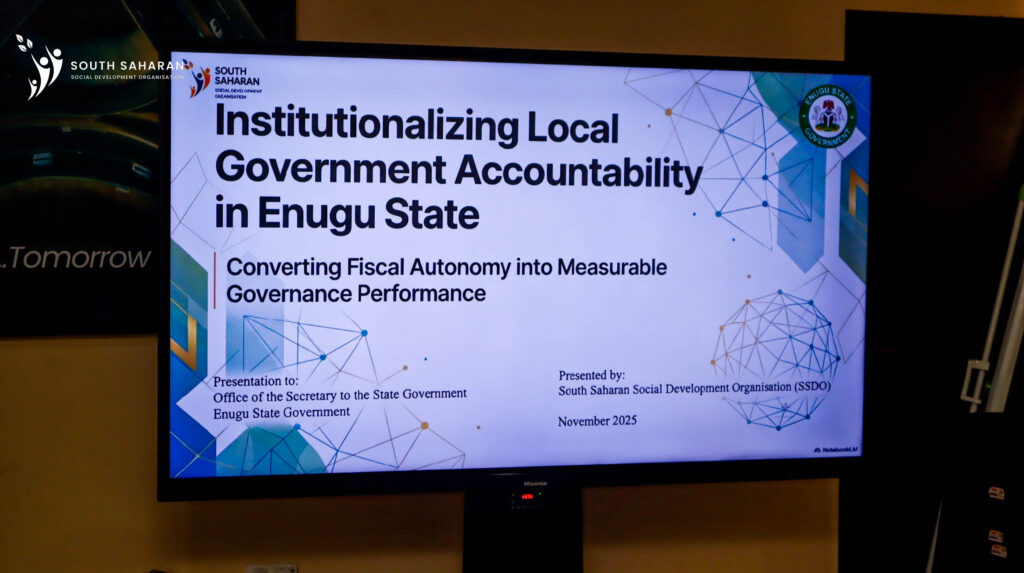
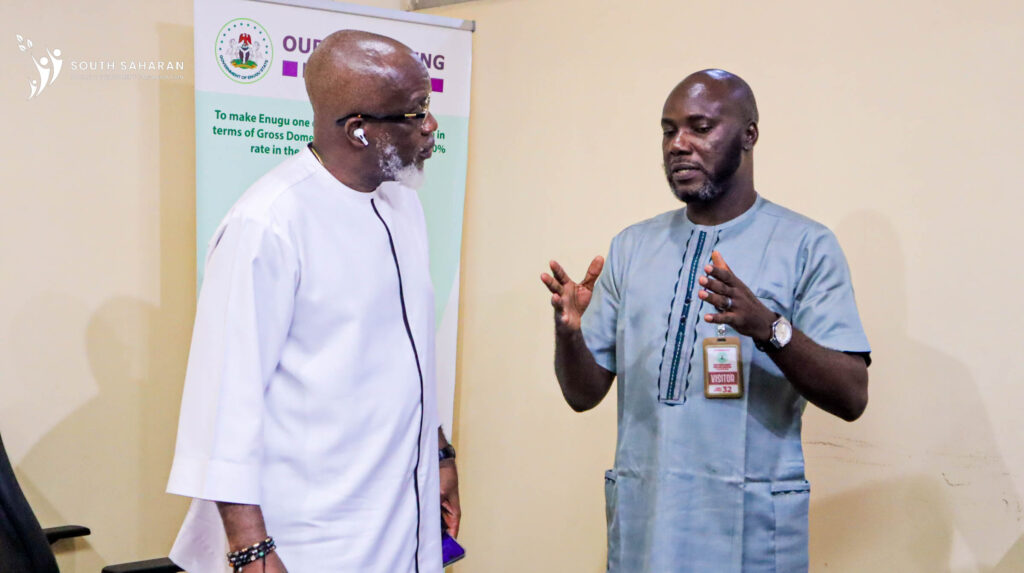
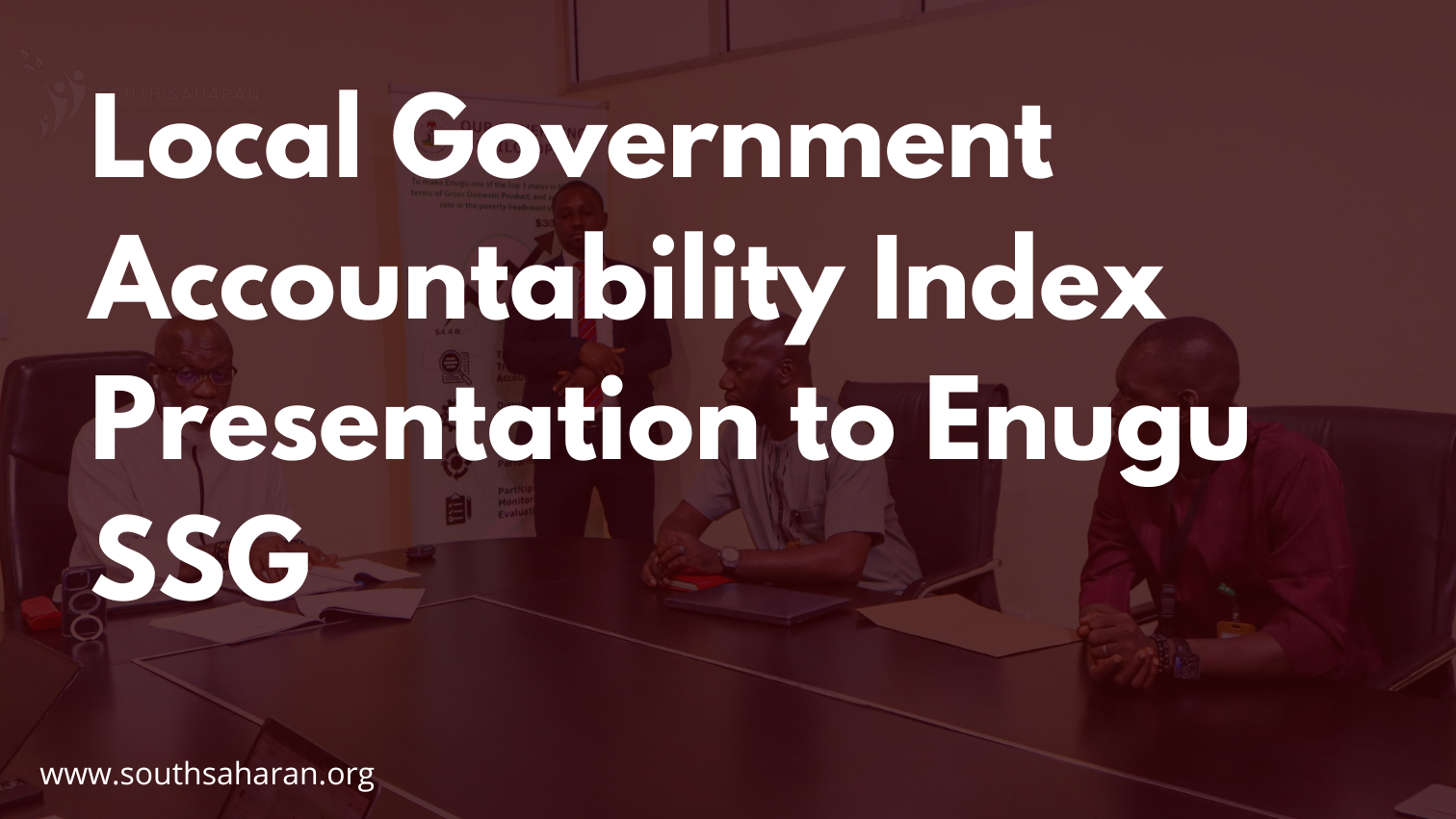
The Local Government Accountability Index framework presentation to Enugu SSG marked an important step in ensuring that governance data informs decision-making at the highest level of state government.

Strong local governance requires credible evidence that helps policymakers identify institutional strengths, address performance gaps, and implement reforms that improve outcomes for citizens.

Strengthening Local Governance Through Evidence

Local Government Areas (LGAs) remain the closest level of government to the people. They are responsible for delivering essential public services and implementing policies that directly affect communities. Despite this central role, local government performance is often measured through perception rather than structured evidence.

Without reliable performance data, it becomes difficult to identify systemic challenges, prioritise reforms, or allocate resources effectively. Evidence-based assessment provides government institutions with a clearer understanding of what is working, where weaknesses exist, and what interventions are required to strengthen governance.

Recognising this need, SSDO with support from the Policy and Legal Advocacy Centre (PLAC) through the Nigeria Civil Society Situation Room, and funding from the UK Foreign, Commonwealth and Development Office (FCDO) under the PACE Programme Component 3, developed and piloted the Local Government Accountability Framework and Policy as a practical tool for measuring institutional performance across local government systems in Enugu State.

The Local Government Accountability Index Framework

The Local Government Accountability Index Framework provides a structured methodology for assessing governance performance across Enugu State’s 17 Local Government Areas.

SSDO trained local government officials and civil society stakeholders to implement the framework effectively. These trained stakeholders conducted field assessments across all 17 LGAs in Enugu State, using five governance pillars:

1. Transparency: The framework examined how accessible and open local governments are in providing public information and promoting openness in decision-making.

2. Public Participation: The assessment evaluated opportunities for citizens to engage in governance processes and contribute to decisions affecting their communities.

3. Fiscal Accountability: Financial management systems, documentation practices, and accountability mechanisms were assessed to determine how public resources are managed.

4. Service Delivery: The framework considered the effectiveness of local governments in delivering services that meet the needs of citizens.

5. Rule of Law: The assessment reviewed institutional practices that support fairness, compliance, and accountability within local governance systems.

Together, these indicators provide an evidence-based picture of governance performance and identify areas where institutional strengthening is needed.

Presenting Evidence to Inform State-Level Decision Making

Following completion of the assessment, SSDO presented the findings to the Secretary to the Enugu State Government (SSG), Prof. Chidiebere Onyia.

The engagement positioned the Local Government Accountability Index as a strategic governance tool capable of supporting policy development, institutional planning, and targeted reform across the state.

During the presentation, Dr. Stanley Ilechukwu, Executive Director of SSDO, outlined the assessment methodology, key findings, and the broader policy implications of the framework. The discussion focused on how structured performance data can support government institutions in strengthening accountability systems and improving service delivery outcomes.

Presenting the findings at this level reinforces the importance of integrating evidence into governance processes and institutional decision-making.

What the Assessment Revealed

The assessment identified clear performance trends across the 17 Local Government Areas.

While several LGAs demonstrated strong institutional performance, others recorded gaps that require targeted improvement. Fiscal accountability and documentation systems emerged as priority areas for strengthening in a number of local governments.

Rather than ranking performance alone, the framework provides government institutions with practical evidence that can guide reforms, improve institutional capacity, and support continuous performance monitoring.

This shifts governance assessment from perception-based discussions to measurable indicators that can inform action.

Building Stronger Accountability System

Effective governance requires continuous measurement, institutional learning, and evidence-informed reform.

The engagement demonstrates how structured assessment frameworks can support more responsive institutions and contribute to better service delivery across Enugu State.

As governance challenges become increasingly complex, evidence-based tools such as the Local Government Accountability Index provide government institutions with practical mechanisms for identifying priorities, monitoring progress, and strengthening public trust.

SSDO continues to position data-driven accountability frameworks as essential instruments for advancing subnational governance reform, strengthening institutional performance, and supporting sustainable service delivery across Enugu State.

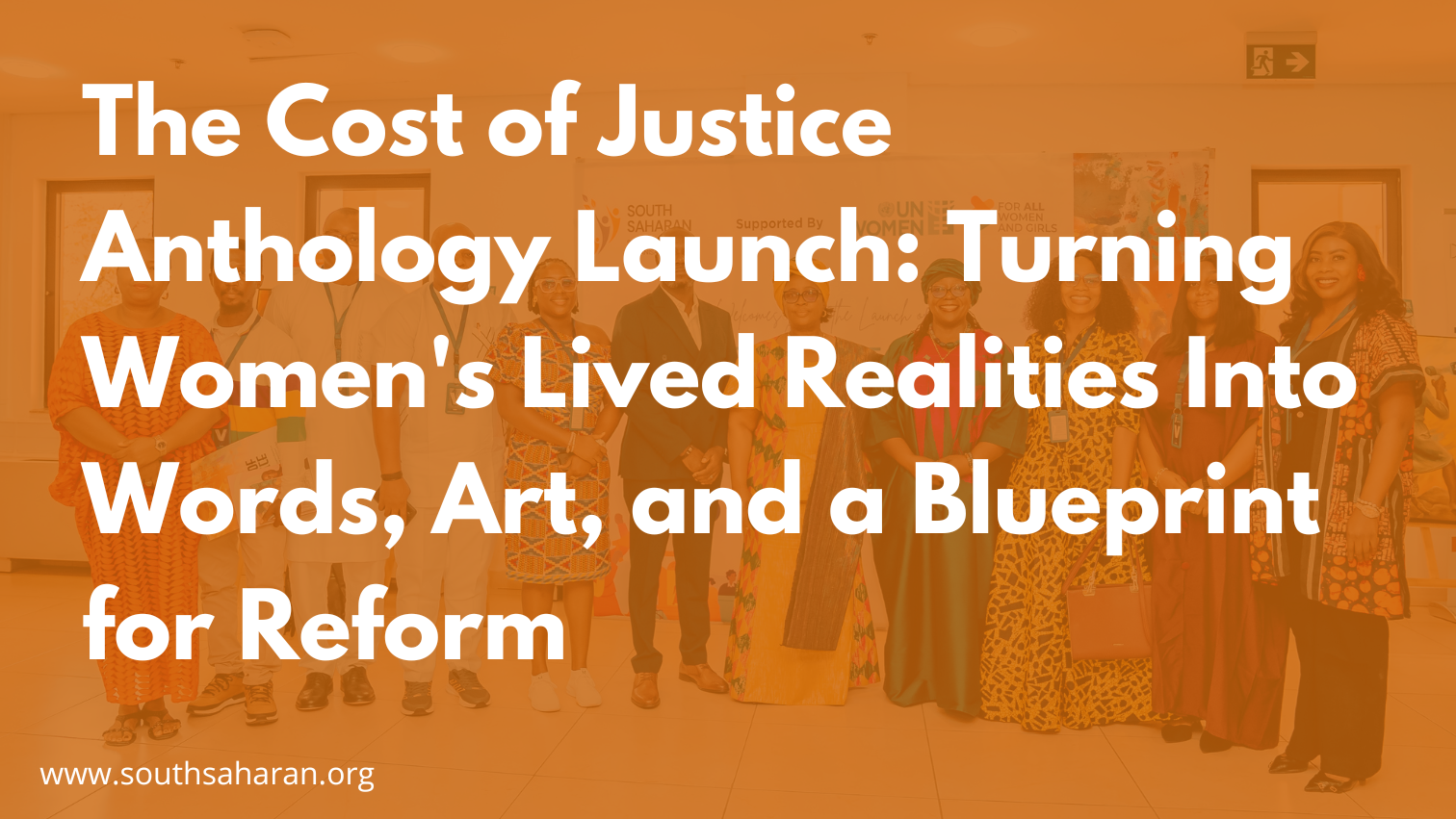
The Cost of Justice Anthology Launch: Turning Women’s Lived Realities Into Words, Art, and a Blueprint for Reform

Across Nigeria, countless women still find the path to justice blocked by a web of institutional, financial, and social obstacles that make seeking redress an uphill battle. These barriers point to justice systems that too often fall short on responsiveness, accessibility, and survivor-centered care.

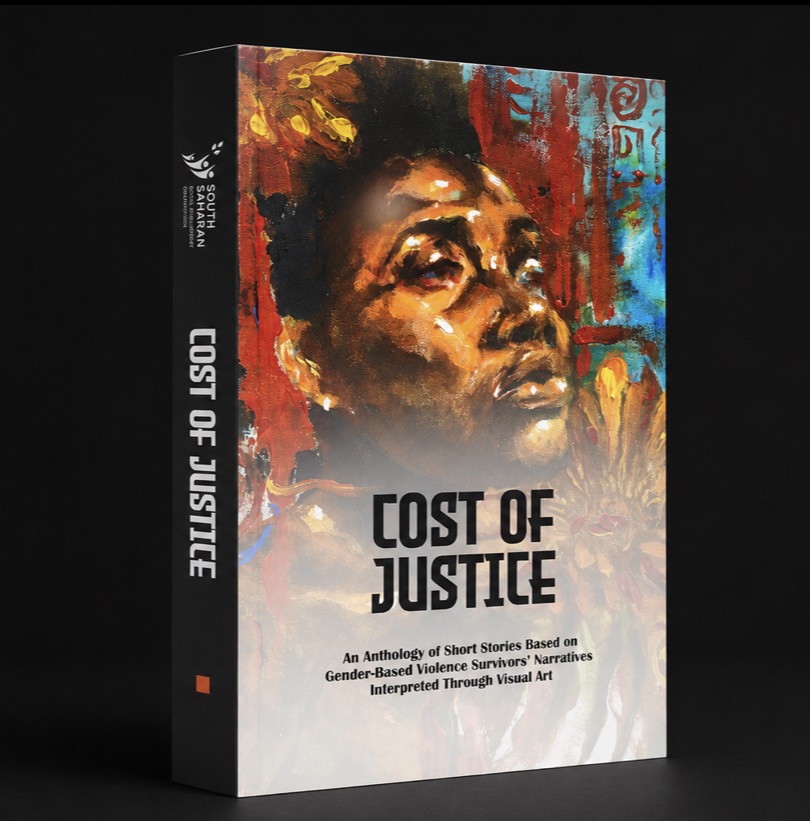
It is this gap that South Saharan set out to confront with The Cost of Justice Anthology, a structured advocacy tool developed at the intersection of gender justice, accountability systems, and rights-based policy reform and, alongside it, a bold creative movement that turned survivors’ stories into art

Where It All Began

For over a decade, South Saharan (SSDO) has worked to build a world where women and girls live free from violence, poverty, and discrimination. Our programs in gender equality, education, and women’s rights protection have reached countless communities across Southeast Nigeria.

But when we conducted a baseline assessment on gender-based violence (GBV), the findings were alarming. Behind the statistics were real women living with pain that had been normalized by culture, silence, and shame.

Through community engagements, we documented these experiences and organized them under three defining themes:

  1. The Cost of Justice: the financial, emotional, and social toll women face while seeking justice.
  2. Trapped in Silence: the stigma and shame that silence survivors.
  3. Gatekeepers: the individuals and institutions that enable or perpetuate abuse.

These themes became the foundation of a national storytelling initiative: The Cost of Justice Anthology, developed in partnership with insights from South Saharan’s Sister Guardian Initiative, a women-led protection network supporting survivors of gender-based violence.

From Words to Canvas: A National Call for Stories

In May 2025, SSDO launched a nationwide call for story submissions exploring these themes. The response was overwhelming. We received over 100 heartfelt stories from women, writers, and advocates across Nigeria; raw, unfiltered accounts of what it truly means to fight for justice in a system that too often fails survivors.

Each story was carefully reviewed and fact-checked by a panel of renowned literary judges. From the pool, 15 outstanding entries were selected for publication in the anthology.

But we didn’t want these stories to end on paper. We wanted them to live, to breathe, and to be seen.

The Birth of the Paint-a-thon

Recognizing the power of visual storytelling, SSDO took the next bold step: translating stories into art through the Cost of Justice Paint-a-thon — a creative movement where art and advocacy meet to amplify the voices of women who have endured gender-based violence.

We invited young visual artists to interpret these real-life stories through colour and brushstrokes. Their task was not merely to paint, but to give form to emotions that words alone could not contain.

From this initiative, 15 artists were selected and commissioned to create two artworks each, inspired by the stories in the anthology. Each painting stands as both a tribute and a protest, reflecting pain, resilience, and hope.

We believe that stories have power — the power to heal, to awaken empathy, and to drive change. But sometimes words alone are not enough. Sometimes emotion needs colour, pain needs a canvas, and silence needs a voice. That belief is the spirit the Paint-a-thon was built on.

A Launch Rooted in Global Solidarity

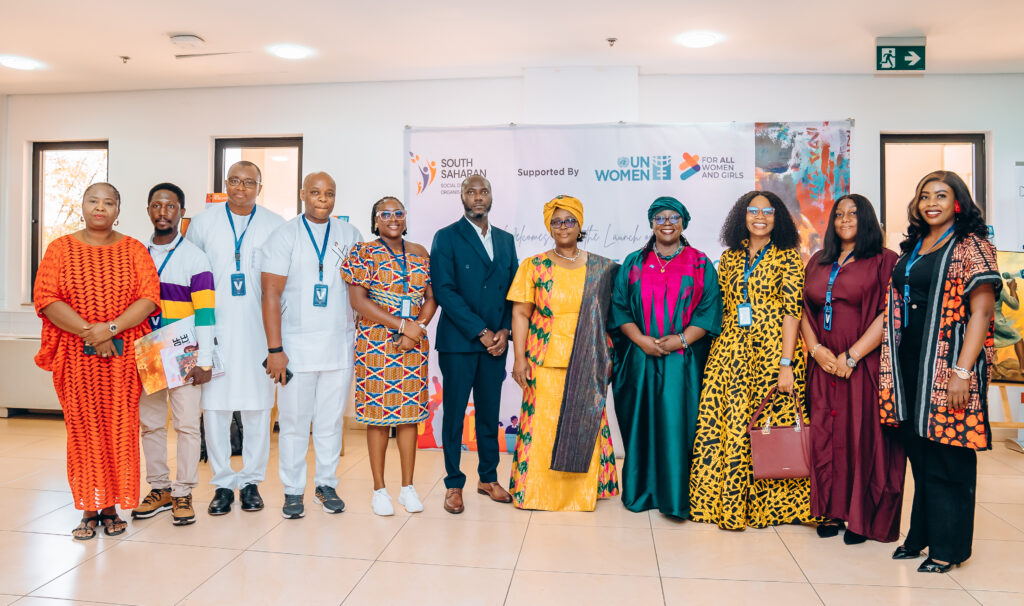
The anthology, together with the commissioned Paint-a-thon artworks, was officially unveiled as part of activities marking 2026 International Women’s Day, held under the global theme “Rights, Justice, Action: For All Women and Girls.”

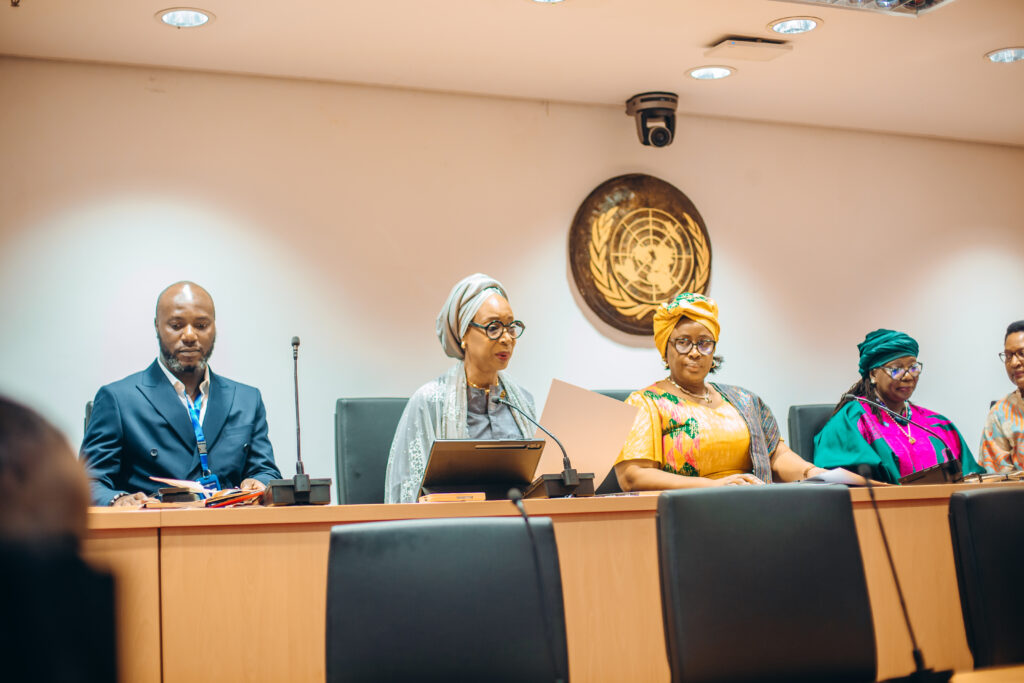
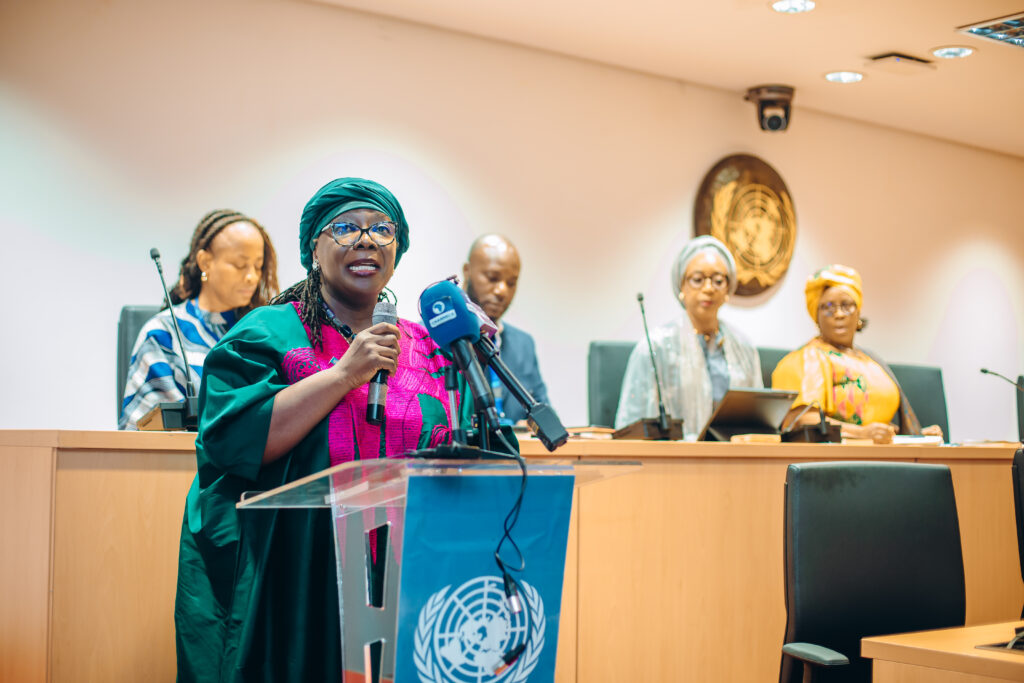
The launch took place at the United Nations House in Abuja, in partnership with UN Women and with support from the Ford Foundation. The event brought together representatives from government ministries alongside diplomatic and development partners. A signal of the shared commitment needed to move the needle on justice for women and girls.

At the heart of the occasion was a curated art exhibition, where the commissioned artists’ interpretations of the anthology’s stories came to life on canvas. For attendees, the paintings evoked emotion and sparked conversation, offering a deeper, multi-sensory way to engage with themes of resilience, survival, and justice.

Calling for Justice Beyond Rhetoric

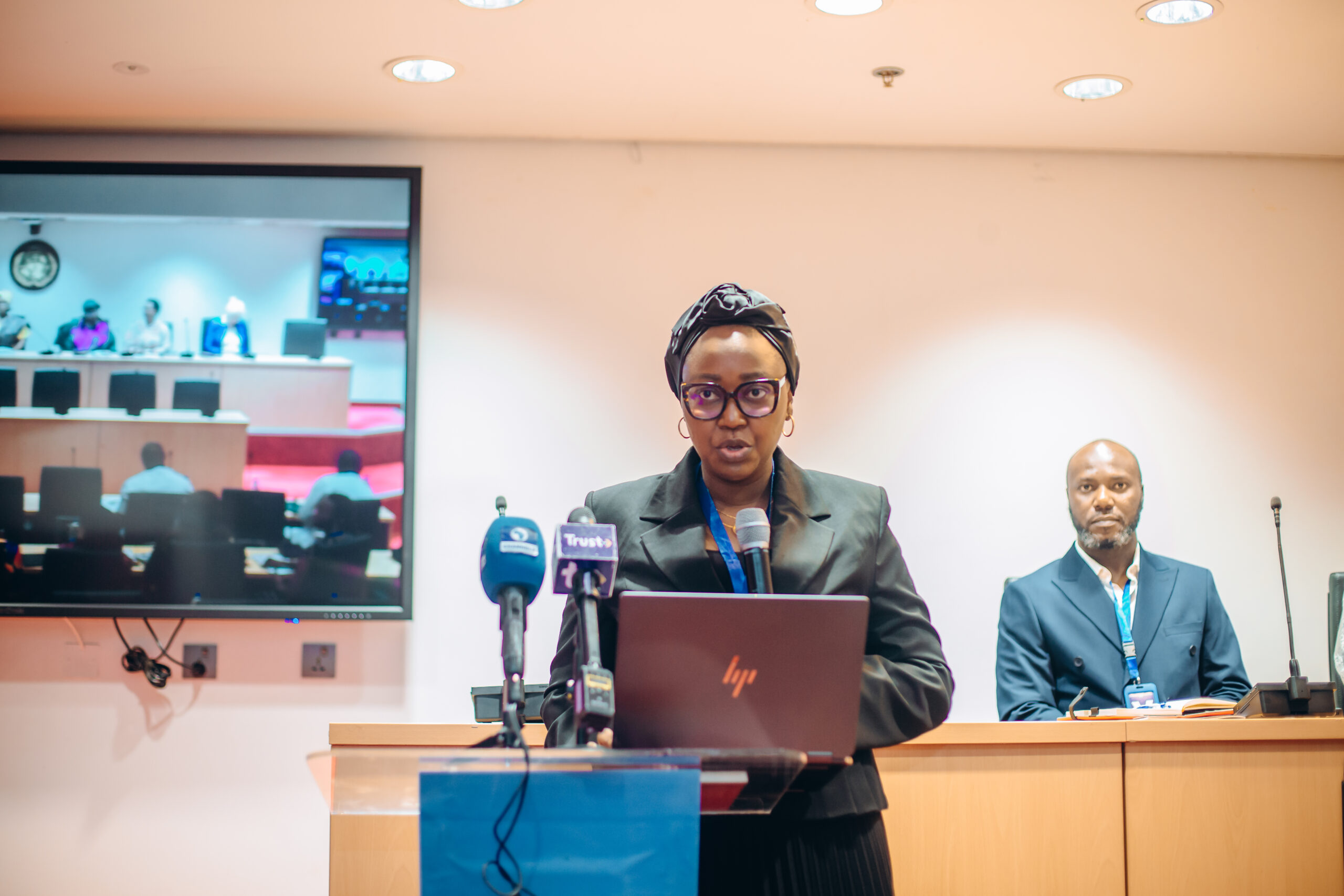
Speaking at the event, Ms. Attafuah, UNDP Nigeria Representative and UN Resident Coordinator a.i., urged stakeholders to move beyond rhetoric and ensure that justice becomes a lived reality for women and girls, not just a policy aspiration.

South Saharan’s Executive Director, Dr. Stanley Ilechukwu (MD), echoed this urgency, emphasizing that the anthology brings to light the true human cost of failing justice systems: the stigma, the silence, and the systemic barriers women are forced to endure.

Art as Advocacy

Through this fusion of literature and art, SSDO is launching a movement, one where words and paint become tools for dialogue, healing, and justice. These paintings will travel beyond the walls of the launch event to exhibitions, schools, and community spaces, serving as visual testimonies that challenge silence and inspire reflection.

Together, they carry a message that cannot be ignored: gender-based violence is not just a women’s issue, it is a human issue.

What Comes Next

Beyond the publication and exhibition launch, SSDO plans to host community dialogues, creative workshops, and further art showcases, ensuring that each story continues to spark conversations and inspire change.

By translating lived realities into structured advocacy and visual art, the initiative strengthens policy engagement, informs institutional reform processes, and advances the case for a justice system that is genuinely accessible and accountable to women and girls.

As we transform pain into purpose, we invite advocates and partners to join us because justice is not just a destination. It is a story worth telling, in every form it takes.

Child Domestic Work Legal Reform in Enugu State

South Saharan Social Development Organisation (SSDO) is a governance and social protection institution working in Enugu State to strengthen public systems through structured reform frameworks. The Child Domestic Work Legal Reform in Enugu State initiative reflects SSDO’s institutional focus on child protection system strengthening through research-backed legislative engagement.

Child domestic work operates within a complex protection and labour regulation system. It intersects with education policy, child rights enforcement, social welfare oversight, and informal labour markets. Where regulation is weak and monitoring fragmented, vulnerabilities persist.

System Framing: Child Protection Gaps in Informal Domestic Labour

Child domestic service remains largely invisible within formal labour and protection systems. Recruitment often occurs through informal networks. Oversight mechanisms are limited andnforcement pathways are unclear.

Recent SSDO research across sampled households in Enugu State identified structural exposure patterns:

  • 29 percent of households surveyed had a child engaged in domestic service.
  • Most were girls aged 10 to 19.
  • 21 percent were no longer in school after entering service.
  • 15 percent had missed one or more academic years.
  • 14 percent reported labour exploitation.
  • 20 percent experienced physical, emotional, or sexual abuse.

These findings reveal systemic risk rather than isolated cases. Educational disruption, economic vulnerability, and exposure to abuse are interconnected outcomes of weak regulatory safeguards.

SSDO Intervention: Evidence-Backed Legislative Engagement

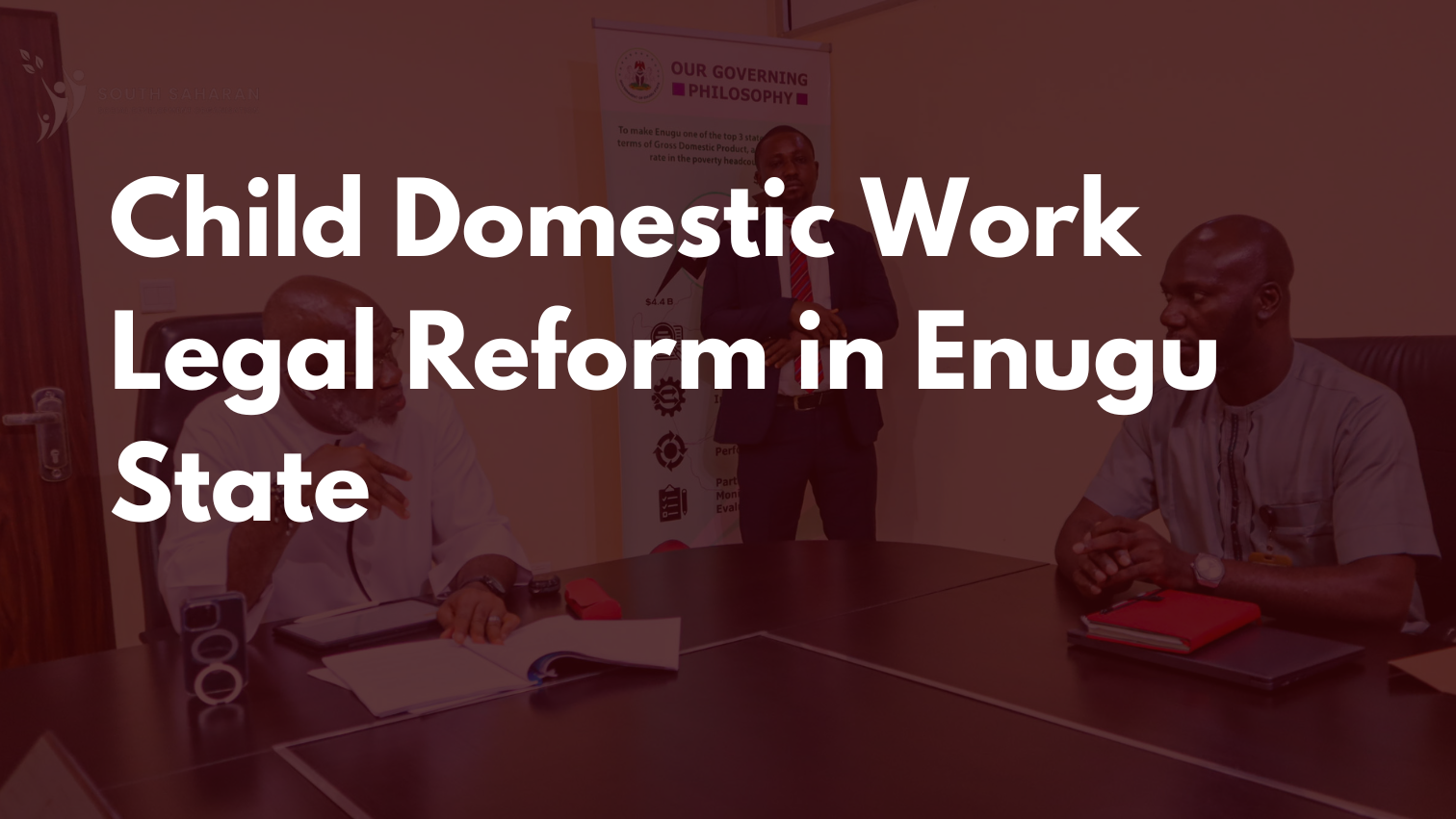
SSDO deployed a structured policy engagement model anchored in empirical research and formal legislative submission. Findings were consolidated into a Memorandum presented to the Enugu State Justice Reform Team during the ongoing review of the Child Rights Law.

The intervention targeted a specific institutional entry point – statutory reform. Rather than standalone advocacy, the strategy focused on embedding safeguards directly into the legal framework governing child rights in Enugu State.

The Memorandum proposed:

  • Clear regulatory standards for child placement into domestic service.
  • Defined oversight responsibilities for relevant ministries and agencies.
  • Strengthened monitoring mechanisms at community level.
  • Accountability provisions addressing exploitative domestic labour practices.

This approach aligns lived realities with legislative reform, ensuring that law reflects evidence rather than assumption.

Institutional Impact: Strengthening the Child Protection Architecture

Legal reform alters system behaviour when backed by enforcement clarity. By inserting regulatory safeguards into the Child Rights Law, institutional responsibility becomes defined. Oversight shifts from discretionary to structured.

If adopted, the proposed reforms will:

  • Clarify lawful conditions for child placement.
  • Reduce ambiguity in enforcement.
  • Create formal reporting and monitoring channels.
  • Strengthen linkages between justice institutions and community actors.

The objective is preventive protection, not reactive response. When regulation is explicit and monitoring institutionalised, exploitation risks reduce.

Scale and Scope of Reform Engagement

This intervention operates at the state legislative level in Enugu State. It addresses vulnerabilities affecting children across multiple local government areas. The reform process connects research, civil society engagement, and justice sector review mechanisms within a single structured framework.

By situating field evidence within a formal law revision process, SSDO bridges community data and statutory governance. The scale is systemic rather than programmatic.

Strategic Positioning

Child protection reform requires more than awareness. It demands institutional alignment between legislation, oversight systems, and community realities.

Through structured research, formal legislative engagement, and system-level recommendations, SSDO continues to occupy a governance niche focused on translating evidence into enforceable reform within Enugu State’s child protection architecture.

Local Government Accountability Index Framework in Enugu State

Governance reform requires structure and measurement. The Local Government Accountability Index (LAI) Framework, is SSDO’s structured approach to institutionalising subnational governance reform across Enugu State.
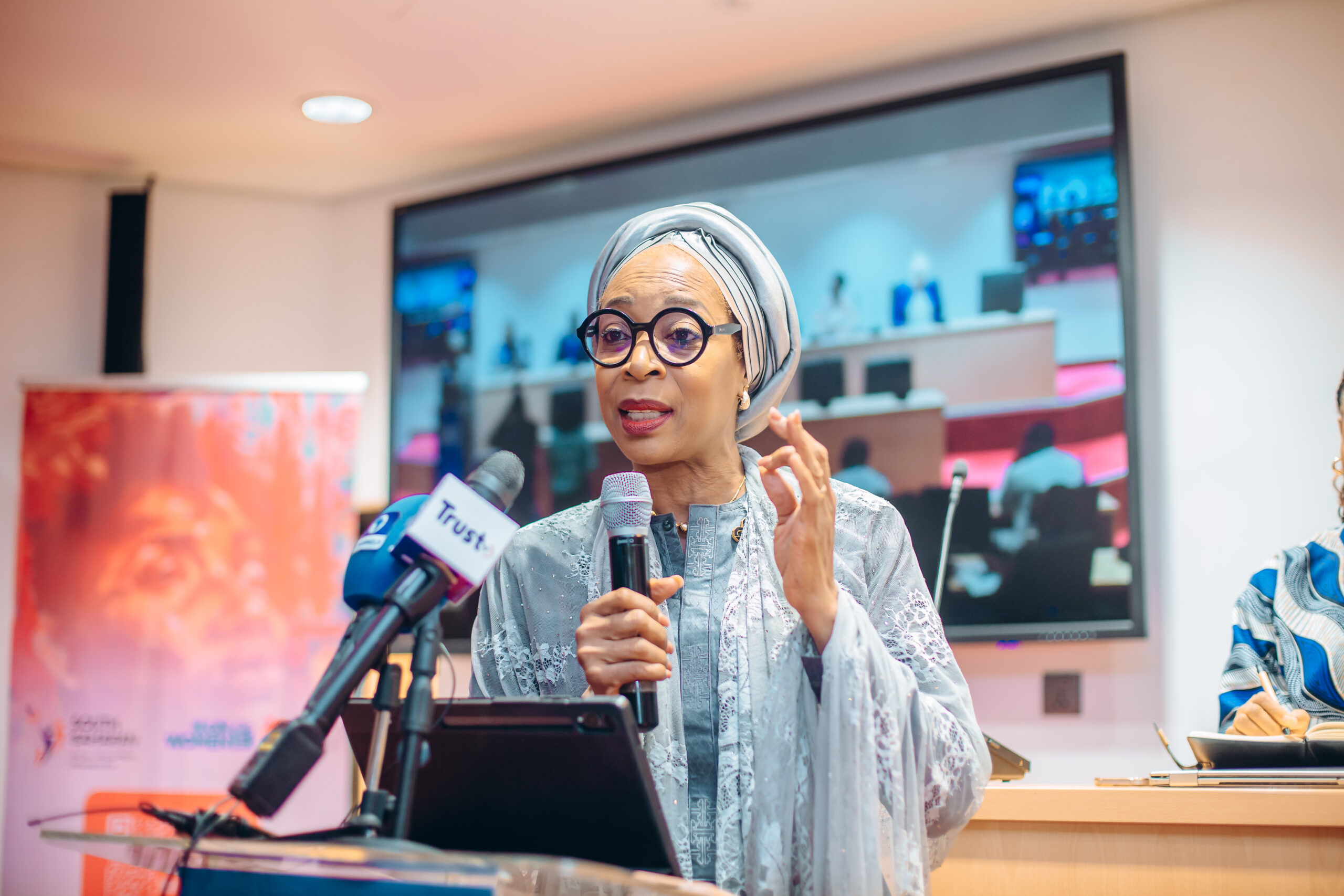
The LAI framework evaluates performance across all 17 Local Government Areas in Enugu State.

Institutionalising Accountability Through the Local Government Accountability Index Framework

Subnational governance plays a critical role in daily life. Local governments manage services closest to citizens. Yet, performance gaps often weaken public trust.

The Local Government Accountability Index, was designed to address this challenge. It provides a structured measurement tool grounded in five core pillars:

  • Transparency
  • Public Participation
  • Fiscal Integrity
  • Service Delivery
  • Rule of Law

Each pillar reflects essential components of functional governance. Together, they create a balanced accountability system.

Transparency ensures citizens can access information. Public participation amplifies community voices. Fiscal integrity protects public resources. Service delivery measures real outcomes. Rule of law anchors fairness and compliance.

Assessment across these pillars allows reform to be evidence driven.

Training Assessors to Strengthen Subnational Governance Reform

Capacity building is central to sustainability. Recently, SSDO trained local government officials and civil society stakeholders to implement the framework effectively.

Participants were introduced to structured field assessment tools. They examined scoring criteria. They practiced objective evaluation methods.

The training emphasized neutrality and consistency. Assessment must remain data based. Personal bias undermines reform credibility.

These trained stakeholders will now conduct field assessments across all 17 LGAs in Enugu State. Their role is critical. Reliable data forms the backbone of institutional reform.

Evidence-Based Recommendations for Improved Service Delivery

Measurement alone is insufficient. Findings must translate into action.

The assessments will generate evidence-based recommendations. These recommendations will identify performance gaps, highlight strengths, and propose targeted reforms.

Service delivery systems are expected to benefit directly. Citizens experience governance most visibly through local services. When service quality improves, trust begins to rebuild.

Structured accountability restores confidence. Citizens respond positively to measurable change.

Rebuilding Citizen Trust Through Measurable Accountability

Trust is fragile in governance systems. It grows when institutions demonstrate responsibility.

By anchoring reform in structured measurement, SSDO moves beyond advocacy alone. The framework creates a repeatable accountability cycle. Performance is assessed, gaps are identified, reforms are implemented, and progress is reviewed.

This cycle transforms governance culture over time.

The initiative is supported by Policy and Legal Advocacy Centre, and funded by the Foreign, Commonwealth and Development Office. Their partnership reinforces the importance of credible, data-driven reform at the subnational level.

Through the Local Government Accountability Index Framework, Enugu State moves closer to transparent institutions, stronger service delivery, and a renewed social contract between government and citizens.