

When a tradition hurts more than it heals, it’s time to ask hard questions.
In Enugu State, our journey toward community-led change is taking shape, one conversation, one community, one honest truth at a time.
SSDO conducted a baseline assessment that revealed deeply troubling statistics:
🔹 22% of women in Enugu State have experienced sexual assault.
🔹 41% were first assaulted from the age of 15.
But the numbers told only part of the story.
Our analysis pointed to a critical connection between gender-based violence (GBV) and harmful traditional practices – practices that are normalized, passed down, and rarely questioned.
To understand the specifics, we launched a Community Needs Assessment across all 17 Local Government Areas, reaching into everyday realities that national data often misses. We asked hard questions, conducted surveys, and listened closely, not to prove a point, but to uncover the truth.
The stories we heard were disturbing yet familiar:
- Girls married off to trees.
- Women denied inheritance.
- Masquerade festivals that limit women’s movement.
- Young wives punished in silence.
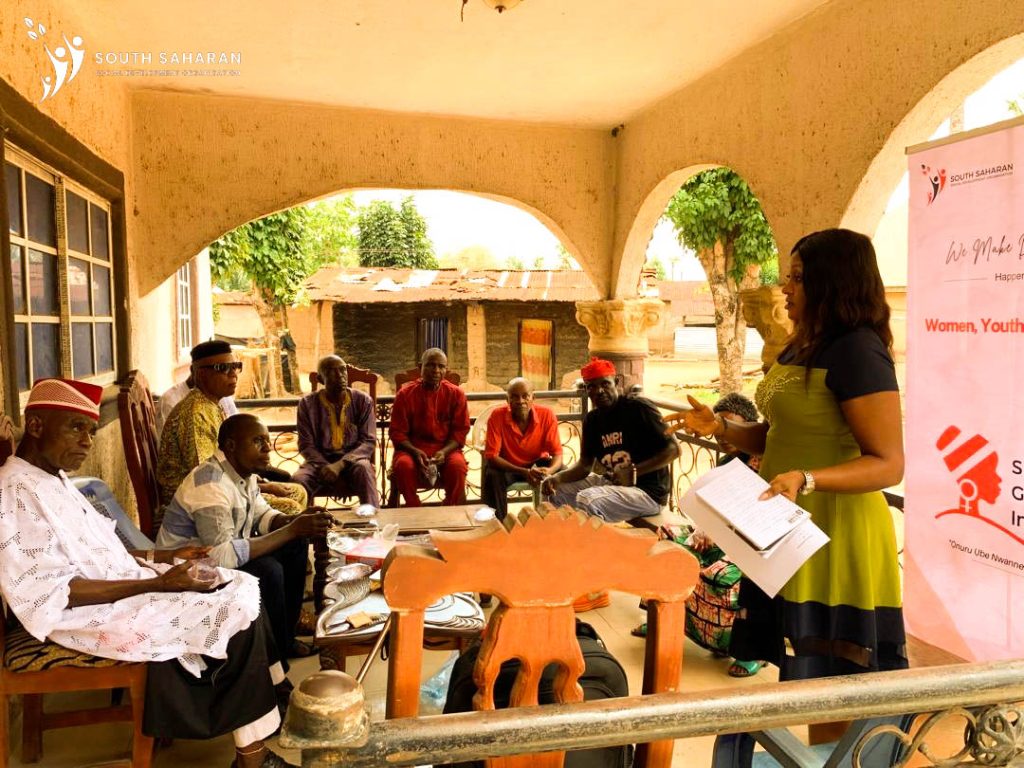
Community Entry: Trust First
As researchers and development workers, we know that change doesn’t happen without consent. That’s why we began the next phase of our work with community entry – a culturally grounded process of introduction and mutual respect.
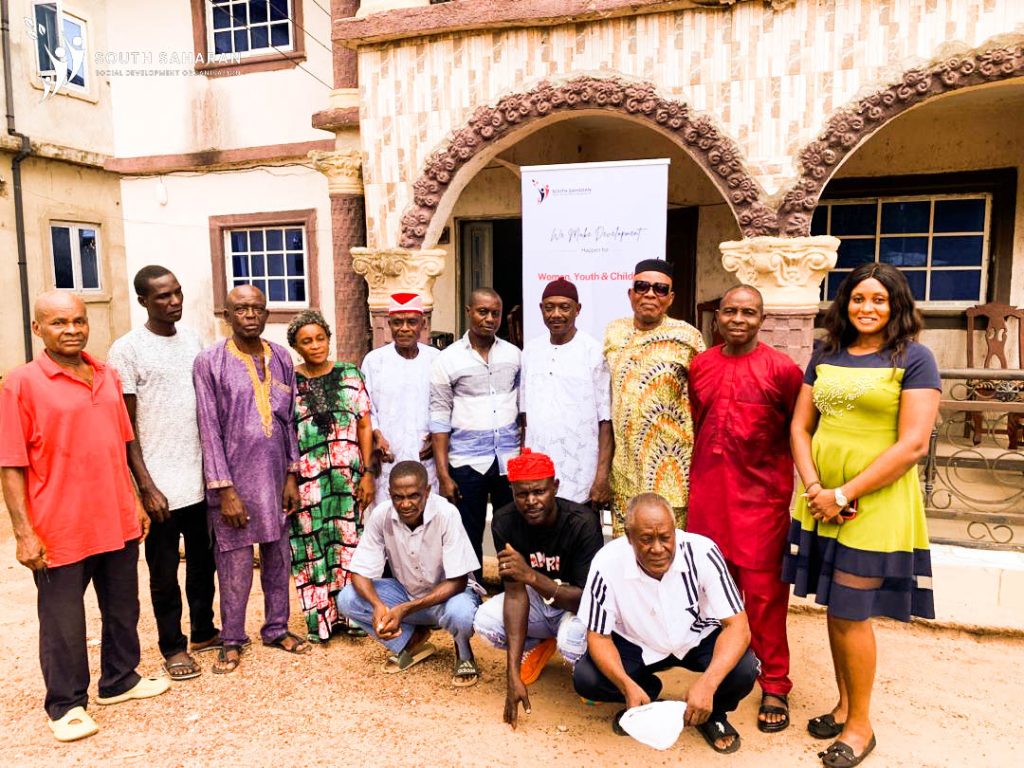
In the past month, we completed community entry in 22 communities across Enugu State.
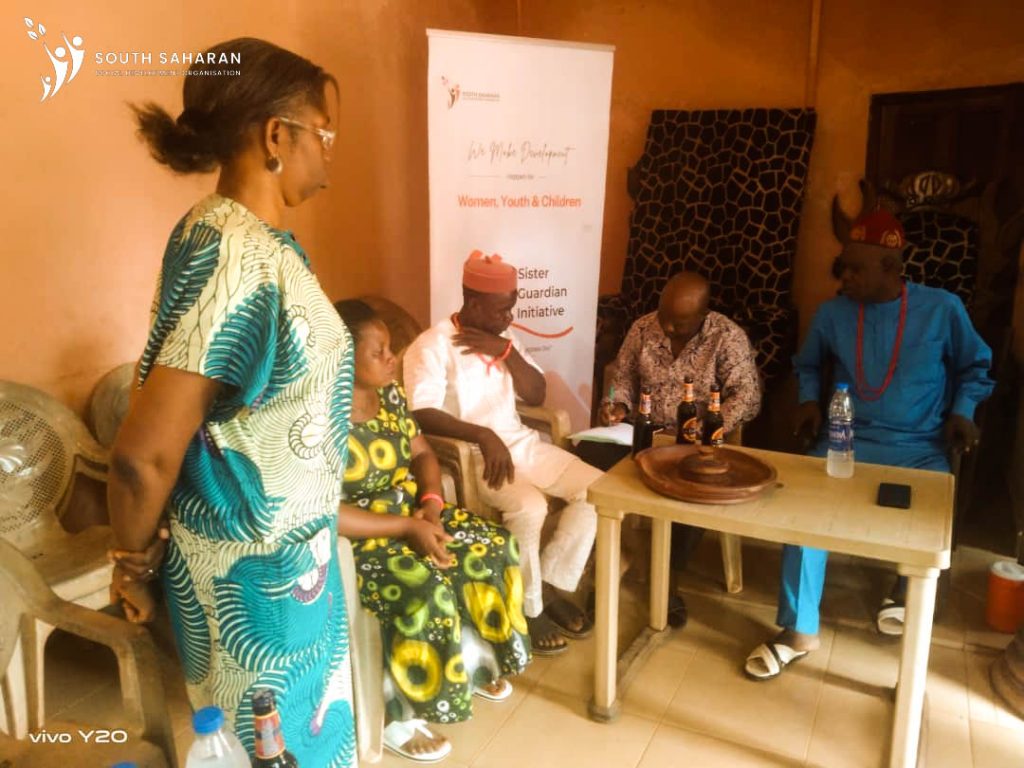
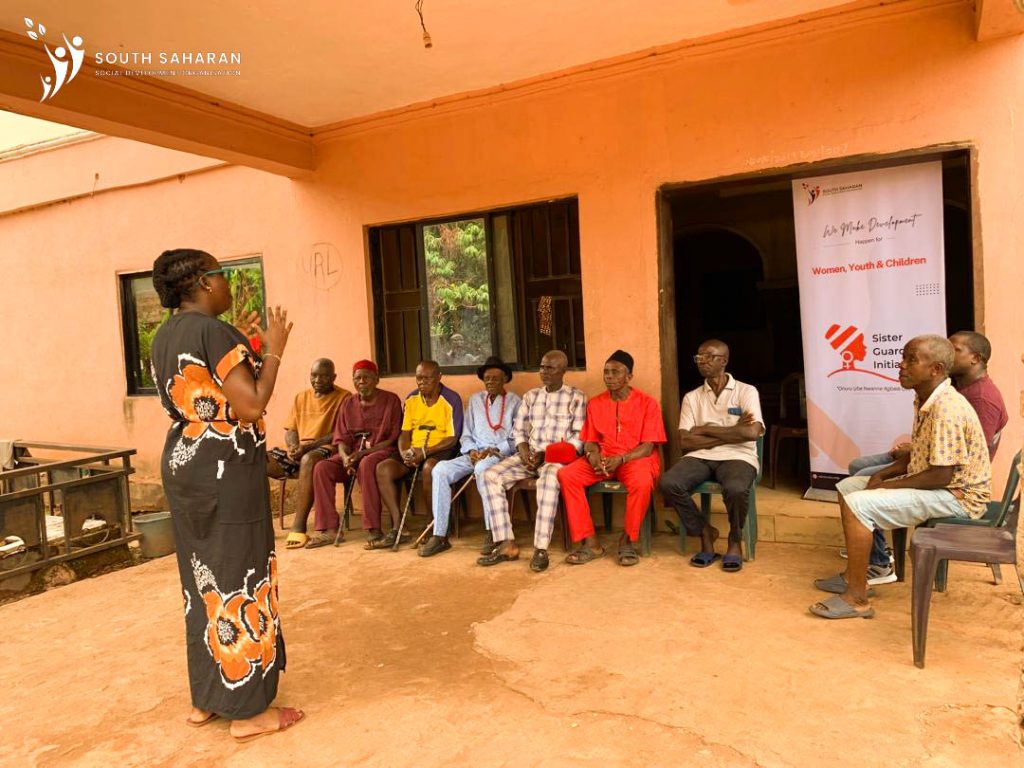
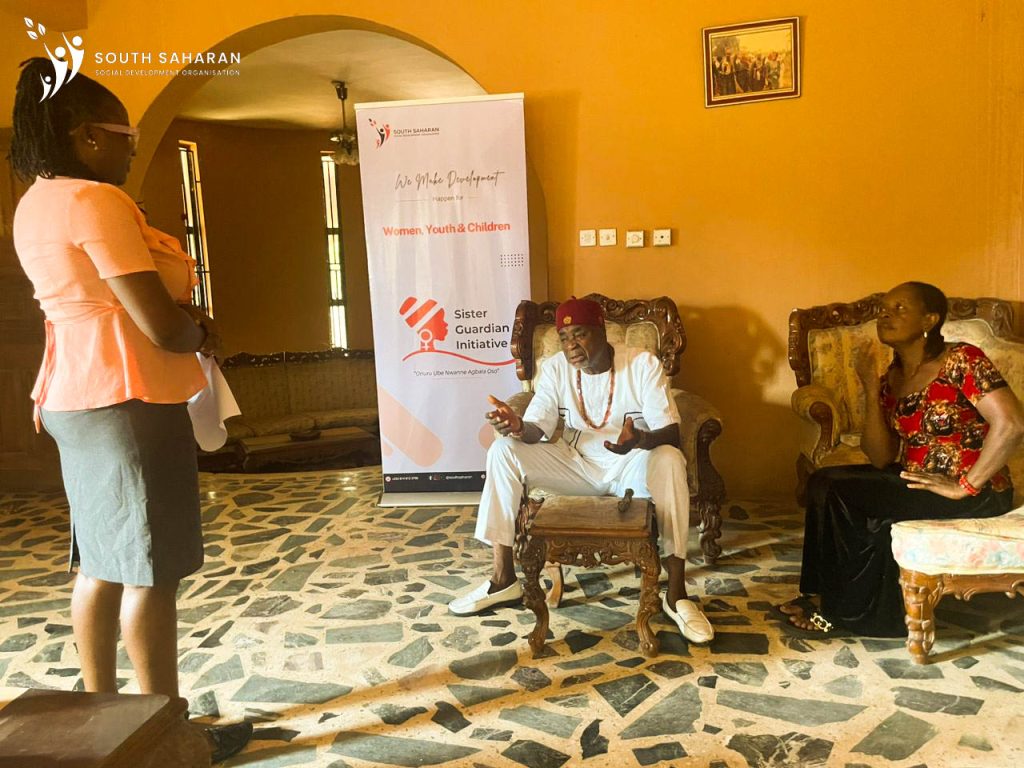
From Ihenyi to Aninri, we sat with traditional rulers, women leaders, town union executives, and community elders. We listened before we spoke. We shared our findings. And we invited communities to lead the conversation about what needs to change and how.
These meetings weren’t always easy. They were filled with honest debate, differing worldviews, and moments of deep cultural reflection. But they were necessary. And they were received with warmth, curiosity, and the kind of openness that signals true readiness for transformation.
What’s Next: Engaging Stakeholders
Now, we move to the next phase: stakeholder engagement.
We are convening the very people who influence cultural norms – traditional rulers, religious leaders, women’s groups, youth reps, and local influencers. These are the gatekeepers and bridge-builders, the ones whose voices carry both legacy and the power to shift it.
Our goal is not to impose, but to collaborate and to shape solutions that protect without erasing culture, and empower without creating division.
Looking Ahead: Building Women’s Agency
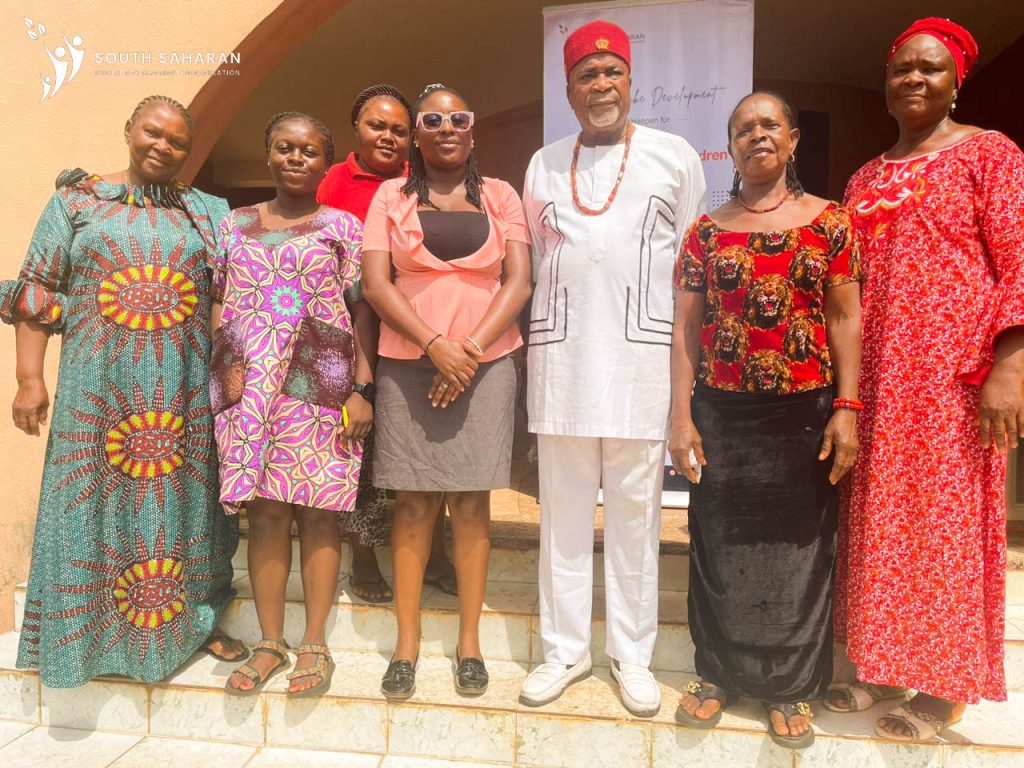
Beyond meetings and conversations, we want women in these communities to lead the change.
The final phase of this cycle will focus on building women’s agency; equipping them with tools, knowledge, and confidence to lead step-down activities, raise awareness, and challenge harmful norms from within, because real change doesn’t come from the outside. It comes when women are seen, heard, and supported; not in whispers, but in full voice.