SSDO

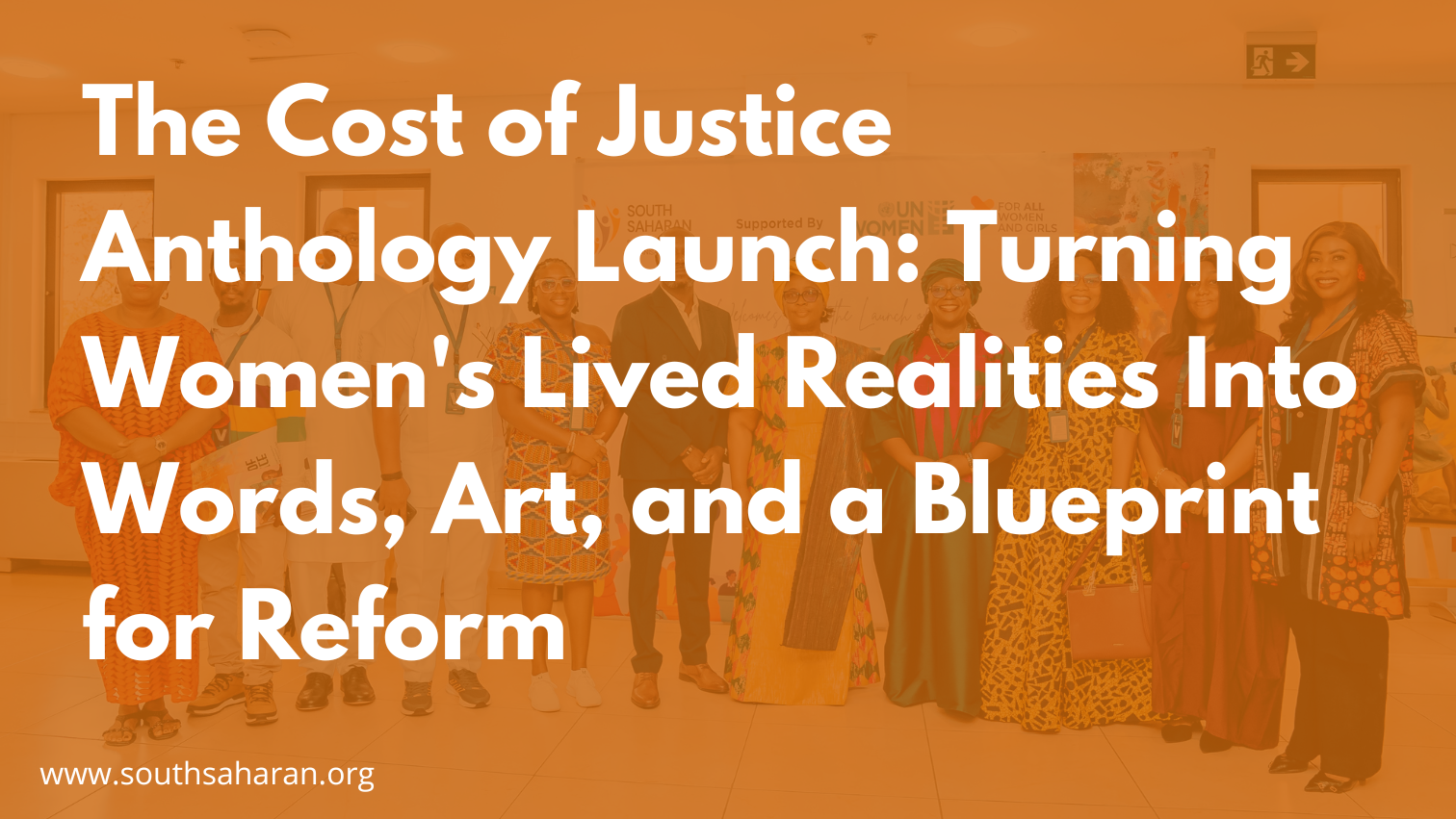
The Cost of Justice Anthology Launch: Turning Women’s Lived Realities Into Words, Art, and a Blueprint for Reform

Across Nigeria, countless women still find the path to justice blocked by a web of institutional, financial, and social obstacles that make seeking redress an uphill battle. These barriers point to justice systems that too often fall short on responsiveness, accessibility, and survivor-centered care.

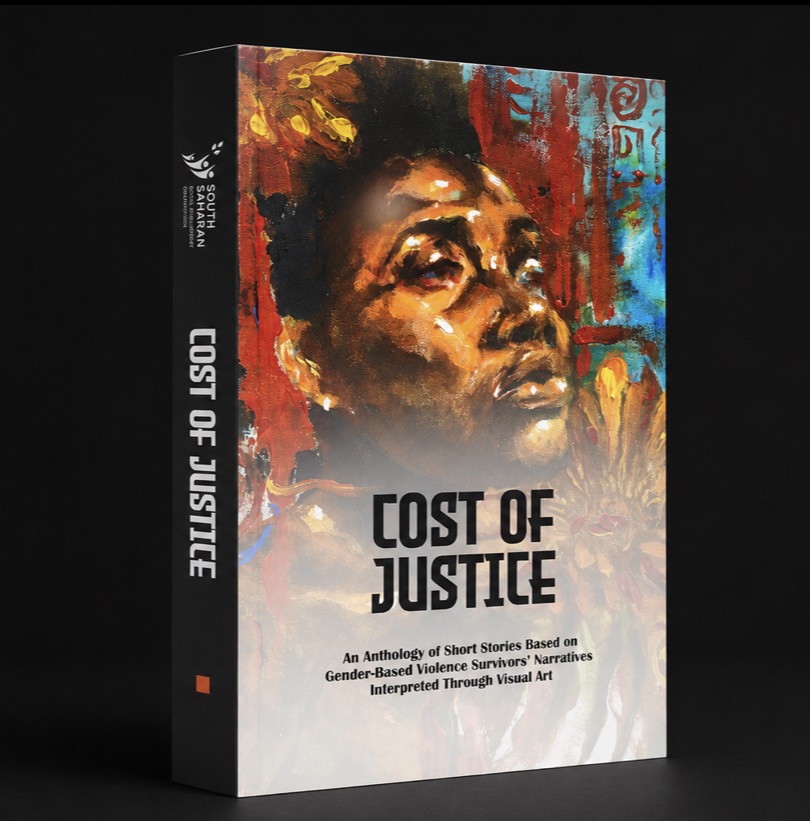
It is this gap that South Saharan set out to confront with The Cost of Justice Anthology, a structured advocacy tool developed at the intersection of gender justice, accountability systems, and rights-based policy reform and, alongside it, a bold creative movement that turned survivors’ stories into art

Where It All Began

For over a decade, South Saharan (SSDO) has worked to build a world where women and girls live free from violence, poverty, and discrimination. Our programs in gender equality, education, and women’s rights protection have reached countless communities across Southeast Nigeria.

But when we conducted a baseline assessment on gender-based violence (GBV), the findings were alarming. Behind the statistics were real women living with pain that had been normalized by culture, silence, and shame.

Through community engagements, we documented these experiences and organized them under three defining themes:

  1. The Cost of Justice: the financial, emotional, and social toll women face while seeking justice.
  2. Trapped in Silence: the stigma and shame that silence survivors.
  3. Gatekeepers: the individuals and institutions that enable or perpetuate abuse.

These themes became the foundation of a national storytelling initiative: The Cost of Justice Anthology, developed in partnership with insights from South Saharan’s Sister Guardian Initiative, a women-led protection network supporting survivors of gender-based violence.

From Words to Canvas: A National Call for Stories

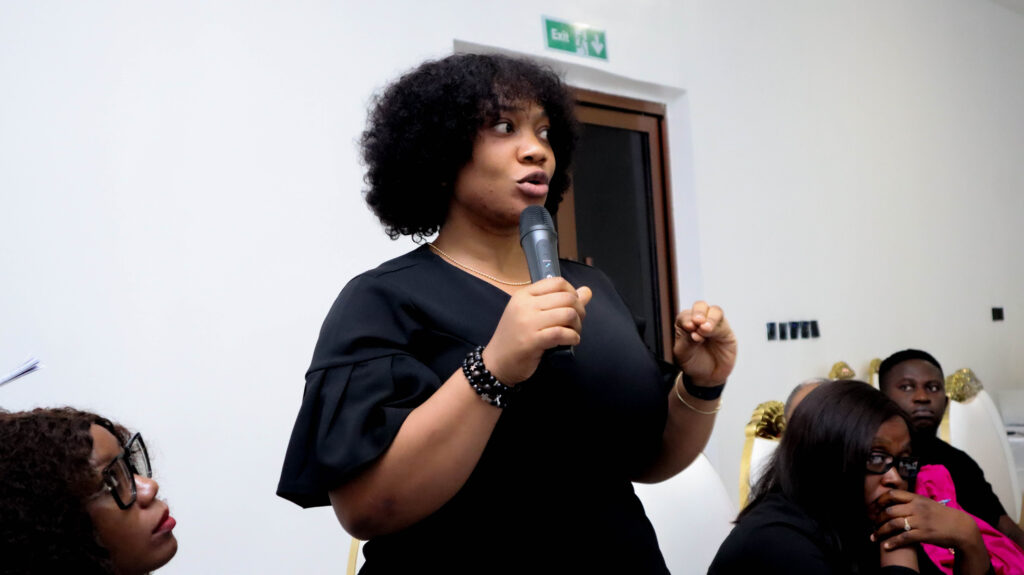
In May 2025, SSDO launched a nationwide call for story submissions exploring these themes. The response was overwhelming. We received over 100 heartfelt stories from women, writers, and advocates across Nigeria; raw, unfiltered accounts of what it truly means to fight for justice in a system that too often fails survivors.

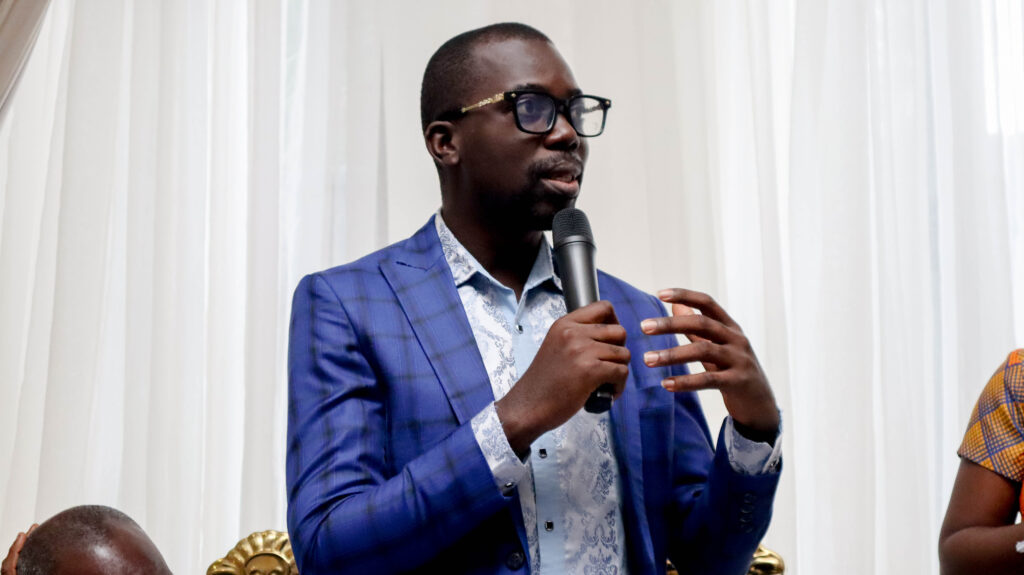
Each story was carefully reviewed and fact-checked by a panel of renowned literary judges. From the pool, 15 outstanding entries were selected for publication in the anthology.

But we didn’t want these stories to end on paper. We wanted them to live, to breathe, and to be seen.
The Birth of the Paint-a-thon

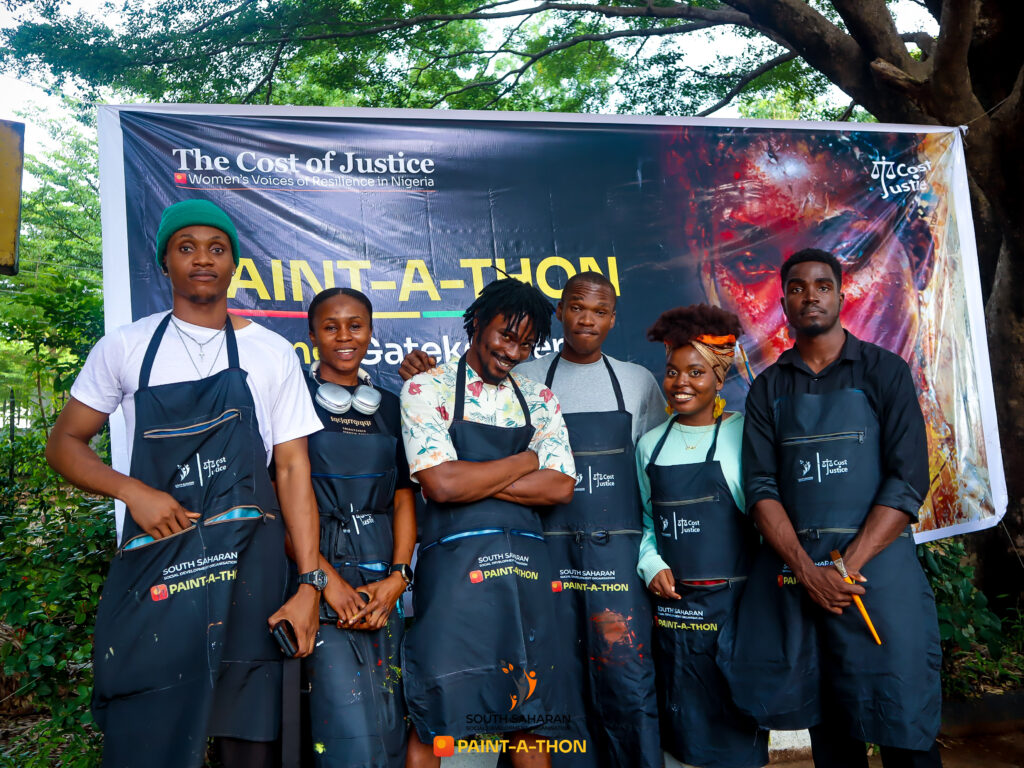
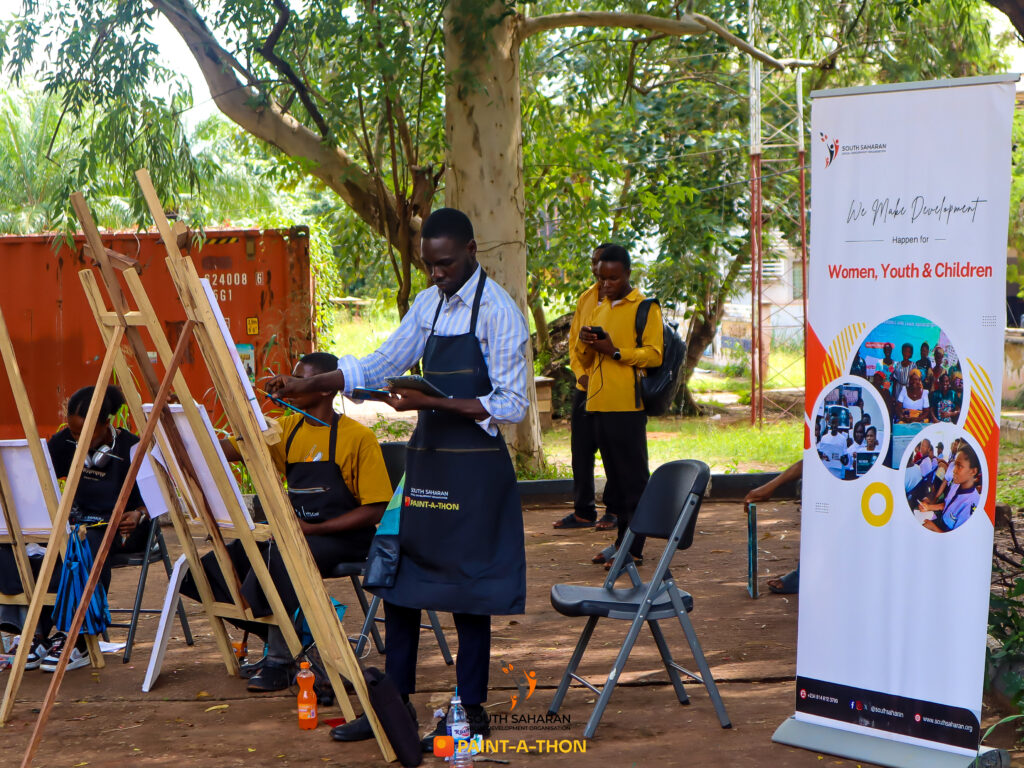
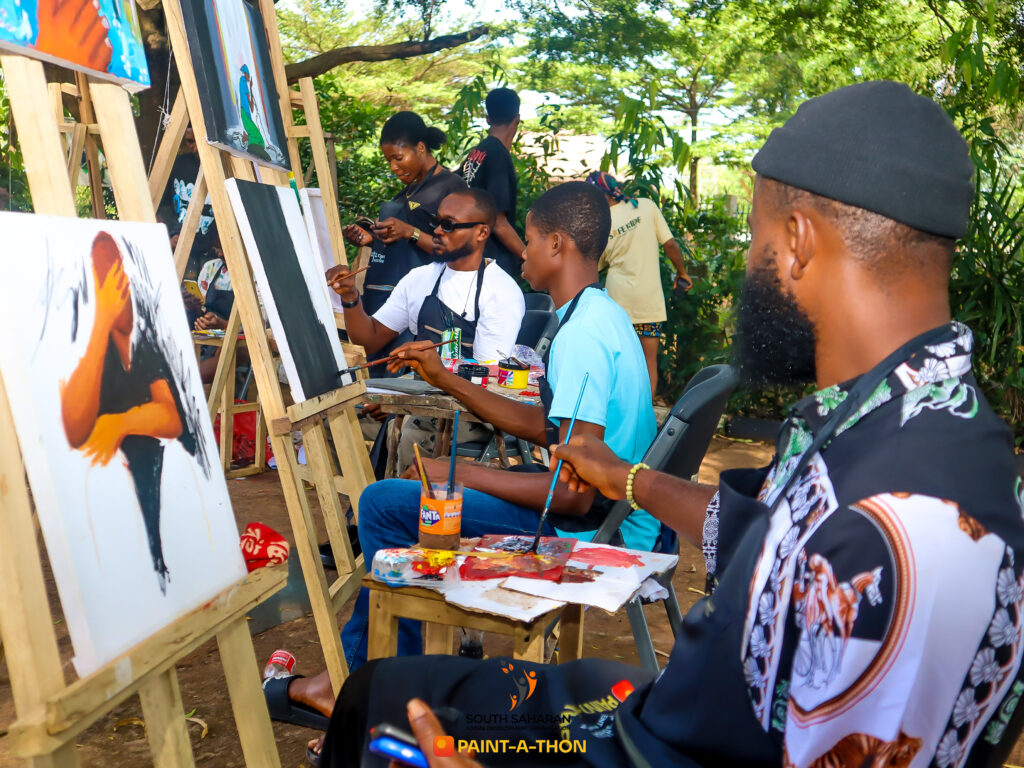
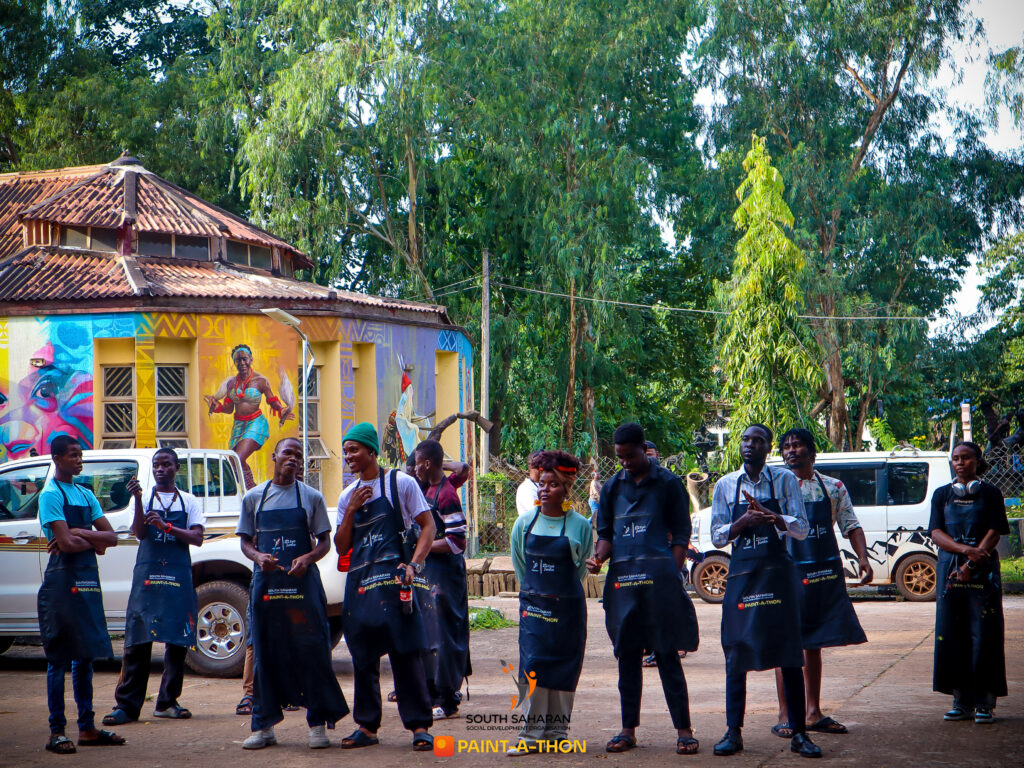
Recognizing the power of visual storytelling, SSDO took the next bold step: translating stories into art through the Cost of Justice Paint-a-thon — a creative movement where art and advocacy meet to amplify the voices of women who have endured gender-based violence.

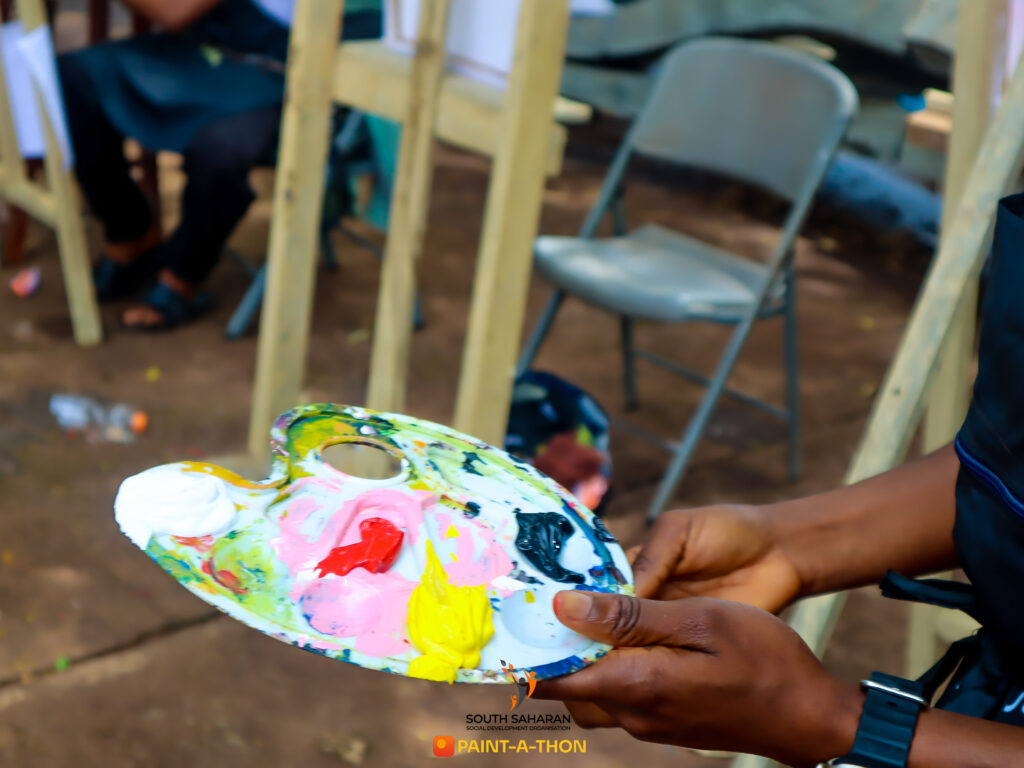
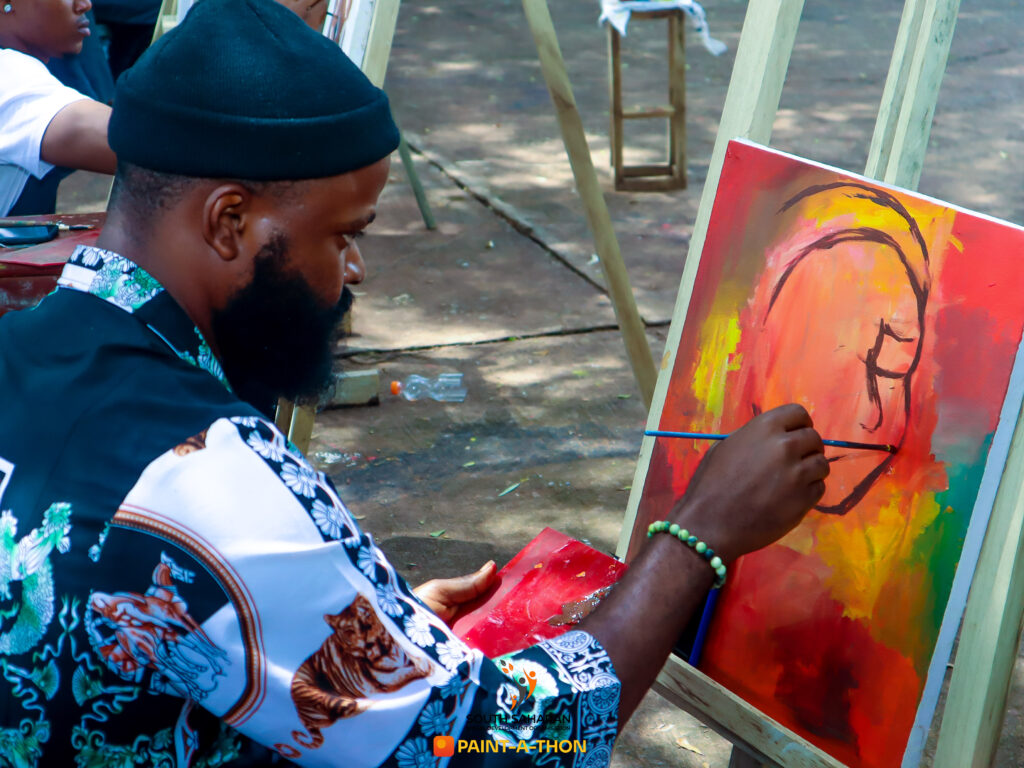
We invited young visual artists to interpret these real-life stories through colour and brushstrokes. Their task was not merely to paint, but to give form to emotions that words alone could not contain.
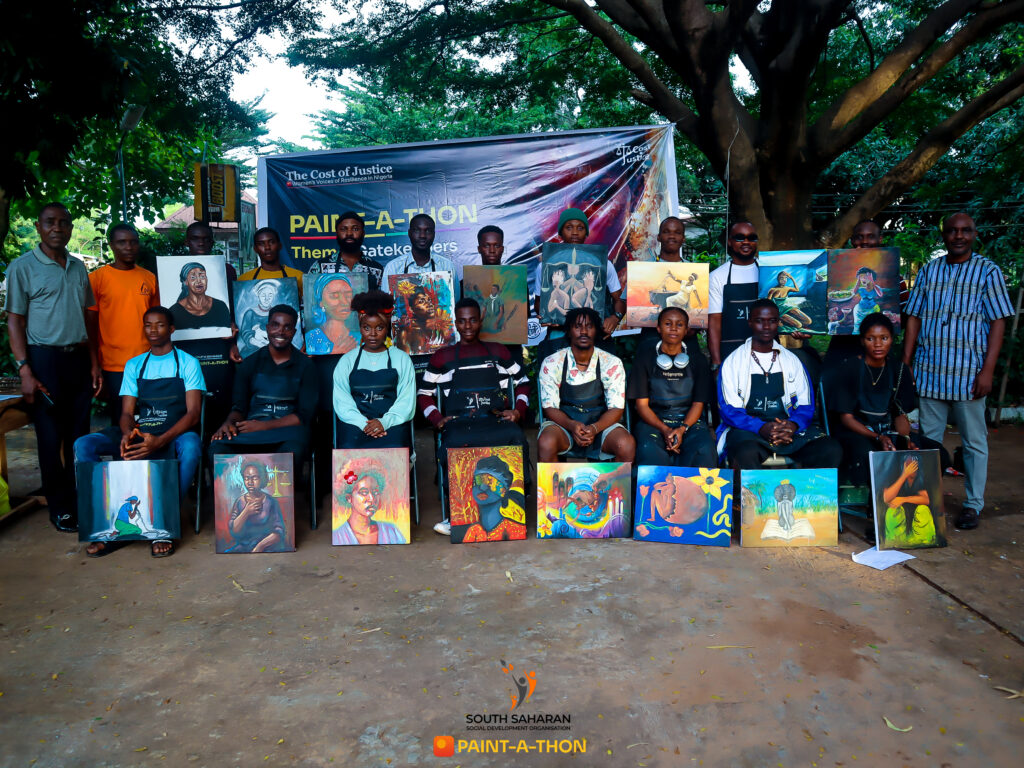
From this initiative, 15 artists were selected and commissioned to create two artworks each, inspired by the stories in the anthology. Each painting stands as both a tribute and a protest, reflecting pain, resilience, and hope.
We believe that stories have power — the power to heal, to awaken empathy, and to drive change. But sometimes words alone are not enough. Sometimes emotion needs colour, pain needs a canvas, and silence needs a voice. That belief is the spirit the Paint-a-thon was built on.

A Launch Rooted in Global Solidarity

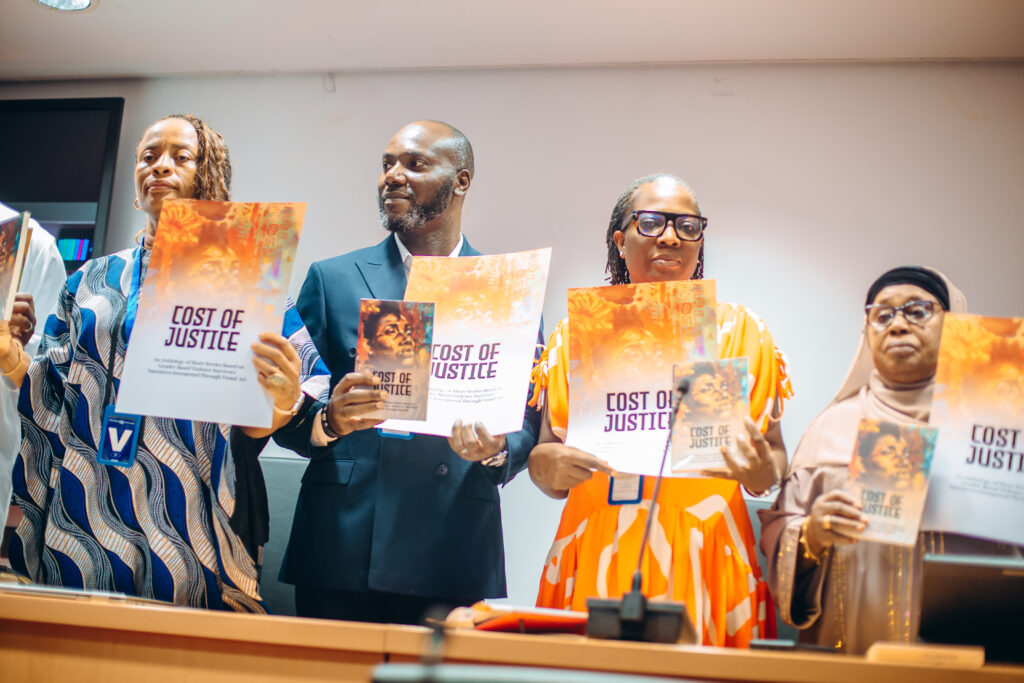
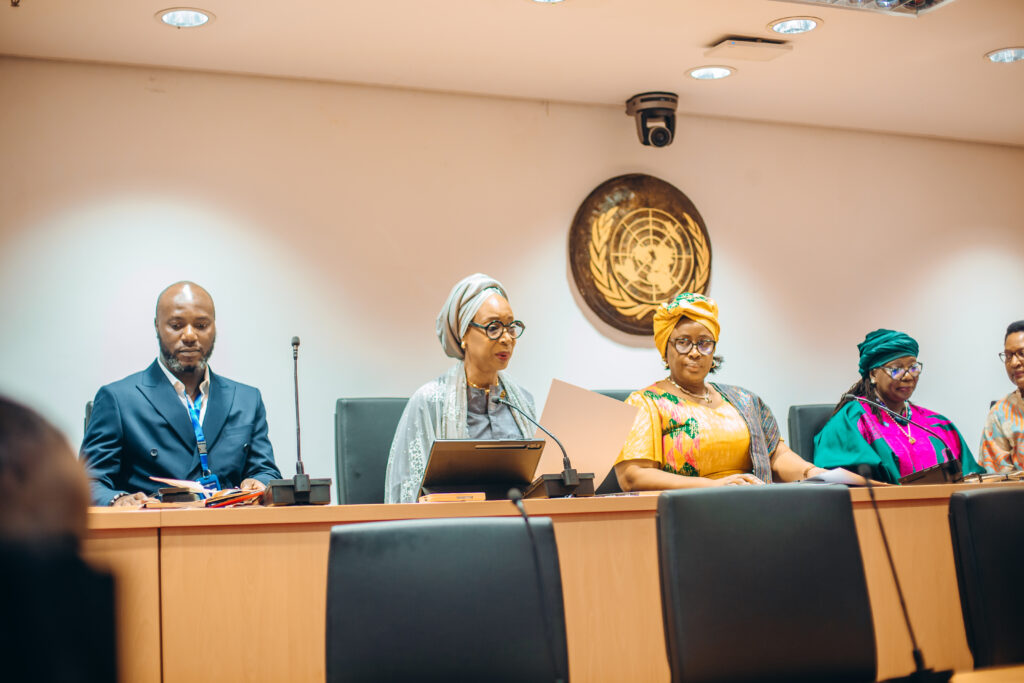
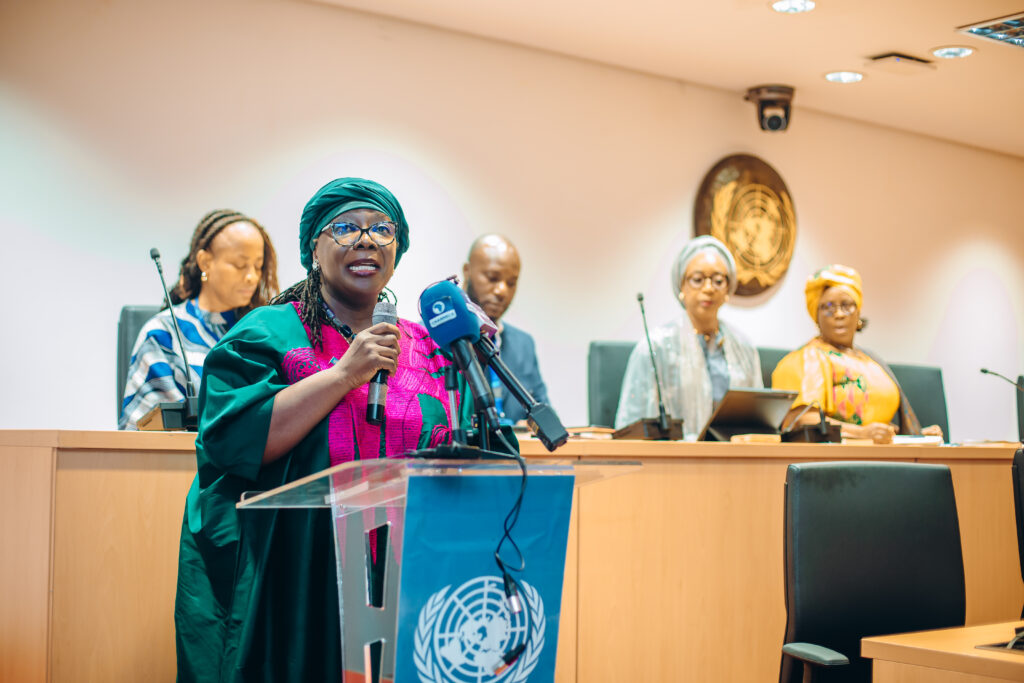
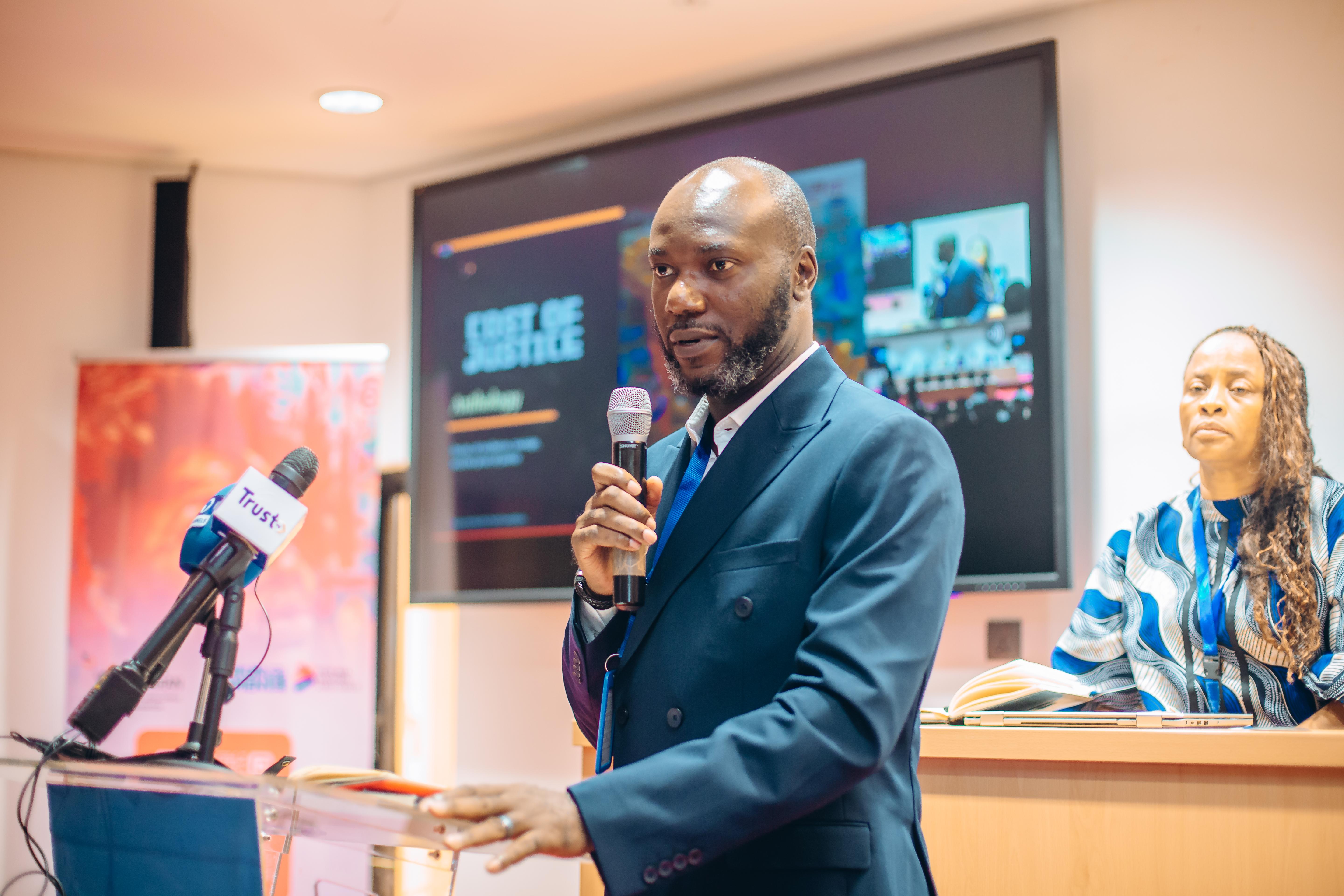
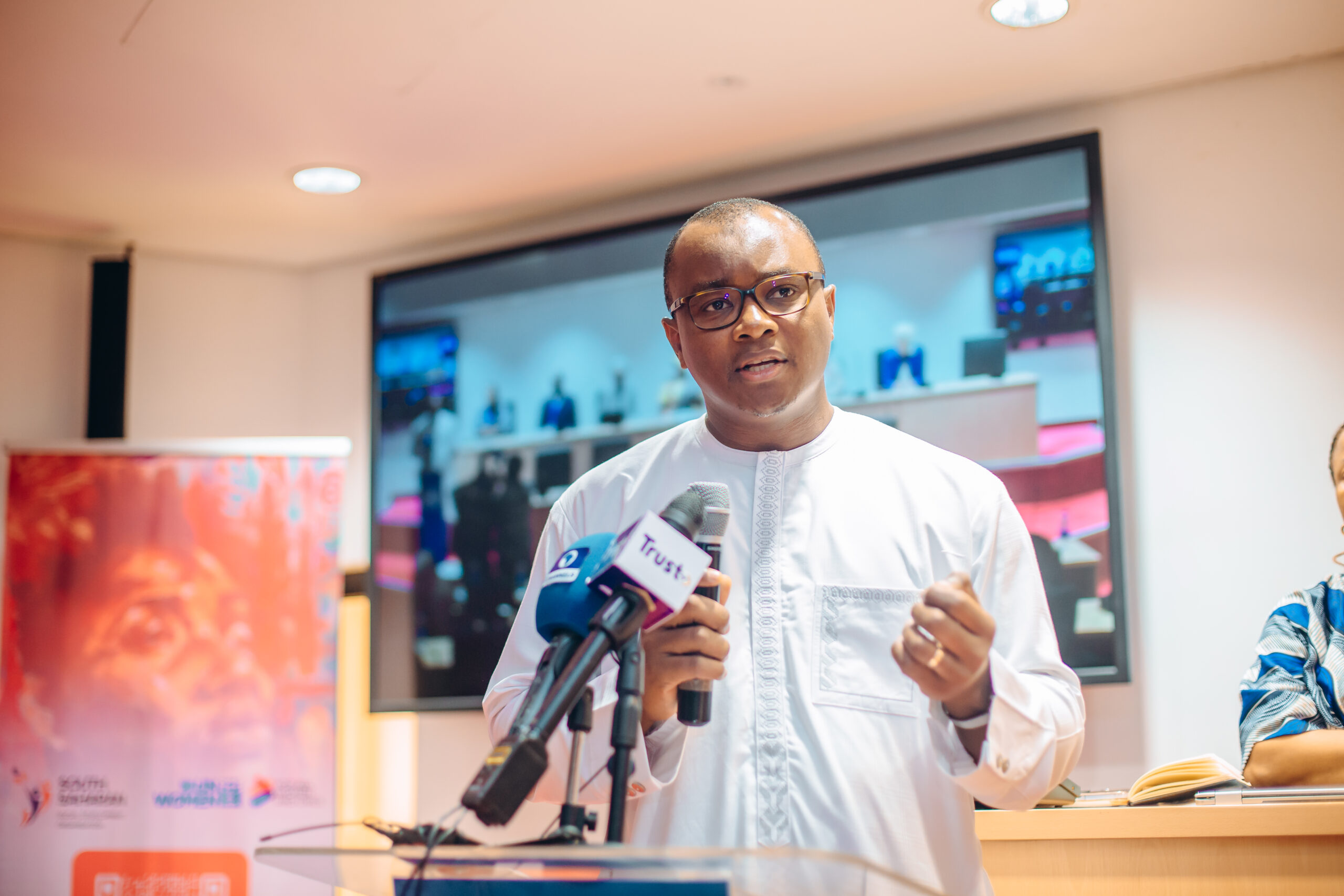
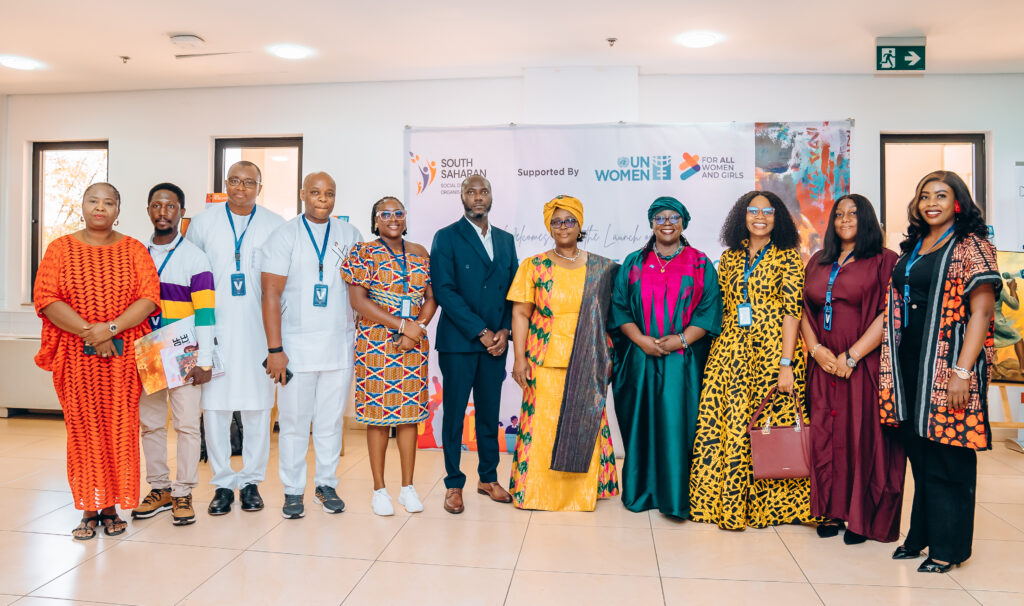
The anthology, together with the commissioned Paint-a-thon artworks, was officially unveiled as part of activities marking 2026 International Women’s Day, held under the global theme “Rights, Justice, Action: For All Women and Girls.”

The launch took place at the United Nations House in Abuja, in partnership with UN Women and with support from the Ford Foundation. The event brought together representatives from government ministries alongside diplomatic and development partners. A signal of the shared commitment needed to move the needle on justice for women and girls.

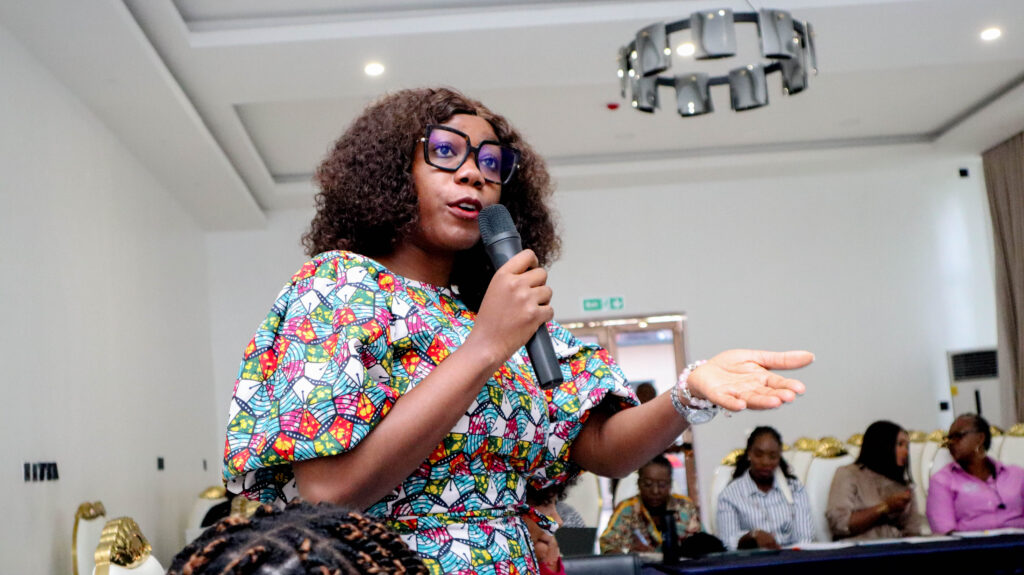
At the heart of the occasion was a curated art exhibition, where the commissioned artists’ interpretations of the anthology’s stories came to life on canvas. For attendees, the paintings evoked emotion and sparked conversation, offering a deeper, multi-sensory way to engage with themes of resilience, survival, and justice.

Calling for Justice Beyond Rhetoric

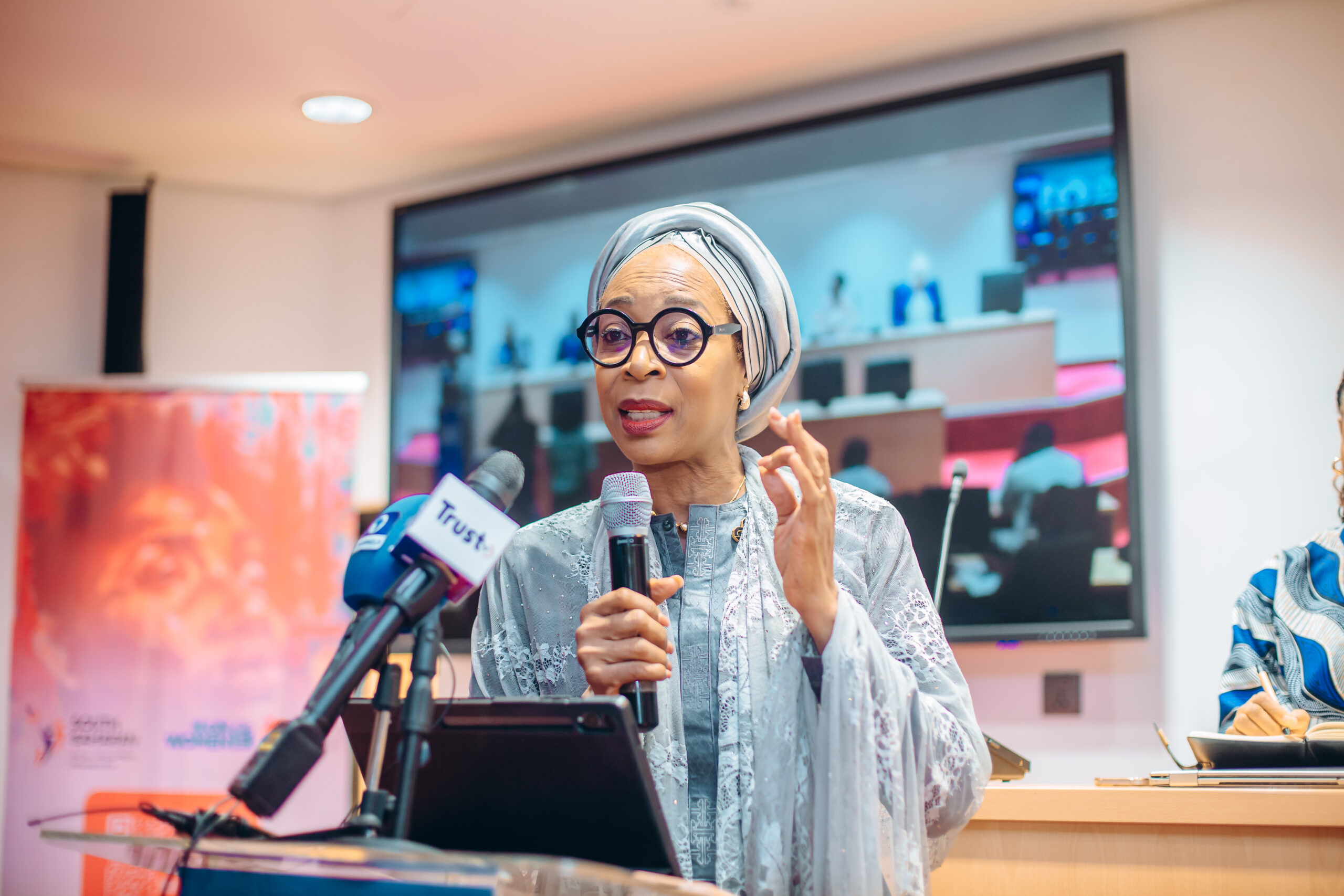
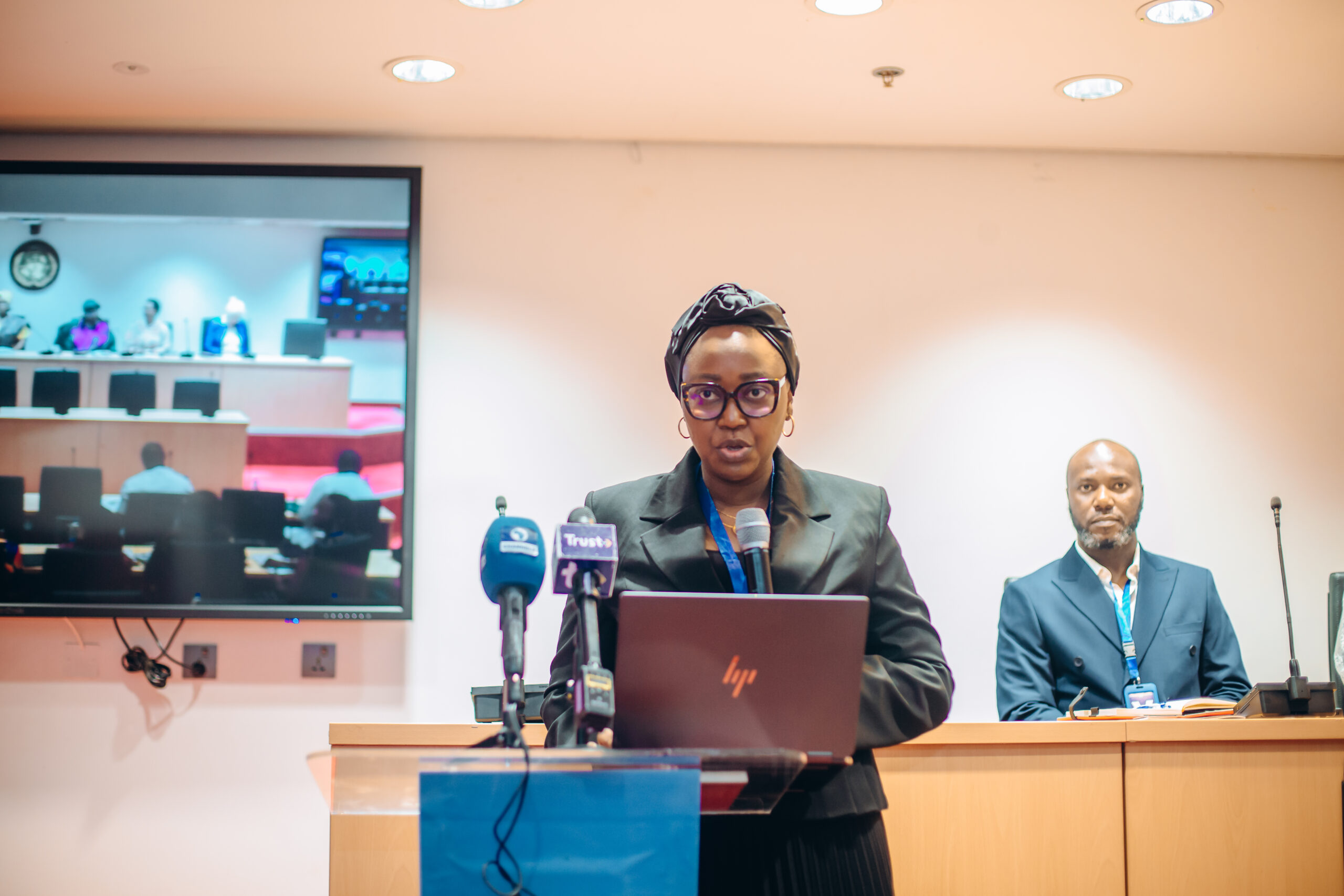
Speaking at the event, Ms. Attafuah, UNDP Nigeria Representative and UN Resident Coordinator a.i., urged stakeholders to move beyond rhetoric and ensure that justice becomes a lived reality for women and girls, not just a policy aspiration.

South Saharan’s Executive Director, Dr. Stanley Ilechukwu (MD), echoed this urgency, emphasizing that the anthology brings to light the true human cost of failing justice systems: the stigma, the silence, and the systemic barriers women are forced to endure.

Art as Advocacy

Through this fusion of literature and art, SSDO is launching a movement, one where words and paint become tools for dialogue, healing, and justice. These paintings will travel beyond the walls of the launch event to exhibitions, schools, and community spaces, serving as visual testimonies that challenge silence and inspire reflection.

Together, they carry a message that cannot be ignored: gender-based violence is not just a women’s issue, it is a human issue.

What Comes Next

Beyond the publication and exhibition launch, SSDO plans to host community dialogues, creative workshops, and further art showcases, ensuring that each story continues to spark conversations and inspire change.

By translating lived realities into structured advocacy and visual art, the initiative strengthens policy engagement, informs institutional reform processes, and advances the case for a justice system that is genuinely accessible and accountable to women and girls.

As we transform pain into purpose, we invite advocates and partners to join us because justice is not just a destination. It is a story worth telling, in every form it takes.

International Day of Zero Tolerance for FGM: Community Townhall Meeting

Harmful traditions often survive in silence. We commemorated the International Day of Zero Tolerance for FGM with a townhall meeting at Umuode Comnunity. It was designed to break that silence through dialogue and accurate health education.

The practice of Female Genital Mutilation is common is some communities. Social pressure sustains it. Misinformation protects it. Silence normalizes it.

From our findings, many women lacked accurate health information. Caregivers misunderstood long-term consequences. Community gatekeepers rarely discussed the legal implications.

A structured town hall created space for truth.

Why the FGM Town Hall Meeting in Umuode Was Necessary

Cultural norms can be deeply rooted. Change requires community ownership.

The meeting responded to three pressing needs. First, improving knowledge about reproductive health risks. Second, challenging beliefs that sustain the practice. Third, strengthening collective resolve to protect women and girls.

FGM causes severe physical harm. Complications include infections, childbirth difficulties, and chronic pain. Psychological trauma often follows. Human rights violations are clear.

By bringing everyone into one space, the meeting allowed shared learning. Traditional leaders participated. Religious leaders attended. Women and girls were present.

Community-wide participation ensured that responsibility was shared.

Health Education from a Government Professional

Credible information builds trust. A trained nurse from the University of Nigeria Teaching Hospital led the session.

The nurse delivered an interactive presentation using simple language. Medical facts were explained clearly. Prevention strategies were outlined carefully.

Linking the discussion to a recognized health institution strengthened legitimacy. It bridged the gap between traditional practice and public health systems.

Participants asked direct questions. Honest answers followed.

Creating Space for Reflection and Debate

Dialogue formed the heart of the meeting. Guided discussions explored myths and social pressures. Participants reflected on inherited beliefs.

Some shared personal experiences. Others expressed concerns about community backlash.

The environment remained respectful. Inclusion guided facilitation. No voice was dismissed.

Gradually, perspectives began to shift.

Sustaining Action Beyond the Town Hall

Lasting transformation requires continuity. A single meeting can open minds. Sustained engagement changes behavior.

The town hall now serves as an entry point for ongoing action. Follow-up sensitization sessions will reinforce health messages. Engagement with local leaders will continue. Collaboration with women’s groups will expand.

Health workers will remain partners in education efforts.

Step by step, the goal is gradual norm change. Silence will give way to awareness. Awareness will build resolve. Resolve will protect girls.

Through community dialogue and credible information, Umuode moves closer to eliminating FGM.

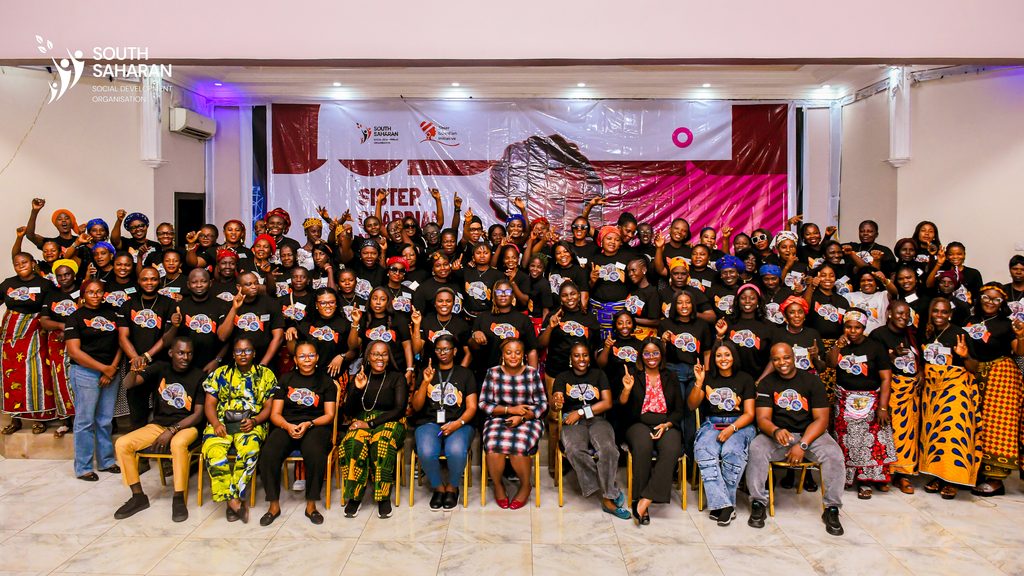
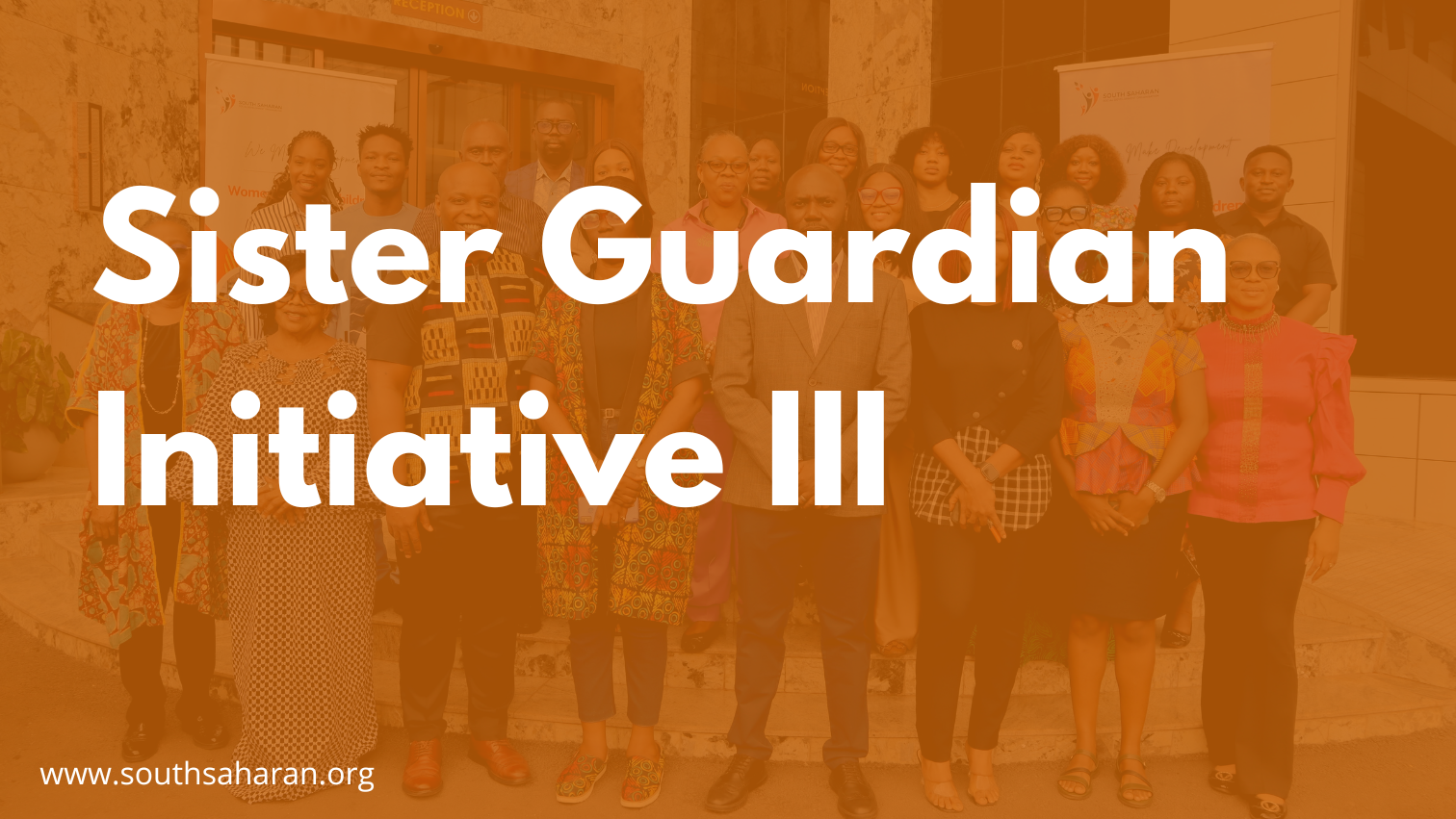
Sister Guardian Initiative: Expansion Co-Creation Workshop

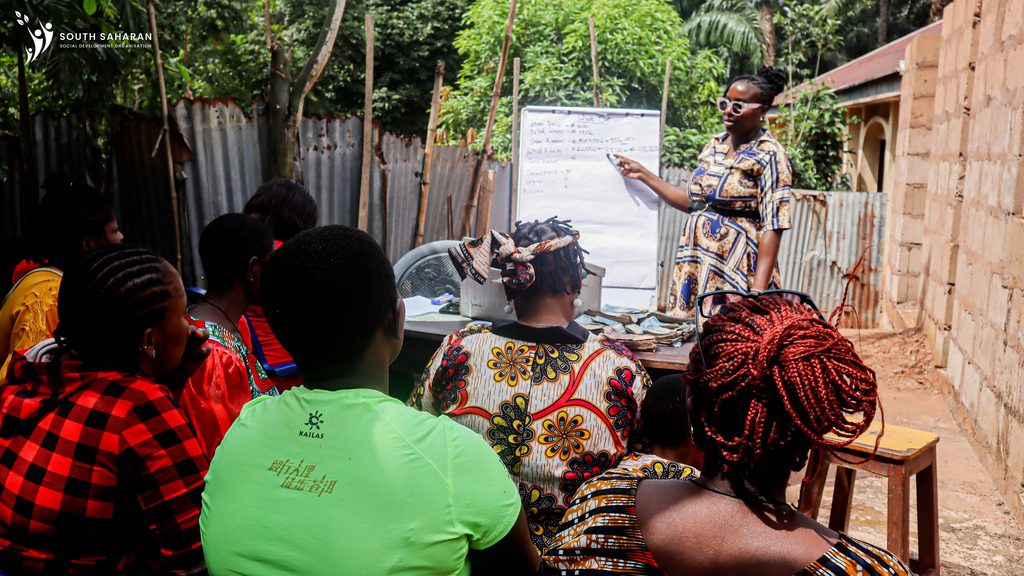
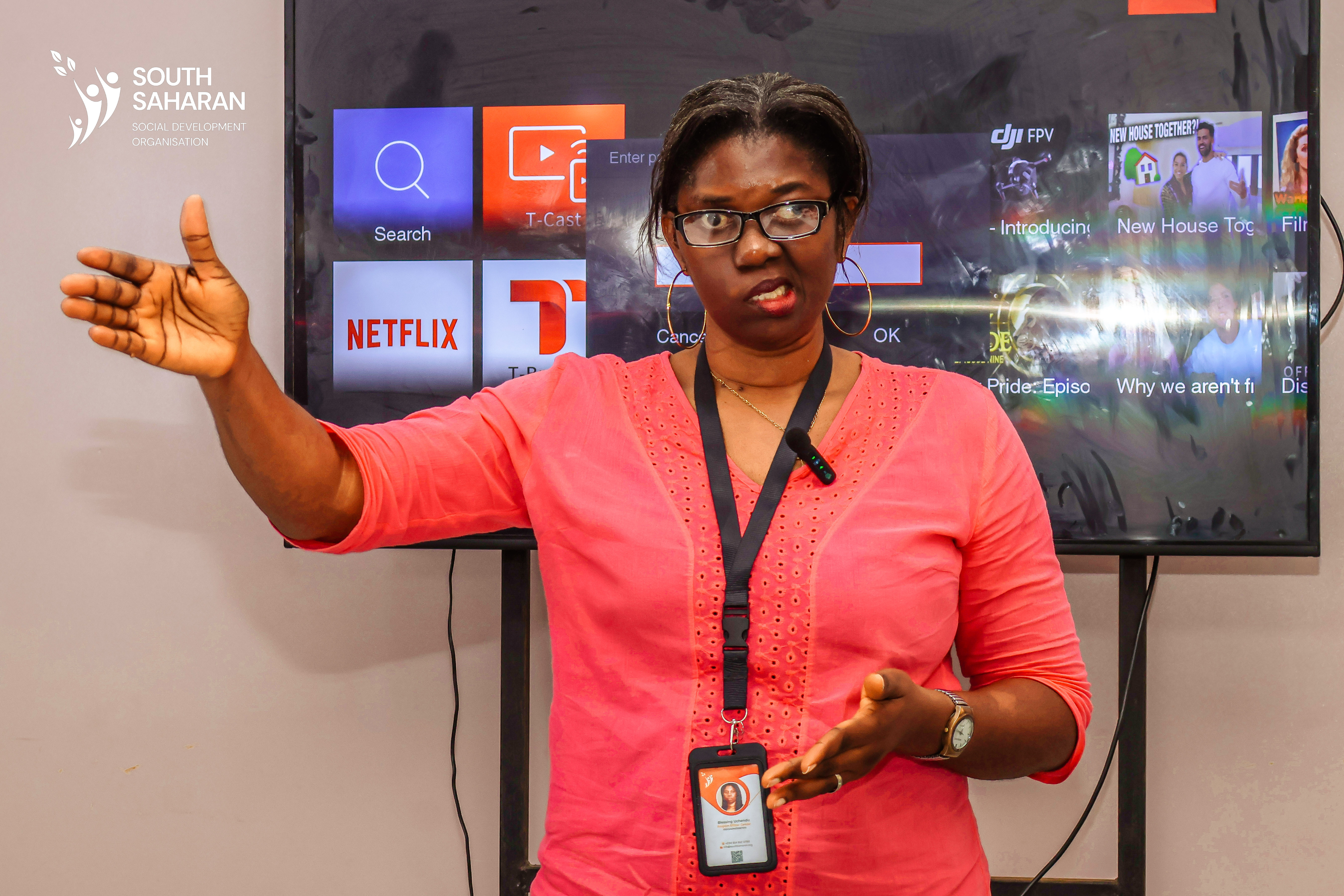
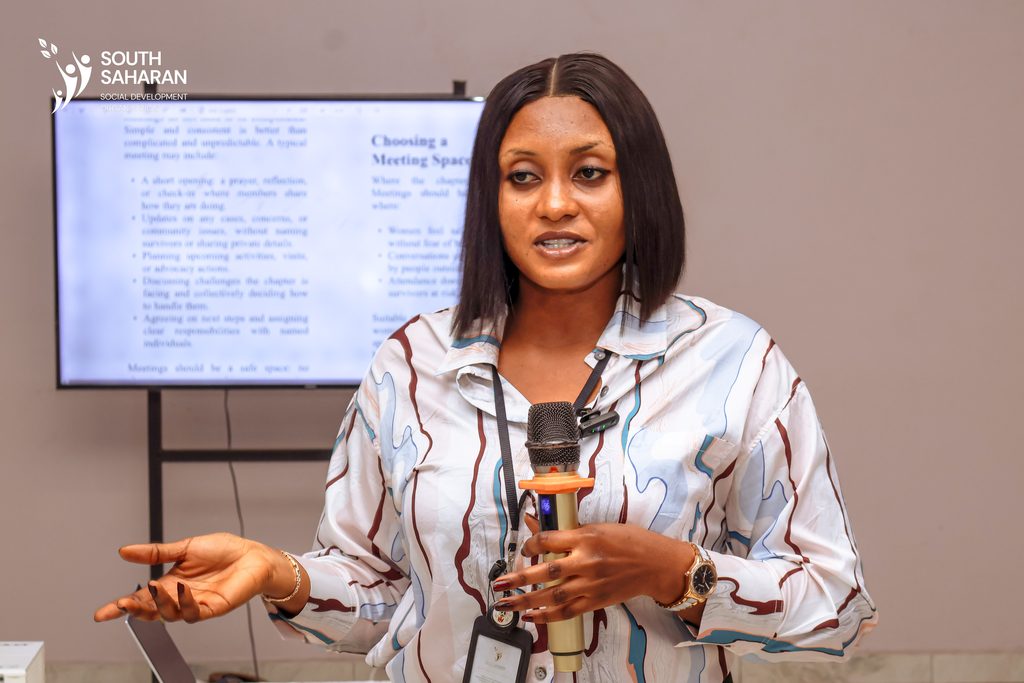
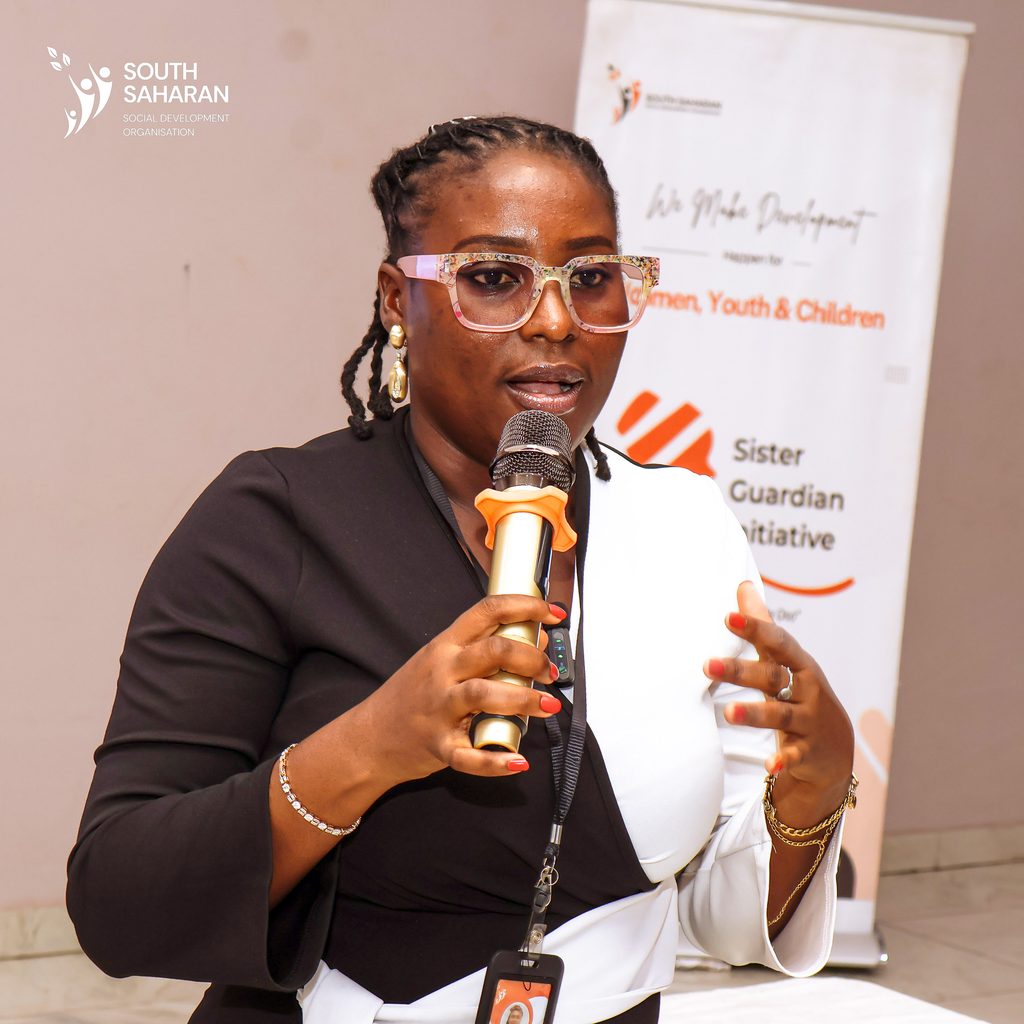
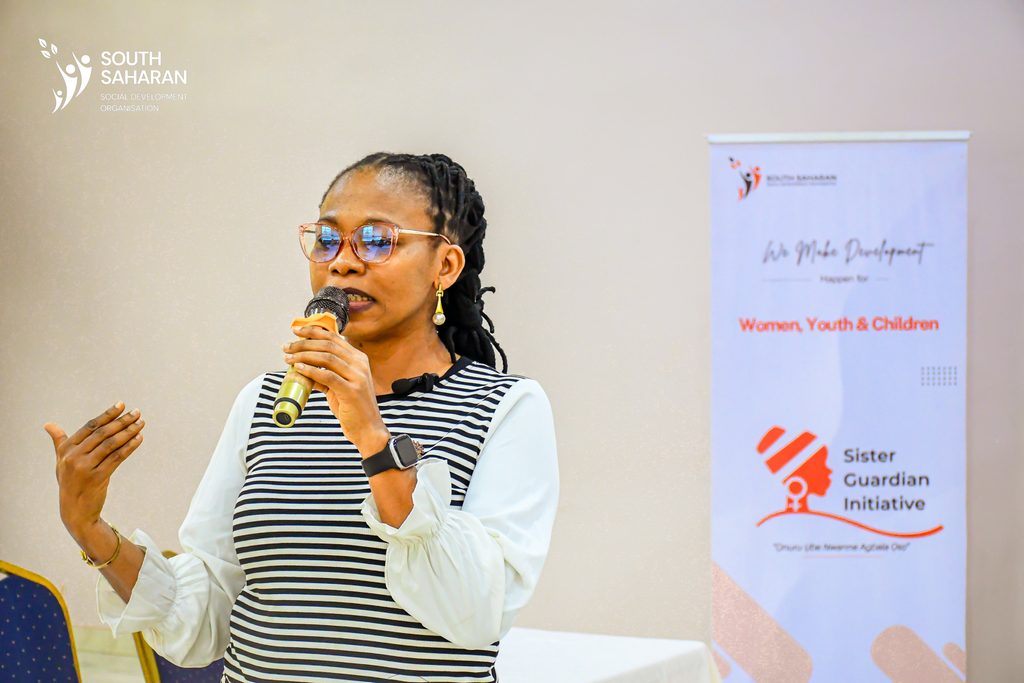
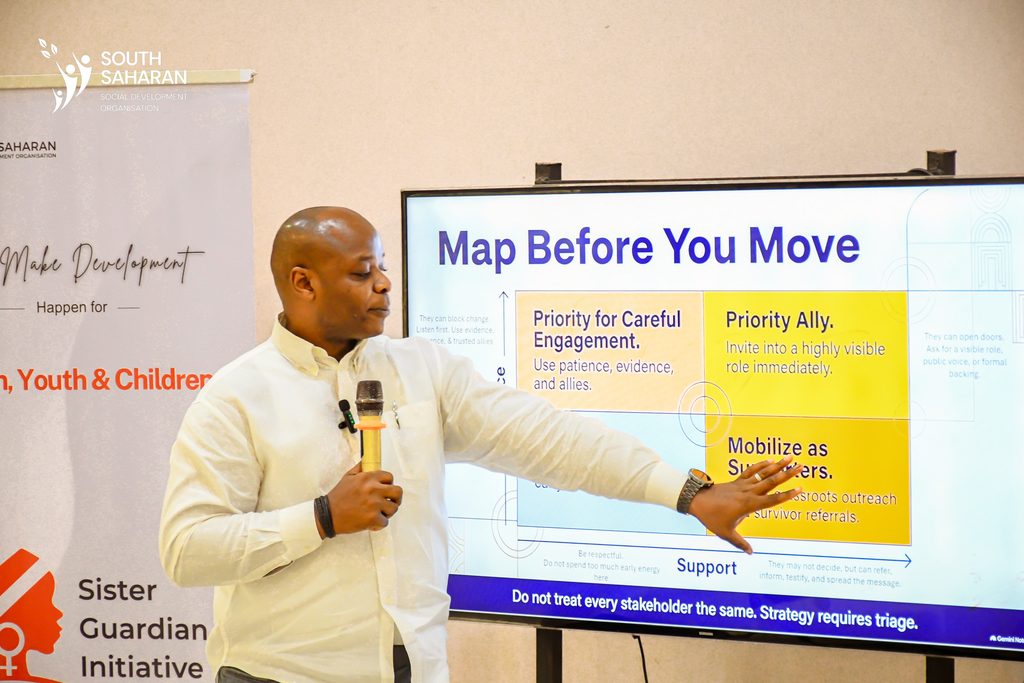
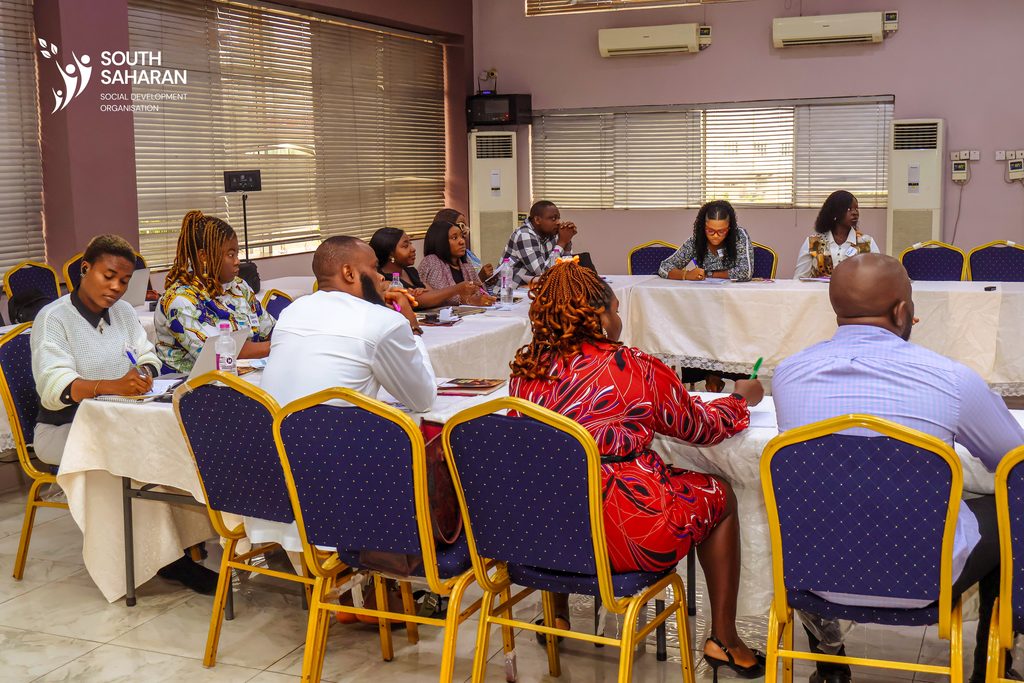
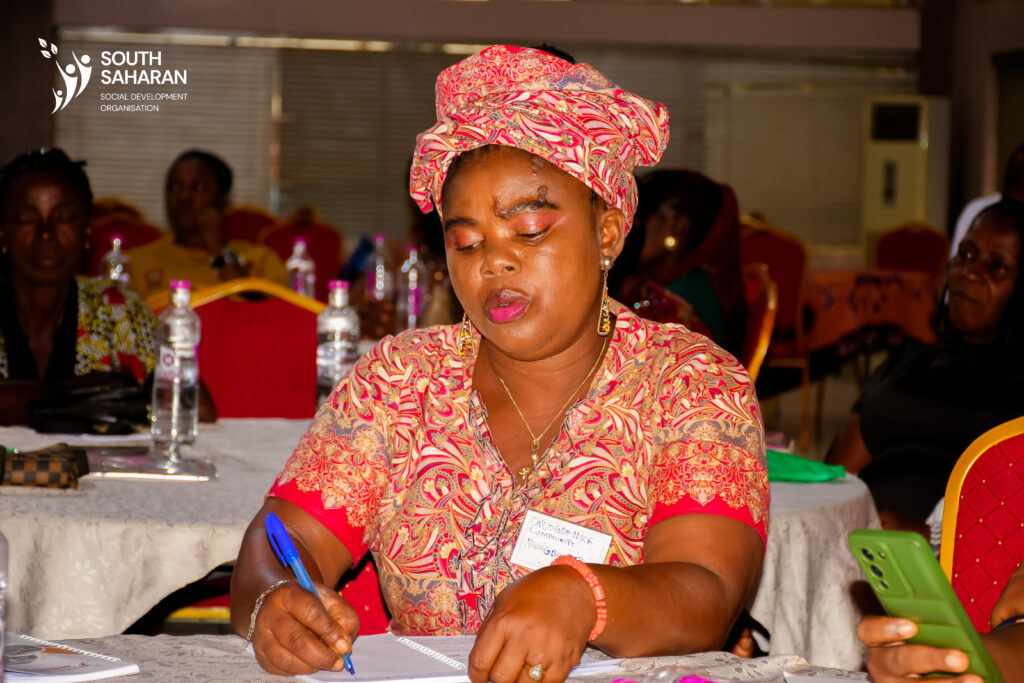
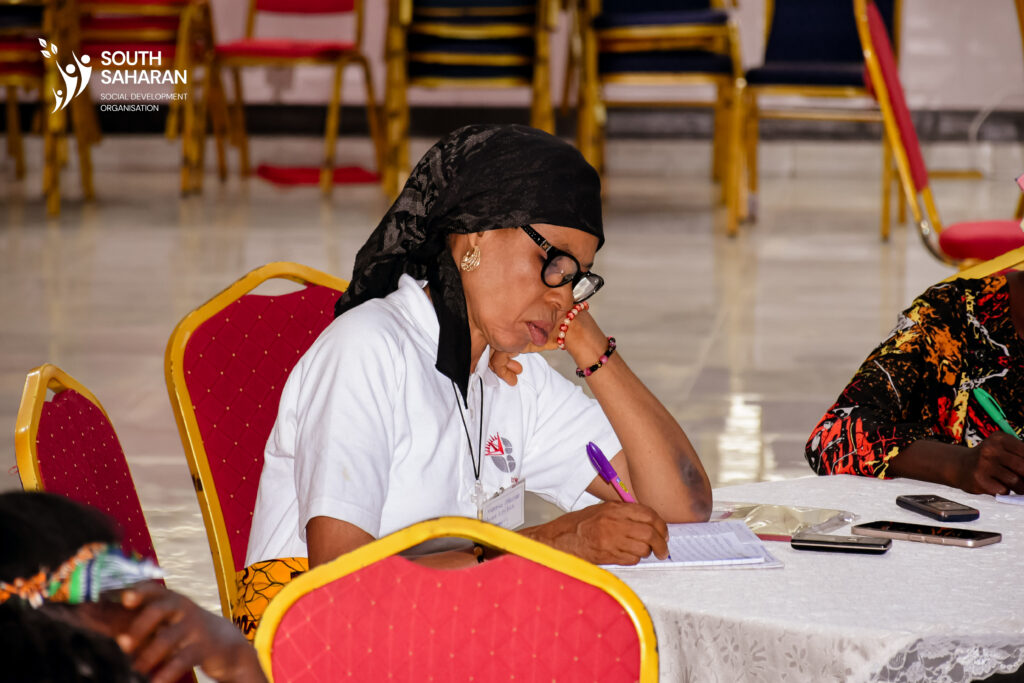
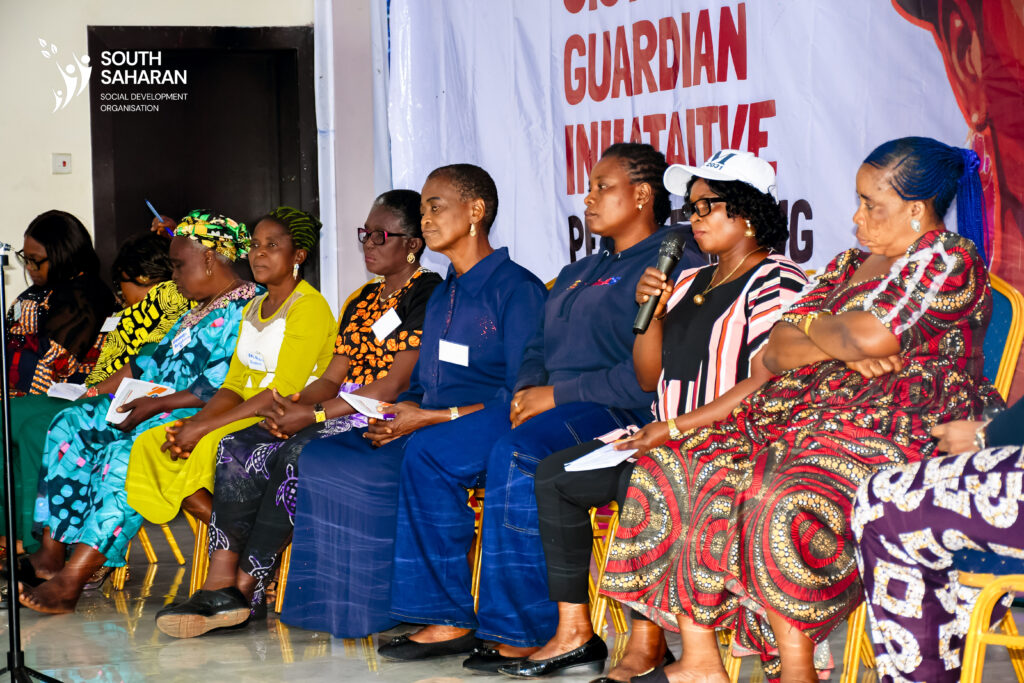
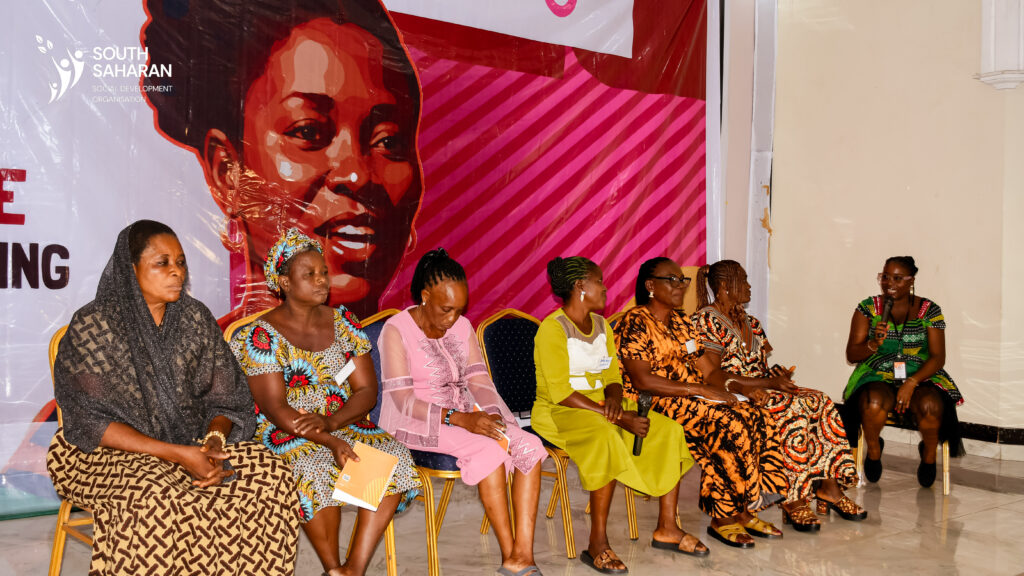
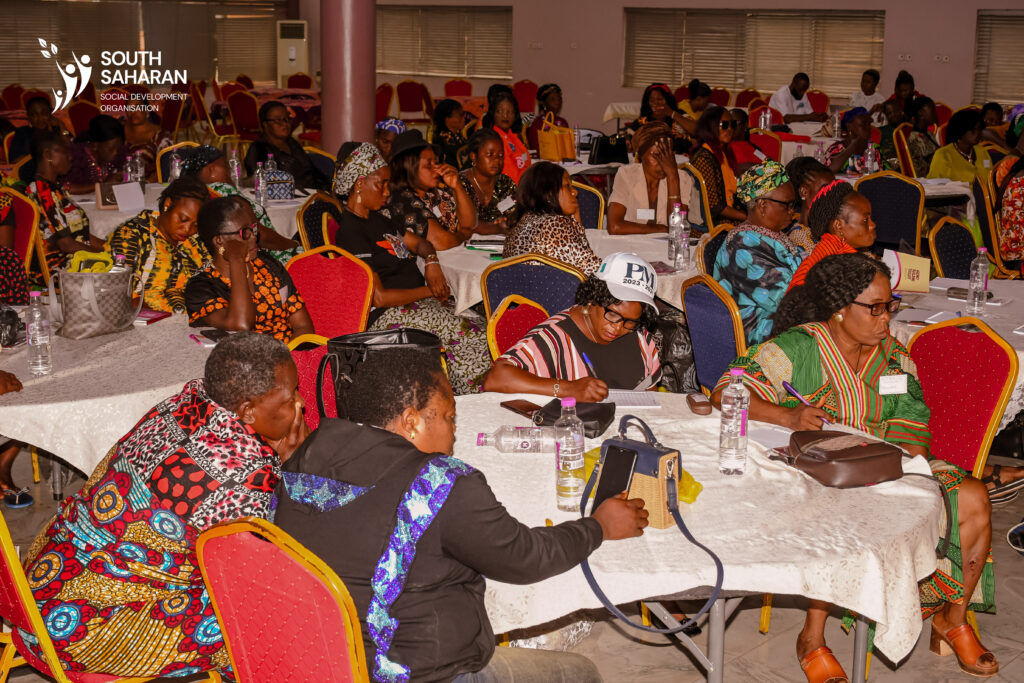
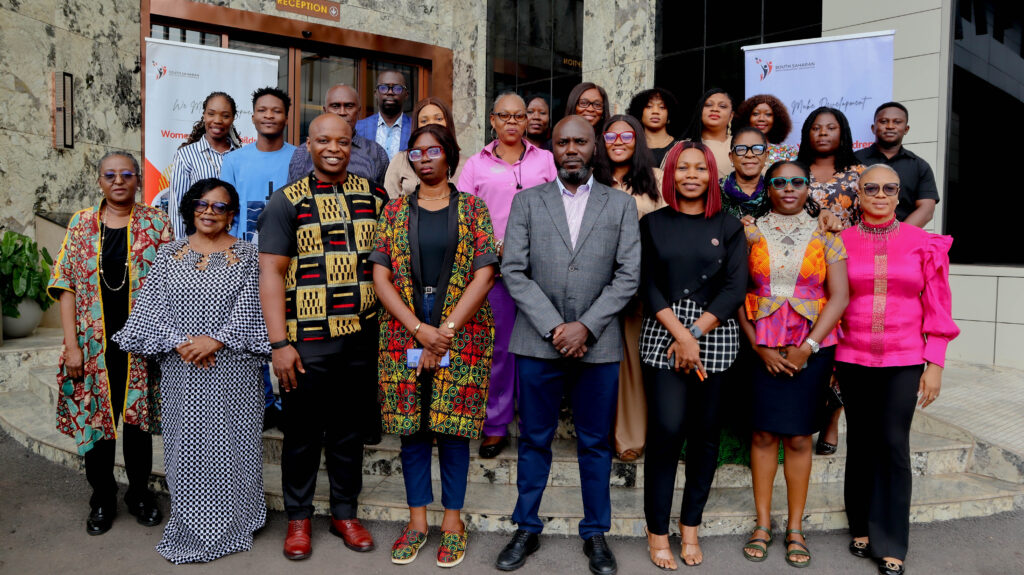
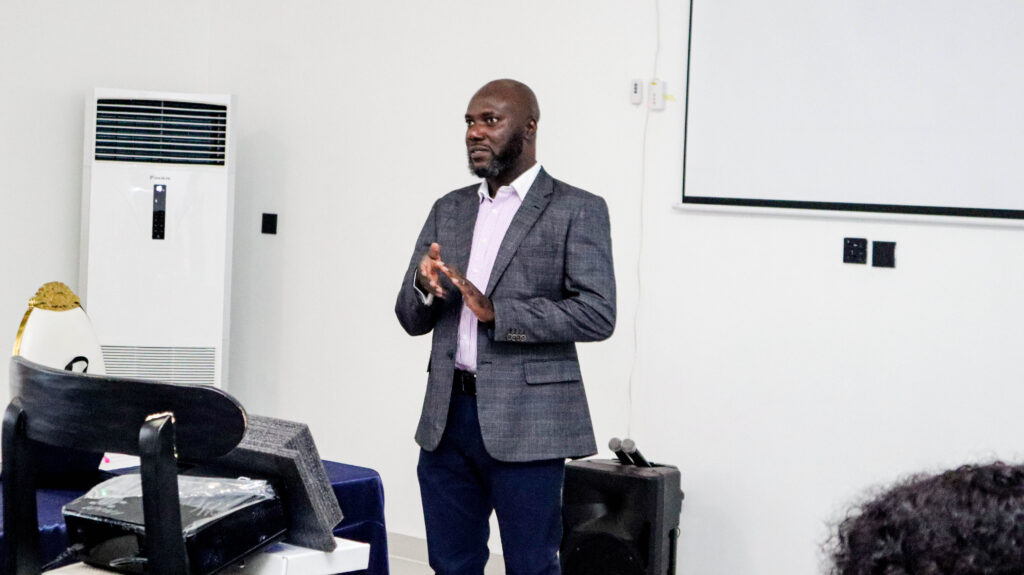
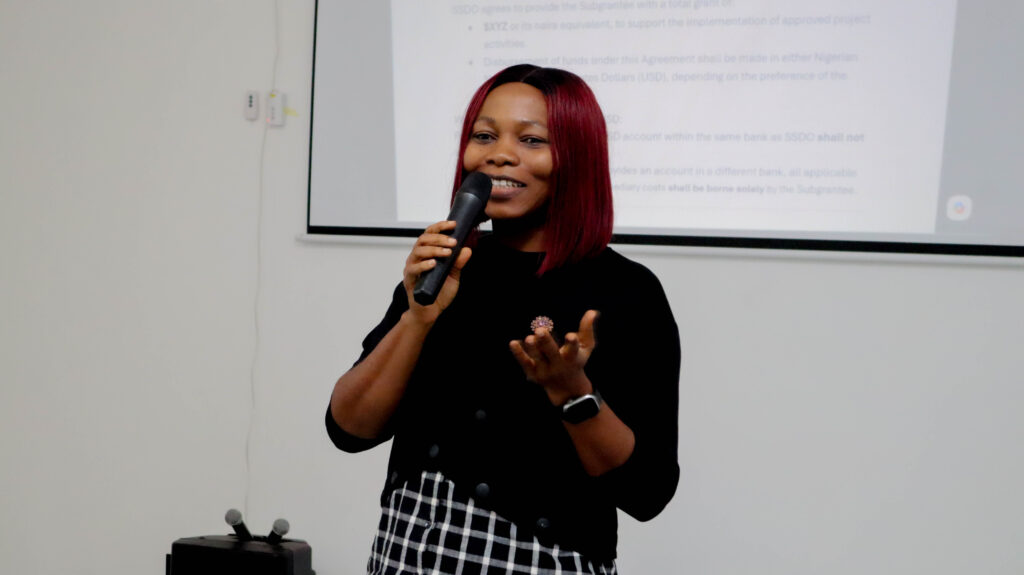
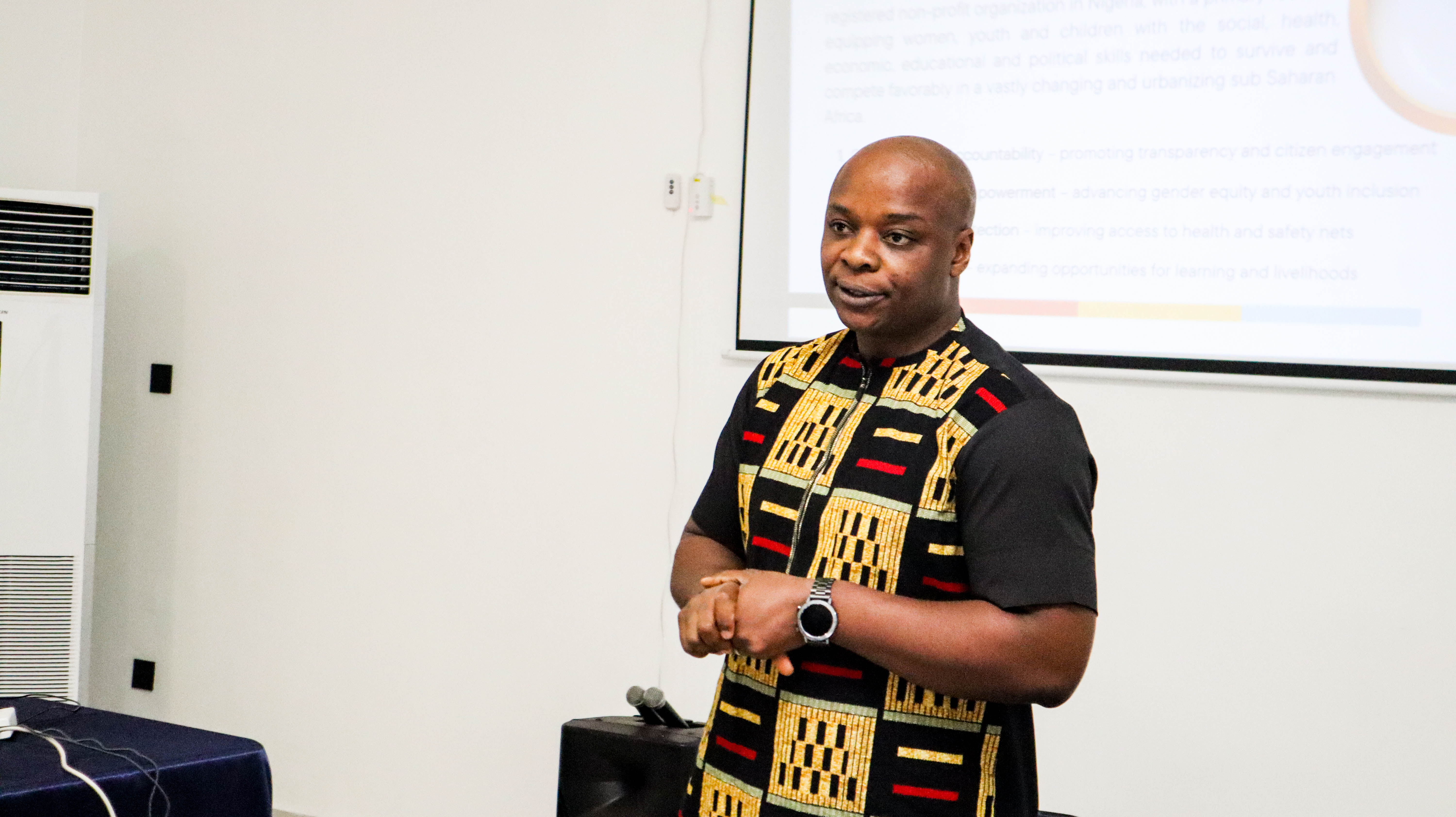
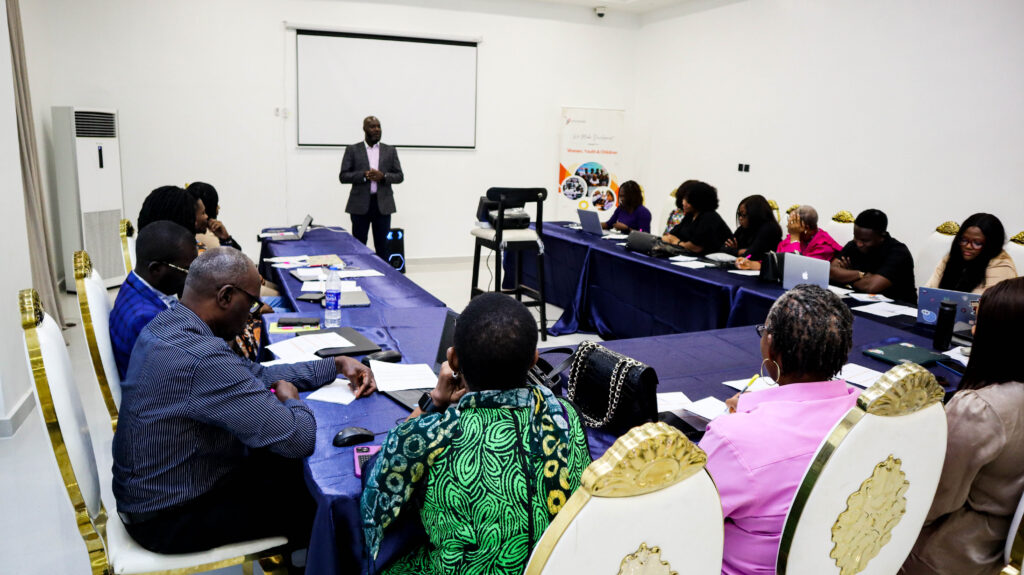
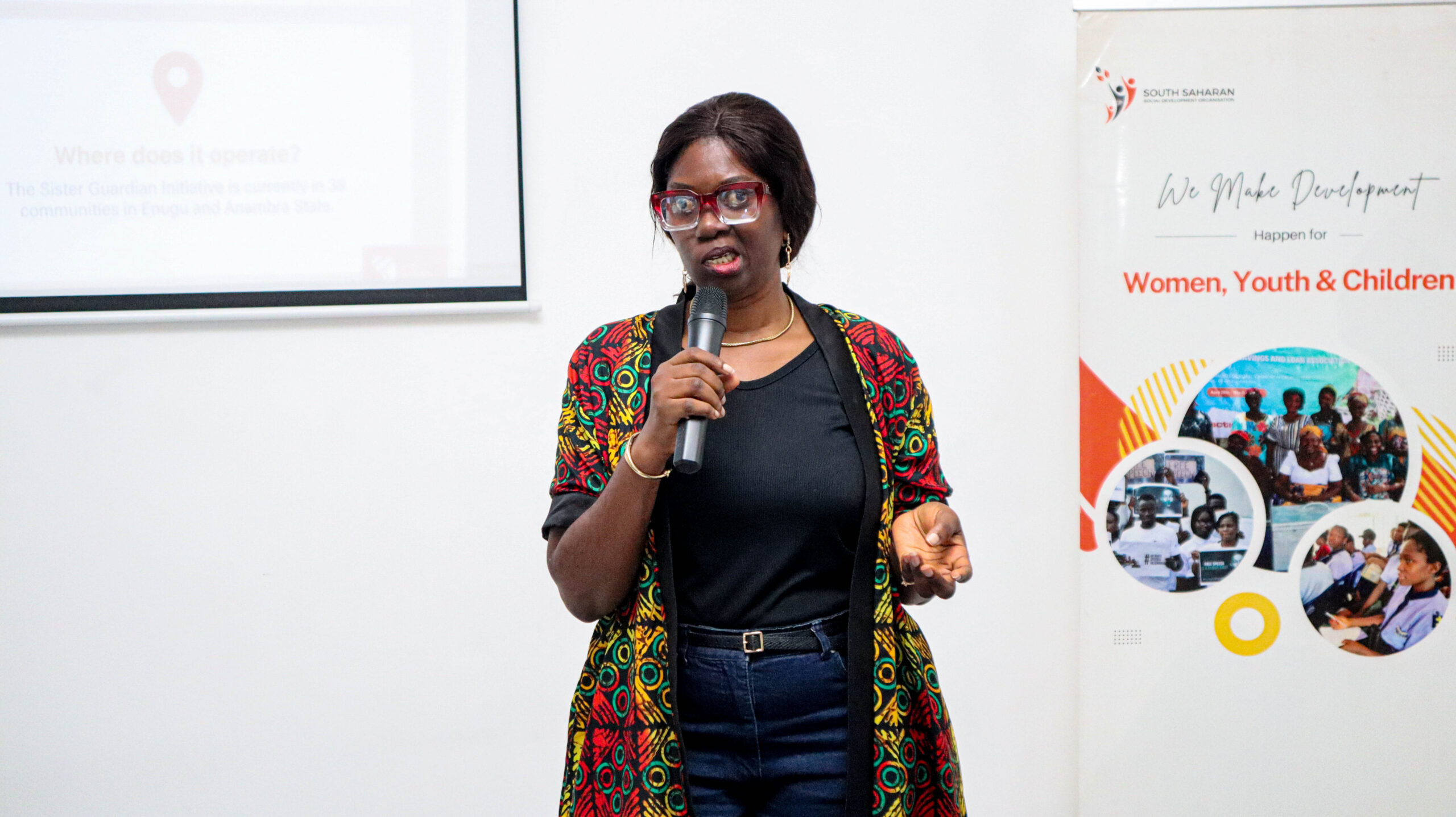
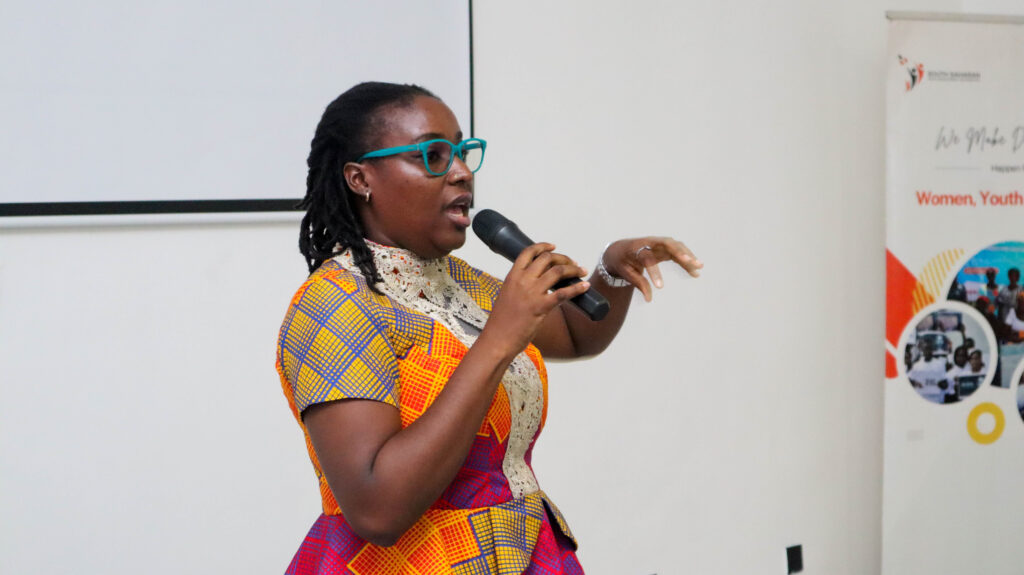
SSDO convened a one-day co-creation workshop with women committed to scaling the initiative into new communities. The session brought together Sister Guardians who will expand Sister Guardian from their communities into neighbouring communities across Enugu State.

This workshop marked a transition from participation to leadership. The women stepped into new roles as community Champions responsible for driving sustainable expansion.

Understanding Governance and Accountability

The workshop began with a comprehensive overview of the Sister Guardian constitution and bylaws. Participants revisited the program manual to reinforce a shared understanding of the initiative’s structure, guiding principles, and operational expectations.

To ensure clarity and accountability during expansion, SSDO staff walked the women through the reporting templates. This will guide documentation and monitoring efforts. This segment emphasized the importance of transparency, structured communication, and consistent reporting as the initiative grows into new communities.

Listening to Women’s Realities

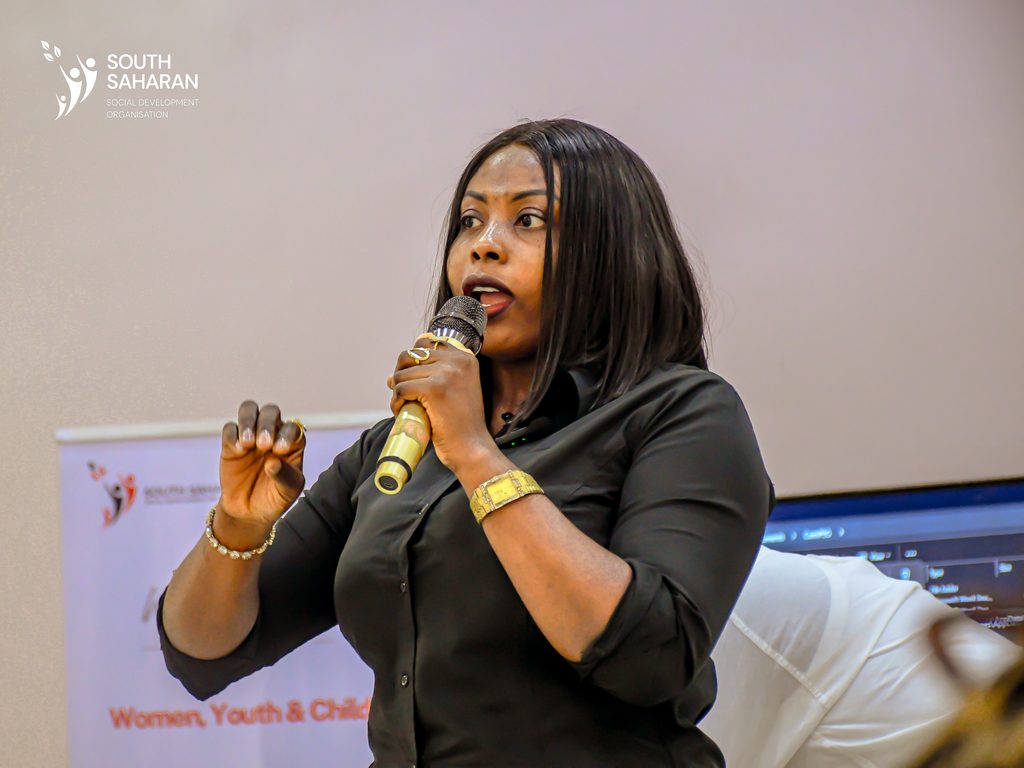
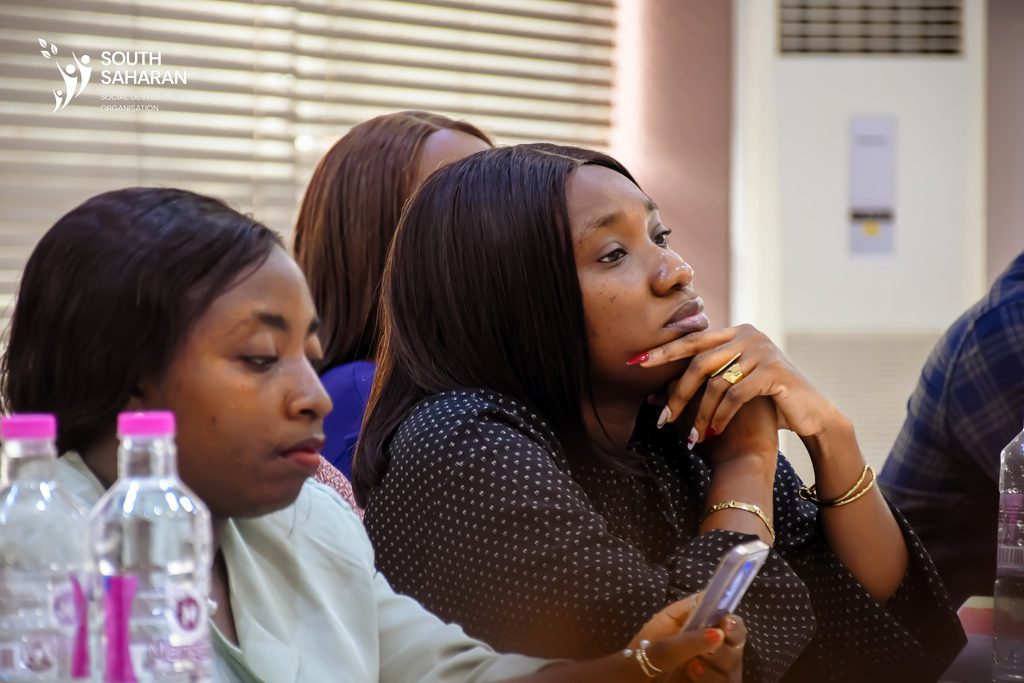
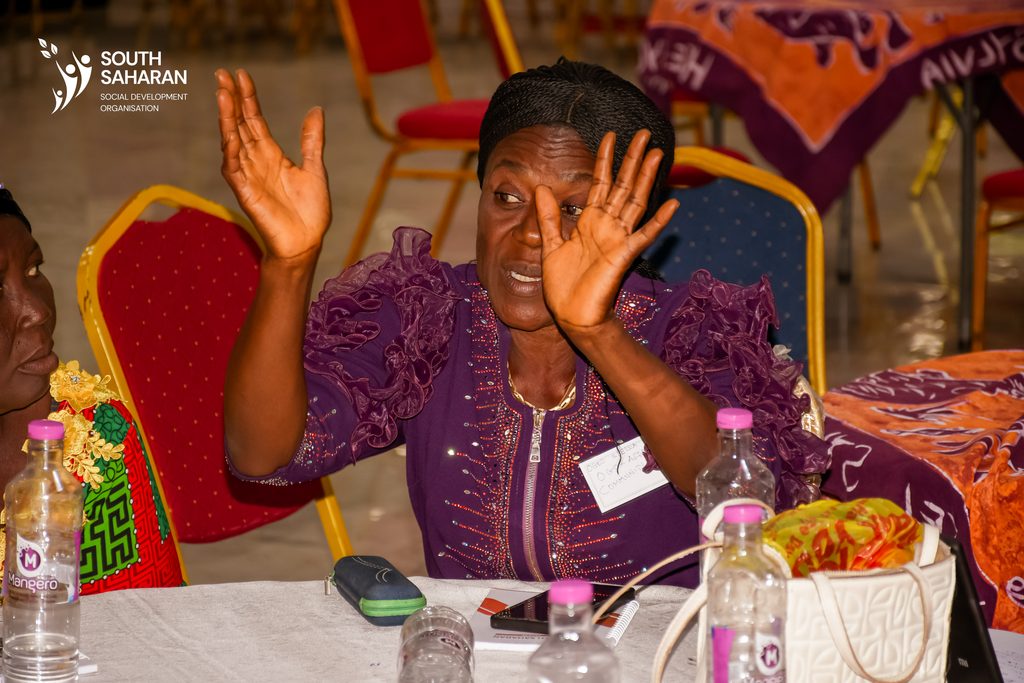
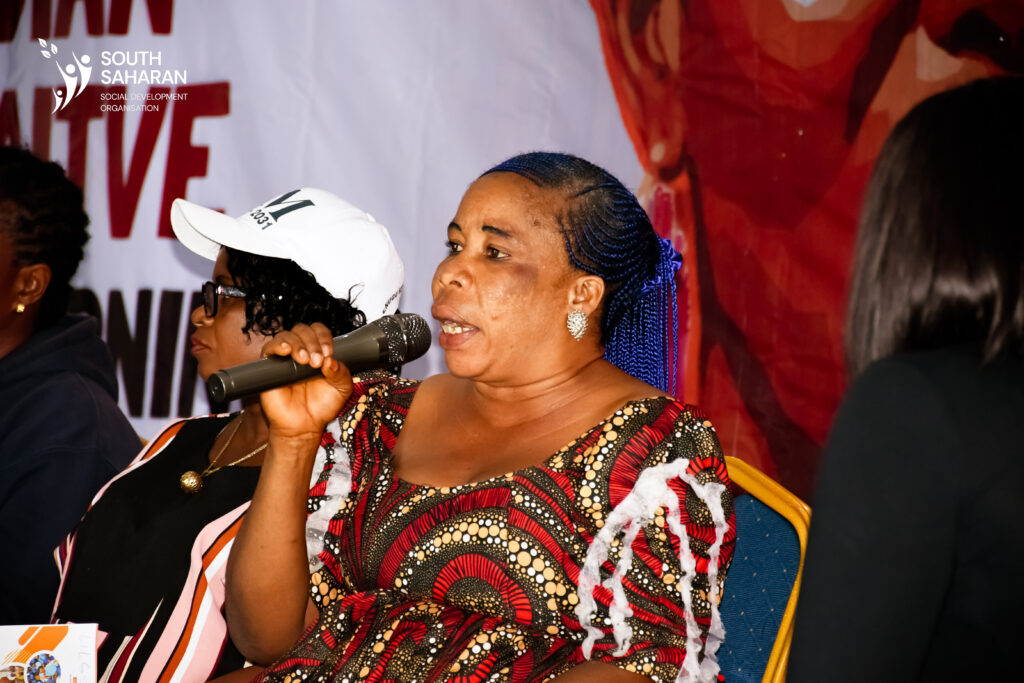
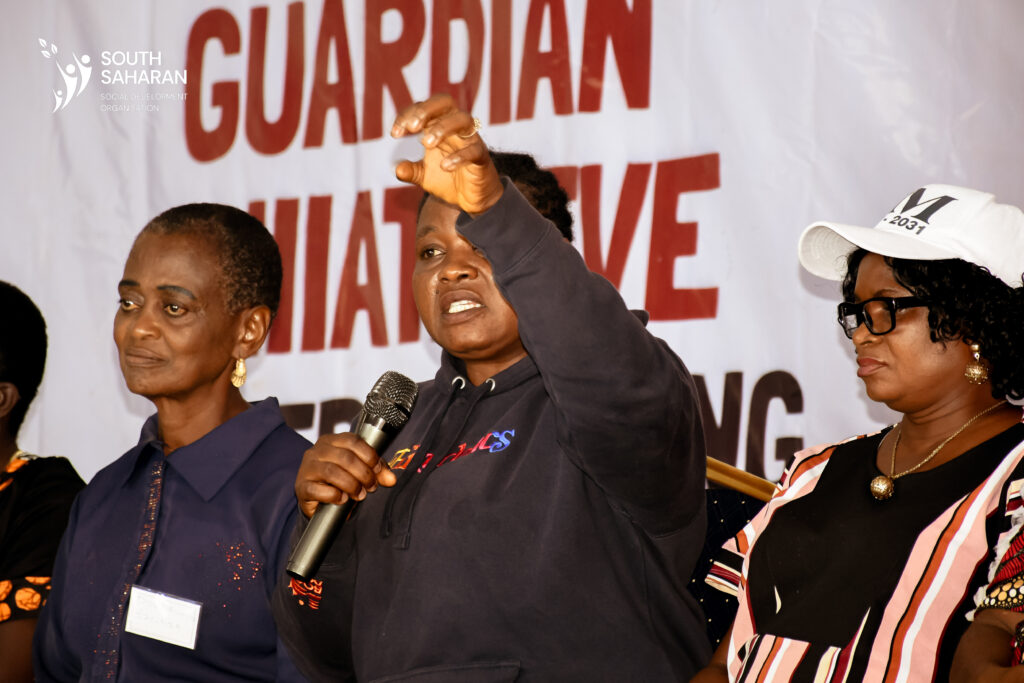
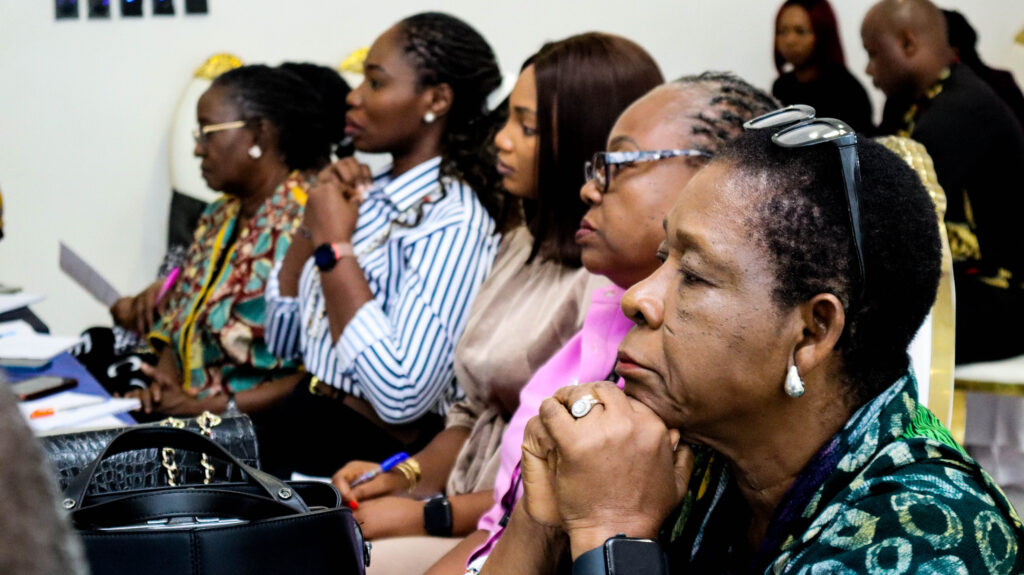
A core component of the workshop was the co-creation session, where participants openly discussed the challenges they face within their communities. This interactive dialogue created space for shared learning, peer support, and collaborative problem-solving.

The women contributed practical ideas on how best to support expansion efforts, identifying barriers such as community resistance, limited resources, and cultural sensitivities. Together, they explored realistic and community-driven solutions that align with the values of Sister Guardian.

Engaging Local Leadership Structures

As part of the expansion strategy, the newly designated Champions received targeted guidance on how to approach new communities. They were trained to engage community leaders, women’s groups, and other relevant local leadership structures with respect and cultural sensitivity.

The training emphasized how to properly introduce themselves, clearly communicate their intentions, and present the Sister Guardian initiative in a way that builds trust and credibility.

Building a Culture of Evidence

The Champions were trained on documenting their activities using the standardized reporting templates to ensure effective supervision and measurable progress. They also learned the importance of capturing photos and videos to visually demonstrate impact and track growth.

This documentation process will serve multiple purposes: monitoring progress, identifying emerging challenges, sharing success stories, and strengthening accountability as the initiative expands.

By embedding structured reporting into the expansion process, SSDO reinforces a culture of evidence-based growth and responsible program management.

Expanding Women’s Empowerment Across Enugu Communities

The workshop concluded with renewed confidence in the Champions’ capacity to lead expansion efforts effectively. Their commitment, clarity of purpose, and strengthened skills position them to extend the Sister Guardian initiative into more communities.

As the program grows, more women will gain access to supportive networks and platforms to voice their concerns and aspirations. Through careful planning, community engagement, and sustained mentorship, Sister Guardian continues to evolve as a movement for grassroots empowerment.

When Stories Become Art: The “Cost of Justice” Paint-a-thon

We believe that stories have power – the power to heal, to awaken empathy, and to drive change. But sometimes, words alone are not enough. Sometimes, emotion needs colour, pain needs a canvas, and silence needs a voice.

That was the inspiration behind the “Cost of Justice” Paint-a-thon. It is a creative movement where art and advocacy meet to amplify the voices of women who have endured gender-based violence (GBV).

Understanding the Story Behind the Paint-a-thon

For over a decade, SSDO has worked to create a world where women and girls live free from violence, poverty, and discrimination. Our programs in gender equality, education, and women’s rights protection have reached countless communities across Southeast Nigeria.

But when we conducted a baseline assessment on GBV, the findings were alarming. Behind the statistics were real women, living with pain that had been normalized by culture, silence, and shame.

Through our community engagements, we documented these experiences and organized them under three powerful themes:

  1. The Cost of Justice: the financial, emotional, and social toll women face while seeking justice.
  2. Trapped in Silence: the stigma and shame that silence survivors.
  3. Gatekeepers: individuals and institutions that enable or perpetuate abuse.

These themes became the foundation of a national storytelling initiative – The Cost of Justice” Anthology.

From Words to Canvas: A National Call for Stories

In May 2025, SSDO launched a nationwide call for story submissions exploring these themes. The response was overwhelming.

We received over 100 heartfelt stories from women, writers, and advocates across Nigeria – raw, unfiltered accounts that reveal what it truly means to fight for justice in a system that too often fails survivors.

Each story was carefully reviewed and fact-checked by a panel of renowned literary judges. From the pool, 15 outstanding entries were selected for publication in our upcoming anthology – “The Cost of Justice“.

But we didn’t want these stories to end on paper. We wanted them to live, to breathe and to be seen.

The Birth of the Paint-a-thon

Recognizing the power of visual storytelling, SSDO took the next bold step: translating stories into art.

We launched the Cost of Justice Paint-a-thon, inviting young visual artists to interpret these real-life stories through colour and brushstrokes. Their task was not merely to paint but to feel; to give form to emotions that words alone could not contain.

From this initiative, 15 artists were selected and commissioned to create two artworks each, inspired by the stories in the anthology. Each painting stands as both a tribute and a protest – reflecting pain, resilience, and hope..

Art as Advocacy

Through this fusion of literature and art, we are launching a movement. A movement where words and art become tools for dialogue, healing, and justice.

These paintings will travel beyond walls to exhibitions, schools, and community spaces serving as visual testimonies that challenge silence and inspire reflection. Together, they carry a message that cannot be ignored: gender-based violence is not just a women’s issue; it is a human issue.

What Comes Next

The “Cost of Justice” anthology and commssioned Paint-a-thon artworks will be unveiled in a public exhibition and publication launch. Beyond that, SSDO plans to host community dialogues, creative workshops, and art showcases, ensuring that each story continues to spark conversations and inspire change.

As we transform pain into purpose, we invite advocates, and partners to join us. Because justice is not complete until every story is heard and every voice, seen.

Building Women’s Agency for Change: 66 Women, 23 Communities, One Movement

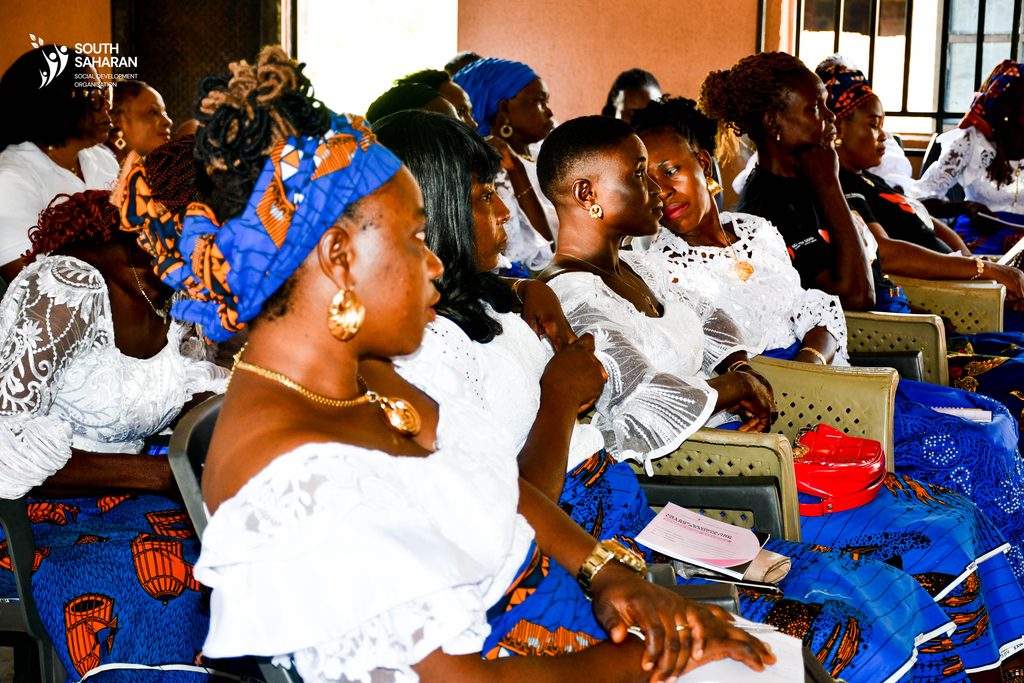
For five powerful days, women from 23 communities across Enugu State gathered with one shared goal – to rise, lead, and transform their communities.

Under the Community Partnership for the Elimination of Gender-Based Violence (ComPEG) Project, supported by the Ford Foundation, South Saharan Social Development Organisation (SSDO) held the Women’s Agency Building Training. to rekindle courage, strengthen networks, and equip women with practical tools for leadership and advocacy.

Rising Against Harmful Practices

The training was born out of deep listening. Before it began, SSDO carried out a baseline assessment to understand the realities women face daily.
The findings were stark! Harmful practices like widowhood rites, wife battery, child marriage, and denial of inheritance rights persist across communities. Yet, amid these challenges, the team found something equally powerful: women’s courage.

As Dr. Stanley Ilechukwu, SSDO’s Executive Director, explained during the opening session:

“We saw women already holding families together, already speaking out in small ways, already protecting others. What was missing was stronger agency, stronger networks, and stronger skills to lead change.

And that is exactly what the five-day training set out to build.

Each day unfolded with purpose and passion

On Day 1, women explored their realities, learned about leadership from within, and discovered how collective action can drive social change.


Day 2 deepened their knowledge of women’s rights and protective laws, including the VAPP Law, and gave them hands-on experience drafting community bylaws to challenge harmful norms.


By Day 3, participants learned how to support survivors, link them to help, and use creative storytelling to shift mindsets, culminating in a drama session that filled the room with laughter, emotion, and insight.


Day 4 focused on building economic power for social power, sustaining wellbeing, and using evidence to measure progress.


Finally, on Day 5, the women explored coalition-building, community action planning, and the Sister Guardian Initiative (their own framework for local advocacy and accountability).

Every session ended with renewed determination and applause that echoed with promise.

From Knowledge to Action

Though each woman proudly received a certificate at the end, it was nit just about certificates. It was about confidence, agency, and transformation. The pre- and post-test assessments confirmed that women were thinking differently, speaking boldly, and ready to act.
SSDO’s approach to empowerment is deliberate and sustainable – helping women challenge harmful practices one step at a time, turning small wins into lasting change.

The Ripple Effect Begins

The women left not as participants, but as community changemakers, ready to engage traditional leaders, advocate for survivors, and train others in their rights.
The seeds planted during thefive days will grow far beyond the training hall, shaping homes, markets, churches, and local decision-making spaces.

Because when women rise, communities rise.