SSDO

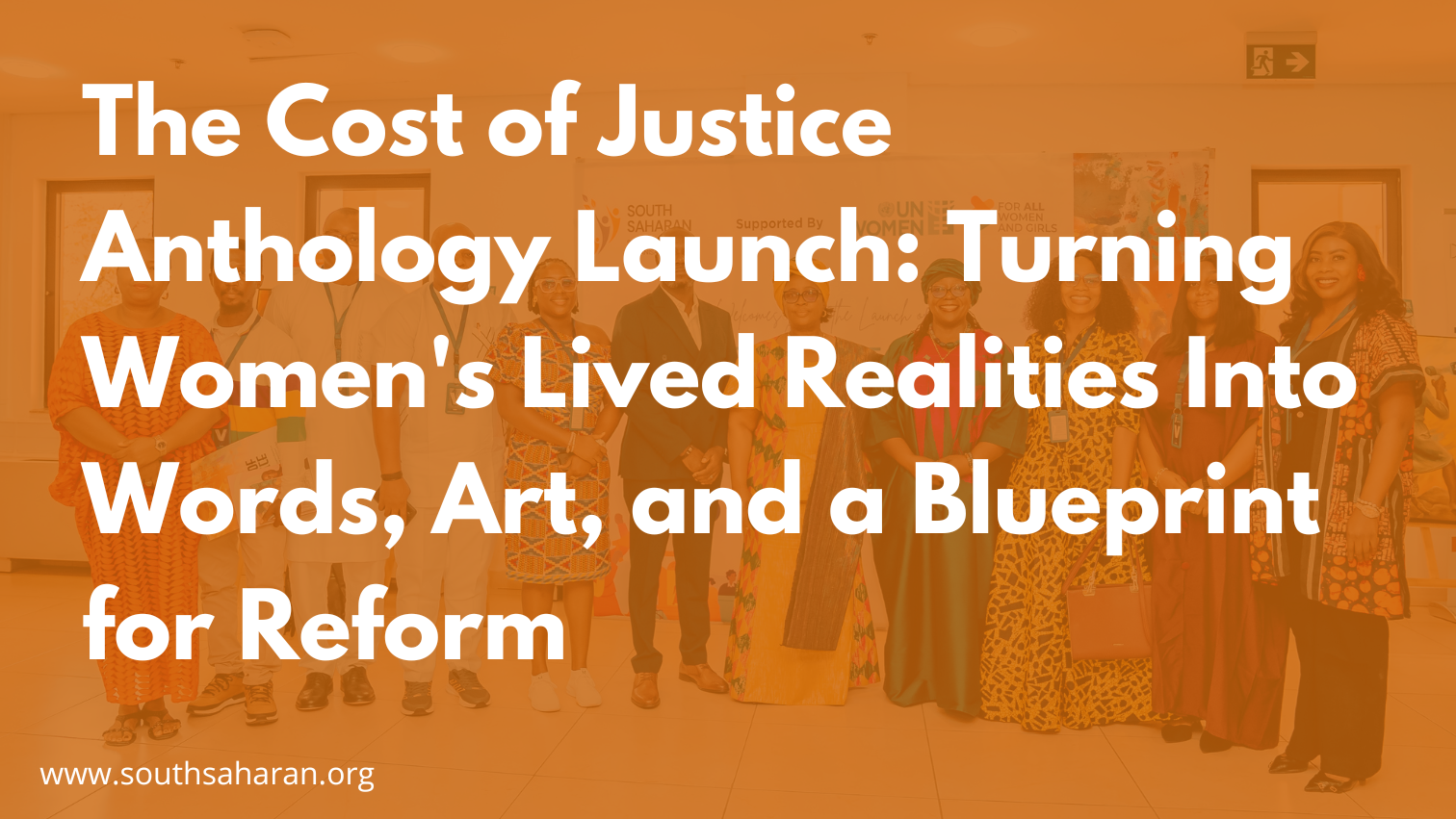
The Cost of Justice Anthology Launch: Turning Women’s Lived Realities Into Words, Art, and a Blueprint for Reform

Across Nigeria, countless women still find the path to justice blocked by a web of institutional, financial, and social obstacles that make seeking redress an uphill battle. These barriers point to justice systems that too often fall short on responsiveness, accessibility, and survivor-centered care.

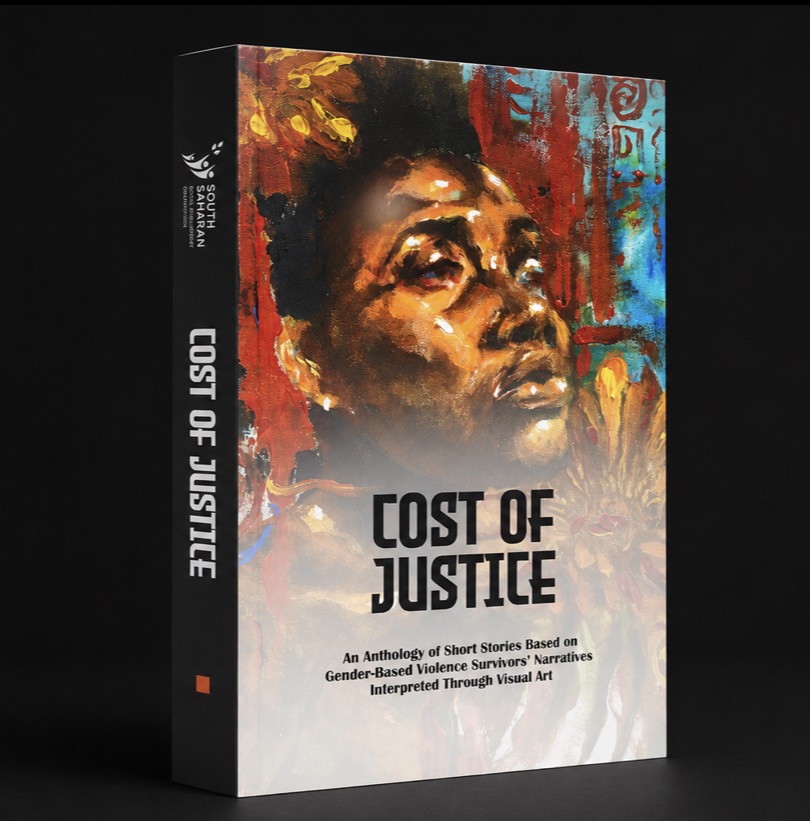
It is this gap that South Saharan set out to confront with The Cost of Justice Anthology, a structured advocacy tool developed at the intersection of gender justice, accountability systems, and rights-based policy reform and, alongside it, a bold creative movement that turned survivors’ stories into art
Where It All Began

For over a decade, South Saharan (SSDO) has worked to build a world where women and girls live free from violence, poverty, and discrimination. Our programs in gender equality, education, and women’s rights protection have reached countless communities across Southeast Nigeria.

But when we conducted a baseline assessment on gender-based violence (GBV), the findings were alarming. Behind the statistics were real women living with pain that had been normalized by culture, silence, and shame.

Through community engagements, we documented these experiences and organized them under three defining themes:

  1. The Cost of Justice: the financial, emotional, and social toll women face while seeking justice.
  2. Trapped in Silence: the stigma and shame that silence survivors.
  3. Gatekeepers: the individuals and institutions that enable or perpetuate abuse.

These themes became the foundation of a national storytelling initiative: The Cost of Justice Anthology, developed in partnership with insights from South Saharan’s Sister Guardian Initiative, a women-led protection network supporting survivors of gender-based violence.

From Words to Canvas: A National Call for Stories

In May 2025, SSDO launched a nationwide call for story submissions exploring these themes. The response was overwhelming. We received over 100 heartfelt stories from women, writers, and advocates across Nigeria; raw, unfiltered accounts of what it truly means to fight for justice in a system that too often fails survivors.

Each story was carefully reviewed and fact-checked by a panel of renowned literary judges. From the pool, 15 outstanding entries were selected for publication in the anthology.

But we didn’t want these stories to end on paper. We wanted them to live, to breathe, and to be seen.

The Birth of the Paint-a-thon

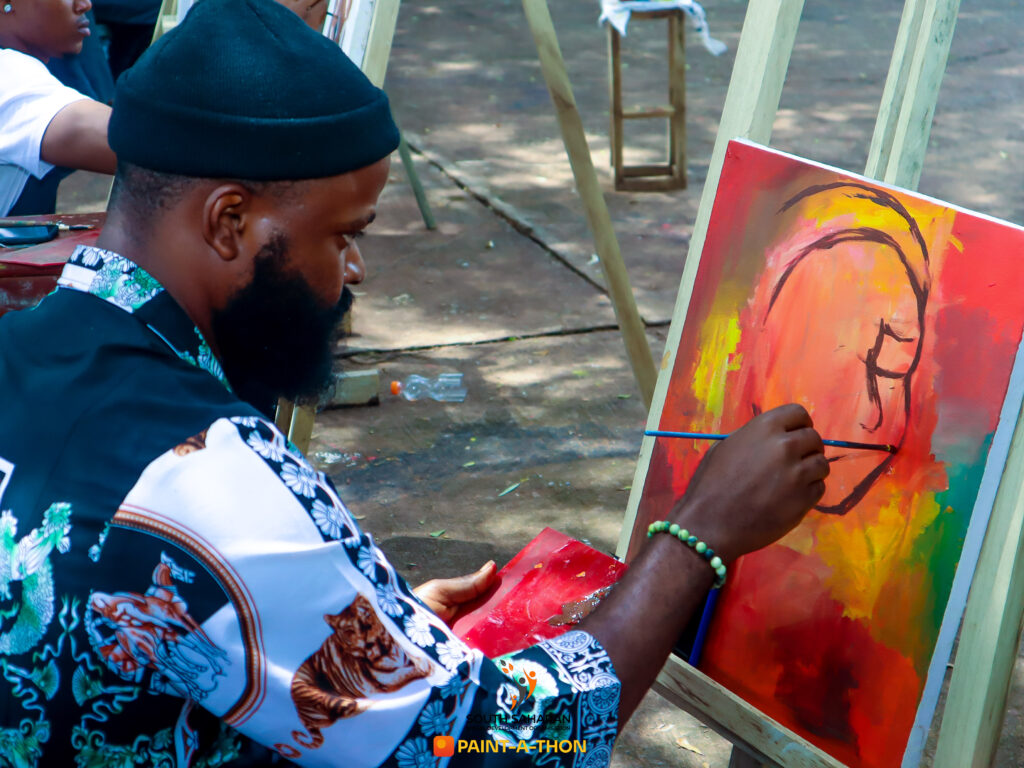
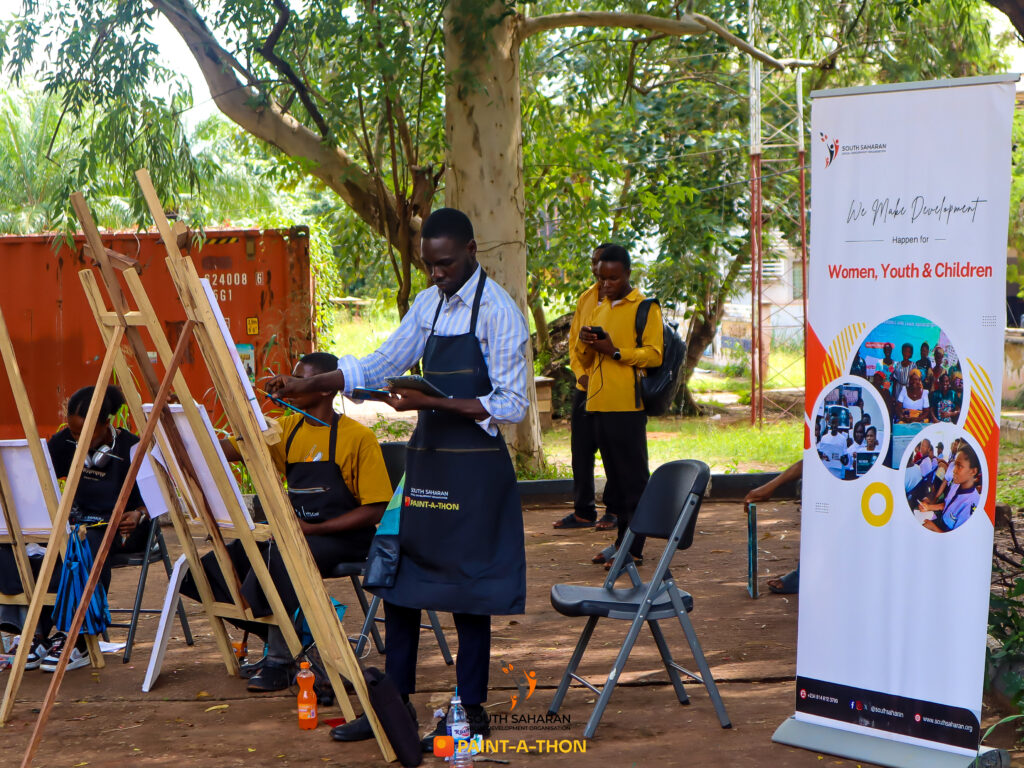
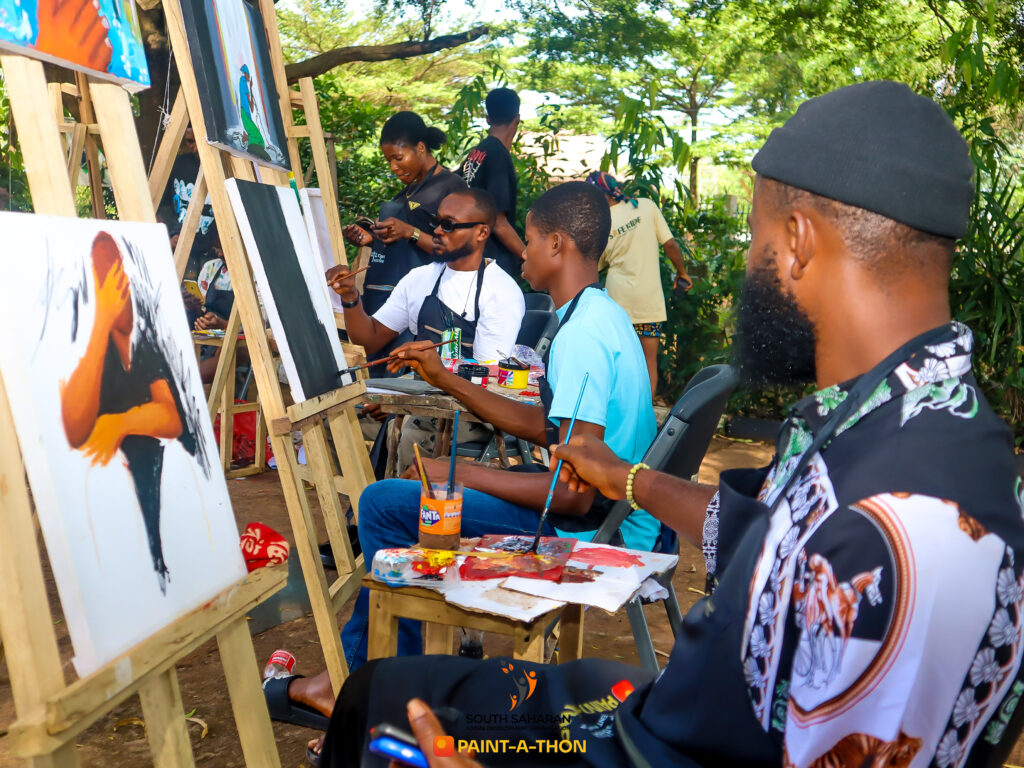
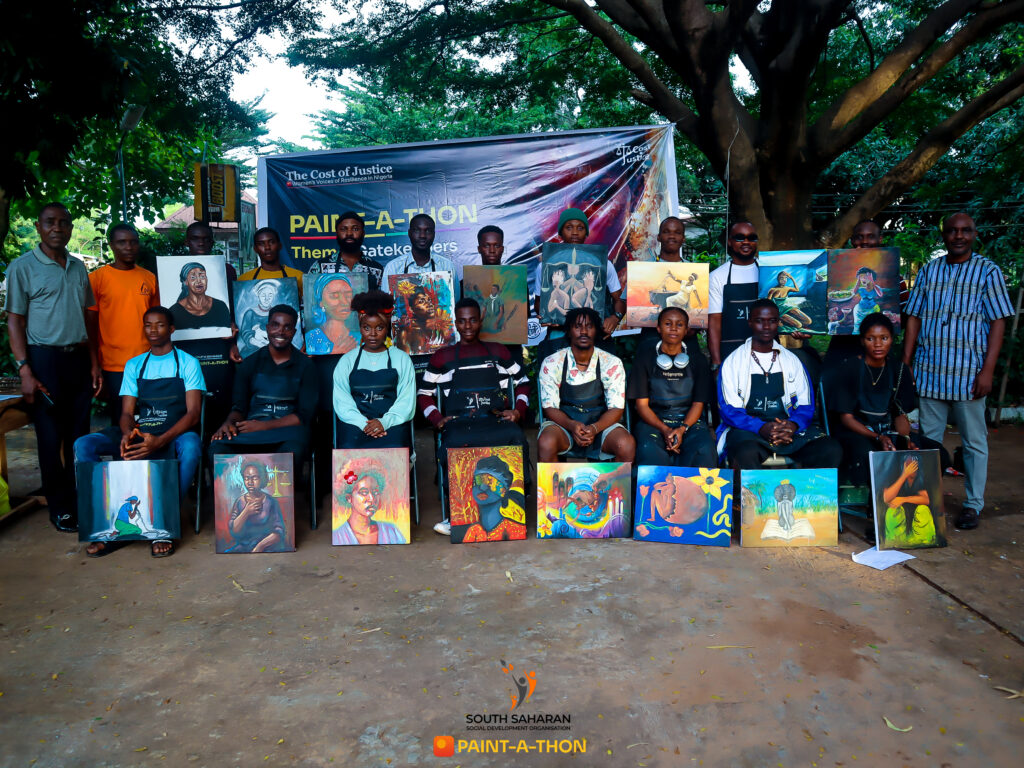
Recognizing the power of visual storytelling, SSDO took the next bold step: translating stories into art through the Cost of Justice Paint-a-thon — a creative movement where art and advocacy meet to amplify the voices of women who have endured gender-based violence.

We invited young visual artists to interpret these real-life stories through colour and brushstrokes. Their task was not merely to paint, but to give form to emotions that words alone could not contain.
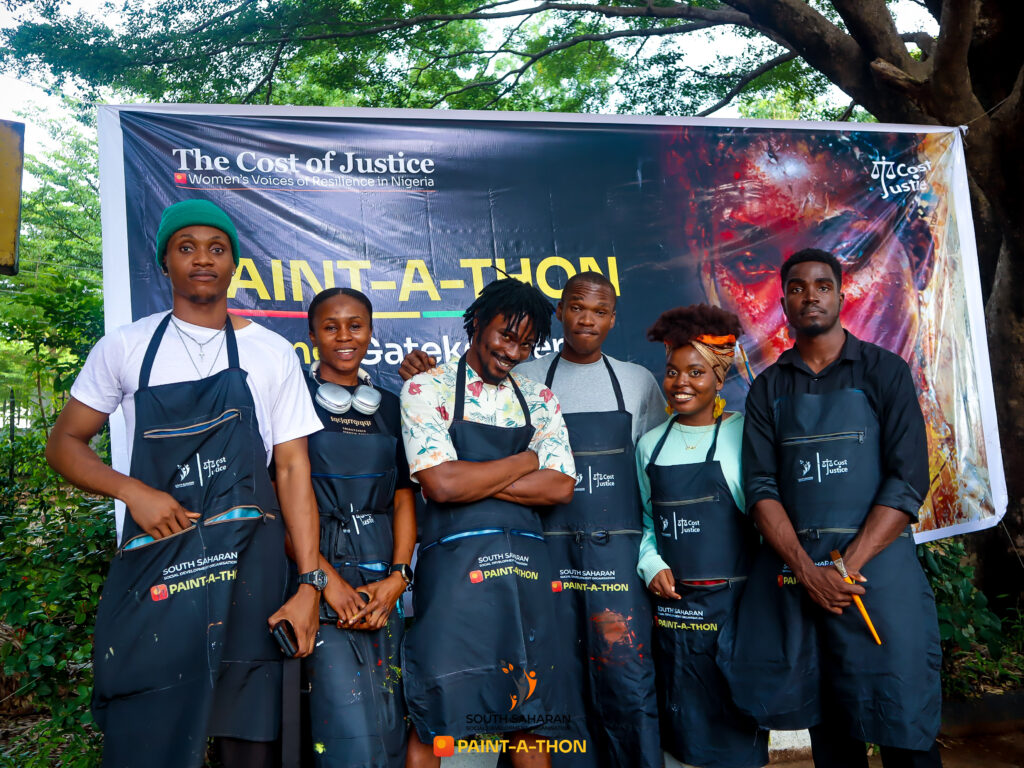
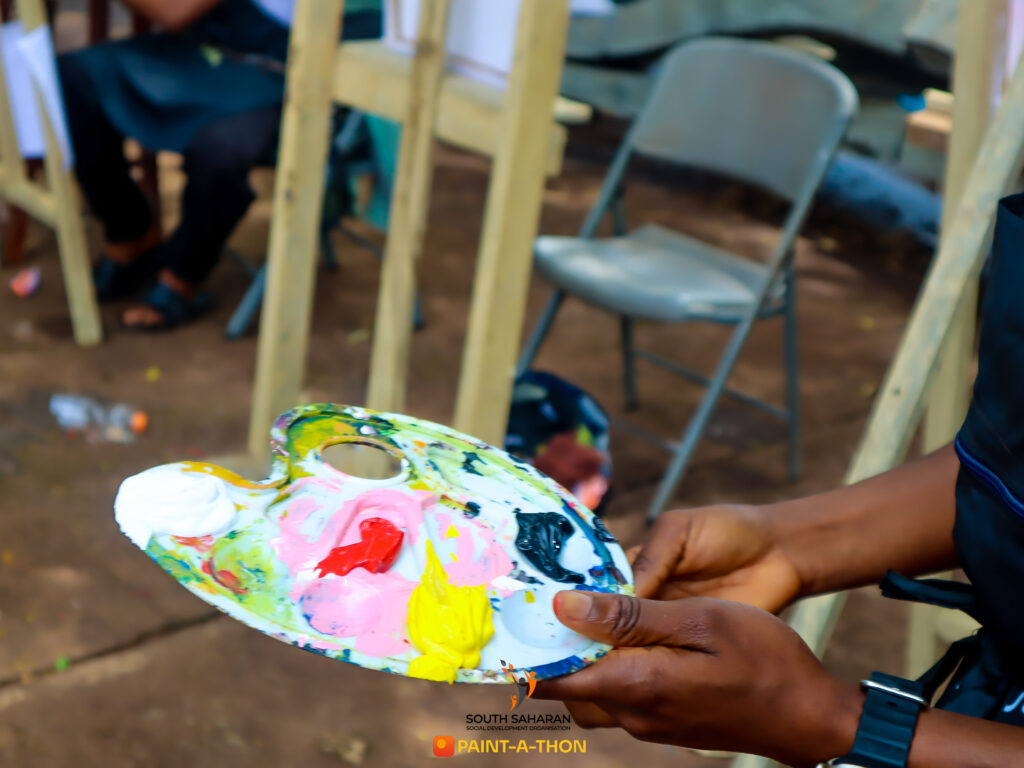
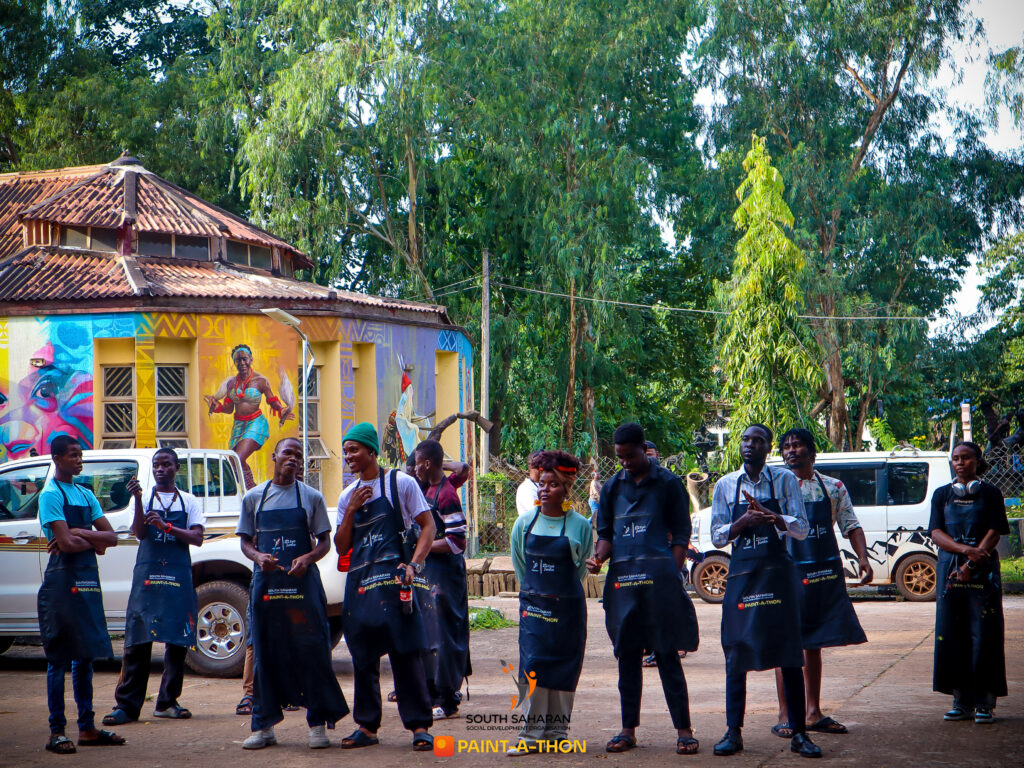
From this initiative, 15 artists were selected and commissioned to create two artworks each, inspired by the stories in the anthology. Each painting stands as both a tribute and a protest, reflecting pain, resilience, and hope.

We believe that stories have power — the power to heal, to awaken empathy, and to drive change. But sometimes words alone are not enough. Sometimes emotion needs colour, pain needs a canvas, and silence needs a voice. That belief is the spirit the Paint-a-thon was built on.

A Launch Rooted in Global Solidarity

The anthology, together with the commissioned Paint-a-thon artworks, was officially unveiled as part of activities marking 2026 International Women’s Day, held under the global theme “Rights, Justice, Action: For All Women and Girls.”

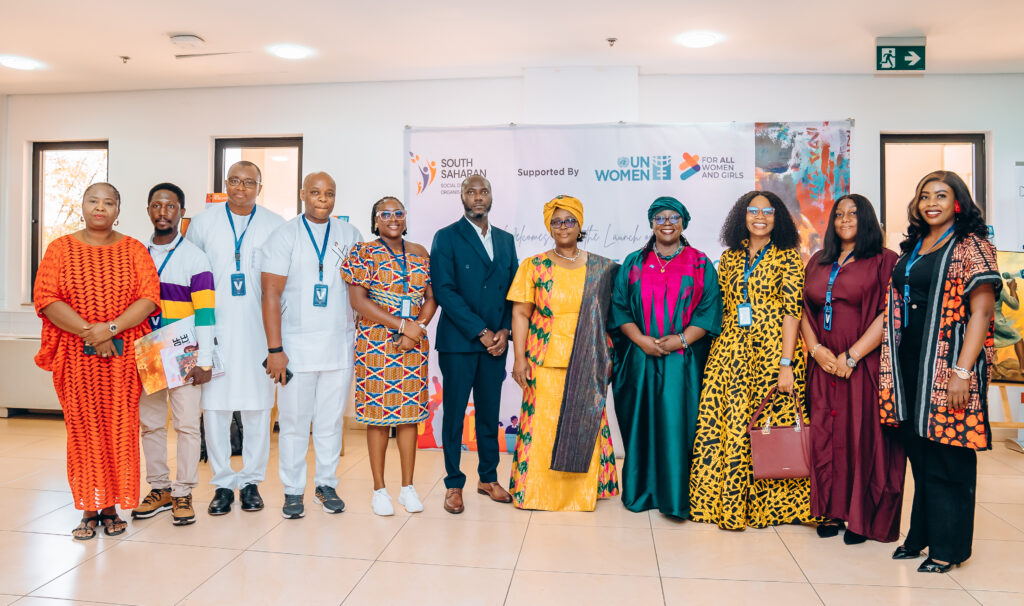
The launch took place at the United Nations House in Abuja, in partnership with UN Women and with support from the Ford Foundation. The event brought together representatives from government ministries alongside diplomatic and development partners. A signal of the shared commitment needed to move the needle on justice for women and girls.
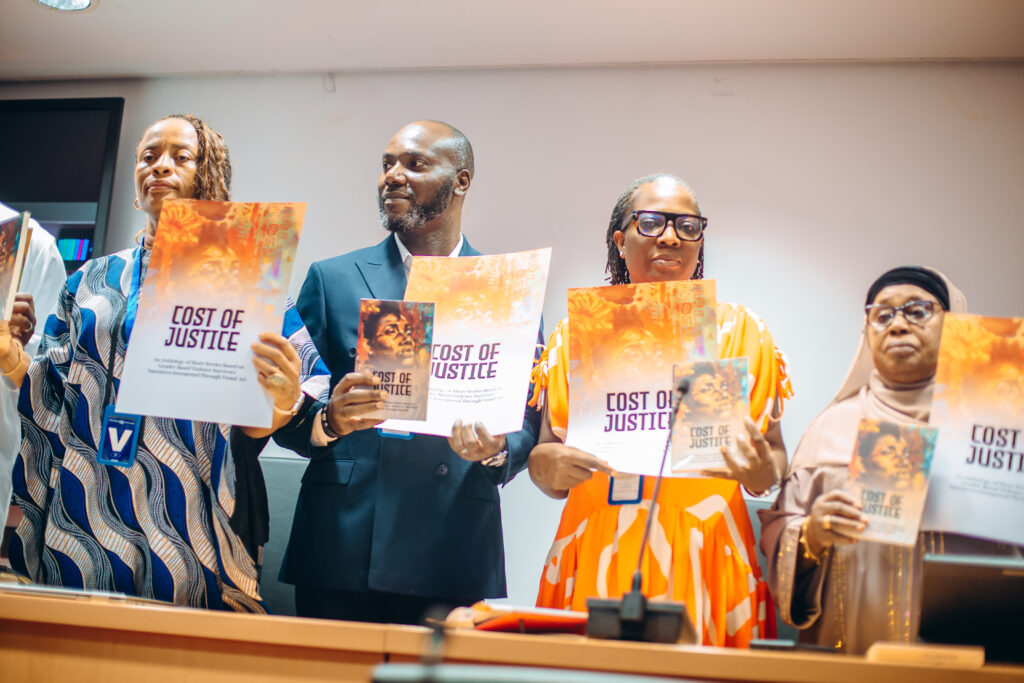
At the heart of the occasion was a curated art exhibition, where the commissioned artists’ interpretations of the anthology’s stories came to life on canvas. For attendees, the paintings evoked emotion and sparked conversation, offering a deeper, multi-sensory way to engage with themes of resilience, survival, and justice.

Calling for Justice Beyond Rhetoric

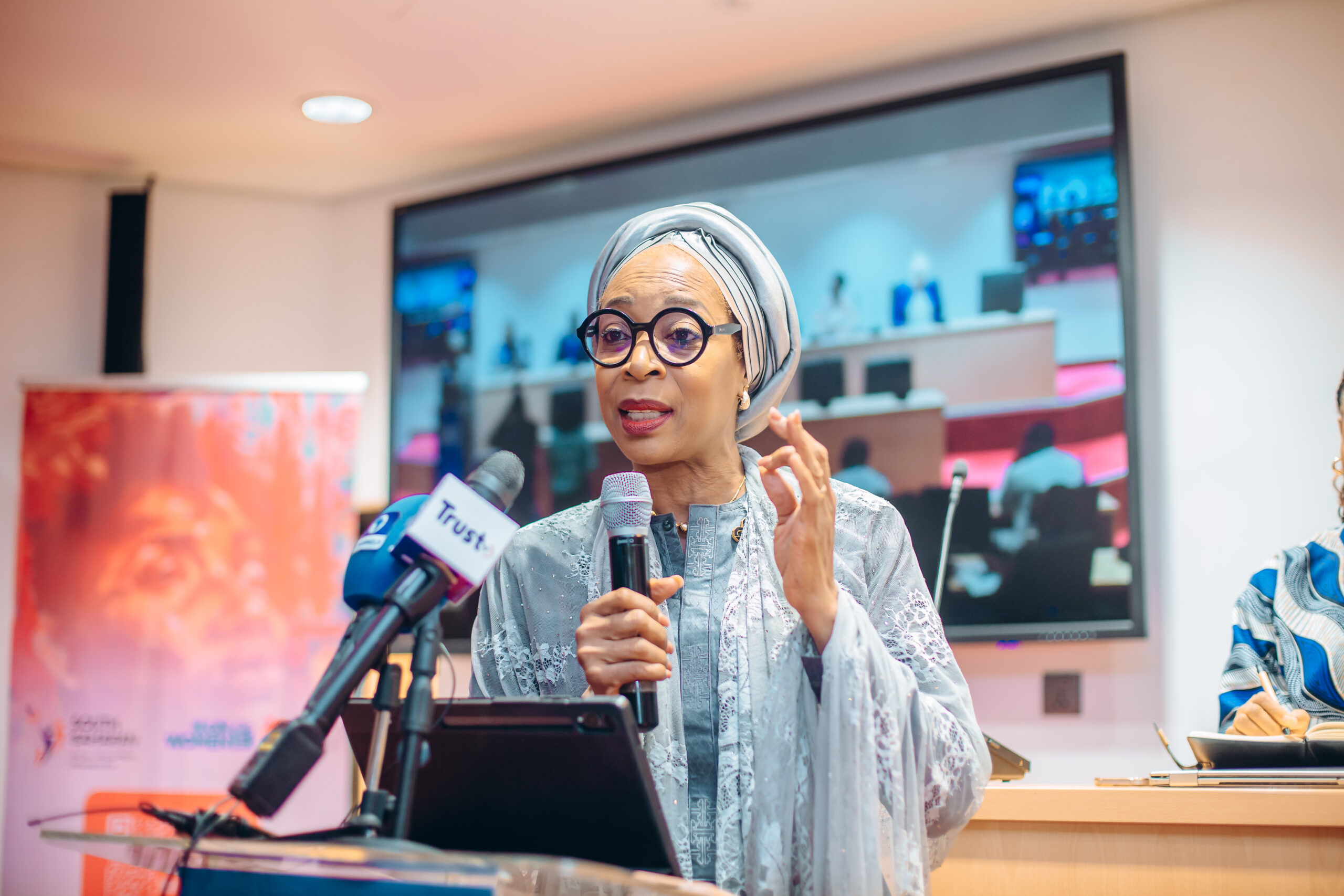
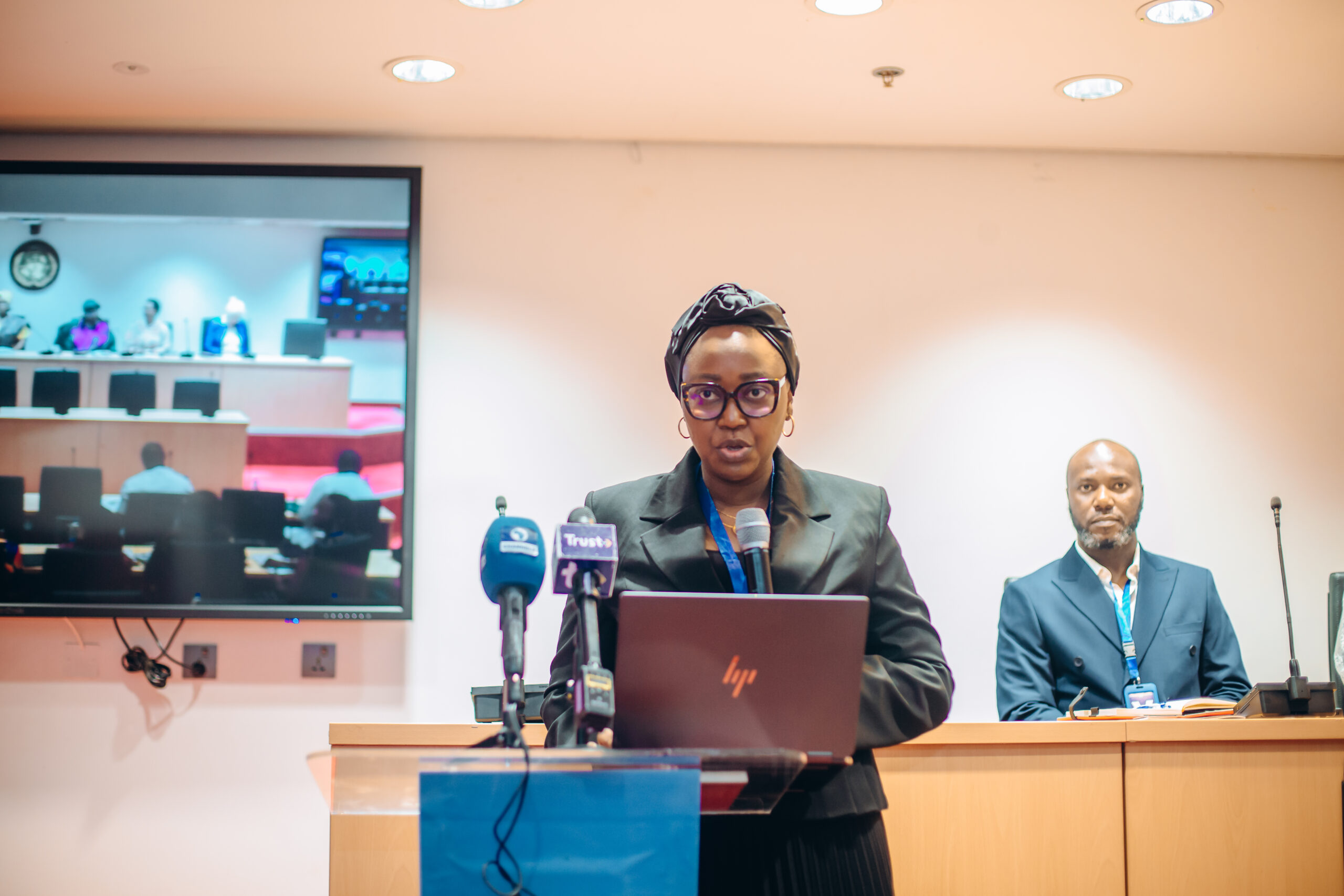
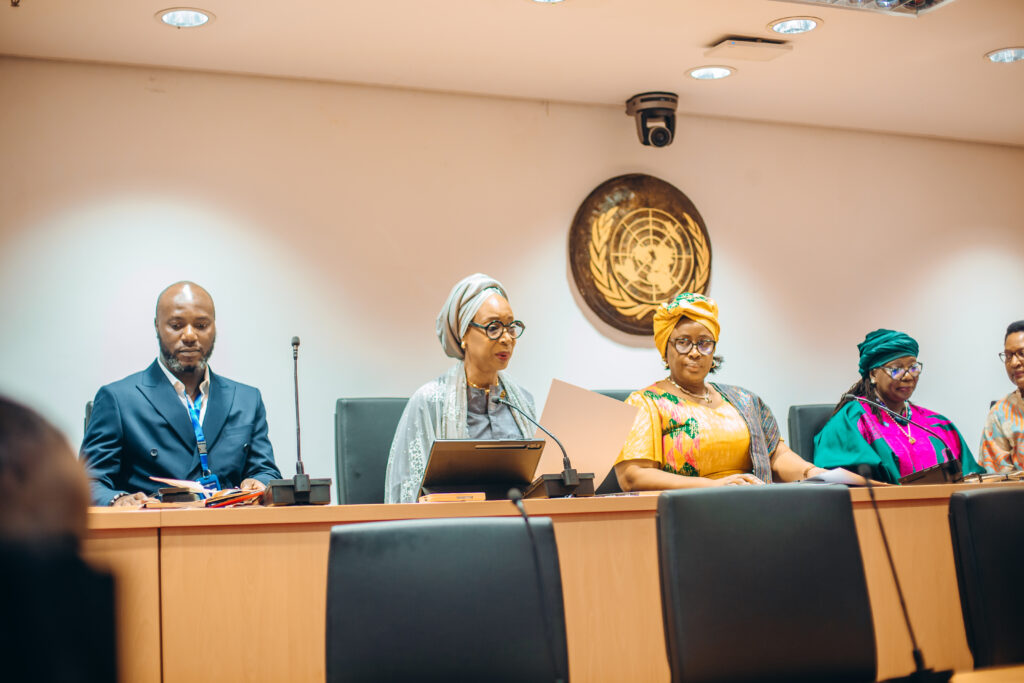
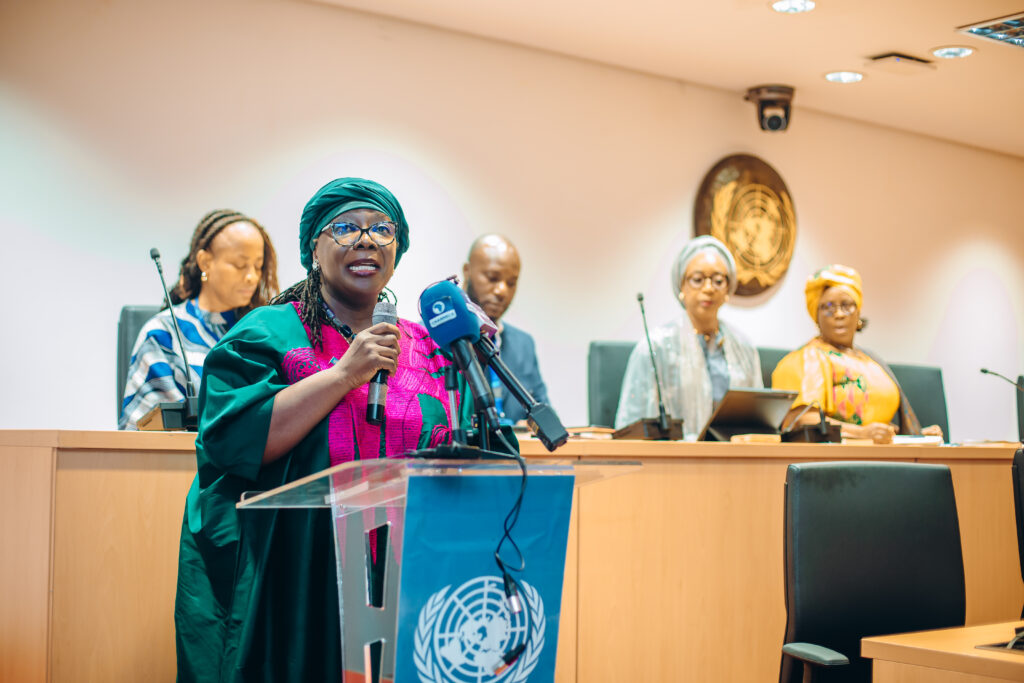
Speaking at the event, Ms. Attafuah, UNDP Nigeria Representative and UN Resident Coordinator a.i., urged stakeholders to move beyond rhetoric and ensure that justice becomes a lived reality for women and girls, not just a policy aspiration.

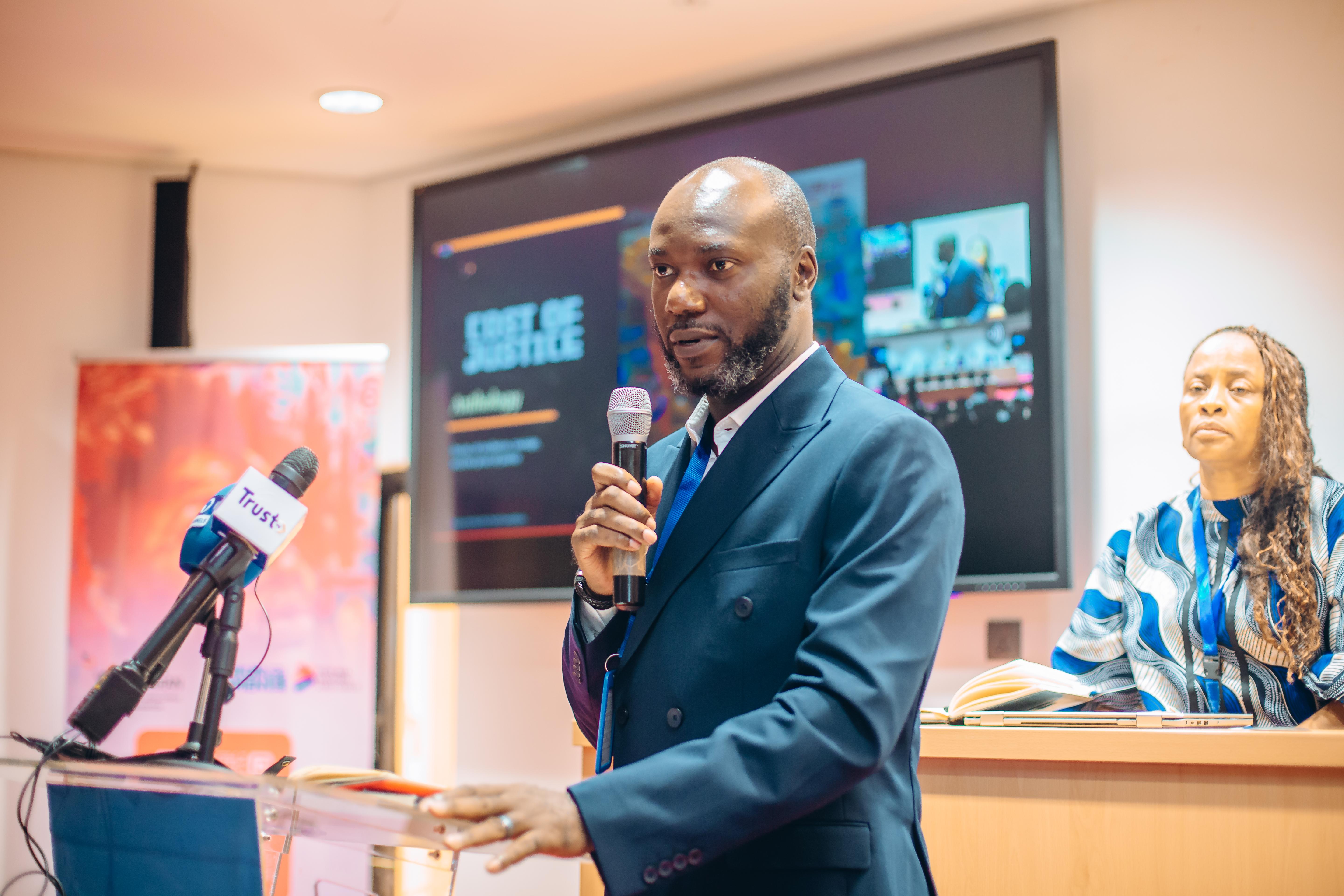
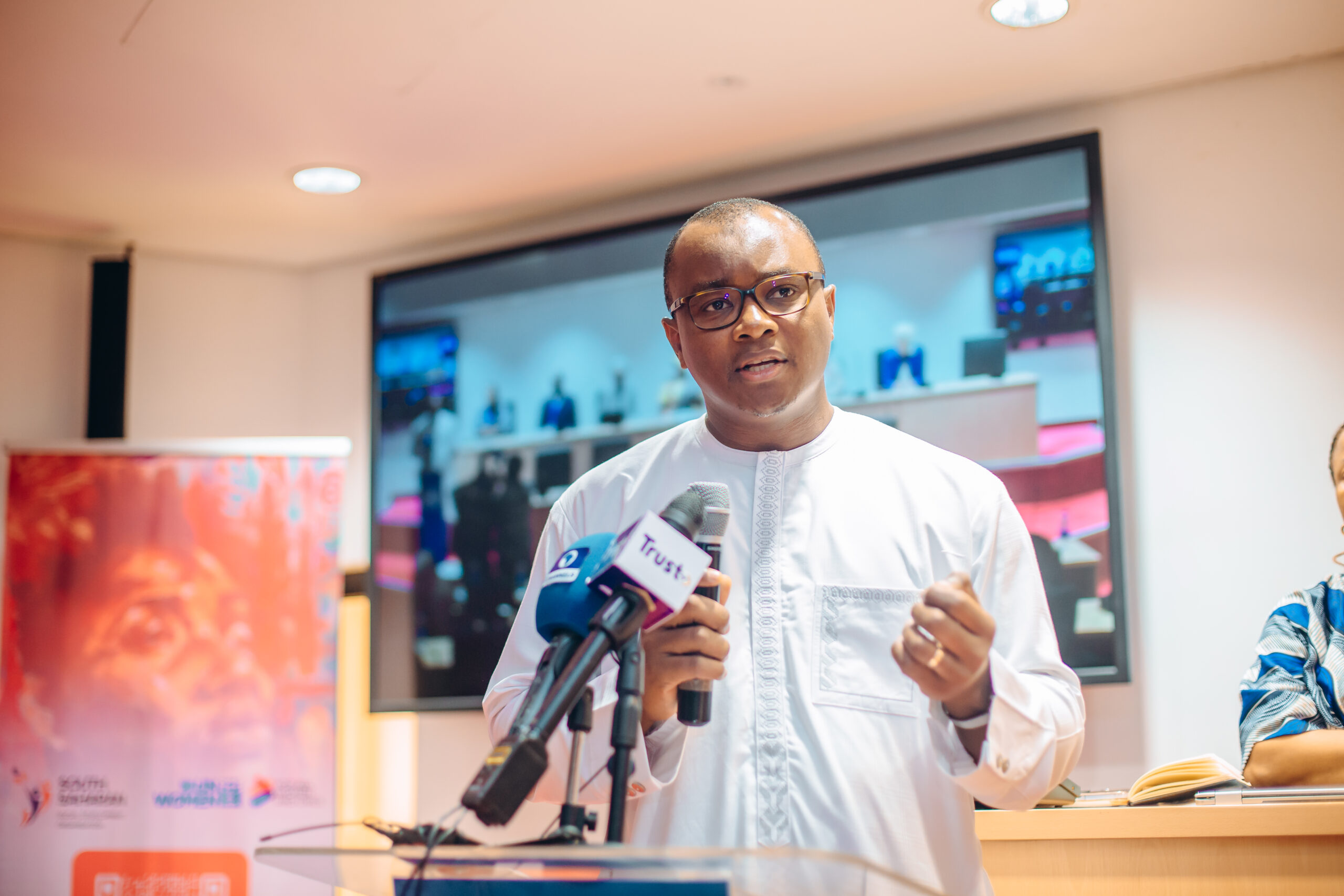
South Saharan’s Executive Director, Dr. Stanley Ilechukwu (MD), echoed this urgency, emphasizing that the anthology brings to light the true human cost of failing justice systems: the stigma, the silence, and the systemic barriers women are forced to endure.
Art as Advocacy

Through this fusion of literature and art, SSDO is launching a movement, one where words and paint become tools for dialogue, healing, and justice. These paintings will travel beyond the walls of the launch event to exhibitions, schools, and community spaces, serving as visual testimonies that challenge silence and inspire reflection.

Together, they carry a message that cannot be ignored: gender-based violence is not just a women’s issue, it is a human issue.
What Comes Next

Beyond the publication and exhibition launch, SSDO plans to host community dialogues, creative workshops, and further art showcases, ensuring that each story continues to spark conversations and inspire change.

By translating lived realities into structured advocacy and visual art, the initiative strengthens policy engagement, informs institutional reform processes, and advances the case for a justice system that is genuinely accessible and accountable to women and girls.

As we transform pain into purpose, we invite advocates and partners to join us because justice is not just a destination. It is a story worth telling, in every form it takes.
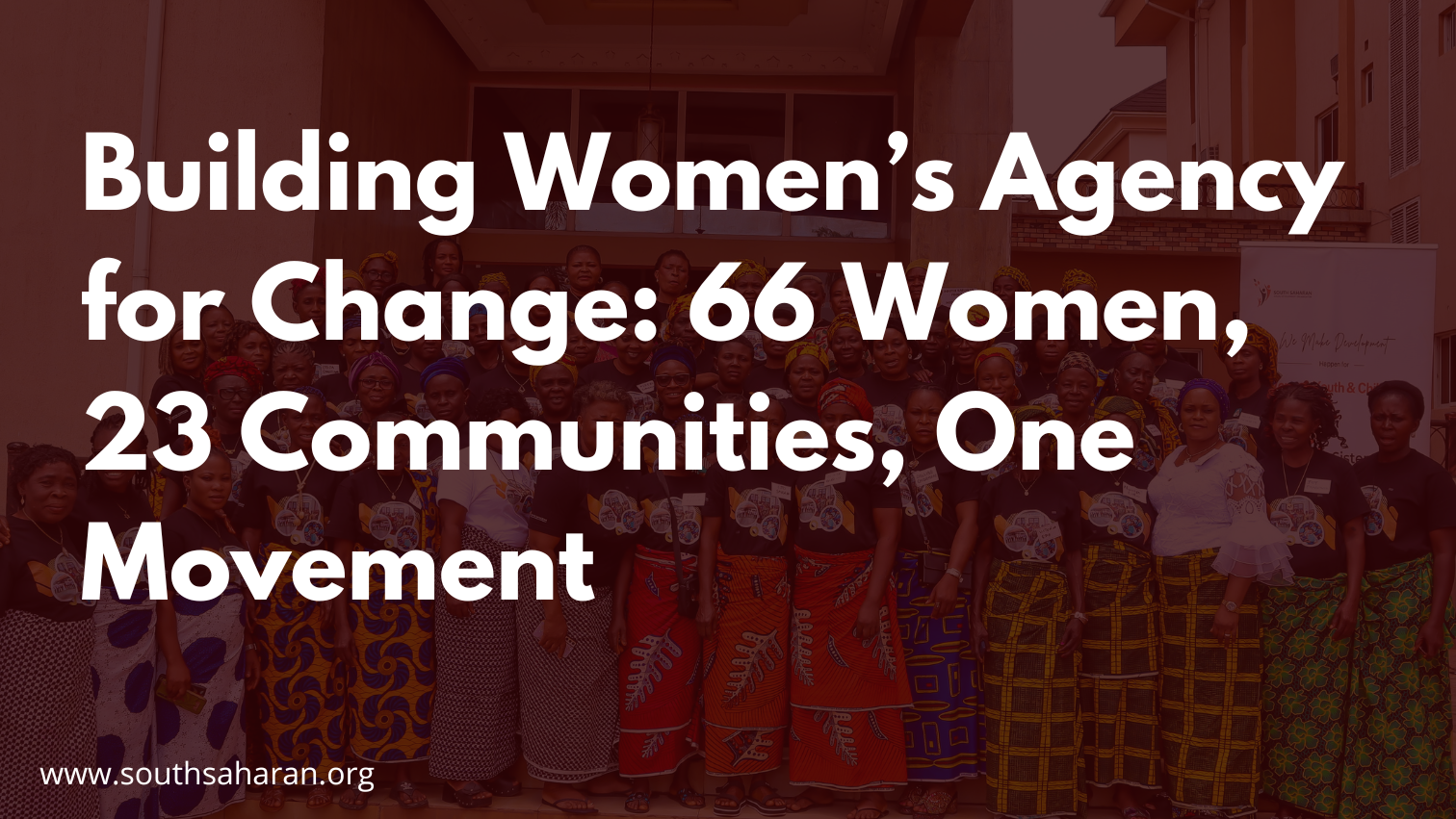
Building Women’s Agency for Change: 66 Women, 23 Communities, One Movement

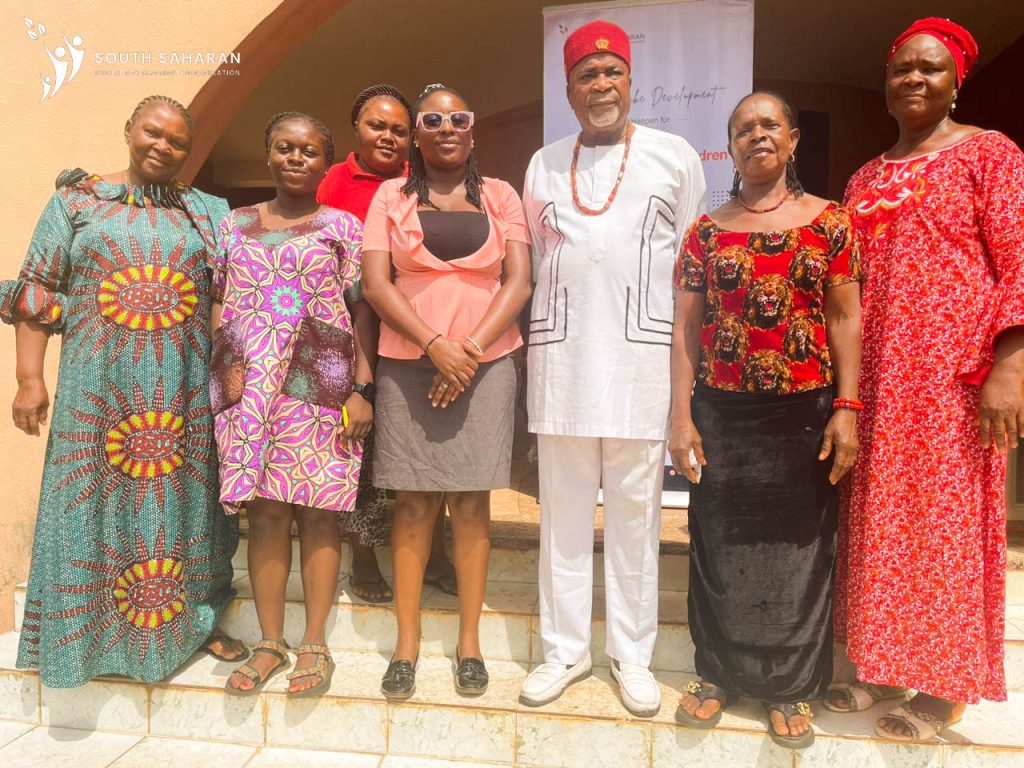
For five powerful days, women from 23 communities across Enugu State gathered with one shared goal – to rise, lead, and transform their communities.
Under the Community Partnership for the Elimination of Gender-Based Violence (ComPEG) Project, supported by the Ford Foundation, South Saharan Social Development Organisation (SSDO) held the Women’s Agency Building Training. to rekindle courage, strengthen networks, and equip women with practical tools for leadership and advocacy.

Rising Against Harmful Practices

The training was born out of deep listening. Before it began, SSDO carried out a baseline assessment to understand the realities women face daily.
The findings were stark! Harmful practices like widowhood rites, wife battery, child marriage, and denial of inheritance rights persist across communities. Yet, amid these challenges, the team found something equally powerful: women’s courage.
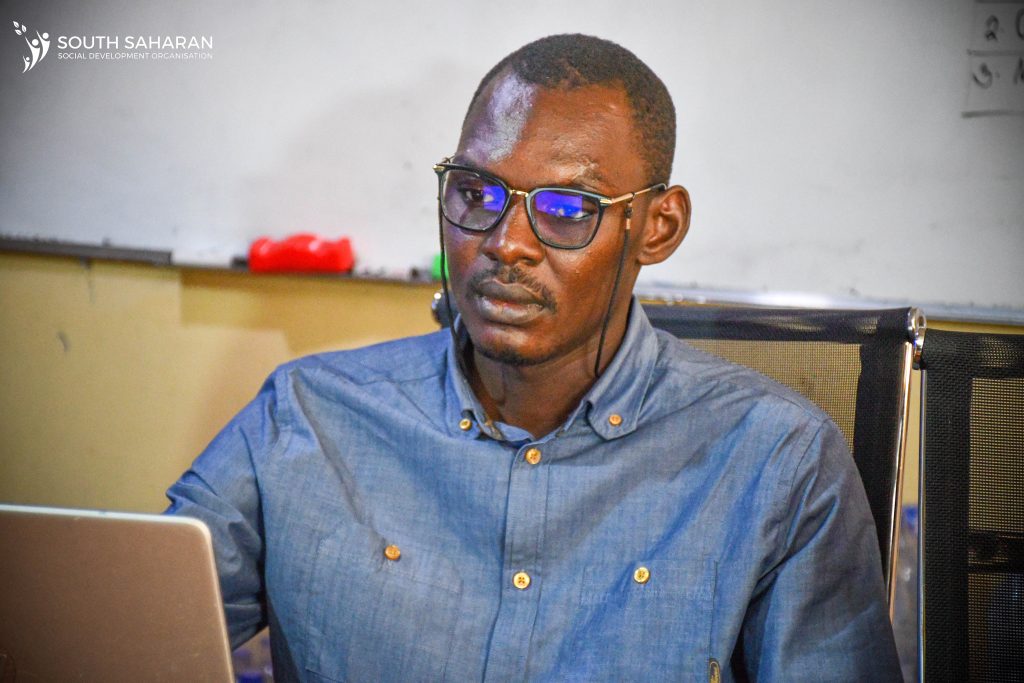
As Dr. Stanley Ilechukwu, SSDO’s Executive Director, explained during the opening session:

“We saw women already holding families together, already speaking out in small ways, already protecting others. What was missing was stronger agency, stronger networks, and stronger skills to lead change.

And that is exactly what the five-day training set out to build.

Each day unfolded with purpose and passion

On Day 1, women explored their realities, learned about leadership from within, and discovered how collective action can drive social change.


Day 2 deepened their knowledge of women’s rights and protective laws, including the VAPP Law, and gave them hands-on experience drafting community bylaws to challenge harmful norms.


By Day 3, participants learned how to support survivors, link them to help, and use creative storytelling to shift mindsets, culminating in a drama session that filled the room with laughter, emotion, and insight.


Day 4 focused on building economic power for social power, sustaining wellbeing, and using evidence to measure progress.


Finally, on Day 5, the women explored coalition-building, community action planning, and the Sister Guardian Initiative (their own framework for local advocacy and accountability).

Every session ended with renewed determination and applause that echoed with promise.

From Knowledge to Action

Though each woman proudly received a certificate at the end, it was nit just about certificates. It was about confidence, agency, and transformation. The pre- and post-test assessments confirmed that women were thinking differently, speaking boldly, and ready to act.
SSDO’s approach to empowerment is deliberate and sustainable – helping women challenge harmful practices one step at a time, turning small wins into lasting change.

The Ripple Effect Begins

The women left not as participants, but as community changemakers, ready to engage traditional leaders, advocate for survivors, and train others in their rights.
The seeds planted during thefive days will grow far beyond the training hall, shaping homes, markets, churches, and local decision-making spaces.

Because when women rise, communities rise.

From Stories to Canvass: Call for Artists – Cost of Justice Paint-a-thon

In May 2025, South Saharan Social Development Organisation (SSDO) invited community members to submit powerful stories for the upcoming Cost of Justice Anthology and the response was nothing short of inspiring. Voices of resilience, justice, and change poured in, painting vivid pictures of lived experiences that deserve to be seen and heard.

Now, we are taking the next bold step: bringing these stories to life through art on canvas.

Paint-a-thon 2025 is Here!

We are calling on young creatives in Enugu State to transform these stories into striking visual expressions. This is your opportunity to let your art speak where words stop; to inspire, to challenge, and to reimagine justice through creativity.

How to Participate

  • Click the link or scan the QR code to view the creative prompt
  • Create an original 2-D artwork (excluding photography & digital graphics)
  • Submit your work through the provided link or code

👉 Submit here: https://forms.gle/8RSs1U31rf62YCyL8j

Why Participate?

🏆 Win a ₦300,000 cash prize at the Paint-a-thon
📖 Have your work featured in The Cost of Justice Anthology, alongside real community stories
🌍 Be part of a movement that merges storytelling and art for justice and change

Deadline for Submissions

📅 12th September, 2025

Eligibility

  • 35 years or younger
  • Resident in Enugu State

This Paint-a-thon is a creative bridge between lived experiences and visual storytelling. Whether you shared your story earlier or you are picking up a brush for the first time, your voice matters. Your art can spark conversations, shift perspectives, and amplify the collective call for justice.

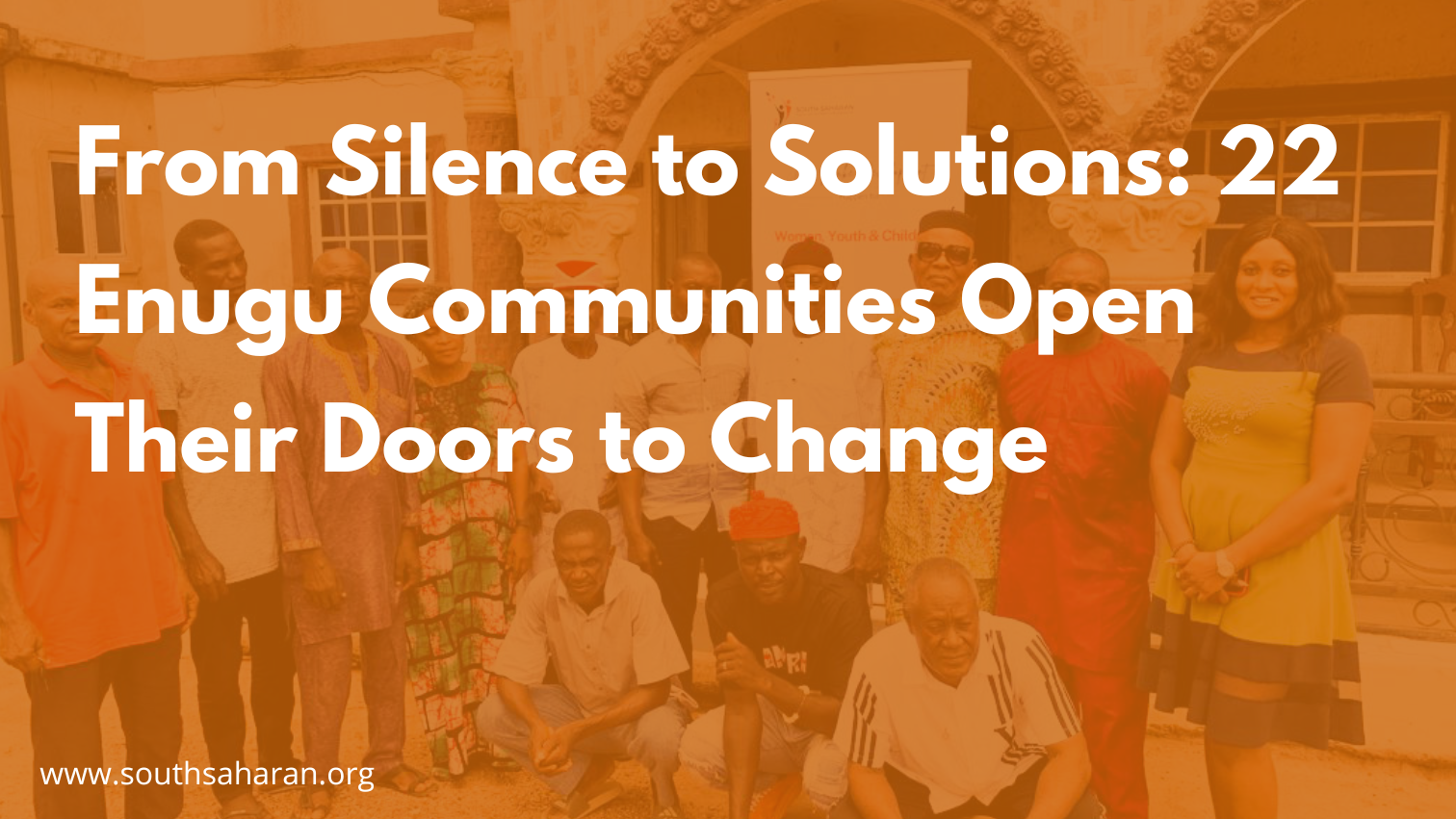
From Silence to Solutions: 22 Enugu Communities Open Their Doors to Change

When a tradition hurts more than it heals, it’s time to ask hard questions.

In Enugu State, our journey toward community-led change is taking shape, one conversation, one community, one honest truth at a time.

SSDO conducted a baseline assessment that revealed deeply troubling statistics:
🔹 22% of women in Enugu State have experienced sexual assault.
🔹 41% were first assaulted from the age of 15.

But the numbers told only part of the story.

Our analysis pointed to a critical connection between gender-based violence (GBV) and harmful traditional practices – practices that are normalized, passed down, and rarely questioned.

To understand the specifics, we launched a Community Needs Assessment across all 17 Local Government Areas, reaching into everyday realities that national data often misses. We asked hard questions, conducted surveys, and listened closely, not to prove a point, but to uncover the truth.

The stories we heard were disturbing yet familiar:

  • Girls married off to trees.
  • Women denied inheritance.
  • Masquerade festivals that limit women’s movement.
  • Young wives punished in silence.

Community Entry: Trust First

As researchers and development workers, we know that change doesn’t happen without consent. That’s why we began the next phase of our work with community entry – a culturally grounded process of introduction and mutual respect.

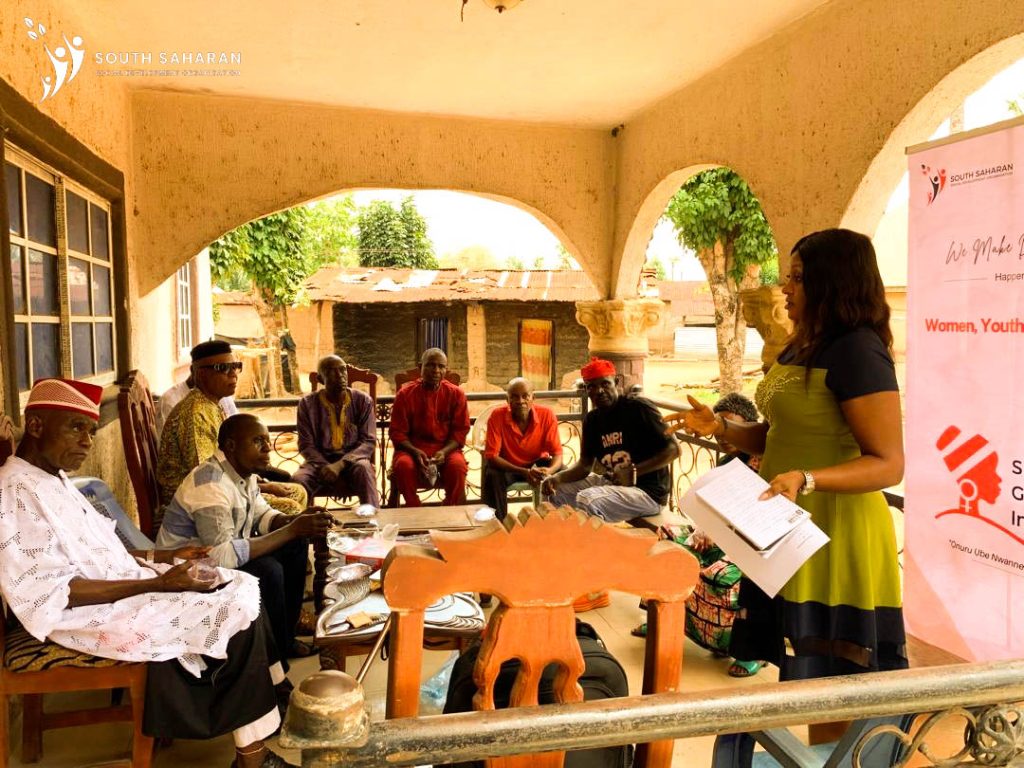
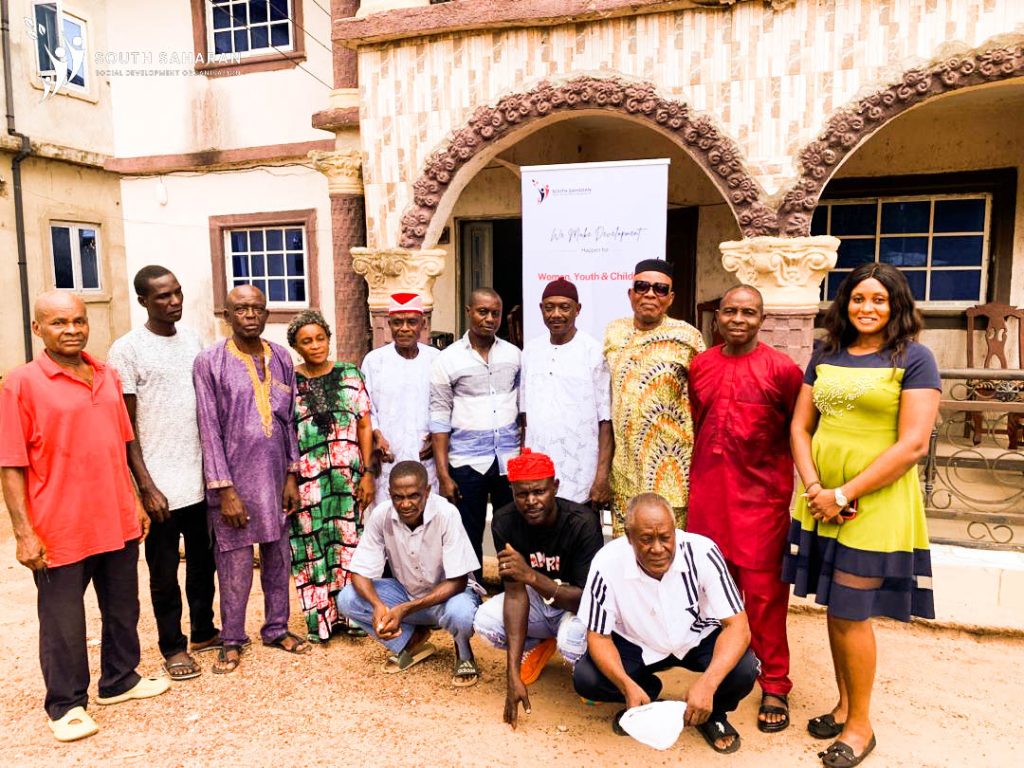
In the past month, we completed community entry in 22 communities across Enugu State.

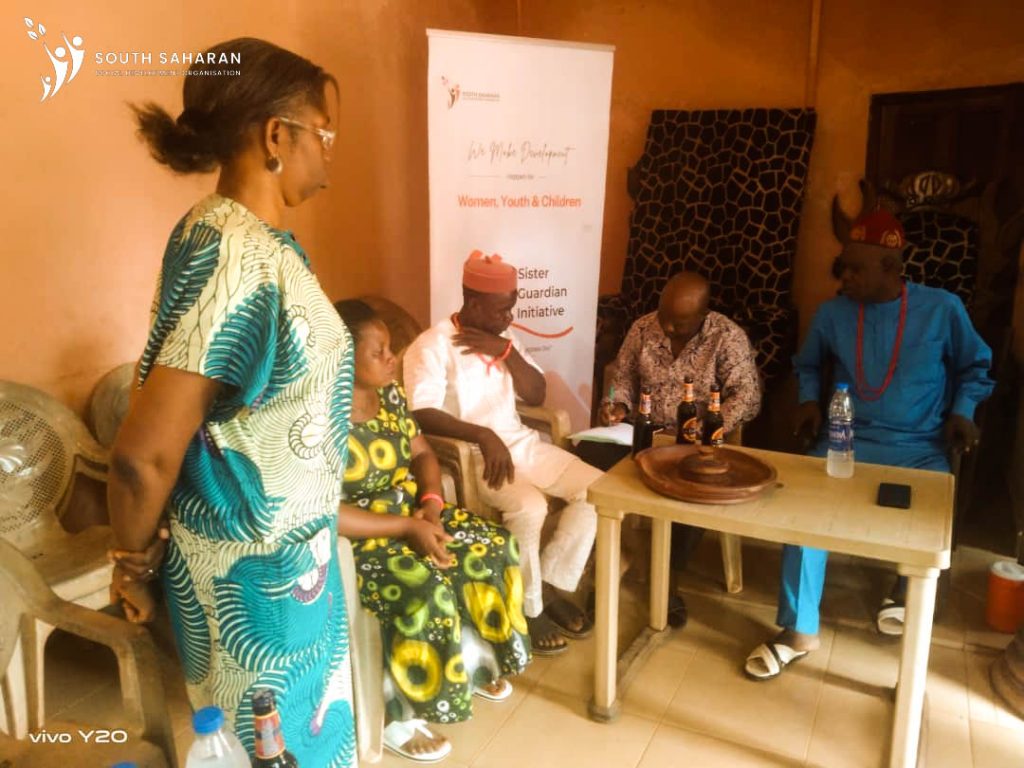
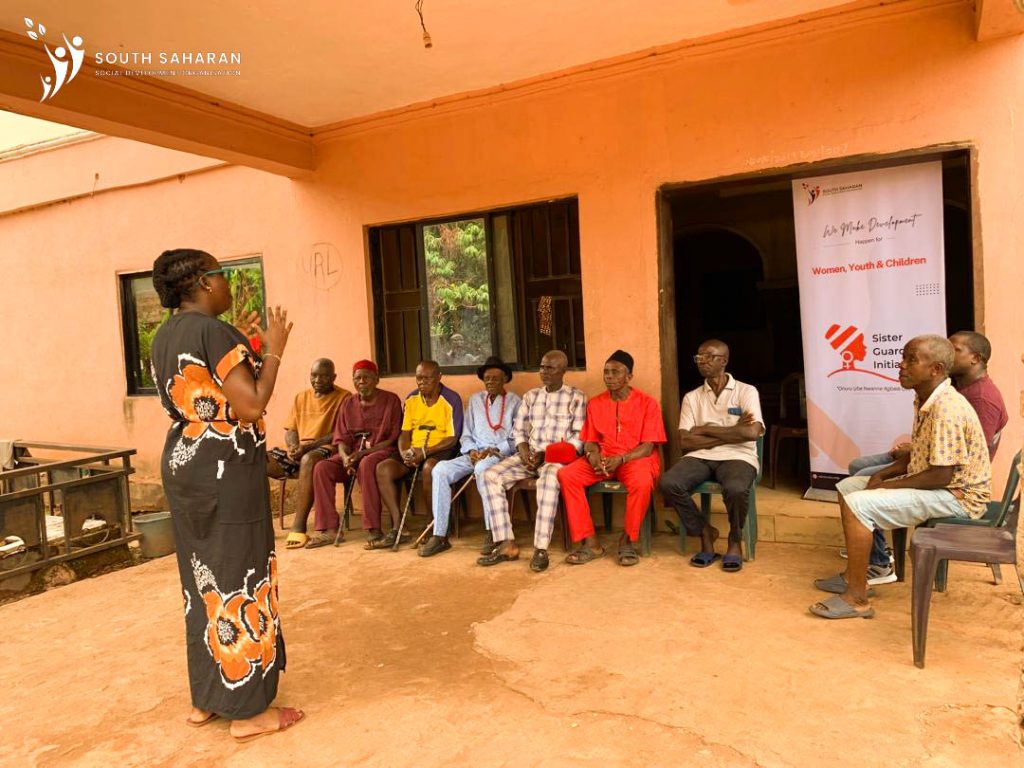
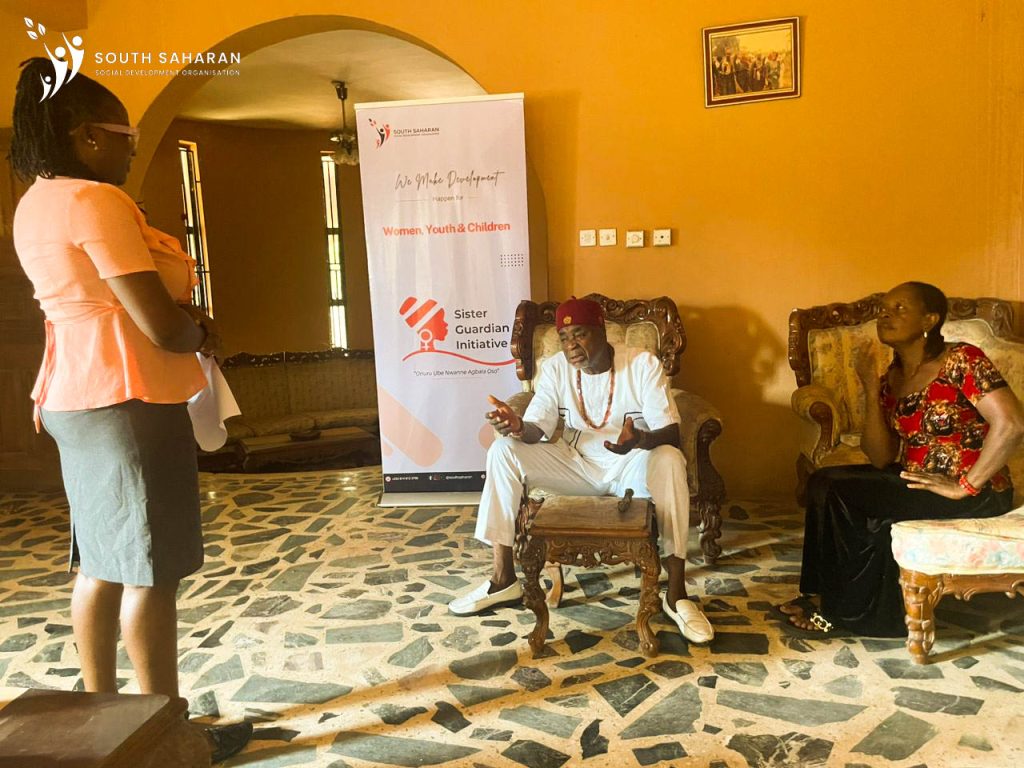
From Ihenyi to Aninri, we sat with traditional rulers, women leaders, town union executives, and community elders. We listened before we spoke. We shared our findings. And we invited communities to lead the conversation about what needs to change and how.

These meetings weren’t always easy. They were filled with honest debate, differing worldviews, and moments of deep cultural reflection. But they were necessary. And they were received with warmth, curiosity, and the kind of openness that signals true readiness for transformation.

What’s Next: Engaging Stakeholders

Now, we move to the next phase: stakeholder engagement.

We are convening the very people who influence cultural norms – traditional rulers, religious leaders, women’s groups, youth reps, and local influencers. These are the gatekeepers and bridge-builders, the ones whose voices carry both legacy and the power to shift it.

Our goal is not to impose, but to collaborate and to shape solutions that protect without erasing culture, and empower without creating division.

Looking Ahead: Building Women’s Agency
Beyond meetings and conversations, we want women in these communities to lead the change.

The final phase of this cycle will focus on building women’s agency; equipping them with tools, knowledge, and confidence to lead step-down activities, raise awareness, and challenge harmful norms from within, because real change doesn’t come from the outside. It comes when women are seen, heard, and supported; not in whispers, but in full voice.

SSDO Strengthens Partnerships to End Gender-Based Violence

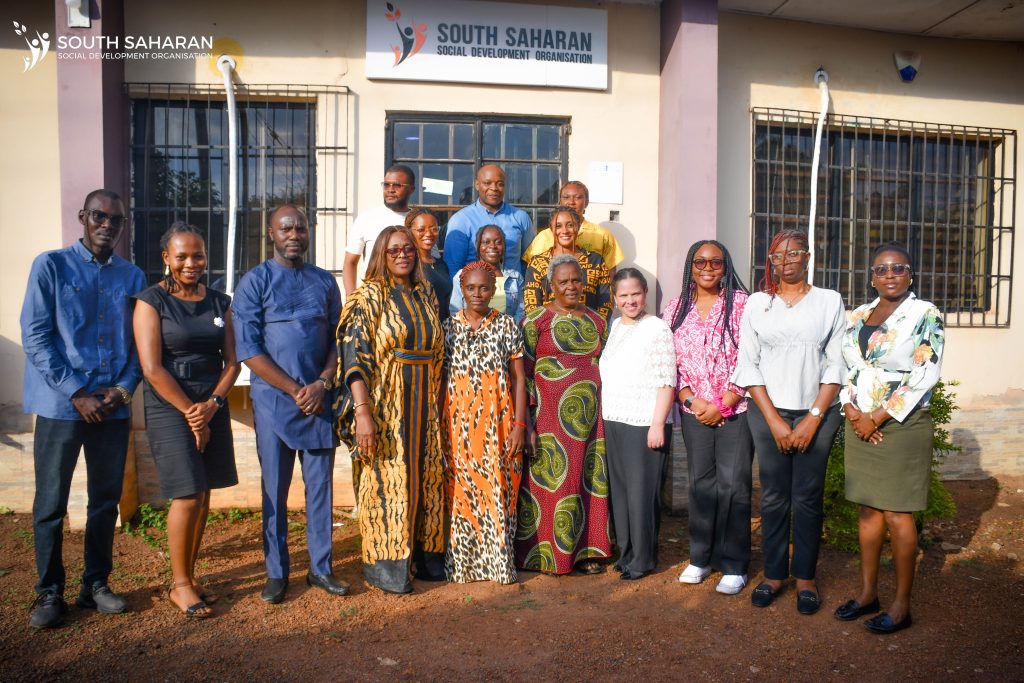
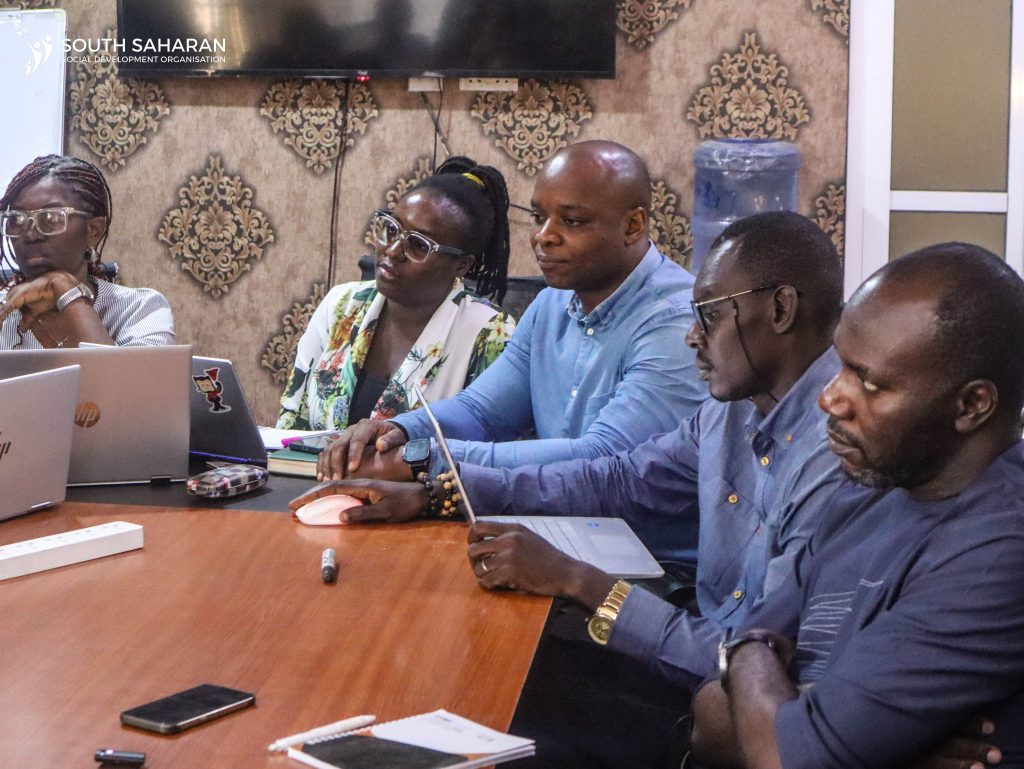
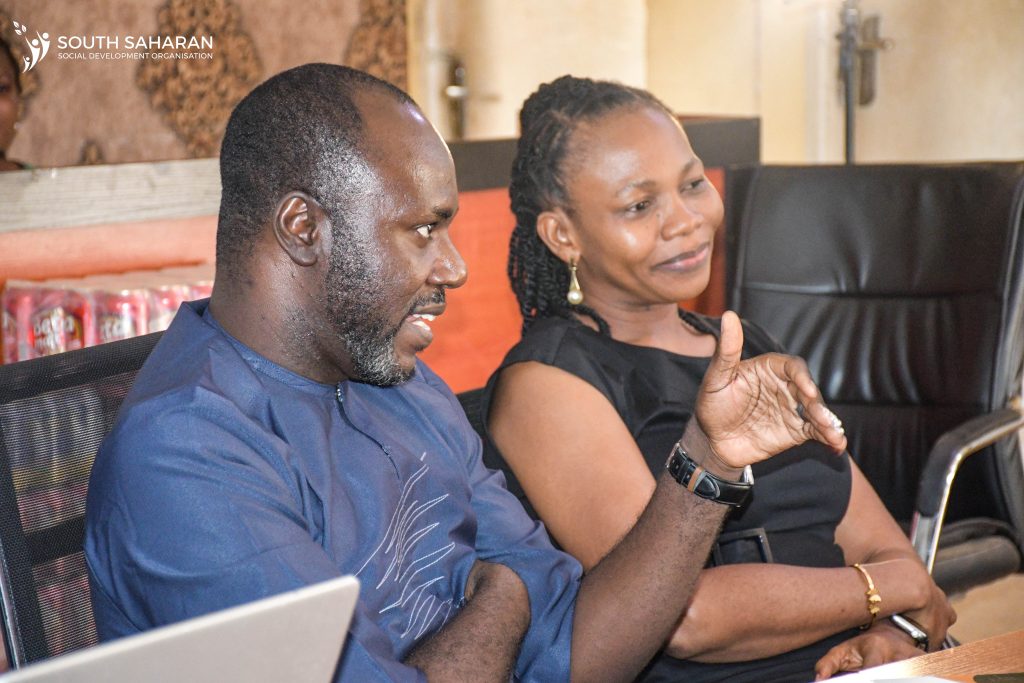
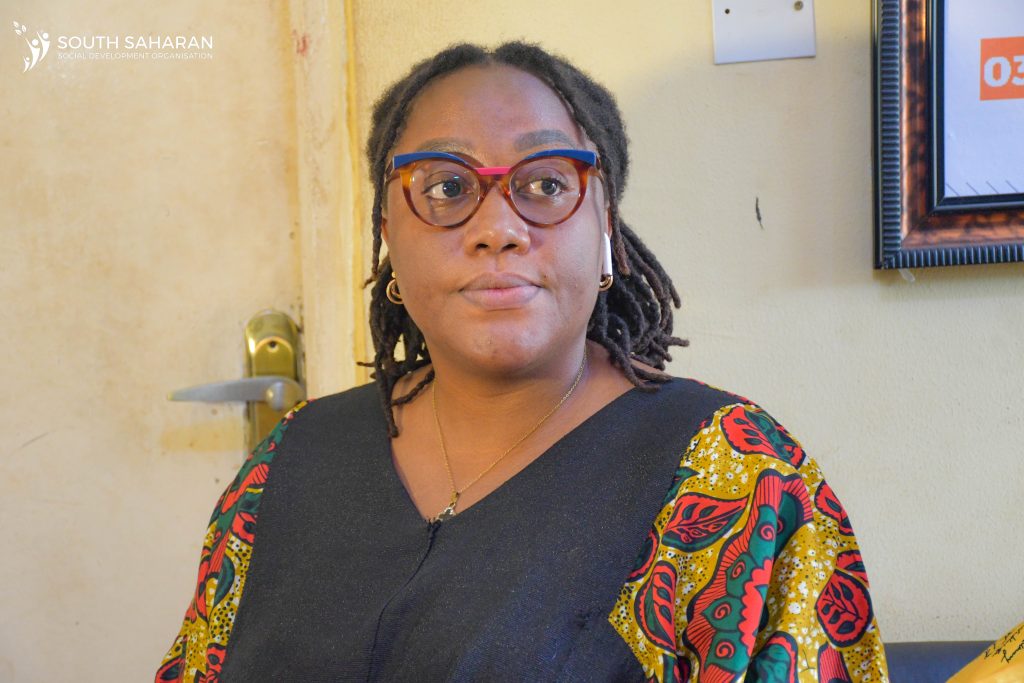
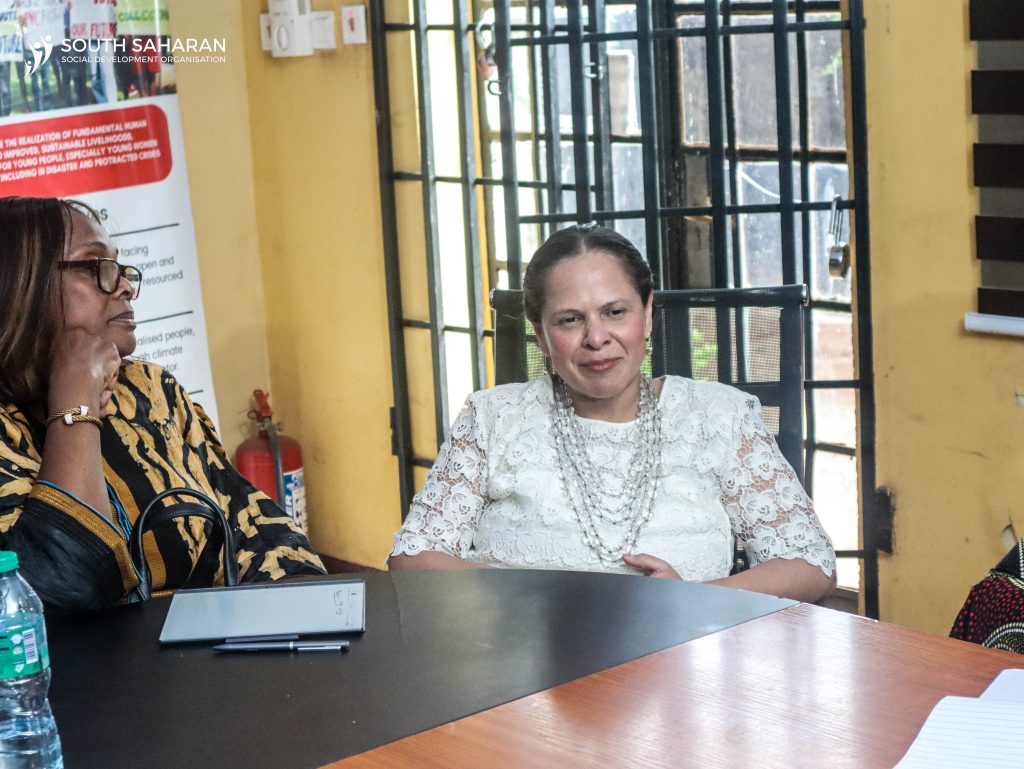
South Saharan Social Development Organisation (SSDO) welcomed a delegation from the Ford Foundation on a supervisory visit. This visit spotlighted the ongoing work under the Community Partnership for the Elimination of Gender-Based Violence (COMPEG) project, a vital initiative aimed at fostering safer, more equitable communities across our focus areas.

Listening to Impact, Learning from Experience

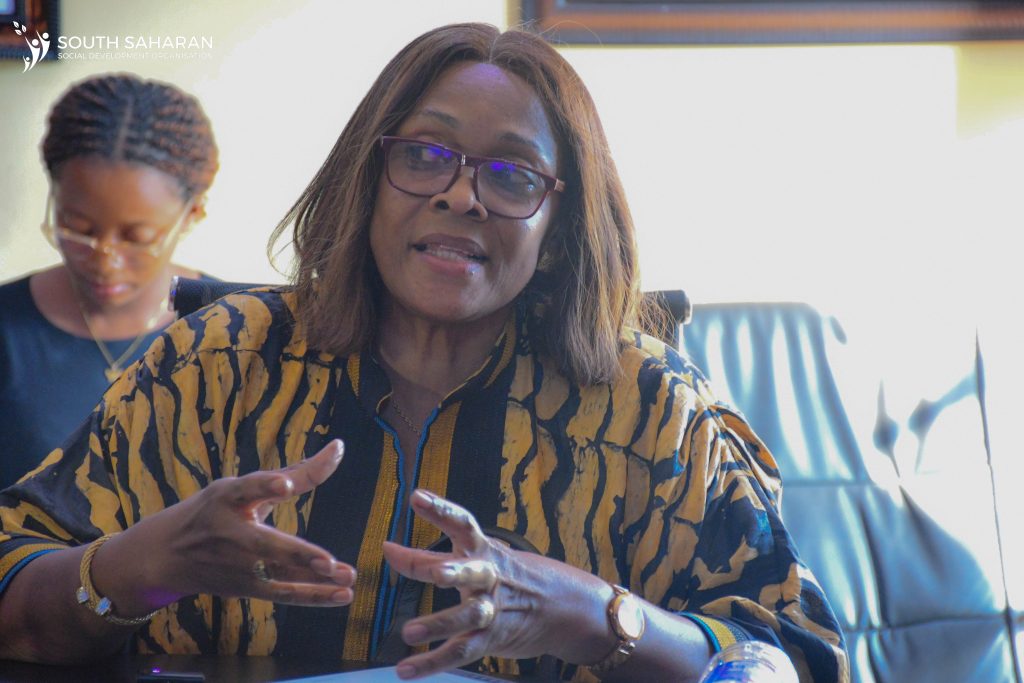
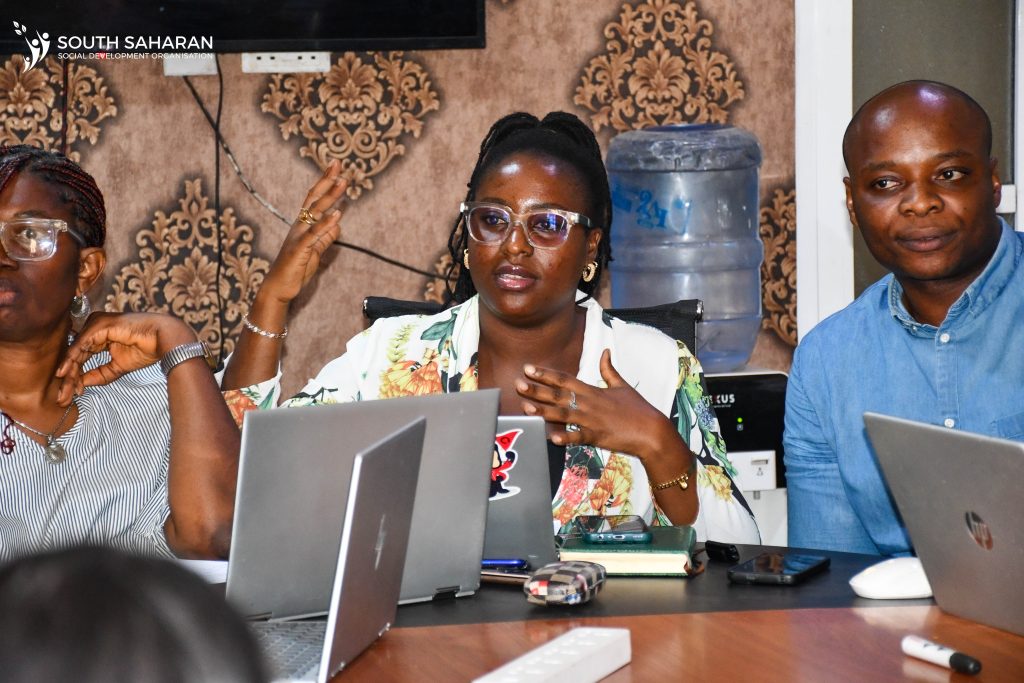
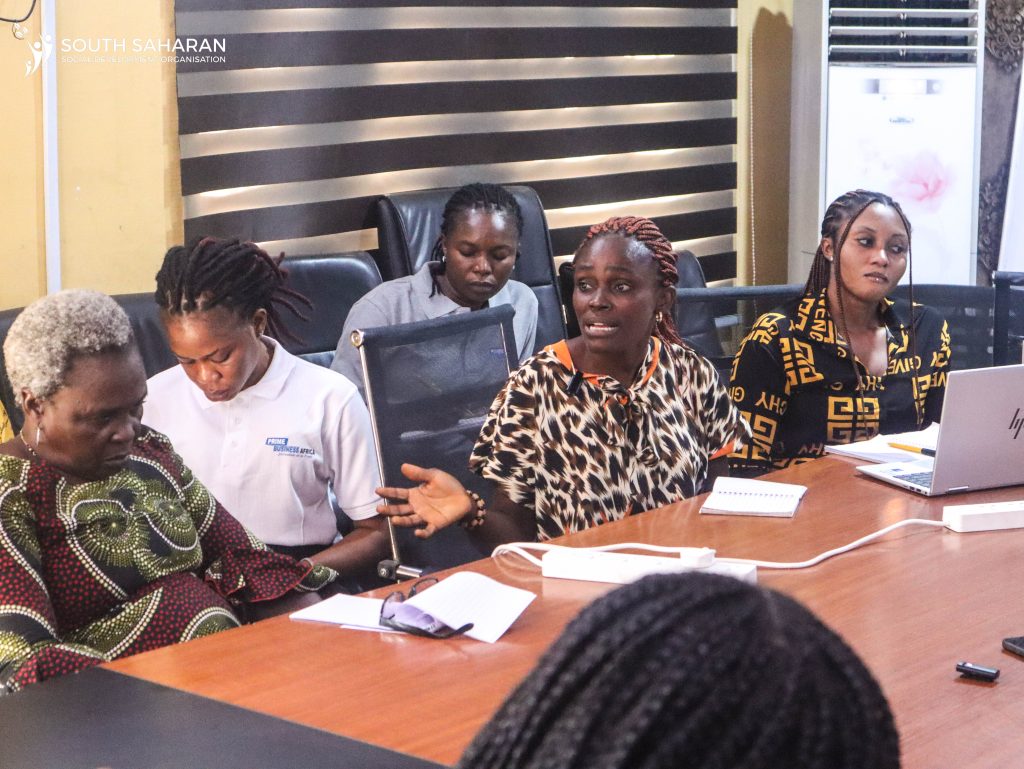
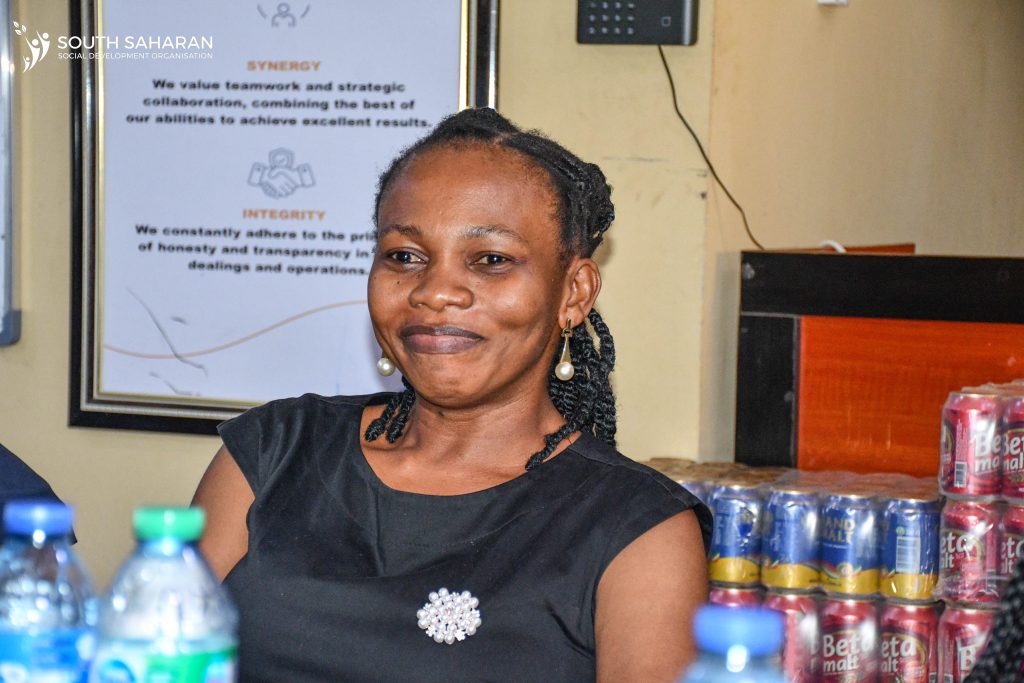
The Ford Foundation team spent time engaging closely with SSDO project staff, gaining a firsthand understanding of the work being done on the ground. More importantly, they connected with some of the women and girls whose lives have been directly impacted by COMPEG.

These intimate conversations revealed the transformative power of community-based support systems and the strength of survivors who continue to rise, rebuild, and reclaim their dignity.

Standing Together Against GBV

At SSDO, we believe that ending gender-based violence requires more than just interventions. It requires partnerships rooted in trust, shared values, and deep commitment. The Ford Foundation’s visit reaffirmed that belief and reminded us that we are not in this fight alone.

Their continued support fuels our resolve to break cycles of abuse, amplify survivor voices, and push for systemic change that protects and empowers women and girls.

Forward, Together
We are deeply grateful to the Ford Foundation for walking this journey with us. As we push forward, SSDO remains unwavering in our vision: communities where every woman and girl lives free from violence, with the freedom and tools to thrive.