

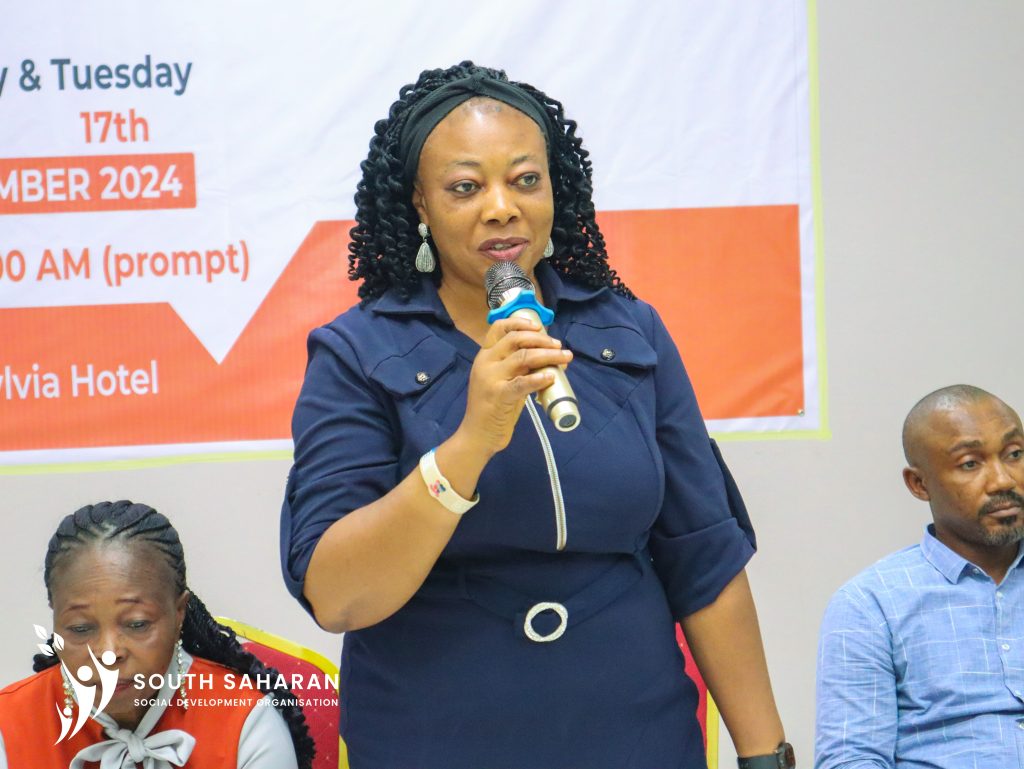
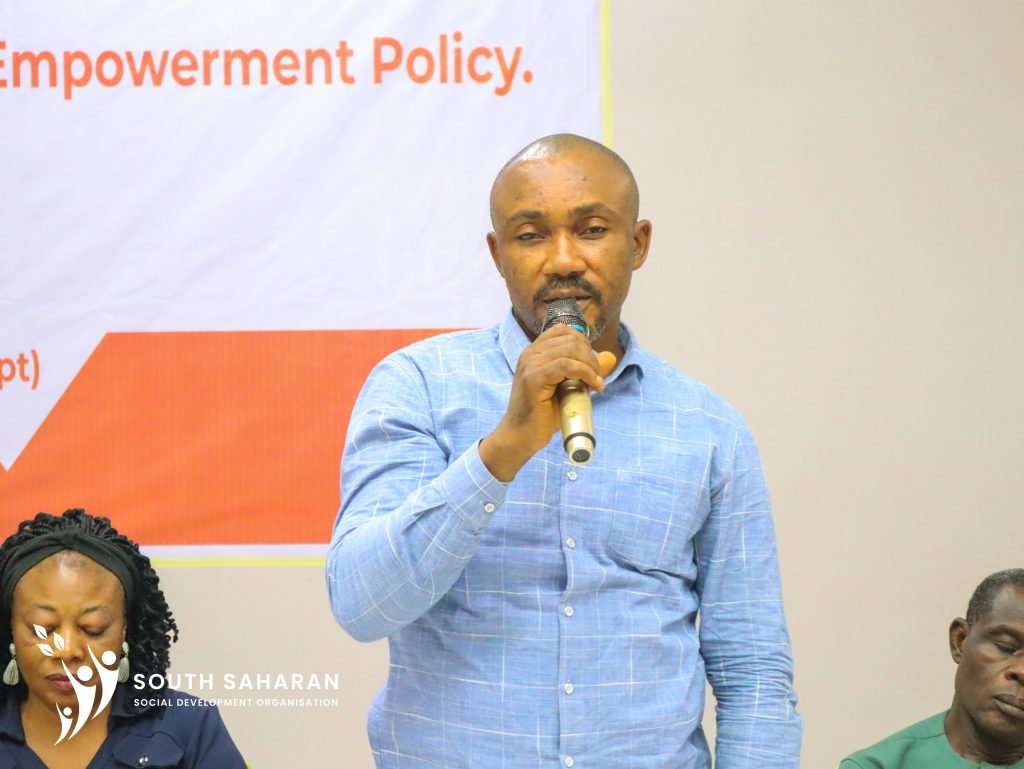
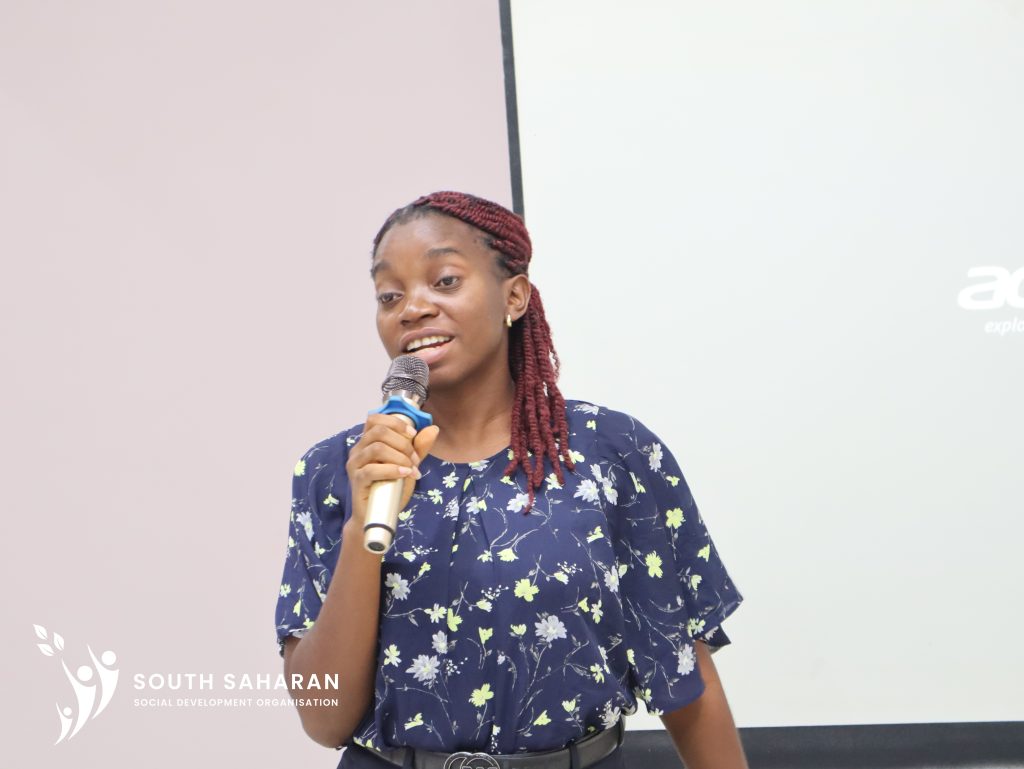
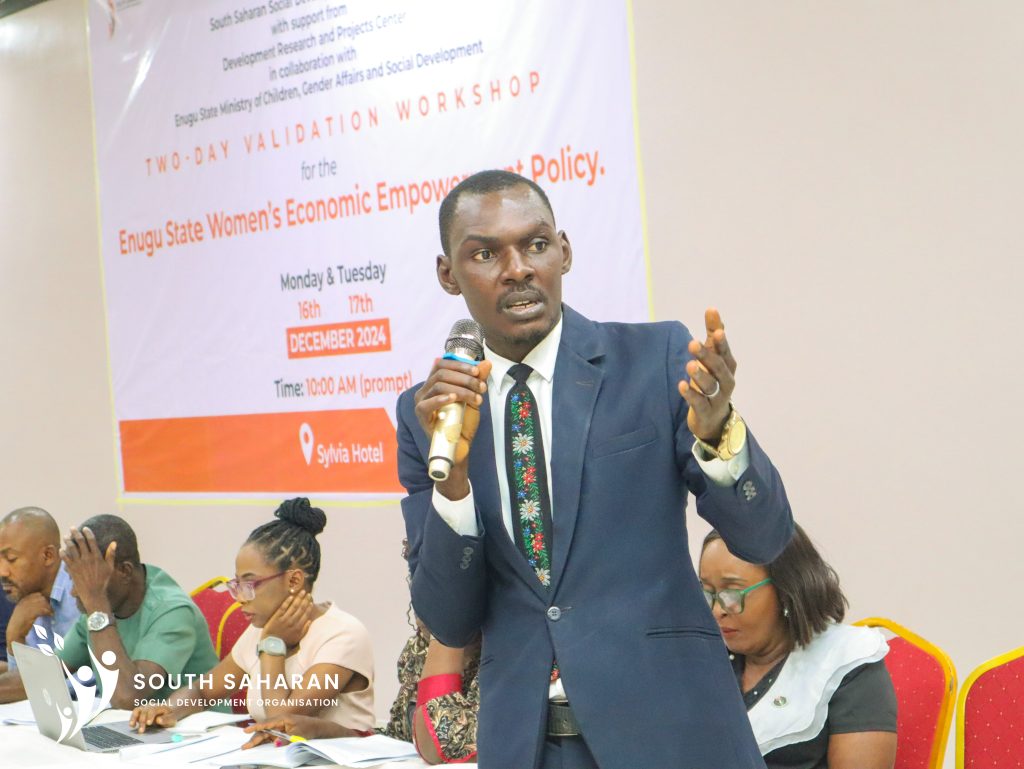
On December 16th and 17th, 2024, Enugu State made a historic leap in its commitment to gender equality by hosting a two-day validation workshop. The event, focused on refining the Enugu State Women’s Economic Empowerment (WEE) Policy and Action Plan, brought together a diverse group of stakeholders, including government officials, civil society organizations, and community leaders. The primary goal of the workshop was to align the WEE Policy with the state’s unique socio-economic realities and ensure it effectively addresses the barriers faced by women, particularly in rural areas.
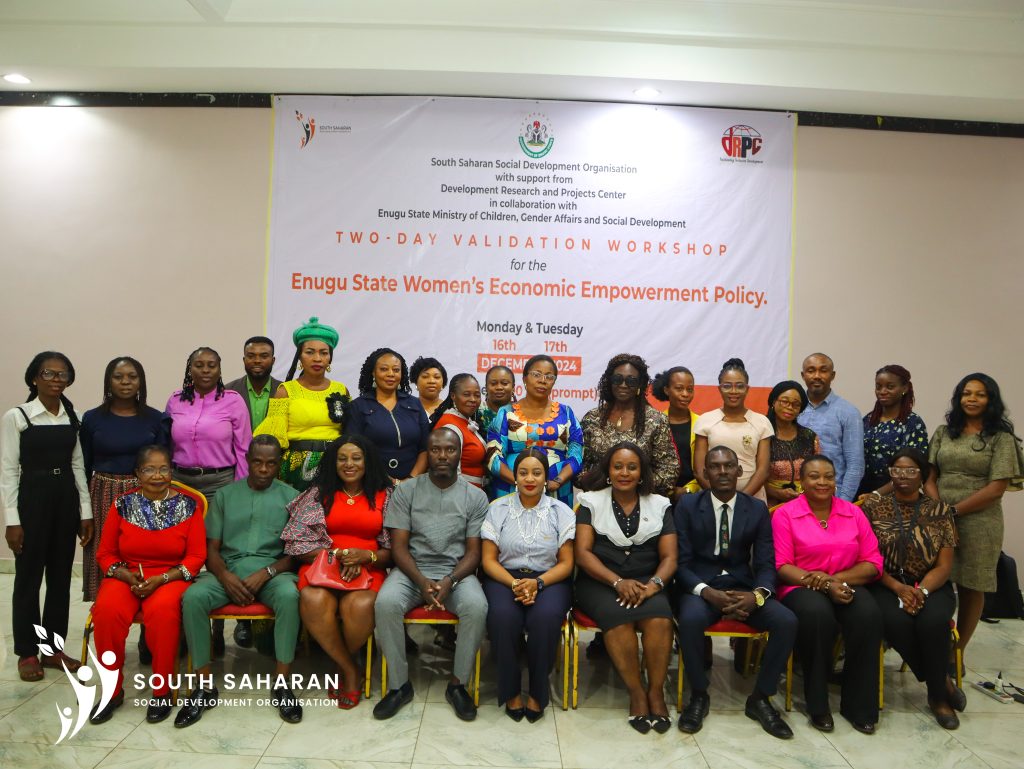
The WEE Policy, developed by the South Saharan Social Development Organisation (SSDO) with support from the development Research and Projects Centre (dRPC) and in collaboration with the Enugu State Ministry of Children, Gender Affairs and Social Development, is a groundbreaking framework aimed at breaking down barriers hindering women’s access to economic opportunities. The policy emphasizes critical areas such as employment, entrepreneurship, and leadership while also improving women’s access to education, healthcare, and addressing legal and cultural obstacles to their economic empowerment.
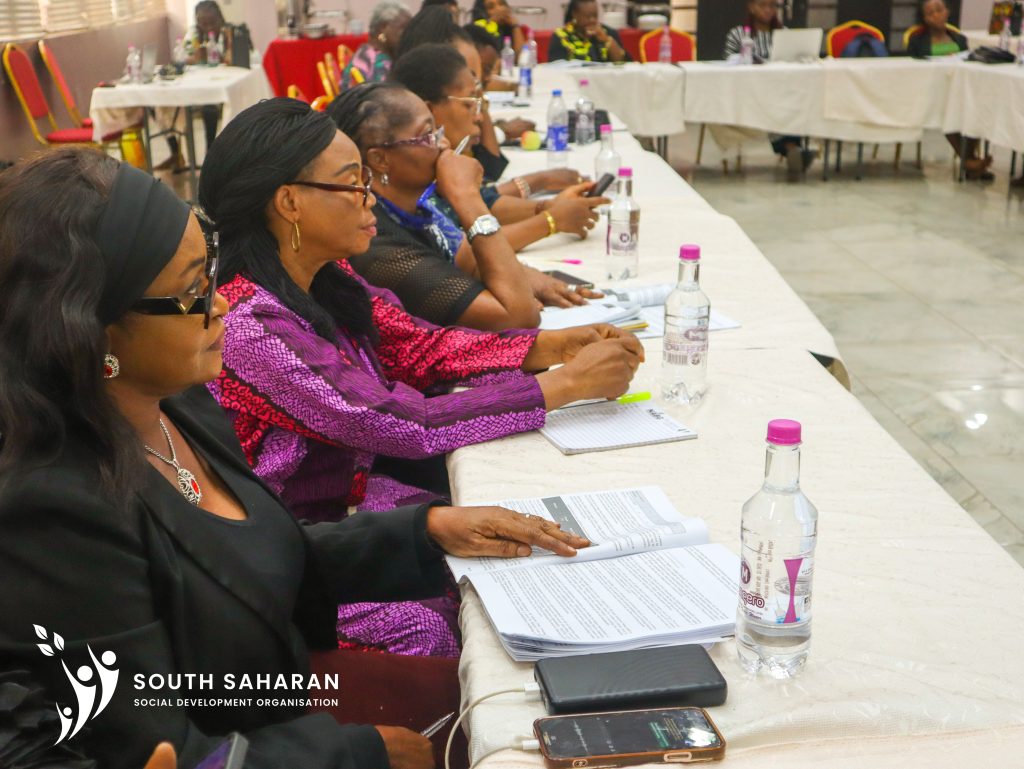
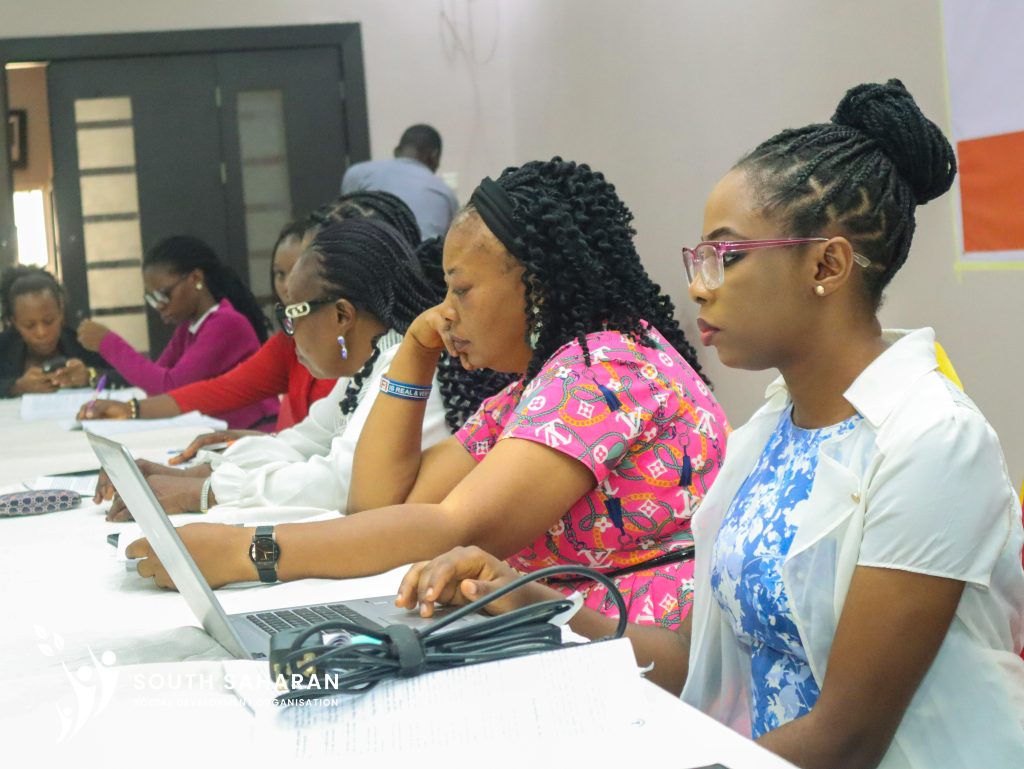
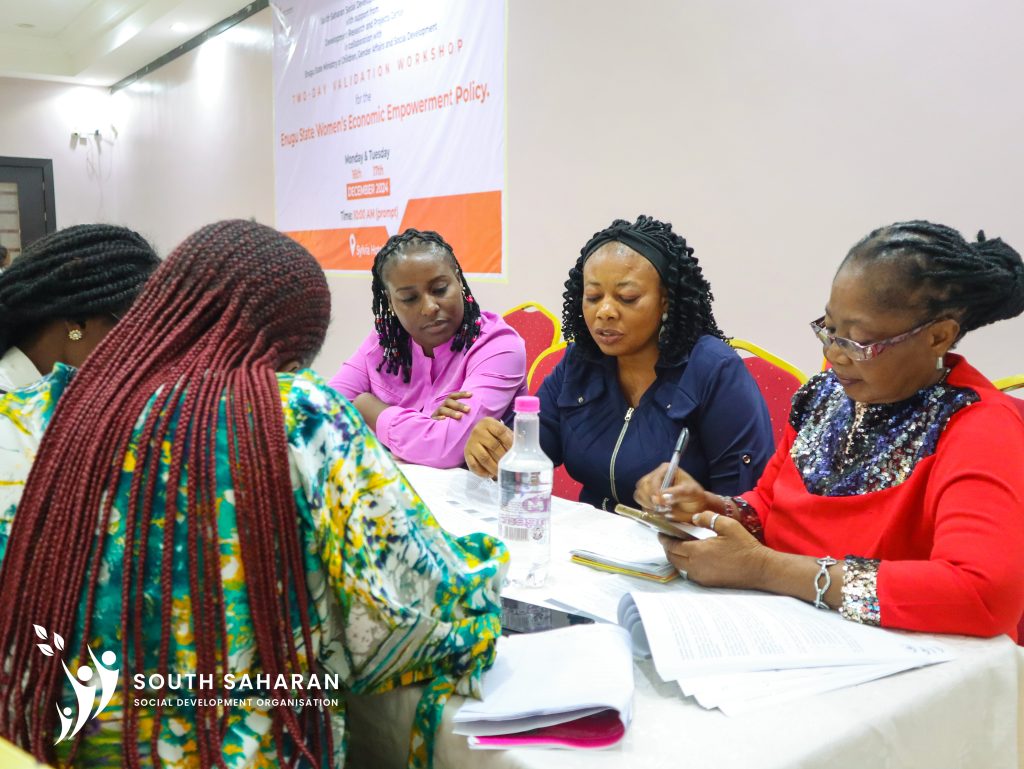
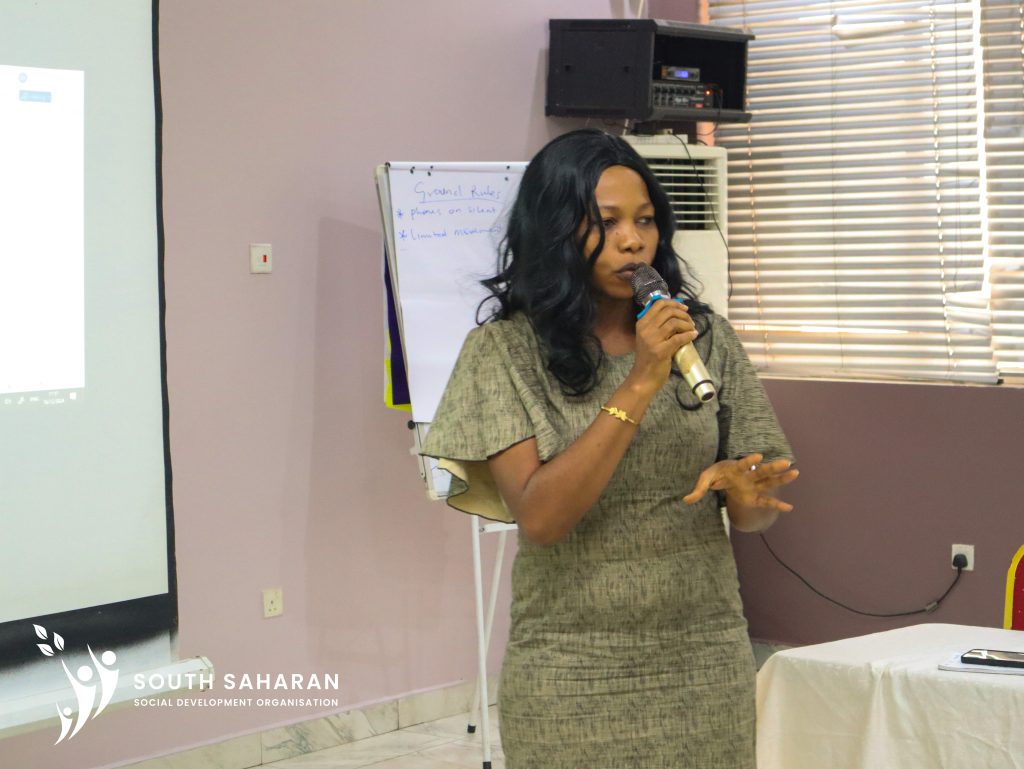
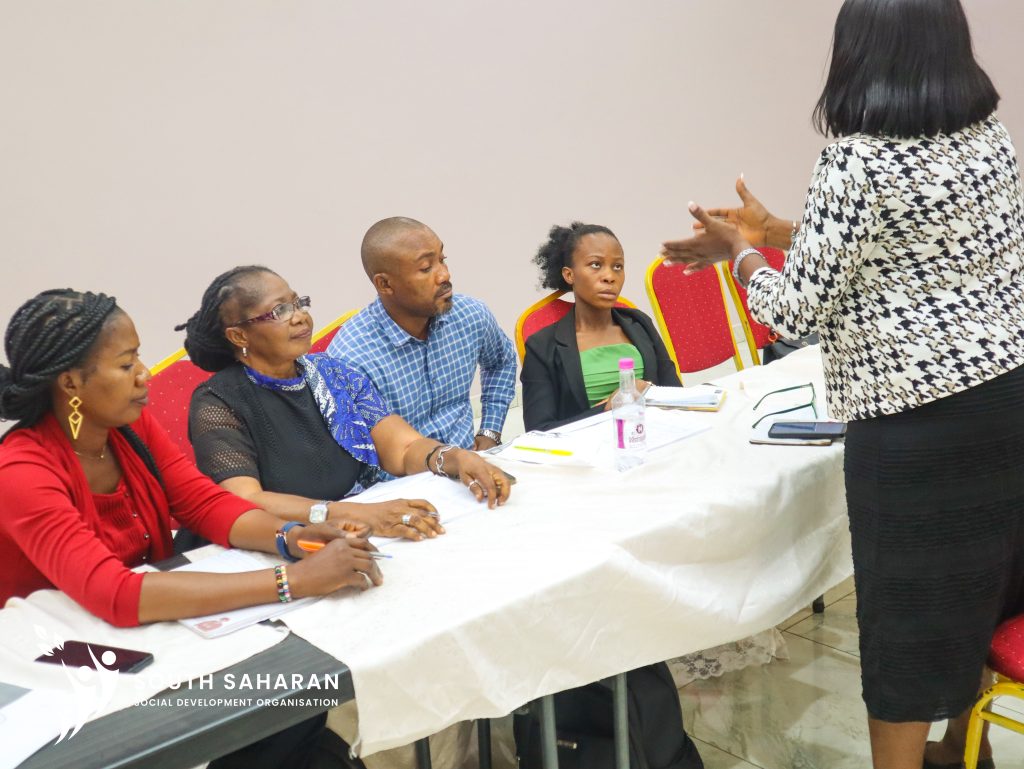
The first day of the workshop concentrated on a detailed review of the draft WEE Policy. Participants engaged in discussions, offering valuable feedback and suggestions to enhance the document’s relevance and effectiveness. Key areas of focus included identifying local challenges, understanding the socio-cultural and economic barriers that limit women’s participation in the economy, and addressing restricted access to financial services, inadequate vocational training opportunities, and limited control over agricultural tools and resources. Stakeholders also emphasized the importance of promoting inclusivity by ensuring that the policy addresses the needs of women across diverse demographics, including rural dwellers. The need to foster collaboration through robust partnerships among government bodies, non-governmental organizations, and private sector players to achieve the policy’s objectives was also highlighted.
During the workshop, the Enugu State Commissioner for Children, Gender Affairs, and Social Development, Mrs. Ngozi Enih, delivered an inspiring speech highlighting the vital role of women’s economic empowerment in achieving sustainable development and reducing poverty. She emphasized that empowering women economically is essential for the state’s growth, enabling them to contribute fully to the economy and improve their livelihoods.
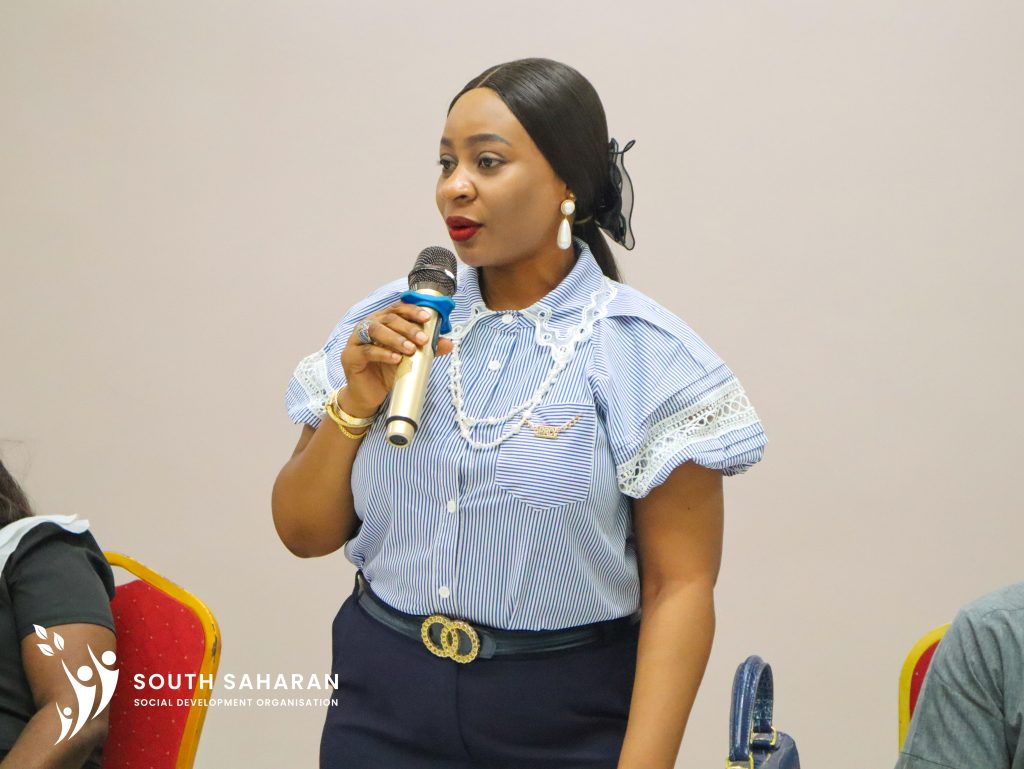
Dr. Stanley Illechukwu, Executive Director of South Saharan Social Development Organisation (SSDO), reiterated that the WEE Policy aligns with SSDO’s mission of making development happen for women. He noted that the policy aims to address the unique challenges faced by women in Enugu State and focuses on improving their access to education, healthcare, and financial resources, allowing them to participate fully in the economy as entrepreneurs, employees, or consumers. Dr. Illechukwu also emphasized the policy’s commitment to addressing legal and cultural barriers to create an environment where women can thrive economically.
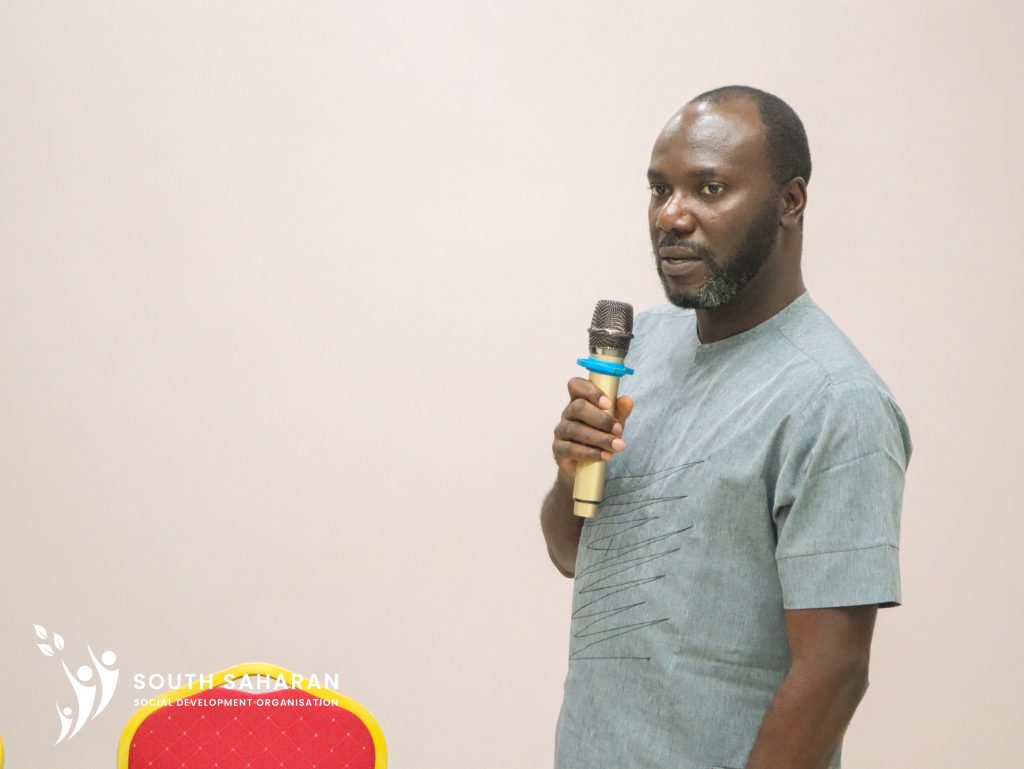
The second day shifted the focus to actionable steps for implementing the WEE Policy. Collaborative sessions were held to develop a comprehensive action plan. Participants worked together to set measurable goals, defining clear and achievable objectives to track the policy’s progress over time. They outlined specific roles for various government departments, civil society groups, and community leaders, assigning responsibilities to ensure accountability. Additionally, a phased timeline for implementation was proposed, providing a realistic and sustainable approach to rolling out the policy initiatives.
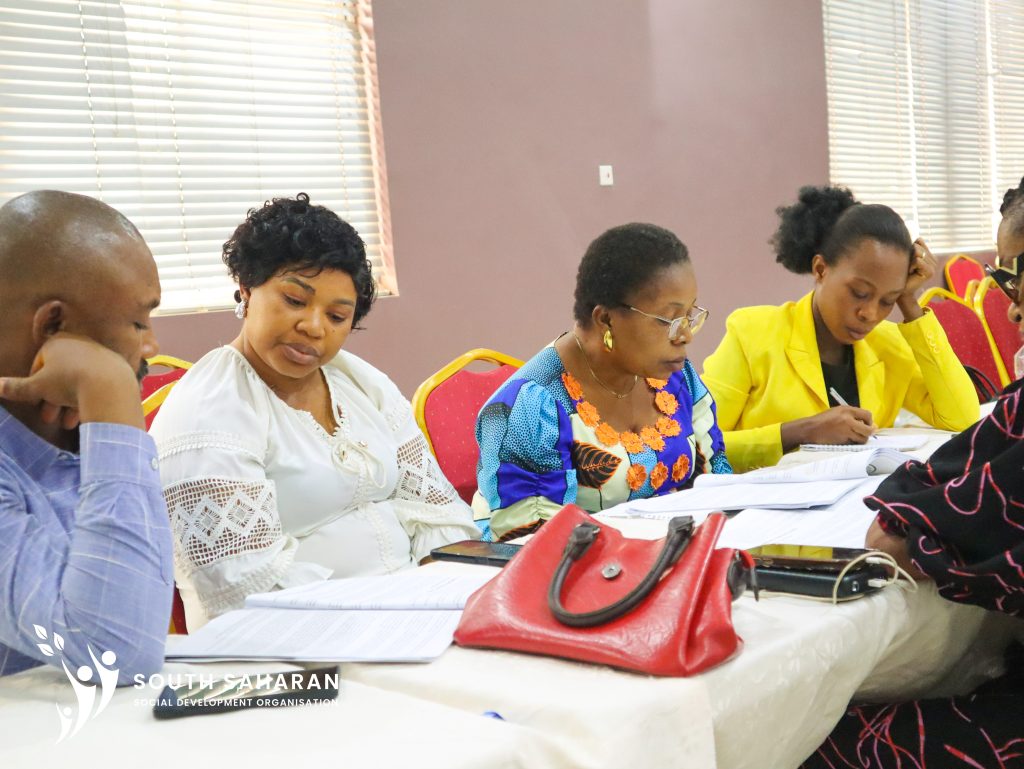
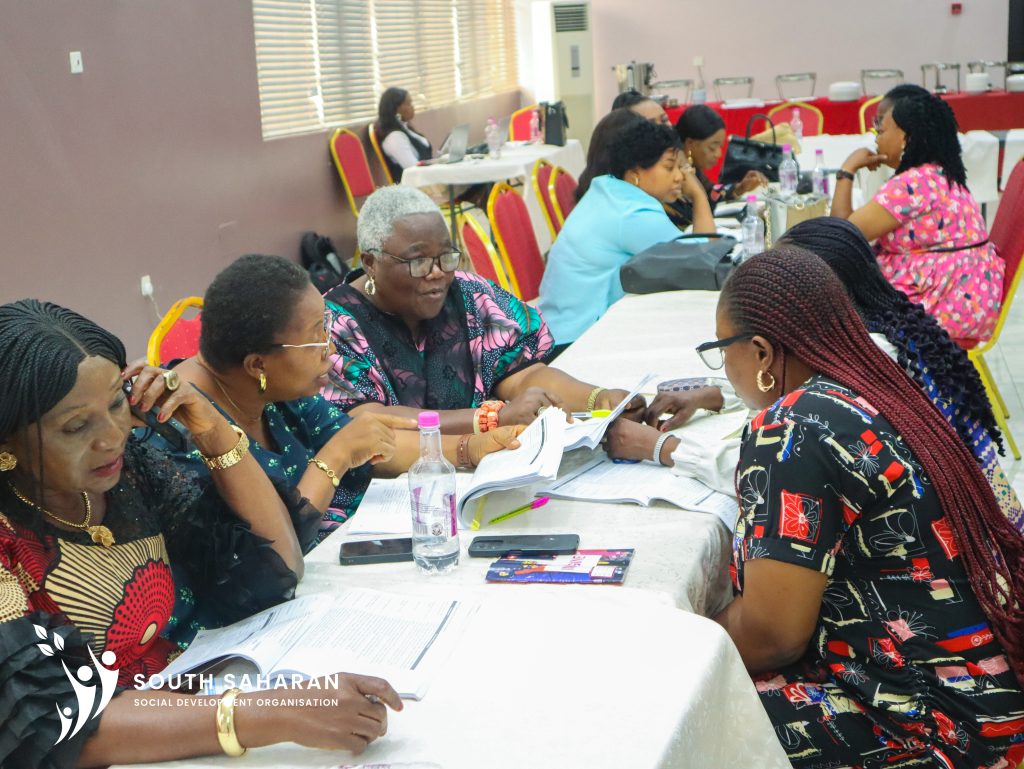
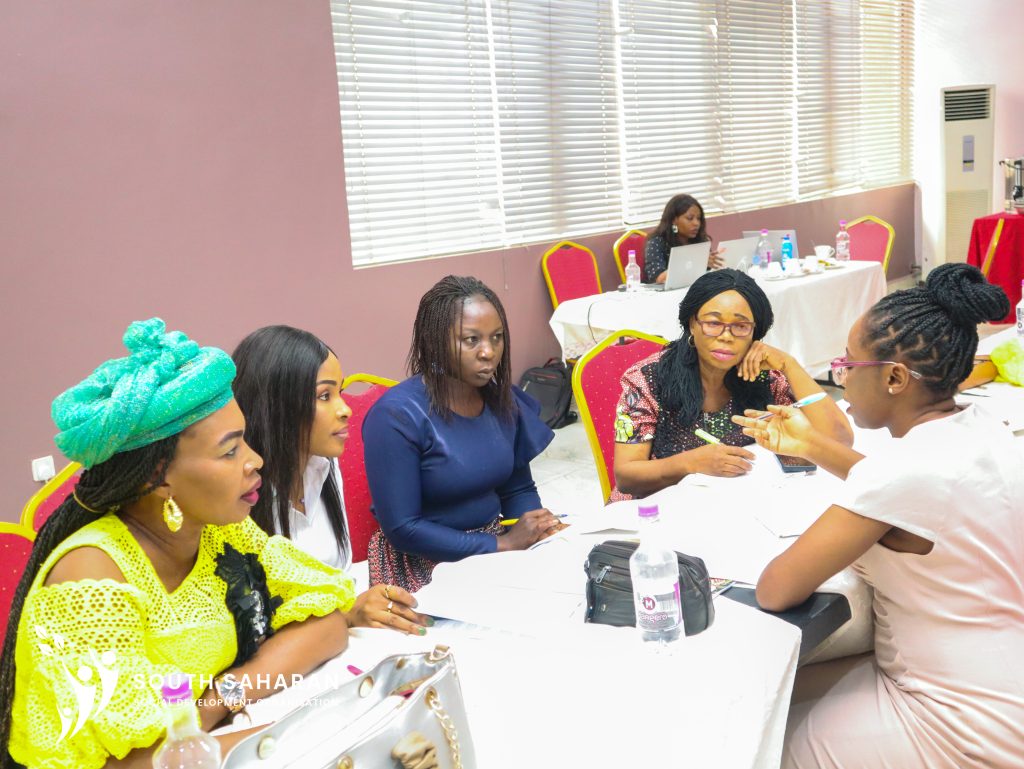
The discussions during the workshop culminated in several critical recommendations aimed at ensuring the WEE Policy’s success. Enhancing access to resources by addressing systemic barriers that prevent women from accessing agricultural tools, financial services, and vocational training was identified as a priority. Strengthening financial inclusion through targeted programs to increase women’s access to credit and savings opportunities was also emphasized.
Participants highlighted the importance of tackling socio-cultural barriers by launching awareness campaigns to challenge gender stereotypes and promote gender equity. Finally, the establishment of a robust framework to monitor and evaluate progress was deemed essential for regularly assessing the policy’s impact and making necessary adjustments.
As the workshop concluded, the focus shifted to the next steps. The feedback and insights gathered will be integrated into the final draft of the WEE Policy, which will then be submitted to the State Executive Council for approval. The official launch of the policy is scheduled for February 2025, marking a significant milestone in Enugu’s journey toward gender-inclusive economic development.
Enugu State’s commitment to women’s economic empowerment is a beacon of progress. By addressing the unique challenges faced by women and fostering a collaborative approach, the state is paving the way for sustainable and inclusive growth. With the WEE Policy as a guiding framework, women across Enugu State will have greater opportunities to thrive, contribute to their communities, and drive socio-economic transformation.
The validation workshop at Sylvia Hotel was more than just an event; it was a pivotal moment in Enugu State’s pursuit of gender equity. Through careful planning, stakeholder collaboration, and a focus on actionable strategies, the state is poised to set an example for others to follow. As February 2025 approaches, all eyes will be on Enugu, ready to witness the launch of a transformative policy that promises to empower women and foster economic prosperity for all.