

“Those who fight for the rights of others must not be denied their own.”
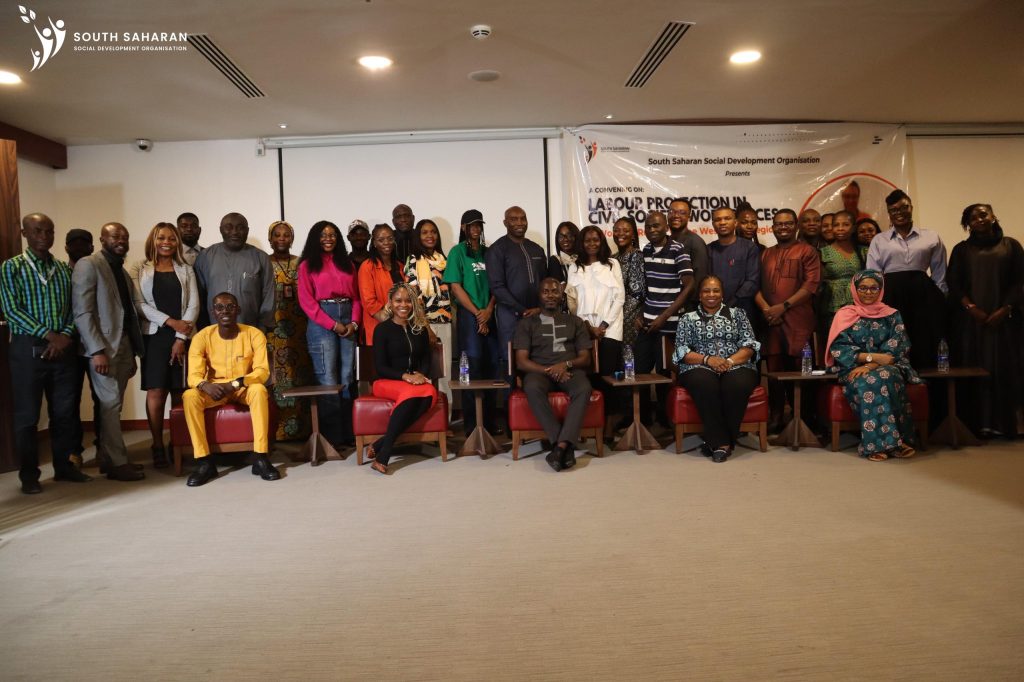
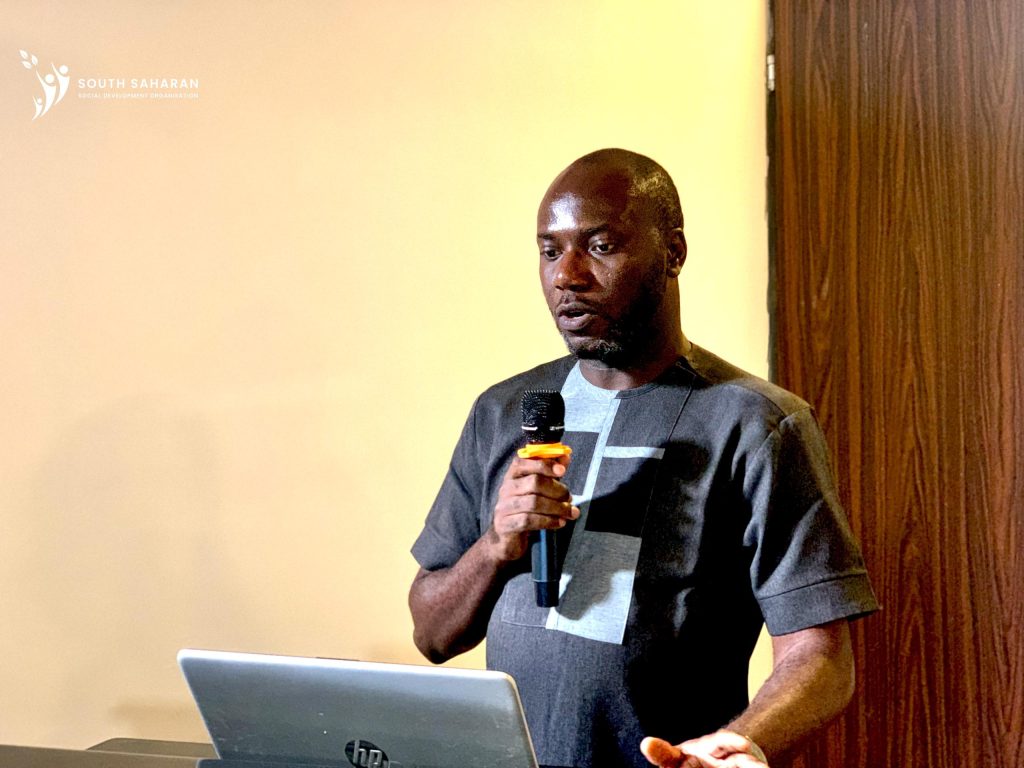
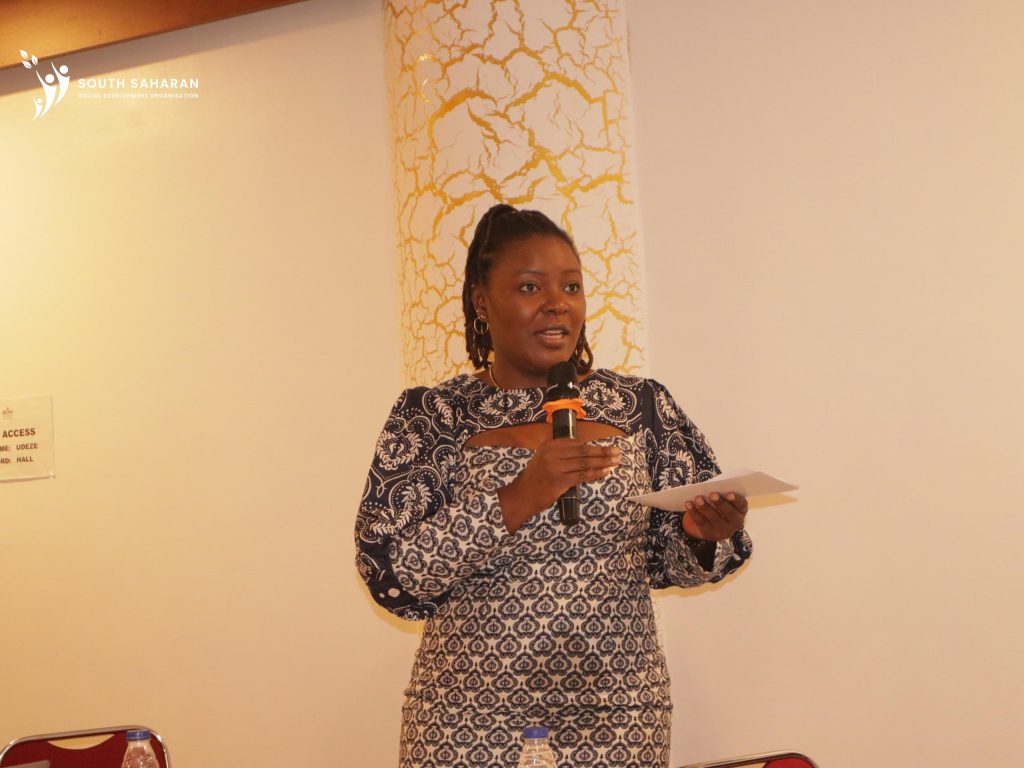
Leaders, experts, and advocates from across West Africa gathered at BON Octagon, Abuja, for the West Africa Regional Convening on Labour Protection in Civil Society Workspaces. This pivotal event, hosted by the South Saharan Social Development Organisation (SSDO) in partnership with Ford Foundation on January 17, 2025, emphasized the urgent need to enhance labour conditions in civil society organizations (CSOs) throughout the region.
Civil society in West Africa serves as a cornerstone of democratic governance, human rights, and social justice. Non-governmental organizations (NGOs), community groups, and advocacy networks work tirelessly to address pressing issues such as poverty, inequality, and human rights abuses. However, the very individuals driving this transformative work often find themselves in precarious situations.
Despite their critical role in promoting positive change, civil society workers in West Africa frequently face precarious working conditions, including inadequate facilities, insufficient resources, and high-risk environments. Job insecurity is also a major concern, characterized by short-term contracts, unpredictable funding, and limited employment benefits. Furthermore, limited social protections leave workers vulnerable to financial shocks, health crises, and other risks.
This stark contradiction – where those advocating for the rights and dignity of others are themselves denied basic protections, undermines the effectiveness and sustainability of civil society organizations. It also perpetuates a cycle of exploitation, where workers are expected to sacrifice their well-being for the greater good.
The convening highlighted key thematic areas – employment dynamics, social protection, safety, security and rights at work, and employee representation.
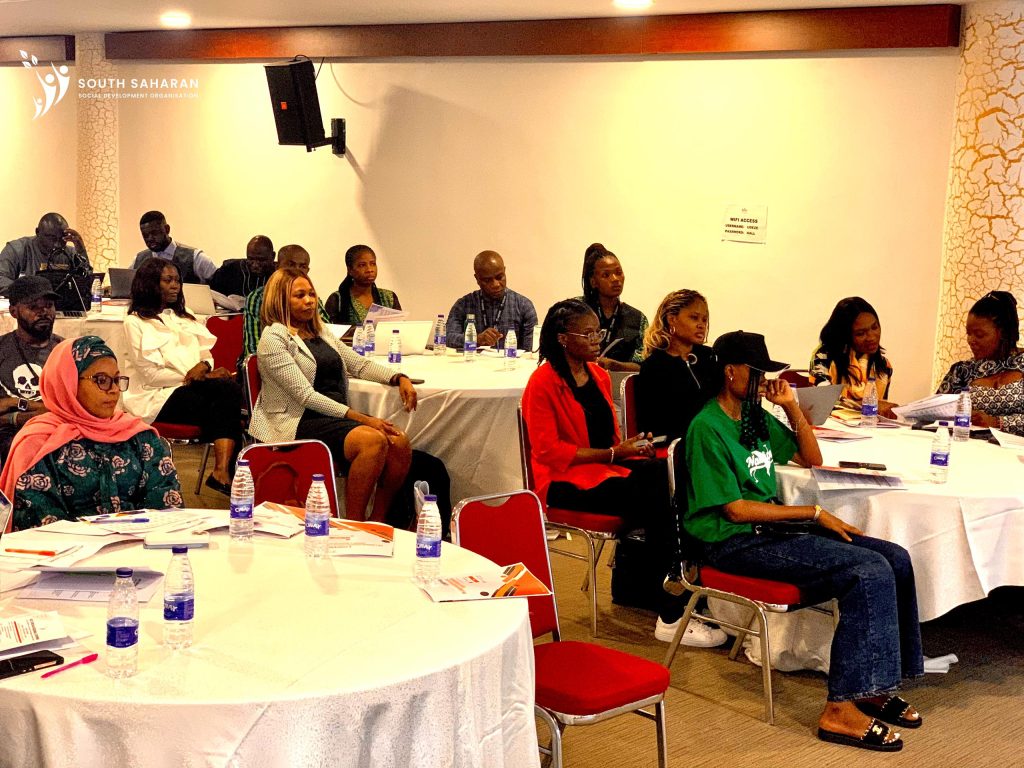
There was a panel discussion where these thematic areas were explored in-depth. The panelists noted that job insecurity is a pervasive issue, as many CSOs rely on short-term donor funding, resulting in project-based contracts that leave workers in a state of uncertainty. This uncertainty leads to high turnover rates, which weaken institutional memory and reduce the sector’s effectiveness. They further noted that access to social protections, such as health insurance, pensions, and paid leave, is often limited, particularly in smaller organizations or rural areas. This gap leaves workers vulnerable to financial and health risks, and eventually hampers CSOs’ ability to attract and retain talented individuals.
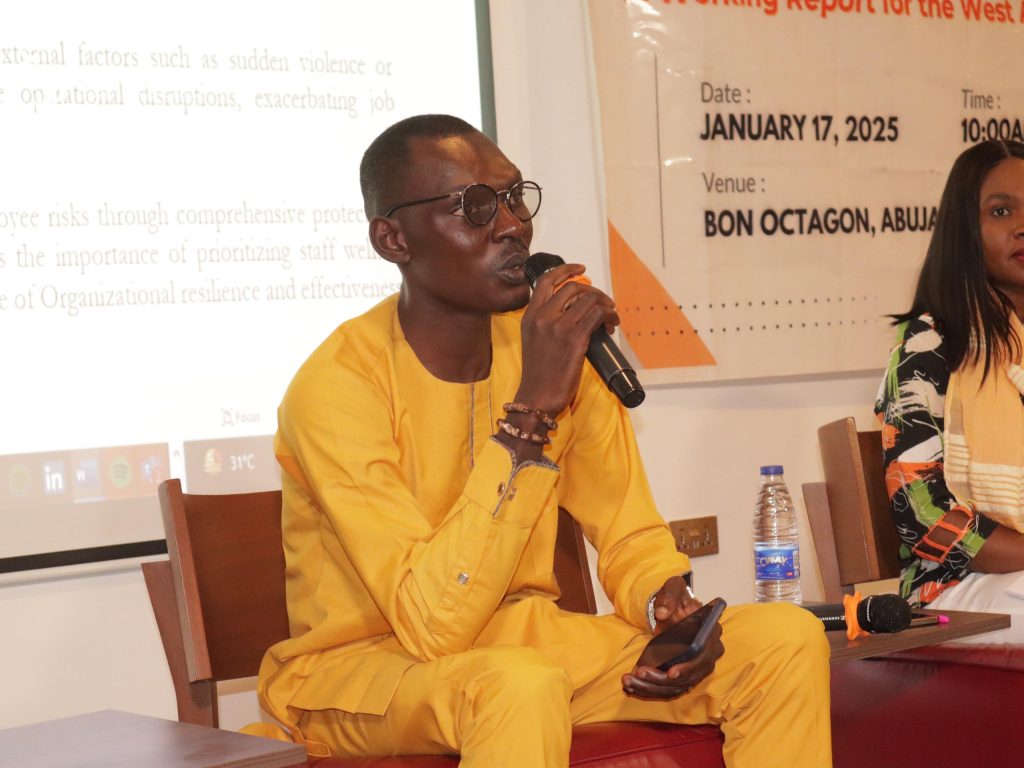
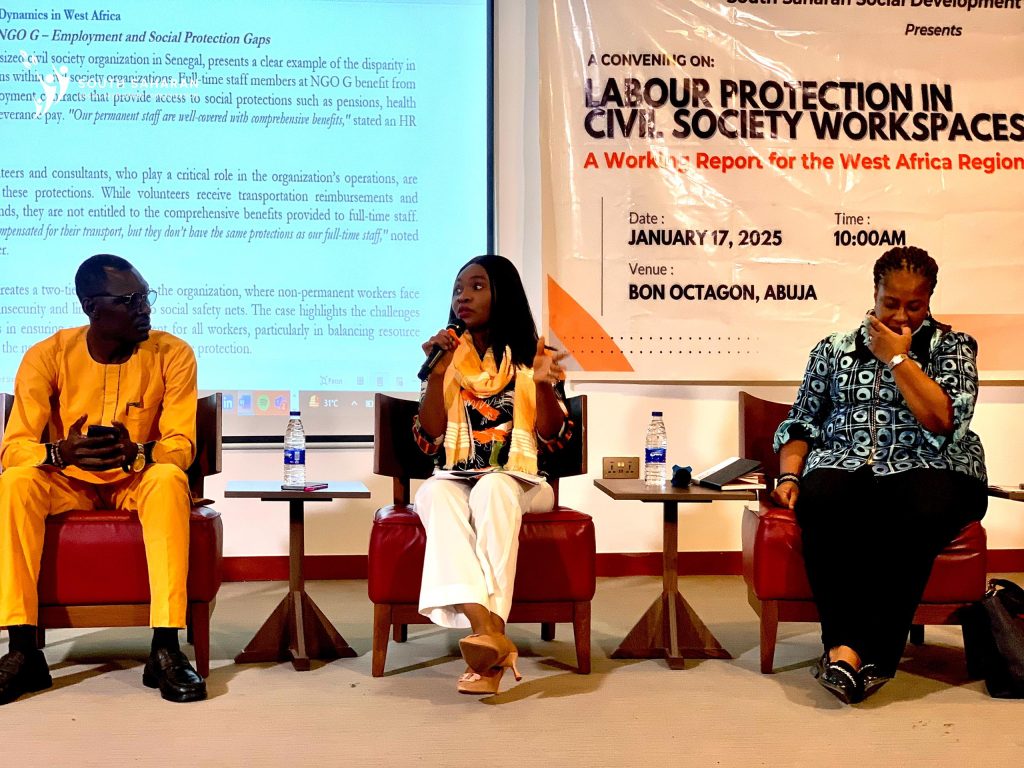
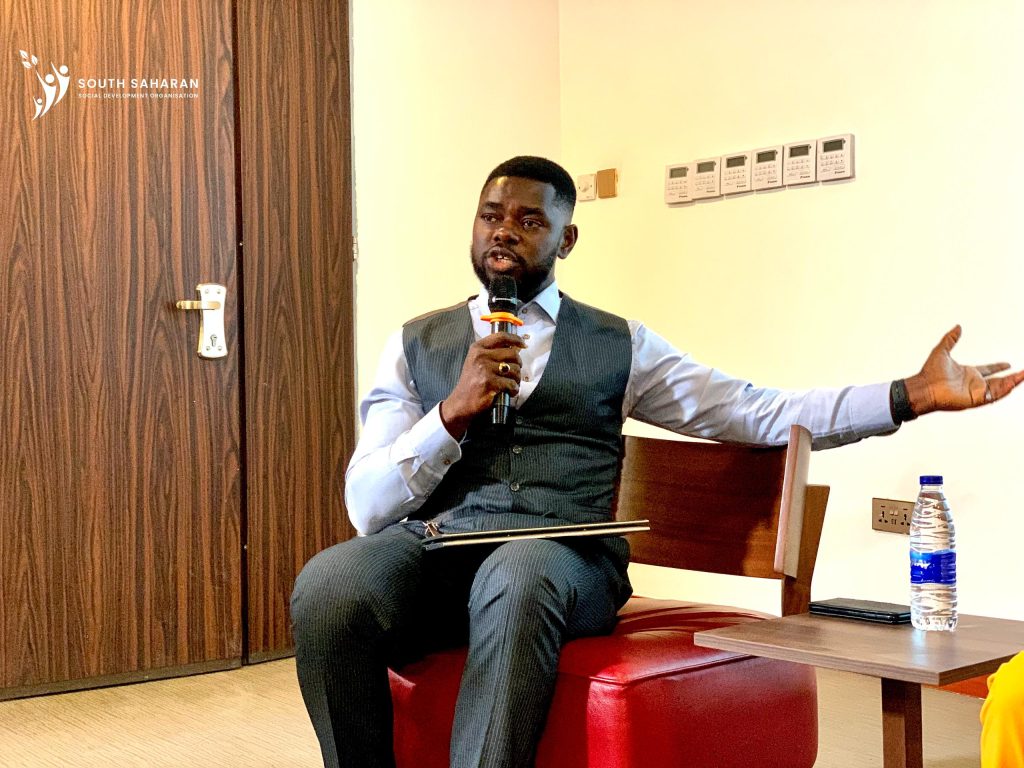
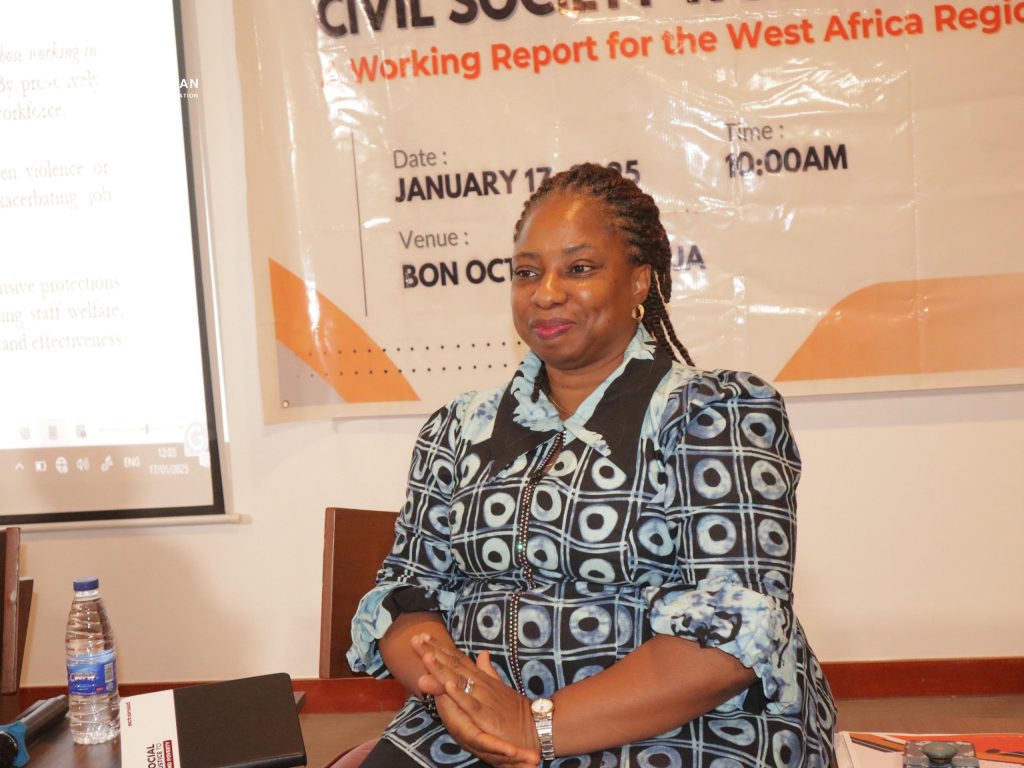
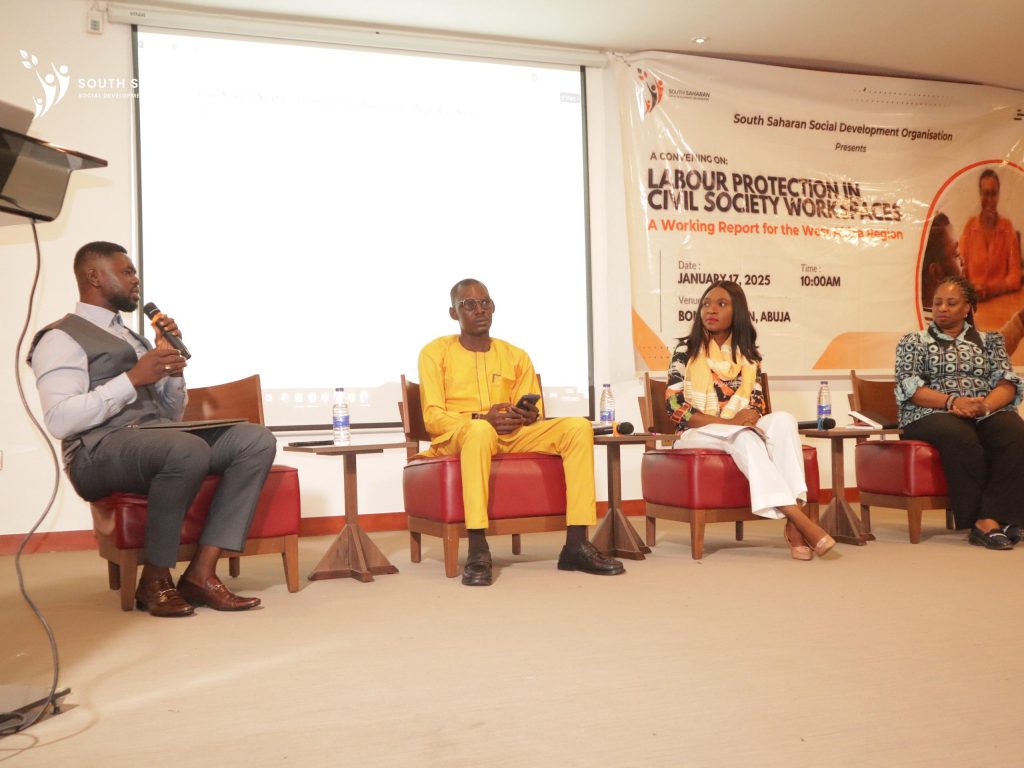
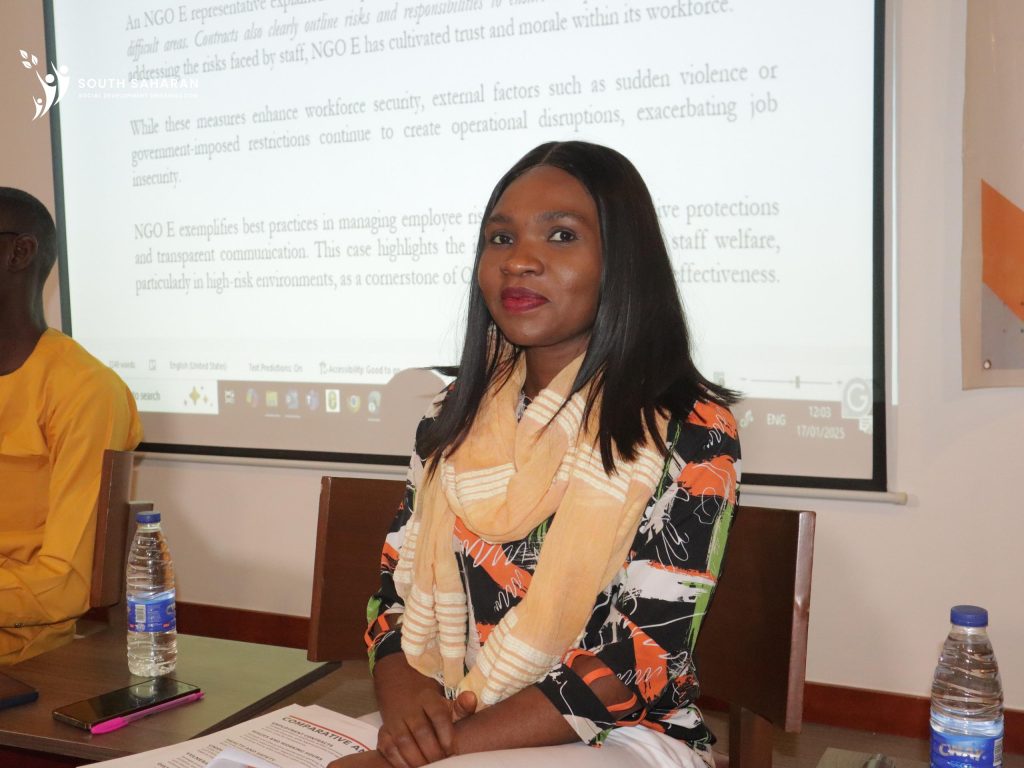
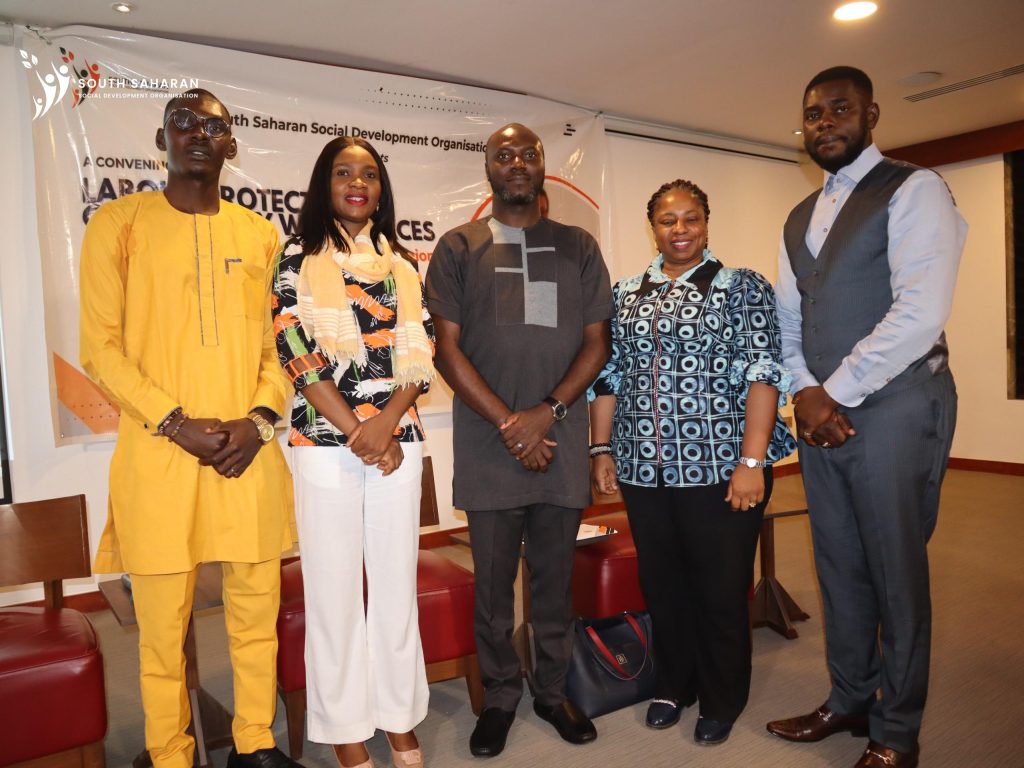
The panelists also emphasized that civil society workers frequently operate in high-risk environments, including conflict zones and politically unstable areas, and without adequate safety protocols, these individuals face significant physical and emotional risks, further exacerbating the challenges they already face. Lastly, they observed that worker representation and agency are often overlooked, leaving workers without a voice in decision-making processes that affect their working conditions, benefits, and career advancement. This lack of representation can lead to further exploitation and marginalization, undermining the very principles of social justice that CSOs aim to promote.
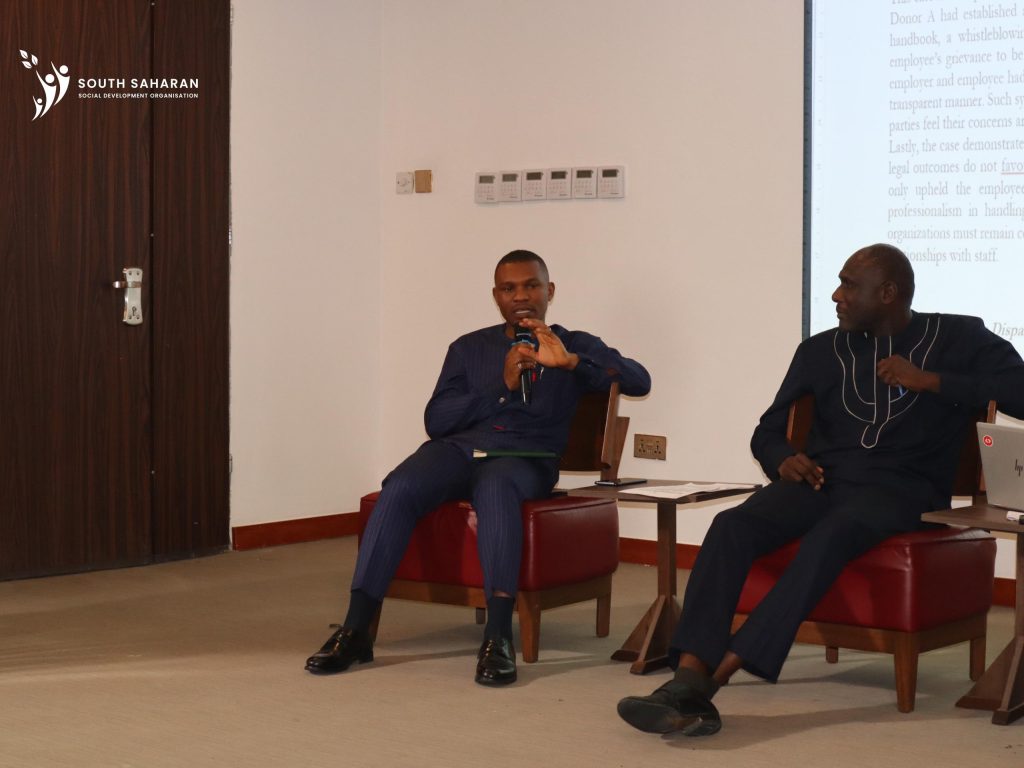
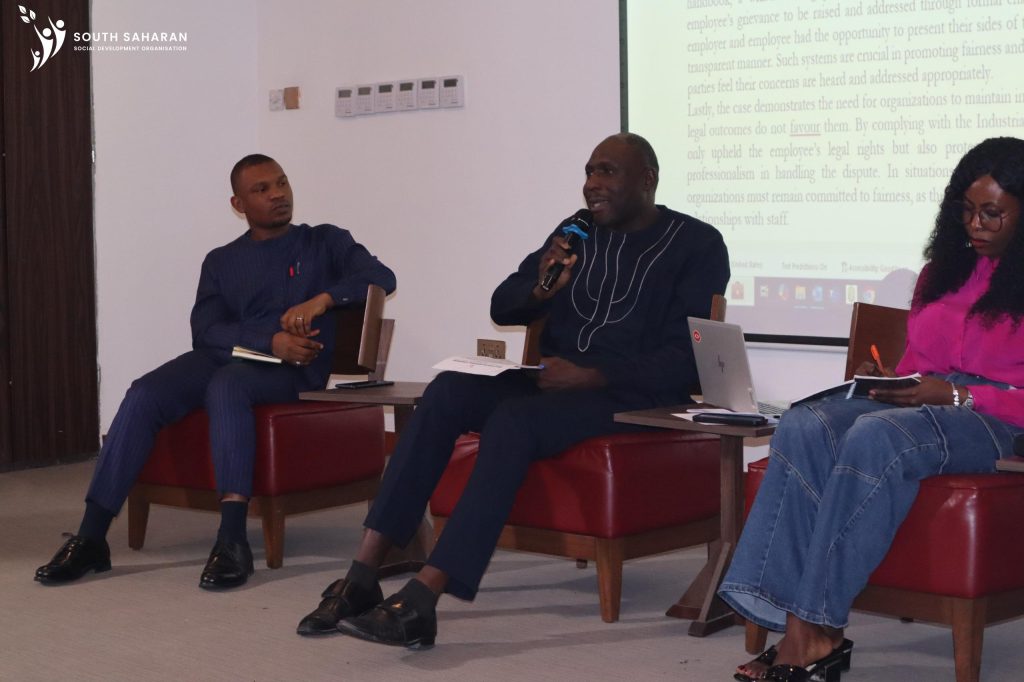
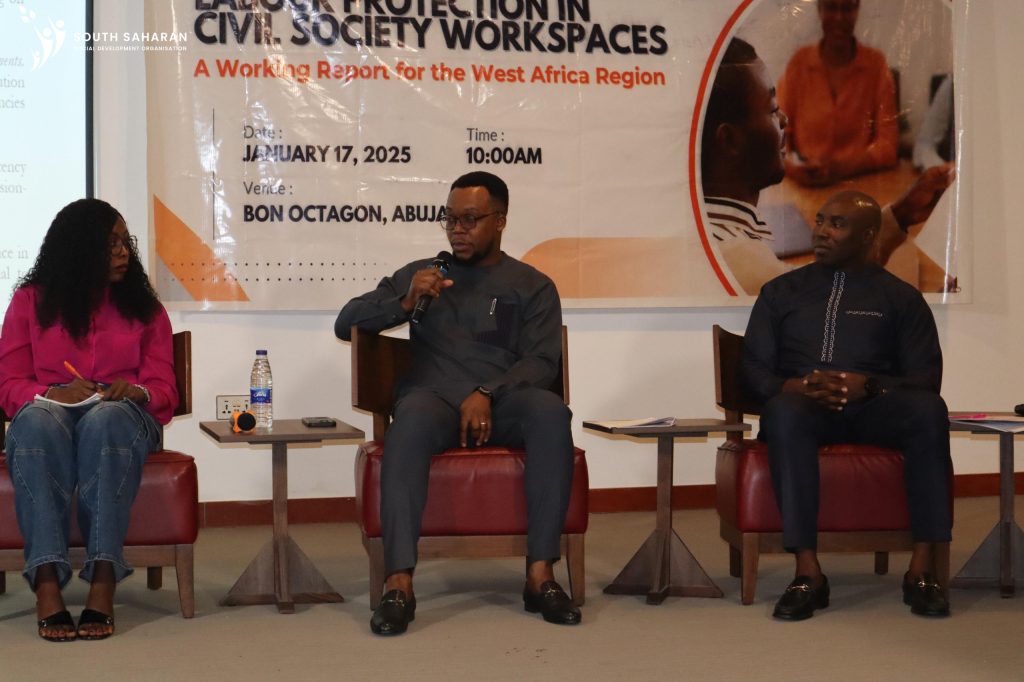
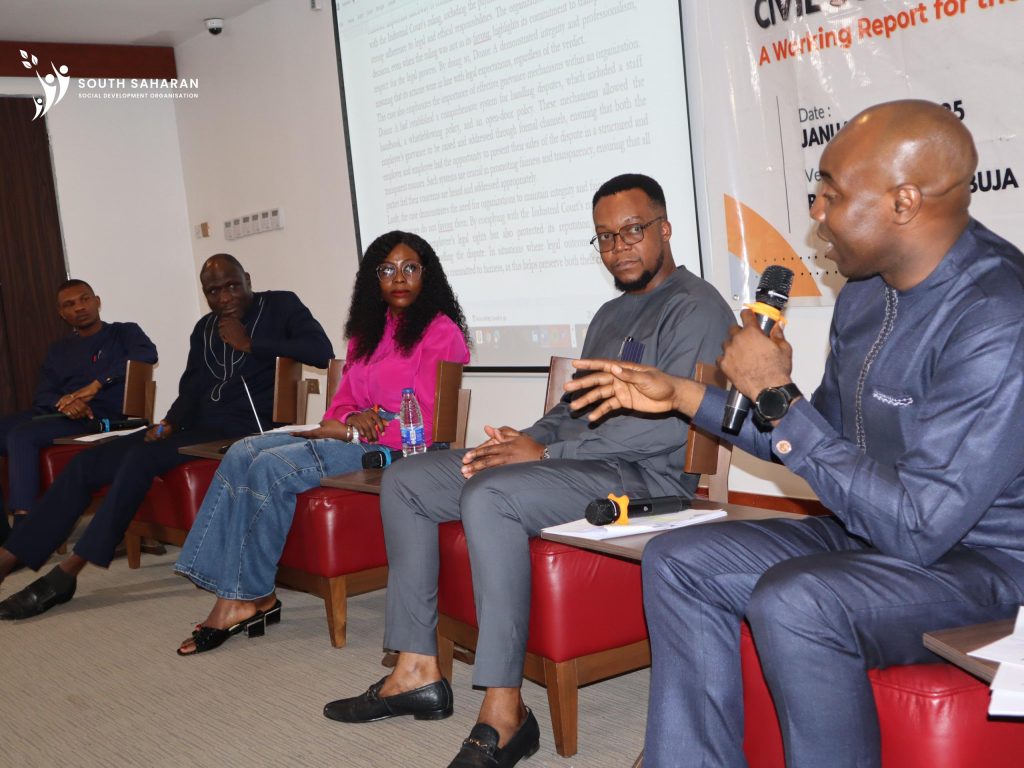
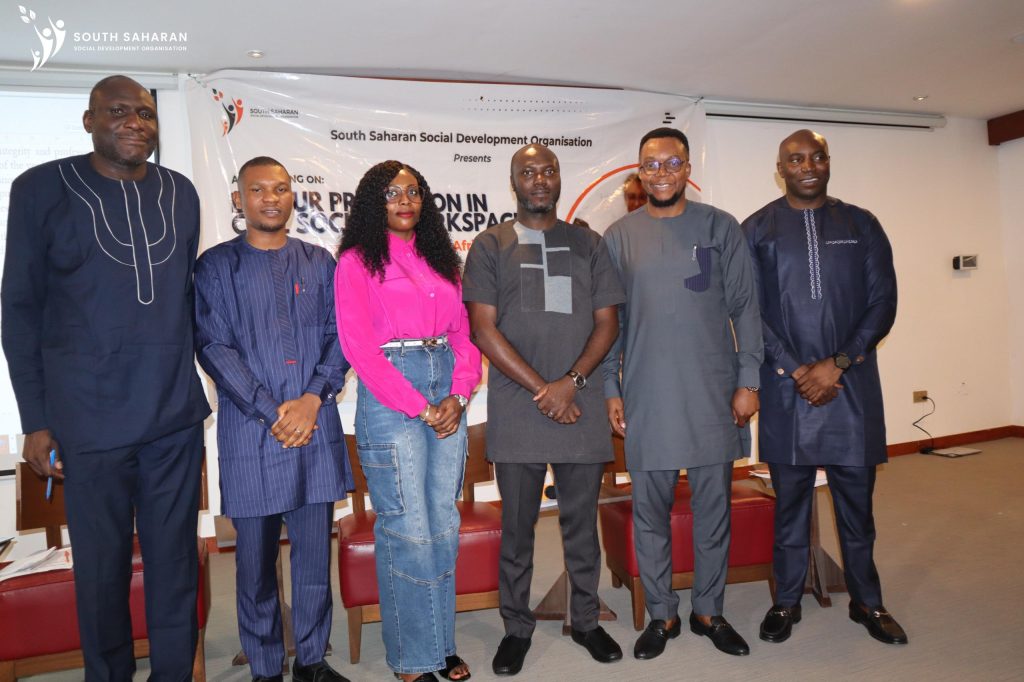
The research findings presented during the event shed light on both the gaps and opportunities in labour protections, forming the basis for discussions during the panel session. A breakout session followed, culminating in a set of recommendations aimed at addressing the pressing issues facing civil society workers.
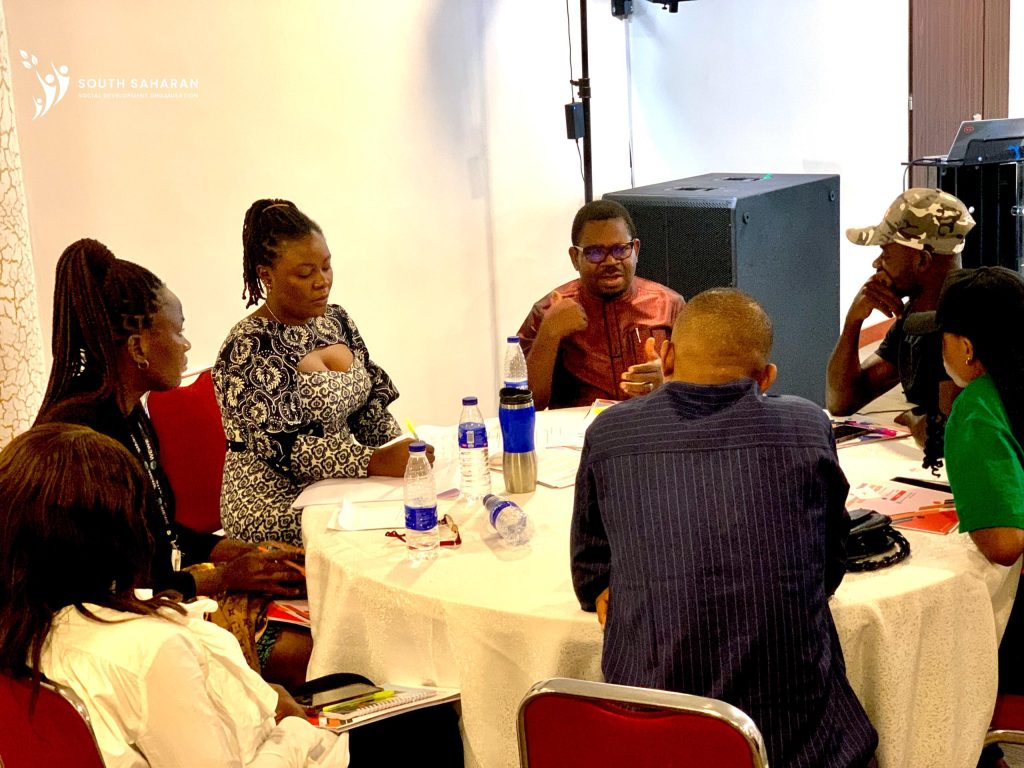
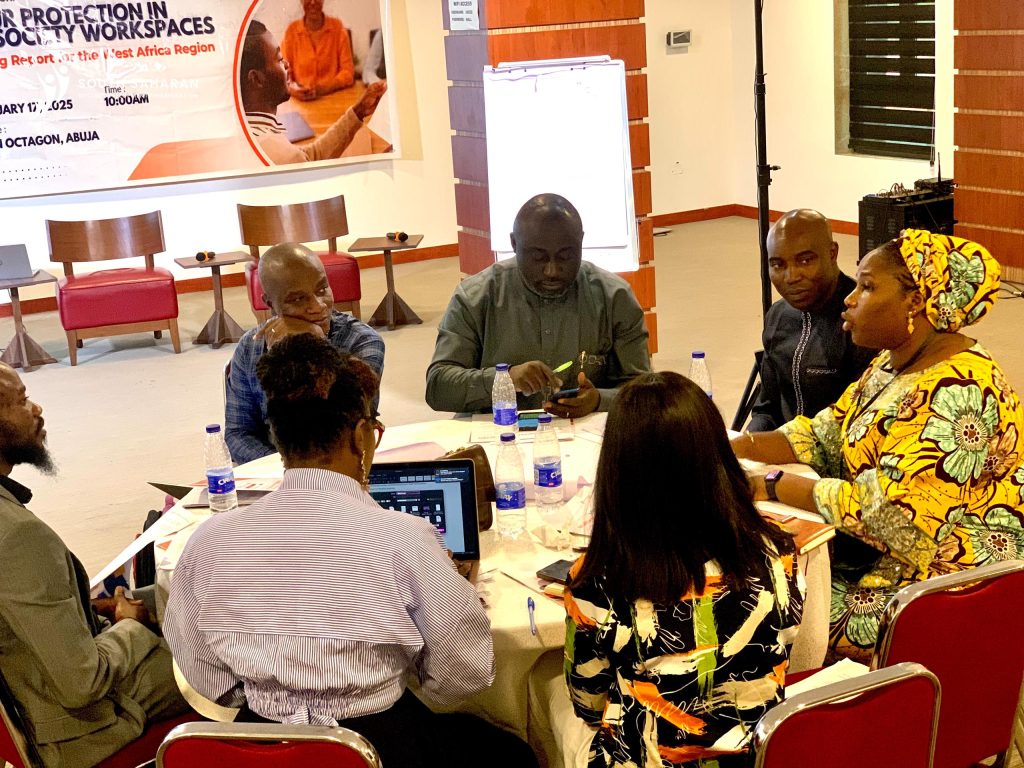
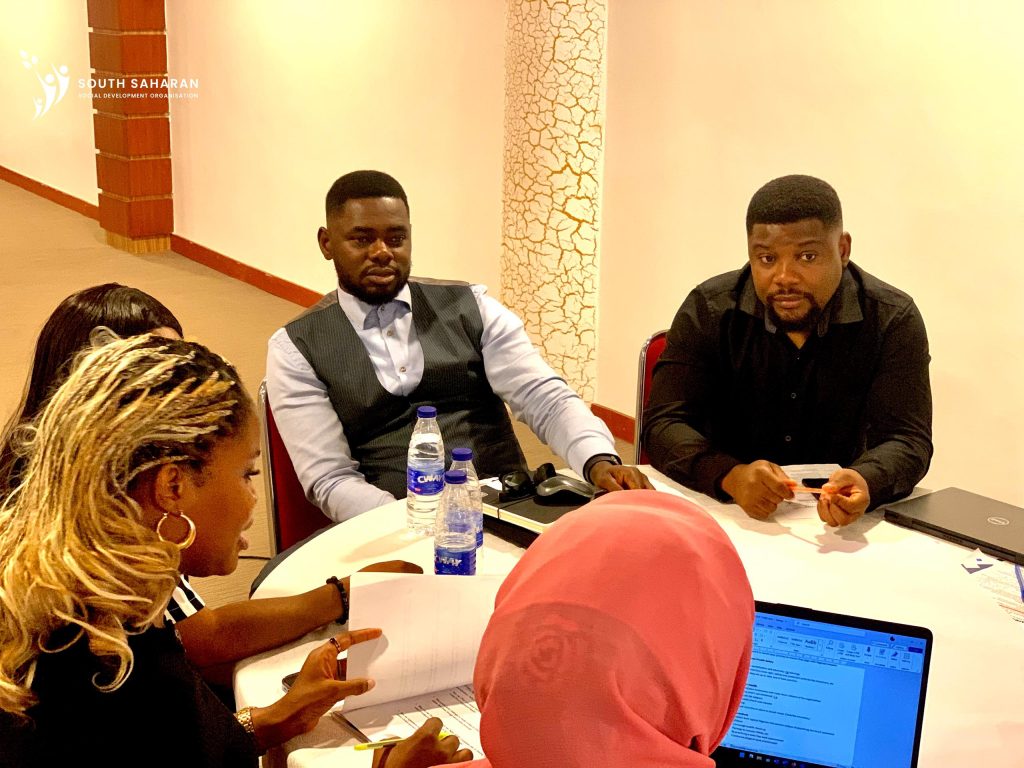
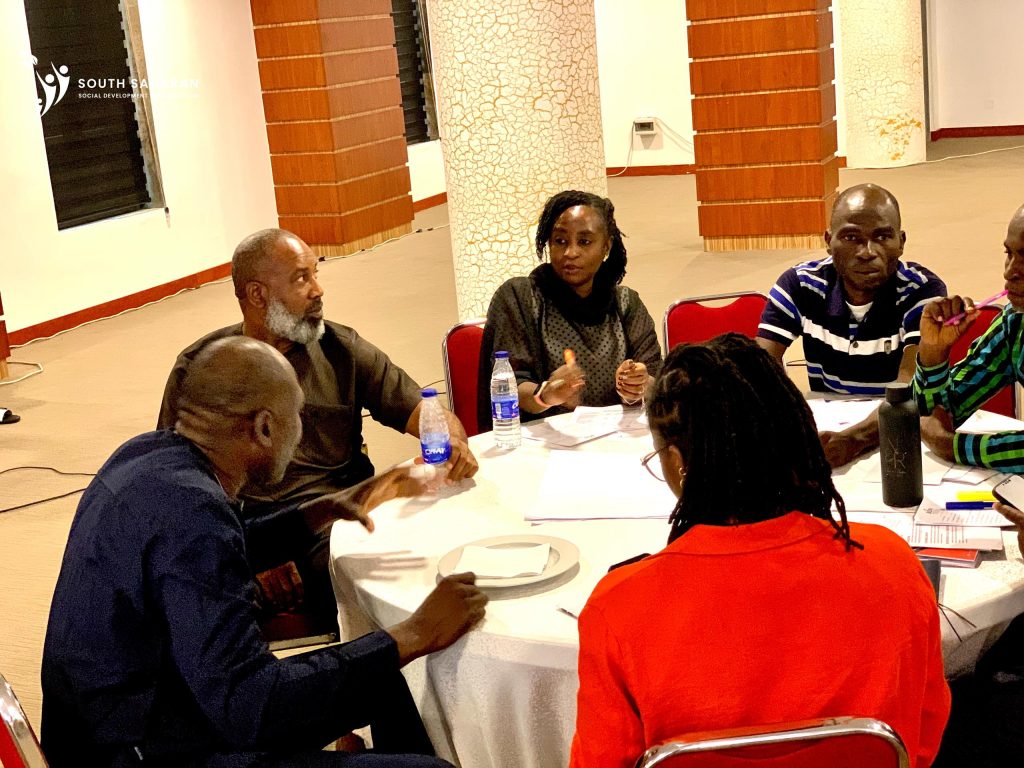
The convening’s discussions emphasized the critical importance of collective action to drive transformative change. To achieve this, stakeholders must work together. Donors must rethink funding models to promote stable employment and long-term sustainability. Governments must enforce updated labour laws that include the civil society sector. Meanwhile, CSO leaders must foster organizational cultures that prioritize fairness, equity, and worker well-being.
By addressing these gaps, stakeholders can ensure that civil society workers are equipped to fulfill their mission of creating positive, lasting change.
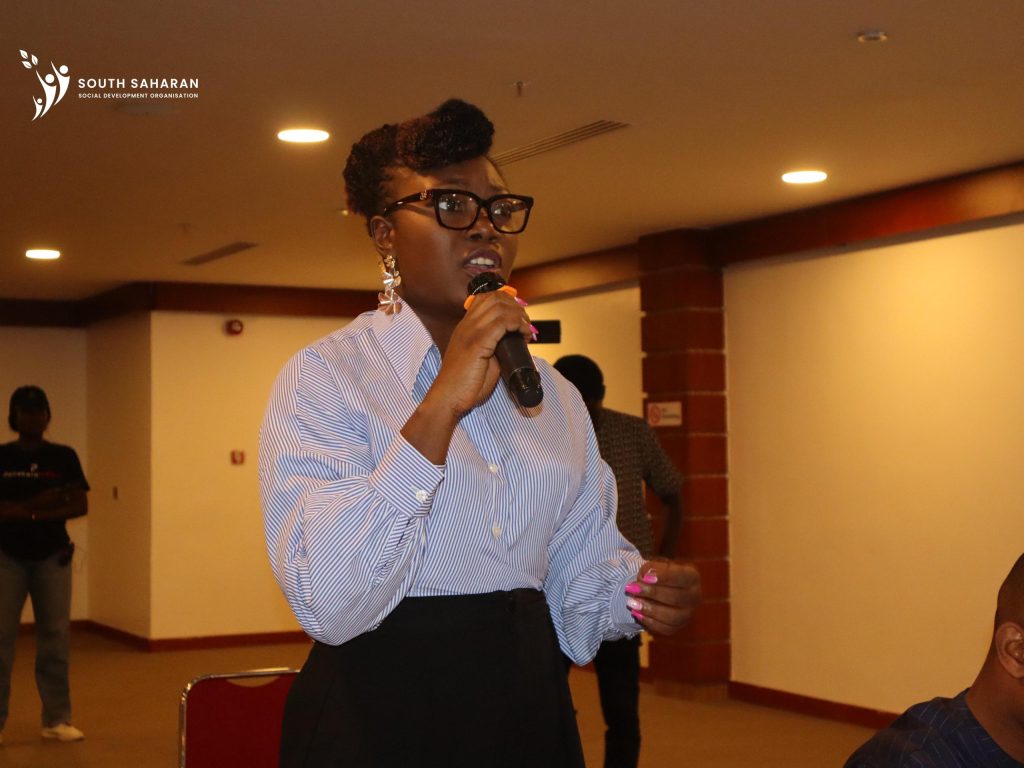
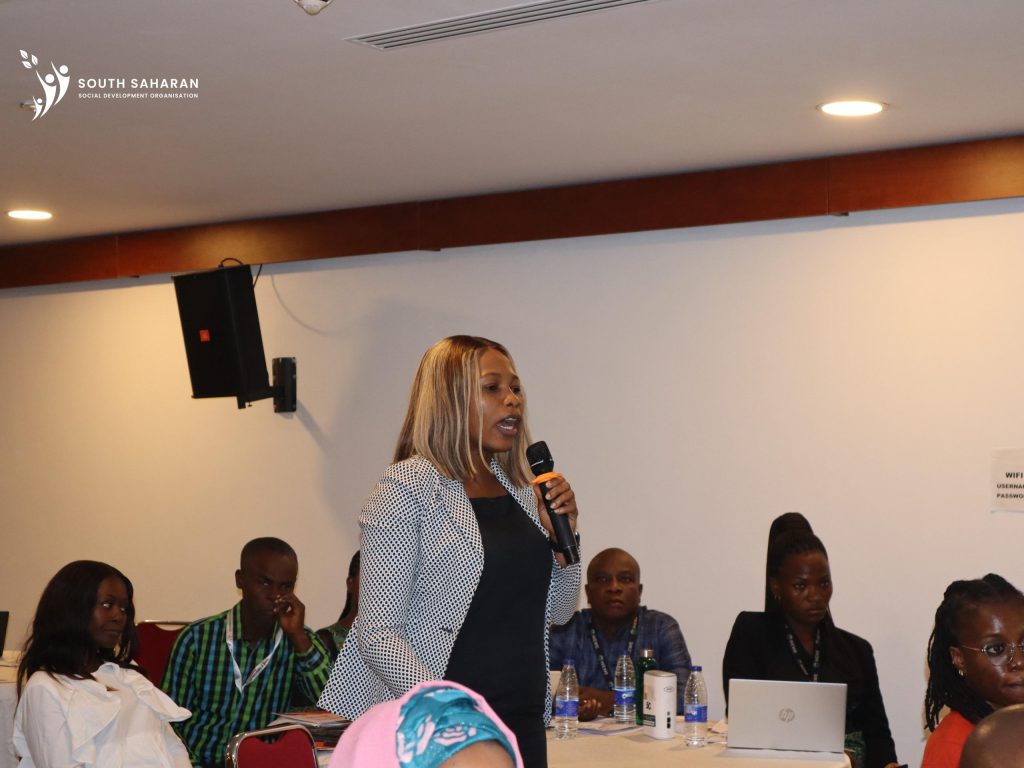
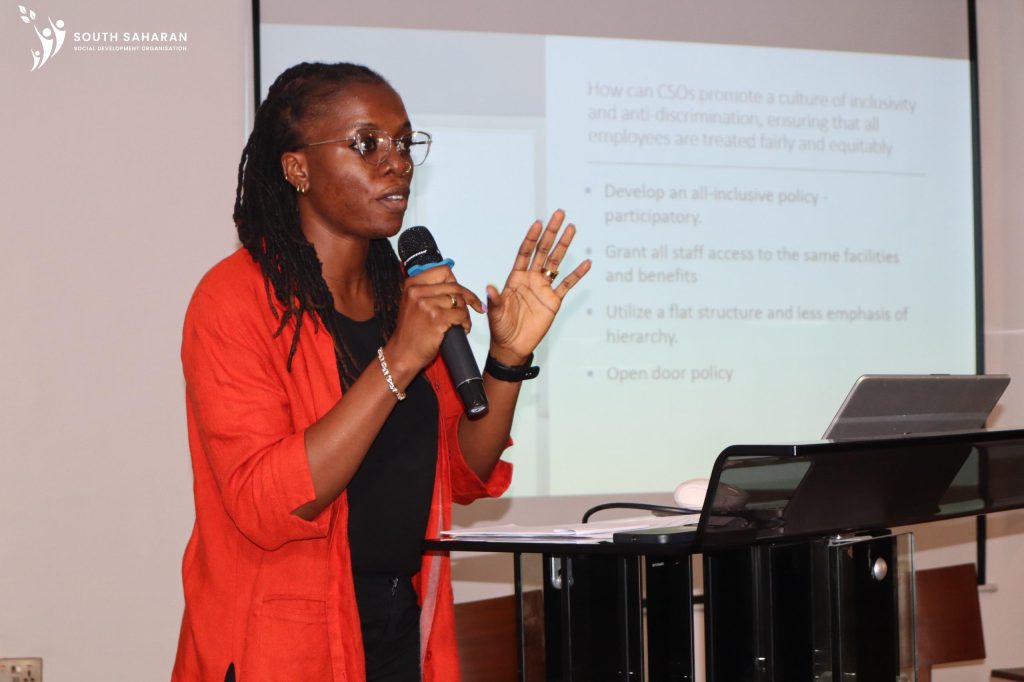
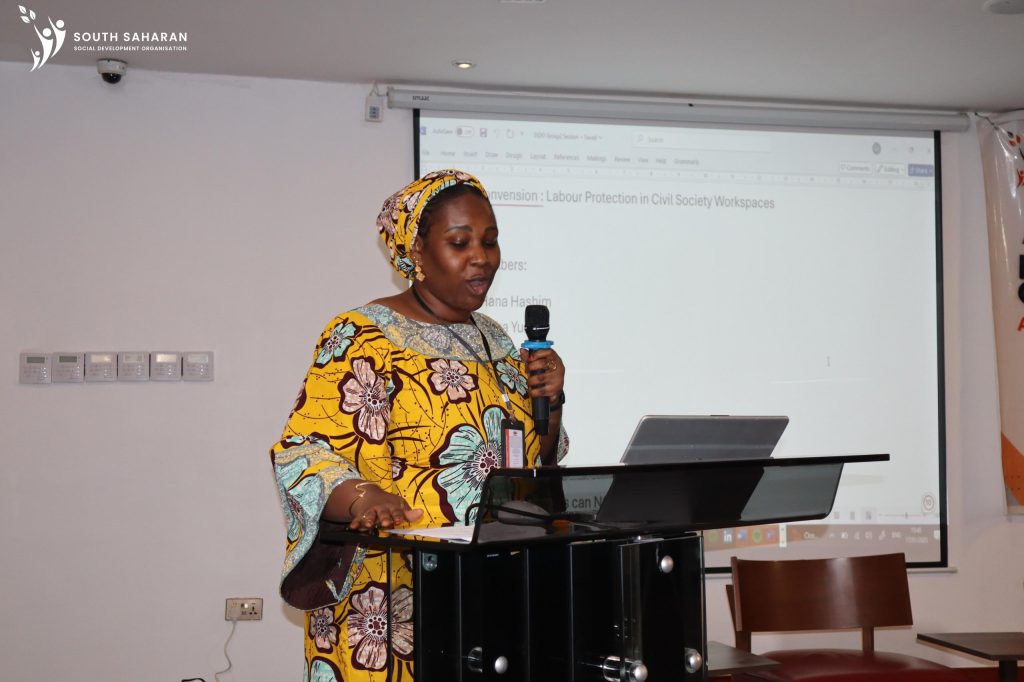
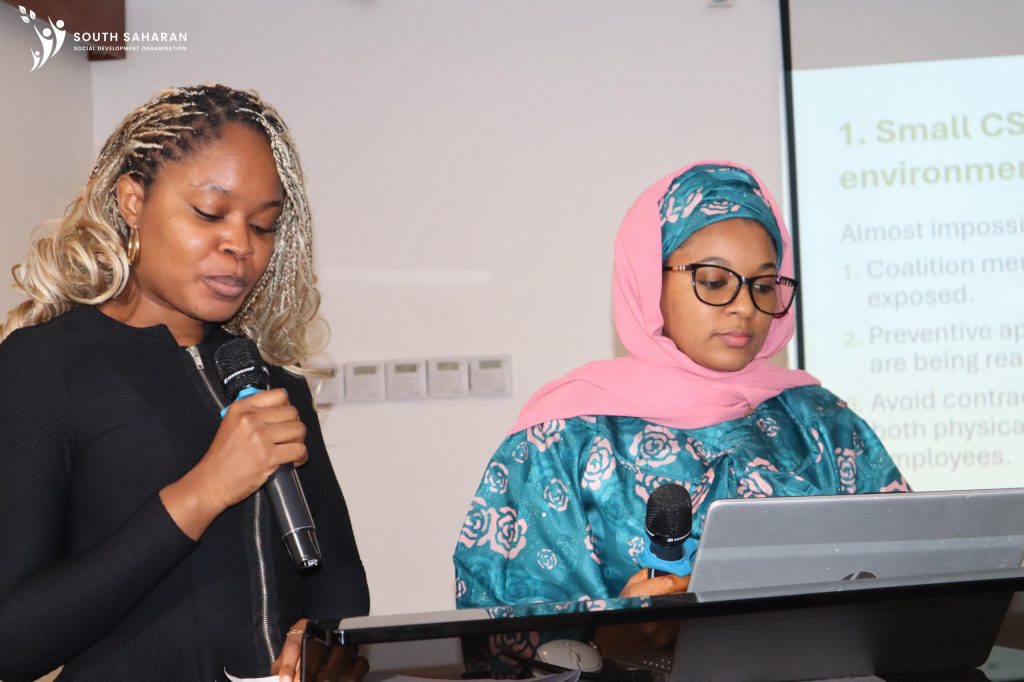
The West African Regional Convening on Labour Protection marked a turning point in the movement toward justice, fairness, and sustainability for civil society workers. By working together, donors, governments, and CSOs can create workplaces where dignity and security are the norm, not the exception. The future of civil society in West Africa depends on it.