SSDO

Youth Monitoring Nigeria Tax Act 2025

Public policy achieves its purpose when citizens understand it and institutions remain accountable for its implementation. Tax reforms, in particular, depend on public confidence, transparency, and continuous engagement between government and the people they serve.

South Saharan Social Development Organisation (SSDO) strengthens governance systems in Enugu State by designing community-centred accountability frameworks that bridge the gap between public policy and citizen participation.

Through the Strategic Partnership Agreement (SPA II) Project, implemented in partnership with ActionAid Nigeria, SSDO is supporting evidence-driven governance reforms that improve transparency, public accountability, and inclusive decision-making. One of these interventions is the Youth Monitoring of the Nigeria Tax Act 2025, which places young people at the centre of citizen oversight and policy implementation.
Why the Nigeria Tax Act 2025 Requires Citizen Monitoring

The Nigeria Tax Act 2025 introduces significant reforms aimed at strengthening tax administration, improving compliance, and enhancing domestic revenue mobilisation. While legislative reforms provide the legal framework for change, their effectiveness depends on how well they are understood, implemented, and monitored at the community level.

Many citizens interact with tax policies through local markets, small businesses, and everyday commercial activities. Without adequate public understanding, misconceptions can undermine compliance, while weak implementation can reduce public confidence in government institutions. Structured citizen engagement helps bridge this gap by ensuring that communities not only understand the reforms but also contribute evidence that supports continuous improvement.

Youth Monitoring of the Nigeria Tax Act 2025 Across Enugu State

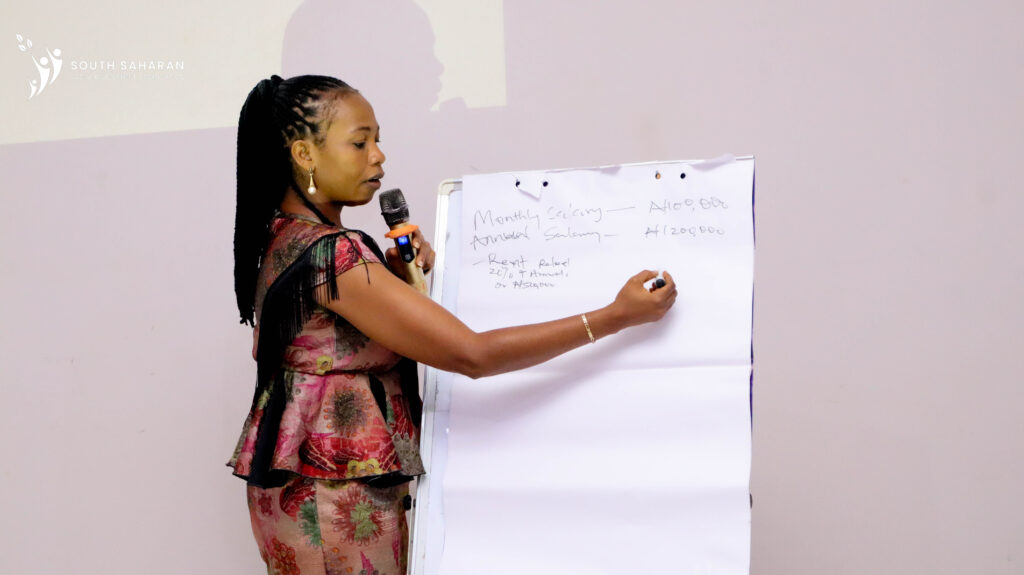
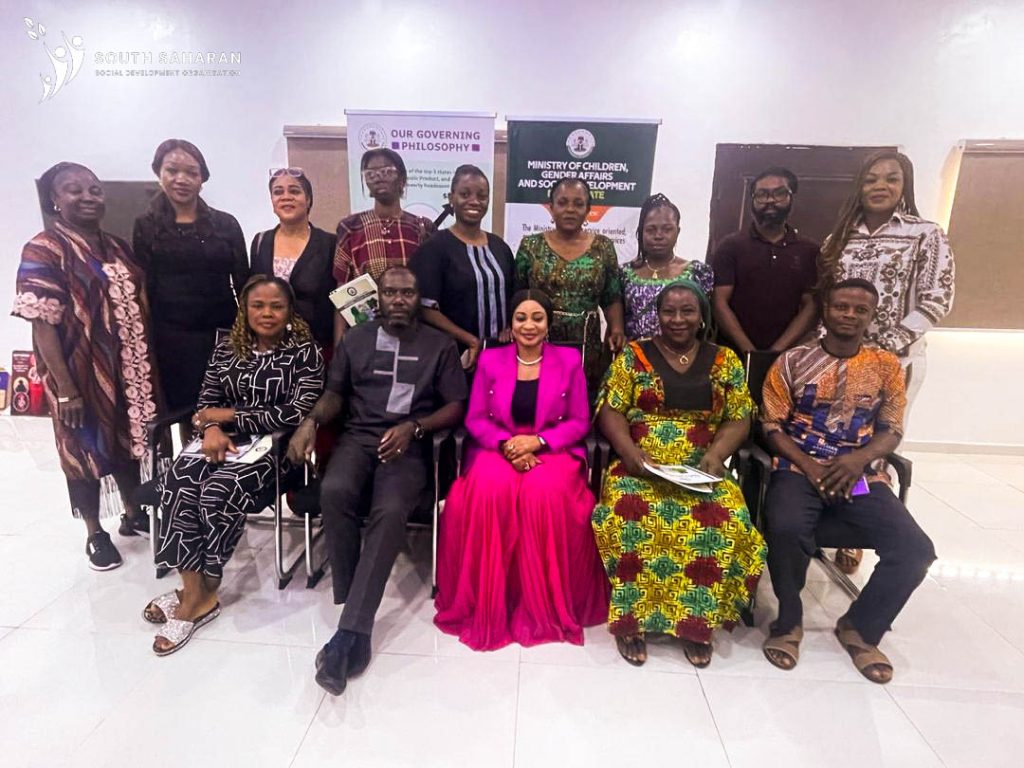
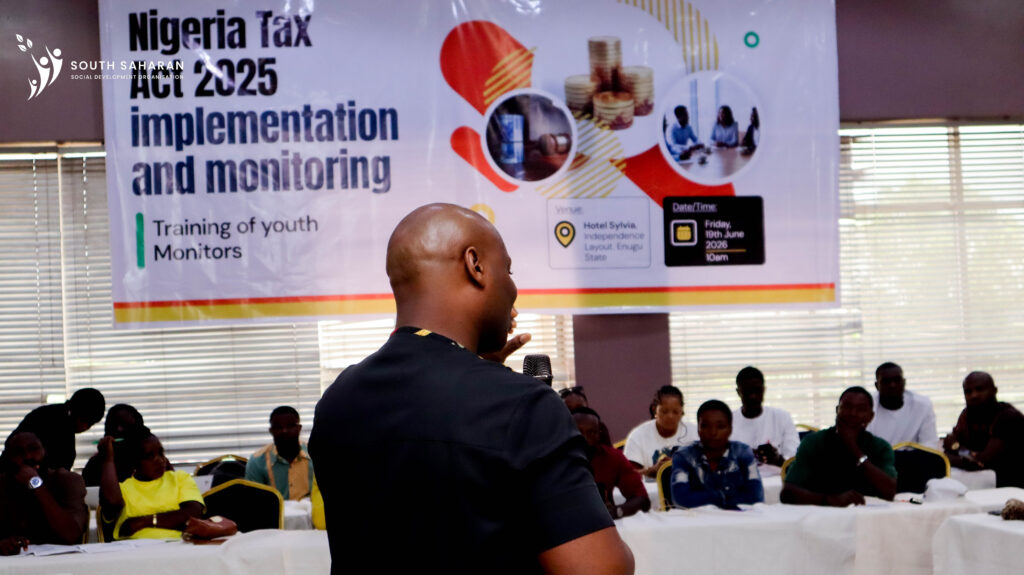
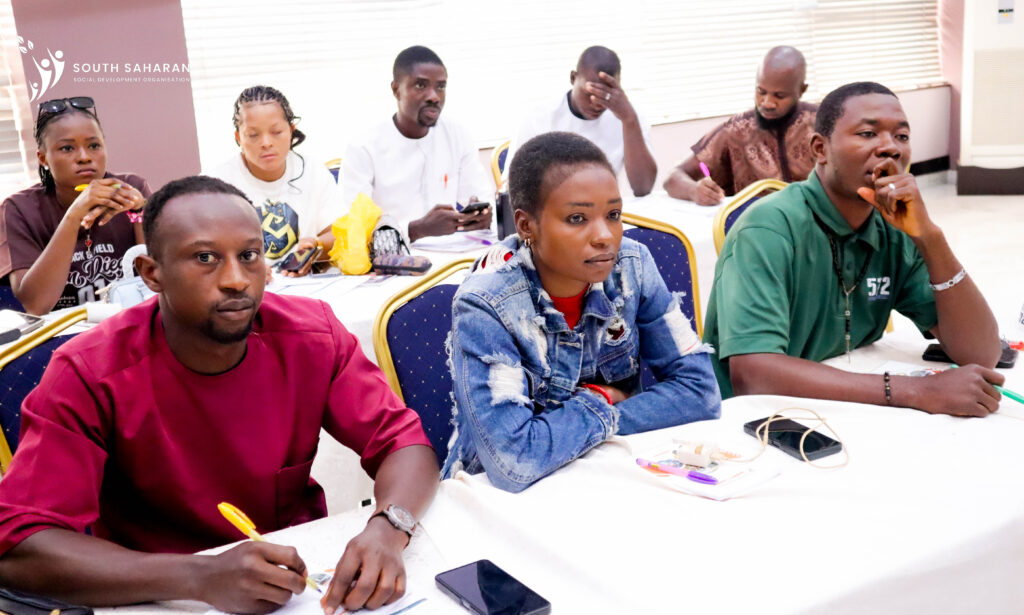
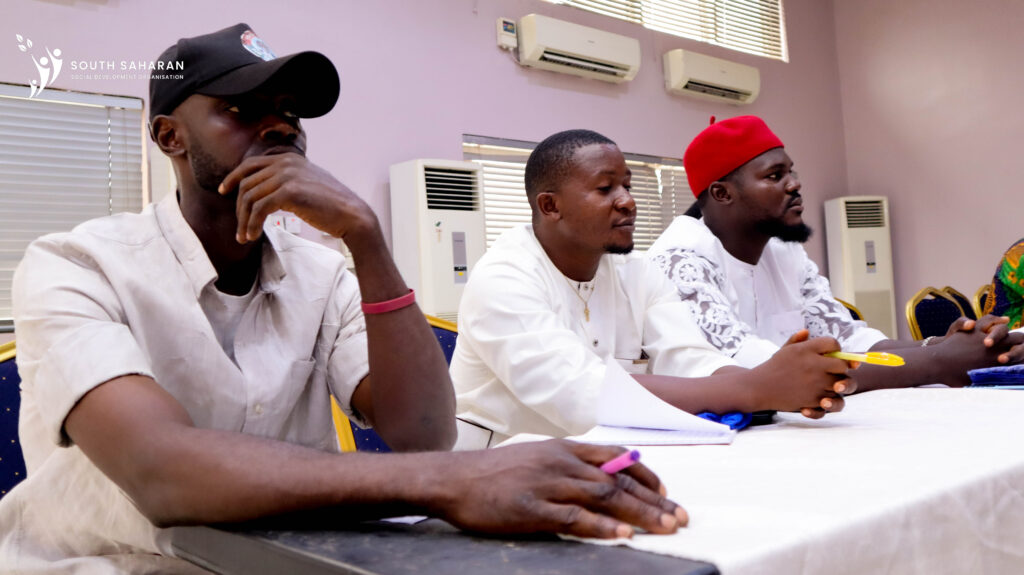
To strengthen citizen oversight of the new tax framework, SSDO trained and deployed youth monitors representing all 17 Local Government Areas of Enugu State. The initiative equipped participants with practical knowledge of the provisions of the Nigeria Tax Act 2025, taxpayer rights and obligations, accountability mechanisms, and community-based monitoring approaches.

Rather than limiting participation to awareness campaigns, the programme positioned young people as active contributors to governance processes. The youth monitors were prepared to engage directly with citizens while documenting how the reforms are experienced across different communities. This approach transforms young people from policy observers into partners in strengthening public accountability.
Connecting Communities to Public Institutions

Following the training, the youth monitors began engaging traders, small business owners, and community members across the state. These engagements focused on increasing public understanding of the Nigeria Tax Act 2025 while creating opportunities for citizens to share their experiences with tax administration and service delivery.

The exercise examined how taxpayer protections are being implemented, how communities perceive the reforms, and whether public revenue is translating into visible improvements in essential services. By documenting these experiences, the initiative generates practical evidence that reflects how policy functions beyond government institutions and within everyday community life.

This community-centred approach strengthens trust by creating structured channels through which citizens can contribute to governance while public institutions gain valuable insights for policy refinement.

Strengthening Accountability Through Evidence

Accountability systems become more effective when decision-making is informed by reliable evidence. The Youth Monitoring of the Nigeria Tax Act 2025 extends beyond public sensitisation by generating citizen-led data that can support future policy dialogue with relevant government institutions.

The findings from the monitoring exercise will contribute to discussions on tax administration, implementation challenges, and opportunities for institutional improvement. Evidence collected across the 17 Local Government Areas will also help identify emerging trends that can strengthen transparency, improve taxpayer confidence, and support more responsive governance systems.

By embedding monitoring within community engagement, SSDO is demonstrating how citizen-generated evidence can become a valuable resource for strengthening public institutions.

Advancing Youth Participation in Governance

Youth participation in governance extends beyond representation or consultation. Sustainable governance requires young people to understand public policies, engage constructively with institutions, and contribute meaningfully to accountability processes.

Through the Youth Monitoring of the Nigeria Tax Act 2025, SSDO is strengthening the capacity of young people to educate their communities, monitor policy implementation, and generate evidence that supports governance reform. The initiative reinforces the role of youth as partners in building transparent institutions and improving public service delivery.

As governance systems increasingly rely on evidence to guide reform, community-based monitoring will remain essential to strengthening accountability and public trust. SSDO continues to advance governance interventions that connect citizens with institutions, strengthen policy implementation, and promote more transparent and responsive governance across Enugu State.
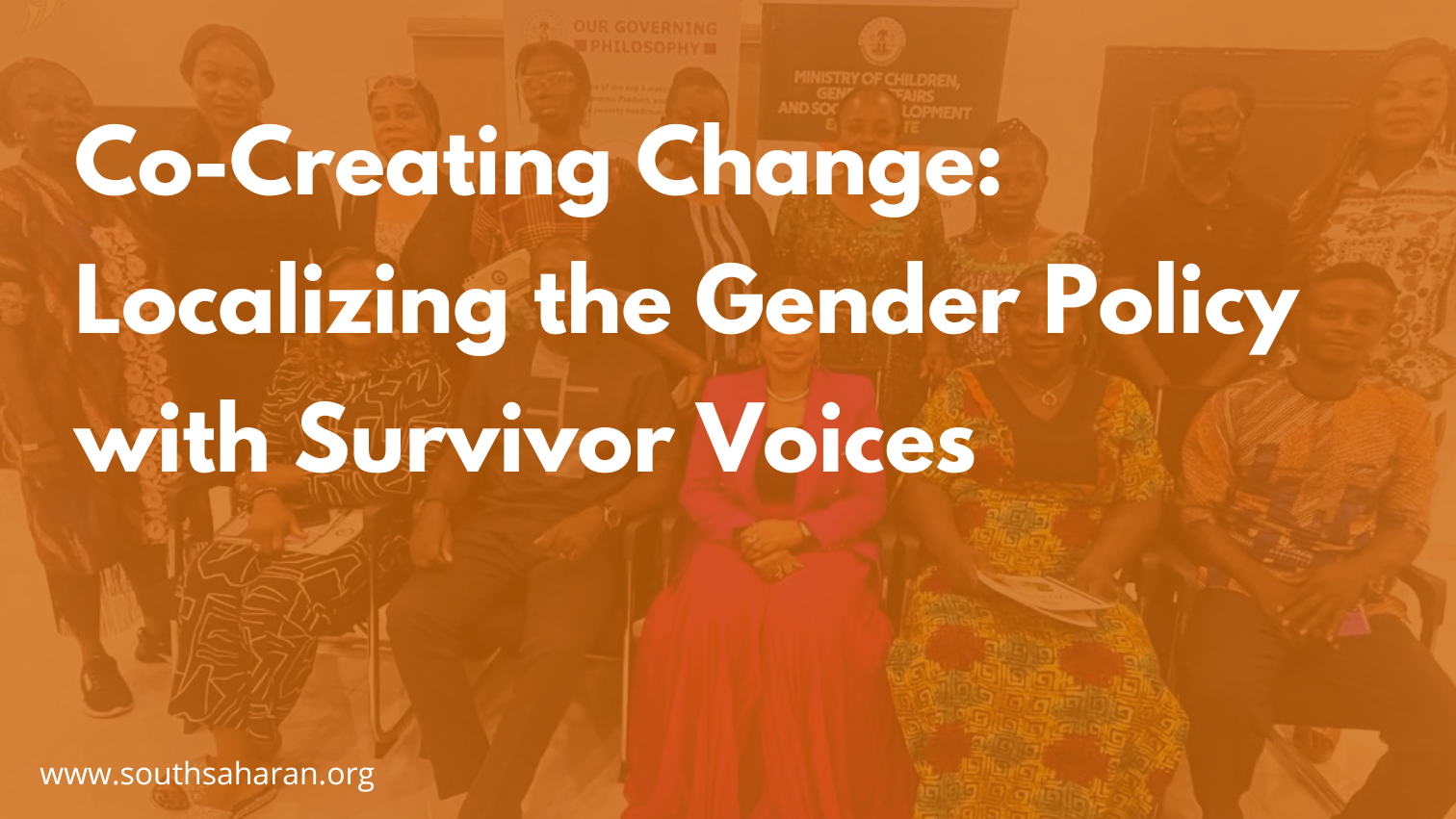

Co-Creating Change: Localizing the Gender Policy with Survivor Voices

At South Saharan Social Development Organisation (SSDO), we believe that the people closest to the problem should be closest to the solution. That is why we are taking a bold step co-creating a survivor-centered Gender Policy in Enugu State.

With support from the Ford Foundation, SSDO is partnering with the Enugu State Government to localize the National Gender Policy, ensuring that it reflects the lived realities of women and girls in the state especially survivors of gender-based violence (GBV).

What Makes This Different?

This isn’t just another policy exercise. It’s a movement rooted in truth, justice, and healing. We are using the Oputa Panel method, a storytelling-based approach that centers survivor voices, turning pain into power and silence into structure.

Through this method, real voices become the foundation for real change.

Community Consultations Begin

The process officially kicks off in June, with community consultations across Enugu State. Survivors, advocates, traditional leaders, and everyday citizens will come together to shape a policy that is not only inclusive but also transformative.
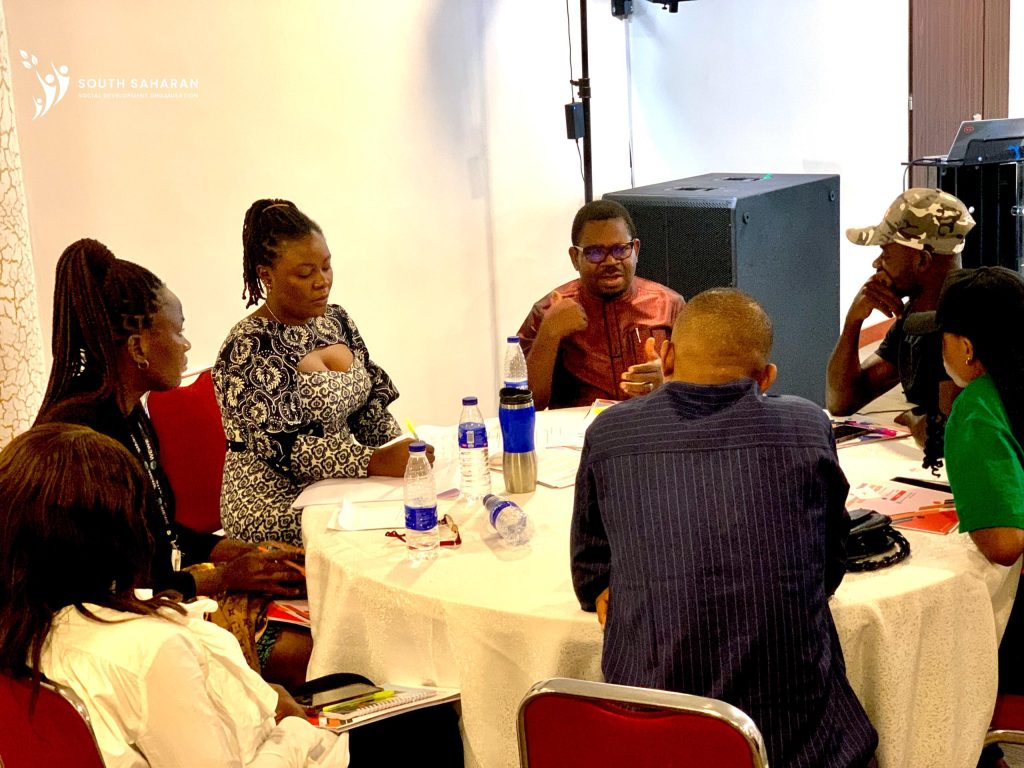
We are listening deeply, documenting stories, and ensuring that the final Gender Policy isn’t just a document, it is a living commitment to safety, equity, and justice.

Join the Movement

This is policy shaped by the people, for the people, and we want you to be part of it.

Share this. Speak out. Stay involved.

Let’s work together to #EndGBV and build a safer, fairer Enugu State.
Thank you to the Ford Foundation for supporting this timely and critical work.

Labour Protection in Civil Society Workspaces: A Working Report for the West Africa Region

“Those who fight for the rights of others must not be denied their own.”

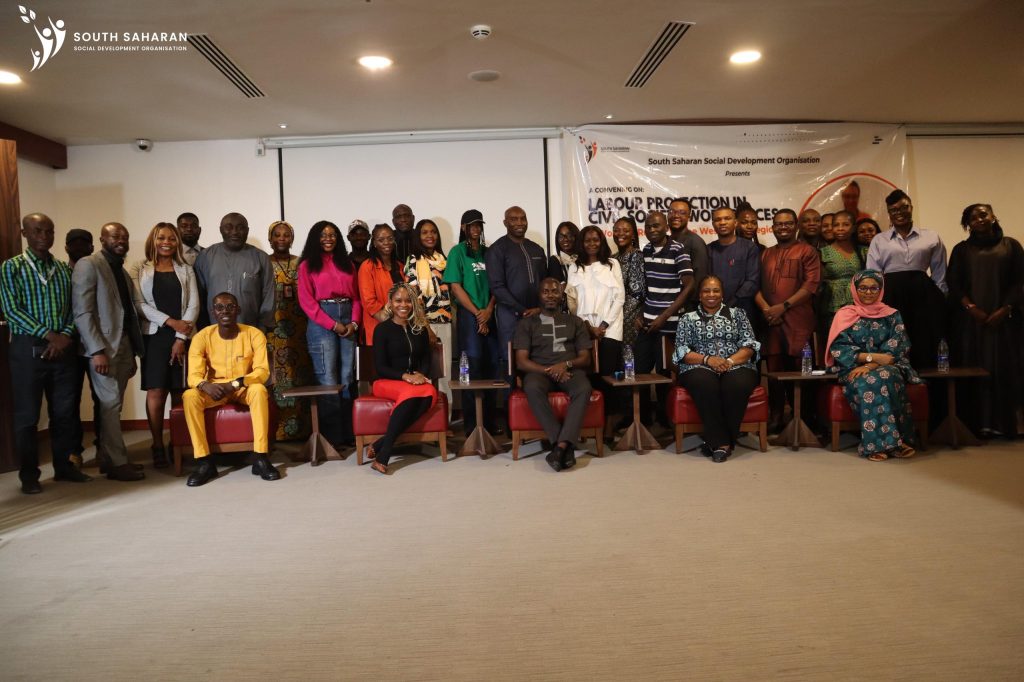
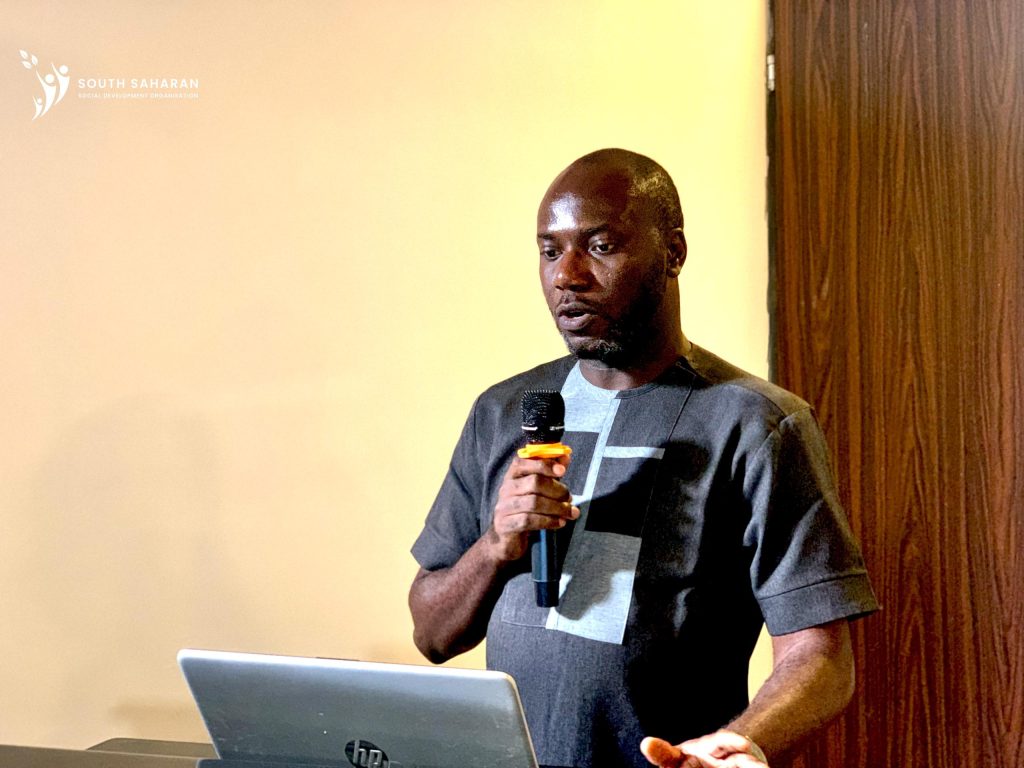
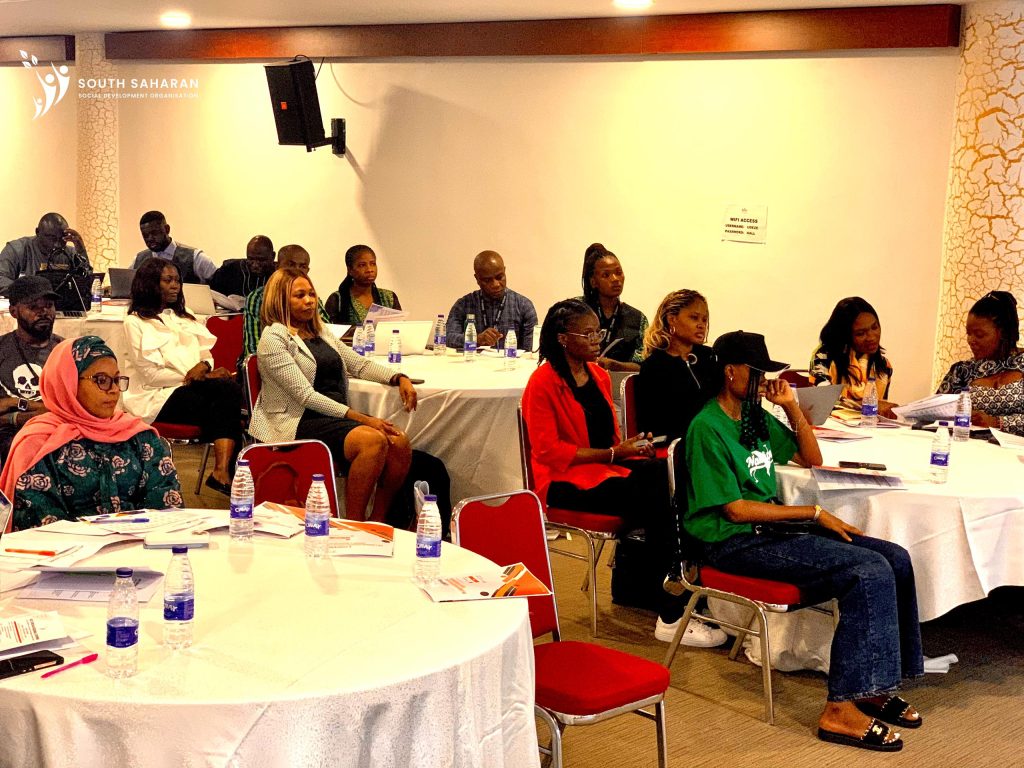
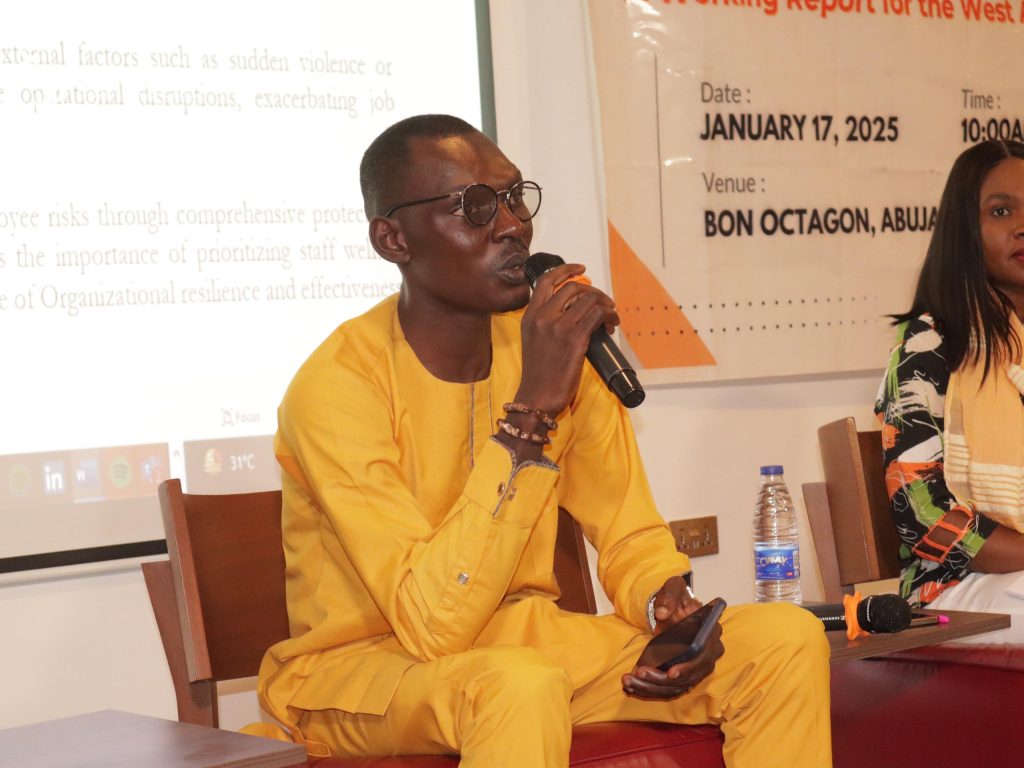
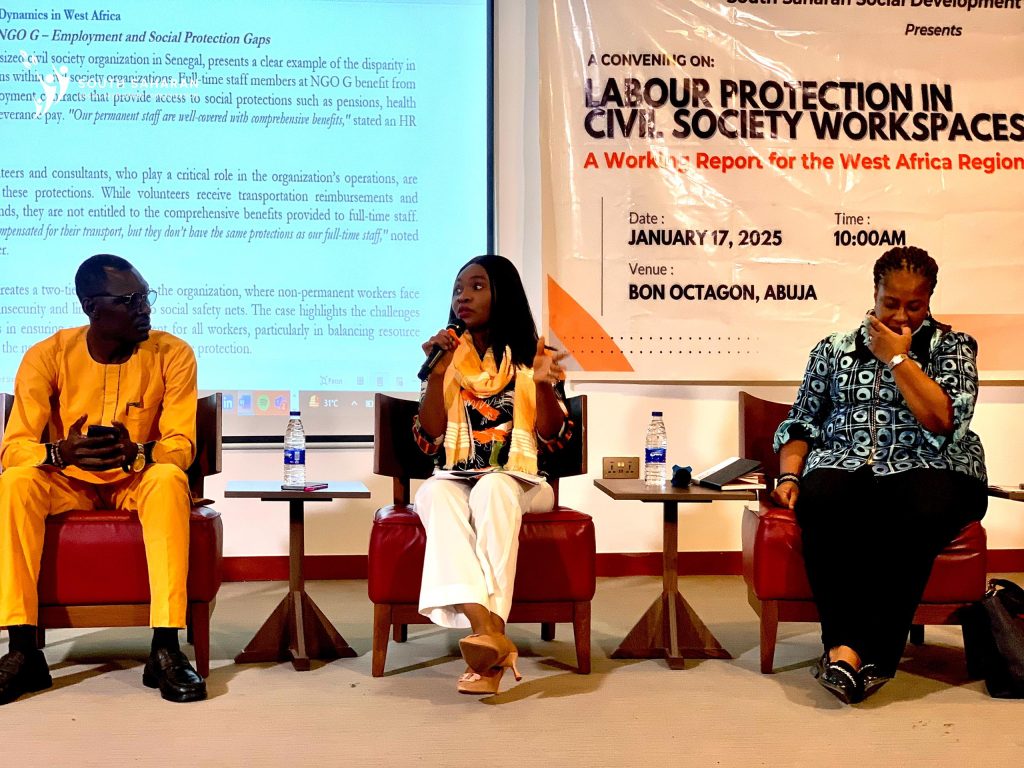
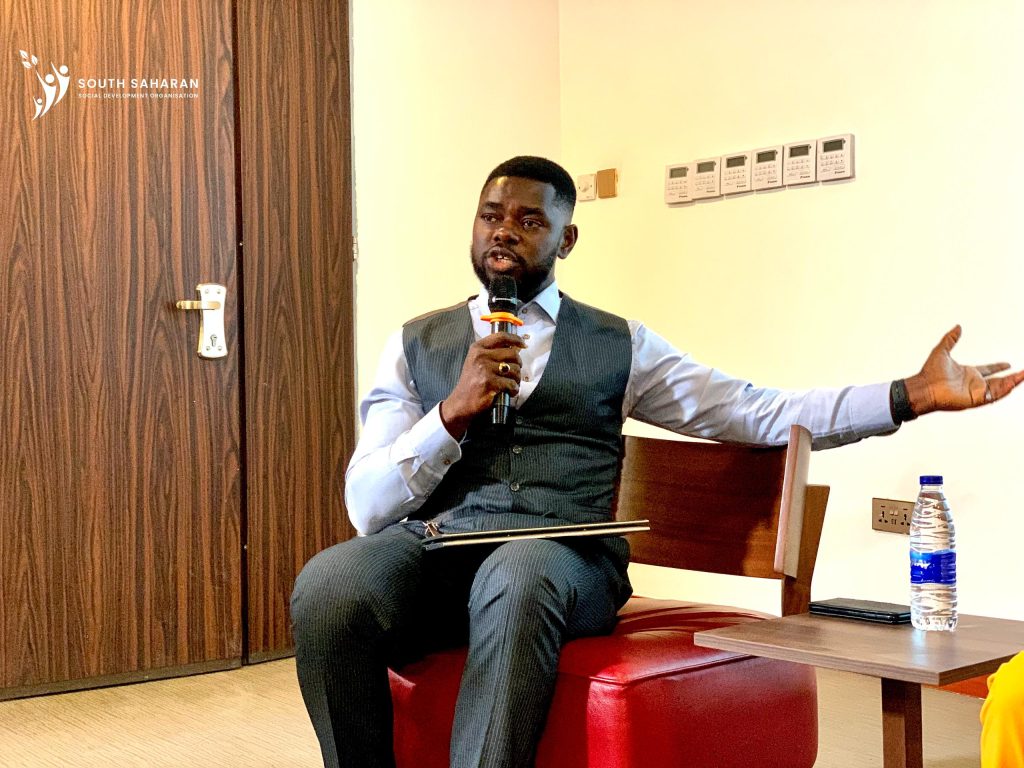
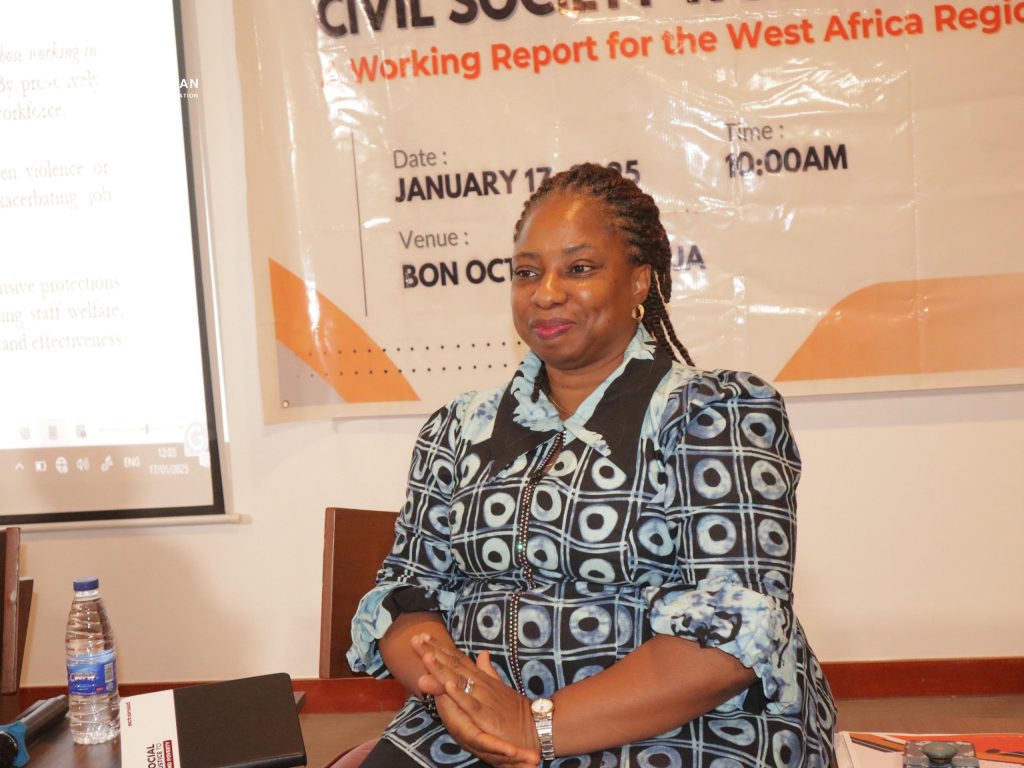
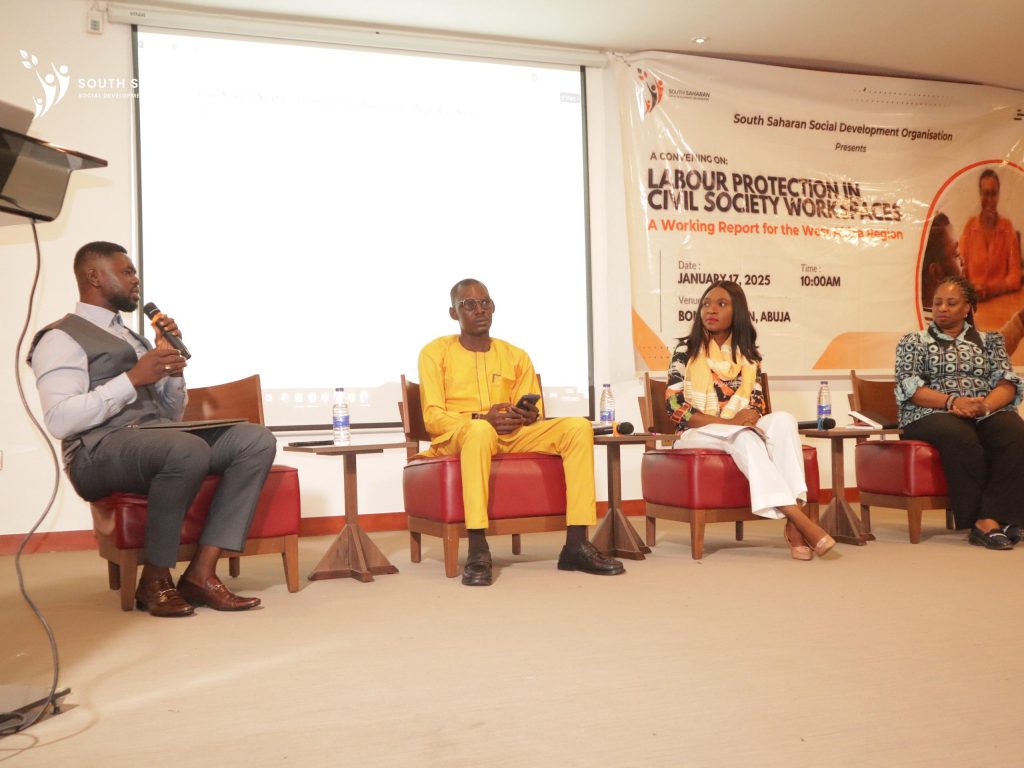
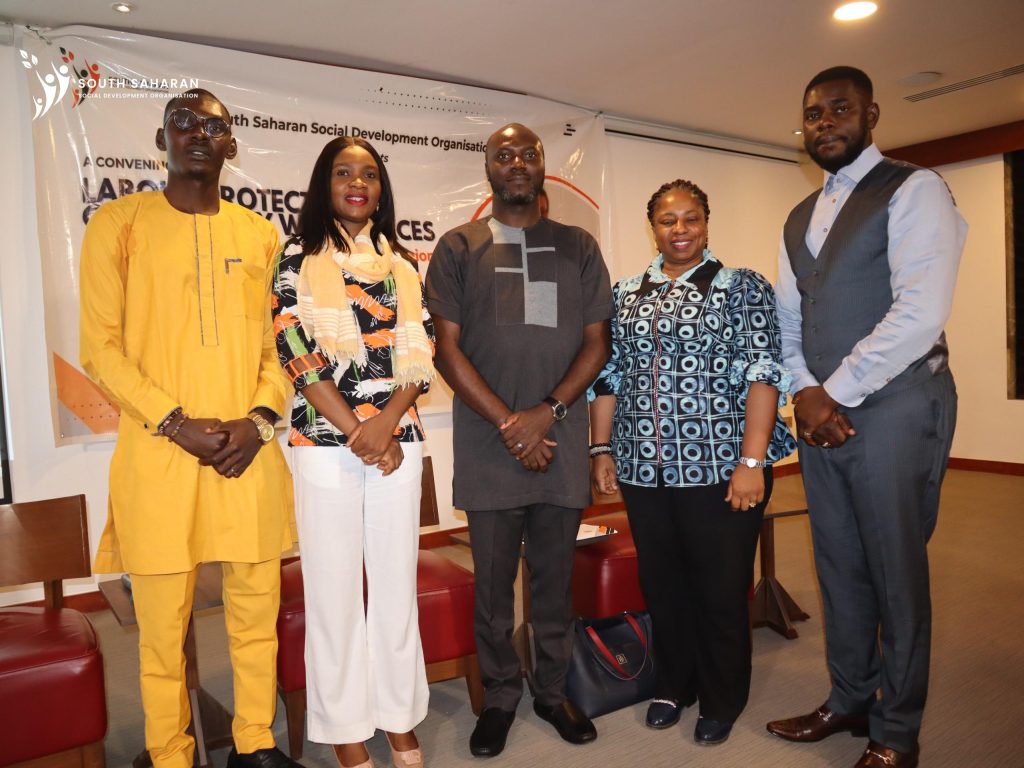
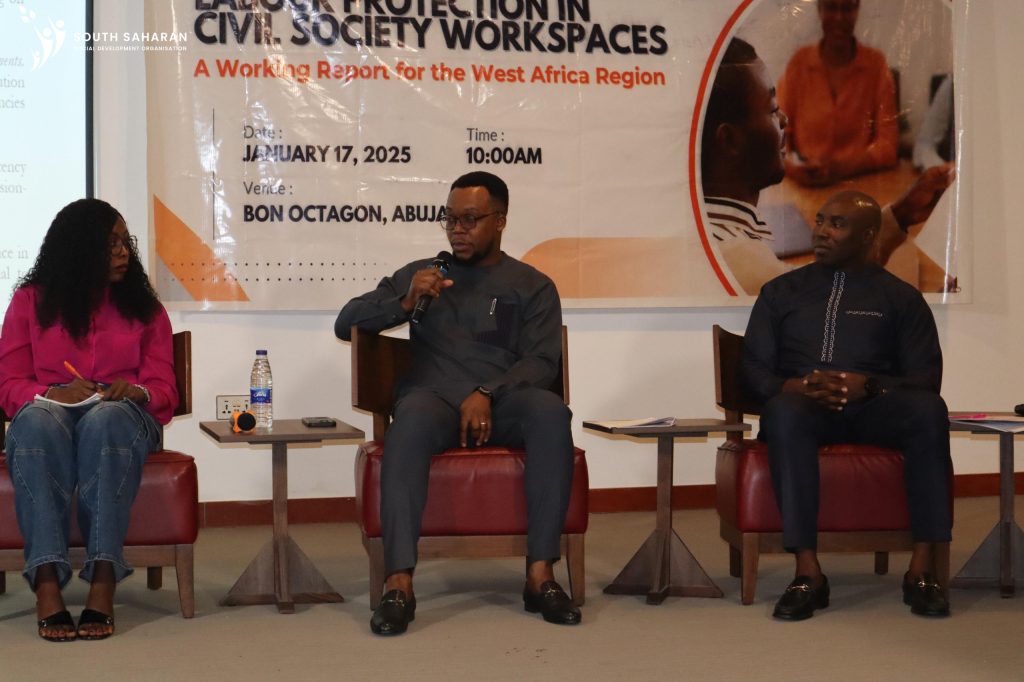
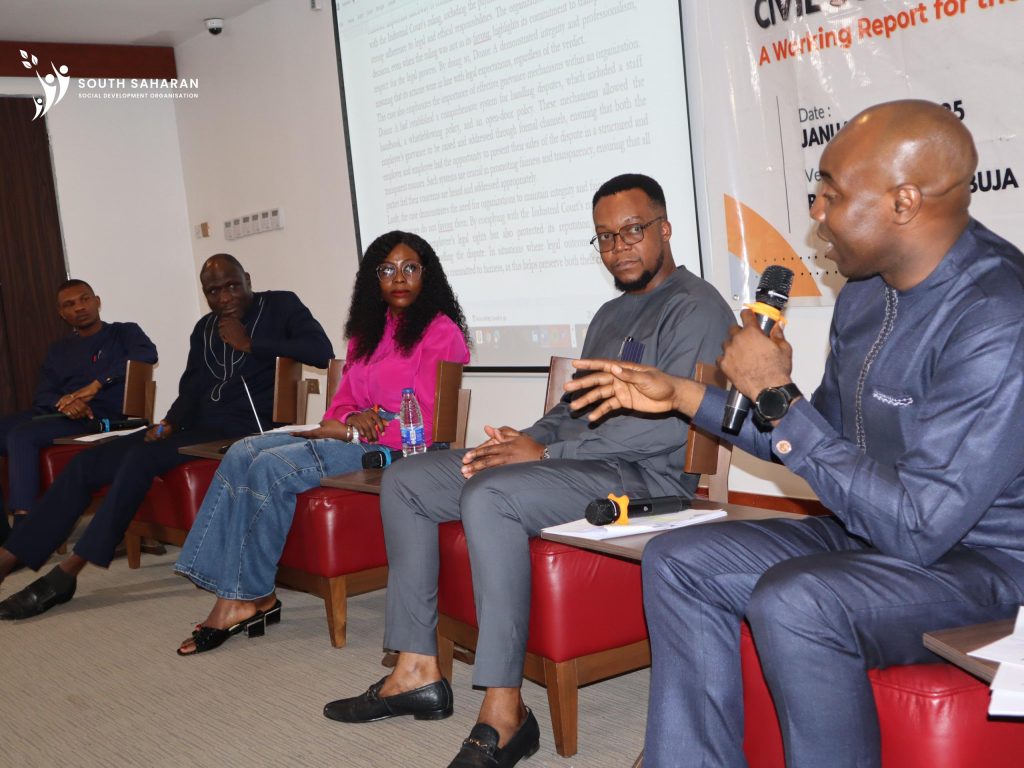
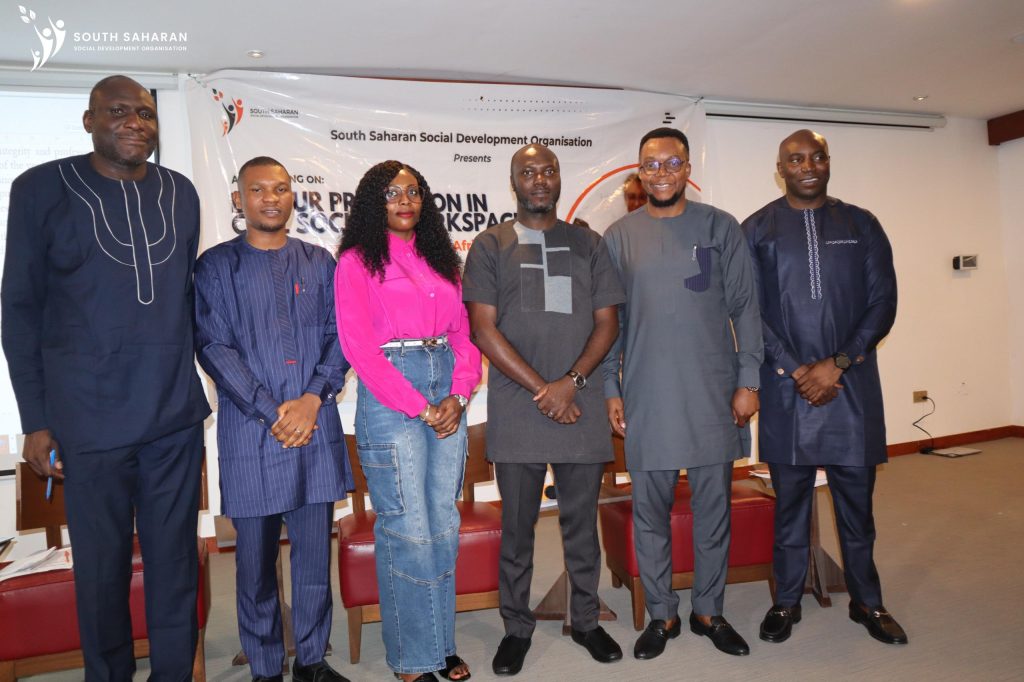
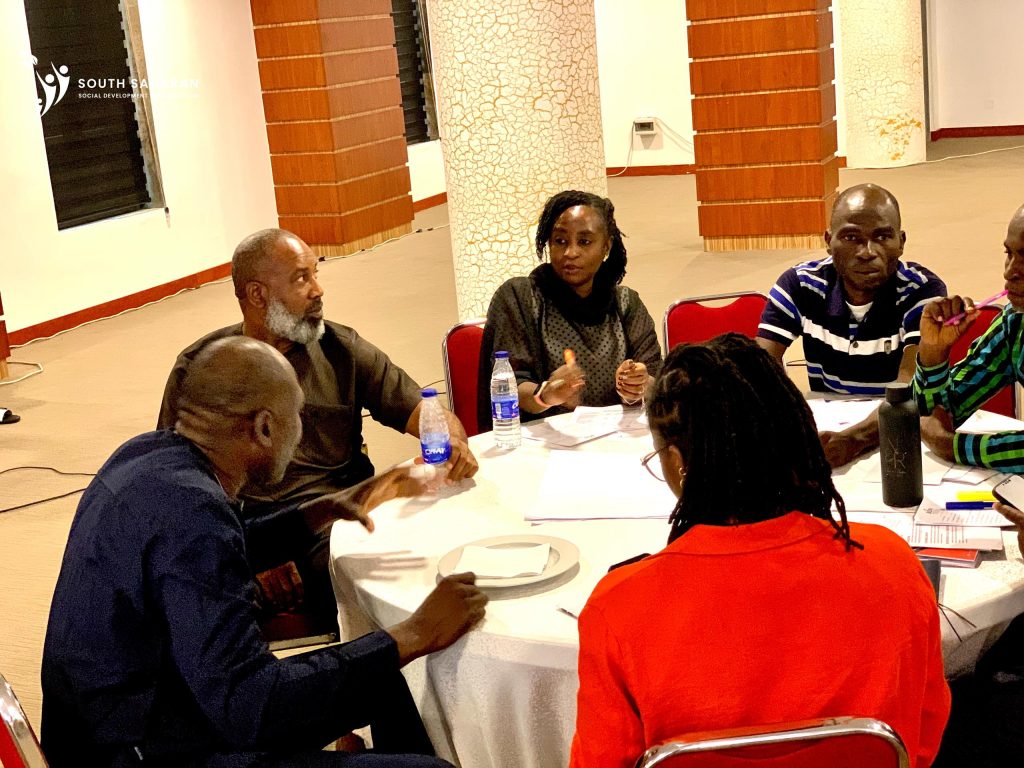
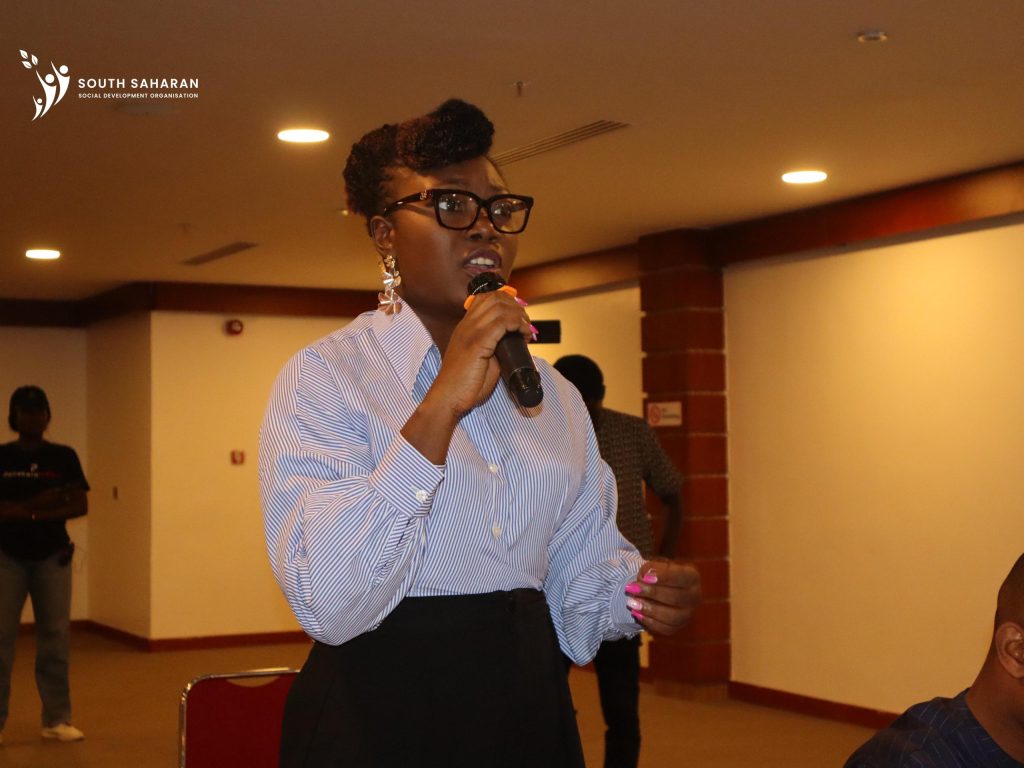
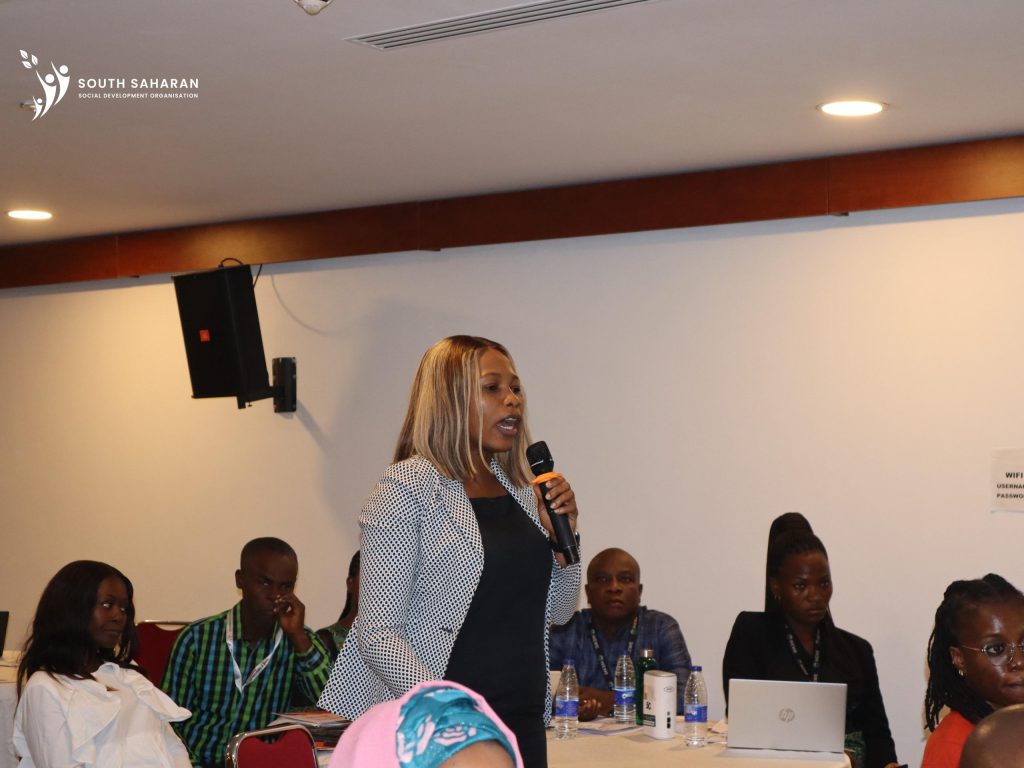
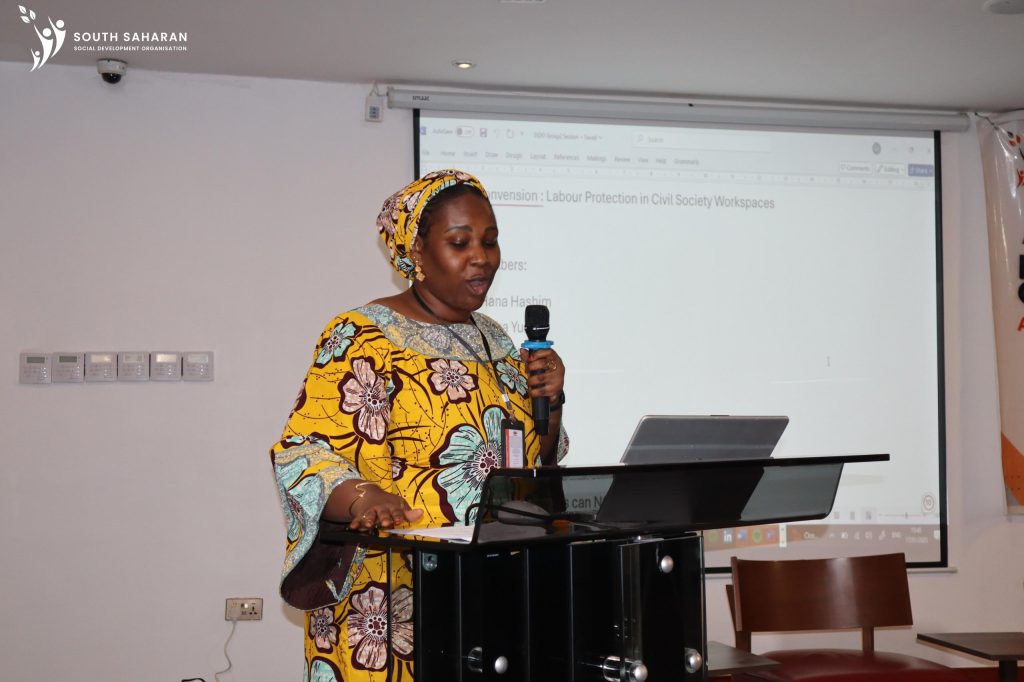
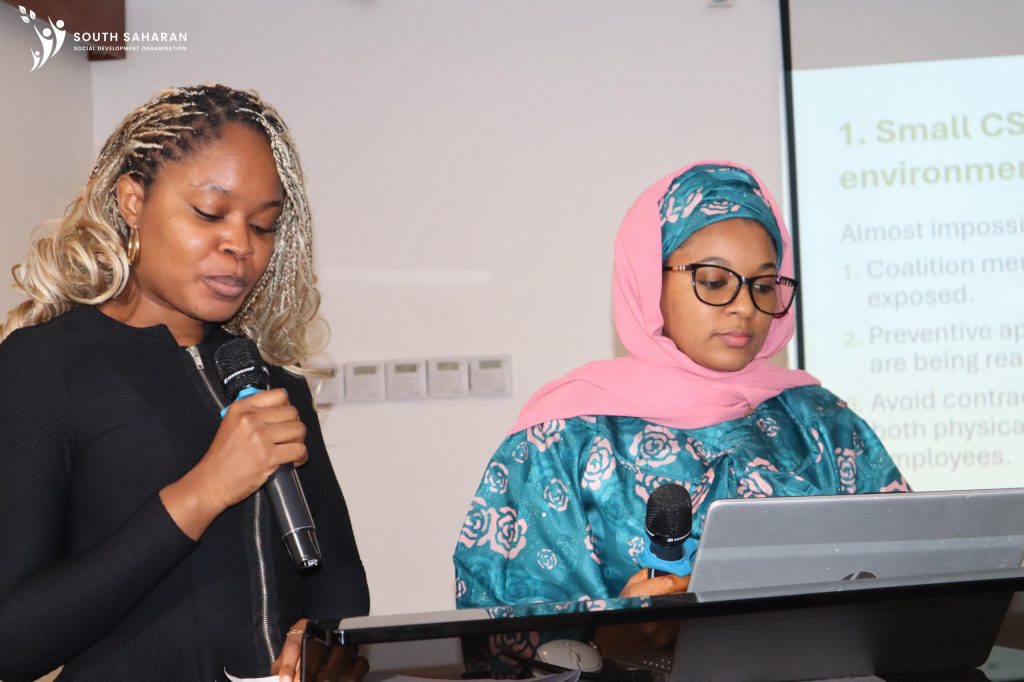
Leaders, experts, and advocates from across West Africa gathered at BON Octagon, Abuja, for the West Africa Regional Convening on Labour Protection in Civil Society Workspaces. This pivotal event, hosted by the South Saharan Social Development Organisation (SSDO) in partnership with Ford Foundation on January 17, 2025, emphasized the urgent need to enhance labour conditions in civil society organizations (CSOs) throughout the region.

Civil society in West Africa serves as a cornerstone of democratic governance, human rights, and social justice. Non-governmental organizations (NGOs), community groups, and advocacy networks work tirelessly to address pressing issues such as poverty, inequality, and human rights abuses. However, the very individuals driving this transformative work often find themselves in precarious situations.

Despite their critical role in promoting positive change, civil society workers in West Africa frequently face precarious working conditions, including inadequate facilities, insufficient resources, and high-risk environments. Job insecurity is also a major concern, characterized by short-term contracts, unpredictable funding, and limited employment benefits. Furthermore, limited social protections leave workers vulnerable to financial shocks, health crises, and other risks.

This stark contradiction – where those advocating for the rights and dignity of others are themselves denied basic protections, undermines the effectiveness and sustainability of civil society organizations. It also perpetuates a cycle of exploitation, where workers are expected to sacrifice their well-being for the greater good.

The convening highlighted key thematic areas – employment dynamics, social protection, safety, security and rights at work, and employee representation.

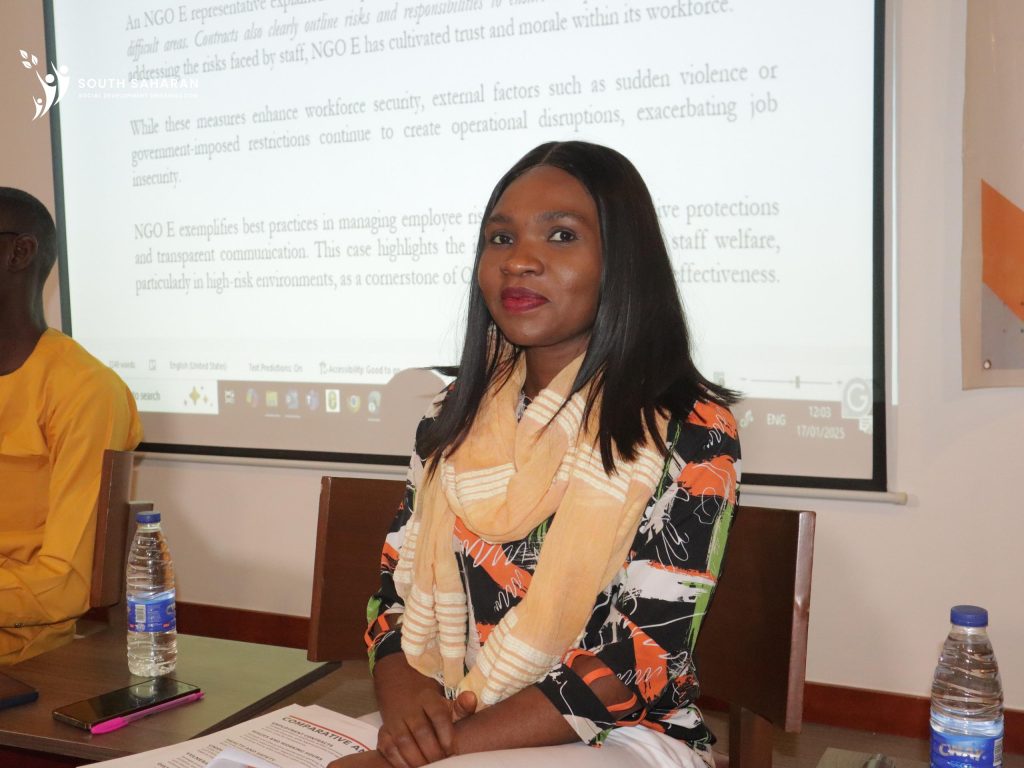
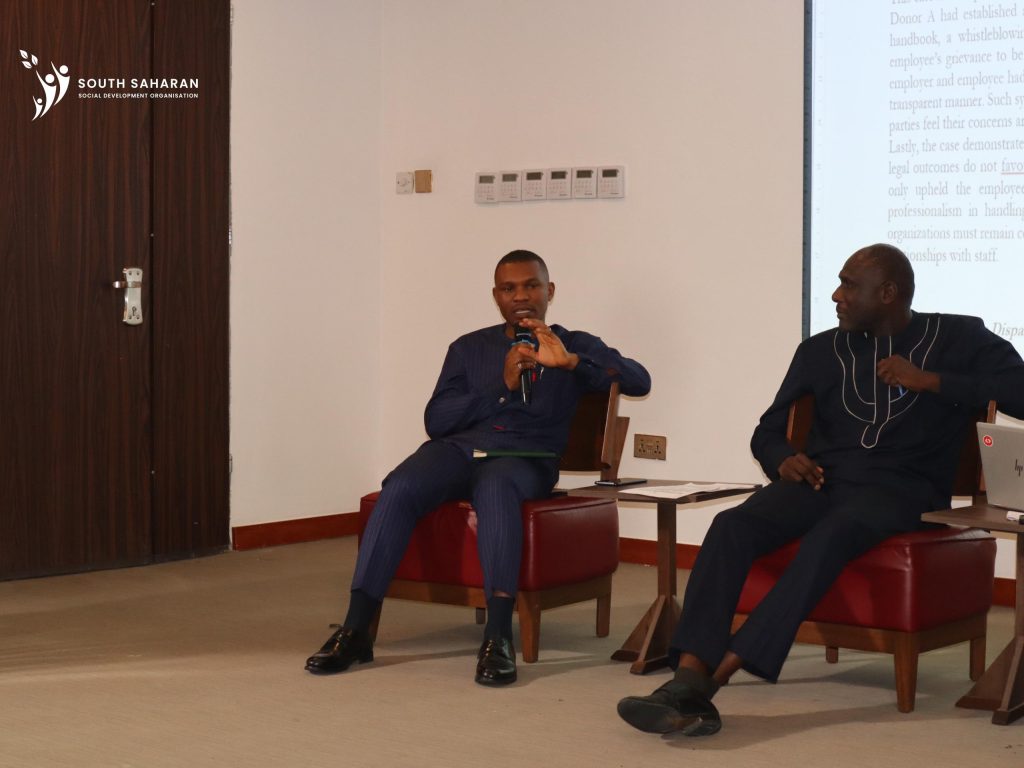
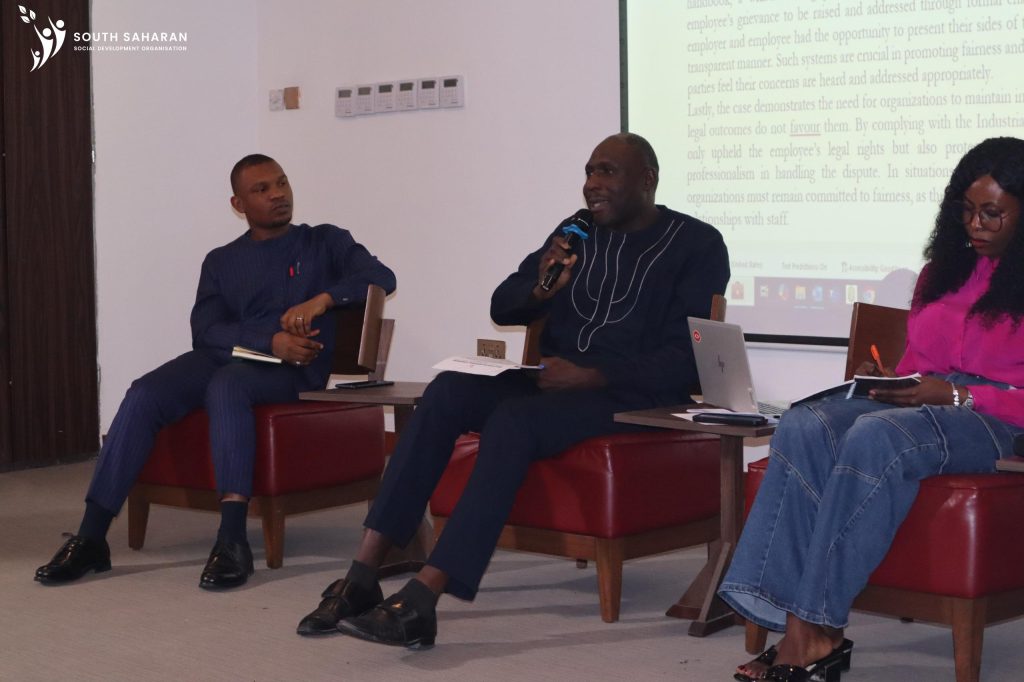
There was a panel discussion where these thematic areas were explored in-depth. The panelists noted that job insecurity is a pervasive issue, as many CSOs rely on short-term donor funding, resulting in project-based contracts that leave workers in a state of uncertainty. This uncertainty leads to high turnover rates, which weaken institutional memory and reduce the sector’s effectiveness. They further noted that access to social protections, such as health insurance, pensions, and paid leave, is often limited, particularly in smaller organizations or rural areas. This gap leaves workers vulnerable to financial and health risks, and eventually hampers CSOs’ ability to attract and retain talented individuals.

The panelists also emphasized that civil society workers frequently operate in high-risk environments, including conflict zones and politically unstable areas, and without adequate safety protocols, these individuals face significant physical and emotional risks, further exacerbating the challenges they already face. Lastly, they observed that worker representation and agency are often overlooked, leaving workers without a voice in decision-making processes that affect their working conditions, benefits, and career advancement. This lack of representation can lead to further exploitation and marginalization, undermining the very principles of social justice that CSOs aim to promote.

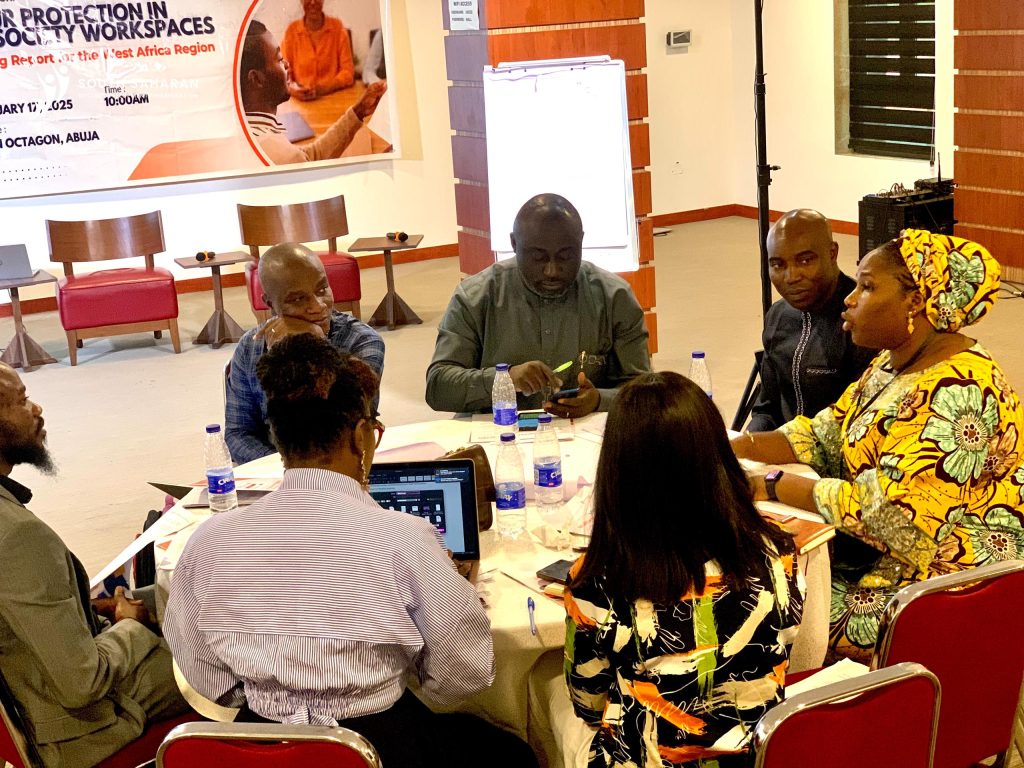
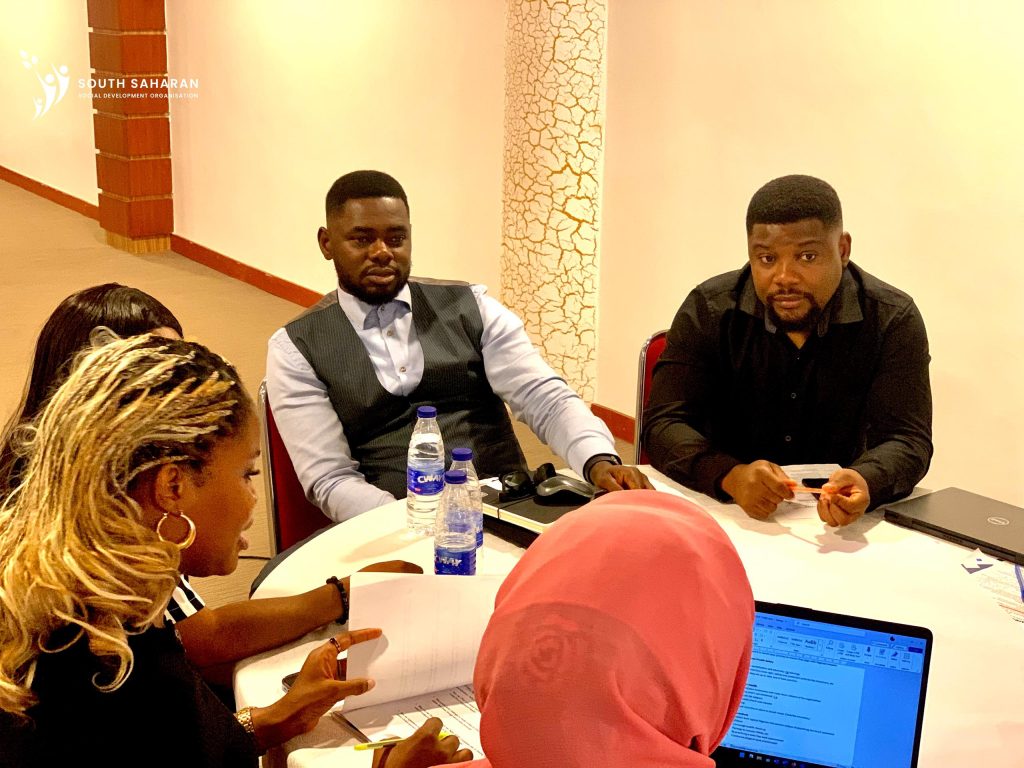
The research findings presented during the event shed light on both the gaps and opportunities in labour protections, forming the basis for discussions during the panel session. A breakout session followed, culminating in a set of recommendations aimed at addressing the pressing issues facing civil society workers.

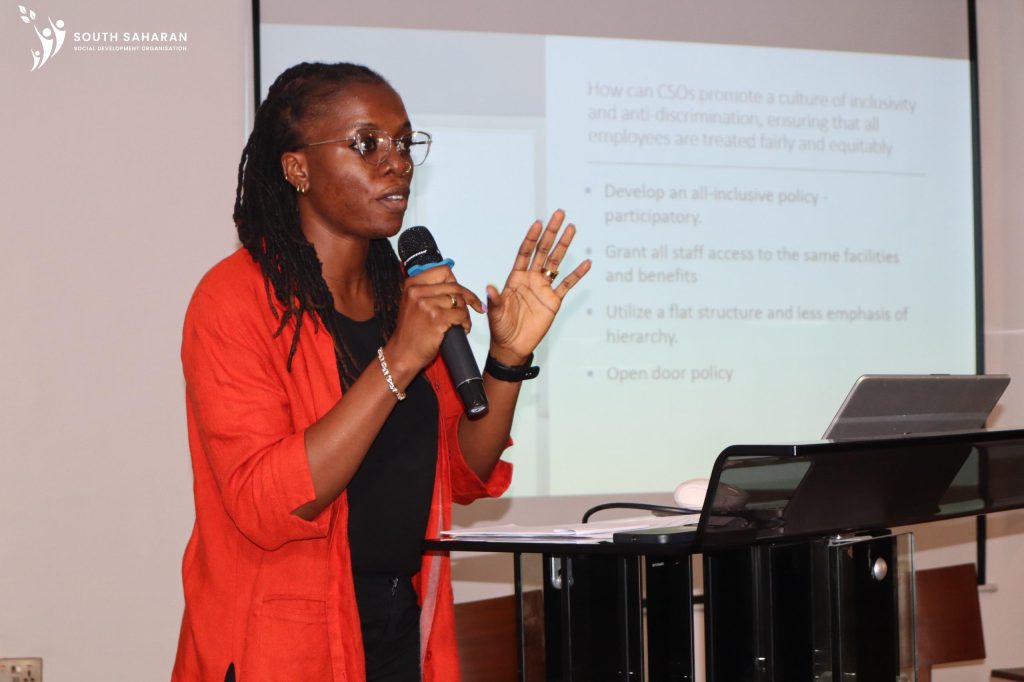
The convening’s discussions emphasized the critical importance of collective action to drive transformative change. To achieve this, stakeholders must work together. Donors must rethink funding models to promote stable employment and long-term sustainability. Governments must enforce updated labour laws that include the civil society sector. Meanwhile, CSO leaders must foster organizational cultures that prioritize fairness, equity, and worker well-being.

By addressing these gaps, stakeholders can ensure that civil society workers are equipped to fulfill their mission of creating positive, lasting change.

The West African Regional Convening on Labour Protection marked a turning point in the movement toward justice, fairness, and sustainability for civil society workers. By working together, donors, governments, and CSOs can create workplaces where dignity and security are the norm, not the exception. The future of civil society in West Africa depends on it.

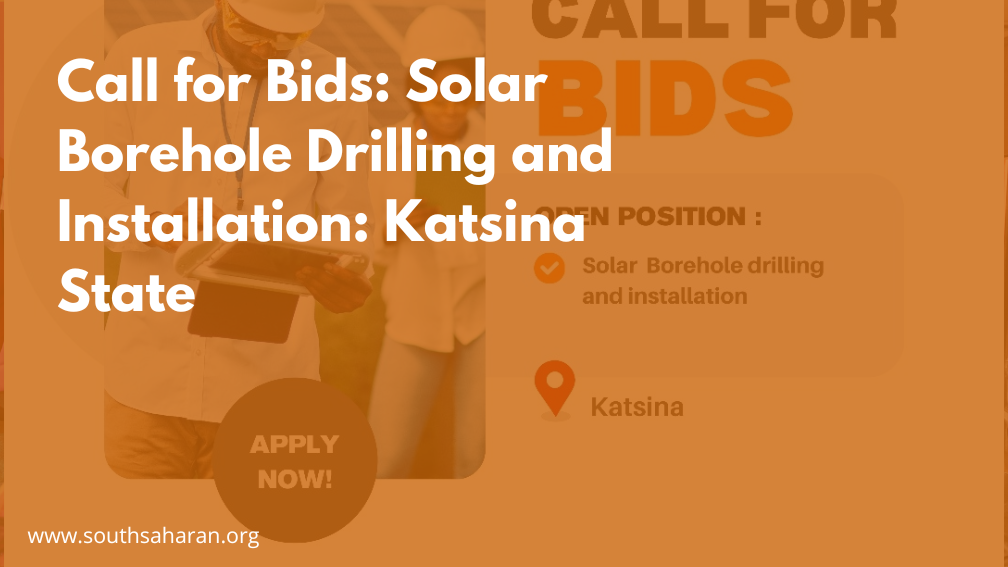
Call for Bids: Solar-Powered Borehole Project in Bindawa and Kankia LGAs, Katsina State 

South Saharan Social Development Organization (SSDO) is pleased to announce an open call for bids from qualified contractors for the development of a solar-powered borehole project in Bindawa and Kankia Local Government Areas (LGAs), Katsina State. This project is part of SSDO’s ongoing efforts to improve access to clean and sustainable water for underserved communities, empowering them with improved health and economic opportunities. 

About the Project

Water is life, and access to clean water is a fundamental human right. The Bindawa and Kankia Borehole Project is a cornerstone initiative aimed at providing sustainable, solar-powered water supply systems to local communities. By integrating modern technology with eco-friendly solutions, this project is designed to ensure long-term water availability and reliability. 

The project will involve: 

– Borehole drilling up to a depth of 190 meters in Kankia and 170 meters in Bindawa. 

– Installation of solar-powered pumps and PV modules for sustainable energy. 

– Construction of public water fetching points for community use. 

– Comprehensive water quality testing to meet safety standards. 

– Security measures, including fencing and solar-powered lighting. 

Key Components of the BOQ 

The Bill of Quantity (BOQ) provides a detailed breakdown of the project requirements, including: 

1. Site Survey and Borehole Development: 

   – Geophysical survey and detailed reporting. 

   – Installation of UPVC casings, gravel packing, and backfill materials. 

2. Solar-Powered Water System: 

   – 1.5HP Grundfos solar pumps with control switches and anti-theft enclosures. 

   – Installation of high-quality PV panels and flexible DC wiring. 

3. Overhead Tank and Distribution: 

   – Construction of a 50,000-liter capacity GP tank on a reinforced stanchion. 

   – Plumbing for public fetching points with durable block wall structures. 

4. Community-Friendly Features: 

   – Borehole area fencing for safety and security. 

   – Integrated solar-powered streetlights for added security at fetching points. 

5. Water Quality Assurance: 

   – Multi-stage water quality tests, including bacteriological and physio-chemical analyses. 

   – Borehole and pump disinfection to meet health standards. 

Why Partner with SSDO? 

At SSDO, we believe in creating sustainable solutions that empower communities and drive development. This project represents an opportunity for contractors to work on an impactful initiative that combines technical excellence with social responsibility. By partnering with SSDO, you contribute to a brighter, healthier future for communities in Katsina State. 

How to Bid

Interested contractors can access the full Bill of Quantity (BOQ) here. Please ensure your bid submission includes detailed cost breakdowns, timelines, and evidence of relevant experience. 

Steps to Submit Your Bid: 

1. Download the BOQ document. 

2. Review the detailed project requirements. 

3. Submit your proposal to info@southsaharan.org.

Deadline 

November 27, 2024.  

Download the BOQ here.

Reflecting on the Enugu Agroecology & Food Systems Summit: Advancing Sustainable Agriculture in Nigeria

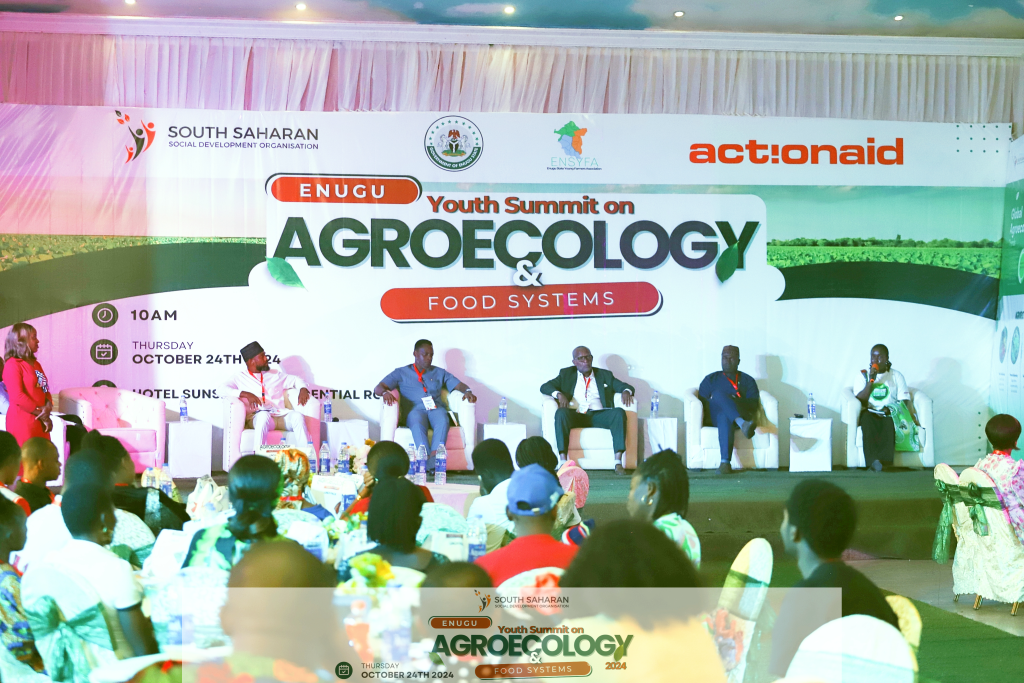
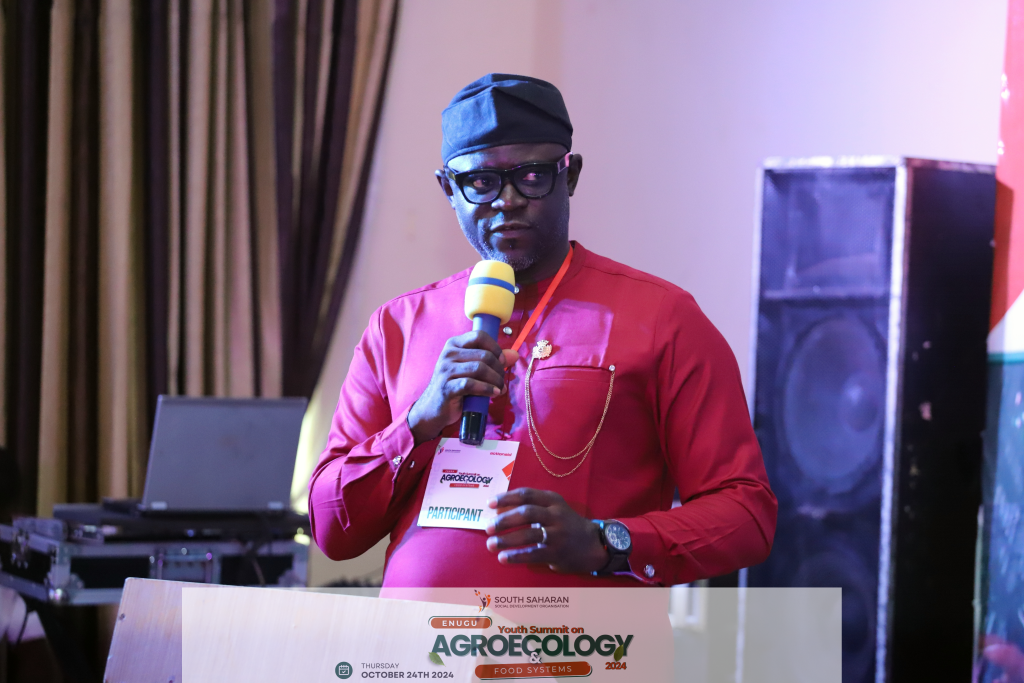
In a world where agricultural practices are increasingly industrialized, the recent Agroecology & Food Systems Summit in Enugu has been a vital reminder of the importance of sustainable, community-driven food systems. Hosted by South Saharan Social Development Organization (SSDO) in collaboration with ActionAid Nigeria, this gathering brought together a dynamic array of farmers, policymakers, researchers, and youth leaders dedicated to promoting agroecology. The summit highlighted the pressing need to shift away from chemical-intensive farming practices to more sustainable, organic approaches that prioritize food security, biodiversity, and human health.

Why Agroecology Matters

Nigeria, like many countries worldwide, faces significant challenges in sustaining its agricultural sector while also protecting its natural environment. The summit explored why agroecology—a practice that integrates traditional farming methods with environmental science—can be the key to securing resilient, local food systems. Embracing agroecology means nurturing the land, reducing dependency on chemical fertilizers and pesticides, and improving the overall health of crops, soils, and the communities that depend on them. For Enugu State farmers, particularly, agroecology offers a sustainable approach to farming that helps safeguard their livelihoods in the face of economic and environmental challenges.

SSDO’s Role in Supporting Enugu Farmers

Recognizing these challenges, SSDO and ActionAid Nigeria organized the summit as part of their broader commitment to supporting sustainable agriculture and community resilience in Enugu State. Over the years, SSDO has provided farmers—especially women—with training and resources to adopt eco-friendly farming practices that promote soil health, conserve biodiversity, and reduce harmful environmental impacts. During the summit, Mr. Udochukwu Egwim presented a video showcasing SSDO’s impactful work, featuring farmers who have adopted agroecology principles. Women farmers shared testimonials of their transition to sustainable farming practices, such as utilizing livestock waste and organic materials as compost and natural pesticides. Through these shifts, they are seeing improved crop yields, economic savings, and stronger community bonds.
Core Takeaways from the Summit

A few key insights and discussions emerged from the summit, underscoring the importance of agroecology and sustainable farming practices:

1. The Power of Growing with Nature: “Agroecology is about growing food with nature, not against it,” said Prof. Dickson Musa, a respected voice on sustainable agriculture. His presentation emphasized how native seeds and livestock contribute to a resilient agricultural ecosystem, underscoring the adaptability and value of indigenous species for local food systems.

2. Empowering Women and Youth in Agriculture: One of the central themes was the empowerment of youth and women, who often face barriers to accessing resources and land ownership. Panelists discussed programs to support young farmers through training in agroecology and the development of sustainable enterprises, encouraging a new generation of agroecology-driven businesses that foster economic growth while preserving natural resources.

3. Policy Advocacy and Funding for Sustainable Agriculture: To make agroecology a reality, there is an urgent need for supportive policies and funding. Speakers highlighted the importance of harmonizing pesticide standards, providing financial incentives for biopesticides, and creating policies that protect local agriculture. A call was made to government and private sector partners to fund organic farming inputs and foster a more supportive environment for smallholder farmers.

Outcomes and Next Steps

The Agroecology & Food Systems Summit has laid a robust foundation for ongoing collaboration and action among stakeholders. Attendees left with a renewed sense of purpose, encouraged by the achievements and commitment demonstrated during the event. The summit set out to inspire farmers to integrate agroecological practices in their farming and successfully fostered a greater awareness of the environmental and economic benefits of sustainable agriculture.

SSDO is deeply grateful to all panelists, partners, and participants whose insights and passion made this summit a milestone for sustainable agriculture in Nigeria. Through such partnerships and initiatives, SSDO remains committed to empowering farmers, advocating for agroecological policies, and cultivating a more resilient food system across Nigeria. Together, we can build a sustainable, food-secure future.