SSDO

VACANCY – FINANCE and COMMUNICATIONS OFFICER

FINANCE OFFICER – LAGOS at South Saharan Social Development Organisation

Job Title: Finance Officer 

Location: Lagos, Nigeria 

Reporting to: Finance Manager, South Saharan Social Development Organisation (SSDO)

Duration of Engagement: 12 months

About South Saharan Social Development Organisation (SSDO):

South Saharan Social Development Organization (SSDO) is a non-profit organization committed to empowering women, youth, and children across Sub-Saharan Africa. Through targeted interventions in health, education, livelihoods, governance, climate change, and WASH, SSDO helps marginalized groups achieve a better quality of life and prepares them for sustainable success in a dynamic world.

Job Description:

SSDO seeks an experienced and detail-oriented Finance Officer to manage our financial operations, ensure compliance with financial regulations, and support high-quality project implementation. This role will involve overseeing financial transactions, preparing reports, and ensuring that all accounting practices meet SSDO and donor standards.

Key Responsibilities

– Financial Management: Oversee daily financial operations, including accounts payable, accounts receivable, and bank transactions.

– Data Accuracy & System Oversight: Ensure accuracy of financial data entered into accounting software and assist in optimizing internal accounting processes.

– Budget & Reporting: Prepare and manage budgets, track expenses, and generate monthly financial reports for management review. 

– Compliance & Policy Adherence: Maintain compliance with SSDO’s policies, donor regulations, and GAAP standards. Ensure statutory deductions (e.g., WHT) are remitted timely.

– Reconciliation & Auditing: Conduct monthly bank reconciliations, manage cash flow, and assist in audit preparations, responding to audit queries as needed.

– Training & Support: Provide financial guidance to project teams and conduct training on finance policies and procedures as required.

– Forecasting & Analysis: Conduct financial analysis, including cash flow forecasting, to support decision-making and ensure organizational sustainability.

Qualifications and Requirements:

– Bachelor’s degree in Accounting, Finance, Business Administration, or related field; an advanced degree is an advantage.

– At least two years of experience in financial management within the NGO sector.

– Proficiency in accounting software, such as QuickBooks, and advanced skills in Microsoft Excel.

– Strong understanding of financial regulations, accounting standards, and compliance.

– Excellent analytical, organizational, and time-management skills.

– Strong communication skills, with the ability to work independently and collaboratively.

– Demonstrated integrity and commitment to ethical financial practices.

Desired Characteristics

– Resident in Lagos, Nigeria.

– Knowledge of financial management practices for development projects.

– Familiarity with donor regulations and experience with subgrants management is an advantage.

Method of Application:

Interested and qualified candidates should send their CV and cover letter to hr@southsaharan.org by November 11, 2024, with “Finance Officer Application” as the subject line. Only shortlisted candidates will be contacted. 

COMMUNICATIONS OFFICER – ENUGU at South Saharan Social Development Organisation

Job Title: Communications Officer 

Location: Enugu, Nigeria 

Reporting to: Head of Programmes, South Saharan Social Development Organisation (SSDO)

Deadline: November 11, 2024 

About SSDO 

South Saharan Social Development Organization (SSDO) is a non-profit organization dedicated to empowering women, youth, and children across Sub-Saharan Africa. Through targeted interventions in health, education, livelihoods, governance, climate change, and WASH, SSDO helps marginalized groups achieve a better quality of life and prepares them for sustainable success in a dynamic world.

Position Overview 

The Communications Officer will play a key role in shaping and delivering SSDO’s messages to both internal and external audiences, helping to enhance SSDO’s public presence and build strong relationships with stakeholders. The ideal candidate will be a skilled communicator with proven experience in media relations, content creation, digital media, and strategic communications.

Key Responsibilities 

– Develop and implement effective communications strategies to promote SSDO’s objectives and initiatives.

– Craft and distribute a variety of content including press releases, articles, newsletters, reports, speeches, and website content.

– Manage SSDO’s social media accounts, creating engaging content and ensuring consistent branding and messaging.

– Build and maintain relationships with media outlets, journalists, bloggers, and influencers, responding to inquiries, arranging interviews, and acting as the organization’s spokesperson.

– Track and analyze media coverage, compiling reports and analytics to inform SSDO’s communication efforts.

– Design and produce communication materials (brochures, posters, banners, etc.) in line with SSDO’s branding guidelines.

– Document program activities, outcomes, and impact through stories, photography, and video.

– Support SSDO’s field teams by providing training in communication skills, photography, and videography.

– Coordinate donor visibility activities, including the development of success stories and program highlights.

– Lead media engagement activities, supporting SSDO’s visibility and fundraising efforts.

– Plan and execute internal communication initiatives, including quarterly newsletters, and manage communication during events, conferences, and public relations activities.

Qualifications and Experience

– Bachelor’s degree in communications, journalism, public relations, or a related field; Master’s degree or certification is a plus.

– Minimum of 3 years of experience in corporate communications, media relations, or related roles.

– Proficiency in digital communications, social media management, and content creation.

– Experience with graphic design (Adobe applications), photography, and videography (shooting and editing).

– Demonstrated ability to develop and maintain relationships with media professionals.

– Knowledge and experience with main social media channels (Twitter, Facebook, Instagram, LinkedIn).

– Strong storytelling, writing, and editing skills, with a proven ability to craft clear, compelling messages.

– Strong project management skills, with the ability to handle multiple priorities in a fast-paced environment.

– Demonstrated gender awareness and sensitivity.

Skills Required

– Strategic Communication: Develop and execute communication strategies and campaigns.

– Writing and Editing: Crafting high-quality written content across various formats.

– Media Relations: Building and managing relationships with journalists and influencers.

– Digital Communication: Managing social media and digital platforms to enhance visibility.

– Storytelling: Conveying SSDO’s impact through engaging narratives.

– Photography and Videography: Capturing and editing visual assets.

– Collaboration and Teamwork: Working effectively with cross-functional teams and stakeholders.

– Adaptability and Problem-solving: Staying calm under pressure and adapting to changing priorities.

Method of Application:

Interested and qualified candidates should send their CV and cover letter to hr@southsaharan.org by November 11, 2024, with “Communications Officer Application” as the subject line. Only shortlisted candidates will be contacted. 
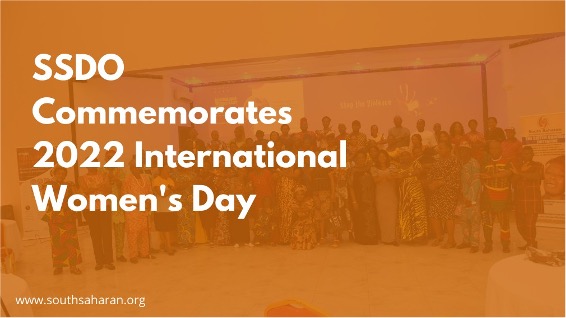
SSDO Commemorates International Women’s Day

South Saharan Social Development Organization (SSDO) Organizes a Workshop
through its Sister Guardian Initiative (SGI) to Commemorate the 2022 International
Women’s Day
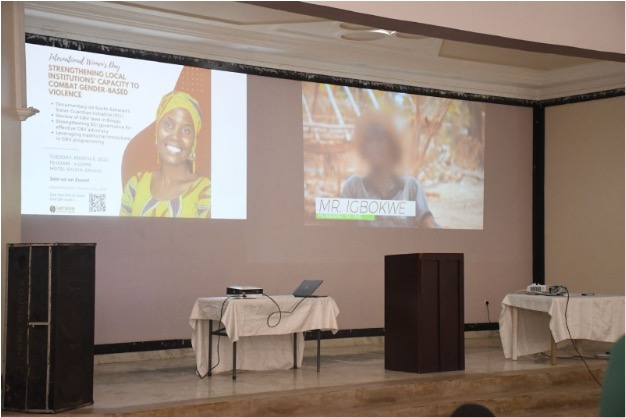
THEME: Strengthening Local Institutions’ Capacity to Combat Gender-based
Violence(GBV).
A report on the Sister Guardian Initiative Workshop held on the 8th of March 2022 on
“Strengthening Local Institutions’ Capacity to Combat Gender-Based Violence”.


Introduction
The Sister Guardian Initiative (SGI) is a South Saharan Social Development
Organization‘s flagship project on reducing violence against women at the community
level. The initiative provides the immediate support that female victims of violence
require— safety, counseling, mediation, and referrals to other relevant agencies as the International Women’s Day is a global day to celebrate women’s socioeconomic, cultural, and political achievement. It is also a unique opportunity for women to rally and advocate for equal treatment and representation. Since the inception of the SGI in 2016,SSDO has organised an educational event geared towards women’s empowerment.

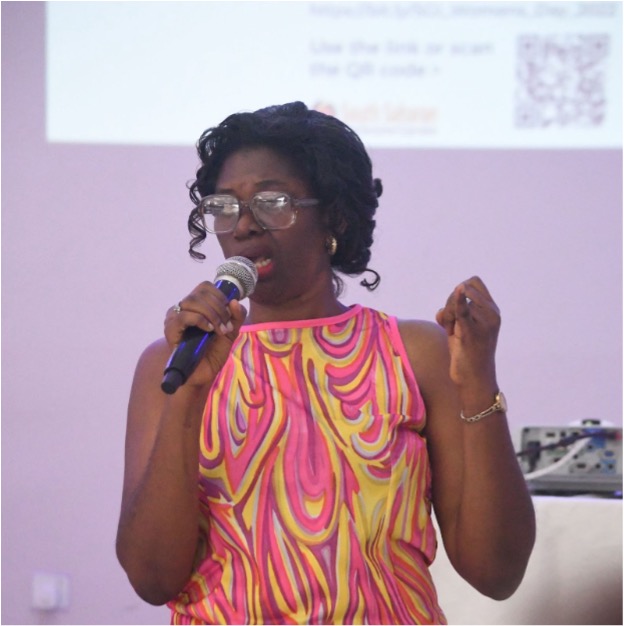
This year was no different as a workshop was held to create more awareness on the effect of gender-based violence and rally relevant stakeholders on the need to enforce GBV laws.

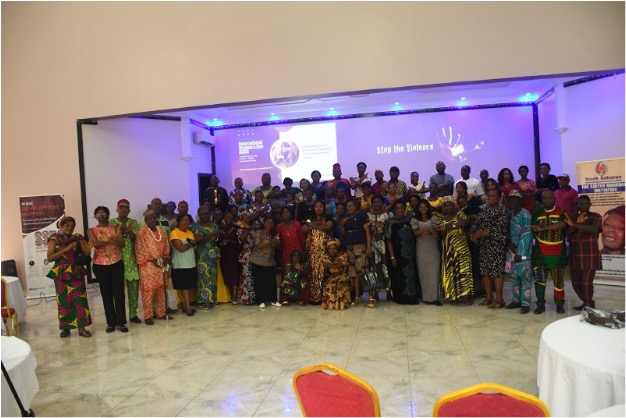
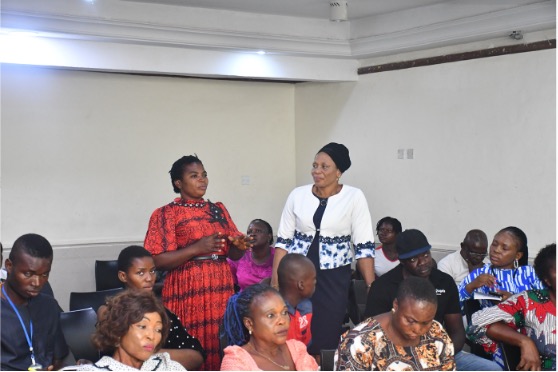
The workshop featured participants drawn from 15 communities where the initiative has been executed. They include traditional rulers, President Generals, women leaders, government representatives and a representative of the Gender Unit Desk Officer of the Enugu State Police Headquarters.

Objectives

Highlight the effect of gender-based violence on women and the community.

Educating the audience on GBV laws.

Developing actionable steps and strategies for better synergy between the Sister Guardian leaders and relevant stakeholders—traditional rulers and Police.

The project lead, Blessing Uchendu, was on the ground to detail the project’s journey thus far. “Since its inception, the chapters have supported over 1300 victims with counselling, conflict mitigation, temporary shelter and referrals to law enforcement or health facilities.”

Going forward, she also explained the plans of the project. “To achieve more with the project, we have to keep advocating for community leaders to understand the effect of GBV and partner with the Sister Guardians to resolve cases efficiently as well as capacity building.”

“It is also important that by-laws are enforced. This would dissuade perpetrators from abusing victims. We also believe that a working synergy between the Sister Guardians and the Police will give more credence to the effort of the women leaders.”

A documentary that captures the success of the initiative was also viewed. Helping the audience better understand the effects of gender-based violence on the victims and the community. It also showed victims sharing their stories and how the initiative helped them. It detailed the project’s successes across different communities and its plans going forward.

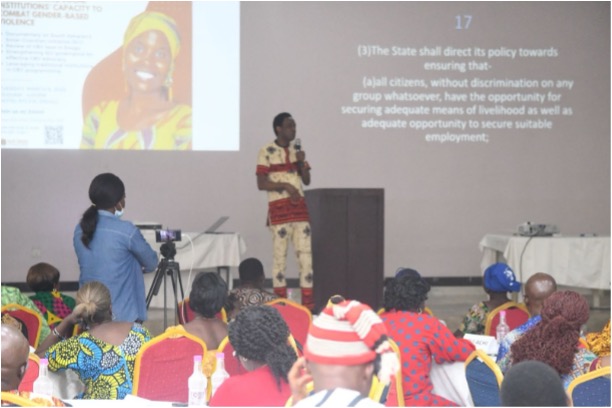
Mr Larry Oguego, National Coordinator, Human Rights Volunteer Corps of Nigeria, the lead speaker of the event, presented a paper on “Preventing Sexual and Gender-based Violence: How Community Leaders and Stakeholders Can Leverage the Law to Drive Change.” He analysed the various laws that address GBV issues, the roles of community leaders and stakeholders, and how they can be the voice of advocacy.

Recommendation

The following recommendations were proposed during the workshop to reduce GBV:

Schools should include Gender equality and other gender-related issues in the school curriculum.

Cascading the workshop to town hall meetings in various communities, the message reaches the grassroots.

Conclusion

In conclusion, the highlight of the conference emphasized the importance and the role of local institutions in combating gender-based violence. When laws are upheld by the community leaders and enforced by the Police, there will be a drastic reduction in GBV cases. Perpetrators will be dissuaded from continuing the atrocious acts of violence against women.

The outcome of this conference saw a more enlightened audience know their rights, know the effect of GBV on victims and the community. It also created a linkage and opportunities for collaboration between sister guardian leaders and relevant stakeholders.

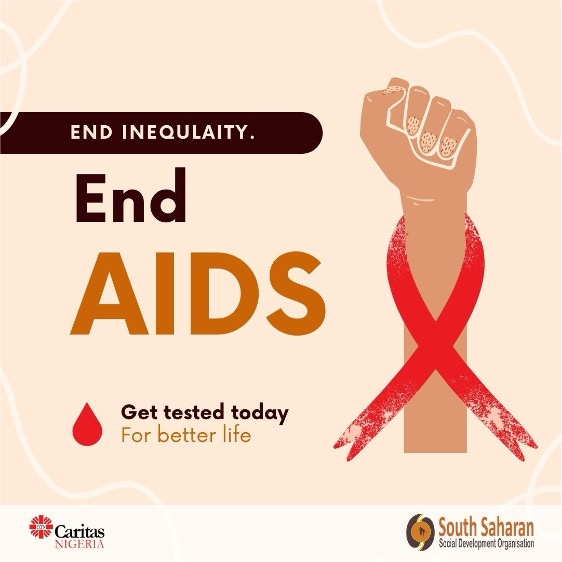
It’s World AIDS Day!

As we commemorate #WorldAIDSDay, it’s another time to reflect on the possibility of ending AIDS by 2030. We have made significant progress in time past. Research shows that 1.7 million people are living with HIV with 56% of

Growing inequalities in access to health services have been the biggest challenge, according to World Health Organization. To successfully tackle

inequality, we must improve on the following as recommended by UNAIDS:

  • Community-led and people-centered infrastructure.
  • Equitable access to vaccines and medicine.
  • Advocating human rights. etc.

This and more South Saharan Social Development Organization is doing through its Orphaned and Vulnerable Children (OVC) Program in partnership with Catholic Caritas Foundation of Nigeria (CCFN).

The OVC program is a global action towards HIV epidemic control in sub- national units in Nigeria. It is a comprehensive HIV care, treatment, and prevention program. With the vision to achieve an AIDS free generation through programming for orphaned children made vulnerable by HIV/AIDS.

Here is a quick rundown of the impact we’re making:

  • 10,112 beneficiaries enrolled in the OVC program.
  • 1,053 positive beneficiaries linked to care.
  • 96% of beneficiaries have attained viral load suppression.
  • 42 beneficiaries were provided with cash transfers.
  • 67 beneficiaries received IGA and food support.
  • 234 beneficiaries received transport support.

For inquiries on how you can be a part of this vision and play your part in ending inequality, reach out to us at info@southsaharan.org.

Seeing the Need, Taking the Lead.

SSDO NEWSLETTER, VOLUME 5, ISSUE 11.

Welcome!

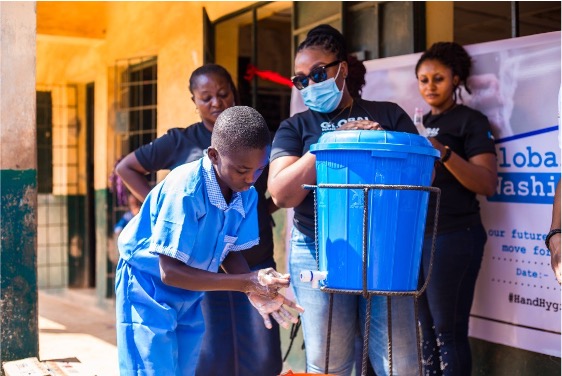
Handwashing is critical to preventing illnesses, especially COVID-19. Proper handwashing can reduce the rate of diarrhea by 40% and respiratory infection by 20%. In fact, 50% of food-related illnesses are because of poor hand hygiene. This was the message we took to Igbariam Primary School, Enugu South LGA to commemorate Global Handwashing Day.

In this issue, we also examine SSDO’s impact on the girl child as we create an enabling environment for girls and kids at large to learn in school and out of school through the kids club. Also, we understand that child sexual abuse lingers in society because the community is not adequately equipped to handle such issues. Find out what we did to remediate that in Enugu South, Nkanu West, and Nkanu East LGAs.

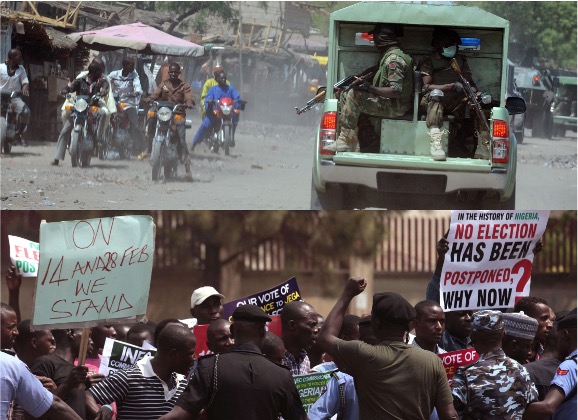
The Anambra election draws ever close and more questions than answers are evident. IPOB threatens a forced election boycott. Will that solve the problem? We analyze a possible government response.

There are animals and insects you’ve sure been wondering, “What is their usefulness?”. We take a look into the usefulness of the vulture in the ecosystem and how we partnered with Nigerian Conservation Foundation (NCF) to protect them.

Global Handwashing Day Advocacy and Outreach at Igbariam Primary School, Enugu South LGA.

an effective way to prevent diseases.

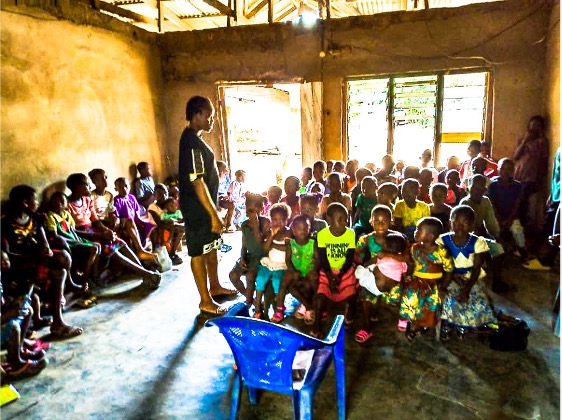
South Saharan Social Development Organization in partnership with WaterAid Nigeria organized a school outreach at Igbariam Primary school, Enugu South LGA to teach the kids the importance of handwashing especially in the COVID19 era.

The sensitization and awareness continued on the radio, where a team of Water and Sanitation Hygiene (WASH) experts were on hand to educate the audience on the importance of handwashing as well as this year’s theme, “Our future is at Hand – Let’s move forward together.”

International Day of the Girl Child: SSDO’s Impact

The girl child faces different challenges associated with their gender and age. In many developing  countries,  the  girl  child  is  often  at  a  huge  disadvantage.  Data from UNICEF shows that 6.3 million girls in Nigeria are out of school. UNESCO indicates that less than 40% of countries worldwide provide girls and boys with equal access to information.

The longer girls are out of school, the higher the probability of child marriages and violence against children. Educating the girl child improves their earning potential and helps them have a say in decisions that affect their future. It improves the economy and reduces inequality. The better-educated girls are, the better their family and the community become, as they will be direct beneficiaries of the skills they will contribute to society.school. Providing an opportunity for them to reach their full potential. This has been one of our key focus areas as an organization. Ensuring the development of women and children through our various projects.

Tackling Child Abuse and Sexual Harassment Through Community Mechanisms.

Research carried out by UNICEF in 2015 shows that 1 in 4 girls and 1 in 10 boys in Nigeria have experienced sexual violence before the age of 18. With the drastic increase in the rate of violence against women and girls during the lockdown, you can be sure these numbers have increased. Before the pandemic, one in three women experiences physical violence by a partner.

According to a report by the Center for Global Development, violence against women and children quadrupled during the pandemic. Children have always been a target for pedophiles because of their innocence and vulnerability. Often, these predators ride on the naivety of the children and compel them not to talk. Many of who live with the guilt for the rest of their life. Sometimes, the children blame themselves for the incident or, in some other cases, care for their abusers and do not want them to get into trouble. It is imperative that parents and guardians are very observant and pay close attention to behavioral patterns in their wards. Signs to look out for include children being aggressive, withdrawn, clingy, or having difficulties sleeping.

A Case of Two Evils.

As the election draws close, there has been a drastic increase in violence, loss of lives, and property in Anambra State. From the destruction of the INEC state office in May where three people died, non-sensitive election materials destroyed, seven vehicles, and 50 generating sets burnt, to several reports of killings and attacks on properties of individuals.

Calls from certain groups encouraging people to boycott the elections have left uncertainty in the air. The Attorney General and Minister of Justice, Abubakar Malami, while addressing the press after the Federal Executive Council meeting on Thursday, stated that no possibility is ruled out, citing the security breaches and instances of the breakdown of law and order as references that could require the declaration of a state of emergency in the state. Seeing the enormous influence the group holds in the east, should they call for a boycott, there is a good chance people stay in their homes due to fear of reprisals. The group’s reason for this boycott is oppression and marginalization by the current regime. But is boycotting the way to get what they want?

Preserving Nature’s Sanitation Officers: A SSDO & NCF Partnership

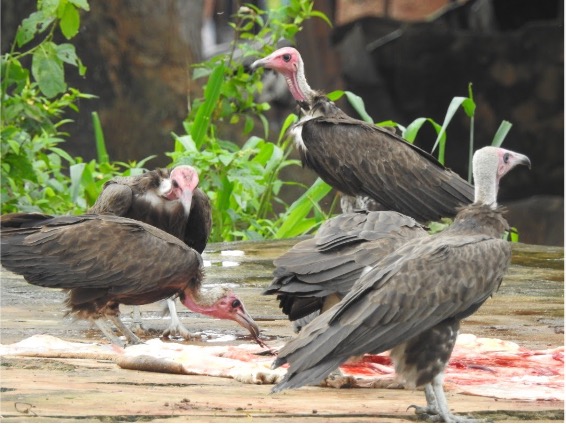
Do you know that vultures and other scavenging animals are the natural cleaning agents that the earth has? Often, when people hear or see vultures, they automatically associate them with words like dirt, ugly, and evil. Yet they play an important role in keeping the ecosystem’s balance.

Through their scavenging activities, they control the amount of bacteria that would have spread to the human population. Hence, keeping the ecosystem clean and directly protecting humans from infectious diseases such as anthrax and rabies. Without vultures, the carcasses will lead to air pollution and microbes will multiply. By feasting on dead animals, they reduce the likelihood of a swarm of flies gathering and help to keep their population in check. Vultures have a highly corrosive stomach that allows them to digest carcasses without being affected as compared to other animals. The enzymes also process these substances in their stomach ensuring that when they release their waste it is bacteria-free.

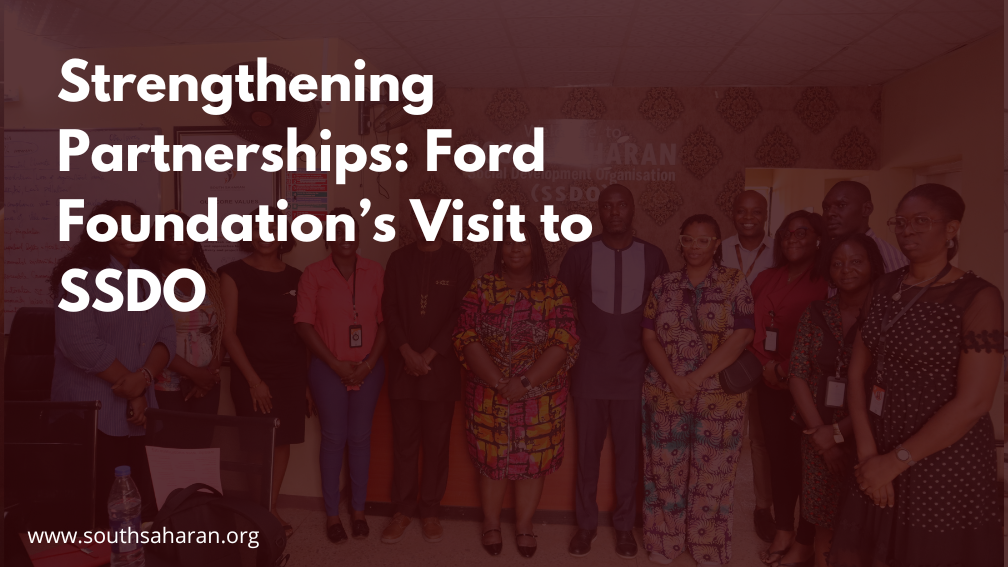
Strengthening Partnerships: Ford Foundation’s Visit to South Saharan Social Development Organization

At South Saharan Social Development Organization (SSDO), collaboration is at the heart of our mission to drive sustainable development across Nigeria. On the 2nd of September 2024, we were honored to welcome our esteemed donors from the Ford Foundation to our headquarters in Enugu. This visit marked a significant milestone in our partnership, providing an invaluable opportunity to discuss the impactful work we are doing and the broader context in which we operate.

A Focus on Critical Issues

The discussions during the visit were wide-ranging, covering key areas that are central to our mission: gender equality, youth empowerment, climate change, and good governance. These themes are not just buzzwords but the very pillars upon which our programs are built. Each of these areas presents unique challenges and opportunities within the Nigerian context, and our work is geared towards addressing these in a holistic and sustainable manner.

Gender Equality

Gender equality remains a critical issue in Nigeria, particularly in the southeastern region where SSDO is actively engaged. We highlighted our ongoing projects such as the Sister Guardian Initiative, the Community Partnership for the Elimination of Violence aimed at empowering women, reducing gender-based violence, and promoting economic opportunities for women and girls. Also, our work to domesticate the National Women Economic Empowerment Policy and create more opportunities for women. Our donors were particularly interested in our strategies for overcoming cultural and systemic barriers to gender equality and how we are leveraging community engagement to drive change.

Youth Empowerment

Nigeria’s youth represent both its greatest asset and its most pressing challenge. With over 60% of the population under the age of 25, empowering young people is crucial for the nation’s future. During the visit, we discussed our initiatives designed to provide young people with the skills, knowledge, and opportunities they need to succeed. These include our efforts in developing the Youth Policy. From digital literacy programs to leadership development workshops, SSDO is committed to nurturing the next generation of Nigerian leaders.

Climate Change

Climate change is a global issue, but its impacts are felt most acutely at the local level. In our conversation with the Ford Foundation, we shared insights from our work on climate resilience in rural communities, supporting the state government to develop the Climate Change Policy. As well as capacity building endeavors around agroecology, and climate smart agriculture. This includes initiatives aimed at promoting sustainable agricultural practices, advocating for environmental justice, and supporting communities in adapting to the changing climate. Our donors were keen to understand how we are integrating climate action into our broader development agenda.

Good Governance

Finally, we explored the role of good governance in achieving sustainable development. At SSDO, we believe that transparency, accountability, and inclusive governance are essential for creating a just and equitable society. We discussed our efforts to strengthen local governance structures, promote civic engagement, support the upcoming local governmment elections and advocate for policy reforms that benefit marginalized communities. The Ford Foundation’s support in this area has been instrumental in amplifying our impact.

Deepening Understanding and Strengthening Bonds

One of the key outcomes of the visit was the opportunity for our donors to gain a deeper understanding of the context in which we work. Nigeria is a complex and diverse country, with significant variations in culture, economy, and politics across its regions. By visiting us in Enugu, the Ford Foundation team was able to see firsthand the challenges and opportunities that define our work. This deeper understanding is crucial for aligning our strategies and ensuring that our efforts are as effective as possible.

Visit to the Commissioner for Child, Gender, and Social Development

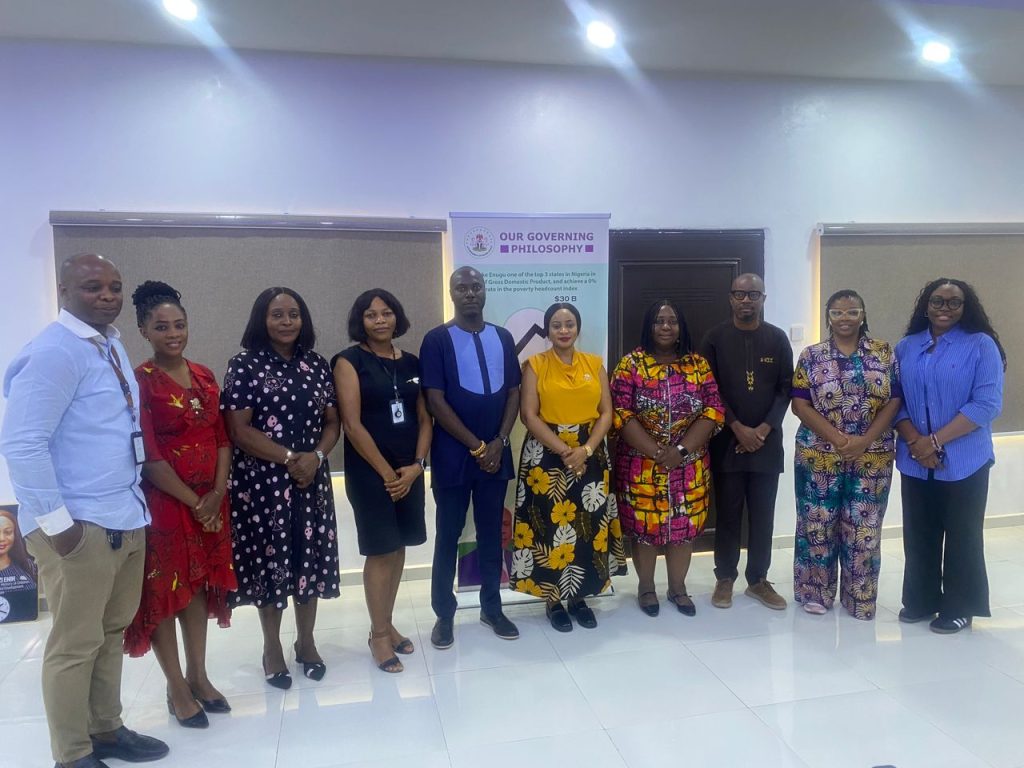
After an insightful meeting at South Saharan Social Development Organization (SSDO), our team, alongside representatives from the Ford Foundation, paid a courtesy visit to the Commissioner for Children, Gender & Social Development.

This visit was an important step in strengthening our collaborative efforts to promote gender equality, support children, and advance social development initiatives. We look forward to deepening this partnership to drive impactful change in our communities.

Looking Ahead

As we look to the future, the visit from the Ford Foundation has only strengthened our resolve to continue our work with renewed vigor. The insights gained and the bonds strengthened during this visit will undoubtedly help us to refine our strategies and amplify our impact. We are grateful for the Ford Foundation’s unwavering support and partnership as we strive to create a more just, equitable, and sustainable society.

In the coming months, we will continue to build on the momentum generated by this visit, working closely with our partners and stakeholders to drive progress in our key areas of focus. Together, we can achieve lasting change and create a brighter future for all.