SSDO

Pad a Girl Child Initiative

Menstruation Is Not a Problem; Poor Menstrual Hygiene Is

At South Saharan Social Development Organization (SSDO), we are steadfast in our commitment to empowering women, youth, and children through education and good governance. A significant aspect of this mission involves addressing the challenges surrounding menstrual hygiene management – a critical yet often overlooked component of women’s health and well-being.

The Importance of Proper Menstrual Hygiene

Menstruation is a natural biological process experienced by half of the world’s population. However, in many communities, it remains shrouded in stigma and misinformation, leading to inadequate menstrual hygiene practices. Poor menstrual hygiene can result in severe health issues, including infections and reproductive complications. Additionally, the societal taboos associated with menstruation can hinder women’s and girls’ participation in education and community activities, thereby limiting their opportunities for personal and professional growth.

The ‘Pad a Girl Child’ Initiative

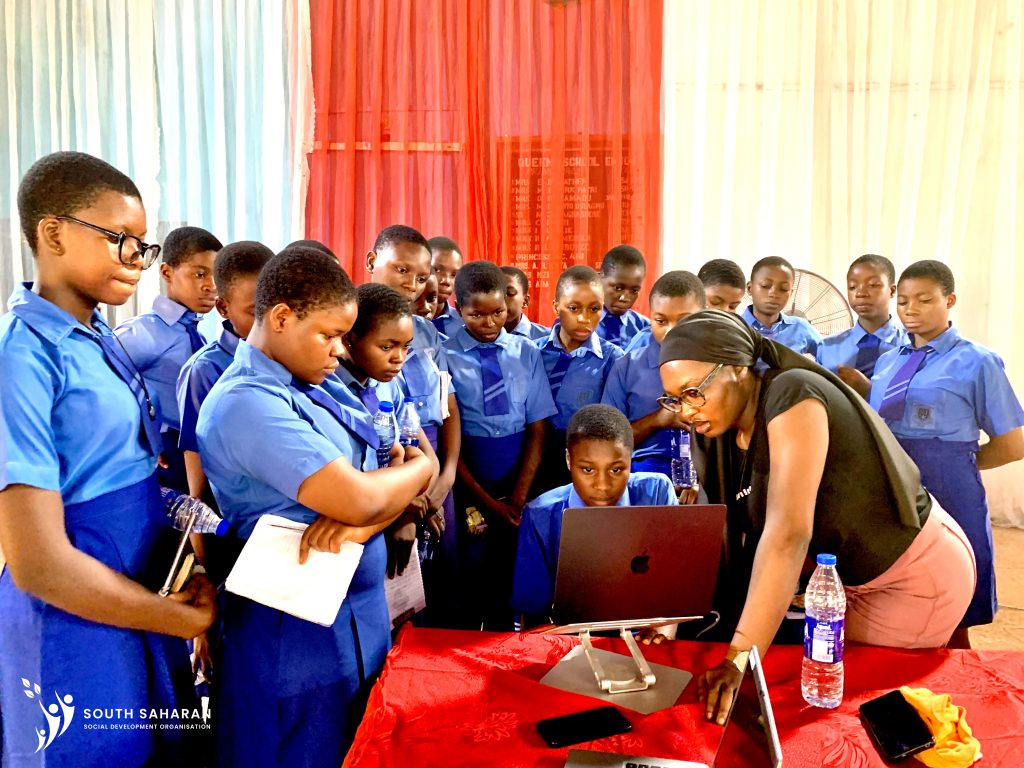
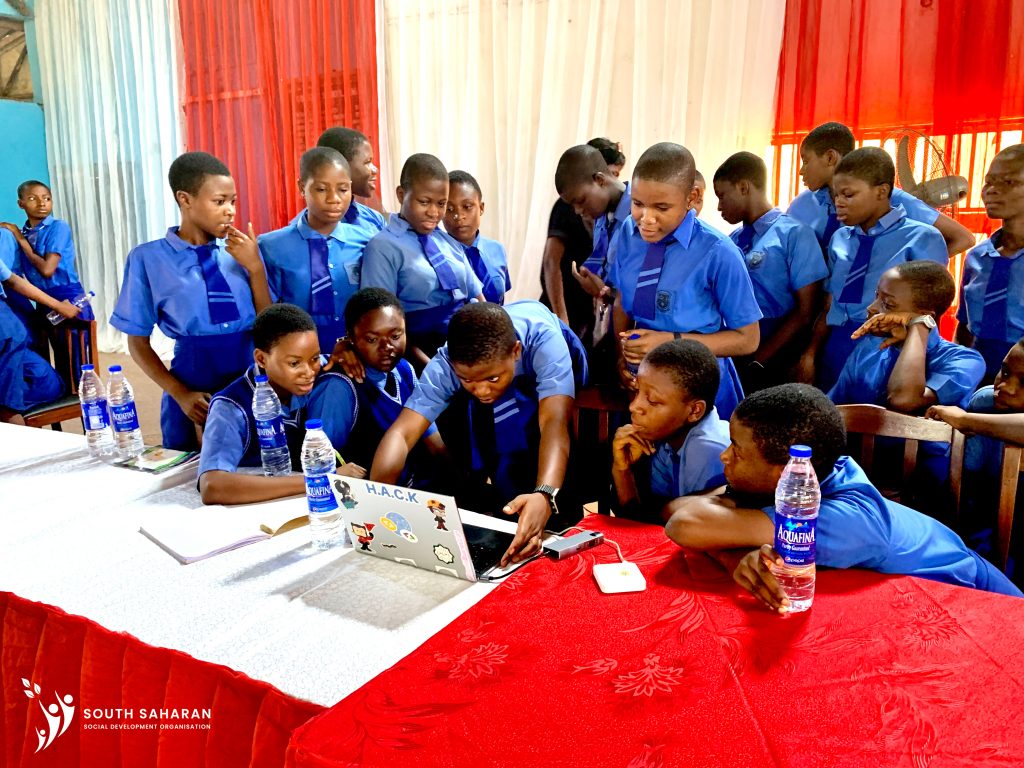
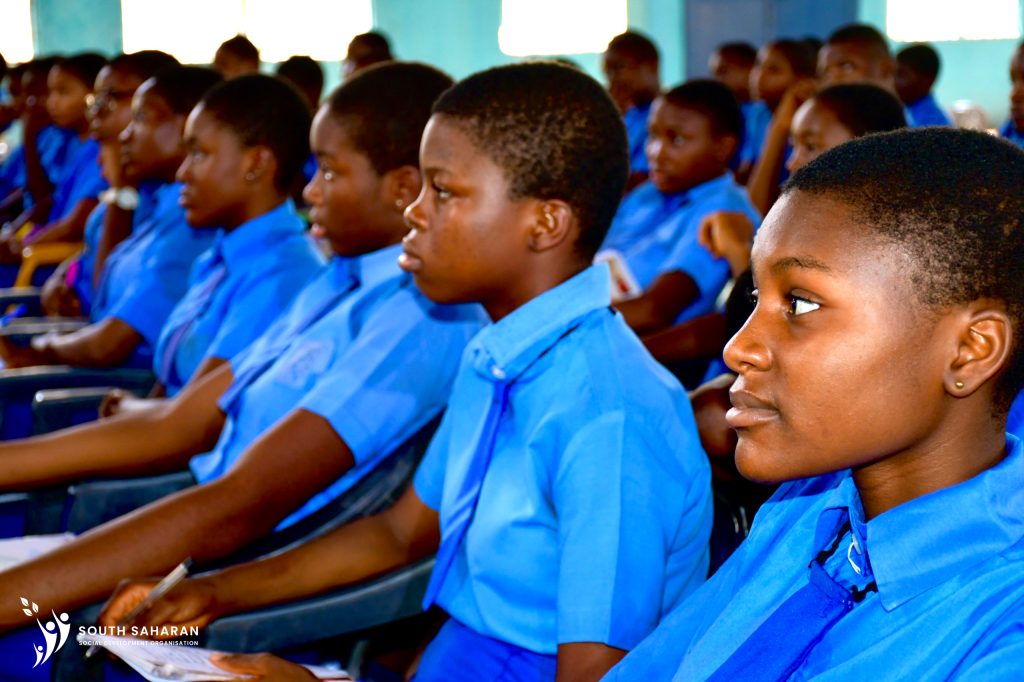
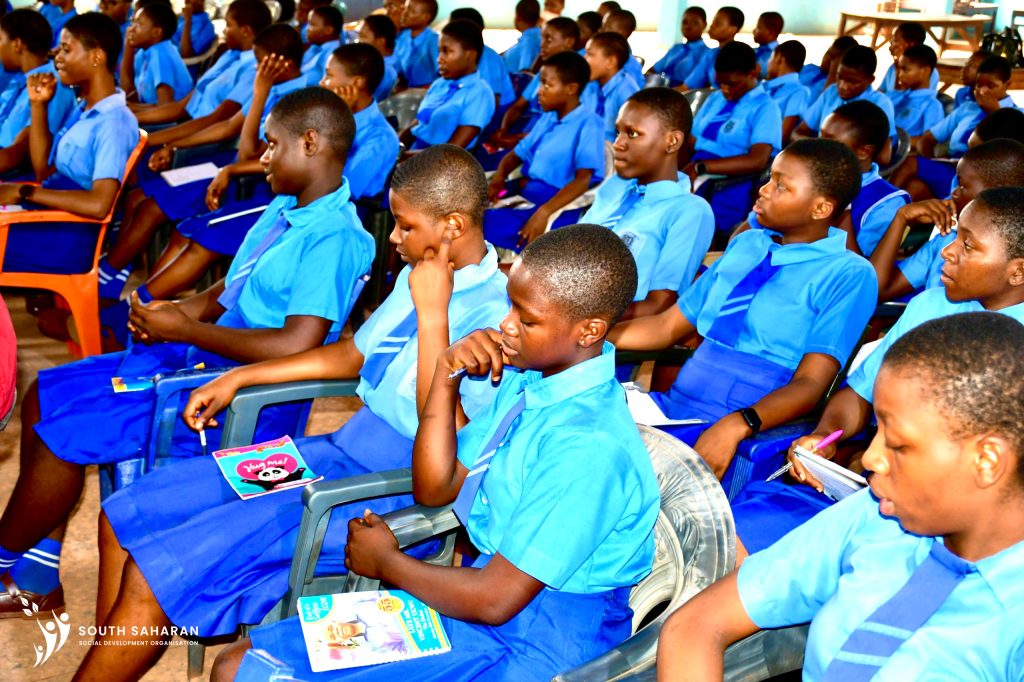
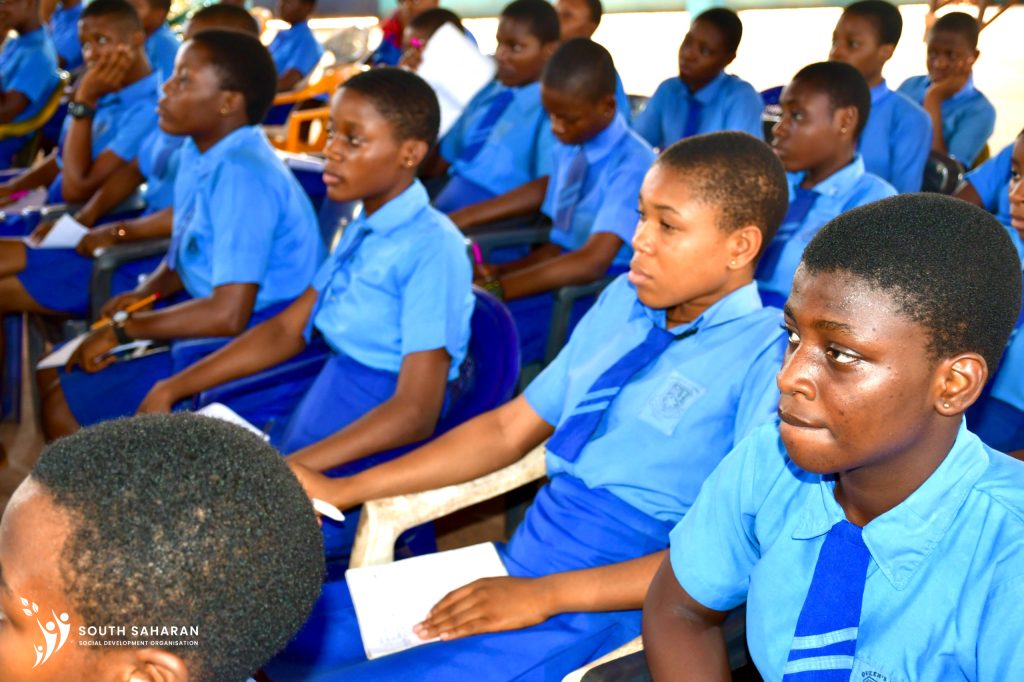
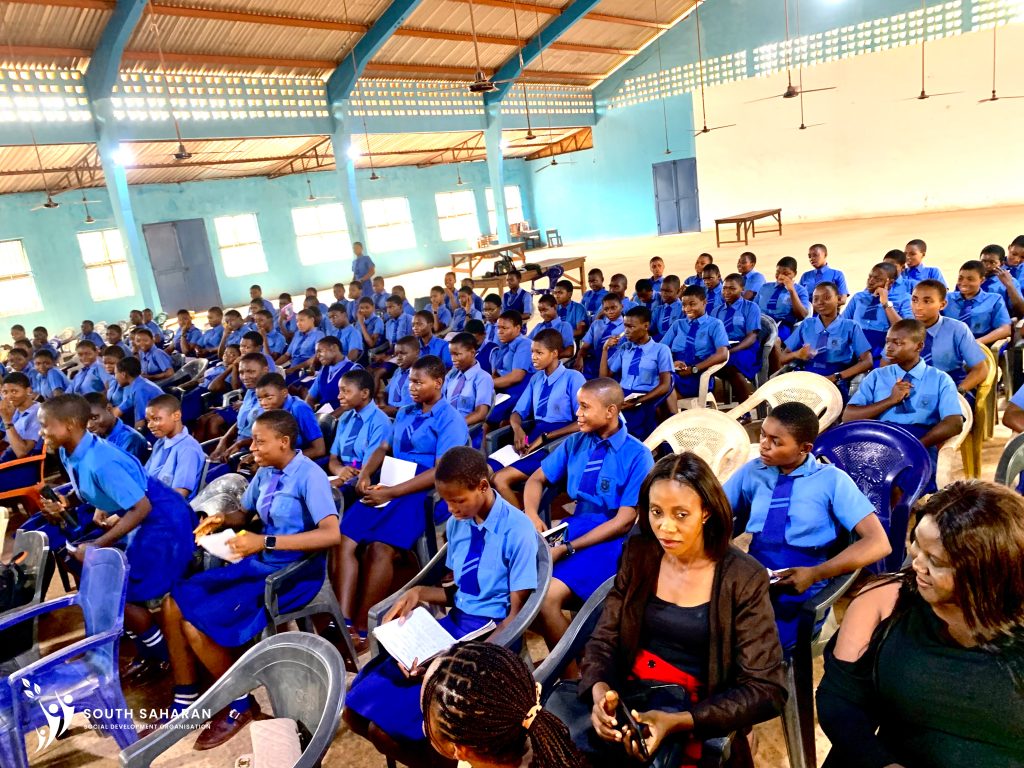
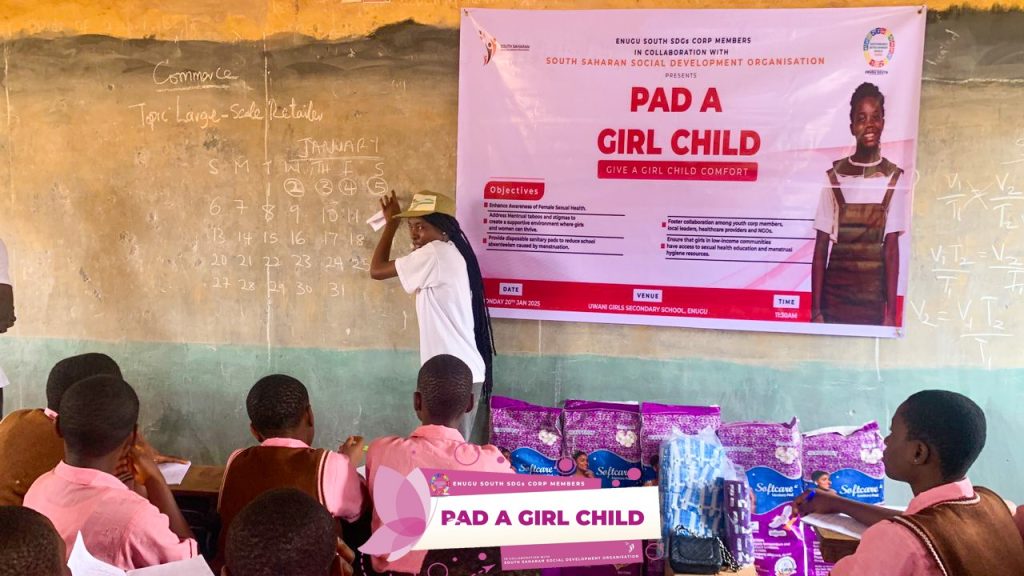
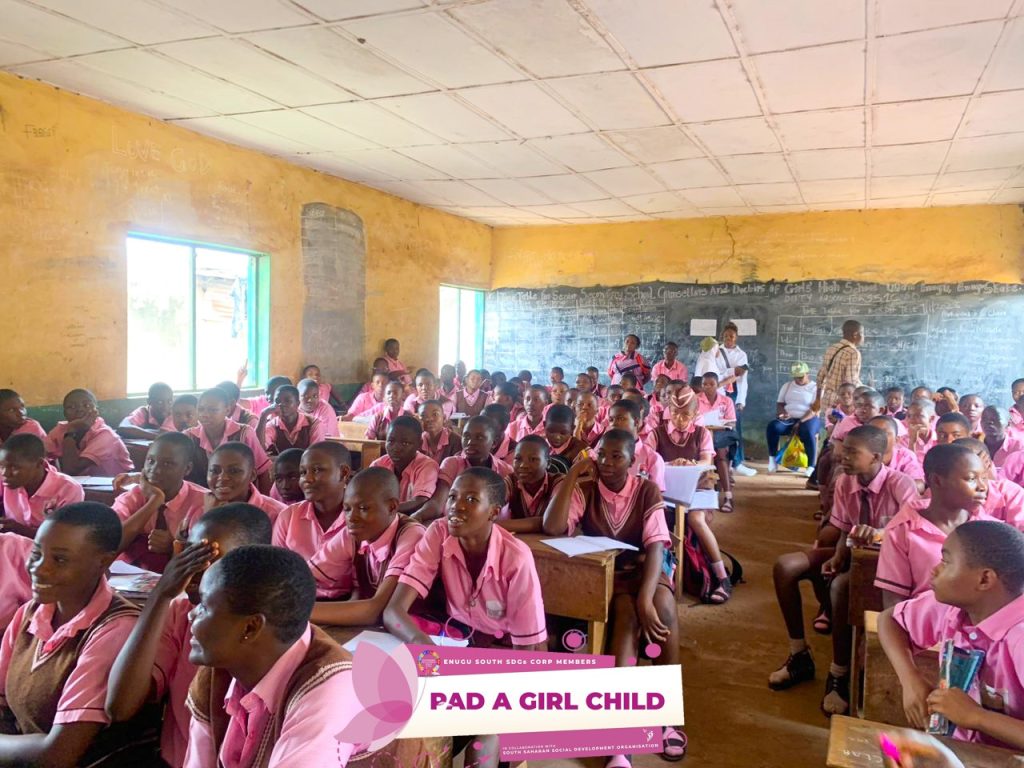
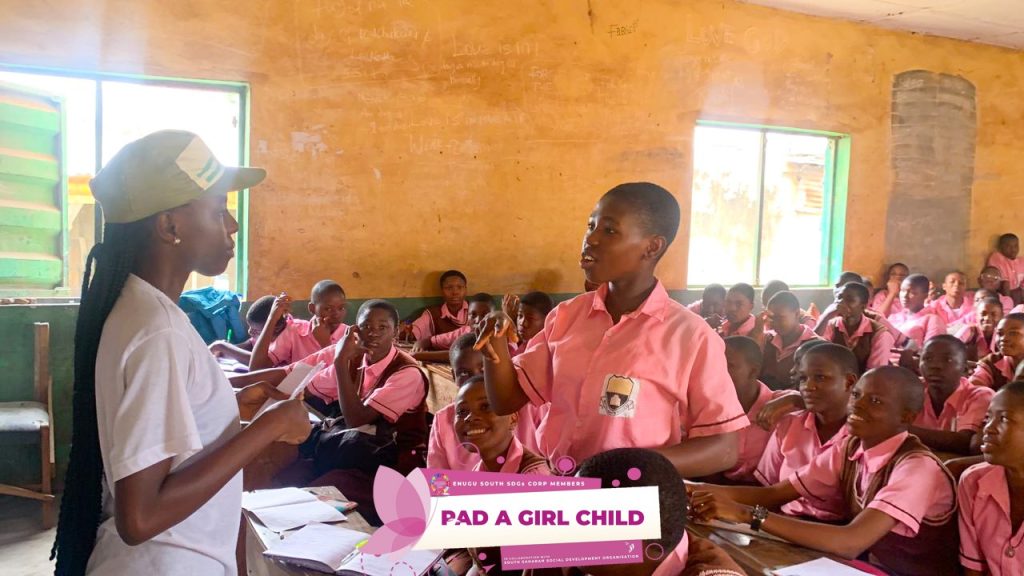
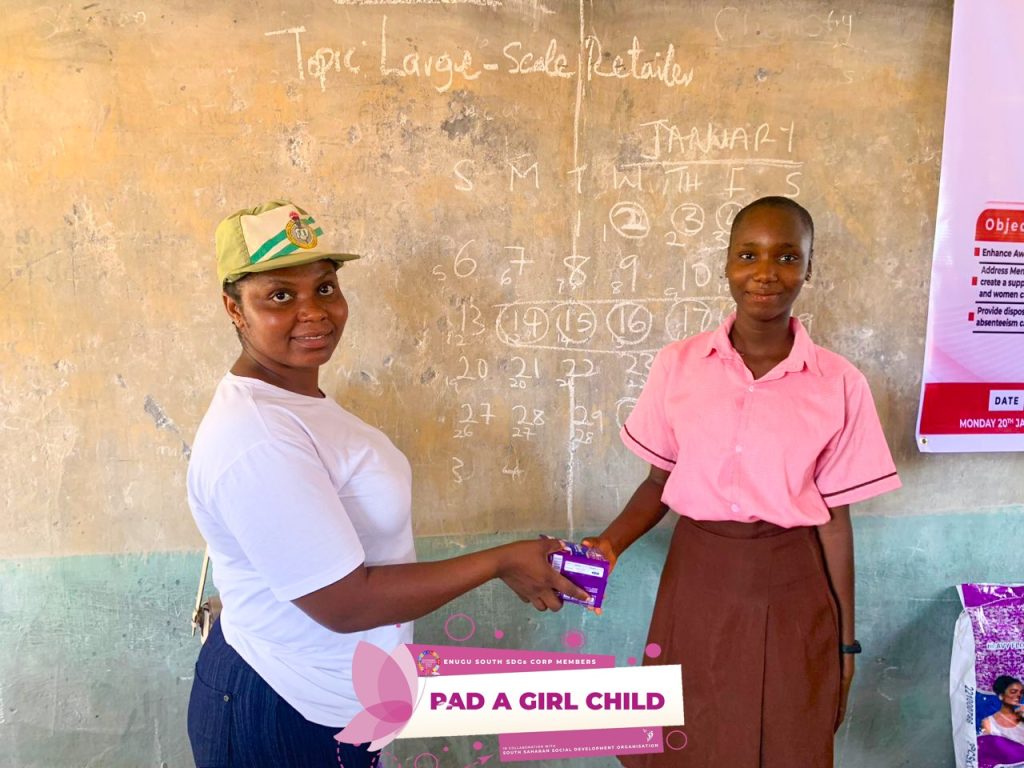
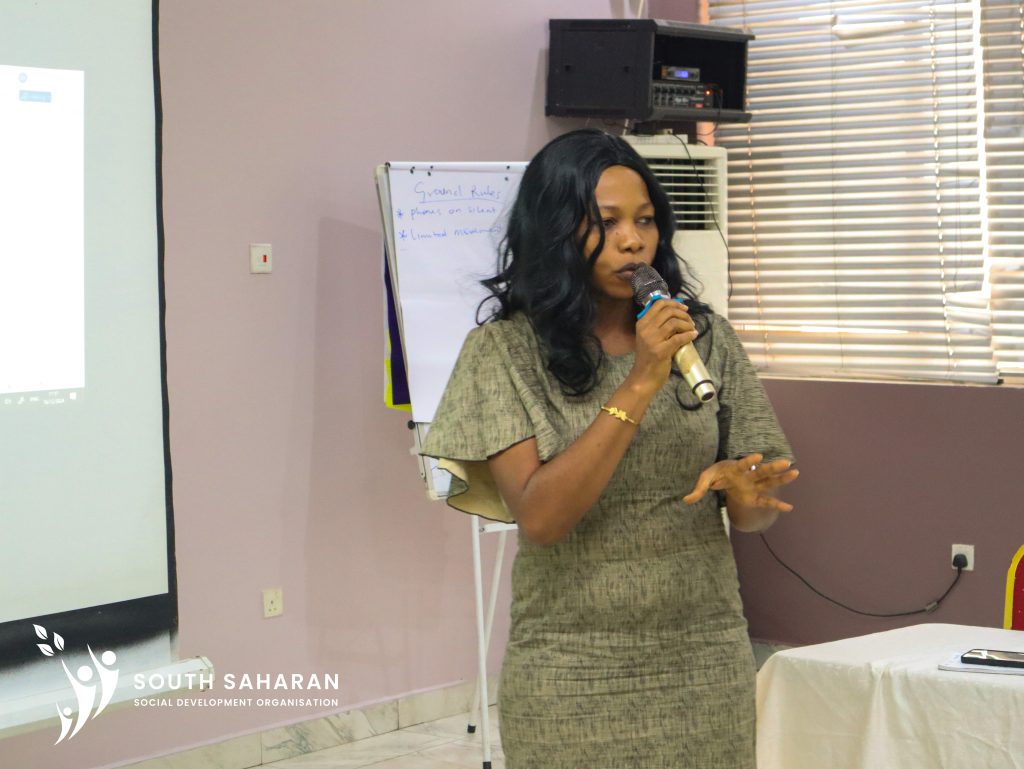
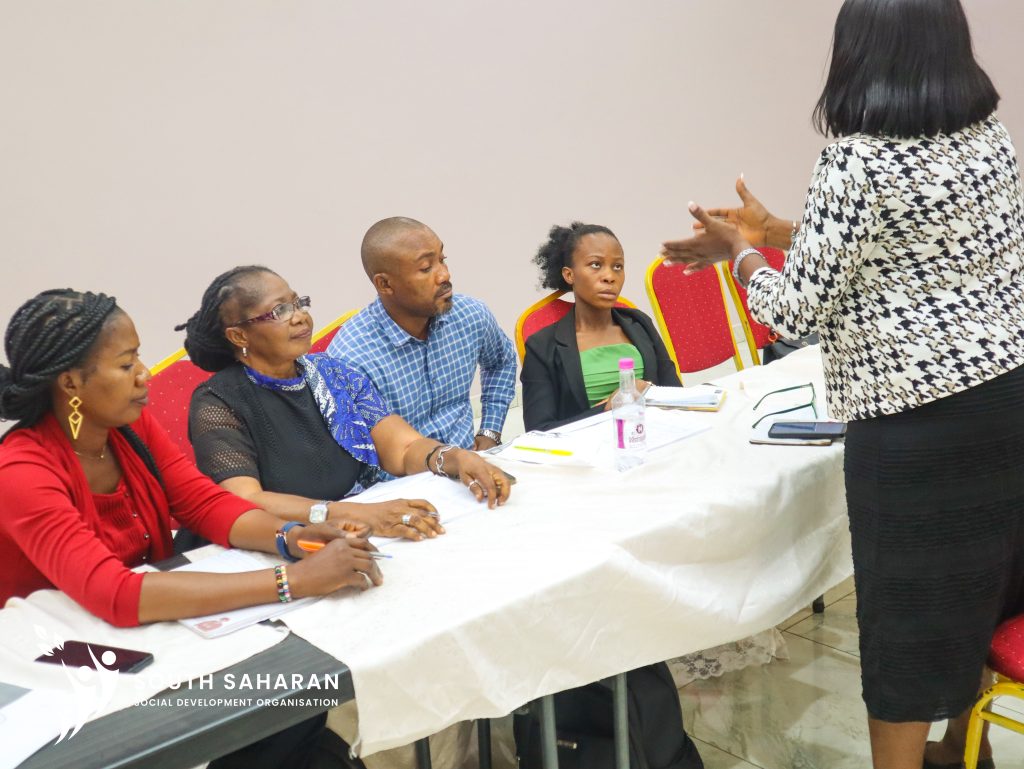
South Saharan Social Development Organisation, in collaboration with the Enugu South Sustainable Development Goals (SDG) Corps members, launched the “Pad a Girl Child” initiative. This program was designed to empower female students by providing them with essential knowledge about sexual and reproductive health and ensuring access to necessary menstrual hygiene products.

Educational Workshop

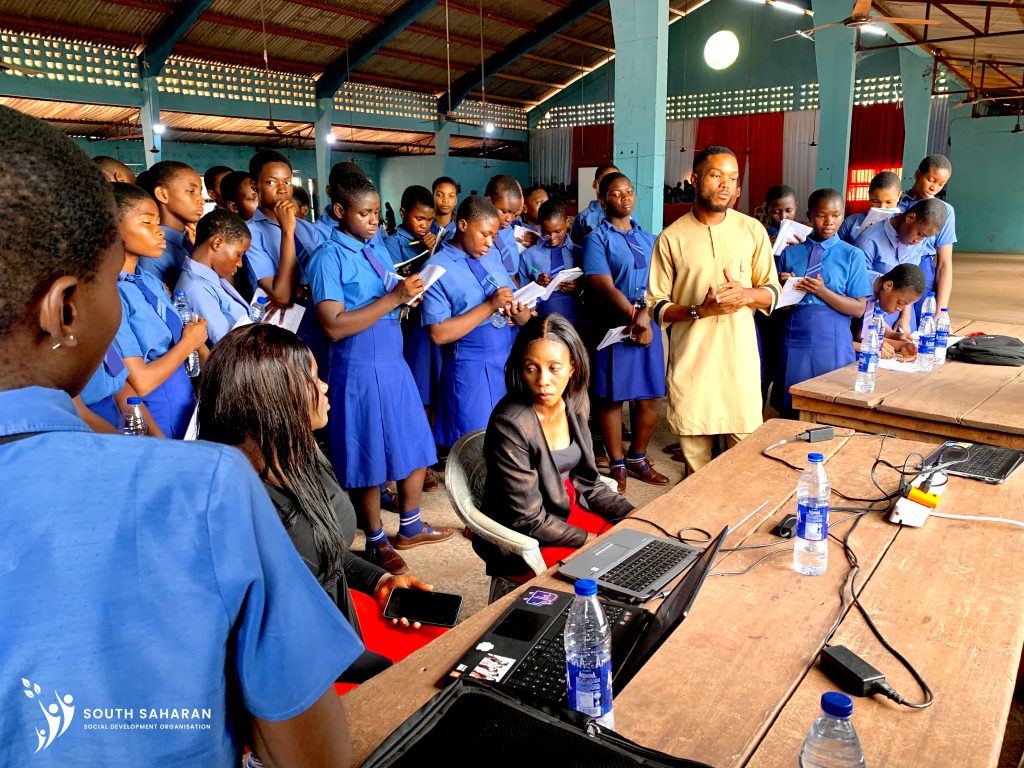
Understanding that education is the cornerstone of empowerment, our initiative commenced with comprehensive workshops aimed at demystifying menstruation. This session focused on educating the students about the menstrual cycle, its phases, and its role in the reproductive system. They also covered proper menstrual hygiene management, including the use of sanitary products, personal cleanliness, and safe disposal methods. Additionally, the workshop highlighted common menstrual-related health issues and emphasized the importance of seeking medical advice when necessary.

Distribution of Sanitary Pads

Access to sanitary products is a fundamental aspect of menstrual hygiene management. Recognizing that many girls miss school during their periods due to a lack of adequate supplies, we distributed sanitary pads to the participants. This effort sought to ensure that menstruation does not impede their educational pursuits or daily activities.

Challenging Societal Taboos

A core objective of the “Pad a Girl Child” initiative is to challenge and change the societal taboos associated with menstruation. By encouraging open discussions and providing accurate information, we strive to normalize menstruation as a natural aspect of life. Breaking these taboos is essential to fostering a supportive environment where women and girls can manage their menstrual health without fear of discrimination or embarrassment.

Menstruation itself is not a problem; the challenges arise from poor menstrual hygiene and the societal stigmas that accompany it. Through initiatives like “Pad a Girl Child,” SSDO remains dedicated to empowering women and girls, ensuring they have the knowledge and resources to manage their menstrual health with dignity and confidence. Together, we can create a society where menstruation is recognized as a natural, healthy part of life, free from stigma and barriers.

Enugu State Women’s Economic Empowerment (WEE) Policy Validation

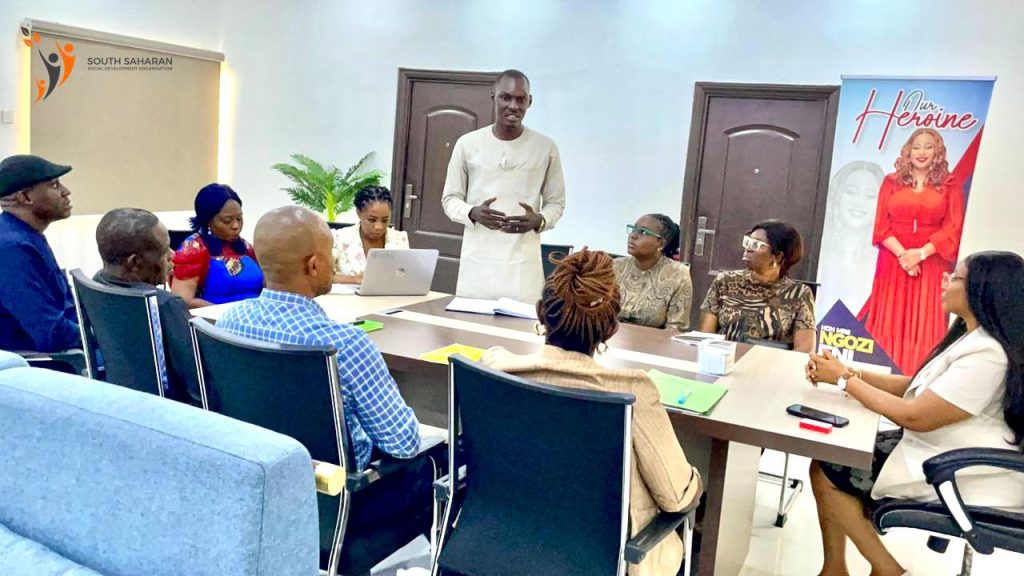
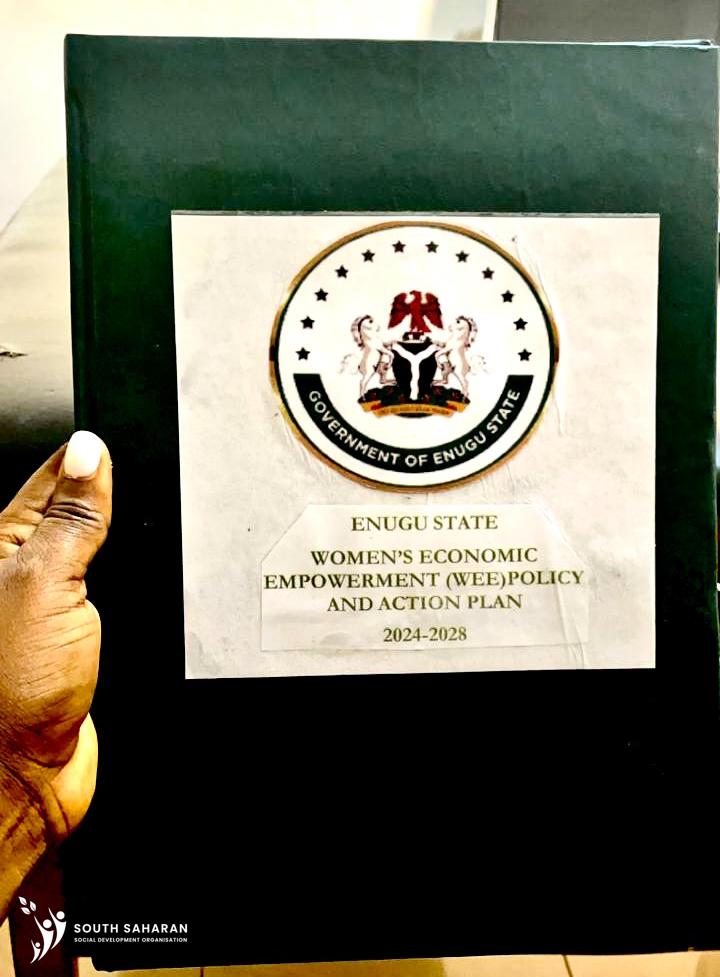
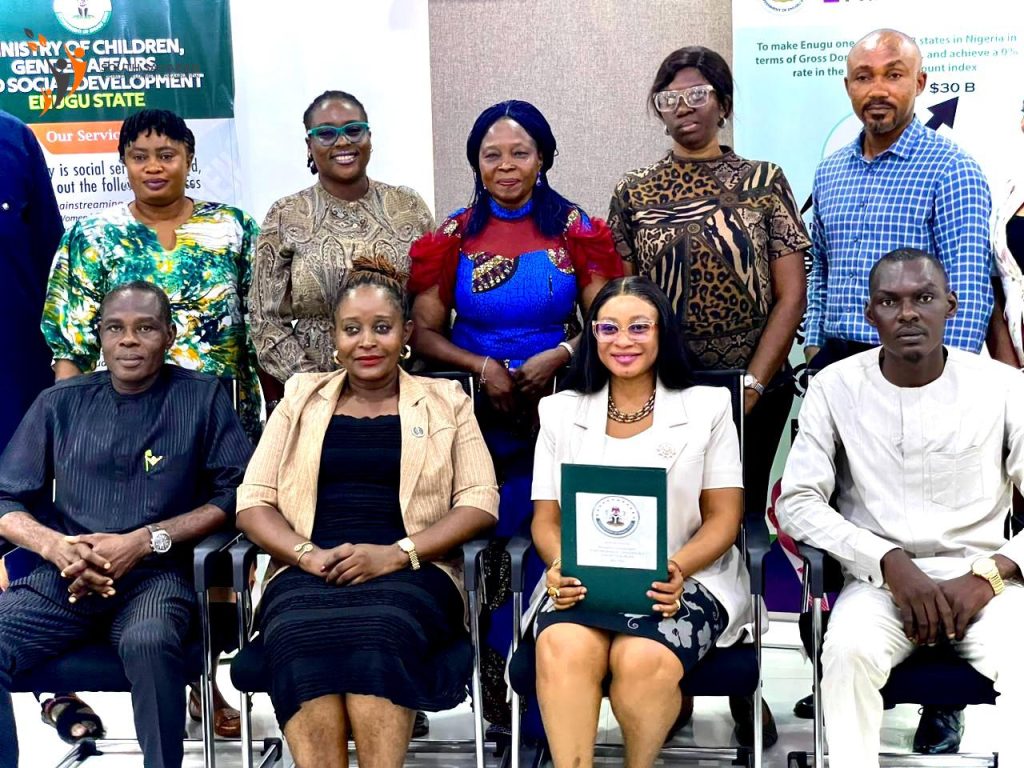
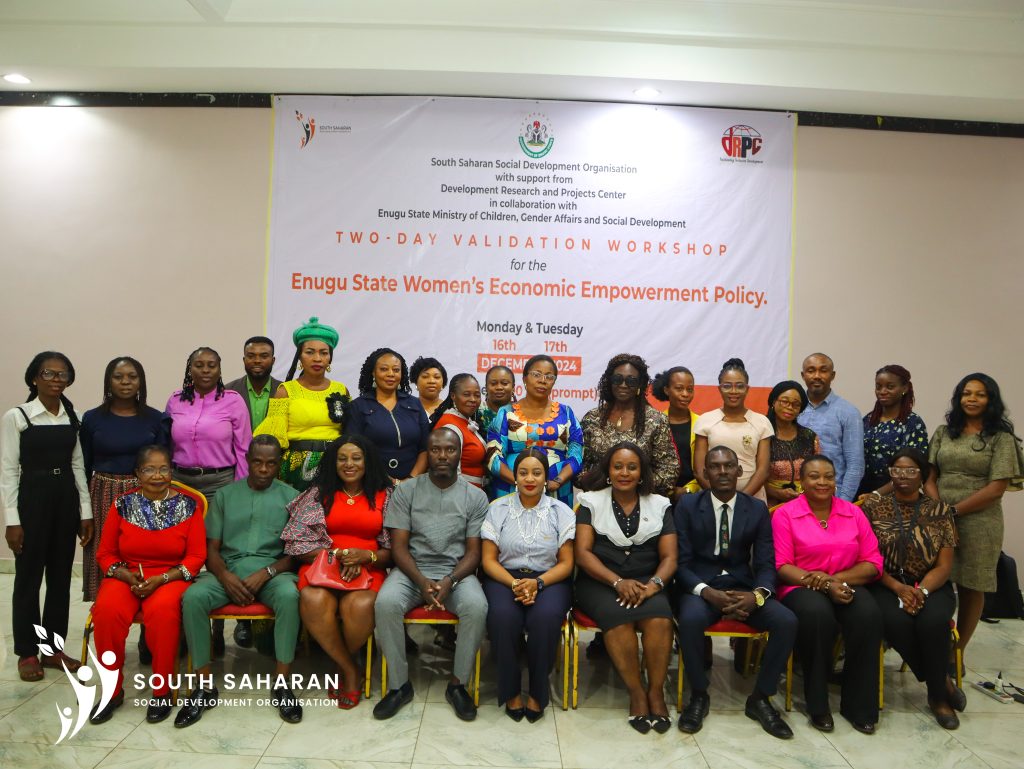
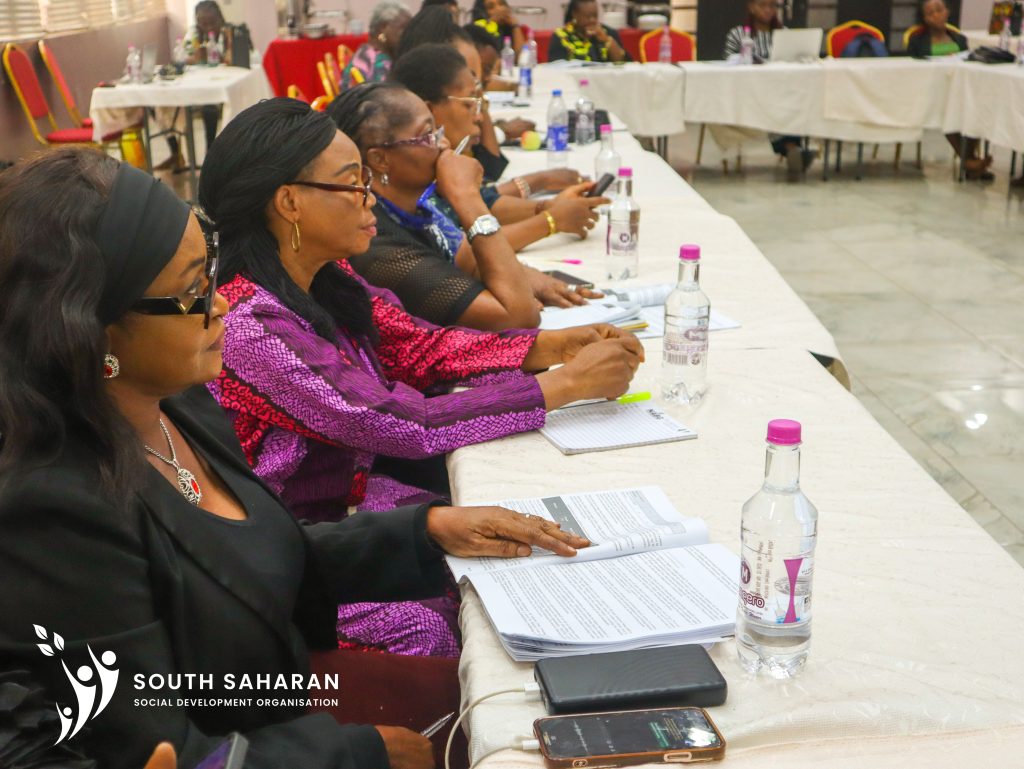
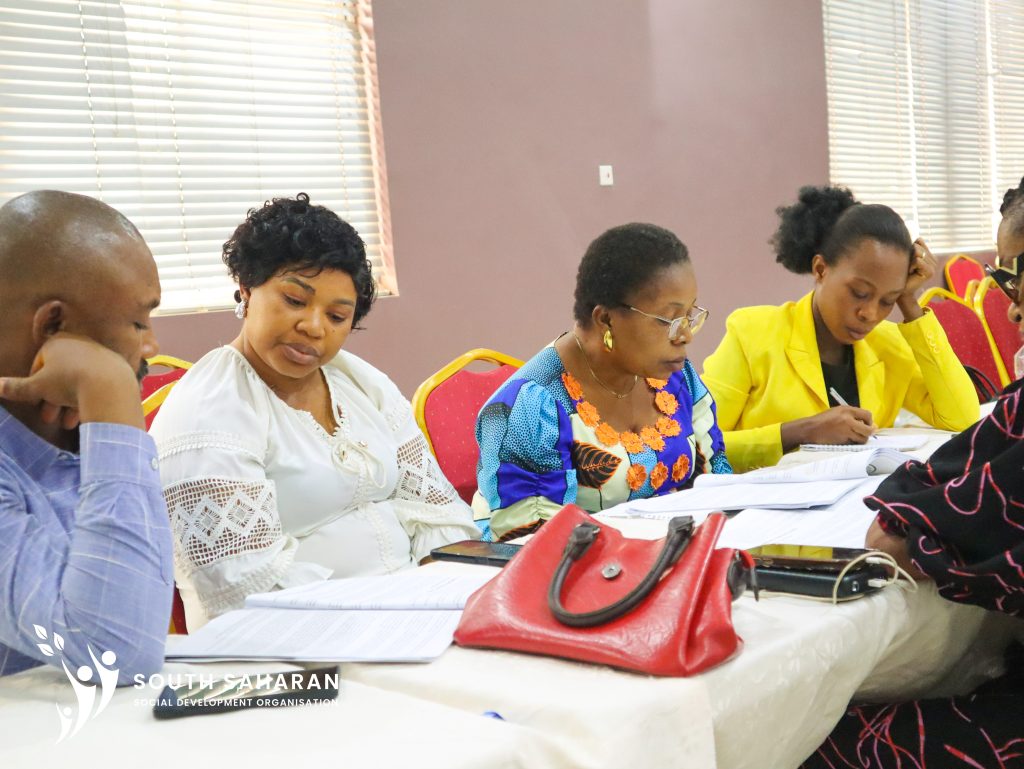
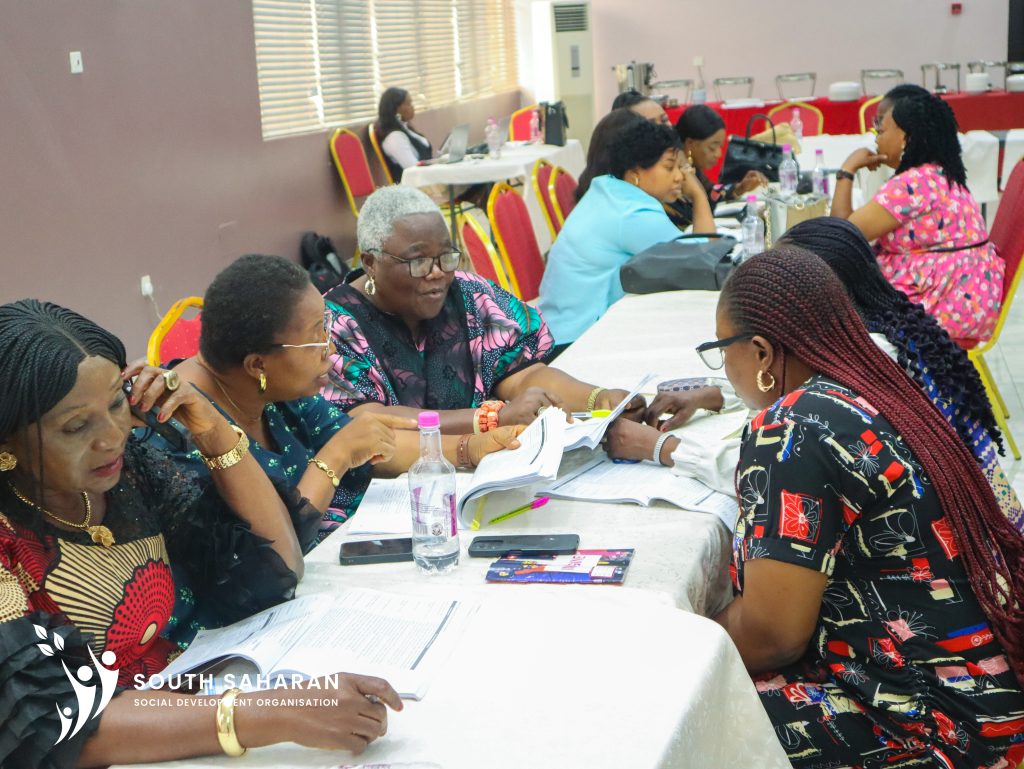
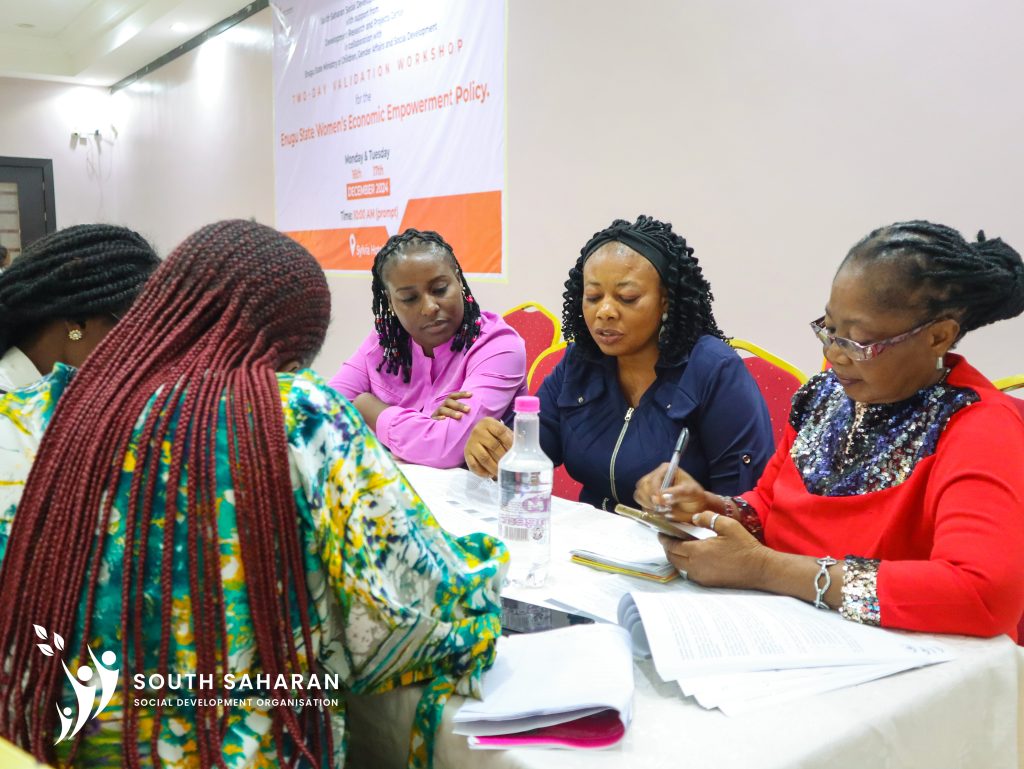
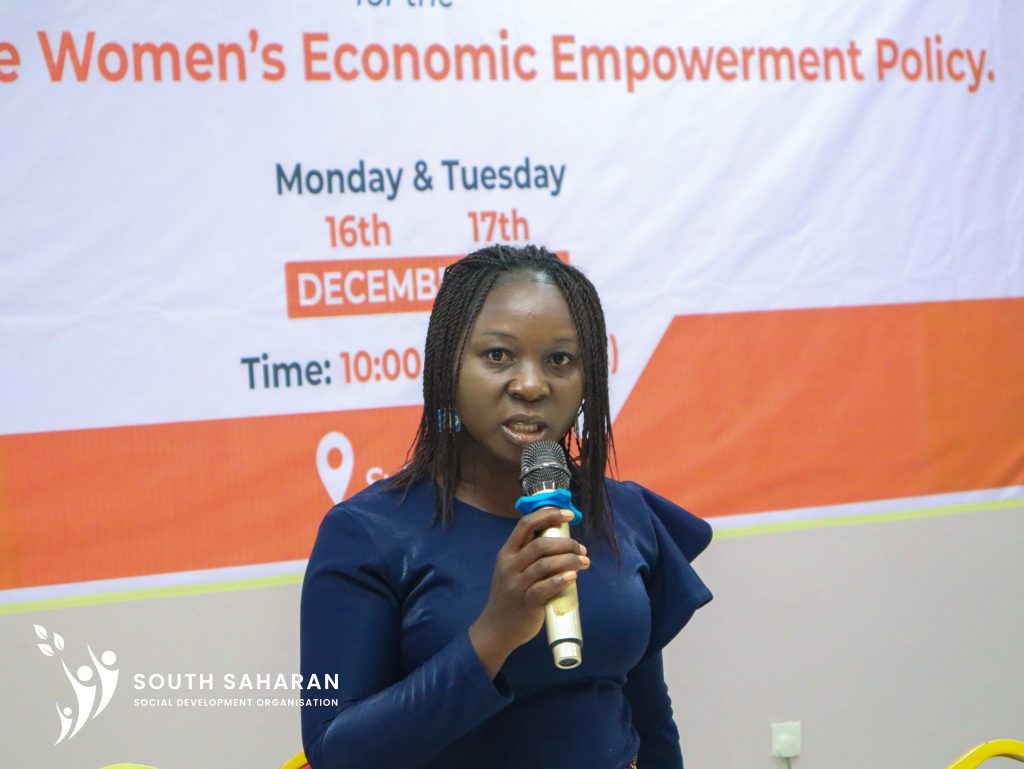
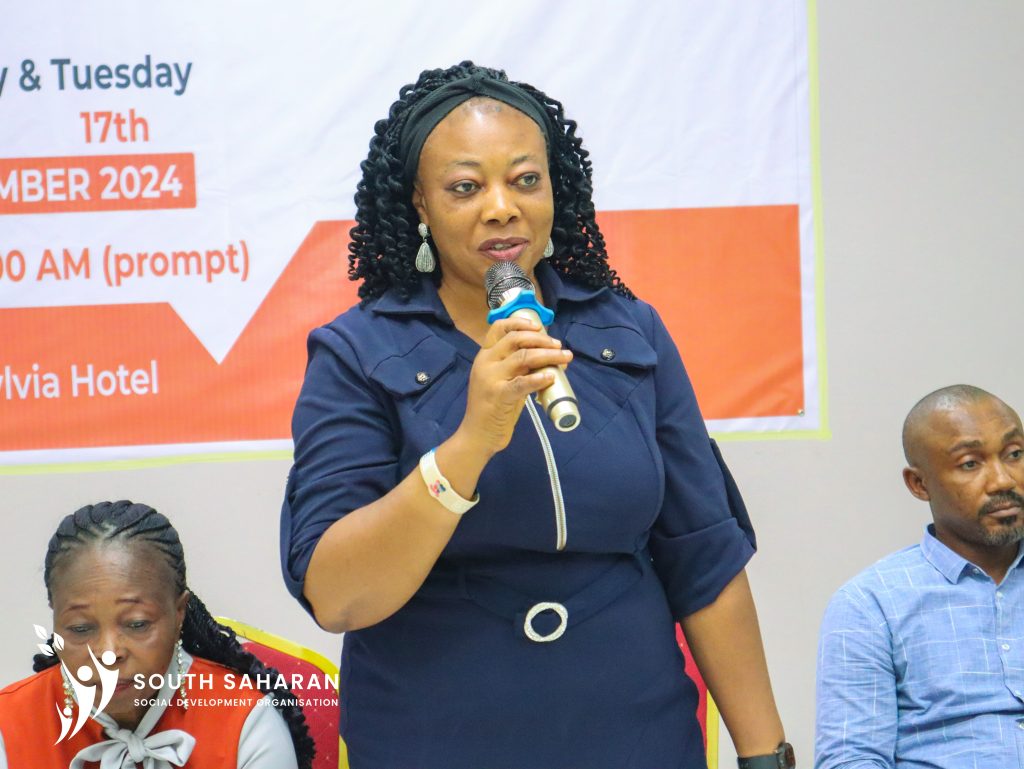
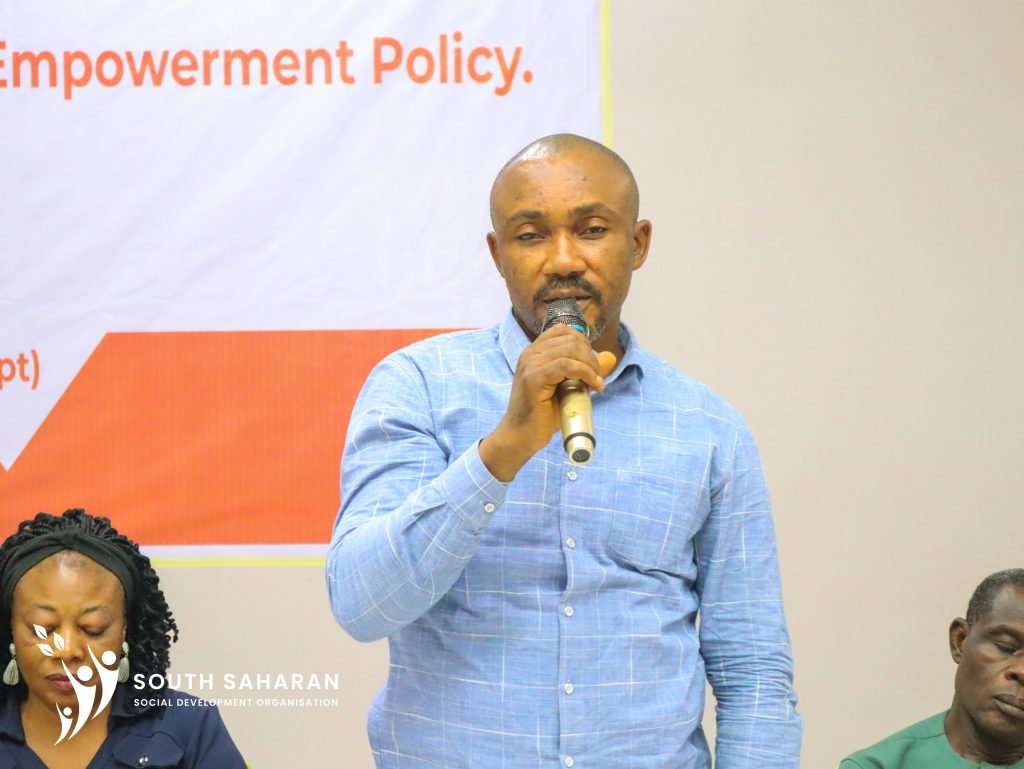
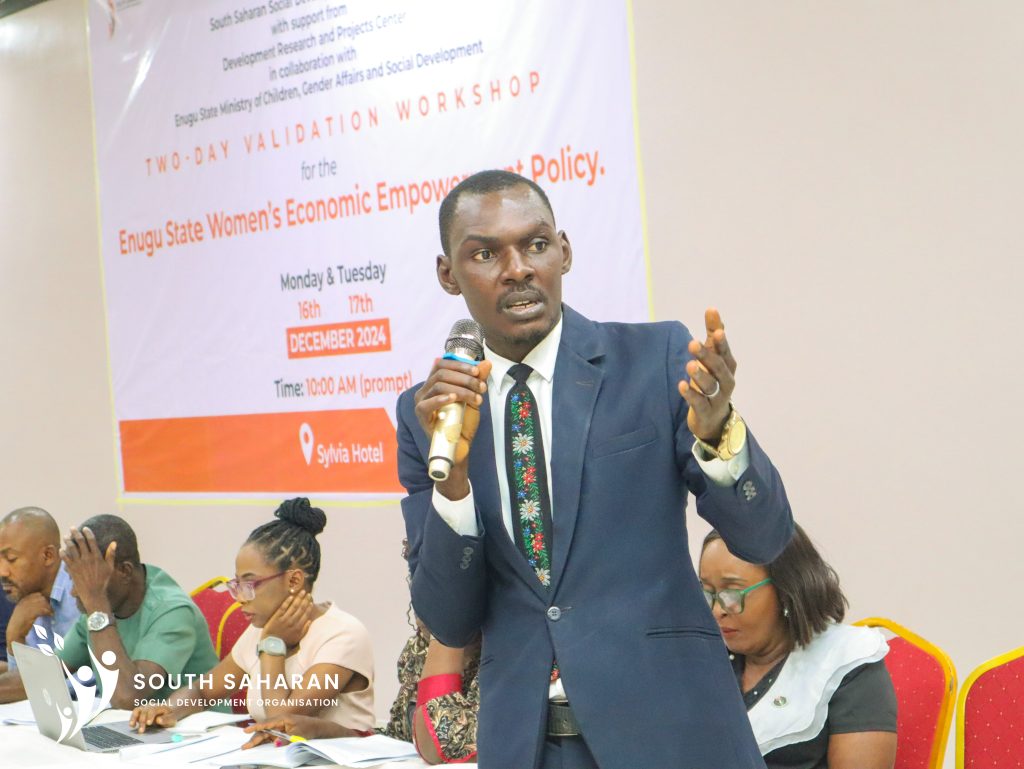
On December 16th and 17th, 2024, Enugu State made a historic leap in its commitment to gender equality by hosting a two-day validation workshop. The event, focused on refining the Enugu State Women’s Economic Empowerment (WEE) Policy and Action Plan, brought together a diverse group of stakeholders, including government officials, civil society organizations, and community leaders. The primary goal of the workshop was to align the WEE Policy with the state’s unique socio-economic realities and ensure it effectively addresses the barriers faced by women, particularly in rural areas.

The WEE Policy, developed by the South Saharan Social Development Organisation (SSDO) with support from the development Research and Projects Centre (dRPC) and in collaboration with the Enugu State Ministry of Children, Gender Affairs and Social Development, is a groundbreaking framework aimed at breaking down barriers hindering women’s access to economic opportunities. The policy emphasizes critical areas such as employment, entrepreneurship, and leadership while also improving women’s access to education, healthcare, and addressing legal and cultural obstacles to their economic empowerment.

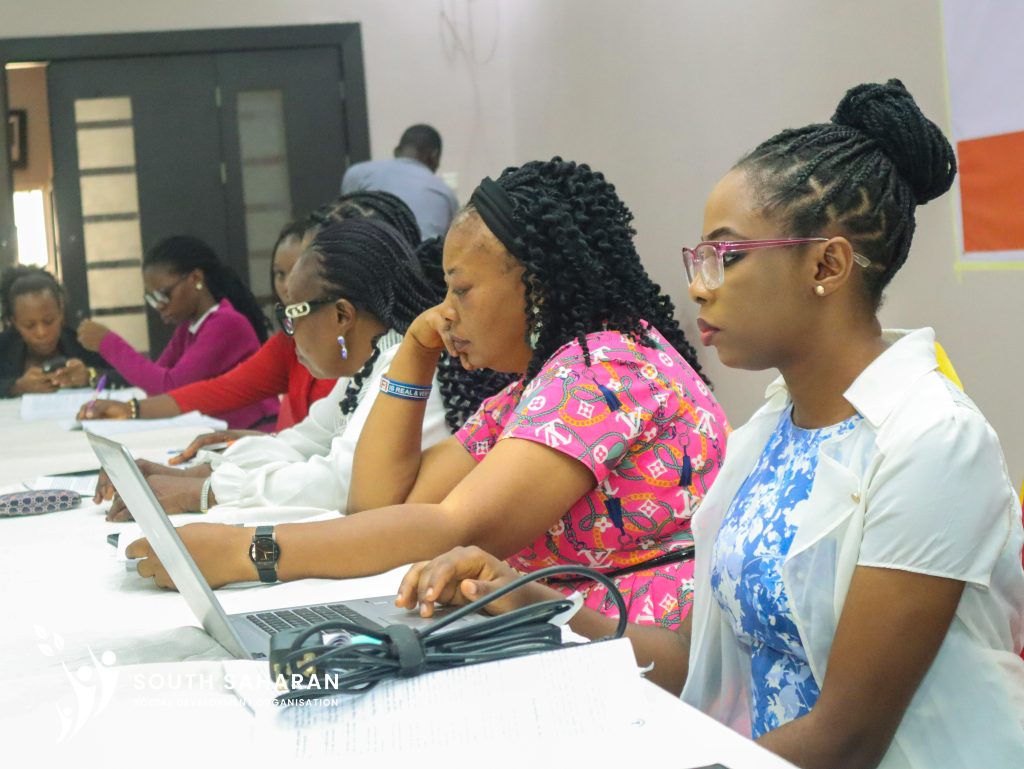
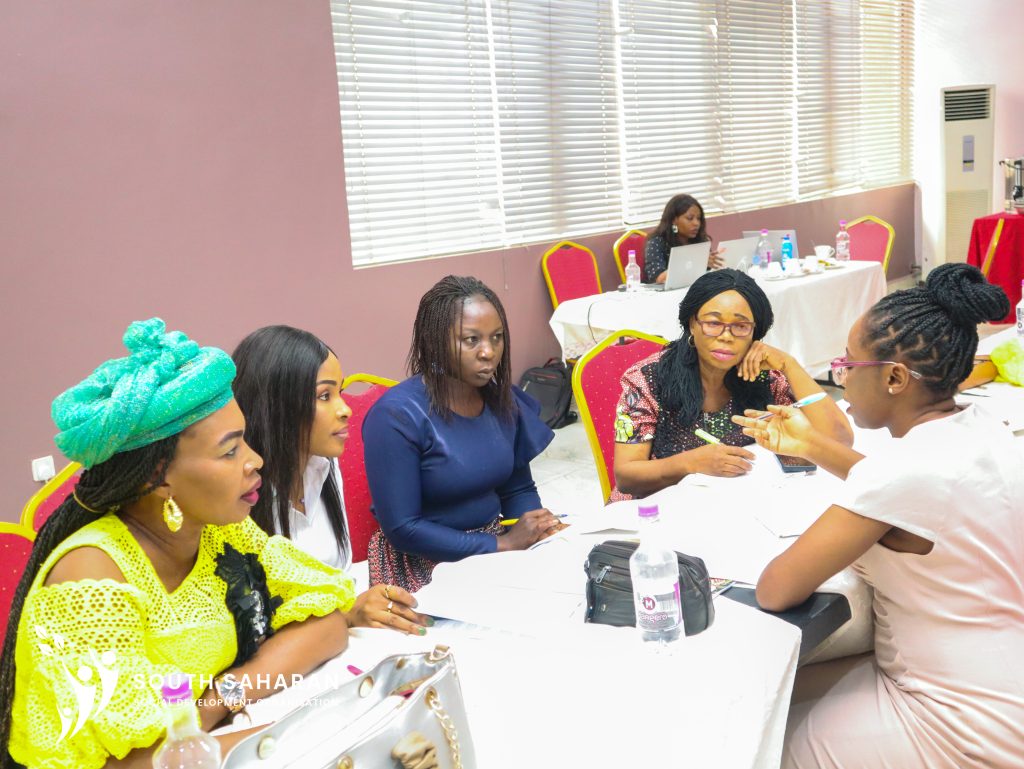
The first day of the workshop concentrated on a detailed review of the draft WEE Policy. Participants engaged in discussions, offering valuable feedback and suggestions to enhance the document’s relevance and effectiveness. Key areas of focus included identifying local challenges, understanding the socio-cultural and economic barriers that limit women’s participation in the economy, and addressing restricted access to financial services, inadequate vocational training opportunities, and limited control over agricultural tools and resources. Stakeholders also emphasized the importance of promoting inclusivity by ensuring that the policy addresses the needs of women across diverse demographics, including rural dwellers. The need to foster collaboration through robust partnerships among government bodies, non-governmental organizations, and private sector players to achieve the policy’s objectives was also highlighted.

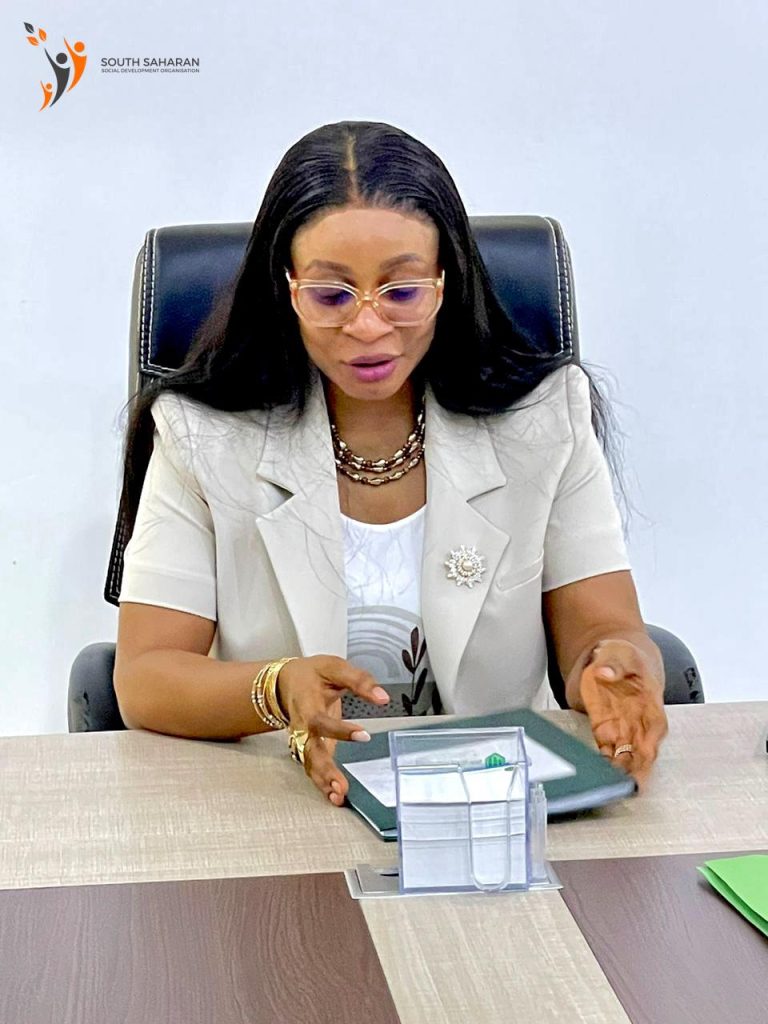
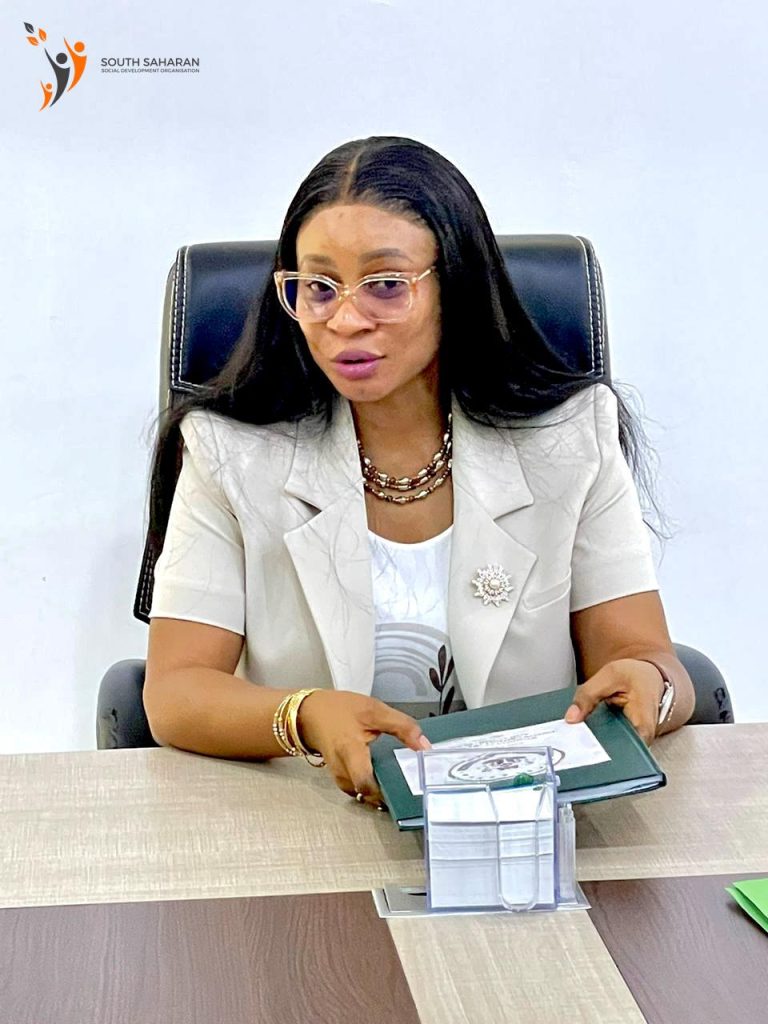
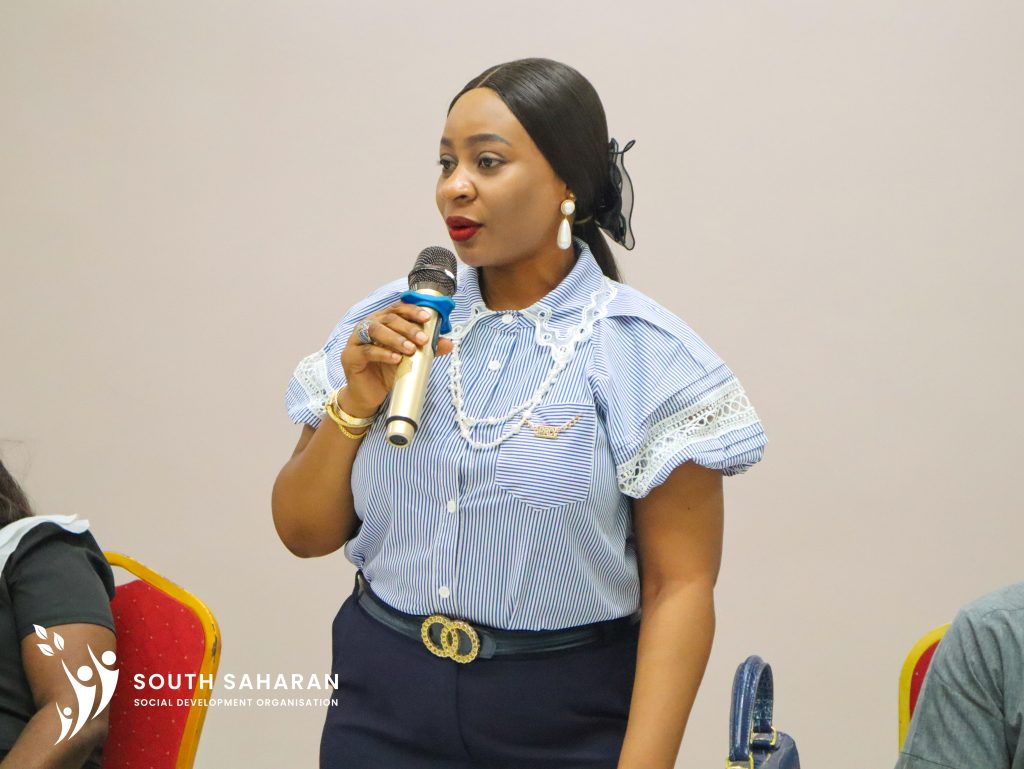
During the workshop, the Enugu State Commissioner for Children, Gender Affairs, and Social Development, Mrs. Ngozi Enih, delivered an inspiring speech highlighting the vital role of women’s economic empowerment in achieving sustainable development and reducing poverty. She emphasized that empowering women economically is essential for the state’s growth, enabling them to contribute fully to the economy and improve their livelihoods.

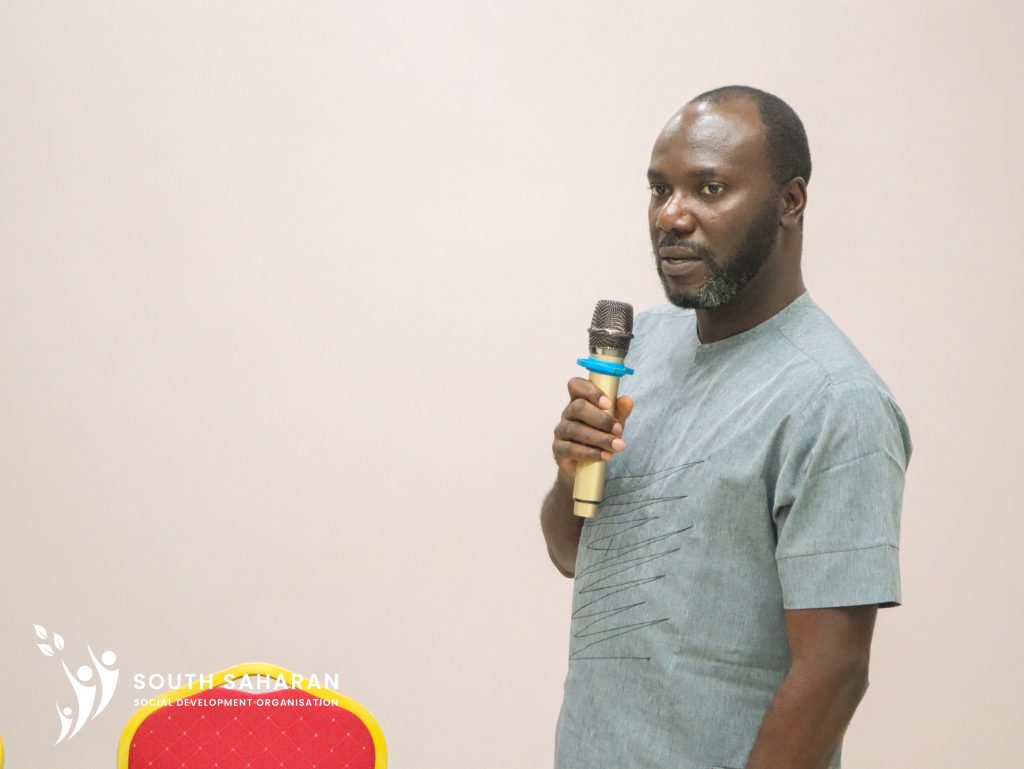
Dr. Stanley Illechukwu, Executive Director of South Saharan Social Development Organisation (SSDO), reiterated that the WEE Policy aligns with SSDO’s mission of making development happen for women. He noted that the policy aims to address the unique challenges faced by women in Enugu State and focuses on improving their access to education, healthcare, and financial resources, allowing them to participate fully in the economy as entrepreneurs, employees, or consumers. Dr. Illechukwu also emphasized the policy’s commitment to addressing legal and cultural barriers to create an environment where women can thrive economically.

The second day shifted the focus to actionable steps for implementing the WEE Policy. Collaborative sessions were held to develop a comprehensive action plan. Participants worked together to set measurable goals, defining clear and achievable objectives to track the policy’s progress over time. They outlined specific roles for various government departments, civil society groups, and community leaders, assigning responsibilities to ensure accountability. Additionally, a phased timeline for implementation was proposed, providing a realistic and sustainable approach to rolling out the policy initiatives.

The discussions during the workshop culminated in several critical recommendations aimed at ensuring the WEE Policy’s success. Enhancing access to resources by addressing systemic barriers that prevent women from accessing agricultural tools, financial services, and vocational training was identified as a priority. Strengthening financial inclusion through targeted programs to increase women’s access to credit and savings opportunities was also emphasized.

Participants highlighted the importance of tackling socio-cultural barriers by launching awareness campaigns to challenge gender stereotypes and promote gender equity. Finally, the establishment of a robust framework to monitor and evaluate progress was deemed essential for regularly assessing the policy’s impact and making necessary adjustments.

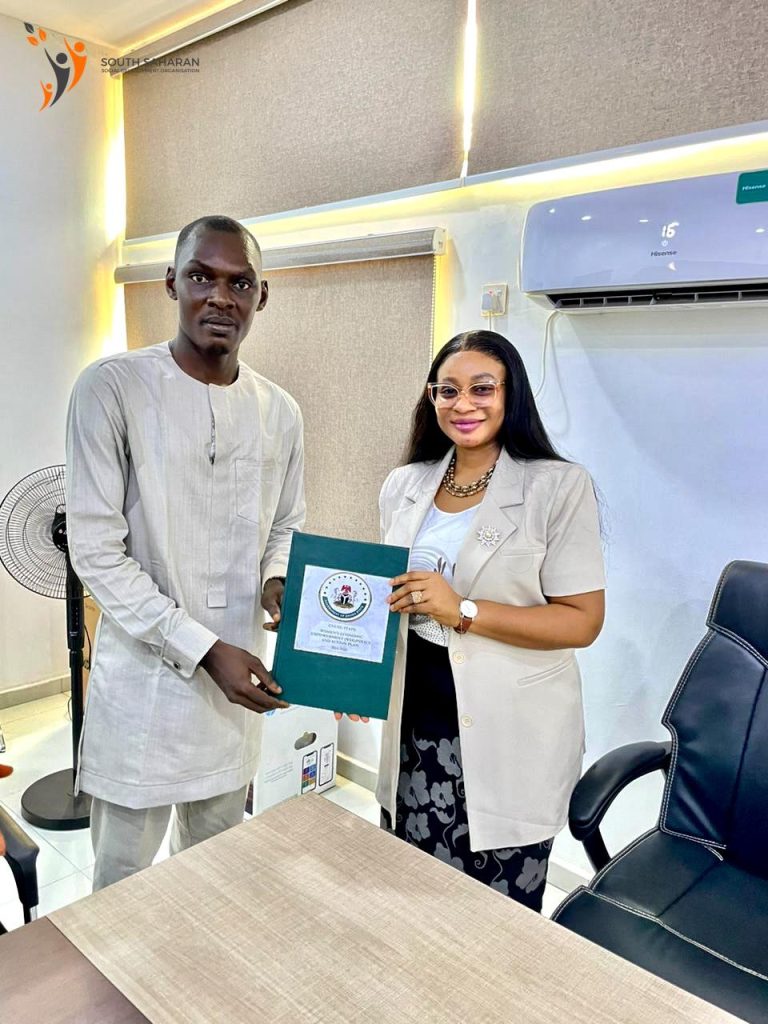
As the workshop concluded, the focus shifted to the next steps. The feedback and insights gathered will be integrated into the final draft of the WEE Policy, which will then be submitted to the State Executive Council for approval. The official launch of the policy is scheduled for February 2025, marking a significant milestone in Enugu’s journey toward gender-inclusive economic development.
Enugu State’s commitment to women’s economic empowerment is a beacon of progress. By addressing the unique challenges faced by women and fostering a collaborative approach, the state is paving the way for sustainable and inclusive growth. With the WEE Policy as a guiding framework, women across Enugu State will have greater opportunities to thrive, contribute to their communities, and drive socio-economic transformation.

The validation workshop at Sylvia Hotel was more than just an event; it was a pivotal moment in Enugu State’s pursuit of gender equity. Through careful planning, stakeholder collaboration, and a focus on actionable strategies, the state is poised to set an example for others to follow. As February 2025 approaches, all eyes will be on Enugu, ready to witness the launch of a transformative policy that promises to empower women and foster economic prosperity for all.
16 Days of Activism: Community Advocacy – Sister Guardian Initiative

As we stand together as a global community, we are reminded of a harsh reality: 1 in 3 women worldwide experience gender-based violence in their lifetime. This staggering statistic is a stark reminder of the urgent need for collective action. The 16 Days of Activism Against Gender-Based Violence campaign, observed from November 25 (International Day for the Elimination of Violence Against Women) to December 10 (Human Rights Day), serves as a powerful catalyst for change.
At the South Saharan Social Development Organisation, we are proud to amplify this movement, advocating for a future where women and girls live free from violence and discrimination. Our commitment to this cause is unwavering, and we believe that together, we can drive meaningful change.

Recently, our team visited the Umode Community, and Obinagu-Nike Community in Enugu State, Nigeria, as part of our 16 Days of Activism campaign.

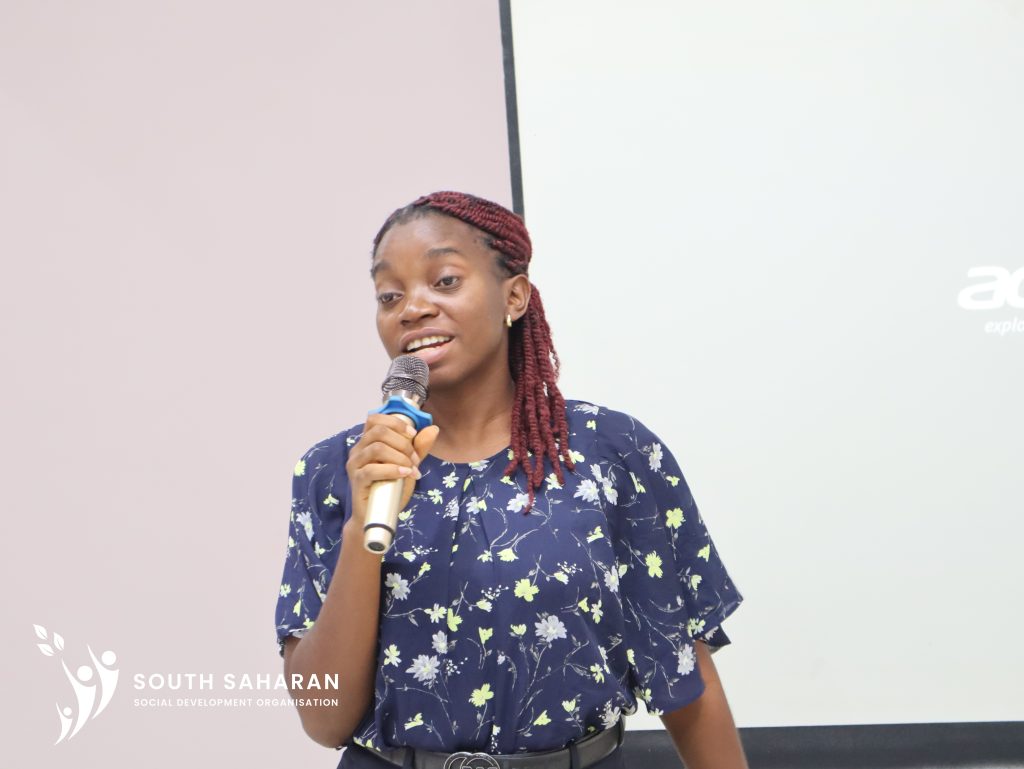
Our Gender and Protection Officer, Uchendu Blessing, and COMPEG Program Officer, West Priye, facilitated a critical session with the Traditional Rulers, their Cabinet, and the Sister Guardian Women of each Community. These incredible women, who serve as guardians and advocates for their sisters and daughters, are the backbone of our efforts to end GBV. They are the change-makers, the trailblazers, and the heroes who inspire us every day.

This initiative is just one example of our efforts to create a more inclusive and equitable society where women’s voices are heard. We believe that by working together, we can challenge the status quo and build a world where women and girls are valued, respected, and protected.

What can you do to make a difference?

  1. Demand action and accountability from leaders to end GBV. Use your voice to advocate for policies and programs that protect women’s rights and prevent violence.
  2. Support frontline organizations championing this cause. Your contributions can help amplify their impact and create lasting change.
  3. Educate yourself and others about the devastating impact of GBV. Share articles, videos, and personal stories to raise awareness and spark conversations.

Join us in this fight! Together, we can create a safer, more equitable world where women and girls thrive. Let us stand united in our pursuit of justice, equality, and human rights for all. Let us celebrate the Sister Guardians and all the women who are leading the charge against GBV.

Follow us on social media to stay updated on our 16 Days of Activism campaign and learn more about our work to end GBV. Share your own stories, experiences, and messages of support using the hashtag #16DaysOfActivism. Together, we can break the silence and create a brighter future for all.

SSDO Conducts Focus Group Discussions to Tackle Exploitative Child Domestic Work in Southeast Nigeria

Following the high-level meeting organized by the South Saharan Social Development Organization (SSDO) in collaboration with the Enugu State Ministry of Children, Gender Affairs, and Social Development, SSDO has taken further action by engaging directly with vulnerable communities through a series of focus group discussions (FGD). These discussions are part of an ongoing effort to address the growing issue of Exploitative Child Domestic Work (ECDW) in Southeast Nigeria.

While the formal meeting brought together key policymakers and government stakeholders to deliberate on solutions, the focus group discussions offered a platform for community members, families, and survivors to share their personal experiences and insights. The sessions were conducted in five communities—Eke, Umuode, and Adani in Enugu State, as well as Omor and Igbakwu in Anambra State—regions with a high prevalence of child domestic work.

Giving Voice to the Marginalized

The FGDs were not just a means of gathering information but a participatory process designed to ensure that the voices of those most affected by ECDW are heard. Community leaders, families, and survivors came together to speak candidly about the root causes of child exploitation and the challenges in seeking help. Many participants emphasized the role of poverty, cultural norms, and lack of education as key drivers of child domestic work. They also discussed the fear and stigma that often prevent families from reporting cases of abuse or exploitation.

By engaging these communities, SSDO was able to gain first-hand insight into the specific barriers that families and children face, particularly when it comes to accessing justice and social services. Survivors of ECDW shared powerful stories of their experiences, highlighting the urgent need for tailored interventions that address both immediate needs and systemic challenges.

Shaping Culturally-Sensitive Interventions

The information gathered during these focus group discussions will play a critical role in shaping SSDO’s future interventions. By incorporating the perspectives of those directly impacted by ECDW, SSDO aims to develop strategies that are both culturally sensitive and practically feasible. This community-driven approach ensures that proposed solutions resonate with local realities and have a higher chance of success.

Participants of the FGD were also informed of the ongoing efforts to strengthen legal frameworks, improve child protection services, and provide more robust support for families at risk. By involving community leaders and families in these discussions, SSDO is laying the groundwork for sustainable, long-term solutions that address the root causes of child exploitation.

Making Change Happen From the Grassroot Upwards

These FGDs mark an important step forward in SSDO’s mission to combat exploitative child domestic work in Southeast Nigeria. The insights gathered will help refine interventions, ensuring they are rooted in the real challenges faced by children and their families. As SSDO continues to work closely with policymakers, law enforcement, and communities, the organization remains committed to protecting the rights and dignity of every child.

The next steps will include synthesizing the insights from these discussions into actionable recommendations, which will form the basis for SSDO’s broader advocacy and community support initiatives. Together with community leaders, survivors, and stakeholders, SSDO is building a future where children are protected from exploitation and empowered to thrive.

Empowering Data-Driven Change: SSDO Trains Enumerators for GBV Baseline Survey

In a significant stride towards addressing gender-based violence (GBV) in Enugu State, the South Saharan Social Development Organization (SSDO), in collaboration with the Ford Foundation, recently concluded a comprehensive training session for enumerators. This training is part of the Community Partnership for the Elimination of Gender-Based Violence (ComPEG) project, aimed at eliminating harmful practices and norms that perpetuate GBV in rural communities through data-driven, community-based interventions. 

The training, which took place on the 27th of September 2024 at the Bridge Waters Railway in Enugu, brought together enumerators, supervisors, and key stakeholders from across the state to prepare for the upcoming baseline survey. The survey will be conducted across all 17 Local Government Areas (LGAs) of Enugu State, providing essential data that will help shape targeted interventions to reduce the prevalence of GBV and other pressing social issues.

Why the Training Matters

Gender-based violence remains a critical public health issue, with long-lasting impacts on individuals, families, and communities. The ComPEG project seeks to address these issues by engaging local institutions, including traditional leaders, government representatives, and community members, in driving accountability and reform. A crucial aspect of this effort is the collection of accurate, community-specific data to guide and inform future interventions.

The training of enumerators is an essential step in this process, equipping participants with the knowledge and skills necessary to conduct the baseline survey efficiently and ethically. The training agenda covered a range of critical topics, including:

– An overview of GBV and its incidence in Enugu State.

– Ethical considerations in data collection and household mapping.

– Introduction to the mWater tool for data collection and analysis.

– Survey methodologies related to GBV, child labor, antimicrobial resistance, toilet financing, and poverty indicators.

– Role-playing exercises to ensure preparedness in real-world field situations.

By the end of the training, the enumerators were fully prepared to conduct the survey, ensuring that all data collected will be accurate, comprehensive, and aligned with the project’s objectives.

Collaboration for Lasting Impact

The SSDO team, led by Gender and Protection Officer, Blessing Uchendu, worked alongside representatives from the Ministry of Children, Gender Affairs, and Social Development (MCGASD) to ensure that all enumerators were equipped not only with technical skills but also with a deep understanding of the sensitive nature of the data they will be collecting. During the session, Cheta Okonkwo Eze from MCGASD provided critical insights into the state’s GBV and child labor landscape, further emphasizing the importance of ethical data collection practices.

Additionally, participants were introduced to the use of mWater, a digital tool that will be utilized for data collection, making the process more efficient and secure. The data gathered will form the foundation for future interventions, allowing SSDO and its partners to focus resources where they are most needed.

Looking Ahead

Following the training, enumerators will be deployed across the 17 LGAs to conduct the baseline survey over a six-day period. The data collected will provide valuable insights into the prevalence, patterns, and drivers of GBV in Enugu State, as well as other intersecting issues such as child labor and antimicrobial resistance.

This survey represents the first step in a broader effort to create safer, more equitable communities in Enugu State. By identifying high-risk areas and establishing a baseline for future interventions, the SSDO aims to drive real, measurable change in the fight against GBV.

Our Commitment

At SSDO, we are committed to reducing GBV and promoting gender equality through innovative, data-driven approaches. The ComPEG project is a testament to this commitment, and we are grateful for the support of our partners, including the Ford Foundation, for making this critical work possible.

As the baseline survey gets underway, we look forward to sharing updates on our progress and the impact of our work. Together, we can create a future where everyone is safe from gender-based violence.

Stay Connected!

For updates on the ComPEG project and other initiatives, follow us on our social media platforms:

LinkedIn 

Facebook

Twitter/X

Instagram