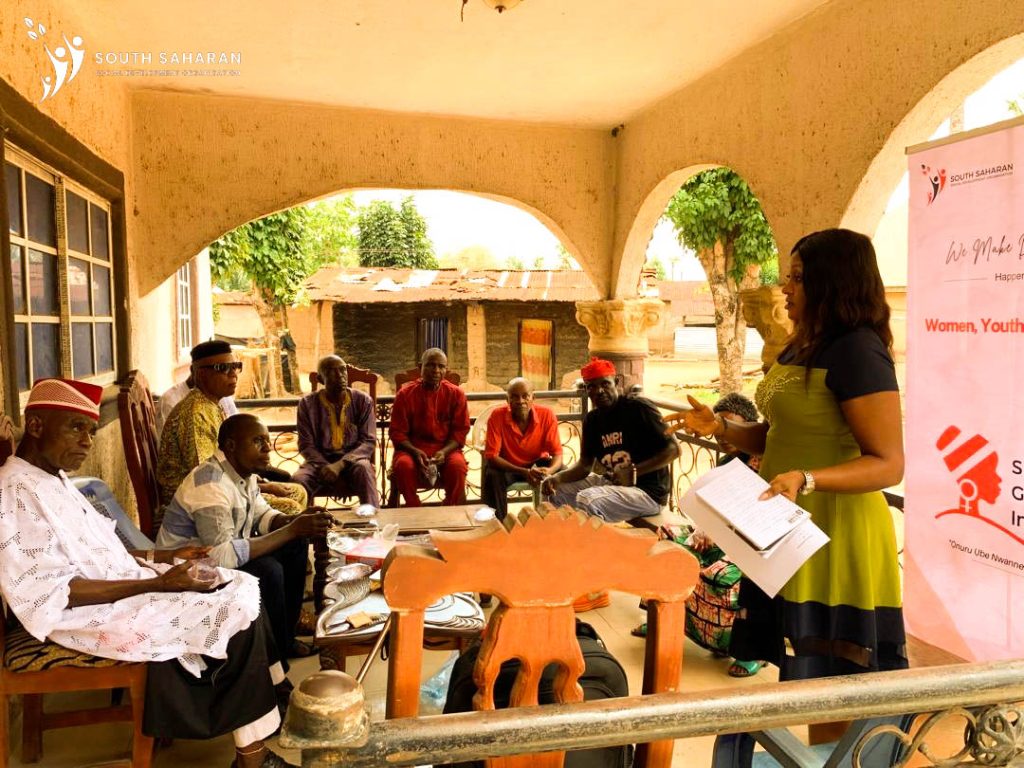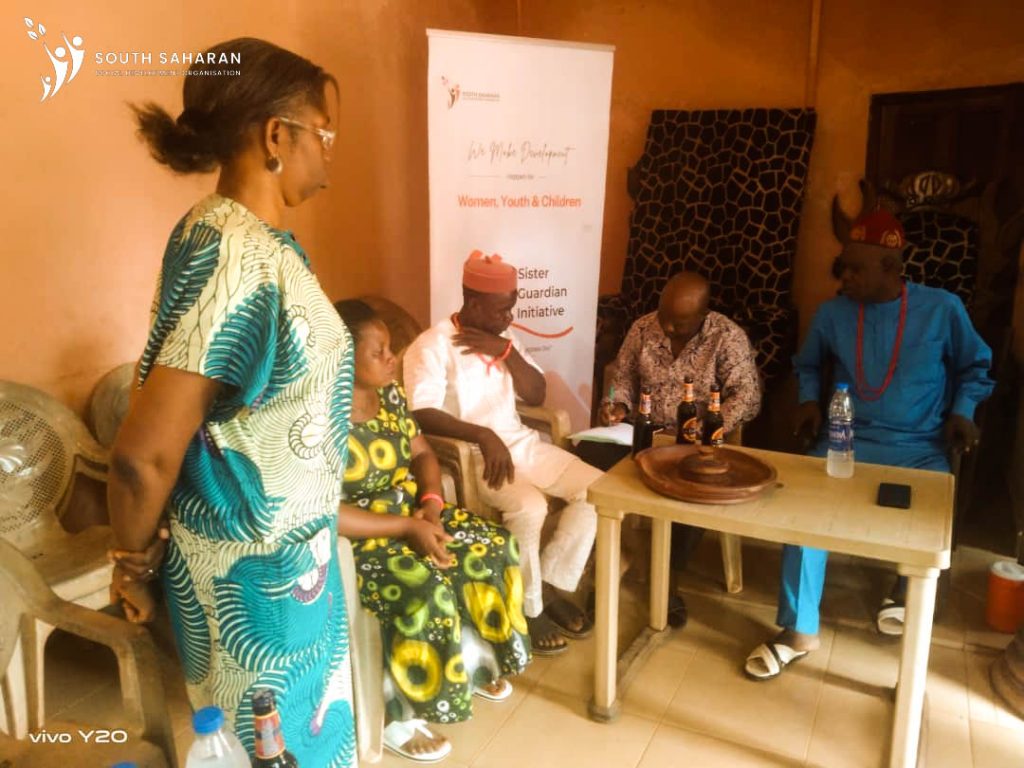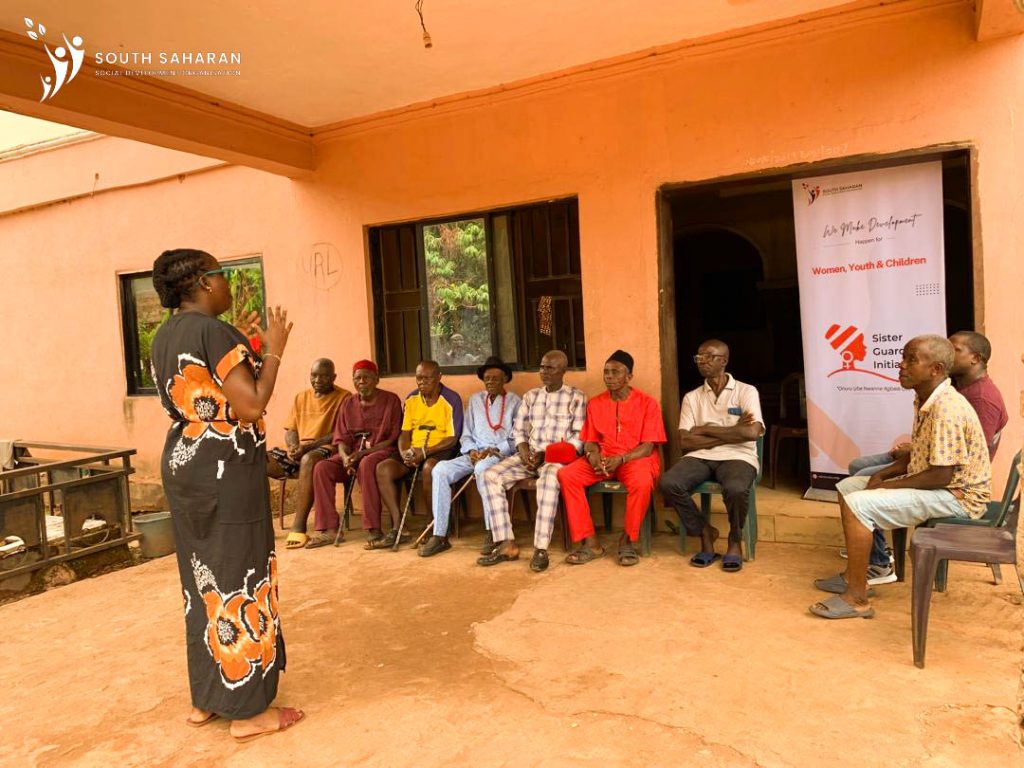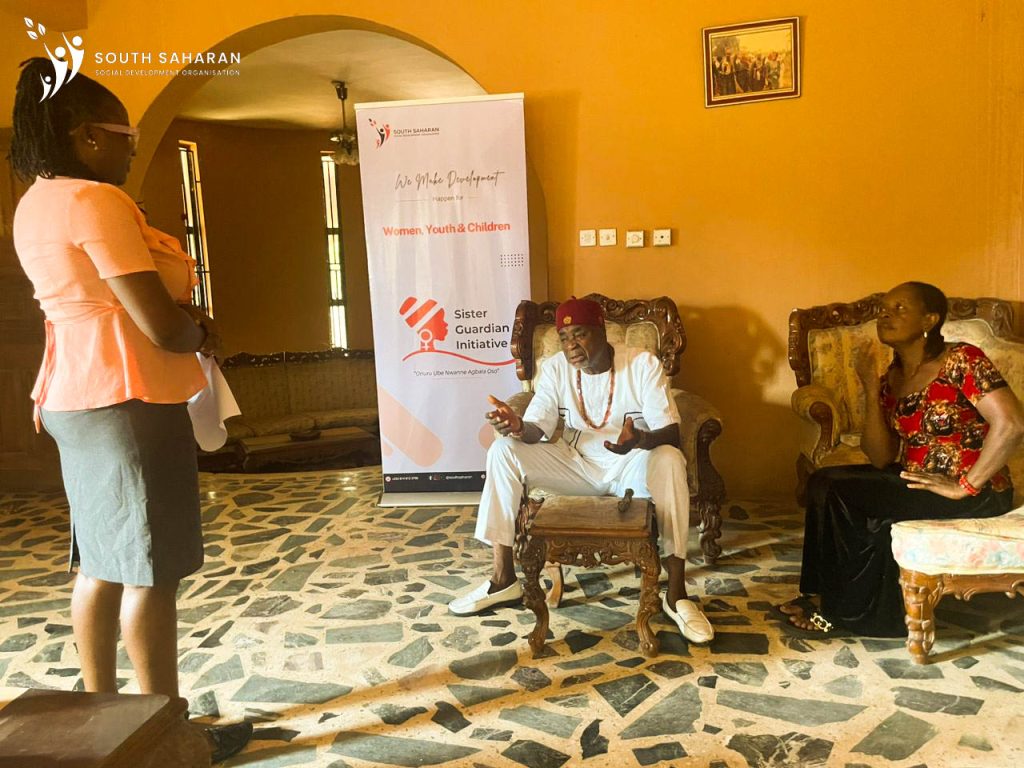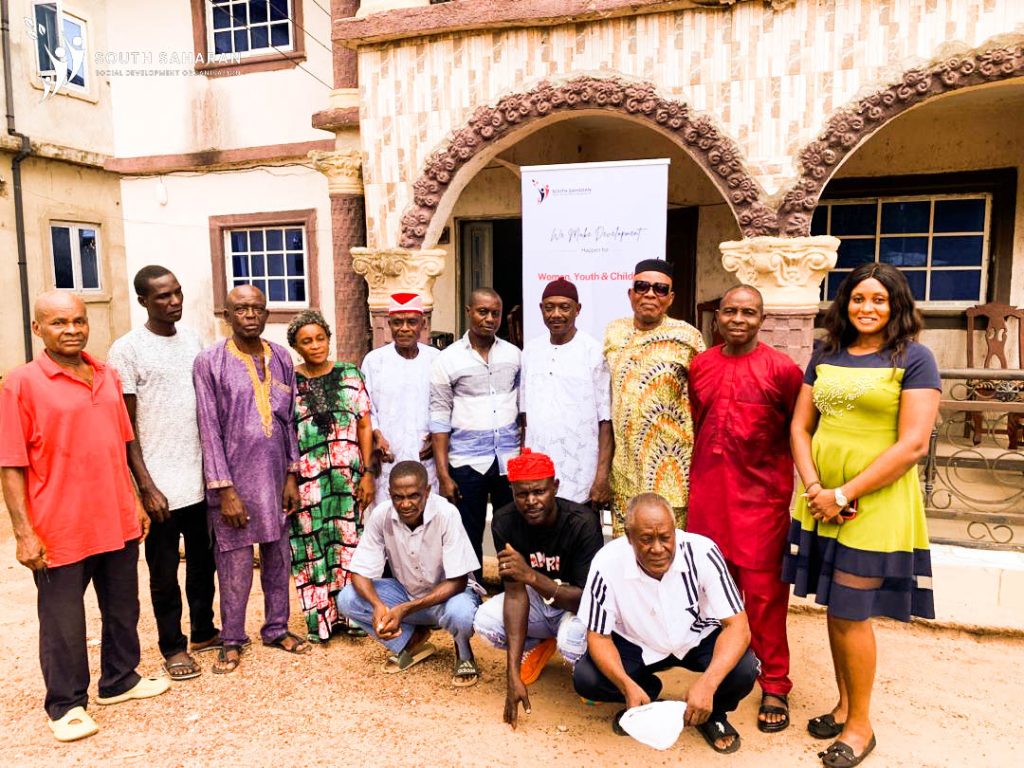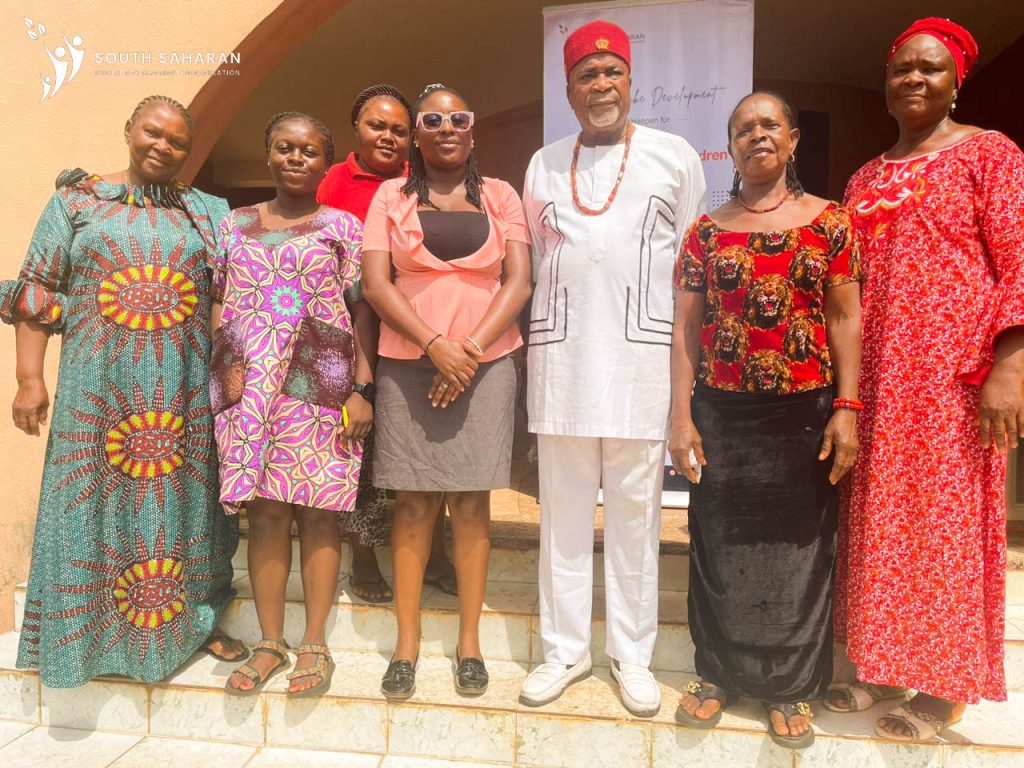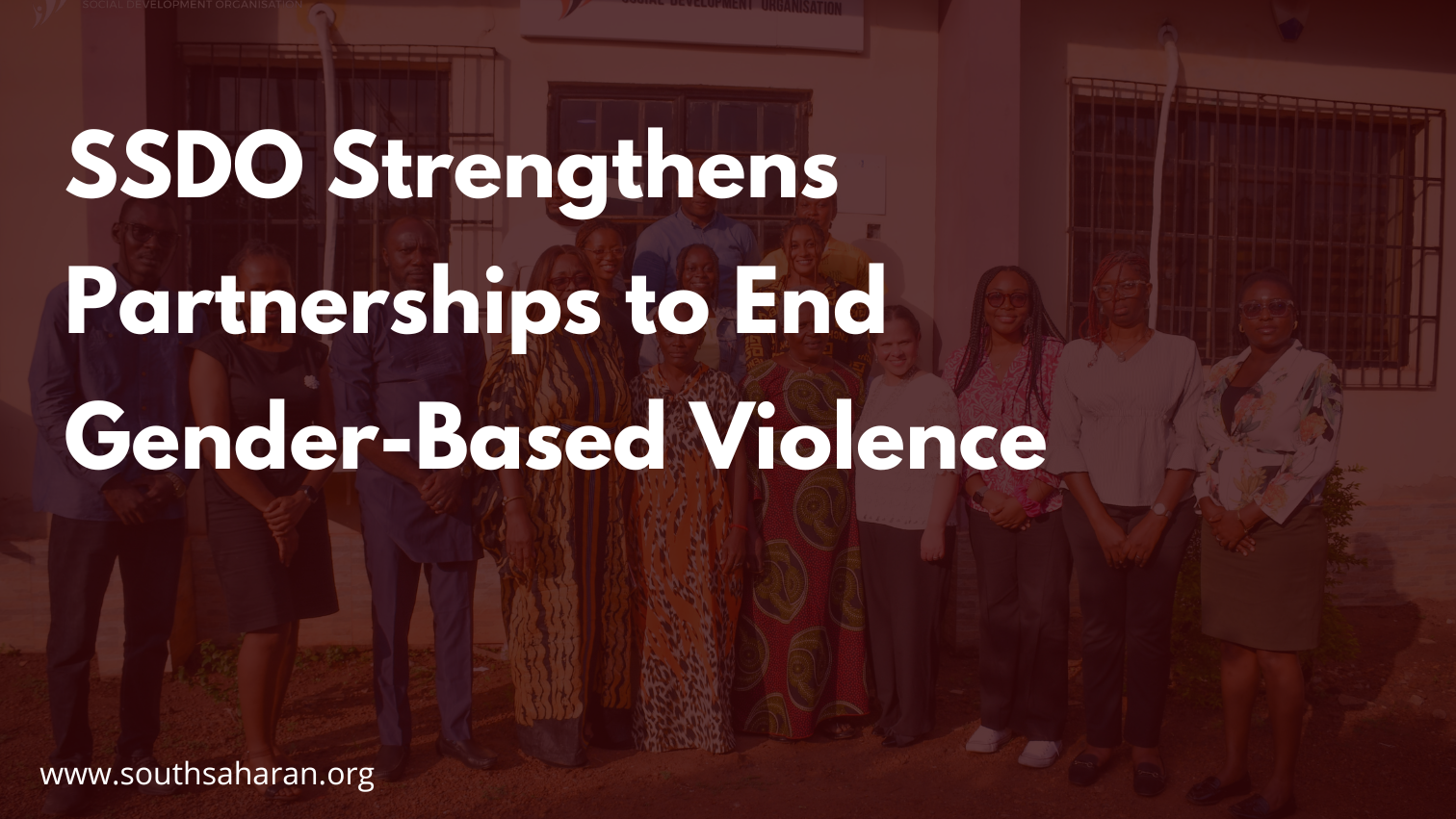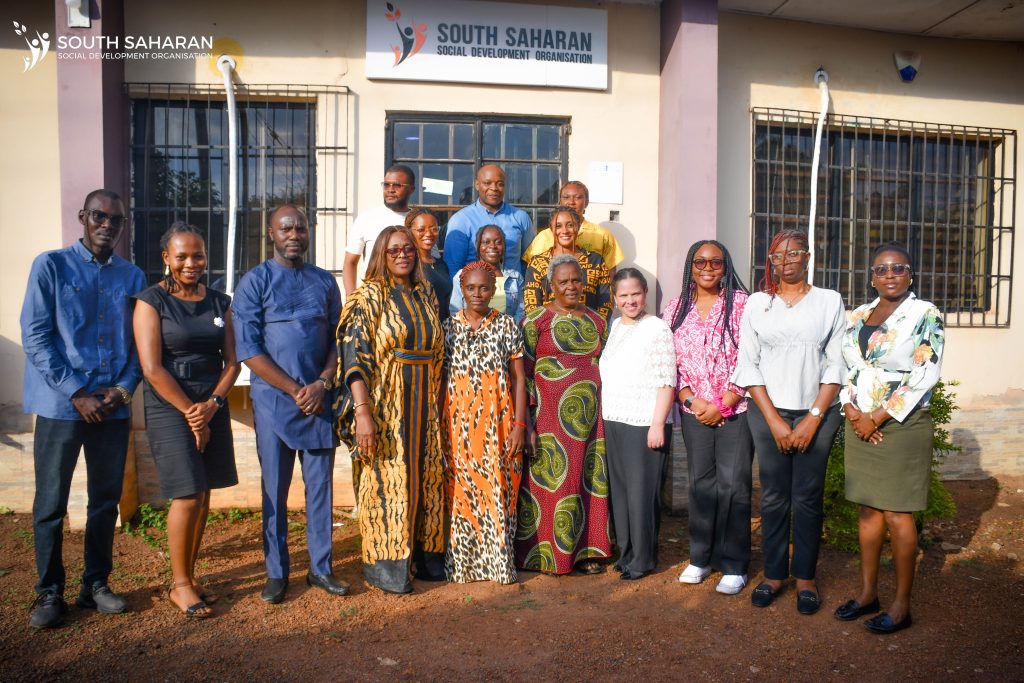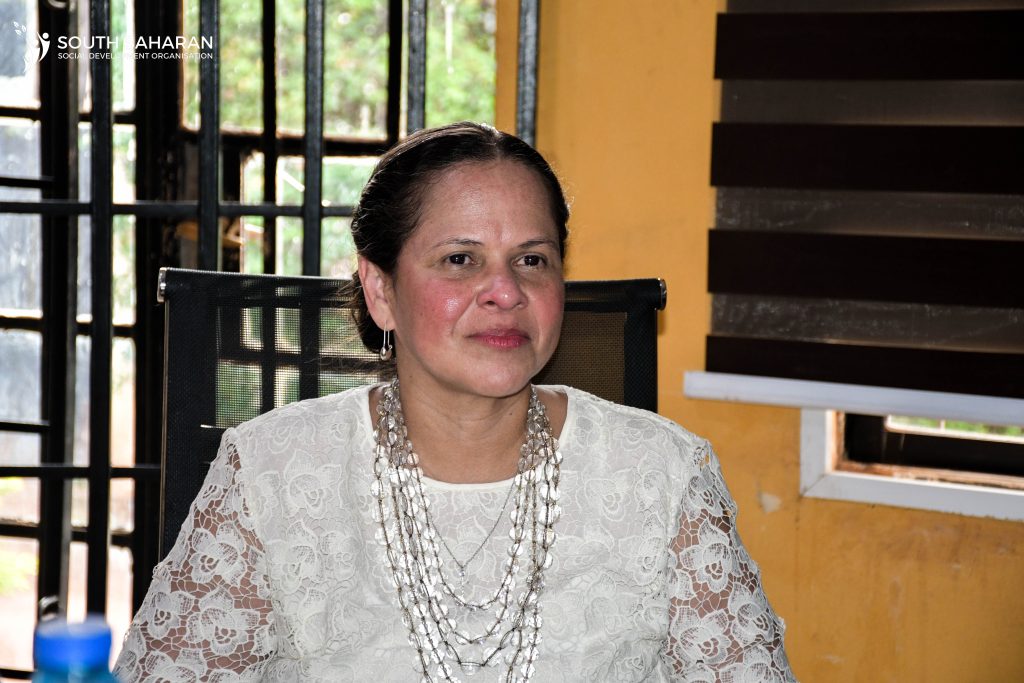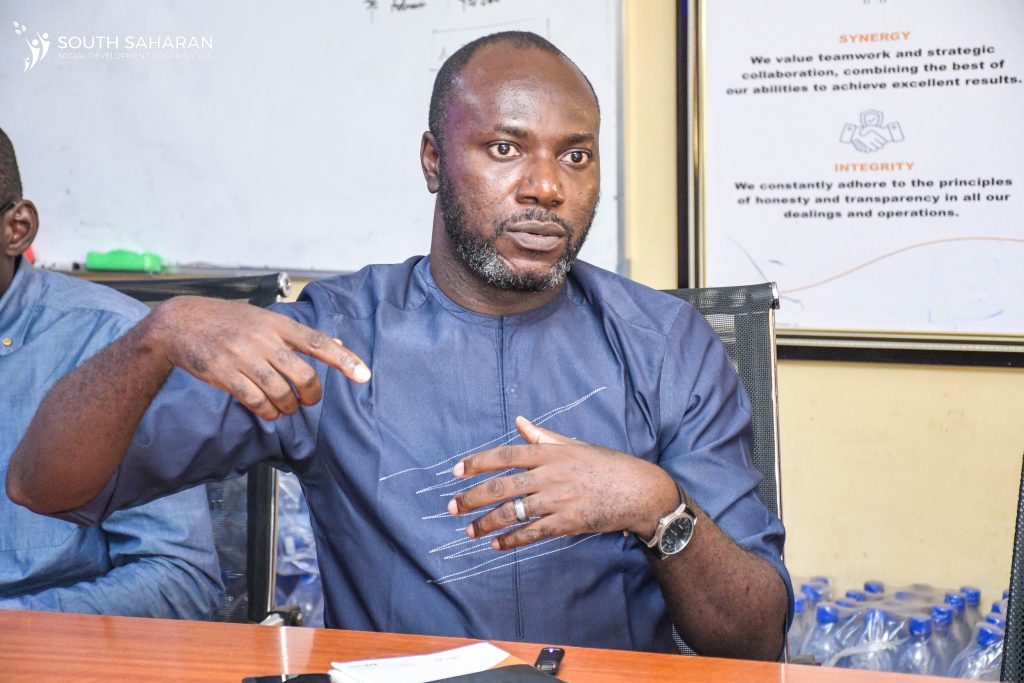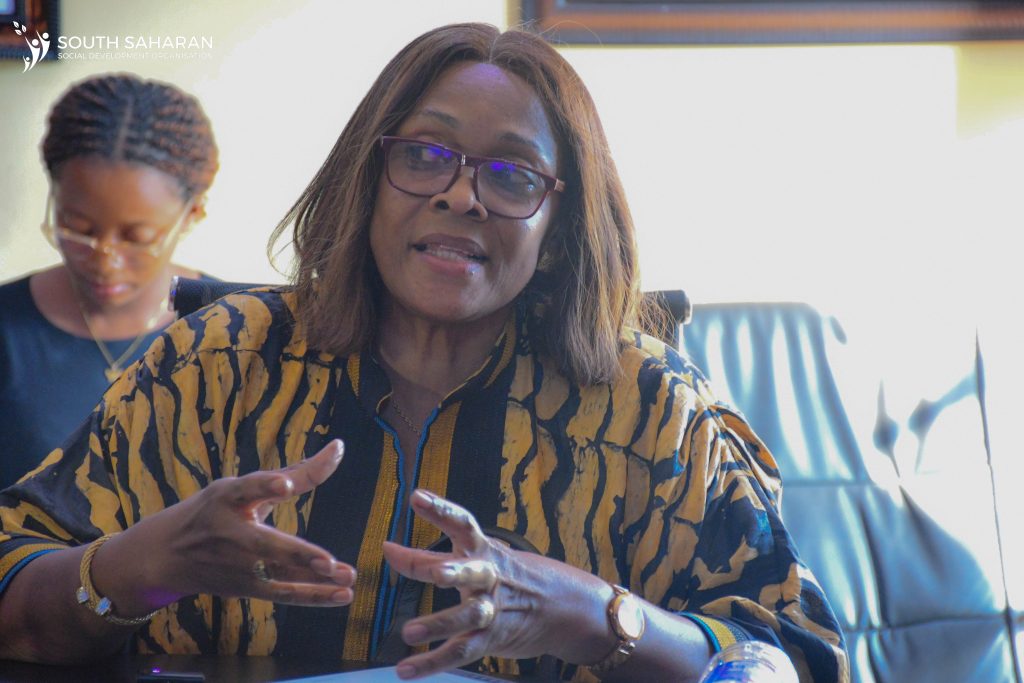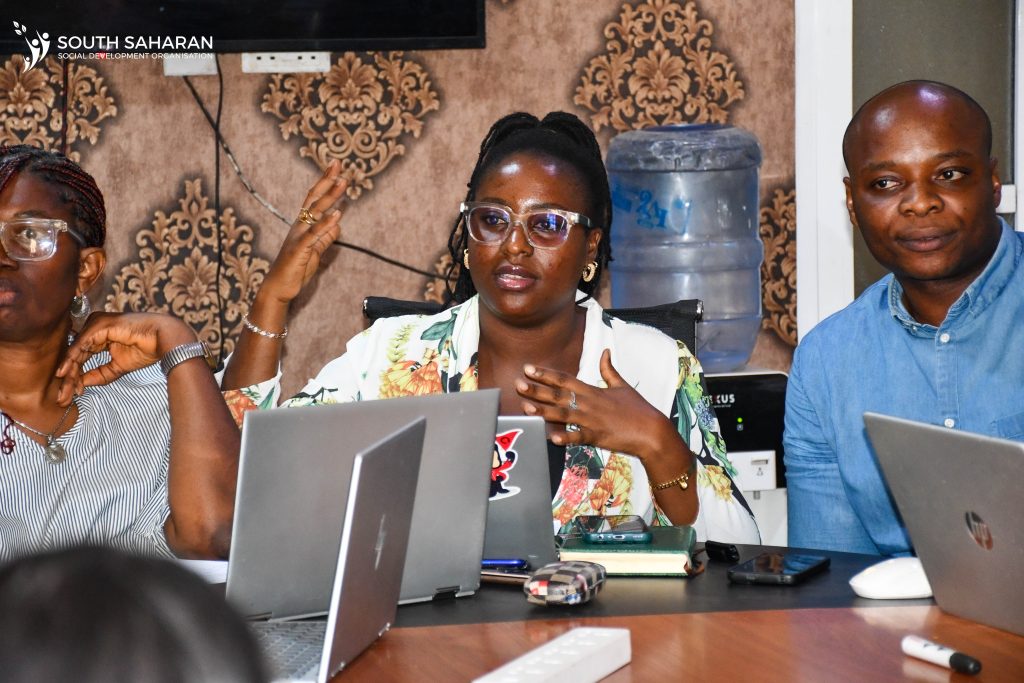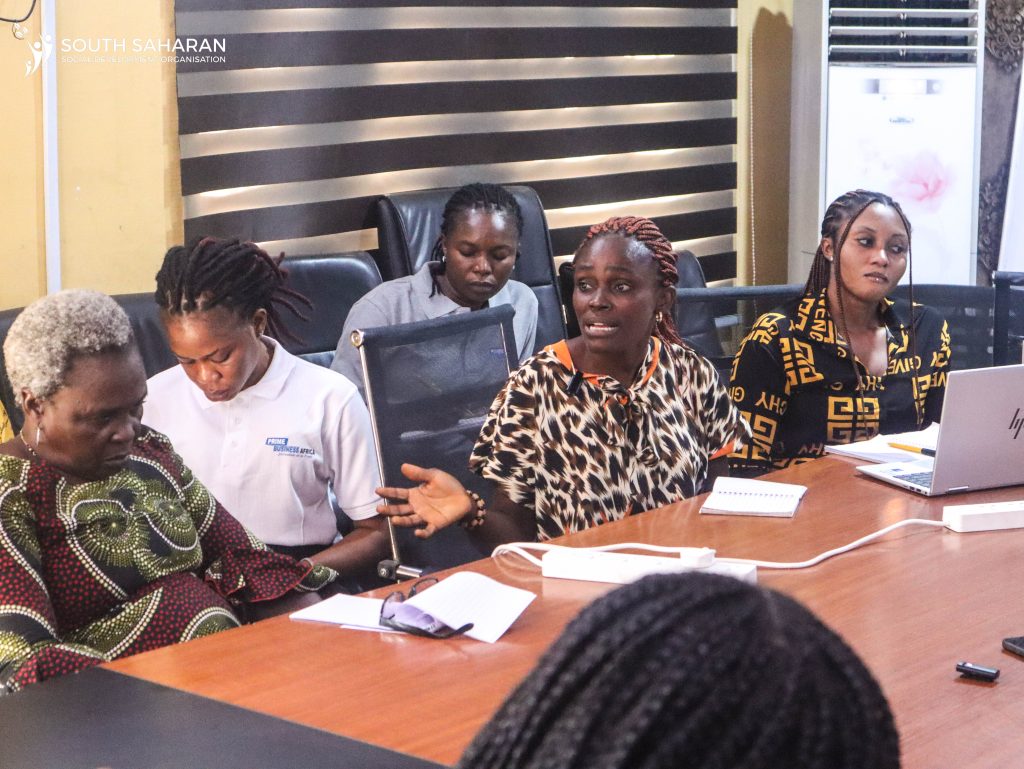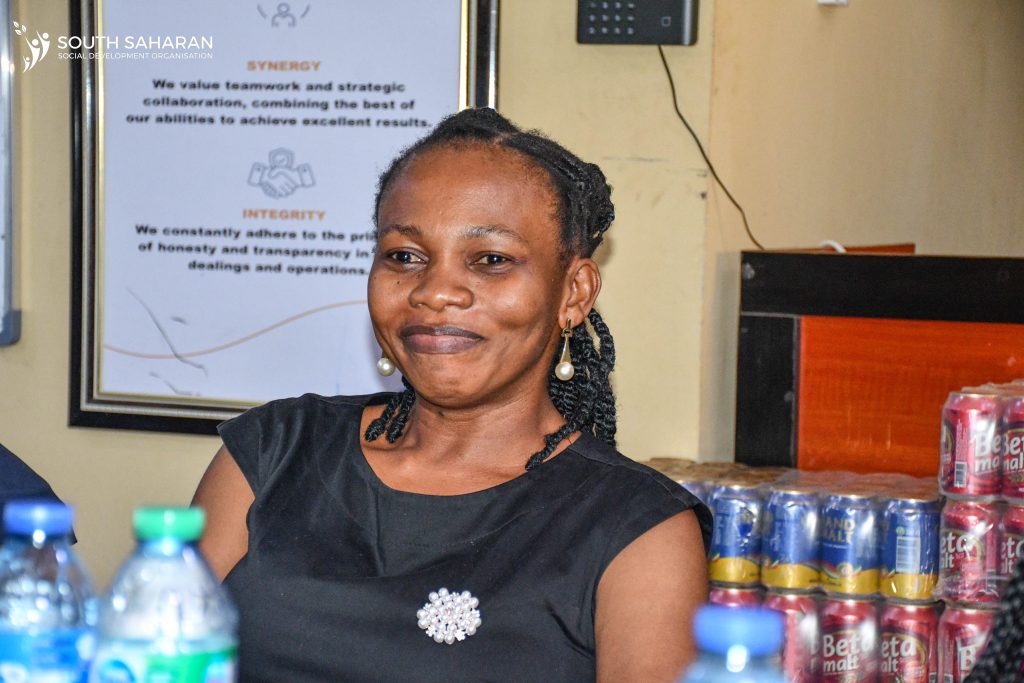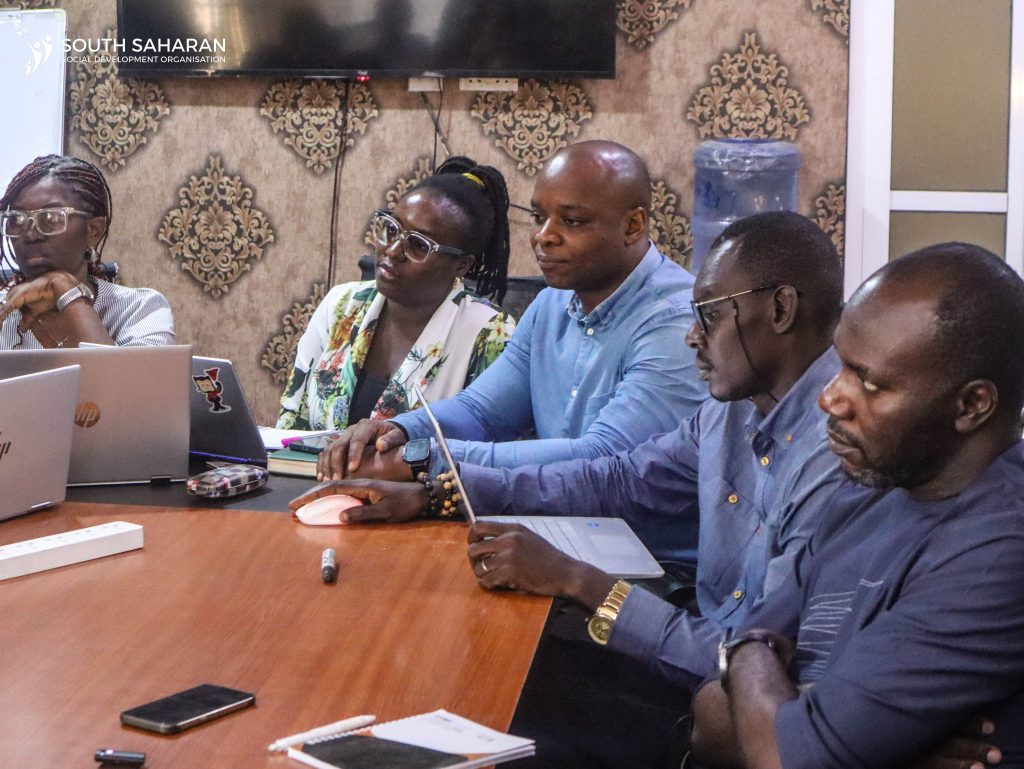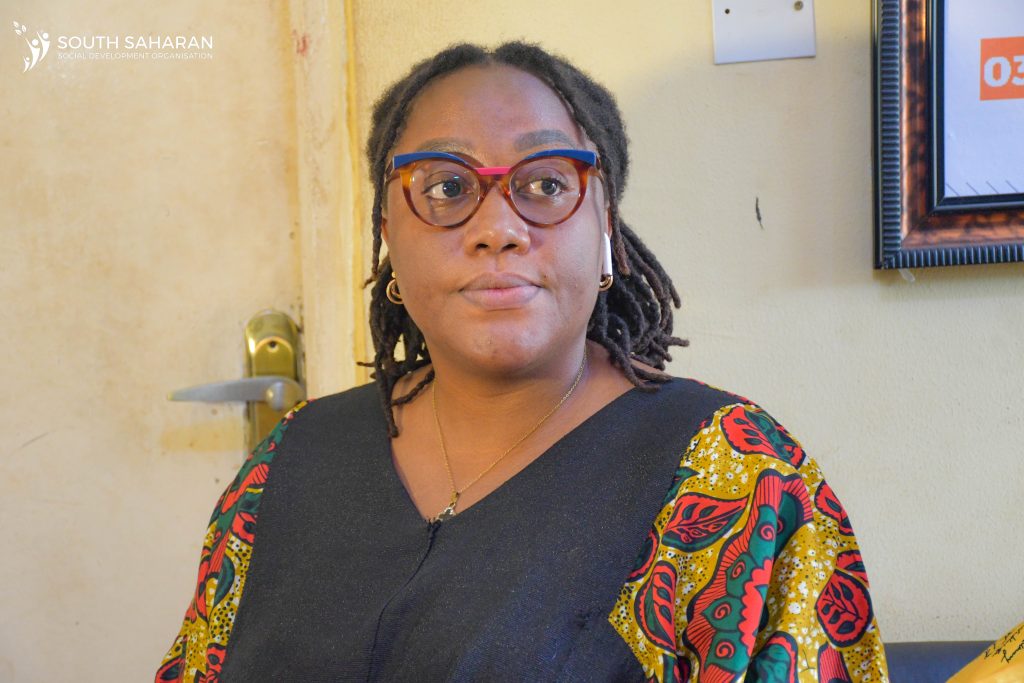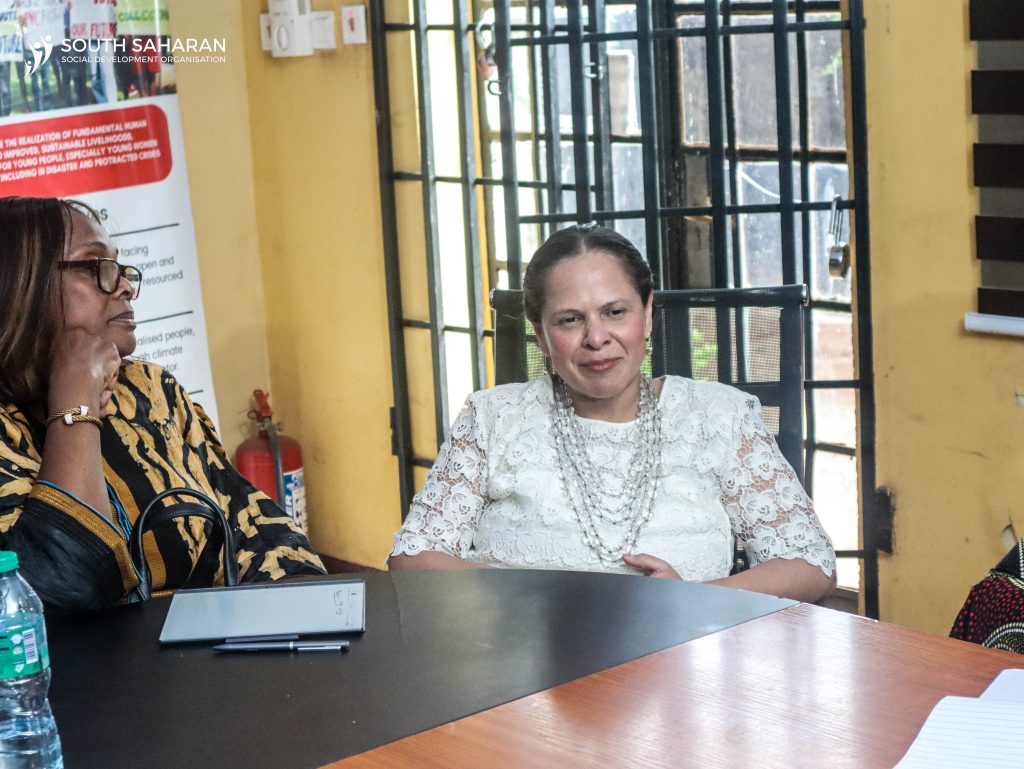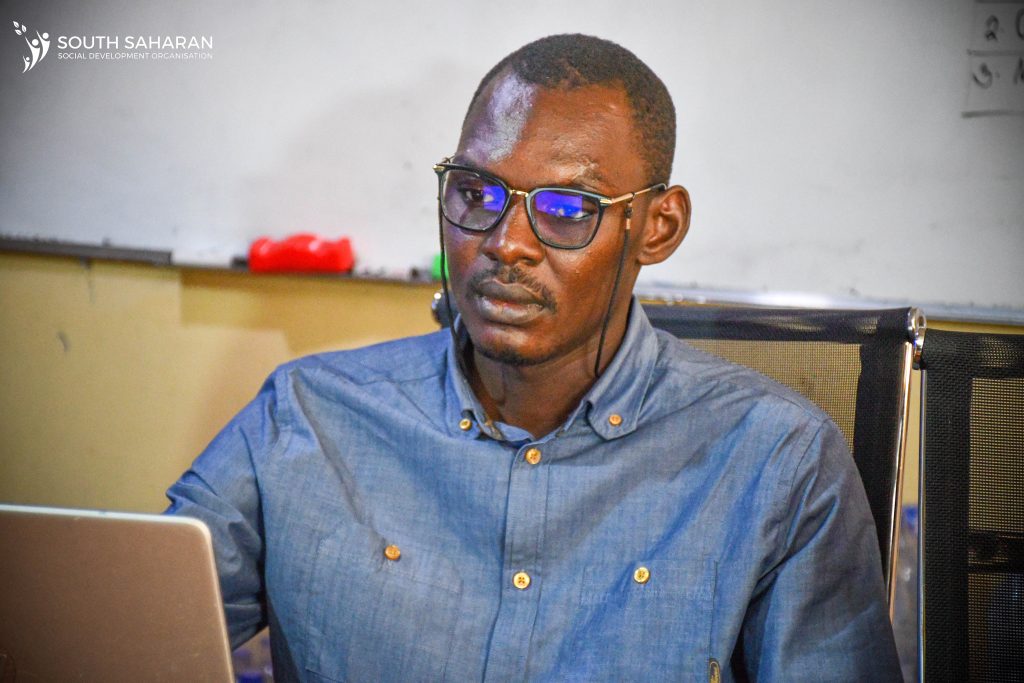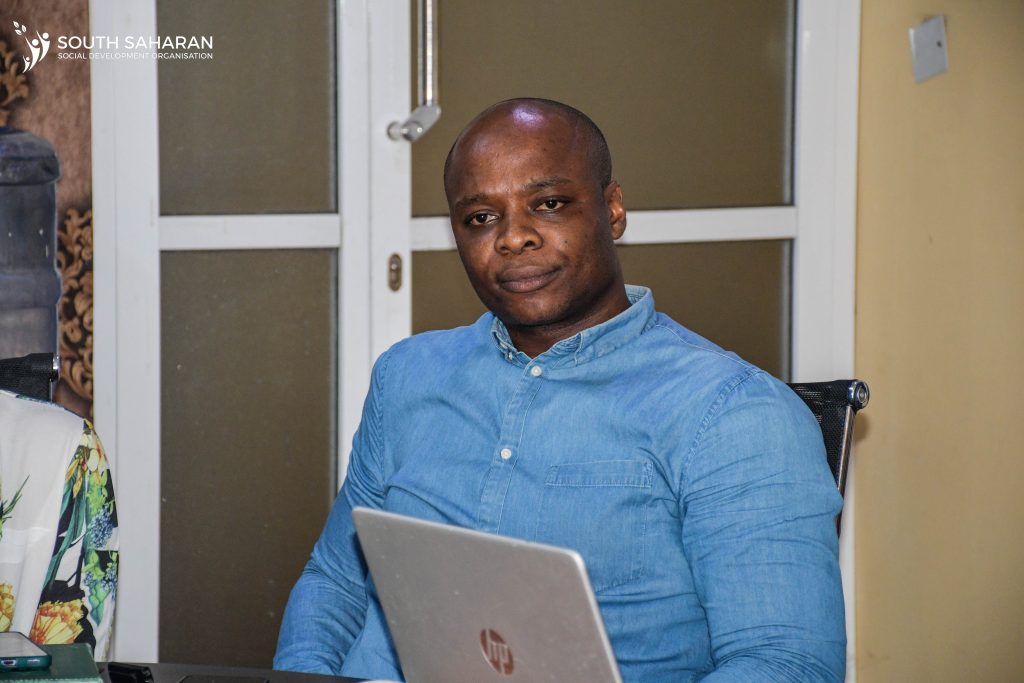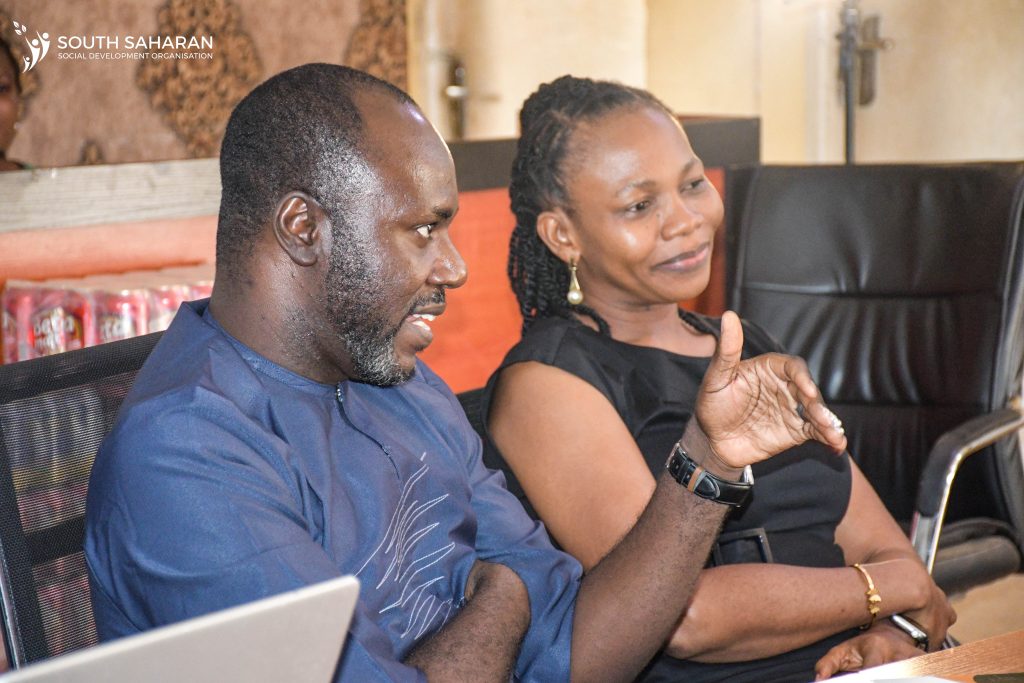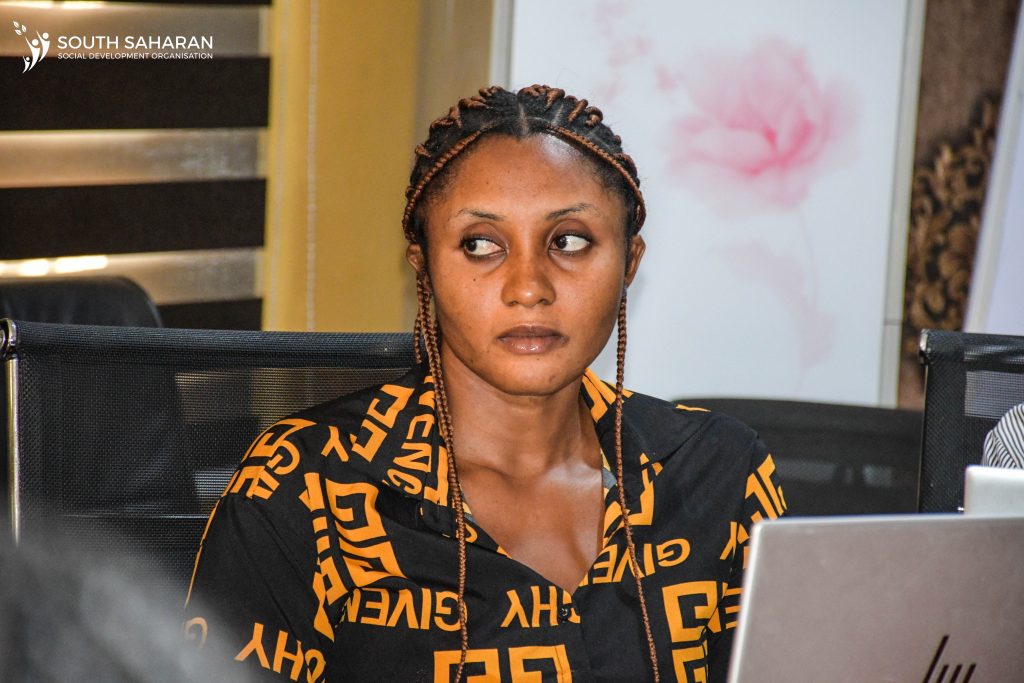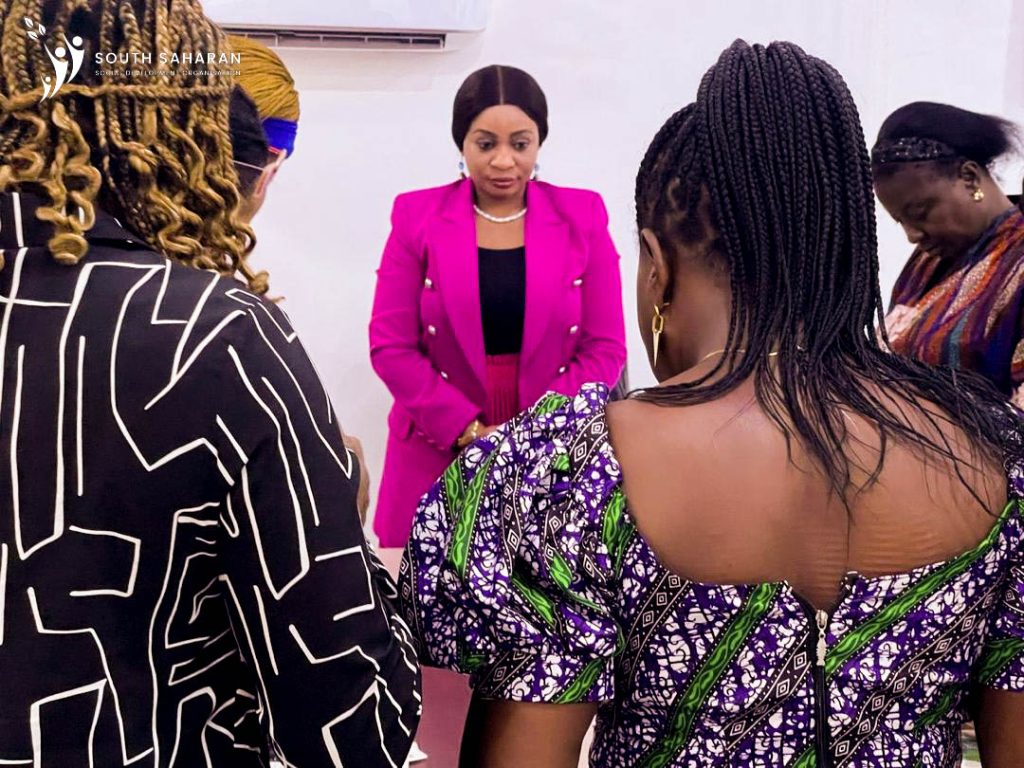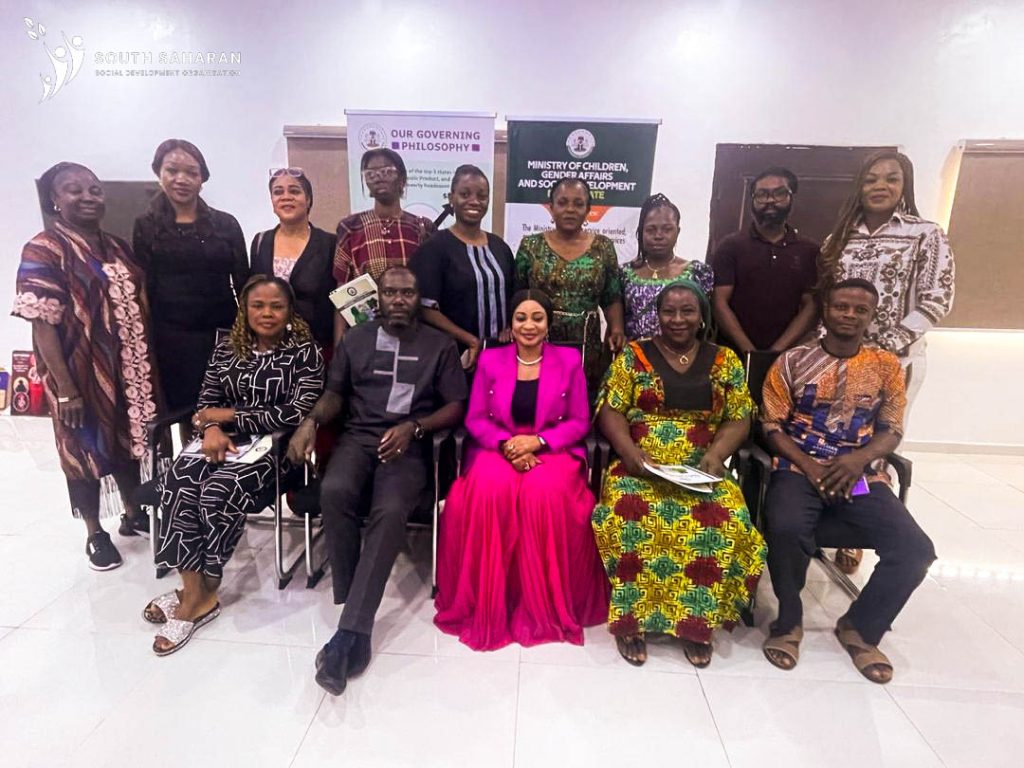
South Saharan Social Development Organisation (SSDO) welcomed a delegation from the Ford Foundation on a supervisory visit. This visit spotlighted the ongoing work under the Community Partnership for the Elimination of Gender-Based Violence (COMPEG) project, a vital initiative aimed at fostering safer, more equitable communities across our focus areas.
Listening to Impact, Learning from Experience
The Ford Foundation team spent time engaging closely with SSDO project staff, gaining a firsthand understanding of the work being done on the ground. More importantly, they connected with some of the women and girls whose lives have been directly impacted by COMPEG.
These intimate conversations revealed the transformative power of community-based support systems and the strength of survivors who continue to rise, rebuild, and reclaim their dignity.
Standing Together Against GBV
At SSDO, we believe that ending gender-based violence requires more than just interventions. It requires partnerships rooted in trust, shared values, and deep commitment. The Ford Foundation’s visit reaffirmed that belief and reminded us that we are not in this fight alone.
Their continued support fuels our resolve to break cycles of abuse, amplify survivor voices, and push for systemic change that protects and empowers women and girls.
Forward, Together We are deeply grateful to the Ford Foundation for walking this journey with us. As we push forward, SSDO remains unwavering in our vision: communities where every woman and girl lives free from violence, with the freedom and tools to thrive.
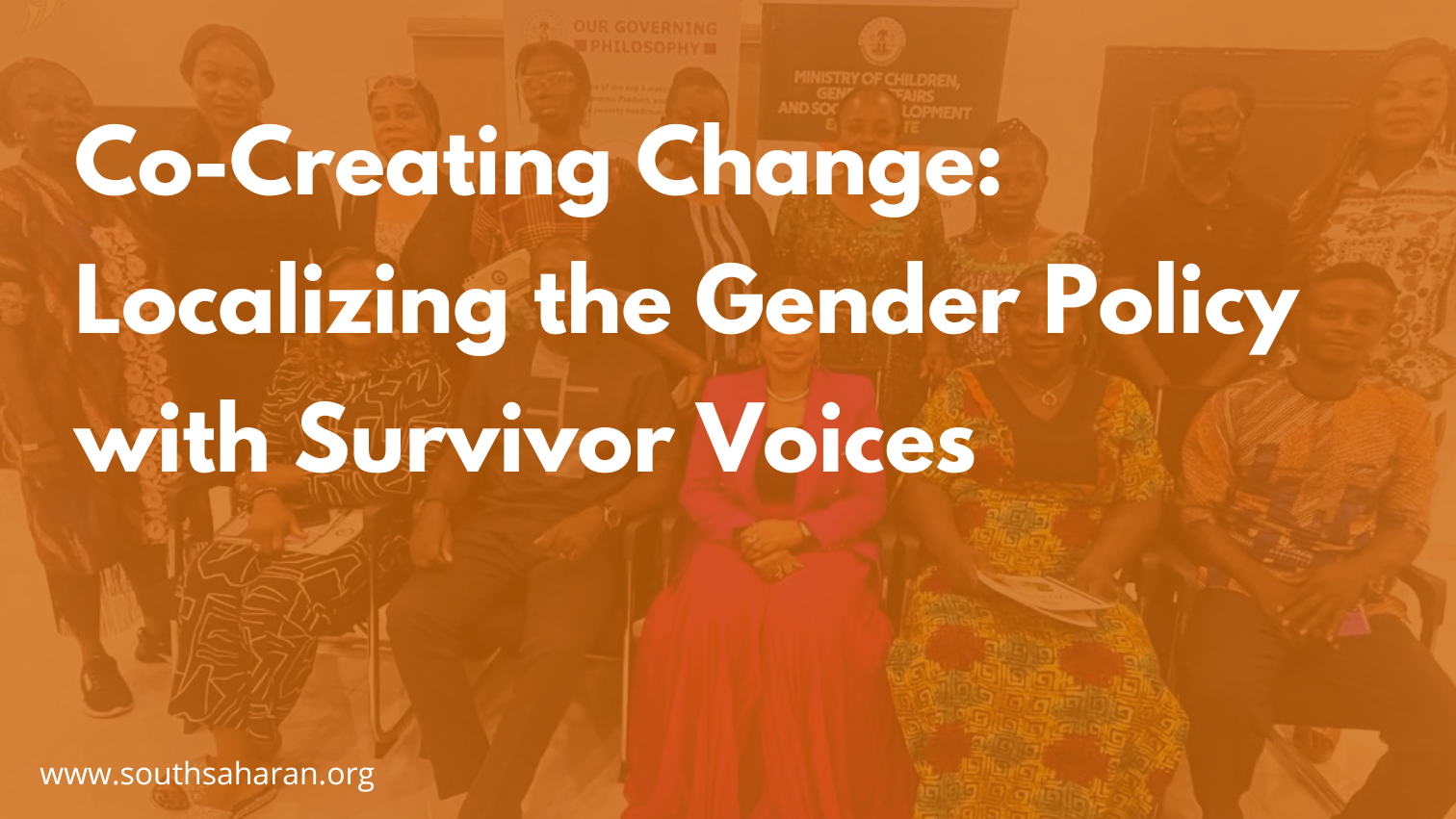
At South Saharan Social Development Organisation (SSDO), we believe that the people closest to the problem should be closest to the solution. That is why we are taking a bold stepco-creating a survivor-centered Gender Policy in Enugu State.
With support from the Ford Foundation, SSDO is partnering with the Enugu State Government to localize the National Gender Policy, ensuring that it reflects the lived realities of women and girls in the state especially survivors of gender-based violence (GBV).
What Makes This Different?
This isn’t just another policy exercise. It’s a movement rooted in truth, justice, and healing. We are using the Oputa Panel method, a storytelling-based approach that centers survivor voices, turning pain into power and silence into structure.
Through this method, real voices become the foundation for real change.
Community Consultations Begin
The process officially kicks off in June, with community consultations across Enugu State. Survivors, advocates, traditional leaders, and everyday citizens will come together to shape a policy that is not only inclusive but also transformative.
We are listening deeply, documenting stories, and ensuring that the final Gender Policy isn’t just a document, it is a living commitment to safety, equity, and justice.
Join the Movement
This is policy shaped by the people, for the people, and we want you to be part of it.
Share this. Speak out. Stay involved.
Let’s work together to #EndGBV and build a safer, fairer Enugu State.
Thank you to the Ford Foundation for supporting this timely and critical work.
Women and girls play a crucial role in shaping communities, yet they continue to face barriers that limit their opportunities and rights. Recognizing the need to address these challenges, South Saharan Social Development Organization (SSDO), in partnership with ActionAid Nigeria, marked International Women’s Day on March 13, 2025, at Affa Amaozalla Community School. The event was dedicated to educating women and girls about their legal rights and equipping them with the knowledge to combat gender-based violence (GBV).
Understanding Legal Rights and Protections
A key component of the workshop was educating participants on their legal rights. A Lawyer provided comprehensive insights into women’s rights as enshrined in the Nigerian Constitution, various gender policies, and the Violence Against Persons (Prohibition) Act (VAPP). She emphasized the importance of robust enforcement of these laws to safeguard women and girls from violence and discrimination. By understanding their legal protections, participants are better equipped to assert their rights and seek justice when violations occur.
Identifying and Addressing Gender-Based Violence
GBV remains a pervasive issue affecting many communities. A representative from TARMA-SARC led an informative session on recognizing the various forms of GBV, including physical, emotional, sexual, and economic abuse. The discussion also addressed harmful traditional practices such as Female Genital Mutilation (FGM) and early marriage, highlighting their detrimental impact on individuals and society. Participants were educated on the appropriate channels and mechanisms for reporting GBV incidents, ensuring they know how to seek help and support.
Engagement with Law Enforcement
To reinforce the community’s understanding of the role of security agencies in combating GBV, the Divisional Police Officer (DPO) and the Gender Desk Officer from Ezi-Nze Police Station engaged with participants. The enforcement of the VAPP Law and the state’s commitment to addressing GBV was reiterated. The DPO highlighted that under the law, offenses such as rape are punishable by life imprisonment, underscoring the seriousness with which these crimes are treated.
A Commitment to Sustainable Livelihoods and Inclusive Societies
Our overarching goal is to create a world where young people, especially women and marginalized groups, have access to democratic spaces, public services, and economic opportunities that promote sustainable livelihoods. By empowering women and girls through education and awareness, we lay the foundation for communities where everyone can thrive.
SSDO remains dedicated to advocating for the rights and well-being of women and girls. Through continuous collaboration with partners like ActionAid Nigeria and engagement with local communities, we strive to dismantle the barriers that perpetuate inequality and violence. Together, we can build a future where every individual, regardless of gender, can live free from violence and discrimination, and have the opportunity to reach their full potential.
At South Saharan Social Development Organization (SSDO), we are dedicated to creating an enabling environment for sustainable development, particularly focusing on women, youth, and children. Our mission is to make development happen through education and good governance, fostering a society where every individual can realize their full potential. In line with this commitment, we recently collaborated with GIZ and the Enugu State Ministry of Science & Technology to inspire young minds at Queens School, Enugu, in celebration of the International Day for Women and Girls in Science, Technology, Engineering, and Mathematics (STEM).
Inspiring Innovation: The ‘Her Science, Her Future’ Initiative
Under the theme “Her Science, Her Future,” this initiative aimed to ignite a passion for STEM subjects among female students, encouraging them to envision and pursue careers in these critical fields. The event provided a platform for students to explore various STEM disciplines, including Digital Marketing, Coding, and Design Thinking. Through interactive sessions and hands-on activities, the girls were not only introduced to theoretical concepts but also had the opportunity to apply their knowledge by building mini projects. This experiential learning approach fosters creativity, critical thinking, and problem-solving skills – essential competencies for future innovators.
Breaking Barriers: Encouraging Female Participation in STEM
Despite the increasing recognition of the importance of diversity in STEM fields, women and girls remain underrepresented globally. Cultural norms, lack of role models, and limited access to resources often deter young women from pursuing STEM careers. Initiatives like “Her Science, Her Future” are crucial in breaking these barriers by providing mentorship, exposure, and hands-on experience. By showcasing successful female figures in STEM and creating supportive learning environments, we can challenge stereotypes and inspire more girls to explore these fields.
Empowering women and girls in STEM is not just about achieving gender equality; it is about harnessing the full potential of our human capital to drive innovation and sustainable development. At SSDO, we believe that when girls are given the tools, knowledge, and opportunities to excel in STEM, they become catalysts for change, driving progress within their communities and beyond. While the event at Queens School, Enugu, marks a significant step towards promoting female participation in STEM, it is only the beginning. SSDO remains committed to sustaining this momentum by implementing ongoing programs that support girls’ education and empowerment. Through continued collaboration, advocacy, and targeted interventions, we can create a future where every girl has the opportunity to change the game in STEM.
At South Saharan Social Development Organization (SSDO), we firmly believe that when women thrive, communities prosper. This conviction has driven our relentless pursuit of initiatives that dismantle socio-economic barriers and promote gender equity. We are thrilled to announce a significant milestone in this journey: the successful completion and presentation of the Enugu State Women’s Economic Empowerment (WEE) Policy & Action Plan to the Honourable Commissioner for Children, Gender Affairs, and Social Development.
A Collaborative Effort for Gender Equity
The development of the WEE Policy & Action Plan was a collaborative endeavor, made possible through the unwavering support of the development Research and Projects Centre (dRPC), South Saharan Social Development Organisation, and dedicated members of the WEE Policy Technical Working Group (TWG). This policy is poised to be a game-changer, meticulously designed to address the multifaceted challenges that women in Enugu State face, thereby fostering an environment where they can fully participate in and benefit from economic activities.
Key Highlights of the WEE Policy
The WEE Policy & Action Plan outlines strategic interventions aimed at:
Legal and Institutional Frameworks: Strengthening policies and laws that protect women’s economic rights and promote gender equality in the workplace.
Enhancing Access to Resources: Ensuring that women have equitable access to financial services, land, and other productive resources necessary for economic engagement.
Capacity Building: Providing training and skill development programs tailored to empower women with the competencies required in various economic sectors.
Market Opportunities: Facilitating access to local and international markets for women entrepreneurs, thereby expanding their business horizons.
Next Steps: Approval and Implementation
With the policy document now in the hands of the Honourable Commissioner, the next steps involve securing final approval and orchestrating an official launch. These forthcoming phases are critical, as they will set the stage for the implementation of the policy’s provisions, translating the articulated strategies into tangible benefits for women across Enugu State.
Continuing the Advocacy for Women’s Empowerment
While the completion of the WEE Policy & Action Plan marks a significant achievement, our work is far from over. SSDO remains steadfast in its commitment to advocating for the empowerment of women in Enugu State and beyond. We recognize that policies alone are not enough; their effective implementation, continuous monitoring, and periodic evaluation are essential to ensure that the envisioned outcomes are realized.
We invite all stakeholders – government agencies, civil society organizations, the private sector, and the general public – to join us in this ongoing advocacy. Together, we can create an enabling environment where women are not only participants but also leaders in economic development, thereby driving broader societal progress.
The Enugu State Women’s Economic Empowerment Policy & Action Plan represents a pivotal step towards achieving gender equity and promoting inclusive economic growth. At SSDO, we are proud to have played a role in this transformative initiative and remain committed to supporting its implementation. By empowering women, we unlock the full potential of our communities, paving the way for a more prosperous and equitable society.