

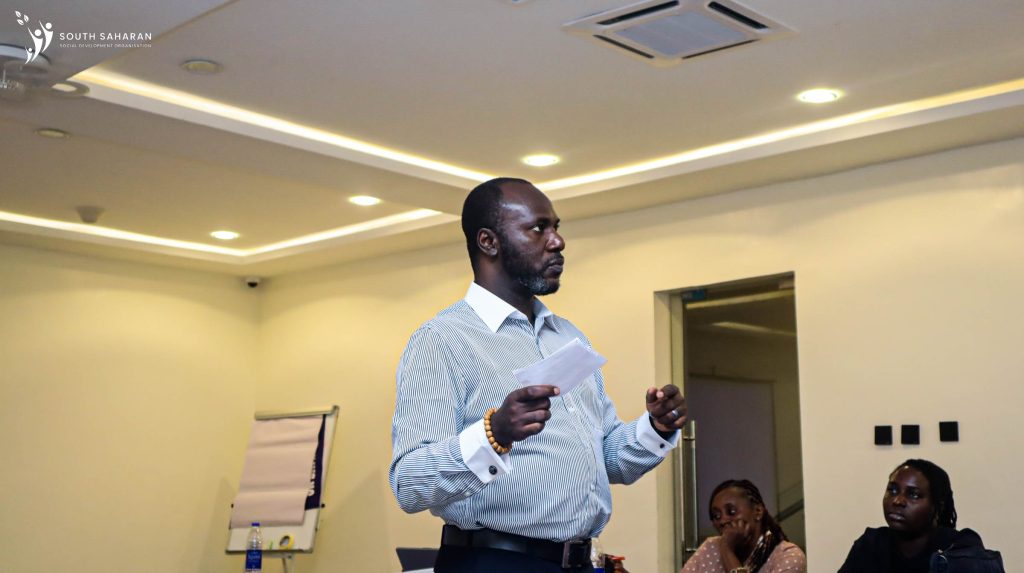
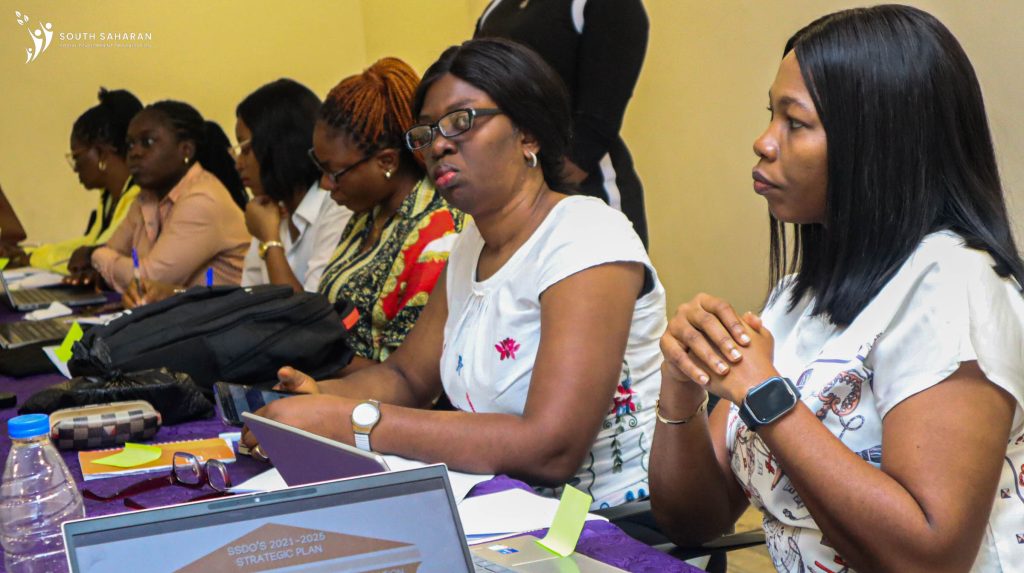
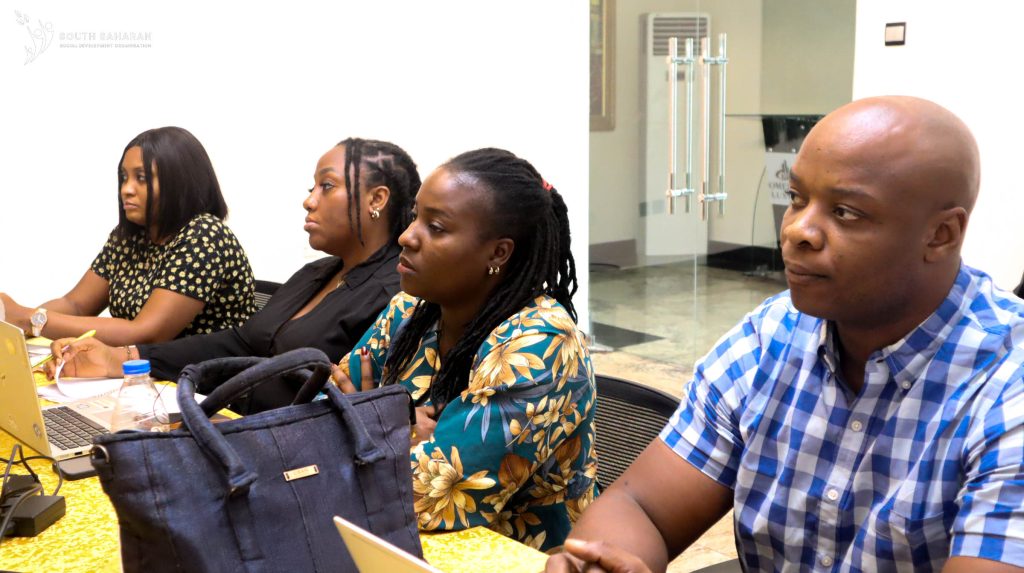
South Saharan Organisational Retreat marked an important turning point in our journey as a community-focused organisation. The in-person gathering brought together all staff under one unifying theme: Reflection, Leadership, Strategy, and Knowledge for the Next Phase of Growth.
As SSDO continues to expand across health, gender, governance, and community development, we recognised the need to pause intentionally. Growth brings complexity. It demands stronger systems, clearer strategy, deeper leadership, and a more deliberate approach to research and learning. This retreat created the space to examine who we are, how we work, and where we are going next.
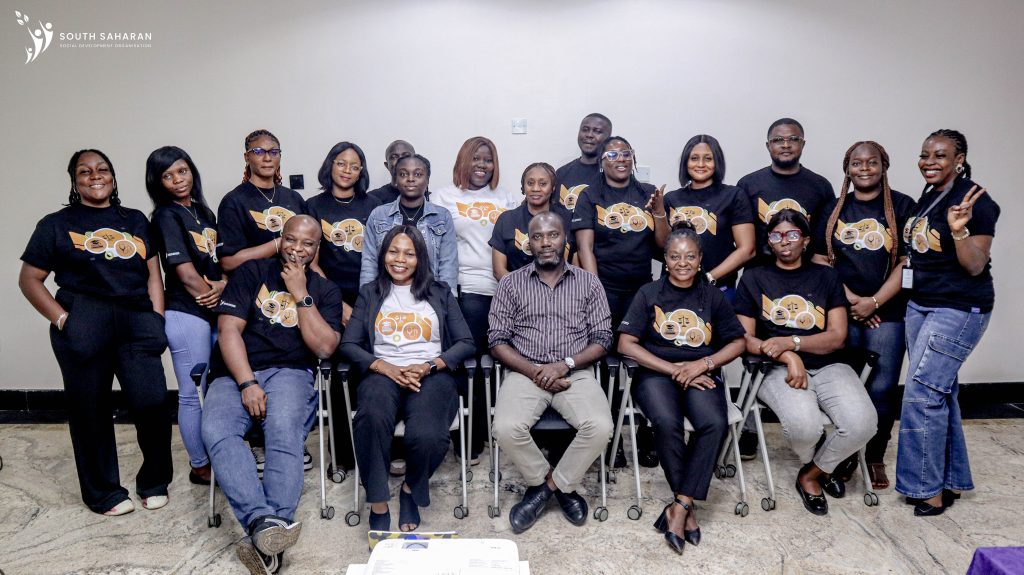
Honest Conversations About Performance
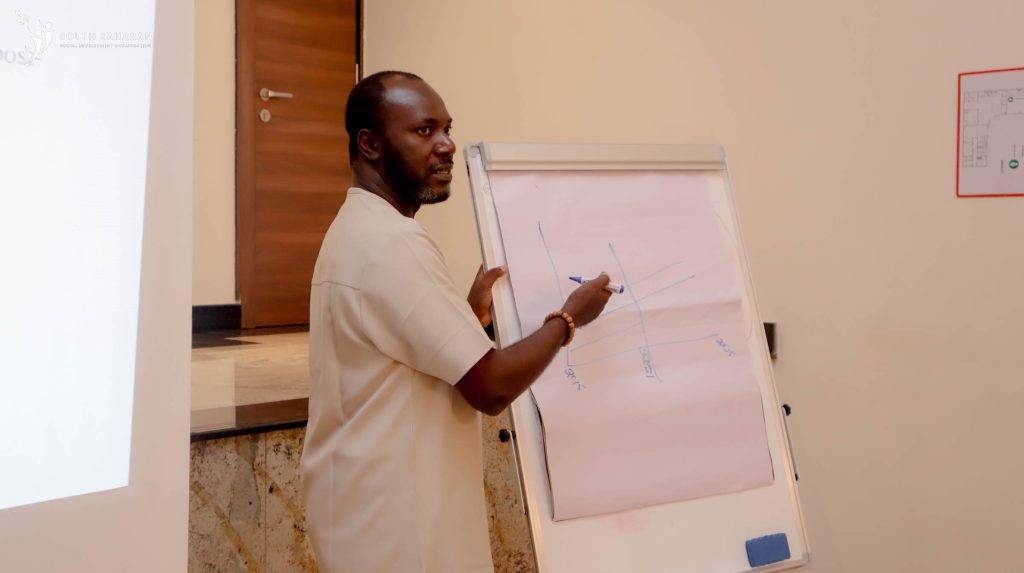
Day One focused on organisational reflection. We examined organisational performance across technical and operational dimensions. Conversations explored programme design quality, monitoring and learning systems, financial management, talent development, communication flow, and workflow efficiency.
Teams identified where SSDO consistently delivers strong results and where recurring challenges limit efficiency. We mapped bottlenecks, analysed root causes, and prioritised improvement areas requiring immediate action within the next 12 months.
Alongside operational reflection, we examined how leadership shows up across the organisation. What behaviours are rewarded? How are decisions made? Where is accountability strong, and where must it deepen?
Staff engaged in honest discussions about power, collaboration, trust, and psychological safety. As SSDO grows, leadership expectations must evolve at every level. We reflected on how to manage complexity without drifting from mission, and how to maintain agility while strengthening systems.
By the end of Day One, we had defined shared leadership principles, clarified behavioural commitments, and agreed on priority operational and cultural improvements that will shape our next phase.

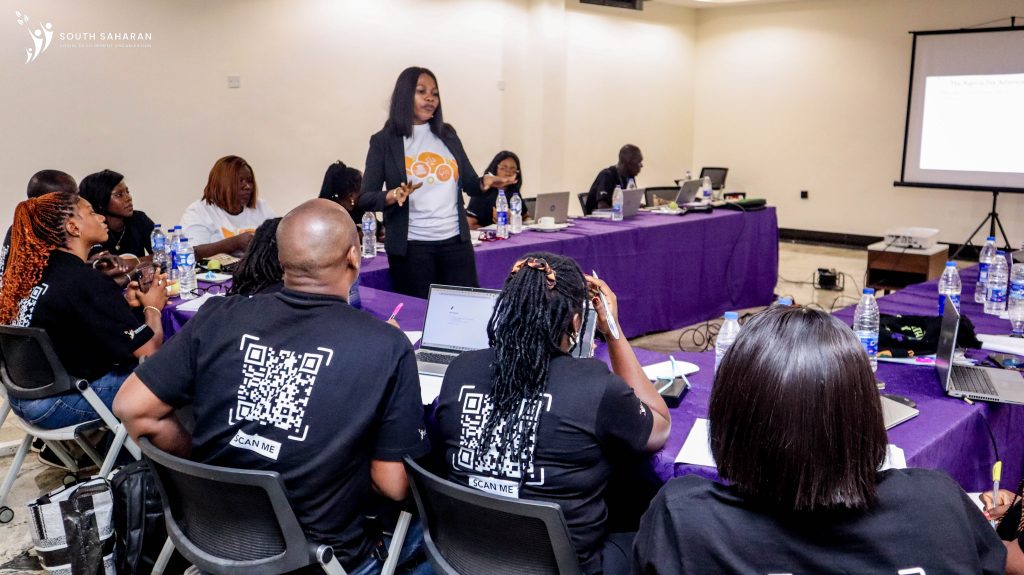
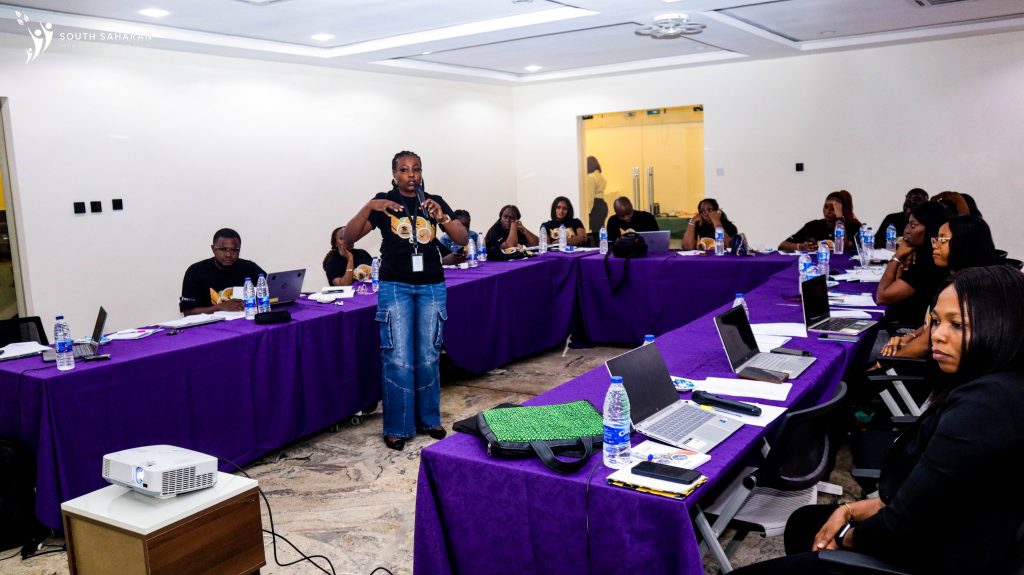
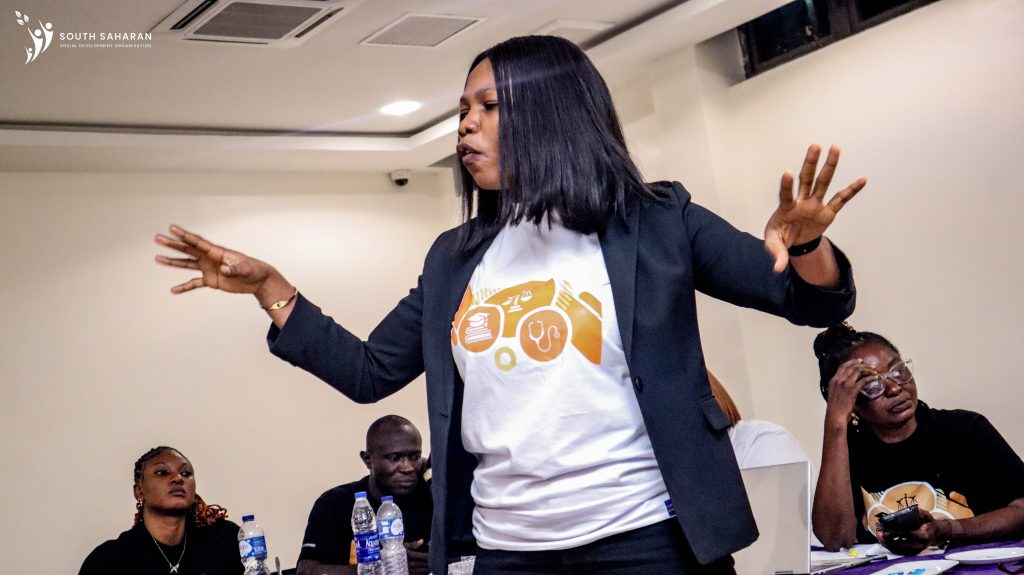
Building a Five-Year Strategic Plan: Deciding What Matters Most
Strategic planning demands focus and discipline. Day Two centred on making clear choices about SSDO’s direction over the next five years.
We examined the external ecosystem including – policy shifts, funding trends, and emerging community realities, and clarified SSDO’s comparative advantage.
- Where do we add unique value?
- What should we prioritise?
- What must we deliberately deprioritise?
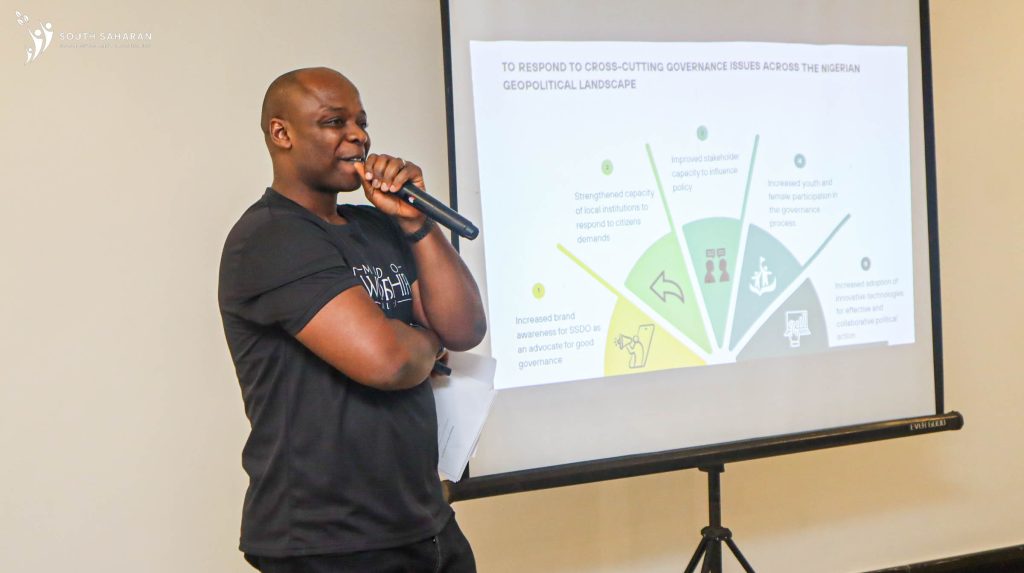
From these discussions, we defined our strategic pillars.
We also developed a draft organisational theory of change, clarifying how our interventions create impact across communities, systems, and policy spaces.
The outcome was an outline framework for a focused, realistic five-year strategic plan grounded in evidence and intentional trade-offs.

From Implementation to Knowledge Generation
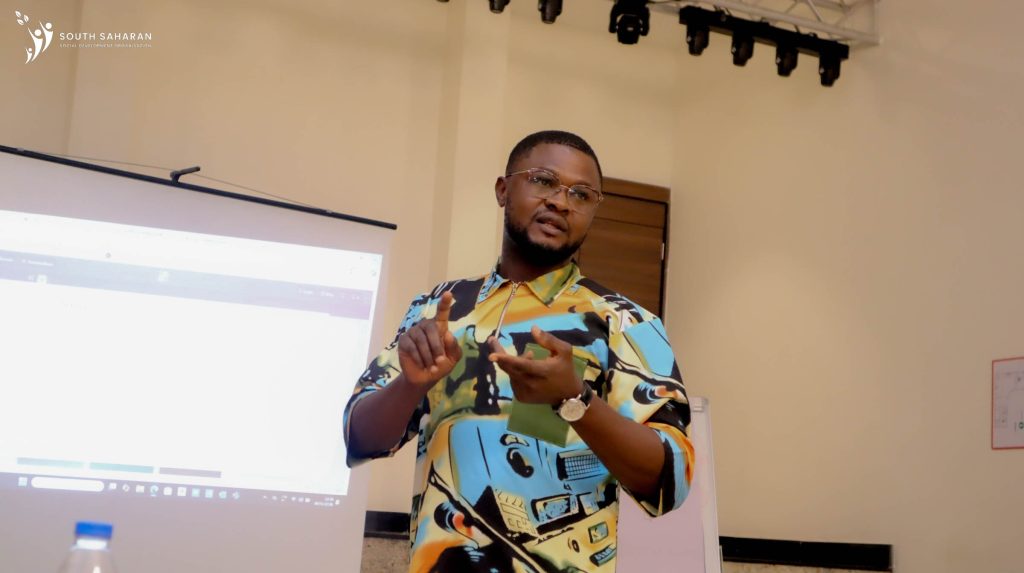
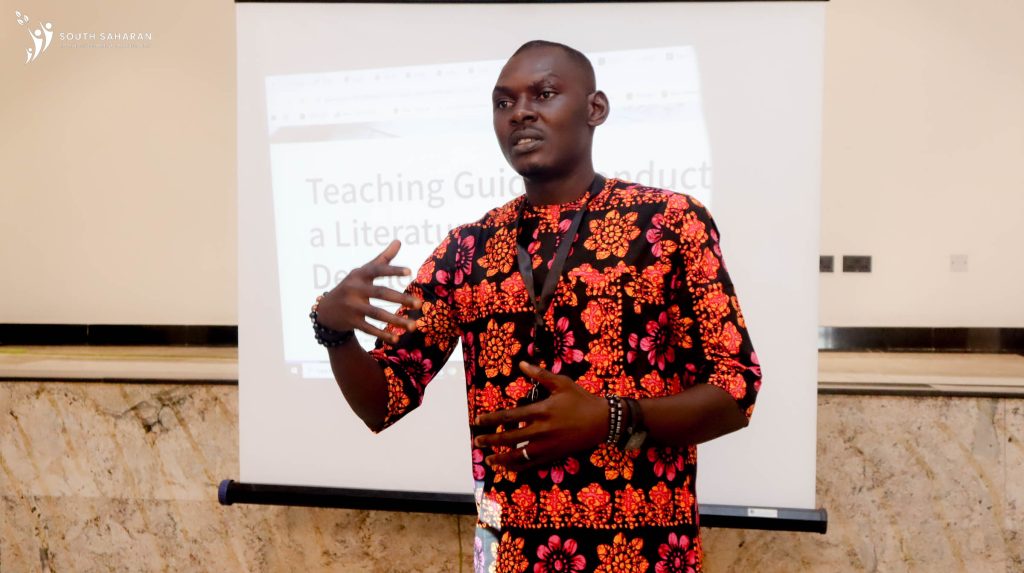
The final day focused on strengthening SSDO’s role as a community-focused knowledge producer. As our programmes mature, so must our approach to research and learning.
We reflected on existing research efforts and identified barriers that have limited systematic documentation and publishing. Teams mapped research questions emerging directly from ongoing community work and distinguished between routine implementation data and publishable insights.
Discussions focused on designing projects with research components from inception, ensuring ethical standards and community consent, strengthening documentation systems, and creating incentives for staff writing and knowledge sharing.
We also explored strategic partnerships with universities and research institutions, ensuring that collaborations remain Southern-led and community-anchored.
By the end of the retreat, we had developed:
- A clear research agenda aligned with programme priorities
- A practical framework for embedding research into projects
- A publishing and dissemination approach
- Alignment between research priorities and the five-year strategy
Moving Into the Next Phase With Clarity
The retreat concluded with defined post-retreat deliverables: a finalised five-year strategic plan, a research and knowledge framework, an organisational improvement action plan, and clear leadership commitments.
More than a planning exercise, this was a moment of institutional maturity. It reinforced that sustainable growth requires disciplined reflection, cultural clarity, strategic focus, and a commitment to learning.
As SSDO steps into its next phase, we do so with sharper strategy, stronger systems, and a shared understanding of our responsibility, not only to implement programmes, but to generate knowledge that shapes policy and strengthens communities.
The next chapter begins with clarity, courage, and collective ownership.