SSDO

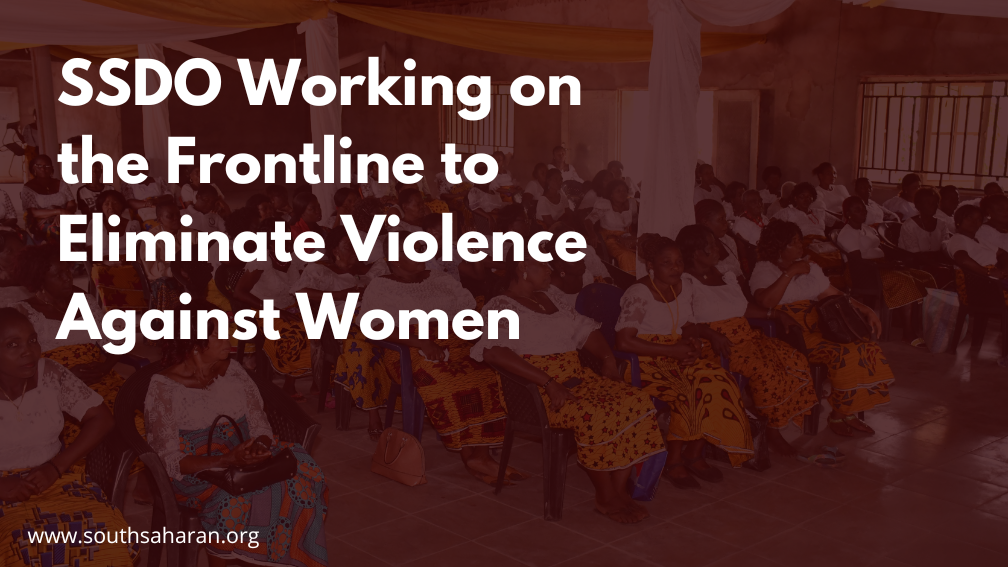
SSDO Working on the Frontline to Eliminate Violence Against Women

In our society, cultural beliefs often perpetuate barriers that treat women as unequal to their male counterparts. These norms and practices have created a gap that subjects women to unending violence. Recent times have exacerbated risk factors for Violence Against Women and Girls (VAWG). Issues such as food shortages, unemployment, economic insecurity, and social unrest have contributed to an alarming increase in various forms of violence. 

We recognize the urgency to address these challenges and work collectively to eliminate gender-based violence. To commemorate the International Day for the Elimination of Violence Against Women and contribute its quota to eliminating gender-based violence, South Saharan Social Development Organization, through its Sister Guardian Initiative, organized a workshop in Eke community, Udi LGA, to sensitize stakeholders and the community at large on GBV, including how to prevent and report it. 

Our event seeks to address and dismantle these harmful cultural norms, hence the need to involve key community figures such as the traditional ruler, President Generals, SGI chapter members, community members, the police, religious leaders, security outfits, and town union leaders. This will help guarantee sustainable solutions. One of which includes the community developing an action plan to ensure women and girls are more protected. 

As we mark the International Day for Elimination of Violence Against Women which kickstarts the #16days of activism aimed at advocating for human rights, it is important that this issue is brought to the front burner. It is our desire to see a society where women’s right is protected, women are empowered and can be all they want to be.

Empowering Women Through Peer Education

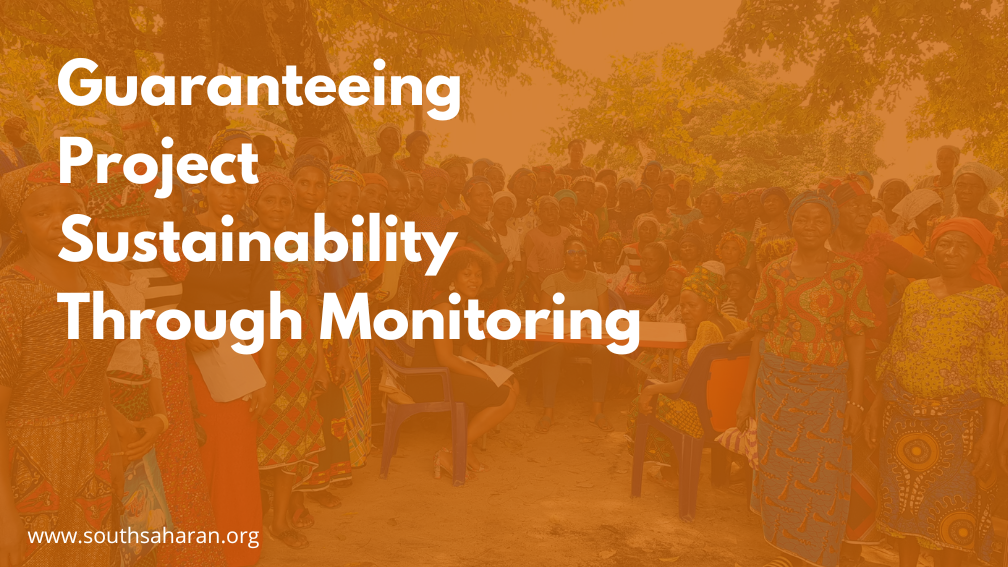
Monitoring and evaluation is critical to the success of any intervention. It helps improve evidence-based decision-making, improved performance, better resource allocation, quality assurance, real-time learning, and long-term sustainability.

Understanding this need, South Saharan Social Development Organization, in partnership with ActionAid Nigeria, conducted monitoring and evaluation visits to various project sites under the Local Rights Programme to ascertain the progress made on the project. The monitoring evaluated the progress of the women’s peer education groups.

The impact of the women peer education group was analyzed using the women’s peer resource checklist. The women have adopted new sanitation practices, they are more aware of the effects of child marriage, and more women are now included in decision-making processes at the community level. The women have successfully integrated the women peer education teachings to their women’s monthly village meetings thus reaching more women.

One woman happily shared, “I learned personal hygiene, and I am grateful for this meeting. Before now, I wear my farm cloth for days because I believed that it’s work cloth. At times I can wear it for a week with all the dirt and sweat on it, even when I come back from work I don’t bathe in the night. I noticed I used to have rashes and I always get angry, my body was always peppering me, and I hardly sleep well at night. But after these lessons, I started bathing two times a day and washing my clothes every day, the rashes stopped appearing, I am more relaxed because I am sleeping better and my life is better in general.”

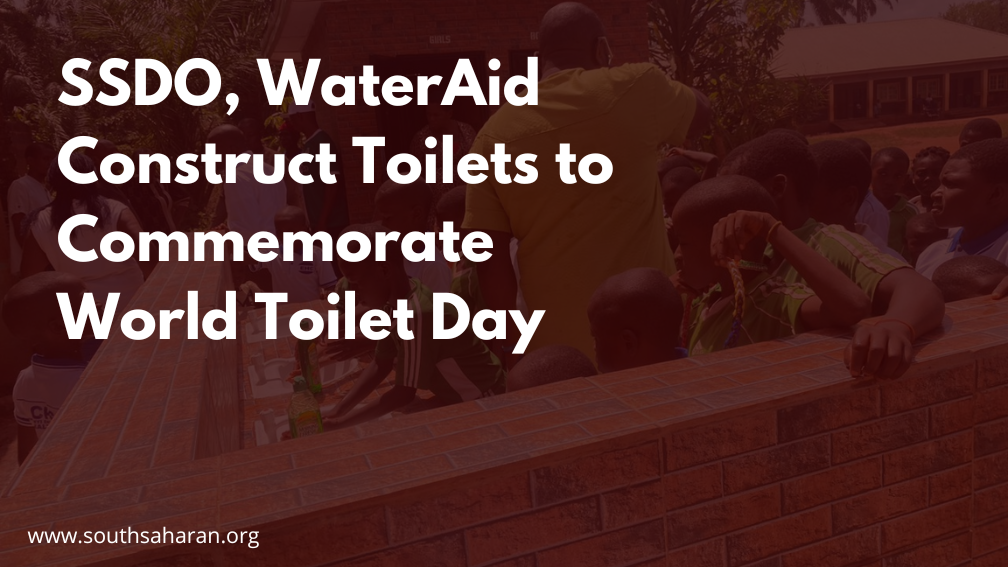
SSDO, WATERAID CONSTRUCT TOILETS TO COMMEMORATE WORLD TOILET DAY

World Toilet Day is recognized worldwide as a day to raise awareness about sanitation and hygiene and to advocate for an Open Defecation-Free society. This year’s theme, “Accelerate Change,” underscores the journey towards achieving SDG 6 – Clean Water and Sanitation for everyone. 

To mark World Toilet Day 2023, South Saharan Social Development Organization (SSDO), in partnership with WaterAid Nigeria, constructed and officially launched male and female WET toilets at Community Primary School (CPS) Ukwuinyi, Igbo Eze North LGA, Enugu State. Other stakeholders that facilitated the development include Enugu State Universal Basic Education Board (ENSUBEB), Enugu State Ministry of Water Resources (STU), and Igbo Eze North LGA WASH unit.

Additionally, hygiene behavioral change exercises were conducted for pupils and teachers helping to reduce risk factors and promote healthy behaviors and practices. The pupils were taught the six critical times to wash their hands, alongside the techniques for handwashing among other things. Community stakeholders thanked the project partners for the intervention and promised to manage the facility properly. 

“I want to thank WaterAid and other partners. This project will be very beneficial to the children. It will help eliminate the dangers associated with defecating in the bush. The kids will also be able to wash their hands more frequently, thus improving their hygiene”, a community elder shared. 

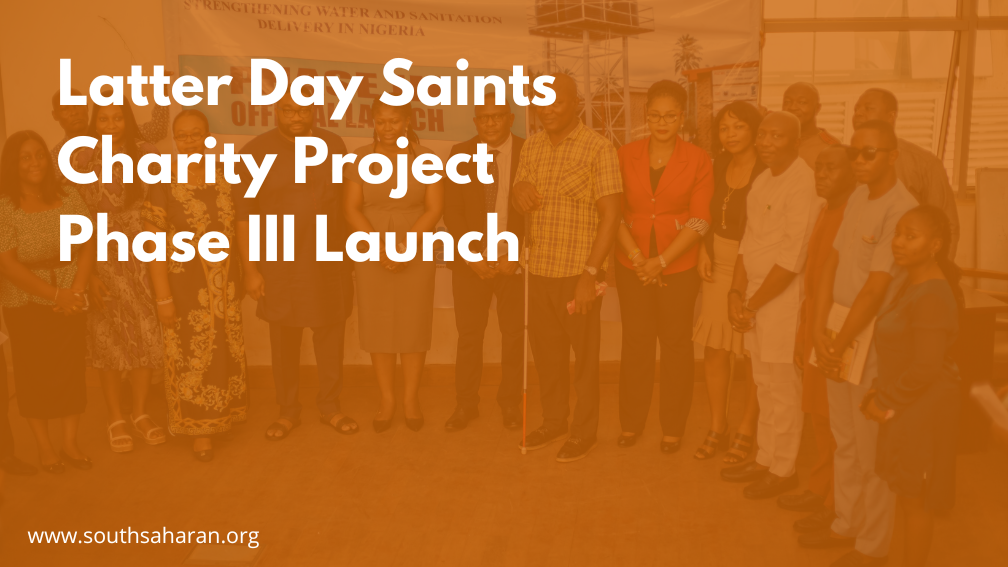
STRENGTHENING WATER AND SANITATION DELIVERY IN NIGERIA PHASE III PROJECT LAUNCH

South Saharan Social Development Organization, in partnership with WaterAid Nigeria, will be implementing the third phase of the Strengthening Water and Sanitation Delivery project courtesy of Latter Day Saints Charity.

The project will complement the results of the first and second phases to provide Enugu residents with clean water, safely managed sanitation, and increased hygiene promotion. This includes water facility provision, public toilets, and WASH advocacy.

Stakeholders present include Hon. Commissioner of the Ministry of Water Resources, Health, Education, and Gender, the Special Adviser to the Governor on Donor Relations, the Chairperson of the House Committee on Water Resources, the Special Adviser of Enugu State Water Corporation, the Executive Chairman of Igbo Eze North LGA, and the Executive Chairman of Enugu State Universal Basic Education Board, and representatives from Joint Association of People with Disability (JONAPWD),

The project was officially launched on the 14th of November 2023, and offered a unique opportunity to enlighten stakeholders, raise media awareness, and develop a suitable implementation strategy across the state. This was also a medium for public stakeholders to reemphasize the government’s commitment to initiate the provision of potable water in the first 180 days in office.

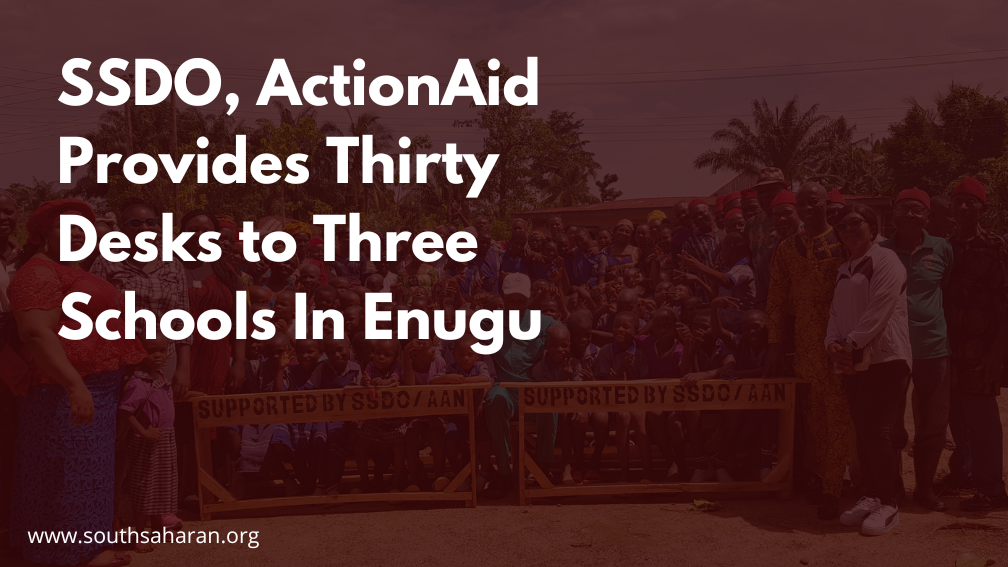
SSDO, ActionAid Presents Thirty Desks to Three Schools in Enugu

“Education is the most powerful weapon which you can use to change the world.” – Nelson Mandela

Marginalized communities are often characterized by a higher prevalence of poverty, lack of infrastructure, low access to healthcare and education, of which the biggest victims are children. Unfortunately, many public primary schools in rural communities of Enugu State lack sufficient classroom furniture, forcing students to sit on the floor or share limited seating arrangements. This situation hampers students’ ability to concentrate, participate actively, and achieve their full potential. 

Understanding this need, South Saharan Social Development Organization in partnership with ActionAid Nigeria through the Local Rights Programme is doing its part to improve education in marginalized communities. The project provided ten 6-seater desks each for Igga Community Primary School, Uzo-Uwani LGA, Unity Community Primary School, Ameke-Ani, Ani-nri LGA and Ihenyi Community Primary School, Isi-Uzo LGA.

In a ceremony on the school premises on Thursday, 2nd of November 2023, the headmaster of Igga Community Primary School expressed his gratitude by thanking the organizations for their effort. “We extend our heartfelt appreciation for the desk delivery. Previously, 35 students had to share 10-15 single desks or two or three desks, severely impacting their learning experiences. The scarcity created intense competition among students, hindering educational progress. We anticipate a significant enhancement in the school’s educational quality and expect increased student retention.”

Stakeholders present include Education Secretaries, community elders, Igwe cabinet’s members, Education Officers from the LGAs, community women and youths, SSDO’s LRP Project Lead, Priye West, Parents and Teachers Association (PTA) chairpersons, teachers, and community representative of the schools amongst others. 

The project aims to reduce poverty by engaging with the poor and marginalized in selected communities through its child sponsorship mechanism. This innovation will improve the learning environment and enhance pupils’ engagement and overall learning outcomes. Pupils will gain a sense of ownership and pride in their learning spaces, leading to increased motivation and productivity, and facilitating better teacher-student interactions.