SSDO

Building the Climate Capacity of Community Members in Enugu State

Climate change is a pressing global issue that particularly endangers the well-being of individuals worldwide, particularly women and youth. Today, young people face consistent exposure to the consequences of climate change, which makes them vulnerable due to factors like limited ownership of productive assets, unemployment, and various other challenges.

To address these knowledge gaps and empower the youth and communities in Enugu State, South Saharan Social Development Organization, in partnership with ActionAid Nigeria under the Strategic Partnership Agreement II Project, organized a one-day Capacity Building Workshop in Oduma Achara in Aninri LGA and Umuogili in Igbo Eze North LGA, Enugu state.

Recognizing the global importance of engaging youth in the fight against climate change, both in policymaking and implementation, the training equipped participants with insights into the impact of climate change on the livelihoods of young people in these regions. It also empowered youths for climate action, fostered local solutions and engagement, and identified mitigation and adaptation measures.

This workshop was facilitated by a seasoned climate researcher, Mr. Okechuku Ajah, who provided participants with valuable insights into climate change resilience, coping strategies, and technologies for harnessing renewable energy sources like solar, wind, and water. The workshop covered a range of essential topics, including an understanding of climate change and its direct impact on Enugu State’s communities.

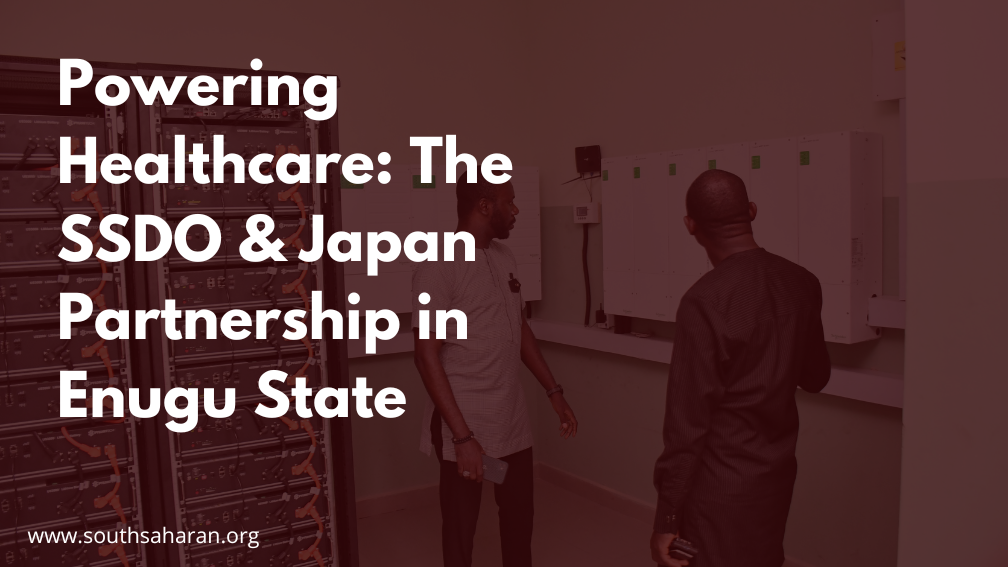
Powering Healthcare: The SSDO and Japan Partnership in Enugu State

In an era where healthcare is a fundamental right, it’s essential to ensure that quality healthcare services are accessible to all, regardless of location or economic status. In January 2020, a beacon of hope shone upon the Poly General Hospital in Enugu state, Nigeria, as the South Saharan Social Development Organisation (SSDO) joined hands with the Ambassador of Japan to Nigeria, Mr. KIKUTA Yutaka, to embark on a transformative project. This partnership marked the beginning of a promising journey towards enhancing the quality of healthcare services by bringing sustainable and reliable power to the Poly General Hospital in Asata.

The Grant Contract

On the 30th of January 2020, the Executive Director of SSDO, Dr. Stanley Ilechukwu, and Ambassador KIKUTA Yutaka of Japan, came together to sign a Grant Contract under the Japanese Grant Assistance for Grassroots Human Security Projects (GGP). This contract was a significant milestone in the effort to enhance healthcare in Enugu state.

The Objective

The primary goal of the project was clear – to provide Poly General Hospital in Enugu state with state-of-the-art solar power equipment. A reputable Japanese company manufactured these solar panels, and the plan was not only to install them but to ensure they would enhance the availability of power consistently, thus improving the quality of healthcare delivery in the region.

The Realization

Fast forward one year, and the project is no longer just an ambitious plan on paper. It has successfully materialized, with the solar power system now fully operational and in its inspection phase. The transformation witnessed at the Poly General Hospital Asata is a testament to the dedication and hard work of the SSDO and their Japanese partners.

The Solar Solution

The heart of this transformation is a powerful 58 KVA solar module, equipped with a total of 96 solar panels. To ensure uninterrupted power availability, the system boasts 24 batteries and 6 inverters. This comprehensive setup is further supported by a voltage stabilizer and a network sensor that monitors the flow of current in real-time, ensuring that the hospital’s power needs are met without interruption.

The Impact

The impact of this project cannot be overstated. By providing a stable and sustainable power supply, the Poly General Hospital Asata can now operate without the fear of power outages. This translates into improved healthcare services, as essential medical equipment and facilities are consistently powered. Patients and healthcare professionals can count on the hospital to provide life-saving care without the hindrance of unreliable electricity.

Projects of this magnitude do not happen in isolation. This initiative was proudly sponsored by the Japan International Cooperation Agency and implemented by the renowned Panasonic corporation. Their commitment to improving healthcare in Enugu state is commendable, and it’s a testament to the power of international cooperation for the greater good.

Powering Healthcare

The successful implementation of the solar power project at Poly General Hospital Asata is a shining example of what can be achieved when organizations and nations come together with a common goal. The South Saharan Social Development Organisation and the Japanese government, along with their partners, have made a remarkable impact on healthcare in Enugu state. This project reminds us that access to quality healthcare is not just a right but a shared responsibility, one that knows no borders or boundaries.

As we look to the future, let this project serve as an inspiration for more collaborations aimed at enhancing healthcare services and improving the quality of life for people around the world. Together, we can bring light to the darkest corners, ensuring that quality healthcare remains accessible to all.

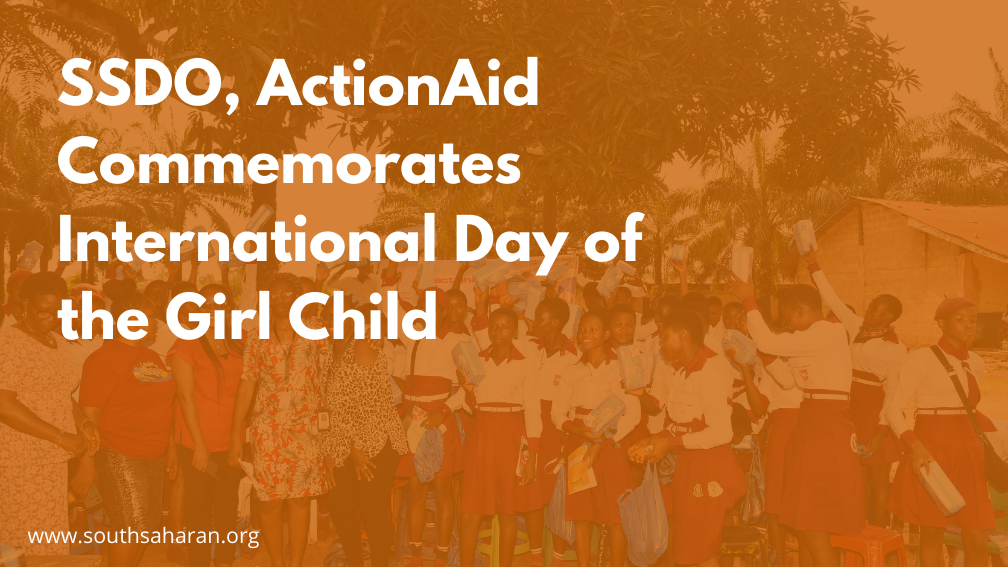
SSDO, ActionAid Commemorates International Day of the Girl Child

The International Day of the Girl Child is a global observance dedicated to highlighting the challenges faced by girls worldwide and promoting their empowerment and rights. This year’s theme is “Digital Generation; Our Generation” emphasizing the role of digital technology in empowering and shaping the lives of girls globally and reflecting on the advancements and obstacles that girls encounter in our increasingly digitalized world. 

To commemorate the celebration, South Saharan Social Development Organization, in partnership with ActionAid Nigeria, under the Strategic Partnership Agreement II, organized a 1-day educational event at Union Secondary School, Eha Amufu in Isi Uzo LGA. The event incorporated a debate competition, a career talk, and a climate change seminar.

The event commenced with a debate on the Pros and Cons of Internet Usage for Schoolchildren. The girls engaged in a meaningful discussion that encouraged them to think critically and make informed decisions when navigating the digital world. Dr. Celestina Aga, Director, Enugu State Ministry of Agriculture, led the session on climate change and educated the pupils on climate change adaptation through agroecology. 

Following the climate change session, an environmental health club was inaugurated. The team then proceeded to conduct a tree-planting exercise. The girls were provided with a three-month supply of sanitary pads to help ensure they continued their education without disruptions. Barrister Ubok Ameh facilitated a career talk session highlighting the vast possibilities and opportunities in science, technology, engineering, and mathematics.

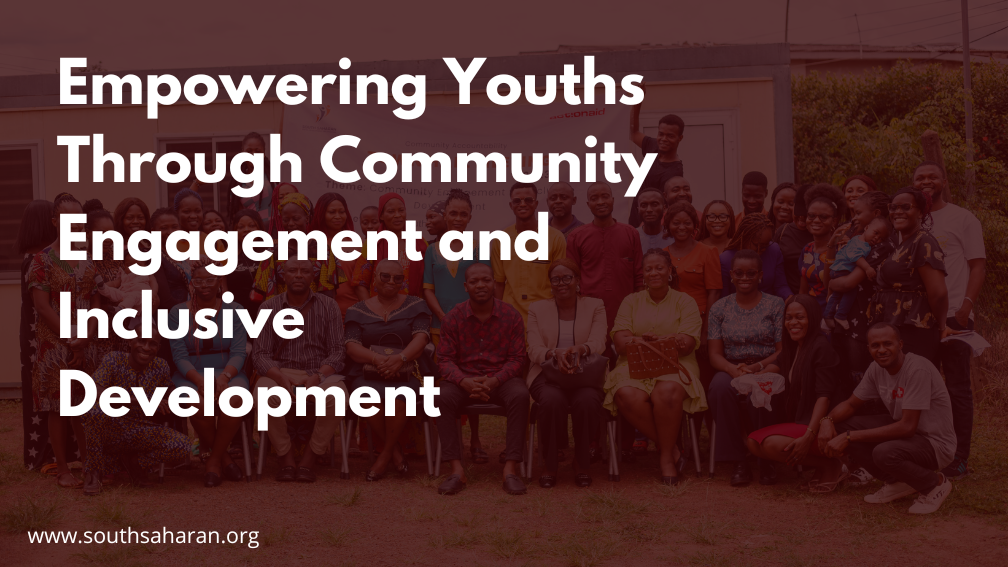
Empowering Youths Through Community Engagement and Inclusive Development

The goals of the Strategic Partnership Agreement Phase II include engaging youth groups in demanding socially responsible gender-responsive public services, enhancing youth resilience and their role in crisis response, influencing policy and legislation through evidence-based advocacy, leading collective actions to reduce vulnerabilities and build resilience. 

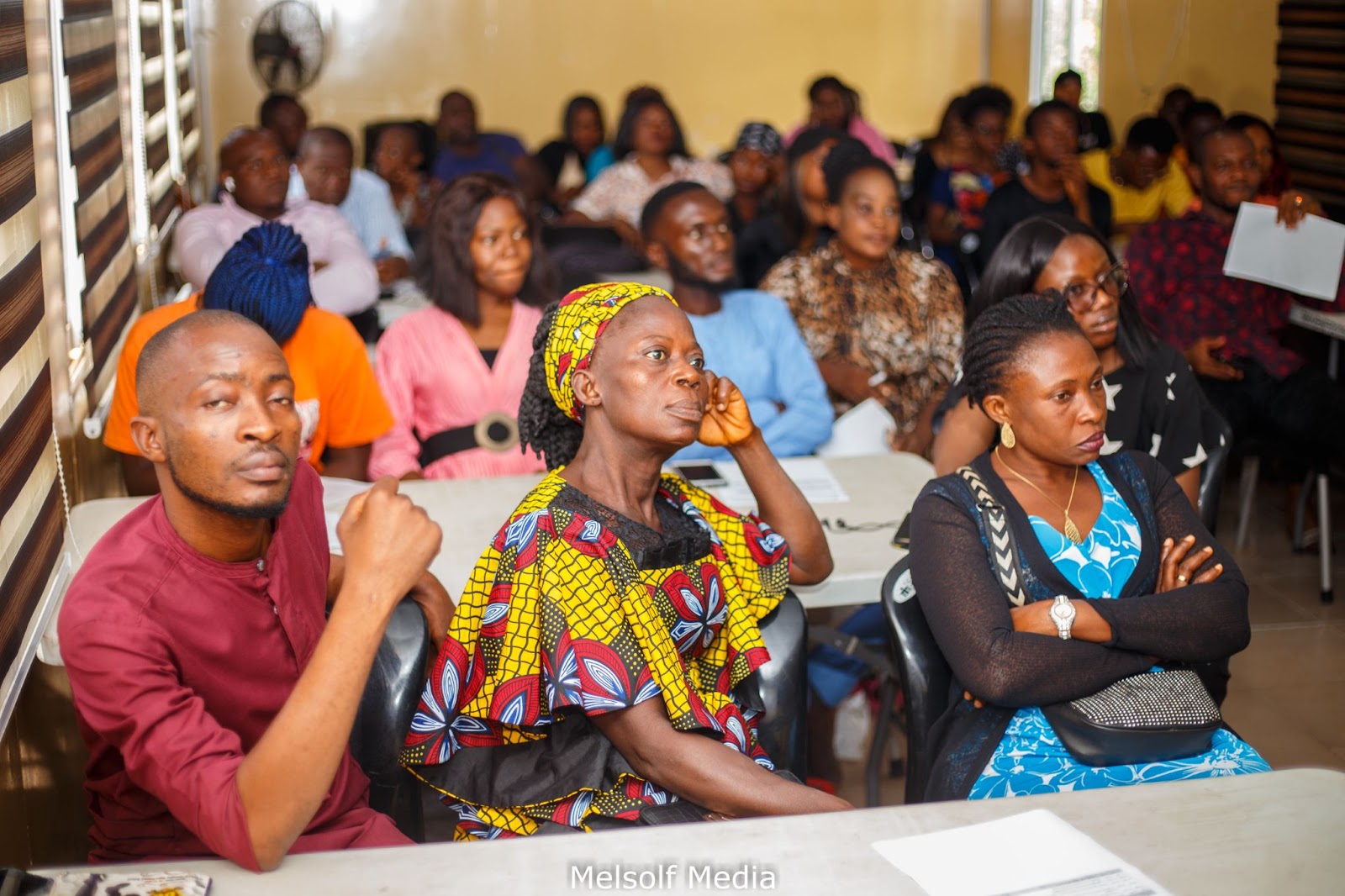
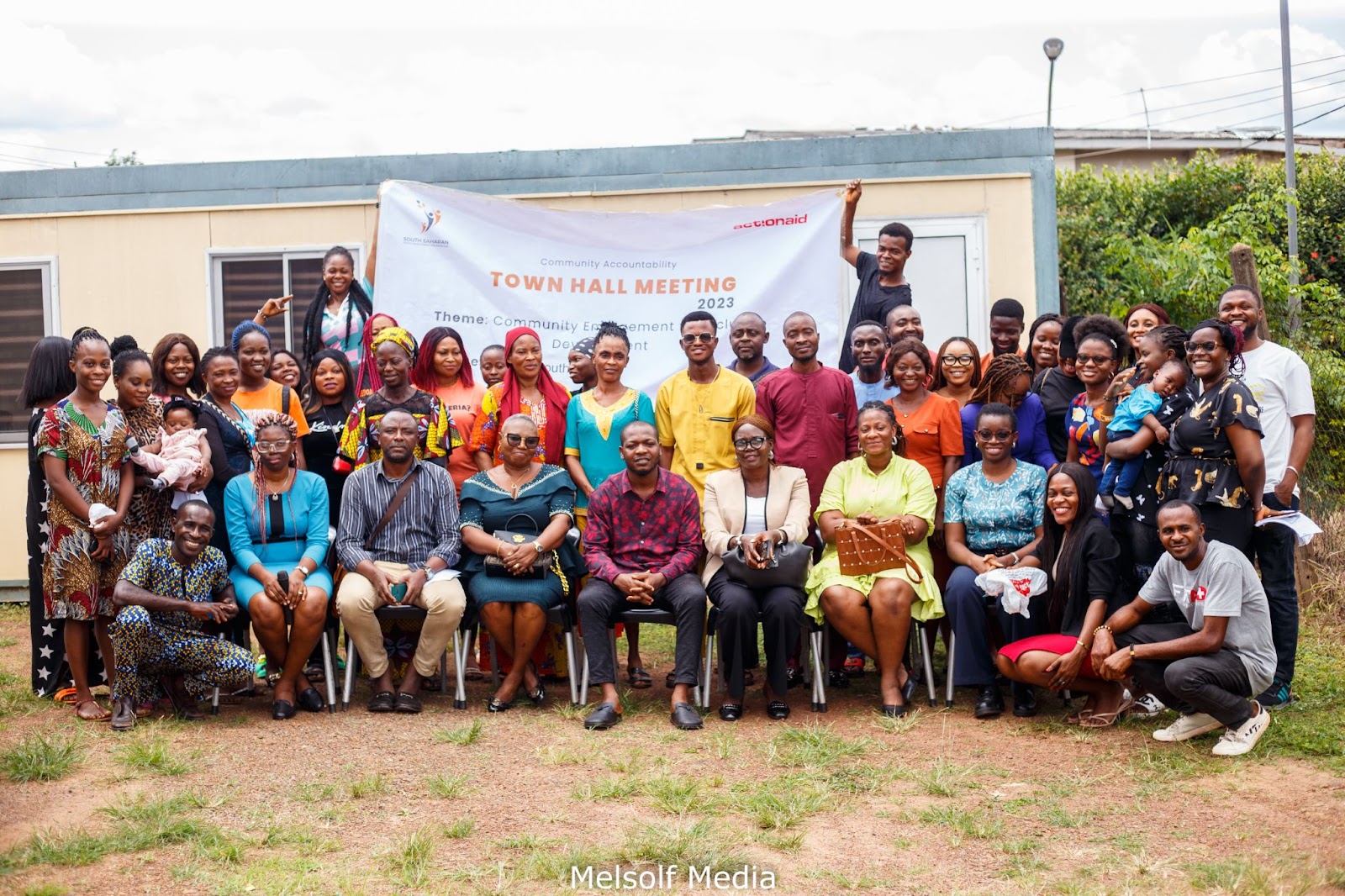
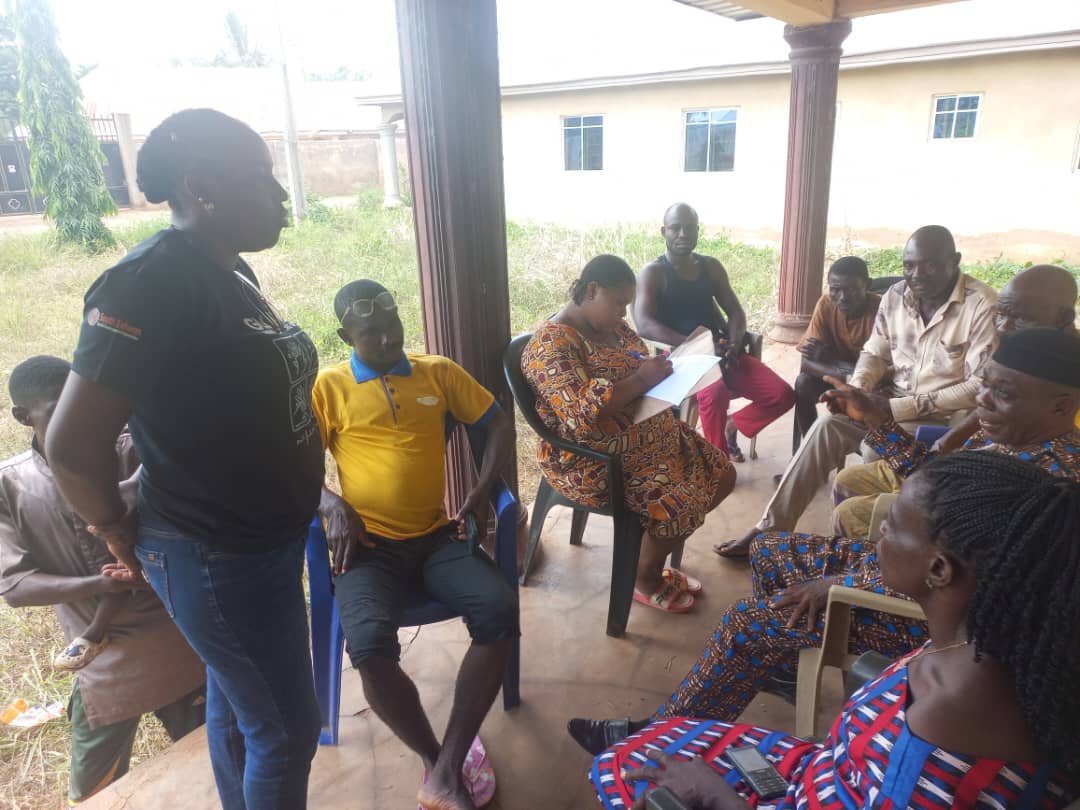
After the Community Accountability Committees completed the project tracking and monitoring, they proceeded to present their findings to their various LGAs in a town hall meeting. SSDO organized a 1-day Community Engagement for Inclusive Development Town Hall Meetings in each community, aimed at fostering dialogue and collaboration among stakeholders in the four communities. 

The community town hall meetings employed a participatory approach, featuring presentations of assessment findings, discussions, interactive sessions, and group deliberations. Stakeholders present included traditional rulers, women, men, youth, LGA representatives, Community-Based Organizations, and officials from the Enugu State Ministries of Budget and Planning, Youth and Sports Development, Education, Health & the Enugu State Economic Planning Commission.

The town hall meetings were an avenue for: 

1. The committees to present and discuss the findings from the youth-led budget tracking/monitoring assessment. 

2. The committees to engage in dialogue with community and government stakeholders to determine the way forward based on the assessment results.

3. The SSDO team to conduct a community needs assessment to identify priority projects for inclusion in the next budget cycle.

4. The committees to document and present the meeting outcomes as an advocacy brief to the respective Local Government Areas (LGAs), Enugu State Ministry of Budget and Planning, and the Enugu State Economic Planning Commission. 

The SSDO team guided the needs assessment process using a pair-wise ranking to determine the most pressing needs after the men, women, and youth identified their needs. Here’s a rundown of the needs assessment prioritized by the LGAs for the next budget cycle:

NEEDS ASSESSMENT FOR ANINRI LGA

1. Construction of Community secondary school 

2. Allocation of Farm machinery and Farm inputs.

3. Skills Acquisition centres with starter packs

NEEDS ASSESSMENT FOR IGBO EZE NORTH LGA

1. Rural Electrification (Transformer) for Umuogili

2. Women and Youth Skills Acquisition Center.

3. Establishment and construction of Community Primary school Umuogili.

NEEDS ASSESSMENT FOR ISI UZO LGA

1. Construction of Ogbuzor Farm Road/ improved road access

2. Skill Acquisition Centres

3. Agricultural support for farmers (Farm Implements/ machines and inputs).

NEEDS ASSESSMENT FOR ENUGU SOUTH

1. Construction of roads (Achara Layout, Idaw River)

2. Construction of display slabs/ tables for petty traders.

3. Provision of instruction materials, teaching aids, training and retraining of teachers and effective monitoring and supervision of teachers in Enugu South L.G.A

Empowering Communities Through Monitoring and Evaluation

Monitoring and evaluation is critical to the success of any intervention. It helps improve evidence-based decision-making, improved performance, better resource allocation, quality assurance, real-time learning, and long-term sustainability.

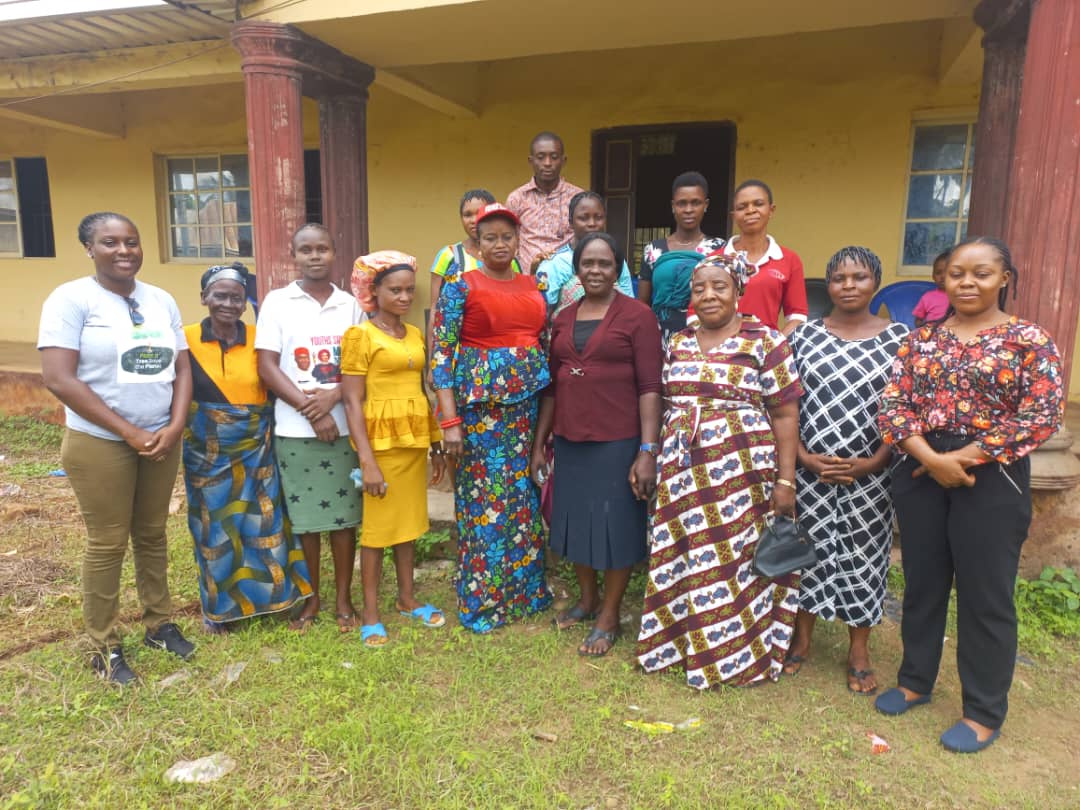
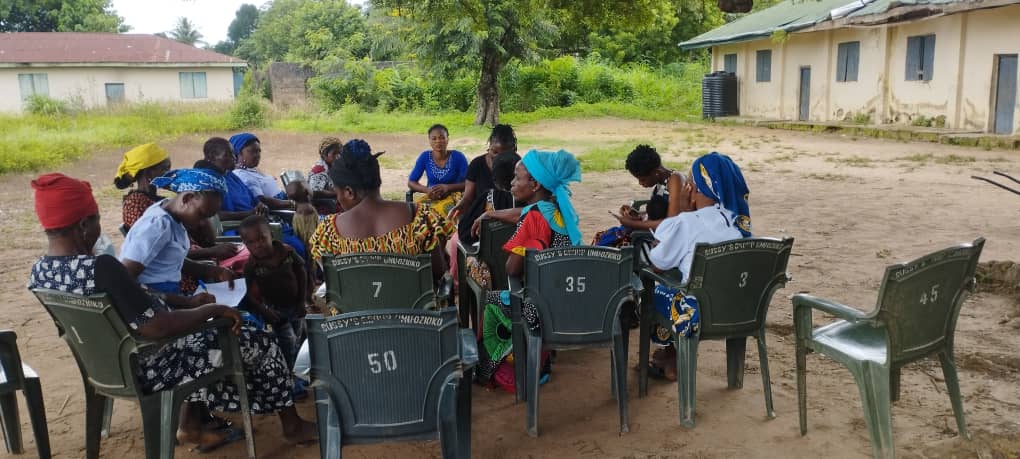
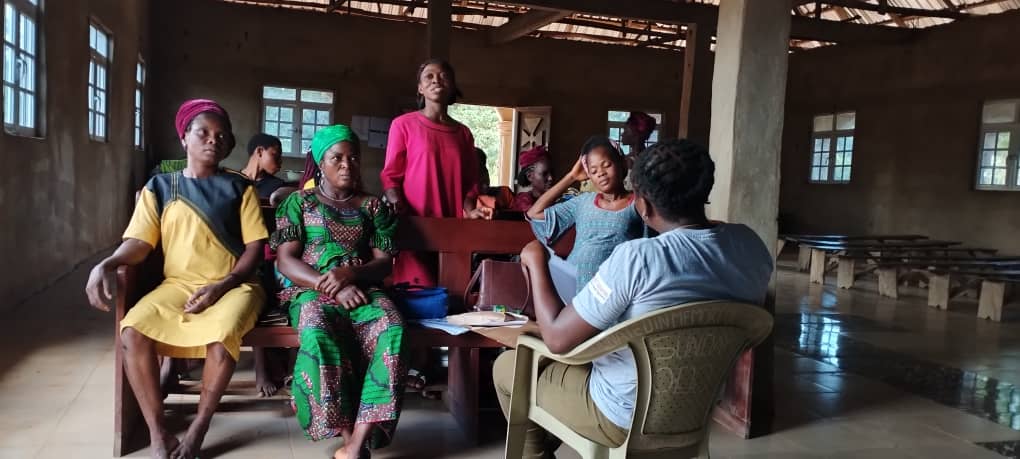
Understanding this need, South Saharan Social Development Organization, in partnership with ActionAid Nigeria, conducted monitoring and evaluation visits to various project sites under the Local Rights Programme to ascertain the level of progress made on the project. The monitoring evaluated the progress of the women’s peer education groups, GBV response teams, agroecology training, and the impact of child message collection in the target communities. 

The GBV response teams have solved over five cases since their inception. This includes cases of child abuse, land disputes, and gender-based violence cases. The child message collection activities have empowered kids with water bottles, food flasks, writing materials, and desks. This improved the kids’ learning environment and outcome. 

A teacher told the team, “The children are excited about the writing materials and desks. They come to school earlier. Those who don’t come often now come regularly.” The team also held a community stakeholder meeting to finalize on the construction of more desks in Ihenyi community.

The impact of the women peer education group was analyzed using the women’s peer resource checklist. The women have adopted new sanitation practices, they are more aware of the effects of child marriage, and more women are now included in decision-making processes at the community level. 

On the agroecology front, the team visited the model farms. The seedlings are flourishing. and farmers have started applying the learned knowledge to their farms. They have transitioned to organic manure from their livestock, reallocating funds initially earmarked for chemical fertilizers to procure additional seedlings for planting, intending to maximize output at the end of the farming season.