SSDO

Transforming Lives Through Gender Equality and Sustainable Health Initiatives

Igga is a community located in Isi Uzo LGA in Enugu state. It shares a boundary with Anambra state. It is a tropical savanna environment. Most indigenes of Igga community are farmers, their main crop for cultivation is Rice. Their access to education is limited due to the insecurities of Herdsmen. The Insecurity in Igga community destabilized the community at large. Lots of youths left the community in search of greener pastures and young girls were married off before they could get basic education. Although there’s been little or no occurrence of harmful traditional practices, women were marginalized in this community. They experience economic abuse and issues associated with early marriages. The community also struggled with hygiene practices, which affected their health adversely; they battled with typhoid and malaria. The community has also had a few cases of gender abuse. 

Research by the Nigeria Demographic and Health Survey shows that 31 percent of women aged 15 – 49 have experienced physical violence and 9 percent have been exposed to sexual violence.  In Southeast Nigeria, 35.7 percent of women have experienced physical violence and 12 percent have experienced sexual violence. In Nigeria, an estimated 1 in every 4 women will experience violence in her lifetime (The 2008 Nigeria Demographic and Health Survey (NDHS). 

In Nigeria, the alarming prevalence of early marriage poses a significant challenge, with girls marrying before the age of eighteen reporting higher instances of physical violence, leading to adverse psychological and physical consequences. Early marriage contributes to an increased risk of sexually transmitted diseases (STDs) among young girls, exacerbating health concerns and imposing long-term health risks. 

Research shows that the prevalence of intimate partner violence (IPV) against women in Nigeria is notable, ranging from 31% to 61% for psychological/emotional violence and 20% to 31% for physical violence, highlighting a pervasive issue that adversely affects women’s well-being. All these point to the overwhelming reality that physical abuse and early child marriage are still a mainstay, especially in rural communities.

With the interest and development of women and the community at the center of its mission, South Saharan Social Development Organization, SSDO, in partnership with ActionAid Nigeria, under the Local Rights Programme, LRP, established the Women Peer Education, WPE, Group and Gender Based Violence, GBV, Response Team in this community. An advocacy visit was carried out with relevant stakeholders in the community to introduce the GBV response team and its importance to the community. 

The community representatives acknowledge the rise in abuse cases across the community, early marriages, and bad hygiene practices. They welcomed the idea of establishing a forum to tackle these issues. SSDO collaborated with the Ministry of Gender and Women Affairs. A division representative from the Sexual Assault Referral Center was invited from the LG to facilitate the training for the GBV response team. 

A team of twenty women was formed for the GBV response team. The program officer and the gender officer from SSDO trained over 40 women using the Women’s Peer Education manual, and they have stepped down this training in their various women’s groups. (church groups and general community women’s meetings).

The establishment of the GBV response team has reduced the occurrence of any form of abuse ranging from intimate partner abuse to physical abuse and economic abuse. The community is aware of the forum and what it represents, and this has made the members careful in how they address issues generally. The group has been able to address two cases of physical abuse since its inception. The initiative has also successfully mitigated economic abuse where men deprive women of their rightfully earned income. 

The establishment of the WPE has helped address the issues surrounding hygiene practices. The women in the community conducted advocacy visits to the elders and youths, and they cleaned up the stream, which was exposed to open defecation and waste. The establishment of the WPE has helped address the issues surrounding hygiene practices. Members of the community now boil water before consumption, and those who can afford sachet water opt for it. Having understood the role of hygiene, they clear the bushes surrounding their house, reducing the breeding of mosquitoes. 

Before now, they often soaked their laundry for days, attracting flies that contaminate their food and cause stomach upset. This poor practice has been corrected. There has been a notable decrease in typhoid fever and malaria in the community. The forum addressed the issues of early marriage by encouraging parents to enroll their daughters for skill acquisition. It has also created a network where women can offer support to one another.

Theresa, a member of the GBV response team shared the changes she observed, “Prior to the establishment of the GBV response committee, the women in our community did not know their right, we assumed it was our husband’s right to collect all the money we made especially from farming.”

“There is a lot we did not know about hygiene practices and most people did not understand the implication of their hygiene behaviours. Parents believed that when a girl has hit puberty, the best option was to marry her off as they could not afford to train her in school, or carter for her. They also expect her to help train her younger ones. The establishment of these forums has helped strengthen the women in the community and given them voices.”

The women now better understand the importance of girl child education and are open to enrolling their girl child in skill acquisition centers. This has also brought about better parenting as they now have interactive conversations with their children concerning their goals and passions. There has also been a significant decrease in early marriages. 

“In the past, we had over twenty young girls that were being married off. In some cases the dowry isn’t even paid. But recently the number has really dropped and there’s barely even five. We hope that in the near future, we will totally eliminate it.”

A community health worker spoke about the drastic improvement in public health, “Their hygiene practices have improved, and this has affected their health positively. The rate of typhoid in the health center has greatly decreased, and even when people are sick, they come to the health center for proper medical advice rather than self-prescription.”

South Saharan Social Development Organization is committed to equipping women, youth, and children with the skills needed to survive and compete favorably in Sub-Saharan Africa.

Revolutionizing Agriculture with Agroecology and Sustainable Innovations

Orokoro is a community situated in Ehe Amufu, Isi Uzo LGA Enugu state. Most indigenes of the Orokoro community are farmers. They are blessed with a fertile ground. Their main crop for cultivation is Palm seed. They also plant cassava, rice, corn, and okra. Most community members are farmers, but their agricultural practices are outdated. They spend the majority of their capital during planting season on procuring chemical fertilizers and pesticides. They also struggled with sustainable water supply for their farms. This reduces the yield of produce post-harvest and affects their profit margin negatively due to the cost incurred pre-harvest. They work tirelessly during the farming season and have little to show for it.

Smallholder farmers in Nigeria, particularly in Enugu State, face significant challenges hindering agricultural development. These challenges include limited access to crucial agricultural information, outdated farming practices, and the adverse impacts of climate change. According to research, smallholder farmers encounter various constraints, such as inadequate access to information, hindering their ability to adopt modern and sustainable farming methods.

Additionally, climate change poses a severe threat to agriculture in Nigeria, impacting farmers across different agro-ecological zones. Research by the Food and Agriculture Organization shows that post-harvest loss caused by climate change is responsible for one-third of the waste of agricultural produce each year. Even more so, pre-harvest losses. Farmers perceive the effects of climate change and struggle with coping strategies, affecting productivity and livelihoods. 

The need for sustainable farming practices, such as agroecology, is evident as NGOs engage in training initiatives to address the challenges faced by Enugu State farmers. However, there remains a pressing need to address information gaps, promote climate-resilient practices, and enhance overall agricultural sustainability in the region. 

South Saharan Social Development Organization in partnership with ActionAid Nigeria, through the Local Rights Programme, LRP, conducted a three-day training on Agroecology for the community farmers. This training was aimed at addressing the agricultural issues the community faced. Topics like reducing chemical pesticides and fertilizers, using natural pesticides and compost, sustainable water management, and shifting cultivation were covered.  

The team collaborated with the Ministry of Agriculture to engage the services of an Agricultural Development Programme, ADP, staff to facilitate this training. Twenty-four community farmers were trained on modern agricultural practices, which was stepped down to other community farmers. The President General, PG, and other attendees of the initial training facilitated this step-down training. Palm seed is a major crop planted in this community. After the training, a model farm with twenty-seven palm seedlings was set up, and each farmer who partook in the training got two seedlings to plant on their farms. 

This community has started practicing modernized farming. The Model farm is being nurtured using organic fertilizer against chemical fertilizers used before. This was also applied to their farms. They used the droppings from their livestock as compost. This compost was achieved using the process taught during the training. The farmers were able to save money on procuring chemical fertilizers and pesticides this farming season. 

The money saved from this was re-invested in procuring seedlings, which will increase their output and profit margin post-harvest. They focused on naturally sourced pesticides like ash and natural compost to improve their farming technique. The community saw the importance of boosting their socio-economic status through the model farm, and they added twenty palm seedlings, two orange seedlings, and three coconut seedlings (improved seedlings).

Priye West, the LRP Officer expressed her satisfaction with the activity’s impact, “As the program officer who facilitated the agroecology training, I am pleased to see the community committing to what has been taught and putting it to use. I hear excitement when they talk about the progress they have made, from the step-down training to procuring the additional improved seedlings. The agroecology training activity had a positive impact on this community.” 

Steven Kalu, a community beneficiary also shared his happiness with the intervention, ” I am happy with the intervention of SSDO in our community. The team has been working in our community for a while. They come to see our children and have meetings with our women, and honestly, everything they bring to our community has been good.”

He highlighted some of the challenges the community faced and how they struggled to optimize yield. 

“Before they came, we had been having challenges with how we were going to culture our crops, we produced rice cassava, yam, tree crops like palms, and fruit crops like oranges and coconut. We had issues with the chemicals we use for our crops; instead of helping the crops they damage the farmland, and when I was informed by the PG that they wanted to help us tackle the issues we had in the past about farming, I was very impressed and grateful.” 

“I am a farmer, and I know the challenges we have faced in the community regarding farming and the use of chemicals, pesticides, and fertilizers, even the economic implications.  The three-day training was intense and very engaging. I learned a lot, like using Ash to prevent viral infection and pests on plants, how to make natural manure from animal droppings, and the best water retention techniques during planting.” 

“Some of these things were even practiced on the model farm. This farming season, I applied all that learning to use, and I must say, I can see the positive results already, I used the ash on my rice farm, it was attacked by some viral infection, and it worked like magic. The money I used to use and buy chemicals before has been saved, and I can always source ash from my comfort zone.” 

“In fact, after we were taught how to combine animal husbandry and farming, I started my poultry again, and I have been using their dung for manure, the amount of money I saved is amazing. Next year I intend to add more palms to my plantation as well, I believe it is going to give me a better yield because I will apply the techniques taught during this training. I am thankful to AAN and SSDO for their intervention, it has helped us economically, improved our knowledge of what we know, and added more.”

South Saharan Social Development Organization is committed to empowering marginalized communities with socioeconomic facilities to help them compete favorably and ensure an improved quality of life. 

Community Voices: Feedback as a Crucial Project Component

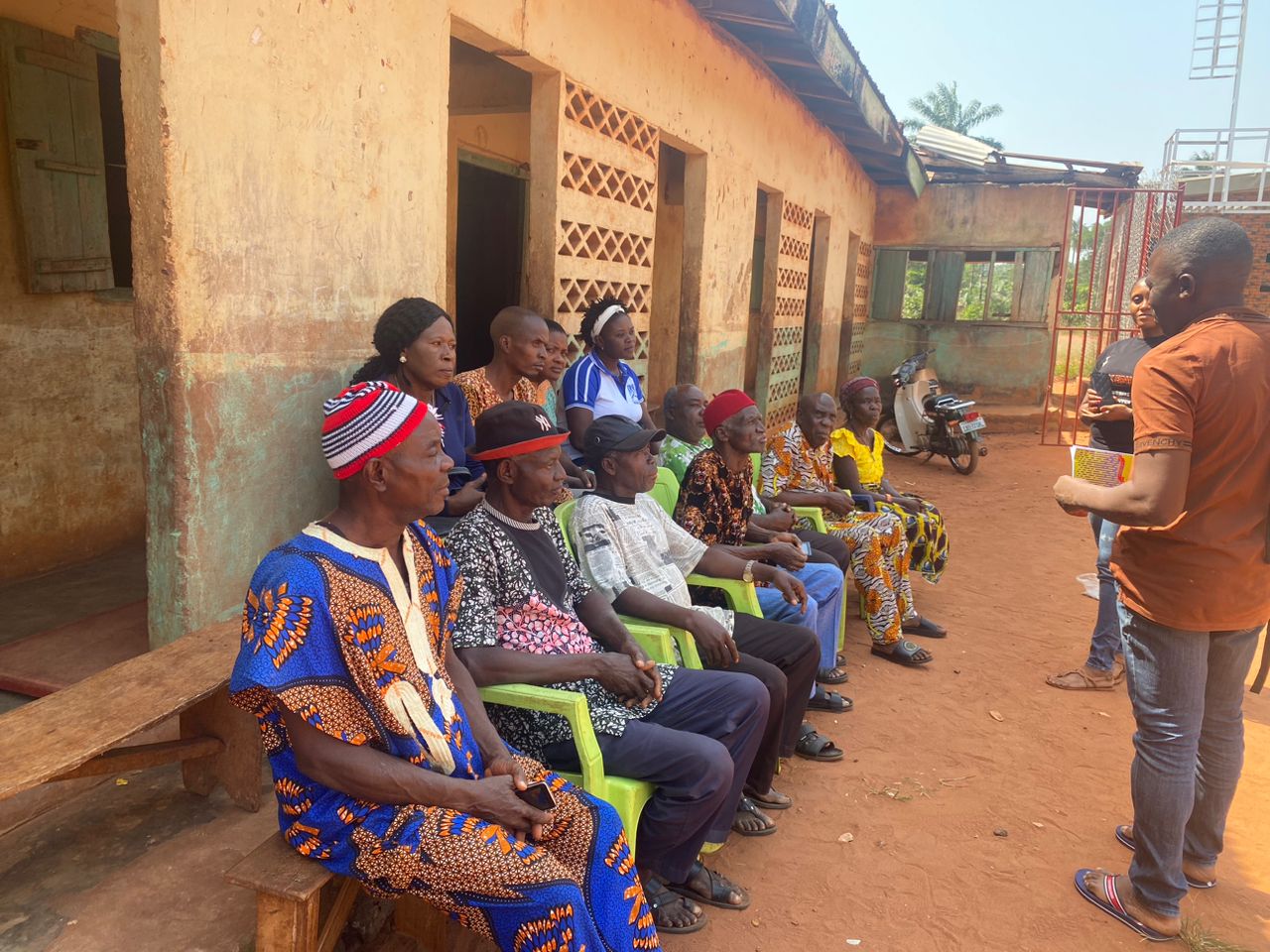
For any project to be successful, beneficiaries must be fully involved from the planning phase through implementation, and feedback gotten even after project execution. This participatory approach helps to build trust, sustainability, and real-time learning. It guarantees evidence-based decision-making and ensures better resource allocation.

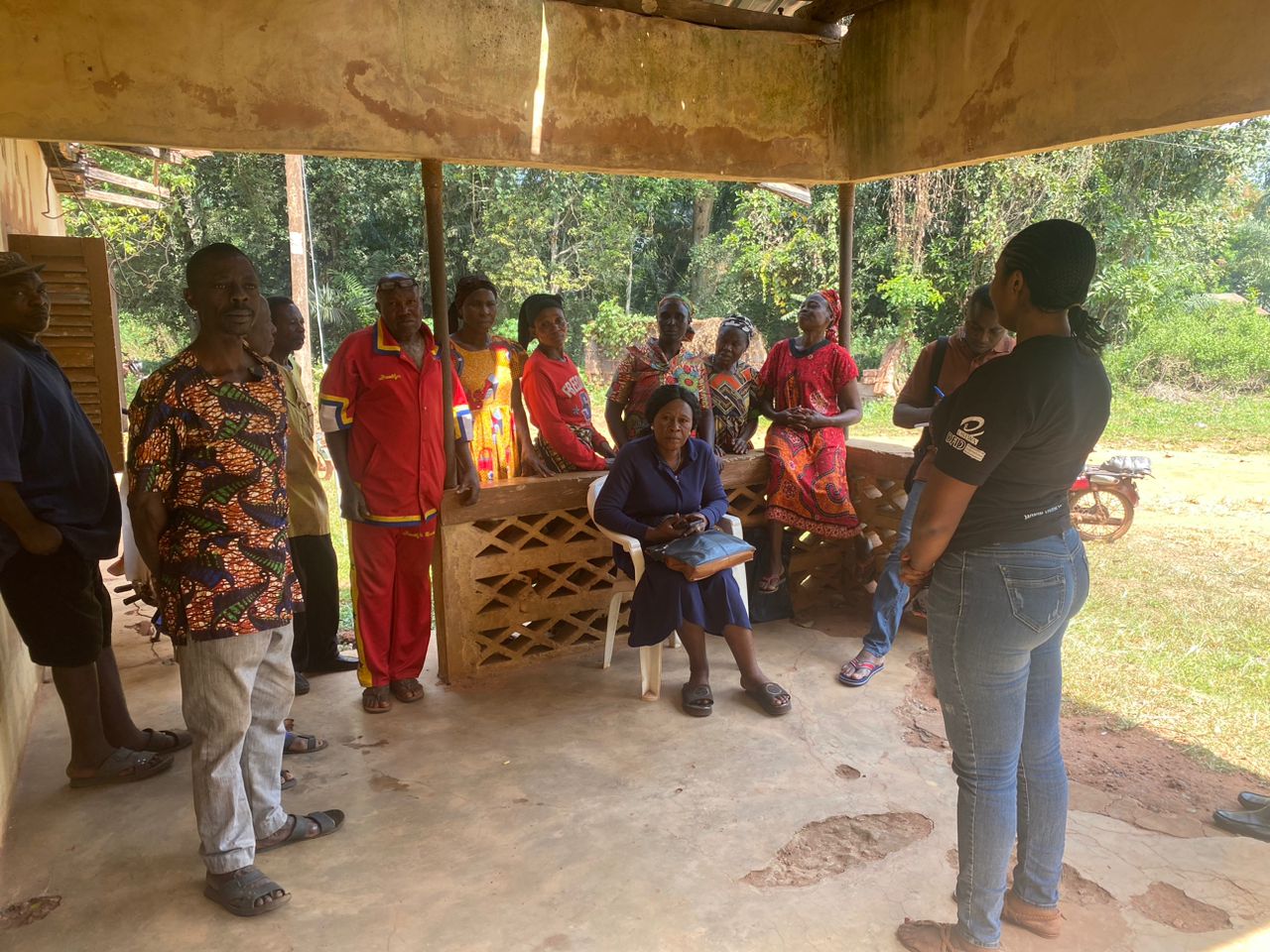
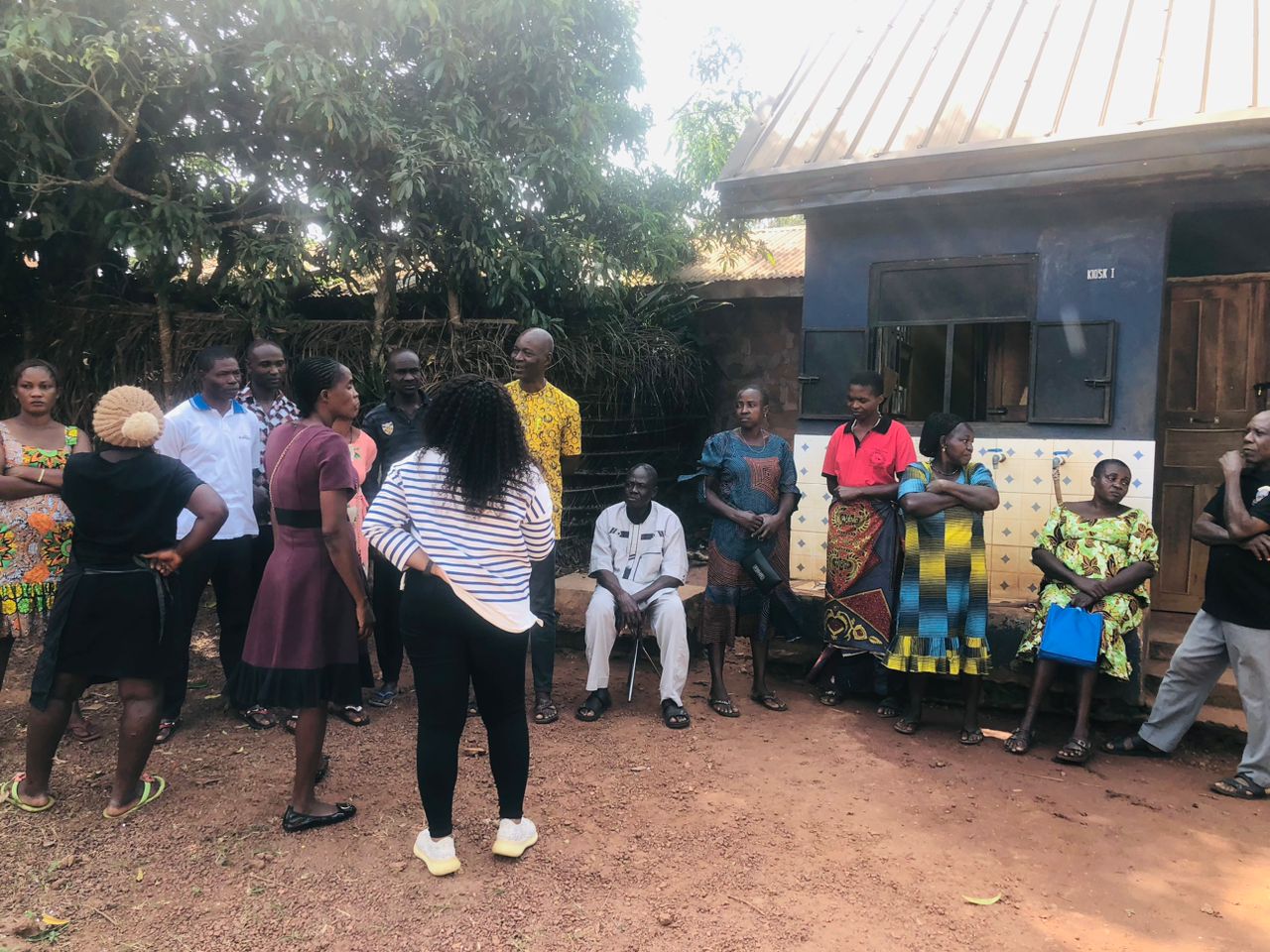
Understanding the importance of a good feedback mechanism, South Saharan Social Development Organization in partnership with WaterAid Nigeria conducted a Community voices event across project communities in Enugu state. This event helped gather the perspectives, opinions, and experiences of community members on the impact of project activities, thus guaranteeing inclusion and addressing local needs.

Since the construction of the water facilities in the communities, there’s been a reduction in infectious diseases, children attend school early, and hygiene practices have improved.

A woman from Umuabor community shared, “Before the construction of the borehole, my kids and I used to trek 5km to Ibede to fetch water. This affected their education as they went late to school. They also fell ill frequently because we didn’t have the luxury to use water to clean up at critical times. But now they go to school early and their hygiene and health have improved too.”

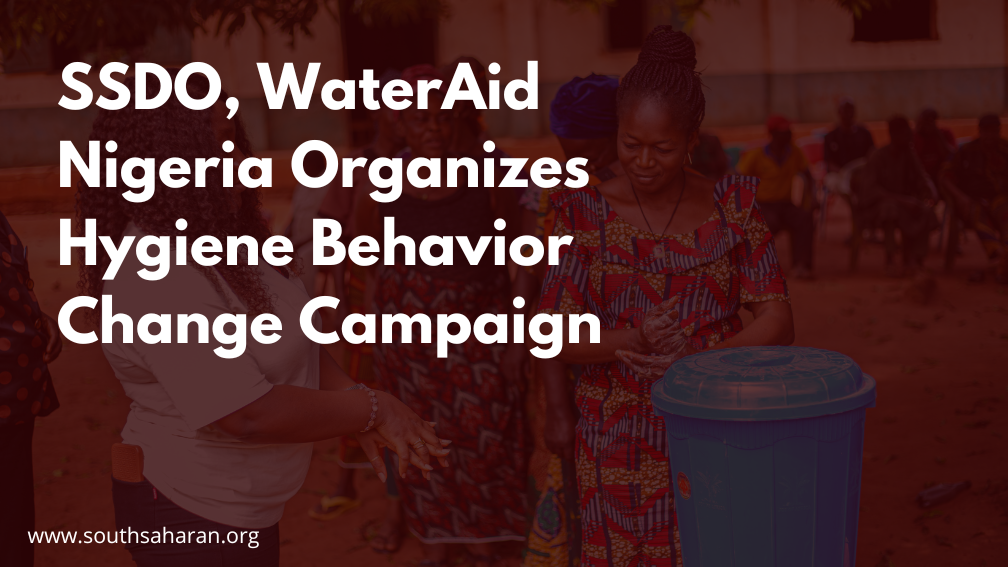
SSDO, WaterAid Nigeria Organizes Hygiene Behavior Change Campaign

South Saharan Social Development Organization in partnership with WaterAid Nigeria organized a community engagement event under the Latter Day Saints Charity Project (LDSC) III. The project’s goal is to improve access to clean water and hygienic sanitation in communities of Enugu state. 

This event marked the initiation of the Hygiene Behavioral Change (HBC) campaign, a crucial component of the larger LDSC III project. The campaign took place at the Community Primary School Mboshi-Aji, with active participation from various demographics within the Mboshi community. 

The community engagement event was strategically divided into two groups, fostering effective interaction and engagement. It was an avenue to teach hygiene education. This encompassed proper handwashing techniques, practices, and sanitation and waste management. Men, women, and children were well represented and contributed to the success of the event. 

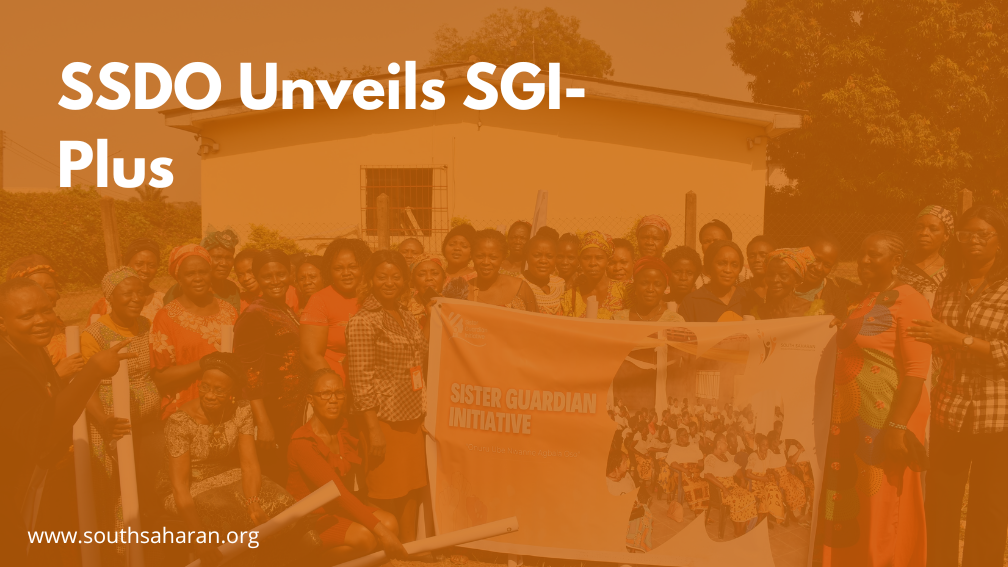
SSDO UNVEILS SGI-PLUS

The beauty of any initiative is the ability to identify new opportunities that align with its objective to increase impact opportunities. This we constantly strive to do by leveraging avenues to improve socioeconomic and human rights benefits for our project beneficiaries. 

To this end, South Saharan Social Development Organization, SSDO, is expanding the Sister Guardian Initiative, SGI, to SGI-Plus. This new initiative will pursue additional rights issues affecting women at the community level, as we understand that for behavioral change to be effective it must be holistic. The Sister Guardians at the community level will identify, prioritize, and advocate to public and private partners for resolution.

While not neglecting the importance of a livelihood component from which women draw income to pursue their social transformative interventions, the SGI-Plus will introduce the Village Savings and Loans Association, VSLA, component to achieve this aim. The SGI-Plus will kickstart in nine communities in Enugu state and will scale up from there.

On the 12th of December, SSDO organized a workshop to unveil and introduce SGI-Plus to the Sister Guardian executives and communities. The workshop was an avenue for the SGI executives to give a progress report. They were tasked to identify three most pressing problems in their communities that will be tackled going forward. This participatory measure will guarantee a human rights-based approach and form the crux of issues that will be addressed.