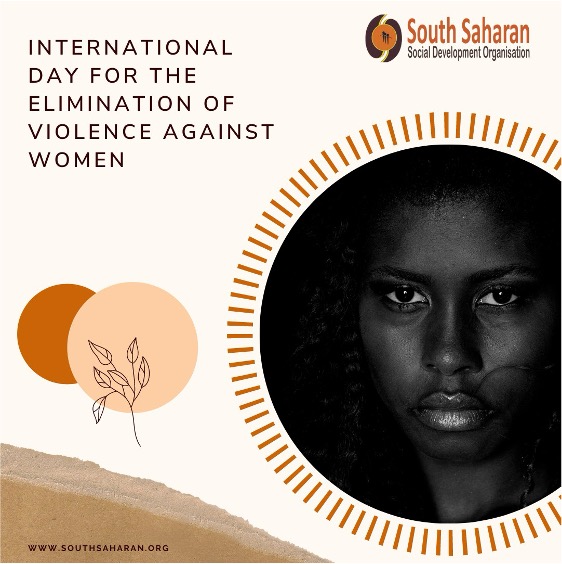
the South-East have been physically abused. It’s the International Day for the Elimination of Violence Against Women. To change this narrative, these fundamental issues need to be addressed:
Believe Survivors
Tackle root causes
Correct harmful norms.
Empower women and girls South Saharan Social Development Organization, SSDO is playing its part through the Sister Guardian Initiative (SGI). SGI is an SSDO funded project that institutes community structures called SGI chapters with a mandate to provide survivor-centered care to Violence Against Women (VAW) victims while advocating for institutional deterrence against the practice in southeast Nigeria. Services provided include advocacy, counseling and mediation, temporary shelter, and referral services. This year, we have provided these services to 115 women in Enugu and Anambra state. This Year’s theme is “Orange The World: End Violence Against Women Now!”. It is a time to advocate a GBV free world and a brighter future for women and girls. #OrangeTheWorld
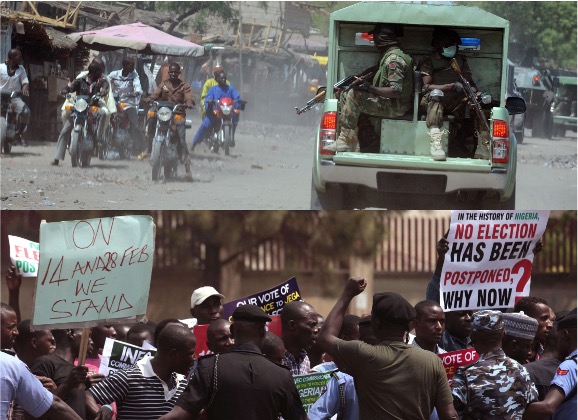
The Indigenous People of Biafra (IPOB) have threatened to issue a one-week sit-at-home order in the Southeast. The order will take effect on November 5 if their leader, Mazi Nnamdi Kanu is not released to them by November 4, 2021. Considering the enormous influence the group wields in the Southeast and how effective their previous orders have been, it is safe to say this is no empty threat.
The group previously declared Mondays a sit-at-home in the Southeast, as a form of agitation and solidarity. As well as any other significant day it deems fit to pass across its message. Such as the President’s visit to Imo state in September and Independence day.
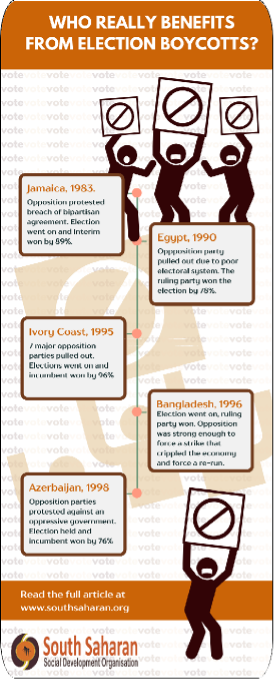
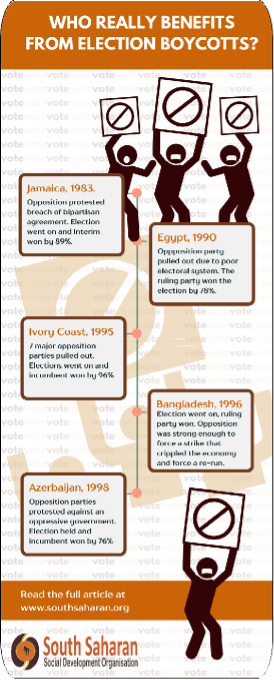
Now there are questions that need answers. Will an election boycott be enough to get the election canceled or postponed? Will an election boycott further the group’s goal of secession? Let’s look at popular election boycotts in history and how they turned out as we seek answers.
Jamaica, 1983.
The election in 1983 was always a two-horse race between the ruling party, Labour Party, and the People’s National Party. Edward Seaga, the seating Prime Minister at the time was the candidate of the ruling party and former Prime Minister Michael Manley was the leader of the opposition party. Both parties initially agreed the election take place in 1984 when a new voters registration system would be in place.
This system will allow 180,000 new voters to register. The incumbent on sensing the economic downturn and his diminishing popularity decided to have the election hold months earlier. Mr. Manley crying foul boycotted the election stating a breach of bipartisan agreement.
Outcome: The election went on and the opposition lost. The interim Prime Minister won by 89%.
Egypt, 1990.
The four main opposition parties in the country boycotted the election citing cases of rigged elections and reluctance on the part of the government to accept the proposed policies of the opposition parties which include: supervision of election by judges, improvements in accounting for voters, and a suspension of the martial law that has been in place since 1981. The parties stated that unless these policies were adopted, elections will be the same old story.
Outcome: The ruling party, National Democratic Party won the election by 78%
Ivory Coast, 1995.
Interim president Henri Bedie in 1994 approved an electoral code that prevents Non- Ivorians from contesting and voting in the 1995 elections. This code automatically ruled out leading opposition aspirant Alassane Ouattara and was also a move that was perceived by the people as one that will destroy national integration. The seven major opposition parties pulled out of the election in protest of the decision.
Outcome: The election went on and the incumbent won by 96%.
Bangladesh, 1996.
The country has had a series of boycotts that resulted in the birth of the prominent political parties in the country today. The country’s major opposition party at the time, Awami League, championed the push for the boycott. This was because the government refused to inaugurate a caretaker government ahead of the elections, as was the custom in the country. They did this to prevent interference by the incumbent government in the election outcome.
Outcome: The election went ahead, which the ruling party at the time, Bangladesh Nationalist Party, won in a landslide victory. However, the opposition parties instigated a strike that crippled the country and resulted in a caretaker government being installed. They conducted elections in June, and Awami League won the election.
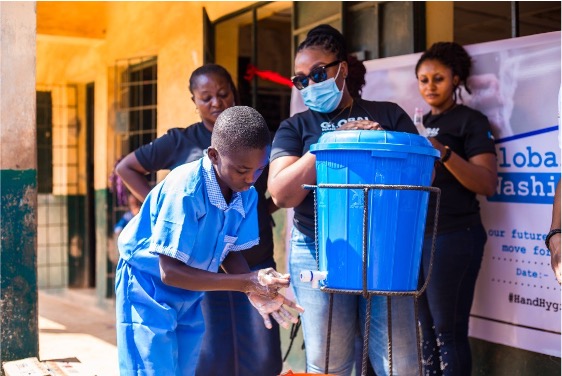
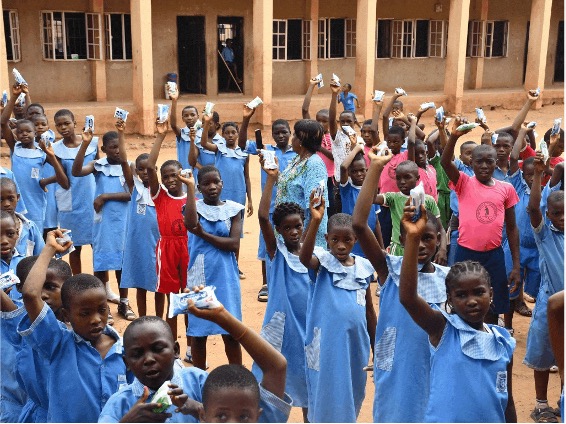
Handwashing is critical to preventing illnesses, especially COVID-19. Proper handwashing can reduce the rate of diarrhea by 40% and respiratory infection by 20%. In fact, 50% of food-related illnesses are because of poor hand hygiene. This was the message we took to Igbariam Primary School, Enugu South LGA to commemorate Global Handwashing Day.
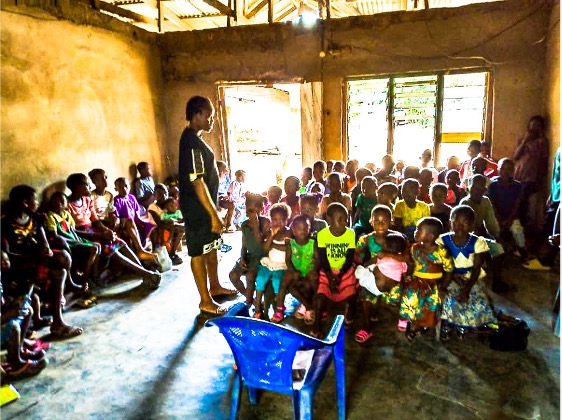
In this issue, we also examine SSDO’s impact on the girl child as we create an enabling environment for girls and kids at large to learn in school and out of school through the kids club. Also, we understand that child sexual abuse lingers in society because the community is not adequately equipped to handle such issues. Find out what we did to remediate that in Enugu South, Nkanu West, and Nkanu East LGAs.
The Anambra election draws ever close and more questions than answers are evident. IPOB threatens a forced election boycott. Will that solve the problem? We analyze a possible government response.
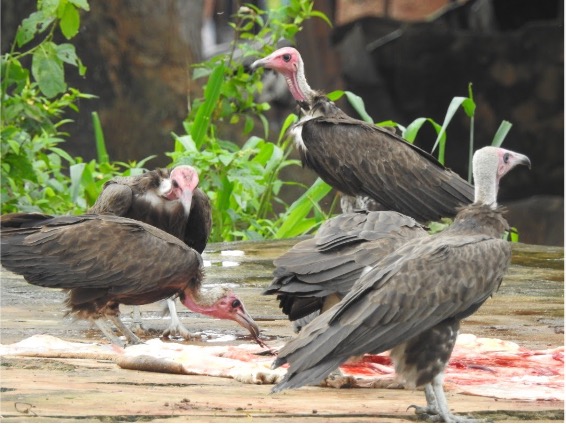
There are animals and insects you’ve sure been wondering, “What is their usefulness?”. We take a look into the usefulness of the vulture in the ecosystem and how we partnered with Nigerian Conservation Foundation (NCF) to protect them.
Global Handwashing Day Advocacy and Outreach at Igbariam Primary School, Enugu South LGA.
an effective way to prevent diseases.
South Saharan Social Development Organization in partnership with WaterAid Nigeria organized a school outreach at Igbariam Primary school, Enugu South LGA to teach the kids the importance of handwashing especially in the COVID19 era.
The sensitization and awareness continued on the radio, where a team of Water and Sanitation Hygiene (WASH) experts were on hand to educate the audience on the importance of handwashing as well as this year’s theme, “Our future is at Hand – Let’s move forward together.”
International Day of the Girl Child: SSDO’s Impact
The girl child faces different challenges associated with their gender and age. In many developing countries, the girl child is often at a huge disadvantage. Data from UNICEF shows that 6.3 million girls in Nigeria are out of school. UNESCO indicates that less than 40% of countries worldwide provide girls and boys with equal access to information.
The longer girls are out of school, the higher the probability of child marriages and violence against children. Educating the girl child improves their earning potential and helps them have a say in decisions that affect their future. It improves the economy and reduces inequality. The better-educated girls are, the better their family and the community become, as they will be direct beneficiaries of the skills they will contribute to society.school. Providing an opportunity for them to reach their full potential. This has been one of our key focus areas as an organization. Ensuring the development of women and children through our various projects.
Tackling Child Abuse and Sexual Harassment Through Community Mechanisms.
Research carried out by UNICEF in 2015 shows that 1 in 4 girls and 1 in 10 boys in Nigeria have experienced sexual violence before the age of 18. With the drastic increase in the rate of violence against women and girls during the lockdown, you can be sure these numbers have increased. Before the pandemic, one in three women experiences physical violence by a partner.
According to a report by the Center for Global Development, violence against women and children quadrupled during the pandemic. Children have always been a target for pedophiles because of their innocence and vulnerability. Often, these predators ride on the naivety of the children and compel them not to talk. Many of who live with the guilt for the rest of their life. Sometimes, the children blame themselves for the incident or, in some other cases, care for their abusers and do not want them to get into trouble. It is imperative that parents and guardians are very observant and pay close attention to behavioral patterns in their wards. Signs to look out for include children being aggressive, withdrawn, clingy, or having difficulties sleeping.
A Case of Two Evils.
As the election draws close, there has been a drastic increase in violence, loss of lives, and property in Anambra State. From the destruction of the INEC state office in May where three people died, non-sensitive election materials destroyed, seven vehicles, and 50 generating sets burnt, to several reports of killings and attacks on properties of individuals.
Calls from certain groups encouraging people to boycott the elections have left uncertainty in the air. The Attorney General and Minister of Justice, Abubakar Malami, while addressing the press after the Federal Executive Council meeting on Thursday, stated that no possibility is ruled out, citing the security breaches and instances of the breakdown of law and order as references that could require the declaration of a state of emergency inthe state. Seeing the enormous influence the group holds in the east, should they call for a boycott, there is a good chance people stay in their homes due to fear of reprisals. The group’s reason for this boycott is oppression and marginalization by the current regime. But is boycotting the way to get what they want?
Preserving Nature’s Sanitation Officers: A SSDO & NCF Partnership
Do you know that vultures and other scavenging animals are the natural cleaning agents that the earth has? Often, when people hear or see vultures, they automatically associate them with words like dirt, ugly, and evil. Yet they play an important role in keeping the ecosystem’s balance.
Through their scavenging activities, they control the amount of bacteria that would have spread to the human population. Hence, keeping the ecosystem clean and directly protecting humans from infectious diseases such as anthrax and rabies. Without vultures, the carcasses will lead to air pollution and microbes will multiply. By feasting on dead animals, they reduce the likelihood of a swarm of flies gathering and help to keep their population in check. Vultures have a highly corrosive stomach that allows them to digest carcasses without being affected as compared to other animals. The enzymes also process these substances in their stomach ensuring that when they release their waste it is bacteria-free.
The Indigenous People of Biafra (IPOB) have threatened to issue a one-week sit-at-home order in the Southeast. The order will take effect on November 5 if their leader, Mazi Nnamdi Kanu is not released to them by November 4, 2021. Considering the enormous influence the group wields in the Southeast and how effective their previous orders have been, it is safe to say this is no empty threat
The group previously declared Mondays a sit-at-home in the Southeast, as a form of agitation and solidarity. As well as any other significant day it deems fit to pass across its message. Such as the President’s visit to Imo state in September and Independence day.
This recent information to enforce a sit-at-home order across the Southeast coincides with the scheduled date for the Anambra Gubernatorial elections on November 6. If this order is implemented, it then will become an enforced election boycott since people will not be able to go out and exercise their civic rights.
In our last piece on the Anambra election, we analyzed the impact of a state of emergency assuming the unrest in the state didn’t subside against an election boycott. Apparently, a
Now there are questions that need answers. Will an election boycott be enough to get the election canceled or postponed? Will an election boycott further the group’s goal of secession? Let’s look at popular election boycotts in history and how they turned out as we seek answers.
Jamaica, 1983.
The election in 1983 was always a two-horse race between the ruling party, Labour Party, and the People’s National Party. Edward Seaga, the seating Prime Minister at the time was the candidate of the ruling party and former Prime Minister Michael Manley was the leader of the opposition party. Both parties initially agreed the election take place in 1984 when a new voters registration system would be in place.
This system will allow 180,000 new voters to register. The incumbent on sensing the economic downturn and his diminishing popularity decided to have the election hold months earlier. Mr. Manley crying foul boycotted the election stating a breach of bipartisan agreement.
Outcome: The election went on and the opposition lost. The interim Prime Minister won by 89%.
Egypt, 1990.
The four main opposition parties in the country boycotted the election citing cases of rigged elections and reluctance on the part of the government to accept the proposed policies of the opposition parties which include: supervision of election by judges, improvements in accounting for voters, and a suspension of the martial law that has been in place since 1981. The parties stated that unless these policies were adopted, elections will be the same old story.
Outcome: The ruling party, National Democratic Party won the election by 78%
Ivory Coast, 1995.
Interim president Henri Bedie in 1994 approved an electoral code that prevents Non- Ivorians from contesting and voting in the 1995 elections. This code automatically ruled out leading opposition aspirant Alassane Ouattara and was also a move that was perceived by the people as one that will destroy national integration. The seven major opposition parties pulled out of the election in protest of the decision.
Outcome: The election went on and the incumbent won by 96%.
Bangladesh, 1996.
The country has had a series of boycotts that resulted in the birth of the prominent political parties in the country today. The country’s major opposition party at the time, Awami League, championed the push for the boycott. This was because the government refused to inaugurate a caretaker government ahead of the elections, as was the custom in the country. They did this to prevent interference by the incumbent government in the election outcome.
Outcome: The election went ahead, which the ruling party at the time, Bangladesh Nationalist Party, won in a landslide victory. However, the opposition parties instigated a strike that crippled the country and resulted in a caretaker government being installed. They conducted elections in June, and Awami League won the election.
criticize the incumbent government of President Aliev. They claim the government silences its opponent and there have been violations during the pre-election period. There have been reports where the government has jailed journalists, civil society activists, and human rights lawyers.
Outcome: The election held, and the incumbent won overwhelmingly by 76%.
Election Boycott is a Bad Strategy
Going by history, we can see clearly that an election boycott has never really resulted in election cancellation or postponement. And only in Bangladesh was the opposition strong enough to cripple the economy that led to an eventual re-run.
In Iraq in 2005, the Sunnis decided to boycott elections, and this is perceived as one of the greatest strategic blunders in the post-Saddam era. This left them disadvantaged and without a fair share of representation during the formative years of the new Iraq.
IPOB through this mandatory election boycott would disenfranchise citizens from exercising their rights. Better still, a galvanized approach to push for a candidate who is sympathetic to their cause might be a better approach.
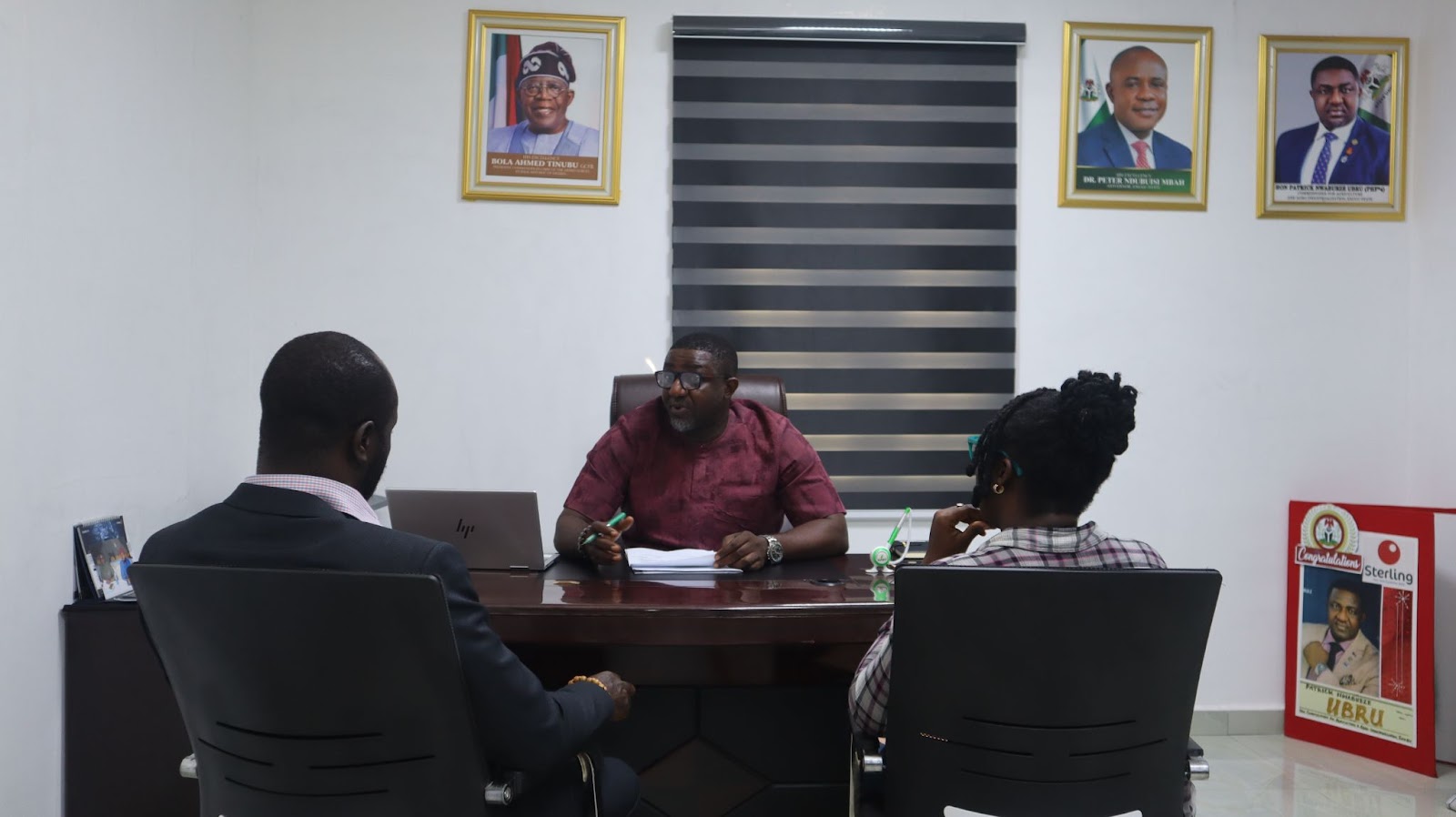
Agriculture is at the heart of Nigeria’s economy, especially in regions like Enugu State, where a significant portion of the population depends on farming for their livelihoods. As the world faces the challenges of climate change, food insecurity, and declining agricultural productivity, collaborative efforts between key stakeholders have never been more critical. Recognizing this, the South Saharan Social Development Organization (SSDO), led by its Executive Director, Dr. Stanley Ilechukwu, paid a courtesy visit to the Enugu State Commissioner for Agriculture, Hon. Patrick Ubru.
A Shared Commitment to Agriculture, Agroecology, and Climate Action
The visit presented an opportunity for both SSDO and the Ministry of Agriculture to discuss shared priorities in addressing pressing issues within the agricultural sector. These included agroecology, climate change, and policy development—all of which are vital for creating a resilient agricultural system that can withstand both environmental and economic challenges.
Agroecology, in particular, plays a key role in creating sustainable food systems, as it integrates ecological principles into farming. This approach not only improves agricultural productivity but also enhances soil health, biodiversity, and farmers’ adaptive capacity to climate change. SSDO and the Ministry are aligned in their understanding that addressing climate change through sustainable agricultural practices is critical for ensuring food security in Enugu State.
Commitment to Collaboration
During the meeting, Hon. Patrick Ubru reaffirmed the Ministry’s commitment to sustaining its partnership with SSDO. He expressed his confidence in the power of collaboration between government agencies, non-profit organizations, and local communities in promoting better agricultural practices and achieving long-term food security for the state.
Dr. Stanley Ilechukwu, in turn, guaranteed SSDO’s ongoing support in helping the Ministry achieve its goals of supporting farmers, enhancing agricultural techniques, and improving food security. He emphasized SSDO’s dedication to empowering communities through innovative, inclusive, and sustainable agricultural solutions.
Looking Ahead
This visit signifies the beginning of a strengthened partnership between SSDO and the Ministry of Agriculture, which will focus on promoting sustainable agricultural practices, empowering farmers with modern techniques, and addressing the environmental challenges affecting the sector. Through ongoing dialogue, shared initiatives, and sustained efforts, both parties are optimistic about driving positive change in the Enugu State’s agricultural landscape.
In conclusion, as climate change continues to pose a threat to food production and security, partnerships like these are crucial. SSDO is proud to work alongside the Enugu State Government to promote policies and initiatives that will create lasting impacts on the lives of farmers and the broader community.