SSDO

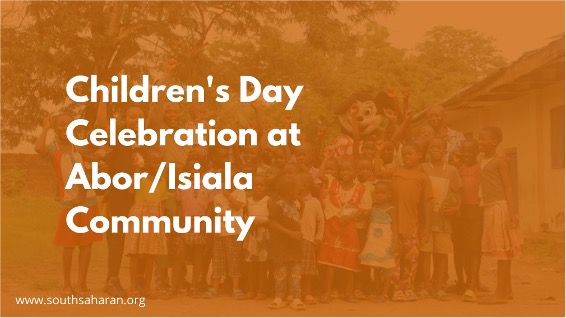
Children’s Day Celebration at Abor/Isiala Community

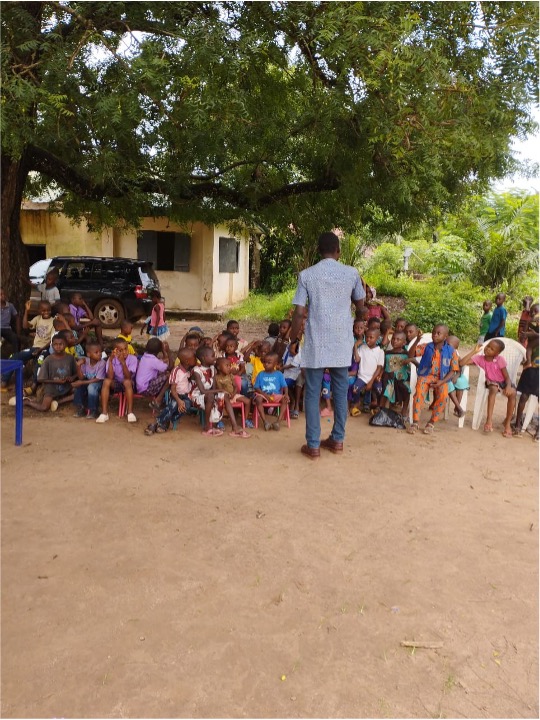
To celebrate Children’s Day, South Saharan Social Development Organization, SSDO in partnership with ActionAid Nigeria, visited Abor/Isiala community to continue its child message collection activity under the Local Rights

Programme. There were gift and food items to engage and keep the kids entertained. There was also a session dedicated to teaching the children the importance of hygiene.

The Local Rights Programme is an initiative that aims to reduce poverty by engaging with the poor and marginalized in selected communities through its child sponsorship mechanisms.

Some of the issues identified in the communities include poor educational systems and poor access to healthcare. These are indicators of a deficient system, of which the biggest victims are children.

Having identified this problem, ActionAid Nigeria has partnered with SSDO to find ways to remediate the situation, through the Local Rights Programme (LRP).

This initiative identifies vulnerable children aged 3 – 8 years and attaches them to sponsors. Selected communities include Oduma Achara in Aninri LGA, Igga and Nkume in Uzo Uwani LGA and Abor/Isiala in Isi Uzo LGA.

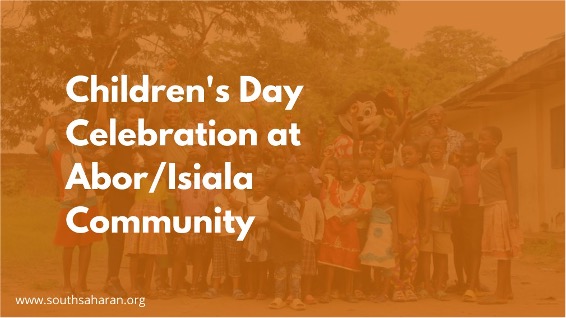
Children’s Day Celebration at Abor/Isiala Community

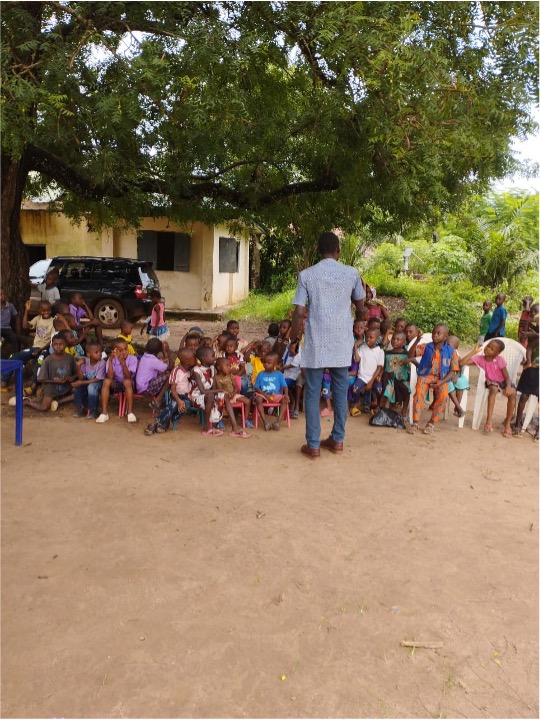
To celebrate Children’s Day, South Saharan Social Development Organization, SSDO in partnership with ActionAid Nigeria, visited Abor/Isiala community to continue its child message collection activity under the Local Rights

Programme. There were gift and food items to engage and keep the kids entertained. There was also a session dedicated to teaching the children the importance of hygiene.

The Local Rights Programme is an initiative that aims to reduce poverty by engaging with the poor and marginalized in selected communities through its child sponsorship mechanisms.

Some of the issues identified in the communities include poor educational systems and poor access to healthcare. These are indicators of a deficient system, of which the biggest victims are children.

Having identified this problem, ActionAid Nigeria has partnered with SSDO to find ways to remediate the situation, through the Local Rights Programme (LRP).

This initiative identifies vulnerable children aged 3 – 8 years and attaches them to sponsors. Selected communities include Oduma Achara in Aninri LGA, Igga and Nkume in Uzo Uwani LGA and Abor/Isiala in Isi Uzo LGA.

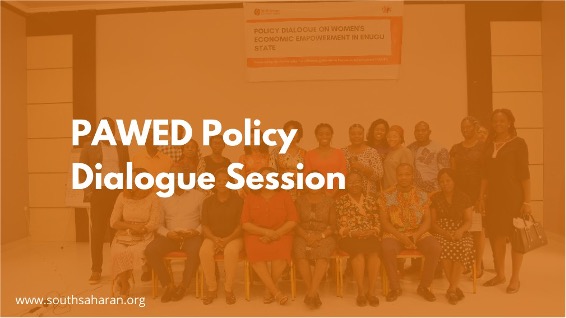
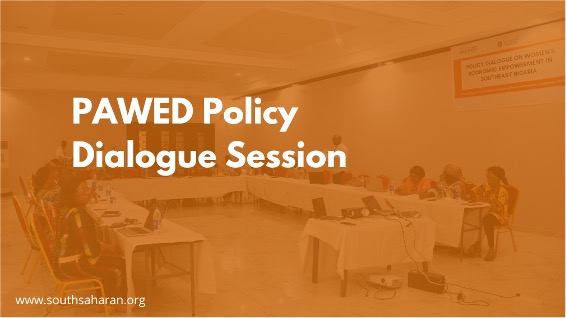
05/24/2022 – PAWED Policy Dialogue Session

Research shows a 6.3 percent unemployment gap between men and women in Nigeria. This highlights a rather obscure fact that is holding the nation back.

Understanding the importance and necessity of women’s empowerment in this time and era, the Development Research and Project Center, (dRPC) in partnership with South Saharan Social Development Organization, (SSDO) is implementing the Partnership for the Advancement of Women’s Economic Development (PAWED) project.

The PAWED project was formed to strengthen the capacity of women’s economic collectives in Enugu state to conduct high-impact evidence-informed advocacy to improve the livelihood of economically active women and girls in the state.

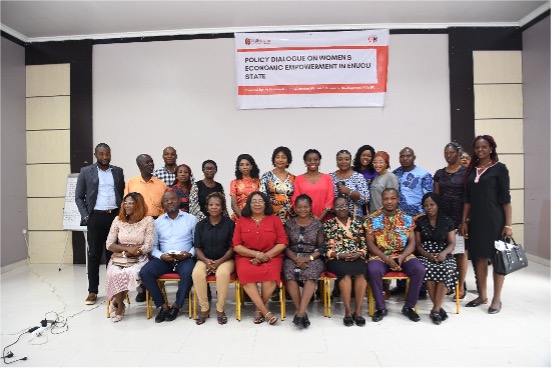
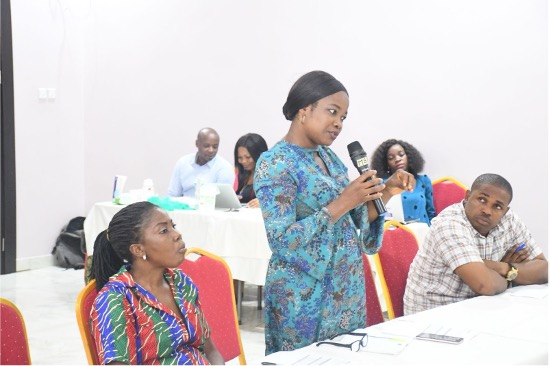
In April 2022, the PAWED project held a Policy Dialogue Session to provide a platform for synergy between stakeholders in Enugu State for effective Women-led, women-focused Civil Society Organizations

Women’s Economic Empowerment Cooperatives

Representatives from relevant government ministries.

Academia – University of Nigeria (UNN) Gender and Development Centre.

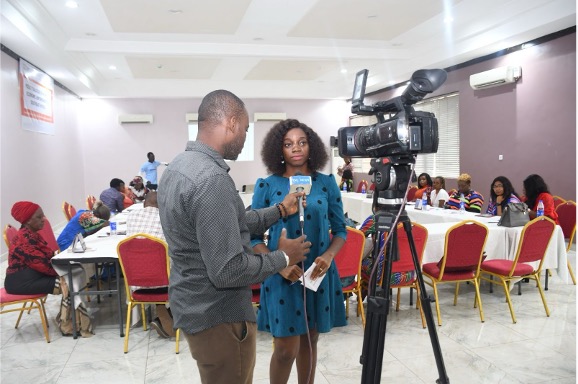
Media representatives

Specifically, the policy dialogue session aimed to achieve the following:

Achieve a consensus on the most pressing WEE issues in the state

Identify key policy and regulatory frameworks that will facilitate and accelerate the delivery of WEE projects

Proffer solutions and recommendations for the furtherance of Women’s Economic Empowerment (WEE) in the state

Produce policy brief documents for succinct and effective advocacy

Come up with an effective advocacy strategy based on synergy amongst the different stakeholder groups.

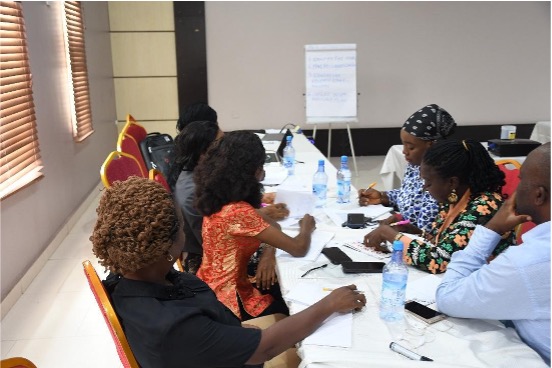
The session started with an overview of the Comparative Analysis of the Subnational 2022 WEE Budgetary Allocation. After which they reached a consensus on pressing WEE issues in Enugu their specific causal factors. Some issues identified were:

Poor prioritization of WEE funding.

Lack of WEE project coordination.

Duplication of WEE budget lines.

Lack of availability of WEE projects.

Poor monitoring and evaluation culture.

Participants discussed and proposed several recommendations to tackle issues relating to women’s economic empowerment in Enugu State. Proposed solutions include:

Improving access to quality education for women.

Providing better healthcare and social protection.

Promoting policies that enhance human capital development.

Eliminating all forms of violence and discrimination against women.

Strengthening active policies to build a more inclusive labor market targeting gender wage gap, integration, and advancement of women of diverse backgrounds

Finally, the participants also devised advocacy strategies to improve the WEE situation in the state, with the government representatives pledging to facilitate advocacy visits to the senior management teams of government agencies responsible for WEE.

05/20/2022  PAWED Policy Dialogue Session

Women in southeast Nigeria face many hurdles in their quest for economic empowerment. They contend with gender discriminatory cultural practices, social norms, unpaid domestic labor, and low access to capital. These constraints keep women poor and financially dependent on their male counterparts.

Understanding these needs, the development Research and Project Centre, in partnership with South Saharan Social Development Organization, is implementing the Partnership for the Advancement of Women’s Economic Development (PAWED) project.

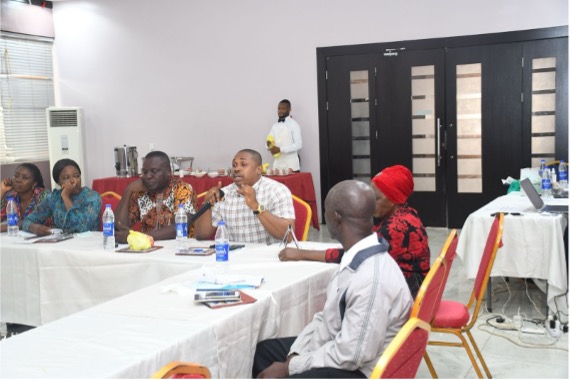
In June 2022, the PAWED project held a follow-up policy dialogue session to provide a platform for synergy between the women’s economic empowerment stakeholders and the Enugu State government for effective advocacy for Women’s Economic Empowerment (WEE). The stakeholders included:

Women-led, women-focused Civil Society Organizations

Women’s Economic Empowerment Cooperatives

Representatives from relevant government ministries.

Academia – University of Nigeria (UNN) Gender and Development Centre.Media representatives

The PAWED project was formed to strengthen the capacity of women’s economic collectives in Enugu state to conduct high-impact evidence-informed advocacy to improve the livelihood of economically active women and girls in the state.

The dialogue session aimed to achieve the following:

Identify key policies and regulatory frameworks to facilitate the delivery of women’s economic empowerment projects.

To proffer solutions and recommendations to improve women’s empowerment.

To create an effective advocacy strategy for policy reform among stakeholders.

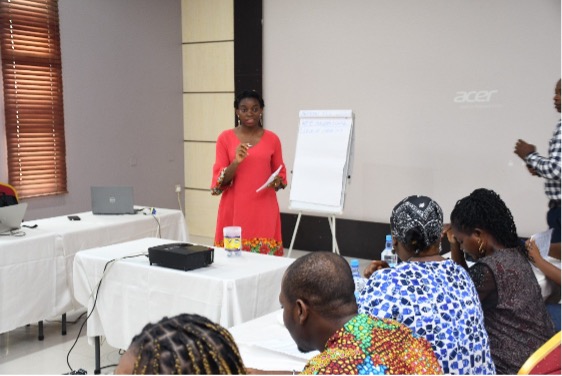
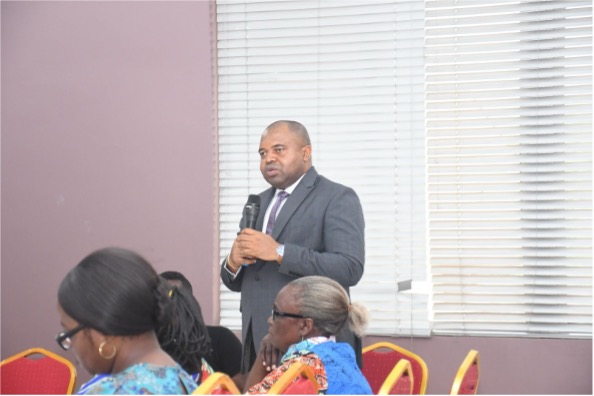
The Commissioner for Budget and Planning in Enugu state, Dr. David Ugwunta, addressed pressing women empowerment issues as fielded by participants. He urged women groups to take advantage of the economic empowerment opportunities provided by the state government.

Participants discussed and proposed several recommendations to tackle women’s economic empowerment issues in Enugu State. Proposed solutions include:Ensuring economic opportunities are well publicized in traditional media.Capacity building for women in rural areas to access opportunities.

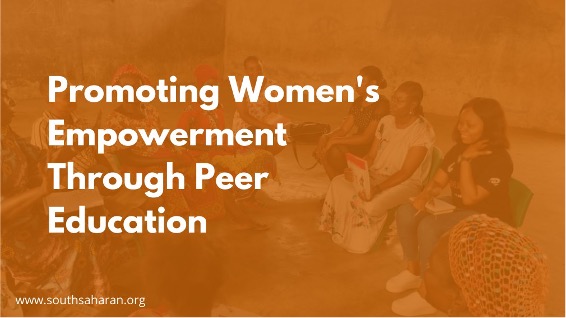
Promoting Women’s Empowerment Through Peer Education

Through years of working on projects at the community level, we realize that women and girls are hugely disadvantaged. They have often been marginalized and segregated to the background on so many fronts in society. Especially politically and economically. We also observe that this marginalization has created a false consciousness in most women.

Women are now satisfied with the status quo of swallowing their thoughts and ideas when it is clear that their input will make the difference. One of the primary reasons for marginalization is the inequality between men and women in accessing and controlling resources. But even more shocking is that in many communities, women don’t even have control over reproduction.

The goal is to create an equal society where men and women can speak, and their voices matter. To see a world where women, youth, and children can develop in a politically and socioeconomically correct environment. Where gender equality is prioritized, and women have complete control over their resources and time.

And as such South Saharan Social Development Organization, SSDO, in partnership with ActionAid Nigeria, seeks to foster women’s empowerment through peer education. This initiative aims to advocate for women’s rights and bridge women’s capacity deficiency at the community level. As well as meet the political, social, and economic needs of women.

Peer Education Program

A peer education program is a scheme that involves people being taught by facilitators of similar backgrounds. This way, the message is easily absorbed, and the facilitator can communicate clearly on the same wavelength as the participant.

The program was facilitated by Osamudiamen Owens-Akinwale, Advisor Local Rights Programme, ActionAid Nigeria. The training was executed using the Women Peer Education Resource Kit. It covered essential areas such as

personal development, health, livelihood and survival, and inclusion. The women were taught the importance of body image, self-esteem, time management, hygiene, skill acquisition, and the dangers of gender-based violence.

The women’s peer education program was organized in Isiama Community, Oduma Achara, Aninri LGA, Enugu state. The intention is for the training to be cascaded down to other women in the community through the trained representatives.

Correcting Wrong Notions

“I learned about how to care for the elderly and the importance of child spacing. I also learned that we have the right to stand and contest for election.” – Obodo Victoria.

Women were better informed of their rights and responsibilities after the training. They were taught valuable life and soft skills to help them be more efficient in their homes and businesses.

“Before, we believed that if a woman is not circumcised, she would be very promiscuous. I also didn’t see the need for a woman to undergo a cesarean section. But now, I know that female genital mutilation is dangerous to the

sexual health of a woman. And that if a woman has labor difficulties that last too long without help, it can be really dangerous.” A woman from Isiama Community.

Importantly, we see that beyond the women learning about their rights, wrong notions which have been held on to for a long time were corrected. Now, the women have the right foundation to build on and groom young girls.