In the execution of some of our projects like Sister Guardian Initiative, Orphaned and Vulnerable Children’s Project, and the PAWED Project, we realize that so many households struggle because only the man works. Women are often subjected to unpaid labor, discrimination, and marginalization in their various communities. Now more than ever, the need for gender equality and women’s empowerment cannot be overemphasized.
The country is in a dire economic situation where all hands need to be on deck to ensure the continued survival of the most essential component of the society. Research shows that 60 percent of Nigerians living below the poverty line are women. If this is to change, women need to be able to access financial instruments to create independence and
increase household income. South Saharan Social Development Organization, SSDO is playing its part to empower women and improve the economic stability of households.
Access to information, resources, and funds is critical if the status quo in the nation’s current economic situation is going to change. Here’s how SSDO has been contributing its quota to the empowerment of its beneficiaries.
The Road to Financial Sustainability: The OVC Project
The 4GATES Orphaned and Vulnerable Children (OVC) project is a global action toward HIV epidemic control in sub-national units in Nigeria. South Saharan Social Development Linking them to treatment and monitoring their progress to attain viral load suppression. Beyond health, we understand that other facets of the beneficiary’s life matter in attaining wholeness. For us, the goal is not just to see them attain health stability but also financial and psychosocial stability. Here’s how we’re empowering beneficiaries to be financially stable and economically viable citizens. Click here for more info.
Building a Savings Mindset: Implementing Village Savings and Loans Association
One way to improve the financial stability of a family is by creating a financial plan and following through with the process. Savings is one such habit that can help a family in dire times. It provides a financial backstop for life’s uncertainties and gives a feeling of security. It helps with emergencies and purchases and can be a good starting point to financial independence.
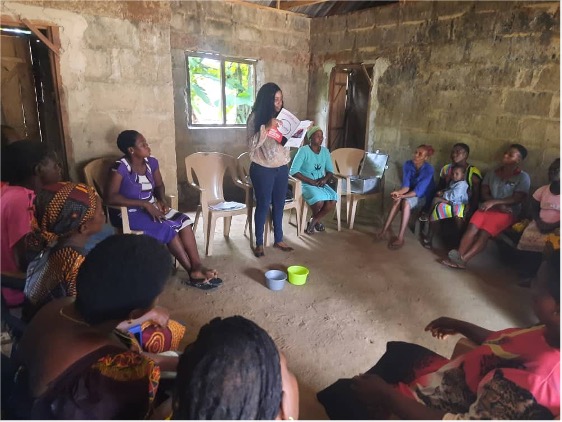
We understand the importance of savings to the stability of beneficiaries and as such encourage Village Savings and Loans (VSLA) in our catchment areas: Enugu South, Nkanu West, and Nkanu East LGAs. South Saharan Social Development Organization (SSDO) in partnership with the Catholic Caritas Foundation of Nigeria through the 4GATES Orphaned and Vulnerable Children Program empowers beneficiaries to make healthy decisions to improve stability. It is not enough to offer quick, one-time donations to beneficiaries. Beyond the emergency period, there has to be a sustainable mechanism to ensure beneficiaries can generate income for themselves. One such avenue is leveraging VSLA. Find out how we leveraged VSLA to help improve household income.
Success Stories From Jacob’s Well Micro-Credit Scheme
In many communities, women are largely dependent on their spouses for their financial needs. This dependence is one reason why women fail to report gender-based violence. They fear they’d lose their financial support and become stranded. Women’s empowerment is one of the practical solutions to reducing the cases of violence against women.
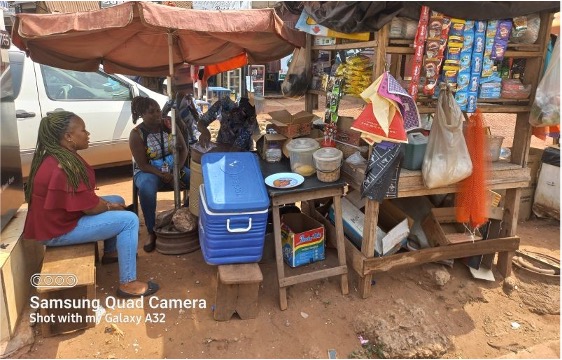
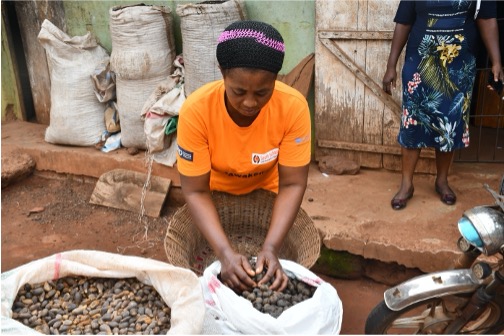
South Saharan Social Development Organization (SSDO) is committed to improving the quality of life for women in communities. We empower them to be financially independent, thus reducing poverty and dependency. One such way we do this is through Jacob’s Wellmicro-credit scheme. SSDO makes loans available to women in a cooperative to start or sustain their business. Here are some remarkable stories from the project and how beneficiaries have been able to change their household’s economic situation.
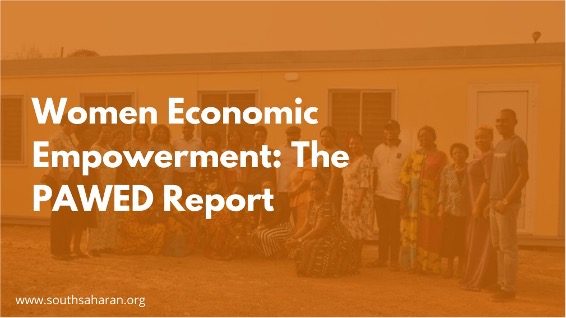
Women Economic Empowerment: The PAWED Report
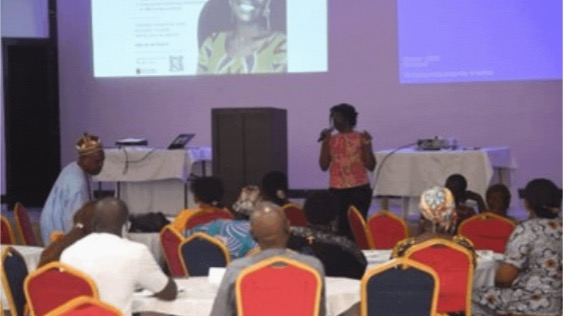
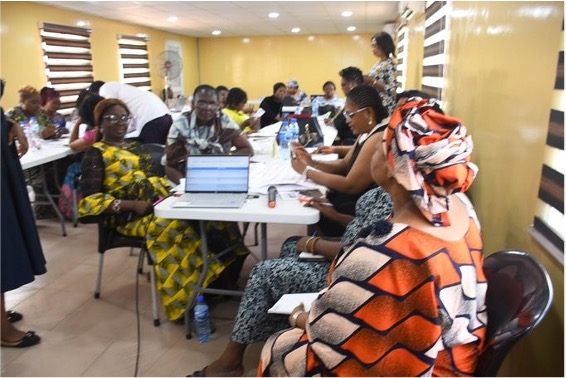
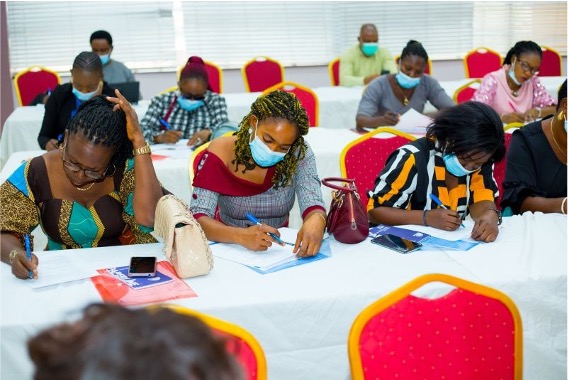
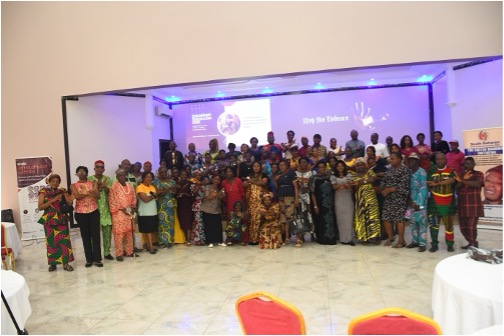
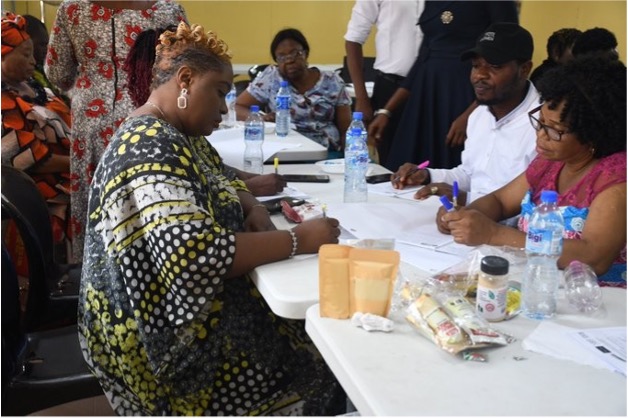
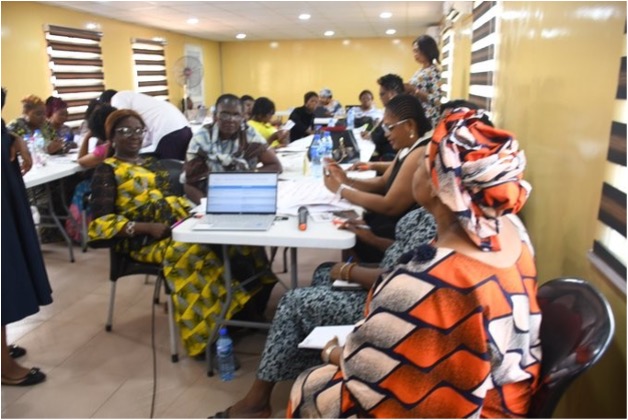
Women in South Eastern Nigeria face many hurdles in their quest for economic empowerment. They contend with gender discriminatory cultural practices and social norms, unpaid domestic labor, and low access to capital. These and other constraints keep women poor and financially dependent on their male counterparts. The development Research and Projects Centre (dRPC), has partnered with South Saharan Social Development Organization (SSDO), to form the Partnership for Advancing Women in Economic Development (PAWED). One of the first activities of the PAWED project was to form a coalition for Women Economic Empowerment, consisting of women- focused and women-led CSOs and WECS. This coalition was inaugurated in a 2-Day Advocacy Training and Inauguration of the Women’s Economic Empowerment (WEE) Coalition.
Infection and Prevention Control Training
Healthcare workers are the backbone of an effective healthcare system. Healthcare officials are often frontliners providing essential services at the community level. Based on the sensitivity of their jobs, they are frequently exposed to infections and diseases.
Understanding the constant risks healthcare workers are exposed to, WaterAid Nigeria and SSDO saw the need to organize a workshop to strengthen the capacity of health workers in Enugu state on infection and prevention control.
The training had health officials from different health facilities and agencies in attendance. Dr. Kachi Ugwa, a Community Health Specialist at the University of Nigeria Teaching Hospital, was on the ground to facilitate the workshop. The workshop covered topics such as environmental cleaning and disinfection, disease transmission, and precautions. Participants were better equipped on how to protect themselves and avoid being a source of infection to other patients.
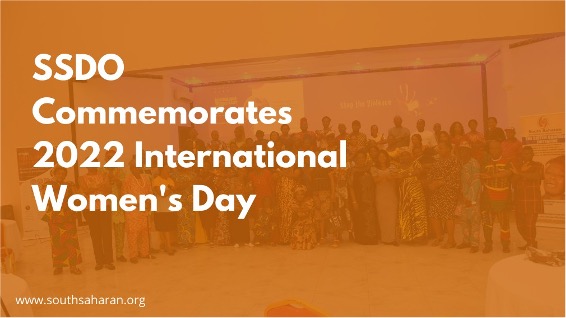
SSDO Commemorates International Women’s Day
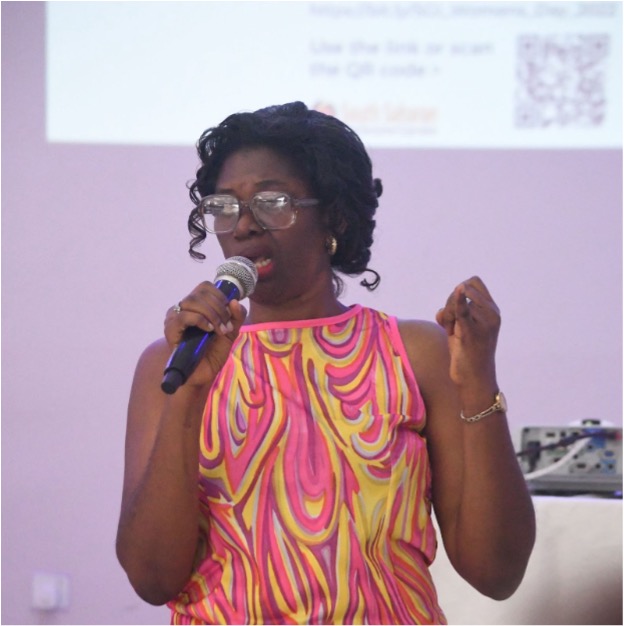
International Women’s Day is a global day to celebrate women’s socioeconomic, cultural, and political achievements. It is also a unique opportunity for women to rally and advocate for equal treatment and representation.Since the inception of the SGI in 2016, SSDO has organised an educational event geared towards women’s empowerment. This year was no different as a workshop was held to create more awareness on the effect of gender-based violence and rally relevant stakeholders on the need to enforce GBV laws. The workshop featured participants drawn from 15 communities where the initiative has been executed. They include traditional rulers, President Generals, women leaders, government representatives and a representative of the Gender Unit Desk Officer of the Enugu State Police Headquarters. For more on the event,
WORKSHOP REPORT: PARTNERSHIP FOR ADVANCING WOMEN IN ECONOMIC DEVELOPMENT (PAWED)
BACKGROUND
Women in South Eastern Nigeria face many hurdles in their quest for economic empowerment. They contend with gender discriminatory cultural practices and social norms, unpaid domestic labor, and low access to capital. These and other constraints keep women poor and financially dependent on their male counterparts.
The development Research and Projects Centre (dRPC), has partnered with South Saharan Social Development Organization (SSDO), to form the Partnership for
Advancing Women in Economic Development (PAWED). One of the first activities of the PAWED project was to form a coalition for Women Economic Empowerment, consisting of women-focused and women-led CSOs and WECS. This coalition was inaugurated inThe workshop was held in Enugu, Nigeria from Friday 25th to Saturday 26th February 2022.
OBJECTIVES OF THE TRAINING
This event had the following objectives:
To formally constitute the state WEE Coalition;
To introduce the PAWED project’s objectives
To build the capacity of coalition members on advocacy for Women’s Economic Empowerment
PARTICIPANTS’ PROFILE
The workshop participants included members of women-led Civil Organizations (CSOs), Women’s Economic Empowerment Cooperatives (WECs), and representatives from relevant government Ministries.
Participants cut across duly registered organizations and cooperatives that have successfully executed projects that are geared toward empowering women and engendering women’s development.
TRAINING METHODOLOGY
Learning was achieved through presentations by experts (the team of facilitators) as well as through group work.
WORKSHOP OVERVIEW
The workshop was opened at 10:30 a.m. with a welcome statement by the Executive Director of SSDO, Dr. Stanley Ilechukwu. He gave a brief overview of the vision and mission of SSDO and concise background of the PAWED project.
Dr. Stanley stated the need for social justice and women empowerment through a transformation of economic, social, and political structures at state and national levels. He acknowledged the resourcefulness of the facilitators and urged participants to utilize this opportunity and make the best out of the workshop. He finally wished all participants a good and successful training workshop.
Afterward Alaya Biliqis, the lead facilitator thanked the participants of the workshop for being in attendance and thereafter introduced herself and the team of facilitators. They are a team of four (the lead facilitator inclusive).
Alaya Biliqis
J. AGBA OGAR
Damilola Praise Rotimi
DAY ONE
SESSION 1: Welcome and Introduction (by Alaya Biliqis)
The lead facilitator, Alaya Biliqis commenced the workshop with an ice breaker to encourage familiarity with the facilitators and other participants. Participants were encouraged to network with each other and share their work area in women’s economic empowerment. The ground rules were also initiated by the participants.
SESSION 2: Introduction to Advocacy (by Damilola Praise Rotimi)
This session was geared towards defining Advocacy, discussing its basic elements/steps, and as well determining the differences between Advocacy and
lobbying. It was established that there are different definitions of Advocacy but the facilitator went with the definition of Wikipedia and Alliance for Justice as seen below.
“Advocacy is an activity by an individual or group that aims to influence decisions within political, economic, and social institutions” – Wikipedia
And “Advocacy is defined as any action that speaks in favor of, recommends, argues for a cause, supports or defends, or pleads on behalf of others” – Alliance for Justice
Advocacy was seen as both a science and an art. Science: because it involves systematic planning, and each step requires distinct knowledge and skills. Art: because it involves articulating issues in ways that inspire people to action. It involves negotiating and consensus-building, incorporating creativity, style, and even humor.
Advocacy starts with a core group of people and organizations concerned with a particular issue who are willing to commit resources, including time and expertise to bring about changeAdvocacy is a process but does not always take place in a defined or rigid step-by-step manner, the process to be followed varies depending on the
Advocacy goal/objectives, the groups involved and the environment in which the Advocacy is taking place.
More so, the basic steps involved in Advocacy constitute the elements. In all situations, it is always advisable, to begin with, the goals and objectives, other steps to follow depending on the group and resources that exist, for example, if a group has considerable data and data expertise already they may decide to go ahead to develop a
position paper, another group might decide to delay the development of a position paper until they have formed a strong coalition, depending on available resources (financial and human) some activities may take place simultaneously.
Advocacy and Lobbying
“Lobbying” is one of the tactics used in Advocacy, however, for this dRPC project, there is a special consideration. In some countries, charities and non – governmental organizations are prohibited from using government funds (including grants and revenues from contracts) to lobby.
SESSION 3: Defining Advocacy Goal and Objectives (by J. Agba Ogar)
The focus of this session, participants will be able to determine and develop Advocacy goals and objectives. Participants were also trained to explain specific elements of the Advocacy objective.
Goal and objectives both describe what a person wants to achieve; a goal is a broad statement of purpose we use to chart our course and objectives are specific statements of how the goal will be achieved.
An advocacy goal is a long-term general aim to solve an outstanding issue, for example, to increase male involvement in order to improve the reproductive health of Samoan families. For each goal, several objectives need to be defined. “An advocacy objective focuses on a specific action that an institution can take. This action is a specific measurable step towards the goal.
To define your advocacy objectives, ask the following questions:
WHAT do we want to change?
WHO can make the change?
BY HOW MUCH?
BY WHEN?
This session had the aim of helping participants to know how to define Women
Economic Empowerment (WEE), identify and frame Key Advocacy issues affecting WEE in Nigeria, discuss key issues affecting WEE in Nigeria and also explain the
differences between threats and barriers experienced by women in business and their impact.
Women empowerment is defined as the process in which women elaborate and recreates what it is that they can be, do, and accomplish in a circumstance that they previously were denied. Alternatively, it is the process for women to redefine gender roles that allows them to acquire the ability to choose between known alternatives that have otherwise been restricted from such ability Women’s empowerment is seen as
involving the transformation of economic, social, psychological, political, and legal circumstances of women.
Key Issues Affecting WEE in Nigeria?
Gender Equity (GE) is a Second-tier Federal Government of Nigeria (GoN) Priority.
GON stakeholders agree to GE/WEE in principle – and in public. Yet, these concepts are rarely reflected as priority objectives in key GON programs and policies some laws deny women equal opportunities with men such as land ownership and opportunities to invest freely. These laws function as a handicap to women’s economic capabilities and perpetuate a culture of dependence. There is still a wide gap between men’s and
women’s representation in political leadership. Despite the affirmative action of 30% for women in all political structures at the 1995 international women conference, reviews have shown that Nigeria has not reached that level.
Limited Funding
A lack of GE policy prioritization and Nigeria’s tightening fiscal space has led to reduced budgetary prioritization of GE and relatively meager funds for WEE-focused programming. An analysis of the federal budgets since 2017 has shown that women in agribusiness receive the lowest funding annually. In the budget (2017-2021), the government allocated N416 million to women in agribusiness. Women in agriculture are believed to be the major food producers in the sector.
Weak, Ad hoc, Merged Programmes
Weak, ad hoc, merged programs GE/WEE programs are generally ad hoc, separate from broader policy priorities, and often merged with efforts to support other vulnerable groups like youth, children, and the disabled. The Federal Government is spending N5.6 billion on women’s empowerment and the fight against Gender-Based-Violence (GBV) this year (2021). While this is welcoming, there is no good provision for accountability in terms of measuring the proportion of each program.
Technical Capacity Bottlenecks
High-potential programs – including Nigeria for Women Project – have suffered from weak implementation capacity, especially at the state level.
Poor Database
For WEE projects and initiatives around the country, there has been a poor data management system to help track the progress and true status of the work done in various states of the country. This also contributes to the challenges faced in the sustainability of the several WEE initiatives.
Pet Projects
It has been established how each of the first ladies at one point or the other tried to empower women and each of their efforts was halted mostly due to a change in government. Hence why most of the First Lady’s projects or programs do not exceed their tenure once they are out of office because every first lady wants to own her own legacy and, as such, creates gaps in the development or impacts already made by a predecessor. There is a need to advocate for programs to be more people-oriented to ensure continuity and sustainability, even after a change in any government.
Nigeria’s Patriarchal Societal, and Government Structures and Norms Reinforce Gender Inequality
It is hard – and even politically costly in some cases – for GE/WEE to emerge as policy priorities). Political advisors are less likely to support female candidates making it difficult for them to make headway in the political space. Male domination in politics and decision making over the years have made it difficult for women to hold political office
At the end of this session, participants were grouped into four to do advocacy on women’s marginalization (economic, social, political, etc.) and develop a goal and objective(s), guided by a template shared earlier.
SESSION 5: Coalition Building (by Alaya Biliqis)
This session had the purpose of training participants to discuss coalition building and explain the benefits of coalition building. It also aims at explaining the challenges of coalition building to the participants. The participants were trained on the key steps in coalition building and how to incorporate influencers into advocacy coalitions.
DAY TWO
SESSION 6: Identifying/mapping your advocacy audiences (by Damilola Praise Rotimi)
The participants were trained in this session on how to define their Advocacy Audiences and most importantly, determine different Advocacy Audiences, map different Advocacy Audiences and as well define political gatekeepers and Advocacy champions.
SESSION 7: Advocacy Research – Data Collection, Information and Testimonies (by J. Agba Ogar)
The focus of this session was to train the participants on the importance of research to the success of Advocacy. They were also trained to differentiate between different
Advocacy Research Methods.
SESSION 8: Preparing Your Position Paper and Fact Sheets (by Lawal Moshood O., Ph.D.)
Participants were trained in this session on the content of an Advocacy position paper and on how to draft fact sheets.
SESSION 9: Handling Objections – from your opponents (by J. Agba Ogar)
The key objective of this session was to train the participants on how to recognize objections to their Advocacy message and as well determine ways to handle objections from their opponents.
SESSION 10: Improving Your Advocacy Skills (by Damilola Praise Rotimi)
Participants were trained to identify key skills required for successful advocacy and also how to deploy these skills necessary for advocacy success.
The goal of this session was to train participants on how to write up effective Advocacymessages, be conversant with the characteristics of effective advocacy messages, and to develop an effective advocacy message. They were also trained to develop the One Minute message.
SESSION 11: Innovative and Culturally Responsive Approaches and Messaging to Conduct Advocacy in Nigeria
Participants were given a proper understanding on innovative and culturally responsive approaches to Advocacy in Nigeria and at the end trained to deploy those innovative approaches for effective Advocacy.
SESSION 12: Action Planning
Participants were trained to write up an action plan for Advocacy Initiative and Coalition. They were also taught the key elements of an Action Plan.
SESSION 13: Monitoring and Evaluation
In this session, participants were trained to identify key factors to take into consideration for Advocacy monitoring and evaluation. The remaining period in this session was spent on training participants on advocacy monitoring and evaluation. One of the examples used was the budget tracking process.
Studies from the Nigerian Economic Summit Group revealed that 91 million Nigerians now live below the poverty line. With an additional eight million people pushed into poverty in 2021. Interestingly, about 60 percent of people
living below the poverty line are women. Unemployment, unpaid labor, gender discrimination, and marginalization are mostly responsible for it.
In many communities, women are largely dependent on their spouses for their financial needs. This dependence is one reason why women fail to report gender-based violence. They fear they’d lose their financial support and become stranded. Women’s empowerment is one of the practical solutions to reducing the cases of violence against women.
South Saharan Social Development Organization (SSDO) is committed to
improving the quality of life for women in communities. We empower them to be financially independent, thus reducing poverty and dependency. One such way, Here are are some remarkable stories from the project and how beneficiaries have been able to change their household’s economic situation.
Ilunoh Josephine
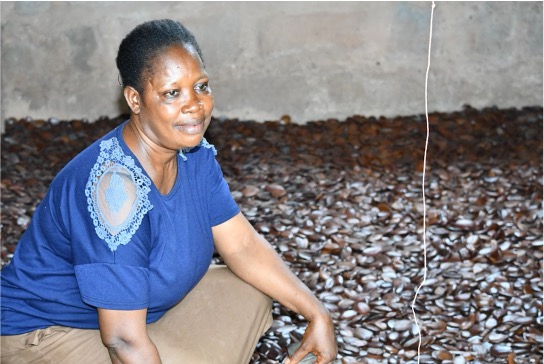
Josephine relocated from the north a few years ago because of the insurgency. Since her return to the east, she found it difficult to meet ends. It was a struggle for her and her family to survive. However, in 2020, she discovered SSDO’s micro-credit scheme, and her story hasn’t been the same.
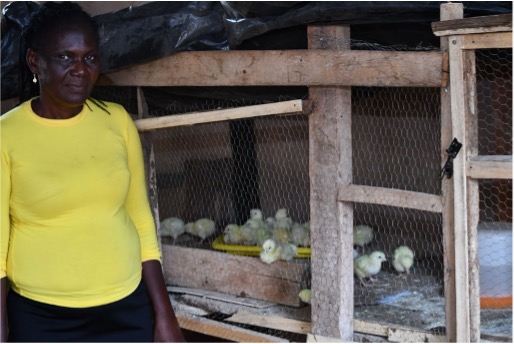
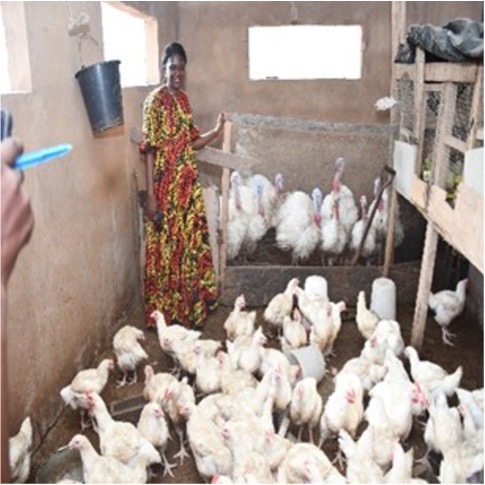
She had a small poultry business she started but hasn’t been able to break even due to the lack of capital. The poultry had 20 birds when she found out about the scheme. After accessing loans twice, she has grown her poultry farm to over 100 birds and 20 turkeys. She has also successfully expanded to the sales of agricultural produce.
Josephine testifies that her financial challenges have been a thing of the past.
“I am so grateful to SSDO for the loans they allowed me access. I have been able to grow my business. Three of my kids are in the university, and I’ve been able to cater to their needs without any financial challenges.”
Chinenye Oforkansi
“Before the loan I got from SSDO, I could barely feed my family. I struggled to pay my children’s school fees and school materials.”
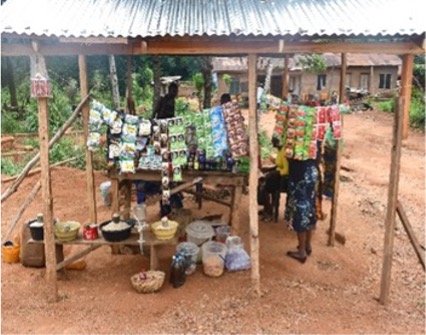
She is currently constructing a kiosk to accommodate her thriving business.
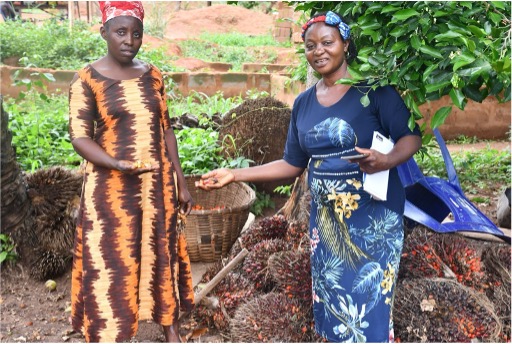
She now has an oil palm business. Her standard of living has significantly
improved, and she caters to her children’s educational needs without stress.
Geraldine Okeh
Geraldine runs a restaurant business. She has been looking to diversify into cash crop production but was restrained by the lack of funds. However, her story is changing.
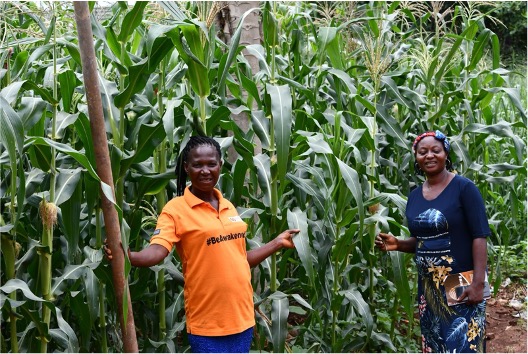
“Since I got the loan, I have been able to diversify into the poultry business. I have a registered farm where I plant economic crops.”
She’s showing no signs of slowing down as she’s already looking forward to hernext loan grant. “With my next loan, I will add vegetable crops to the farm.”
“SSDO has changed my life and business. I am so happy and grateful for their effort.”
Benedict Udeneh
“I run a small restaurant. But I could not expand and meet my customer’s needs.”
Benedict couldn’t expand her restaurant business due to a lack of capital. The profit she made wasn’t enough to cater to her expansion needs. All the business afforded her was her daily needs. So if she didn’t cook the next day, there was no way the next meal was guaranteed.
However, after accessing the loan credit, things took a new turn. She has been able to establish poultry and an oil bean business.
I can comfortably afford to foot my children’s education bills without stress. My standard of living has also significantly improved.”
SSDO is committed to women’s empowerment and financial independence. To be a path of this remarkable journey, reach out to us atinfo@southsaharan.org.
South Saharan Social Development Organization (SSDO), in collaboration with the development Research and Projects Centre (dRPC) and the Enugu State Government, is proud to announce the successful conclusion of the final meeting of the Enugu Technical Working Group (TWG) for the domestication of the National Women Economic Empowerment (WEE) Policy.
This milestone marks the completion of the policy draft, which was meticulously developed through collaborative efforts across various sectors. During the final meeting, stakeholders brainstormed extensively, ensuring that the draft adequately addresses the unique challenges and needs of women in Enugu State. The finalized document is now ready for the next phase: a broader stakeholder validation meeting.
Preparing for Broader Stakeholder Validation
With the draft policy prepared, the next step is to engage a larger group of experts and stakeholders in a comprehensive review process. This broader validation will ensure that the policy captures the realities of women in Enugu State across key sectors such as education, healthcare, agriculture, and business. The goal is to create a robust, actionable policy that can bring about meaningful and sustainable change for women across the state.
Addressing Key Challenges for Women in Enugu State
Throughout the TWG meetings, various gaps in women’s economic empowerment were identified. The policy is designed to address these gaps and provide practical solutions to enhance women’s participation in the economy. The finalized draft focuses on:
– Access to Finance: Breaking down barriers that prevent women entrepreneurs from accessing financial services, including credit and loans.
– Education and Skills Development: Enhancing opportunities for women to access education and vocational training, ensuring they can acquire the skills necessary to succeed.
– Healthcare Access: Ensuring that women, especially those in vulnerable communities, have improved access to quality healthcare services.
– Land and Resource Ownership: Addressing gender inequality in land and property ownership, which continues to limit women’s economic participation.
A Collective Commitment to Women’s Empowerment
The final TWG meeting was a testament to the collective commitment of all partners involved in this initiative. Together with dRPC and the Enugu State Government, SSDO is dedicated to empowering women by providing them with the tools, resources, and opportunities they need to thrive.
As the policy moves toward stakeholder validation, we look forward to the invaluable insights that experts will bring to the table. Their input will help refine the document, ensuring that it is both comprehensive and practical in addressing the specific needs of women in Enugu State.
Moving Forward
With the policy draft now complete, we are one step closer to realizing the vision of a more inclusive and equitable society for women in Enugu State. The broader stakeholder validation will not only strengthen the policy but also ensure that it is aligned with the realities on the ground.
South Saharan Social Development Organization, dRPC, and the Enugu State Government remain committed to driving impactful change for women across the state. Together, we are shaping a future where every woman has the opportunity to succeed, contribute to the economy, and live a life of dignity.
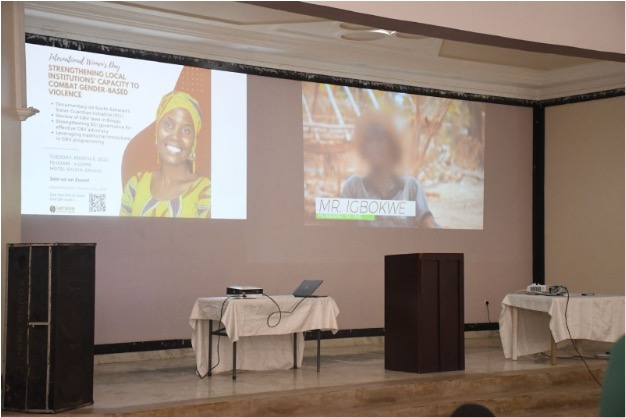
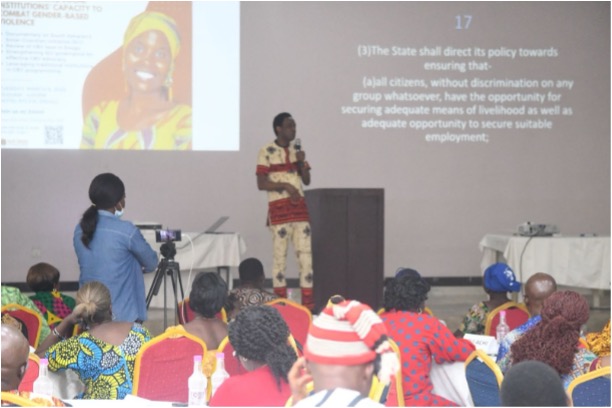
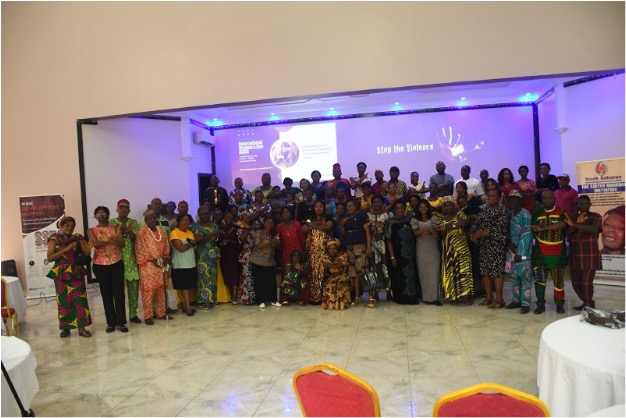
South Saharan Social Development Organization (SSDO) Organizes a Workshop through its Sister Guardian Initiative (SGI) to Commemorate the 2022 International Women’s Day THEME: Strengthening Local Institutions’ Capacity to Combat Gender-based Violence(GBV). A report on the Sister Guardian Initiative Workshop held on the 8th of March 2022 on “Strengthening Local Institutions’ Capacity to Combat Gender-Based Violence”.
Introduction The Sister Guardian Initiative (SGI) is a South Saharan Social Development Organization‘s flagship project on reducing violence against women at the community level. The initiative provides the immediate support that female victims of violence require— safety, counseling, mediation, and referrals to other relevant agencies as the International Women’s Day is a global day to celebrate women’s socioeconomic, cultural, and political achievement. It is also a unique opportunity for women to rally and advocate for equal treatment and representation. Since the inception of the SGI in 2016,SSDO has organised an educational event geared towards women’s empowerment.
This year was no different as a workshop was held to create more awareness on the effect of gender-based violence and rally relevant stakeholders on the need to enforce GBV laws.
The workshop featured participants drawn from 15 communities where the initiative has been executed. They include traditional rulers, President Generals, women leaders, government representatives and a representative of the Gender Unit Desk Officer of the Enugu State Police Headquarters.
Objectives
Highlight the effect of gender-based violence on women and the community.
Educating the audience on GBV laws.
Developing actionable steps and strategies for better synergy between the Sister Guardian leaders and relevant stakeholders—traditional rulers and Police.
The project lead, Blessing Uchendu, was on the ground to detail the project’s journey thus far. “Since its inception, the chapters have supported over 1300 victims with counselling, conflict mitigation, temporary shelter and referrals to law enforcement or health facilities.”
Going forward, she also explained the plans of the project. “To achieve more with the project, we have to keep advocating for community leaders to understand the effect of GBV and partner with the Sister Guardians to resolve cases efficiently as well as capacity building.”
“It is also important that by-laws are enforced. This would dissuade perpetrators from abusing victims. We also believe that a working synergy between the Sister Guardians and the Police will give more credence to the effort of the women leaders.”
A documentary that captures the success of the initiative was also viewed. Helping the audience better understand the effects of gender-based violence on the victims and the community. It also showed victims sharing their stories and how the initiative helped them. It detailed the project’s successes across different communities and its plans going forward.
Mr Larry Oguego, National Coordinator, Human Rights Volunteer Corps of Nigeria, the lead speaker of the event, presented a paper on “Preventing Sexual and Gender-based Violence: How Community Leaders and Stakeholders Can Leverage the Law to Drive Change.” He analysed the various laws that address GBV issues, the roles of community leaders and stakeholders, and how they can be the voice of advocacy.
Recommendation
The following recommendations were proposed during the workshop to reduce GBV:
Schools should include Gender equality and other gender-related issues in the school curriculum.
Cascading the workshop to town hall meetings in various communities, the message reaches the grassroots.
Conclusion
In conclusion, the highlight of the conference emphasized the importance and the role of local institutions in combating gender-based violence. When laws are upheld by the community leaders and enforced by the Police, there will be a drastic reduction in GBV cases. Perpetrators will be dissuaded from continuing the atrocious acts of violence against women.
The outcome of this conference saw a more enlightened audience know their rights, know the effect of GBV on victims and the community. It also created a linkage and opportunities for collaboration between sister guardian leaders and relevant stakeholders.