SSDO

Celebrating International Day of the Girl Child 2024: Inspiring Girls’ Vision for the Future

In commemoration of International Day of the Girl Child 2024, South Saharan Social Development Organization (SSDO), in partnership with ActionAid Nigeria, held an impactful seminar at Modern Ideal College, Abakpa, Enugu, under the theme “Girls’ Vision for the Future.” This inspiring event provided young girls with the opportunity to learn from accomplished women and empowered them to dream big, overcome barriers, and map out their aspirations.

Addressing Global and Local Challenges Facing Girls

The theme of this year’s International Day of the Girl Child, “Girls’ Vision for the Future,” underscores the pressing need to address barriers girls face worldwide. According to UNICEF, over 129 million girls are out of school globally—a statistic that starkly highlights the gender disparity in education access. Around the world, young girls continue to experience early marriage, gender-based violence, and economic constraints, all of which stifle their growth and prevent them from reaching their full potential.

In Nigeria, these challenges are particularly pronounced. With one of the highest rates of out-of-school children, Nigerian girls face unique challenges tied to cultural norms, economic hardship, and security risks. For many girls, pursuing education or career ambitions can seem like an impossible dream. This context made SSDO and ActionAid Nigeria’s event all the more crucial. 

Empowering Girls Through Role Models and Education

Understanding the weight of these issues, SSDO and ActionAid Nigeria organized a seminar at Modern Ideal College to inspire young girls to dream beyond societal limitations. The seminar featured successful women from diverse professions who shared their journeys, challenges, and triumphs, giving the students real-life examples of how hard work, resilience, and ambition can overcome obstacles. 

By meeting these female role models, the students were exposed to a range of career possibilities and were encouraged to see themselves in similar roles in the future. The girls were also taught the importance of understanding their rights, speaking up against gender inequality, and confidently pursuing their passions.

Building Aspirations, Confidence, and Vision

The seminar’s impact on the girls was transformative. Through the interactions and activities, the students were encouraged to set ambitious educational and career goals, think about their futures more strategically, and recognize that their voices and dreams hold value. With actionable career guidance, these young girls were given tools to visualize their paths and take confident steps toward achieving their goals. 

By fostering a sense of self-worth and helping students map out their aspirations, SSDO and ActionAid Nigeria aim to help each girl walk away with strengthened confidence and a clear vision of what they want to accomplish.

Creating a Ripple Effect for Change

Empowering girls to see beyond current limitations creates a ripple effect that touches families, communities, and even the nation at large. When girls are supported and encouraged to pursue their dreams, they become powerful agents of change who can uplift their families and contribute to building stronger communities. 

Looking to the Future

Through this event and ongoing initiatives, SSDO and ActionAid Nigeria remain committed to supporting Nigerian girls by providing them with platforms that encourage learning, mentorship, and personal growth. Together, let’s continue working toward a world where every girl has the opportunity to create her own vision for the future—and the support to make it a reality. Let’s keep inspiring and empowering girls today for a brighter, more inclusive tomorrow.

VACANCY – FINANCE and COMMUNICATIONS OFFICER

FINANCE OFFICER – LAGOS at South Saharan Social Development Organisation

Job Title: Finance Officer 

Location: Lagos, Nigeria 

Reporting to: Finance Manager, South Saharan Social Development Organisation (SSDO)

Duration of Engagement: 12 months

About South Saharan Social Development Organisation (SSDO):

South Saharan Social Development Organization (SSDO) is a non-profit organization committed to empowering women, youth, and children across Sub-Saharan Africa. Through targeted interventions in health, education, livelihoods, governance, climate change, and WASH, SSDO helps marginalized groups achieve a better quality of life and prepares them for sustainable success in a dynamic world.

Job Description:

SSDO seeks an experienced and detail-oriented Finance Officer to manage our financial operations, ensure compliance with financial regulations, and support high-quality project implementation. This role will involve overseeing financial transactions, preparing reports, and ensuring that all accounting practices meet SSDO and donor standards.

Key Responsibilities: 

– Financial Management: Oversee daily financial operations, including accounts payable, accounts receivable, and bank transactions.

– Data Accuracy & System Oversight: Ensure accuracy of financial data entered into accounting software and assist in optimizing internal accounting processes.

– Budget & Reporting: Prepare and manage budgets, track expenses, and generate monthly financial reports for management review. 

– Compliance & Policy Adherence: Maintain compliance with SSDO’s policies, donor regulations, and GAAP standards. Ensure statutory deductions (e.g., WHT) are remitted timely.

– Reconciliation & Auditing: Conduct monthly bank reconciliations, manage cash flow, and assist in audit preparations, responding to audit queries as needed.

– Training & Support: Provide financial guidance to project teams and conduct training on finance policies and procedures as required.

– Forecasting & Analysis: Conduct financial analysis, including cash flow forecasting, to support decision-making and ensure organizational sustainability.

Qualifications and Requirements:

– Bachelor’s degree in Accounting, Finance, Business Administration, or related field; an advanced degree is an advantage.

– At least two years of experience in financial management within the NGO sector.

– Proficiency in accounting software, such as QuickBooks, and advanced skills in Microsoft Excel.

– Strong understanding of financial regulations, accounting standards, and compliance.

– Excellent analytical, organizational, and time-management skills.

– Strong communication skills, with the ability to work independently and collaboratively.

– Demonstrated integrity and commitment to ethical financial practices.

Desired Characteristics: 

– Resident in Lagos, Nigeria.

– Knowledge of financial management practices for development projects.

– Familiarity with donor regulations and experience with subgrants management is an advantage.

Method of Application:

Interested and qualified candidates should send their CV and cover letter to hr@southsaharan.org by November 11, 2024, with “Finance Officer Application” as the subject line. Only shortlisted candidates will be contacted. 

COMMUNICATIONS OFFICER – ENUGU at South Saharan Social Development Organisation

Job Title: Communications Officer 

Location: Enugu, Nigeria 

Reporting to: Head of Programmes, South Saharan Social Development Organisation (SSDO)

Deadline: November 11, 2024 

About SSDO 

South Saharan Social Development Organization (SSDO) is a non-profit organization dedicated to empowering women, youth, and children across Sub-Saharan Africa. Through targeted interventions in health, education, livelihoods, governance, climate change, and WASH, SSDO helps marginalized groups achieve a better quality of life and prepares them for sustainable success in a dynamic world.

Position Overview 

The Communications Officer will play a key role in shaping and delivering SSDO’s messages to both internal and external audiences, helping to enhance SSDO’s public presence and build strong relationships with stakeholders. The ideal candidate will be a skilled communicator with proven experience in media relations, content creation, digital media, and strategic communications.

Key Responsibilities 

– Develop and implement effective communications strategies to promote SSDO’s objectives and initiatives.

– Craft and distribute a variety of content including press releases, articles, newsletters, reports, speeches, and website content.

– Manage SSDO’s social media accounts, creating engaging content and ensuring consistent branding and messaging.

– Build and maintain relationships with media outlets, journalists, bloggers, and influencers, responding to inquiries, arranging interviews, and acting as the organization’s spokesperson.

– Track and analyze media coverage, compiling reports and analytics to inform SSDO’s communication efforts.

– Design and produce communication materials (brochures, posters, banners, etc.) in line with SSDO’s branding guidelines.

– Document program activities, outcomes, and impact through stories, photography, and video.

– Support SSDO’s field teams by providing training in communication skills, photography, and videography.

– Coordinate donor visibility activities, including the development of success stories and program highlights.

– Lead media engagement activities, supporting SSDO’s visibility and fundraising efforts.

– Plan and execute internal communication initiatives, including quarterly newsletters, and manage communication during events, conferences, and public relations activities.

Qualifications and Experience

– Bachelor’s degree in communications, journalism, public relations, or a related field; Master’s degree or certification is a plus.

– Minimum of 3 years of experience in corporate communications, media relations, or related roles.

– Proficiency in digital communications, social media management, and content creation.

– Experience with graphic design (Adobe applications), photography, and videography (shooting and editing).

– Demonstrated ability to develop and maintain relationships with media professionals.

– Knowledge and experience with main social media channels (Twitter, Facebook, Instagram, LinkedIn).

– Strong storytelling, writing, and editing skills, with a proven ability to craft clear, compelling messages.

– Strong project management skills, with the ability to handle multiple priorities in a fast-paced environment.

– Demonstrated gender awareness and sensitivity.

Skills Required

– Strategic Communication: Develop and execute communication strategies and campaigns.

– Writing and Editing: Crafting high-quality written content across various formats.

– Media Relations: Building and managing relationships with journalists and influencers.

– Digital Communication: Managing social media and digital platforms to enhance visibility.

– Storytelling: Conveying SSDO’s impact through engaging narratives.

– Photography and Videography: Capturing and editing visual assets.

– Collaboration and Teamwork: Working effectively with cross-functional teams and stakeholders.

– Adaptability and Problem-solving: Staying calm under pressure and adapting to changing priorities.

Method of Application:

Interested and qualified candidates should send their CV and cover letter to hr@southsaharan.org by November 11, 2024, with “Communications Officer Application” as the subject line. Only shortlisted candidates will be contacted. 

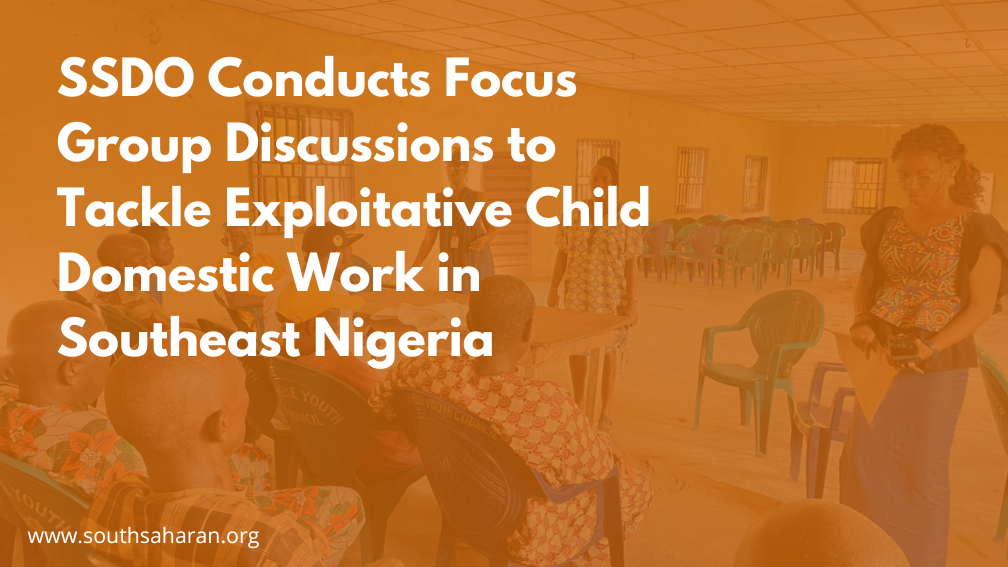
SSDO Conducts Focus Group Discussions to Tackle Exploitative Child Domestic Work in Southeast Nigeria

Following the high-level meeting organized by the South Saharan Social Development Organization (SSDO) in collaboration with the Enugu State Ministry of Children, Gender Affairs, and Social Development, SSDO has taken further action by engaging directly with vulnerable communities through a series of focus group discussions (FGD). These discussions are part of an ongoing effort to address the growing issue of Exploitative Child Domestic Work (ECDW) in Southeast Nigeria.

While the formal meeting brought together key policymakers and government stakeholders to deliberate on solutions, the focus group discussions offered a platform for community members, families, and survivors to share their personal experiences and insights. The sessions were conducted in five communities—Eke, Umuode, and Adani in Enugu State, as well as Omor and Igbakwu in Anambra State—regions with a high prevalence of child domestic work.

Giving Voice to the Marginalized

The FGDs were not just a means of gathering information but a participatory process designed to ensure that the voices of those most affected by ECDW are heard. Community leaders, families, and survivors came together to speak candidly about the root causes of child exploitation and the challenges in seeking help. Many participants emphasized the role of poverty, cultural norms, and lack of education as key drivers of child domestic work. They also discussed the fear and stigma that often prevent families from reporting cases of abuse or exploitation.

By engaging these communities, SSDO was able to gain first-hand insight into the specific barriers that families and children face, particularly when it comes to accessing justice and social services. Survivors of ECDW shared powerful stories of their experiences, highlighting the urgent need for tailored interventions that address both immediate needs and systemic challenges.

Shaping Culturally-Sensitive Interventions

The information gathered during these focus group discussions will play a critical role in shaping SSDO’s future interventions. By incorporating the perspectives of those directly impacted by ECDW, SSDO aims to develop strategies that are both culturally sensitive and practically feasible. This community-driven approach ensures that proposed solutions resonate with local realities and have a higher chance of success.

Participants of the FGD were also informed of the ongoing efforts to strengthen legal frameworks, improve child protection services, and provide more robust support for families at risk. By involving community leaders and families in these discussions, SSDO is laying the groundwork for sustainable, long-term solutions that address the root causes of child exploitation.

Making Change Happen From the Grassroot Upwards

These FGDs mark an important step forward in SSDO’s mission to combat exploitative child domestic work in Southeast Nigeria. The insights gathered will help refine interventions, ensuring they are rooted in the real challenges faced by children and their families. As SSDO continues to work closely with policymakers, law enforcement, and communities, the organization remains committed to protecting the rights and dignity of every child.

The next steps will include synthesizing the insights from these discussions into actionable recommendations, which will form the basis for SSDO’s broader advocacy and community support initiatives. Together with community leaders, survivors, and stakeholders, SSDO is building a future where children are protected from exploitation and empowered to thrive.

Holistic Development, National Impact.

Happy New Month!

More than ever before, there’s a need to focus on the development of children, adolescents, and youth. To have a functional society, we must have a positive change of attitude and invest heavily in their development. Youths are the backbone of a society, and the nation’s development depends on their health and well-being. South Saharan Social Development Organization, SSDO, understands these needs and prioritizes children and adolescents in the execution of our projects.

Interventions like the Orphaned and Vulnerable Children’s project and the Local Rights Programme help shine the spotlight on our endeavors to ensure that the

health and educational needs of kids in our intervention communities are met. Still, there’s more to be done. New reports reveal that 18.5 million children, the majority of whom are girls, do not have access to education in Nigeria. A sharp increase compared to the 10.5 million last year.

Over the past quarter, SSDO has also focused on women’s advocacy and empowerment, WASH infrastructure provision, capacity building, and needs assessment to improve service delivery in existing projects. Here’s a highlight of how SSDO has been contributing to nation-building.

Struggles of a Girl Battling HIV From Birth: Journey to Recovery

“I am tired. There is no one else I can go to. I don’t have any money. Where would I take her?”

purse to gather the last ₦2,500 requested to buy drugs for Adaugo. Adaugo is a 12-year-old child who lives in Enugu state. She is HIV positive. She was infected at birth (mother-to-child transmission) and this has totally altered her life.

Children’s Day Celebration at Abor/Isiala Community

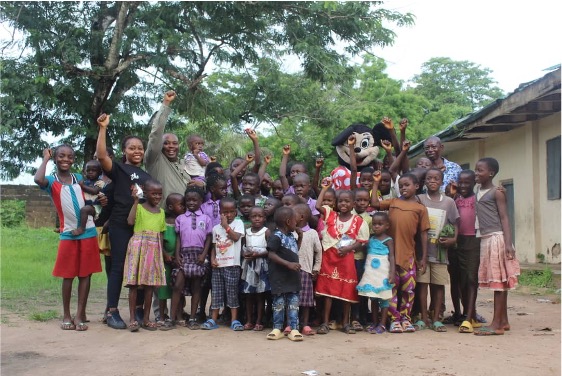
To celebrate Children’s Day, South Saharan Social Development Organization, SSDO in partnership with ActionAid Nigeria, visited Abor/Isiala community to continue its child message collection activity. There were gift and food items to engage and keep the kids entertained. There was also a session dedicated to teaching the children the importance of hygiene.

The Local Rights Programme is an initiative that aims to reduce poverty by engaging with the poor and marginalized in selected communities through its child sponsorship mechanisms.

Some of the issues identified in the communities include the poverty, lack of education and poor access to healthcare, which are indicators of a deficient system, of which the biggest victims are children. Read more.

Promoting Women’s Empowerment Through Peer Education

Through years of working on projects at the community level, we realize that women and girls are hugely disadvantaged. They have often been marginalized and segregated to the background on so many fronts in society. Especially politically and economically. We also observe that this marginalization has created a false consciousness in most women. One of the primary reasons for marginalization is the inequality between men and women in accessing and controlling resources. But even more shocking is that in many communities, women don’t even have control over reproduction.

The goal is to create an equal society where men and women can speak, and their voices matter. To see a world where women, youth, and children can develop in a politically and socioeconomically correct environment. Where gender equality is prioritized, and women have complete control over their resources and time.

And as such South Saharan Social Development Organization, SSDO, in partnership with ActionAid Nigeria, seeks to foster women’s empowerment through peer education. This initiative aims to advocate for women’s rights and bridge women’s capacity deficiency at the community level. As well as meet the political, social, and economic needs of women. Continue reading.

PAWED Policy Dialogue Session

Research shows a 6.3 percent unemployment gap between men and women in Nigeria. This highlights a rather obscure fact that is holding the nation back. Understanding the importance and necessity of women’s empowerment in this time and era, the Development Research and Project Center, (dRPC) in partnership with South Saharan Social Development Organization, (SSDO) is implementing the

The PAWED project was formed to strengthen the capacity of women’s economic collectives in Enugu state to conduct high-impact evidence-informed advocacy to improve the livelihood of economically active women and girls in the state.

In April 2022, the PAWED project held a Policy Dialogue Session to provide a platform for synergy between stakeholders in Enugu State for effective advocacy for Women’s Economic Empowerment (WEE). Read on.

Income Generating Activity Support for Beneficiaries

Beyond health, we understand that all other facets of the beneficiary’s life matter in attaining wholeness. And as such, we do not just focus on their health but also on their economic stability. One such way we cater to the needs of beneficiaries is through Income-Generating Activities (IGA). IGA is a business model that offers beneficiaries the capital and support to improve their household income through livelihood diversification.

South Saharan Social Development Organization (SSDO) in partnership with Caritas Nigeria through the 4GATES Orphaned and Vulnerable Children (OVC) Project is providing financial support to beneficiaries to start up businesses. We conduct an assessment to determine those who need this support. They select a business of their choice and are provided with the support to grow the business.

SSDO’s OVC Program Officer and Program Assistant were on hand to provide financial education training to beneficiaries to help improve the small businesses thrive. As well as provide support to established business owners and ensure proper record keeping. In this batch, 70 beneficiaries will benefit from this initiative.

SSDO and WaterAid Installs Handwashing Stations Across Enugu State

Water is an essential commodity for survival and remains a top priority for people. Its importance cuts across all spheres of life from agriculture, livelihood, health, and more. About 50 percent of Nigerians still lack access to potable water. Enugu’s topography has even further complicated this challenge.

In partnership with WaterAid Nigeria, South Saharan Social Development Organization, SSDO is working tirelessly to improve access to water In Enugu state. We have installed 20 permanent handwashing facilities across the state in strategic locations. These include primary health centers and schools.

Constant access to water reduces health challenges, helps keep the girl child in school, and in the long run, improves the economy. We’d continue to do our best to

Local Rights Programme Stakeholders Meeting

To ensure a holistic and cross-cutting intervention, beneficiaries and stakeholders must be involved. They should have their say in evaluating the most pressing needs they have. South Saharan Social Development Organization in partnership with ActionAid Nigeria organized a Local Rights Programme stakeholder meeting with representatives from the communities where the project is being implemented.

The aim of the meeting was to conduct a community appraisal for the involved communities. A pair-wise ranking system was used to determine the most pressing issues in the communities. This would help inform the approach the project takes in the communities. Stakeholders present include traditional rulers, president-generals, women leaders, and a representative from the Enugu State Ministry of Rural Development.

A community charter document was also provided to the stakeholders to help guide them in upholding the rights of the local residents.

Capacity Building for Women at the Community Level

Research from World Health Organization shows that one in three women are subjected to physical or sexual violence by their partner. And research from the Nigeria Demographic and Health Survey shows that one in four women will experience violence in their lifetime. Most rural communities in Nigeria do not have structures to support women facing domestic violence. The little support that exists – pro bono legal services and safe houses, can only be accessed in the state capitals.

Understanding these concerns and needs, South Saharan Social Development Organization, SSDO is implementing the Sister Guardian Initiative to reduce violence at the community level. The program is currently being implemented in 19 communities in Enugu and Anambra state. The initiative provides psychosocial support to women and makes referrals to other relevant agencies where necessary.

In June, the Gender Officer for SSDO visited six communities to monitor the initiative’s progress, build the capacity of the Sister Guardians, and conduct a need assessment evaluation to strengthen the initiative in the target communities.

For more real-time updates on our projects and activities, follow us on our social media platforms using the icons below.

Struggles of a Girl Battling HIV from Birth

“I am tired. There is no one else I can go to. I don’t have any money. Where would I take her?”

Mrs. Ugobi blurted out after being told by the hospital she needed to cuff up more money for her granddaughter’s treatment. The elderly woman barely scraped her purse to gather the last ₦2,500 requested to buy drugs for Adaugo.

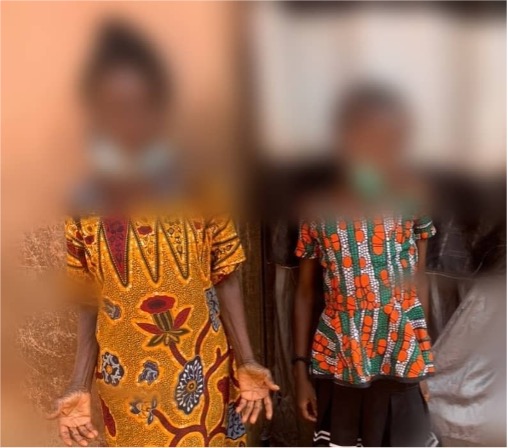
Adaugo is a 12-year-old child who lives in Enugu state. She is HIV positive. She was infected at birth (mother-to-child transmission) and this has totally altered her life.

Adaugo lost her parents to AIDS a few years after she was born. Ever since she has been living with her grandma, Mrs. Ugobi, alongside her cousins. Adaugo and her grandmother live hand-to-mouth. The elderly woman sells vegetables at a popular market in town to make ends meet. They can barely guarantee their next meal without going out to trade.

For a child of twelve, Adaugo was severely malnourished. It was clear her immune system was failing. The family could barely feed, and enrolling her in a hospital

was out of the question. Until Adaugo started coughing.

It started mildly, but in a matter of days, it became severe, increasing in frequency. She coughed uncontrollably and bled when she did. She had difficulties breathing and could barely stand. Adaugo was struggling for life.

Mrs. Ugobi had to seek help or risk losing her granddaughter. She went to a nearby hospital where she was referred to Enugu State Teaching Hospital for Tuberculosis screening.

“I spent all I had, and it was barely enough. They asked me to get more drugs and my child wasn’t getting any better. I couldn’t handle seeing her in so much pain, it broke me down.”

epidemic control in sub-national units in Nigeria. It is an HIV care, prevention, and treatment program that identifies beneficiaries, links them to care, and helps achieve viral load suppression. South Saharan Social Development Organization (SSDO) in partnership with the Catholic Caritas Foundation of Nigeria (CCFN) is the implementing partner.

The OVC project took responsibility for her care and facilitated her TB screening process. The results came out positive, and she was immediately linked to care in the state TB treatment program. She has begun TB medication and continued her HIV treatment. The organization also provided emergency food and health support to the family.

Research shows that poverty is inversely correlated with drug adherence. Part of the project’s objective is to help people like Adaugo by providing social and economic support. Families like Adaugo’s wouldn’t have been able to meet the financial demands of treating HIV and tuberculosis without the OVC program. Her journey to viral load suppression and TB treatment completion would have been stunted.

We can gladly report to you that Adaugo is doing much better and responding to treatment. Mrs. Ugobi’s joy knew no bounds and profusely thanked the team for the support.

“Only God can repay you. I don’t know what I would have done if you didn’t enroll her in the OVC project. It is because of you I didn’t lose my daughter.”

The hospital also screened other members of the family who have been in proximity to Adaugo for tuberculosis. Three returned positive and have been linked to treatment.