SSDO

Less Talk, More Action.

SSDO NEWSLETTER, VOLUME 6, ISSUE 3.

Happy New Month!

More than ever before, there’s a need to focus on strategic sensitization and enlightenment of the public on many pressing issues. Over the past few weeks, we have seen the devastating effect of the floods across over ten states in the federation. Beyond creating awareness, there’s an urgency to directly interface with people more often through a behavior-centered approach to teach them what to do.

To have a functional society, people must realize that they have a role to play in the smooth running of the state. SSDO understands this needs and interfaced more with people, looking to elicit positive change on a deeper level.

Interventions like the Latter-Day Saints Charity Project and the Orphaned and Vulnerable Children’s Project help shine the spotlight on our endeavors to ensure that the health and educational needs of beneficiaries and their communities are met.

Over the past quarter, SSDO has also focused on women’s advocacy and empowerment, WASH infrastructure provision, capacity building, and needs assessment to improve service delivery on existing projects. Here’s a highlight of how SSDO has been contributing to nation-building.
ActionAid, SSDO Organizes a Sensitization Rally on PVC Collection
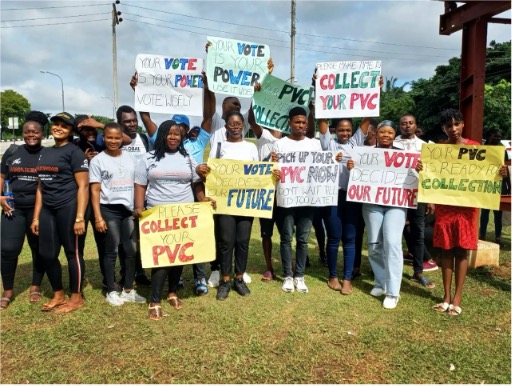
The Nigerian general election comes up in the next five months. Voter registration is over, and citizens must pick up their permanent voter’s cards and exercise their franchises. Over time, data has shown that only a handful of registered voters come to vote. In the 2019 presidential elections, only 37 percent of registered voters showed up on election day.

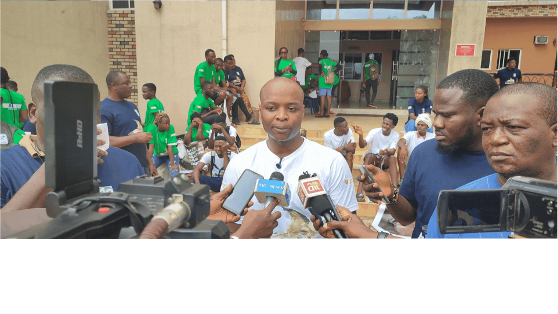
Understanding this, ActionAid Nigeria, in partnership with South Saharan Social Development Organization, organized a civic awareness and sensitization rally on PVC collection. The message for the rally was simple: “Your votes decide the future. Your PVC is your voice. Your vote is your power; use it wisely.”

PVCs registered from June 2021 to January 15, 2022, are ready for collection. PVCs registered from January 16th to June 30th, 2022, will be ready for collection in October. The PVCs registered from July 2022 will be ready for collection in November. Read on.

NCF, SSDO Organizes a Sensitization Rally on Vulture Conservation

The Nigeria Conservation Foundation (NCF) and South Saharan Social Development Organisation (SSDO) have carried out a walk and sensitization of residents of Enugu State on the need to conserve vultures. The walk, which is meant to commemorate International Vulture Day 2022, titled: “A Mile for Egyptian Vulture”, witnessed sensitization within major roads in Enugu metropolis for several hours on Thursday.

The rally aims to create awareness of the importance of vultures to the ecosystem and why they need to be protected, especially the Egyptian Vultures. Vultures are scavengers and natural cleaning agents. By feasting on carcasses, they remove pathogens and toxins from the dead animals that would have infected the
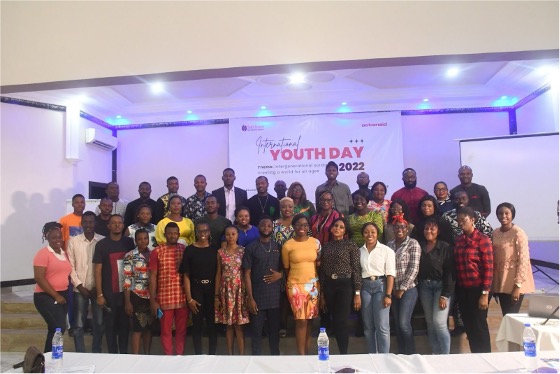
08/31/2022 – International Youth Day Symposium

The stereotype, prejudice, and discrimination people have towards others based on age continues to present a significant yet not sufficiently discussed challenge to foster collaboration and solidarity across age groups.

Cases of ageism have been reported in political participation, employment, health, and justice. If not properly addressed, ageism causes poor physical and mental health, social isolation, loneliness, and decreased quality of life.

Understanding these challenges, ActionAid Nigeria, in partnership with South Saharan Social Development Organization, is implementing the Strategic

Partnership Agreement II project, funded by the Danish International Development Agency. The project aims to improve the realization of human rights, sustainable

livelihoods, and the protection of youths and women living in marginalized communities in Nigeria.

The objectives of the symposium is to:

  • Discuss and brainstorm the best strategies for achieving youth empowerment through inter-generational collaboration
  • Harness existing strategies and approaches by youth groups for shared learning and building solidarity for social change.
  • To produce a demand charter as an advocacy instrument for youth empowerment
  • Build a network of youths motivated and capable of carrying out effective advocacy

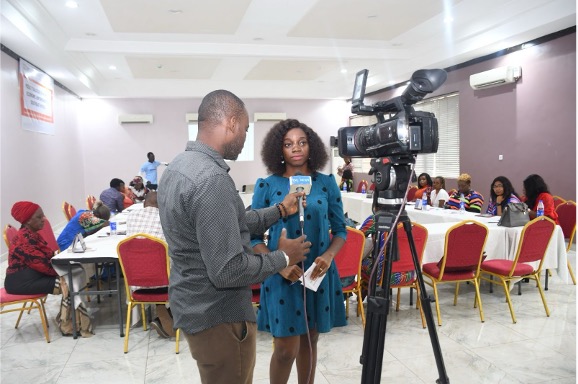
The 1-Day symposium to commemorate International Youth Day 2022 was characterized by effective discourse and dialogue among participants, which enabled them to listen to each other, welcome diverse perspectives, and seek new connections. The event’s success was hinged largely on the quality and motivation of the participants. Participants included

  • Youth leaders from different groups
  • Communities and organizations
  • Media
  • Representatives from Government Agencies

Discourses were facilitated and achieved through presentations by experienced speakers. Four different speakers spoke on the following topics:

  • Youths and Advocacy: Bridging the Gap with the Internet and social media
  • Achieving Youth Empowerment through Intergenerational Collaboration
  • How Youths in Politics Leadership Can Bring Positive Change
  • Women in Politics: The Importance of Equal Representation in Modern Leadership

Young people are awakened and ready to fight for change. There is also a need to involve the younger generation of youths in our activities to build their experience,

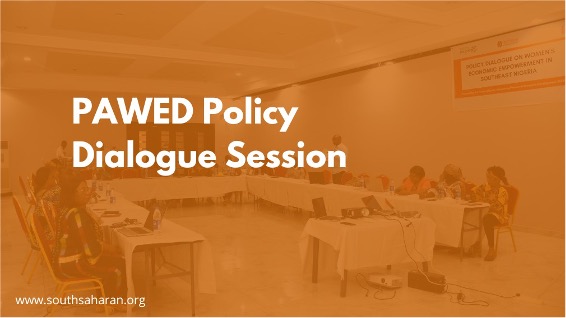
07/15/2022 – PAWED Policy Dialogue Session

Women in southeast Nigeria face many hurdles in their quest for economic empowerment. They contend with gender discriminatory cultural practices, social norms, unpaid domestic labor, and low access to capital. These constraints keep women poor and financially dependent on their male counterparts.

Understanding these needs, the development Research and Project Centre, in partnership with South Saharan Social Development Organization, is implementing the Partnership for the Advancement of Women’s Economic Development

(PAWED) project.

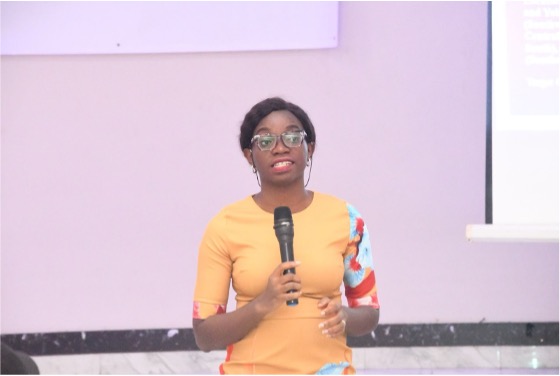
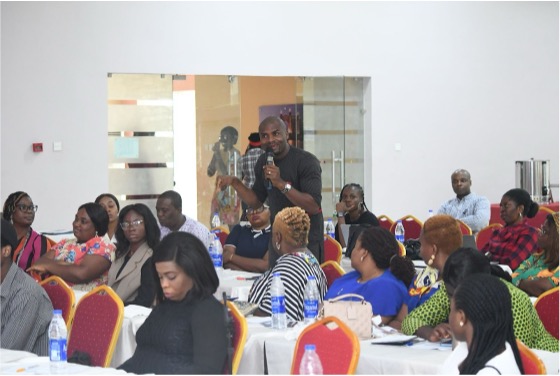
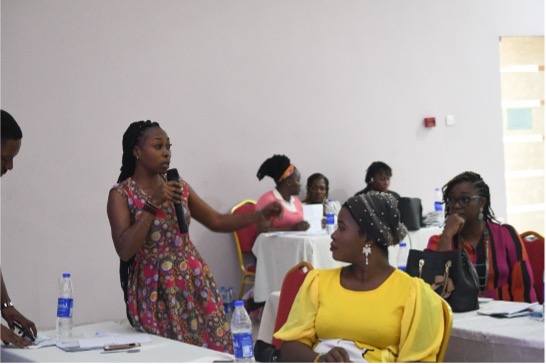
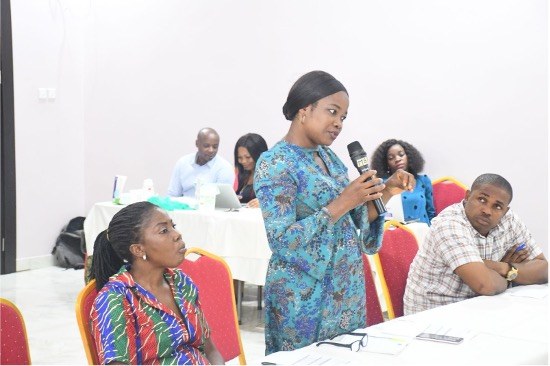
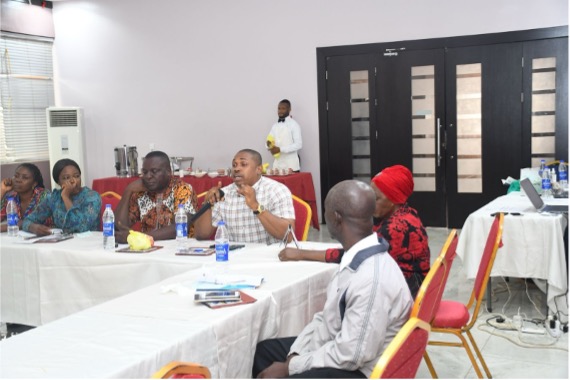
In June 2022, the PAWED project held a follow-up policy dialogue session to provide a platform for synergy between the women’s economic empowerment stakeholders and the Enugu State government for effective advocacy for Women’s Economic Empowerment (WEE). The stakeholders included:

Women-led, women-focused Civil Society Organizations

Women’s Economic Empowerment Cooperatives

Representatives from relevant government ministries.

Academia – University of Nigeria (UNN) Gender and Development Centre.

Media representatives

The PAWED project was formed to strengthen the capacity of women’s economic collectives in Enugu state to conduct high-impact evidence-informed advocacy to improve the livelihood of economically active women and girls in the state.

The dialogue session aimed to achieve the following:

Identify key policies and regulatory frameworks to facilitate the delivery of women’s economic empowerment projects.

To proffer solutions and recommendations to improve women’s empowerment.

To create an effective advocacy strategy for policy reform among stakeholders.

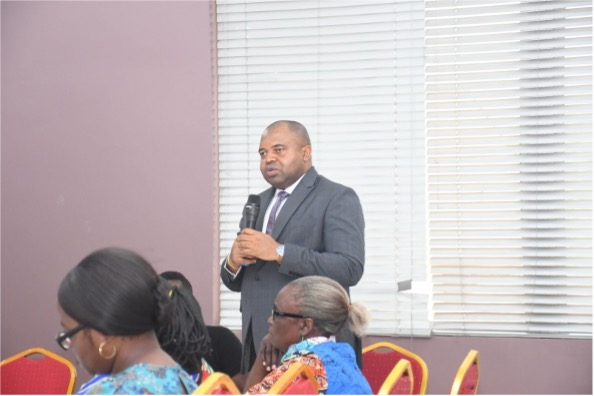
The Commissioner for Budget and Planning in Enugu state, Dr. David Ugwunta, addressed pressing women empowerment issues as fielded by participants. He urged women groups to take advantage of the economic empowerment opportunities provided by the state government.

Participants discussed and proposed several recommendations to tackle women’s economic empowerment issues in Enugu State. Proposed solutions include:

Advocating for the government to create a centralized database system to

access empowerment opportunities.

Ensuring economic opportunities are well publicized in traditional media.Capacity building for women in rural areas to access opportunities

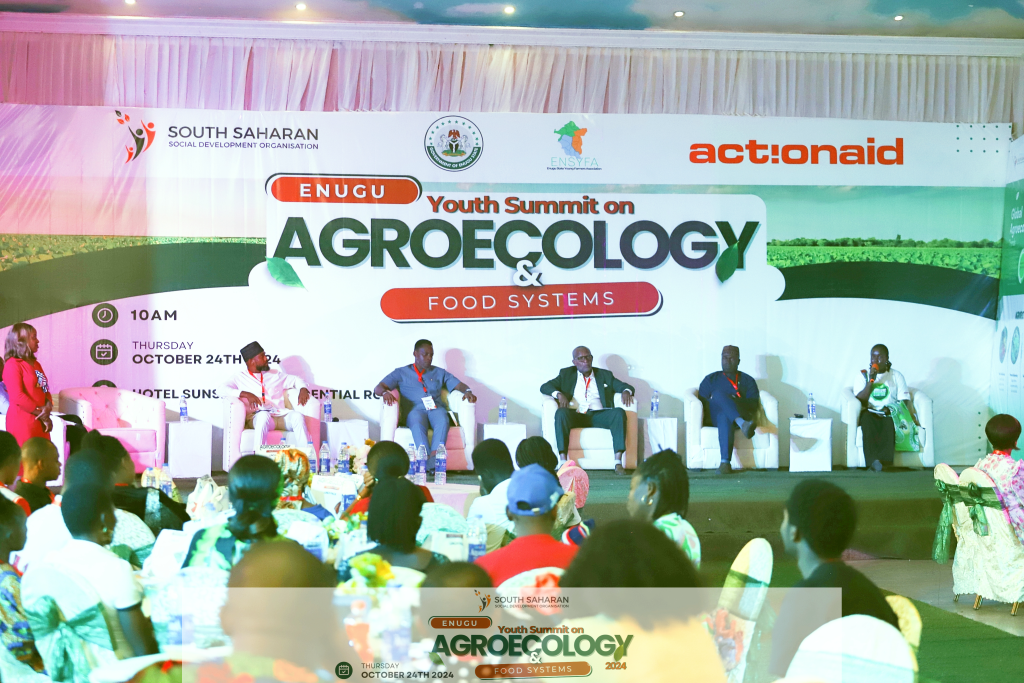
Reflecting on the Enugu Agroecology & Food Systems Summit: Advancing Sustainable Agriculture in Nigeria

In a world where agricultural practices are increasingly industrialized, the recent Agroecology & Food Systems Summit in Enugu has been a vital reminder of the importance of sustainable, community-driven food systems. Hosted by South Saharan Social Development Organization (SSDO) in collaboration with ActionAid Nigeria, this gathering brought together a dynamic array of farmers, policymakers, researchers, and youth leaders dedicated to promoting agroecology. The summit highlighted the pressing need to shift away from chemical-intensive farming practices to more sustainable, organic approaches that prioritize food security, biodiversity, and human health.

Why Agroecology Matters

Nigeria, like many countries worldwide, faces significant challenges in sustaining its agricultural sector while also protecting its natural environment. The summit explored why agroecology—a practice that integrates traditional farming methods with environmental science—can be the key to securing resilient, local food systems. Embracing agroecology means nurturing the land, reducing dependency on chemical fertilizers and pesticides, and improving the overall health of crops, soils, and the communities that depend on them. For Enugu State farmers, particularly, agroecology offers a sustainable approach to farming that helps safeguard their livelihoods in the face of economic and environmental challenges.

SSDO’s Role in Supporting Enugu Farmers

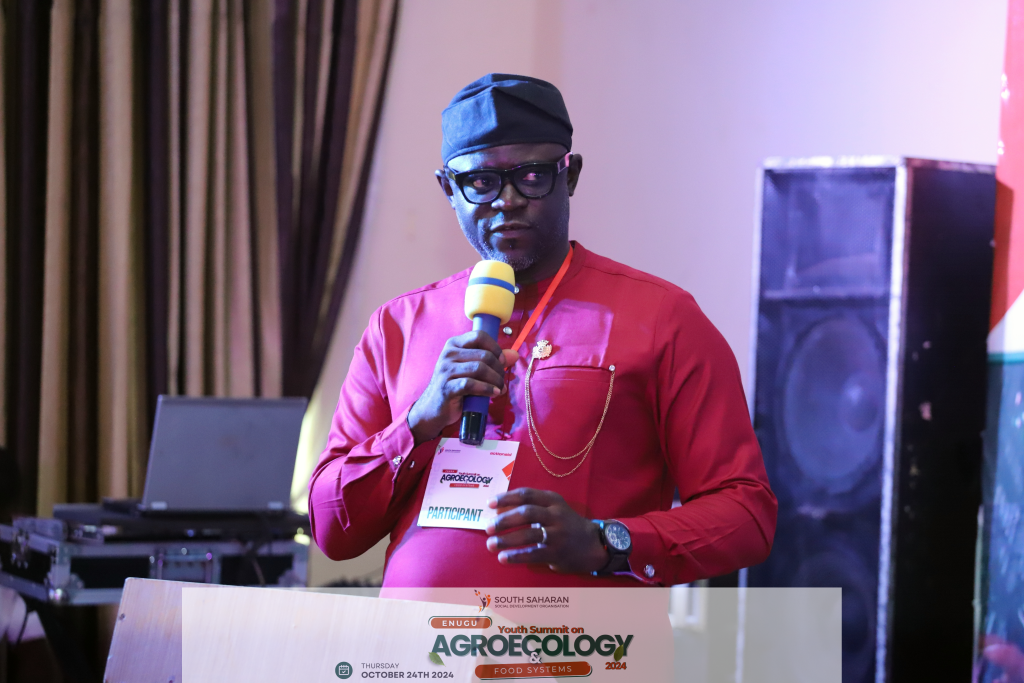
Recognizing these challenges, SSDO and ActionAid Nigeria organized the summit as part of their broader commitment to supporting sustainable agriculture and community resilience in Enugu State. Over the years, SSDO has provided farmers—especially women—with training and resources to adopt eco-friendly farming practices that promote soil health, conserve biodiversity, and reduce harmful environmental impacts. During the summit, Mr. Udochukwu Egwim presented a video showcasing SSDO’s impactful work, featuring farmers who have adopted agroecology principles. Women farmers shared testimonials of their transition to sustainable farming practices, such as utilizing livestock waste and organic materials as compost and natural pesticides. Through these shifts, they are seeing improved crop yields, economic savings, and stronger community bonds.

Core Takeaways from the Summit

A few key insights and discussions emerged from the summit, underscoring the importance of agroecology and sustainable farming practices:

1. The Power of Growing with Nature: “Agroecology is about growing food with nature, not against it,” said Prof. Dickson Musa, a respected voice on sustainable agriculture. His presentation emphasized how native seeds and livestock contribute to a resilient agricultural ecosystem, underscoring the adaptability and value of indigenous species for local food systems.

2. Empowering Women and Youth in Agriculture: One of the central themes was the empowerment of youth and women, who often face barriers to accessing resources and land ownership. Panelists discussed programs to support young farmers through training in agroecology and the development of sustainable enterprises, encouraging a new generation of agroecology-driven businesses that foster economic growth while preserving natural resources.

3. Policy Advocacy and Funding for Sustainable Agriculture: To make agroecology a reality, there is an urgent need for supportive policies and funding. Speakers highlighted the importance of harmonizing pesticide standards, providing financial incentives for biopesticides, and creating policies that protect local agriculture. A call was made to government and private sector partners to fund organic farming inputs and foster a more supportive environment for smallholder farmers.

Outcomes and Next Steps

The Agroecology & Food Systems Summit has laid a robust foundation for ongoing collaboration and action among stakeholders. Attendees left with a renewed sense of purpose, encouraged by the achievements and commitment demonstrated during the event. The summit set out to inspire farmers to integrate agroecological practices in their farming and successfully fostered a greater awareness of the environmental and economic benefits of sustainable agriculture.

SSDO is deeply grateful to all panelists, partners, and participants whose insights and passion made this summit a milestone for sustainable agriculture in Nigeria. Through such partnerships and initiatives, SSDO remains committed to empowering farmers, advocating for agroecological policies, and cultivating a more resilient food system across Nigeria. Together, we can build a sustainable, food-secure future.

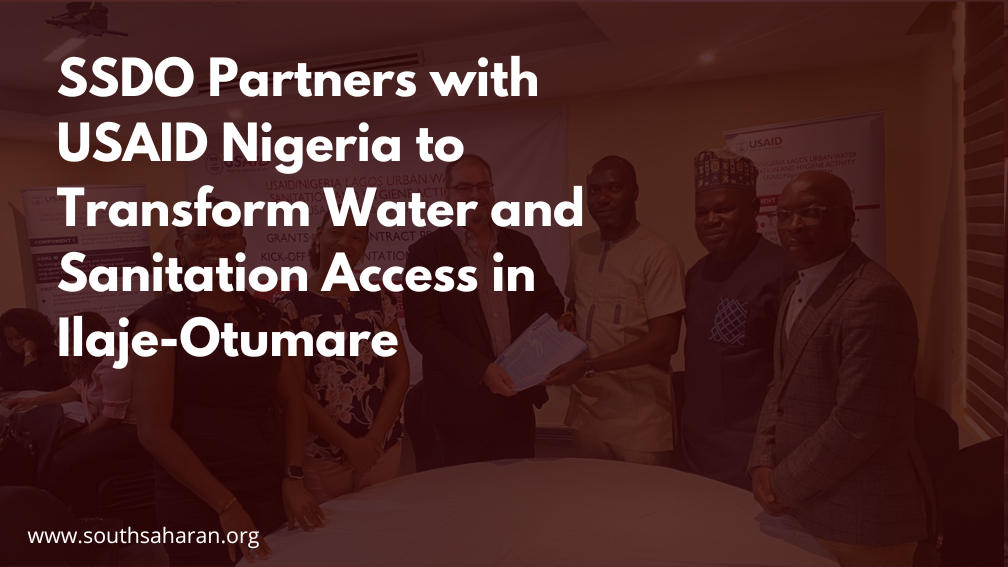
SSDO Partners with USAID Nigeria to Transform Water and Sanitation Access in Ilaje-Otumare

South Saharan Social Development Organization (SSDO) is thrilled to announce an exciting new chapter in our mission to improve lives across Nigeria! In partnership with USAID Nigeria’s Lagos Urban Water, Sanitation, and Hygiene (LUWASH) project, SSDO will spearhead critical WASH (Water, Sanitation, and Hygiene) interventions for the densely populated Ilaje-Otumare community in Lagos Mainland. This project stands as a testament to the power of collaboration, aiming to create lasting change in water access, hygiene practices, and public health for over 50,000 residents. 

Kick-Off and MoU Signing  

All I’s are dotted, and all T’s are crossed—SSDO is ready to make an impact! The SSDO team, led by our Executive Director, Dr. Stanley Ilechukwu, recently attended the LUWASH Kick-off and Orientation Workshop, where the official signing of the Memorandum of Understanding (MoU) took place. This workshop served as an essential step in laying the groundwork for the project, allowing stakeholders to align goals, establish clear objectives, and set the tone for a fruitful collaboration. With USAID Nigeria’s guidance and support, SSDO is now poised to implement a holistic approach to water, sanitation, and hygiene that addresses both the immediate cholera outbreak and the long-term needs of the community.

Why Ilaje-Otumare? 

Ilaje-Otumare, a riverine community within Lagos Mainland, faces severe challenges in accessing clean water and sanitation. Despite being close to the city’s center, Ilaje-Otumare has struggled with inadequate infrastructure, limited resources, and high vulnerability to waterborne diseases. In particular, the area has been hard-hit by the ongoing cholera outbreak, with contaminated water sources and a lack of hygiene facilities making residents highly susceptible to infection. By partnering with LUWASH, SSDO aims to address these urgent needs, bringing both immediate relief and sustainable solutions to the community.

Our Objectives  

Through this project, SSDO aims to bring impactful and sustainable WASH solutions to Ilaje-Otumare. Our objectives include:

1. Expanding Cholera Response  

   Targeted interventions will address the cholera outbreak, focusing on hotspot areas and providing essential hygiene supplies like soap, water purification tablets, and oral rehydration solutions to vulnerable households.

2. Improving WASH Infrastructure  

   SSDO will rehabilitate several boreholes in Ilaje-Otumare and enhance water quality through regular testing and treatment. Additionally, the project will install solar-powered boreholes to reduce costs and ensure a reliable, safe water supply.

3. Promoting Sustainable Hygiene Practices  

   Community outreach and educational campaigns will empower residents to adopt lasting hygiene practices. SSDO will distribute informational materials, organize training sessions, and engage local healthcare providers, water vendors, and food vendors to ensure proper hygiene standards are maintained across the community.

4. Strengthening Community Engagement and Capacity 

   SSDO believes that sustainable change comes from within. By working with Community Development Associations (CDAs), local leaders, and the unique networks within Ilaje-Otumare, we are building a foundation for the community to take ownership of its WASH infrastructure and practices, ensuring long-term impact.

Looking Ahead: A Sustainable Vision for Ilaje-Otumare  

At SSDO, we envision a future where clean water, safe sanitation, and good hygiene practices are accessible to everyone, regardless of their socioeconomic status or location. This project in Ilaje-Otumare, supported by USAID Nigeria’s LUWASH initiative, is more than just an infrastructure overhaul; it is about empowering a community with the resources, knowledge, and skills to create and sustain healthier lives.

Join Us on Our Journey 

SSDO’s journey with LUWASH in Ilaje-Otumare has only just begun, and we look forward to sharing updates, milestones, and success stories along the way. Follow our social media channels for the latest on this transformative project and learn how together we’re building a healthier, more resilient future for the communities of Nigeria. 

Conclusion

SSDO is ready to implement a project that brings hope, health, and resilience to Ilaje-Otumare. We are grateful for the trust and support of USAID Nigeria and excited to work hand-in-hand with the community toward a future where access to clean water and hygiene is a reality for all.