SSDO

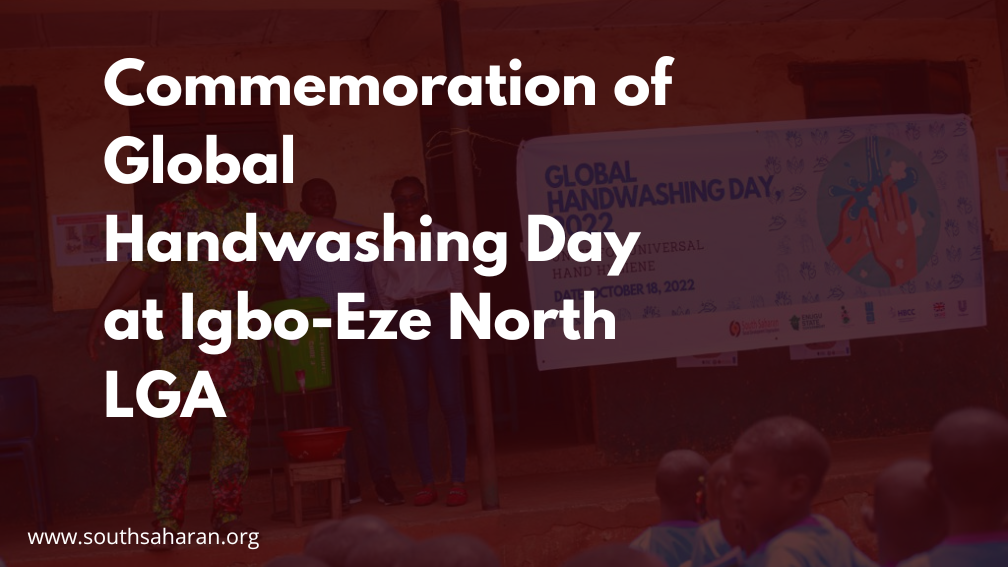
Commemoration Of Global Handwashing Day At Igbo-Eze North LGA

Do you know that handwashing is critical to preventing illness, especially infectious diseases? Proper handwashing can reduce the rate of diarrhea by 40 percent and respiratory infection by 20 percent. Interestingly, 50 percent of food-related illnesses are caused by poor hand hygiene. 

The 15th of October is recognized the world over as Global Handwashing Day. a day dedicated to increasing advocacy and awareness of the importance of handwashing with soap as an effective way to prevent diseases and saves lives. 

The theme of this year’s commemoration is tagged ‘Unite for Universal Hand Hygiene.’ WaterAid in partnership with South Saharan, the Ministry of Water Resources, and the Enugu State Universal Basic Education Board (ENSUBEB) commemorated the Global Handwashing Day at two schools: Township School 1 Ogrute and Community Primary School Ugwu-Amufie both in Igboeze North LGA.

The pupils were taught the six critical times to wash their hands, alongside the techniques for handwashing; this session was facilitated by a representative from the state Ministry of Water Resources. Handwashing buckets and liquid soaps were presented to the two schools to also promote hand hygiene in the schools. 

The Environmental Health Clubs that had been established and trained by the WASH Unit of the Local Government were inaugurated by the visiting team. 

The representatives from the ENSUBEB and the schools’ administration appreciated the team and reassured the team of their continuous support towards hand hygiene and general hygiene promotion. Through this activity, 174 students were reached in total: 100 Females and 74 Males.

This outing is one of the key deliverables for the HBCC II project that will ensure the promotion of hygiene behaviour change to improve personal hygiene.
WaterAid, SSDO Engages Stakeholders (JONADWP)

To ensure a holistic and cross-cutting project intervention, beneficiaries and stakeholders must be involved. They should have their say in evaluating the most pressing needs they have.

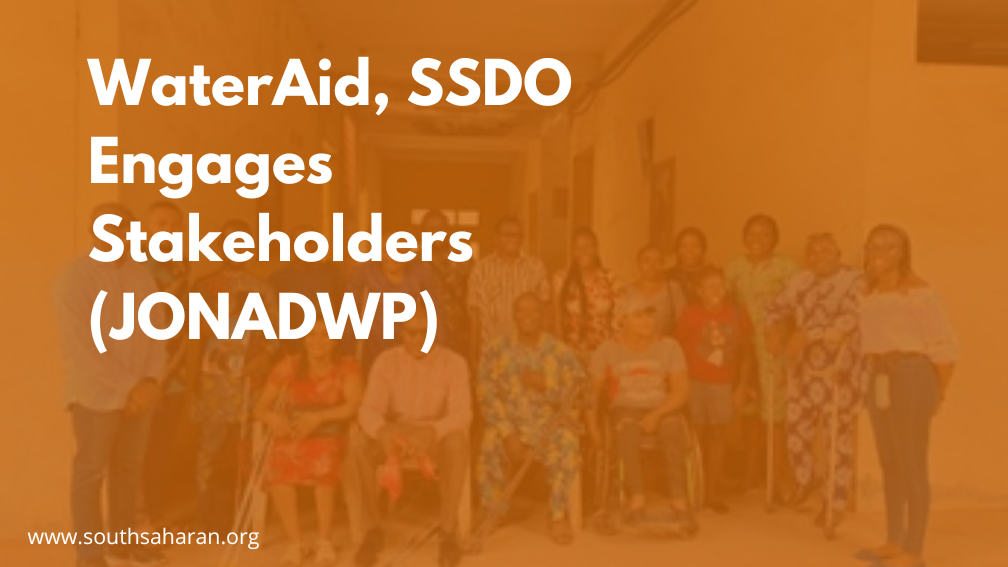
South Saharan Social Development Organization, SSDO, in partnership with WaterAid Nigeria, organized a stakeholder meeting with the Joint National Association of Persons with Disability (JONAPWD) at the Ministry of Gender Affairs and Social Development.

The meeting aimed to strengthen the relationship between WaterAid, SSDO, and JONAPWD by including them in project implementation and monitoring. And also to continue facilitating disability-friendly facilities going forward.

Stakeholders present include executive members of JONAPWD, WaterAid Monitoring Evaluation Accountability and Learning Officer, SSDO WASH Program Lead and Associate, WASH media, and a sign translator.

Heineken Africa Foundation Phase III Project Launch

WaterAid Nigeria, in partnership with South Saharan Social Development Organization, will implement the third phase of the Heineken Africa Foundation Project. 

The project will complement the results of the first and second phases to drive hygiene promotion in response to COVID-19 using a behavior-centered design approach leveraging the mass media, advocacy, and community-based approach to reach its target audience. It will also see the installation and rehabilitation of water facilities across Enugu state. 

The project was officially launched on the 22nd of September 2022 and offered a unique opportunity to enlighten stakeholders, raise media awareness, and develop a suitable implementation strategy across the state. 

Stakeholders present include the Permanent Secretary Ministry of Water Resources, ENRUWASSA, ENSUBEB, Bureau of Statistics, Economic Planning, Representative from the Ministry of Health, Permanent Secretary Ministry of Environment Represented, The STU Coordinator, Ministry of Rural Development, Primary HealthCare, LGA WASH Coordinator, WASH Media.

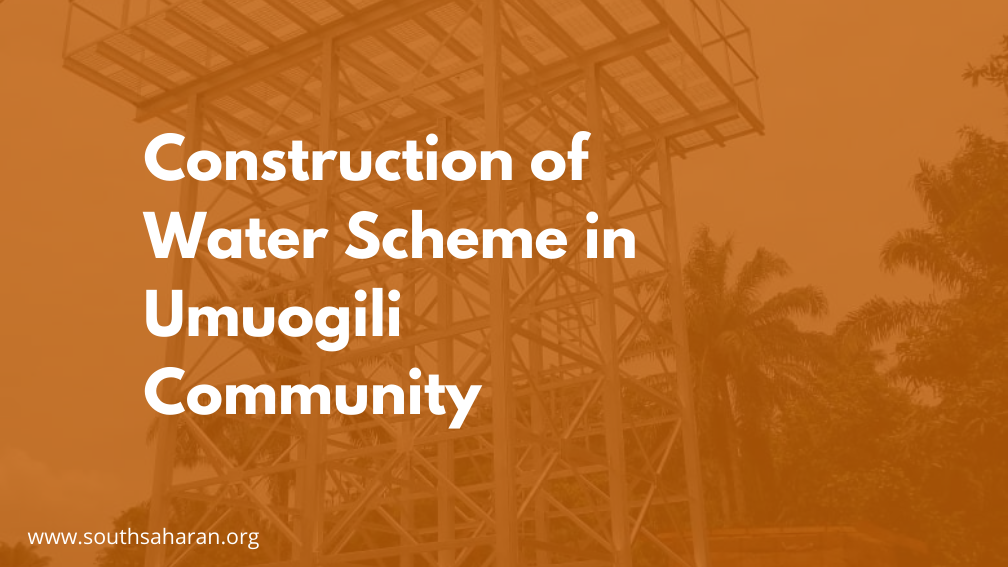
Construction of Water Scheme in Umuogili Community

Safe water and sanitation are basic human rights and fundamental to life. Without them, people stay trapped in poverty and suffer ill health. Even worse off are the inequalities experienced in access to water and sanitation. Around 60,000 children die annually from diarrhea caused by unsafe water in Nigeria.

Seeing the need, WaterAid Nigeria in partnership with South Saharan Social Development Organization and the Enugu State Ministry of Water Resources is implementing the Latter-Day Saints Charity Project in Enugu state. 

Currently, the team is constructing a 10,000-gallon generator-powered borehole in Umuogili community, Igbo-Eze North LGA. The scheme has two reticulation kiosks designed to serve the community. When the project is concluded a WASH committee will be inaugurated in the community to manage the project. 

The outcome of the project is to provide access to clean water and hygienic sanitation in the target communities. As well as to promote toilet use and eliminate open defecation. Over the course of five years, the project targets to reach 40,000 people with clean water, 3,000 people with safely managed sanitation, and 16,000 people with hygiene promotion in the implementing areas. 

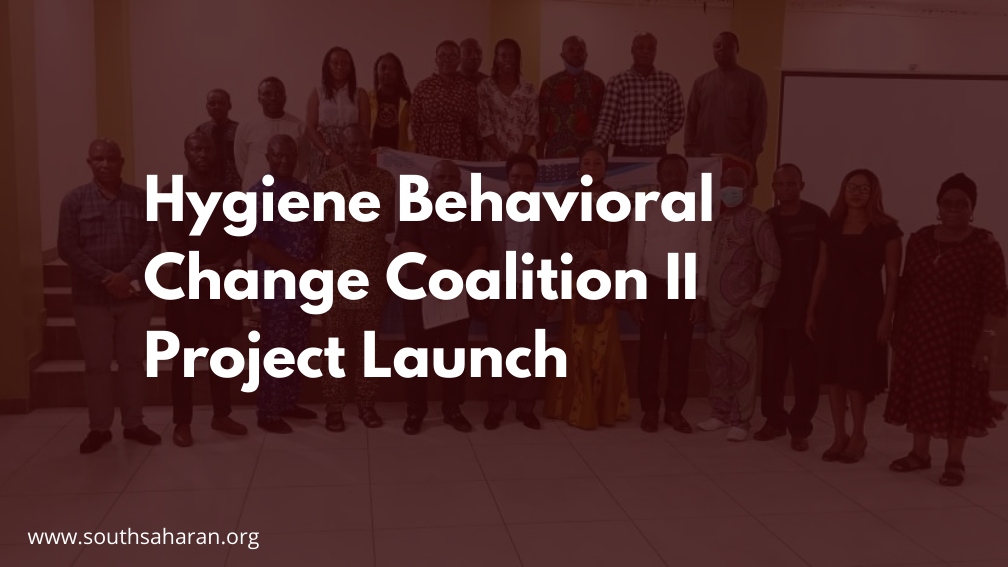
Hygiene Behavior Change Coalition II Project Launch

From all indications, Nigeria, like most low and middle-income countries, is not adequately prepared to manage the devastating viral impact of the coronavirus disease. It poses a danger to the population’s health and exacerbates poverty and inequality, especially with the discovery of new variants. 

About 60 million people in Nigeria lack access to basic water supply services, and 167 million people lack basic handwashing facilities. Worse still, 70,000 children under five die yearly from diseases caused by poor access to water, decent toilets, and good hygiene services. These figures show that Nigeria is still a long way from achieving Sustainable Development Goal 6 (clean water and sanitation).

There’s been a huge covid-19 vaccine hesitancy in Nigeria. It has been attributed to several factors, such as the efficacy of the vaccines, side effects, and negative sociocultural norms. The National Primary Health Care Development Agency notes that only 10 million people have been fully vaccinated, representing 9 percent of the population.   

This situation exposes the populace to new and more aggressive variants of the Covid-19 variant. Against this background, WaterAid Nigeria and South Saharan Social Development Organization, SSDO, are intervening to curb the spread of the virus.

This birth the Hygiene Behavior Change Coalition II Project. The project is designed to complement the Clean Nigeria Campaign to promote hygiene using a behavior-centered approach. The project will be implemented in Enugu and Bauchi states and was launched today in Enugu state. It aims to combat new Covid-19 variants, increase vaccine uptake, and improve personal hygiene.

The project will undertake its intervention, emphasizing hygiene education that focuses on key hygiene behaviors—respiratory hygiene, handwashing, physical distancing, food hygiene, water storage, and vaccine uptake. In partnership with key government institutions, our approach to improving hygiene behavior and vaccine uptake in urban and rural communities includes a mix of hygiene education and vaccine uptake promotion.