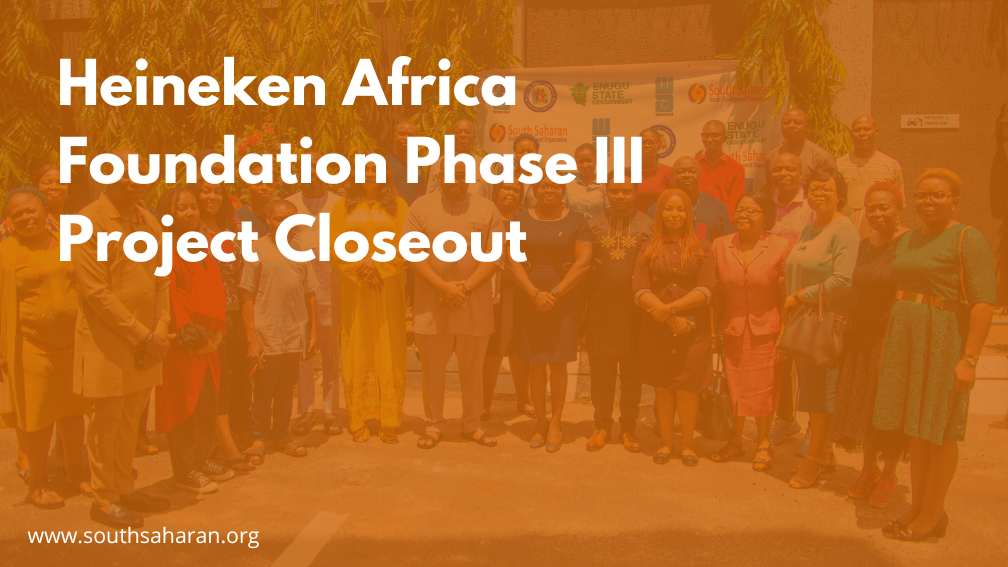
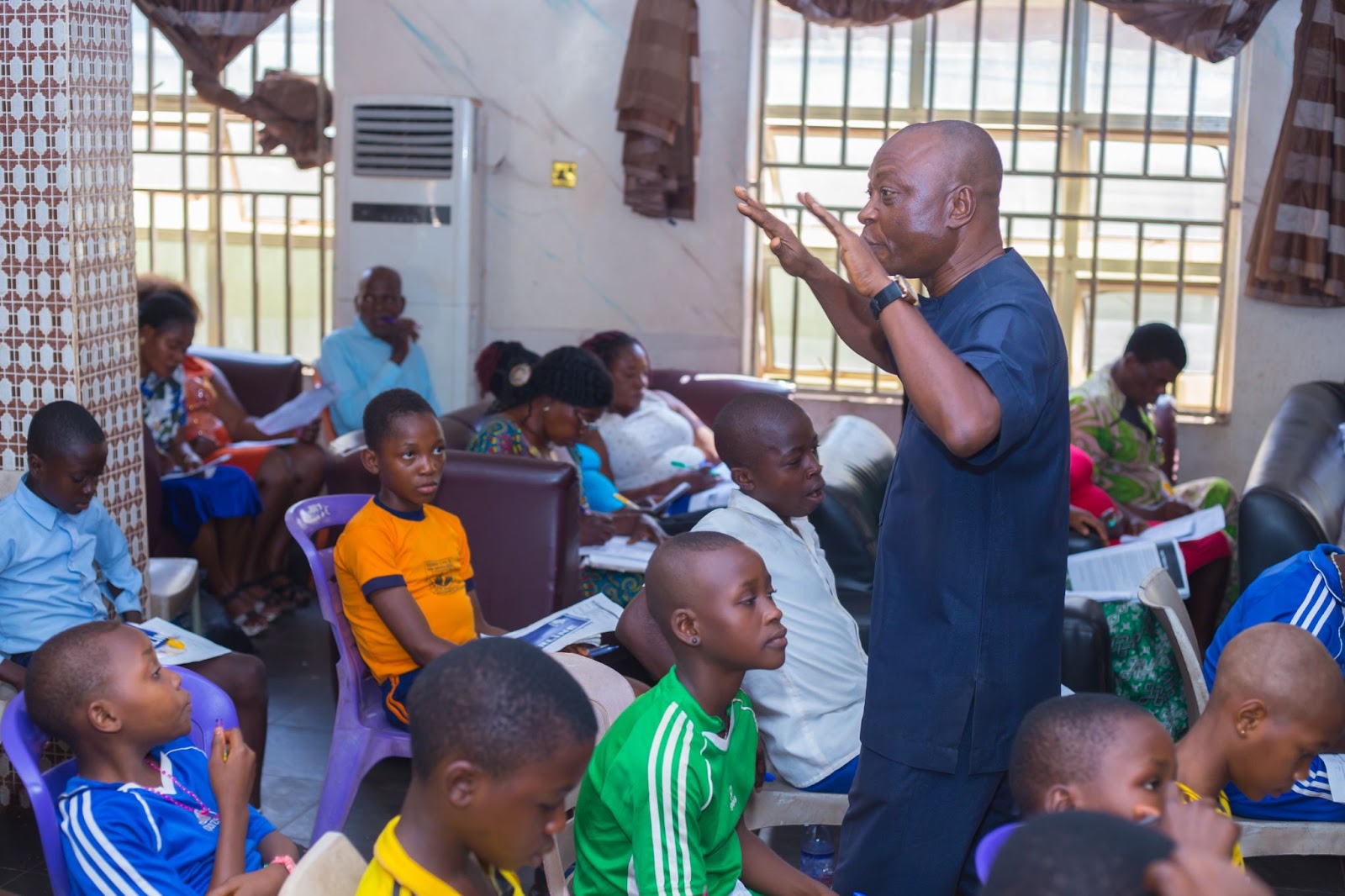
South Saharan Social Development Organization, in partnership with WaterAid Nigeria, successfully completed the implementation of the HAF III project and closed out the project.
The project complemented the results of the first and second phases to drive hygiene promotion in response to COVID-19 using a behaviour-centered design approach leveraging the mass media, advocacy, and community-based approach to reach its target audience. As well as advocating for Water, Sanitation and Hygiene (WASH) prioritization.
The project successfully installed five handwashing facilities in schools across the state, established health clubs in 30 schools, and organized sensitization programs, radio and TV jingles, and a hygiene behavior campaign in Igbo-Eze North LGA that reached over 5,000 people.
Certificates and awards were presented to the following stakeholders: Nigeria Breweries, JONAPWD, GHARF, Heroine Women Foundation, Ministry of Water Resources, Ministry of Health, Ministry of Education, and the Igbo Eze North LGA WASH unit.
Dignitaries present include Special Adviser to the Governor on Water Resources, Hon. Dubem Onyia, Corporate Affairs Manager (East Region) Nigerian Breweries, Joy Egolum, and Permanent Secretary Ministry of Health Enugu, Dr. Ifeanyi Agujiobi.
Over 47 million Nigerians still practice open defecation (OD), and Enugu state is not exempted as about 47 percent of the populace still practice open defecation. This is a pointer to the lack of proper toilet infrastructure and water facilities, especially in rural communities.
Understanding this challenge and looking to ensure its eradication, South Saharan Social Development Organization, in partnership with WaterAid Nigeria and the Enugu State Ministry of Water Resources, Small Town Units, and the Igbo-Eze North LGA WASH Unit, organized a Community Triggering Event on Ending Open Defecation in Mboshi, Aji community, Igbo Eze North LGA. Participants include community leaders, women leaders, and community members.
The community members were engaged using the Defecation Area Map (DAM) triggering method. Participants were asked to draw their community map and highlight important landmarks. They then identified their houses on the maps with cardboard. The facilitator then asked who had toilets and asked the community members to applaud them. Community members without toilets were asked to identify on the map with sawdust where they defecate.
At this point, community members were asked to make their observations. A participant, Madam Cordelia Ugwuanyi, said, “The community is filled with faeces. This causes sickness in people.” Another community member, Mr. Ali Michael, commented, “The constant open defecation causes diarrhea and cholera, especially in children.” He further added that open defecation makes the environment unhabitable.
This method helped the participants zone out and get a true perspective of the community’s state. They saw the downsides of open defecation and were able to point out the effects. At the end of the engagement, they agreed on the following action plans.
ACTION POINTS
– Immediate formation of a 12-man WASH committee with seven males and five females.
– The WASHCOM members were directed to visit households to determine the actual number of households with and without toilet facilities and report to the elders for appropriate fines and sanctions.
– Establishment of community bye-laws to prohibit open defecation.
– Construction and usage of toilet facilities in every home.
– Constant sanitation effort to keep the surroundings clean.
– Putting an end to open defecation in the homes.
– Proper food hygiene is maintained in the homes.
– Using the community’s task force to ensure adherence.
– Community members agreed to a three months time frame to ensure that every household has a toilet.
South Saharan Social Development Organization, in partnership with WaterAid Nigeria, organized a radio sensitization and advocacy engagement. The one-hour radio show with the topic, ‘Effects of Open Defecation on Community Health’, awakened the populace to the health implications of open defecation.
The guests on the show were – Head of Programs SSDO, Udochukwu Egwim, Small Town Unit – Ministry of Water Resources (Sanitation officer), Mr. Emmanuel Obuna, State Epidemiologist-Ministry of Health, Dr. Chinyere Ezeudu, NEWSAN Coordinator, Mrs. Enwelum Ogechukwu, Hygiene officer-GHARF, Mrs Christiana Nnaji.
They all critically analyzed and discussed the topic extensively, highlighting how open defecation can affect water sources and cause cholera, typhoid, and dysentery. This radio sensitization served as an avenue to enlighten the public on the need for decent sanitation facilities and encourage the government to build more public toilet facilities.
South Saharan Social Development Organization, in partnership with WaterAid Nigeria and other stakeholders, commenced the review of the Enugu State WASH Policy document to reflect the changes in the state following the restructuring of the Enugu state water sector.
The team used the African Sanitation Policy Guidelines to power the review process. Participants include representatives of the Small Town Unit of the Enugu State Ministry of Water Resources, Water Corporation, ENRUWASSA, Ministry of Health, Ministry of Gender, Ministry of Environment, Ministry of Economic Planning Commission, Ministry of Education, GHARF, and NEWSAN.
The review of the WASH policy is an important step towards ensuring that the state’s water and sanitation sector is aligned with current realities and best practices. As we work towards reviewing and refining the state’s WASH policy, we remain committed to promoting sustainable solutions that will have a lasting impact on the lives of individuals and families.
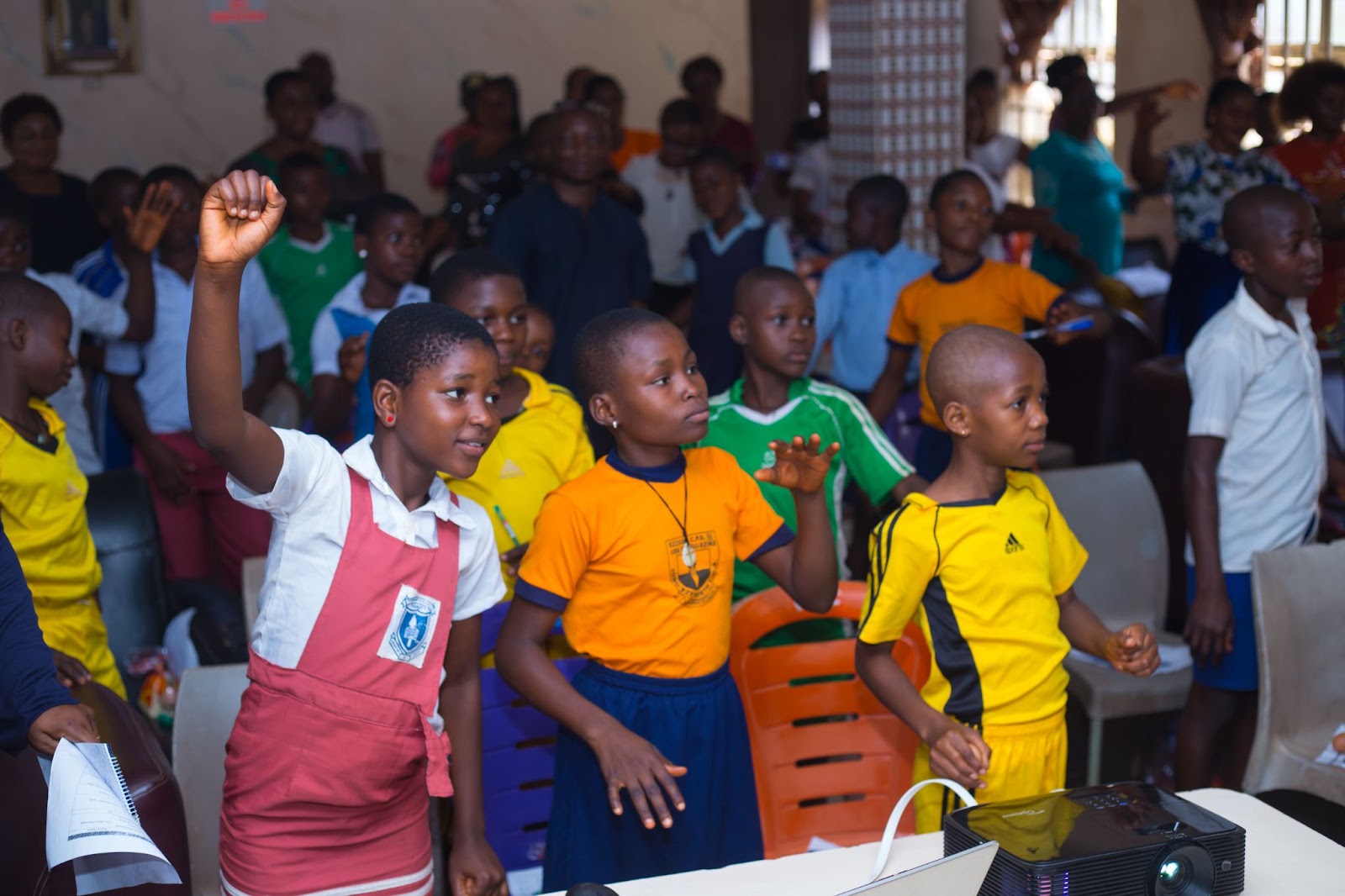
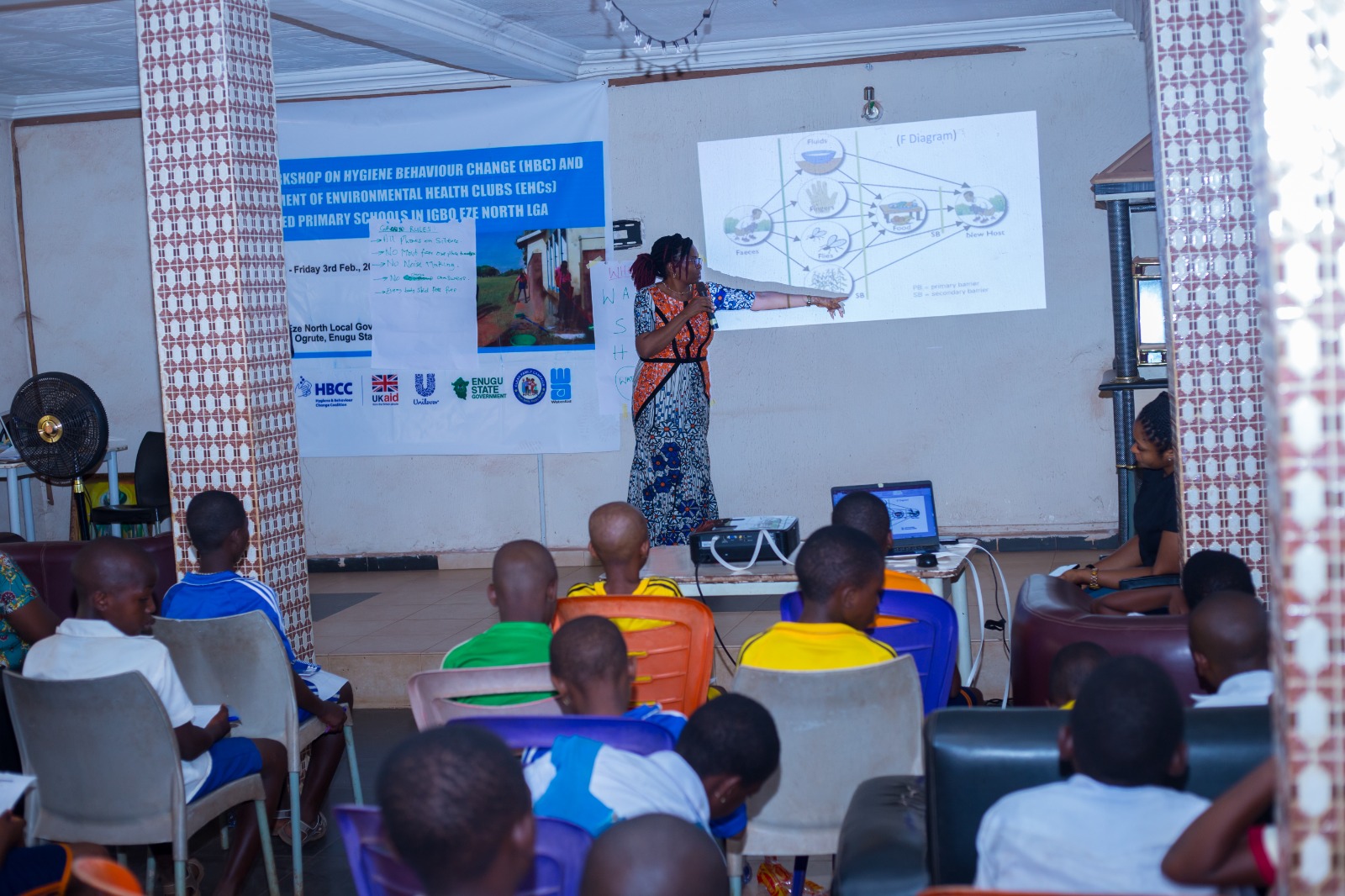
South Saharan Social Development Organization, in partnership with WaterAid Nigeria, organized a 6-day environmental health club training to strengthen the capacity of sixty teachers from thirty schools on Hygiene Behavioral Change campaign intervention package under the Hygiene Behavioral Change Coalition Phase II project in Enugu State.
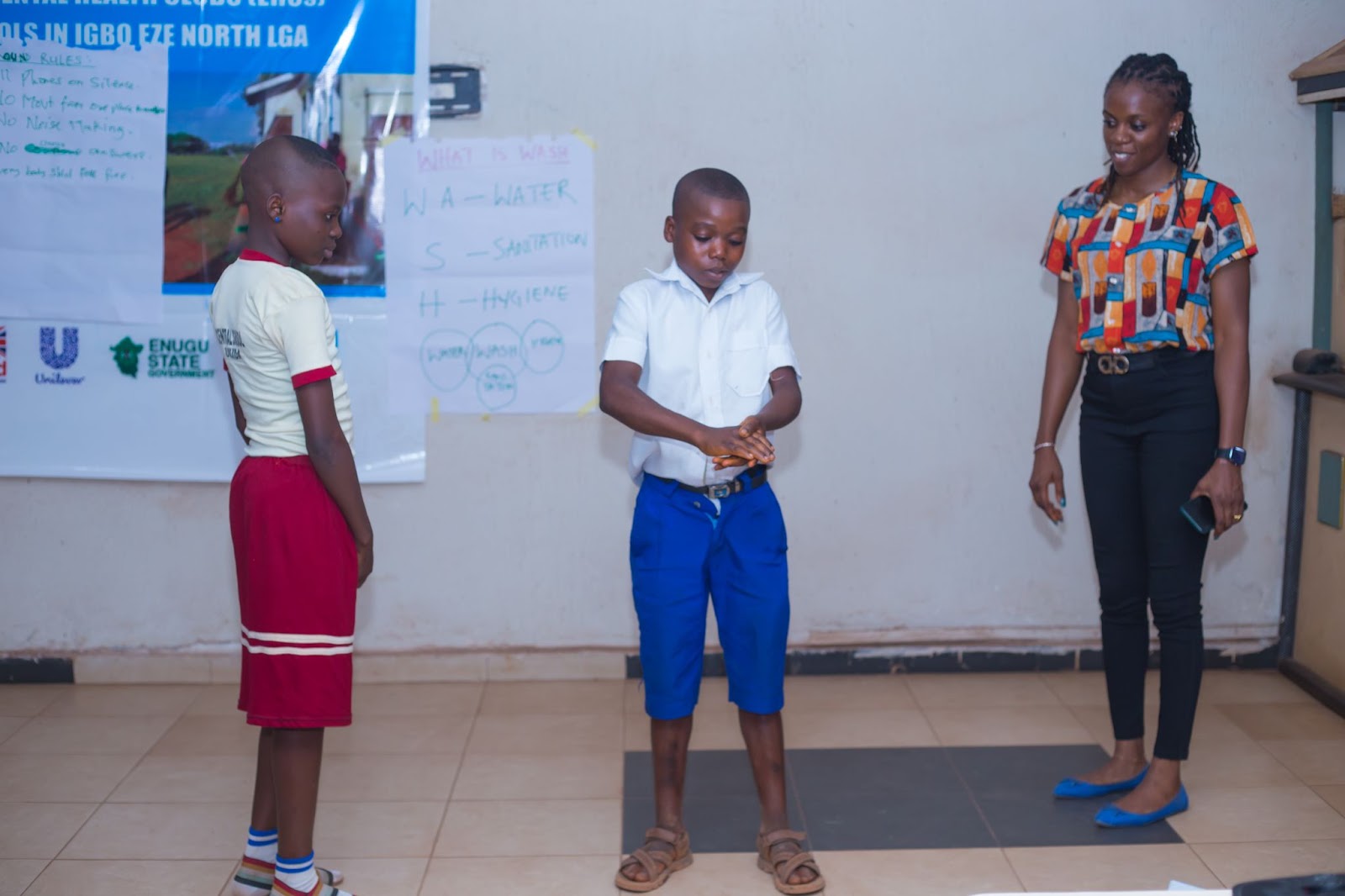
This training equipped the teachers to form environmental health clubs in their different schools to promote good hygiene among students and teachers. The training was facilitated by Water and Sanitation Hygiene consultants Dr Ifeoma Chukwuma, Dr Umoh Boniface and Mrs Jessica Ezeime.
The training covered topics such as hygiene promotion for children, disease transmission routes, food hygiene, menstrual hygiene management, safe water chain, sanitation and waste management, and establishment of environmental health clubs, amongst other topics.
Participants at the training include teachers, students, school-based management committee members, and representatives from the Enugu State Universal Basic Education Board. Participants were better equipped to manage their hygiene, learn new behavioral habits, and be change agents.