SSDO

Cost of Justice Anthology: Shortlist Announced

Cost of Justice Anthology: Shortlist Announced

Stories are not just words on paper they are lived experiences, carried in the bodies and memories of those who dare to speak. At South Saharan Social Development Organisation (SSDO), we believe that storytelling is one of the most powerful tools for justice. It preserves memory, confronts silence, and sparks change. Across Nigeria and West Africa, young voices are rising with unfiltered truths that challenge harmful norms and demand a better future.

From Hundreds of Voices, a Shortlist Emerges

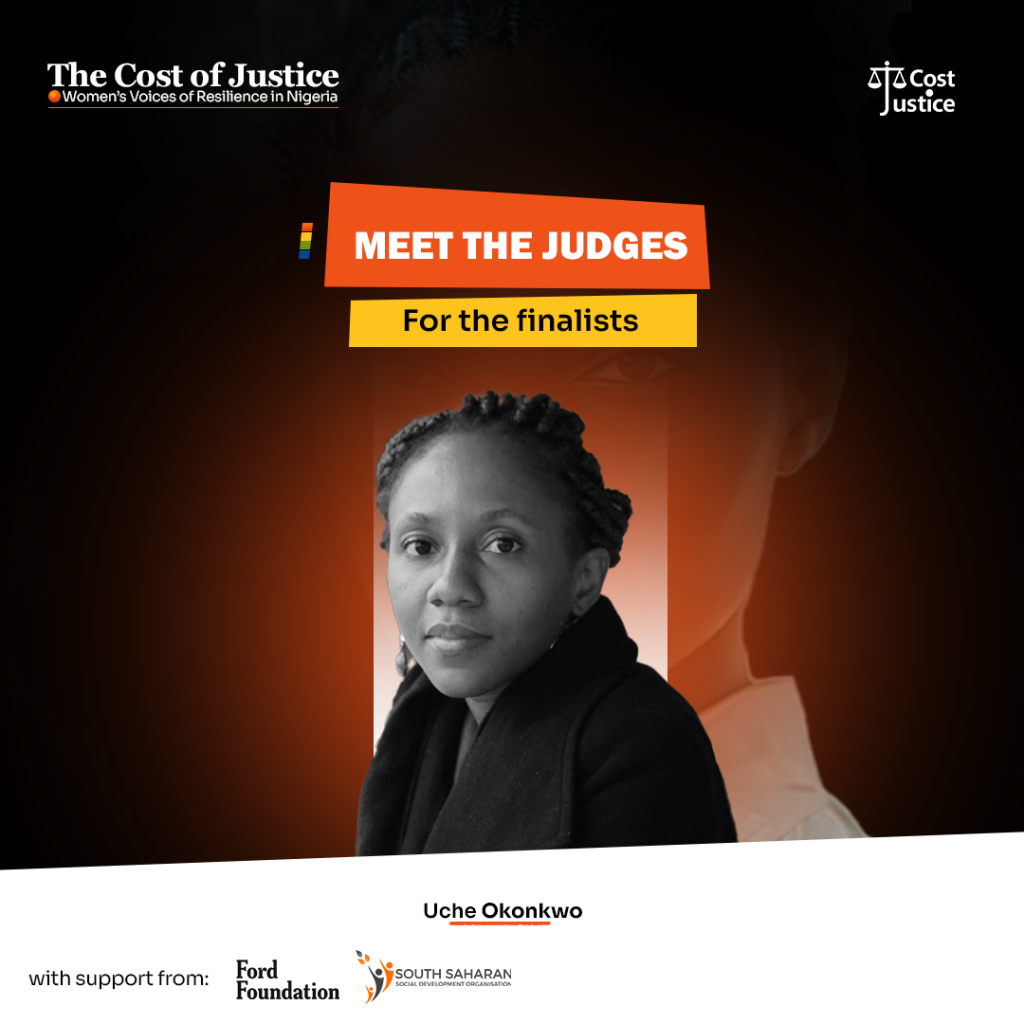
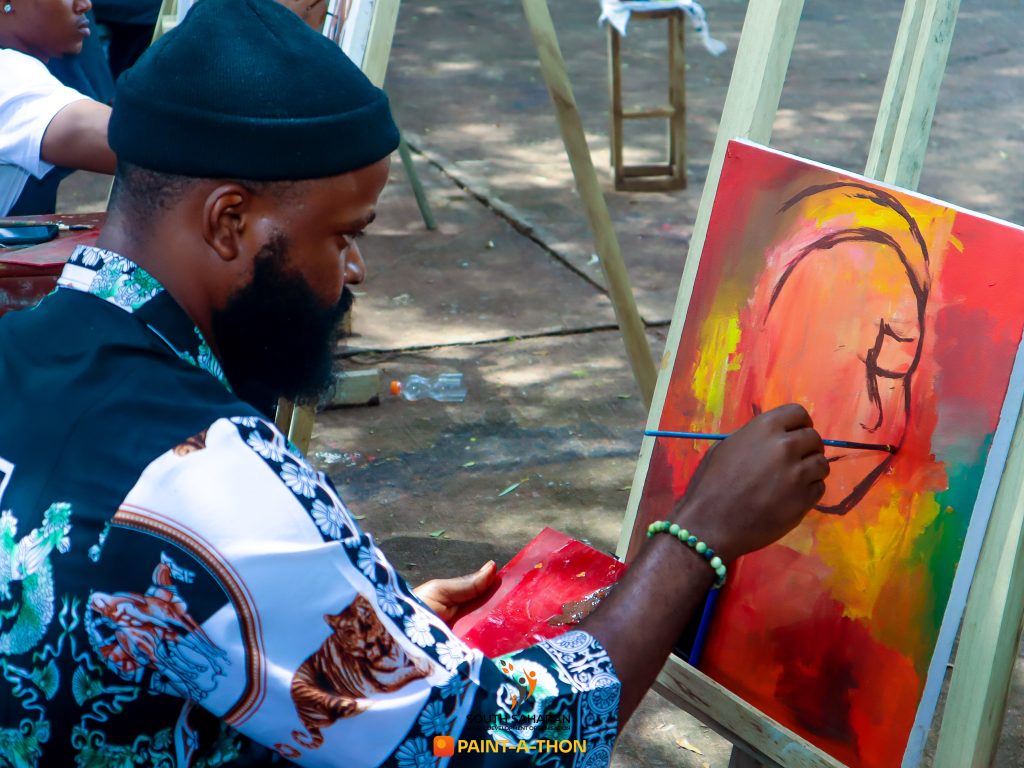
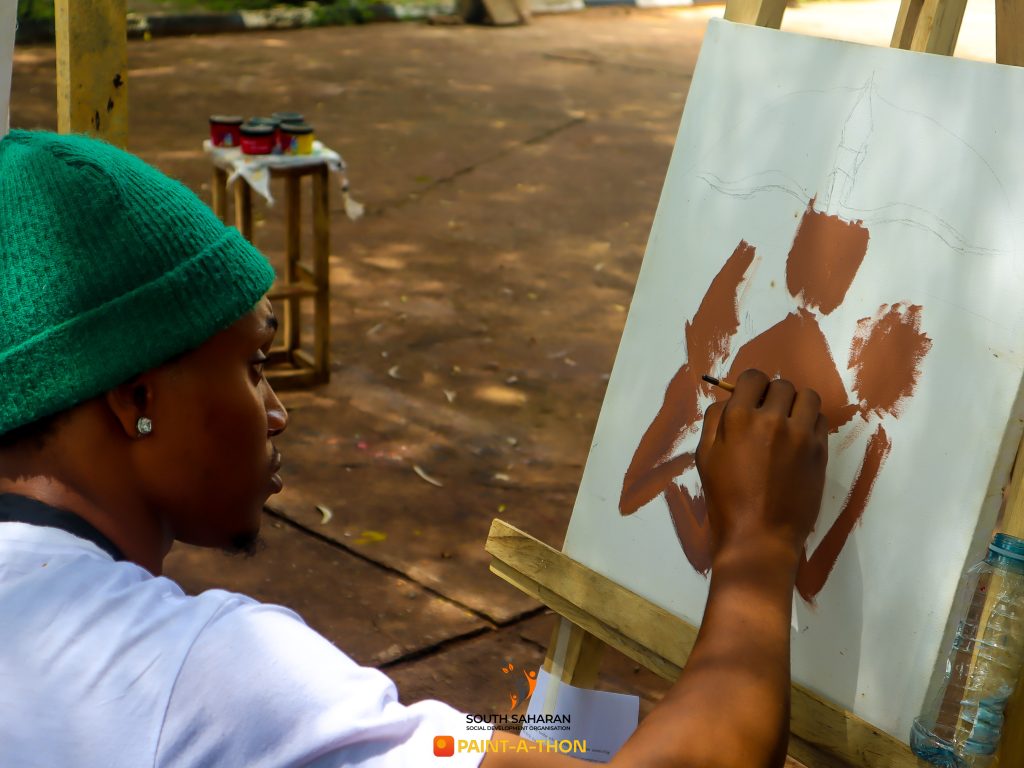
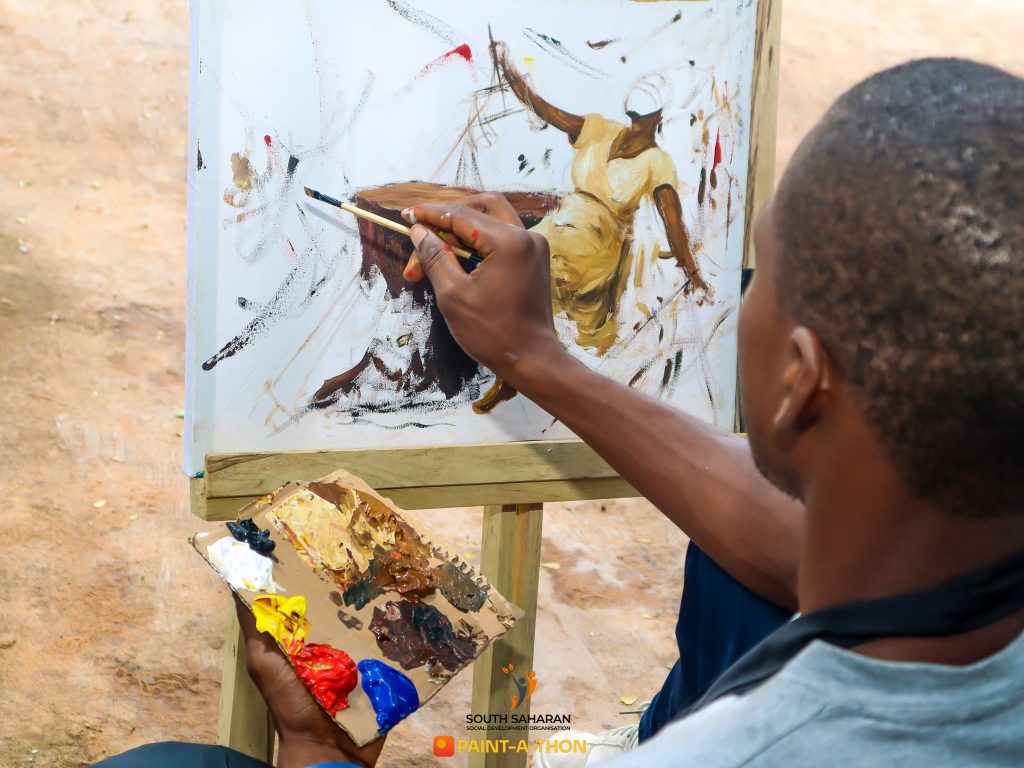
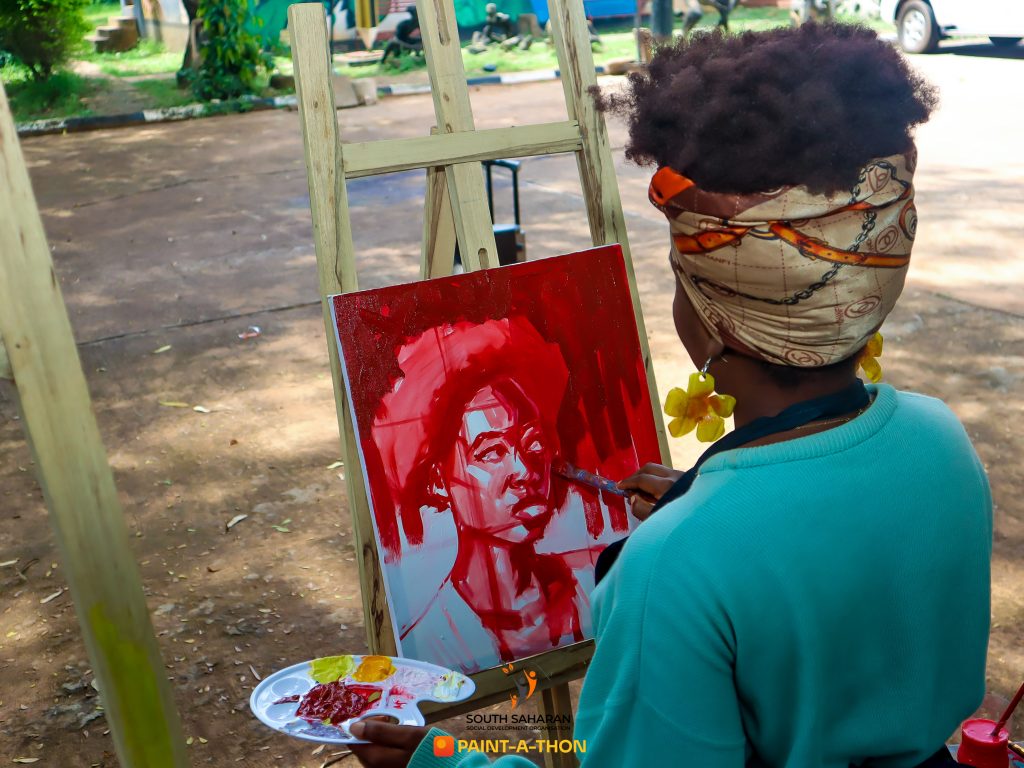
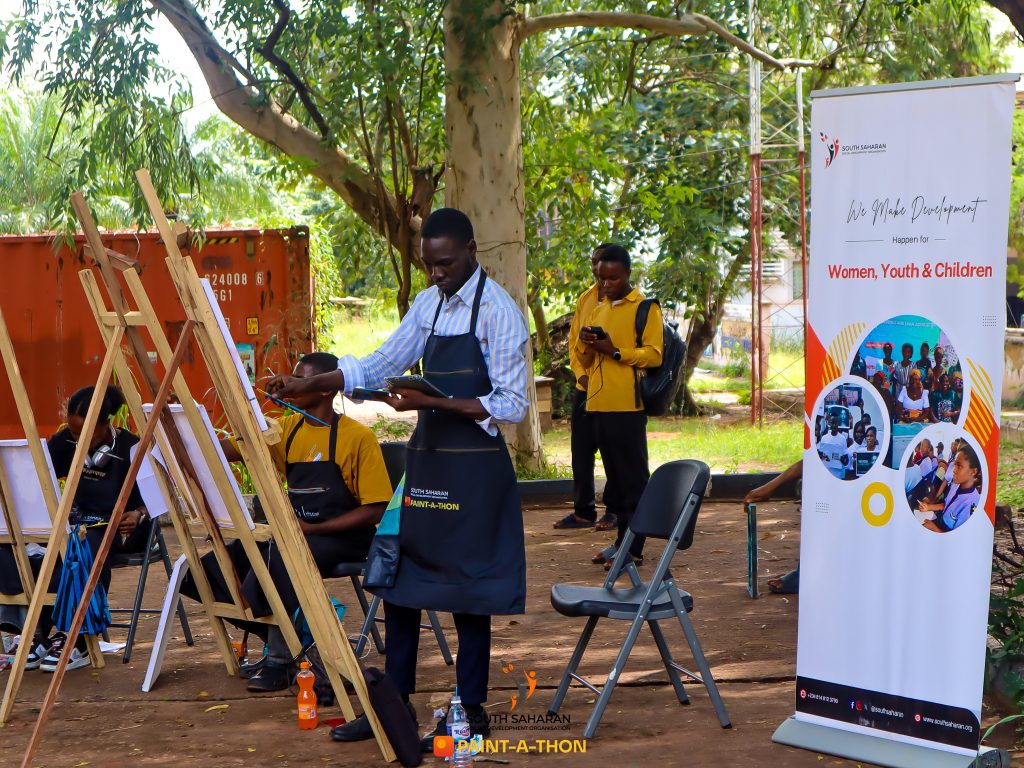
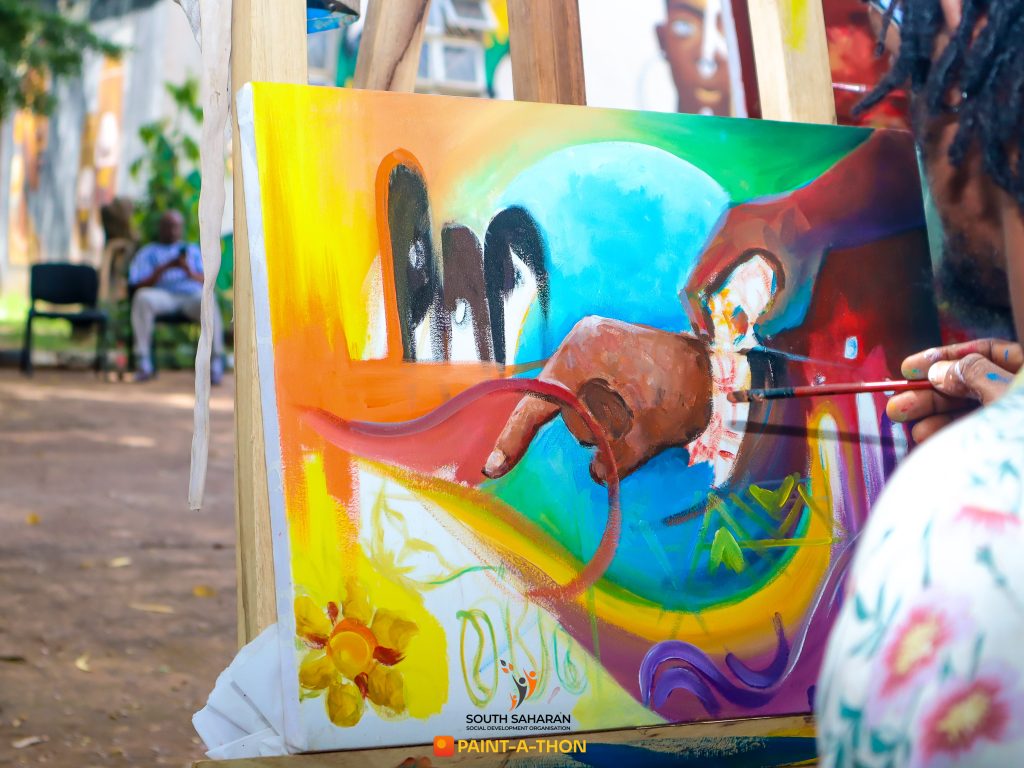
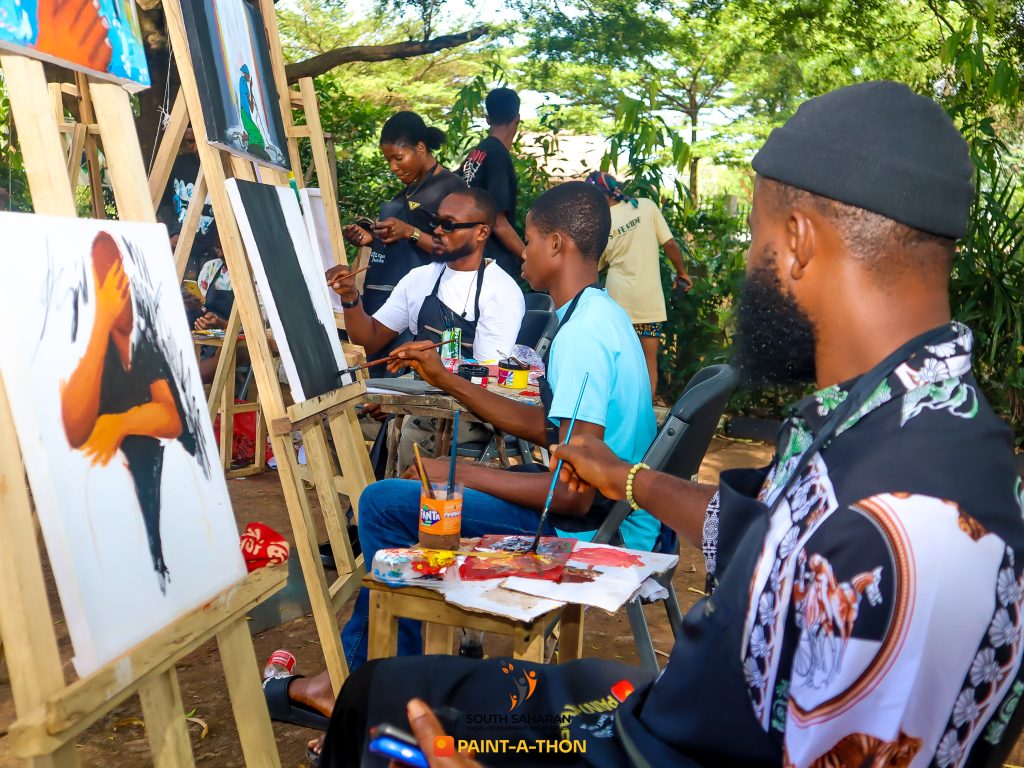
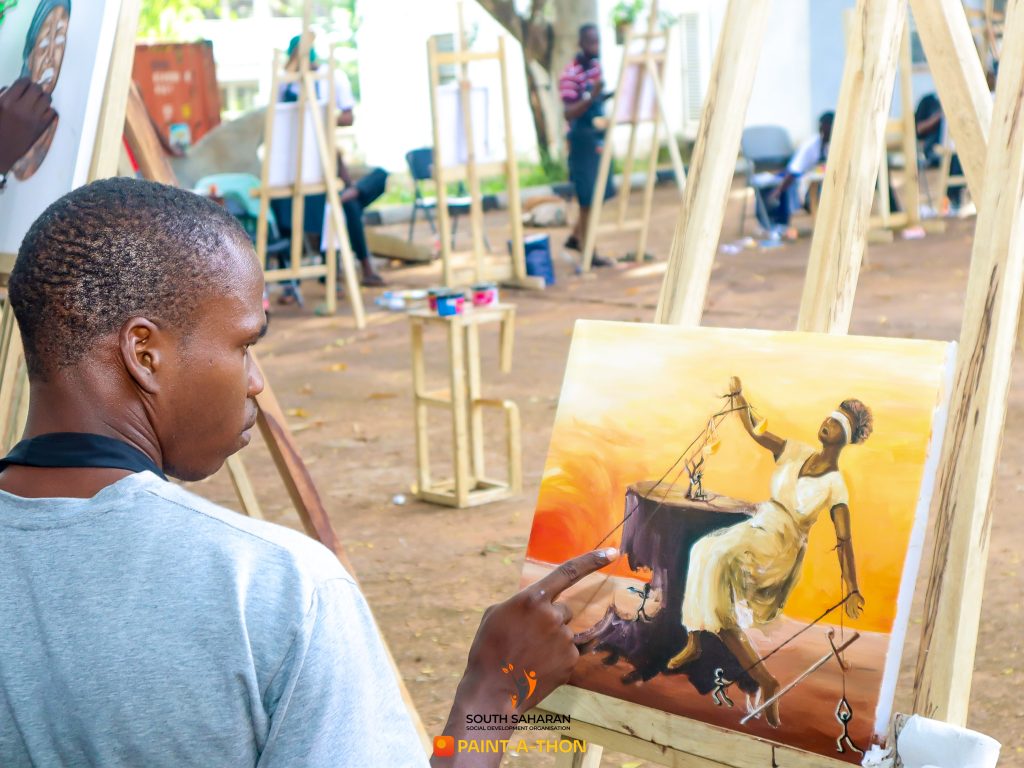
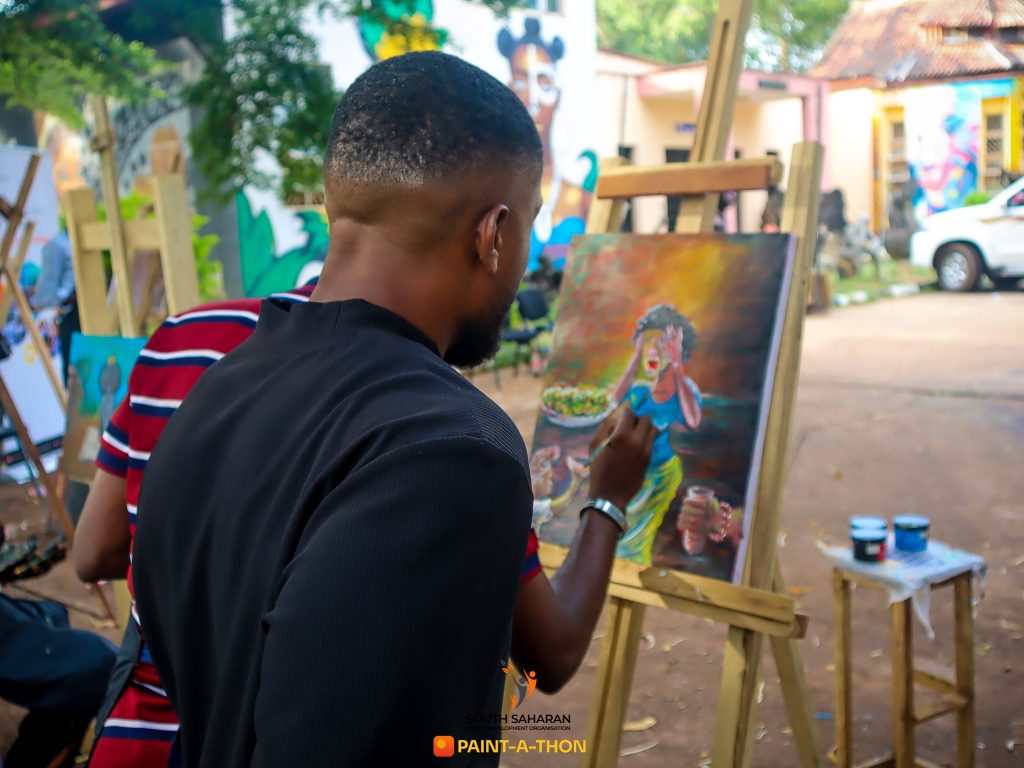
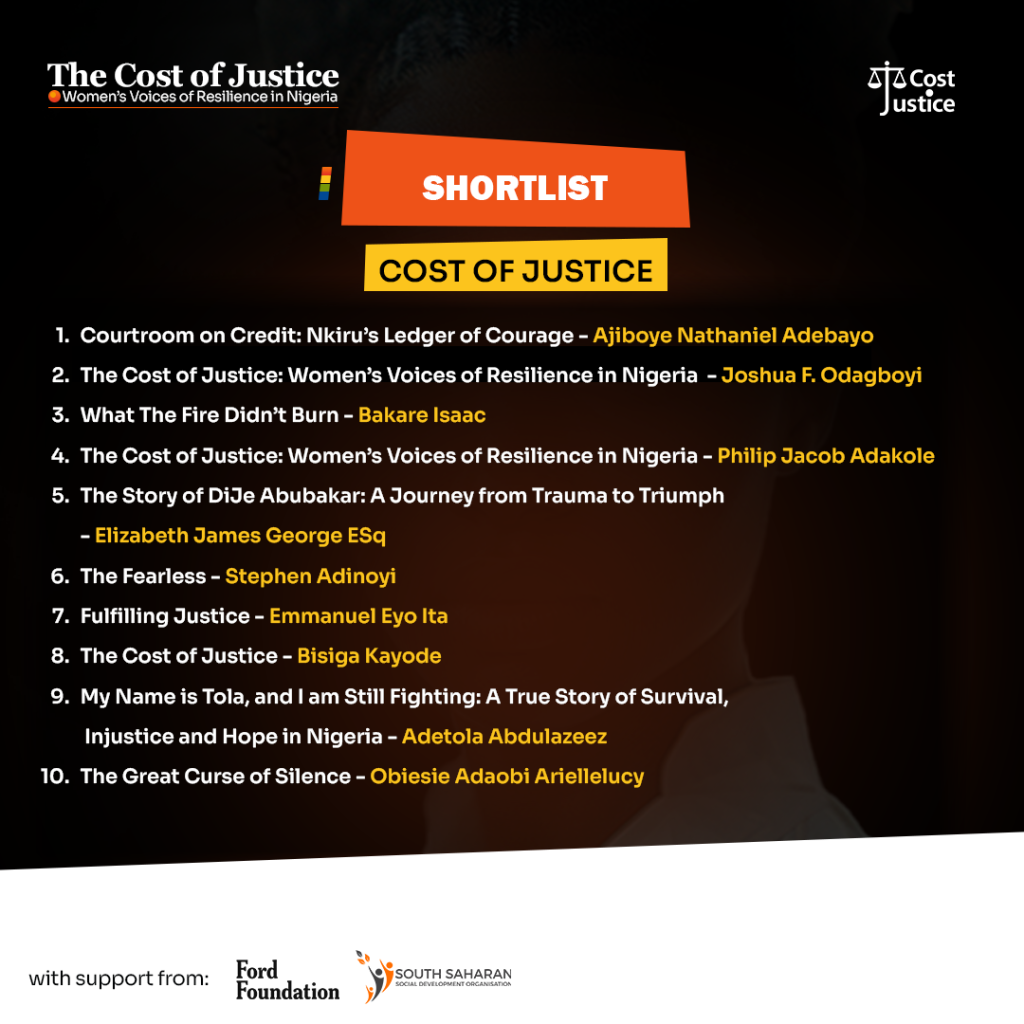
Over the past weeks, we received moving, raw, and unforgettable entries for The Cost of Justice Anthology. Each story opened a window into lives often overlooked, forcing us to pause and listen. After a rigorous judging process, a powerful shortlist has been born.

The Cost of Justice Anthology

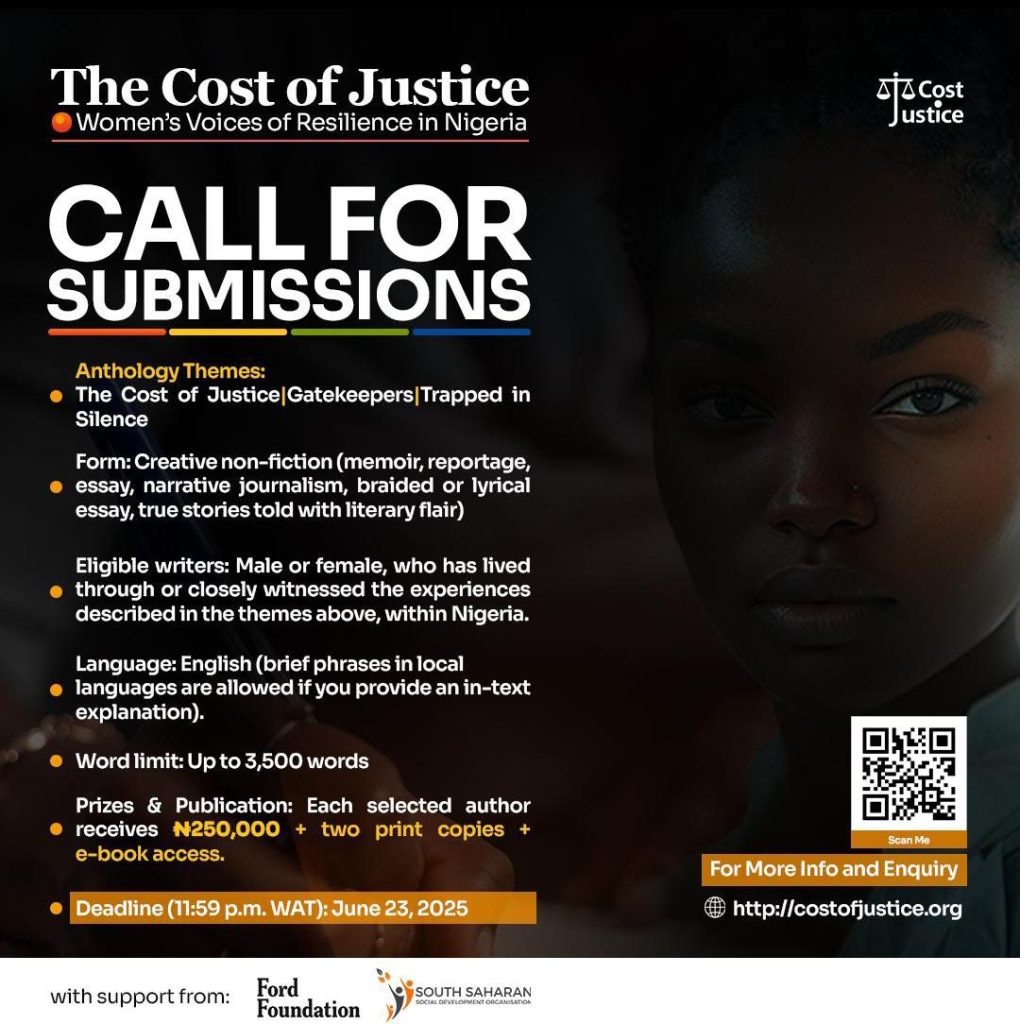
The Cost of Justice: An Anthology of Women’s Voices and Resilience in Nigeria, led by SSDO with support from the Ford Foundation, captures the steep personal, social, and financial costs survivors of gender-based violence face while seeking justice, reminding us that laws alone are not enough voices must be amplified.

Three Themes That Frame the Struggle

The Cost of Justice: exposing the hidden burdens survivors carry in pursuit of fairness.

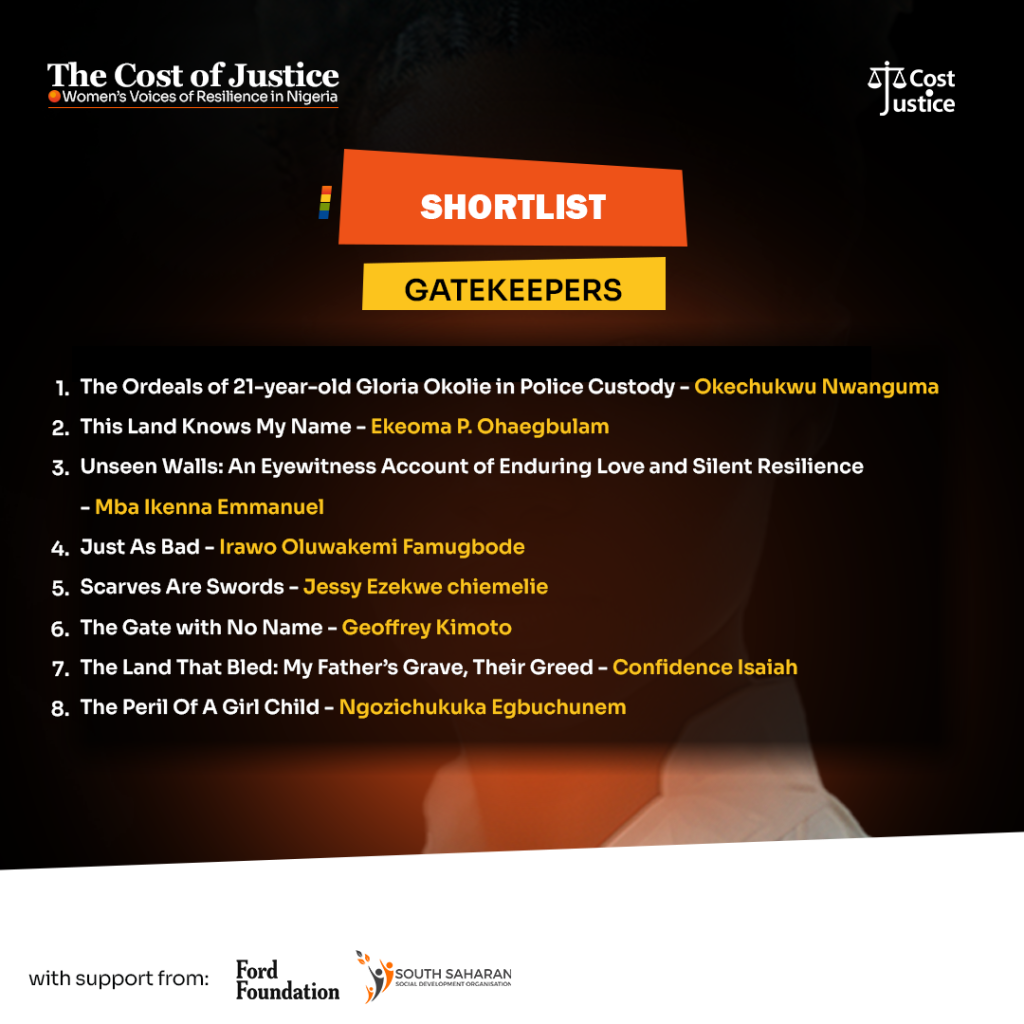
The Gatekeepers: uncovering the individuals and systems that hold the keys to justice, for better or worse.

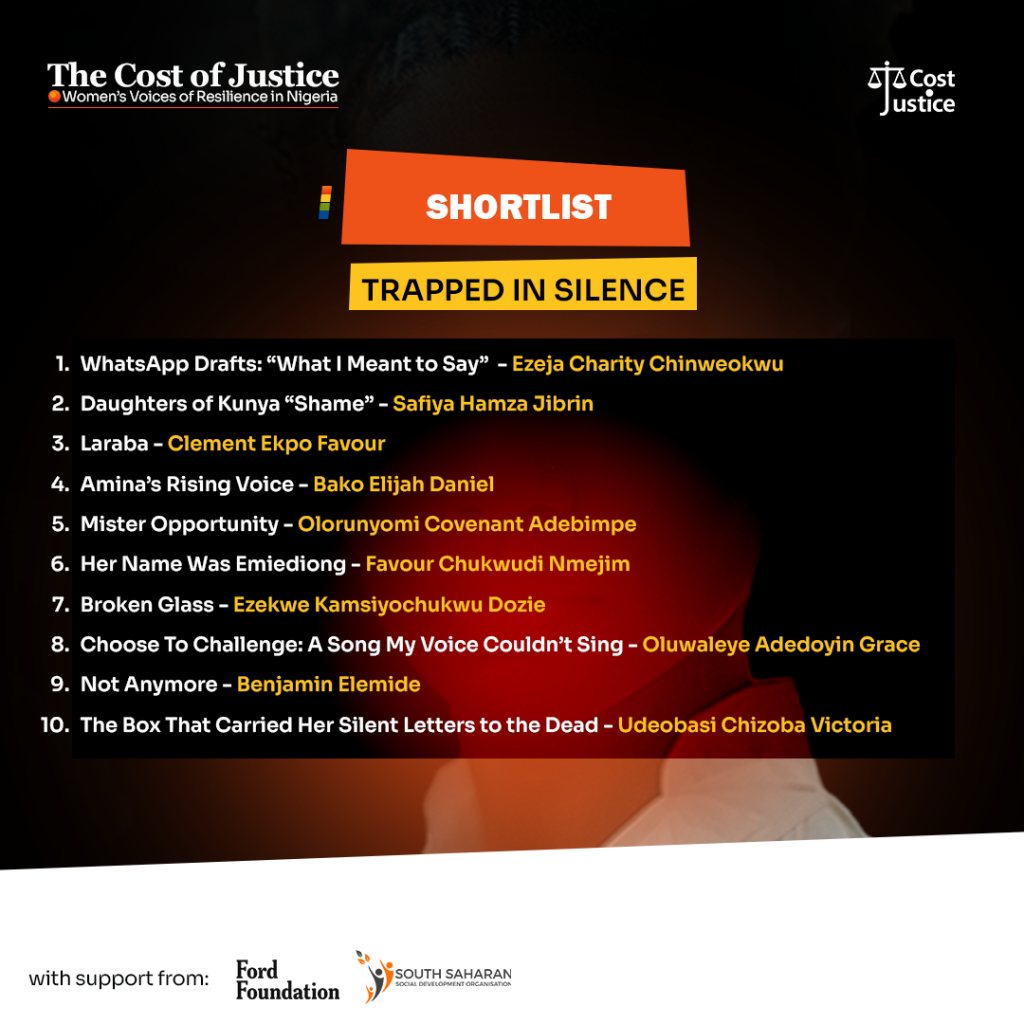
Trapped in Silence: amplifying voices long forced into the shadows, now refusing invisibility.

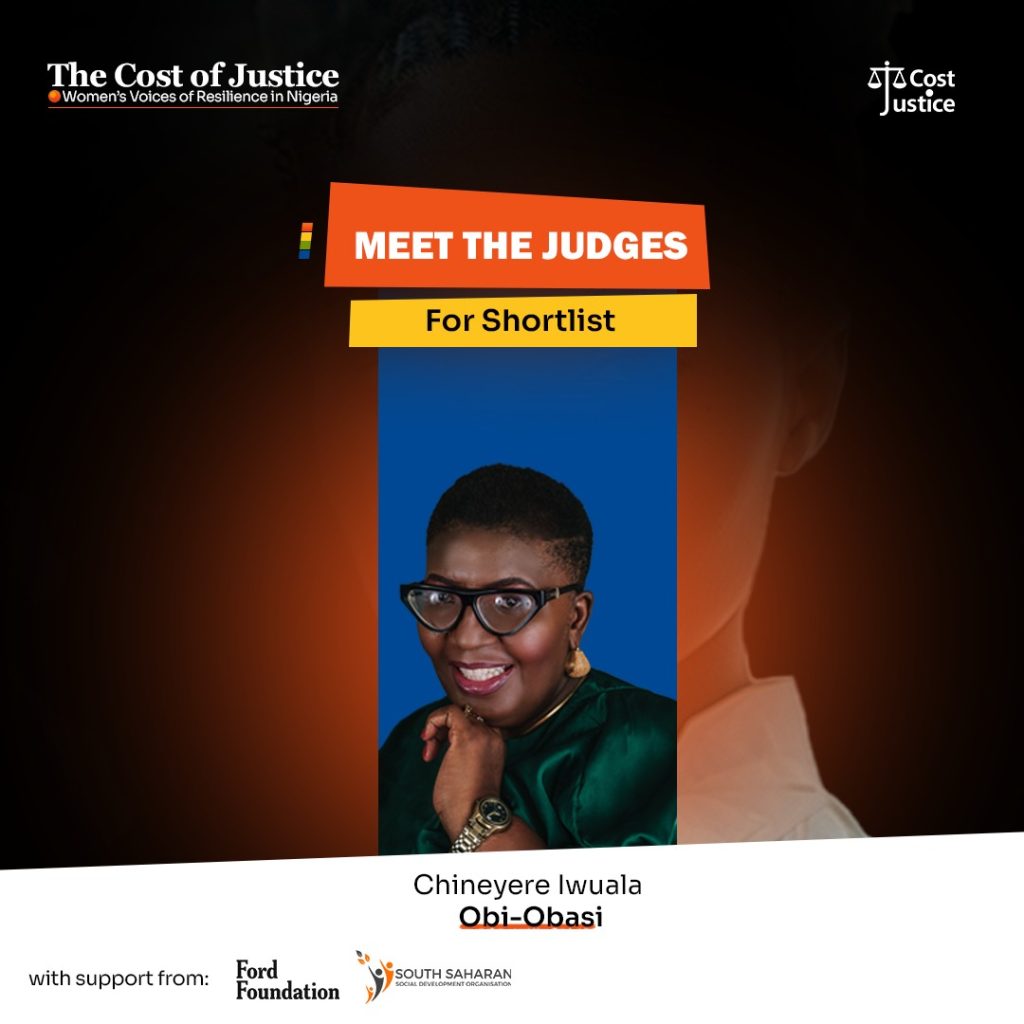
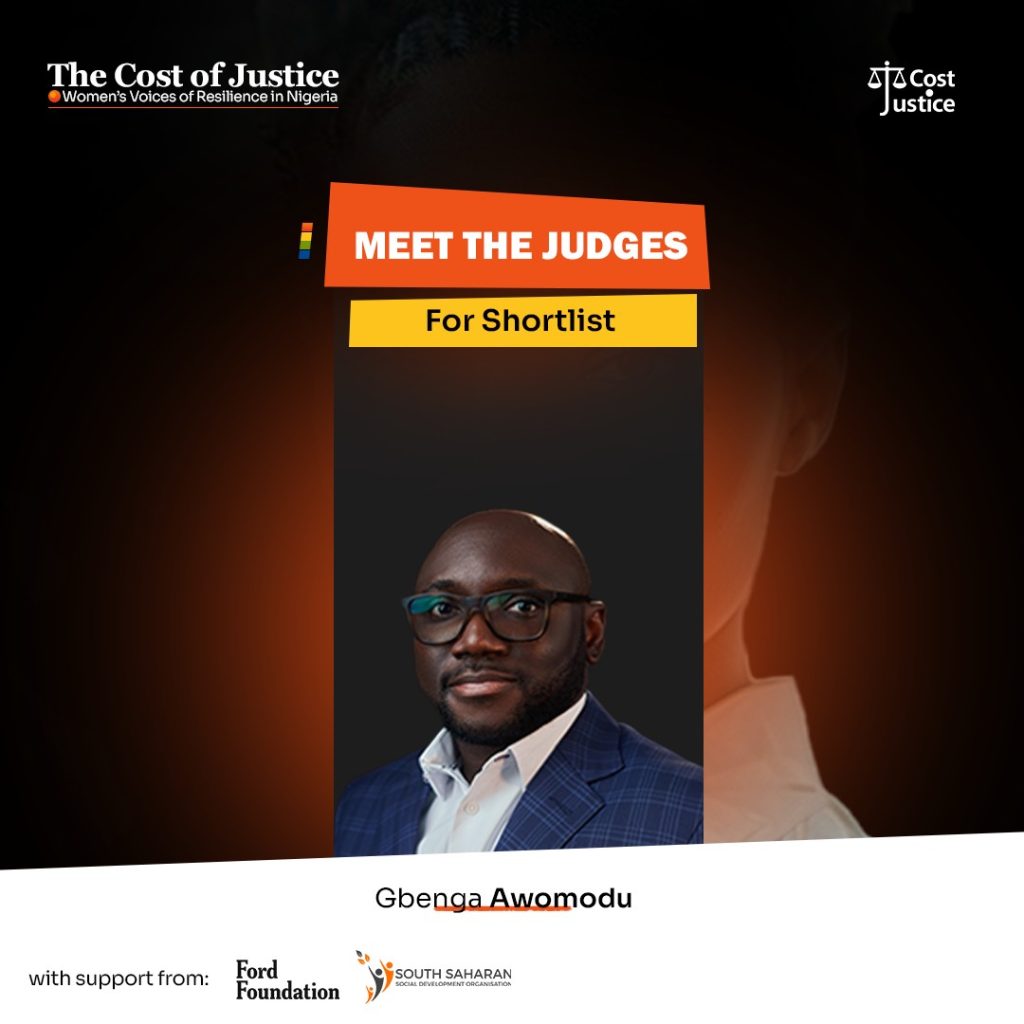
The Shortlist

More Than a Competition

While winners will soon be announced, the true victory lies in what these storytellers have already done. They have reclaimed power through words. These stories are personal truths and blueprints for change challenging injustice, dismantling silence, and inspiring communities to take action.

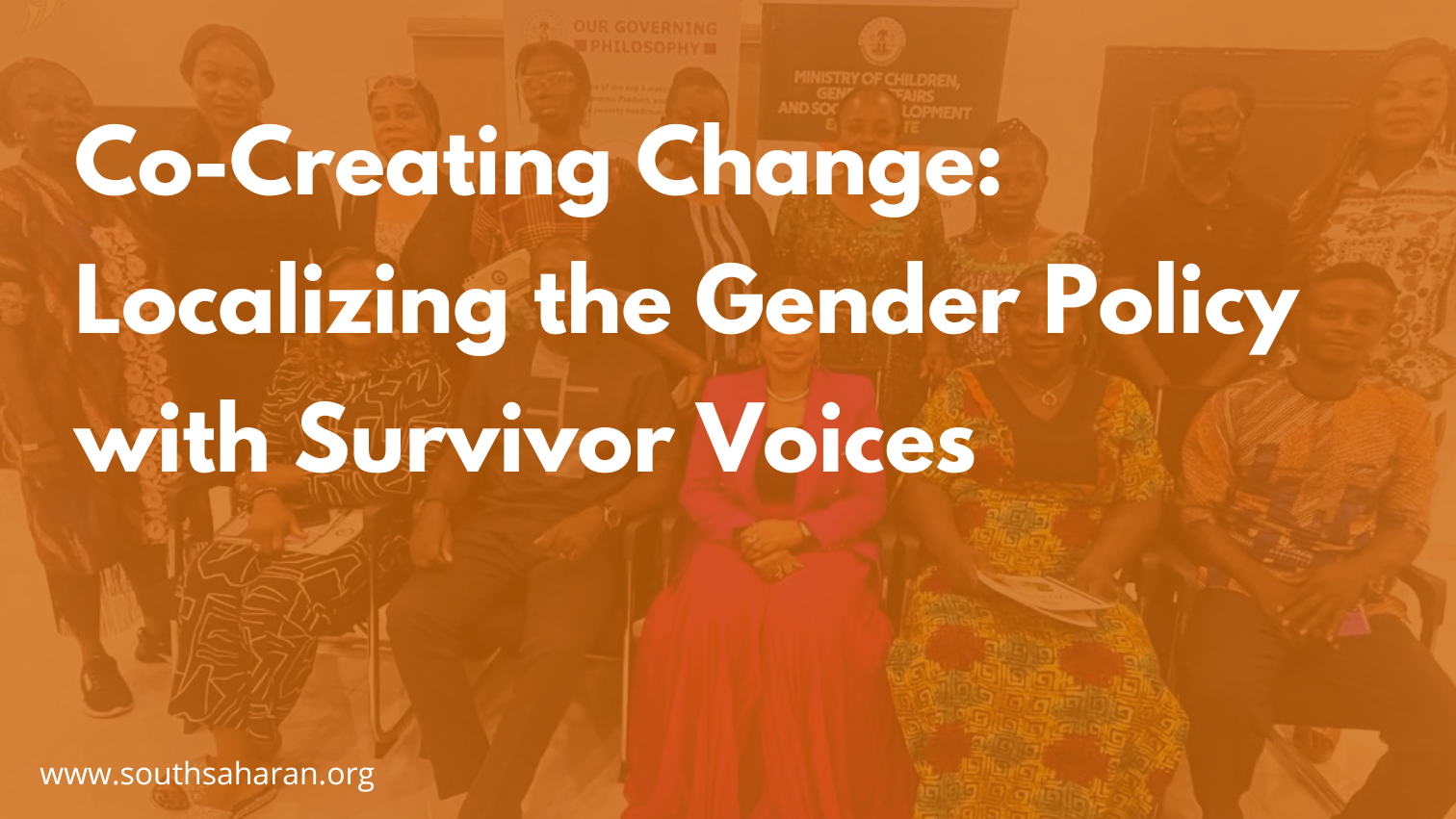
Co-Creating Change: Localizing the Gender Policy with Survivor Voices

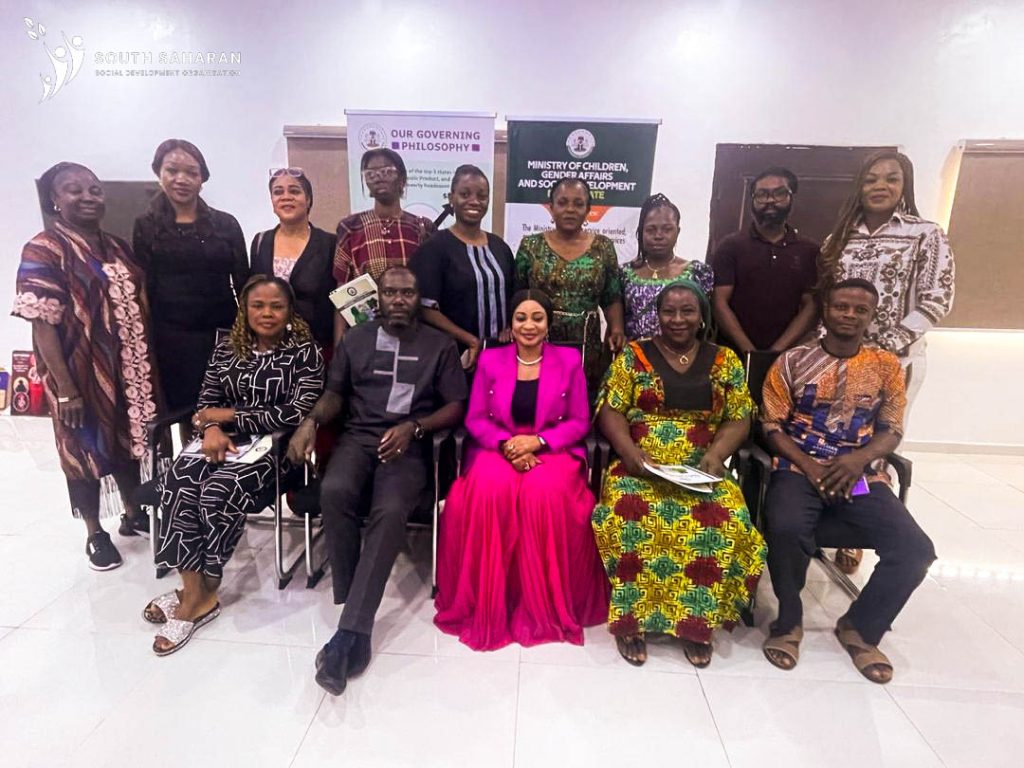
At South Saharan Social Development Organisation (SSDO), we believe that the people closest to the problem should be closest to the solution. That is why we are taking a bold step co-creating a survivor-centered Gender Policy in Enugu State.

With support from the Ford Foundation, SSDO is partnering with the Enugu State Government to localize the National Gender Policy, ensuring that it reflects the lived realities of women and girls in the state especially survivors of gender-based violence (GBV).

What Makes This Different?

This isn’t just another policy exercise. It’s a movement rooted in truth, justice, and healing. We are using the Oputa Panel method, a storytelling-based approach that centers survivor voices, turning pain into power and silence into structure.

Through this method, real voices become the foundation for real change.

Community Consultations Begin

The process officially kicks off in June, with community consultations across Enugu State. Survivors, advocates, traditional leaders, and everyday citizens will come together to shape a policy that is not only inclusive but also transformative.

We are listening deeply, documenting stories, and ensuring that the final Gender Policy isn’t just a document, it is a living commitment to safety, equity, and justice.

Join the Movement

This is policy shaped by the people, for the people, and we want you to be part of it.

Share this. Speak out. Stay involved.

Let’s work together to #EndGBV and build a safer, fairer Enugu State.

Thank you to the Ford Foundation for supporting this timely and critical work.

International Women’s Day 2025: Empowering Women and Girls at Affa-Amaozalla Community

Women and girls play a crucial role in shaping communities, yet they continue to face barriers that limit their opportunities and rights. Recognizing the need to address these challenges, South Saharan Social Development Organization (SSDO), in partnership with ActionAid Nigeria, marked International Women’s Day on March 13, 2025, at Affa Amaozalla Community School. The event was dedicated to educating women and girls about their legal rights and equipping them with the knowledge to combat gender-based violence (GBV).

Understanding Legal Rights and Protections

A key component of the workshop was educating participants on their legal rights. A Lawyer provided comprehensive insights into women’s rights as enshrined in the Nigerian Constitution, various gender policies, and the Violence Against Persons (Prohibition) Act (VAPP). She emphasized the importance of robust enforcement of these laws to safeguard women and girls from violence and discrimination. By understanding their legal protections, participants are better equipped to assert their rights and seek justice when violations occur.

Identifying and Addressing Gender-Based Violence

GBV remains a pervasive issue affecting many communities. A representative from TARMA-SARC led an informative session on recognizing the various forms of GBV, including physical, emotional, sexual, and economic abuse. The discussion also addressed harmful traditional practices such as Female Genital Mutilation (FGM) and early marriage, highlighting their detrimental impact on individuals and society. Participants were educated on the appropriate channels and mechanisms for reporting GBV incidents, ensuring they know how to seek help and support.

Engagement with Law Enforcement

To reinforce the community’s understanding of the role of security agencies in combating GBV, the Divisional Police Officer (DPO) and the Gender Desk Officer from Ezi-Nze Police Station engaged with participants. The enforcement of the VAPP Law and the state’s commitment to addressing GBV was reiterated. The DPO highlighted that under the law, offenses such as rape are punishable by life imprisonment, underscoring the seriousness with which these crimes are treated.

A Commitment to Sustainable Livelihoods and Inclusive Societies

Our overarching goal is to create a world where young people, especially women and marginalized groups, have access to democratic spaces, public services, and economic opportunities that promote sustainable livelihoods. By empowering women and girls through education and awareness, we lay the foundation for communities where everyone can thrive.

SSDO remains dedicated to advocating for the rights and well-being of women and girls. Through continuous collaboration with partners like ActionAid Nigeria and engagement with local communities, we strive to dismantle the barriers that perpetuate inequality and violence. Together, we can build a future where every individual, regardless of gender, can live free from violence and discrimination, and have the opportunity to reach their full potential.

16 Days of Activism: Community Advocacy – Sister Guardian Initiative

As we stand together as a global community, we are reminded of a harsh reality: 1 in 3 women worldwide experience gender-based violence in their lifetime. This staggering statistic is a stark reminder of the urgent need for collective action. The 16 Days of Activism Against Gender-Based Violence campaign, observed from November 25 (International Day for the Elimination of Violence Against Women) to December 10 (Human Rights Day), serves as a powerful catalyst for change.

At the South Saharan Social Development Organisation, we are proud to amplify this movement, advocating for a future where women and girls live free from violence and discrimination. Our commitment to this cause is unwavering, and we believe that together, we can drive meaningful change.

Recently, our team visited the Umode Community, and Obinagu-Nike Community in Enugu State, Nigeria, as part of our 16 Days of Activism campaign.

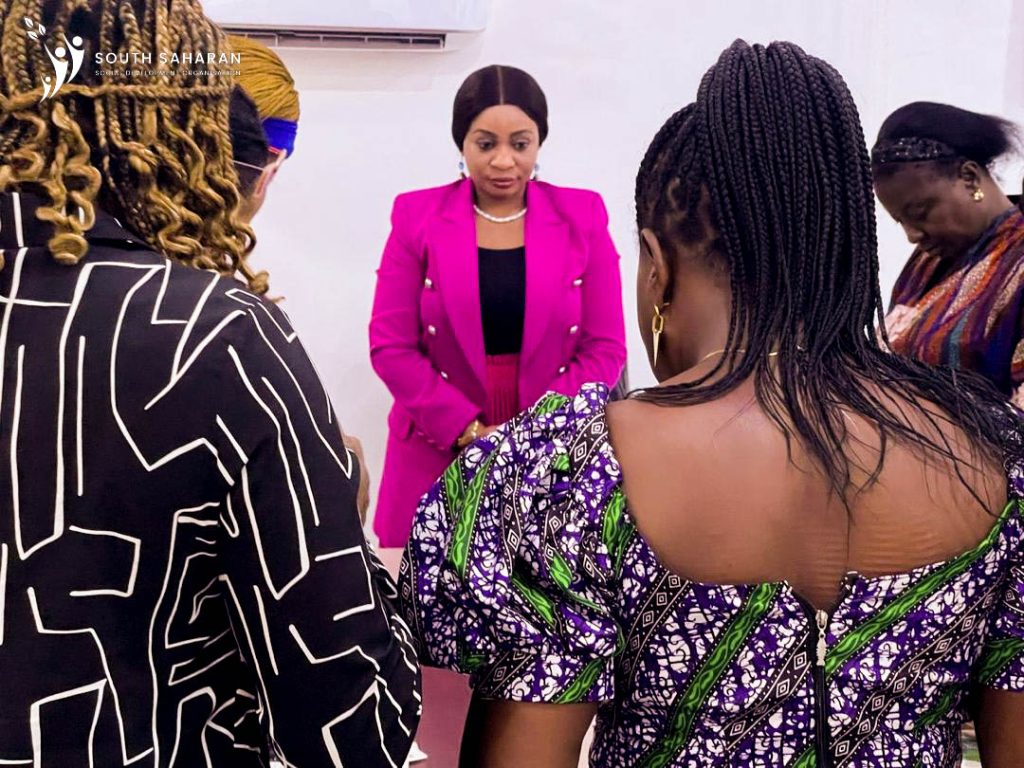
Our Gender and Protection Officer, Uchendu Blessing, and COMPEG Program Officer, West Priye, facilitated a critical session with the Traditional Rulers, their Cabinet, and the Sister Guardian Women of each Community. These incredible women, who serve as guardians and advocates for their sisters and daughters, are the backbone of our efforts to end GBV. They are the change-makers, the trailblazers, and the heroes who inspire us every day.

This initiative is just one example of our efforts to create a more inclusive and equitable society where women’s voices are heard. We believe that by working together, we can challenge the status quo and build a world where women and girls are valued, respected, and protected.

What can you do to make a difference?

  1. Demand action and accountability from leaders to end GBV. Use your voice to advocate for policies and programs that protect women’s rights and prevent violence.
  2. Support frontline organizations championing this cause. Your contributions can help amplify their impact and create lasting change.
  3. Educate yourself and others about the devastating impact of GBV. Share articles, videos, and personal stories to raise awareness and spark conversations.

Join us in this fight! Together, we can create a safer, more equitable world where women and girls thrive. Let us stand united in our pursuit of justice, equality, and human rights for all. Let us celebrate the Sister Guardians and all the women who are leading the charge against GBV.

Follow us on social media to stay updated on our 16 Days of Activism campaign and learn more about our work to end GBV. Share your own stories, experiences, and messages of support using the hashtag #16DaysOfActivism. Together, we can break the silence and create a brighter future for all.

EMPOWERING WOMEN THROUGH ADVOCACY AND CAPACITY BUILDING: SUCCESS STORIES FROM IBUTE-NZE, AWHA-NDIAGU, AND AFFA-AMOFIA

After the successful establishment of the VSLA groups in Ibute-Nze and Awha-Ndiagu community, the Sister Guardian Initiative project team conducted a monitoring visit to the communitiesThis provided a valuable opportunity to mentor the newly established group and assist in the drafting of their constitution. 

Beyond the VSLA monitoring, the team monitored the initiative’s progress, build the capacity of the Sister Guardians, and conduct a need assessment evaluation to strengthen the initiative in the target communities.

During the visit to Ibute-Nze, it was discovered that the women had challenges with harvesting their farm produce as they were constantly being harassed by community nuisances. The Gender Program Lead sensitized them on how to conduct advocacy to community leaders and decision-makers. This was done and has helped to curb the harassment. 

In Awha-Ndiagu, the women were supported to champion an advocacy effort for the rehabilitation of the community health center and school hall of Community Secondary School Awha-Ndiagu. Because of the state of the school hall, the final year students couldn’t write their WAEC examinations in the school. The endeavor led to the successful renovation of the school. After the renovation, the students were able to take the NECO examination in the school. 

“Through the support and guidance of the Sister Guardian Initiative, we have not only learned how to advocate for our rights but have also seen tangible evidence in our community that advocacy works.” a member of the Sister Guardian from Awha-Ndiagu shared

In Affa-Amofia community, the team used role play to teach the women how to advocate effectively and the right target group to engage to see results.