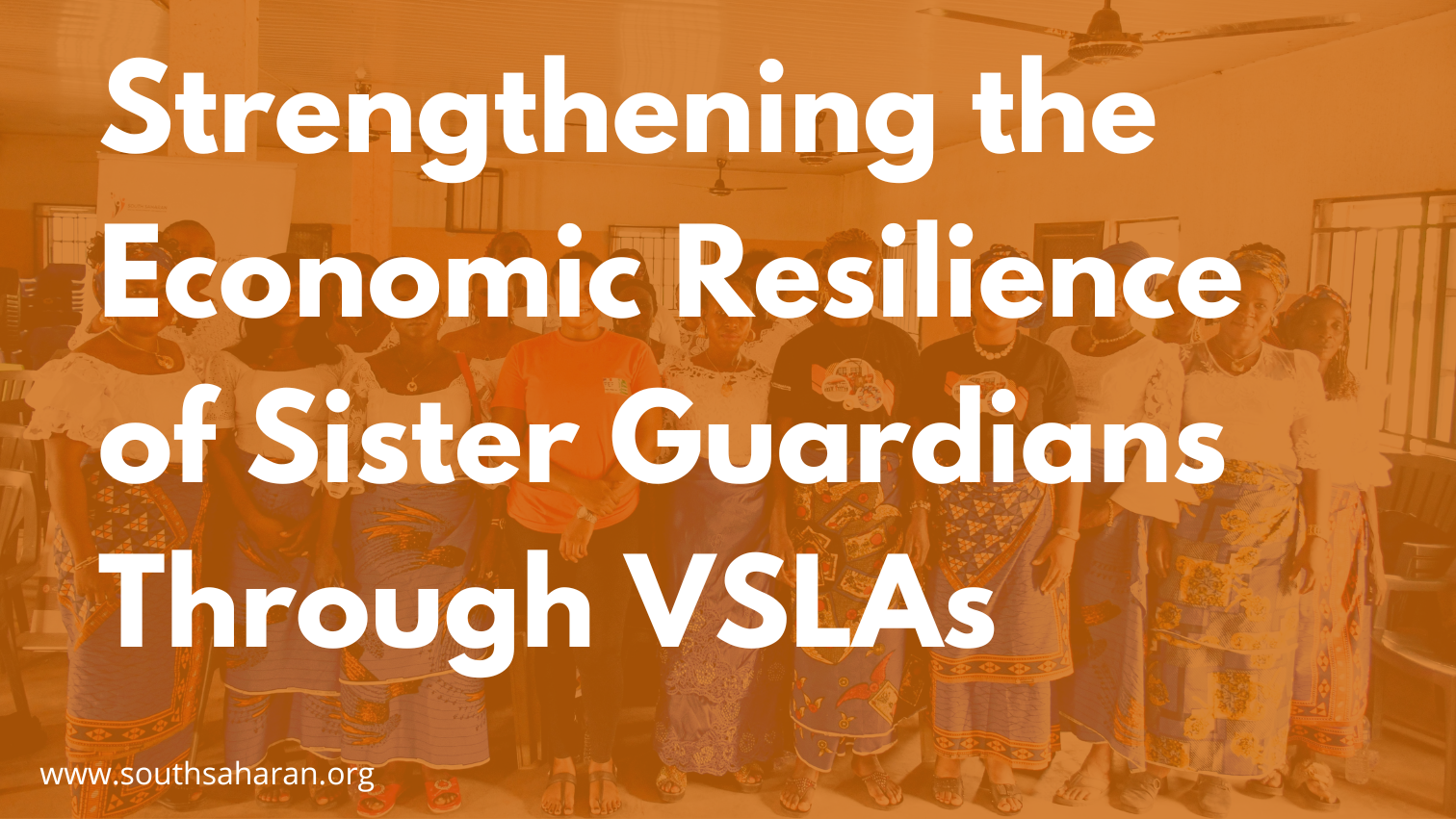
SSDO

Sister Guardian Initiative III

South Saharan Social Development Organisation (SSDO) strengthens community-based protection systems by designing and implementing models that prevent gender-based violence, promote women’s leadership, and improve access to support services.

Gender-based violence remains a persistent challenge across many communities, where survivors often face barriers to reporting abuse, accessing support services, and obtaining justice. While national policies and legal frameworks provide important protection, sustainable change also depends on trusted community structures that can prevent violence, support survivors, and promote positive social norms.

Through Sister Guardian Initiative III, SSDO is expanding one of its longest-running community protection models by partnering with civil society organisations to strengthen locally driven responses to gender-based violence across Nigeria.

A Community-Led Protection Model

For more than a decade, SSDO has implemented the Sister Guardian Initiative (SGI) as a community-led approach to preventing and responding to gender-based violence.

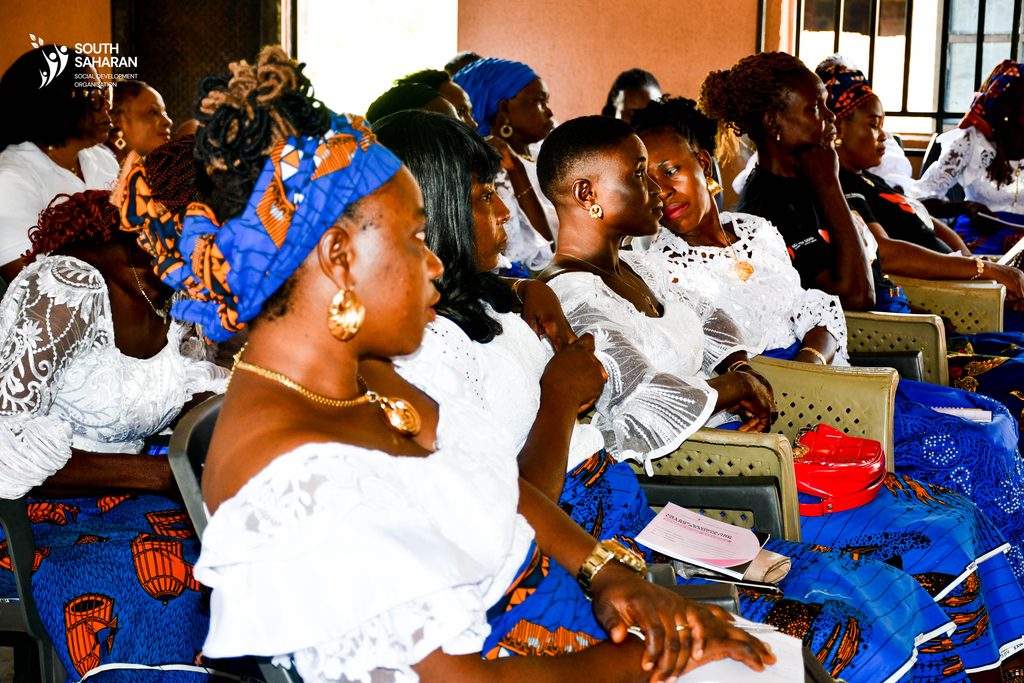
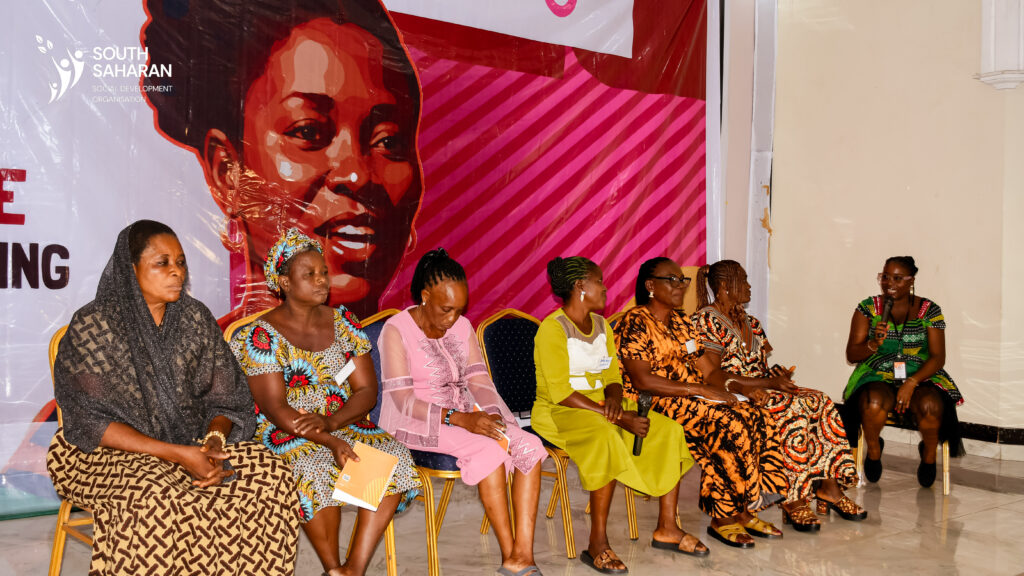
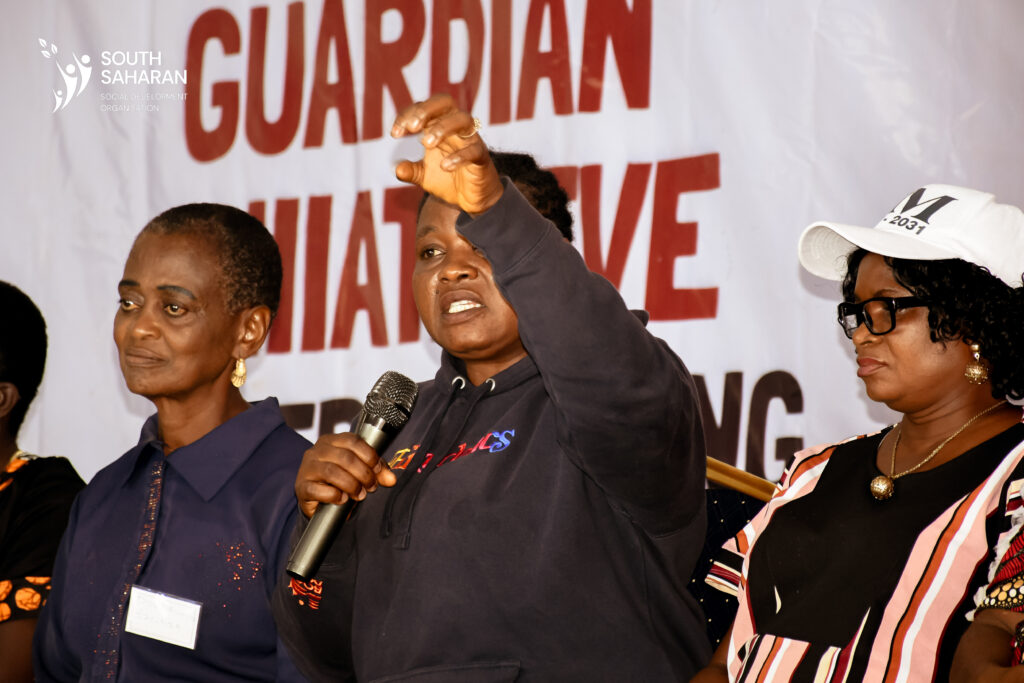
The model builds networks of respected women leaders who serve as trusted first responders within their communities. These women provide guidance, facilitate referrals, mediate community concerns where appropriate, and support women and girls experiencing violence, discrimination, and harmful traditional practices.

Over time, the initiative has evolved into a recognised community-based protection system operating across more than 38 communities in Enugu and Anambra States, demonstrating how locally rooted leadership can strengthen prevention, protection, and community accountability.

Expanding the Sister Guardian Initiative III Model

Building on this experience, Sister Guardian Initiative III seeks to extend the model beyond its original implementation areas by supporting six partner organisations to adapt and implement the approach within their own communities.

The participating organisations include Women Environmental Programme Benue Initiative (WEPBI), Ada Oji River Nigeria, Cassidy and Theresa Foundation, Bridge the Gap Initiative, Women’s Rights and Health Project (WRAHP), and Girl Child Education and Women Health Development Foundation.

By working through experienced local organisations, SSDO is expanding community-based protection systems while allowing the model to respond to different cultural, social, and institutional contexts across Nigeria.

Strengthening Partner Capacity for Community Protection

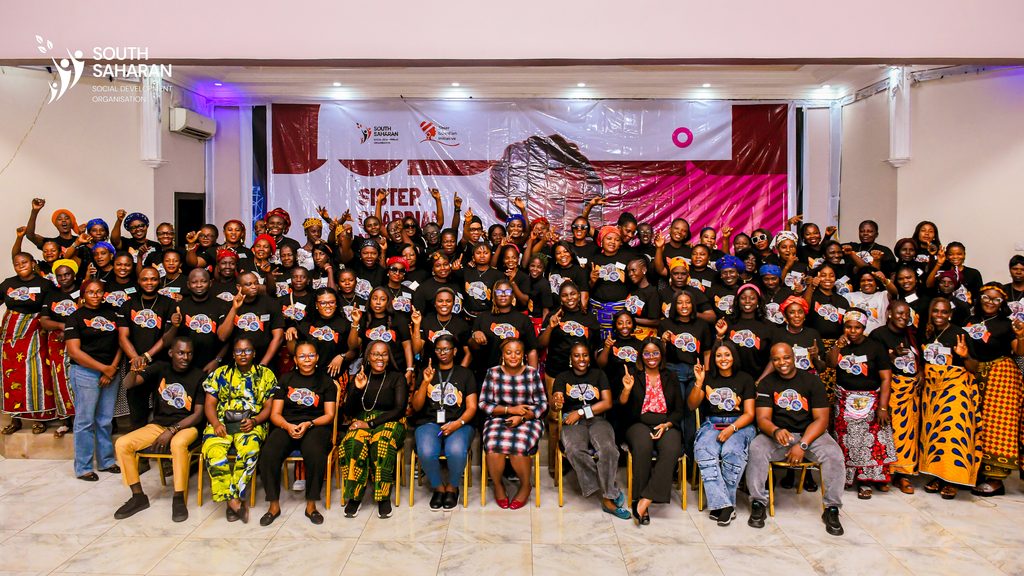
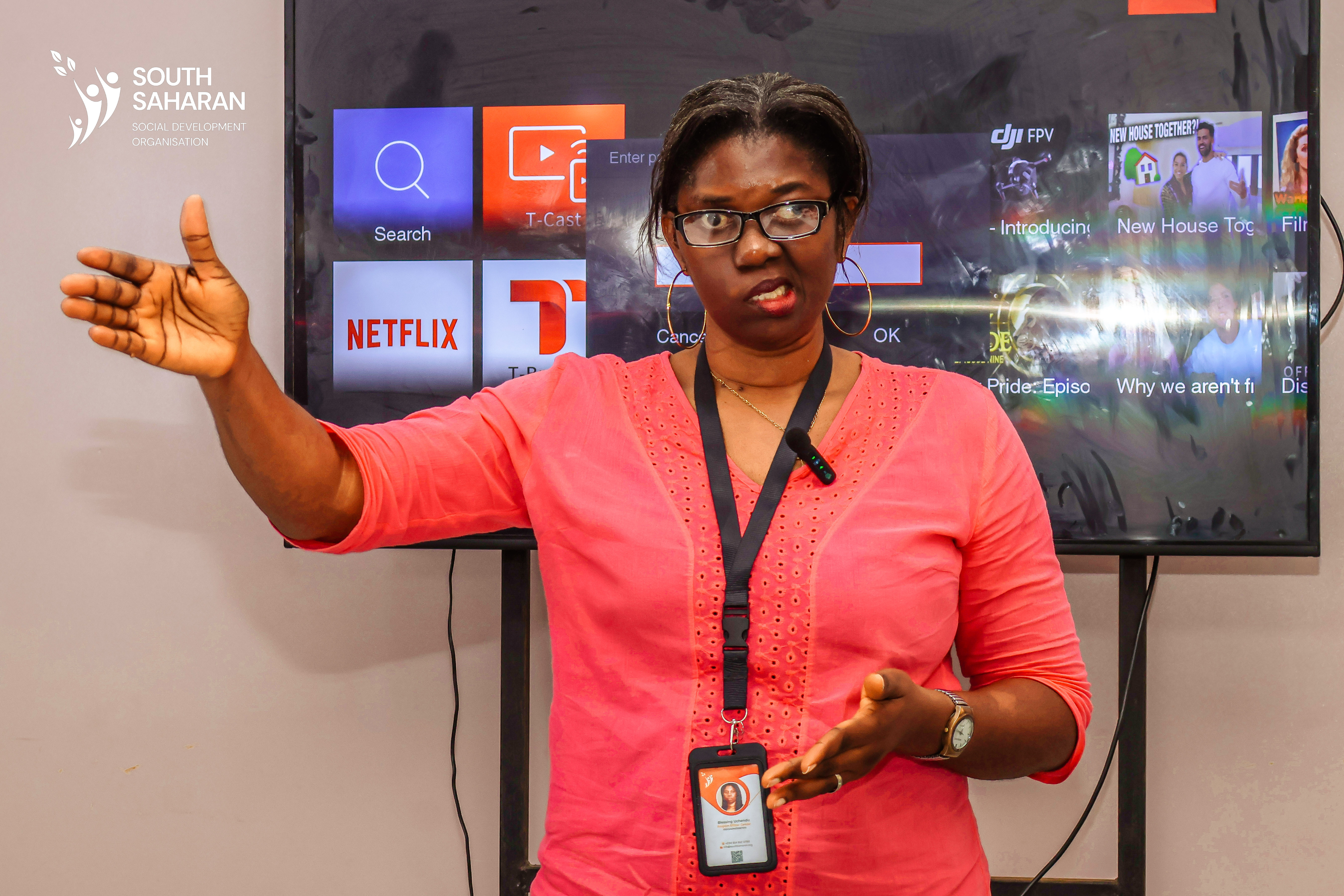
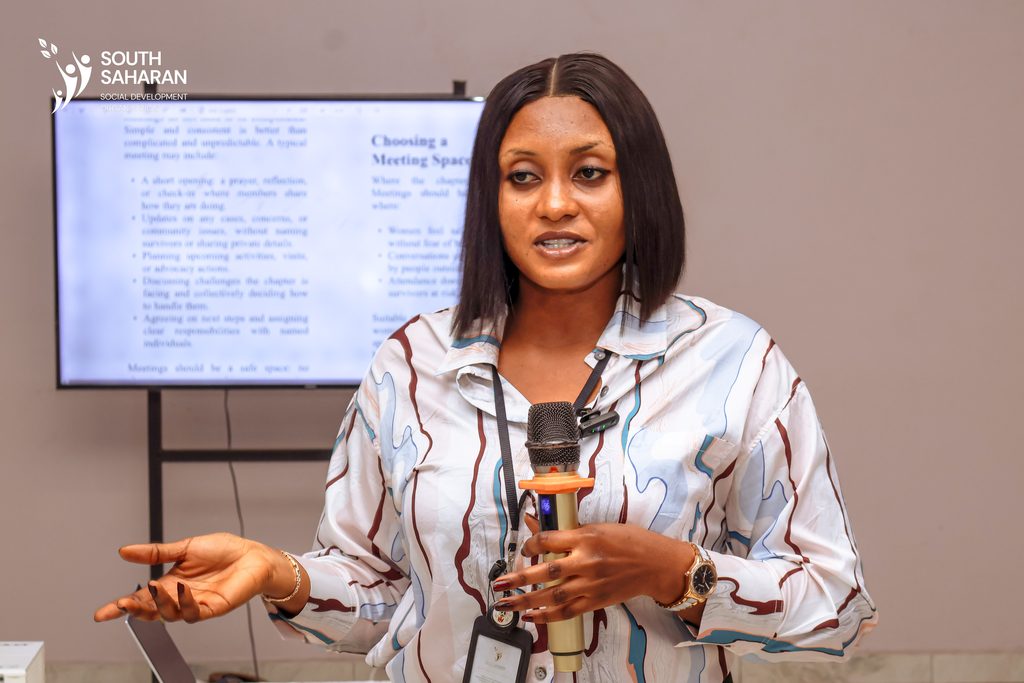
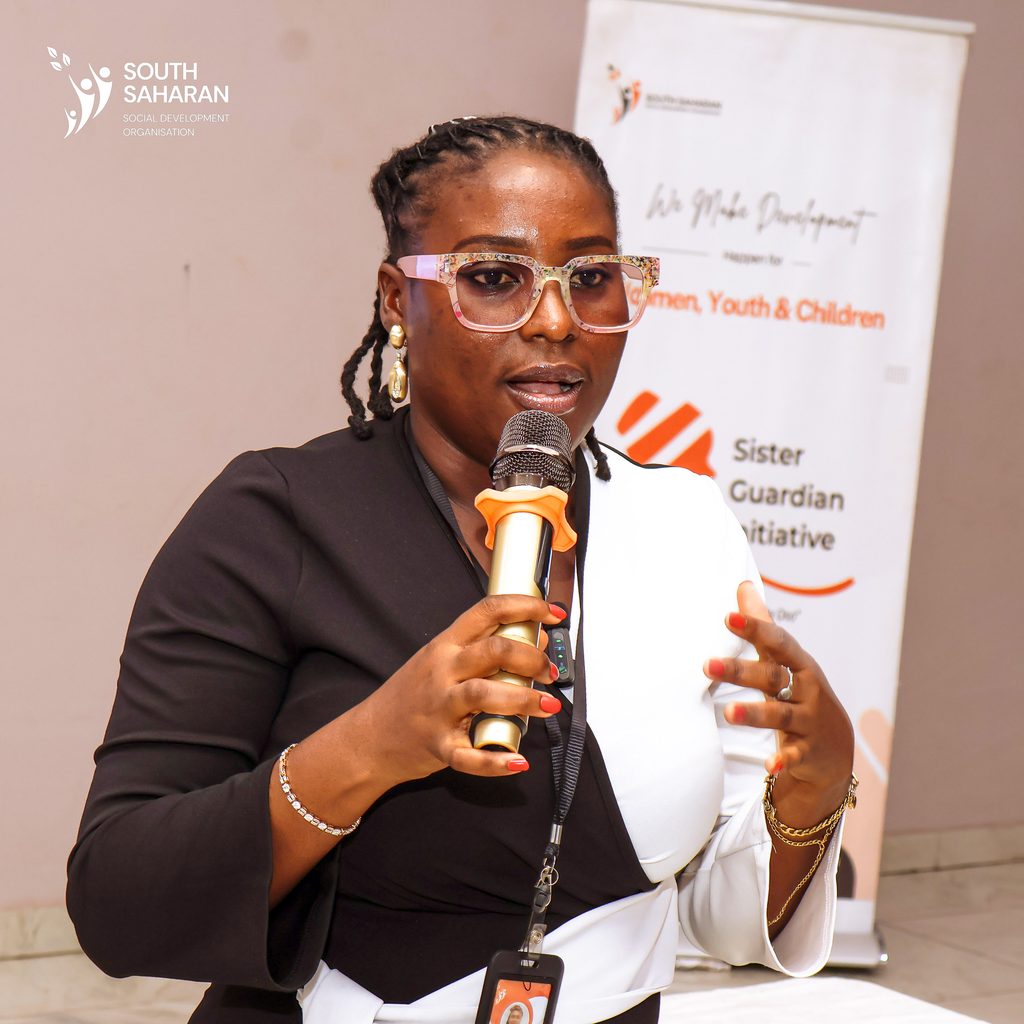
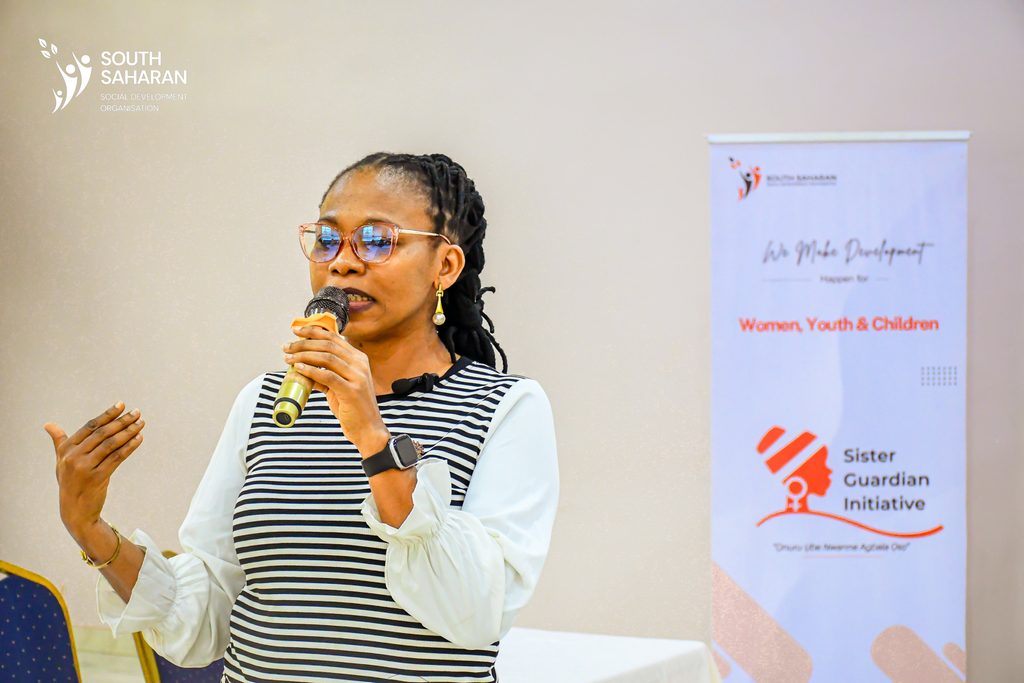
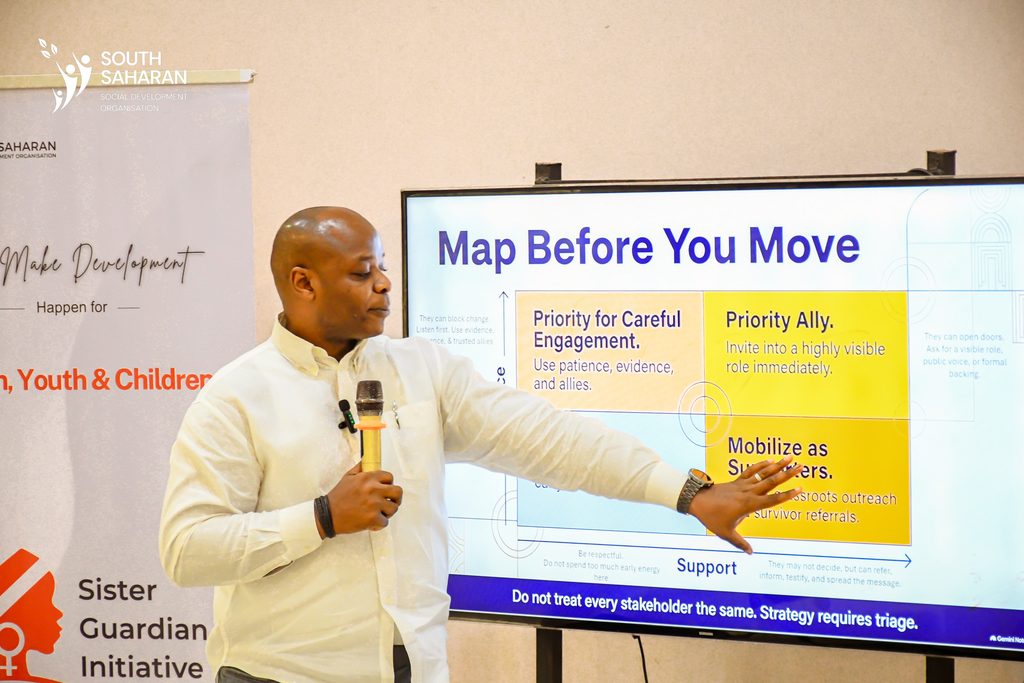
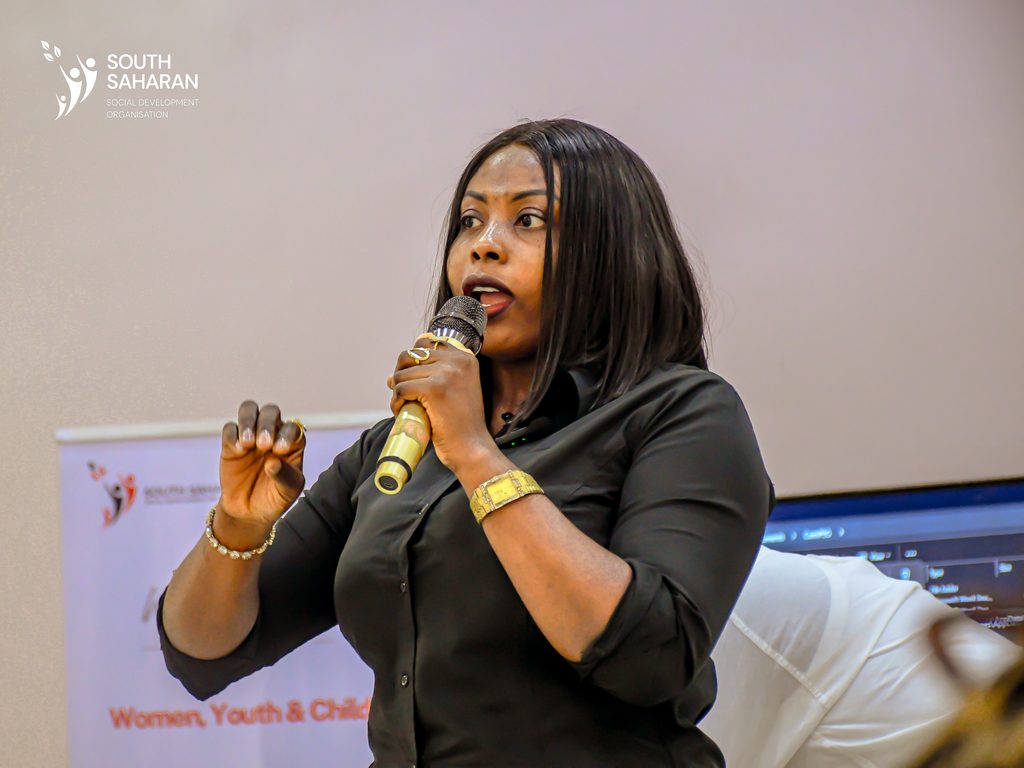
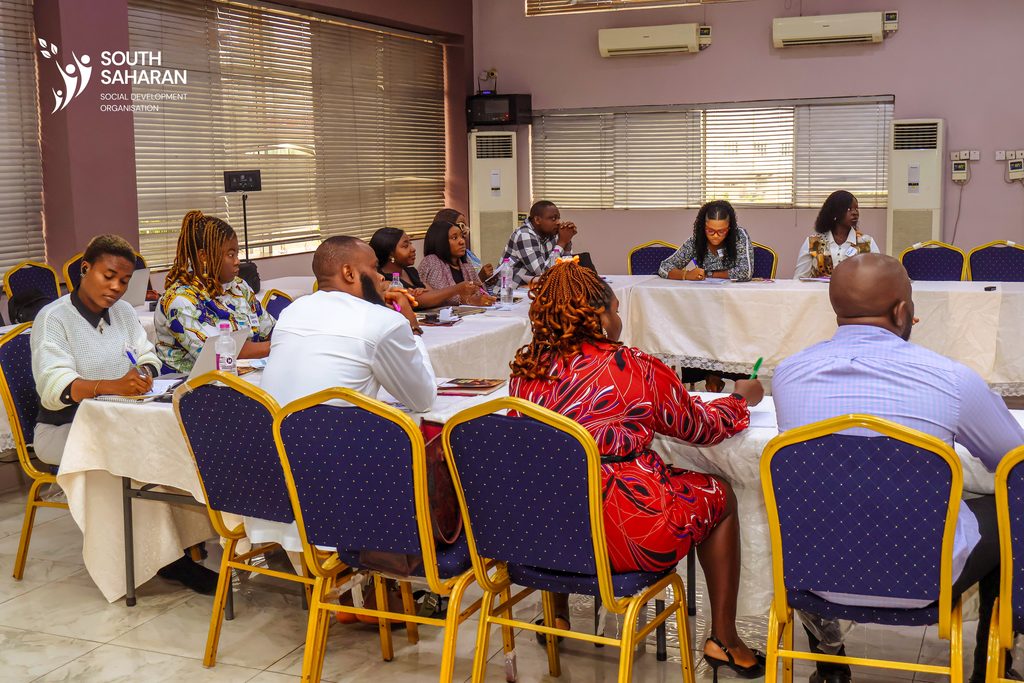
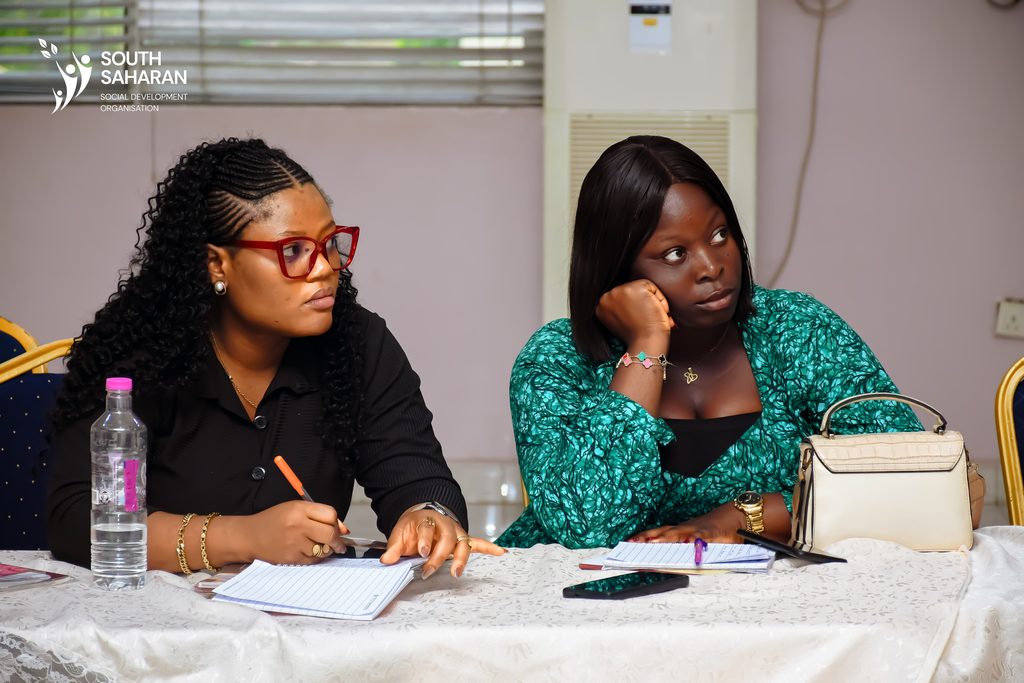
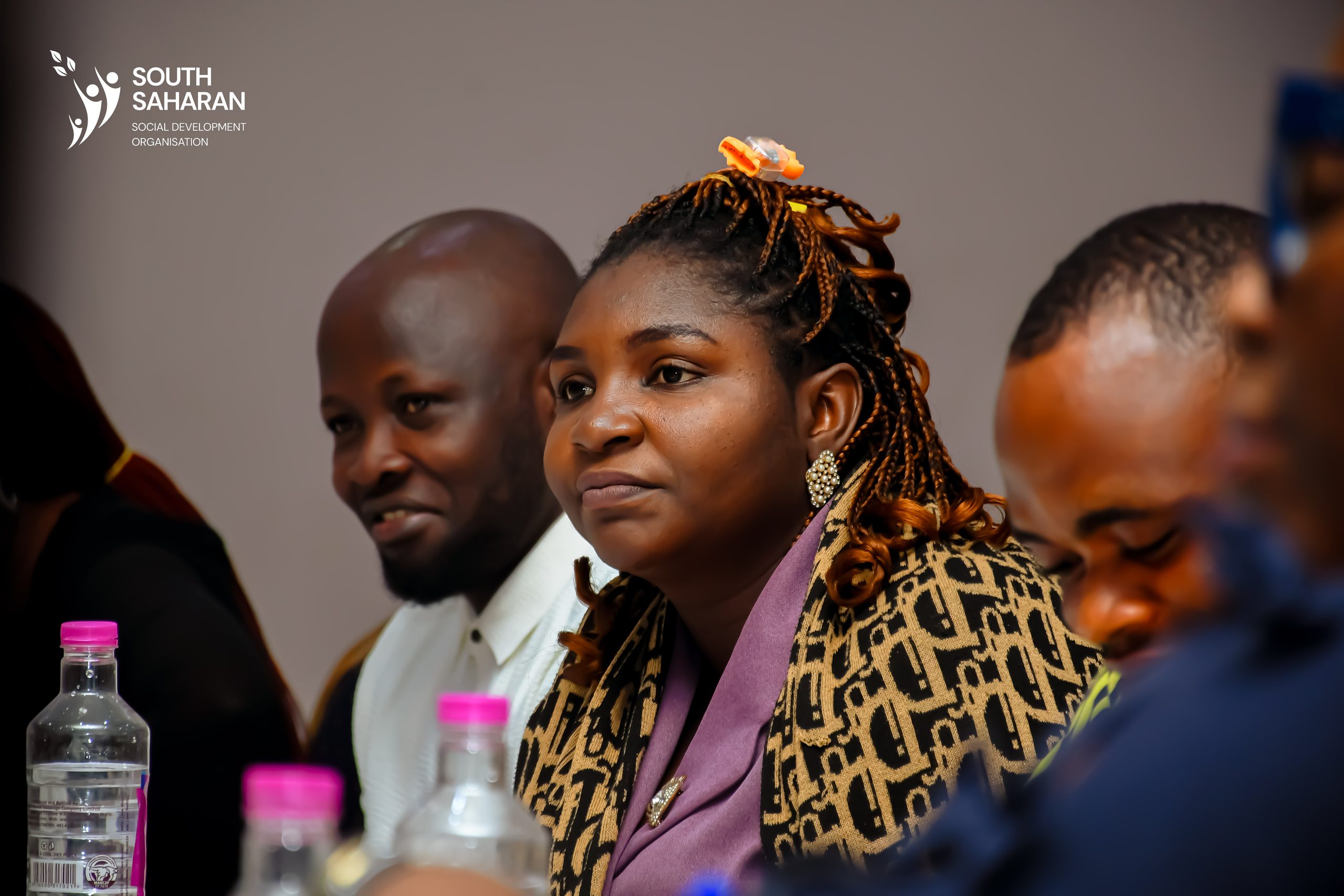
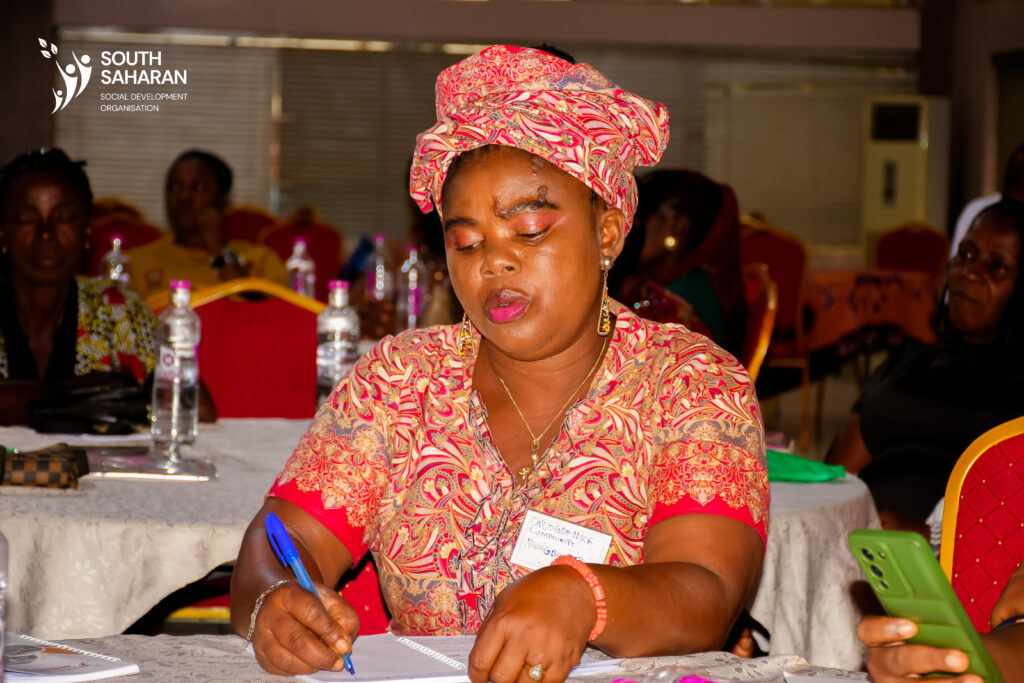
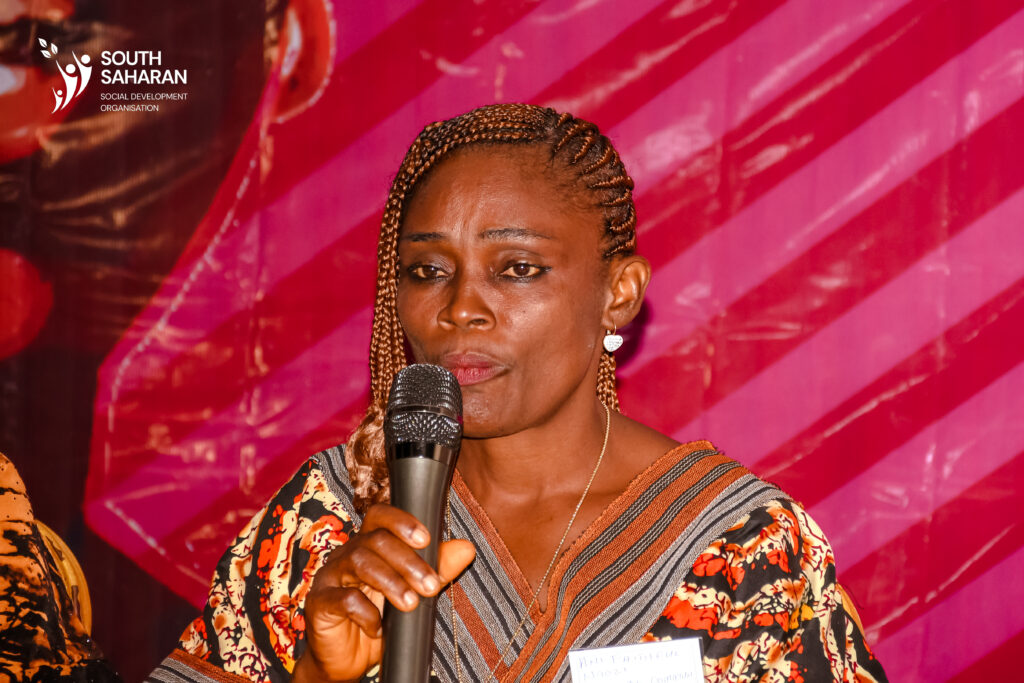
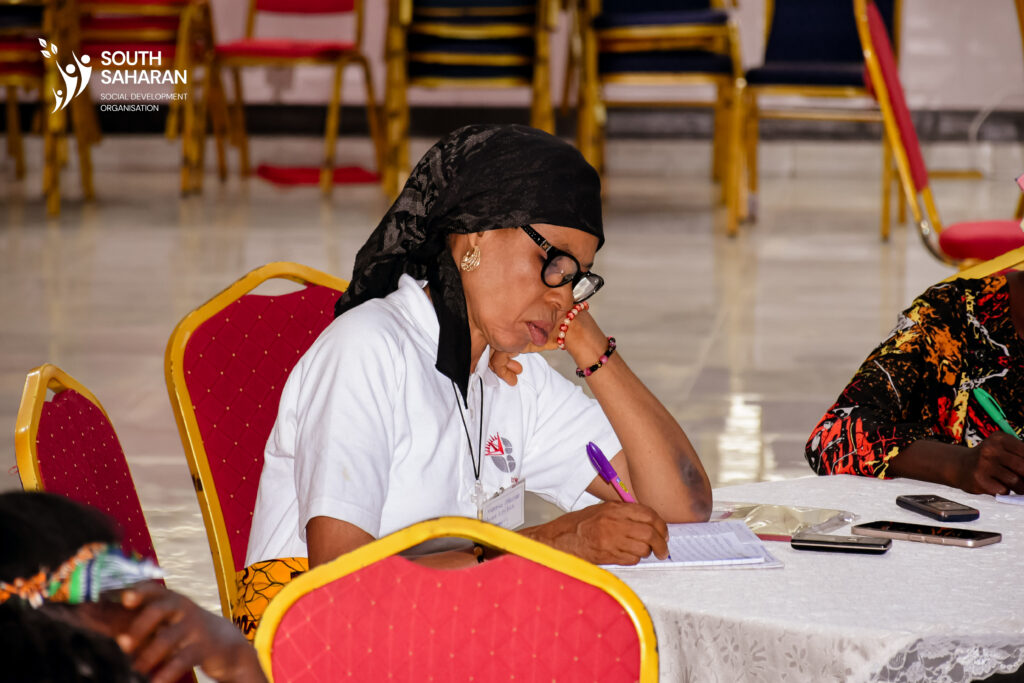
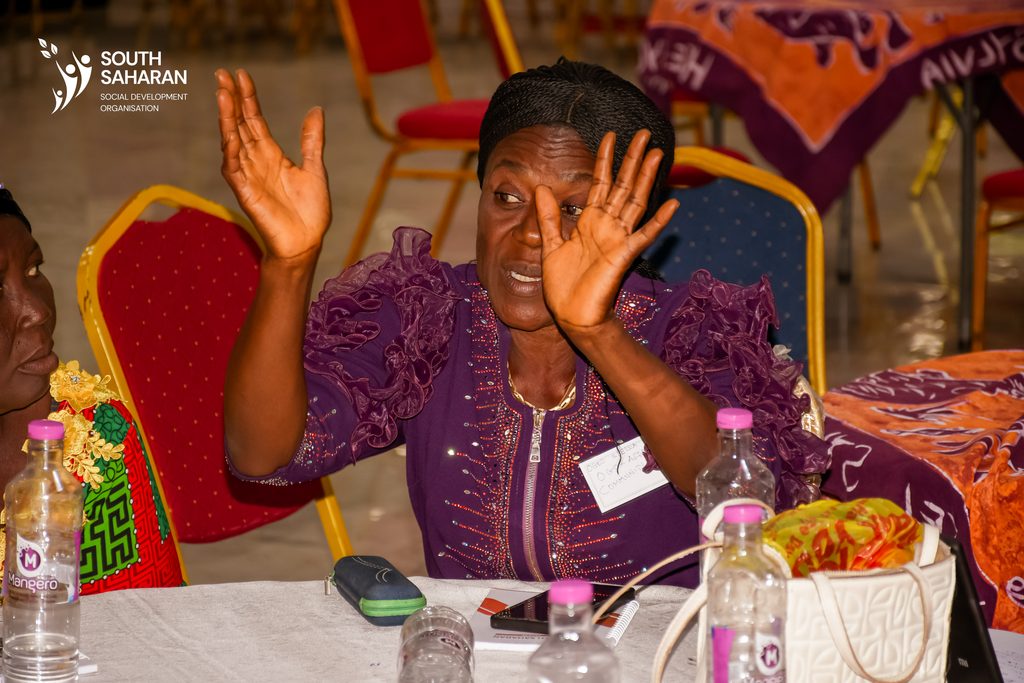
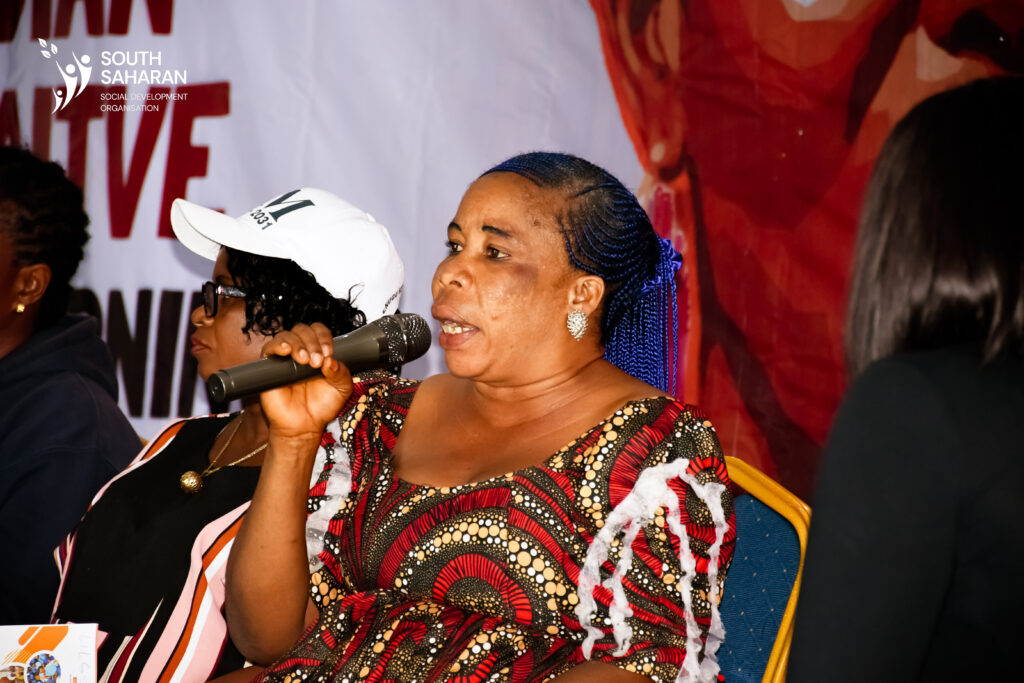
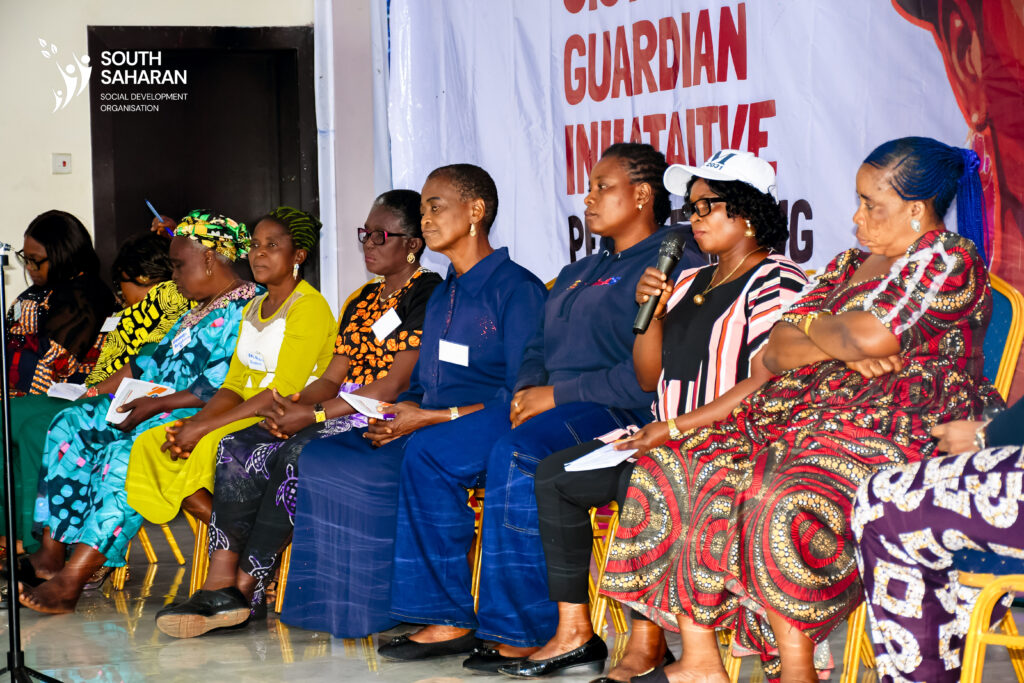
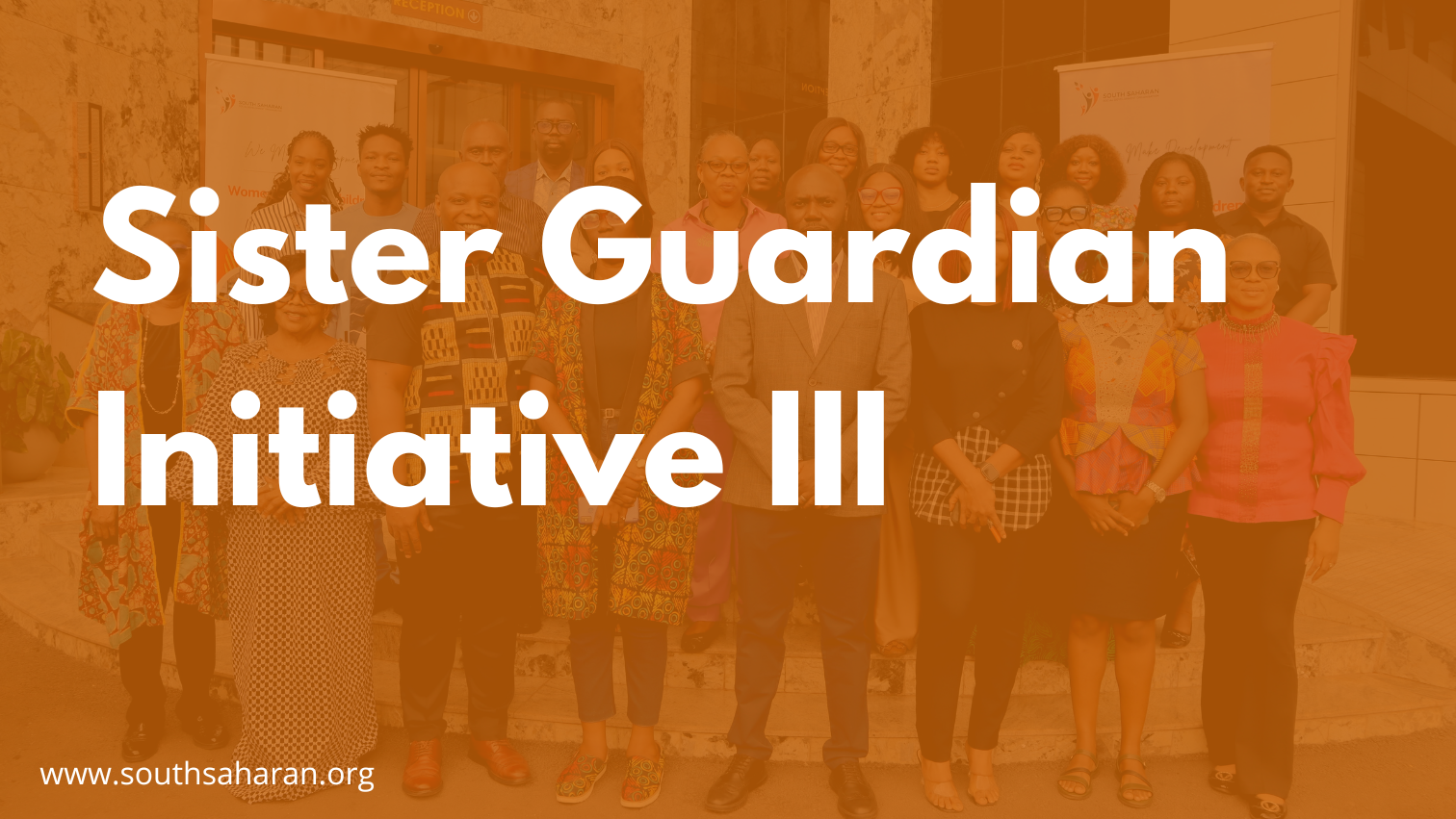
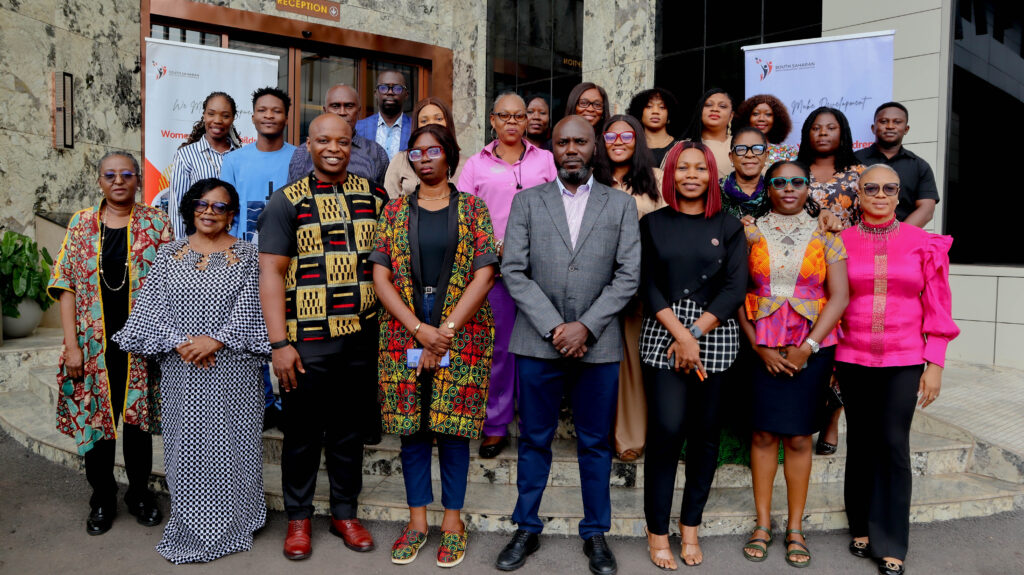
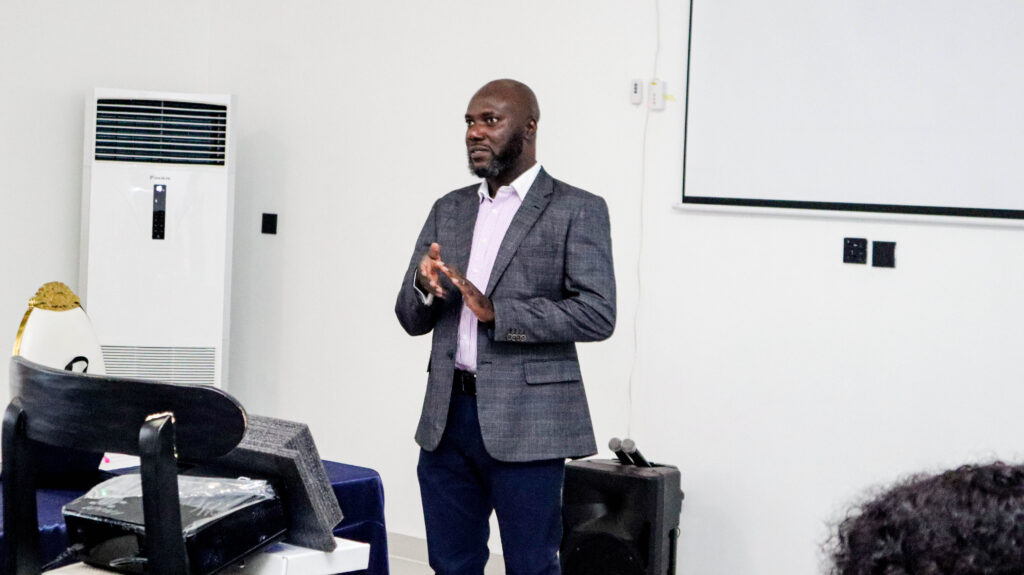
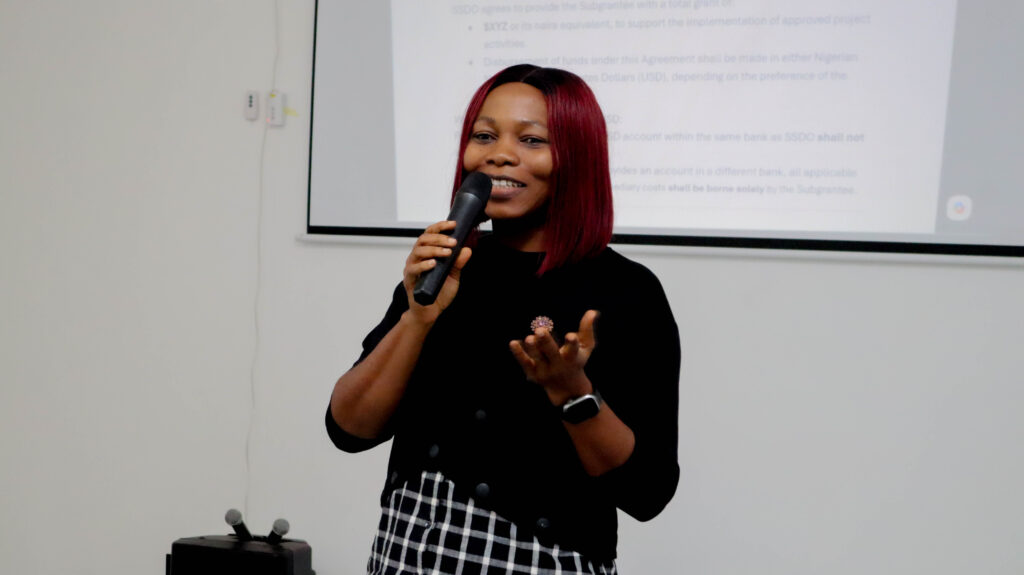
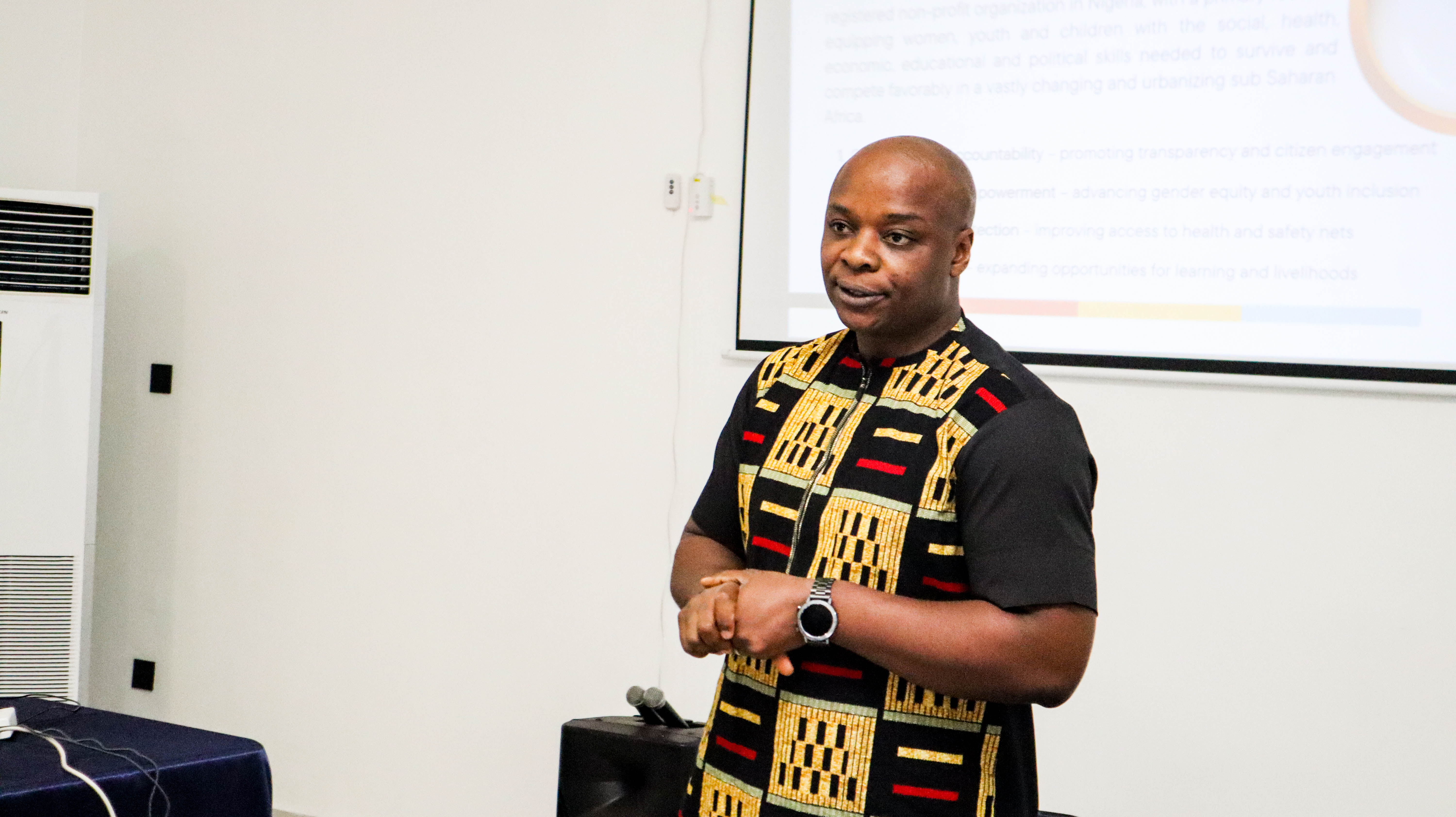
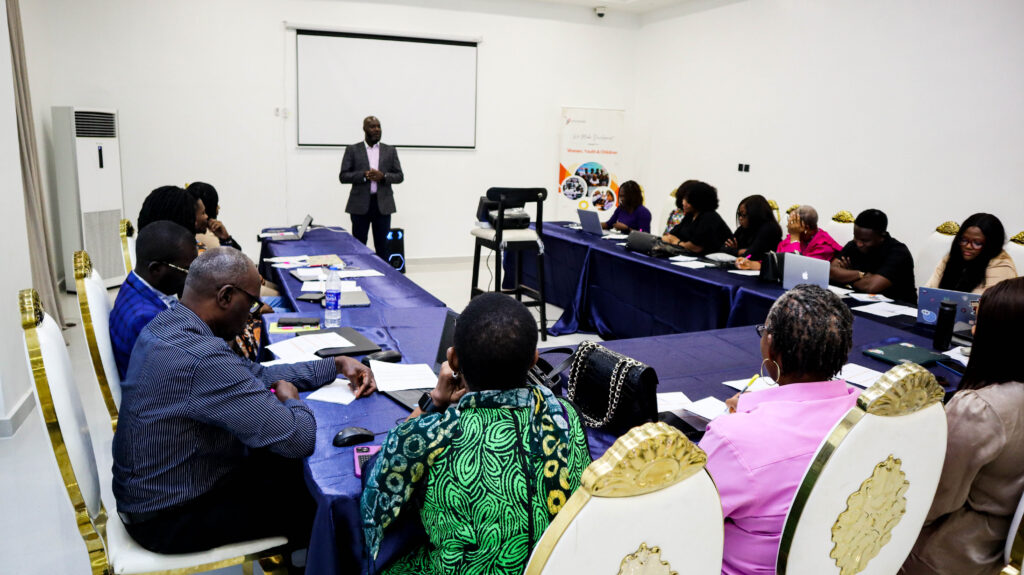
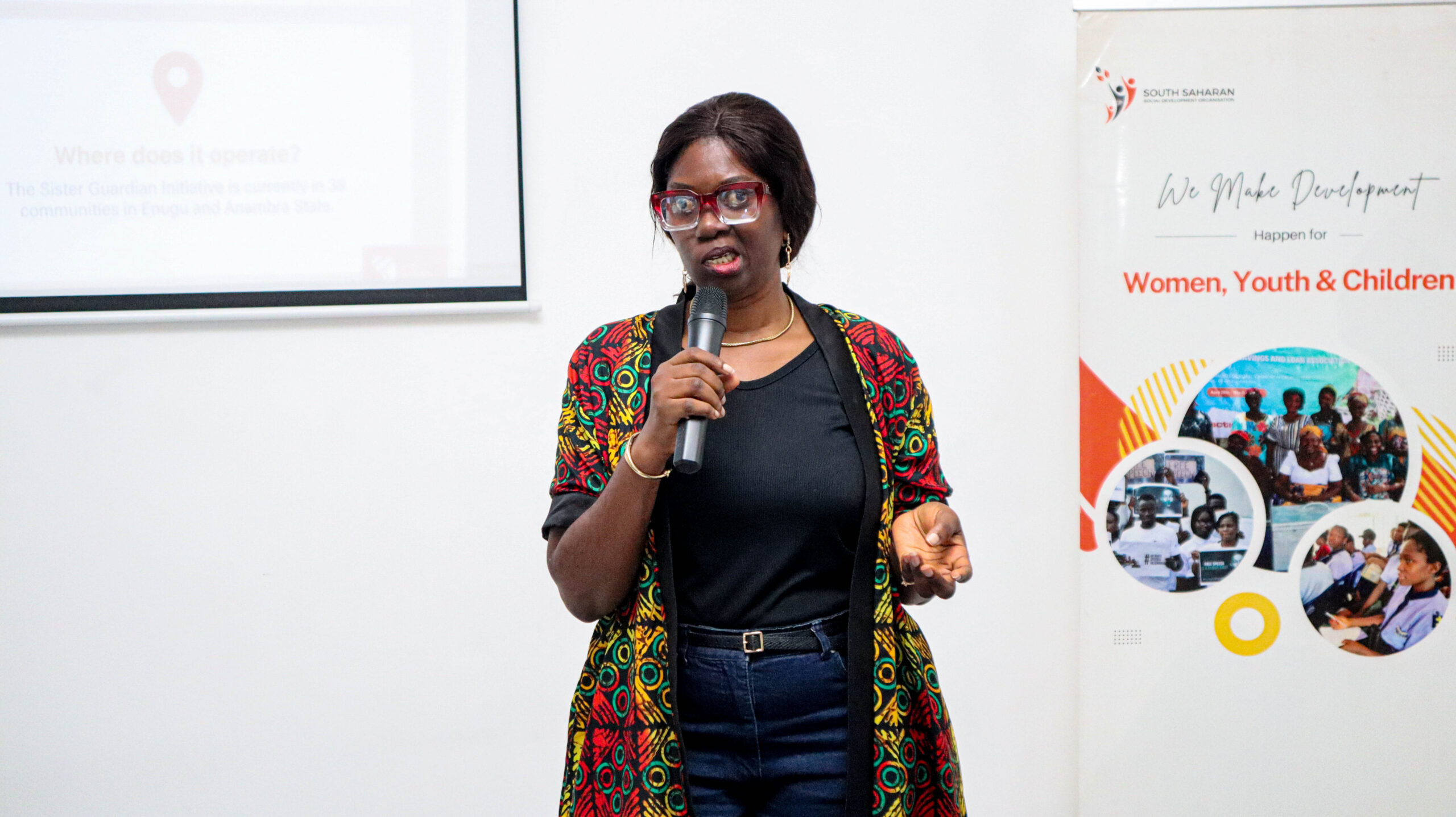
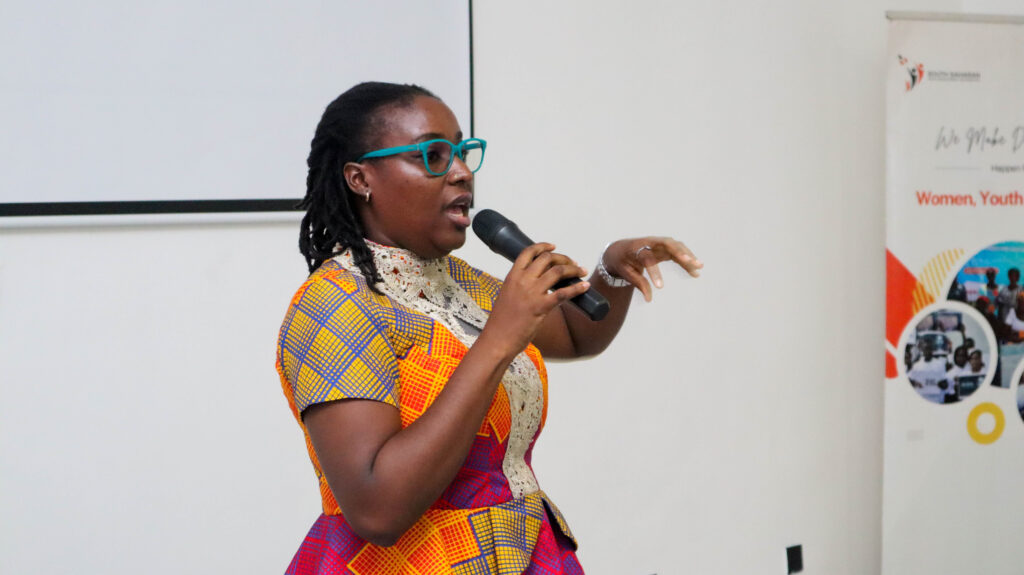
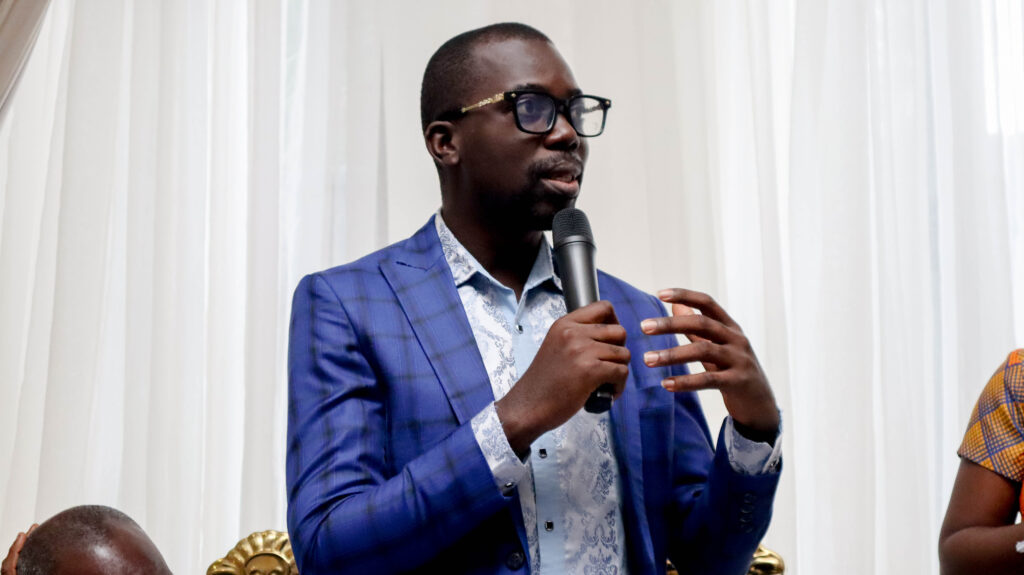
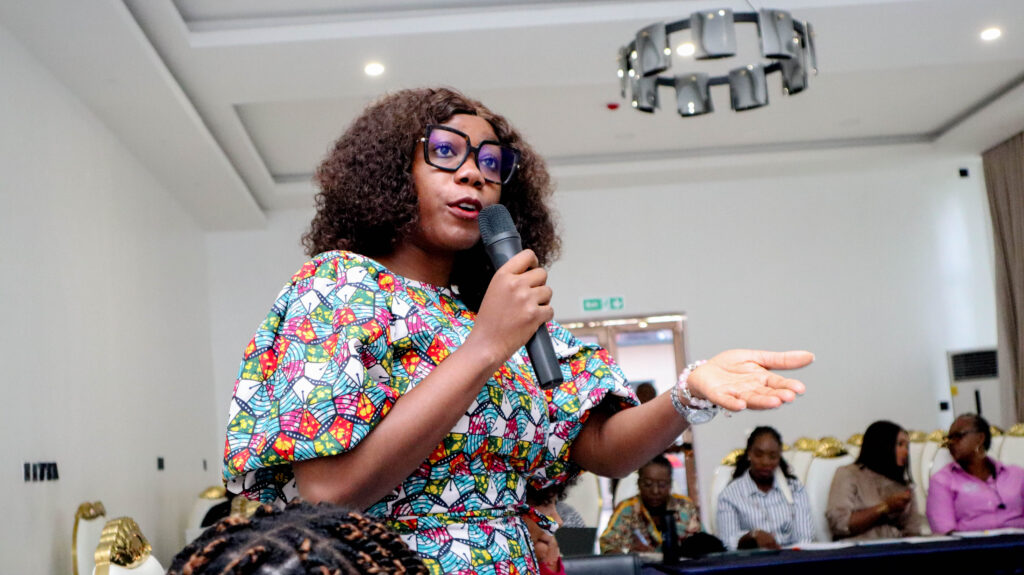
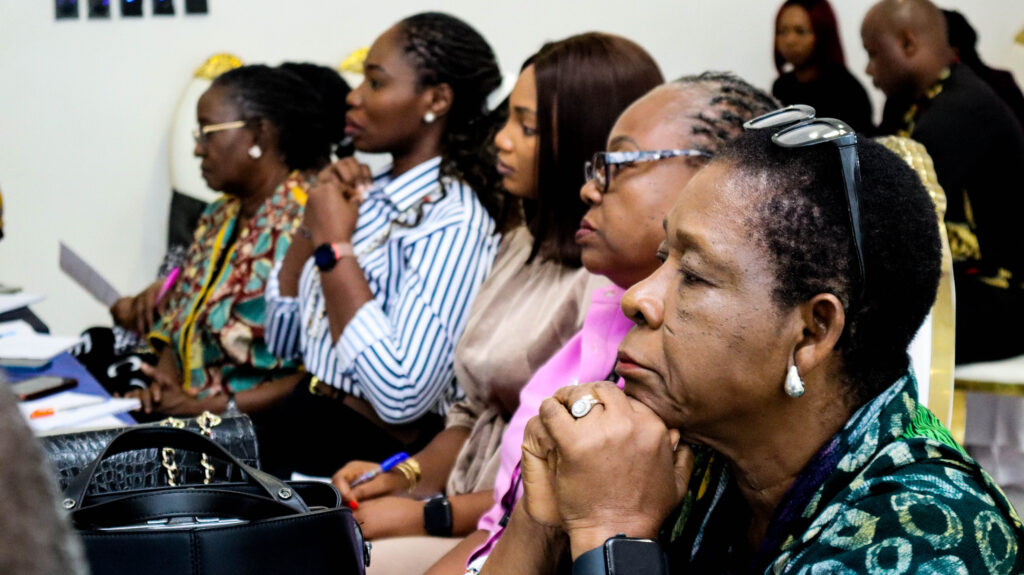
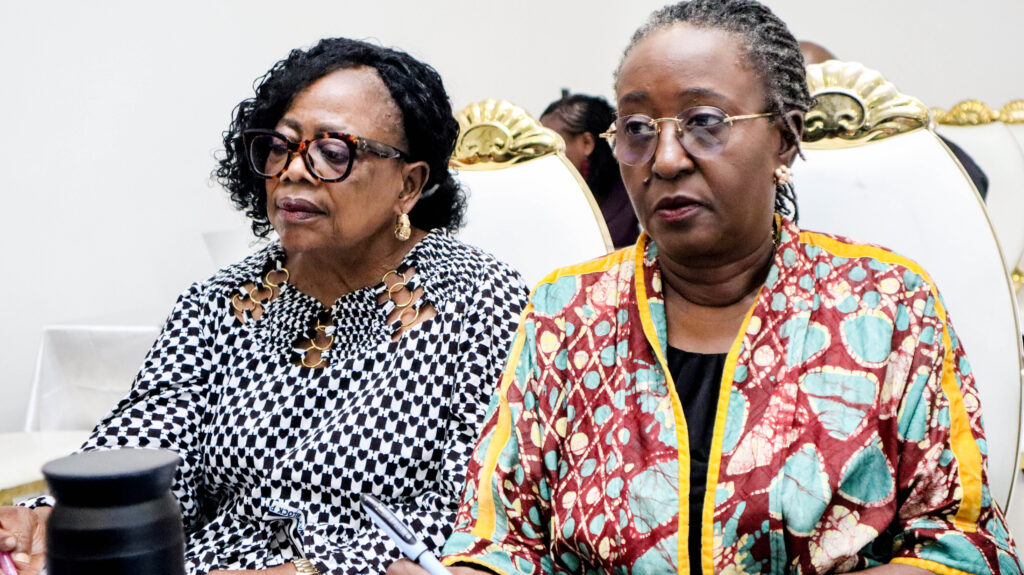
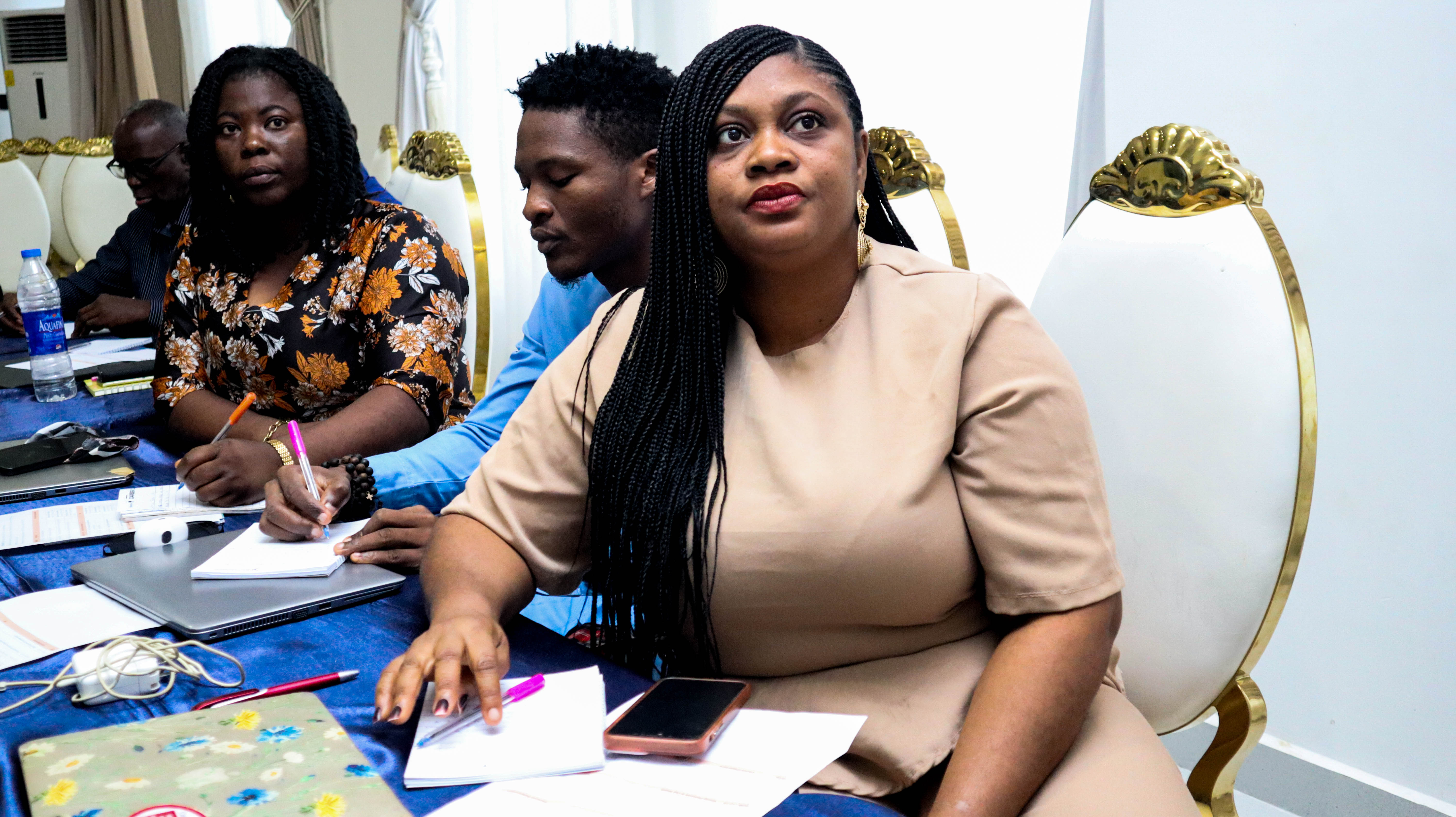
To commence implementation, SSDO convened an inception meeting with all six sub-grantee organisations.

The engagement introduced the overall project framework while sharing lessons drawn from more than ten years of implementing the Sister Guardian model. Participants explored the principles that underpin community-led protection systems and developed a shared understanding of expectations for the next phase of implementation.

The meeting also strengthened alignment among partners, ensuring that implementation remains consistent while allowing flexibility for local adaptation.

Building Systems for Sustainable Implementation

Technical discussions focused on the practical systems required for successful implementation.

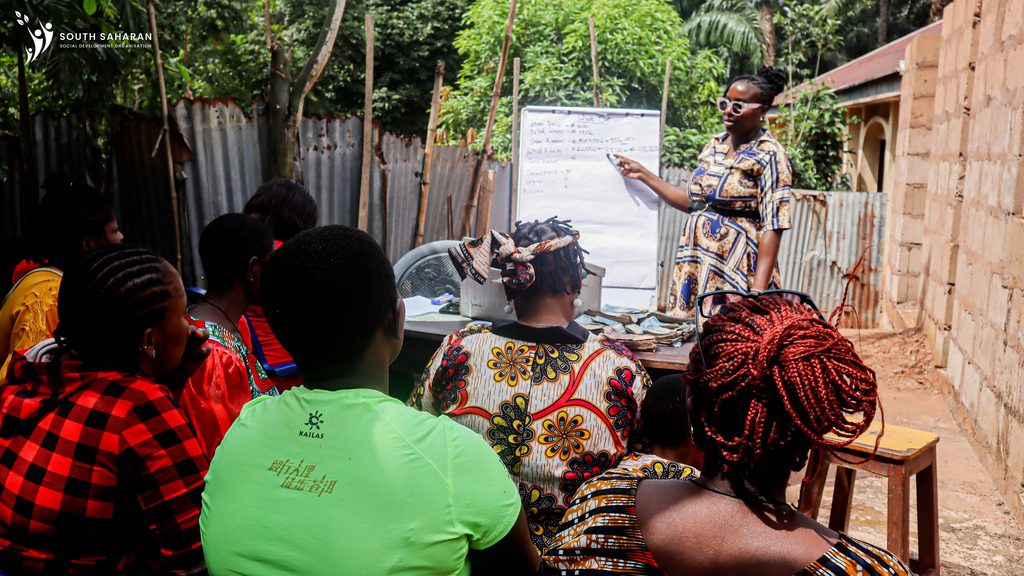
Sessions covered community-led responses to gender-based violence, safeguarding standards, referral pathways, Village Savings and Loan Associations (VSLAs), sustainability strategies, reporting requirements, and approaches for adapting the model within diverse communities.

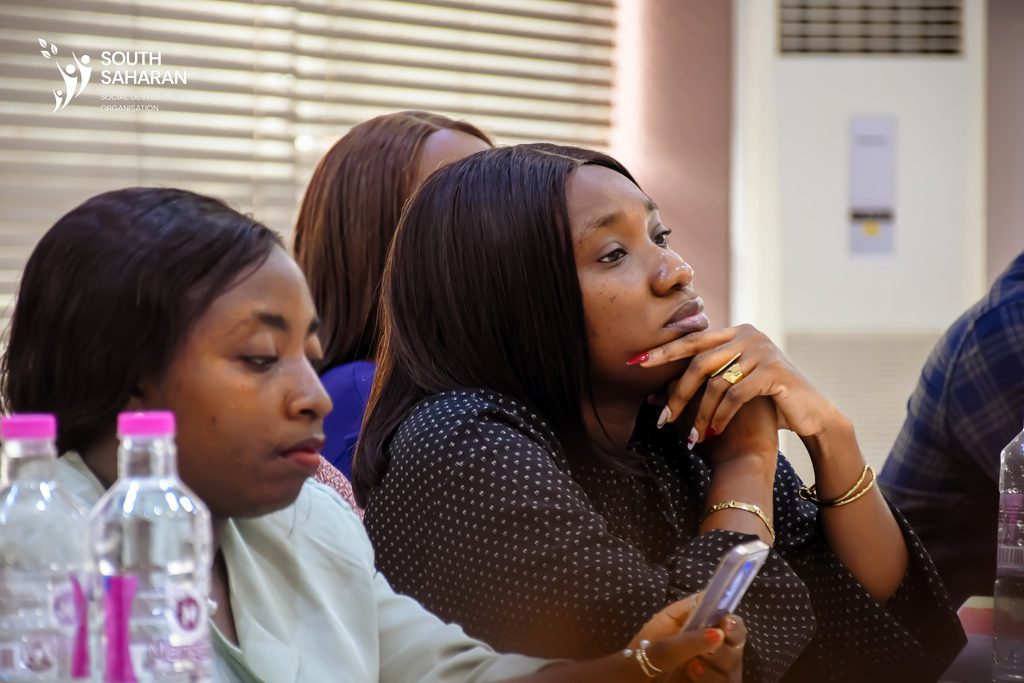
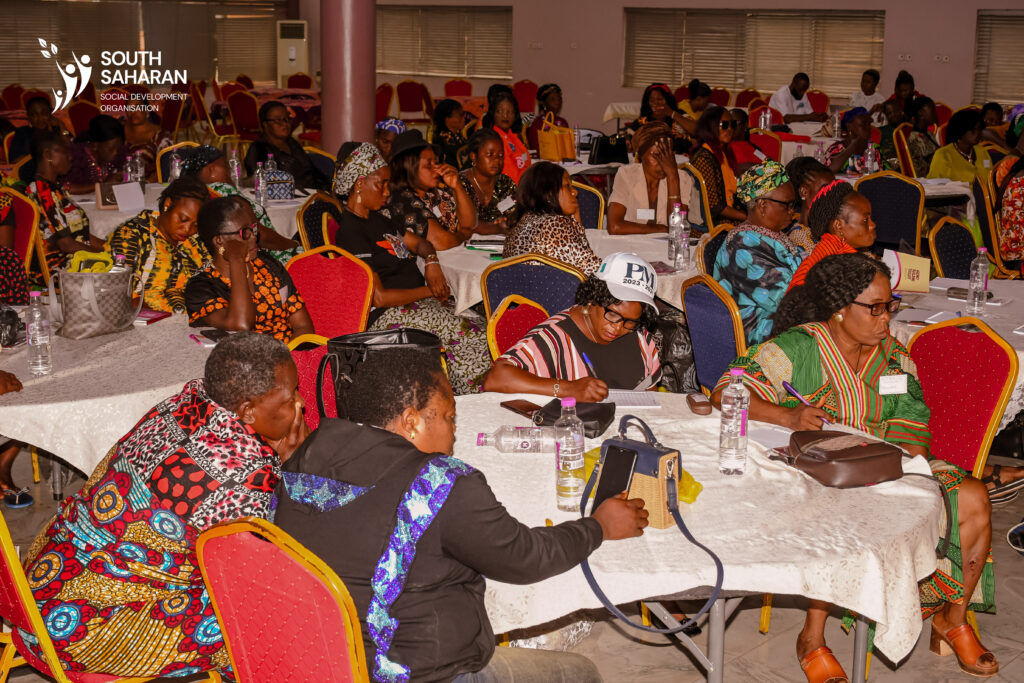
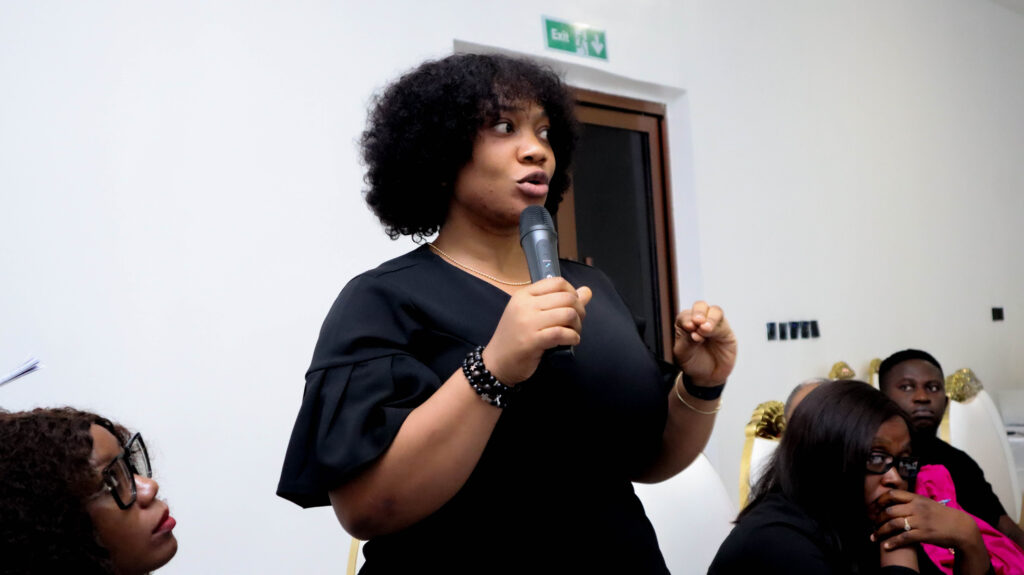
Beyond technical guidance, the inception meeting created opportunities for partners to exchange experiences, identify implementation challenges, and explore strategies for strengthening youth engagement, collaboration with traditional institutions, and survivor support systems.

These discussions reinforced the importance of learning, collaboration, and continuous adaptation in building effective community protection mechanisms.

Strengthening Community Protection Across Nigeria

Preventing gender-based violence requires protection systems that are trusted, locally owned, and responsive to community realities.

Through Sister Guardian Initiative III, SSDO is strengthening these systems by expanding a proven community-led model through strategic partnerships with civil society organisations. By building local leadership, improving referral systems, and supporting community ownership of protection mechanisms, SSDO continues to advance sustainable approaches that strengthen the safety, dignity, and leadership of women and girls across Nigeria.

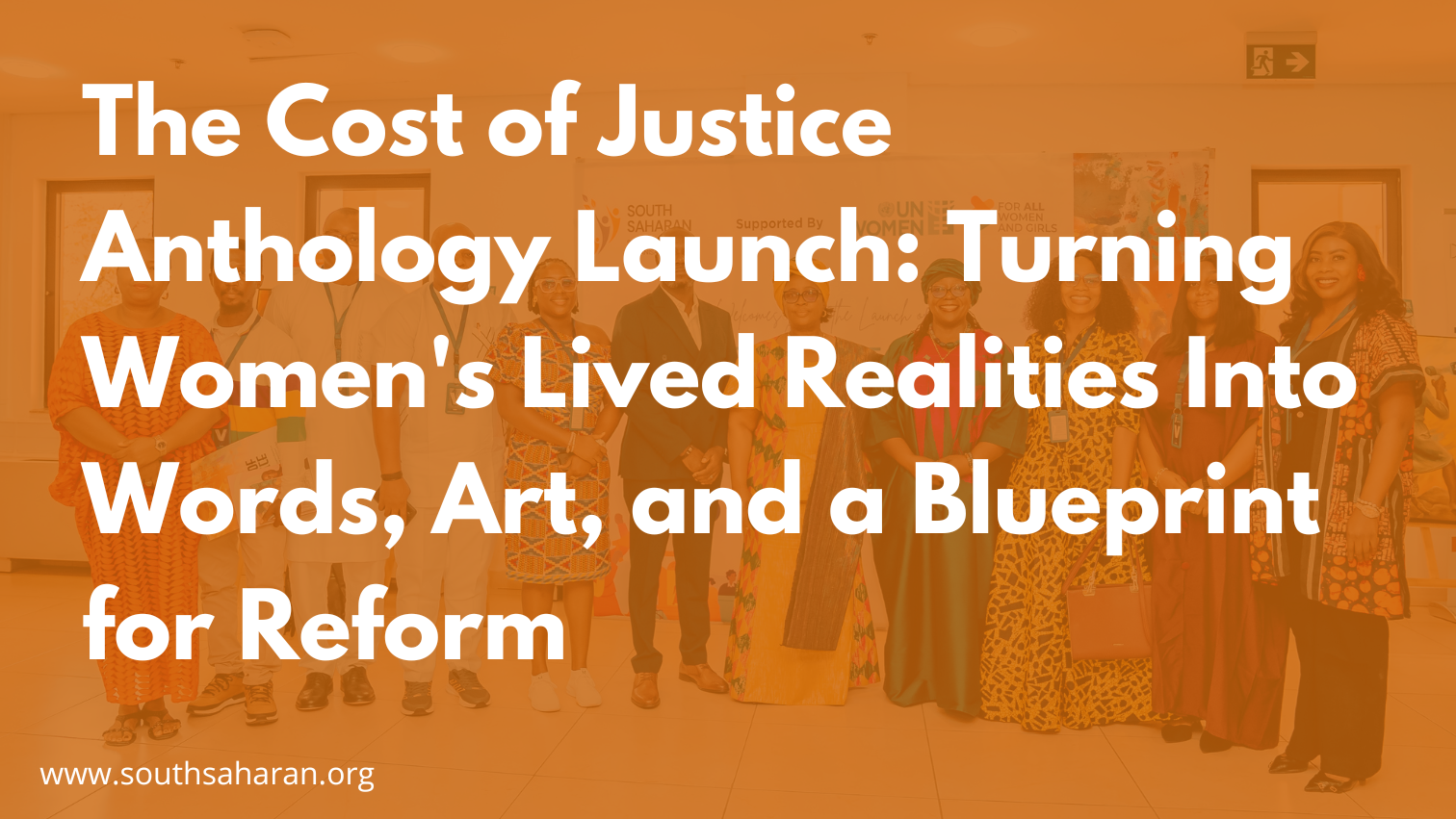
The Cost of Justice Anthology Launch: Turning Women’s Lived Realities Into Words, Art, and a Blueprint for Reform

Across Nigeria, countless women still find the path to justice blocked by a web of institutional, financial, and social obstacles that make seeking redress an uphill battle. These barriers point to justice systems that too often fall short on responsiveness, accessibility, and survivor-centered care.

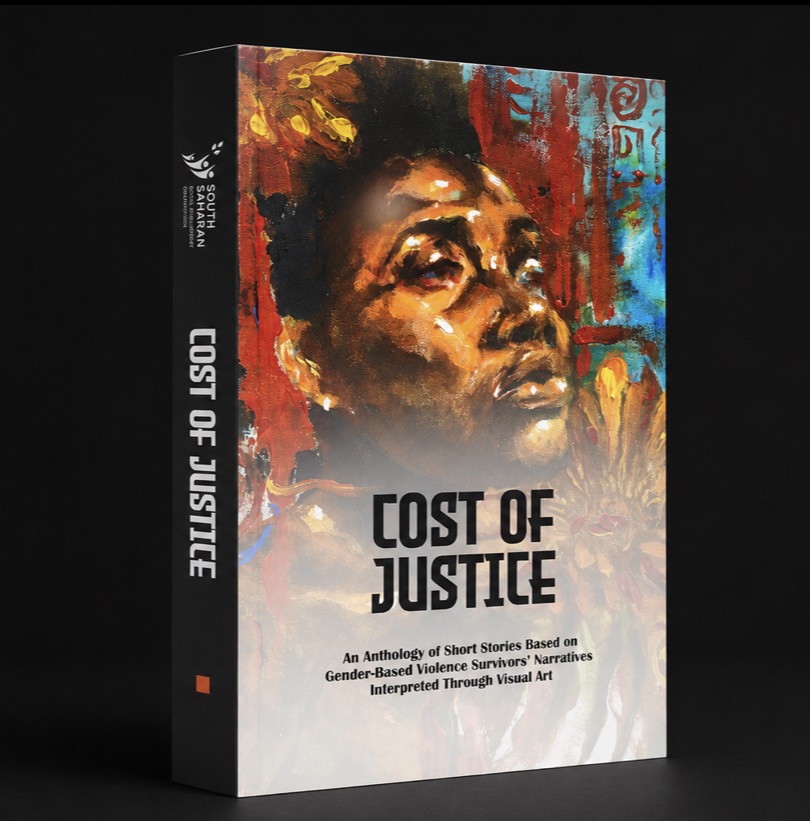
It is this gap that South Saharan set out to confront with The Cost of Justice Anthology, a structured advocacy tool developed at the intersection of gender justice, accountability systems, and rights-based policy reform and, alongside it, a bold creative movement that turned survivors’ stories into art

Where It All Began

For over a decade, South Saharan (SSDO) has worked to build a world where women and girls live free from violence, poverty, and discrimination. Our programs in gender equality, education, and women’s rights protection have reached countless communities across Southeast Nigeria.

But when we conducted a baseline assessment on gender-based violence (GBV), the findings were alarming. Behind the statistics were real women living with pain that had been normalized by culture, silence, and shame.

Through community engagements, we documented these experiences and organized them under three defining themes:

  1. The Cost of Justice: the financial, emotional, and social toll women face while seeking justice.
  2. Trapped in Silence: the stigma and shame that silence survivors.
  3. Gatekeepers: the individuals and institutions that enable or perpetuate abuse.

These themes became the foundation of a national storytelling initiative: The Cost of Justice Anthology, developed in partnership with insights from South Saharan’s Sister Guardian Initiative, a women-led protection network supporting survivors of gender-based violence.

From Words to Canvas: A National Call for Stories

In May 2025, SSDO launched a nationwide call for story submissions exploring these themes. The response was overwhelming. We received over 100 heartfelt stories from women, writers, and advocates across Nigeria; raw, unfiltered accounts of what it truly means to fight for justice in a system that too often fails survivors.

Each story was carefully reviewed and fact-checked by a panel of renowned literary judges. From the pool, 15 outstanding entries were selected for publication in the anthology.

But we didn’t want these stories to end on paper. We wanted them to live, to breathe, and to be seen.
The Birth of the Paint-a-thon

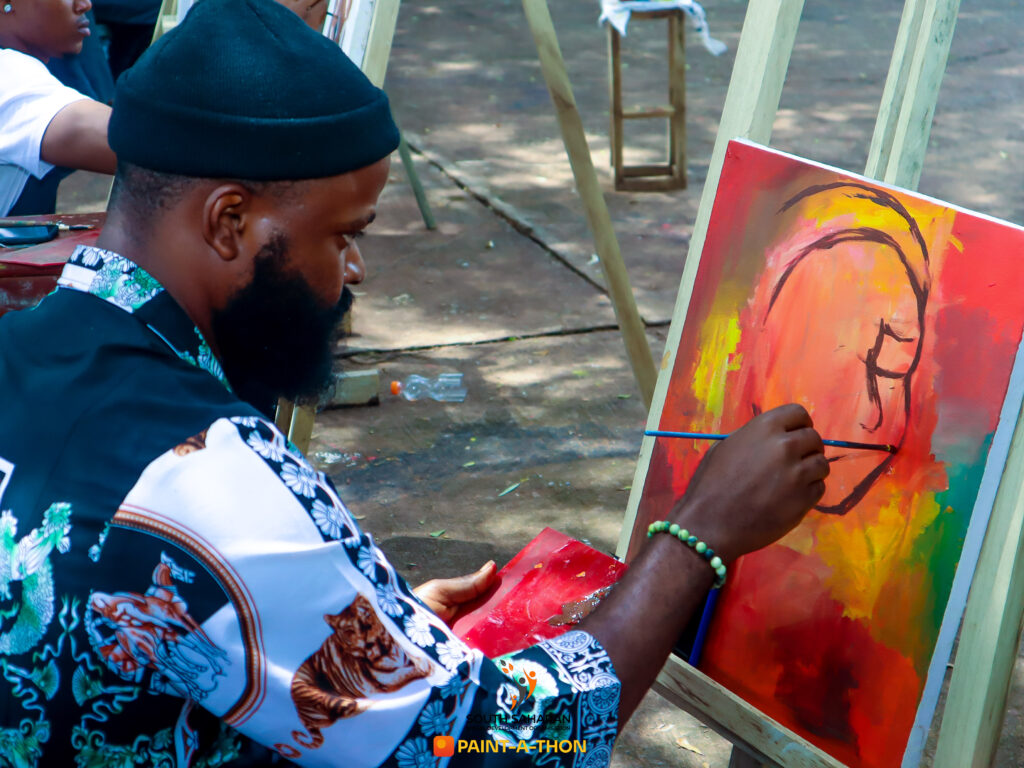
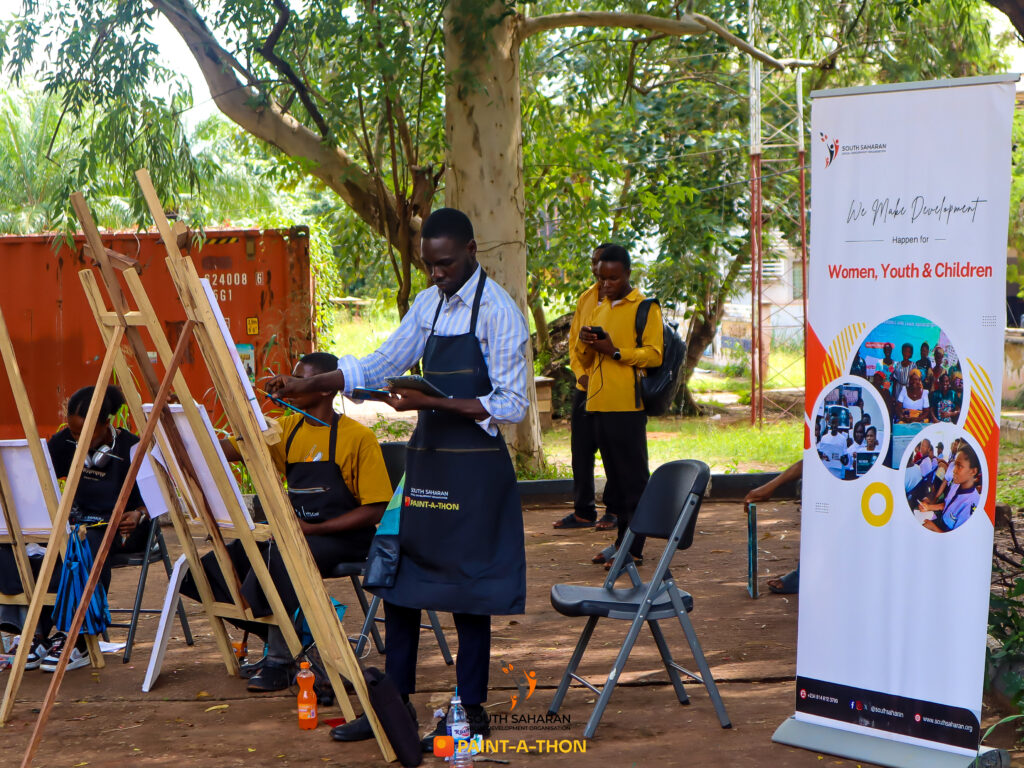
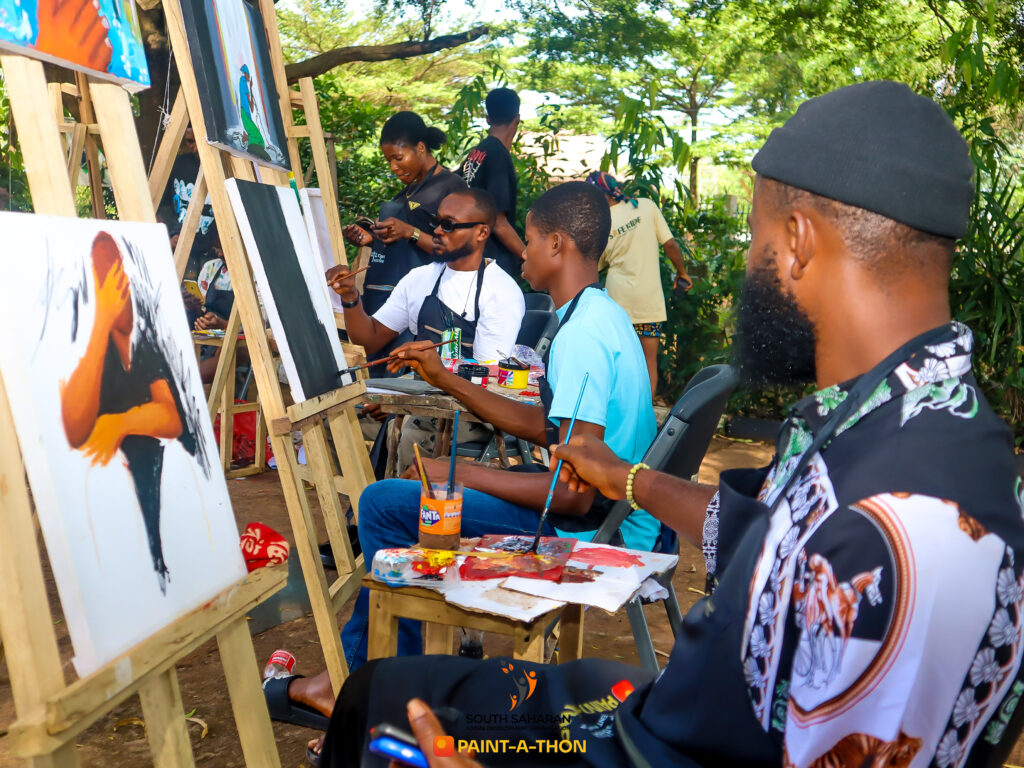
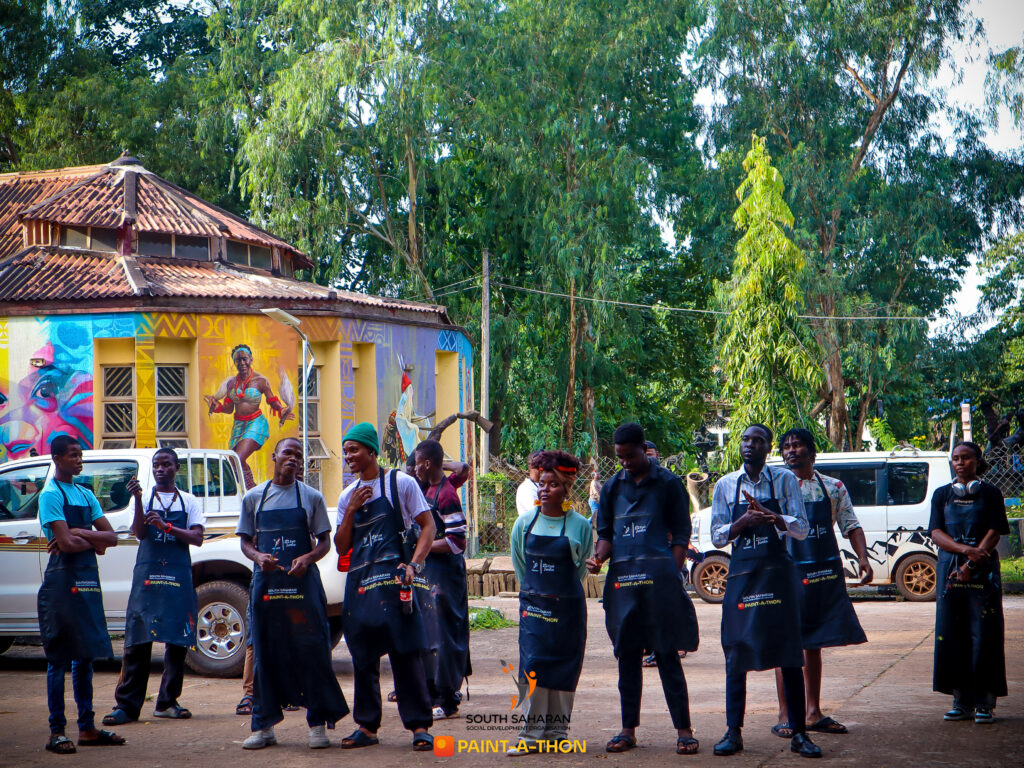
Recognizing the power of visual storytelling, SSDO took the next bold step: translating stories into art through the Cost of Justice Paint-a-thon — a creative movement where art and advocacy meet to amplify the voices of women who have endured gender-based violence.

We invited young visual artists to interpret these real-life stories through colour and brushstrokes. Their task was not merely to paint, but to give form to emotions that words alone could not contain.
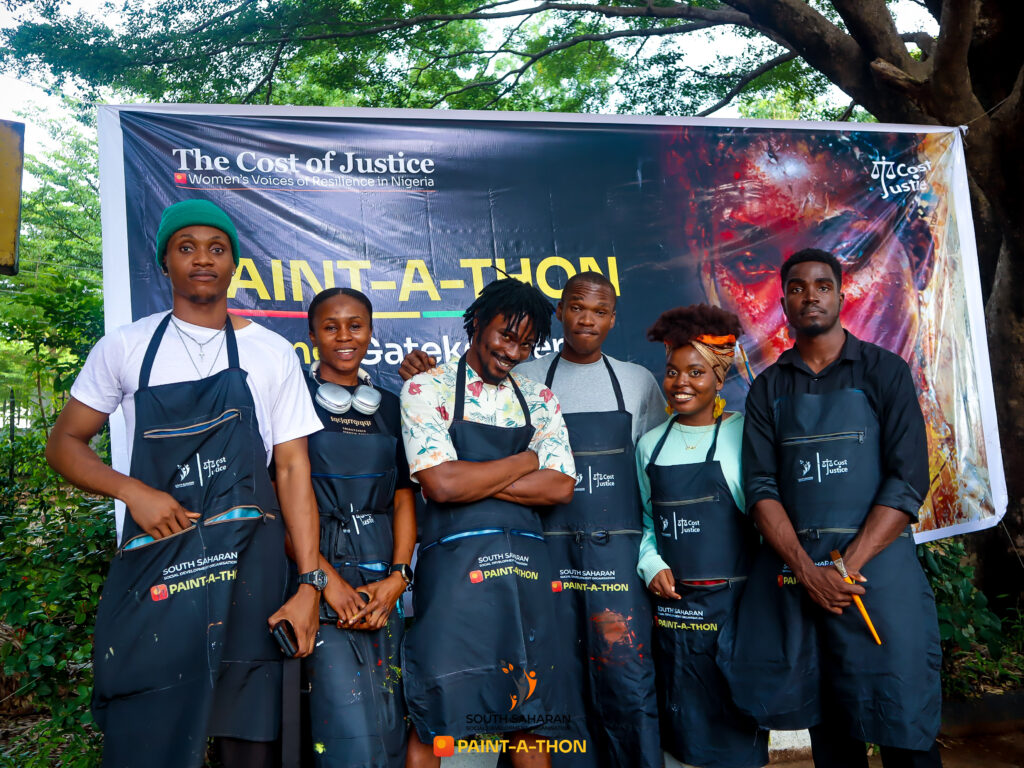
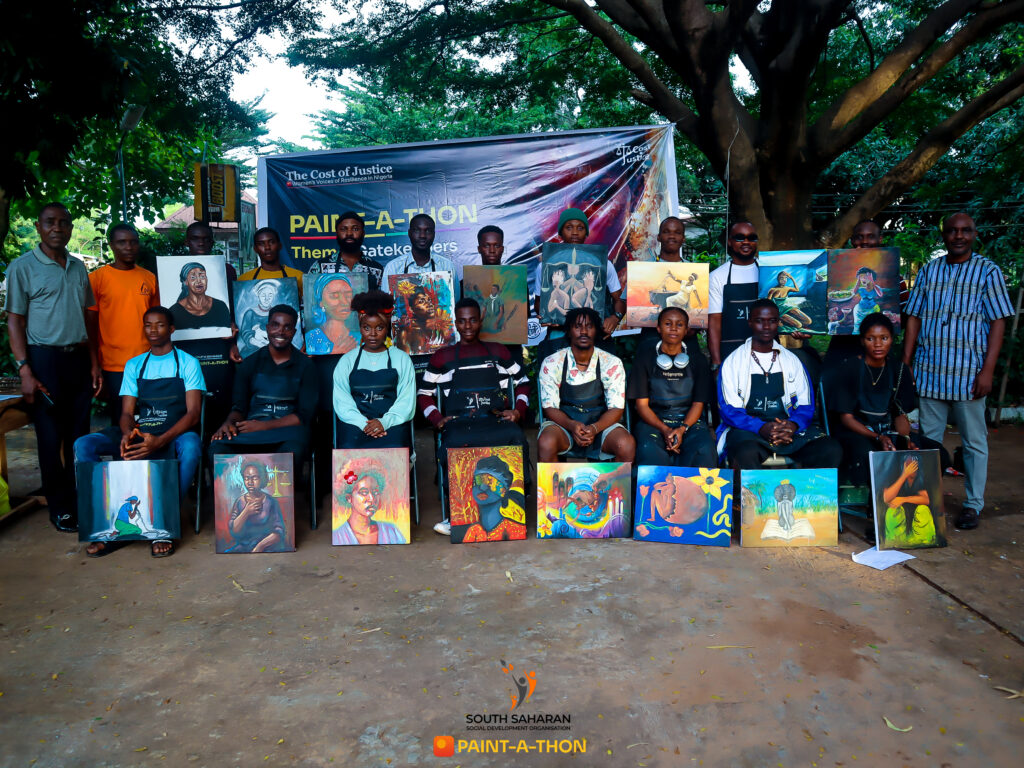
From this initiative, 15 artists were selected and commissioned to create two artworks each, inspired by the stories in the anthology. Each painting stands as both a tribute and a protest, reflecting pain, resilience, and hope.
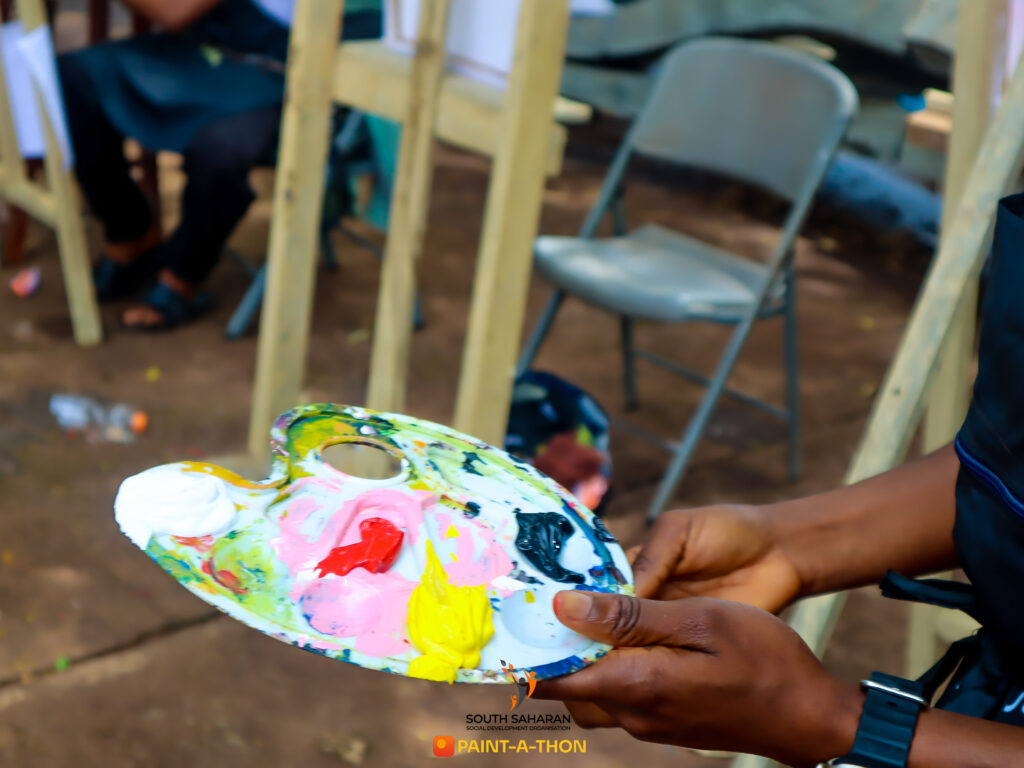
We believe that stories have power — the power to heal, to awaken empathy, and to drive change. But sometimes words alone are not enough. Sometimes emotion needs colour, pain needs a canvas, and silence needs a voice. That belief is the spirit the Paint-a-thon was built on.

A Launch Rooted in Global Solidarity

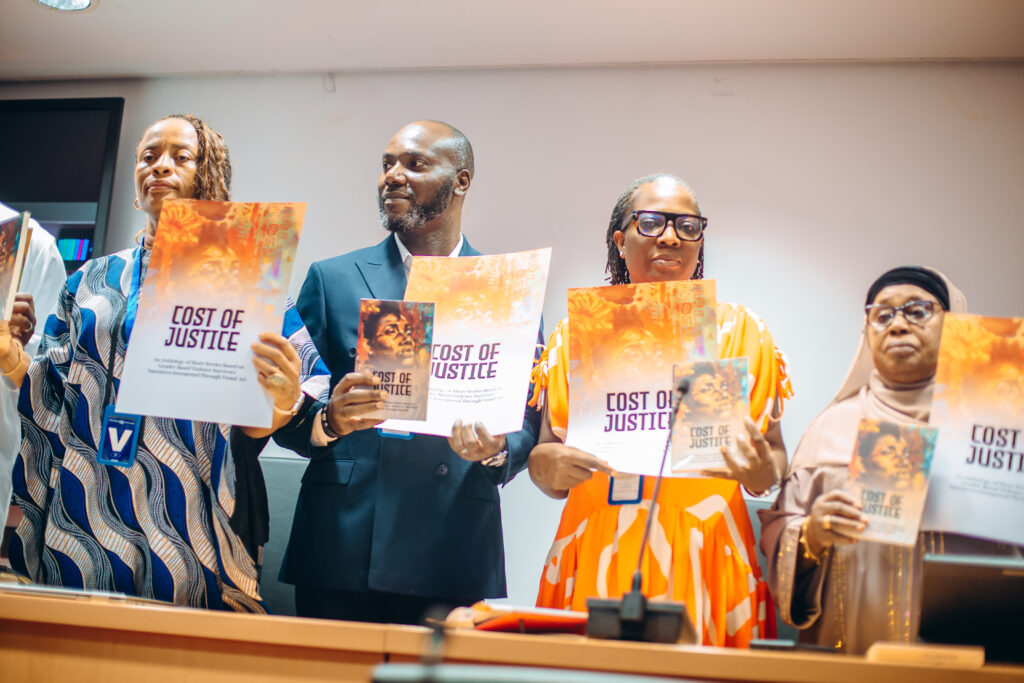
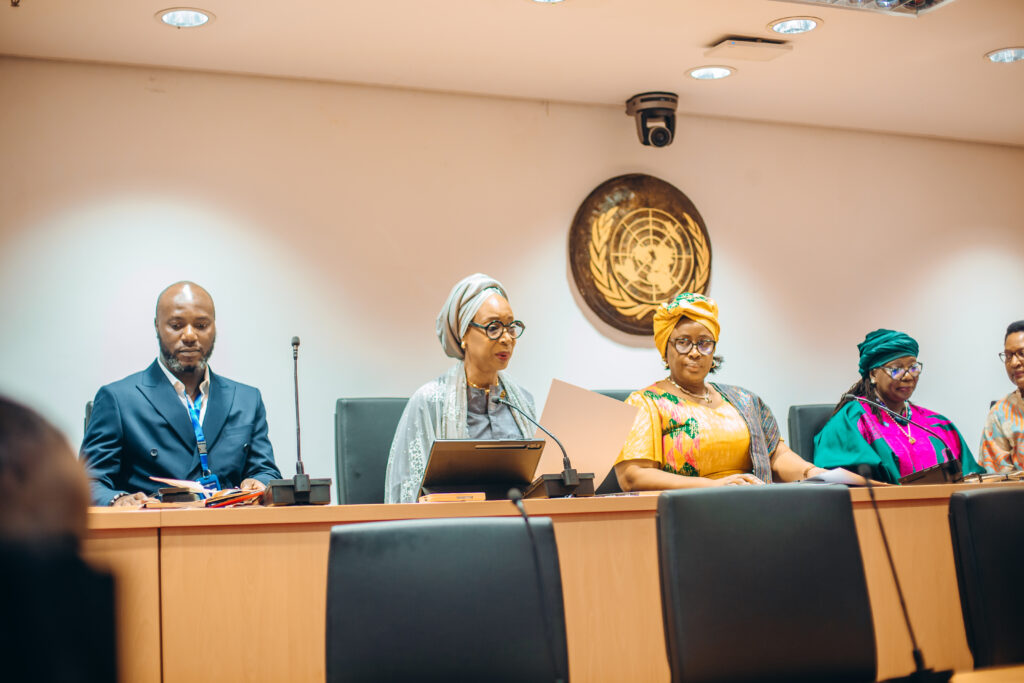
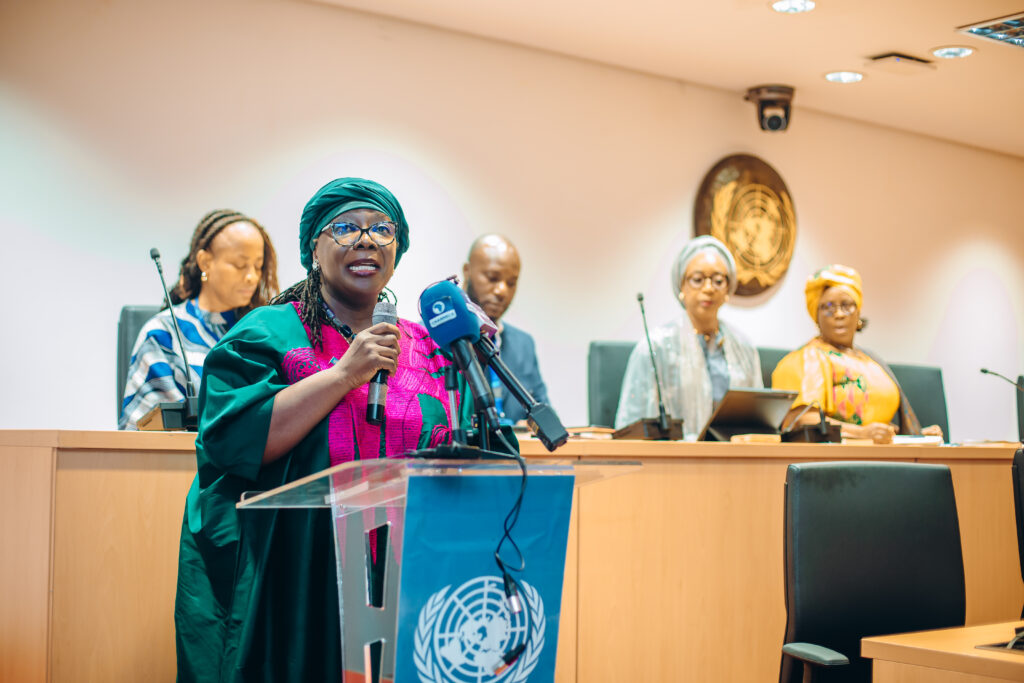
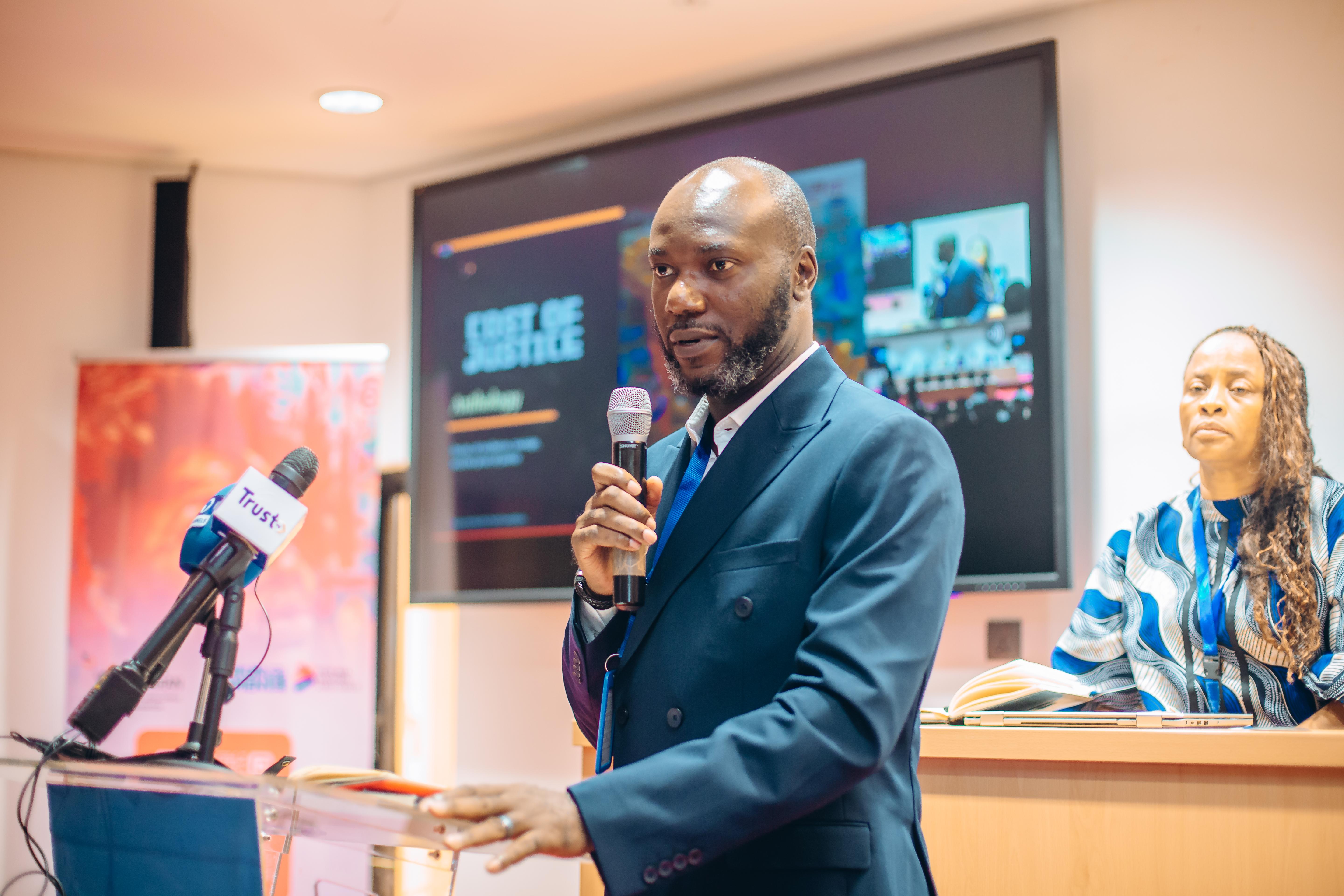
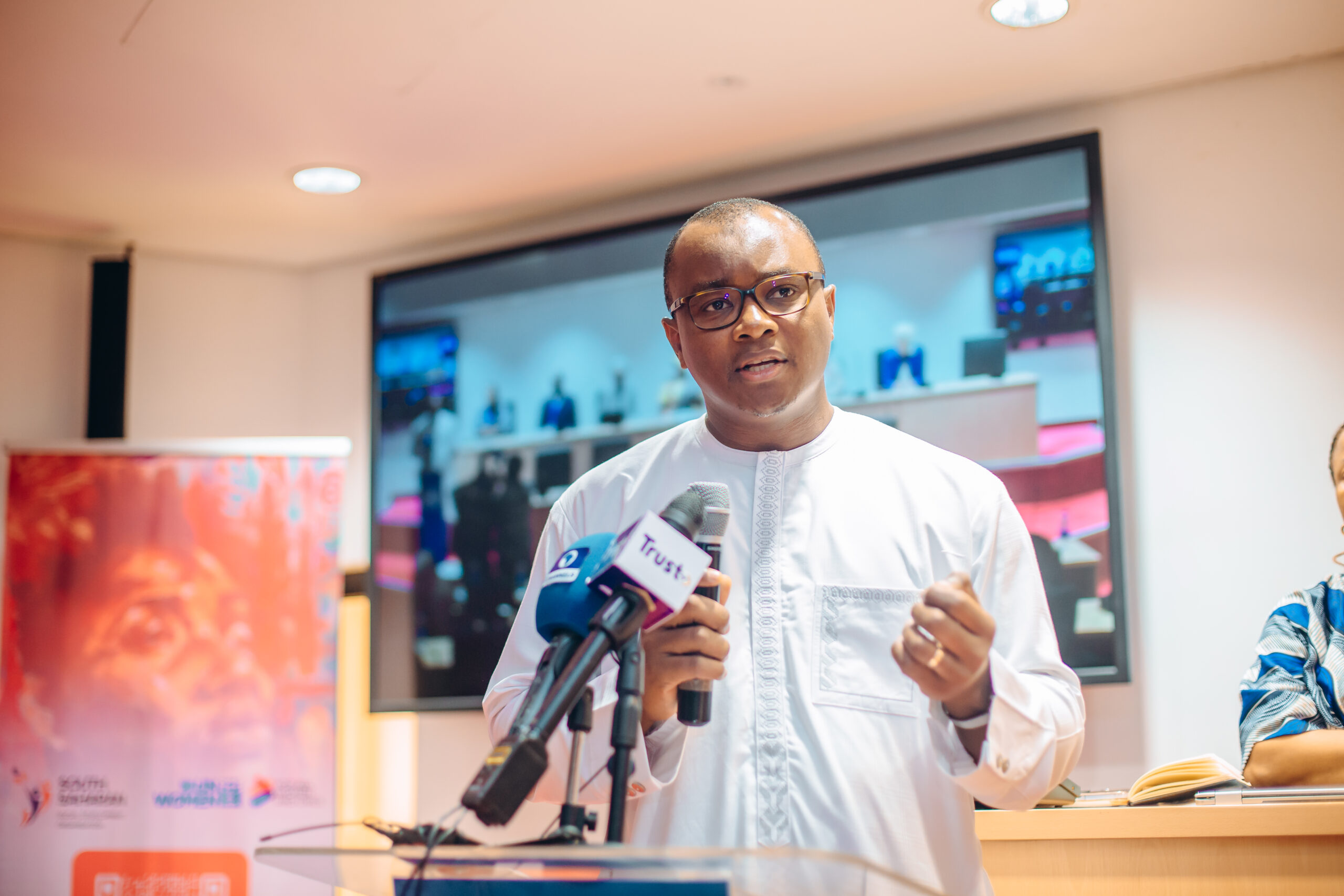
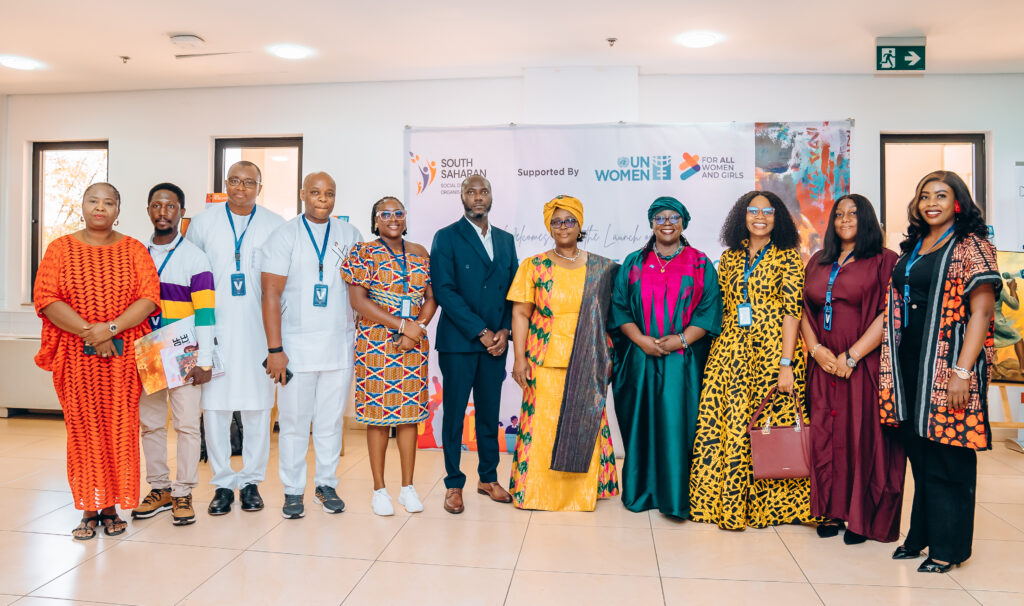
The anthology, together with the commissioned Paint-a-thon artworks, was officially unveiled as part of activities marking 2026 International Women’s Day, held under the global theme “Rights, Justice, Action: For All Women and Girls.”

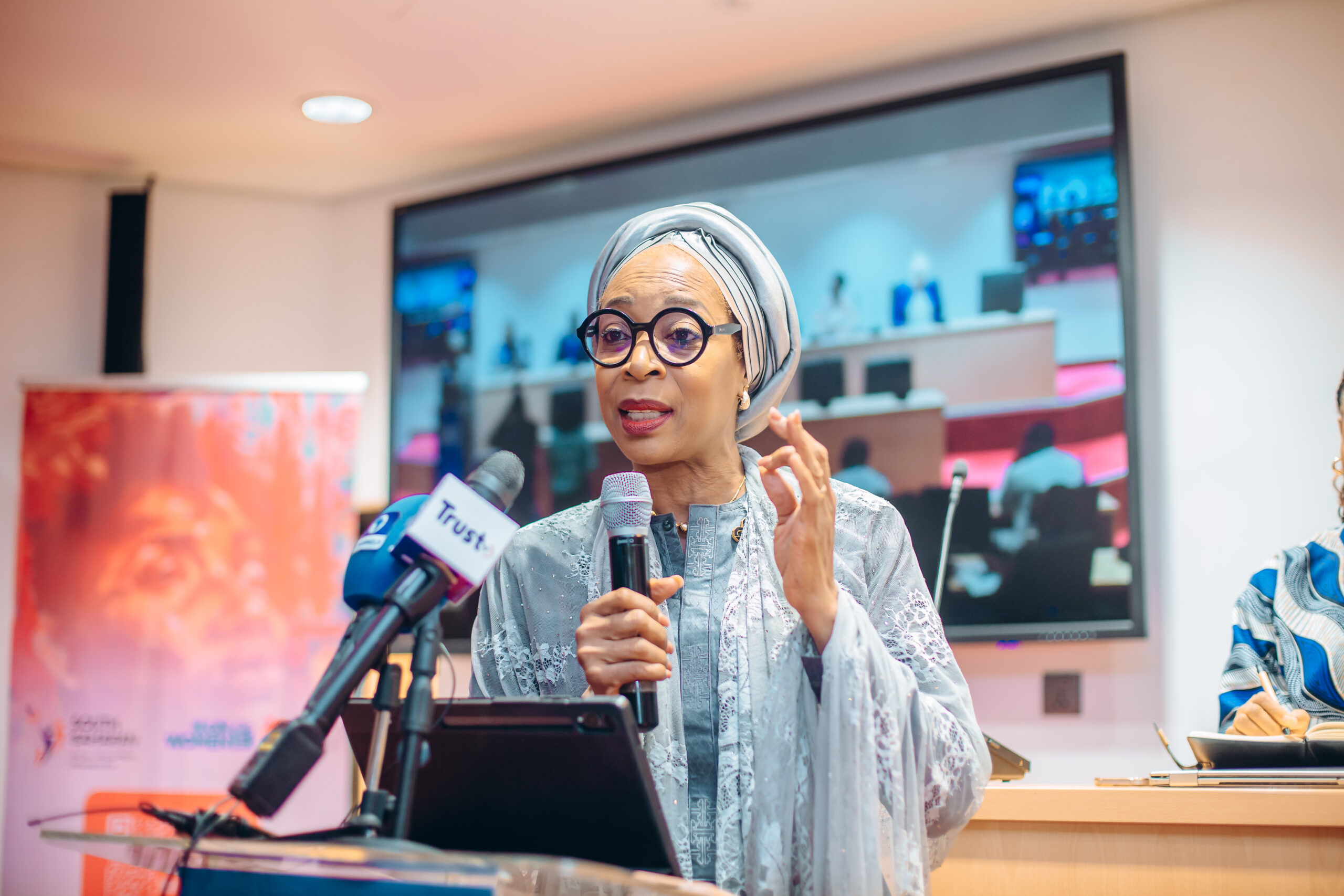
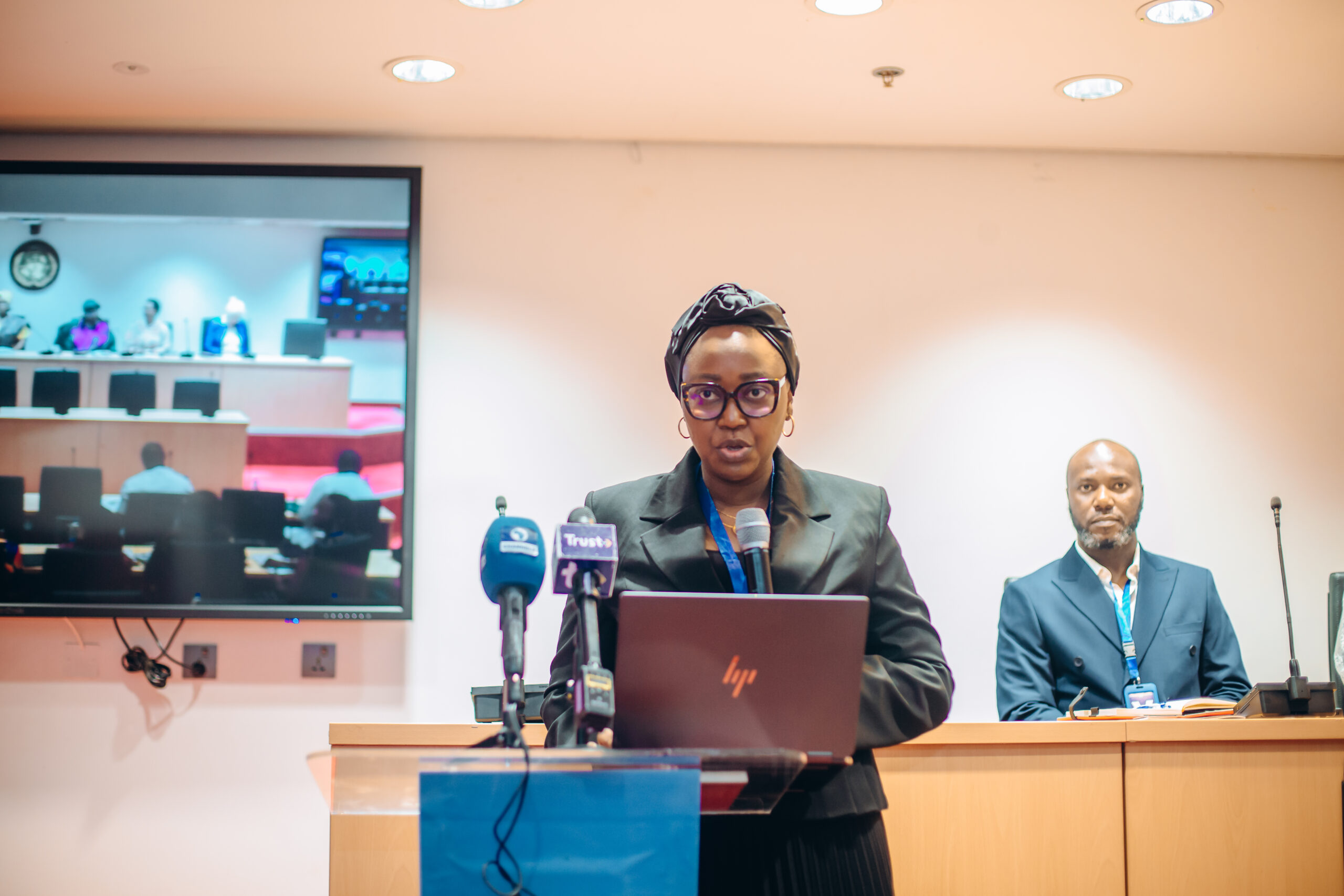
The launch took place at the United Nations House in Abuja, in partnership with UN Women and with support from the Ford Foundation. The event brought together representatives from government ministries alongside diplomatic and development partners. A signal of the shared commitment needed to move the needle on justice for women and girls.

At the heart of the occasion was a curated art exhibition, where the commissioned artists’ interpretations of the anthology’s stories came to life on canvas. For attendees, the paintings evoked emotion and sparked conversation, offering a deeper, multi-sensory way to engage with themes of resilience, survival, and justice.

Calling for Justice Beyond Rhetoric

Speaking at the event, Ms. Attafuah, UNDP Nigeria Representative and UN Resident Coordinator a.i., urged stakeholders to move beyond rhetoric and ensure that justice becomes a lived reality for women and girls, not just a policy aspiration.

South Saharan’s Executive Director, Dr. Stanley Ilechukwu (MD), echoed this urgency, emphasizing that the anthology brings to light the true human cost of failing justice systems: the stigma, the silence, and the systemic barriers women are forced to endure.

Art as Advocacy

Through this fusion of literature and art, SSDO is launching a movement, one where words and paint become tools for dialogue, healing, and justice. These paintings will travel beyond the walls of the launch event to exhibitions, schools, and community spaces, serving as visual testimonies that challenge silence and inspire reflection.

Together, they carry a message that cannot be ignored: gender-based violence is not just a women’s issue, it is a human issue.

What Comes Next

Beyond the publication and exhibition launch, SSDO plans to host community dialogues, creative workshops, and further art showcases, ensuring that each story continues to spark conversations and inspire change.

By translating lived realities into structured advocacy and visual art, the initiative strengthens policy engagement, informs institutional reform processes, and advances the case for a justice system that is genuinely accessible and accountable to women and girls.

As we transform pain into purpose, we invite advocates and partners to join us because justice is not just a destination. It is a story worth telling, in every form it takes.

International Day of Zero Tolerance for FGM: Community Townhall Meeting

Harmful traditions often survive in silence. We commemorated the International Day of Zero Tolerance for FGM with a townhall meeting at Umuode Comnunity. It was designed to break that silence through dialogue and accurate health education.

The practice of Female Genital Mutilation is common is some communities. Social pressure sustains it. Misinformation protects it. Silence normalizes it.

From our findings, many women lacked accurate health information. Caregivers misunderstood long-term consequences. Community gatekeepers rarely discussed the legal implications.

A structured town hall created space for truth.

Why the FGM Town Hall Meeting in Umuode Was Necessary

Cultural norms can be deeply rooted. Change requires community ownership.

The meeting responded to three pressing needs. First, improving knowledge about reproductive health risks. Second, challenging beliefs that sustain the practice. Third, strengthening collective resolve to protect women and girls.

FGM causes severe physical harm. Complications include infections, childbirth difficulties, and chronic pain. Psychological trauma often follows. Human rights violations are clear.

By bringing everyone into one space, the meeting allowed shared learning. Traditional leaders participated. Religious leaders attended. Women and girls were present.

Community-wide participation ensured that responsibility was shared.

Health Education from a Government Professional

Credible information builds trust. A trained nurse from the University of Nigeria Teaching Hospital led the session.

The nurse delivered an interactive presentation using simple language. Medical facts were explained clearly. Prevention strategies were outlined carefully.

Linking the discussion to a recognized health institution strengthened legitimacy. It bridged the gap between traditional practice and public health systems.

Participants asked direct questions. Honest answers followed.

Creating Space for Reflection and Debate

Dialogue formed the heart of the meeting. Guided discussions explored myths and social pressures. Participants reflected on inherited beliefs.

Some shared personal experiences. Others expressed concerns about community backlash.

The environment remained respectful. Inclusion guided facilitation. No voice was dismissed.

Gradually, perspectives began to shift.

Sustaining Action Beyond the Town Hall

Lasting transformation requires continuity. A single meeting can open minds. Sustained engagement changes behavior.

The town hall now serves as an entry point for ongoing action. Follow-up sensitization sessions will reinforce health messages. Engagement with local leaders will continue. Collaboration with women’s groups will expand.

Health workers will remain partners in education efforts.

Step by step, the goal is gradual norm change. Silence will give way to awareness. Awareness will build resolve. Resolve will protect girls.

Through community dialogue and credible information, Umuode moves closer to eliminating FGM.

When Stories Become Art: The “Cost of Justice” Paint-a-thon

We believe that stories have power – the power to heal, to awaken empathy, and to drive change. But sometimes, words alone are not enough. Sometimes, emotion needs colour, pain needs a canvas, and silence needs a voice.

That was the inspiration behind the “Cost of Justice” Paint-a-thon. It is a creative movement where art and advocacy meet to amplify the voices of women who have endured gender-based violence (GBV).

Understanding the Story Behind the Paint-a-thon

For over a decade, SSDO has worked to create a world where women and girls live free from violence, poverty, and discrimination. Our programs in gender equality, education, and women’s rights protection have reached countless communities across Southeast Nigeria.

But when we conducted a baseline assessment on GBV, the findings were alarming. Behind the statistics were real women, living with pain that had been normalized by culture, silence, and shame.

Through our community engagements, we documented these experiences and organized them under three powerful themes:

  1. The Cost of Justice: the financial, emotional, and social toll women face while seeking justice.
  2. Trapped in Silence: the stigma and shame that silence survivors.
  3. Gatekeepers: individuals and institutions that enable or perpetuate abuse.

These themes became the foundation of a national storytelling initiative – The Cost of Justice” Anthology.

From Words to Canvas: A National Call for Stories

In May 2025, SSDO launched a nationwide call for story submissions exploring these themes. The response was overwhelming.

We received over 100 heartfelt stories from women, writers, and advocates across Nigeria – raw, unfiltered accounts that reveal what it truly means to fight for justice in a system that too often fails survivors.

Each story was carefully reviewed and fact-checked by a panel of renowned literary judges. From the pool, 15 outstanding entries were selected for publication in our upcoming anthology – “The Cost of Justice“.

But we didn’t want these stories to end on paper. We wanted them to live, to breathe and to be seen.

The Birth of the Paint-a-thon

Recognizing the power of visual storytelling, SSDO took the next bold step: translating stories into art.

We launched the Cost of Justice Paint-a-thon, inviting young visual artists to interpret these real-life stories through colour and brushstrokes. Their task was not merely to paint but to feel; to give form to emotions that words alone could not contain.

From this initiative, 15 artists were selected and commissioned to create two artworks each, inspired by the stories in the anthology. Each painting stands as both a tribute and a protest – reflecting pain, resilience, and hope..

Art as Advocacy

Through this fusion of literature and art, we are launching a movement. A movement where words and art become tools for dialogue, healing, and justice.

These paintings will travel beyond walls to exhibitions, schools, and community spaces serving as visual testimonies that challenge silence and inspire reflection. Together, they carry a message that cannot be ignored: gender-based violence is not just a women’s issue; it is a human issue.

What Comes Next

The “Cost of Justice” anthology and commssioned Paint-a-thon artworks will be unveiled in a public exhibition and publication launch. Beyond that, SSDO plans to host community dialogues, creative workshops, and art showcases, ensuring that each story continues to spark conversations and inspire change.

As we transform pain into purpose, we invite advocates, and partners to join us. Because justice is not complete until every story is heard and every voice, seen.

From Stories to Canvass: Call for Artists – Cost of Justice Paint-a-thon

In May 2025, South Saharan Social Development Organisation (SSDO) invited community members to submit powerful stories for the upcoming Cost of Justice Anthology and the response was nothing short of inspiring. Voices of resilience, justice, and change poured in, painting vivid pictures of lived experiences that deserve to be seen and heard.

Now, we are taking the next bold step: bringing these stories to life through art on canvas.

Paint-a-thon 2025 is Here!

We are calling on young creatives in Enugu State to transform these stories into striking visual expressions. This is your opportunity to let your art speak where words stop; to inspire, to challenge, and to reimagine justice through creativity.

How to Participate

  • Click the link or scan the QR code to view the creative prompt
  • Create an original 2-D artwork (excluding photography & digital graphics)
  • Submit your work through the provided link or code

👉 Submit here: https://forms.gle/8RSs1U31rf62YCyL8j

Why Participate?

🏆 Win a ₦300,000 cash prize at the Paint-a-thon
📖 Have your work featured in The Cost of Justice Anthology, alongside real community stories
🌍 Be part of a movement that merges storytelling and art for justice and change

Deadline for Submissions

📅 12th September, 2025

Eligibility

  • 35 years or younger
  • Resident in Enugu State

This Paint-a-thon is a creative bridge between lived experiences and visual storytelling. Whether you shared your story earlier or you are picking up a brush for the first time, your voice matters. Your art can spark conversations, shift perspectives, and amplify the collective call for justice.