SSDO

Success Stories From Jacob’s Well Micro-credit Scheme

Studies from the Nigerian Economic Summit Group revealed that 91 million Nigerians now live below the poverty line. With an additional eight million people pushed into poverty in 2021. Interestingly, about 60 percent of people living below the poverty line are women. Unemployment, unpaid labor, gender discrimination, and marginalization are mostly responsible for it. 

In many communities, women are largely dependent on their spouses for their financial needs. This dependence is one reason why women fail to report gender-based violence. They fear they’d lose their financial support and become stranded. Women’s empowerment is one of the practical solutions to reducing the cases of violence against women. 

South Saharan Social Development Organization (SSDO) is committed to improving the quality of life for women in communities. We empower them to be financially independent, thus reducing poverty and dependency. One such way we do this is through Jacob’s Well micro-credit scheme. SSDO makes loans available to women in a cooperative to start or sustain their business. 

Here are some remarkable stories from the project and how beneficiaries have been able to change their household’s economic situation.

Ilunoh Josephine

Josephine relocated from the north a few years ago because of the insurgency. Since her return to the east, she found it difficult to meet ends. It was a struggle for her and her family to survive. However, in 2020, she discovered SSDO’s micro-credit scheme, and her story hasn’t been the same. 

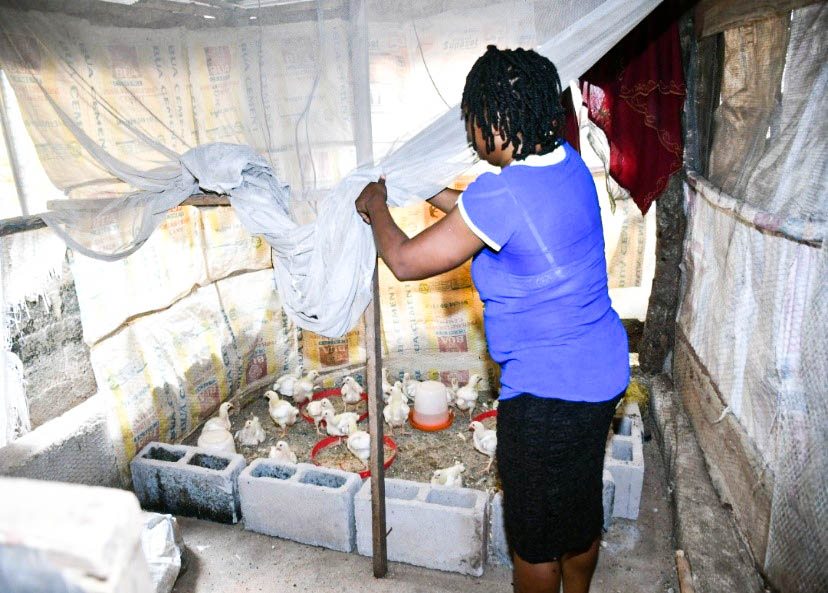
She had a small poultry business she started but hasn’t been able to break even due to the lack of capital. The poultry had 20 birds when she found out about the scheme. After accessing loans twice, she has grown her poultry farm to over 100 birds and 20 turkeys. She has also successfully expanded to the sales of agricultural produce. 

Josephine testifies that her financial challenges have been a thing of the past. 

 “I am so grateful to SSDO for the loans they allowed me access. I have been able to grow my business. Three of my kids are in the university, and I’ve been able to cater to their needs without any financial challenges.” 

Chinenye Oforkansi 

“Before the loan I got from SSDO, I could barely feed my family. I struggled to pay my children’s school fees and school materials.” 

Chinenye uses her room for petty trading. She couldn’t expand her business. She has grown her business since she accessed loan credit from the scheme. She is currently constructing a kiosk to accommodate her thriving business. 

She now has an oil palm business. Her standard of living has significantly improved, and she caters to her children’s educational needs without stress.

Geraldine Okeh

Geraldine runs a restaurant business. She has been looking to diversify into cash crop production but was restrained by the lack of funds. However, her story is changing. 

“Since I got the loan, I have been able to diversify into the poultry business. I have a registered farm where I plant economic crops.” 
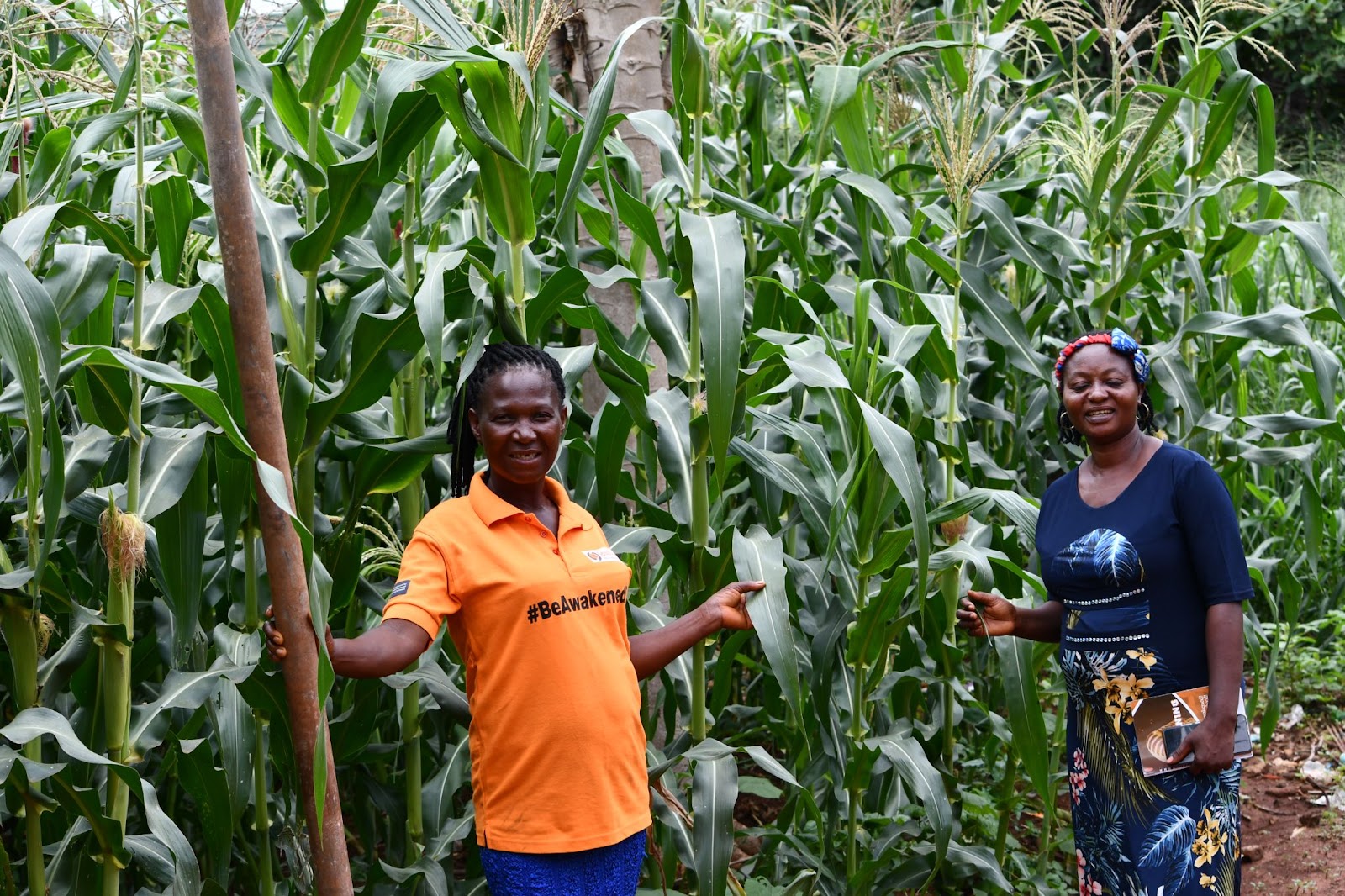
She’s showing no signs of slowing down as she’s already looking forward to her next loan grant. “With my next loan, I will ‌add vegetable crops to the farm.” 

“SSDO has changed my life and business. I am so happy and grateful for their effort.” 

Benedict Udeneh 

“I run a small restaurant. But I could not expand and meet my customer’s needs.” 

Benedict couldn’t expand her restaurant business due to a lack of capital. The profit she made wasn’t enough to cater to her expansion needs. All the business afforded her was her daily needs. So if she didn’t cook the next day, there was no way the next meal was guaranteed. 

However, after accessing the loan credit, things took a new turn. She has been able to establish poultry and an oil bean business. 

“I can comfortably afford to foot my children’s education bills without stress. My standard of living has also significantly improved.” 
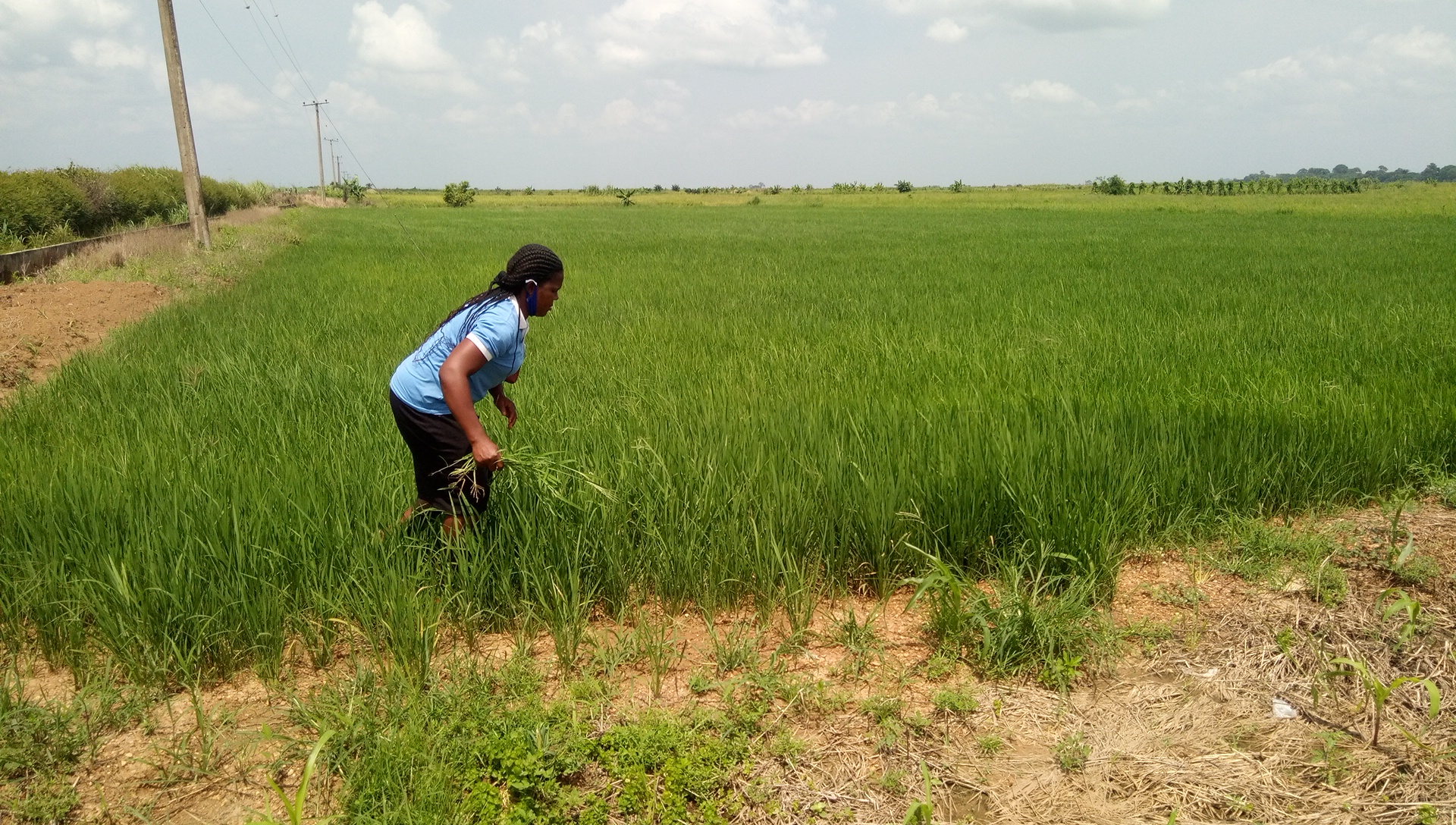
Women-Owned Agro Businesses Feel the Brunt of the Herdsmen Attack in Enugu.

Woman weeding her plantation

“I can’t go to the farm anymore. You don’t know where or when they will attack,” Chigozie explains. 

This has been the situation of farmers in communities in Uzo-Uwani LGA, Enugu State. On the 25th of July 2021, herders attacked Obie Akwu farm camp where few people died and many were injured. This has disrupted the normal proceedings of the communities whose chief occupation is farming. Now, farmers are scared to return to the farms for fear of being attacked. 

The herders-farmers crisis has been an ongoing issue in the country and has recently become a cause of concern in the Southeast. As remote communities have been frequently attacked in recent months. 

“I buy farm products from farmers to sell in the market. Since the attack there’s been little activity from the farmers,” Onyinye, a fruit seller said. 

Many women in Uzo-Uwani communities are traders. Some buy farm produce from farmers and sell it in the market. Other women engage in farming and proceed to sell the products themselves. Thus, raising money to fend for themselves and support their families. 

However, many of these women deal in small quantities. Buying and selling as much as they can to break even and stay afloat. There is a limit to how they can support their family and look to attain financial independence. 

Women like Onyinye abound across communities in Enugu and the country at large who make barely enough to cater to their needs. Coupled with the insecurity the communities in Uzo-Uwani face, it is worse off. 

“I barely make enough profit to buy books and clothes for my kids, talk less of taking care of myself,” Onyinye said. 

In 2019, Onyinye came in contact with South Saharan Social Development Organization (SSDO) during one of their community outreaches to Uzo-Uwani. 

“I met some officials from SSDO and they told me I could access loans from their organization to grow my business. I was so excited.”

SSDO through its Jacob’s Well initiative aims at improving the quality of life for women in Enugu state by providing micro-credit facilities. The objective of the project is to empower women to gain financial independence, reduce poverty and over-dependency. 

Recipients of the Micro-credit loan

Onyinye has been able to grow her business after acquiring some loans. She can now buy fruits in more quantities and expand her business. 

“I use to buy fruits in small quantities before from those who buy from the farm. Some oranges, bananas, and a few watermelons. With the loans, I have been able to grow my business. I buy in bags directly from the farm. I am grateful to SSDO for the opportunity.” 

These loans are made available with a cooperative as a third party. Only women who are duly registered with these cooperatives can benefit from the loans. Once a loan is cleared off, the women can reapply for another one. Thus, steadily growing their businesses. 

Things have however changed, the recent attack has made it difficult for business activities to continue as normal. Not just that, female businesses that have been empowered through the Jacob’s Well Initiative might suffer as well. Women take loans from SSDO to grow their businesses then refund the loans gradually after making profit. With the level of insecurity, this might no longer be visible. 

“With the current situation of things, I don’t know when I will be able to go the farm again. I also cannot take another loan because I’m not sure of how things will turn out”.

The same also can be said for Theresa a rice farmer in Adani community. She gets loans from SSDO and has scaled up her business. However, the current situation in the community has brought all activities to a standstill. 

Beneficiaries sun-drying their rice.

“Since the incident, I’ve not been able to go to the farm. And that is where we carry out the parboiling and the sieving of the rice as well. So now we are stranded.”   

This poses a new challenge for women in these communities. Access to funds was usually the problem but this new status quo looks to threaten the progress that has been made with women empowerment in these communities.  

The Pain of the Pandemic: Chinasa’s Story to Stability

Chinasa's new chicks (gotten from the profit of the first set) -25 chicks

Feb. 23, 2021

“During the lockdown, it was impossible for me to support my family. My husband’s
motorcycling repair job has been affected by the pandemic. I needed to do something about my family’s situation as feeding had become an issue. I anticipated receiving the money. I knew that with it I will be able to get my business running and my family going. The intervention was timely.”

Ngene Chinasa is a mother of five children. She lives in Ndibinagu Umunkwo community, Akegbe Ugwu LGA of Enugu state. Due to the Covid-19 pandemic, things became very difficult for her and her family to survive. Chinasa was unemployed. Her husband is a mechanic, who needs to work long hours daily to earn a living. Life was unbearable, feeding became a struggle.

The effect of the pandemic has been felt by every sector of the economy and every class of people. No one spared. Nigeria is largely dominated by the informal sector which accounts for 60% of the working population. The main characteristic of the informal economy is that money changes hands on a daily, and the survival of workers in this sector is based on them showing up for work every day.

Since the lockdown in March, it has become difficult for informal economy workers like Chinasa’s husband to keep up, seeing that they make money daily.

The complications of COVID-19 didn’t only affect their means of livelihood but also brought about an undue scarcity. She had to walk about 4km with her suckling child to the major road junction, in order to go into town. “You have to call bike men to come to pick you. When they come, you will pay for both trips,” she said. The remote location of the settlement made it unattractive for motorcyclists. This meant that they had to walk if they didn’t want to wait for
hours to get transport. 

Fortunately, Chinasa was opportune to be enrolled on the OVC project by a community volunteer early last year. In September 2020, Chinasa was one of the first beneficiaries under the OVC (Orphans and Vulnerable Children’s) program to benefit from the IGA (Income Generating Activity) intervention supported by the 4Gates project in Enugu state. 

File Image: Receipt of the items for IGA -15 chicks

confirmed

File Image: Bags of feed and medication for the chicks.

confirmed

IGA is one of the implemented initiatives under Household Economic Strengthening, a domain of the OVC project. This initiative is aimed at helping beneficiaries attain economic stability by helping them establish businesses to support their families. “I have been thinking of how to scale through this pandemic. But with the cash, I will be able to provide for my children.”

Chinasa and other beneficiaries were trained on financial education to ensure that the businesses provided would be properly managed and utilized. After the training, she selected poultry as the business venture to embark on. “I had a poultry farm once but couldn’t sustain it due to funds,” she said. 

She has taken full advantage of the initiative and has expanded the poultry business to include a piggery. “So far, there’s been no challenge, and I have been steadily growing the business,” she noted. Chinasa now has a farm with 25 chicks, 7 pigs, and has also started a nursery in her home.


File Image: Birds at 6weeks almost ready for sale.

confirmed

File Image: Chinasa's pig farm (gotten from the profit of the first set) -7 Pigs.

confirmed

“I make 6,000 Naira when I sell a chicken, and at least 50,000 Naira for a matured pig,” Chinasa stated. Her story has changed from what it used to be during the lockdown. She can now adequately support her family and have some savings.

35 people have been empowered so far by the initiative. The project is supported by CARITAS – 4GATES and implemented by South Saharan Social Development Organization (SSDO). 


By Oduguwa Olusomi

COVID-19: Emotions as NGO give palliatives to homeless triplet-nursing mother, 253 vulnerable

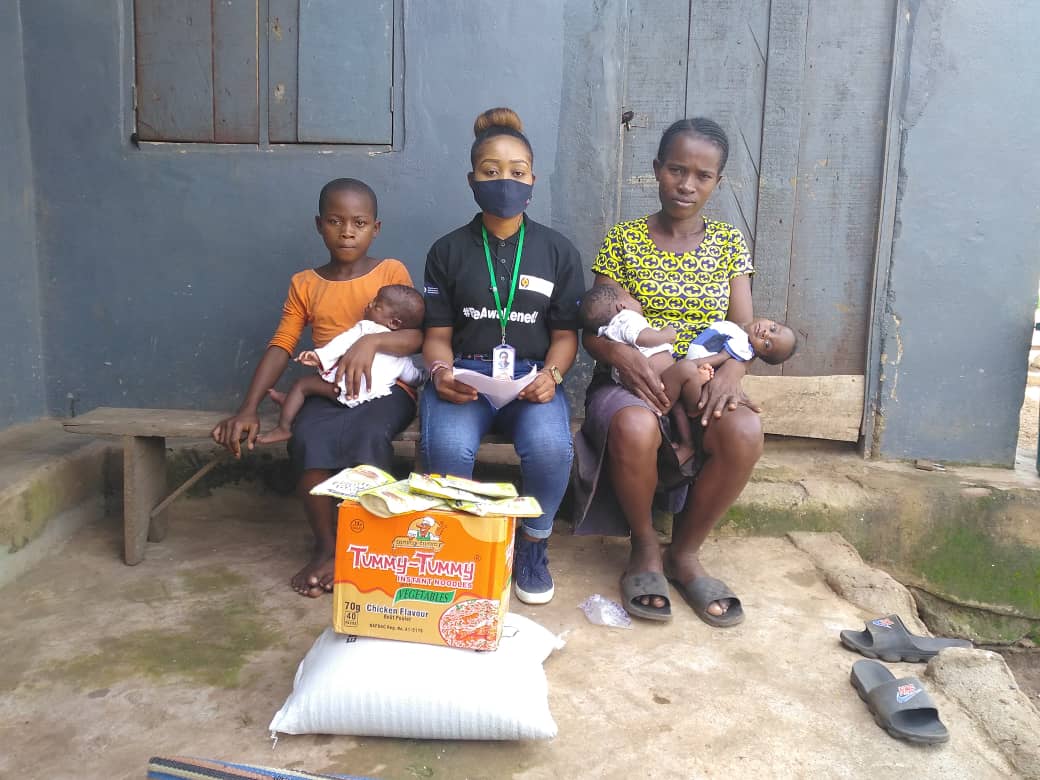
SYMPATHY went high in Enugu, yesterday, when a Non-Governmental Organization, South Saharan Social Development Organization, SSDO, in partnership with Nigeria Foundation for the Support of Victims of Terrorism (Victims Support Fund) distributed palliatives to 254 indigent citizens of Enugu state, whose income were affected by the ravaging coronavirus pandemic.

The distribution exercise which took place in the month of June had other vulnerable persons that benefited from the palliatives were a blind woman at Ogui-Eke and a crippled man who lives in a zinc corrugated house in Oma-Eke, both in Udi local government area of Enugu state. Anosike, the nursing mother of triplets and four other children, who squat in school premises, having no apartment of hers, in an emotional speech said: “You don’t know what this means to me, ever since my husband realized that I was pregnant with triplets, even more, so that we have four children already, he left us and never came back.”

The elated blind woman danced around when she was informed of what the team brought to her.

The palliatives consisted of food items, sanitizers and facemasks, to meet the physiological and safety needs of the people.

Speaking at the event flag-off, Executive Director of SSDO, Dr Stanley Ilechukwu regretted that the Covid-19 inspired lockdown has presented a stark choice to families, to risk death or disability due to the virus or hunger and starvation from loss of income.

“South Saharan would support you to ensure you are not placed in a situation where you have to choose either. This exercise is being carried out successfully with a working database of vulnerable households in the state. “The project is ongoing and SSDO is calling out to both individuals and groups whose interest has been kindled and would like to donate to help,” Ilechukwu said.

The palliatives which focused on widows, orphans, and people living with disabilities, PLWD, were distributed across Enugu East, Enugu South, Nkanu East, and Udi local government areas of Enugu state.

Read more at: https://www.vanguardngr.com/2020/06/covid-19-emotions-as-ngo-give-palliatives-to-homeless-triplet-nursing-mother-253-vulnerable/