SSDO

Planting Seeds of Change: Youth Trained in Sack Farming Across Enugu Communities

Planting Seeds of Change: Youth Trained in Sack Farming Across Enugu Communities

South Saharan Social Development Organisation (SSDO), in partnership with ActionAid Nigeria under the SPA II project, has taken another bold step in tackling food insecurity and youth unemployment.

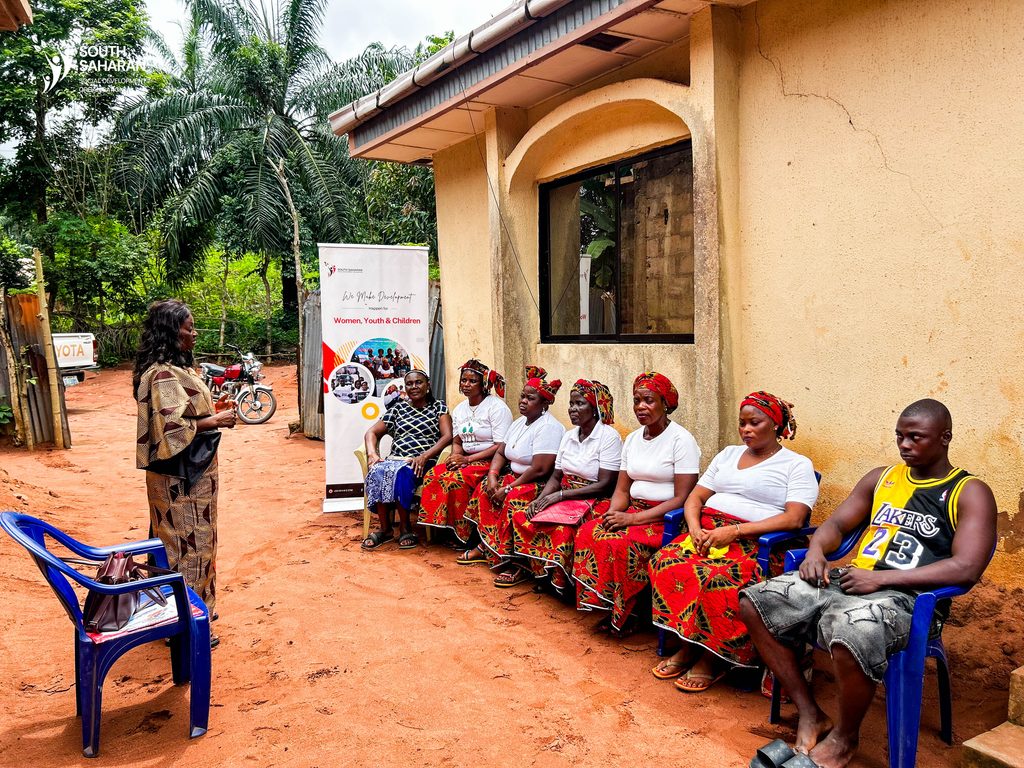
Over 320 young people across four communities in Enugu State – Abor Isiala, Ihenyi, Oduma Achara, and Umuogili, have been trained in sack farming and equipped with the tools to begin their own food production journey.

From Training to Transformation

For eight days, these communities became classrooms of possibility. With two days dedicated to each location, participants learned hands-on techniques in sack farming, a climate-smart and space-efficient approach to agriculture. Beyond theory, they left with seeds, seedlings, and planting sacks – everything needed to translate knowledge into action.

Why Sack Farming Matters

Food insecurity and unemployment are pressing issues for rural communities. Sack farming offers a practical solution. It requires little land, adapts to urban and rural spaces, and provides families with steady access to fresh produce. For young people, it also opens pathways to income, innovation, and leadership in community development.

Growing More Than Crops

This initiative is about more than agriculture. It is about planting confidence, resilience, and self-reliance in the next generation. Each sack filled with soil is also filled with opportunity, an opportunity for youths to not only feed themselves but to support their families and contribute to their communities.

The Journey Ahead

As seedlings take root in Enugu, so too does a vision of empowered young farmers leading change from the ground up. The ripple effect will be stronger households, healthier communities, and more sustainable livelihoods.

Together, we are planting seeds of change, one harvest at a time. 🌱💪

Empowering Women Through Financial Literacy Dreams That Need Structure

Behind every thriving business is a woman who dares to believe in her dreams. South Saharan Social Development Organisation (SSDO) believes those dreams deserve more than hope they deserve the skills and support to stand strong. Without financial knowledge, even the best ideas can falter, which is why financial literacy is at the core of building lasting empowerment.

Learning by Doing

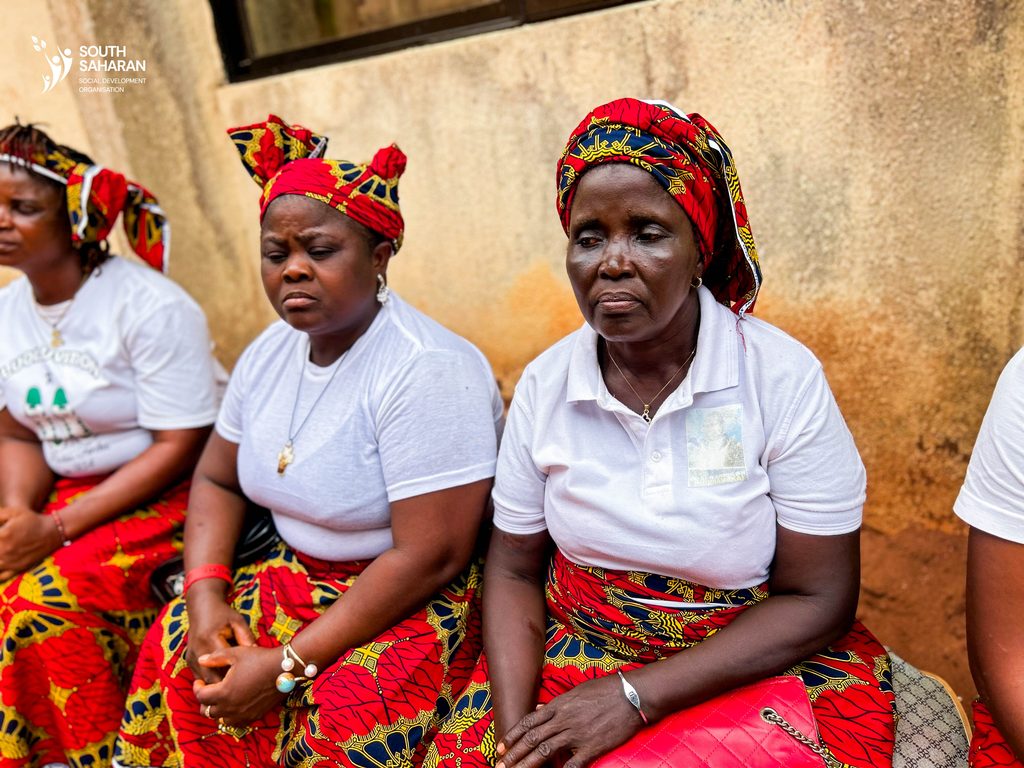
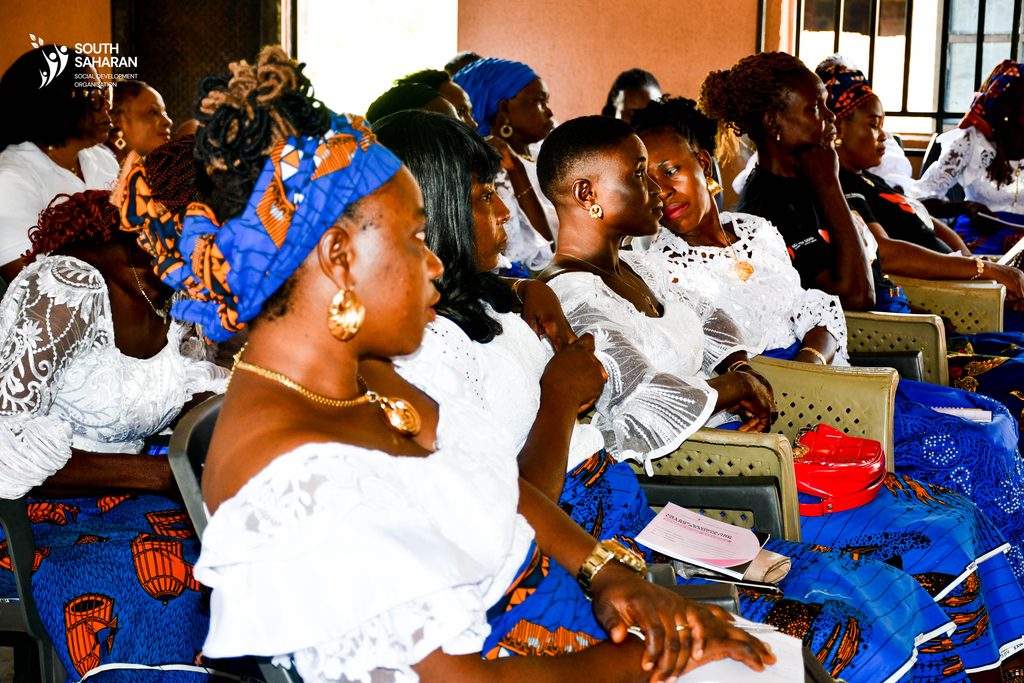
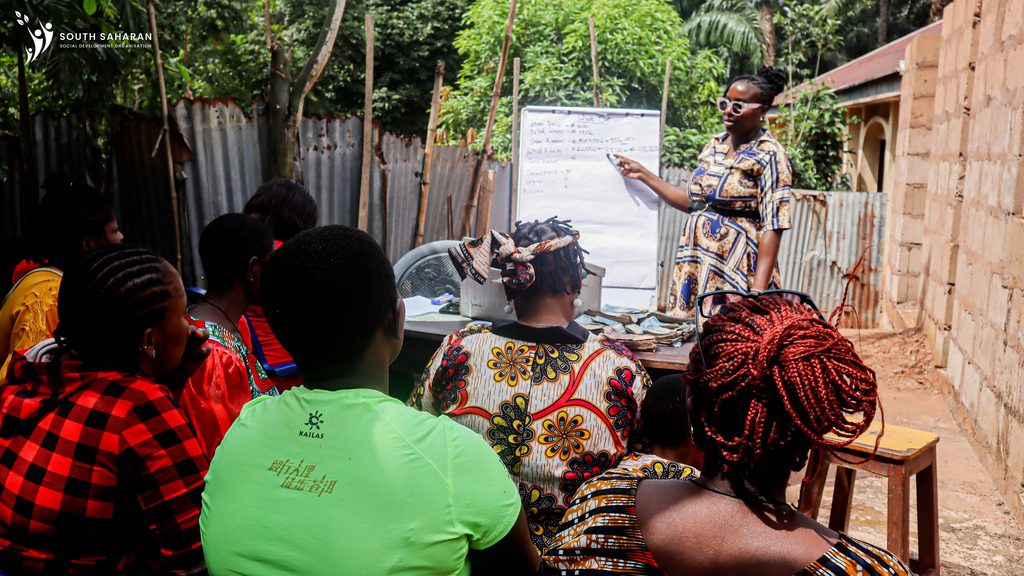
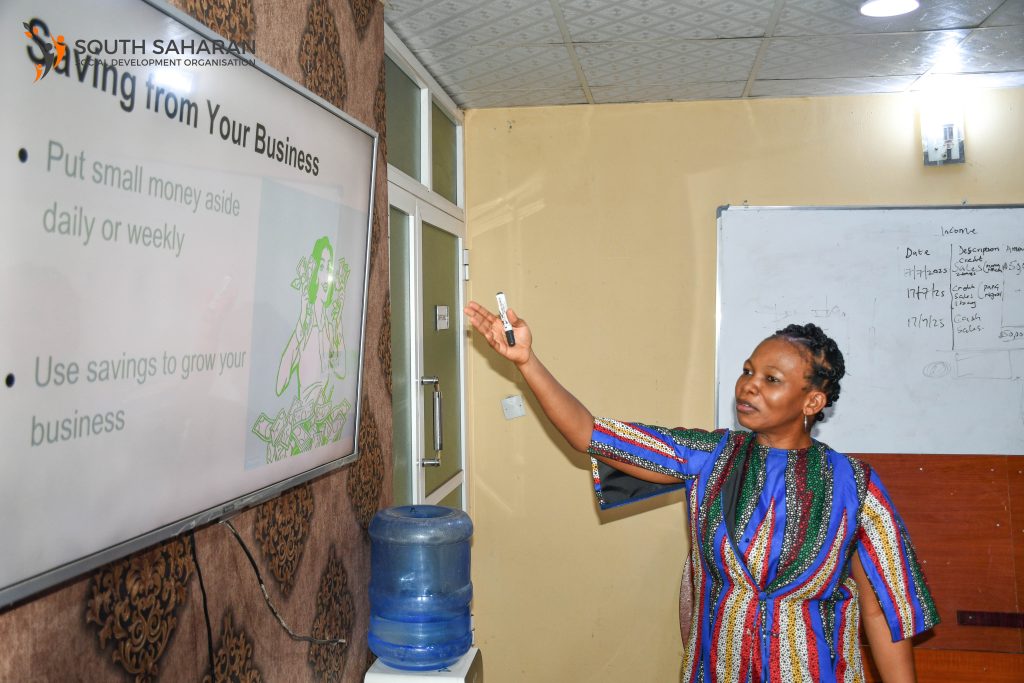
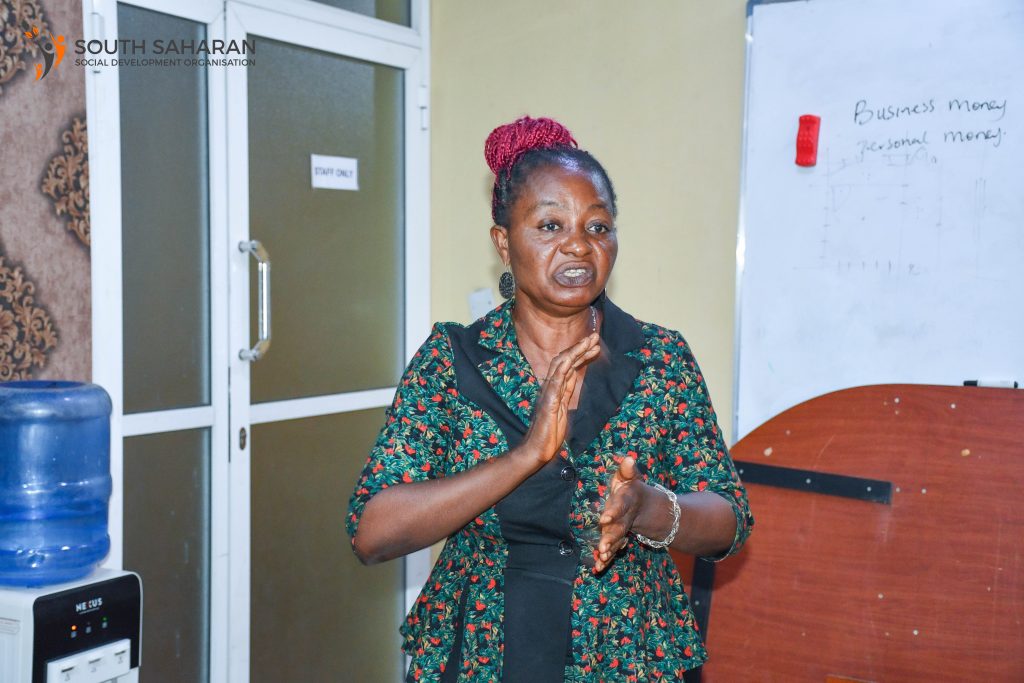
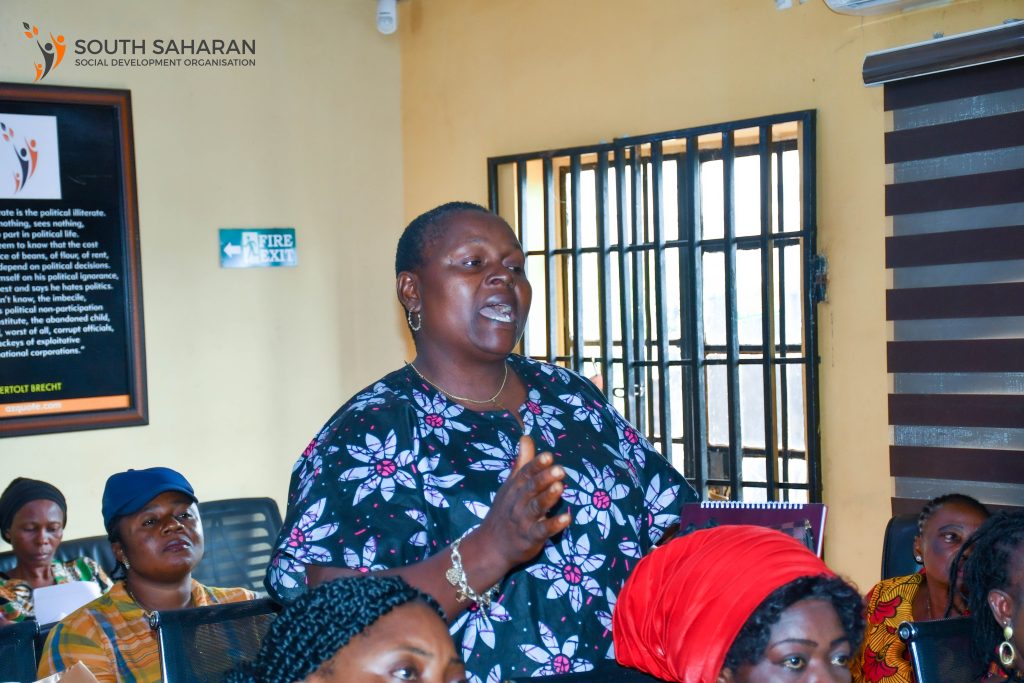
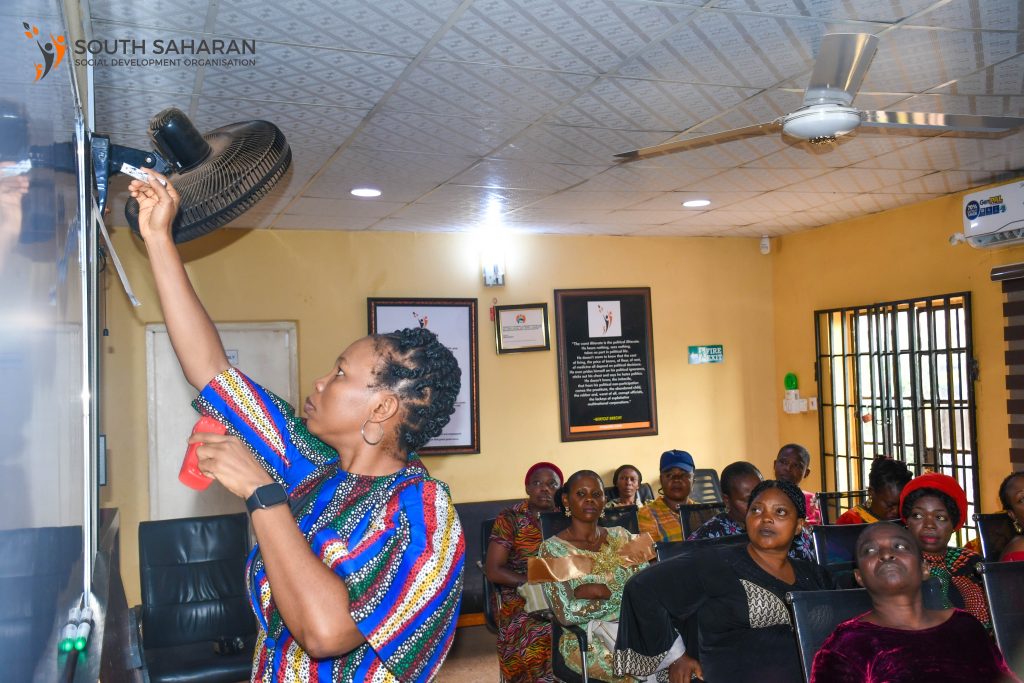
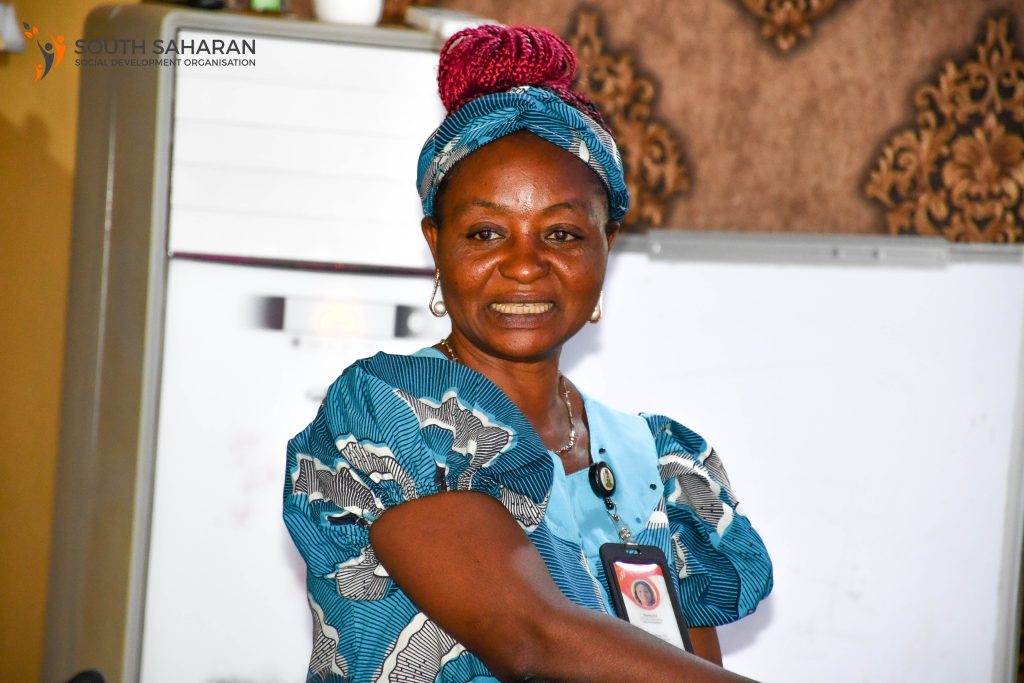
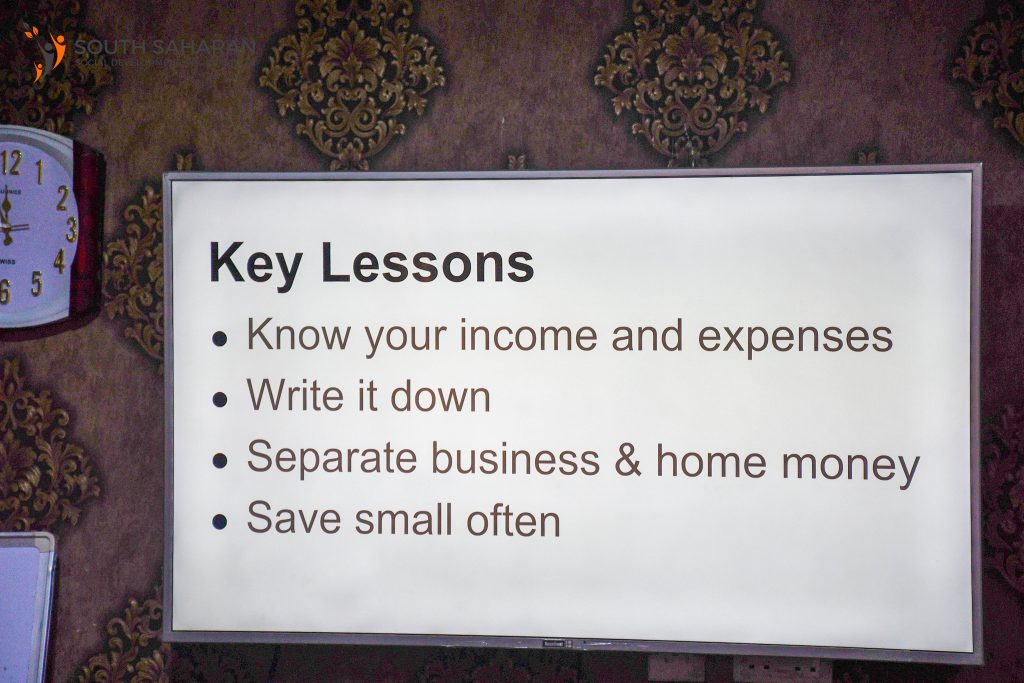
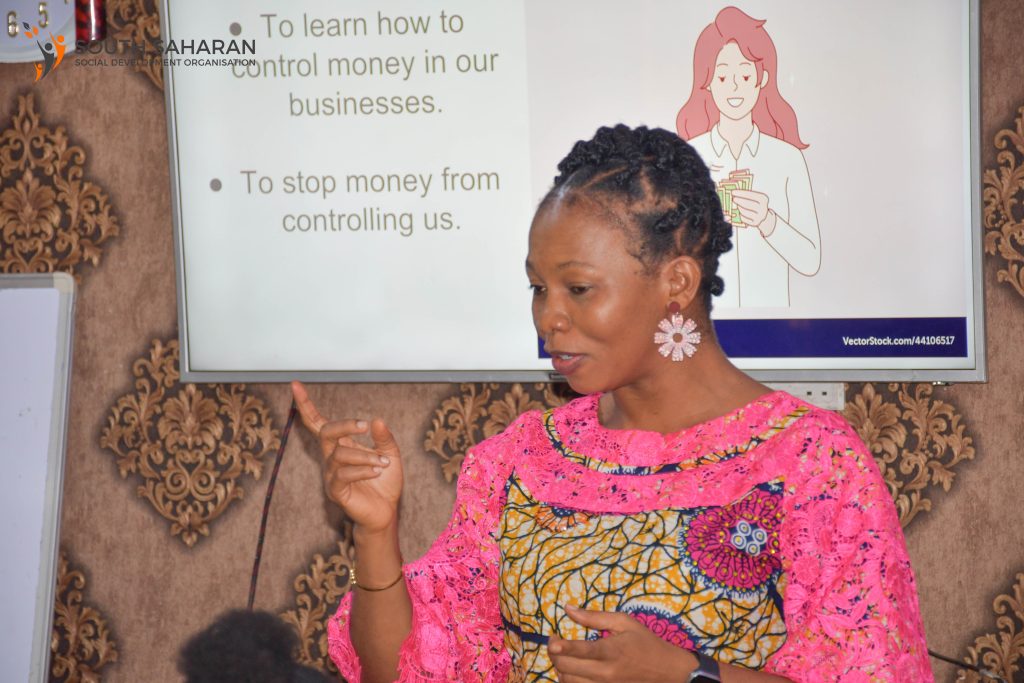
Through our Jacobs Well livelihood project, women entrepreneurs came together for a practical, hands-on session on Money Management and Basic Bookkeeping. The training, led by Stella Ani, gave participants a simple yet powerful roadmap to managing their businesses better. Our Finance Manager, Udoamaka Okoye (PMD Pro, ACA), also shared insights on how to track expenses, manage income, and make smart financial choices. The room was filled not just with lessons, but with renewed confidence.

From Knowledge to Opportunity

This wasn’t training for its own sake it was preparation for something bigger. The session served as a foundation for the disbursement of ₦10.8 Million in business support funds, ensuring beneficiaries are not only financially supported but also financially prepared. Because SSDO believes access to funds without the skills to sustain them is a missed opportunity.

Beyond Building Numbers

Financial literacy is about more than balance sheets and bookkeeping. It’s about dignity, independence, and the ability for women to write their own success stories. By equipping women with both knowledge and resources, we are not just strengthening businesses we are nurturing families, lifting communities, and planting seeds of lasting change.

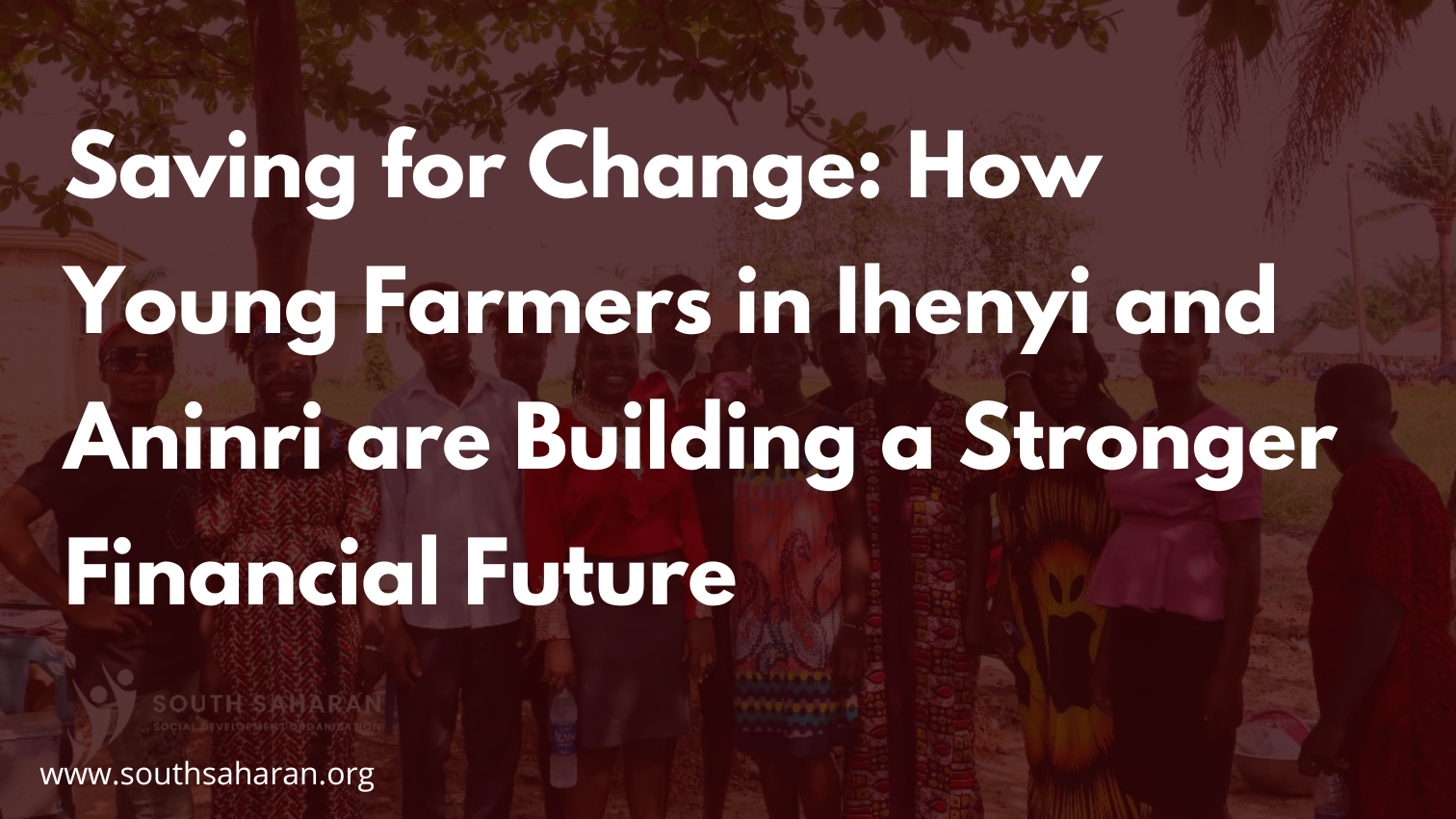
Saving for Change: How Young Farmers in Ihenyi and Aninri Are Building a Stronger Financial Future


In April 2024, South Saharan Social Development Organisation (SSDO), with support from ActionAid Nigeria under the SPA II Project, helped establish Village Savings and Loans Associations (VSLAs) in two rural communities – Ihenyi in Isi Uzo LGA and Aninri LGA, Enugu State.

One year later, the numbers and stories tell a powerful truth: when young people take ownership of their finances, they build more than savings, they build resilience.

A Year of Saving, Lending, and Growing

The Great Farmers VSLA in Ihenyi and the Oganiru VSLA in Aninri recently completed their first full cycle and the outcomes are nothing short of transformative:

  • Zero Loan Defaults: Every loan was repaid in full.
  • Consistent Participation: 51 weekly meetings held in Ihenyi alone; a testament to group discipline.
  • About ₦250,000 profits generated, reinvested to grow internal capital.
  • Social Funds rolled over to support emergencies and future group needs.
  • 72% Female Membership, strengthening gender inclusion.
  • Loans worth over ₦700,000 disbursed.

These are not just outcomes. They are indicators of community-led financial power taking root in rural spaces.


Where the Money Goes, and What It Tells Us

According to recent data from South Saharan Social Development Organisation, a staggering 92% of VSLA loans are invested in agriculture.

That is a powerful statement about what communities value and need.

  • 💼 Small businesses: 4%
  • 📘 Education: 2%
  • 🩺 Healthcare: 2%

This tells us a lot:

✅ Agriculture remains the lifeline of rural livelihoods.

✅ There’s untapped potential to scale access to education, healthcare, and enterprise.

✅ VSLA groups are not just saving, they are transforming lives.

Beyond Money: Strengthening Livelihoods and Solidarity

For most members, agriculture is not just a means to survive, it’s the gateway to dignity, growth, and independence. With every loan invested in seeds, fertilizer, tools, and labour, members are actively reducing food insecurity and improving household income.

More importantly, through collective savings and decisions, the VSLAs are cultivating trust, discipline, and shared purpose – a model for sustainable rural development.

Looking Ahead

The success of the VSLAs is not just a story of numbers, it’s a story of young people rewriting what’s possible for their communities.

SSDO remains committed to strengthening local structures, scaling up this model, and amplifying youth voices across rural Enugu.

From Small Savings to Big Dreams: VSLAs Powering Farmers in Isi Uzo & Aninri

What happens when young farmers take charge of their own financial growth? In Isi Uzo and Aninri LGAs, the answer is clear transformation.

In 2024, with support from ActionAid Nigeria under the SPA II Project, we helped establish Village Savings and Loans Associations (VSLAs) led by young people. These aren’t just savings groups. They are small, self-managed banks built on trust, community, and a shared vision of economic empowerment.

And now, one year later, it’s time to count the impact.

Why the Share-Out Matters

The VSLA share-out is more than a financial event. It’s the moment when months of disciplined saving and borrowing come full circle. Members get back their contributions, plus interest, and pour it back into their farms, shops, or family needs.

It’s a reflection of what’s working. It’s a chance to learn, grow, and scale.

What We are Seeing

From Isi Uzo to Aninri, the VSLA groups are:

  • Supporting one another with access to interest-friendly loans
  • Investing in farming inputs, trade, and even education
  • Building economic resilience where banks don’t reach

Our team is currently monitoring this process to gather stories, numbers, and lessons that can help scale the model to more communities..

Looking Ahead

Through this monitoring, we hope to:

  • Understand how youth are using these funds to change their lives
  • Document challenges and breakthroughs
  • Make smarter, community-driven decisions for future rollouts

This is what sustainable change looks like – young people saving together, lifting each other up, and proving that with the right tools, they can fund their own future.

We are proud to walk alongside them.

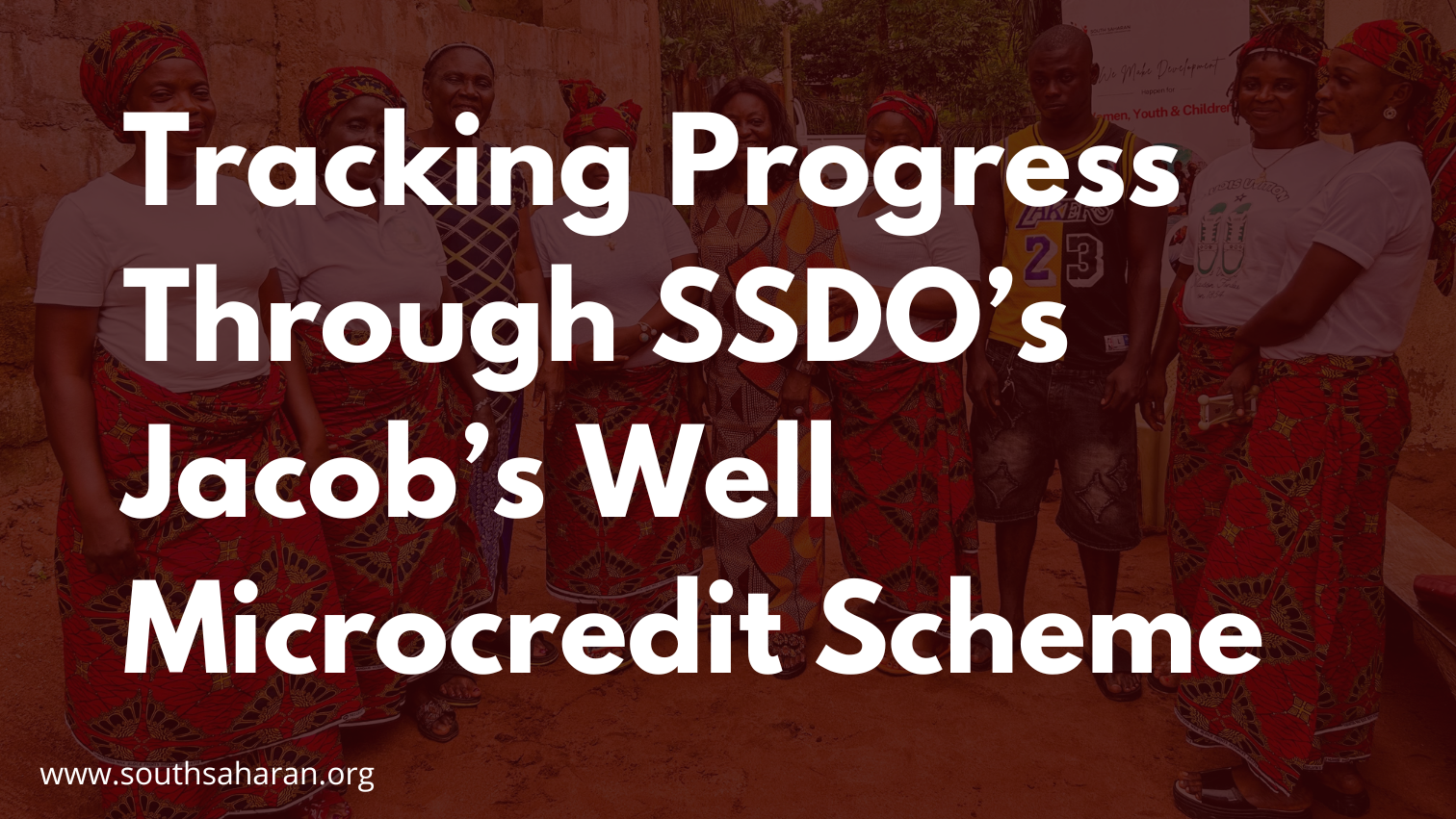
Jacob’s Well Micro-credit Scheme Empowers 29 People

Studies from the Nigerian Economic Summit Group revealed that 91 million Nigerians live below the poverty line. With an additional, eight million people pushed into poverty in 2021. Interestingly, about 60 percent of people living below the poverty line are women. Unemployment, unpaid labor, gender discrimination, and marginalization are mostly responsible for it. 

In many communities, women are largely dependent on their spouses for their financial needs. This dependence is one reason why women fail to report gender-based violence. They fear they’d lose their financial support and become stranded. 

This dependency also means that these women are largely unbanked and would be next to impossible to access loans from traditional institutions. Their lack of access to assets of their own also means they don’t have any form of capital that can suffice as collateral. In our line of work, we’ve seen that this economic disparity engenders gender-based violence. 

Understanding these peculiar challenges, South Saharan Social Development Organization empowers them to be financially independent, thus reducing poverty and dependency. 

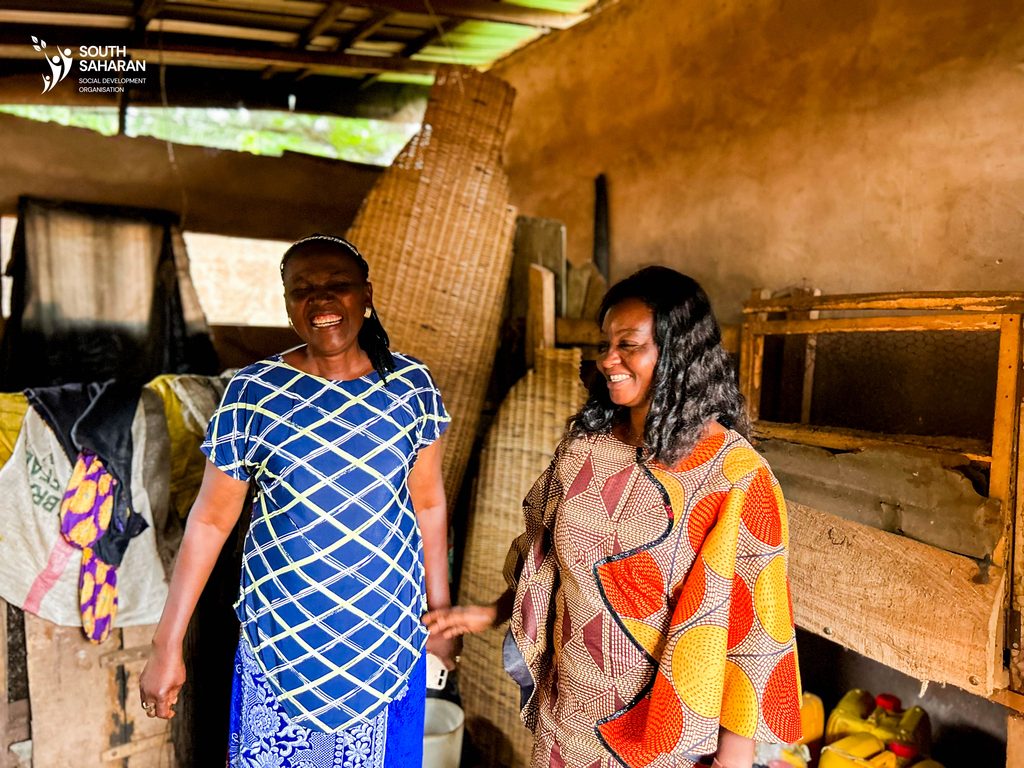
One such way we do this is through Jacob’s Well micro-credit scheme. SSDO makes loans available to women in a cooperative at low-interest rates to start or sustain their businesses. The organization empowers these women with no collateral required leveraging the social trust within the cooperative mechanism to ensure compliance across the board. 

In November, 29 loan collectors across three registered cooperatives got loans to grow their businesses. They were trained in financial literacy, risk management, savings culture, business and cooperative management to help sustain and grow the venture.

A sum of 2.85 million naira was disbursed to these women with no collateral required leveraging the social trust within the cooperative mechanism to ensure compliance across the board.