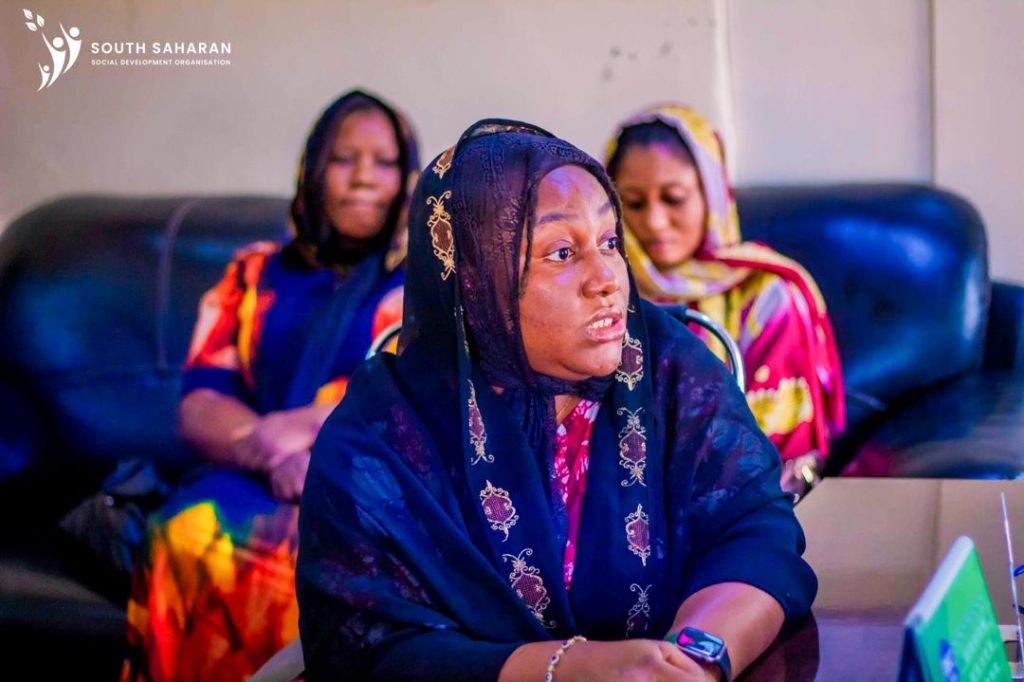
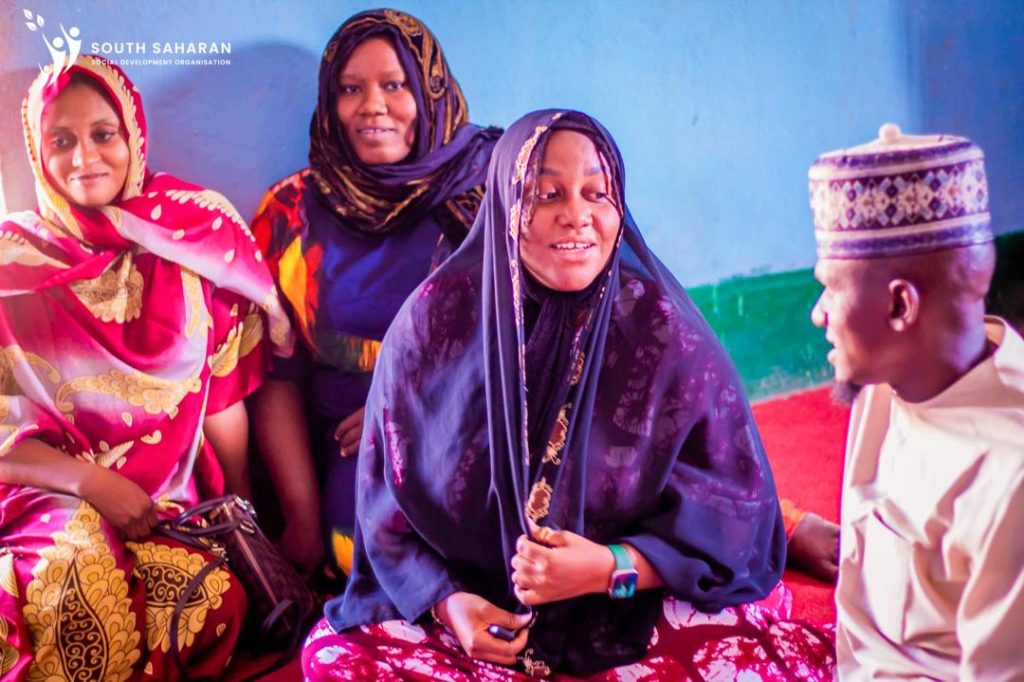
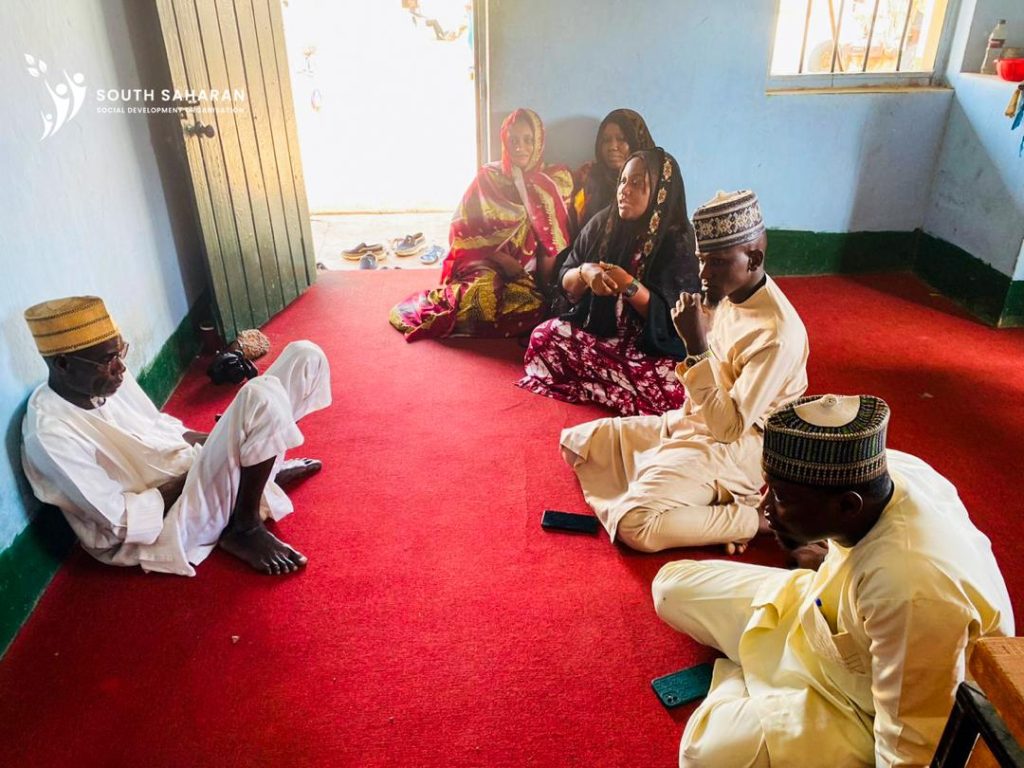
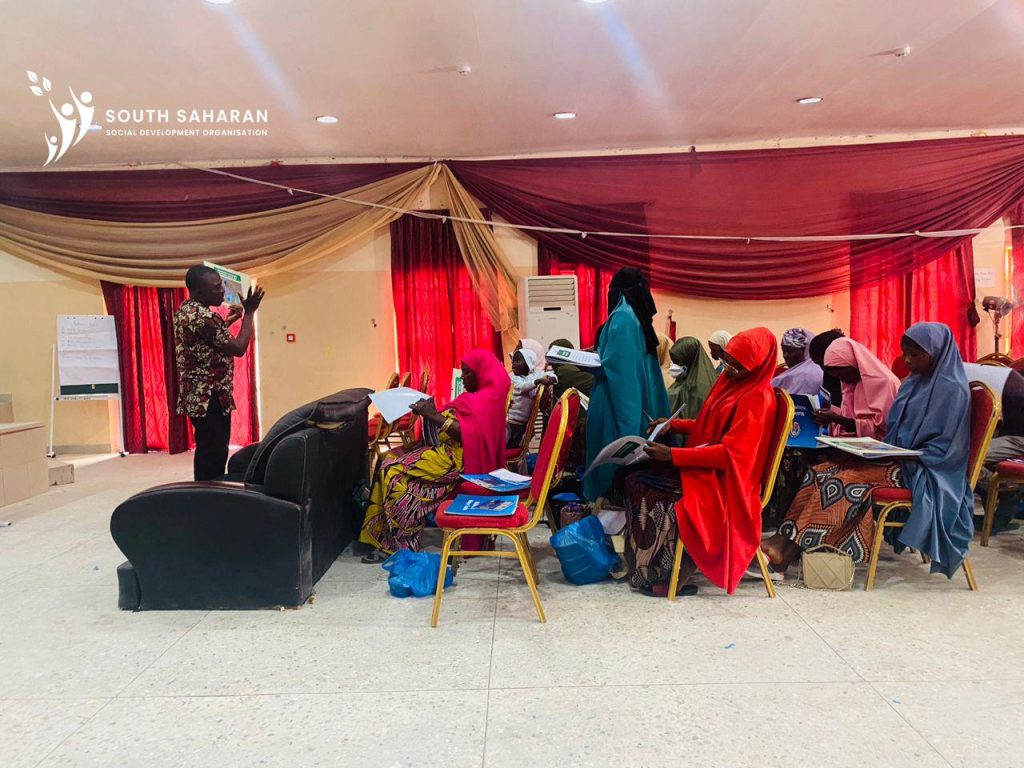
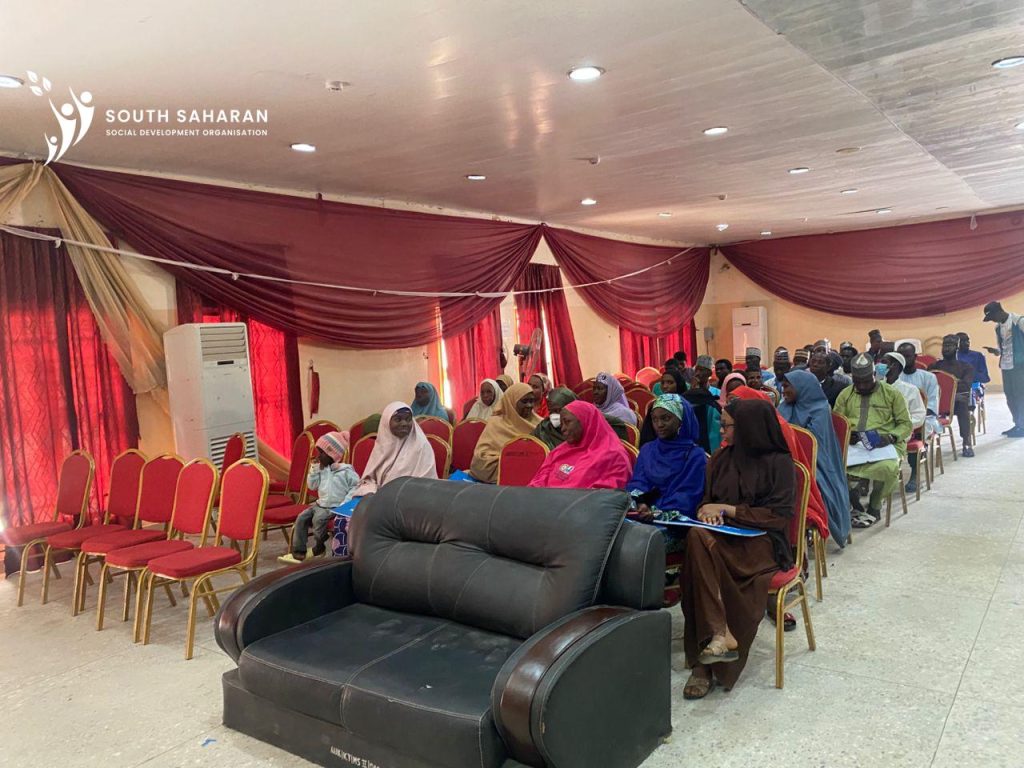
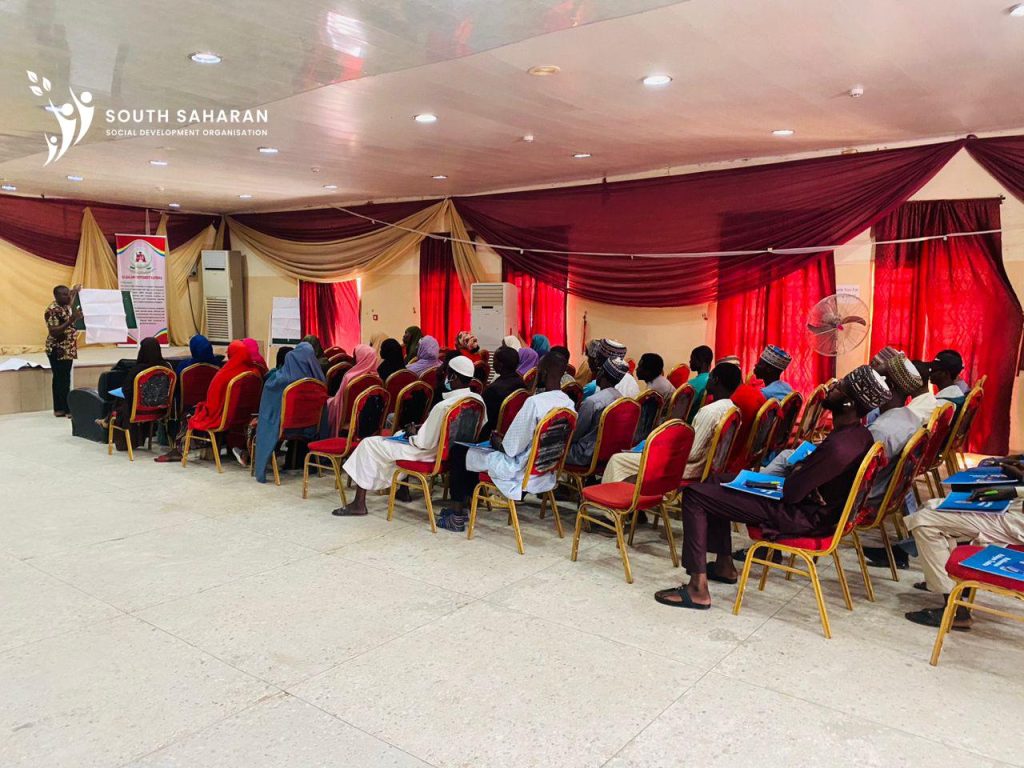
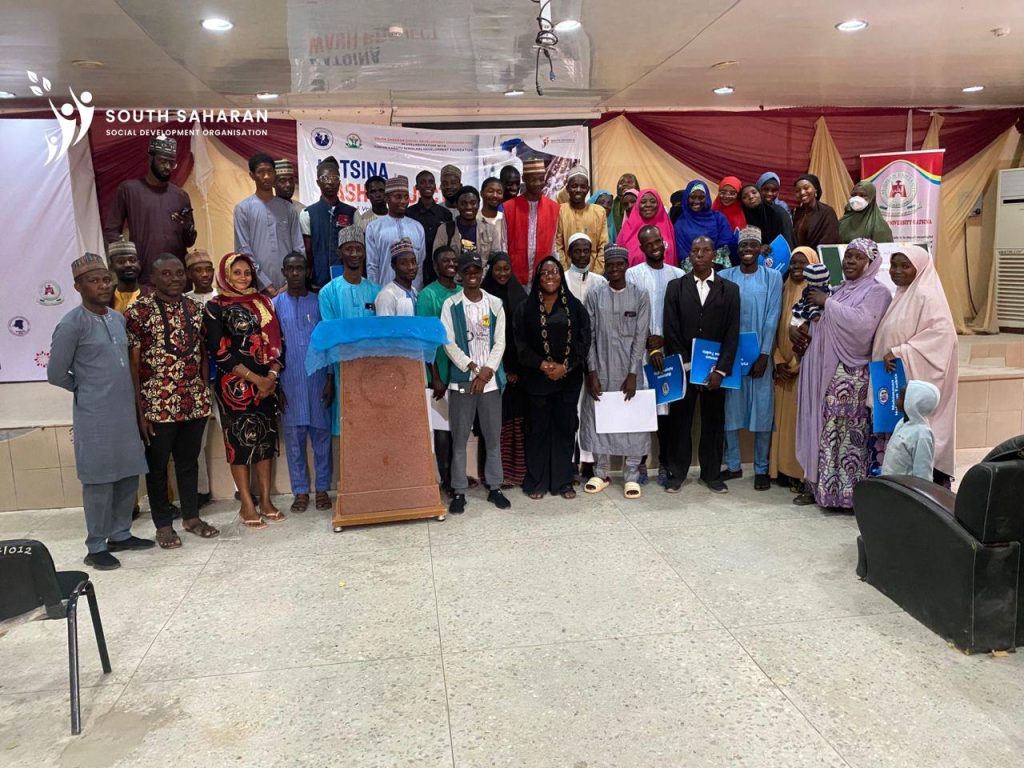
Across six Local Government Areas in Enugu State: Aninri, Isi Uzo, Igbo Eze North, Enugu East, Enugu North, and Enugu South, young people are stepping up to make a difference in how healthcare services are delivered in their communities.
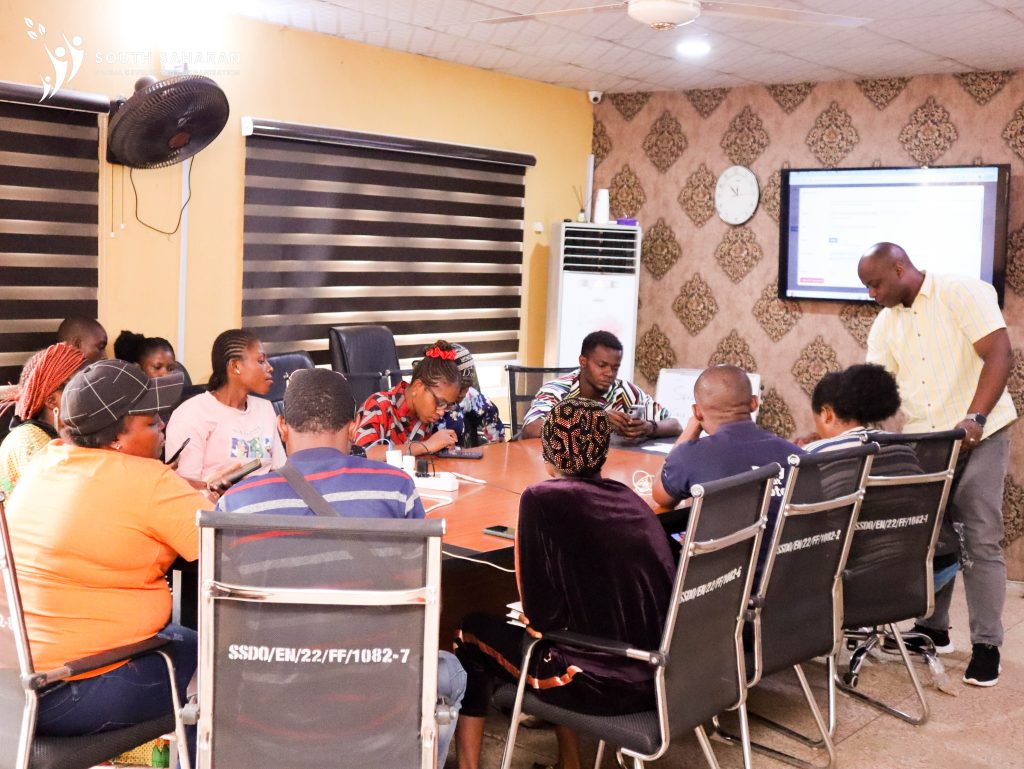
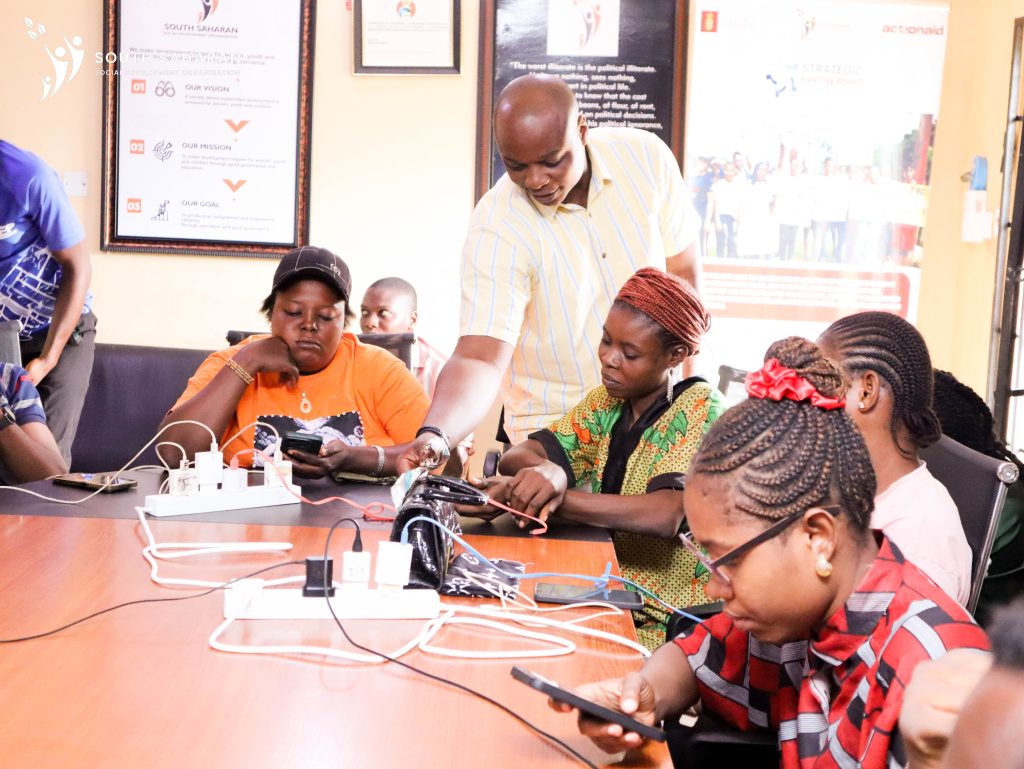
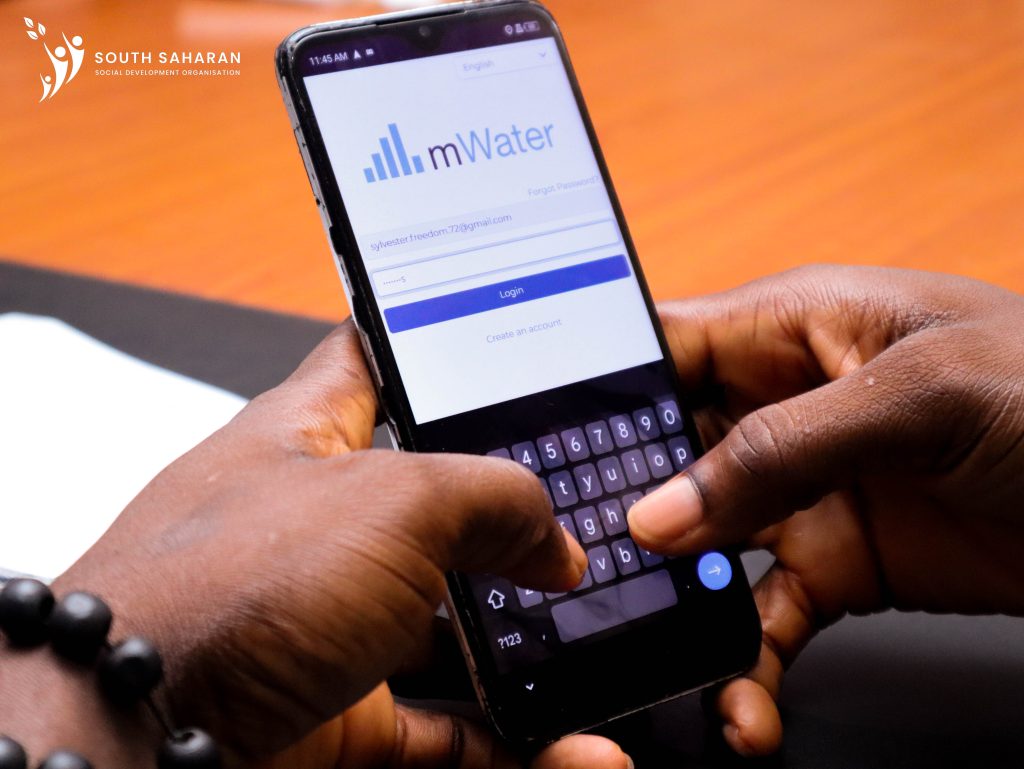
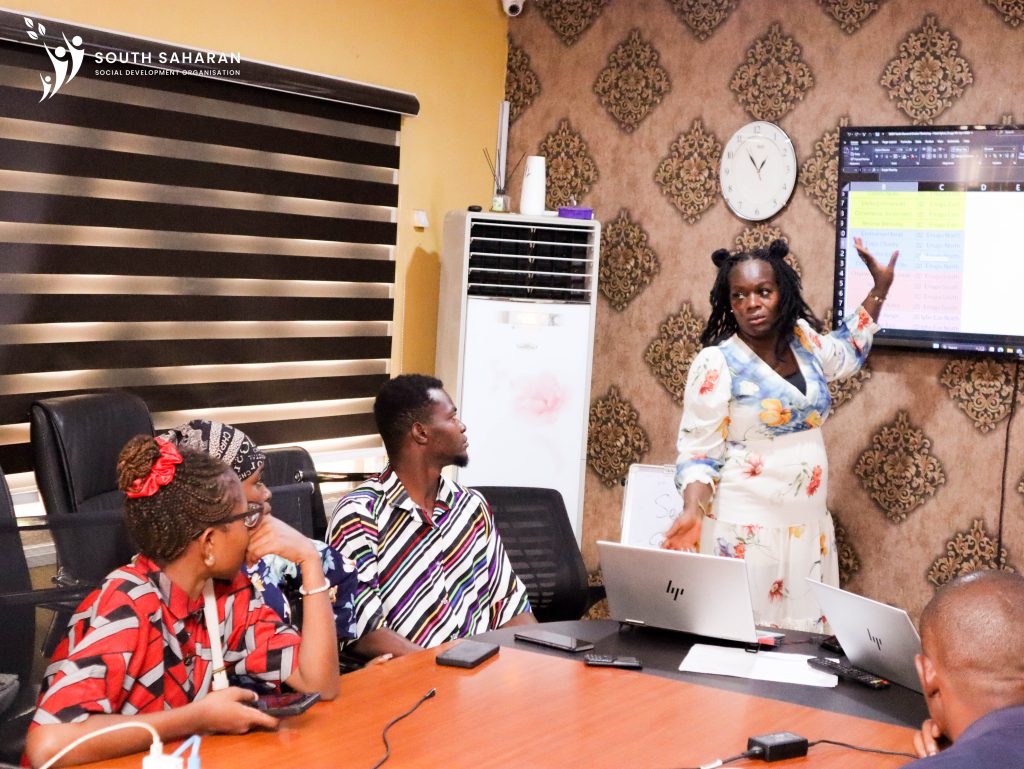
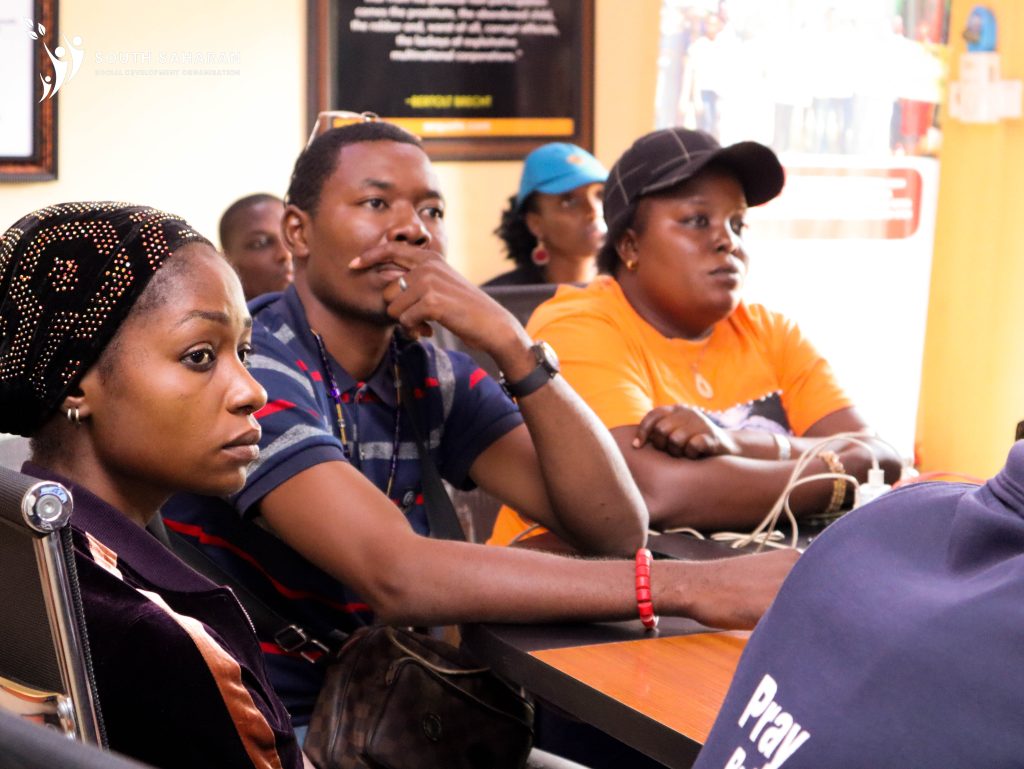
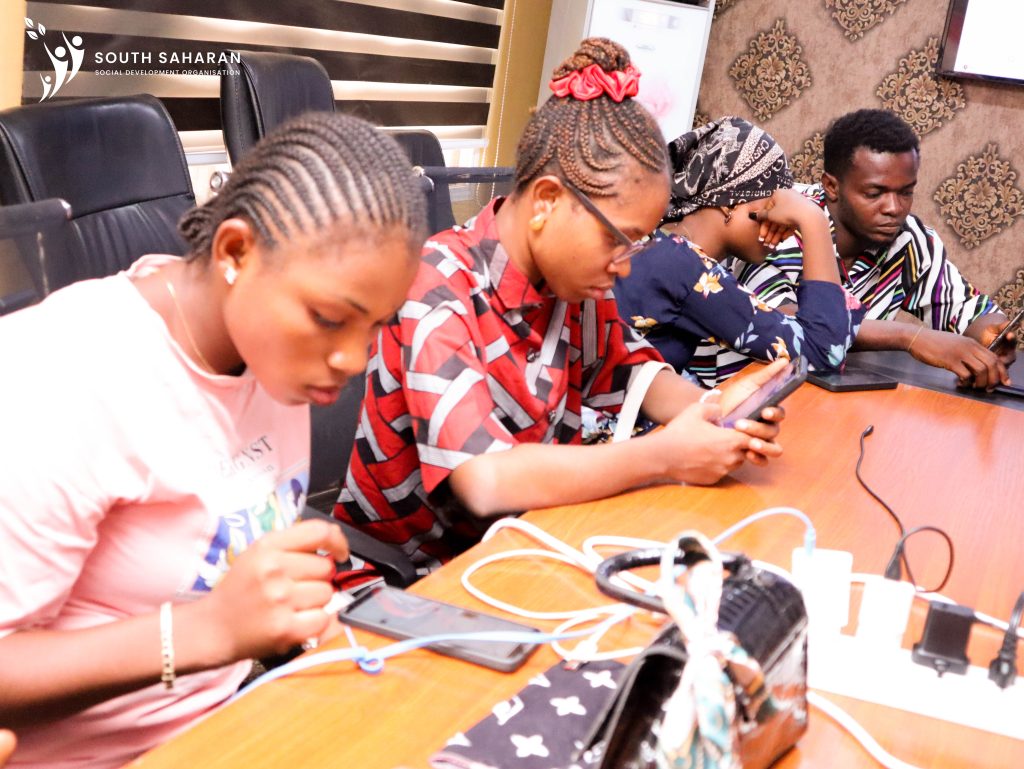
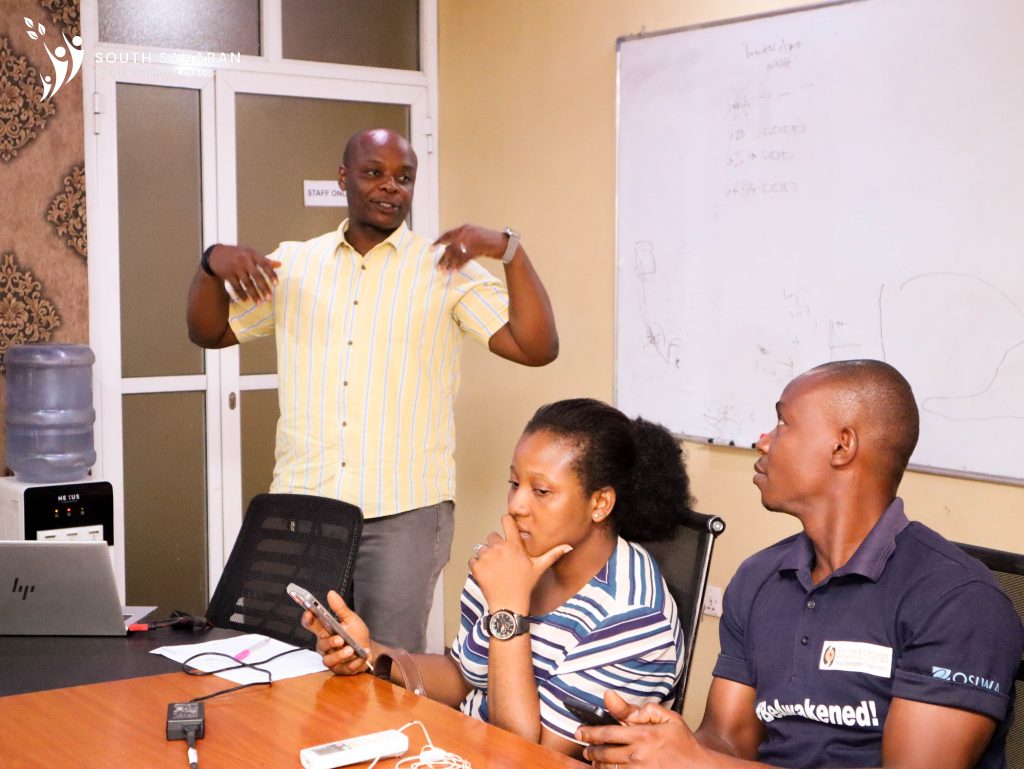
Thanks to a capacity-building initiative supported by ActionAid Nigeria through the Strategic Partnership Agreement (SPA II) project, youths have been trained to carry out assessments of Primary Health Centres (PHCs) using a mobile-based tool built on national standards.
A New Generation of Health Advocates
With mobile devices in hand and knowledge of the key performance indicators that define quality health care, these young leaders are conducting real-time audits of local PHCs. From checking drug availability and equipment condition to assessing staff presence and community engagement, their goal is clear: to ensure health facilities truly serve the people.
This initiative empowers young people not just to demand better services but to actively track and report gaps, creating a feedback loop that communities and health authorities can act on.
Driving Accountability from the Ground Up
The audits are more than just data collection. They are a powerful step toward building a health system that listens, learns, and improves. Through their engagement, these youths are helping shine a light on the day-to-day realities of primary healthcare delivery, and pushing for improvements that can save lives.
This approach aligns with SSDO’s vision for inclusive development where community members, especially young people, are not just recipients of services, but active players in shaping and strengthening them.
Powered by Partnership
This success story would not be possible without the consistent support of ActionAid Nigeria, whose backing through the SPA II project continues to foster youth-led development, social accountability, and community transformation.
Together, we are laying the foundation for a future where every voice counts, every health centre is functional, and young people lead the way in holding systems accountable.
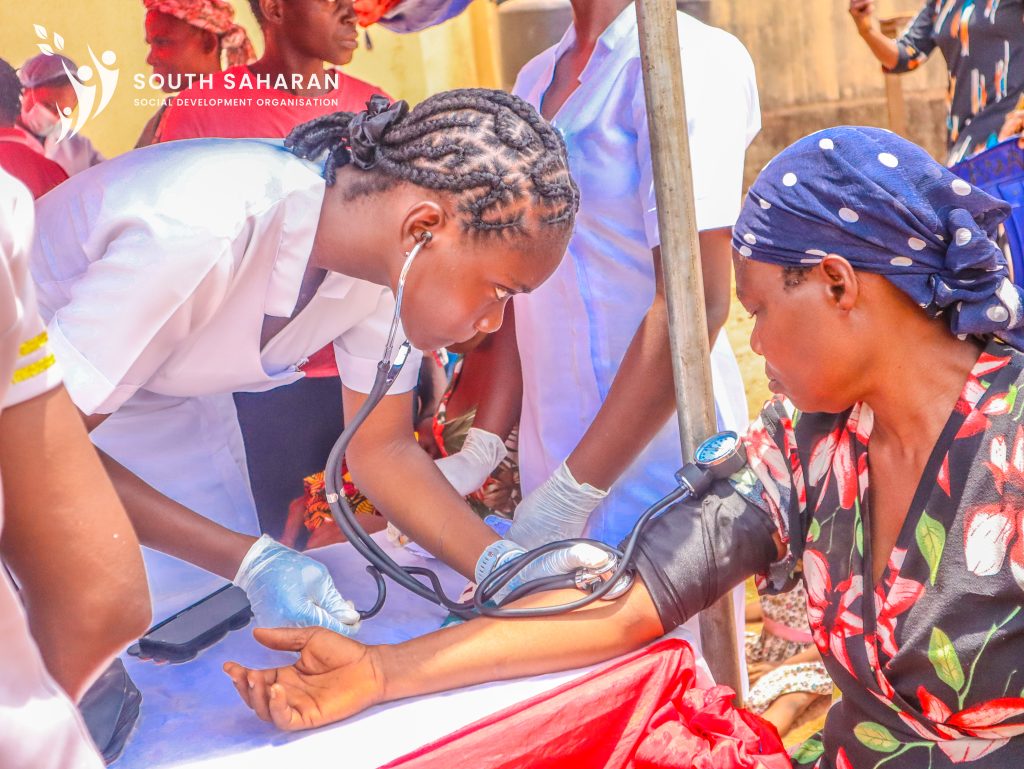
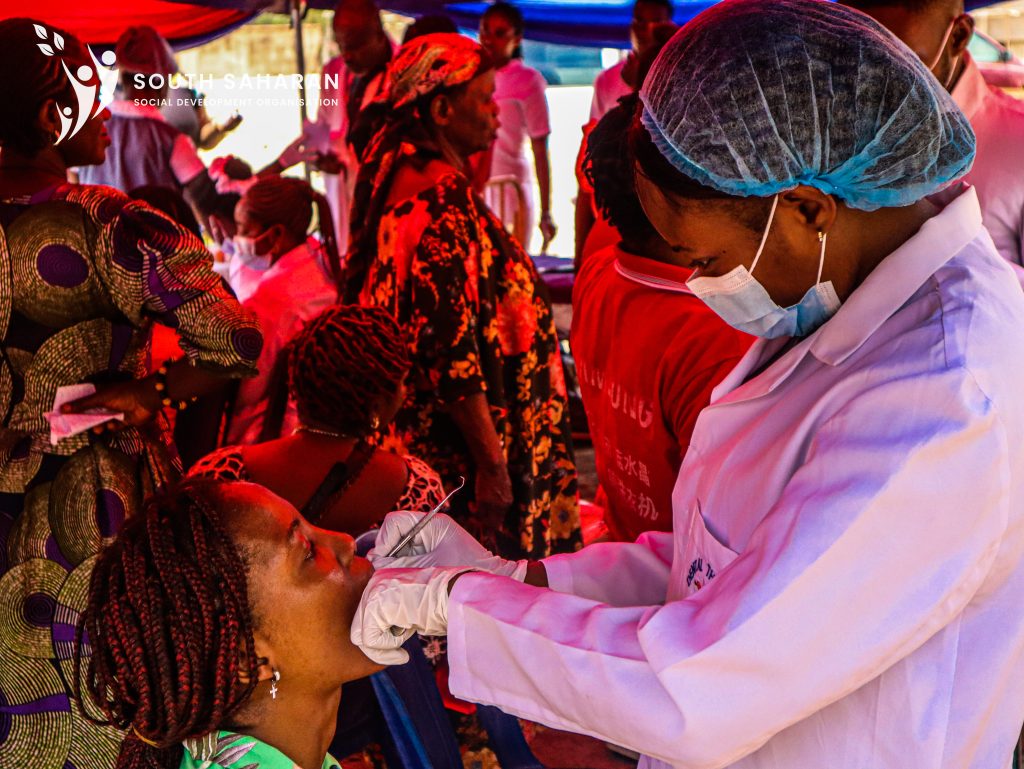
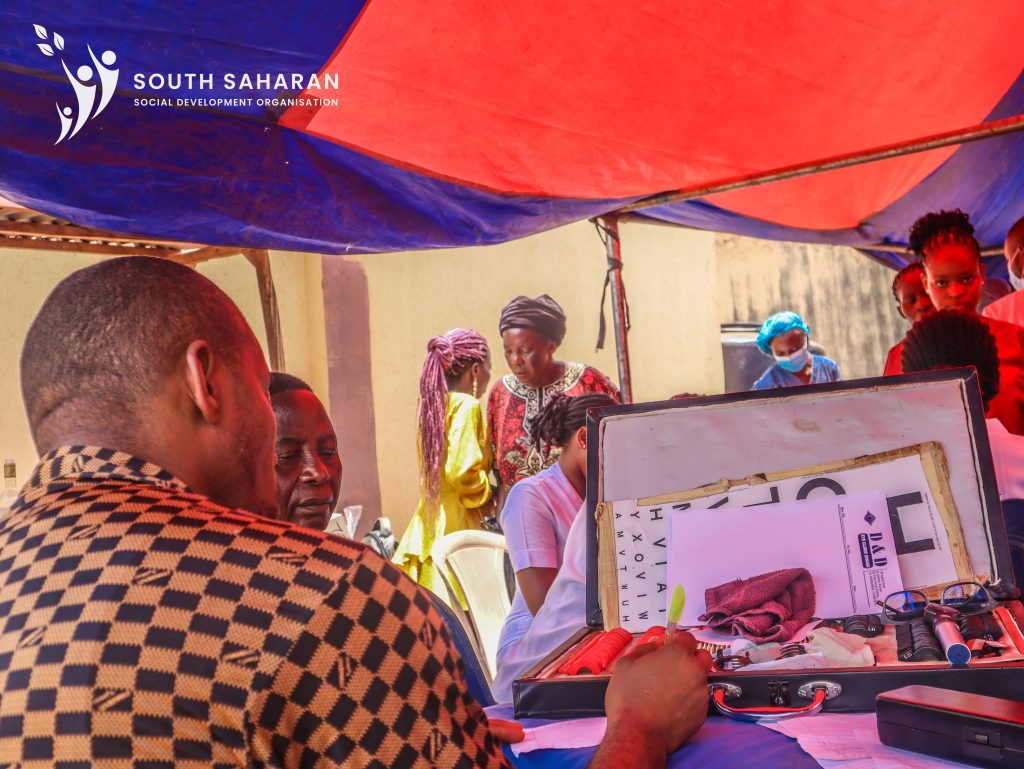
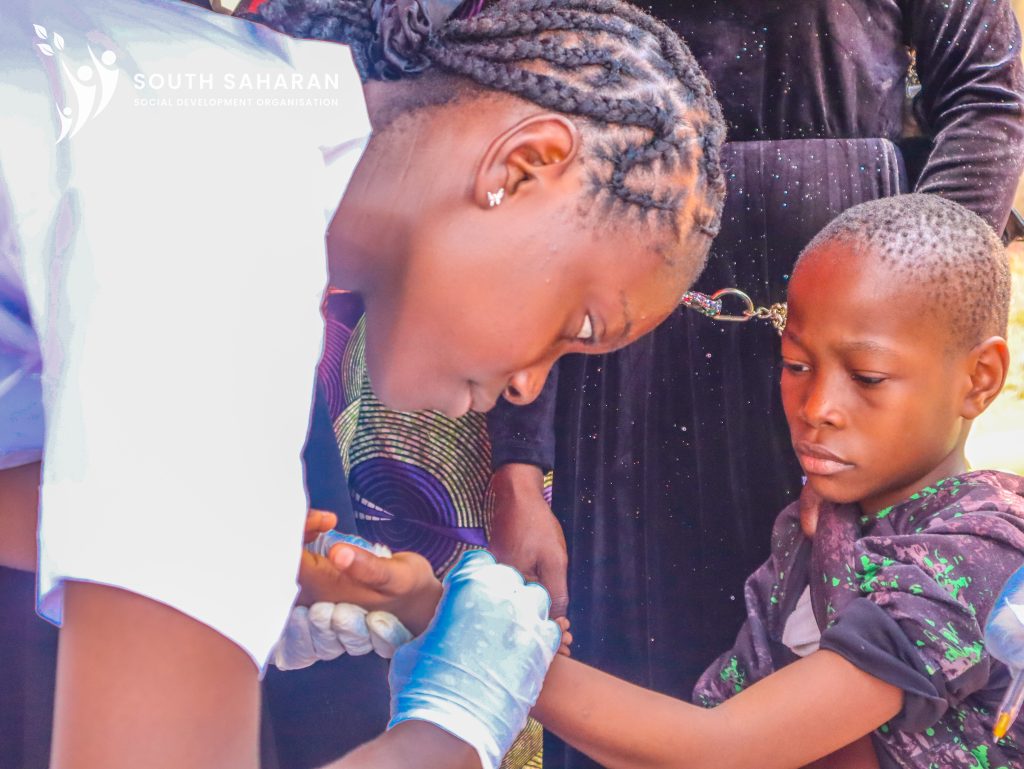
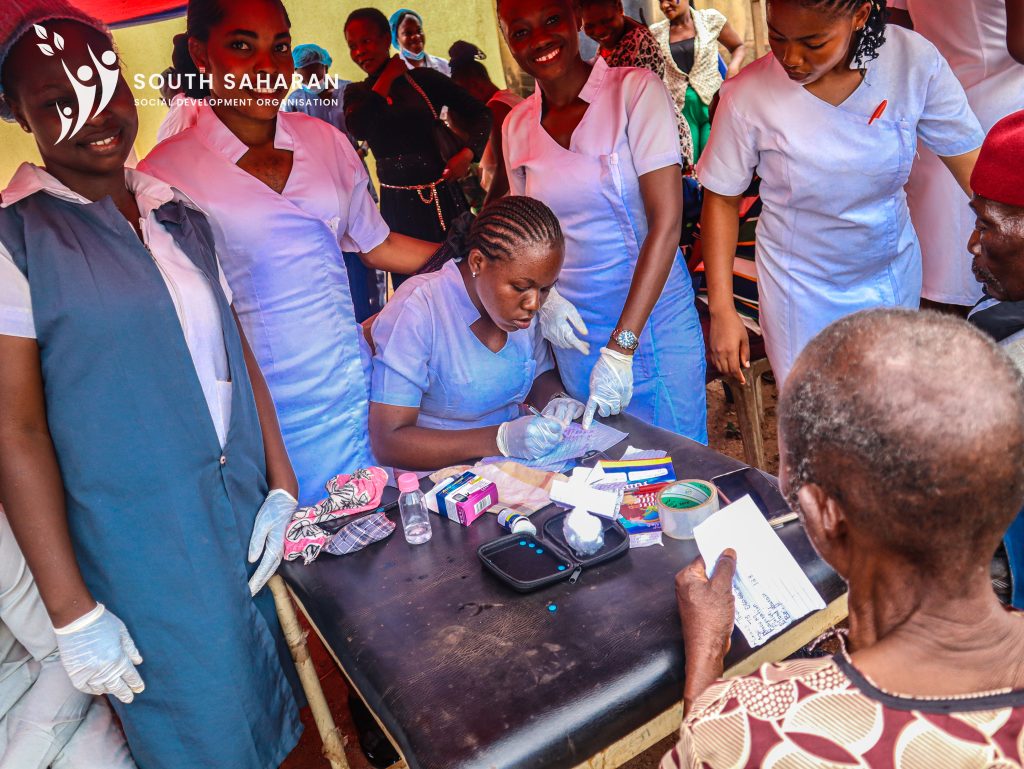
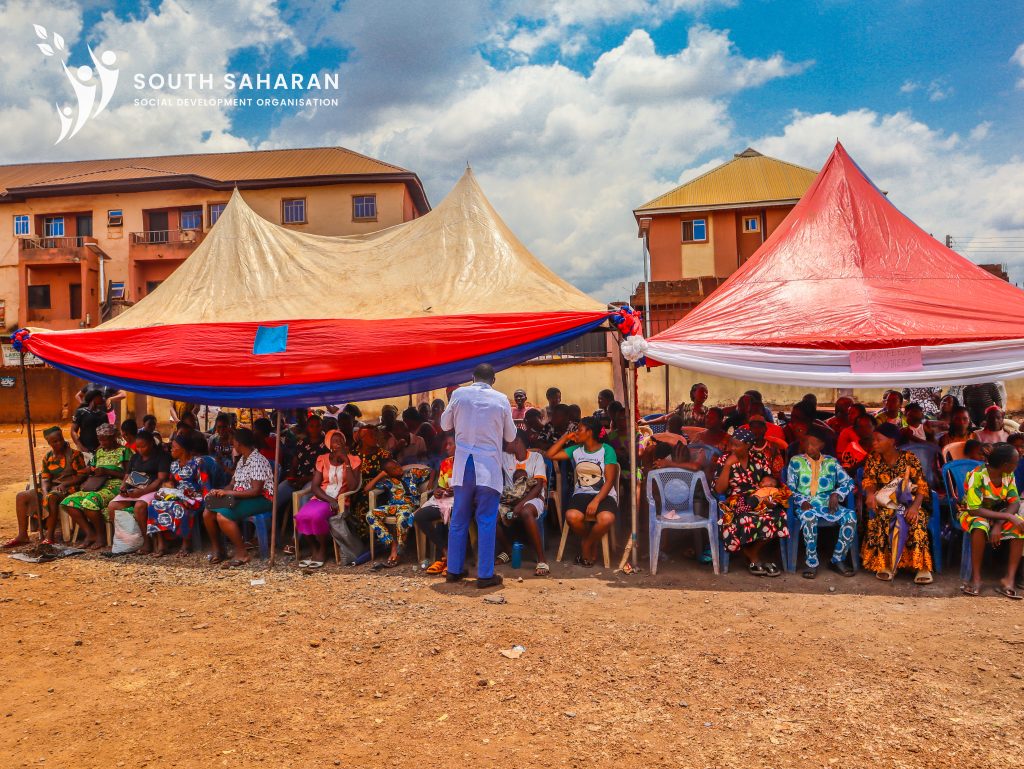
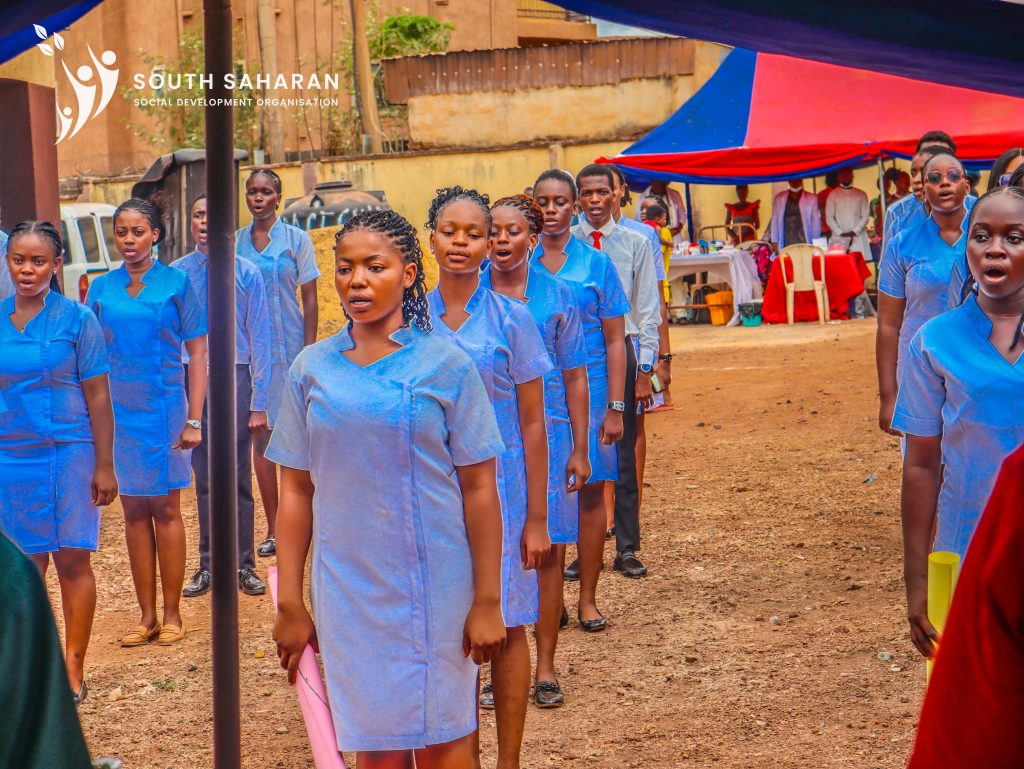
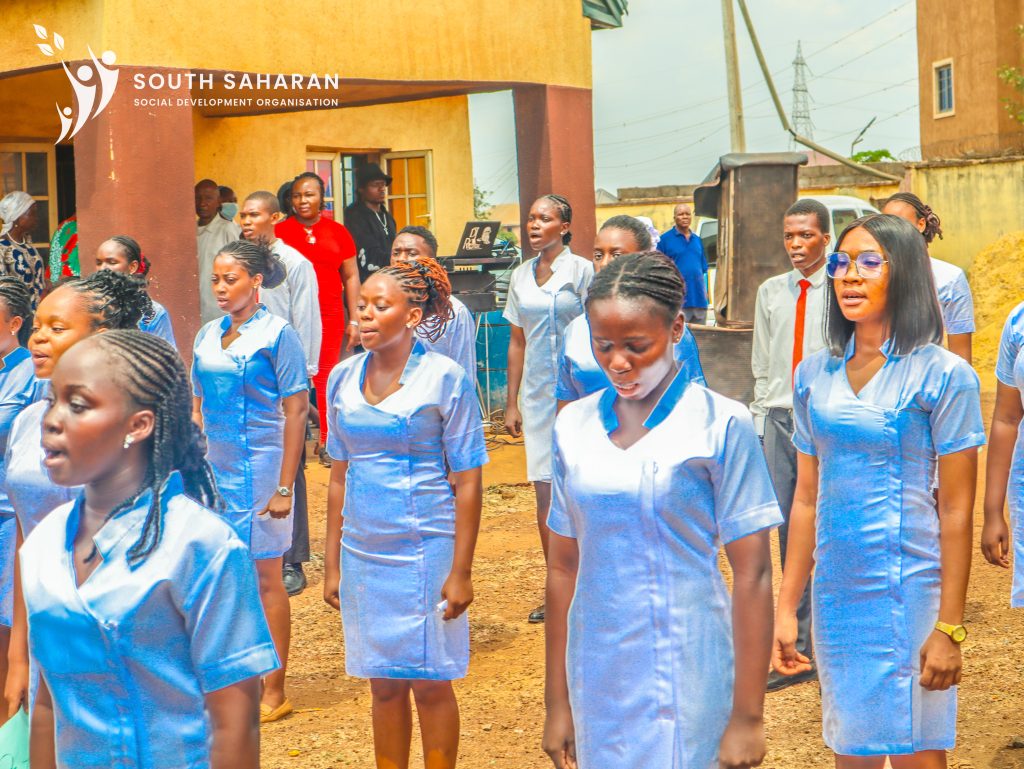
At South Saharan Social Development Organisation (SSDO), we recognize that the foundation of empowered communities lies in their health and well-being. In line with this belief, we partnered with nursing students from the University of Nigeria, Enugu Campus (UNN), to host the Ugboezeji Annual Health Day. This event, held in celebration of World Tuberculosis (TB) Day 2025, was a significant step toward combating infectious diseases and promoting community health.
Addressing Tuberculosis: A Community-Centered Approach
World TB Day serves as a reminder of the persistent threat tuberculosis poses globally, particularly in communities with limited access to healthcare resources. Our outreach in Ugboezeji was strategically planned to raise awareness about TB, provide free testing services, and educate residents on prevention and treatment options. By bringing these services directly to the community, we aimed to reduce barriers to healthcare access and encourage proactive health-seeking behaviors.
Interactive Health Education: Empowering Through Knowledge
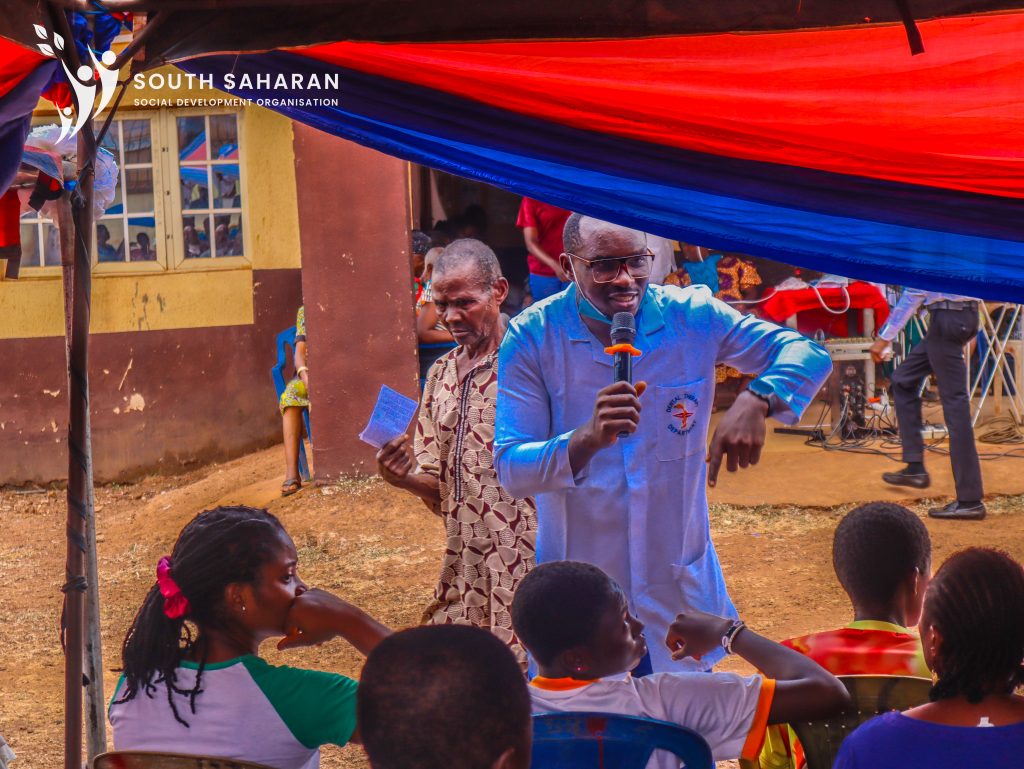
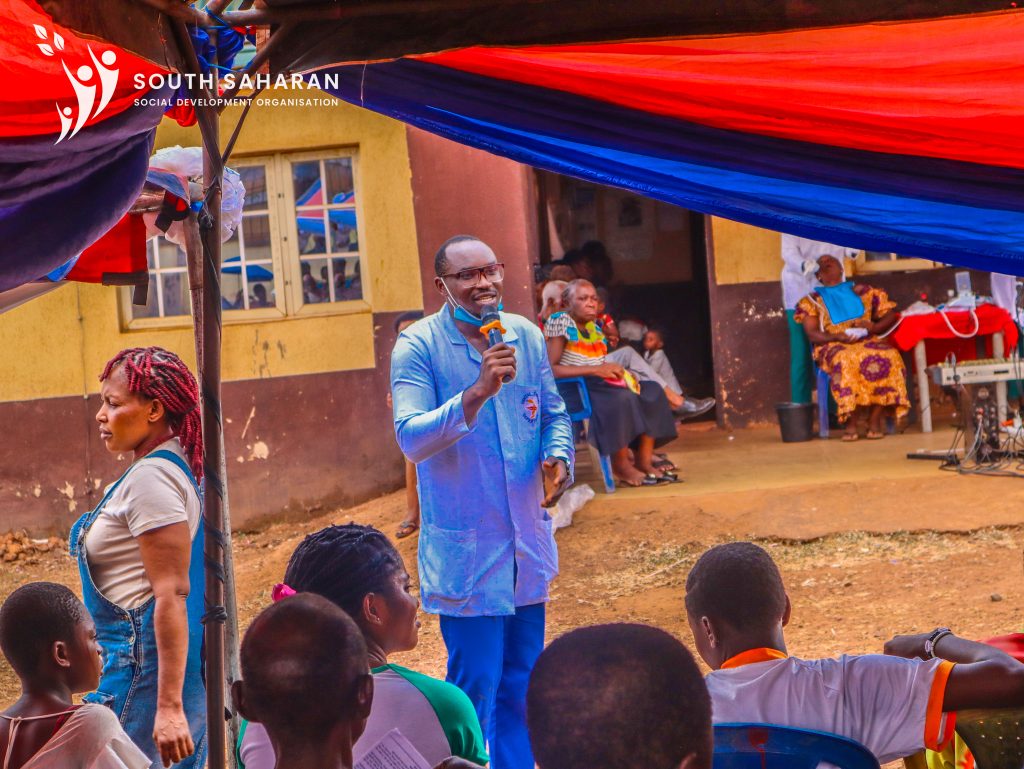
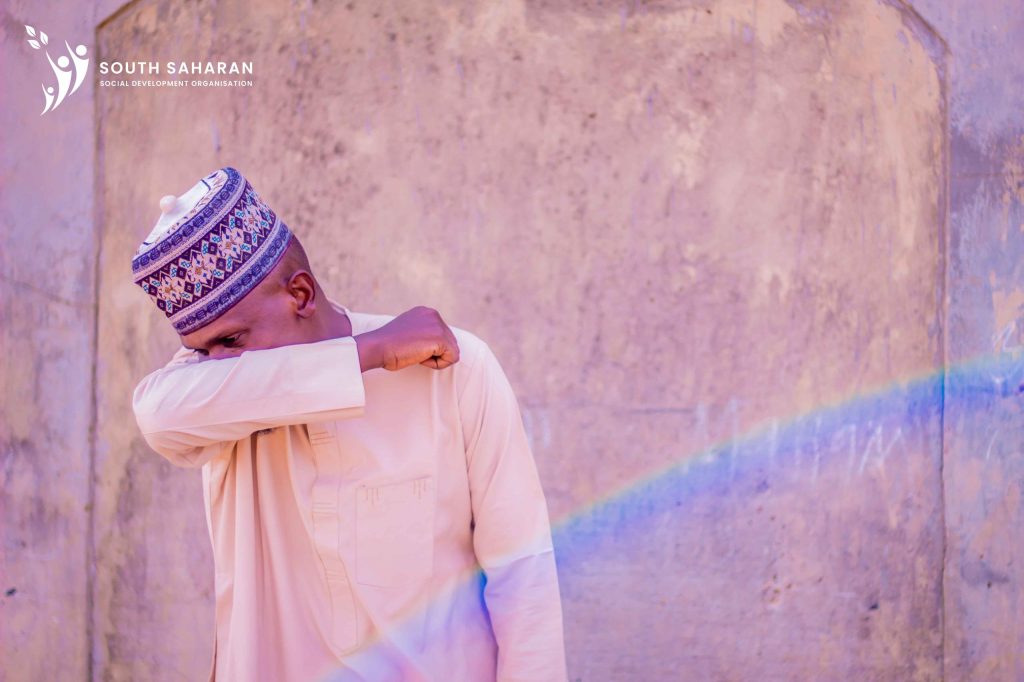
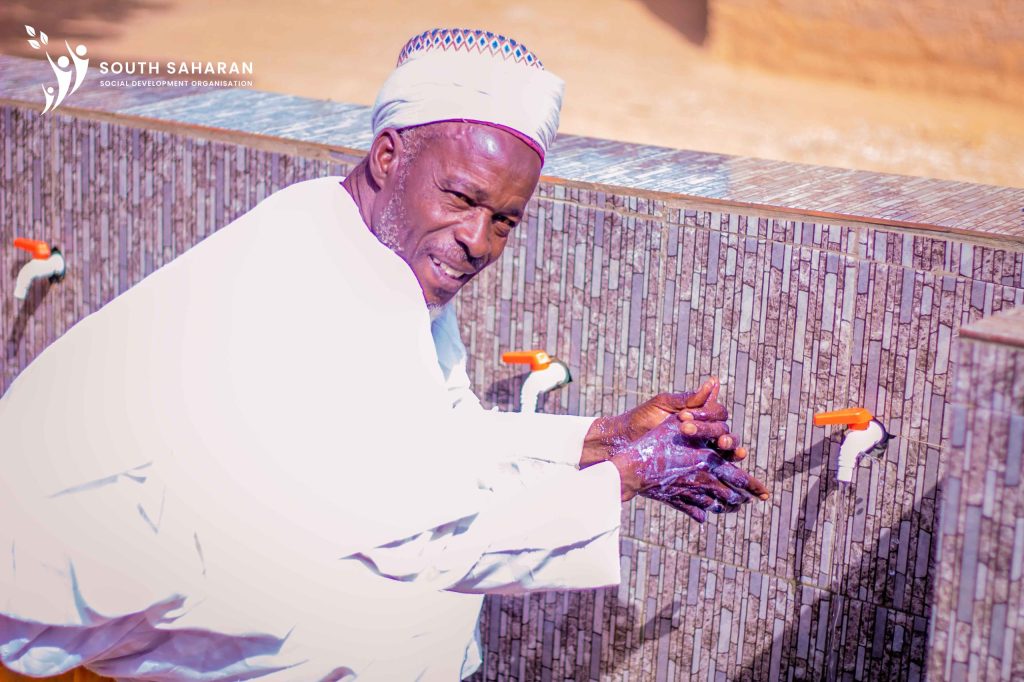
Beyond TB testing, the event featured interactive sessions on various infectious diseases. Our collaborative team emphasized the importance of simple yet effective practices, such as regular handwashing and maintaining clean environments, in preventing disease transmission. These discussions were designed to be engaging and informative, fostering an environment where community members felt comfortable asking questions and sharing experiences.
Building Trust and Inspiring Action
This collaboration extended beyond the provision of health services; it was about cultivating trust within the community and empowering individuals with the knowledge to take control of their health. By involving nursing students from UNN, we bridged the gap between academic knowledge and real-world application, demonstrating the tangible impact of community engagement. The presence of these passionate future healthcare professionals served as an inspiration, highlighting the role of education and service in driving societal change.
A Vision for a Healthier Enugu
Our efforts in Ugboezeji are part of a broader vision to build healthier communities across Enugu State. We understand that sustainable development is rooted in the well-being of the people. Through initiatives like the Annual Health Day, SSDO remains committed to addressing health disparities, promoting preventive care, and fostering environments where every individual has the opportunity to thrive.
As we reflect on the success of this event, we extend our gratitude to the UNN nursing students, community leaders, and residents of Ugboezeji for their enthusiastic participation. Together, we are making strides toward a future where empowered communities lead the charge in safeguarding their health and well-being.
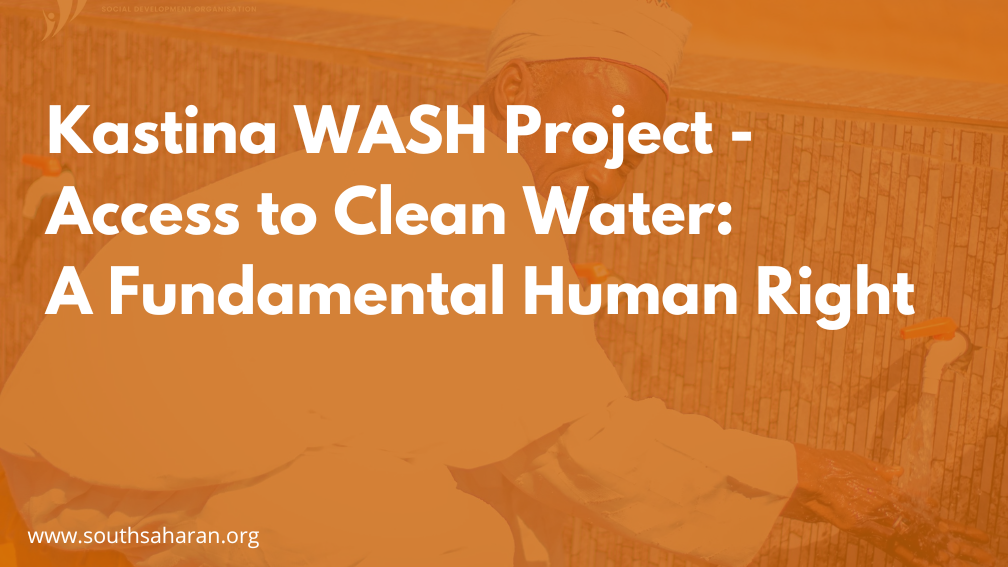
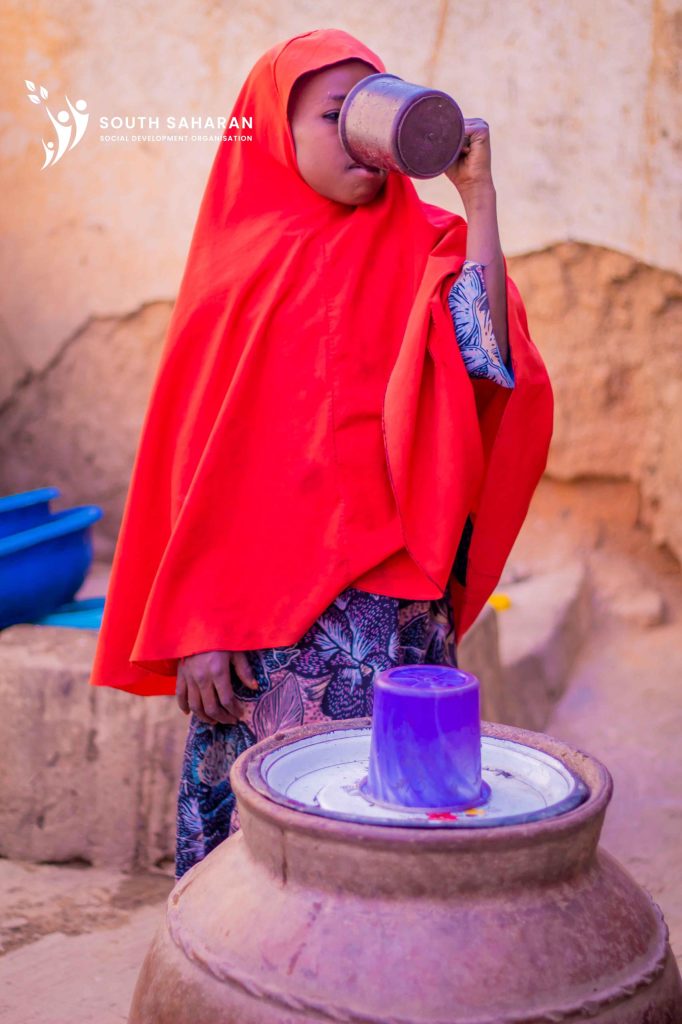
At South Saharan Social Development Organization (SSDO), we firmly believe that access to clean water is not merely a necessity but an inherent human right. Our unwavering commitment to this principle has driven us to initiate transformative projects aimed at providing sustainable water solutions to underserved communities. One such endeavor is the Katsina WASH Project, a collaborative effort designed to bring clean water and improved sanitation to the people of Katsina State.
Introducing the Katsina WASH Project
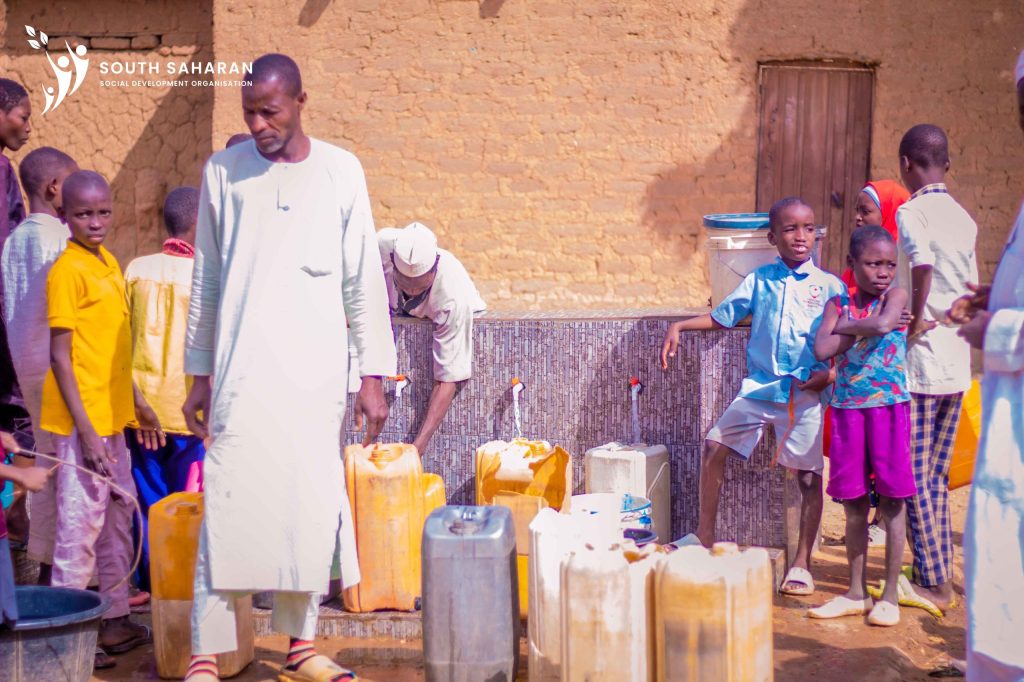
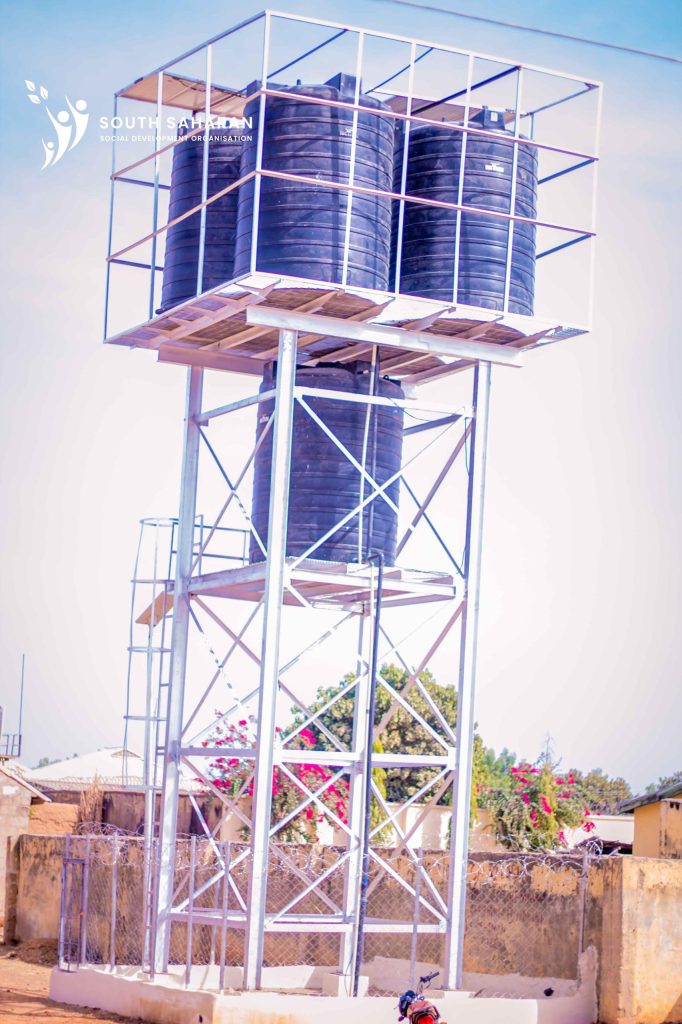
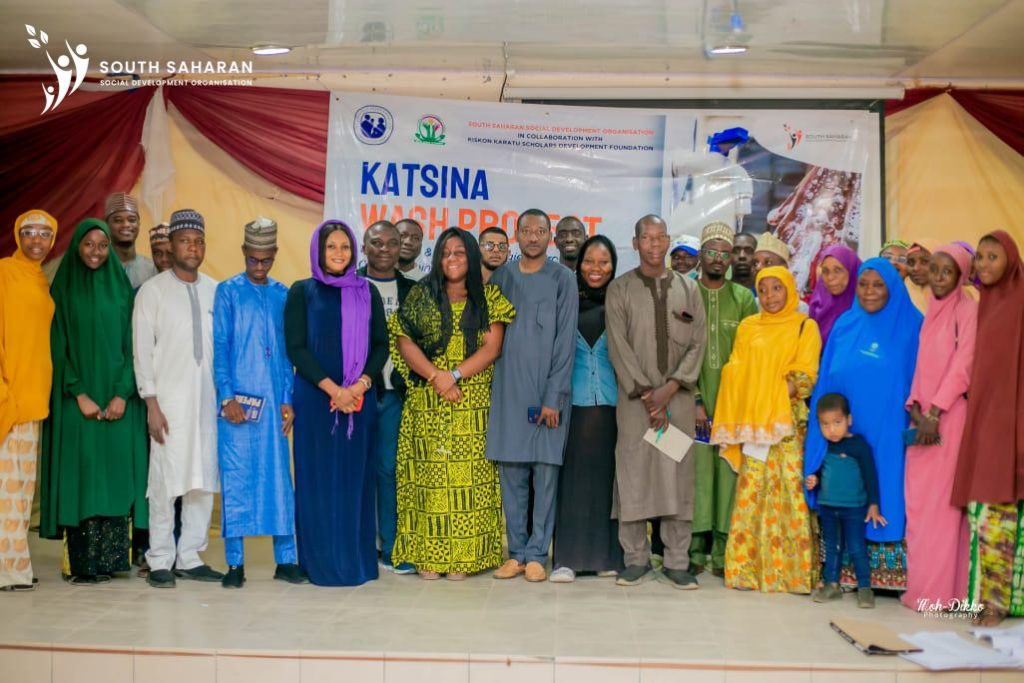
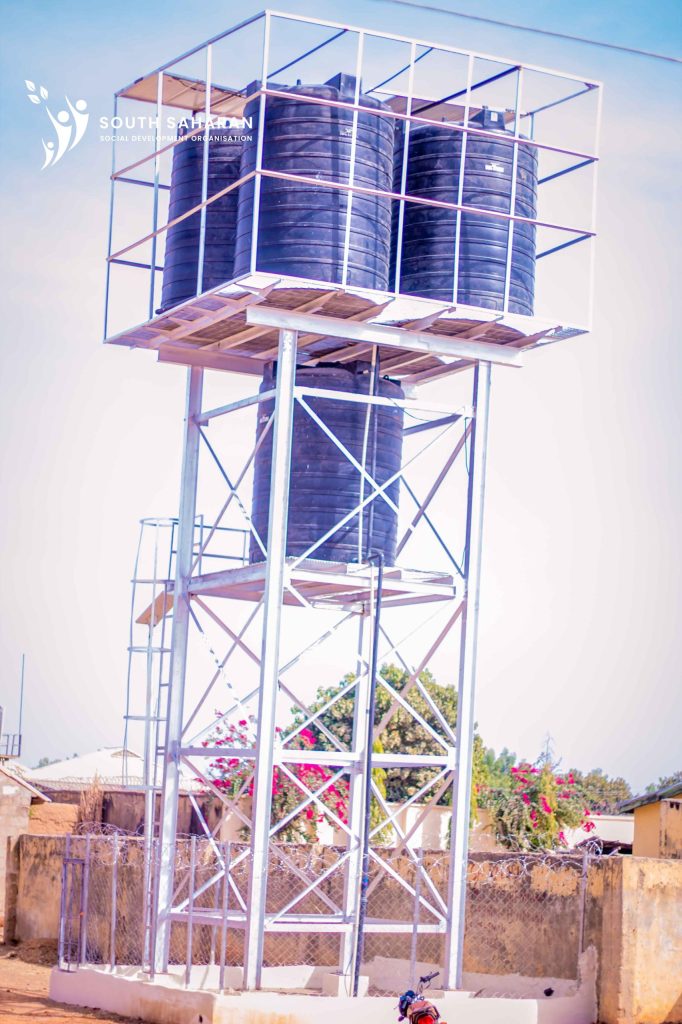
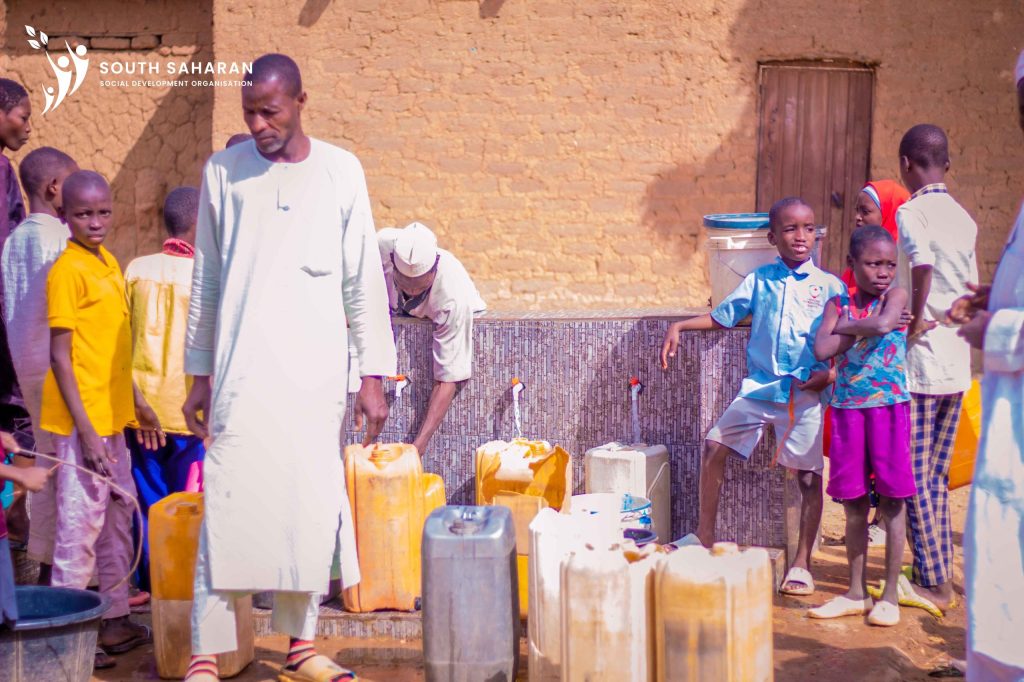
In partnership with Kiskon Karatu Scholars Development and with generous funding from The Church of Jesus Christ of Latter-day Saints, SSDO has launched the Katsina WASH Project. This initiative focuses on delivering reliable access to safe water in two communities within Katsina State: Kankia and Bindawa Local Government Areas (LGAs). By constructing 40,000-litre solar-powered boreholes in these locations, we aim to ensure that residents have a dependable source of clean water, thereby enhancing their overall health and well-being.
Engaging with Government and Community Leaders
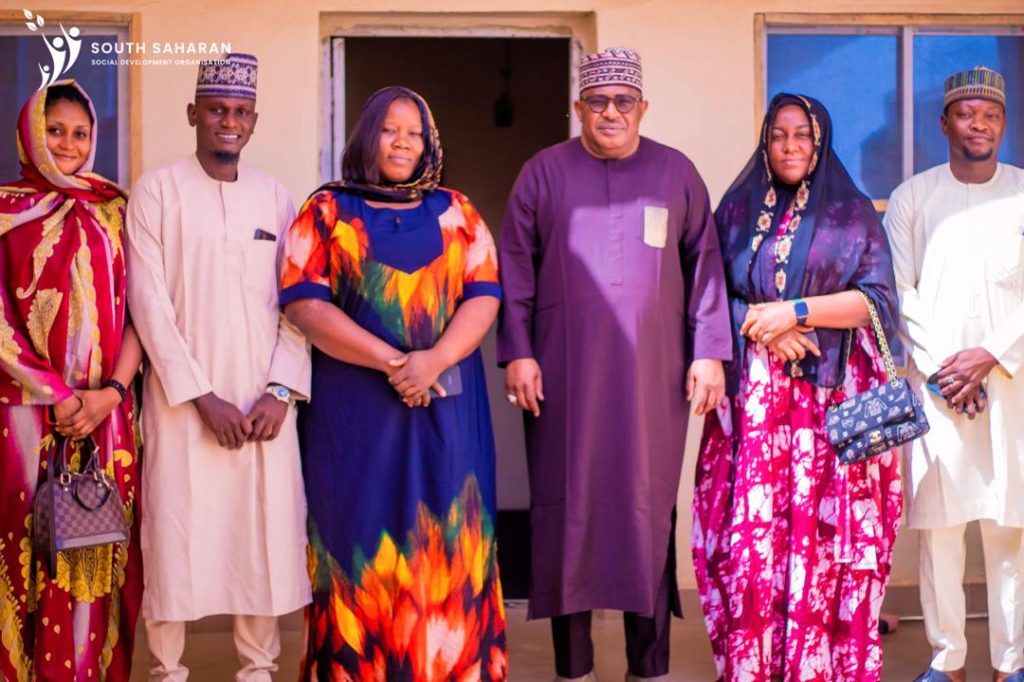
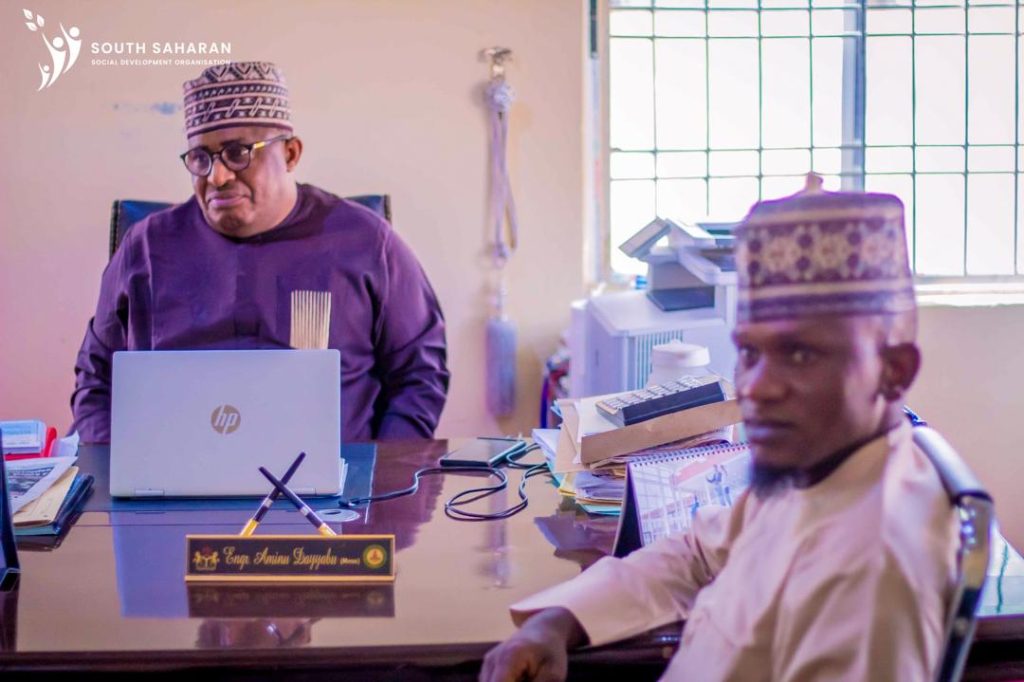
Collaboration with governmental bodies and community leaders is pivotal to the success and sustainability of our projects. Our team met with the Honourable Commissioner for Water Resources in Katsina State to introduce the Katsina WASH Project and discuss avenues for synergy. Additionally, we engaged with key community figures, including the Village Head of Ringin Baushe, Yusuf Gona, to advance the project’s objectives and ensure that the interventions align with the specific needs of the communities.
Our commitment to empowering communities extends beyond infrastructure development. We paid a courtesy visit to the Project Director of the Nigeria Sustainable Urban and Rural Water Supply, Sanitation, and Hygiene (NG-SURWASH) in Katsina State. During this meeting, we discussed our ongoing efforts to improve access to clean water and sanitation in rural areas and shared plans for training Water, Sanitation, and Hygiene Committees (WASHCOM) and Volunteer Hygiene Promoters (VHPs). These initiatives are designed to promote better hygiene practices and ensure the long-term sustainability of the facilities.
Empowering Communities Through Training
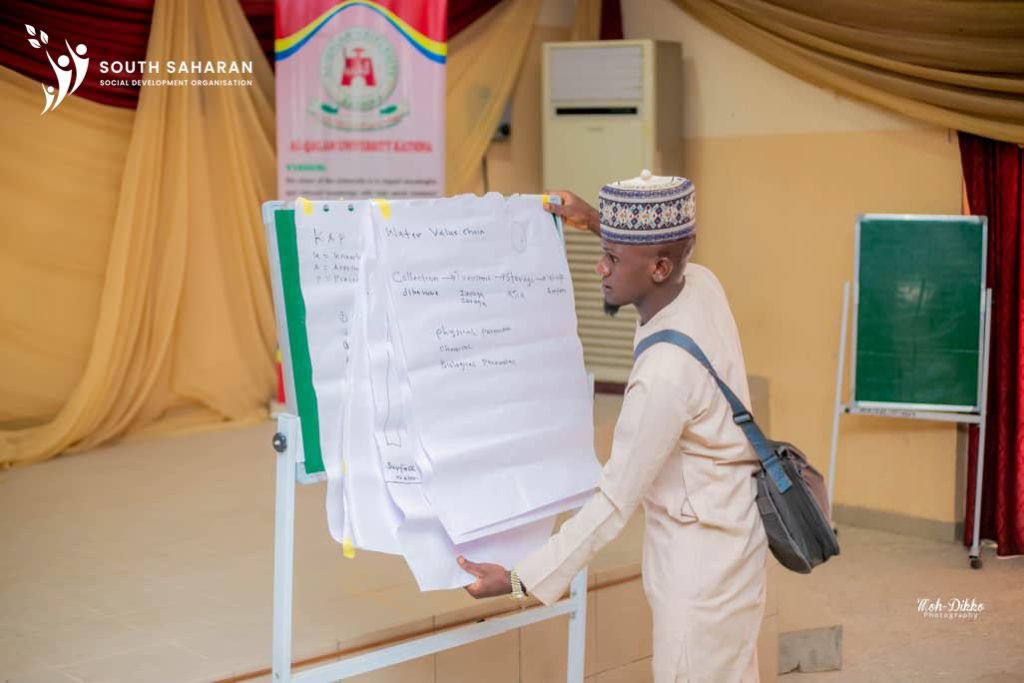
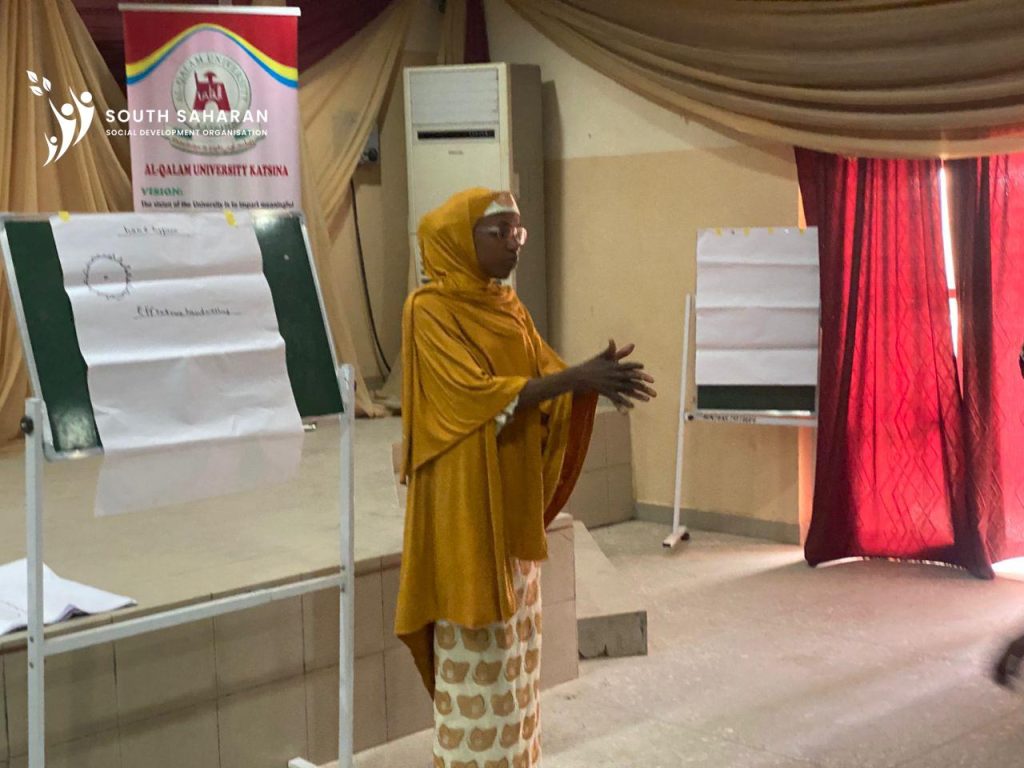
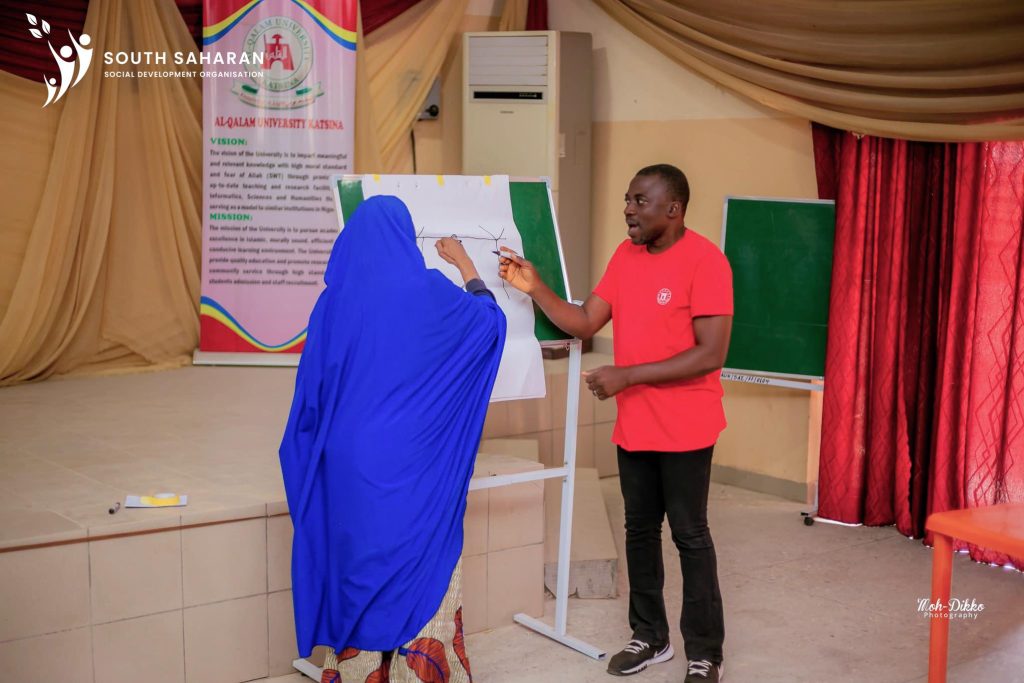
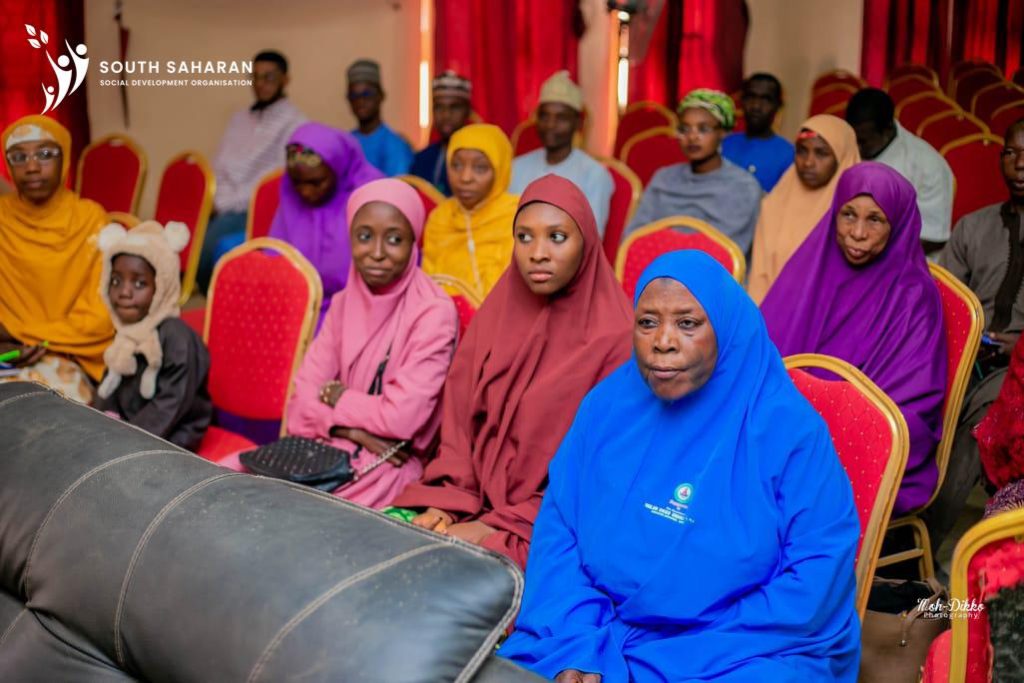
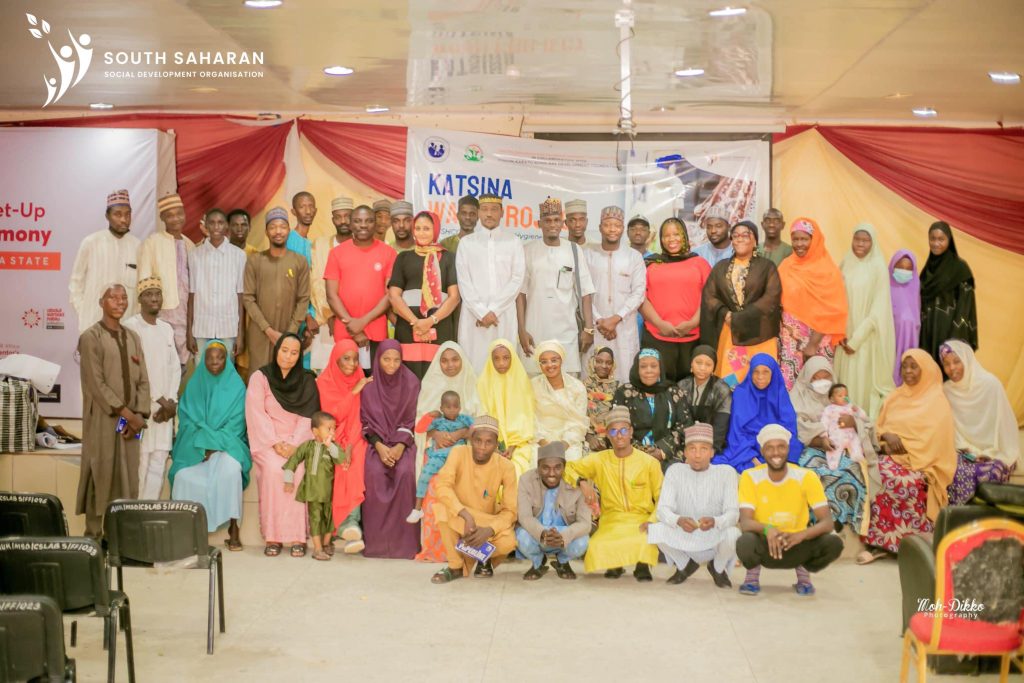
A cornerstone of the Katsina WASH Project is community empowerment through education and capacity building. We equipped 24 WASHCOM members from Bindawa and Kankia LGAs with the skills necessary to manage water schemes, uphold hygiene standards, and sustain access to clean water. These community champions are now empowered to maintain the boreholes and drive lasting change within their communities, fostering stronger, healthier environments.
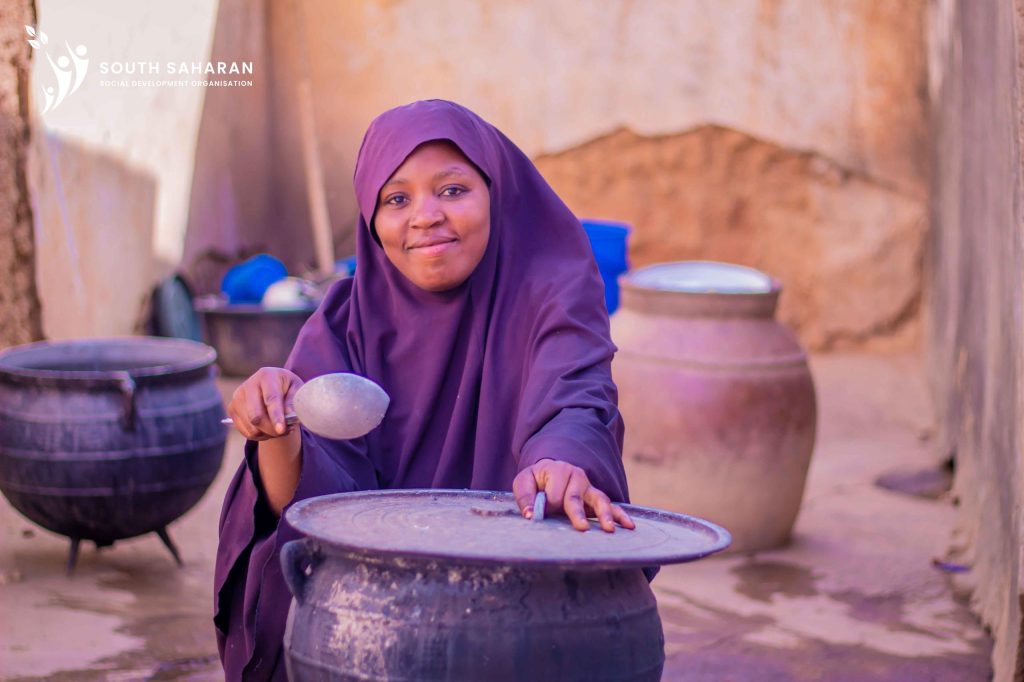
In addition to WASHCOM training, we conducted an intensive two-day training for 50 Volunteer Hygiene Promoters from the two LGAs. This training provided participants with hands-on skills to promote hygiene awareness and improve public health. Through interactive sessions, these volunteers are now equipped to advocate for and implement improved hygiene practices, contributing to the overall well-being of their communities.
Through our comprehensive training programs for WASHCOM members and Volunteer Hygiene Promoters, locals are gaining the knowledge and skills necessary to sustain clean water access and embrace healthier hygiene habits. These efforts ensure that the benefits of the Katsina WASH Project extend far beyond the immediate provision of infrastructure, fostering a culture of sustainability and health consciousness within the communities.
Celebrating Milestones: Completion of the Bindawa Borehole
We successfully completed the borehole in the Bindawa community, a development that has brought immense joy and relief to residents. This life-changing project provides improved access to clean water for daily use, significantly enhancing the quality of life for community members. The success of this initiative would not have been possible without the generous support of The Church of Jesus Christ of Latter-day Saints, whose contributions have been instrumental in turning our vision into reality.
Access to clean water is a fundamental human right that serves as the foundation for health, dignity, and prosperity. The Katsina WASH Project exemplifies SSDO’s commitment to upholding this right by providing sustainable water solutions and empowering communities through education and collaboration. Our dedication to making development happen through education and good governance continues to drive our initiatives, as we strive to create a society where sustainable development is achieved for women, youth, and children.
Menstruation Is Not a Problem; Poor Menstrual Hygiene Is
At South Saharan Social Development Organization (SSDO), we are steadfast in our commitment to empowering women, youth, and children through education and good governance. A significant aspect of this mission involves addressing the challenges surrounding menstrual hygiene management – a critical yet often overlooked component of women’s health and well-being.
The Importance of Proper Menstrual Hygiene
Menstruation is a natural biological process experienced by half of the world’s population. However, in many communities, it remains shrouded in stigma and misinformation, leading to inadequate menstrual hygiene practices. Poor menstrual hygiene can result in severe health issues, including infections and reproductive complications. Additionally, the societal taboos associated with menstruation can hinder women’s and girls’ participation in education and community activities, thereby limiting their opportunities for personal and professional growth.
The ‘Pad a Girl Child’ Initiative
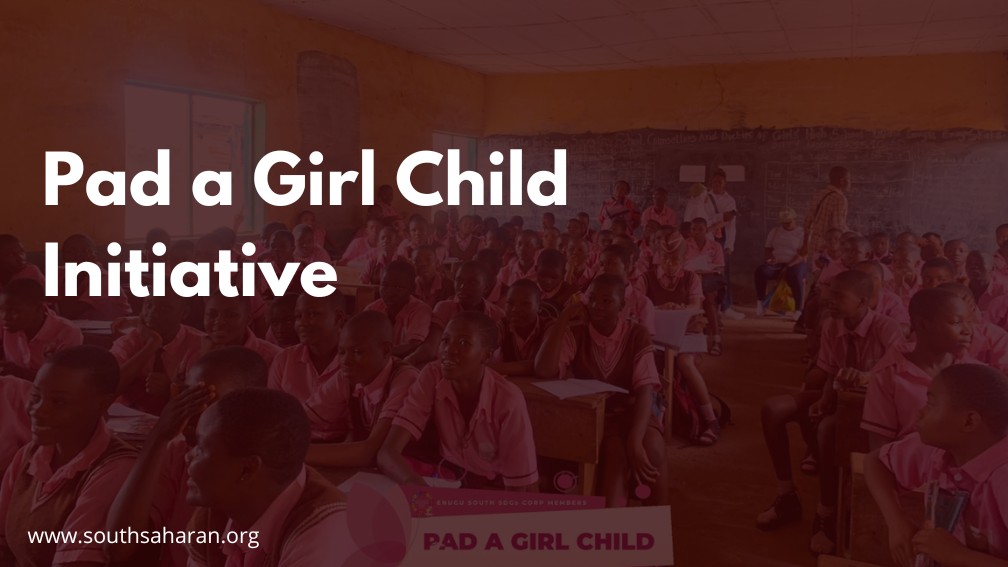
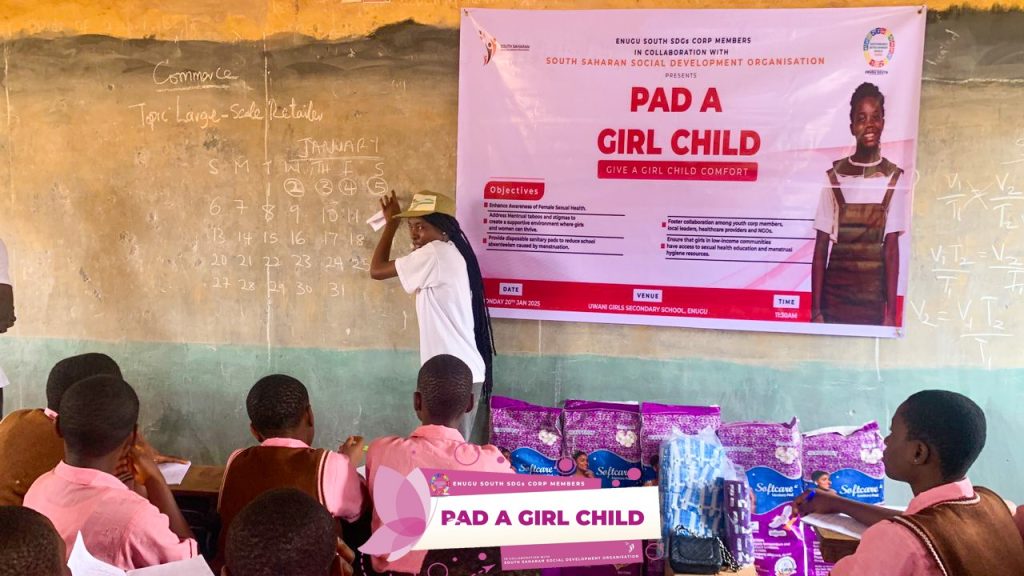
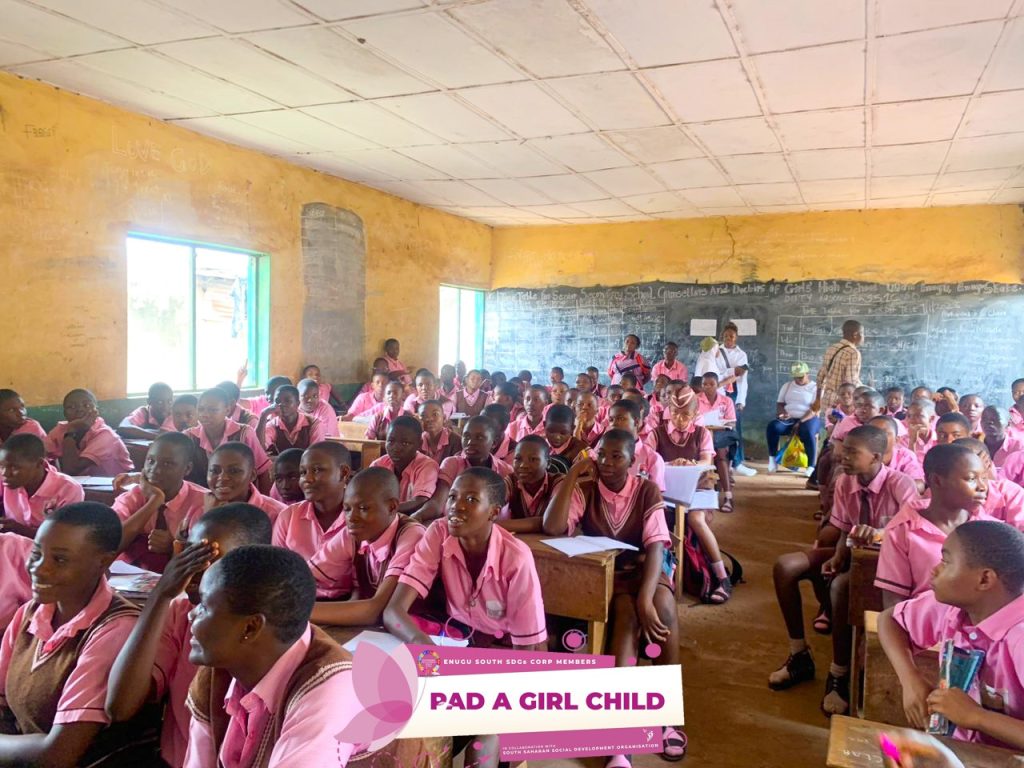
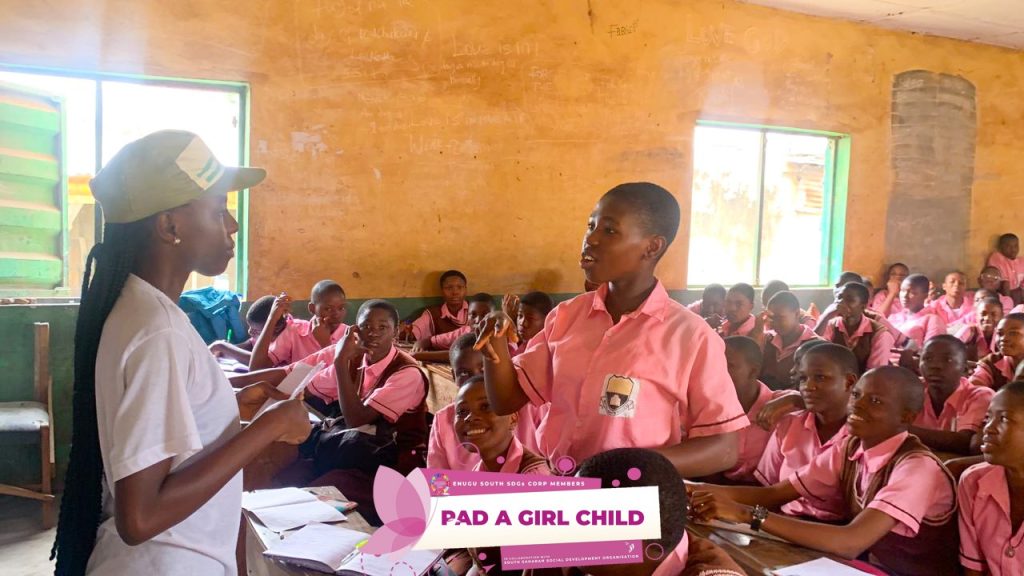
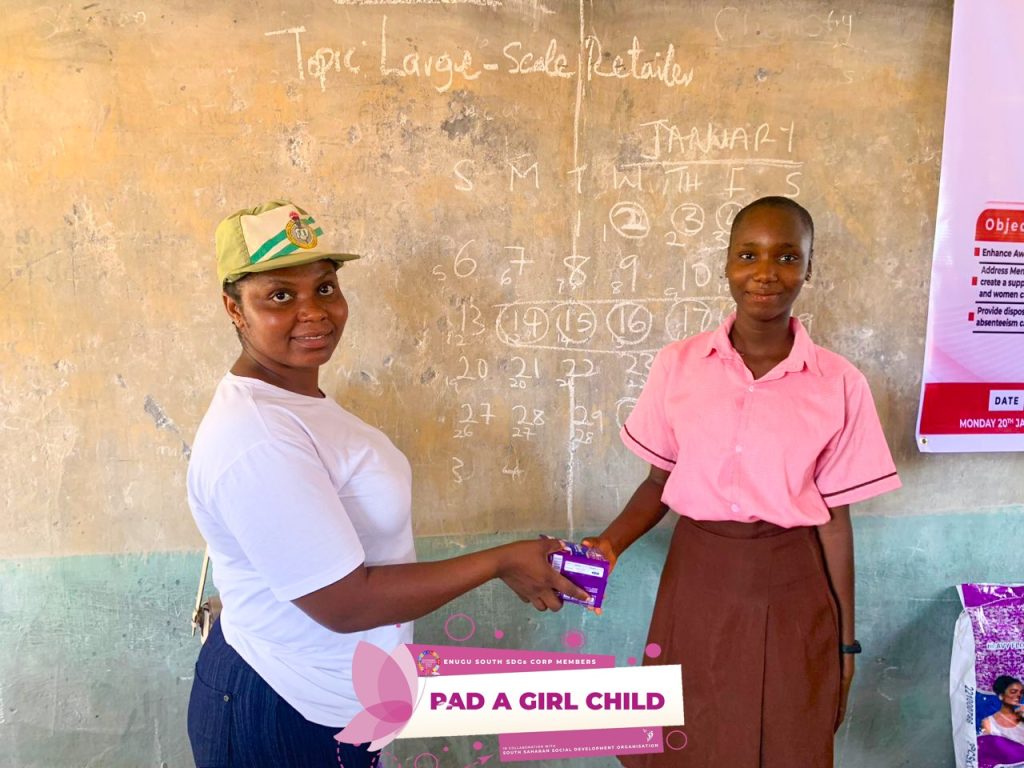
South Saharan Social Development Organisation, in collaboration with the Enugu South Sustainable Development Goals (SDG) Corps members, launched the “Pad a Girl Child” initiative. This program was designed to empower female students by providing them with essential knowledge about sexual and reproductive health and ensuring access to necessary menstrual hygiene products.
Educational Workshop
Understanding that education is the cornerstone of empowerment, our initiative commenced with comprehensive workshops aimed at demystifying menstruation. This session focused on educating the students about the menstrual cycle, its phases, and its role in the reproductive system. They also covered proper menstrual hygiene management, including the use of sanitary products, personal cleanliness, and safe disposal methods. Additionally, the workshop highlighted common menstrual-related health issues and emphasized the importance of seeking medical advice when necessary.
Distribution of Sanitary Pads
Access to sanitary products is a fundamental aspect of menstrual hygiene management. Recognizing that many girls miss school during their periods due to a lack of adequate supplies, we distributed sanitary pads to the participants. This effort sought to ensure that menstruation does not impede their educational pursuits or daily activities.
Challenging Societal Taboos
A core objective of the “Pad a Girl Child” initiative is to challenge and change the societal taboos associated with menstruation. By encouraging open discussions and providing accurate information, we strive to normalize menstruation as a natural aspect of life. Breaking these taboos is essential to fostering a supportive environment where women and girls can manage their menstrual health without fear of discrimination or embarrassment.
Menstruation itself is not a problem; the challenges arise from poor menstrual hygiene and the societal stigmas that accompany it. Through initiatives like “Pad a Girl Child,” SSDO remains dedicated to empowering women and girls, ensuring they have the knowledge and resources to manage their menstrual health with dignity and confidence. Together, we can create a society where menstruation is recognized as a natural, healthy part of life, free from stigma and barriers.
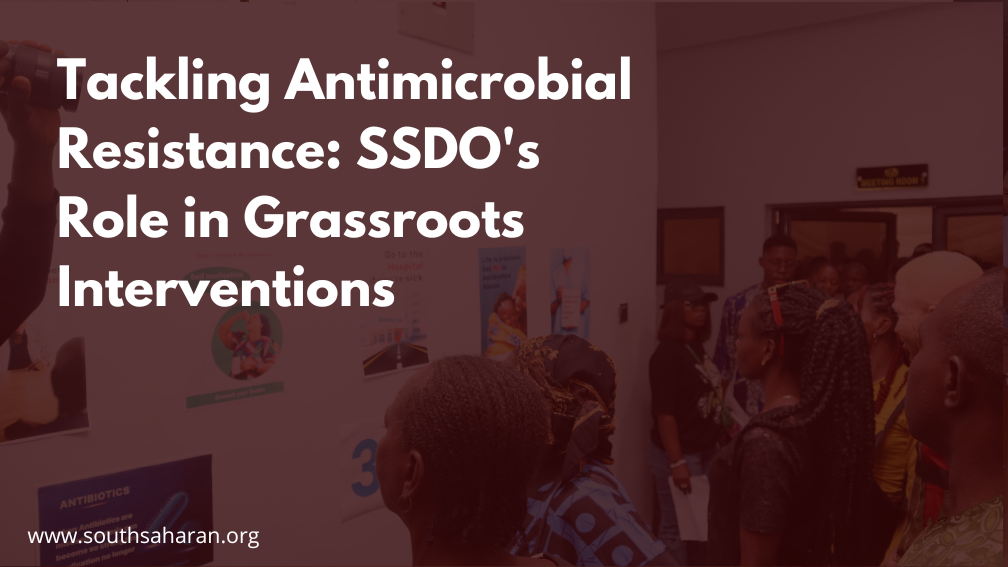
Antimicrobial Resistance (AMR) has emerged as a global health threat, posing serious risks to healthcare systems, economies, and communities, particularly in low- and middle-income countries. In response, South Saharan Social Development Organization (SSDO), in collaboration with key stakeholders, recently participated in a public engagement event focusing on “Grassroots Interventions for Antimicrobial Resistance (AMR) and Antibiotic Stewardship”.
The event served as a platform to raise awareness about the growing danger of AMR and explore community-driven solutions to mitigate its impact. AMR occurs when bacteria, viruses, fungi, and parasites evolve to resist the effects of medications, making infections harder to treat and increasing the risk of disease spread, severe illness, and death. With improper antibiotic use being a major driver, this event was an important opportunity to address both public and policy-related challenges.
Key Messages from SSDO’s Executive Director
SSDO’s Executive Director, Dr. Stanley Ilechukwu, delivered a powerful address highlighting the critical role of non-governmental organizations (NGOs) in combating AMR at the grassroots level.
Dr. Ilechukwu stressed that for communities to effectively tackle AMR, the following actions must be prioritized:
– Strong Government Policies: There is an urgent need for policies that discourage self-medication and misdiagnosis. Without appropriate regulations, over-the-counter antibiotics can be misused, contributing to the rapid spread of resistant bacteria.
– Continuous Awareness & Education: Public health education is a key factor in reducing AMR. Dr. Ilechukwu emphasized the importance of ongoing community engagement to inform the public about responsible antibiotic use and the dangers of self-diagnosis.
– Capacity Building for Drug Vendors: Vendors who sell pharmaceuticals play a major role in the accessibility of drugs. Ensuring that they have the knowledge and capacity to encourage proper testing and diagnosis before the sale of antibiotics can help curb misuse.
– Leveraging Health Insurance: Many individuals resort to self-medication due to the high cost of healthcare. By encouraging the use of health insurance, the financial barriers to professional medical care can be removed, allowing more people to seek appropriate treatment rather than self-diagnosing or turning to unregulated medications.
A Dynamic Public Engagement
The event featured various activities designed to inform and engage the public on the importance of antimicrobial stewardship:
– Sessions on Antimicrobial Resistance: Experts presented the latest findings on AMR and discussed how it affects local communities. Participants gained valuable insights into the global and local context of the issue.
– Q&A Segment: Attendees had the opportunity to ask questions about AMR, gaining clarity on how they can contribute to minimizing the misuse of antibiotics in their daily lives.
– Documentary Viewing: A thought-provoking documentary was screened, showcasing real-life examples of how self-diagnosing and self-medicating with antibiotics can lead to dire consequences. The film aimed to shift behaviors towards seeking professional healthcare advice before taking antibiotics.
– Poster Exhibition: Participants interacted with posters that displayed critical messaging on AMR, reinforcing the importance of responsible antibiotic use. The exhibit allowed individuals to visually engage with the topic and take away important messages about AMR prevention.
Grassroots Solutions to a Global Challenge
As part of its broader mission to improve public health and governance, SSDO is committed to driving awareness and action on AMR. Grassroots engagement is essential in this fight, as it empowers communities with the knowledge and tools needed to tackle AMR from the ground up.
By bringing together local stakeholders, healthcare professionals, and the general public, this event was a step toward creating more resilient communities capable of combating antimicrobial resistance.
Together, with the support of policy changes, education, and strengthened healthcare systems, we can work toward grassroots solutions to fight AMR. Now more than ever, it is crucial that we take responsibility for our health and advocate for responsible antibiotic use.