SSDO

Japanese Government Expands Medical Waste Intervention in Enugu Through New Incinerator Project

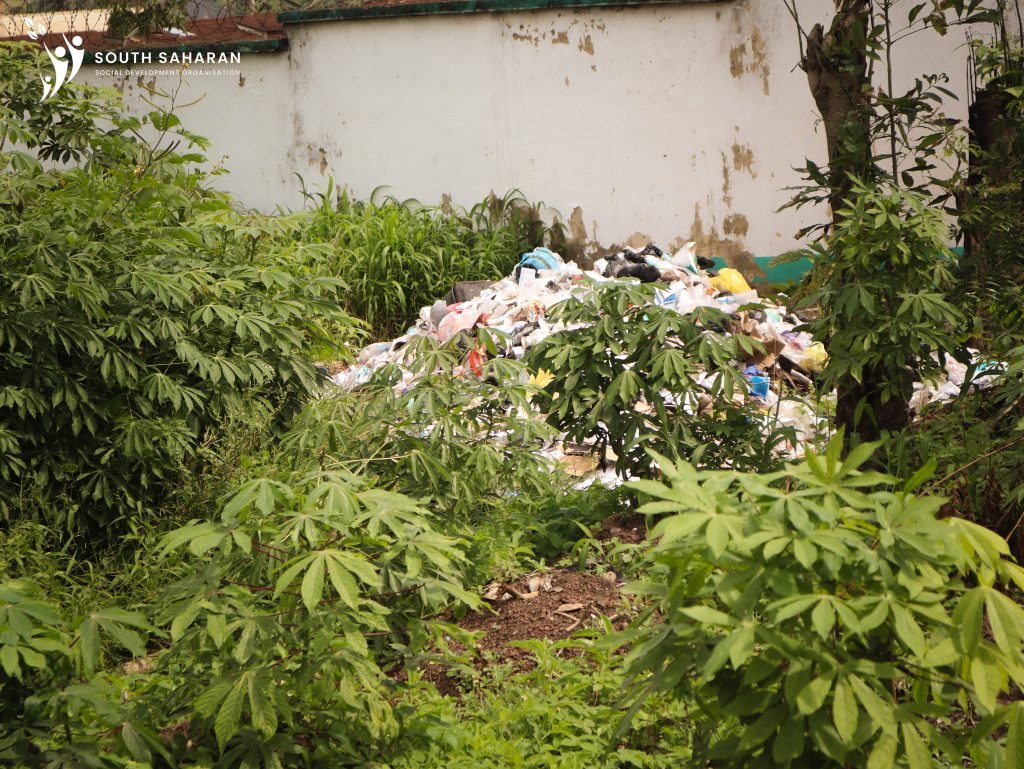
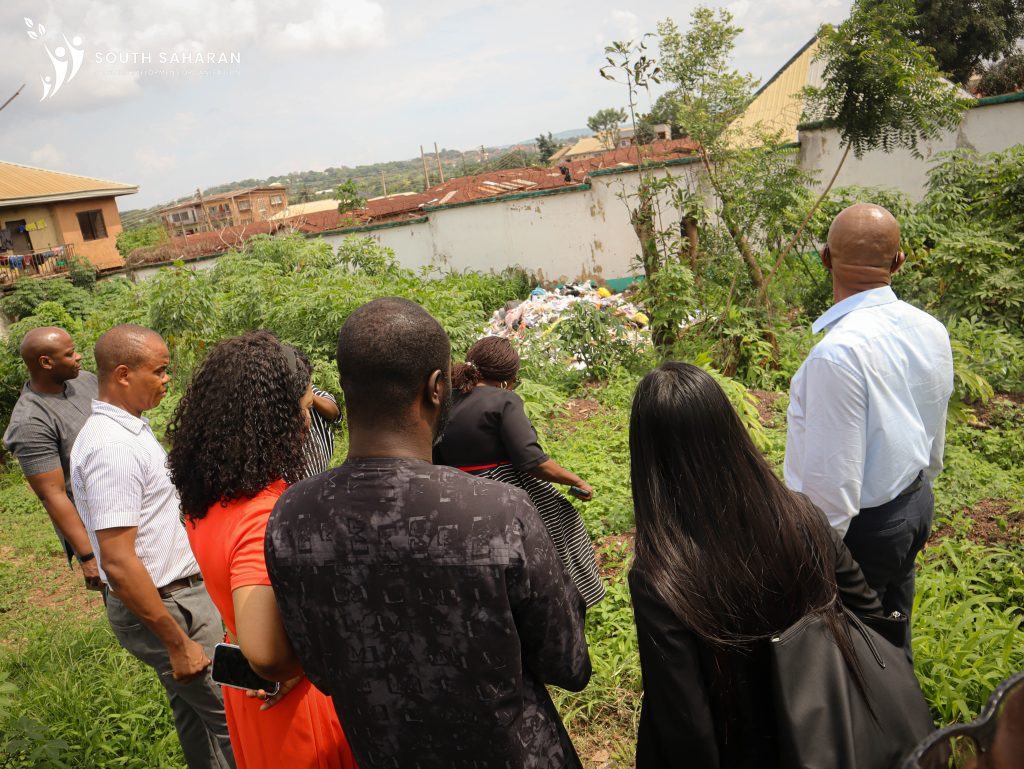
South Saharan Social Development Organisation (SSDO), in partnership with the Embassy of Japan in Nigeria, is set to implement a major health infrastructure project to tackle hazardous waste disposal in Enugu State. Through the Grassroots Human Security Project (GGP), the Japanese Government is funding the installation of a medical waste incinerator at Abakpa Health Centre, strategically positioned to serve both public and private health facilities in Enugu East Local Government Area.

This intervention addresses long-standing challenges around waste management, improves infection control, and strengthens healthcare delivery systems across the LGA.

A Strategic Collaboration for Safer Healthcare

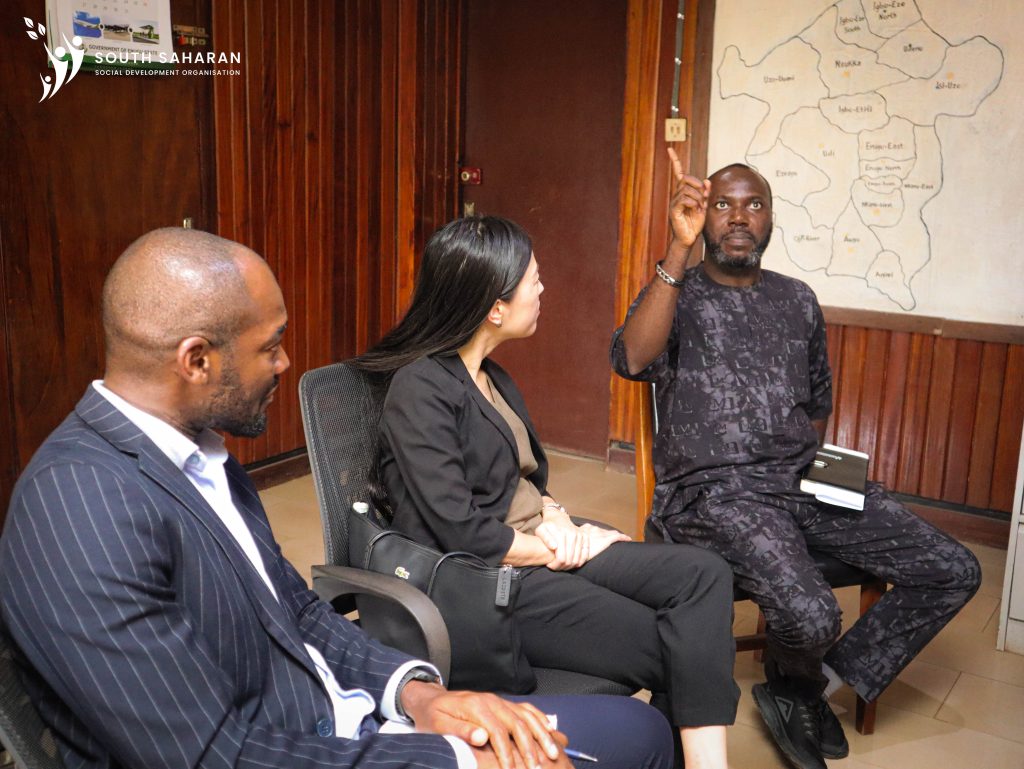
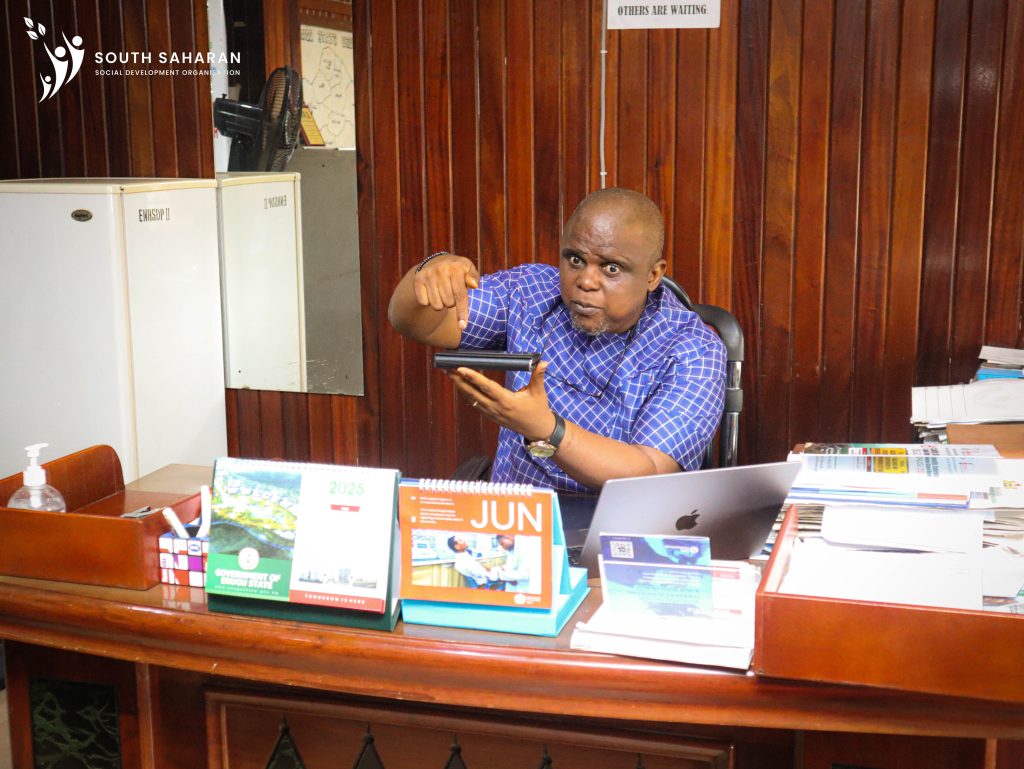
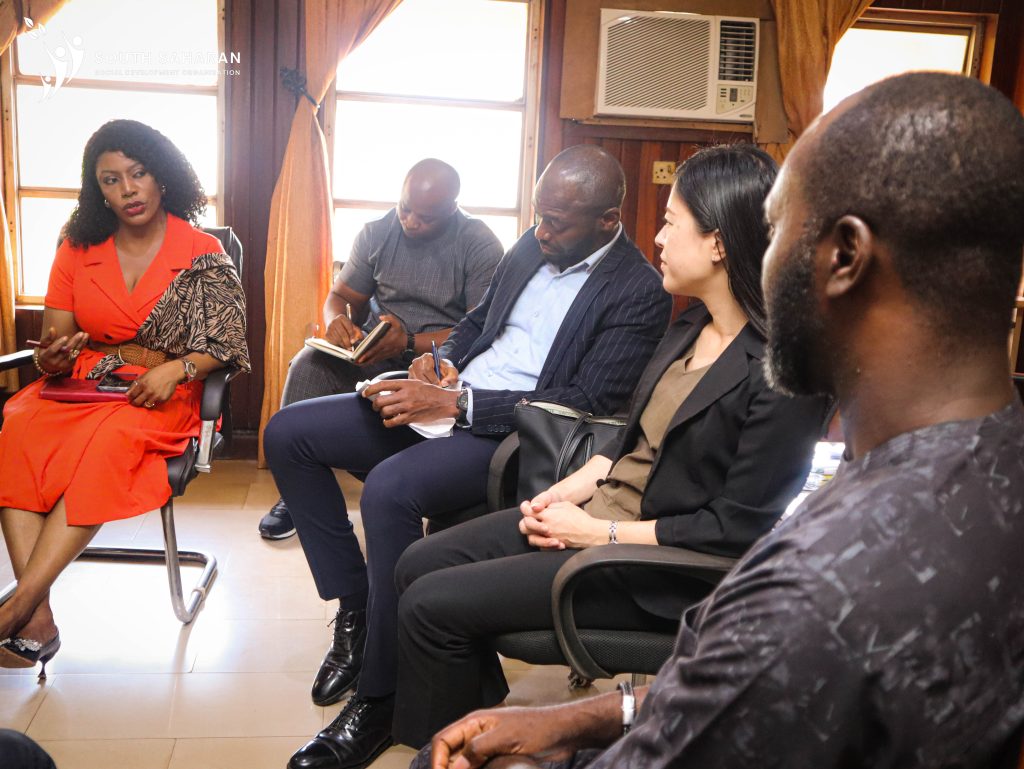
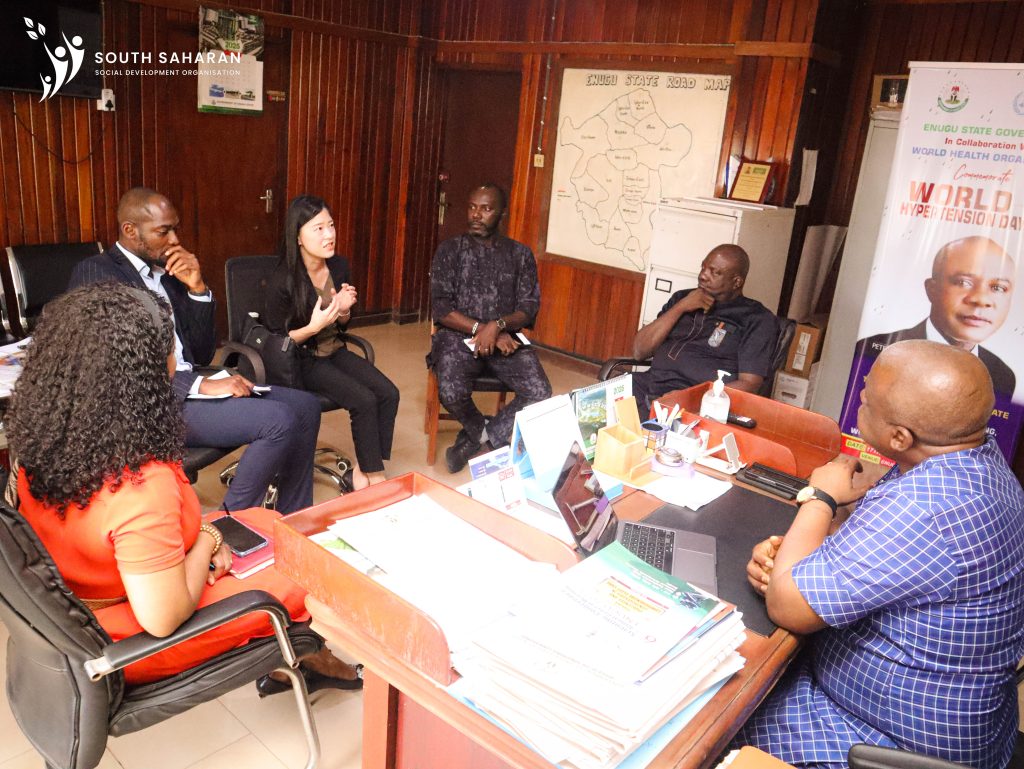
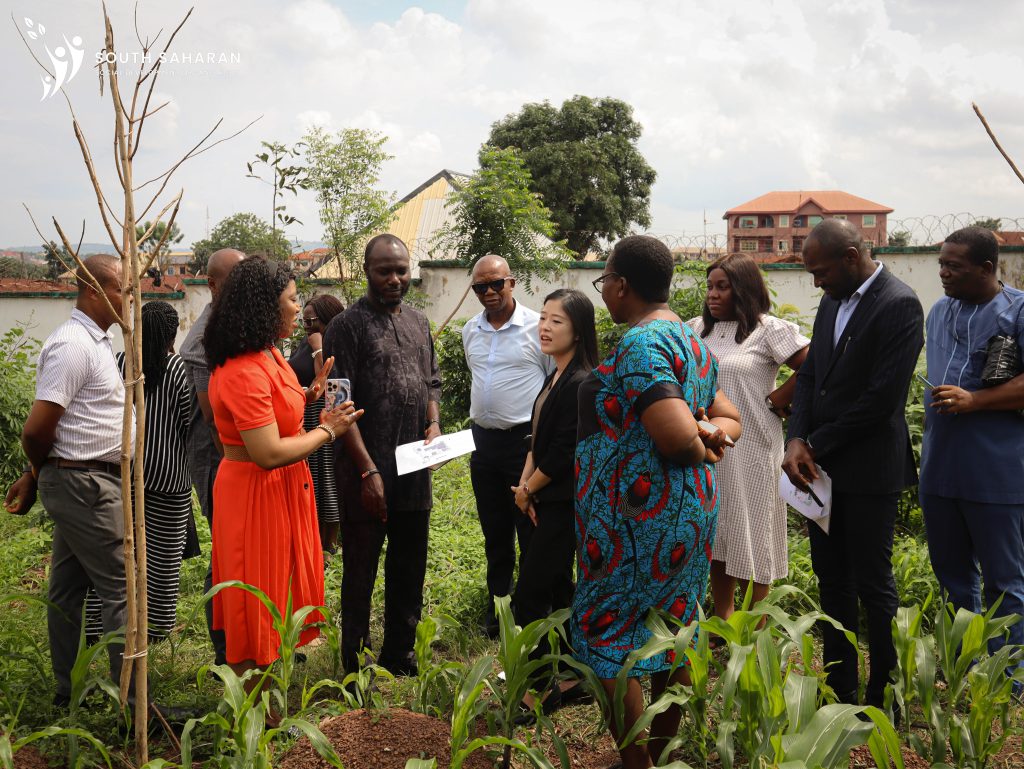
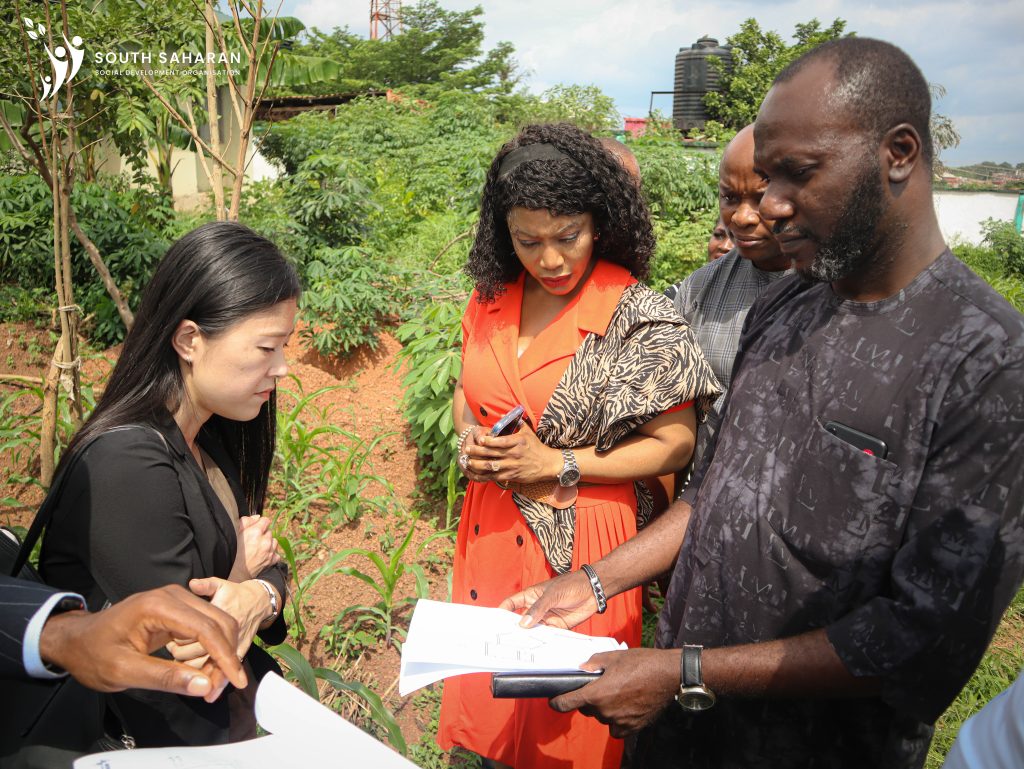
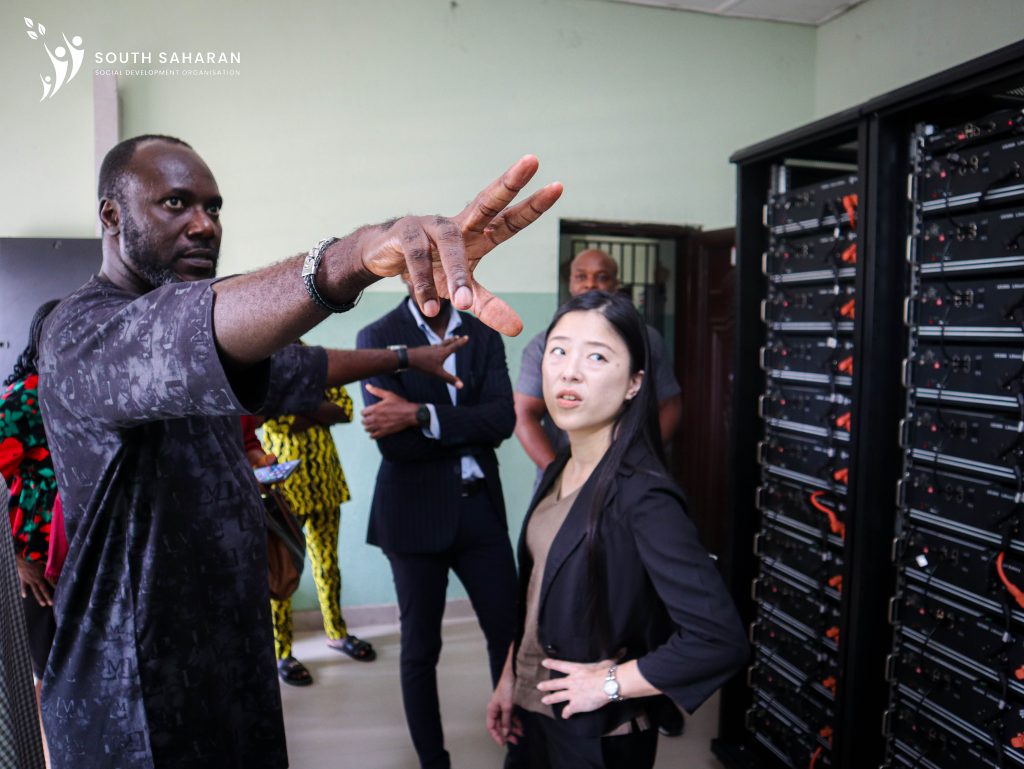
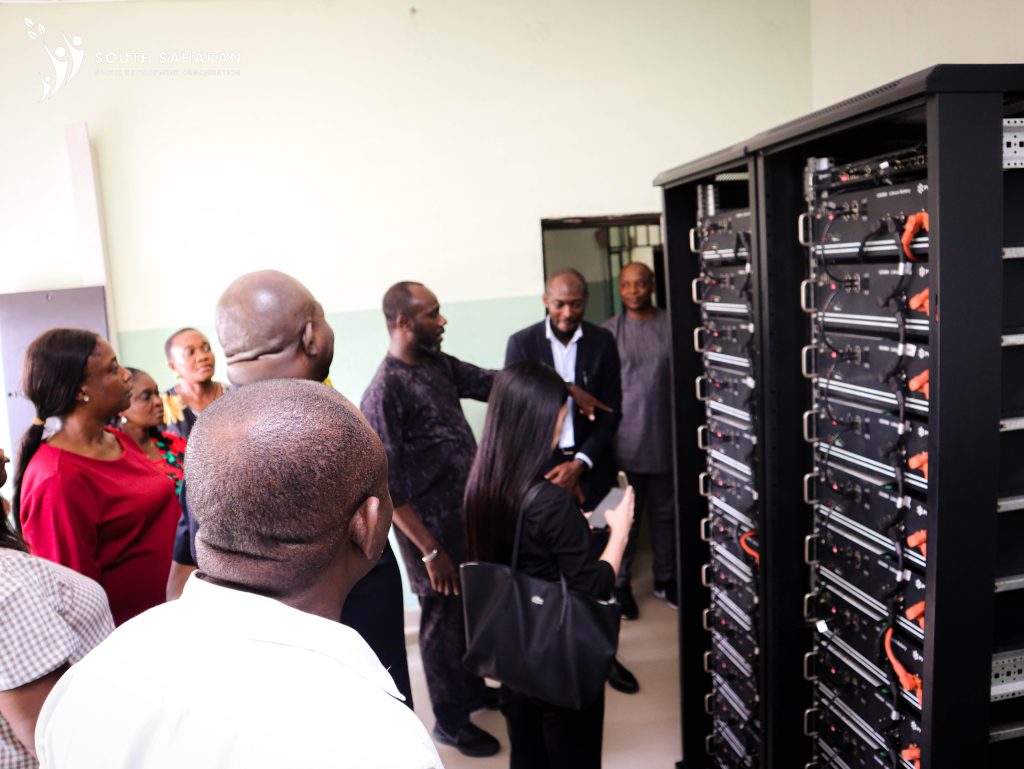
A high-level delegation from the Embassy of Japan in Nigeria, led by GGP Coordinators Wakana Deguchi and Kenechukwu Adibe, visited Enugu to assess the project’s implementation pathway. They were received by SSDO’s leadership, headed by Dr. Stanley Ilechukwu, and welcomed by health stakeholders across the state.

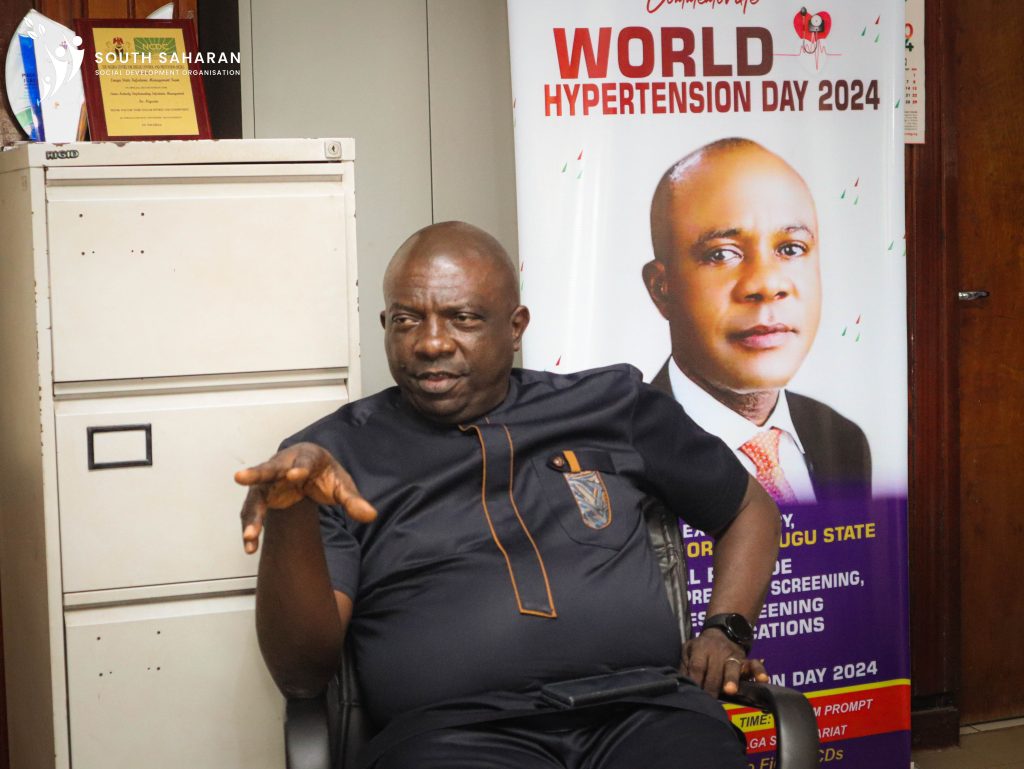
The visit included a courtesy meeting with the Enugu State Commissioner for Health, Dr. Emmanuel Ikechukwu Obi, along with Dr. Ifeyinwa Ani-Osheku, Executive Secretary of the Enugu State Primary Healthcare Development Agency, and Prof. Uche Agu, Hospital Administrator of the Enugu State Health Management Board.

All three expressed strong support for the project, noting that it would relieve facilities of the burden of transporting medical waste long distances to the state’s central cold store for incineration.

Why Abakpa Health Centre?

According to Dr. Ani-Osheku, the decision to site the incinerator at Abakpa Health Centre was strategic. The facility’s central location, heavy patient traffic, and proximity to over 20 other health centers made it the most suitable hub for the project. “This incinerator will not just serve Abakpa,” she noted. “It will offer a safe, accessible, and affordable waste disposal solution to surrounding clinics and hospitals, both public and private.”

Building on Past Success

As part of the visit, the team also toured Poly General Hospital, where SSDO and the Embassy of Japan had previously implemented a 56KVa solar power system under a 2020 GGP grant. Completed in 2021, that installation powered by 96 solar panels continues to run the hospital independently of the national grid, ensuring uninterrupted care.

This history of successful partnership set the tone for the current intervention, underscoring a shared commitment to sustainable, impactful development.

A Model for International-Local Partnership

This incinerator project demonstrates what is possible when global support aligns with local knowledge to solve specific, high-impact problems. It reflects SSDO’s commitment to bridging infrastructure gaps, one practical step at a time, and the Japanese Government’s consistent investment in grassroots health and human security.

When the Joy Feels Heavy: Shedding Light on Postpartum Depression

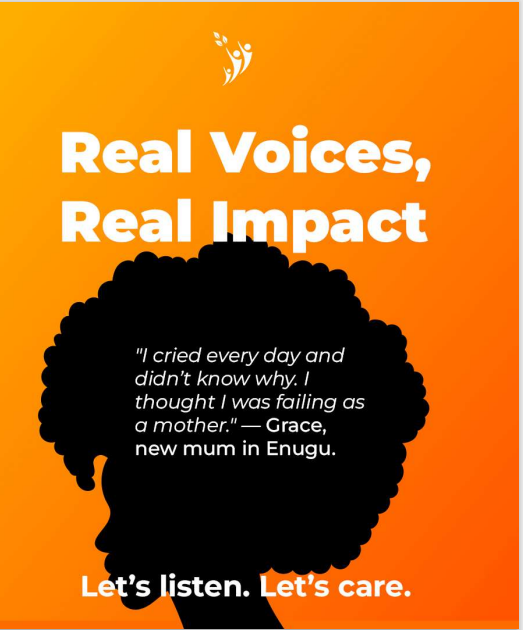
“I didn’t feel like a mother. I felt like I was drowning.”

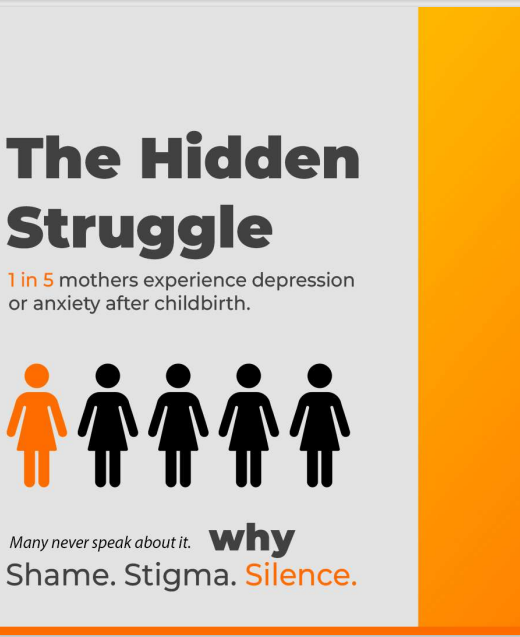
These are the words of one of the brave women who opened up to us about her journey through Postpartum Depression (PPD), a silent but very real mental health struggle that affects 1 in 5 new mothers in Nigeria.

During the Maternal Mental Health Week, we broke the silence.

More Than the “Baby Blues”

PPD is not just about feeling tired or stressed. It’s a deep emotional, mental, and sometimes physical weight that can leave new mothers feeling:

  • Numb
  • Disconnected from their baby
  • Hopeless, ashamed, or alone

And yet, most never speak up. Even fewer seek help.

Real Stories. Real Struggles. Real Hope.

At South Saharan Social Development Organisation (SSDO), we sat down with three courageous women who shared their raw and honest experiences with postpartum depression.

Their stories are heartbreaking. But they are also powerful reminders that healing starts with being heard.

👉 Watch the full mini-documentary here:

You Are Not Alone

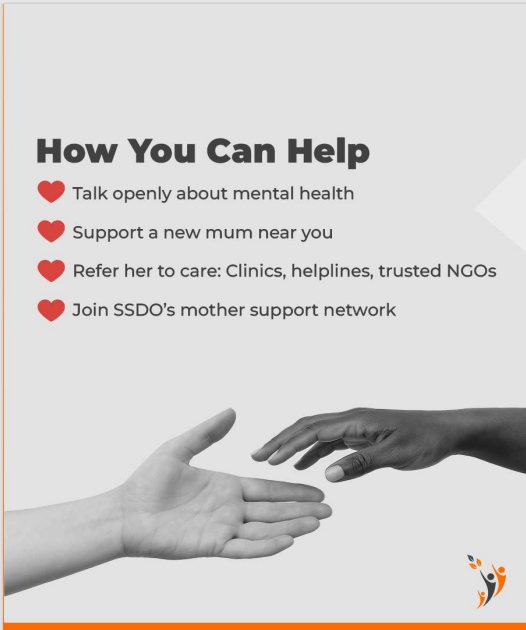
If you’re a new mother feeling overwhelmed, please know:

  • Your feelings are valid
  • You deserve support
  • There is no shame in asking for help

Let’s end the stigma. Let’s support mothers. Let’s keep the conversation going.

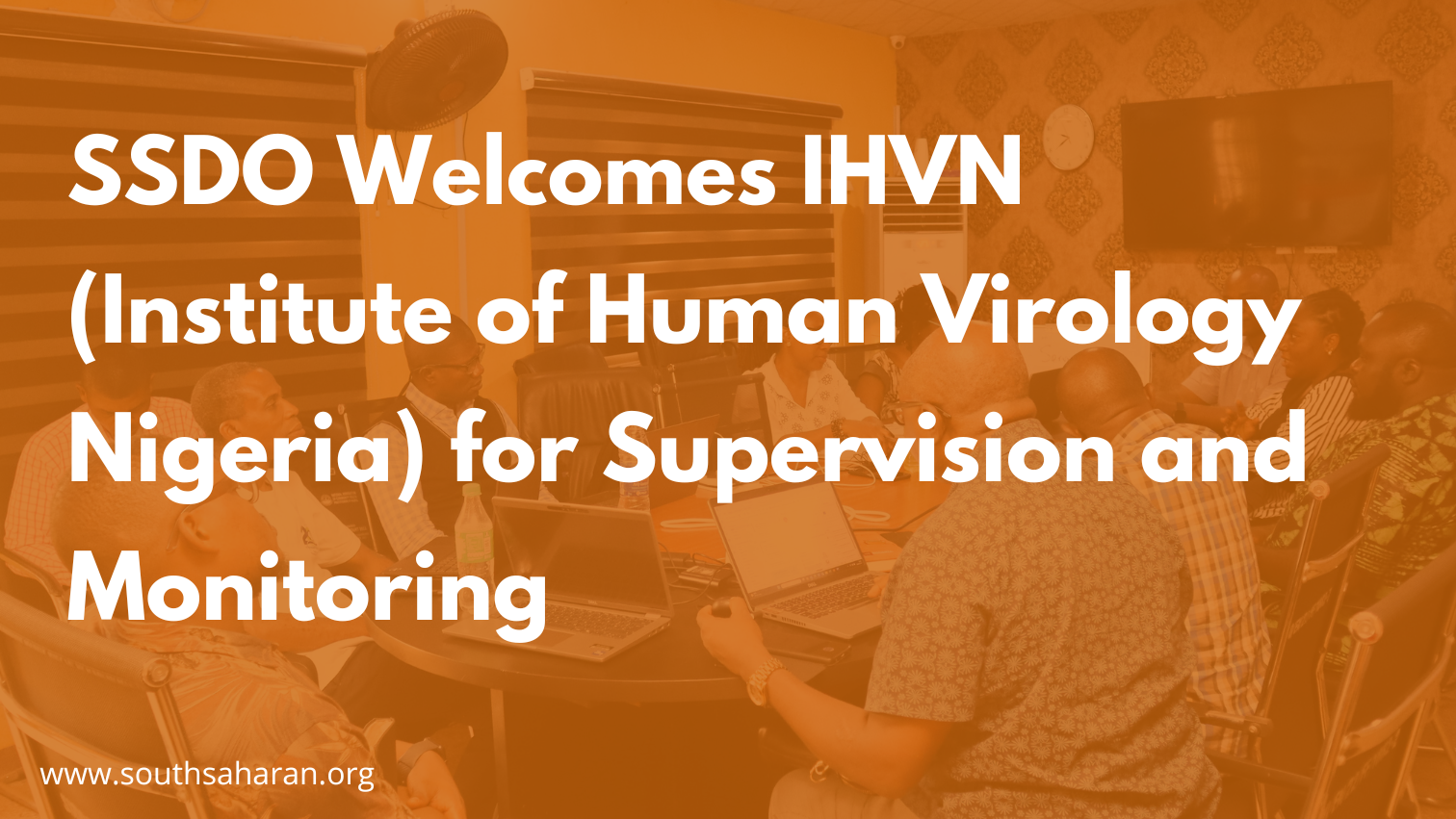
SSDO Welcomes IHVN (Institute of Human Virology Nigeria) for Supervision and Monitoring

At South Saharan Social Development Organisation (SSDO), we believe that audits are not just a formality, they are an opportunity to celebrate what works and improve where needed. They help us stay true to our values: transparency, accountability, and community-driven impact.

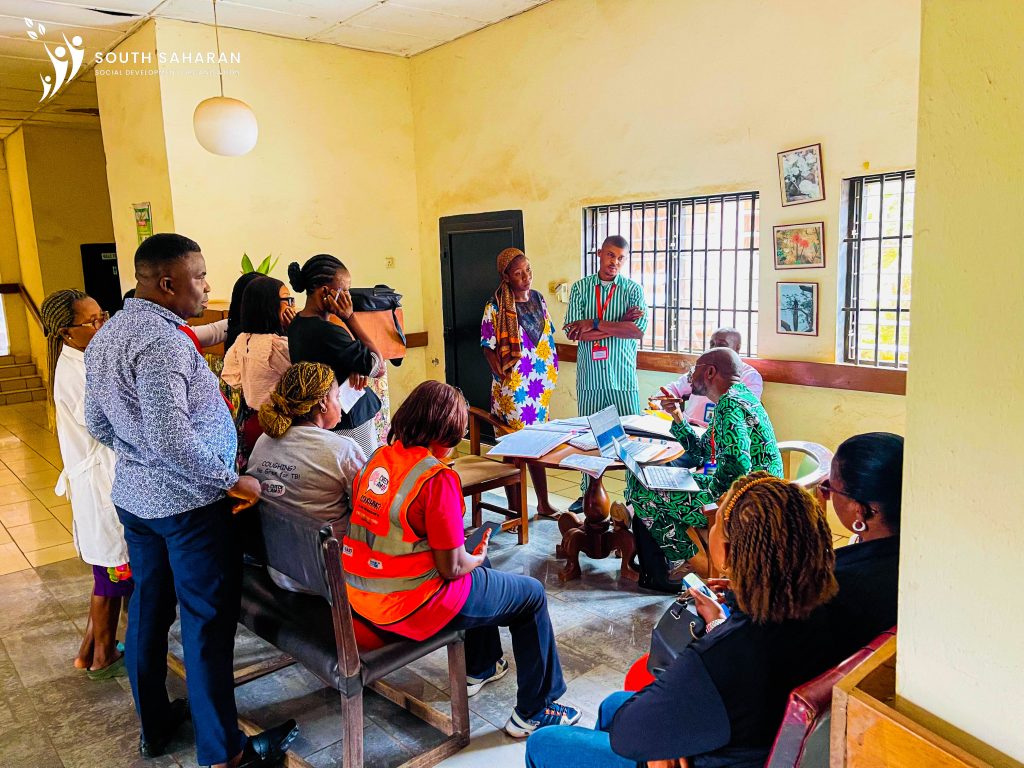
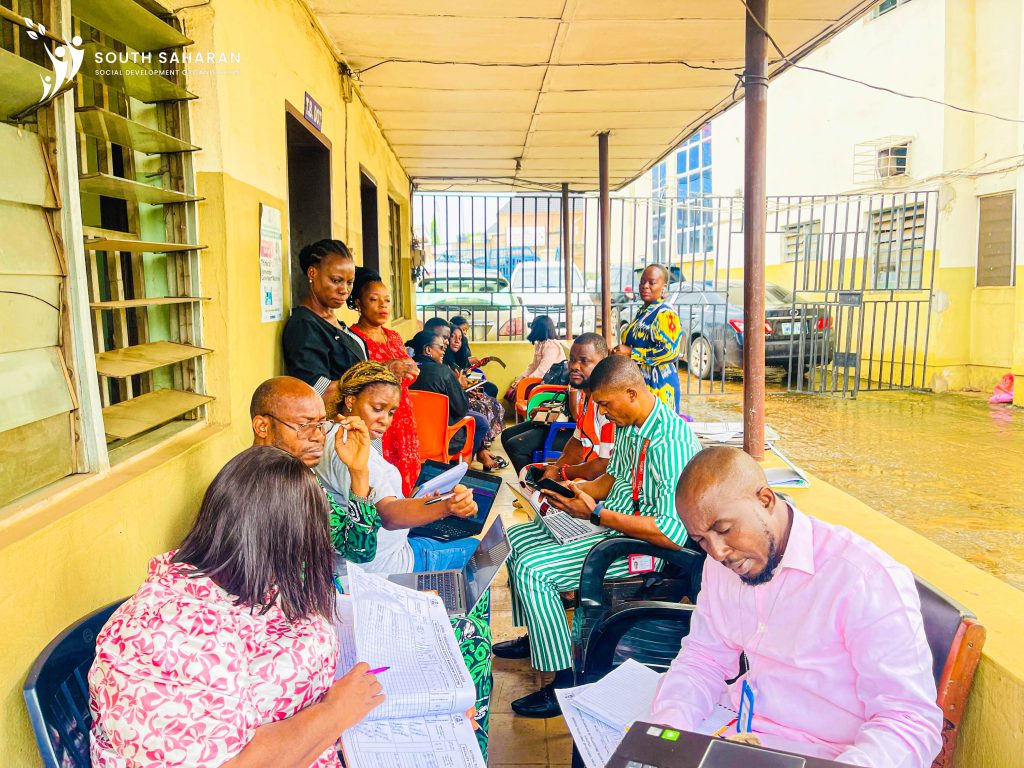
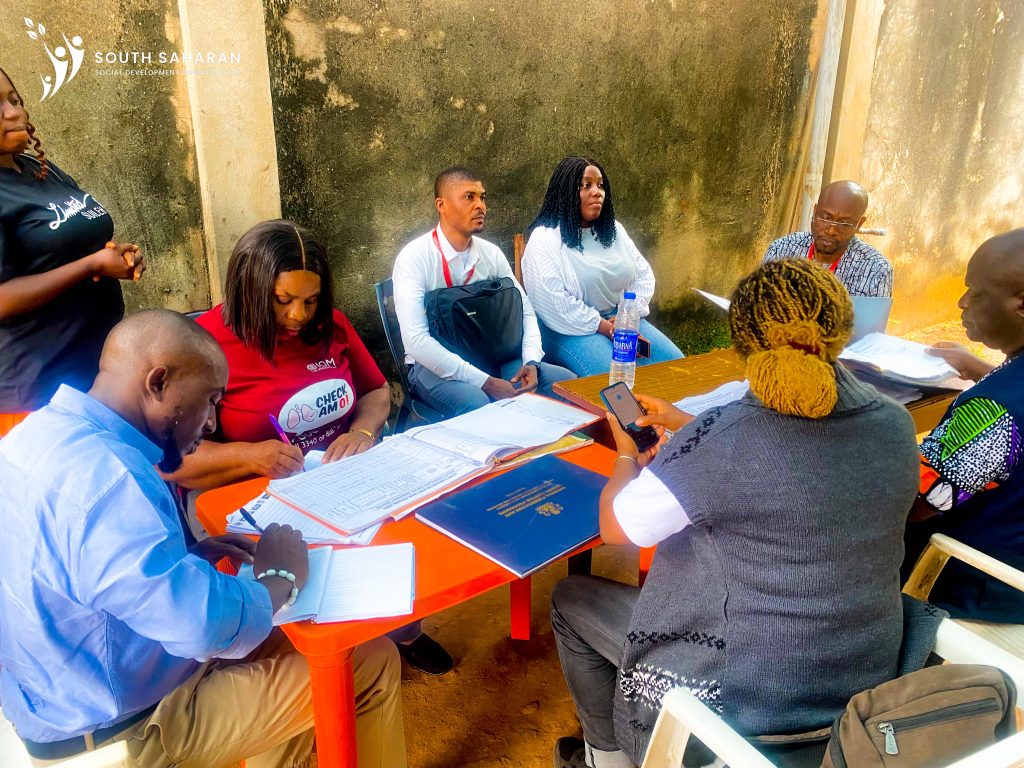
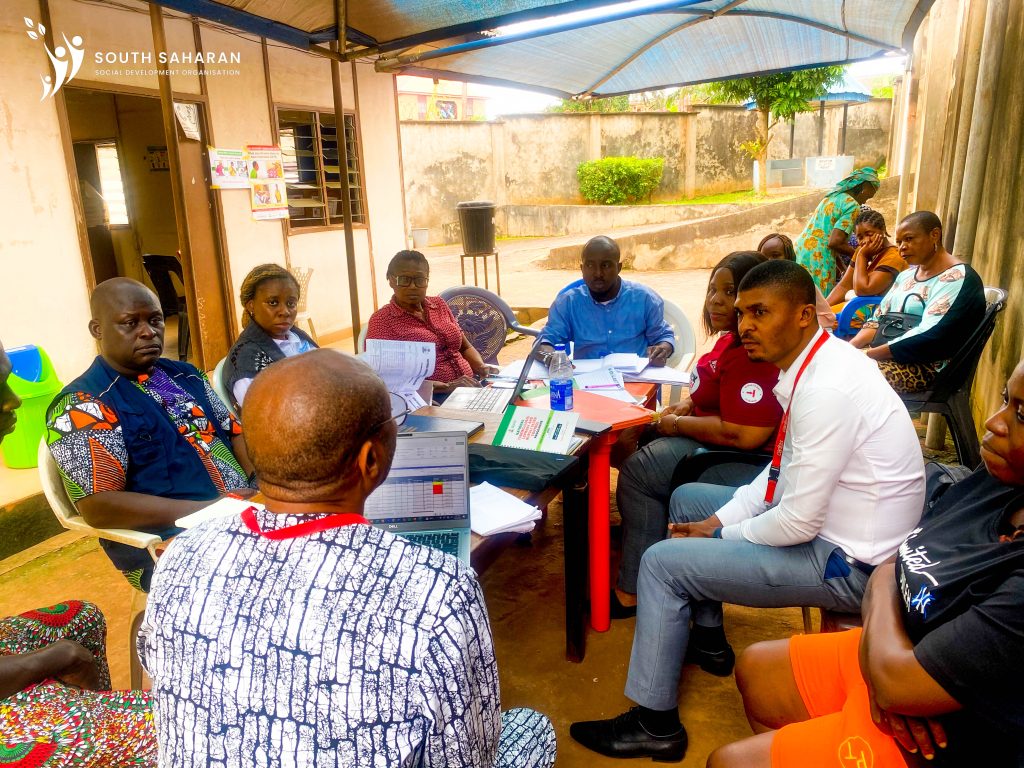
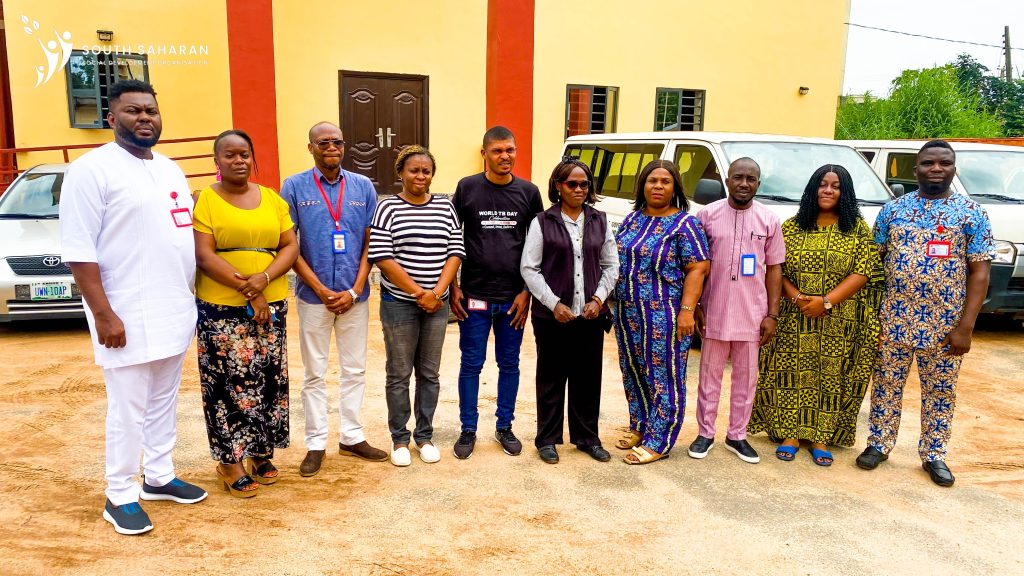
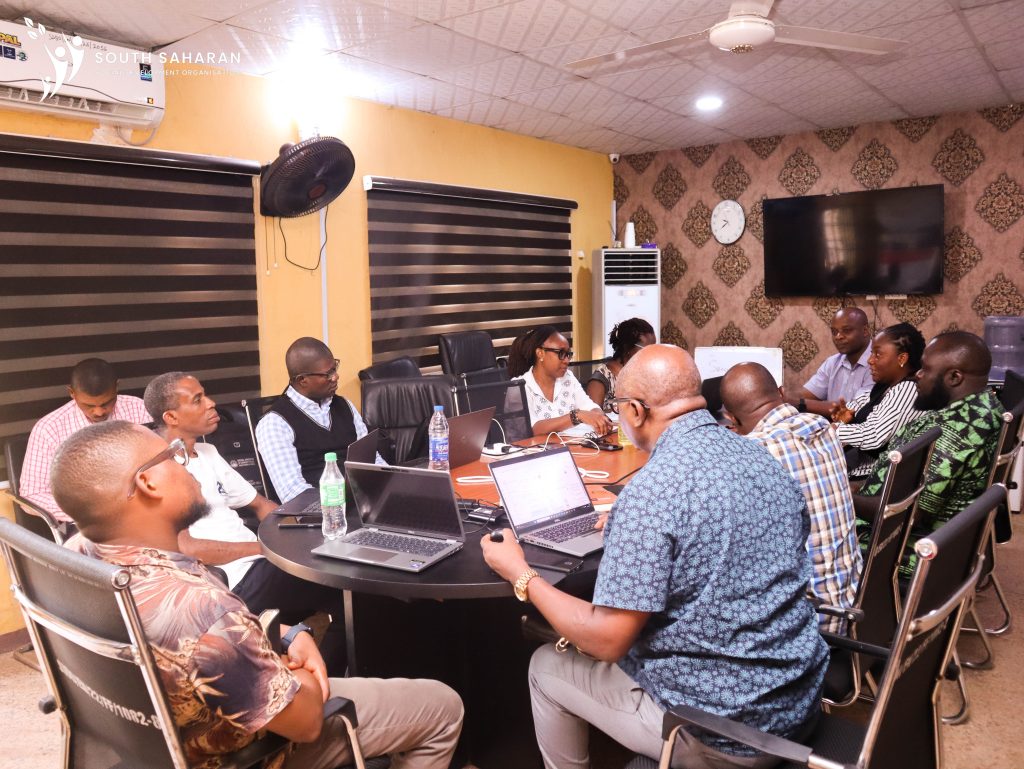
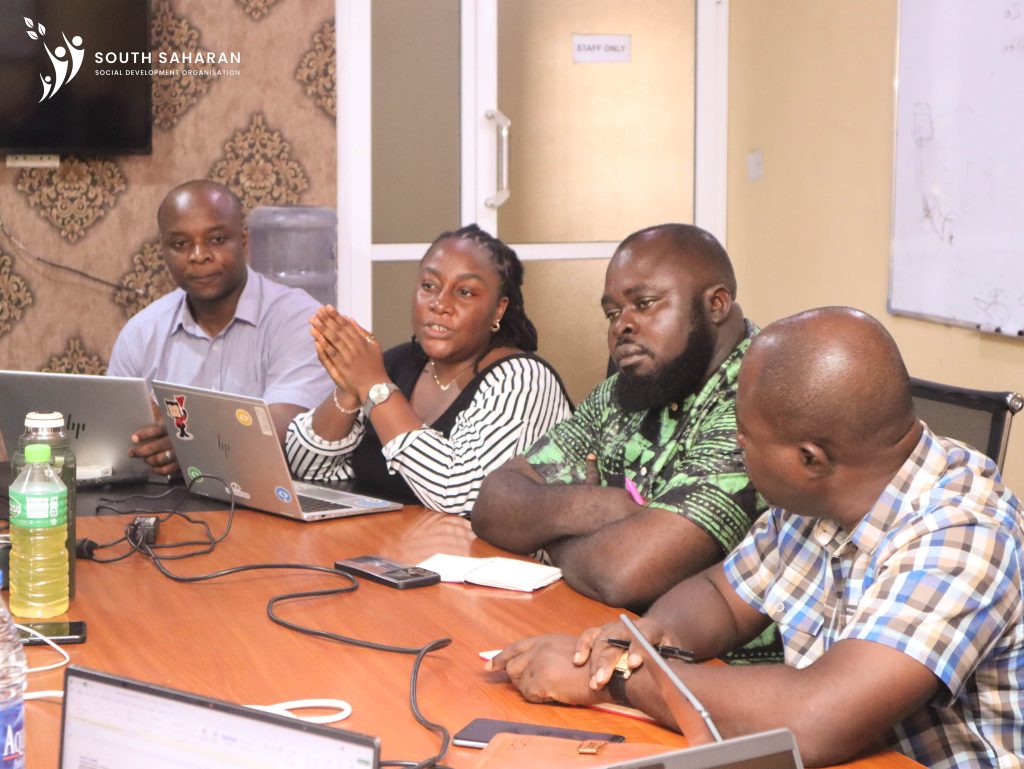
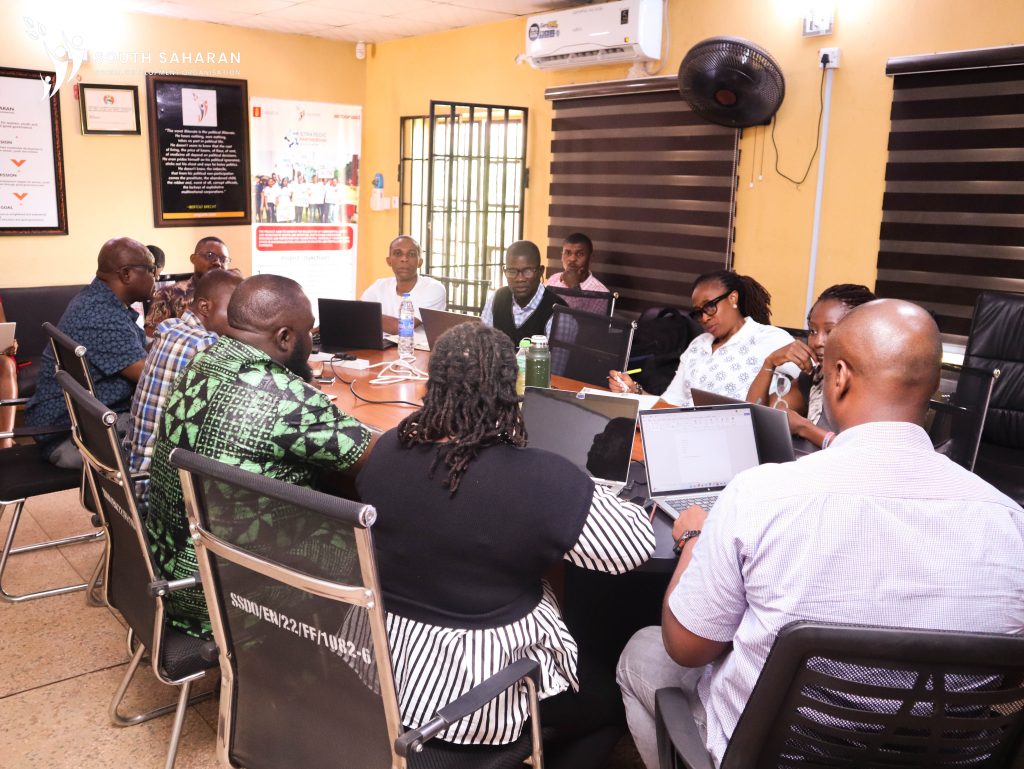
Our team had the pleasure of hosting representatives from the Institute of Human Virology Nigeria (IHVN) for a joint session of supervision, mentoring, and program audits.

Partnering for Progress in TB/HIV Response

As the Lead Community-Based Organisation (CBO) for the Global Fund Grant Cycle 7 (GF GC7) Community TB/HIV program in Enugu State, we welcomed the IHVN team with open arms and open books.

Their visit was a powerful reminder that real progress happens through partnership where experience is shared, goals are aligned, and impact is measured.

Staying Accountable, Staying Committed

The supervision and audit process was not just about ticking boxes, it was about learning together. It allowed us to reflect on ongoing activities, identify what is working, and find smart ways to improve service delivery in the fight against TB and HIV.

With every audit, our team grows stronger, and our impact becomes sharper.

We remain committed to delivering high-quality, people-centered care and to ensuring that every voice, every life, and every community counts in this journey.

Thank you to IHVN and the Global Fund for your continued trust and partnership. Together, we are building a healthier Enugu State, one step, one audit, one breakthrough at a time.

Youth Taking Charge: Health Facility Audits Led by Young People in Enugu

Across six Local Government Areas in Enugu State: Aninri, Isi Uzo, Igbo Eze North, Enugu East, Enugu North, and Enugu South, young people are stepping up to make a difference in how healthcare services are delivered in their communities.

Thanks to a capacity-building initiative supported by ActionAid Nigeria through the Strategic Partnership Agreement (SPA II) project, youths have been trained to carry out assessments of Primary Health Centres (PHCs) using a mobile-based tool built on national standards.

A New Generation of Health Advocates

With mobile devices in hand and knowledge of the key performance indicators that define quality health care, these young leaders are conducting real-time audits of local PHCs. From checking drug availability and equipment condition to assessing staff presence and community engagement, their goal is clear: to ensure health facilities truly serve the people.


This initiative empowers young people not just to demand better services but to actively track and report gaps, creating a feedback loop that communities and health authorities can act on.

Driving Accountability from the Ground Up

The audits are more than just data collection. They are a powerful step toward building a health system that listens, learns, and improves. Through their engagement, these youths are helping shine a light on the day-to-day realities of primary healthcare delivery, and pushing for improvements that can save lives.

This approach aligns with SSDO’s vision for inclusive development where community members, especially young people, are not just recipients of services, but active players in shaping and strengthening them.

Powered by Partnership

This success story would not be possible without the consistent support of ActionAid Nigeria, whose backing through the SPA II project continues to foster youth-led development, social accountability, and community transformation.

Together, we are laying the foundation for a future where every voice counts, every health centre is functional, and young people lead the way in holding systems accountable.

Ugboezeji Annual Health Day: Strengthening Community Health on World TB Day 2025

At South Saharan Social Development Organisation (SSDO), we recognize that the foundation of empowered communities lies in their health and well-being. In line with this belief, we partnered with nursing students from the University of Nigeria, Enugu Campus (UNN), to host the Ugboezeji Annual Health Day. This event, held in celebration of World Tuberculosis (TB) Day 2025, was a significant step toward combating infectious diseases and promoting community health.

Addressing Tuberculosis: A Community-Centered Approach

World TB Day serves as a reminder of the persistent threat tuberculosis poses globally, particularly in communities with limited access to healthcare resources. Our outreach in Ugboezeji was strategically planned to raise awareness about TB, provide free testing services, and educate residents on prevention and treatment options. By bringing these services directly to the community, we aimed to reduce barriers to healthcare access and encourage proactive health-seeking behaviors.

Interactive Health Education: Empowering Through Knowledge

Beyond TB testing, the event featured interactive sessions on various infectious diseases. Our collaborative team emphasized the importance of simple yet effective practices, such as regular handwashing and maintaining clean environments, in preventing disease transmission. These discussions were designed to be engaging and informative, fostering an environment where community members felt comfortable asking questions and sharing experiences.

Building Trust and Inspiring Action

This collaboration extended beyond the provision of health services; it was about cultivating trust within the community and empowering individuals with the knowledge to take control of their health. By involving nursing students from UNN, we bridged the gap between academic knowledge and real-world application, demonstrating the tangible impact of community engagement. The presence of these passionate future healthcare professionals served as an inspiration, highlighting the role of education and service in driving societal change.

A Vision for a Healthier Enugu

Our efforts in Ugboezeji are part of a broader vision to build healthier communities across Enugu State. We understand that sustainable development is rooted in the well-being of the people. Through initiatives like the Annual Health Day, SSDO remains committed to addressing health disparities, promoting preventive care, and fostering environments where every individual has the opportunity to thrive.

As we reflect on the success of this event, we extend our gratitude to the UNN nursing students, community leaders, and residents of Ugboezeji for their enthusiastic participation. Together, we are making strides toward a future where empowered communities lead the charge in safeguarding their health and well-being.